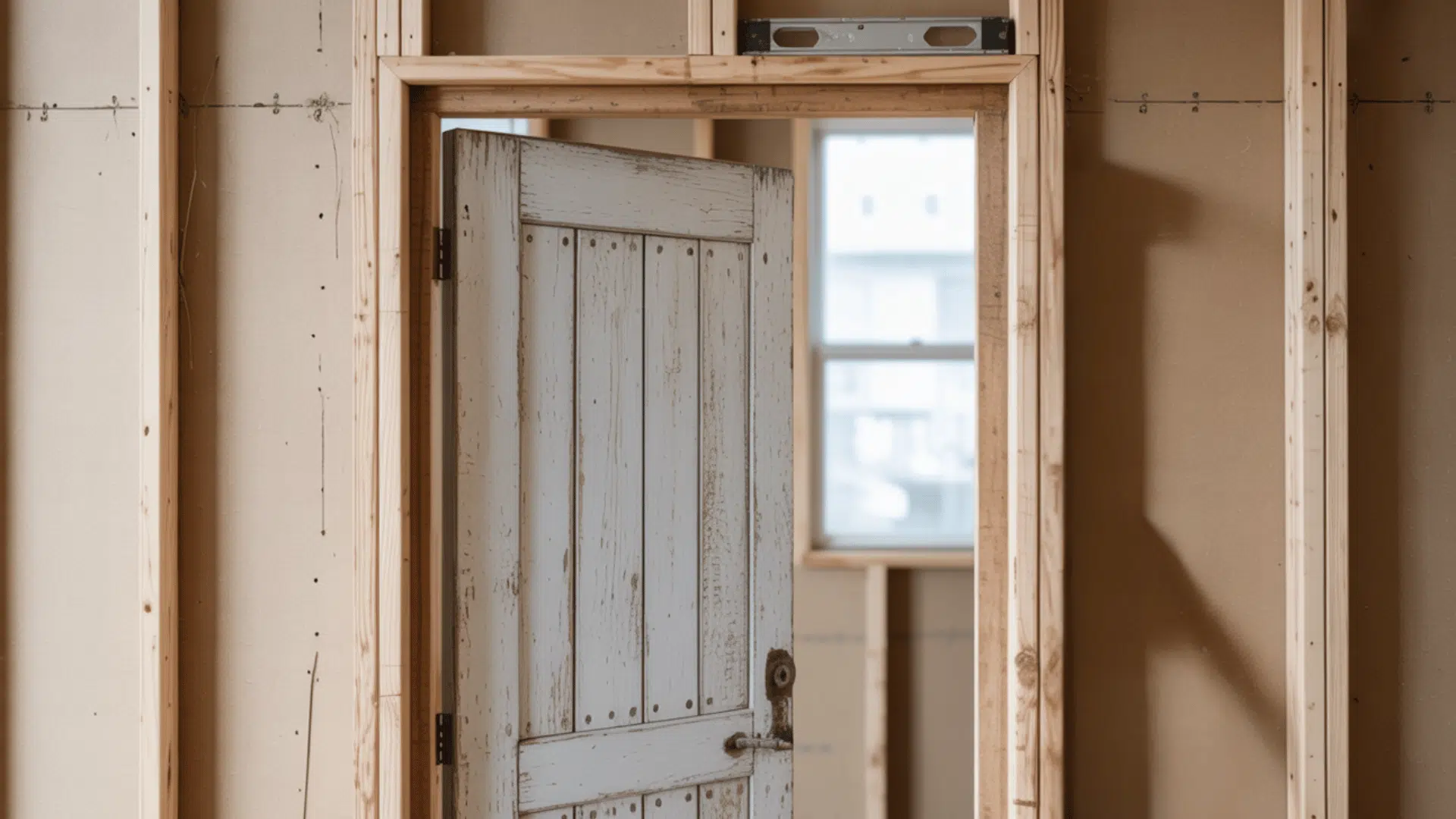
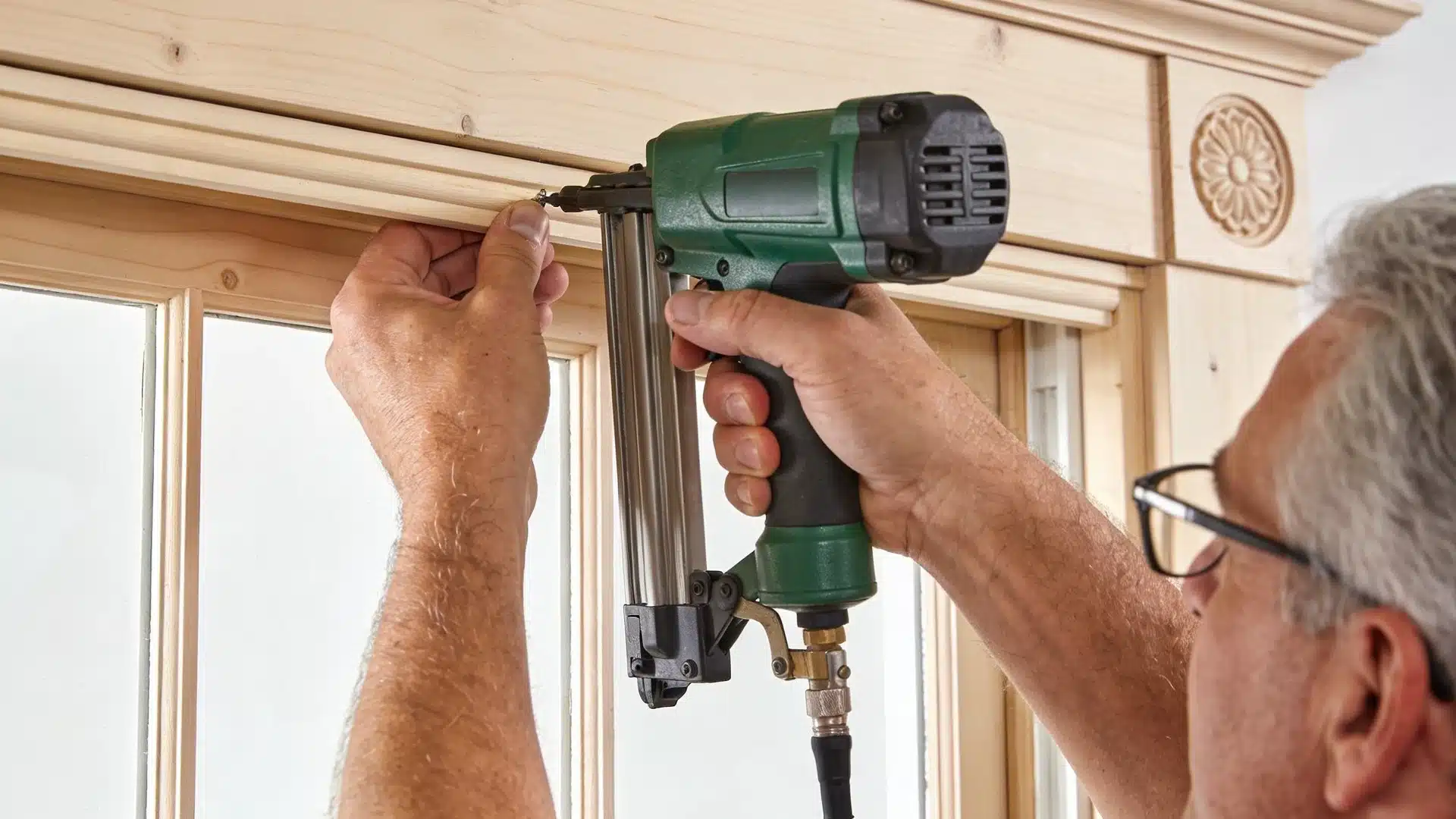
Most people think a 32-inch door needs a 32-inch opening.
Makes sense, right? But that’s actually wrong, and it’s a mistake that causes a lot of frustrating and expensive problems.
The 32 inch door rough opening needs to be a little bigger than the door itself. Now you must be thinking, why is this extra space needed?
When I first understood the reasons behind this, I realized that getting it wrong means your new door simply won’t fit.
Rough Opening Formula: Explained
The rough opening formula is simple. Just add a little extra to your actual door size, and you have your rough opening.
Width: Door width + 2 inches
Height: Door height + 2 inches
So for a 32 inch door:
- 32 + 2 = 34 inches wide
- 80 + 2 = 82 inches tall
The 2 inch allowance covers the door frame and shims.
Some installers add 2.5 inches in height to account for flooring or a threshold.
Why the Rough Opening Needs to Be Bigger Than the Door and Frame?
A rough opening is always slightly larger than the door and its frame; that extra space is essential for proper installation and long-term performance.
Here’s why:
Space for the Door Frame
The door frame needs room to fit into the opening without being forced. A tight fit can damage the frame or make installation difficult.
Room for Shimming
Shims help adjust the frame so it sits straight and level. Without enough space, you won’t be able to align the door properly.
Allows for Wall and Floor Imperfections
Walls and floors are rarely perfectly even. The extra gap gives flexibility to make small corrections during installation.
Prevents Frame Warping
A tight opening can put pressure on the frame, causing it to bend or warp over time, which affects how the door opens and closes.
Ensures Smooth Door Operation
The added space helps the door swing freely without sticking, rubbing, or misalignment issues.
In short, that small gap makes a big difference—it ensures your door fits right, works smoothly, and lasts longer.
32 Inch Door Rough Opening Size Chart
A quick reference chart for 32 inch door rough opening sizes based on door type:
| Door Type | Door Size | Rough Opening Width | Rough Opening Height |
|---|---|---|---|
| Interior Door | 32″ x 80″ | 34″ | 82″ |
| Exterior Door | 32″ x 80″ | 34″ | 82.5″ |
| Pre-hung Door | 32″ x 80″ | 34″ | 82″ |
| Fire-rated Door | 32″ x 80″ | 34.5″ | 82.5″ |
| Pocket Door | 32″ x 80″ | 66″ | 82″ |
The standard rough opening for a 32 inch door is 34 inches wide and 82 inches tall.
This gives you 2 inches of extra width and about 2 inches of extra height on top of the actual door size.
A quick look at the numbers:
- Door size: 32” W x 80” H
- Rough opening: 34” W x 82” H
The extra space accounts for the door frame, shims, and minor adjustments during installation.
Keep in mind that this is the standard size.
If you are using a thicker frame or special hardware, you may need to adjust by half an inch or so.
Always check the door manufacturer’s instructions. They will specify the exact rough opening size for that particular door unit.
Factors That Affect Rough Opening Size
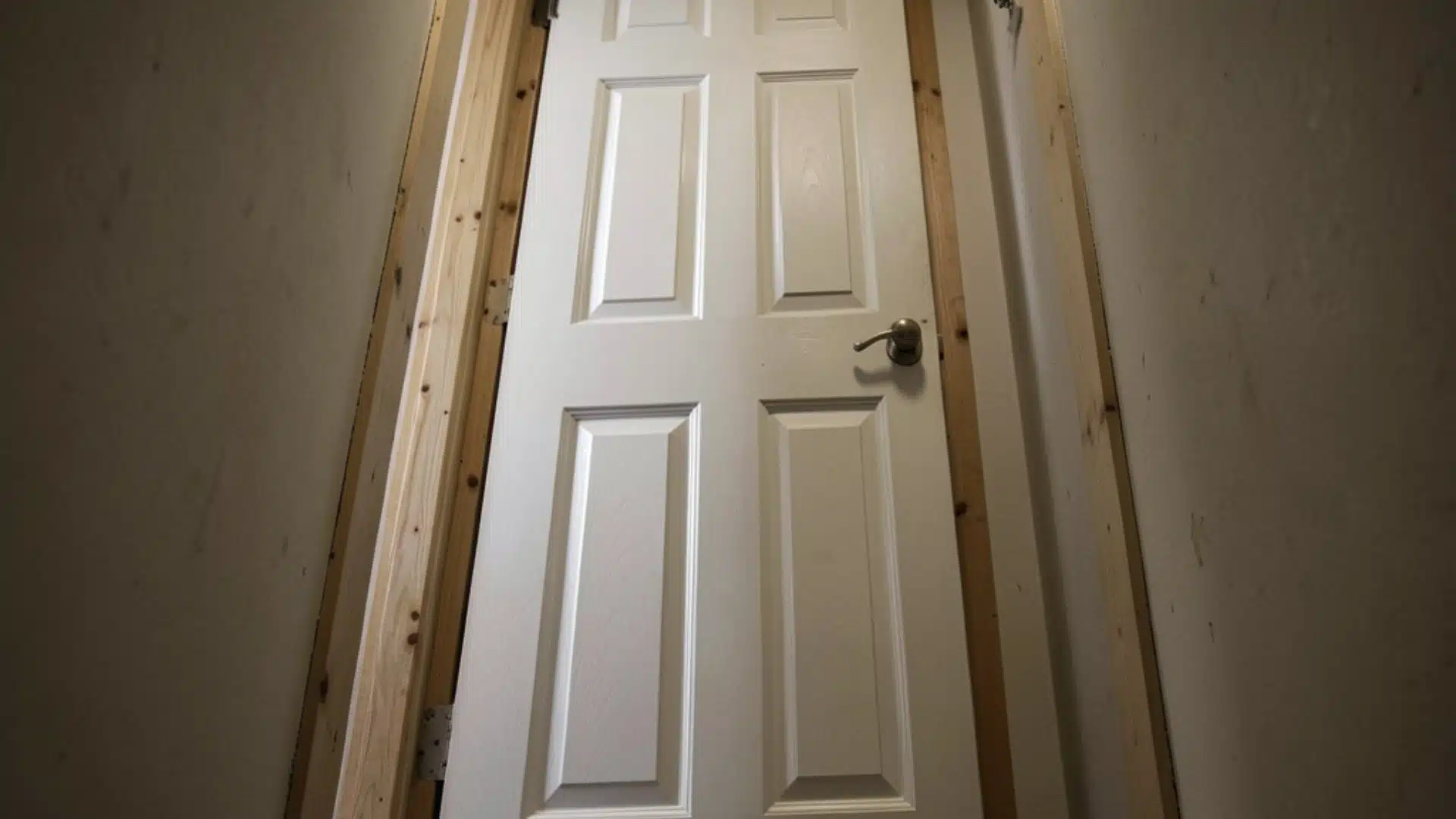
The standard formula works for most cases, but a few factors can change the rough opening size you need.
1. Door Type
Interior and exterior doors have different frame thicknesses.
Exterior doors often need a slightly larger opening due to weatherstripping and thicker frames.
2. Flooring
If flooring is already installed, you may need extra height in the rough opening. Thick flooring, like hardwood or tile, can eat into your clearance.
3. Shim Space
Shims are used to level and plumb the door during installation.
Always account for at least half an inch on each side for shimming.
Without enough shim space, you will not be able to make the small adjustments needed to get the door perfectly straight and secure.
4. Wall Thickness
Thicker walls may require wider door jambs, which can affect the overall rough opening size.
Standard walls are 4.5 inches thick.
If your wall is thicker than that, you may need to order a custom jamb width to fill the gap properly.
5. Pre-hung vs Slab Door
A pre-hung door comes with the frame already attached. A slab door does not.
This changes how much space you need in the rough opening.
Always measure twice and account for these factors before you start framing.
How to Install a 32 Inch Door Frame Correctly?
Installing a door frame does not have to be complicated. Keep these simple tips in mind:
- Check the rough opening first: Make sure it is 34″ wide and 82″ tall before placing the frame.
- Use a level: The frame must be perfectly plumb and level, or the door will not swing properly.
- Shim it right: Place shims behind the hinges and latch side for solid support.
- Do not overtighten screws: It can warp the frame and cause the door to stick.
- Check the door swing: Make sure the door opens and closes freely before securing everything in place.
A little patience during installation goes a long way. Rush it, and you will be adjusting it for months.
The Bottom Line
Getting the 32 inch door rough opening right is not complicated; it just takes the right measurements and a little attention to detail.
A standard 32-inch door needs a 34-inch wide and 82-inch tall opening.
Account for your door type, flooring, and frame thickness before you start framing.
A correctly sized rough opening means a smooth installation, a properly swinging door, and no frustrating fixes later.
Measure carefully, follow the manufacturer’s specs, and the rest will fall into place.
Frequently Asked Questions
1. What is the Rough Opening for a 32 by 80 Door?
The rough opening for a 32-by-80 door is 34 inches wide and 82 inches tall.
2. What are the parts that make up a door rough opening?
King studs, Jack studs, Header, Cripple studs, Sill plate
3. Can I make a rough opening smaller after framing?
Yes, you can make a rough opening smaller after framing by adding extra studs on the sides or a thicker header on top to reduce the height.