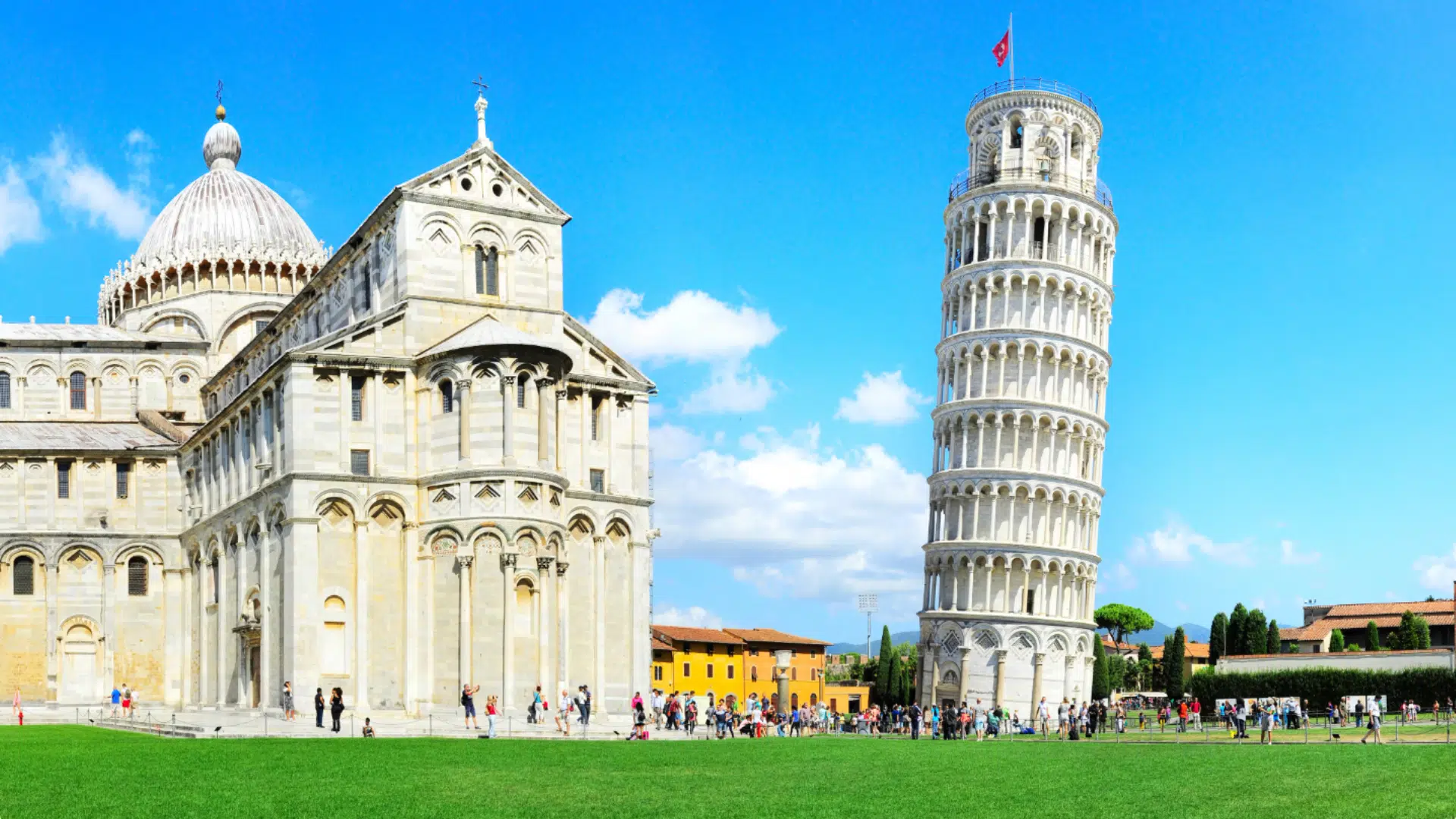
The Historical Roots of Italian Architecture
The Romans began their construction around 753 BC, building massive structures that still stand today. They invented concrete and perfected the arch, enabling buildings to span vast distances.
After the Roman Empire collapsed, Byzantine influences started to rise from the east. Next came the medieval era, during which Italian builders focused on constructing churches and fortifications.
During the Renaissance in the 15th century, architects like Brunelleschi and Palladio studied ancient Roman texts and reimagined classical principles.
Each period built upon the last.
The Baroque era added drama and movement.
Neoclassicism brought back Roman simplicity.
Even modern Italian architects honor their heritage while pushing boundaries.
Distinctive Features of Italian Architecture
These features have been refined over centuries and continue to influence buildings worldwide.
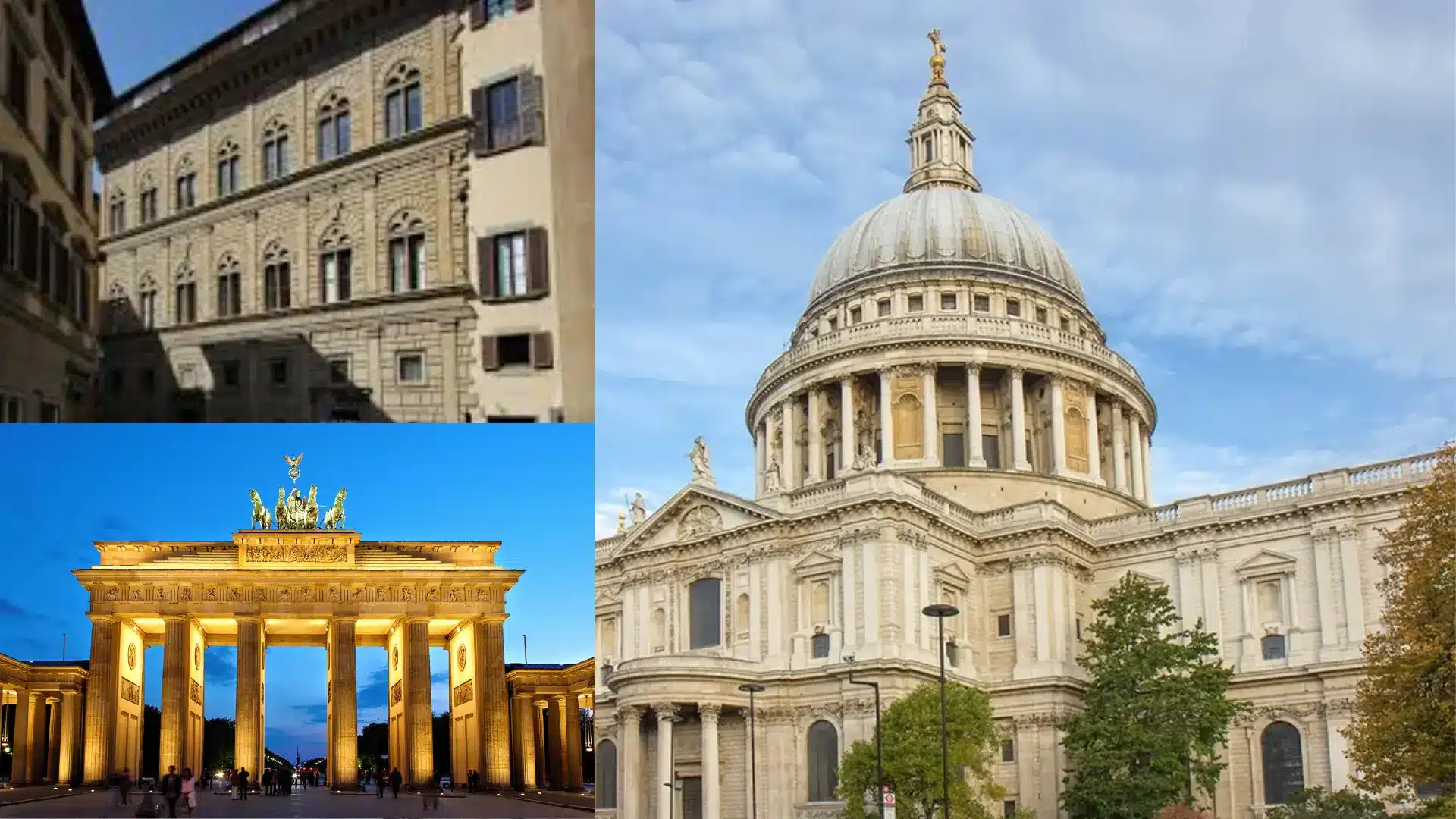
- Columns and Pilasters: The Romans perfected the Doric, Ionic, and Corinthian orders. These columns provide both structural support and visual rhythm, appearing on everything from ancient temples to modern government buildings.
- Arches and Vaults: Italy introduced the semicircular arch, allowing wide spans without internal supports. Later innovations included pointed Gothic arches and barrel vaults, which efficiently distribute weight across walls.
- Domes and Cupolas: From the Pantheon’s massive concrete dome to Brunelleschi’s double-shell design in Florence, domes have shaped Italy’s skylines. These curved roofs create awe-inspiring interiors and iconic exteriors.
- Ornate Facades: Italian features richly decorated exteriors with stone carvings, frescoes, and moldings that showcase stories and wealth. Even modest homes display decorative window and doorway details that add character.
- Courtyards and Loggias: Emphasizing indoor-outdoor living, courtyards provide private open-air spaces, while loggias offer shaded, transitional areas. These elements also help keep buildings cool in warm climates.
- Enduring Influence: These timeless features continue to inspire modern architects and homeowners who seek to capture the essence of Italian style.
Italy’s Modern Art and Architecture
Modern Italian architecture has gained worldwide recognition by striking a balance between innovation and respect for historical context.
After World War II, architects like Gio Ponti and Carlo Scarpa created buildings that were boldly contemporary yet deeply rooted in Italian tradition.
Italy became famous for its modern design because architects didn’t abandon the past.
Instead, they reinterpreted classical principles using new materials, such as steel, glass, and concrete.
Key Styles Through the Ages
Each era brought new ideas, techniques, and artistic visions that shaped the built environment.
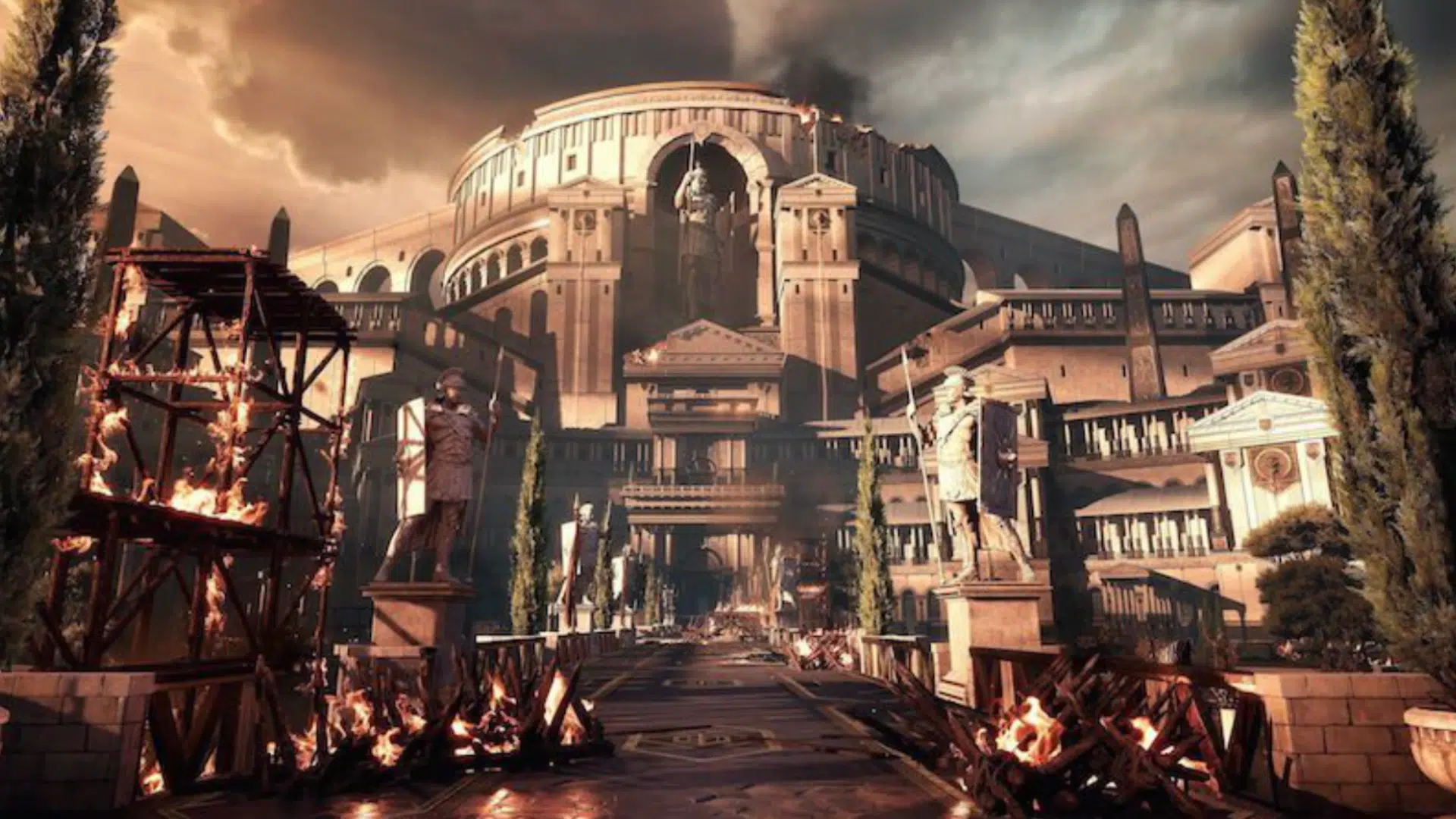
1. Roman Architecture (753 BC – 476 AD)
Credit: Highbrow
Romans mastered concrete construction and engineering marvels. They built aqueducts, amphitheaters, and basilicas that showcased power and practicality.
The Pantheon and Colosseum remain testaments to their innovative use of arches, vaults, and massive scale construction techniques.
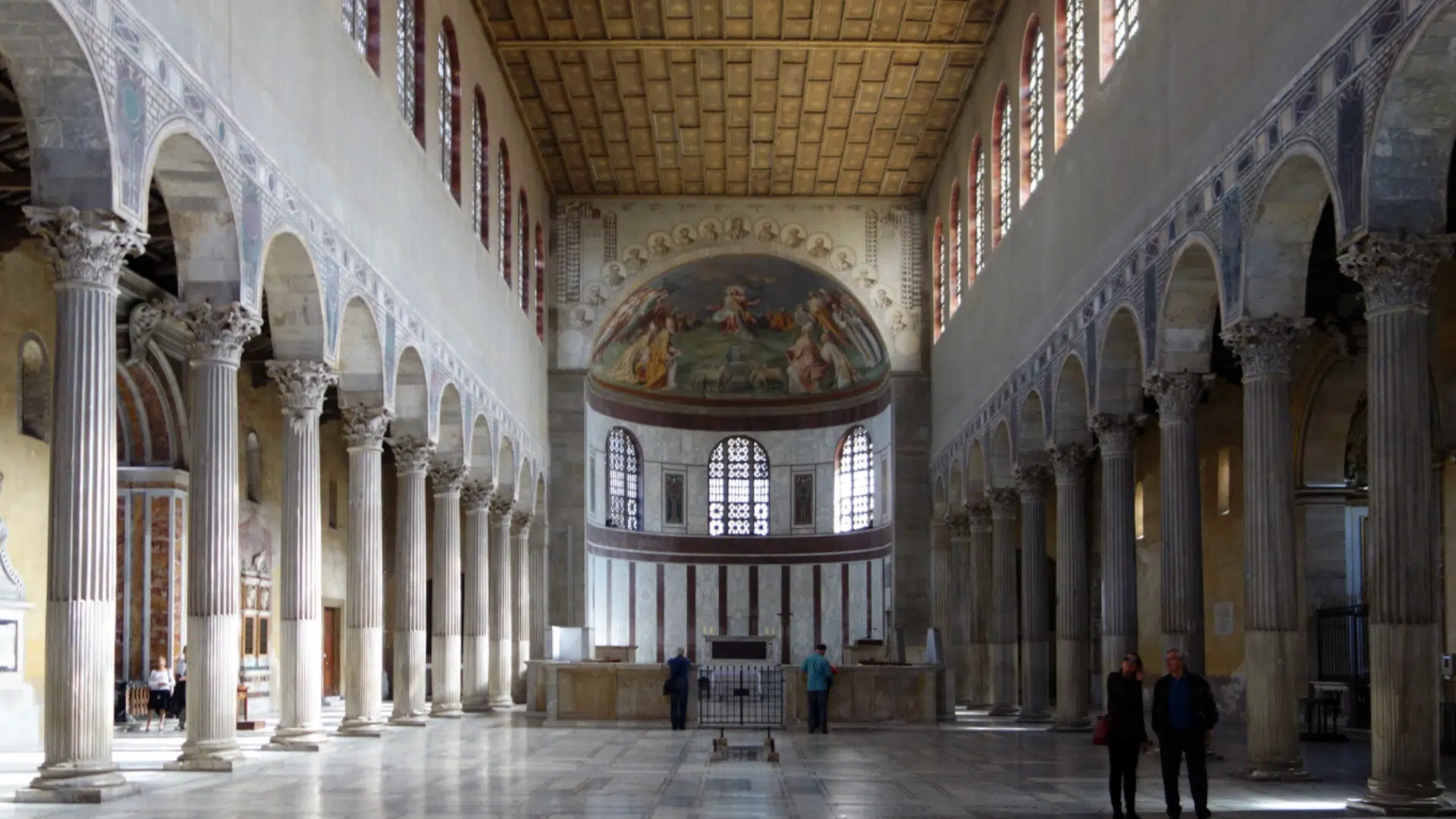
2. Byzantine Architecture (330 – 1453 AD)
Credit: KhanAcademy
Eastern influences brought colorful mosaics and central dome planning to Italy. San Vitale in Ravenna exemplifies this style with its octagonal plan and glittering interior decorations.
Byzantine builders emphasized spiritual symbolism over Roman monumentality and engineering prowess.
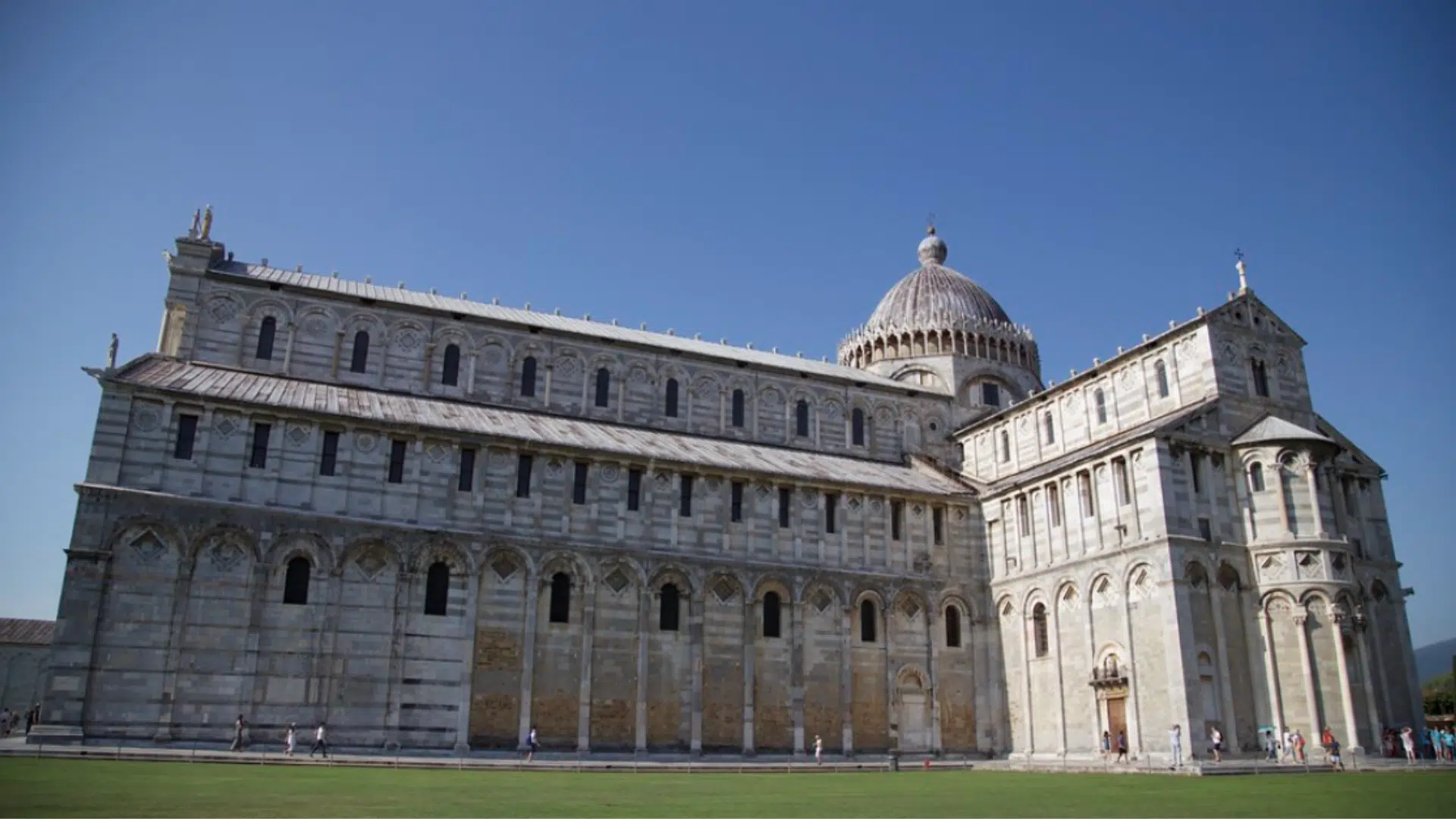
3. Romanesque Architecture (1000 – 1200 AD)
Credit: Architecture of cities
Medieval Italian churches featured thick walls, small windows, and rounded arches. St. Peter’s Cathedral in Pisa features Romanesque elements like sturdy masonry, arcading, and a fortress-like exterior.
This style prioritized durability and defensive capabilities during turbulent times.
4. Gothic Architecture (1140 – 1500 AD)
Credit: Britannica
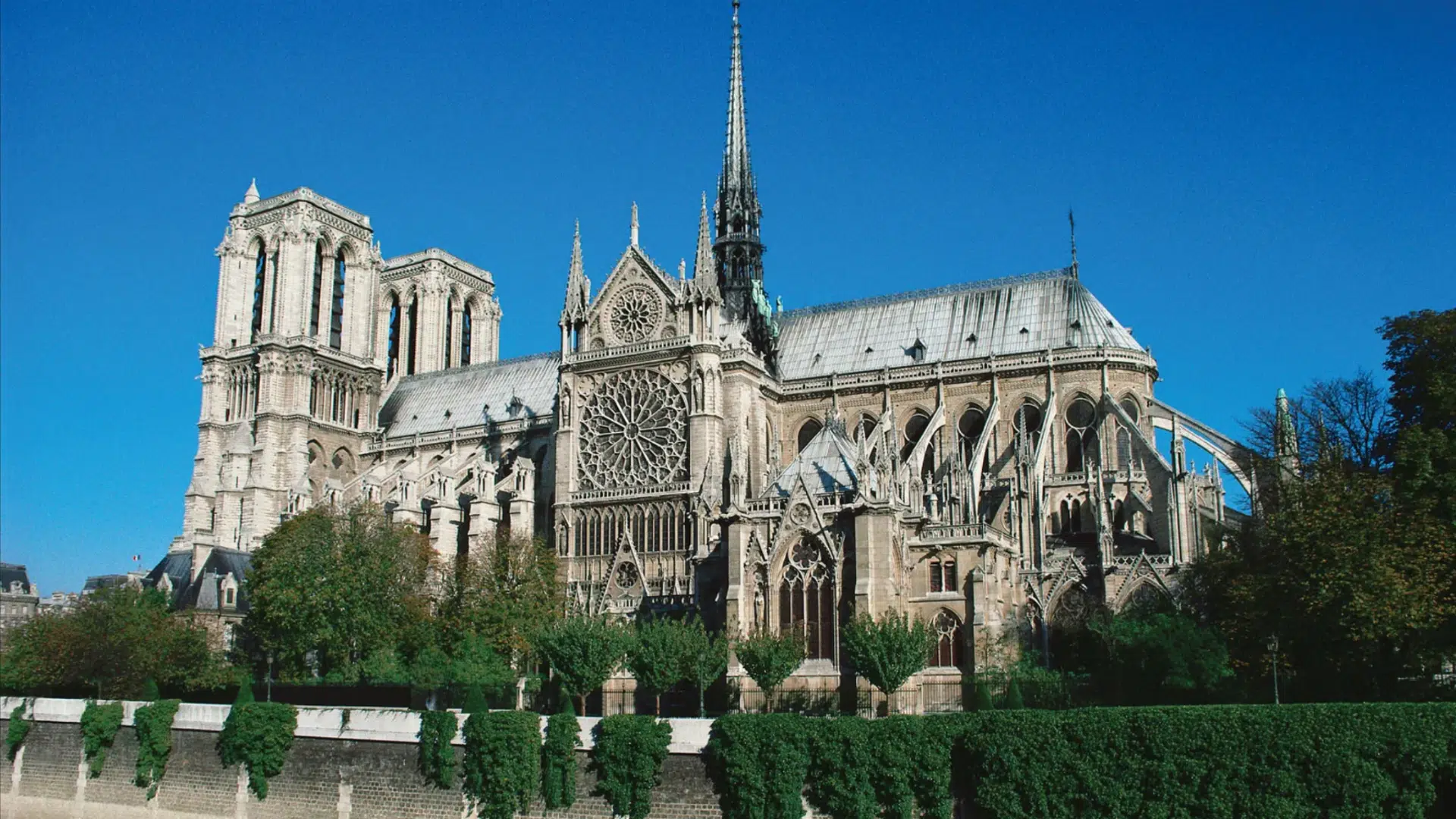
Italian Gothic differed from its northern European counterparts, maintaining classical proportions while incorporating pointed arches and large windows.
Milan Cathedral demonstrates this unique approach with its soaring spires, flying buttresses, and intricate stone tracery, creating dramatic light-filled interiors.
5. Renaissance Architecture (1400 – 1600 AD)
Credit: TheSpruce
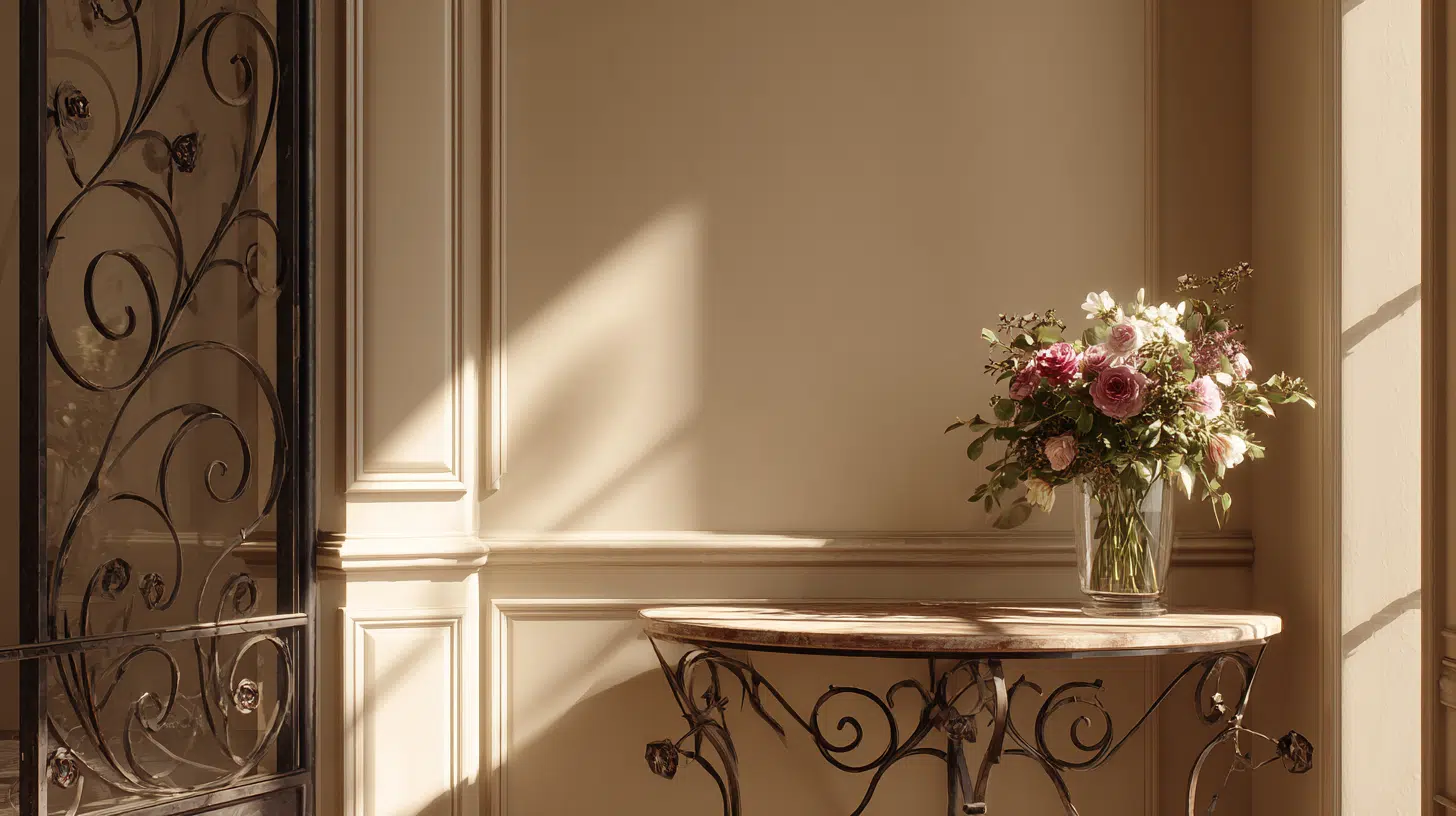
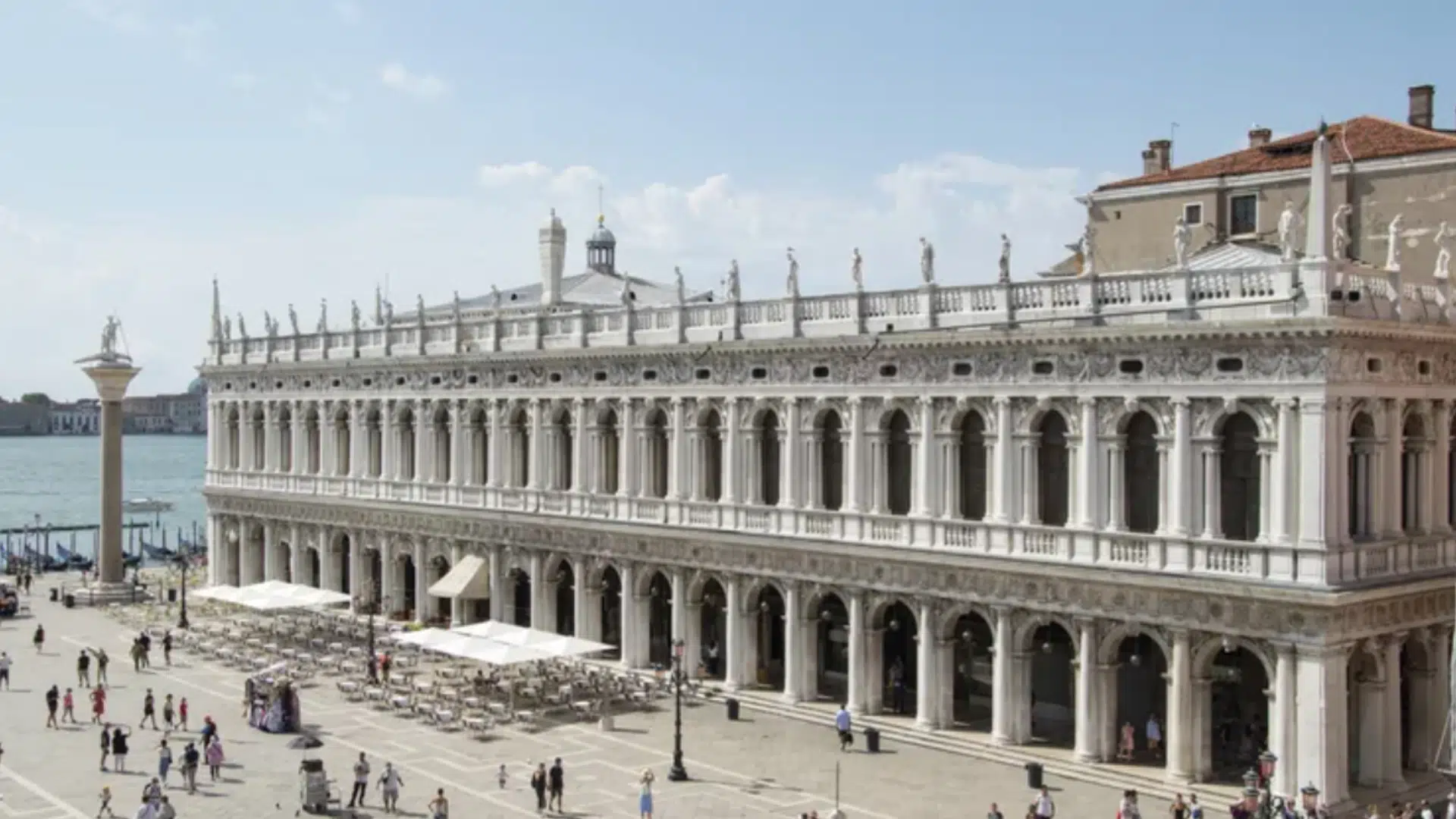
Architects rediscovered classical Roman principles, emphasizing symmetry, proportion, and mathematical harmony. Brunelleschi’s dome in Florence and Palladio’s villas established rules still followed today.
This period balanced ancient wisdom with innovative construction methods and humanist ideals.
6. Baroque Architecture (1600 – 1750 AD)

Credit: Italy review
Counter-Reformation churches embraced drama, movement, and emotional impact. Bernini and Borromini created buildings with curved facades, dramatic lighting, and rich decorative elements.
St. Peter’s Basilica exemplifies Baroque grandeur with its sweeping colonnades and theatrical interior spaces.
7. Neoclassical Architecture (1750 – 1850 AD)

Credit: TheSpruce
Architects returned to pure Roman and Greek forms, rejecting Baroque excess for clean lines and noble simplicity. La Scala opera house in Milan shows restrained elegance typical of this period.
Buildings emphasized civic virtue and rational design over religious or royal display.
8. Modern Italian Architecture (1900 – Present)
Credit: Italy review
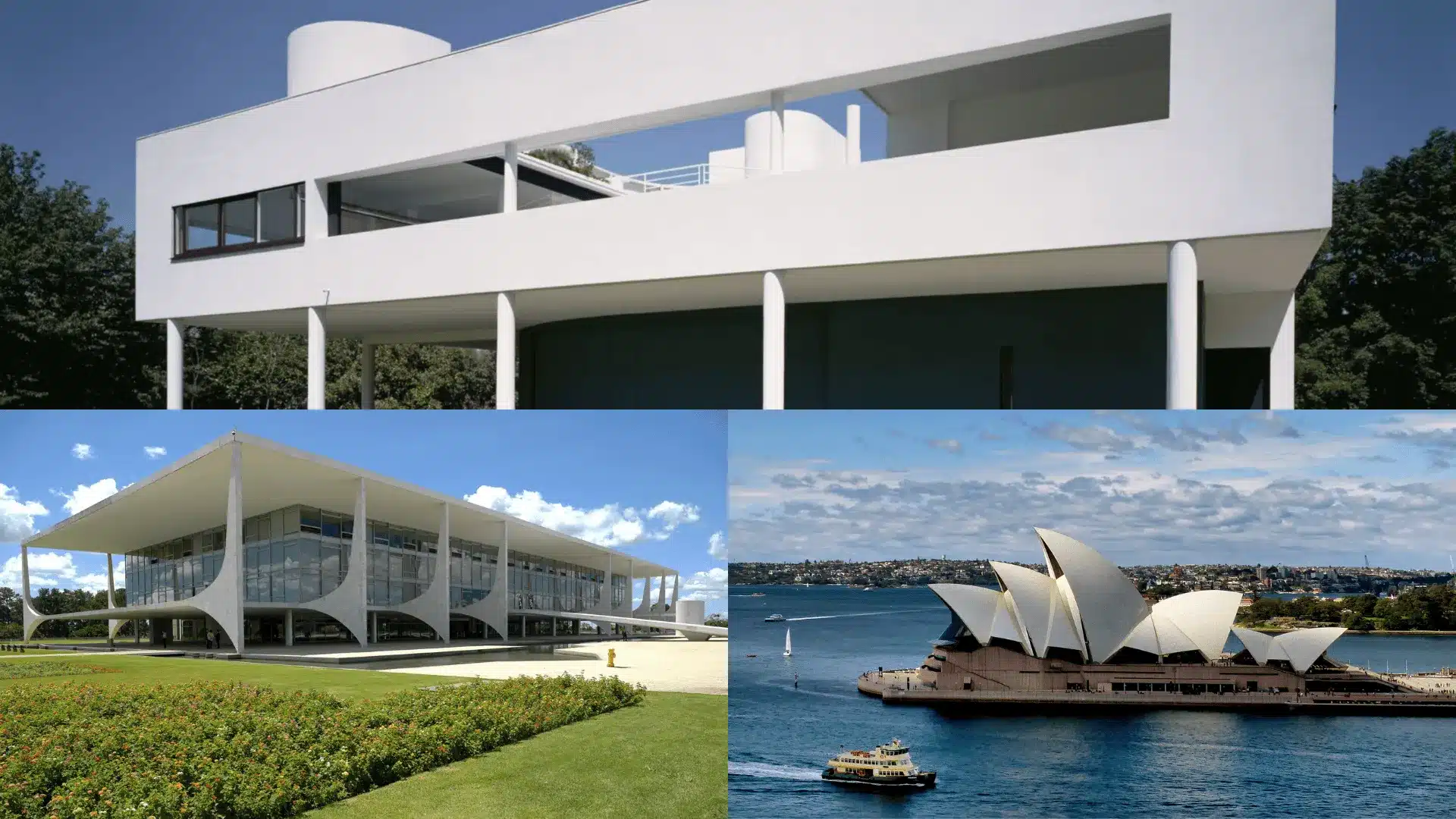
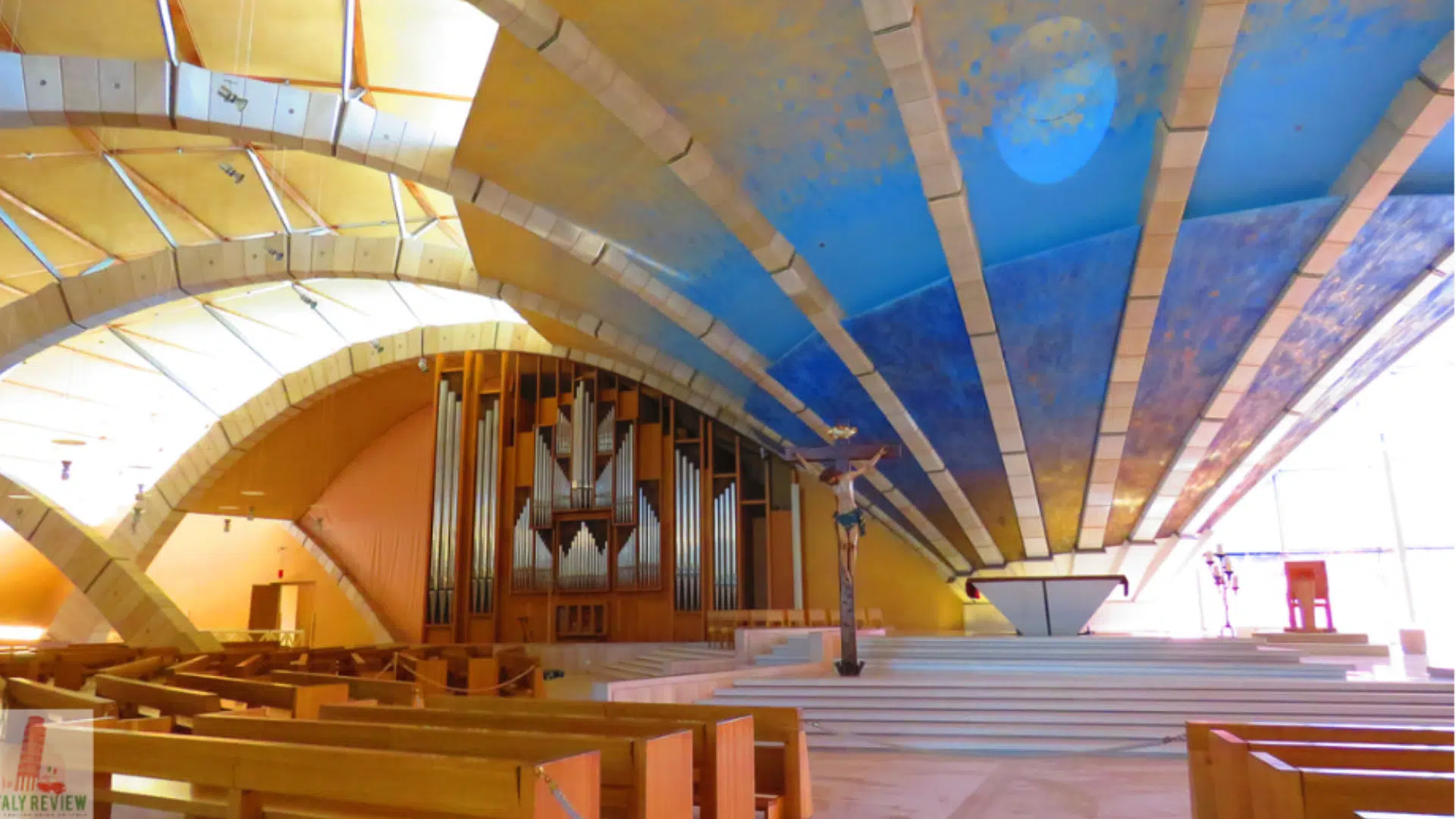
Contemporary architects blend tradition with innovation, creating buildings that respect Italy’s heritage while embracing new materials and technologies.
Renzo Piano and other masters demonstrate that Italian design continues to evolve while honoring its rich architectural legacy.
These styles didn’t replace each other completely but often coexisted and influenced one another, creating Italy’s remarkably diverse architectural landscape.
Iconic Landmarks Worth Visiting
Italy’s architectural landmarks represent millennia of building innovation and artistic achievement. These structures showcase the evolution of Italian design from ancient times to the present day.
| Landmark | City | Key Feature |
|---|---|---|
| Colosseum | Rome | Four-story amphitheater with innovative arch system |
| Pantheon | Rome | Massive concrete dome with central oculus |
| St. Peter’s Basilica | Vatican City | Michelangelo’s dome and Bernini’s colonnade |
| Leaning Tower of Pisa | Pisa | Famous tilted campanile with marble arcading |
| Duomo of Florence | Florence | Brunelleschi’s revolutionary double-shell dome |
| St. Mark’s Basilica | Venice | Golden mosaics and Eastern-influenced design |
| Milan Cathedral | Milan | Elaborate spires and flying buttresses |
| Doge’s Palace | Venice | Pink marble facade with pointed arches |
| Castel del Monte | Puglia | Octagonal fortress with mathematical precision |
The Lasting Influence of Italian Architecture
Italian architectural principles continue to shape buildings and design philosophies worldwide. This enduring impact spans residential, commercial, and public architecture across continents.
- Classical columns appear in government buildings globally
- Dome construction techniques influence modern stadium design
- Renaissance proportions guide contemporary home layouts
- Italian courtyards inspire urban planning projects worldwide
- Baroque decoration influences luxury hotel and restaurant interiors
Italian architecture’s influence proves that good design transcends time and geography, continuing to inspire new generations of architects and builders.
Wrapping It Up
What makes Italian architecture special isn’t just famous landmarks but everyday buildings, neighborhood churches, piazzas, and homes that show how good design upgrades daily life.
Principles like proportion, natural light, and indoor-outdoor living remain relevant for modern renovations and design.
When you see classical columns, graceful domes, or welcoming courtyards, you’re experiencing centuries of Italian architectural wisdom that continues to make our built environment both more beautiful and functional.