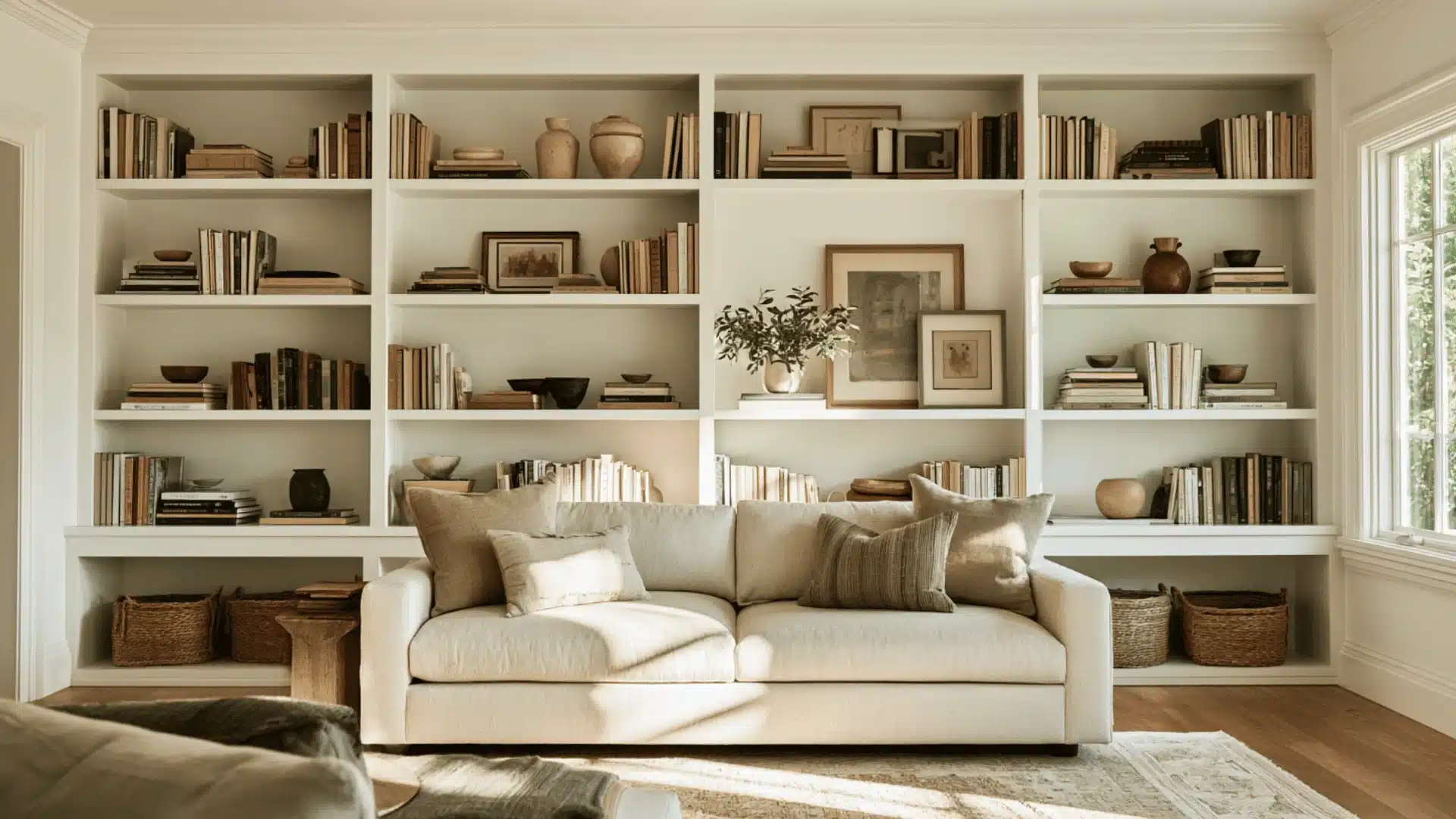
A couch in the wrong spot can ruin a room.
Not because it looks bad, but because it feels bad. Sitting with your back to the door makes you tense without realizing it. Floating a couch in the middle of a large room kills the conversation.
The right furniture placement solves all of these issues.
It gives you a clear, simple way to decide where your couch belongs.
Read on to see the exact placement rules that make the biggest difference.
Why Feng Shui Couch Placement Matters
The couch is the energy anchor of your living room. Everything else in the room works around it.
So if the couch is in the wrong spot, the whole room feels off. Where you sit changes how you feel. A couch in the right place makes it easier to talk to people.
It helps you think clearly and feel at ease. A couch in the wrong place does the opposite.
Feng shui talks about a form of energy called Chi.
It moves through a room the way air does.
Good furniture placement keeps it moving. Bad placement stops it cold. A neighbor once shifted her couch just two feet away from the wall. The room felt more inviting. She changed nothing else.
The Command Position Rule for Couches: Simple Breakdown
In a feng shui room, the command position is simple.
You want to see the main door from where you sit, but not sit directly in front of it. This spot gives you a clear view of who comes and goes. That keeps you relaxed without you even noticing.
When you can’t see the entrance, something feels uneasy. You stay slightly on guard.
Conversations feel shorter. Relaxing feels harder.
It’s not dramatic, just a quiet, constant tension that never fully goes away.
When the Command Position Isn’t Possible
Not every room allows the perfect front door setup. Here’s how to work around it.
- Place a mirror on the wall opposite the door so you can see the entrance from your seat.
- Add a small light near the entrance to naturally draw attention to it.
- Angle the couch slightly rather than pushing it flat against a wall.
- In tight spaces, even a partial view of the door is better than none at all.
The Right Couch Placement and Alignment
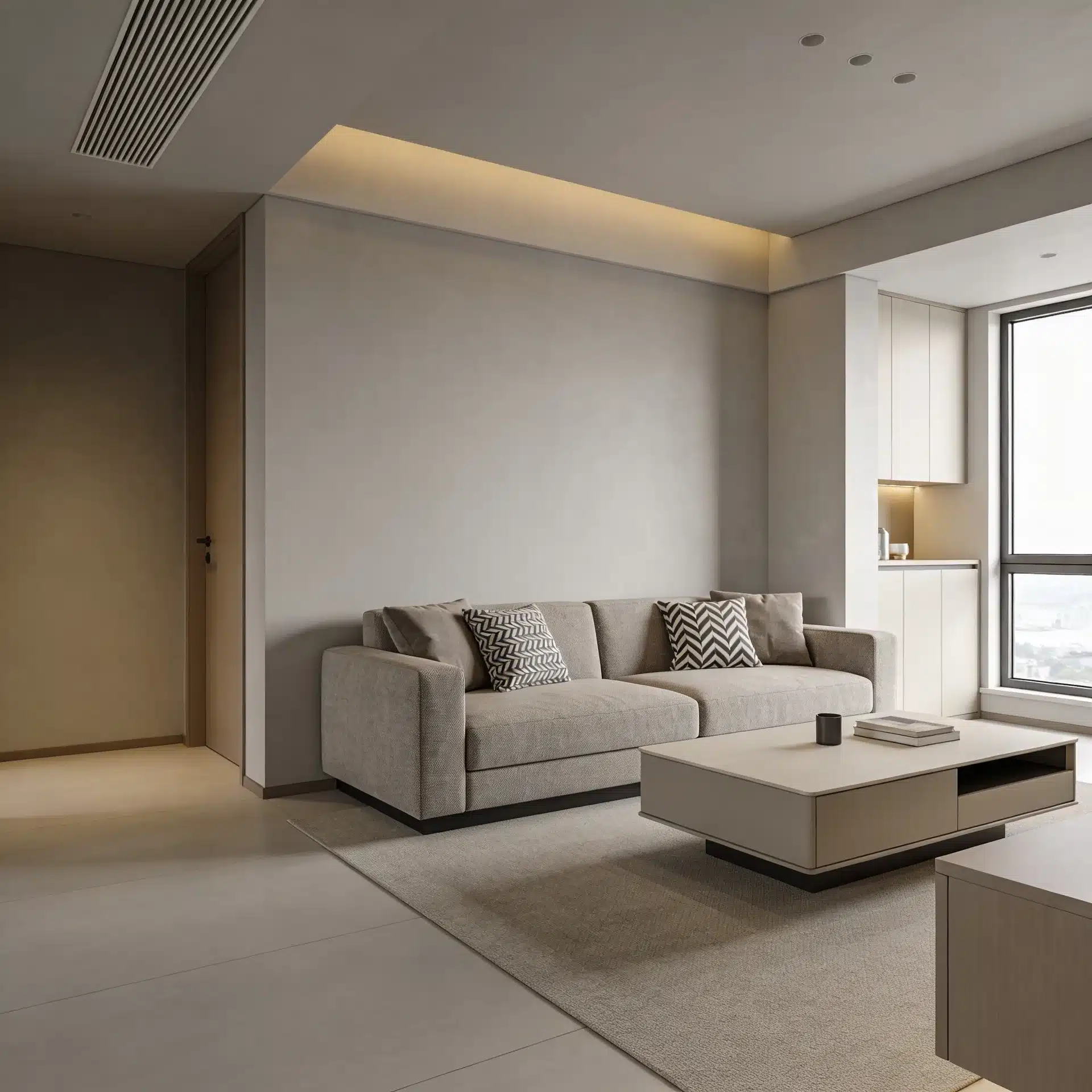
Placement is more than just fitting furniture into a room. Small shifts in angle and position change how the whole space feels.
Here’s what works and what doesn’t.
1. Avoid placing the couch directly in line with the door:
Energy moves fast through a straight path.
A couch sitting right in that line takes the hit. It feels restless and unsettling over time.
2. Keep the couch at a slight angle or offset from the door:
This slows energy down just enough. The room feels calmer and more comfortable to sit in for longer periods.
3. Never place the couch directly under a window:
A window behind the couch means no solid support.
It creates a feeling of vulnerability and unease, even during a quiet evening at home.
4. Keep the couch away from the bedroom wall:
Placing a couch against a wall shared with a bedroom pulls sleep energy into the living space. It muddies both rooms and makes neither feel right.
5. Leave walking space on at least one side:
Blocking all paths around the couch traps energy in one spot.
Open space on the sides keeps the room feeling light and easy to move through.
7 Feng Shui Couch Placement Layout Ideas
A good layout balances how a room looks with how it feels to live in.
These ideas keep things practical without breaking the basics.
1. The Classic Anchor Layout
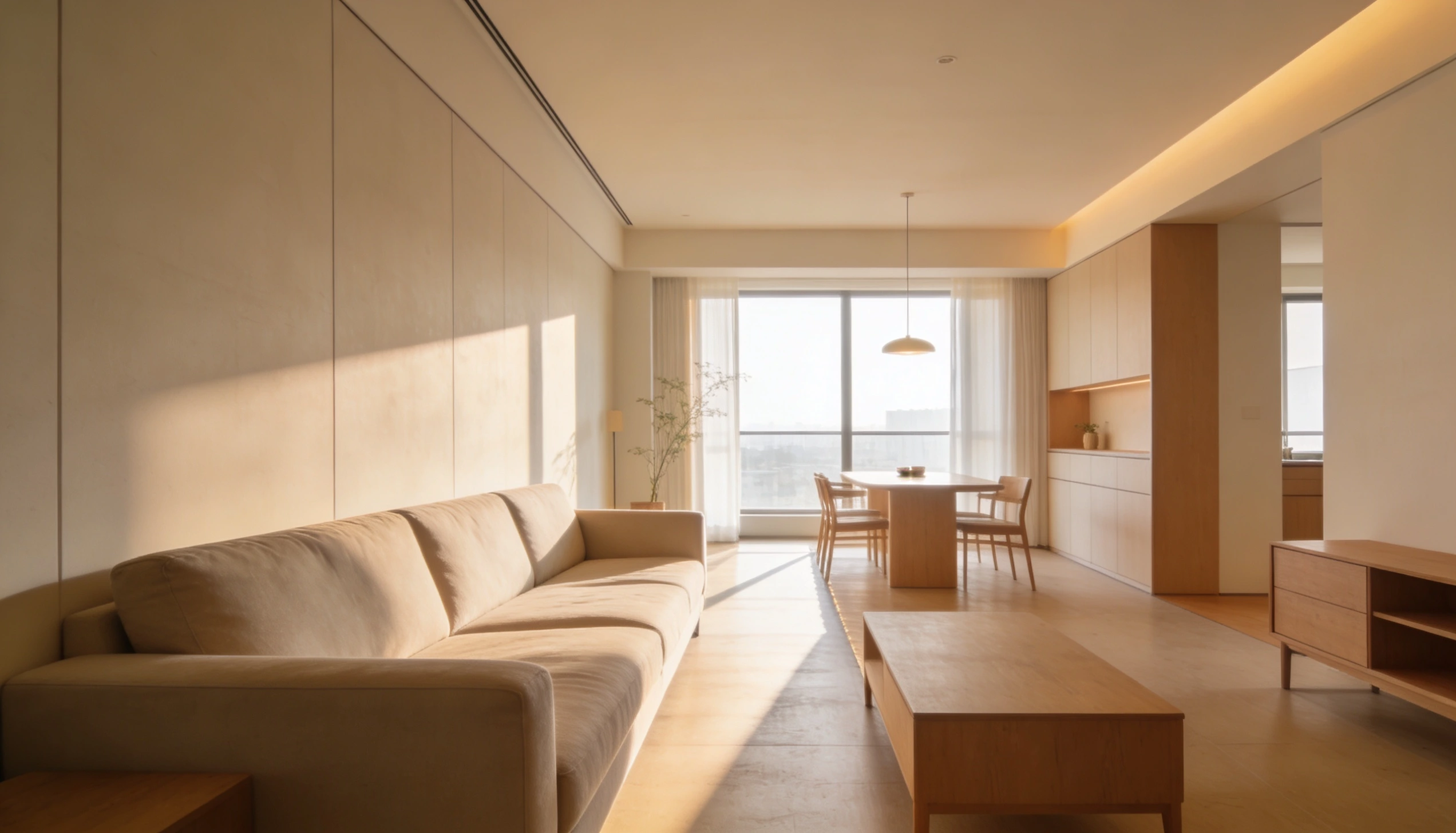
Place the couch against the longest solid wall in the room.
This grounds the space and gives everyone a clear view of the room. It works well in standard rectangular living rooms and keeps the center open for easy movement.
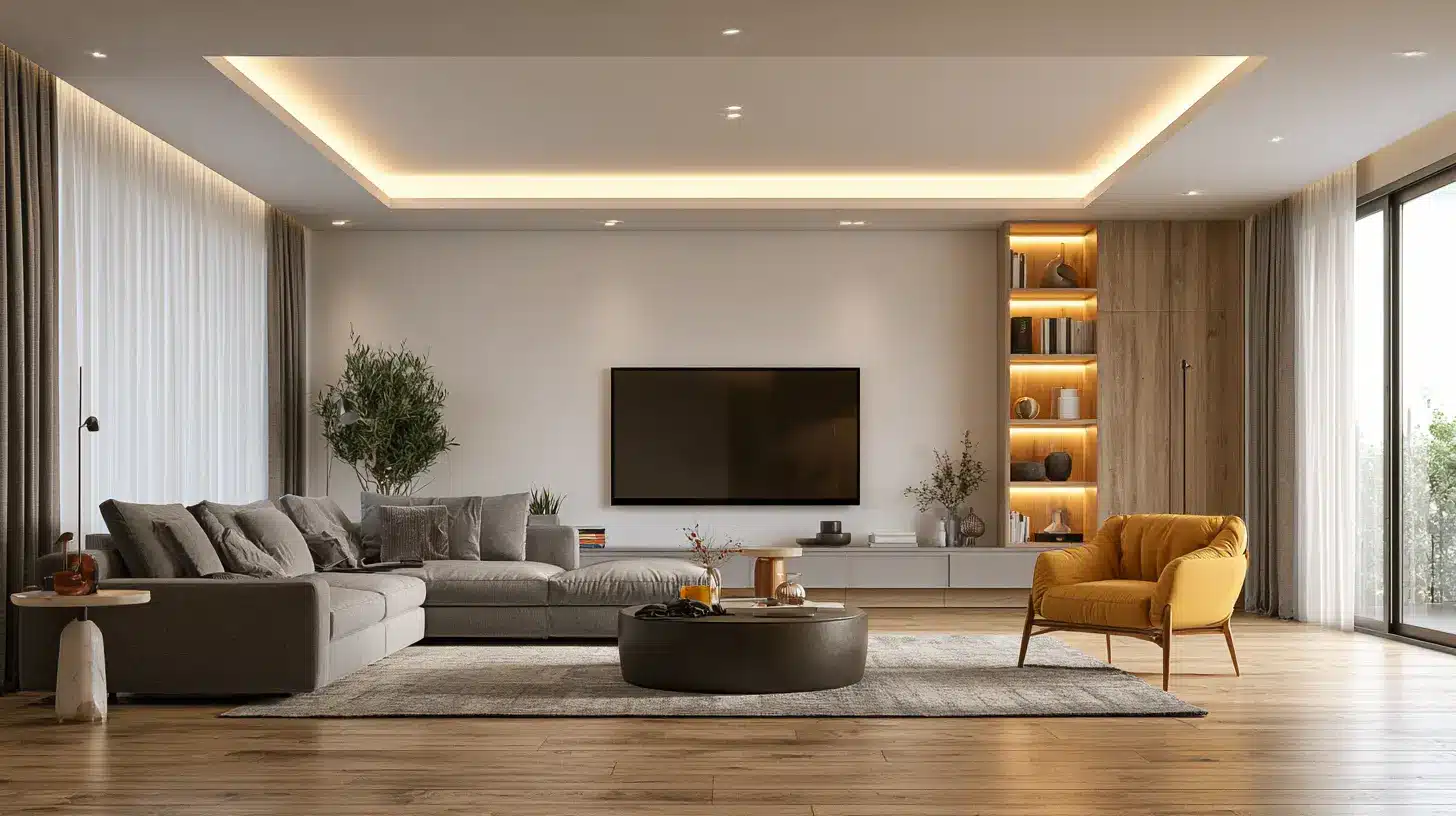
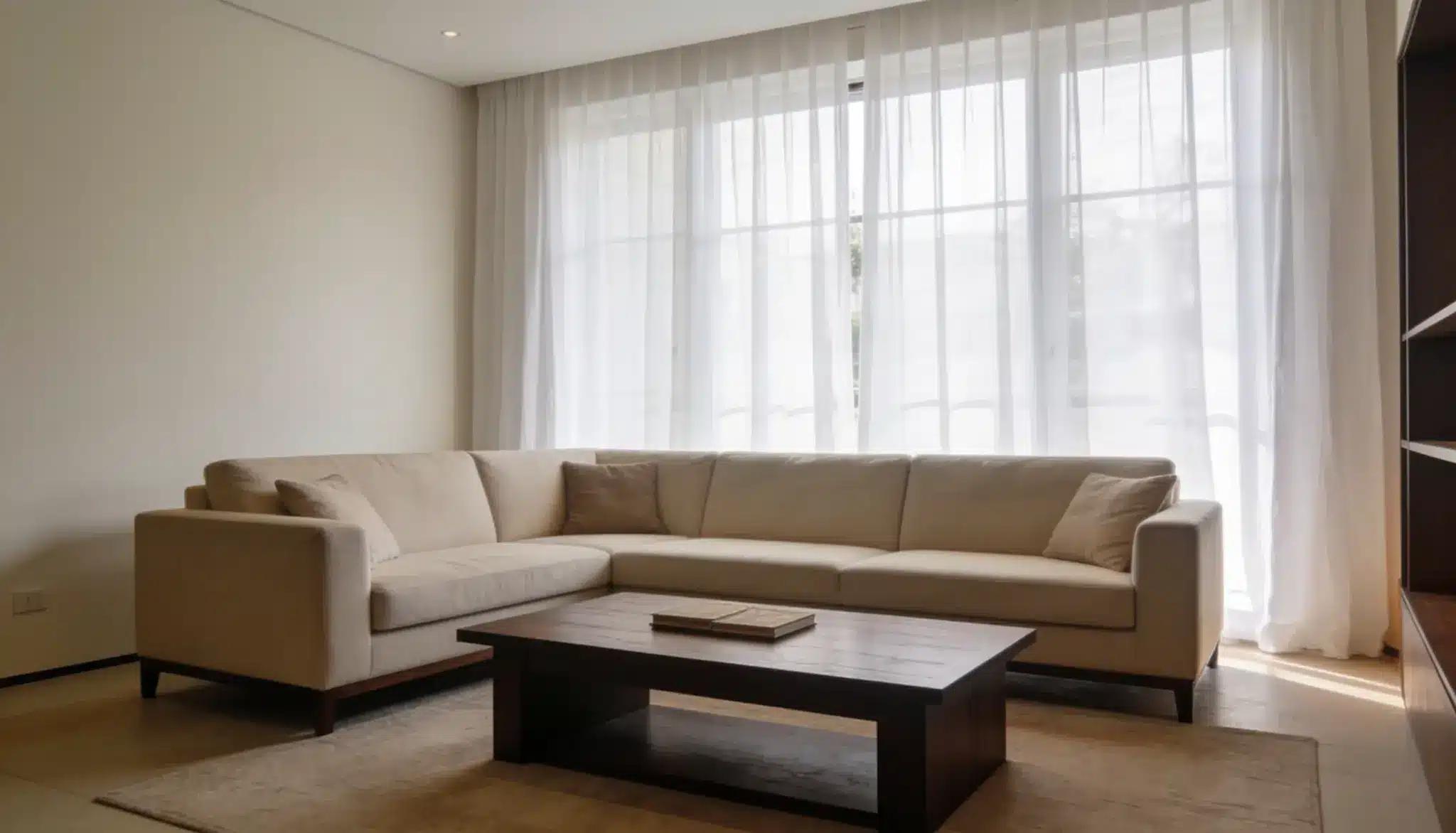
2. The L-Shaped Layout
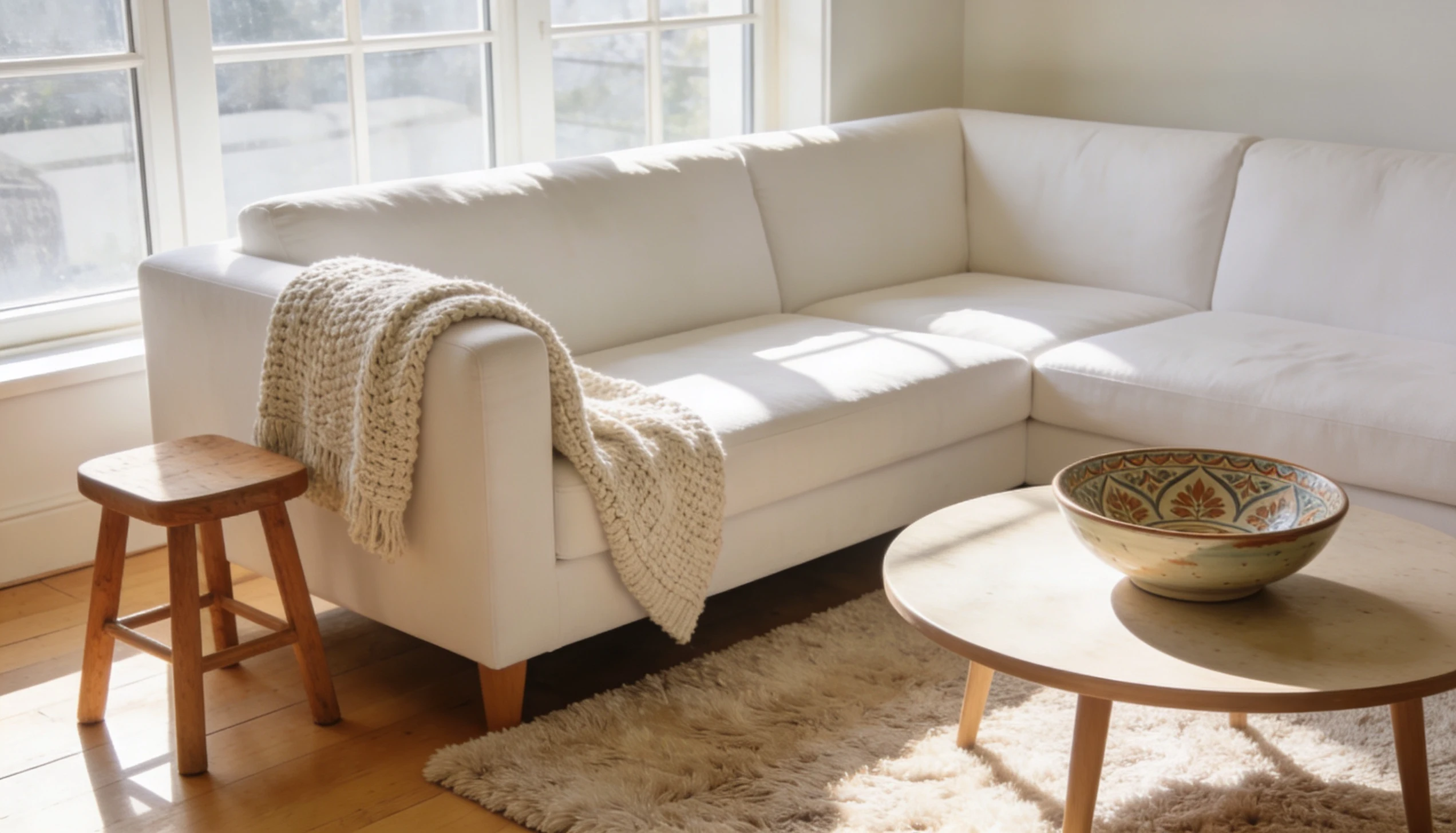
An L-shaped couch works best when placed in a corner but not pushed tight into it. Leave a few inches of space behind each section.
This keeps energy moving along the walls instead of getting trapped in the corner.
3. The Floating Layout
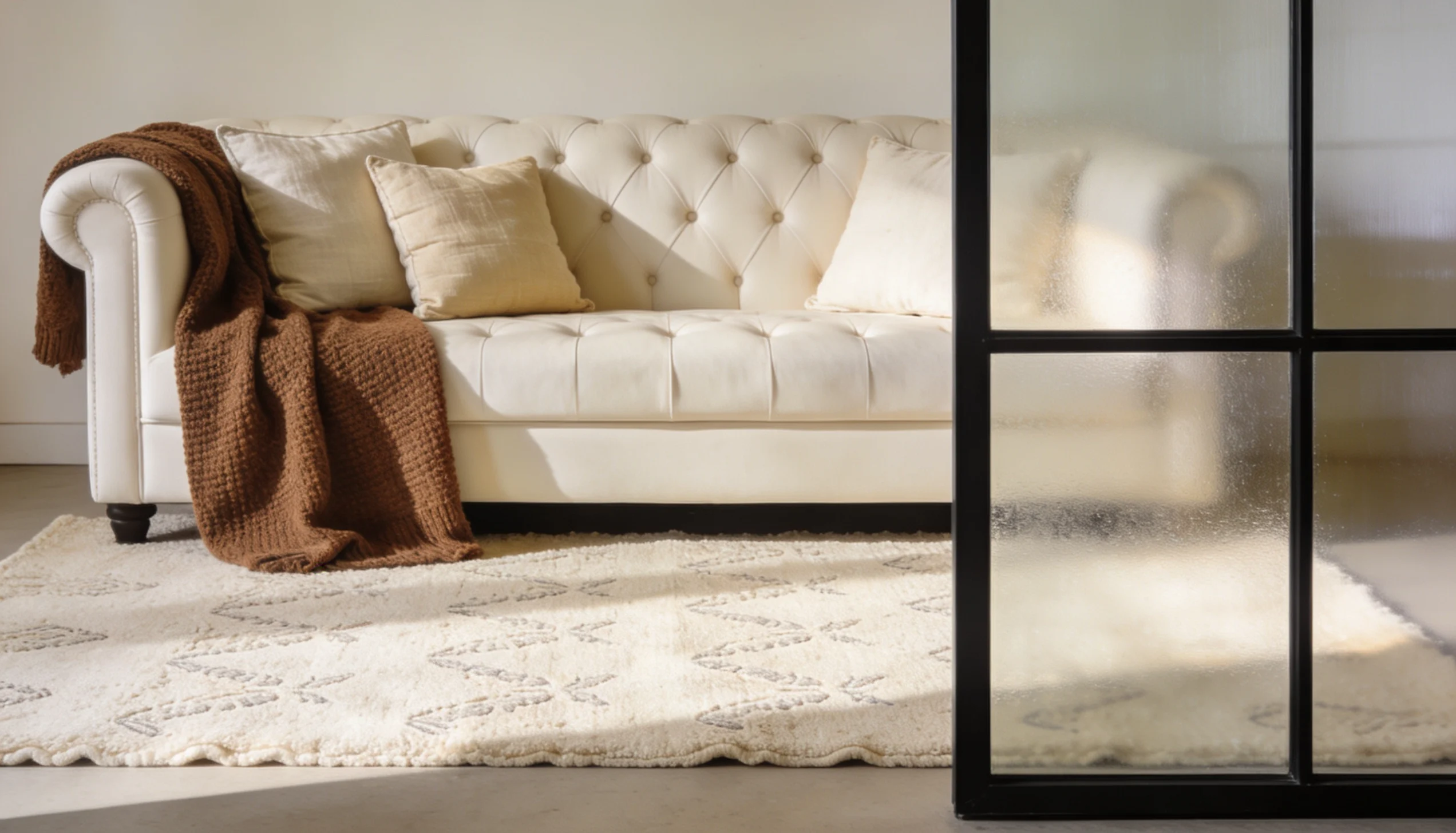
Pull the couch away from all walls and let it sit freely in the space. This works well in larger rooms.
Use a rug to anchor it in place. It keeps pathways open on all sides and makes the room feel more connected.
4. The Conversation Layout
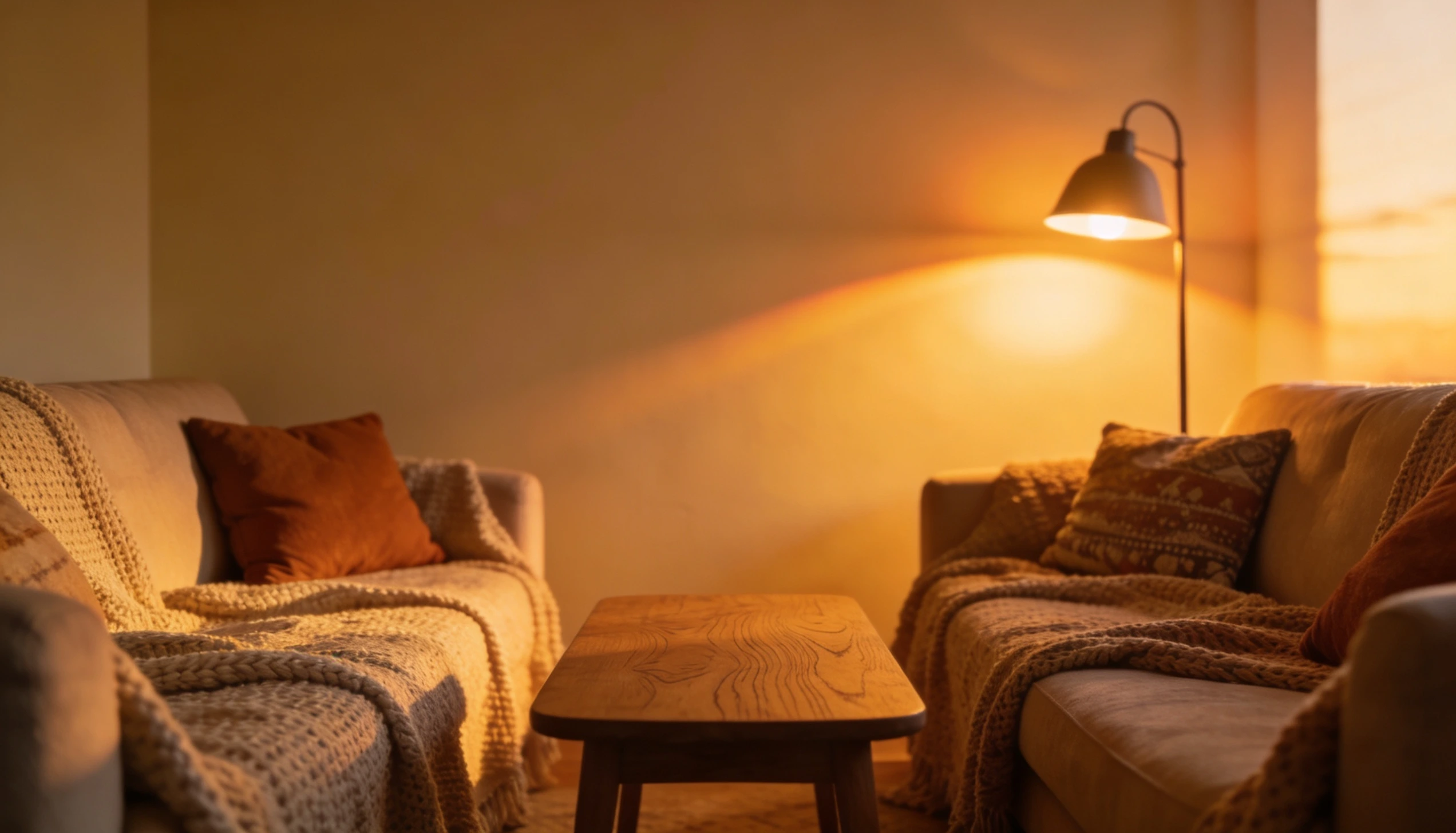
Face two seating pieces toward each other with a coffee table in between.
Keep the gap between seats comfortable not too wide, not too close. This setup encourages natural, easy conversation without anyone feeling crowded or distant.
5. The Multi-Use Layout
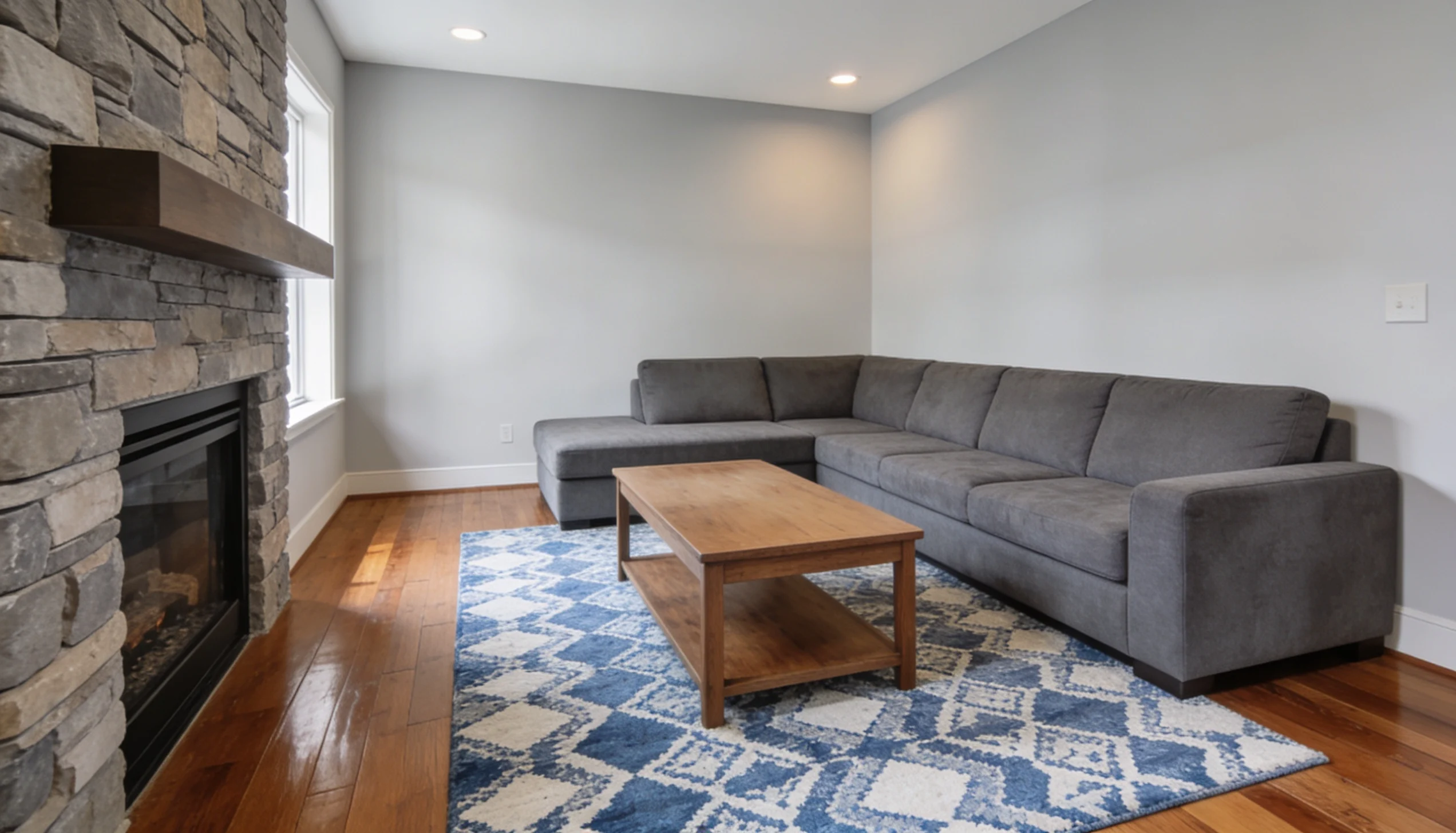
In a room that doubles as a workspace or dining area, choose a smaller, straight couch over a large sectional.
Position it so it divides the spaces gently.
This keeps each zone feeling separate while maintaining an easy flow between them.
6. The Corner-Facing Layout
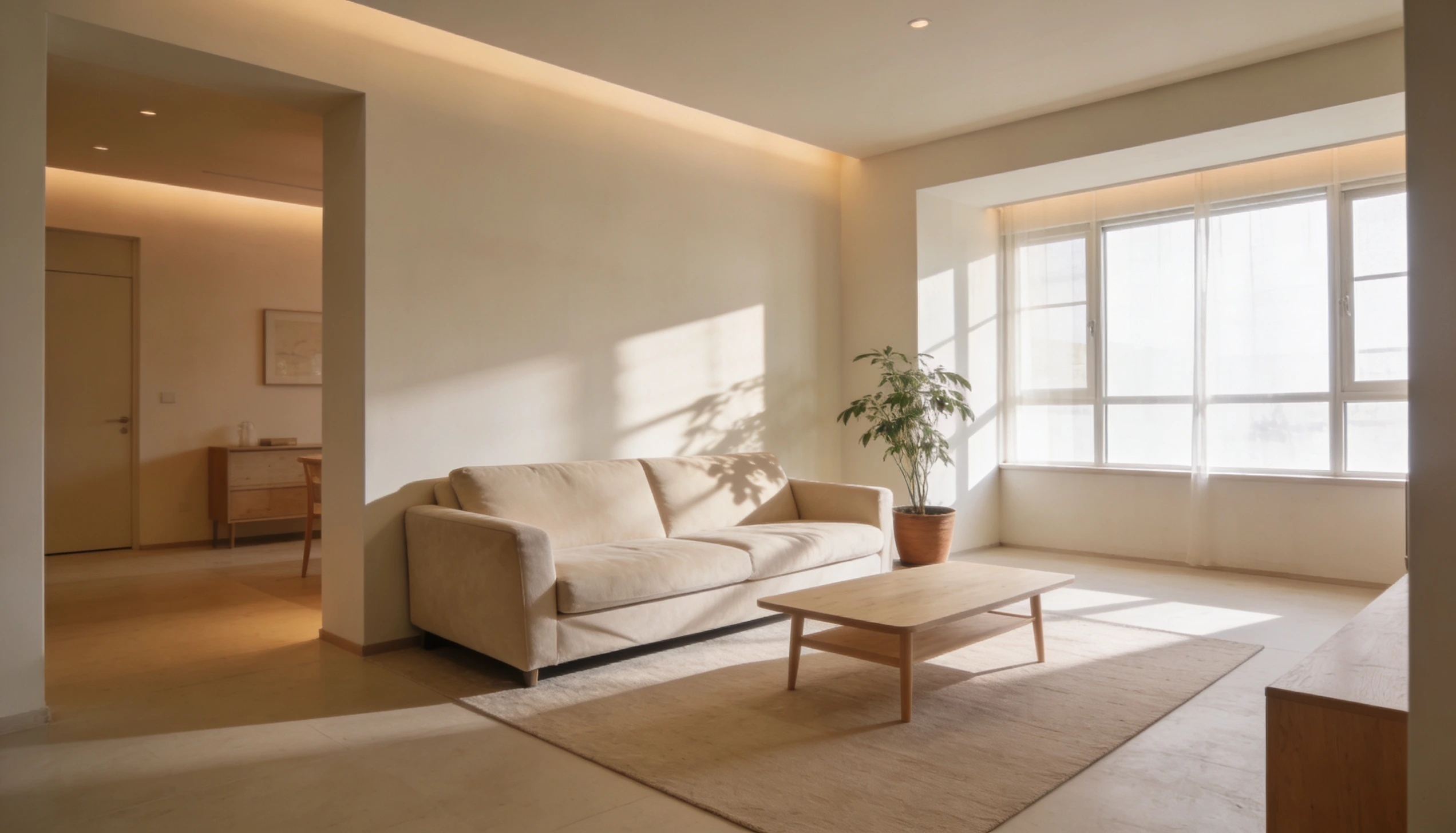
Instead of pushing the couch into a corner, angle it slightly outward. This shift opens up the corner and stops energy from pooling in a dead spot.
It also gives the room a more relaxed, lived-in feel.
7. The Right-Size Rule
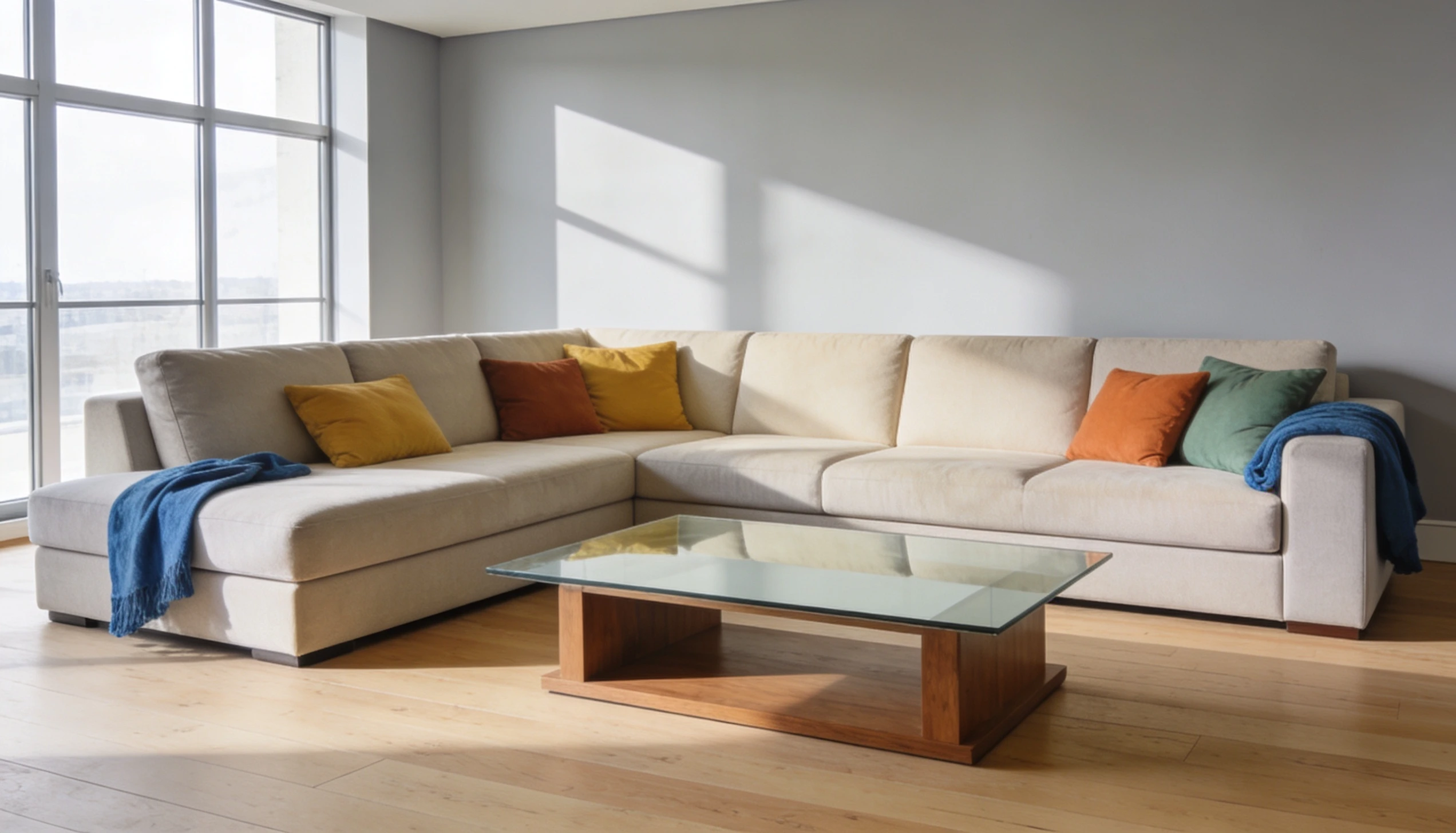
A couch that’s too big for a room blocks natural walking paths.
A couch that’s too small leaves the space feeling empty and unsettled. Measure the room first. The couch should take up no more than two-thirds of the main wall it sits against.
And if You Want Your Couch in the Middle of the Room..
Anchor it with a large rug underneath.
Place a console table directly behind it to create a solid backing.
Keep at least three feet of walking space on each side. This keeps the couch grounded and the room feeling balanced even without a wall behind it.
The Right Couch Directions Based on Feng Shui Principles
Here’s a simple manual to help you choose but remember, layout always comes first.
| Facing Direction | What it Brings | Best For |
|---|---|---|
| North | Calm, steady energy | Rest and quiet evenings |
| South | Warm, social energy | Lively conversations and gatherings |
| East | Fresh, positive energy | Morning routines and family time |
| West | Relaxed, creative energy | Unwinding after a long day |
| Northeast | Clear, focused energy | Reading or working from home |
| Southeast | Light, open energy | Bright and cheerful social spaces |
| Northwest | Grounded, stable energy | Mature and settled households |
| Southwest | Nurturing, warm energy | Close family bonding and comfort |
A good compass direction means little if the couch blocks a doorway or sits under a window. Always sort the layout first. Direction is a bonus not a requirement.
Consider Having a Solid Wall Behind Your Couch
It gives the people sitting there a sense of security and support. Without it, the space feels unsettled.
- A solid wall backing signals safety to the brain even without realizing it.
- Avoid open hallways, staircases, or large open spaces directly behind the couch.
- A low console table placed behind a floating couch adds a layer of backing.
- Tall indoor plants behind the couch can also act as a soft, natural support.
Energy Disruptions Around Feng Shui Couch Placement
Small layout mistakes can quietly drain the energy in a room. Here are the main ones to watch out for and how to fix them fast.
1. Clutter Behind or Around the Couch
Clutter blocks energy from moving freely. It makes the space feel heavy and closed off, even in a large room.
Bags, boxes, and random items piled near the couch add to this feeling fast.
Quick fix: Clear the area behind and beside the couch completely. Keep only what belongs there.
2. Sharp Corners Pointing at the Couch
Sharp furniture edges pointed directly at the couch create what feng shui calls poison arrows. They send harsh energy straight at whoever is sitting there.
It creates low-level tension that’s hard to shake.
Quick fix: Soften sharp corners with a small plant, a rounded table, or a decorative object.
3. Low or Harsh Lighting Above the Couch
A bright overhead light directly above the couch pushes energy downward. It feels pressing and uncomfortable for anyone sitting beneath it for long periods.
Quick fix: Switch to a floor lamp beside the couch or use warm, indirect lighting instead.
4. Mismatched Furniture Sizes Around the Couch
Oversized furniture crowding the couch or tiny pieces scattered around it breaks the balance of the room.
Energy moves unevenly and the space feels disorganized.
Quick fix: Match the scale of surrounding furniture to the couch size. Keep proportions consistent throughout.
Final Thoughts
Feng shui couch placement is not about following strict rules.
It’s about making your living room feel good to be in.
A solid wall behind the couch. A clear view of the door. Enough space to move freely.
These small changes add up fast. Your couch is the heart of the room so where it sits matters. Start with one change and see how the space feels.
Sometimes moving a couch a few feet in the right direction is all it takes to make a room feel like home.
Frequently Asked Questions (FAQ’s)
1. Which Direction Should Your Couch Face in Feng Shui?
Face your couch south for social energy or north for a calm, restful feeling.
2. What is the 2/3 Rule for Furniture?
Your couch should take up no more than two-thirds of its wall.
3. Should Your Couch Face the Door or Away?
Face the door but stay slightly offset never sit directly in line with it.
4. Should Your Sofa Face the Window?
Avoid it. A window behind or in front of the couch removes the feeling of solid support.