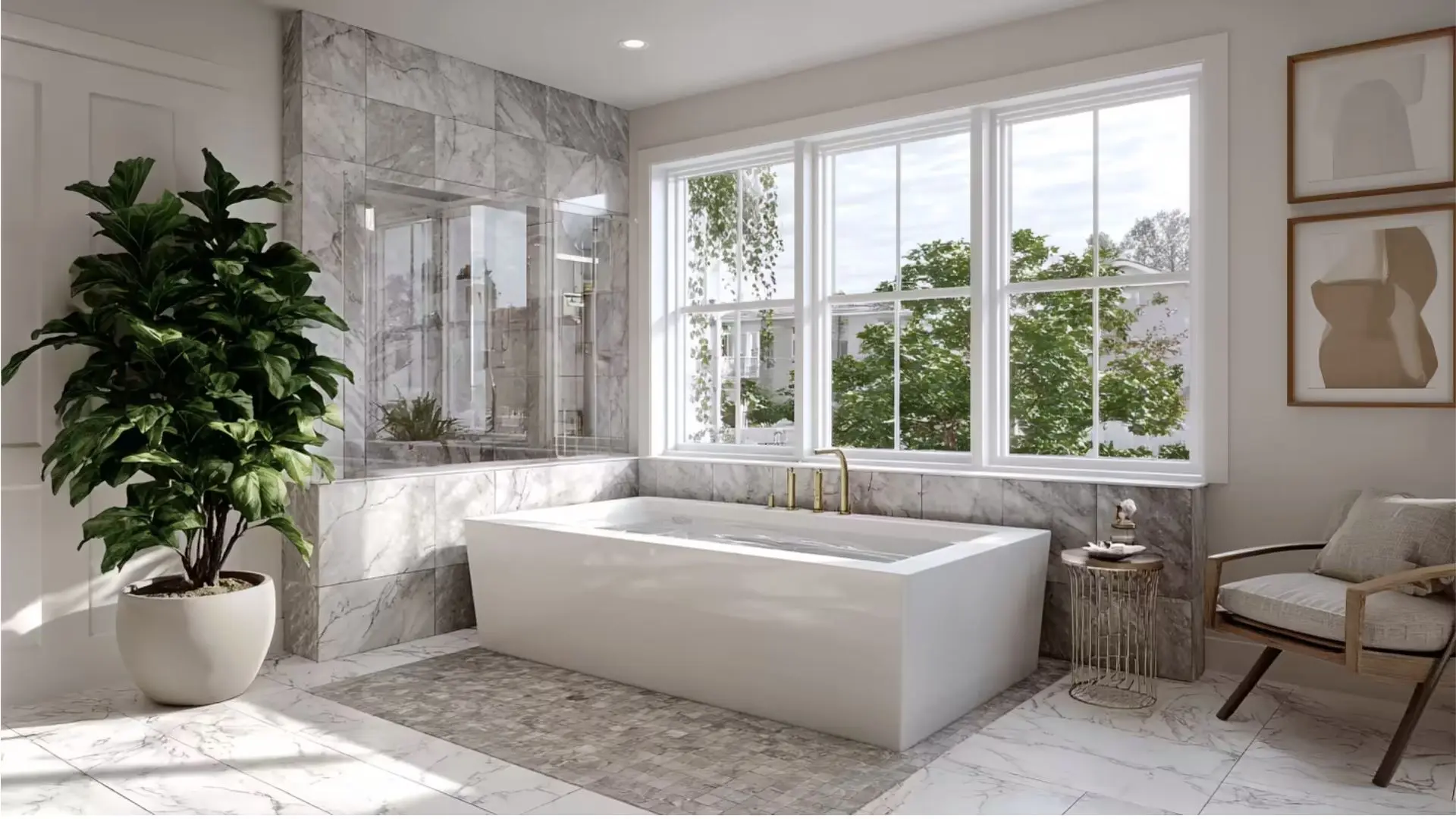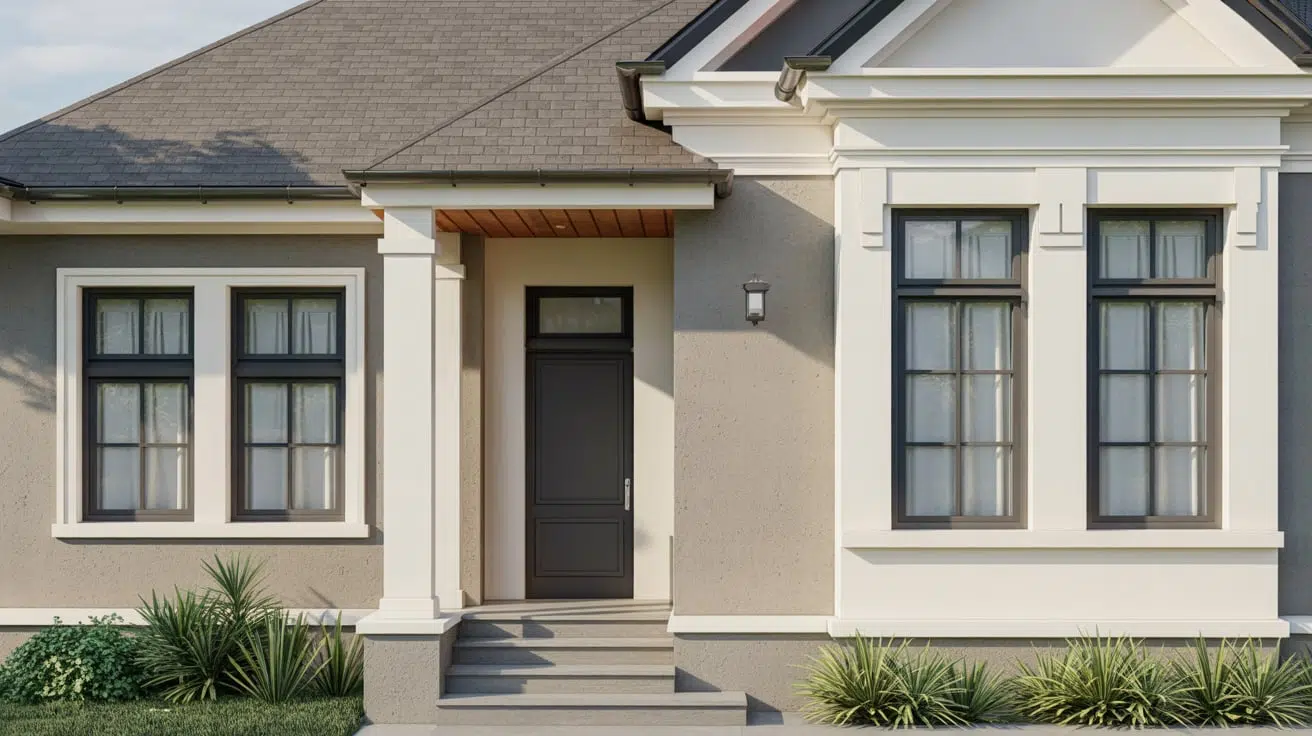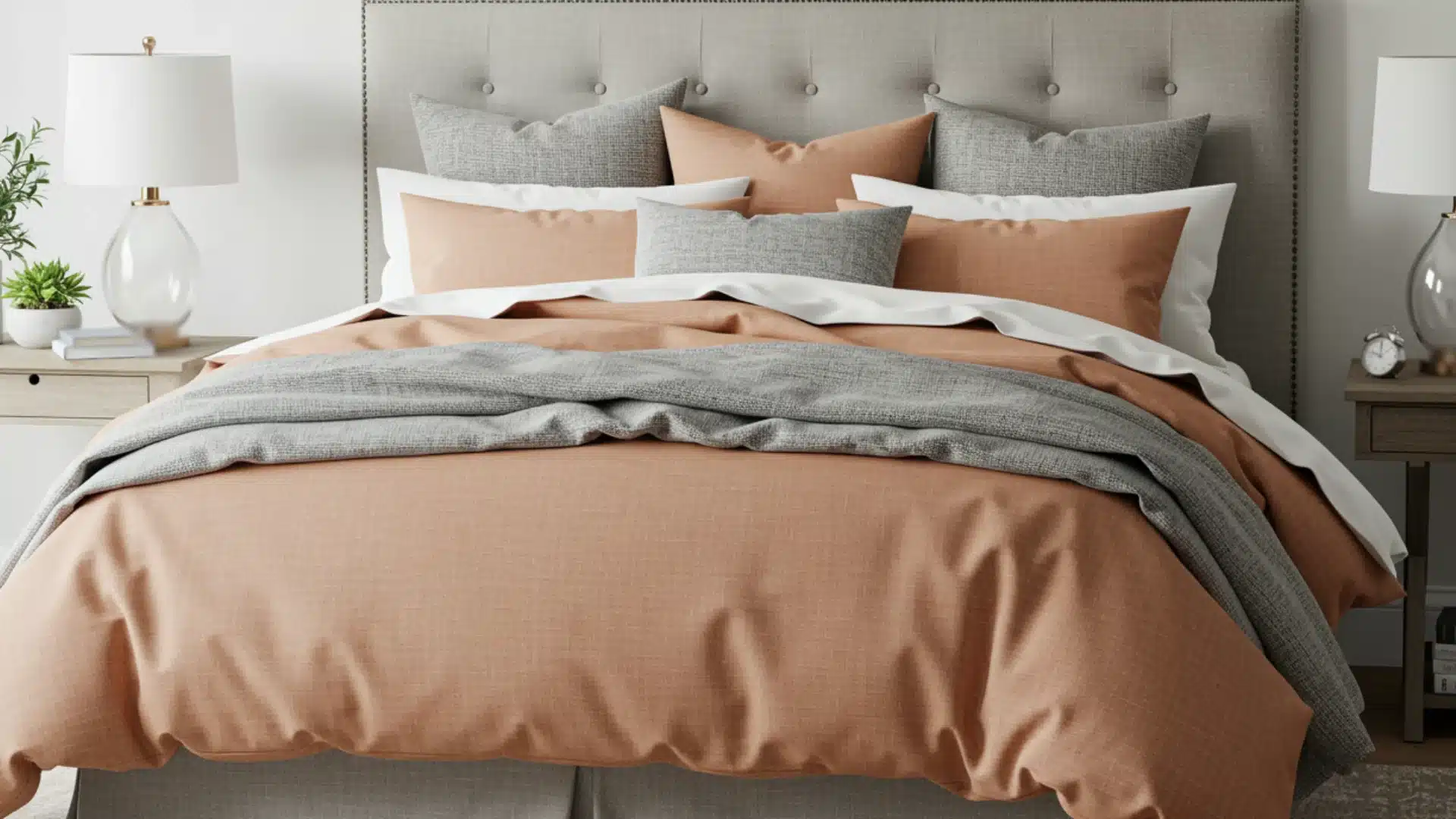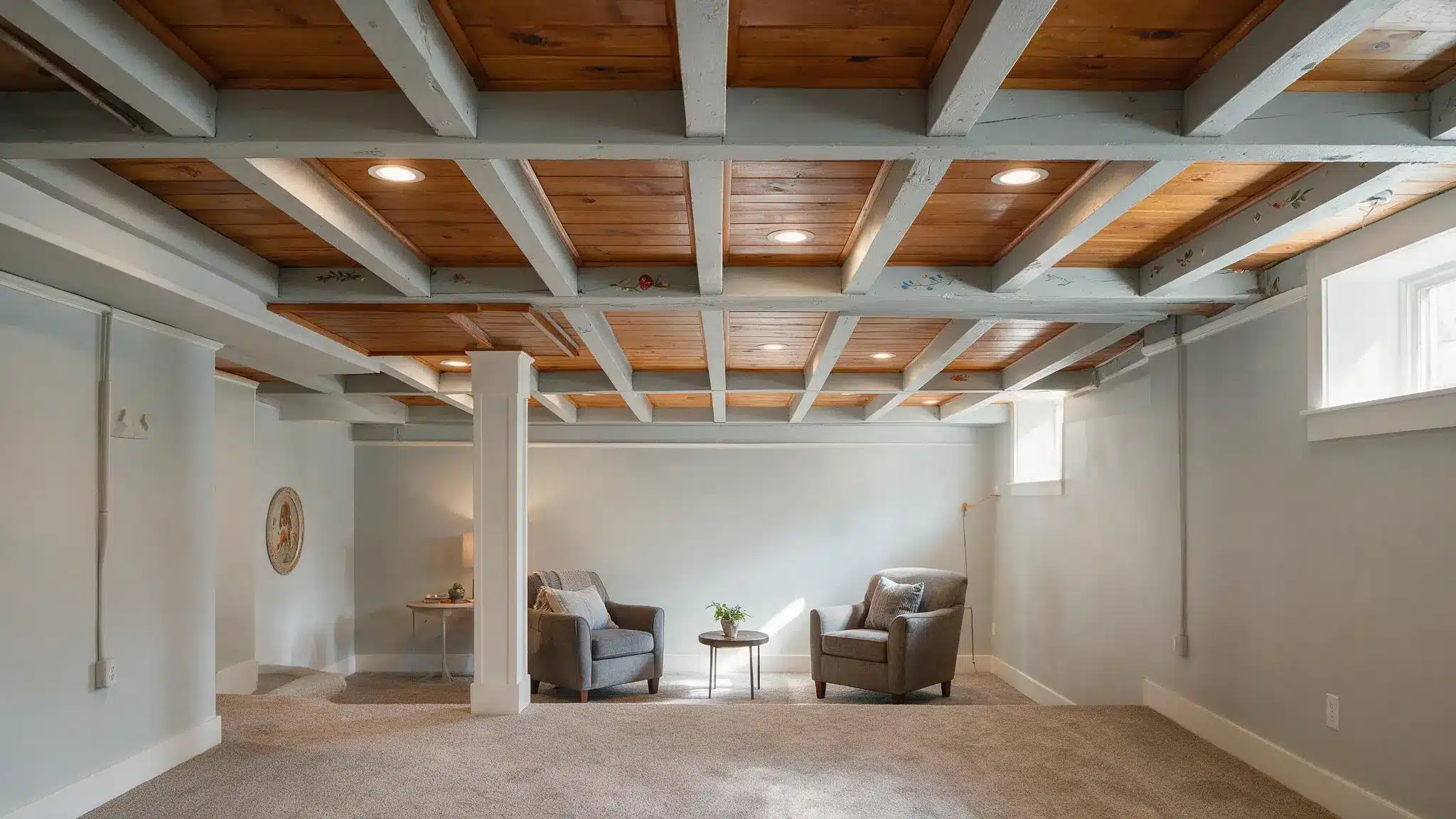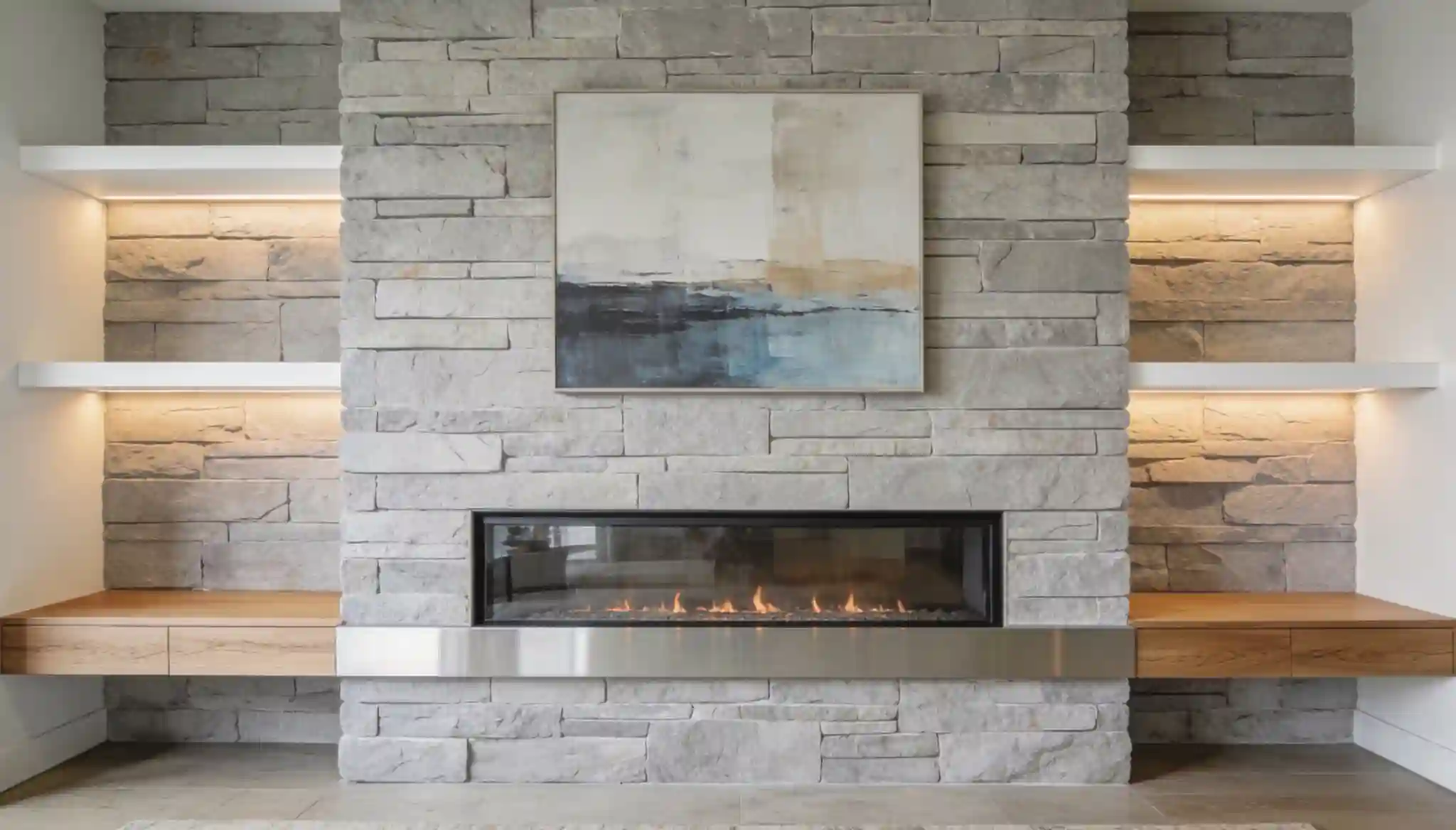
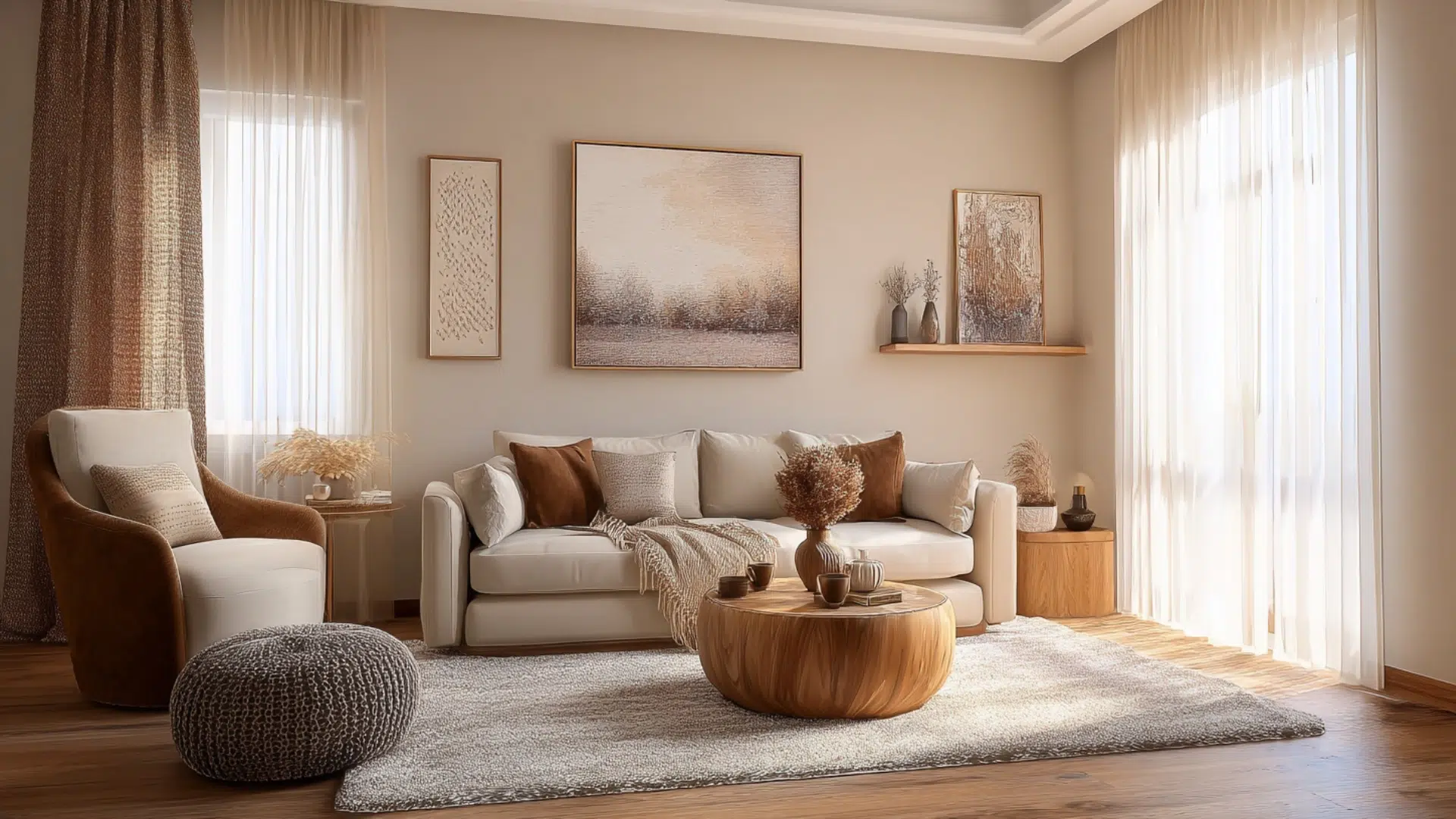
A room can have expensive furniture, fresh paint, and good lighting, and still feel completely off.
Most of the time, what is missing is harmony. Harmony in interior design is what makes a space feel pulled together rather than put together.
It is the difference between a room that looks styled and one that actually feels good to be in.
Having worked through enough redesigns to know what breaks a space and what saves it, that difference almost always comes down to this one principle.
Get that right and everything else starts to fall into place!
What is Harmony in Interior Design?
Harmony in interior design is when all elements in a room work together smoothly.
Think of it like a good recipe; each ingredient supports the others rather than competing for attention.
Colors complement each other, furniture pieces feel connected, and textures create a unified look throughout the space.
Nothing jumps out as wrong or out of place. Instead, everything flows together naturally. This creates spaces where people feel comfortable and relaxed.
Harmony doesn’t mean everything must match perfectly. Rather, it means finding common threads that tie different elements together.
The Core Principles of Harmony
According to David Fideler, author of Breakfast with Seneca, the English word harmony stems from the Greek word harmonia, meaning “to fit together.”
The following principles of Harmony help in every design decision, from paint colors to furniture choices.
1. Color Balance
Colors should complement rather than compete with each other. Choose a main color palette and stick to it throughout the room.
Use the 60-30-10 rule: sixty percent dominant color, thirty percent secondary, ten percent accent.
Using too many colors at once pulls a room apart faster than almost anything else. Pick a palette and commit to it. Every addition after that should earn its place against that foundation.
2. Visual Weight Distribution
Every object has visual weight determined by its size, color, and texture. Heavy pieces should be balanced across the room.
Dark furniture needs lighter elements nearby to avoid making the space feel too heavy.
3. Repetition and Rhythm
Repeat colors, shapes, or textures throughout the room to create a sense of flow.
This might mean matching pillow colors to artwork or repeating curved lines across different furniture pieces to create a consistent visual rhythm.
Mixing too many patterns at once creates visual noise rather than rhythm. Two or three patterns maximum, all sharing at least one common color, is the approach that consistently works.
4. Proportion and Scale
Furniture should be sized appropriately to the room dimensions. Large rooms need substantial pieces while small spaces require lighter furniture.
Everything should feel sized correctly for its surroundings.
5. Unity Through Variety
You can mix different elements while maintaining connection points. Vary textures, heights, and shapes while keeping common colors or materials.
This creates interest without losing the united feel that defines true harmony.
Choosing items with no connection to existing pieces is what happens when rooms are furnished by impulse rather than intention. Every new piece should relate to something already in the space.
Steps to Incorporate Harmony in Your Home
Putting harmony in interior design into practice doesn’t have to feel complicated. These simple steps take you through the process systematically.
Each step builds on the previous one to create beautiful, balanced spaces.
Step 1: Begin by Choosing a Color Palette

Start with three to five colors that work well together.
Pick one dominant color for walls and large furniture pieces. Add secondary colors through accessories like pillows and artwork.
Keep accent colors minimal but impactful.
Test colors in different lighting conditions before making final decisions. This foundation ensures every other design choice supports the overall color story.
Step 2: Add Different Textures

You can layer various textures to add depth without disrupting visual flow. Mix smooth surfaces like glass tables with rough elements like woven baskets.
Combine soft fabrics, such as velvet cushions, with harder materials like wooden furniture.
Different textures catch light differently, creating subtle interest throughout the room.
Step 3: Experiment with Shapes
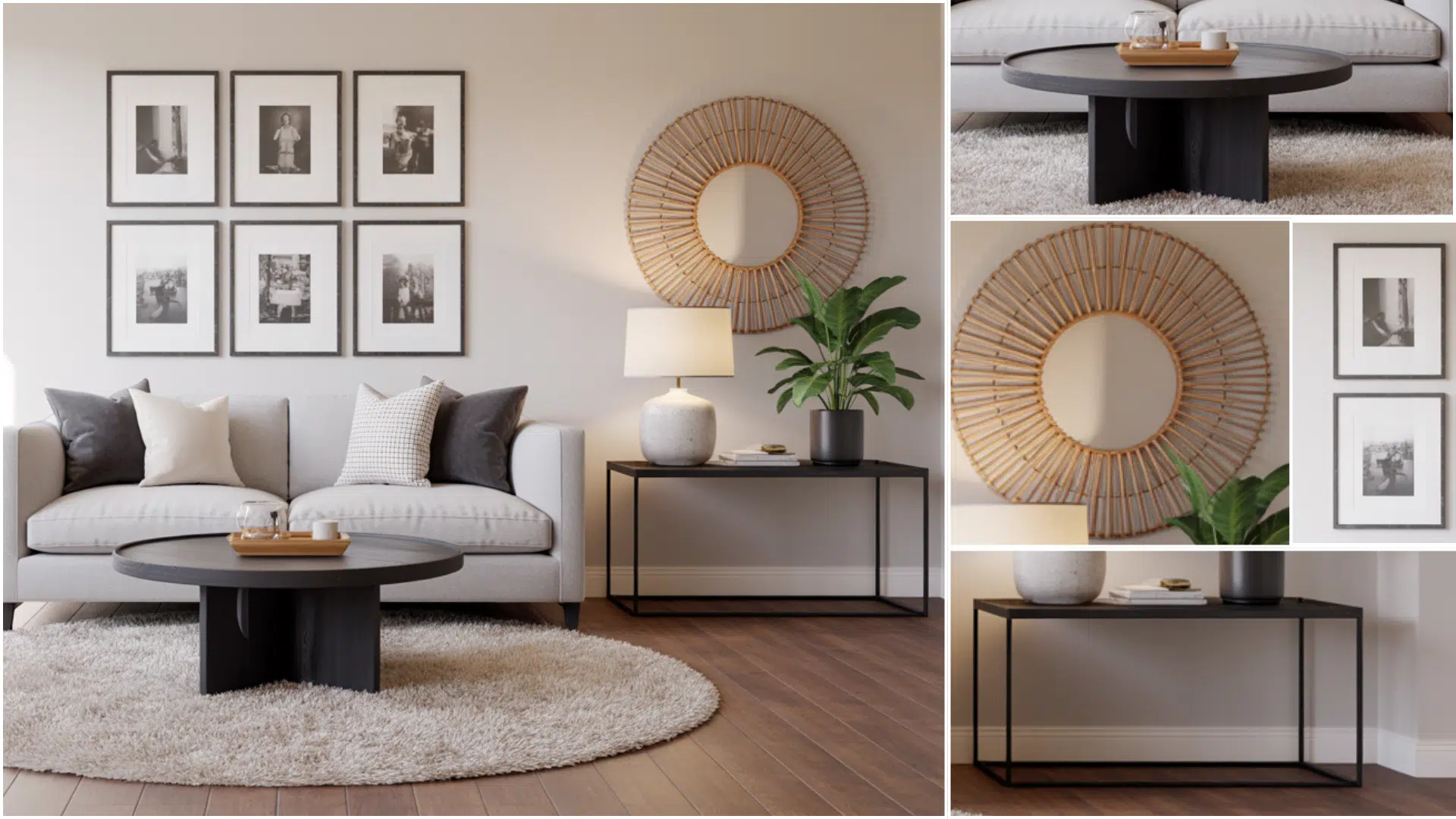
Vary geometric forms while maintaining some consistency. If most furniture has straight lines, add curved elements like round mirrors or oval coffee tables. Mix rectangular artwork with circular decorative objects.
However, don’t go overboard; too many different shapes create chaos rather than harmony.
Choose two or three shape families and strategically repeat them throughout the space.
Step 4: Introduce an Element of Surprise
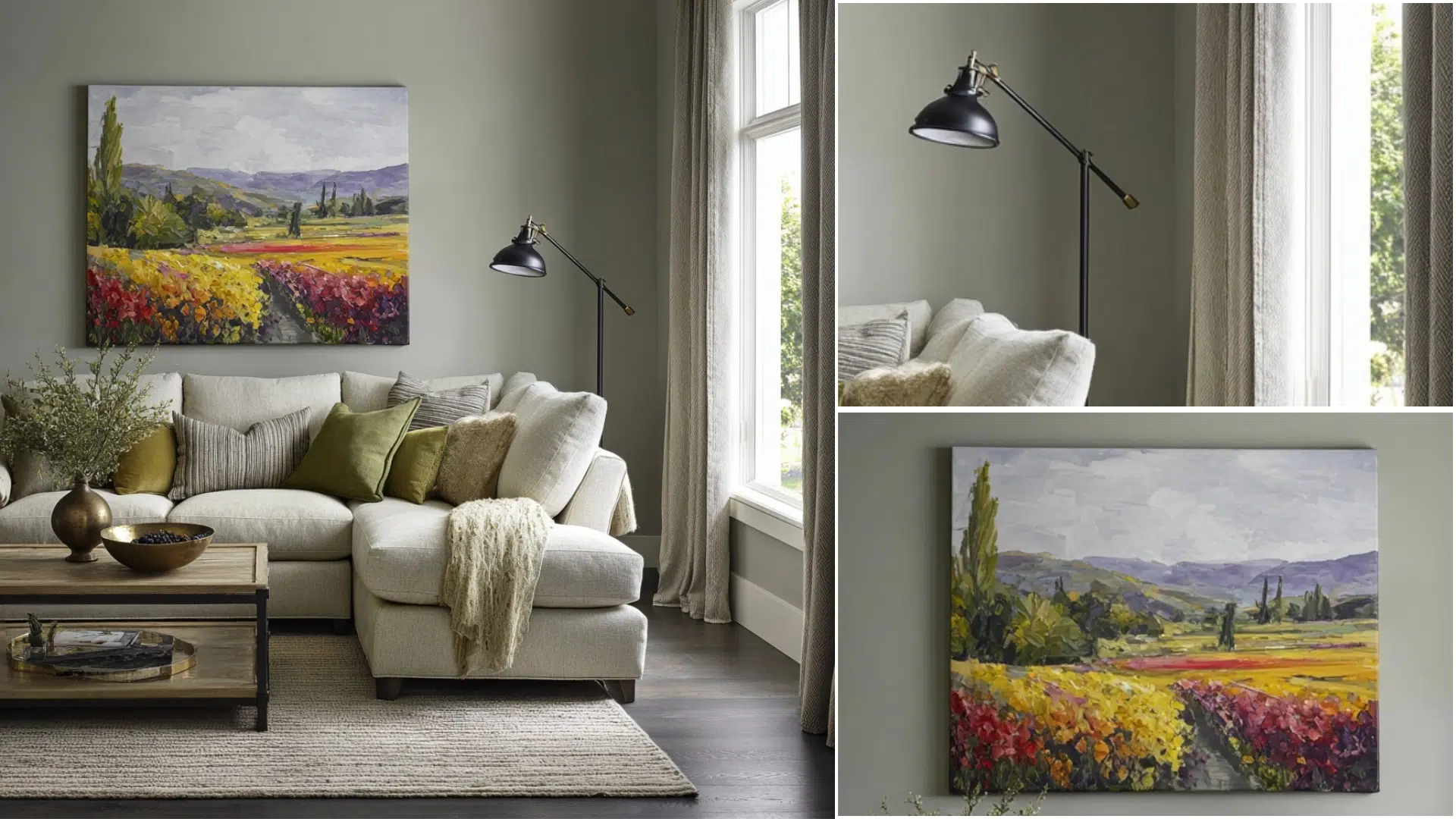
Add one unexpected piece that still fits the overall scheme. This might be an unusual light fixture, an artwork, or an interesting sculpture.
The surprise element should complement existing colors and textures while bringing personality to the space. Keep it proportionate to the room size.
This prevents spaces from feeling too predictable while maintaining the harmonious foundation already established.
Overcrowding surfaces with accessories undoes the work of every other step. One considered object with breathing room around it will always read better than a collection of pieces competing for the same space.
Step 5: Take a Moment to Review and Refine

Step back and assess the entire room objectively. Look for areas that feel unbalanced or disconnected. Move items around until everything feels right.
Sometimes small adjustments make huge differences in overall harmony.
Ask friends or family members for honest opinions. Fresh eyes often spot issues that become invisible over time. Make final tweaks until the space feels completely unified and comfortable.
Ignoring traffic flow is easy to overlook during planning, but impossible to ignore once living in the space. Furniture placement that blocks natural walking paths makes even a beautifully styled room feel frustrating to use every day.
Other Principles of Interior Design
There are other principles in interior design besides harmony that help plan space successfully. These fundamental concepts work together to create rooms that feel both functional and beautiful.
1. Balance
Balance in interior design is about visual stability. A room can feel unsettled without it, even if everything is technically in the right place.
Symmetrical balance places identical items on both sides of a central point, which works well in formal spaces.
Asymmetrical balance uses different objects with equal visual weight, which tends to feel more relaxed and lived-in.
Radial balance arranges elements around a central focal point and works particularly well in dining rooms or spaces anchored by a central light fixture.
2. Emphasis
Every room needs a point that immediately captures attention when people enter.
This might be a statement wall, a large artwork, or a striking furniture piece. Emphasis prevents spaces from feeling boring or directionless.
Other elements should support rather than compete with the main focus for maximum visual impact.
3. Rhythm
Rhythm creates movement and flow through the repetition of colors, shapes, or patterns.
Regular rhythm repeats identical elements at consistent intervals. Progressive rhythm gradually changes elements in size or color.
This principle guides the eye smoothly throughout the entire room space.
4. Proportion
Proportion is one of the most common things that go wrong in a room, and one of the hardest to identify when they do.
It refers to how objects relate in size to each other and to the room itself.
Golden ratio proportions tend to feel most natural to the eye, which is why certain furniture arrangements feel immediately right without any obvious reason.
5. Scale
Scale specifically addresses size relationships between objects and human bodies. Furniture height should accommodate average human proportions comfortably.
Coffee tables work best at sofa seat height.
Artwork should be properly sized to the furniture beneath it. The correct scale ensures spaces feel comfortable and functional for everyday living.
6. Unity
Unity ties all elements together into a single whole through shared characteristics. Common colors, materials, or styles create a connection between different pieces.
Rooms should feel like they belong in the same home. Unity doesn’t require everything to match perfectly; just share some connecting visual threads that bind the space.
Common Mistakes That Disrupt Harmony
The following mistakes happen frequently but are easy to fix once identified.
- Using too many colors at once: Stick to your chosen palette instead of adding random colors that don’t belong together.
- Ignoring scale and proportion: Oversized furniture in small rooms or tiny accessories in large spaces throws off visual balance completely.
- Placing all furniture against the walls: This creates dead space in the room centers and prevents natural conversation flow between people.
- Mixing too many patterns: Combine only 2 or 3 at most, ensuring they share common colors for cohesion.
- Choosing items without connection: Random purchases that don’t relate to existing pieces break the harmony and unified look the space requires.
- Overcrowding spaces with accessories: Too many decorative objects compete for attention rather than working together as a cohesive group.
- Ignoring traffic flow: Furniture placement that blocks natural walking paths makes rooms feel awkward and uncomfortable to use.
Wrapping Up!
Harmony in interior design
It comes from making deliberate decisions, stepping back, reassessing, and adjusting until the space genuinely feels right. Every redesign teaches something new about what works and what quietly pulls a room apart.
The principles here are not rigid rules to follow.
They are tools that get sharper with use.
Start with color, get the balance right, and build outward from there. Small, considered changes made consistently will always outperform a rushed overhaul.
Frequently Asked Questions (FAQs)
1. How is Harmony Different from Balance in Interior Design?
Balance refers to visual weight distribution, while harmony is the broader sense of all elements feeling connected and unified throughout a space.
2. Can Harmony be Achieved in a Rented Space Without Major Changes?
Yes, swapping out soft furnishings, adding coordinated accessories, and sticking to a consistent color palette makes a noticeable difference without touching the walls.
3. Does Minimalist Design Automatically Create Harmony?
Not necessarily, a minimal space can still feel disconnected if the few pieces present do not share any common colors, materials, or proportions.
4. How Long Does it Take to Achieve Harmony in a Room?
There is no fixed timeline, but working through one element at a time, starting with color, tends to produce results faster than trying to change everything at once.
5. Can Harmony Work in a Room With Mixed Furniture Styles?
Yes, mixing styles works well as long as there is a consistent thread running through the space, whether that is a shared color, finish, or material.