A lot of people feel stuck in patterns they cannot quite explain.
Human Design gives those patterns a name. At its core, the human design definition is simple: it is a system that maps how your energy works, why certain decisions feel off, and how you naturally connect with people.
There are five human design types, each with its own strengths and patterns.
People use it to better understand themselves, improve relationships, and make clearer career and life decisions.
What is Human Design and Where Does It Actually Come From?
Most people encounter Human Design at a strange point in their lives. A burnout. A breakup. A moment where nothing seems to make sense anymore.
That is usually when the questions start.
Human Design pulls from astrology, the chakra system, and your birth chart.
Ra Uru Hu developed the system in 1987 after what he described as a mystical experience. These inputs are mapped to a BodyGraph.
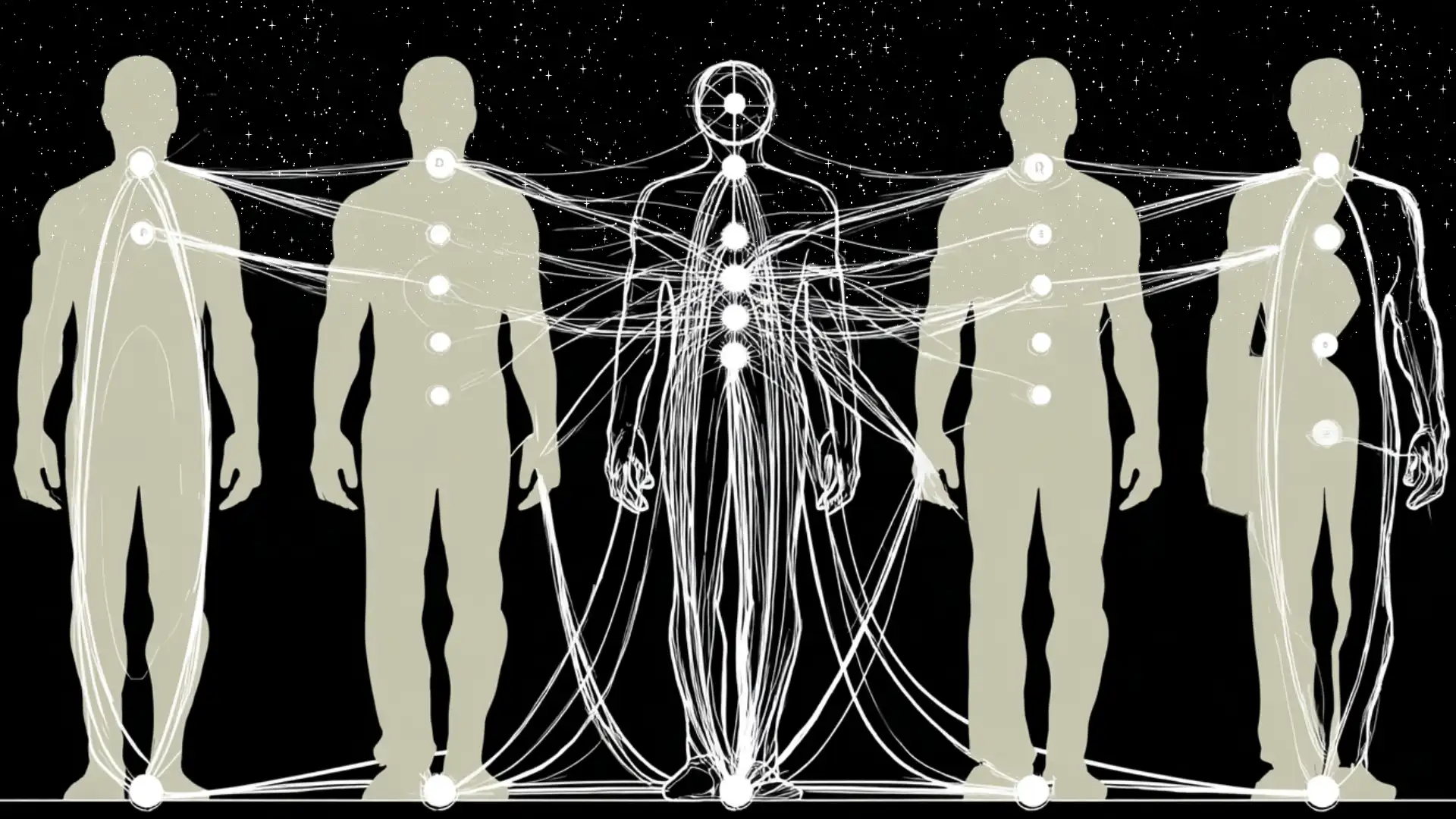
This chart shows your energy centers, how you make decisions, and where outside energy tends to affect you most.
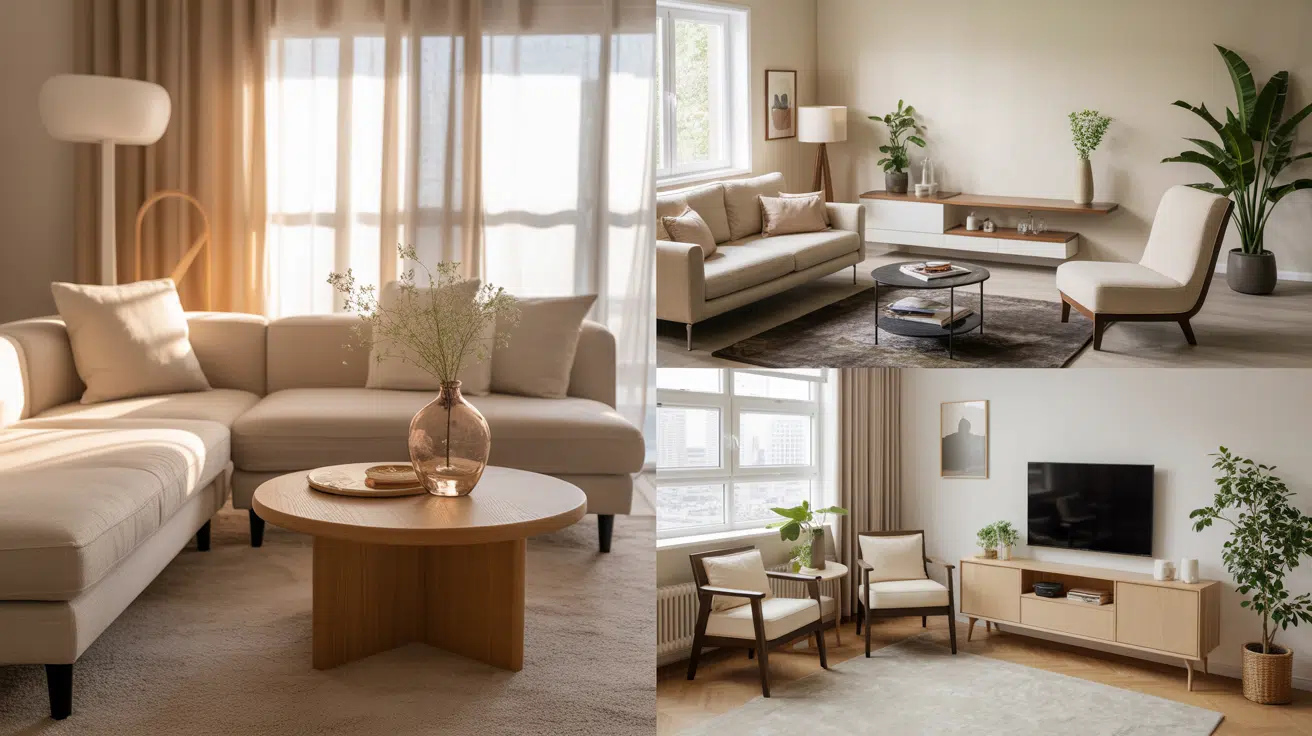
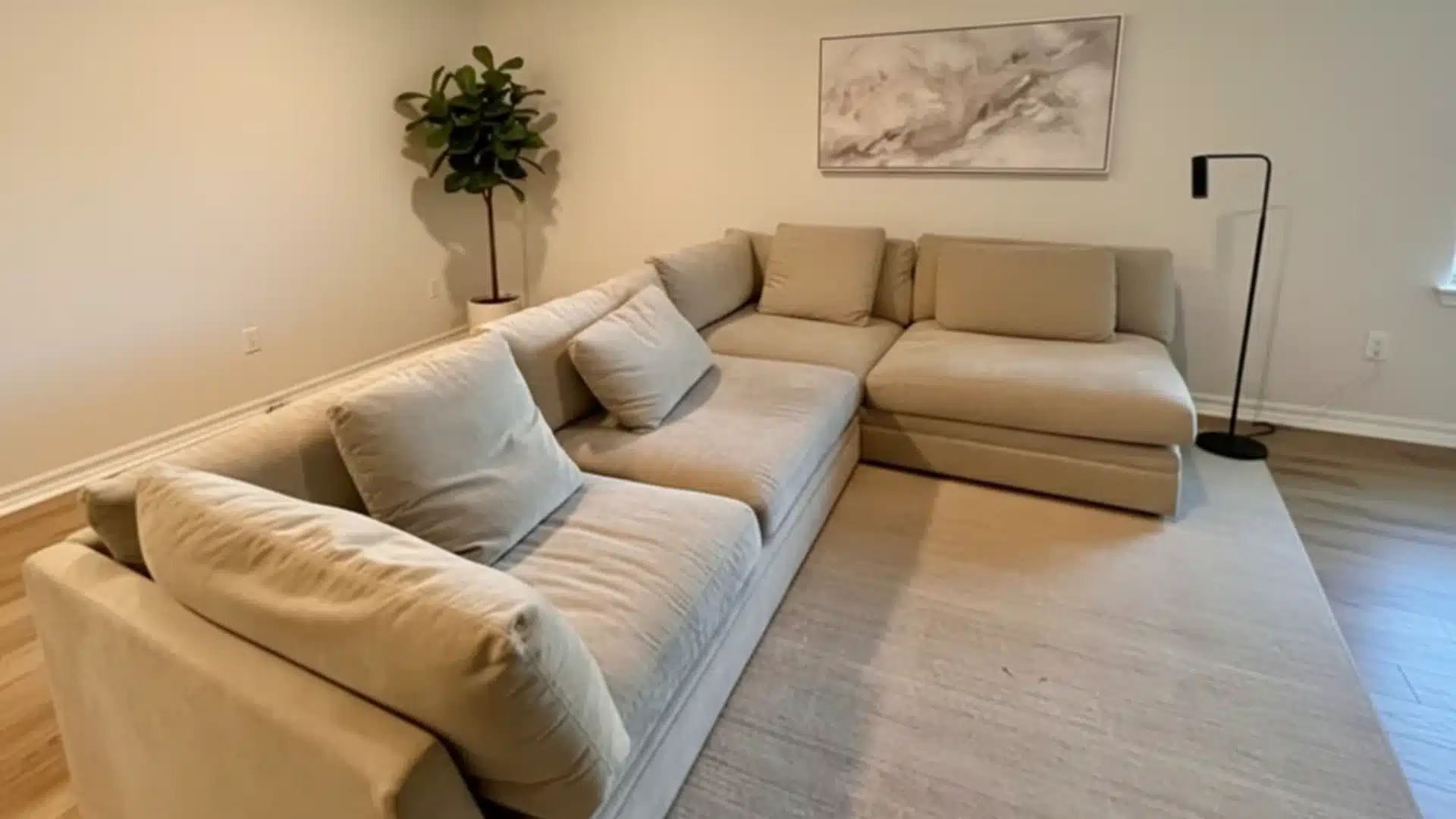
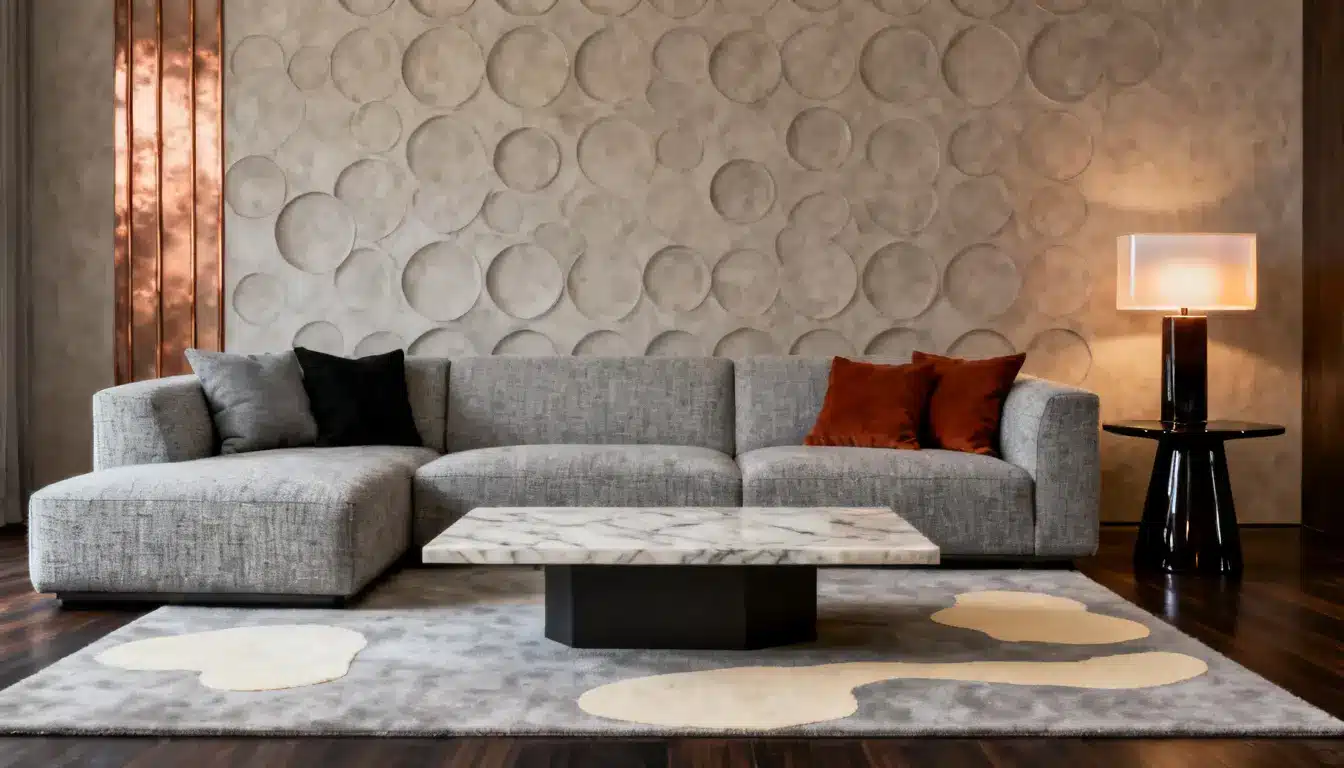
Research on human dimension and interior space confirms that physical environments directly affect how people feel and function inside them [ Source Read: ied.edu]
What Are the 5 Human Design Types?
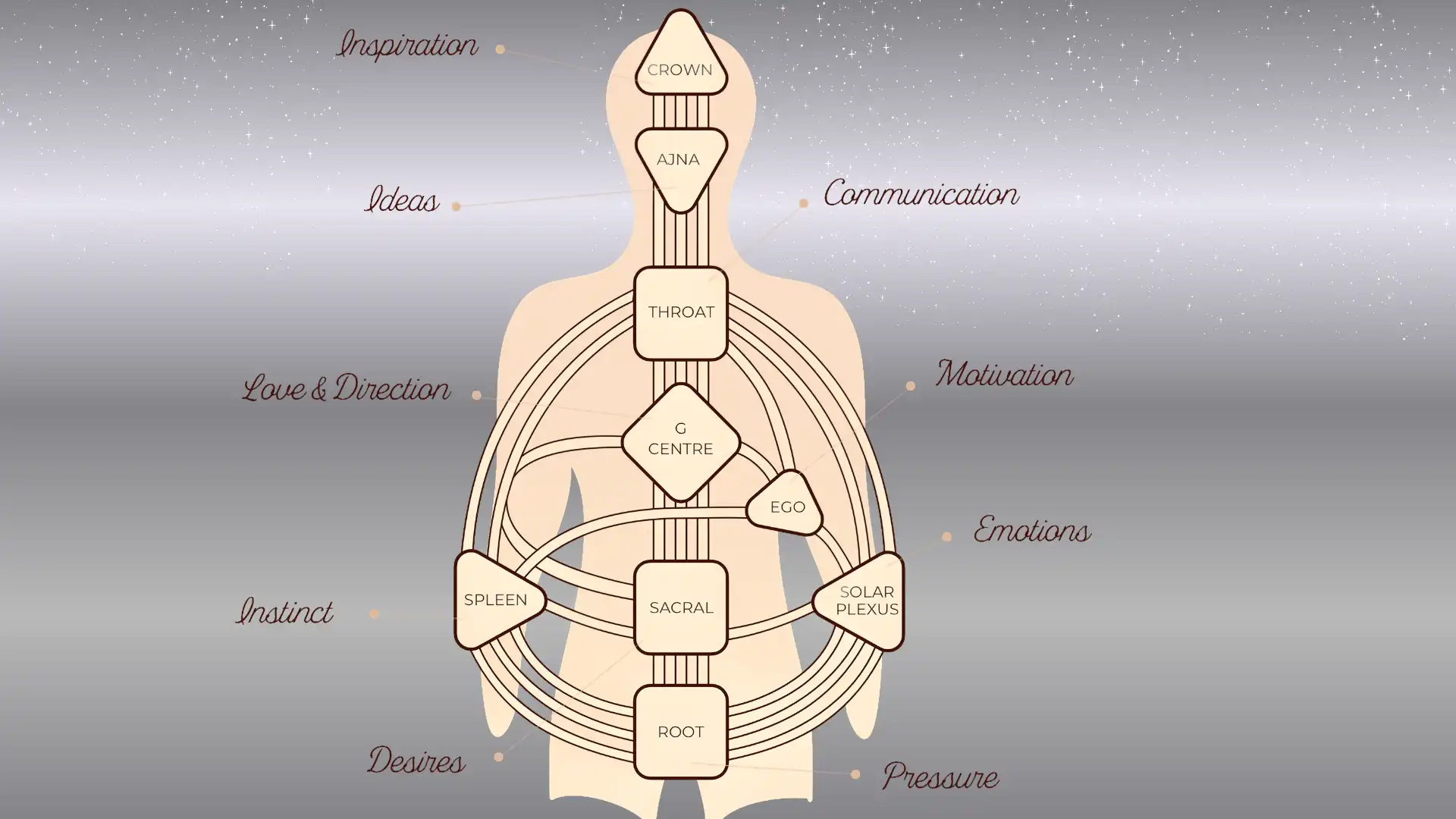
Each Human Design type has its own energy style, decision-making pattern, and way of moving through the world.
Knowing your type is the starting point for everything else in Human Design.
1. Manifestors: The People Who Naturally Shift Energy Around
Manifestors make up about 9 percent of the population.
They are the only type with a truly independent energy field. They do not need permission, validation, or a response from life to get started. They just move.
They are natural initiators. They prefer to work without being managed, and they can feel deeply restless when life slows down or someone tries to control their pace.
Their energy affects the people around them, often without any intention.
Where they shine
- Starting things others would not even attempt
- Shifting the direction of a room, project, or conversation with ease
- Leading without needing a title or approval
Where it gets complicated
- Others often find them hard to read or suddenly overwhelming
- Informing people before acting does not come naturally, but skipping it damages trust
- Rest feels uncomfortable, which is exactly when burnout sneaks in
2. Generators: The Type That Feels Drained When Life Stops Feeling Right
Generators are the most common Human Design type, making up roughly 37 percent of the population.
They are the builders. The ones who can work for hours when the work actually fits, and collapse on the couch by 3 pm when it does not. Their energy is not unlimited. It is conditional.
Traits
- Respond better to life than they initiate it
- Have a gut response that usually knows before the brain does
- Can stay stuck in the wrong situation for years by overriding that feeling
Strengths
- Consistent, renewable energy when aligned
- Magnetic and deeply engaged when doing work they care about
- Built to master things over time
Challenges
- Saying yes too fast leads straight to frustration
- Walking away from something misaligned is harder for Generators than most
- Learning to wait before acting can feel like doing nothing, even when it is exactly right
When a Generator is in the right work, the right relationship, or the right environment, they are nearly unstoppable. When they are not, the drain is slow but total.
3. Manifesting Generators: Fast Minds, Sudden Changes, and Constant Internal Shifts
Manifesting Generators sit somewhere between a Generator and a Manifestor. They make up around 33 percent of the population.
They have strong, sustainable energy like Generators, but they also carry an initiating quality that makes them move faster and change direction more suddenly than any other type.
They are often interested in many things at once. They skip steps that others consider non-negotiable. They can seem scattered to people around them, but internally, it usually makes sense.
Their challenge is not speed or variety. It is committing long enough to finish what they started before something new pulls their attention.
Where they move fast
- Fast learning and quick skill pickup
- Juggling multiple projects without losing momentum
- Environments that allow flexibility and course correction
Where things stall
- Staying in something past the point their gut already left
- Others expect a straight line when they naturally move in spirals
- The guilt of changing direction, even when changing was the right call
4. Projectors: The Ones Who Notice What Everyone Else Misses
Projectors make up about 20 percent of the population. They do not have the same consistent energy as Generators. Their strength is not output. It is attention.
Who are they?
Projectors are observers. They read people and systems with an accuracy that can feel unsettling to those around them. They work best in focused bursts, not long grinding hours.
They need recognition and an invitation before their advice actually lands. Without that, even the sharpest advice goes unheard.
Where do they do well?
- Advising, coaching, and guiding others
- Spotting what is not working before anyone else does
- Reading a room or a person faster than most
Where does it get hard?
Waiting for an invitation feels passive at first, especially in a world that rewards people who push forward.
Overworking hits Projectors faster and harder than other types. The frustration builds quietly. And for Projectors, once it arrives, it is hard to shake.
5. Reflectors: The Rarest and Most Emotionally Absorbent Type
Reflectors make up just 1 percent of the population.
They have no defined energy centers, which means they take in and reflect the energy of everyone around them.
Their environment shapes their mood more than anything internal. Who they sit next to matters. Where they sleep matters. Most types can push through a bad environment. Reflectors absorb it.
Traits
- Highly sensitive to the environment and the people in it
- Feel noticeably different from one day to the next, depending on who they are around
- Need more time than any other type to make major decisions
- Often the first to sense when something in a group has shifted, even before anyone says a word
Strengths
- Can sense whether a group or space is healthy in a way others simply cannot
- Naturally open and genuinely curious about different perspectives
- Offer a rare outside view that people inside a situation often miss
Challenges
- Constant absorption of others’ energy makes it hard to know what they actually feel
- Big decisions made too quickly almost always feel wrong afterward
- The right environment matters more for Reflectors than for any other Human Design type
- Without time alone to decompress, they can lose track of themselves entirely
How to Find Your Human Design Type?
Finding your Human Design type is simpler than it sounds.
You only need three things:
- Your birth date
- Your exact birth time
- Your birth location
Birth time matters more than most people expect. Even a small difference can shift your type, authority, and energy centers. If you are unsure, check your birth certificate.
Once you have those details, enter them into a free Human Design calculator and generate your BodyGraph chart instantly. You will see nine energy centers mapped across a human figure.
Colored centers represent energy you consistently carry. Open or white centers show where you absorb energy from others and your environment.
Do not try to learn everything at once. Start with your type and your strategy.
Human Design Types by Population: Who Makes Up the World?
Every human design type carries a specific energy strategy and a distinct purpose. No type holds more value than another. They are just wired differently, and that difference is the point.
Population Overview
| Human Design Type | Estimated Population | Core Role | Strategy |
|---|---|---|---|
| Generator | 37% | Builder and Creator | Wait to Respond |
| Manifesting Generator | 33% | Multi-tasking Creator | Respond Then Inform |
| Projector | 20% | Director and Advisor | Wait for the Invitation |
| Manifestor | 9% | Initiator and Leader | Inform Before Acting |
| Reflector | 1% | Community Mirror | Wait 28 Lunar Days |
With Generators and Manifesting Generators making up nearly 70 percent of the global population, most productivity systems, work cultures, and social norms were built around theirenergy model without anyone realizing it.
How Human Design Types Influence Interior Design Choices
Most people redecorate and still feel wrong in their space. They change the furniture, repaint the walls, and follow every trend. And still something feels off.
That is not a design failure. That is your energy trying to tell you something.
Your home holds energy the same way you do. Human Design shows how each type processes that energy differently.
A space that calms one person can quietly drain another. The colors you surround yourself with, the way light moves through a room, the textures you touch every day. None of it is neutral.
What restores a Reflector may feel like isolation to a Generator. What grounds a Projector may feel suffocating to a Manifestor.
That balance between your energy and your environment is what harmony in interior design actually means.
Best Interior Design by Every Type
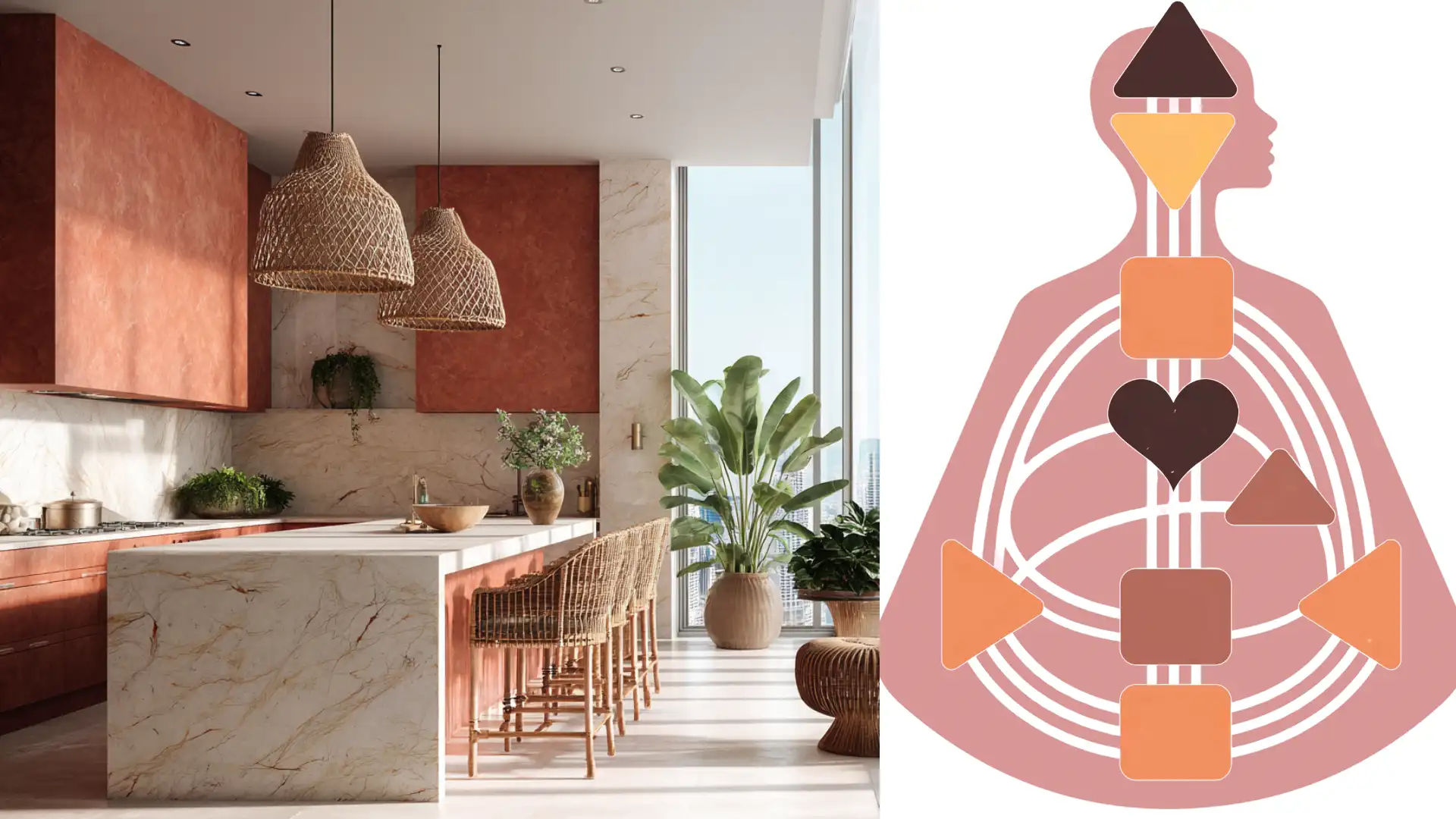
Every person has a type. And every type needs a different kind of space to feel good!
Just like some kids sleep better with a nightlight and some need total darkness, some people recharge in busy, colorful rooms, and others need quiet and calm.
1. Generators
Generators need a space where their energy can flow. Open floor plans with good natural light work best.
Warm tones like terracotta, amber, and deep gold support their active energy.
Keep a clear separation between workspace and rest areas. Functional furniture over decorative pieces. If it does not serve a purpose, it gets in the way.
2. Manifesting Generators
Manifesting Generators shift fast, and their space needs to keep up. A rigid, overly curated home will feel like a trap within weeks.
What works best:
- Flexible layouts that can be rearranged easily
- Multiple activity zones in one space
- Bold accents mixed with neutral bases
- Storage that is quick to access and easy to reorganize
Go for lightweight or wheeled furniture you can actually move. Use open shelving so everything stays visible. Leave some breathing room and resist the urge to fill every corner.
3. Projectors
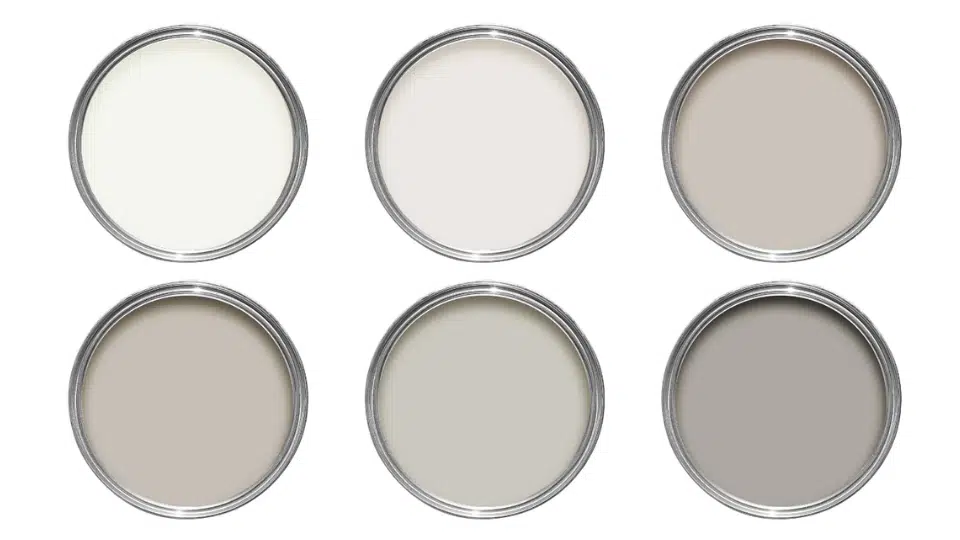
Projectors absorb everything around them. Their home should do the opposite. Soft, muted tones like sage, dusty rose, and warm grey help them decompress.
A quiet corner away from high-traffic areas matters more for this type than for any other. Clutter is the enemy. When a space competes for their attention, Projectors cannot fully rest.
Switch to soft lighting in rest areas and keep harsh bulbs out of the bedroom entirely. Carve out one space in the home that belongs only to you and keep it that way.
4. Manifestors
Manifestors need autonomy in their space, the same way they need it in life.
Deep, bold colors like navy, forest green, or charcoal suit them well. A private area that is entirely their own is not a luxury. It is a necessity.
A home that reflects someone else’s taste entirely will quietly frustrate them, even if they cannot explain why.
Claim one room or corner that is fully under your control. Use bold color in one focused spot like an accent wall, and design for function first because Manifestors move fast.
5. Reflectors
Reflectors are the most sensitive to the environment of all the human design types.
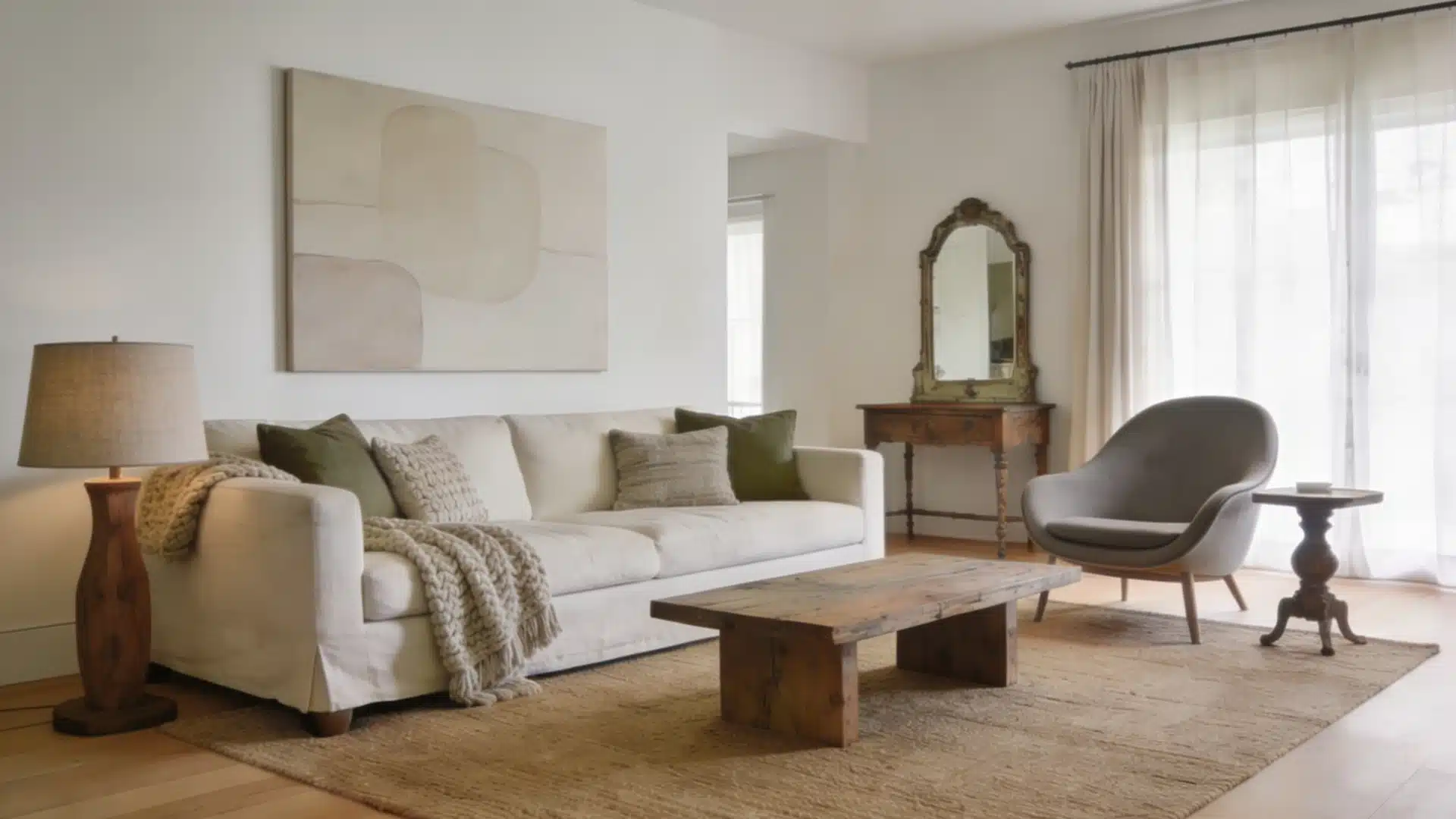
Soft natural materials like linen, wood, and stone help ground them.
Calming neutral tones with gentle natural light work better than anything bold. Their space should shift slightly with the seasons because their energy does too.
They need at least one area of complete solitude where no one else’s energy lingers.
Rotate small decor items with the seasons to stay in sync with your energy. Stick to natural fabrics where possible, and use blackout curtains in the bedroom, as light and sound affect Reflectors more than most.
Human Design and Feng Shui: Are They Connected?
Feng Shui and Human Design come from different traditions, but they are asking the same question.
How does energy move through a space, and how does that affect the people in it?
Feng Shui, rooted in ancient Chinese philosophy, works with the energy of a room through its layout, direction, and flow. Human Design works with the energy of a person, their type, strategy, and environment.
Together, they point to the same idea. Your space and your energy need to match.
A Reflector in a chaotic home will feel it before they can name it. A Projector in a loud shared space will burn out before they understand why. The environment is never neutral.
Bottom Line!
Human Design does not ask you to become someone new. It shows you how you already work.
Whether you are a Manifestor, Generator, Manifesting Generator, Projector, or Reflector, your type carries a logic that is entirely your own. Your energy, your space, your decisions. All of it connects.
The more you understand your Human Design type, the less you find yourself forcing things that were never meant to fit.
That is not a small thing. That is everything.
Frequently Asked Questions
1. Can Your Human Design Type Change over Time?
No, your Human Design type is determined by your birth data and stays the same for life.
2. Is Human Design the Same as Myers-Briggs or Enneagram?
No, Human Design uses birth chart data and body centers rather than personality questionnaires or behavioral patterns.
3. Can Two People of the Same Type Have Different Charts?
Yes, your full chart includes profiles, gates, and channels that make every BodyGraph unique even within the same type.
4. Does Human Design Work if You Do not Know Your Exact Birth Time?
An approximate time can still generate a chart, but key details may be inaccurate, so an exact time is always recommended.
5. Is Human Design Considered a Science or a Spiritual System?
Human Design is not scientifically verified and is best understood as a self-awareness tool rather than an evidence-based system.