You’ll spend more hours on your living room seating than anywhere else, which is exactly why the sofa-versus-loveseat decision matters.
Mostly, people get confused between the two. Even I did – at first. It’s all because they look identical at first look.
But the two pieces are built for different rooms and different numbers of people, and that difference matters once you’re actually shopping.
Keep reading to know more.
Sofa and Loveseat are Identical but not the Same Thing
Both are closely related pieces of furniture, and they share quite a bit in common.
- Basic function: Both are upholstered seating designed for living rooms or similar spaces, meant to comfortably seat more than one person at a time
- Design elements: They typically share the same core construction, a wooden or metal frame, cushioned seats and backs, armrests on either side, and upholstery in fabric or leather.
- Comfort features: Both usually include similar cushioning options, fixed or removable cushions, foam or down fill, and reclining or non-reclining versions.
- Placement role: Both serve as primary or secondary seating in a living room, family room, or den, often arranged around a coffee table facing a TV or fireplace.
What Exactly is a Sofa?
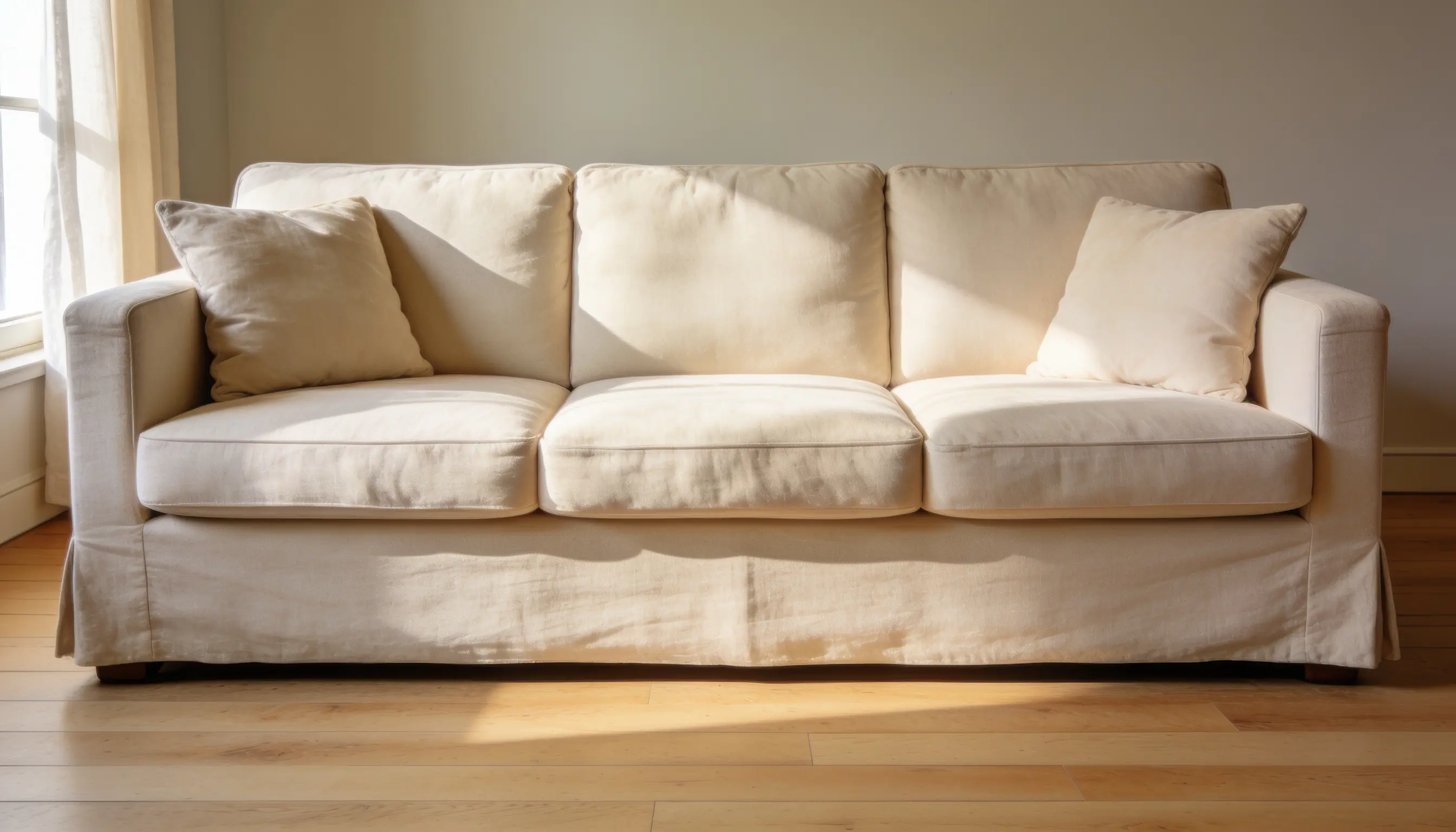
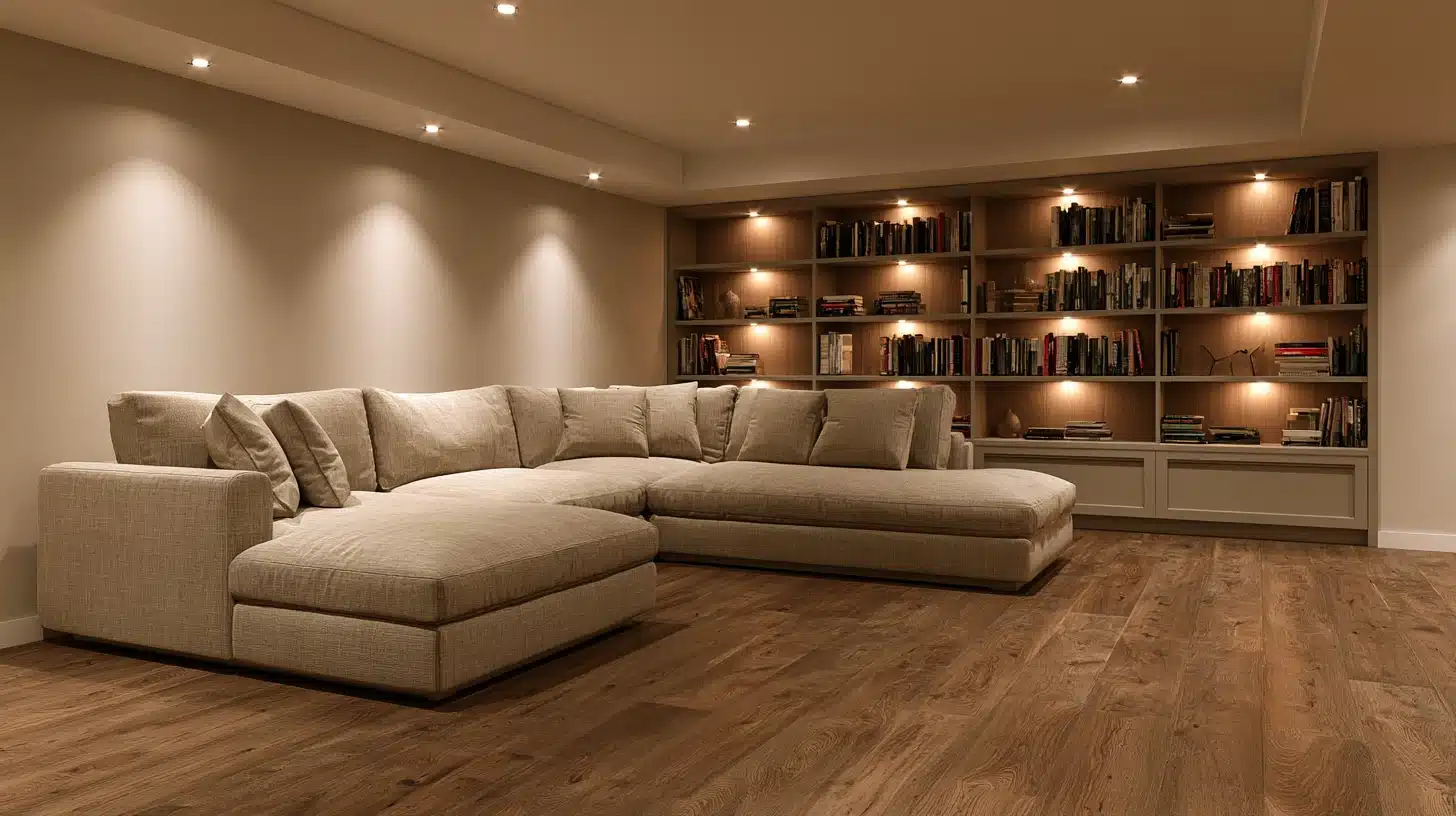
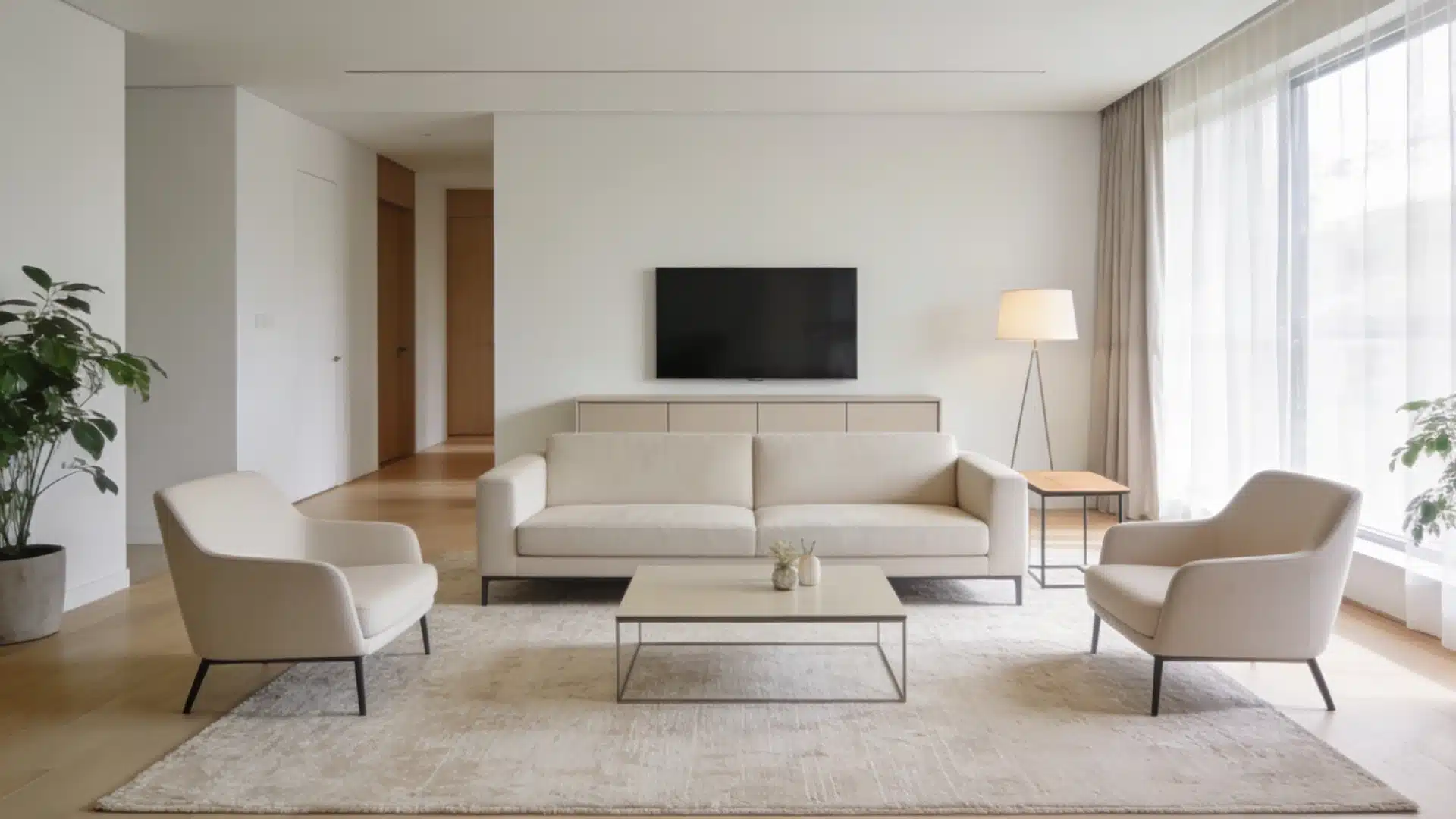
A sofa is the largest upholstered seating piece in most living rooms, and traditionally the one around which everything else-the coffee table, the rug, the television, the family-arranges itself.
Most standard sofas measure between 72 and 96 inches in length, comfortably seating three to four adults.
Functionally, a sofa is the main piece of living room furniture that sets the tone for everything else.
In design terms, it is almost always the focal point of a living room layout, the piece you build a floor plan around rather than fit in afterward.
What Exactly is a Loveseat?
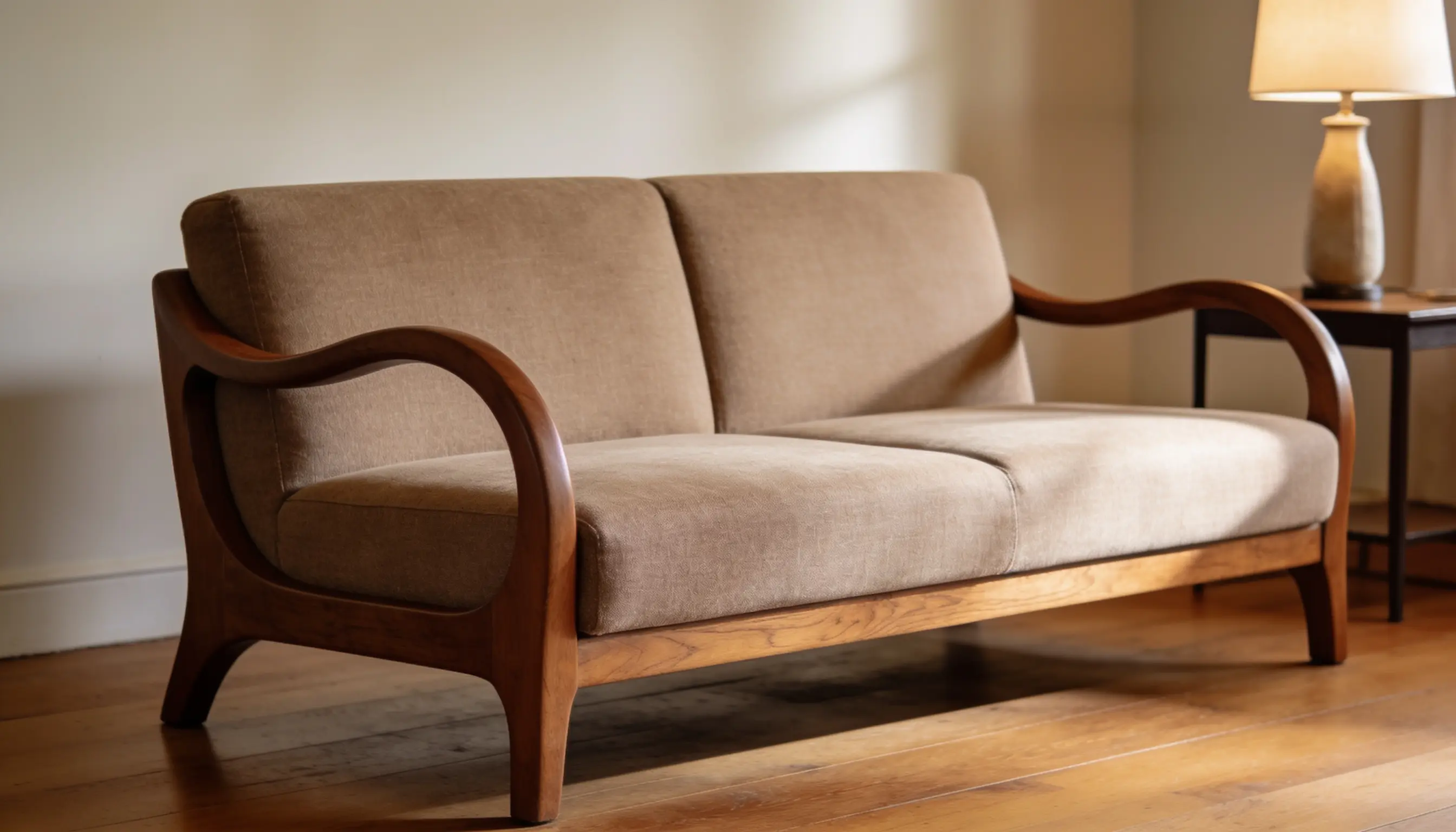
The term “loveseat” dates back to 18th-century France and England.
Wide, single-seat chairs were designed to accommodate a woman’s voluminous skirts, with discreetly enough room for a suitor to sit beside her. It wasn’t about seating capacity at all, at first.
It was about proximity. About permission. And that is why it was named “loveseat”.
A loveseat, by contrast, is a smaller sofa, typically 48 to 65 inches wide. It is built to comfortably seat two people.
Because of its compact footprint, a loveseat is often the preferred choice for small living rooms, apartments, reading nooks, or bedrooms. If you’ve ever tried to wedge a three-seater up a narrow apartment stairwell, you already know why that matters.
It offers the comfort of upholstered seating without taking up the space a three-seater sofa would require.
A Detailed Comparison Between the Two
When furnishing a living room, one of the first decisions you’ll face is choosing between a sofa and a loveseat.
While they look similar and serve the same general purpose, the differences between them can significantly impact comfort, layout, and style.
1. Size and Seating Capacity
The most obvious difference is size. A sofa typically measures 72 to 96 inches wide and comfortably seats three or more people.
A loveseat is more compact, usually ranging from 48 to 65 inches wide, and is designed to seat two people.
If you frequently host guests or have a larger family, a sofa offers more flexibility. For couples or smaller households, a loveseat may be all the seating you need.
2. Space Requirements
Because of their size difference, sofas and loveseats work best in different room sizes. A sofa is ideal for spacious living rooms where it can serve as the main seating anchor.
A loveseat is a smart choice for smaller apartments, home offices, reading nooks, or bedrooms, where a full-size sofa might overwhelm the space.
3. Style and Design Options
Both pieces come in nearly identical style categories, including mid-century modern, Chesterfield, tufted, sectional-inspired, and minimalist designs.
Many furniture brands sell sofas and loveseats as a matching set, with the same upholstery, frame style, and leg finishes, so you can mix and match the two pieces without disrupting your room’s aesthetic.
If you do combine the two, make sure the upholstery compliments each other- not identical, but similar, so the pairing looks well-thought.
4. Comfort and Cushioning
Comfort largely comes down to cushion type and fill rather than the piece itself. Both sofas and loveseats are available with fixed or removable cushions, foam or down filling, and reclining or stationary bases.
Because a loveseat is narrower, some people find it cozier and more intimate for two people, while a sofa provides more room to stretch out solo.
5. Versatility in Layout
Sofas often serve as the primary seating piece in open living spaces, anchoring the room and facing a TV, fireplace, or coffee table.
Loveseats are more versatile as secondary seating. They pair well with a sofa in an L-shaped or symmetrical layout, or stand alone in smaller spaces like a den, office, or hallway nook.
Loveseats Usually Cost Less. Here’s Why.
Generally speaking, loveseats tend to be more budget-friendly than sofas simply because they use less material and fabric.
However, prices can vary widely based on brand, upholstery quality, and features such as reclining mechanisms or sleeper functionality, so it’s worth comparing options within the same product line.
Which is for you?
If your living room is under 200 square feet, picking one piece is the smarter call.
A loveseat if you live alone or as a couple, a sofa if you regularly have people over and need the extra seats.
Once a room clears that size, pairing both stops being about capacity and starts being about layout options: an L-shaped or facing arrangement, a defined seating zone in an open-plan space, or just somewhere for a third person to sit that isn’t a floor cushion.
The households that regret buying both usually did it for the “matching set” look, then found the loveseat pushed against a wall unused.
If you can’t picture a specific spot for it before you buy, you probably don’t need it yet.
Going for Both? Here are 4 Ways to Arrange a Sofa and Loveseat Together
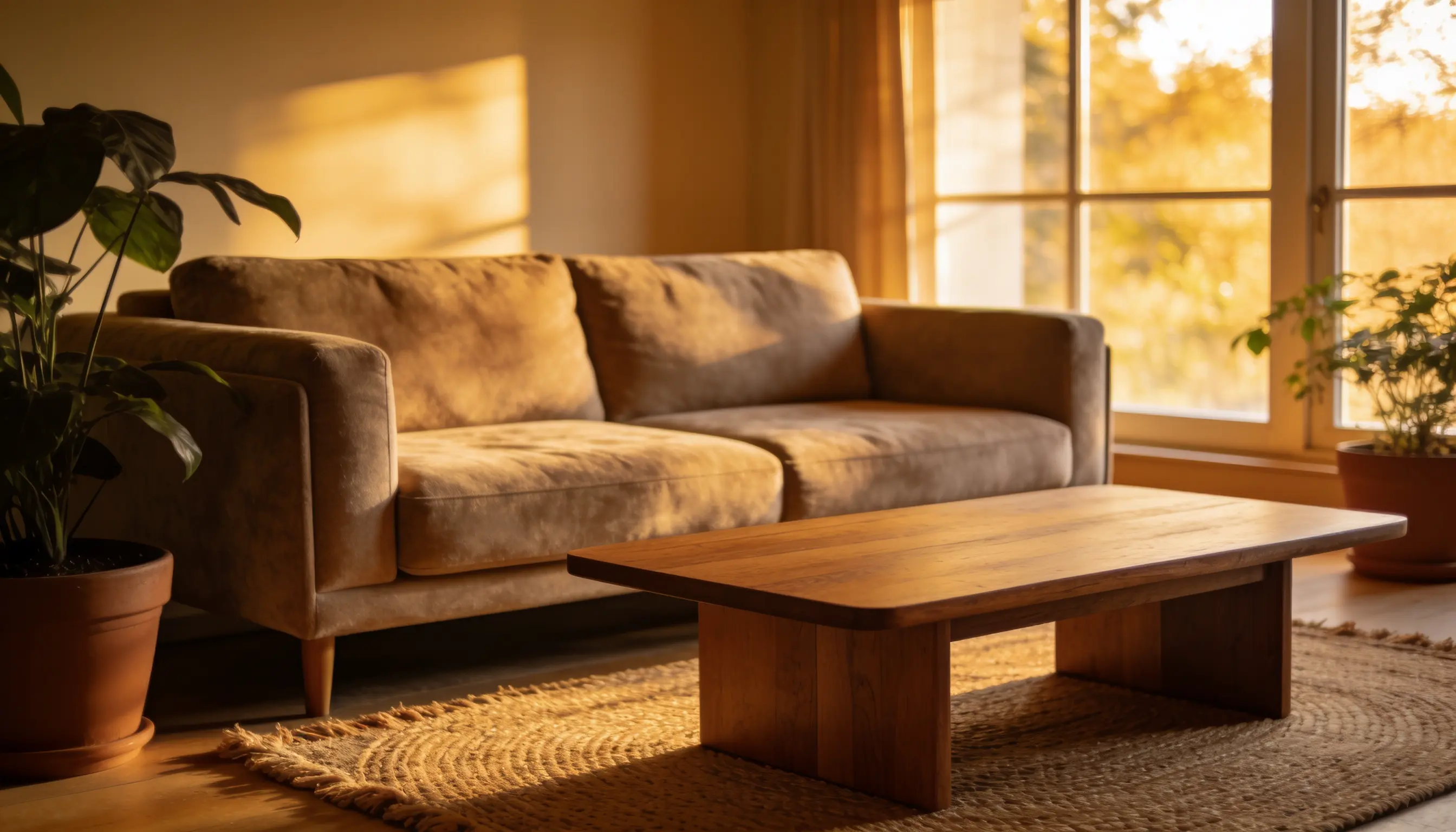
If you’ve decided to keep both pieces, the next question is how to arrange them.
Let me show you how:
1. The Facing Layout
Place the sofa and loveseat directly across from each other, with a coffee table or rug anchoring the space between them. This is the most conventional sofa and loveseat layout.
If you like hosting people often, this layout will work well in your home and can also be appreciated by your guests.
A neutral sofa with a jewel-toned loveseat, for instance, lets the smaller piece function almost like a piece of art within the room.
2. The L-Shaped Corner Layout
Set the loveseat at a right angle to the sofa, sharing a corner rather than a wall. This L-shaped arrangement makes the most out of space in a living room.
This keeps the center of the room open for walking, while still giving both pieces a clear line of sight to a fireplace, television, or window.
3. The Parallel Layout
For open-concept homes, place the sofa and loveseat parallel to one another, sometimes even back-to-back.
This quietly divides a living area from a dining or entry space without a single wall involved.
It is a favorite in loft-style apartments, where furniture layout gives the apartment a perfect finishing touch.
4. The Symmetrical Layout
For a more formal, considered room, flank a single sofa with two loveseats, or mirror a sofa-and-loveseat pair on either side of a fireplace.
Symmetry can make even a lived-in room feel composed; it is effortless, requiring little work.
Final Verdict
There is no end to the debate: sofa vs loveseat.
But maybe the question should be, why pit one against the other at all? Especially when you can choose both.
Although, the choices may seem endless, but the best way to decide is to consider not just aesthetics but also practicality.
It’s all about space, personal taste, and how you have envisioned your living room.
Frequently Asked Questions (FAQs)
1. Can a Loveseat Replace a Sofa in a Small Living Room?
Yes, a loveseat works well as the primary seating piece in small or studio living rooms.
2. Is a Loveseat Cheaper Than a Sofa?
Generally yes, since its smaller size uses less material and frame.
3. Is a Sectional Better Than a Sofa And Loveseat?
A sectional suits larger, open-plan, or high-traffic households better than a separate sofa and loveseat.