A garden full of color, fresh food, and life, and that’s not just a dream.
People give up too soon because their plants grow poorly and space feels wasted. The problem isn’t your soil or your seeds. It’s your layout.
A good layout, smart greenhouse ideas, and solid planning are all you need to get started.
It helps your plants get the right amount of sunlight, water, and air. It makes watering and harvesting easier, too.
Without a clear plan, plants compete for space and resources. With one, every corner of your garden works harder and produces more.
How to Plan Your Vegetable Garden Layout?
Planning a garden doesn’t have to be complicated. Follow these simple steps to get started on the right foot.
1. Choose the Right Location: Most vegetables need at least six hours of direct sun each day. Walk around your yard and watch where the sun falls longest. Always avoid areas near large trees or walls that create shade.
2. Measure Your Space: Before you plant anything, measure your garden area. Even a 4×8 foot raised bed can produce a surprising amount of fresh vegetables with smart planning.
3. Decide What to Grow: Start with five to six easy crops like tomatoes, lettuce, and beans. Once you feel comfortable, you can slowly add more variety each season.
With these three steps in place, you are ready to move on to choosing the right layout style for your space.
Popular Vegetable Garden Layout Styles
Not every garden layout works for every space. Here are four popular styles to help you find the one that fits your yard and goals.
A Quick Overview
| Layout Style | Best For | Cost | Effort Level |
|---|---|---|---|
| Row Gardening | Large yards, plenty of space | Lowest | Moderate (weekly weeding) |
| Square Foot Gardening | Small yards, first-timers | Moderate | Low |
| Raised Bed | Poor or rocky soil | Highest | Low |
| Container Garden | Balconies, patios, no yard | Varies | High (daily watering) |
Row Gardening
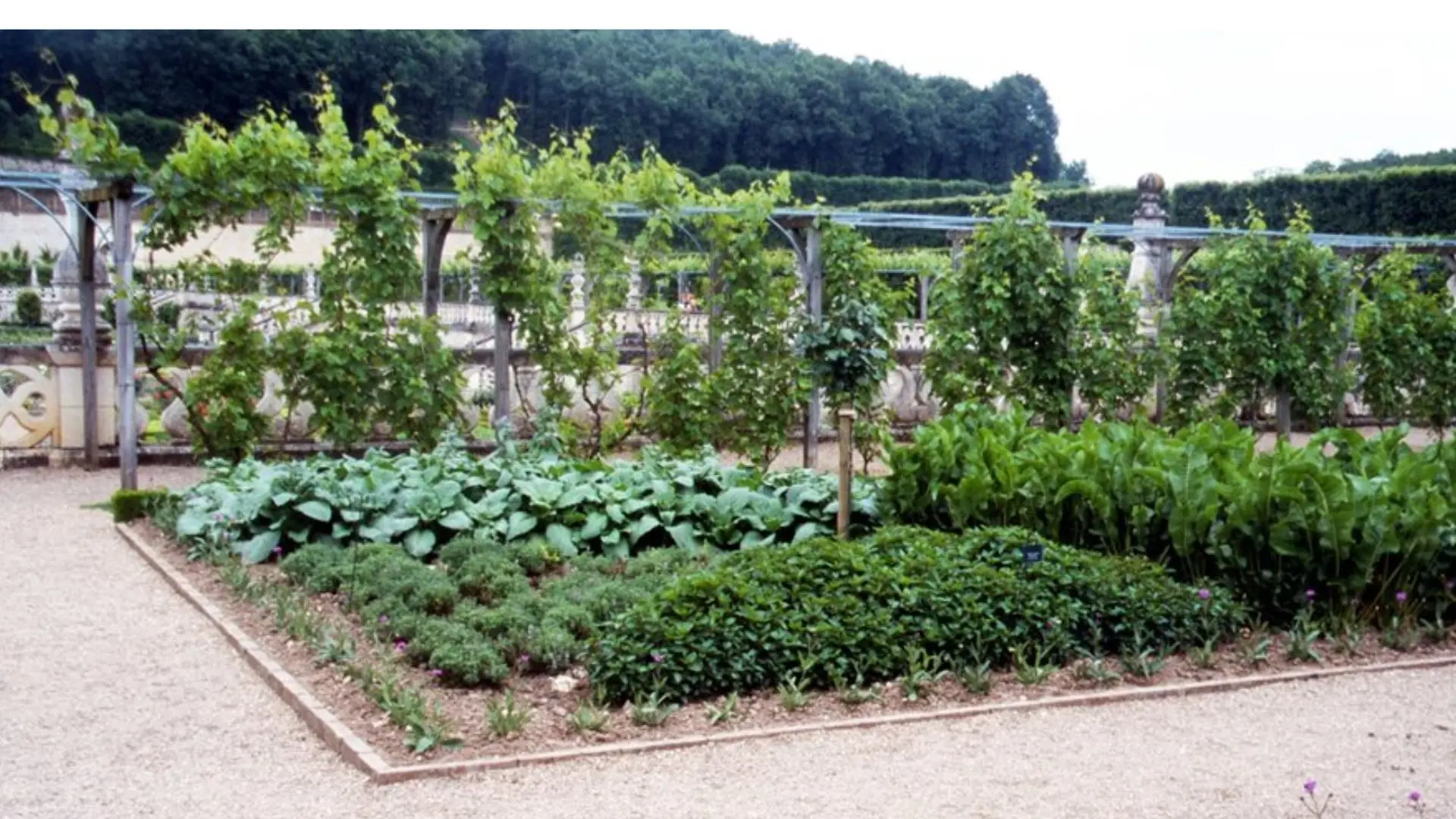
Row gardening is the most traditional garden layout. You plant crops in long, straight lines with walking paths in between. It works best for large open spaces.
Advantage: Every row is easy to reach, so watering, weeding, and harvesting go fast.
Cost: Lowest of the four. No materials to build, just seeds, a rake, and maybe some stakes for string lines.
Maintenance: Weeding is the main time sink since bare soil between rows invites weeds fast. Plan on a weekly pass.
Downside: Eats up the most space per plant. If your yard is under 200 square feet, row gardening will feel wasteful fast.
Square Foot Gardening
Square foot gardening divides your space into one-foot sections, each growing a different crop. It’s a solid choice for small yards or first-time gardeners.
Advantage: It reduces wasted space and helps you grow more food in a smaller area.
Cost: Moderate. You’ll need a frame (wood or a pre-made grid kit) and often a soil mix, since native soil rarely performs well in tight sections.
Maintenance: Low once it’s set up. The grid keeps things organized enough that weeding and watering take less time than a row garden.
Downside: Yields per plant can be smaller since roots have less room to spread. Not the best fit for space-hungry crops like squash or corn.
Raised Bed Layout
Raised bed gardening means growing plants in soil-filled boxes above ground level. You control the soil quality completely. It’s perfect if your ground soil is rocky or poor.
It’s the fix experienced gardeners reach for most often when they’re dealing with heavy clay.
Advantage: Raised beds warm up faster in spring, giving your plants a head start on the growing season.
Cost: Highest upfront. Lumber or composite boards plus a full load of fill soil adds up, expect $3 to $6 per square foot depending on materials.
Maintenance: Low. Better drainage and fewer weeds mean less week-to-week work than ground beds.
Downside: You’re locked into the size you build. Expanding later means buying more lumber and soil, not just clearing more ground.
Container Garden Layout
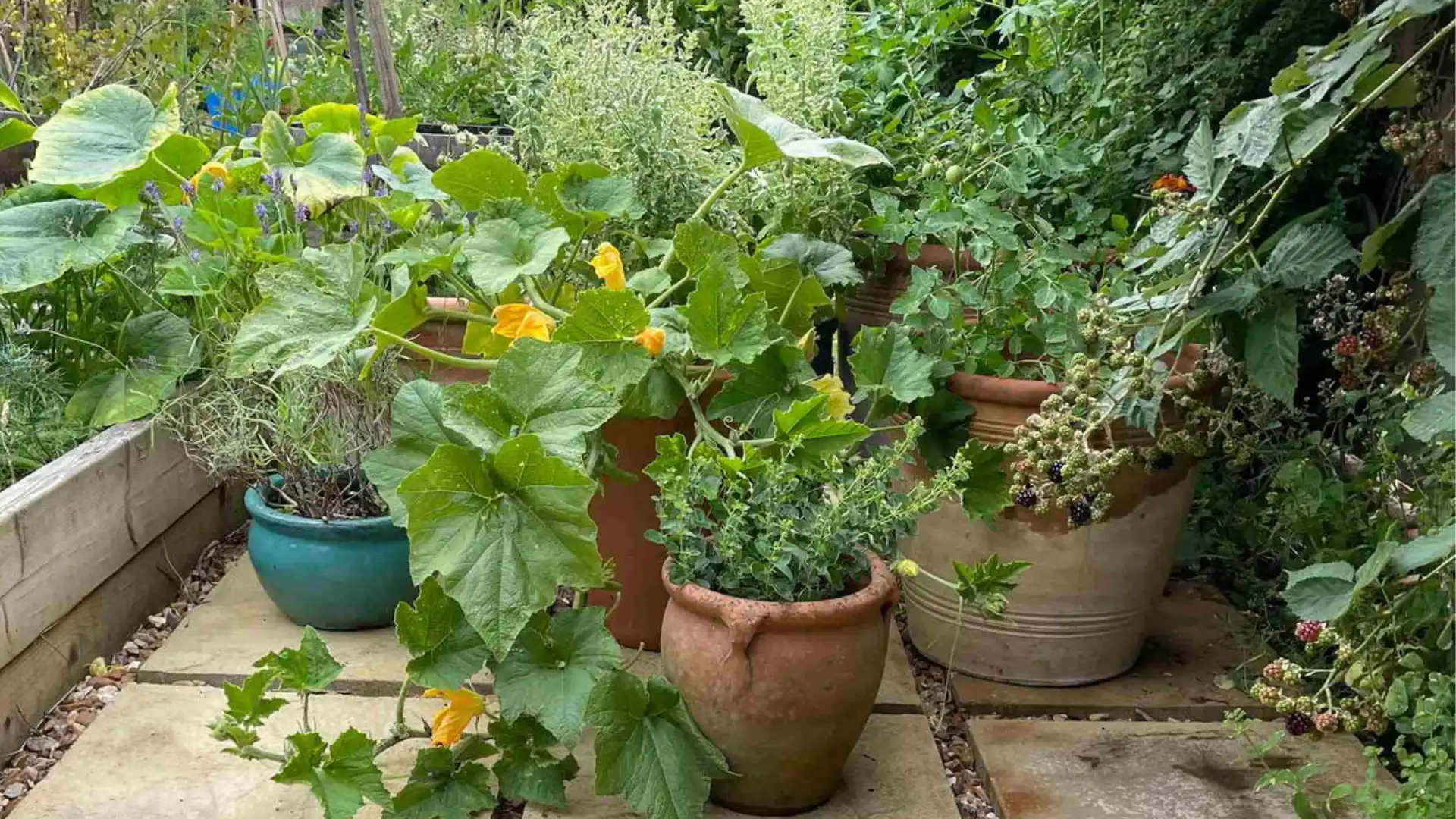
Container gardening lets you grow vegetables in pots, buckets, or boxes. You can place them on a balcony, patio, or driveway. It’s ideal for people with very little outdoor space.
Advantage: You can move containers around to follow the sun or protect plants from bad weather.
Cost: Varies widely. A few plastic buckets cost almost nothing; matching ceramic or fabric grow bags can run $15 to $30 each.
Maintenance: Highest of the four. Containers dry out fast, especially in summer heat, so expect to water daily rather than a few times a week.
Downside: Root space is limited, which caps how big your plants get. Great for herbs and lettuce, tough for anything that wants to sprawl like squash.
Types of Garden Styles to Consider
One thing to untangle before you keep reading: the layout styles above (row, square foot, raised bed, container) answer how do I structure the space.
The styles below answer a different question, what do I want it to feel like. You’re not choosing one or the other.
A raised bed can be planted as a cottage garden. A row garden can follow a formal, symmetrical layout.
Pick your structure first, then layer one of these looks on top of it.
Flower Border Gardens
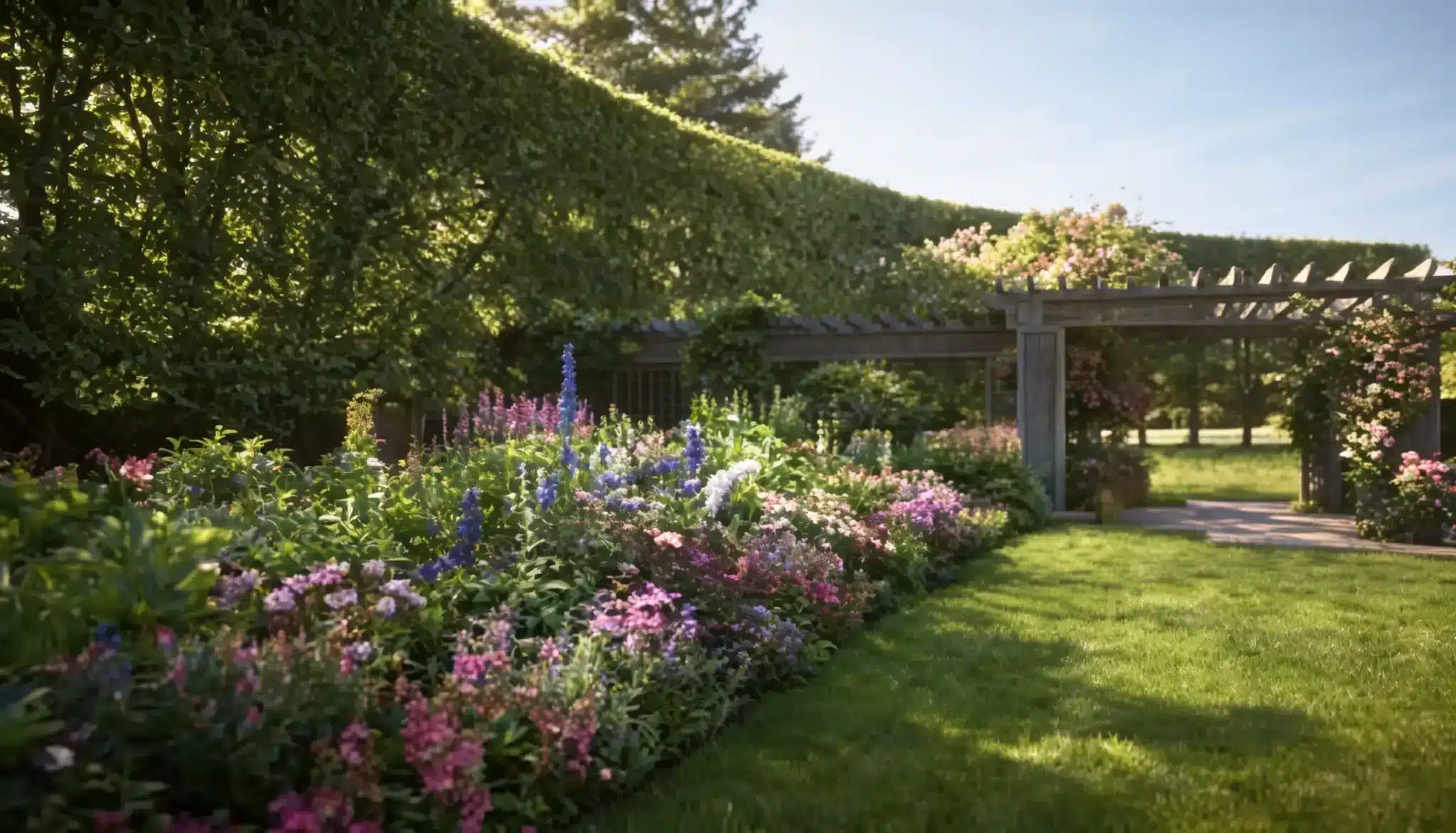
Flower border gardens line the edges of your yard or vegetable beds with colorful blooms. You can mix flowers like marigolds and nasturtiums alongside your vegetables.
This style adds beauty while naturally keeping pests away.
If you love a garden that looks as good as it produces, this style is for you.
Converting an existing bed into a flower border is one of the cheapest style changes on this list since you’re mostly just adding plants along an edge you already have.
Expect to spend on marigold and nasturtim seedlings or seed packets, rarely more than the cost of a few coffees.
Upkeep is moderate.
Deadheading spent blooms and occasionally dividing crowded clumps takes maybe twenty minutes a week during peak season.
Cottage Gardens
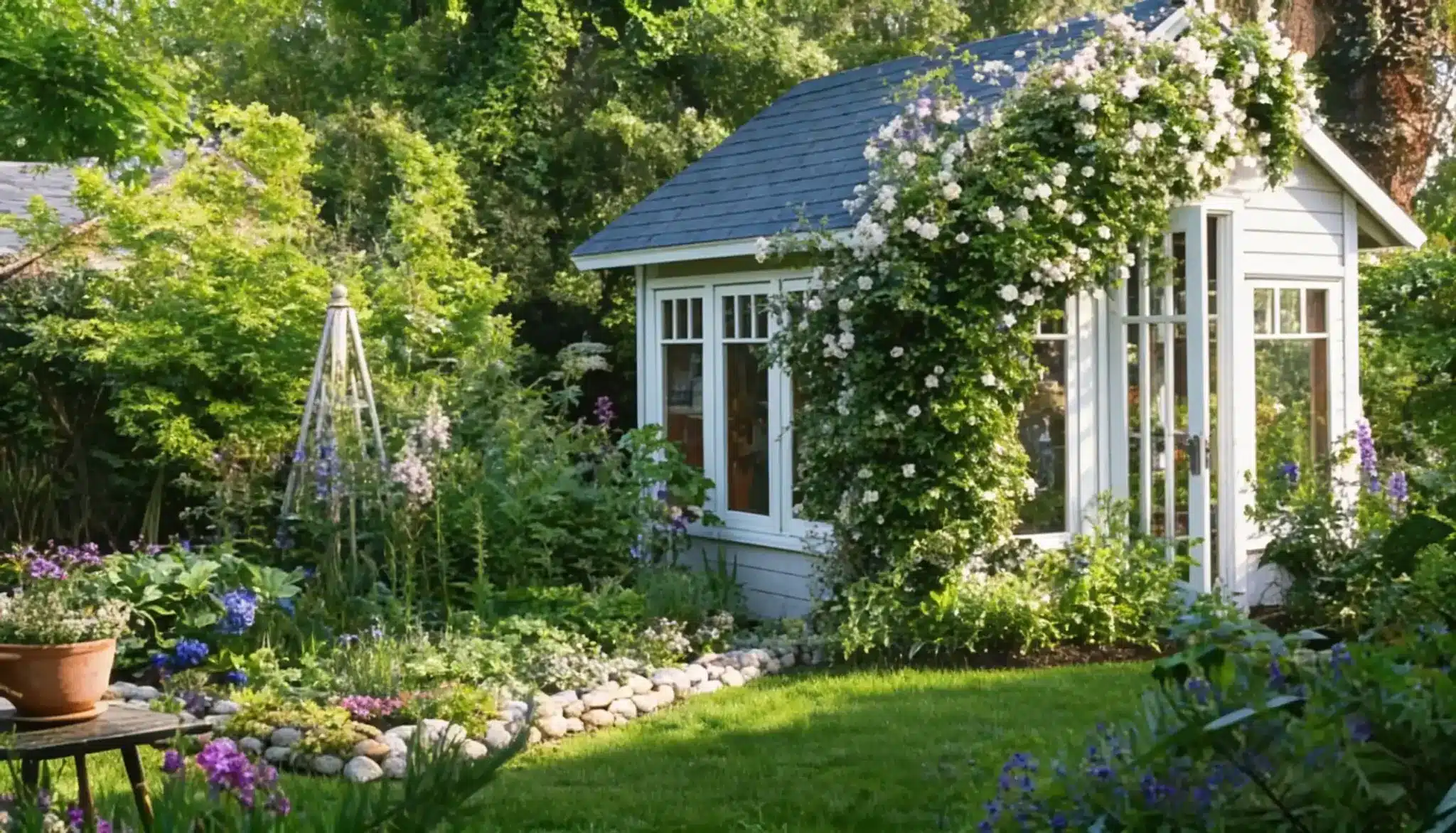
Cottage gardens have a loose, informal feel. Plants grow close together in a relaxed, natural way. You’ll find a mix of vegetables, herbs, and flowers all growing side by side.
This is also one of the more forgiving styles to convert into, since the whole look depends on plants growing close together rather than in neat rows, so existing beds rarely need reshaping.
The cost is mostly in plant variety, since cottage gardens rely on a mix of species rather than one dominant crop.
Maintenance runs higher than people expect.
That relaxed look still needs regular trimming to stop stronger growers from choking out everything else.
Formal Gardens
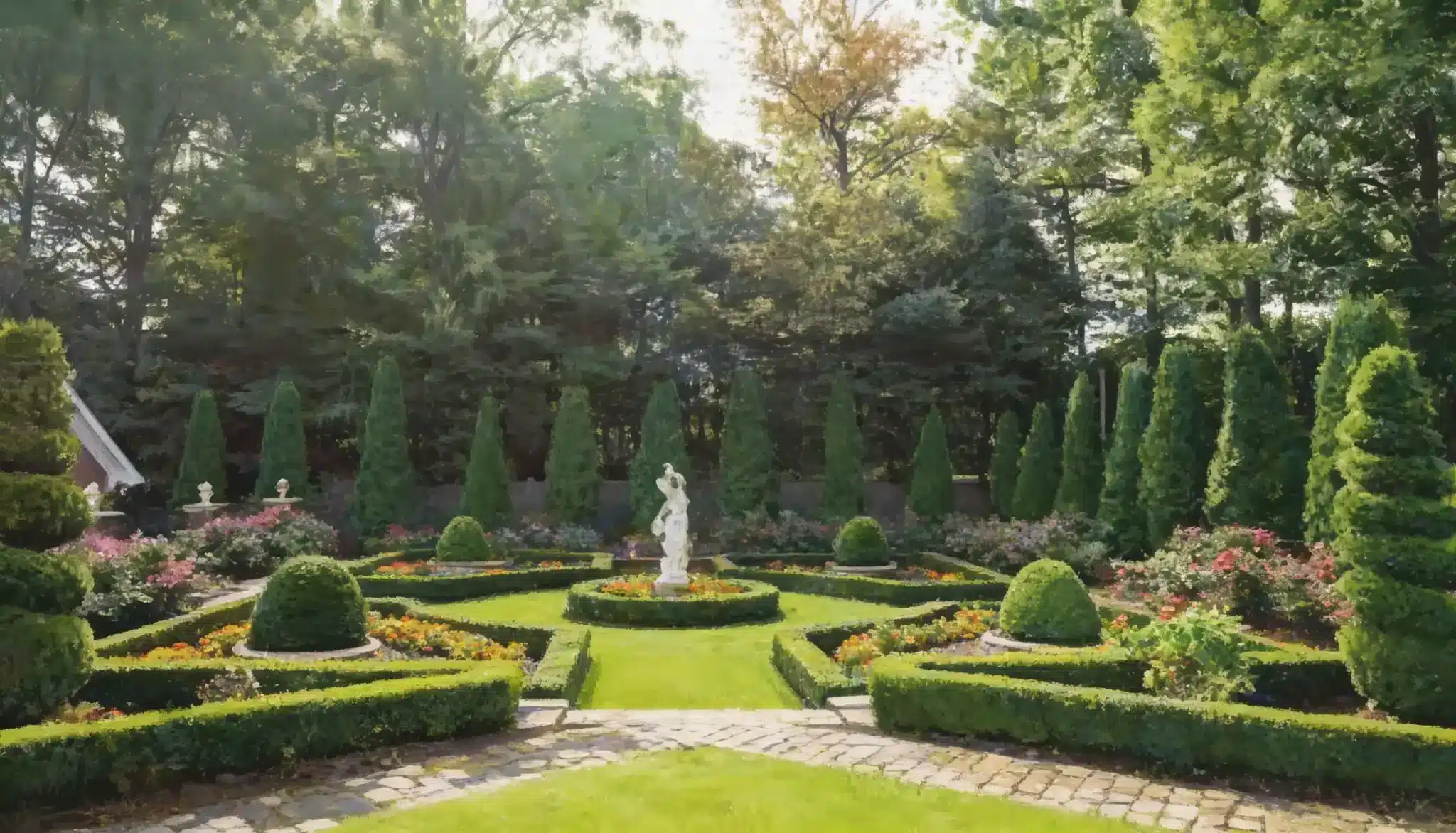
Formal gardens follow clean lines, symmetry, and structure. Beds are neatly shaped and plants are arranged in clear patterns.
This style works well if you like order and precision in your vegetable garden.
If you enjoy a neat, organized outdoor space, a formal garden will suit you perfectly.
Existing beds usually need to be re-edged or reshaped to get the symmetry this style depends on, which can mean renting a bed edger or hiring it out.
Ongoing maintenance is high too. Clipped lines and geometric patterns only look sharp if you’re trimming on a schedule, not whenever you get around to it.
Wildlife-Friendly Gardens
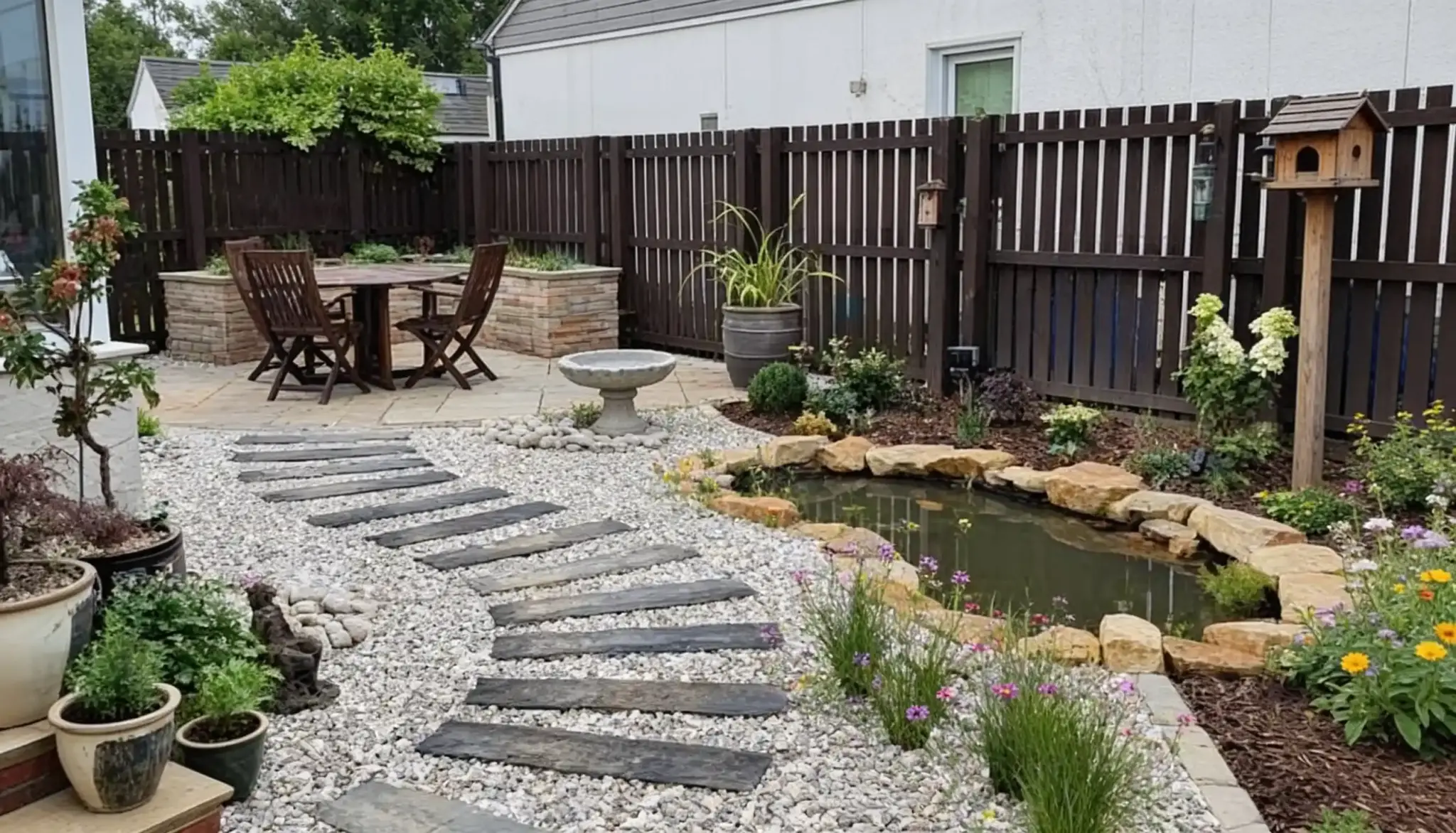
Wildlife-friendly gardens welcome birds, bees, and butterflies into your space. You grow a mix of native plants, flowers, and vegetables that attract helpful insects.
This is close to a no-cost conversion if you already have a vegetable garden, since it mostly means adding native flowering plants rather than removing anything.
Maintenance is genuinely lower than other styles.
Once native plants establish, they need less water and less fussing than ornamentals bred for looks alone.
Kitchen Gardens
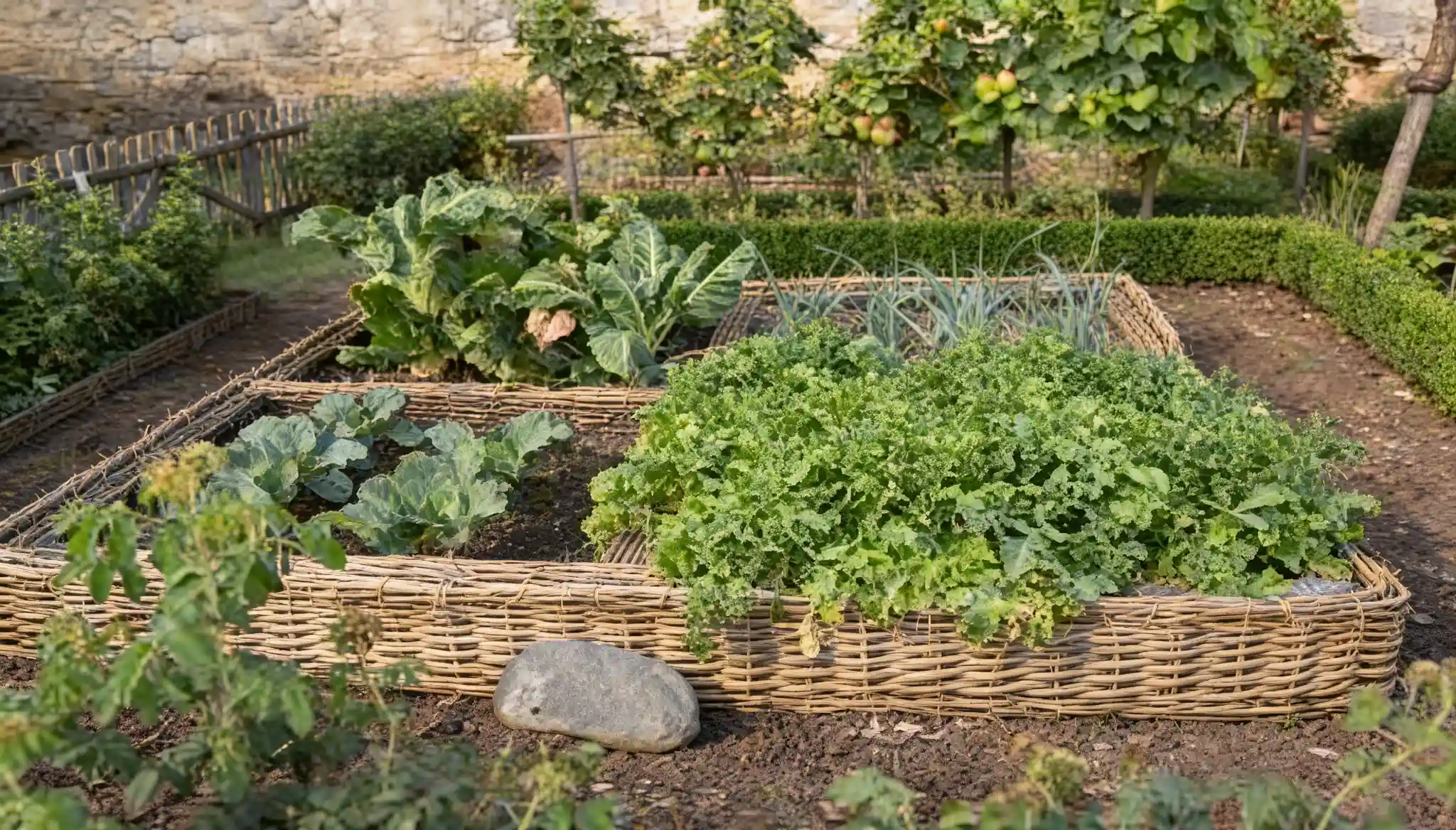
Kitchen gardens are planted close to your home for easy access. You grow everyday herbs, vegetables, and edible flowers in one compact space.
Everything you need for cooking sits just steps from your door.
If you want fresh ingredients without walking far, a kitchen garden layout makes cooking easier.
And if your vegetable beds are currently far from the kitchen door, the real cost is labor to relocate or build new beds closer in.
Maintenance is low to moderate.
Proximity means you’ll actually notice and pull weeds or harvest on time, simply because you walk past it every day.
How to Arrange Plants in Your Vegetable Garden?
Arranging your plants well makes a big difference to how your garden grows. Here’s how to think about placement before you put a single seed in the ground.
Tall, Medium, and Low Growers
Always think about plant height when planning your garden layout.
- Place tall plants like corn or tomatoes at the north end of your bed. This stops them from blocking sunlight for shorter crops.
- Medium growers like peppers go in the middle.
- Low growers like lettuce and herbs sit at the front.
Spacing and Density
Giving plants enough room to grow is one of the most important parts of garden planning.
- Crowded plants compete for water, nutrients, and air. This leads to poor growth and disease.
- Check the seed packet or plant label for spacing needs. If you like a fuller look, you can plant slightly closer but always leave enough room for air.
For the crops already mentioned in this guide, here’s a starting point so you’re not digging through packets mid-planting.
| Crop | Space Between Plants | Space Between Rows |
|---|---|---|
| Tomatoes | 18–24 inches | 36–48 inches |
| Peppers | 12–18 inches | 18–24 inches |
| Lettuce | 6–8 inches | 12 inches |
| Beans (bush) | 4–6 inches | 18–24 inches |
| Herbs (basil, dill) | 8–12 inches | 12–18 inches |
These numbers assume average soil and full sun. If your bed runs shadier or your soil’s on the poor side, add an inch or two of breathing room.
It costs you a little density, but it saves you the disease and stunted growth that comes with plants fighting each other for air.
Color and Texture Placement
A vegetable garden can be both productive and beautiful.
- Mix plants with different leaf shapes and colors to create visual interest.
- Place broad-leafed plants like squash next to fine-leafed herbs like dill.
- Add pops of color with red lettuce or purple basil.
When you arrange your plants thoughtfully, your garden becomes easier to manage and much more enjoyable to look at every day.
Greenhouse Ideas to Try in Your Garden
A greenhouse gives your plants a safe, controlled space to grow.
If you want to extend your growing season or protect delicate crops, these greenhouse ideas are worth considering.
Whatever layout you picked above, a greenhouse just extends it rather than replacing it.
Went with raised beds? A plastic tunnel over them is the natural next step. Working with containers on a balcony? A pop-up or mini lean-to protects the same pots you’re already using.
Think of this as season two of the plan you just made, not a separate decision.
1. Use a Mini Lean-To Greenhouse: If you have a small yard, attach a lean-to greenhouse against a sunny wall. It takes up very little space but gives your plants great warmth and shelter.
2. Try a Raised Bed Greenhouse Combo: If you love raised bed gardening, place a simple plastic tunnel over your beds. It protects your crops from frost and keeps soil warmer for longer.
3. Build a Cold Frame: If you are on a budget, a cold frame is a low-cost greenhouse idea. It is basically a bottomless box with a clear lid that traps heat and protects young seedlings.
4. Set Up a Portable Pop-Up Greenhouse: If you want flexibility, a pop-up greenhouse is a great option. You can move it around your garden to chase sunlight or protect specific crops as needed.
5. Create a Vertical Greenhouse: If space is tight, grow upward instead of outward. Stack shelves inside a small greenhouse frame to maximize your growing area without taking up extra space.
Conclusion
A great vegetable garden takes a little planning and a lot of heart.
Try different styles, experiment with arrangements, and keep refining your garden planning season after season.
The more you grow, the better you get. So get outside, get your hands dirty, and start building the garden you’ve always wanted.
Frequently Asked Questions (FAQs)
1. What is the Most Common Garden Layout Mistake Beginners Make?
Planting too many crops in too little space. Overcrowding blocks sunlight and airflow, leading to weak, unproductive plants that struggle all season.
2. Can I Grow Vegetables in Pots on a Small Balcony?
Yes, you can. Tomatoes, peppers, and lettuce grow well in containers. Pick compact varieties and place pots where they get maximum sunlight daily.
3. How Often Should I Water My Vegetable Garden?
Most vegetables need watering two to three times a week. Water deeply at the base of plants rather than sprinkling lightly from above.