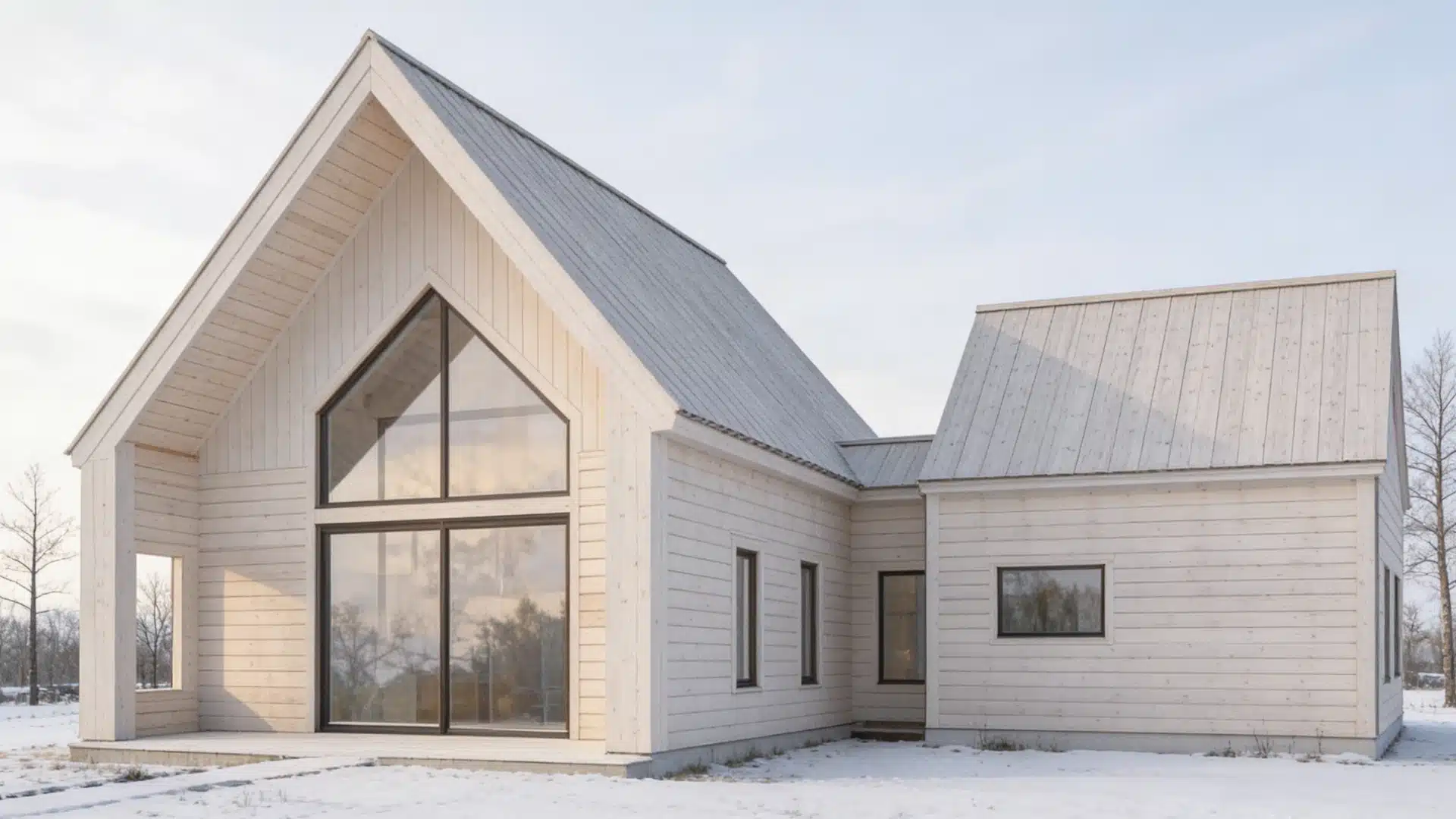
Some houses stop you mid-scroll. Clean lines, natural wood, roofs built for snow. Traditional Scandinavian houses have a look that’s hard to place but impossible to ignore.
There’s something about the clean lines, natural materials, and feel that draws everyone in.
And if you’ve ever looked at a Nordic home and thought, “I want that,” you’re not alone.
But what makes them so eye-catching? And why are these houses still considered an architectural marvel? Read to find out!
What Are Traditional Scandinavian Homes?
These houses originated from the cold, rugged lands of Norway, Sweden, and Denmark.
Many of the earliest examples were farmhouses built across rural villages, and their exterior design reveals much about how this style first took shape.
Cold weather conditions were brutal, and people there needed homes that could survive long winters, heavy snow, and freezing temperatures.
Homes weren’t designed around looks. They were built to keep people alive.
Traditional Scandinavian homes were about staying warm, using local materials, and keeping life simple. Thick wooden walls, low rooflines, and small windows that kept the heat in- these are the core principles they work on.
Providing practicality, warmth, and simplicity.
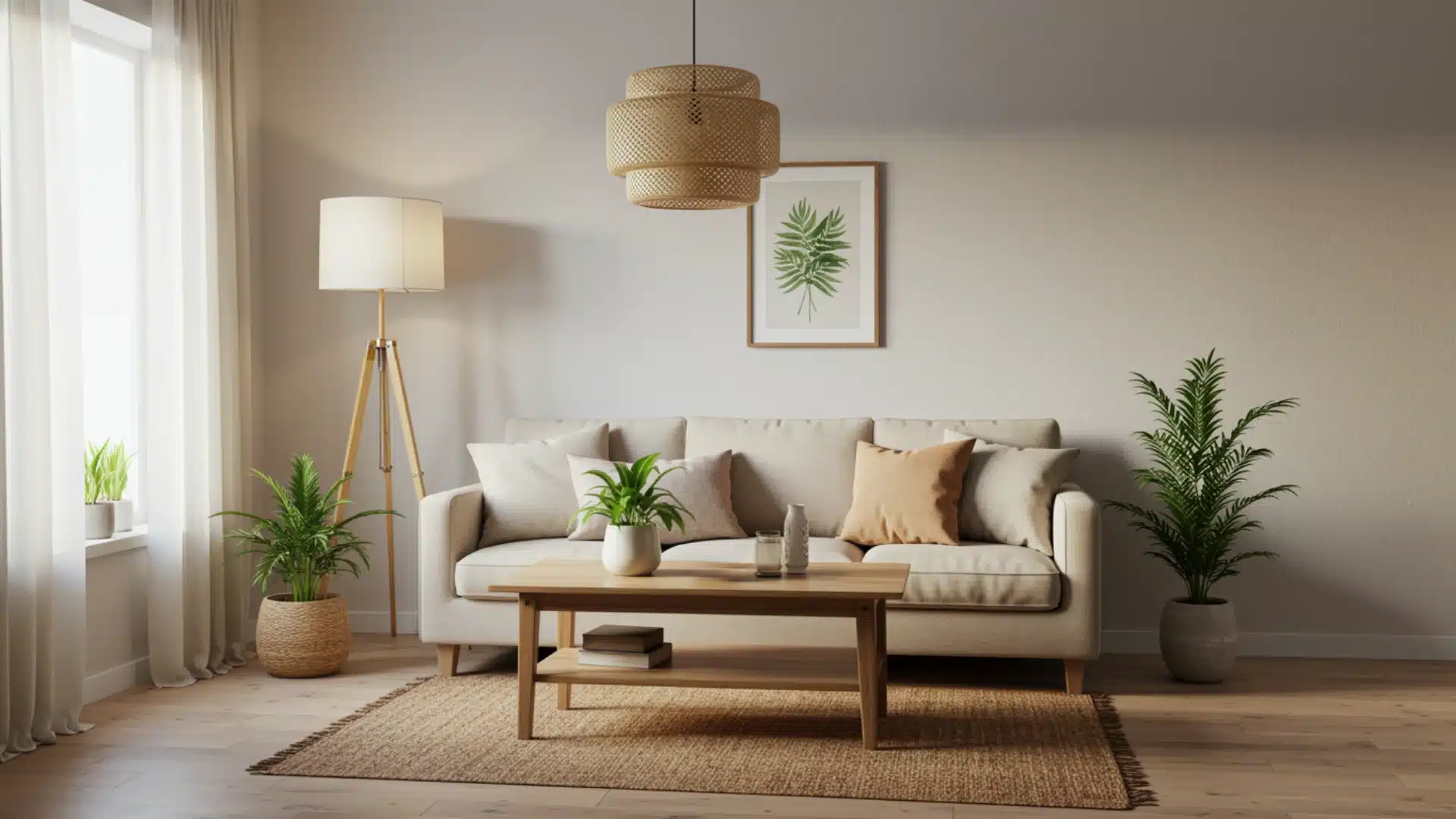
Those same principles, simplicity, function, and natural materials, were carried straight into how these homes were designed on the inside.
In the 9th century, Scandinavian houses could stretch up to 75 metres long. Entire families and their livestock lived under one roof to share body heat through brutal winters.
Key Features of Traditional Scandinavian Houses
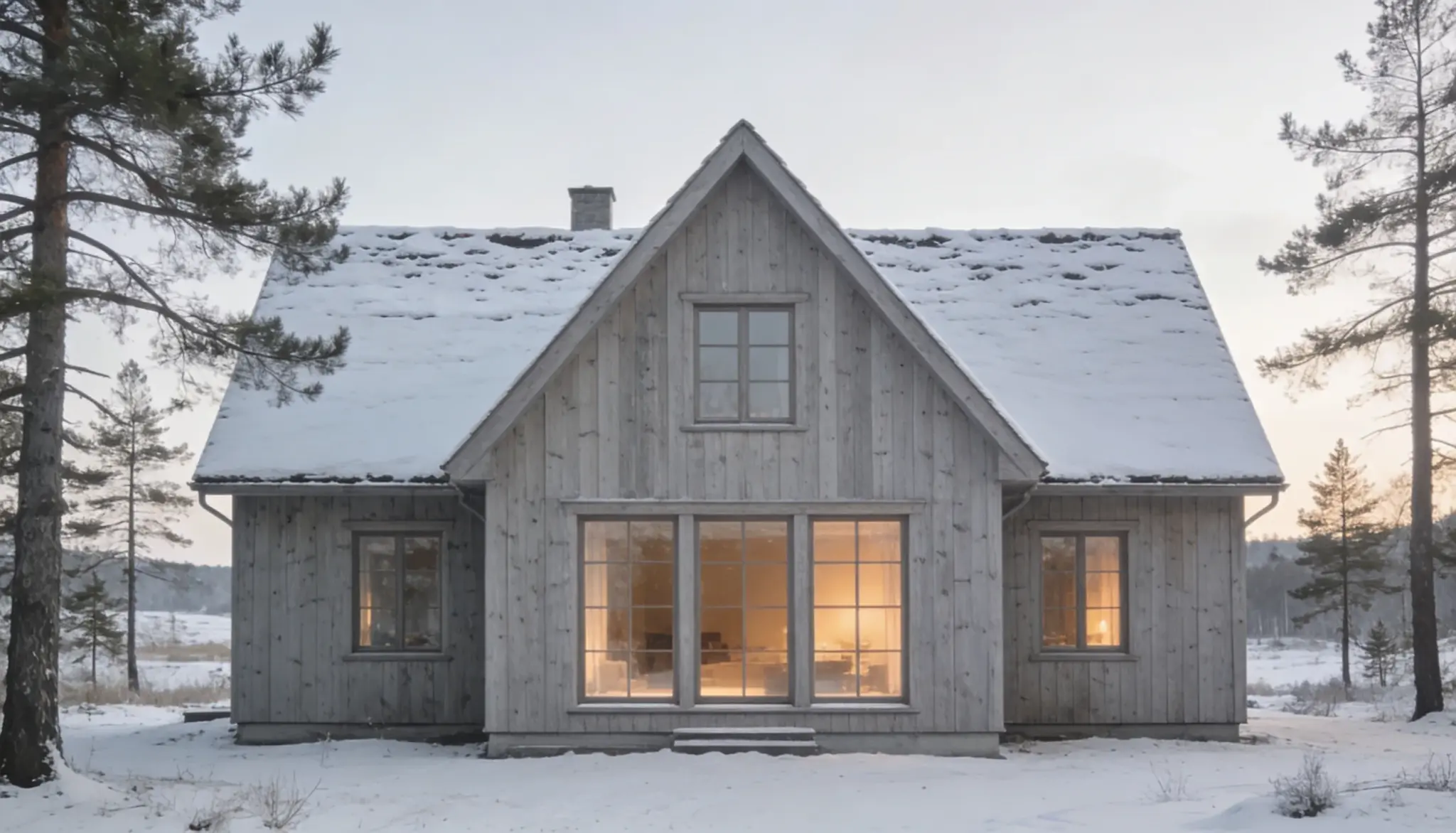
To have a rich history is one thing, but that surely cannot be a good enough reason why these houses are still relevant, right?
A few specific traits explain why this style still works today, and they’re not just visual.
- Wooden Construction: Keeps homes well-insulated, uses locally sourced materials, and holds up for decades with minimal structural maintenance needed.
- Steep Roofs: Designed to shed heavy snow quickly, preventing dangerous weight buildup and structural damage during long Scandinavian winters.
- Neutral and Light Color Palettes: Brighten interiors during dark winters and make rooms feel more open without relying on artificial lighting.
- Minimal Ornamentation: Reduces long-term upkeep costs and keeps the focus on function, making spaces easier to maintain and live in daily.
- Connection to Nature: Natural materials and outdoor spaces keep residents grounded in their surroundings, a core value in traditional Scandinavian living.
Most of these features came from necessity, not decoration. Those same practical principles shaped the inside of these homes just as much as the outside.
How Climate Influenced Scandinavian House Design?
Scandinavia is not an easy place to live. Winters are long, temperatures drop hard, and sunlight disappears for months.
And to protect themselves from such harsh climate conditions, people had no choice but to build smart.
That’s why climate played a big role in the traditional design of these homes.
Long Winters, Low Sunlight
Scandinavian winters can last up to six months. That’s half a year with little to no sunlight.
Imagine how hard it must be not to see the sun for six months in such cold conditions. And in response, the builders painted homes in light, bright colors to reflect the little light available.
Interiors were kept open and clutter-free to let natural light move freely.
Insulation Needs
But just painting the homes with the right reflective colors wasn’t enough.
To counter the cold, builders used thick timber logs and packed walls with moss, clay, and natural fibers.
These materials trapped heat and kept the cold out. Roofs were often covered with turf or sod, acting as a natural insulating layer.
Traditional Scandinavian houses were essentially built like a warm coat, layered and protective.
Window Placement
Windows were small and carefully placed in the earlier designs.
Larger windows meant more heat loss. So builders kept them few and narrow, mostly facing south to catch as much sunlight as possible.
Over time, as insulation improved, windows grew bigger.
Early Scandinavian homes had no windows at all. Light came through a single hole in the roof, which also served as the only ventilation point.
Compact Structures
Bigger homes lose heat faster, and Scandinavian builders knew this well.
And going with that logic, they kept structures compact and low to the ground. Smaller spaces were easier to heat with a single fireplace or wood stove.
The compact structures meant these houses were tight, efficient, and built with the cold in mind.
Final Thoughts
Now that you are thoroughly aware of what traditional Scandinavian houses are, implementing their design into your personal space must sound like a smart choice, right?
And rightfully so. These houses have lasted for centuries because of their practical design, and the materials they have have a purpose, a job to do.
More and more homeowners are bringing these design ideas into modern spaces.
And it’s really easy to see why.
Frequently Asked Questions (FAQs)
1. What is a Traditional Type of Scandinavian Architecture?
Traditional Scandinavian architecture focuses on simple, functional design. It uses natural materials like wood and stone, steep roofs, and light color palettes suited to cold climates.
2. What Do Scandinavian Houses Look Like?
They have clean lines, wooden construction, neutral colors, and minimal decoration. Interiors are warm and clutter-free. Everything is built for comfort and practicality, not show.
3. What is a Scandinavian Farmhouse Style?
It’s a rural take on traditional Scandinavian homes. Think wooden structures, simple layouts, natural textures, and a warm, lived-in feel. Function always comes before decoration.