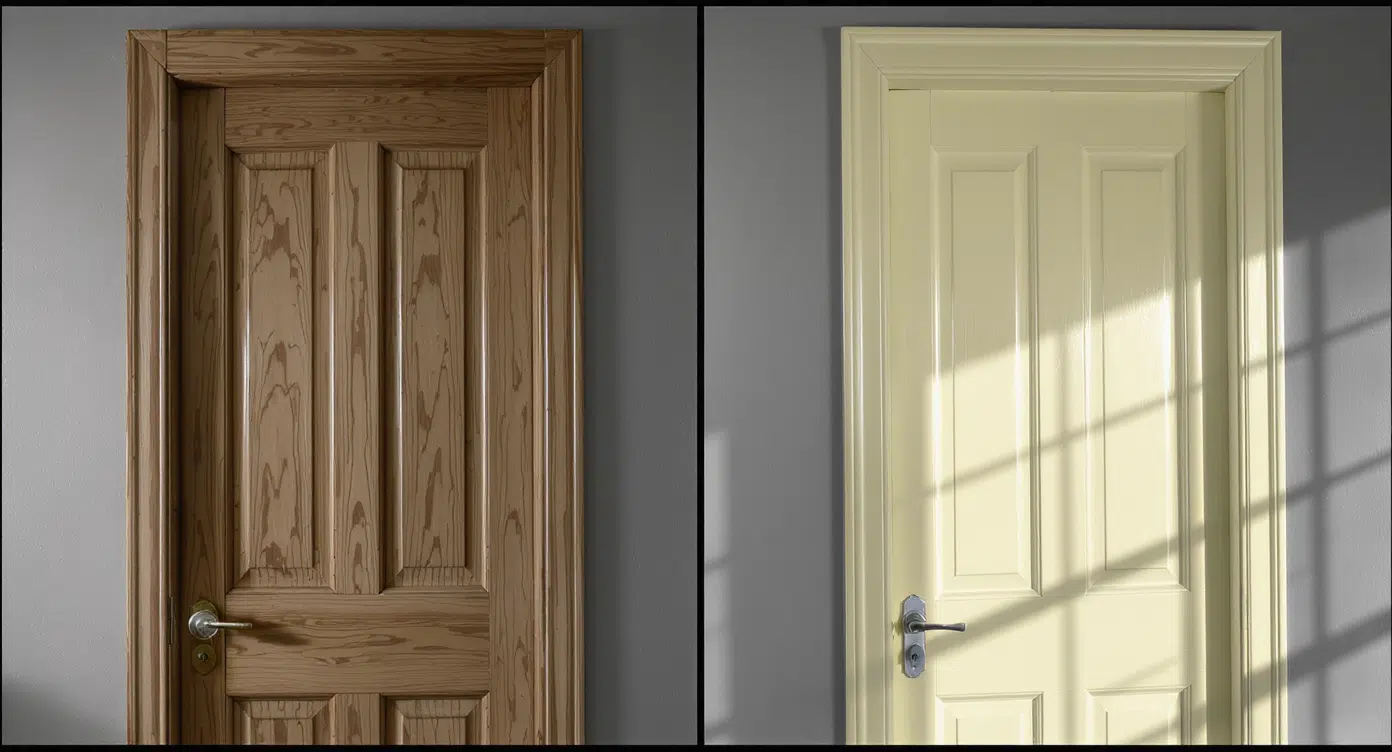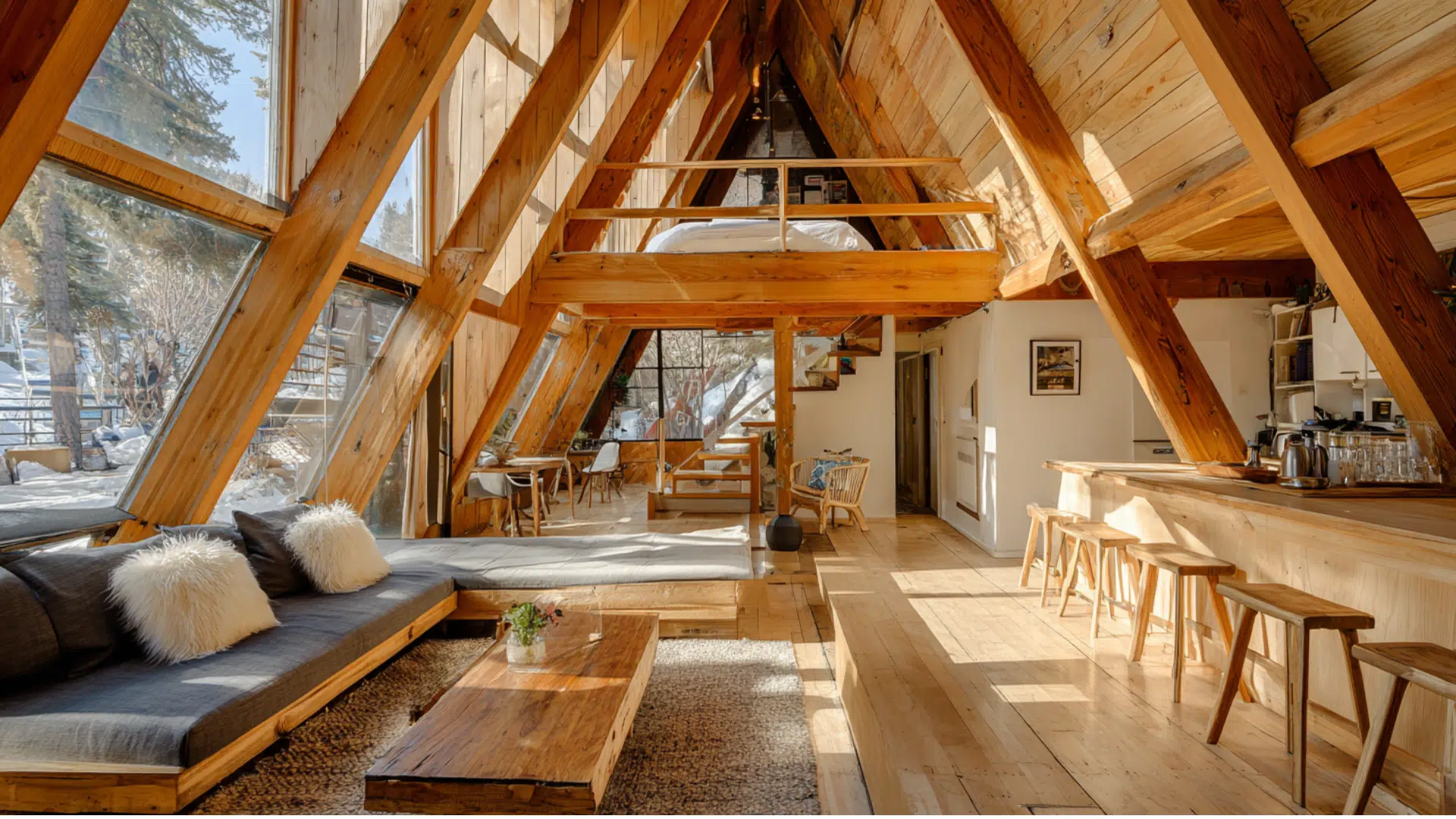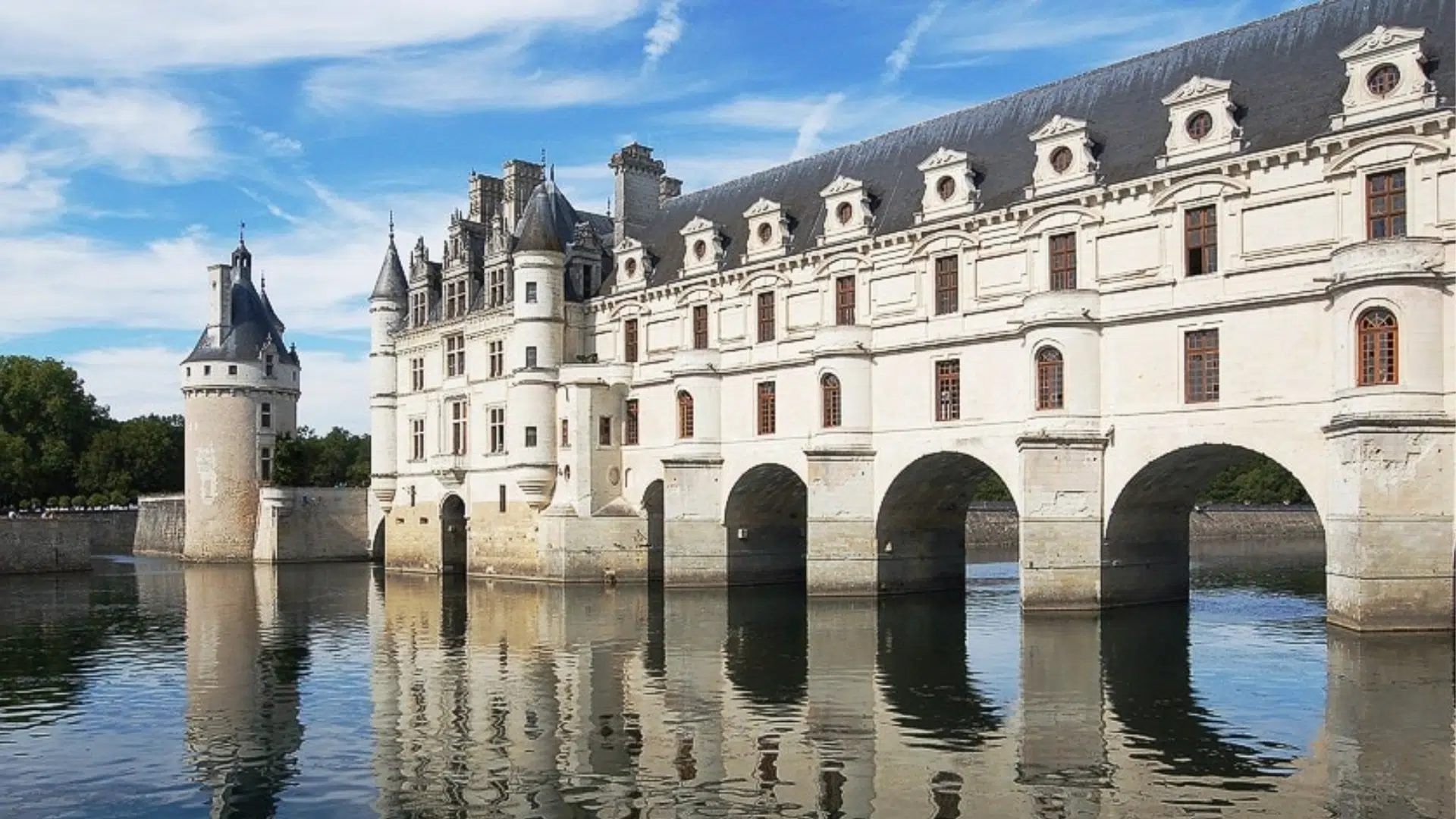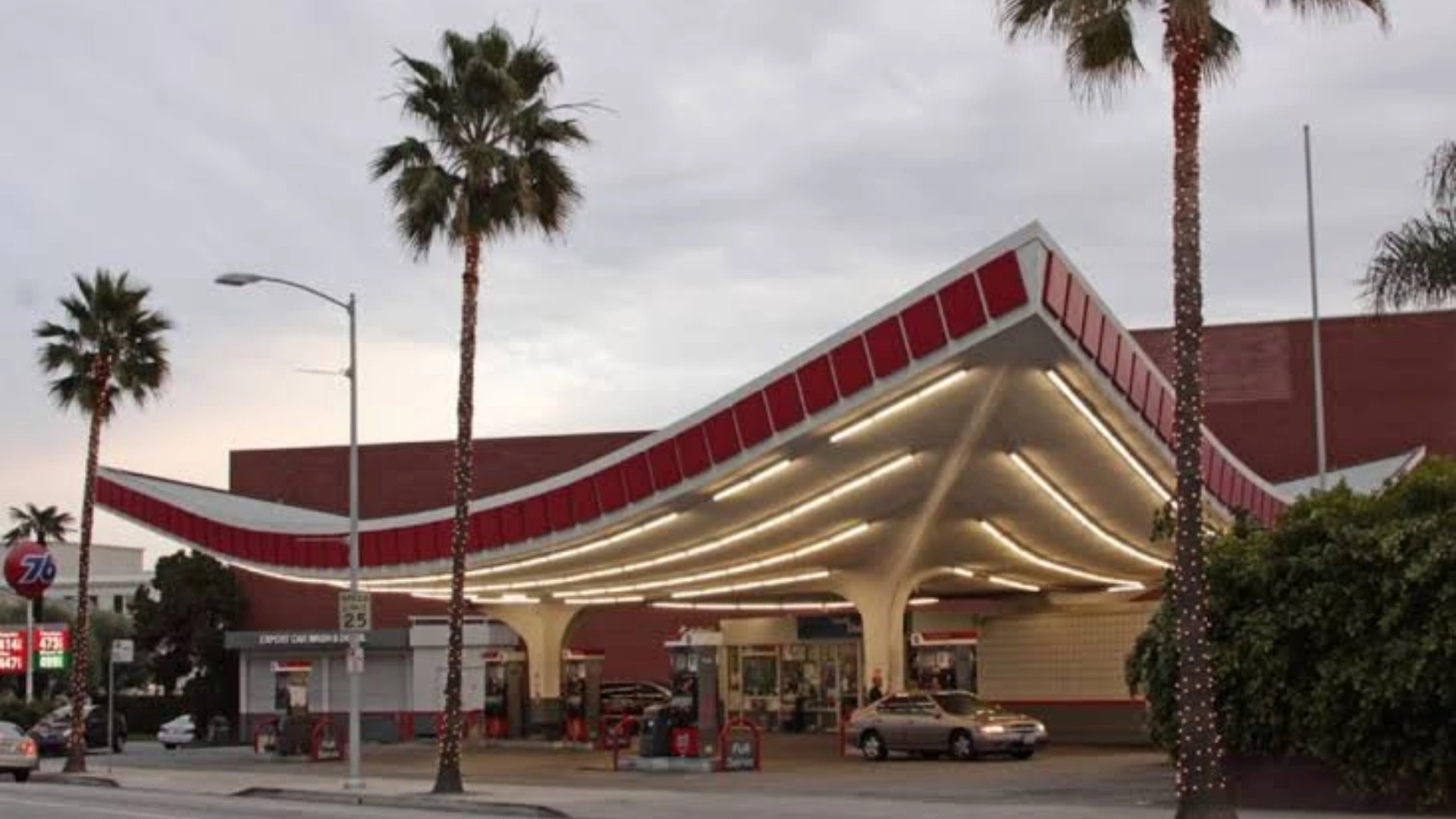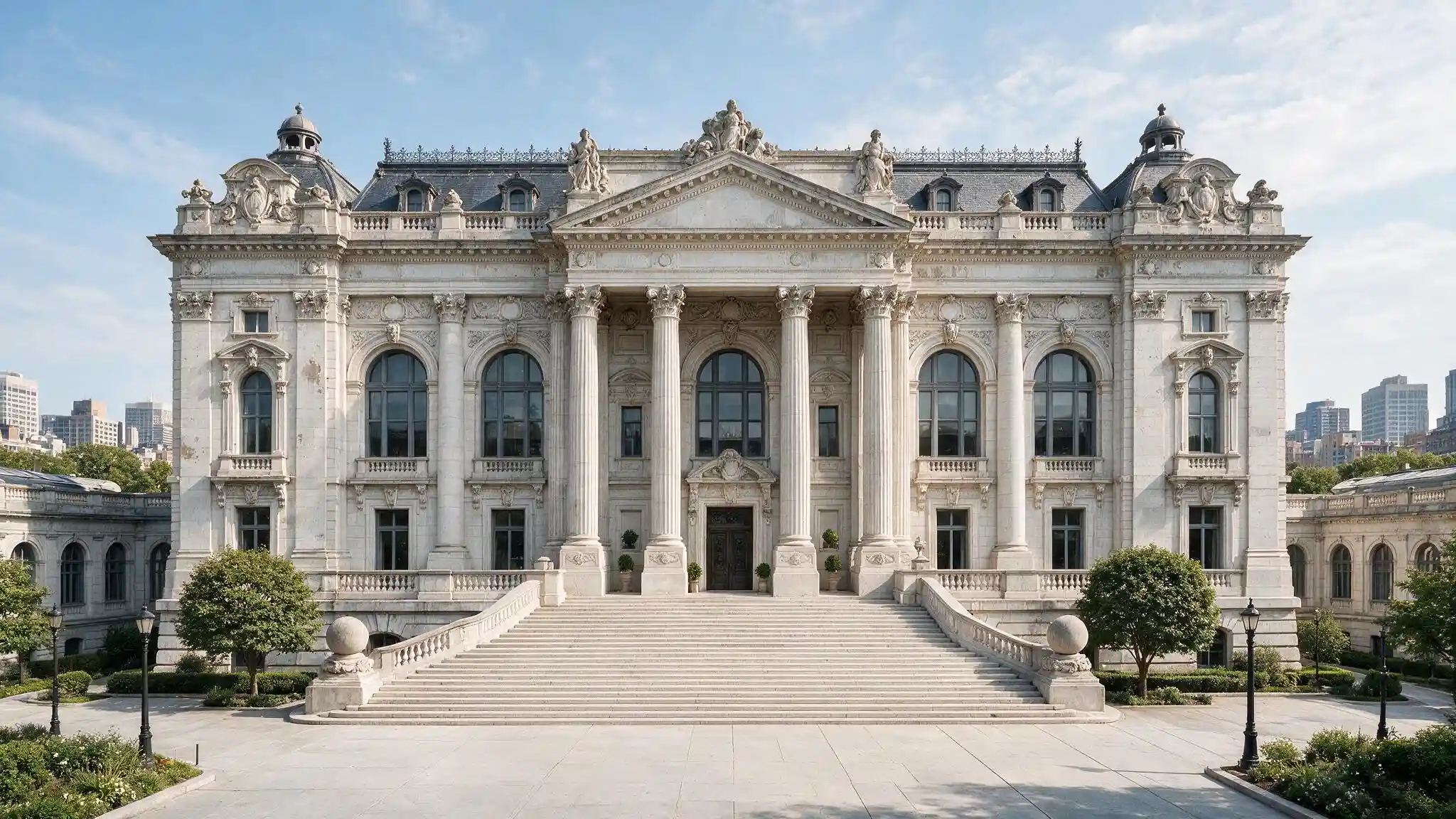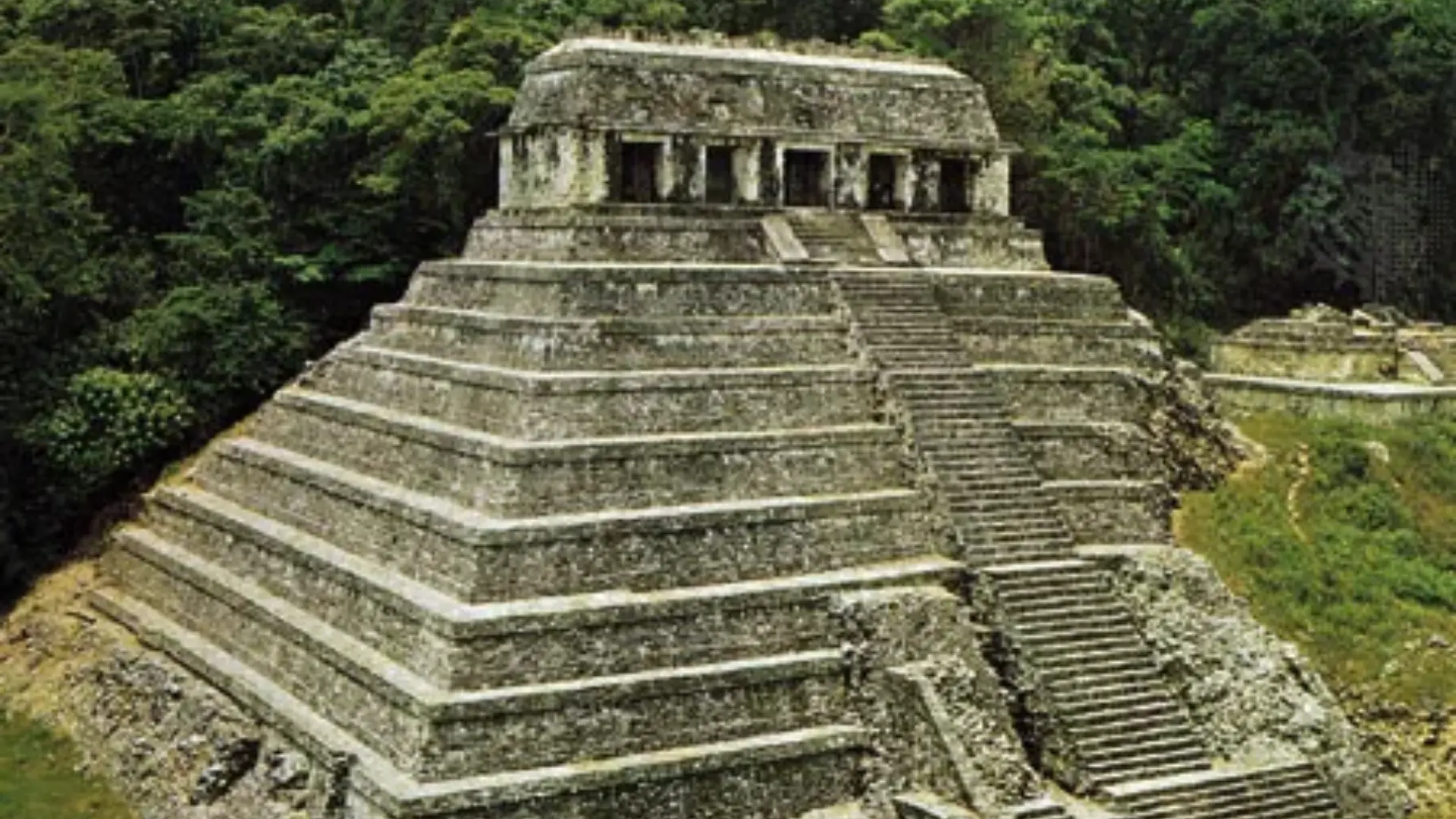
For most of recorded history, buildings borrowed heavily from the past. Greek columns. Roman arches. Victorian ornament.
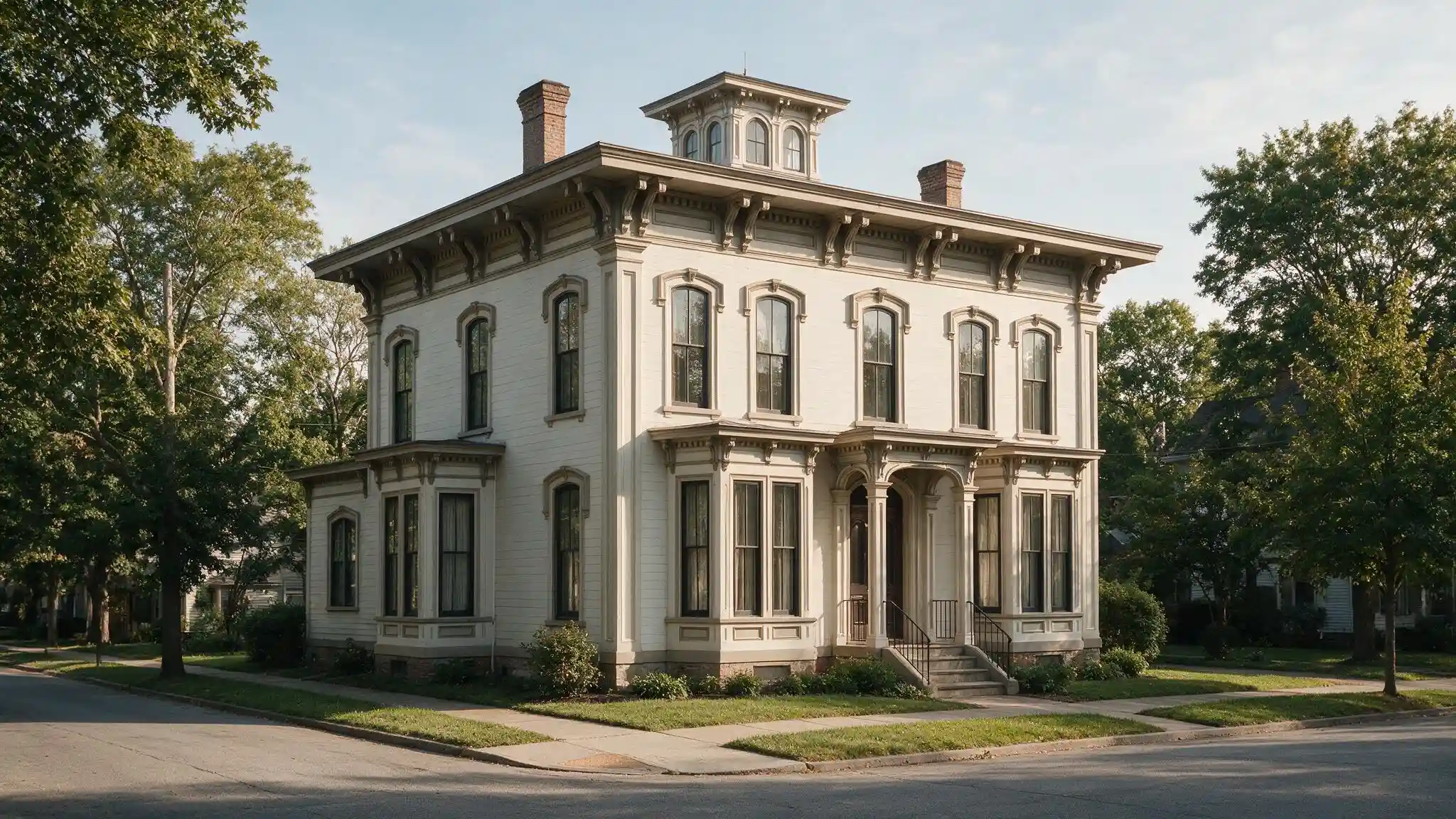
Revival movements dominated Western architecture well into the 1800s – detailed facades, historical references, ornament as a sign of culture and refinement.
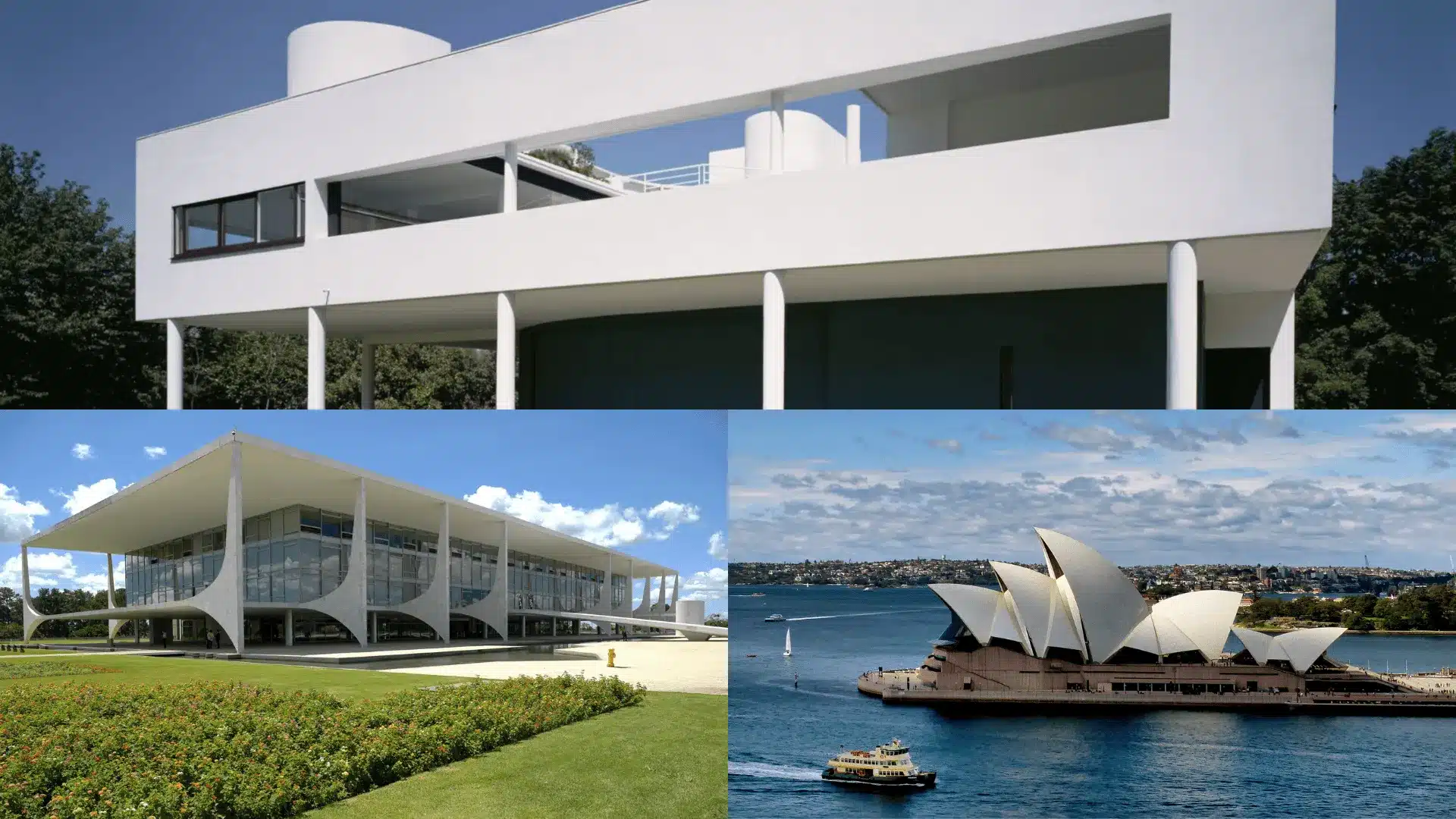
Then a group of architects in early 20th-century Europe decided to stop looking backward.
What they built instead became one of the most lasting design movements in history.
What is Modern Architecture?
It is a style of building design that focuses on simplicity, function, and the honest use of materials.
It removes decorative elements that serve no practical purpose and puts the structure and layout at the center of the design.
The premise is straightforward: a building should work well first. How it looks is a result of that, not a starting point.
That’s what separates it from virtually every major style that came before — all of which treated ornamentation, carved detail, and complex facades as markers of quality.
How Modern Architecture Started?
This architecture began taking shape in the late 19th and early 20th centuries.
As industrialization brought new building materials like steel, reinforced concrete, and large-scale glass production, architects started rethinking how buildings could be designed.
Older construction methods relied heavily on thick stone walls and decorative columns. The new materials changed what was structurally possible.
Buildings could be taller, lighter, and more open than ever before.
The Main Idea Behind Modern Design
The core belief behind modern design is that form should follow function. This phrase, often linked to American architect Louis Sullivan, means the shape of a building should come from its purpose, not from tradition or decoration.
A modern home, for example, is designed around how people actually live in it, with open spaces, good natural light, and practical layouts. The visual result of that thinking is what people recognize as the modern style.
Is Modernism in Architecture the Same Thing?
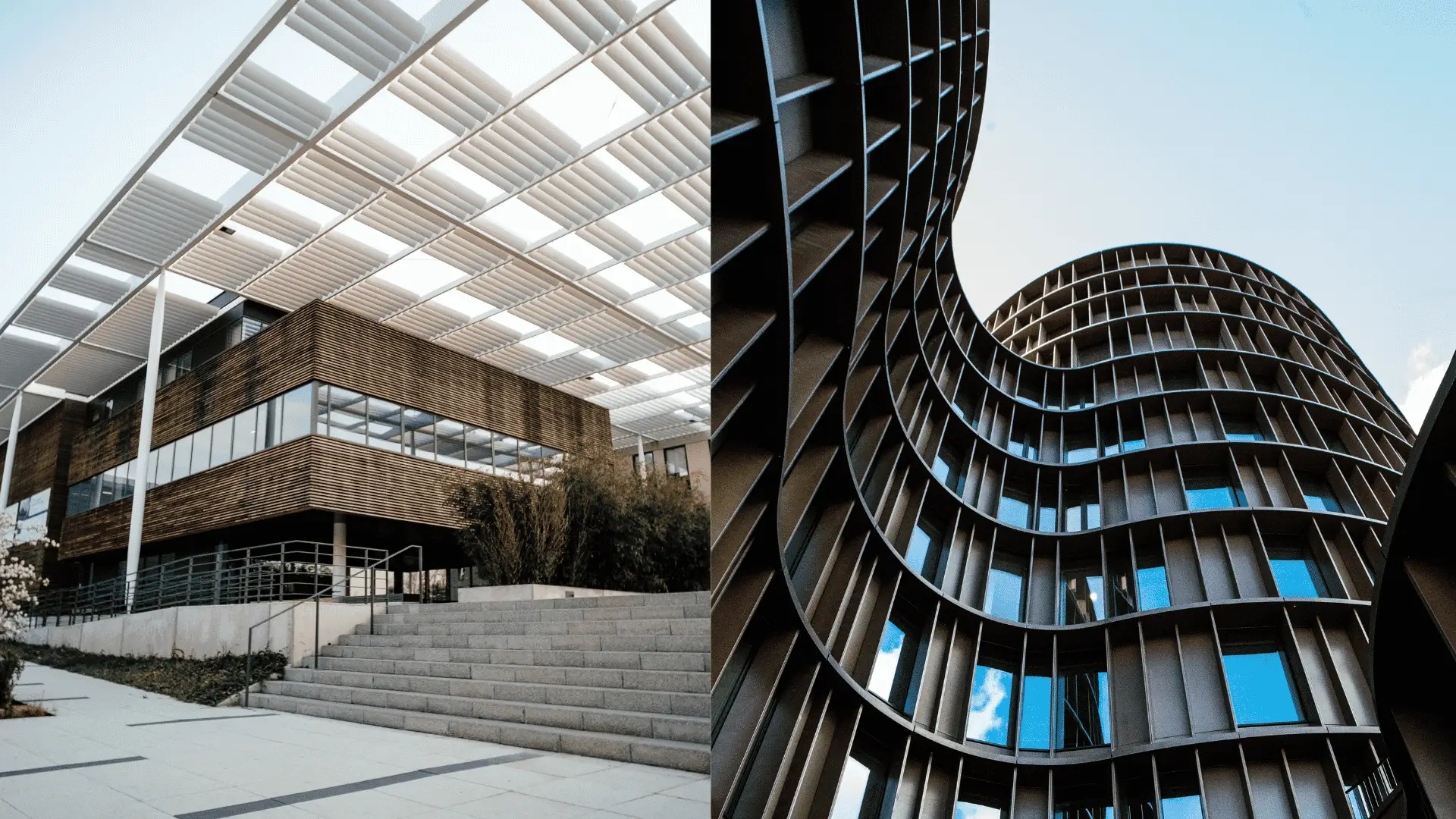
Now the question comes up: What does modernism in architecture mean?
Modernism in architecture refers to a broader movement that reshaped how buildings were designed from the early 1900s through the mid-20th century. It was a deliberate rejection of historical styles like Gothic, Baroque, and Victorian architecture.
Modernism was not just a visual preference. It was a position: design should reflect the industrial age honestly, not dress itself up in borrowed history.
How Modernism Changed Building Design
Before modernism, picking columns from ancient Greece or arches from Rome was simply how architecture worked.
Modernism called that out as dishonest – a steel-framed building pretending to be a Roman temple.
It introduced flat roofs, open floor plans, and structural honesty, where the materials doing the work of holding the building up are left visible rather than hidden behind decoration.
The History of Modern Architecture
Early Beginnings in the 20th Century
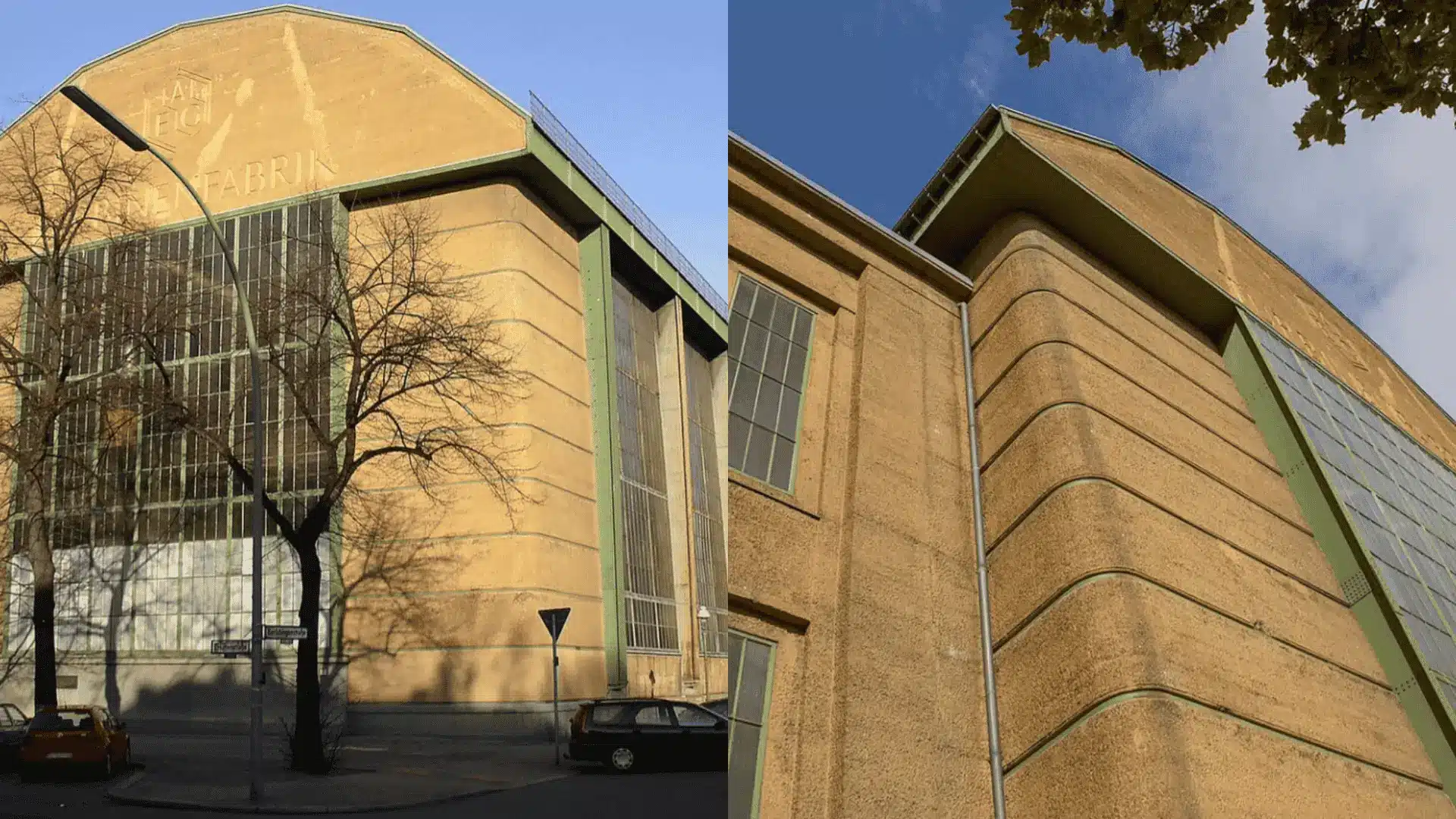
The early 1900s saw the first clear break from historical architectural styles. Architects like Adolf Loos, who wrote “Ornament and Crime” in 1910, argued that decoration in architecture was wasteful and unnecessary.
This kind of thinking laid the groundwork for what would become modern architecturual design.
At the same time, the rise of new construction technology made it possible to build in ways that simply were not achievable before.
Influence of Industrialization
The Industrial Revolution gave architects access to materials that could handle far greater loads with less bulk.
Steel frames meant walls no longer had to carry the weight of the building, which is why modern buildings can have such large windows and open facades.
Reinforced concrete added to this freedom. It could be poured into almost any shape and was far more durable than older masonry construction.
These two materials, steel and concrete, became the backbone of modern style architecture.
The Bauhaus Movement
The Bauhaus school, founded in Weimar, Germany, in 1919 by Walter Gropius, became one of the most influential forces in modern design. The school brought together architecture, craft, and fine art under one educational approach.
The Bauhaus promoted the idea that good design should be accessible, functional, and producible at scale.
Its graduates and teachers went on to shape architecture, furniture, typography, and product design around the world.
The school was closed by the Nazi government in 1933, but its influence spread as many of its members emigrated to the United States and Europe.
Changes After World War I
After World War I, much of Europe needed to be rebuilt quickly and affordably.
Modern architecture, with its reliance on industrial materials and straightforward construction methods, was well suited to this need.
Housing shortages pushed architects and city planners toward efficient, functional design.
This period accelerated the adoption of modernist principles in public housing, civic buildings, and urban planning.
Key Characteristics of Modern Architecture
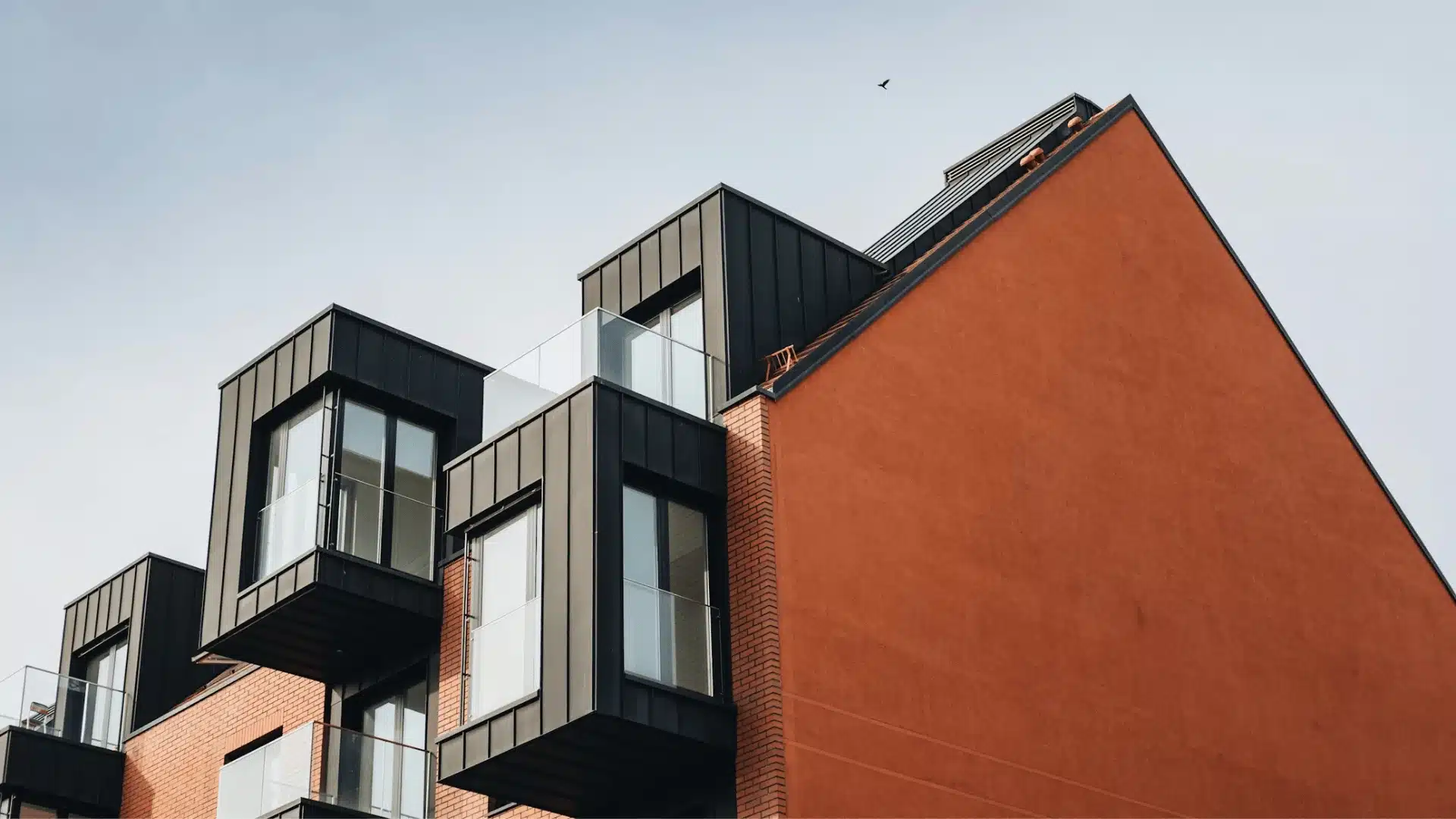
It is easy to recognize the modern-architecture once you know what to look for.
These are the defining features that show up across most modern buildings.
Clean Lines and Simple Shapes
Modern buildings are recognized first by their clean, straight lines and simple geometric shapes. Rectangles, cubes, and flat planes dominate.
This is not a limitation but a deliberate choice to let the structure speak without distraction.
Open Floor Plans
Traditional homes were divided into many small, separate rooms.
This style moved toward open floor plans where the kitchen, dining area, and living space often share one continuous space.
This improves natural light flow and makes smaller homes feel more spacious than their square footage suggests.
Large Glass Windows and Natural Light
Glass is one of the defining materials of this style architecture. Floor-to-ceiling windows and glass walls allow daylight deep into a building.
This reduces electricity use during daytime hours and connects interior spaces visually to the outside.
It is worth noting that large glass areas can also create heat gain in warmer climates, so proper orientation and shading are often part of the design process in modern buildings.
Minimal Decoration and Clutter-Free Spaces
One of speciality about this architecture’s functions is to keep surfaces clean.
There are no carved cornices, decorative moldings, or ornamental details for their own sake. Every element that appears in the design serves a function.
This approach makes modern interiors feel calm and uncluttered, though it also means the quality of materials and finishes becomes more visible.
There is nowhere to hide poor craftsmanship.
Use of Steel, Concrete, and Glass
These three materials define the structural and visual language of this architectural design.
- Steel provides strength with minimal bulk.
- Concrete offers flexibility in form and durability over time.
- Glass opens up walls and brings in light.
Many modern buildings leave these materials exposed rather than covering them with plaster or cladding.
Exposed concrete walls and steel beams are common interior finishes in modern design.
Different Types of Modern Architecture
Modern Mid Century Architecture

Mid-century architecture refers to designs produced roughly between the 1940s and 1970s.
It is one of the most recognized and widely imitated branches of modern design.
Key Characteristics
- Low, horizontal profiles with flat or slightly angled rooflines
- Large windows are integrated into the structure
- A strong connection between interior spaces and outdoor areas
- Use of natural materials like wood alongside glass and steel
- Open interiors with minimal partition walls
Architects like Richard Neutra, Charles and Ray Eames, and Eero Saarinen are closely associated with this period.
Industrial Modern Architecture
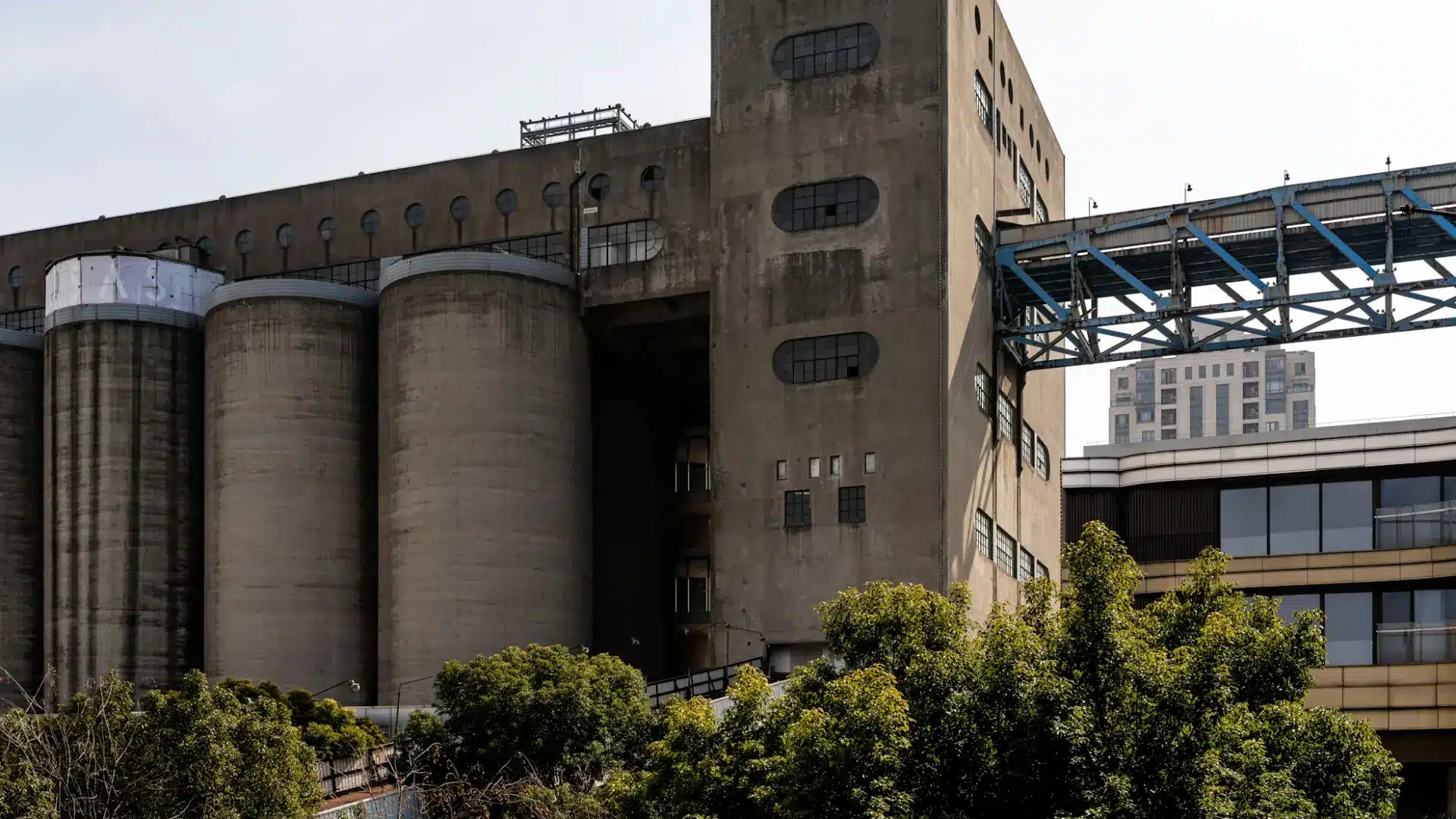
Industrial style architecture draws directly from factory and warehouse aesthetics.
It became prominent in urban areas where former industrial buildings were converted into residential and commercial spaces.
Key Characteristics
- Exposed steel beams, concrete columns, and ductwork
- Large factory-style windows
- Raw finishes, including brick, concrete, and unfinished metal
- High ceilings and open floor plans
European Modern Architecture
European architecture covers a wide range of national approaches united by modernist principles.
Key Characteristics
- Strong emphasis on functionalism and rational planning
- Integration of public and private space
- Use of prefabricated and industrial materials
- Attention to urban context and scale
Scandinavian Simplicity
Scandinavian modern is known for restraint and natural materials. Wood, glass, and concrete are common, and designs often respond to limited natural light in northern climates.
German Bauhaus Influence
Shaped by the Bauhaus movement, German modern-architecture emphasized honest materials and design that serve everyone. Post-war housing projects often followed these principles, prioritizing light, ventilation, and efficient space.
Japanese Modern Architecture
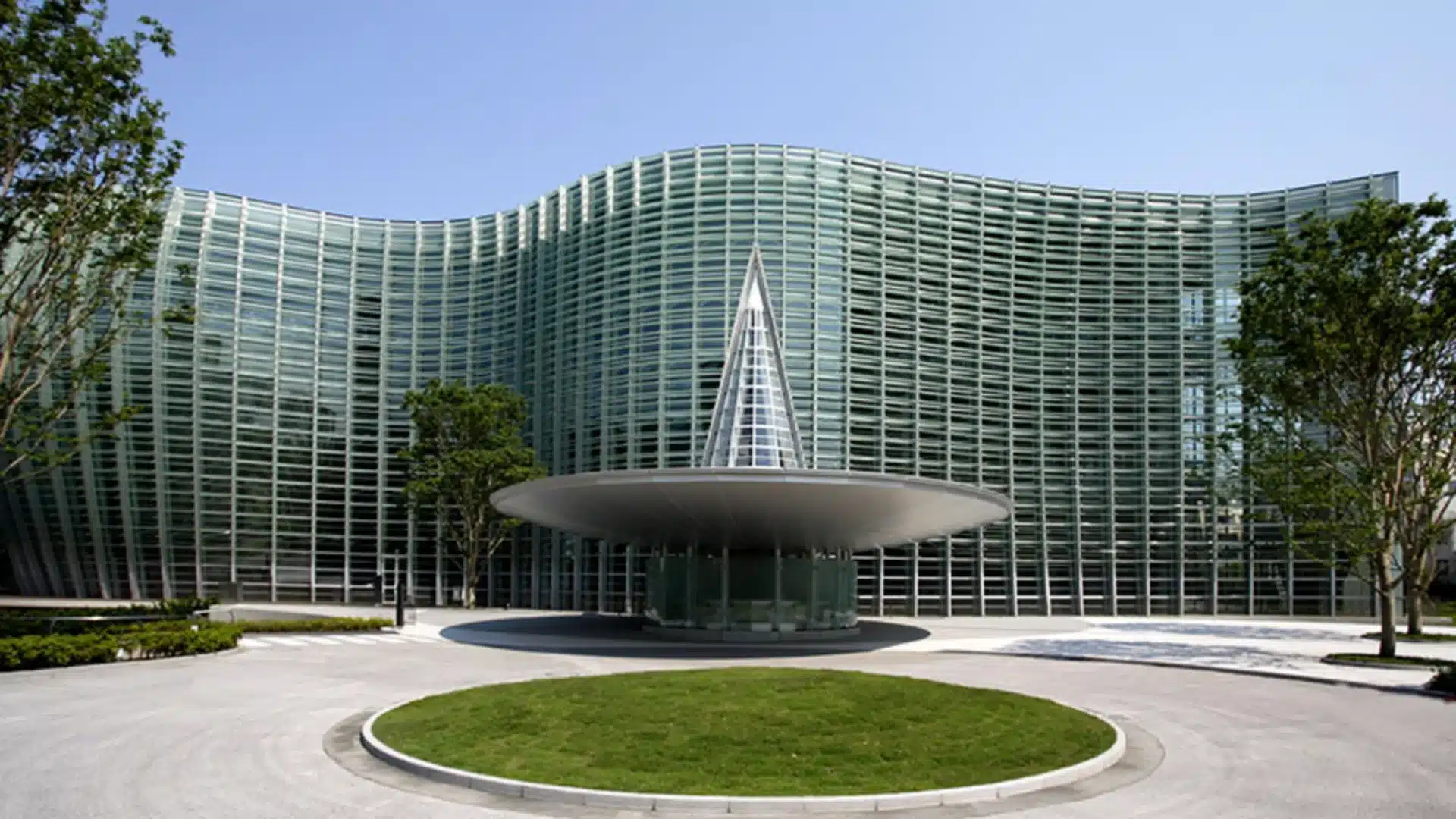
The National Art Center, Tokyo
Modern Japanese architecture is distinct in how it blends modernist principles with traditional Japanese spatial philosophy.
Key Characteristics
- Strong attention to proportion and spatial relationships
- Natural materials, including wood, stone, and bamboo, alongside concrete and glass
- Restrained detailing and precise construction
Zen-inspired minimalism: Spaces are kept free of visual noise. What is left out is treated as equally important as what is included
Nature Focused Spaces: Gardens, water features, and framed views of the outdoors are common elements, even in urban buildings.
Modern Architecture vs Contemporary Architecture
These two terms get used interchangeably, and the distinction is worth being clear about.
Modern-architecture is a historical style with defined principles. Contemporary architecture just means whatever is being built right now — no fixed philosophy, no single look.
| Factor | Modern Architecture | Contemporary Architecture |
|---|---|---|
| Time Period | Roughly from 1900 to 1970 | Buildings being designed today |
| Design Philosophy | Idealistic, function over ornament, clear principles | Pragmatic, no single guiding philosophy |
| Style | Fixed, clean geometry, minimal decoration | Varied, experimental, no universal look |
| Materials | Primarily steel, concrete, and glass | Steel, concrete, glass, plus engineered timber, composites, and recycled materials |
| Layout | Clean, open, geometric floor plans | Flexible, irregular, site-responsive layouts |
| Main Focus | Improving society through good design | Responding to client needs, environment, and current condition |
Key Characteristics of Contemporary Architecture
Contemporary architecture refers to buildings being designed and built right now. It is not a fixed style but a reflection of current ideas, technologies, and concerns.
Here is what typically defines it:
- Sustainability focus: Energy performance, green materials, and low environmental impact are central to most contemporary projects.
- No fixed style: Buildings can look very different from one another because the term describes a time period, not a design philosophy.
- Adaptive reuse: Repurposing existing structures like old factories or warehouses is a common approach rather than always building from scratch.
- Digital fabrication: Curved forms, complex geometries, and precision detailing are more achievable now thanks to computer-aided design and manufacturing.
- Mixed materials: Contemporary buildings combine traditional materials with newer options like engineered timber, composite panels, and recycled content.
- Site responsiveness: Designs respond closely to the specific location, climate, and surroundings rather than applying a universal look.
Conclusion
Modern architecture changed what buildings could be — and most of the assumptions behind it are still quietly running in the background of design today.
From the Bauhaus in 1919 to a house being built right now in Osaka or Oslo, the core argument hasn’t changed: let the building be what it is.
That’s enough.
If you’re trying to understand why buildings look the way they do, or why certain spaces feel different from others, modern-architecture is the right place to start.
Most of the vocabulary in use today traces back to it.