Buying a rug is difficult. Even with measurements and estimates, people often end up buying a rug that doesn’t fit their room.
The space between the floor and the rug is a common problem many people face.
However, there is no need to worry anymore. Using a rug size chart can make the entire procedure easy.
The information about standard rug dimensions and how to choose the correct size rug for a particular room is provided.
What are Area Rugs?
An area rug is any movable piece of floor covering; unlike wall-to-wall carpet, it isn’t permanently attached to the floor. This means that it can be moved, rolled up, or replaced at any time.
Rugs can serve various functions in people’s homes. For instance, they help to preserve the floors from scratches and stains.
Moreover, they keep feet warm in the morning when floors are cold. The comfort of the room is another function of the rug.
First, a soft rug is pleasant to walk on, and second, it helps to reduce noise in the room.
Standard Rug Sizes Chart
Rugs come in a range of standard sizes. Here’s a quick size chart to help you pick the right one.
| Rug Size | Best For |
|---|---|
| 3′ x 5′ | Small entryways, in front of a sink |
| 3′ x 5′ | Small bedrooms, reading nooks |
| 5′ x 8′ | Medium bedrooms, small living rooms |
| 8′ x 10′ | Living rooms, dining rooms |
| 9′ x 12′ | Large living rooms, open floor plans |
| 2’ x 8’ (Runner) | Hallways, narrow spaces |
| Round (6’ diameter) | Round tables, small seating areas |
Most homeowners pick the 8′ x 10′ size. It fits well in living rooms and dining rooms. It also leaves enough floor space showing around the edges.
How to Measure Rug Size for Your Room?
Rug size measurement begins with the help of a measuring tape. Take the following actions to get accurate room measurements.
1. Measure the Open Floor Area
First, measure the open floor area within the room. Measure the width and length of the open floor in feet.
Take note of both measurements. This will give you a benchmark to which you can compare available rugs.
2. Measure Around Your Furniture
Following that, measure the area around your main furniture pieces. In the case of a living room, measure from the front end of the sofa up to the coffee table.
For a bedroom, measure around the bed. This is how wide the rug needs to be on each side.
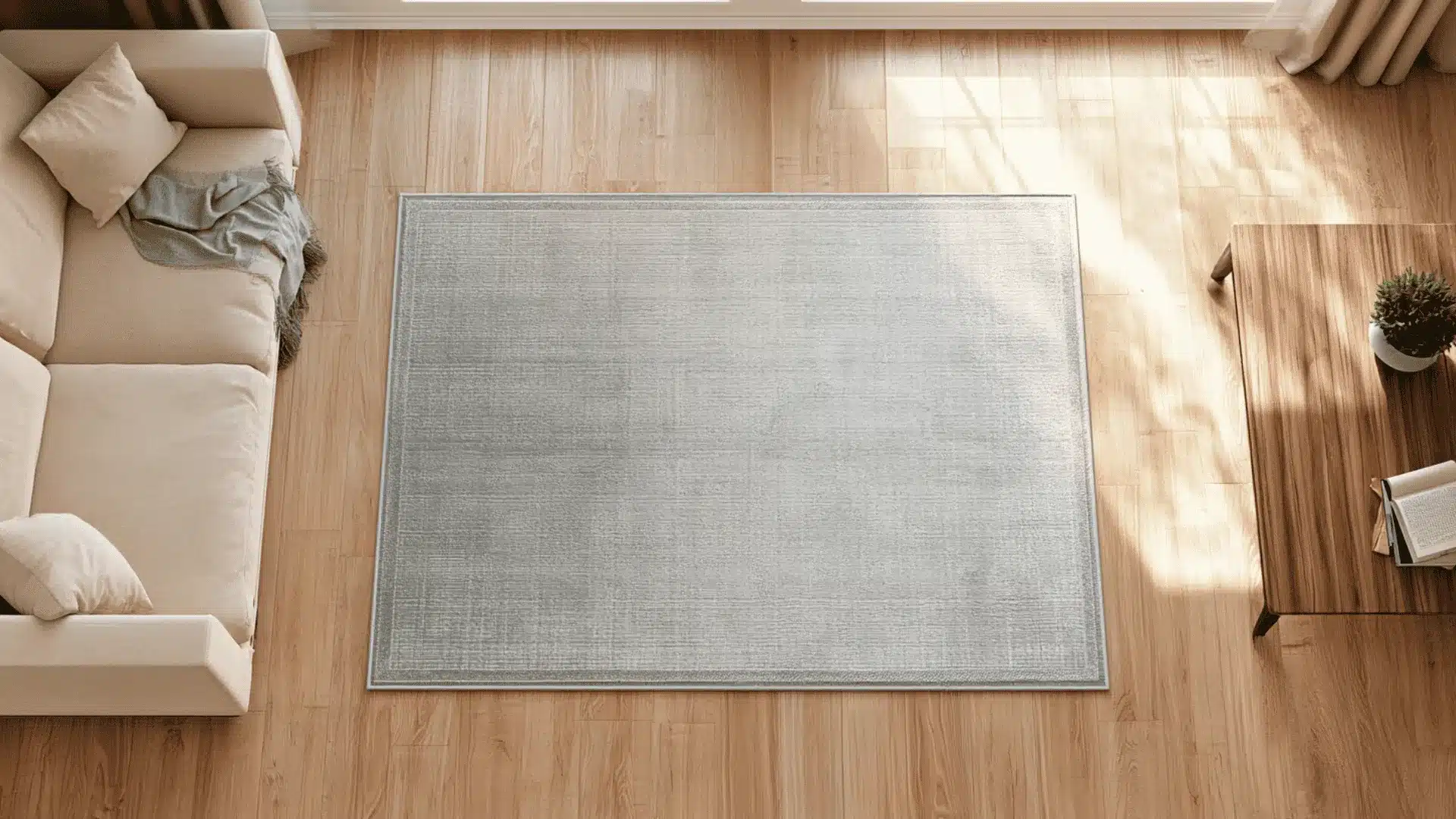
Make sure to leave 8 to 10 inches of uncovered floor on the edge of the rug.
3. Consider the Arrangement of the Furniture
You should determine whether you want all furniture legs to stand on the rug or only the front legs.
The furniture arrangement influences the required rug size.
For an entire set of living room furniture, placing all legs on the rug is usually a better option. For a smaller room, you may only need the front legs.
4. Refer to the Rug Sizes Chart
After getting the measurements of your room, refer to the size chart and find the similar rug size.
In case your room is between the two sizes, choose the larger size.
Always double-check the measurement before purchasing. A small measurement error may result in buying the wrong rug size.
5. Measure Your Floor Space Before Making a Purchase
Use painter’s tape to mark out the area where you will be placing the rug on the floor.
That way, you can get a better idea of how the rug will fit into the space.
Do your measurements after you have placed your furniture in its designated position.
Most Suitable Rug Sizes for the Different Rooms in Your House
Different areas within a home call for various sizes. Below is a brief outline of the best size for each place.
Living Room
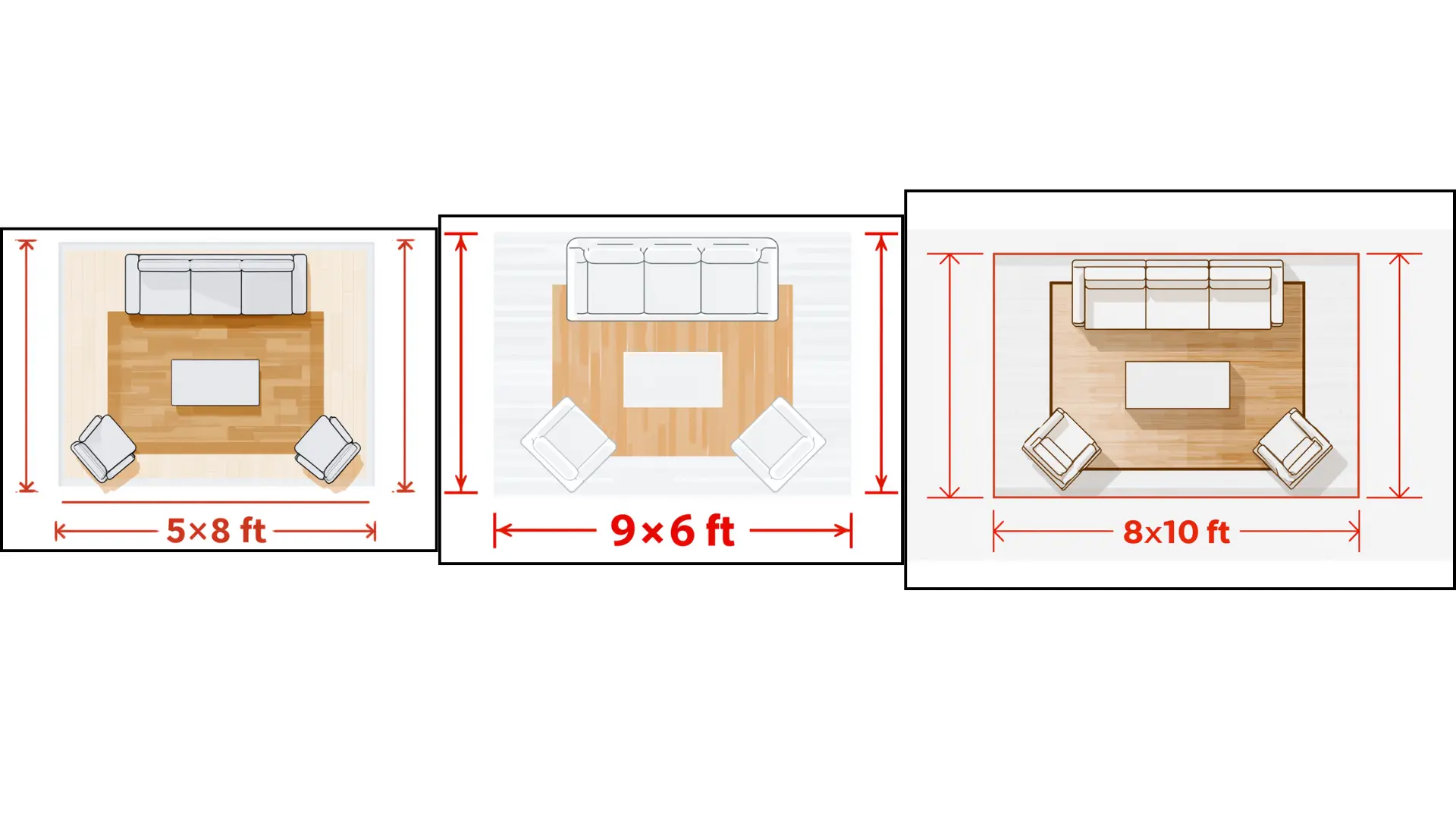
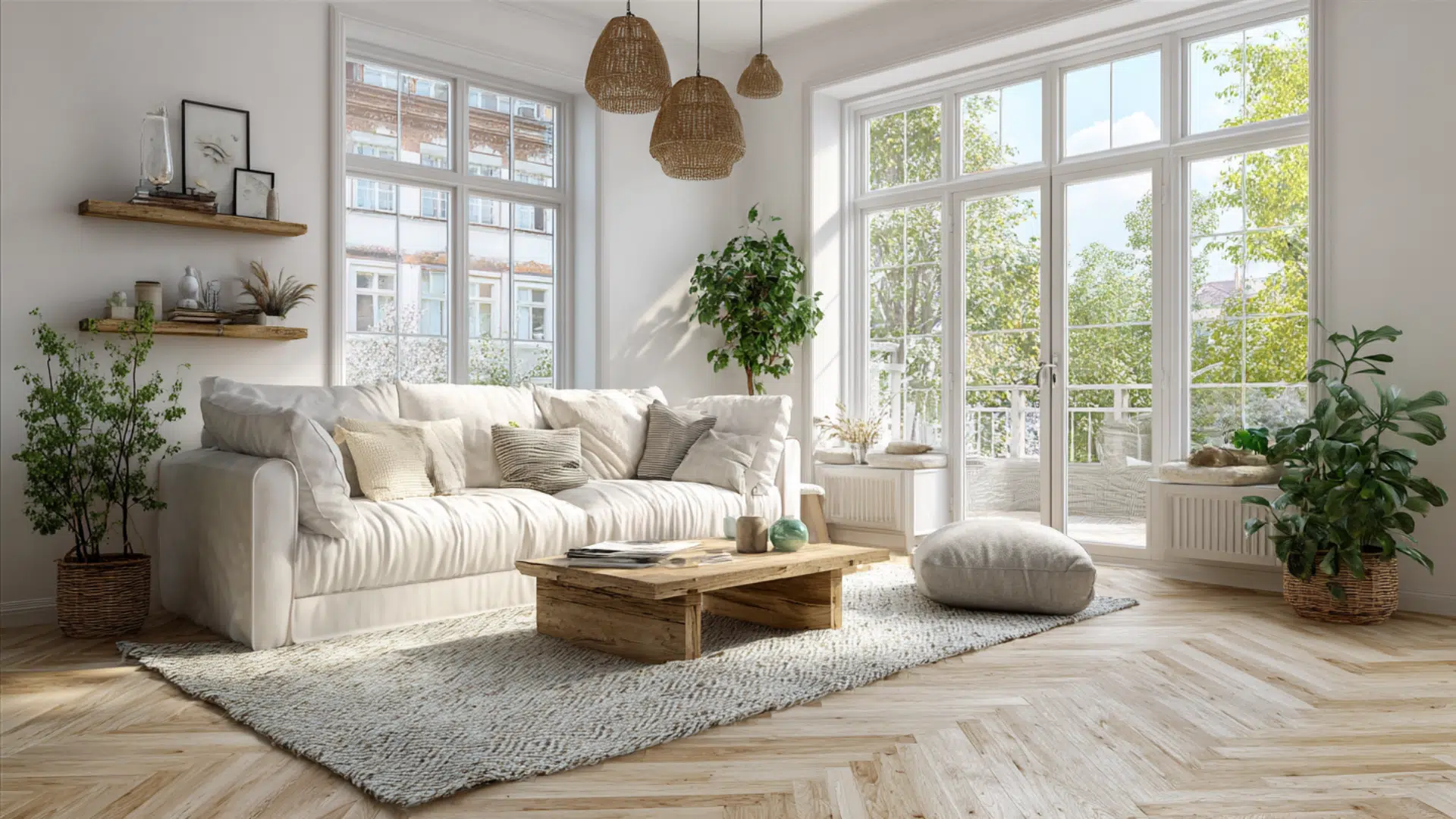
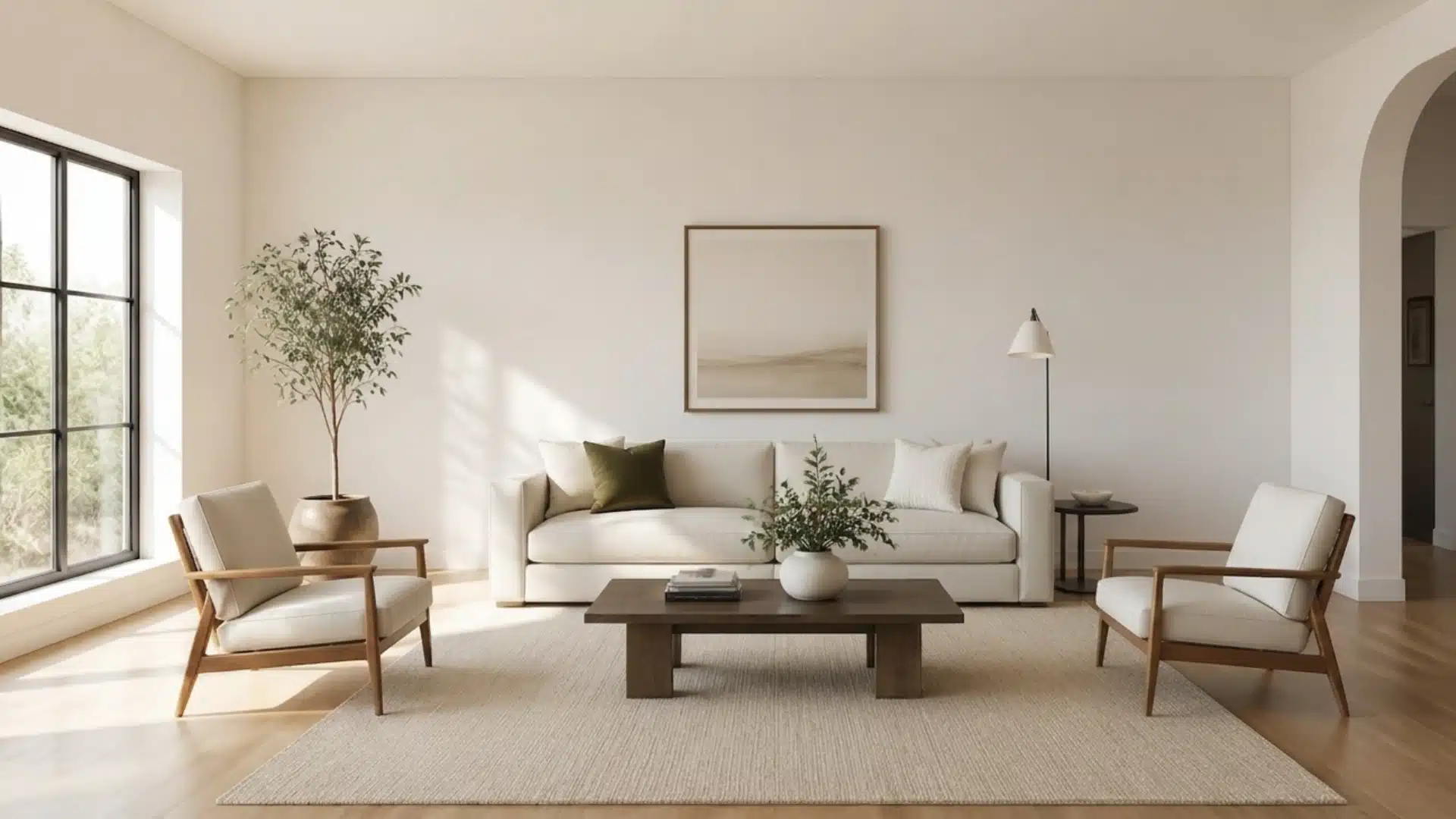
A rug that measures 8’x10’ or 9’x12’ is suitable for most living rooms. Such sizes allow all the front legs of the furniture in the room to rest on the rug.
A smaller rug will only serve to break up the room. Large rugs come in handy for large, open areas.
If space is limited, a 5’ x 8’ rug can work well.
Bedroom
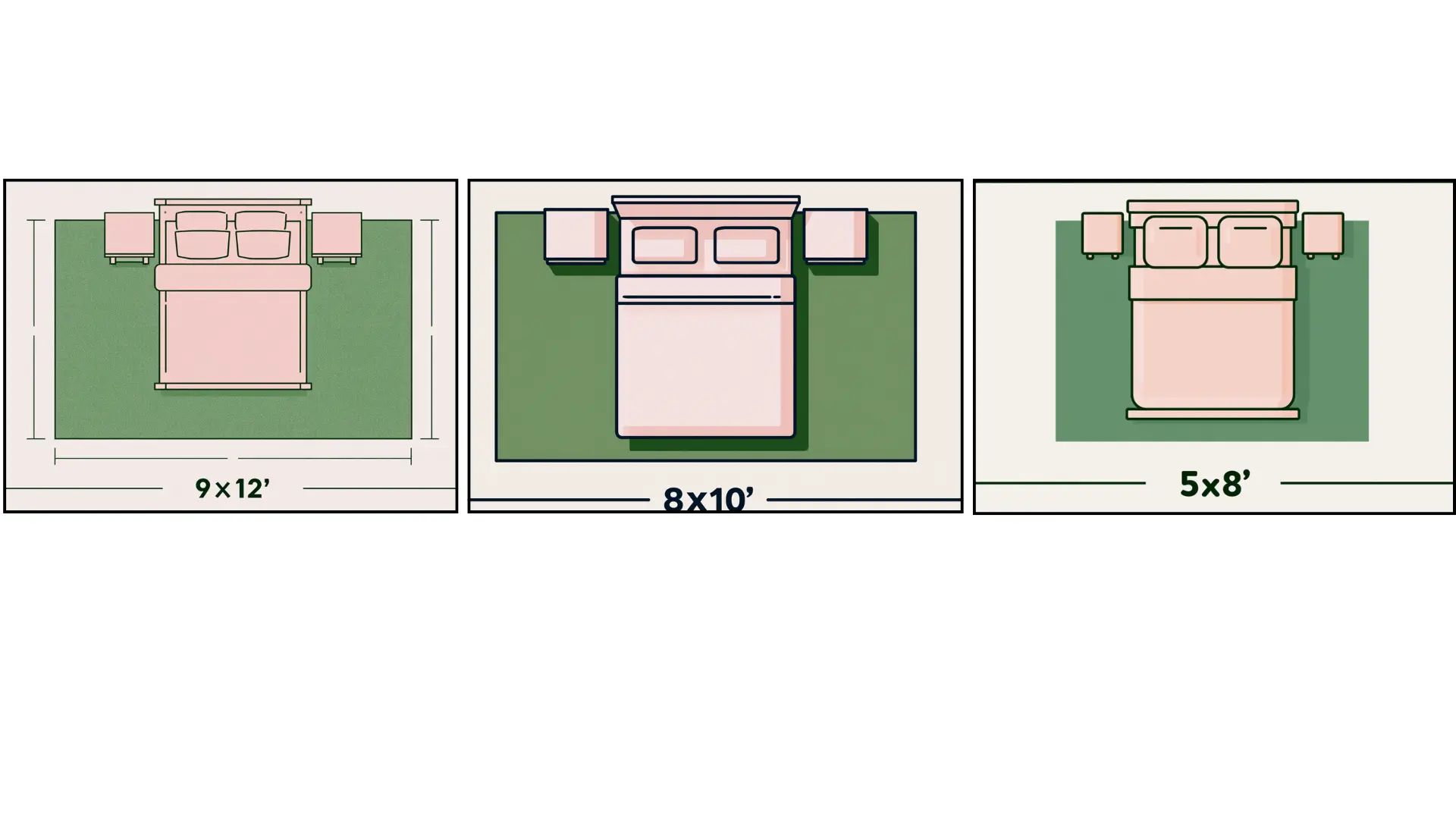
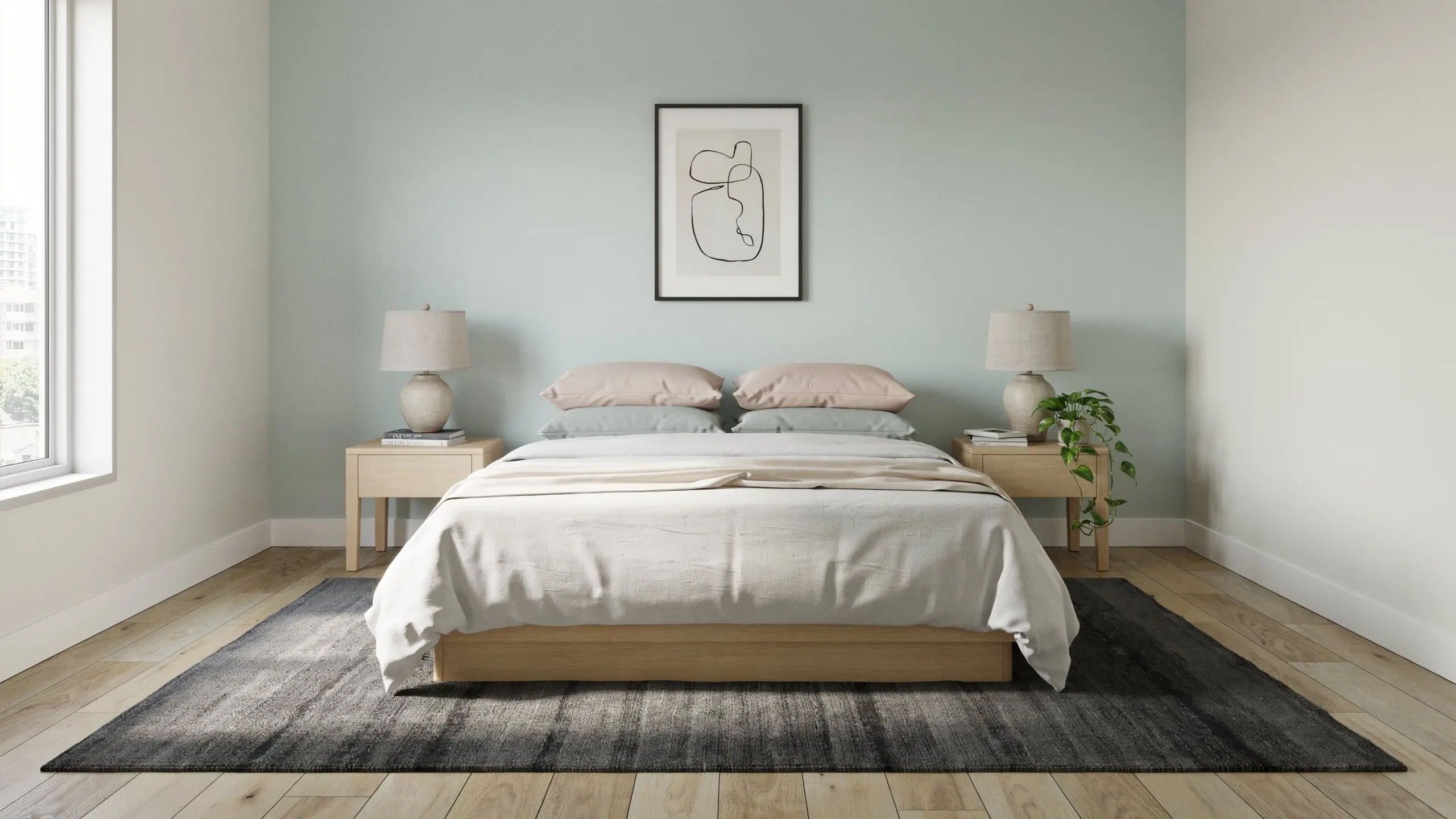
A rug measuring 5’x8’ or 8’x10’ is ideal for use in the bedroom. Place the rug so it extends beyond the sides and foot of the bed.
This makes it easy for feet to rest comfortably when stepping on it. Placing a rug in the front two-thirds of the bed is also appropriate, as it adds to the look of the room.
Smaller rugs, such as 3’ by 5’, would suit the area next to the bed. It depends on the size of the bed in the room.
Dining Room
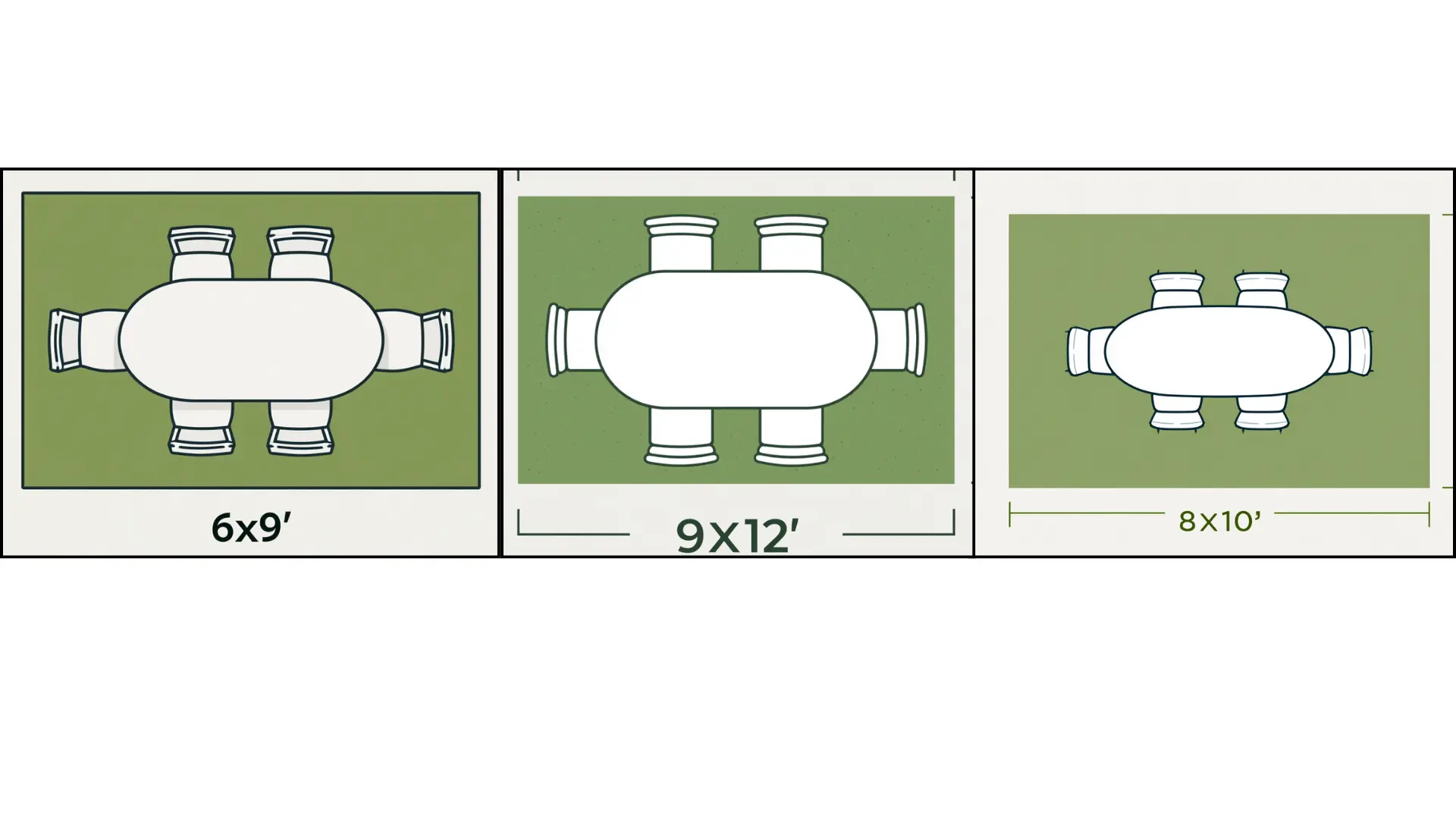
An 8’x10’ or 9’x12’ rug suits a dining room perfectly. Ensure the rug is big enough to accommodate chairs when pulled out, so they don’t get stuck.
Otherwise, the rug can become it tripping hazard.
Measure the table with the chairs pulled all the way out, then buy a rug sized to match.
Runner Rug for Hallways/Entryway
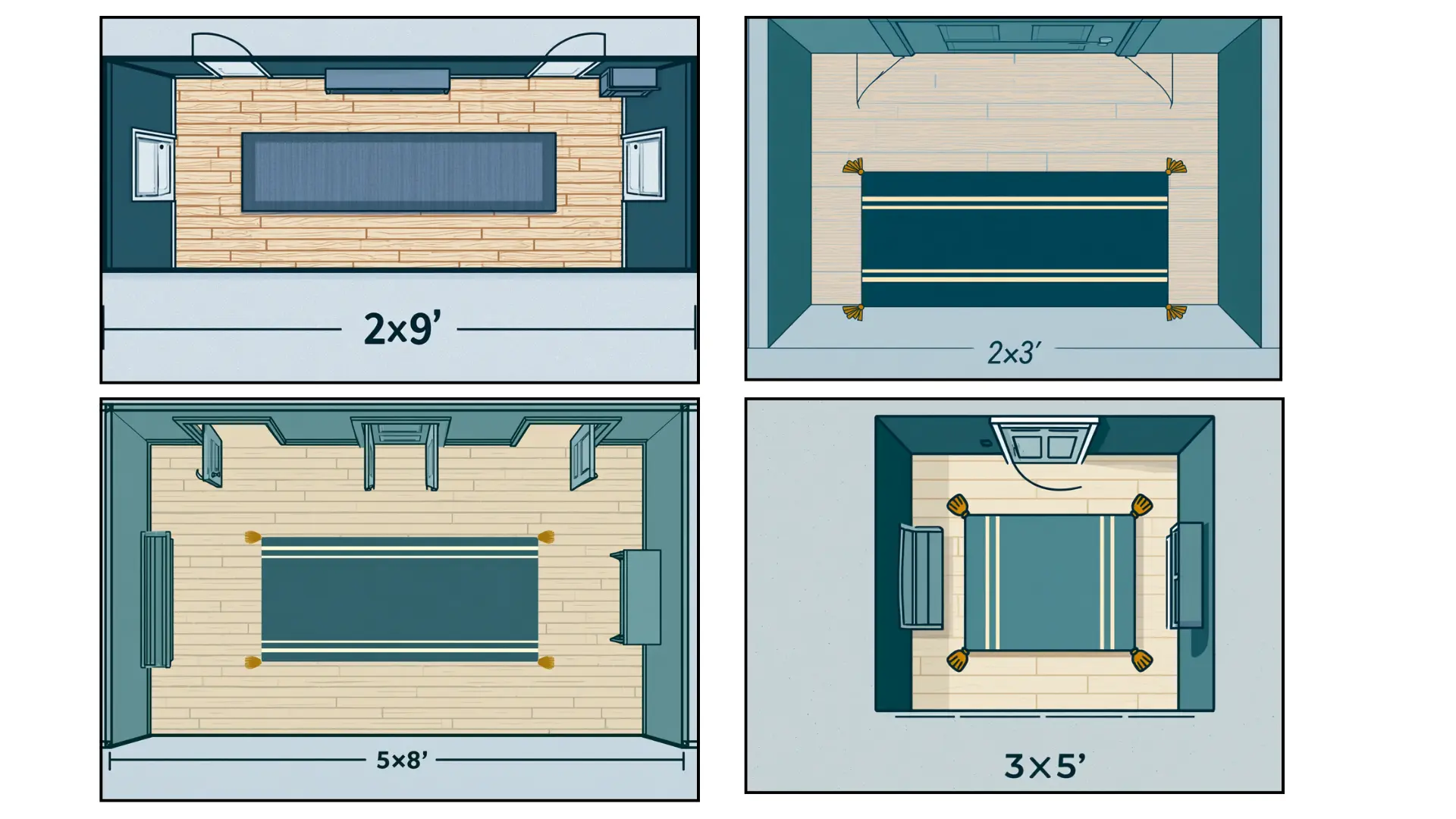
Runner rugs work well for hallways and entryways because these spaces are narrow and need a long, slim shape rather than a standard rectangle.
Such rugs help protect the floor from foot traffic. In the case of an entryway, a small rug like a 3’x5’ is suitable at the door entrance.
Conclusion
No need to make random estimates regarding the rug dimensions anymore.
You learned how to estimate the room size, refer to the standard sizes, and choose the right rug for each room in your house.
The “too small” or “too big” issue will never be a problem for you anymore once you know the process.
Rely on the measurements and the rug sizes chart. Your room will look harmonious and well-designed.
Frequently Asked Questions (FAQs)
1. What are the Current Trends in Rug Sizes and Styles?
Oversized rugs are popular right now. Homeowners also like neutral colors, natural fibers, and bold geometric patterns for a modern look.
2. What is the Best Color for a Rug in a Small Room?
Light, neutral colors work best in small rooms. They make the space feel bigger and brighter, without overwhelming the floor.
3. How Should I Care for My Rug to Keep it Looking Good?
Vacuum your rug weekly. Rotate it every few months. Clean spills right away to avoid stains from setting in.