Not sure if a 4×6 rug will fit your space?
This size shows up everywhere online and in stores, but it is easy to second-guess once it lands on your own floor.
It can work in small rooms, tight corners, and cozy nooks, but it is not a fit for every space.
By the end, you will know for sure if this size is right for your room or if you need to size up before you buy from your favorite retailer or online marketplace.
How Big is a 4×6 Rug in Feet?
A 4×6 rug measures 4 feet by 6 feet. That works out to:
- 48 inches by 72 inches
- 122 centimeters by 183 centimeters
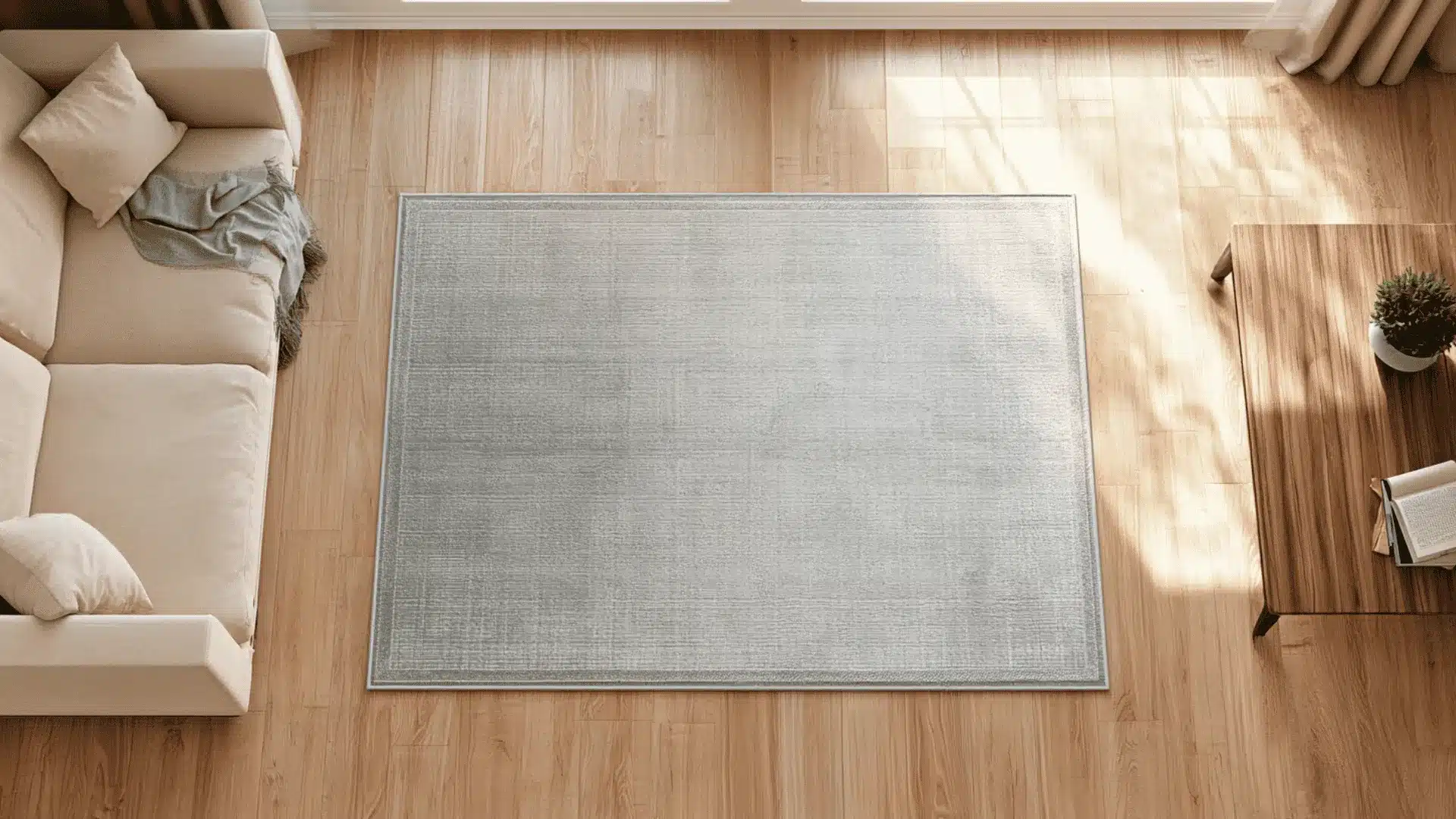
To help you compare, think of a loveseat or a twin bed. A 4×6 rug is close to that length.
It can sit under a small coffee table with room to spare on each side. It can also fit under a compact dining table built for two or four chairs.
This size works best in tight spaces. It gives a room a finished look without covering too much floor.
Have a look at where to place a 4×6 rug for an appealing look.
| Space or Layout | Does a 4×6 Rug Work? | Best Size Option |
|---|---|---|
| Full Living Rooms | Yes | 8×10 or 9×12 |
| Dining Rooms | No | 8×10 or larger |
| Under a Queen or King Bed | No | 8×10 or 9×12 |
| Bedside or Foot of Bed | Yes | 4×6 or 5×7 |
| Entryway or Reading Nook | Yes | 4×6 |
| Small Seating Corner | Yes | 4×6 |
| Layered Over a Larger Rug | Yes | 4×6 accent layer |
Is a 4×6 Rug Considered Small or Medium?
A 4×6 rug is small. Not the smallest size out there, but close to it.
To put it in perspective, a bath mat or doorway rug is usually 2×3 or 3×4. A 4×6 is one step up from that. It’s still too small to anchor a living room, but it’s past the point of being just a mat by the door.
Where Does a 4×6 Rug Fit Best?
A 4×6 rug fits well in cozy rooms, not huge ones. Here are the top spots for this size.
Small Living Rooms
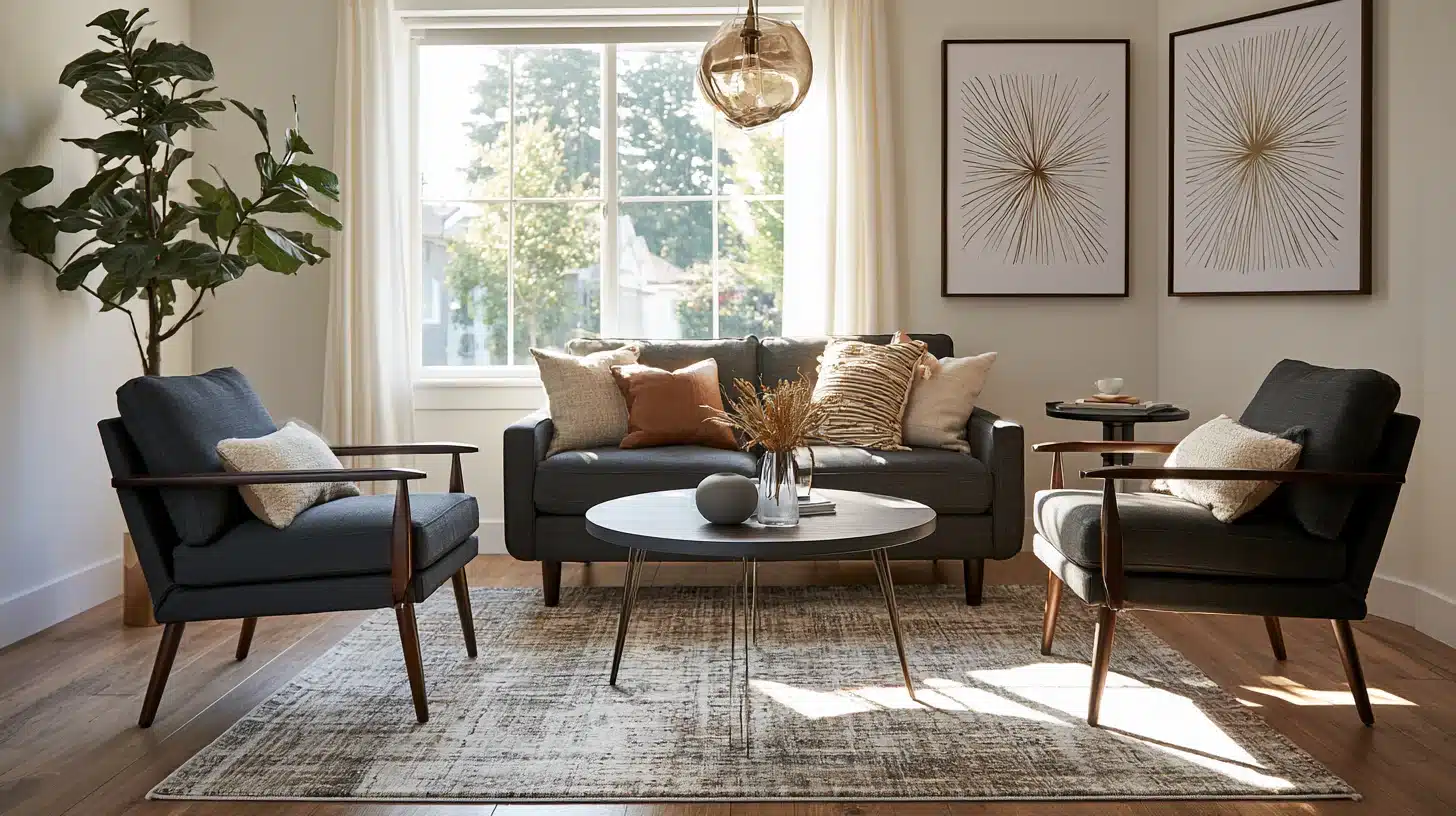
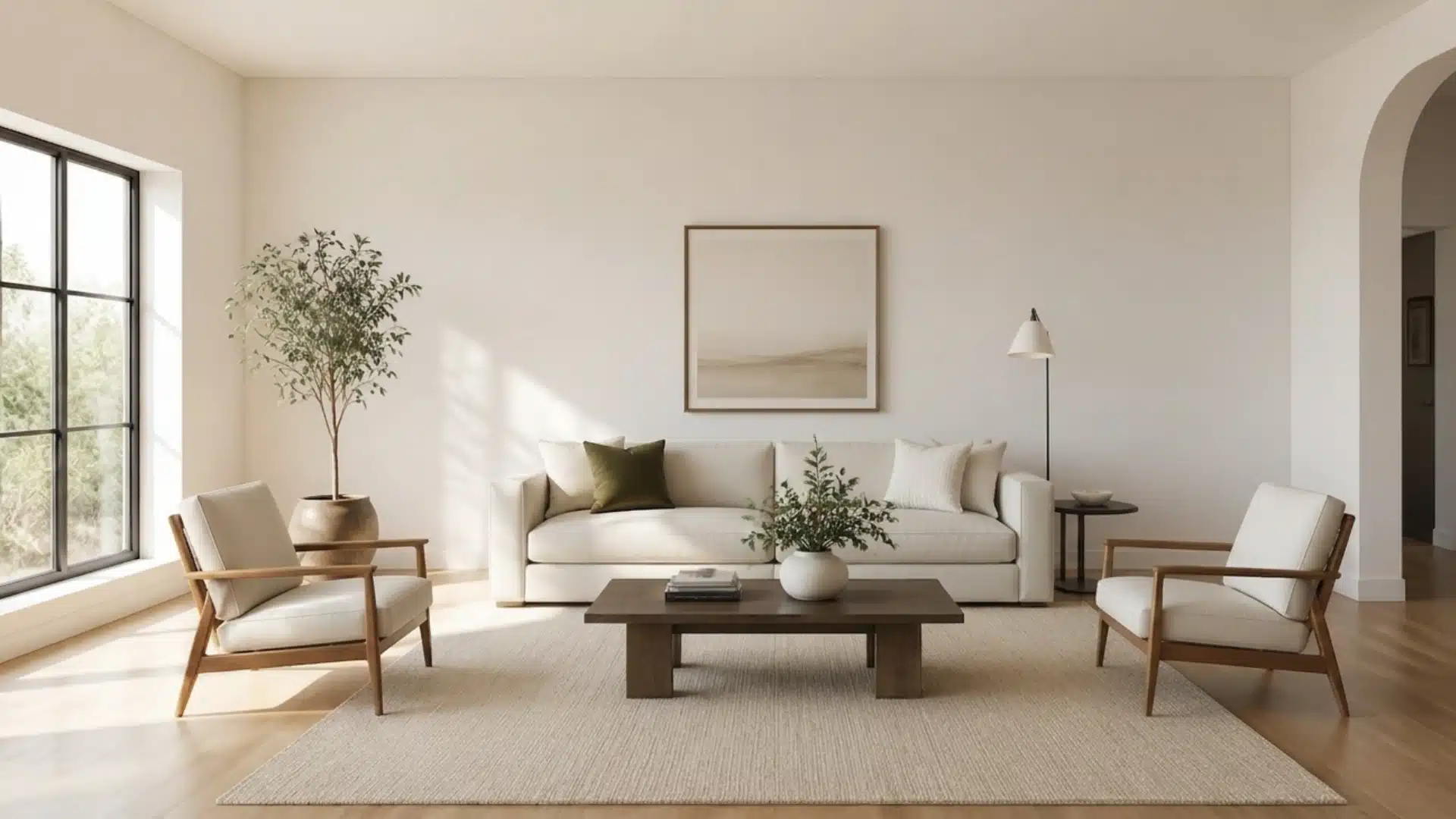
In a small living room, a 4×6 rug can anchor a seating area. Put it under the coffee table. Let the front legs of your sofa and chairs sit on the edge.
That’s what holds the seating area together. Push it too far to one side, and the room looks off balance.
A little bare floor on the open end is fine.
Bedrooms
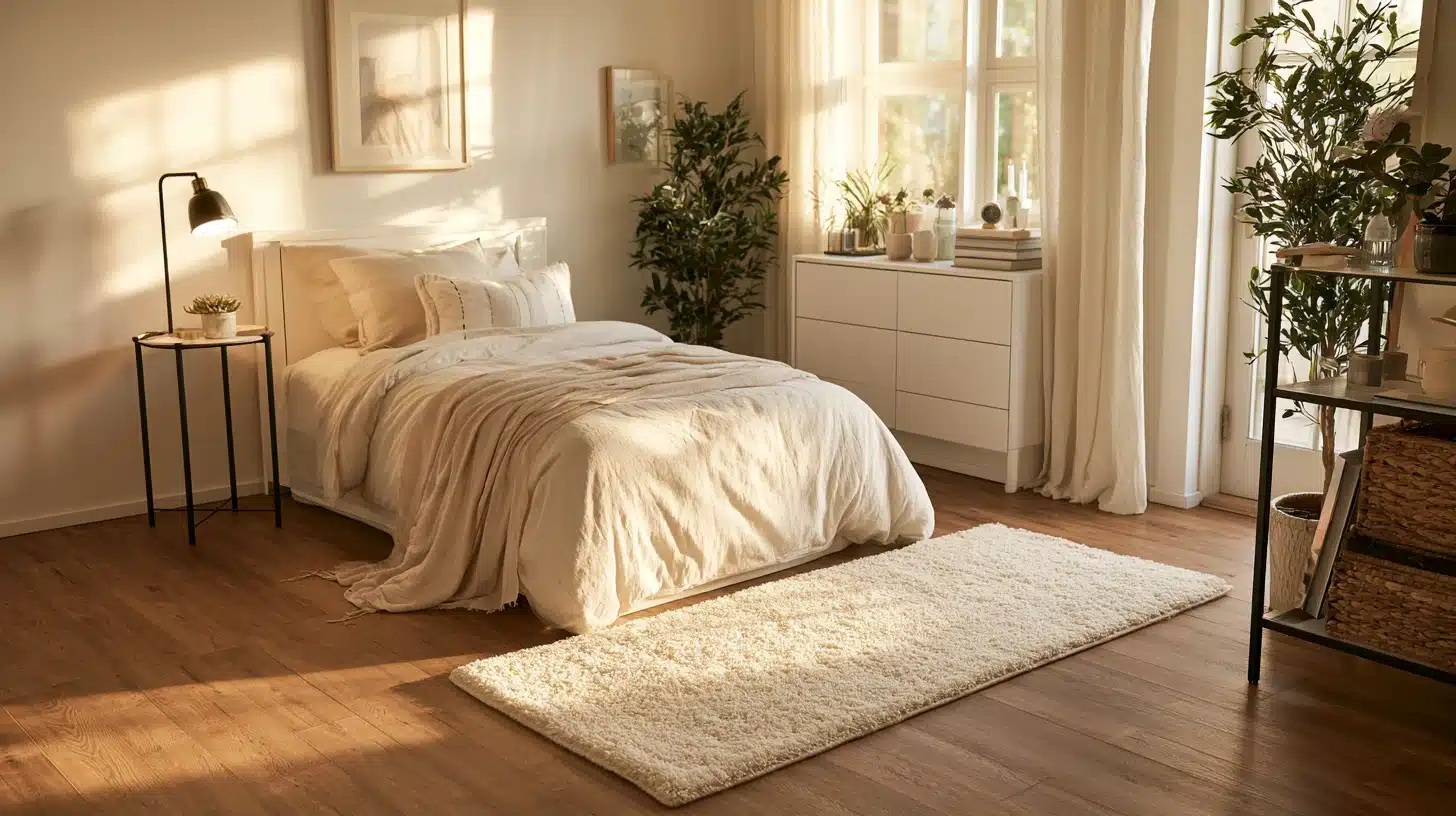
Skip a queen bed with this size. This rug works better next to a twin or full bed, so your feet land on it when you get up.
Some people also use it under a small desk in a guest room, where a bigger rug would just go to waste.
Home Offices
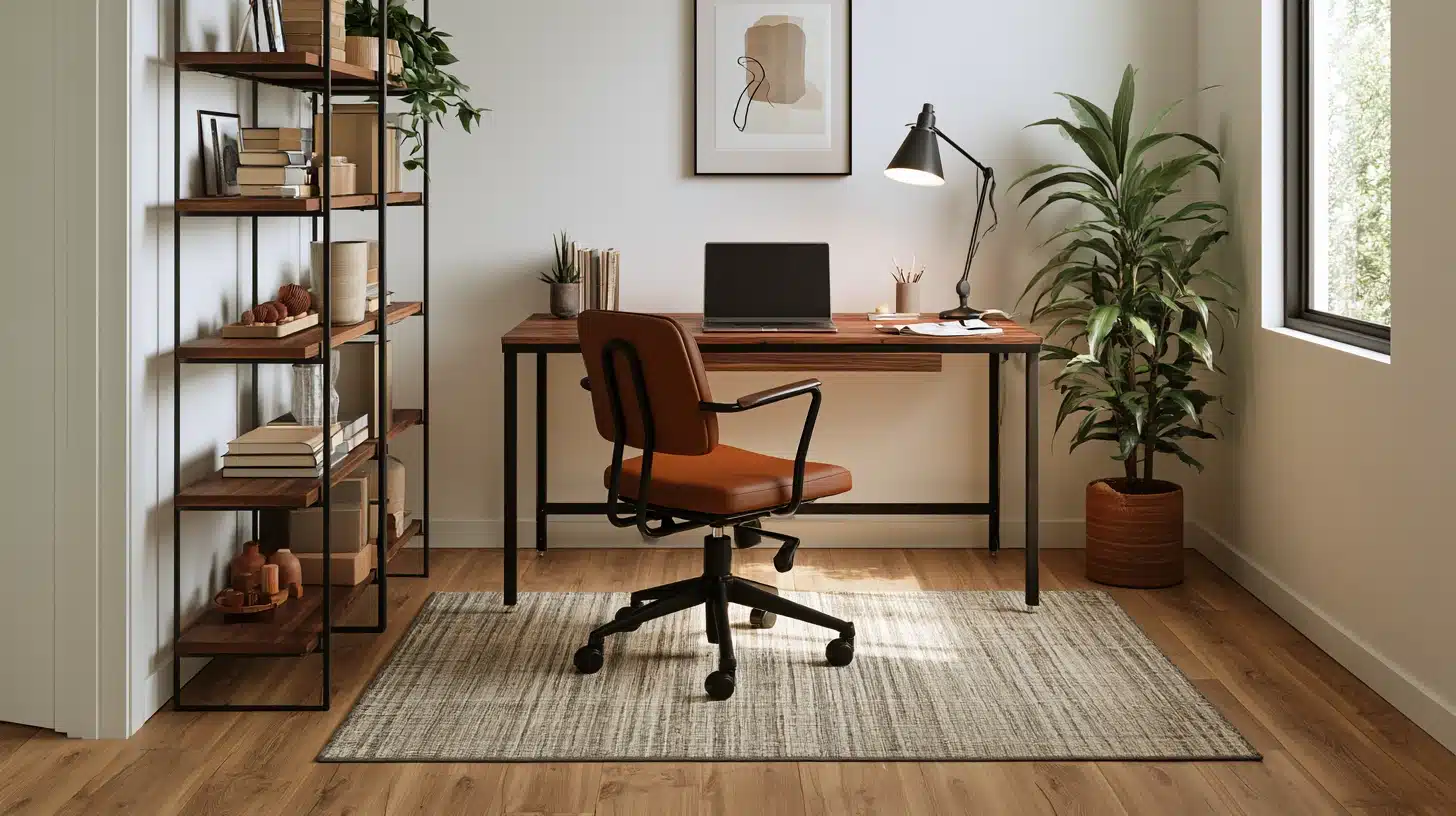
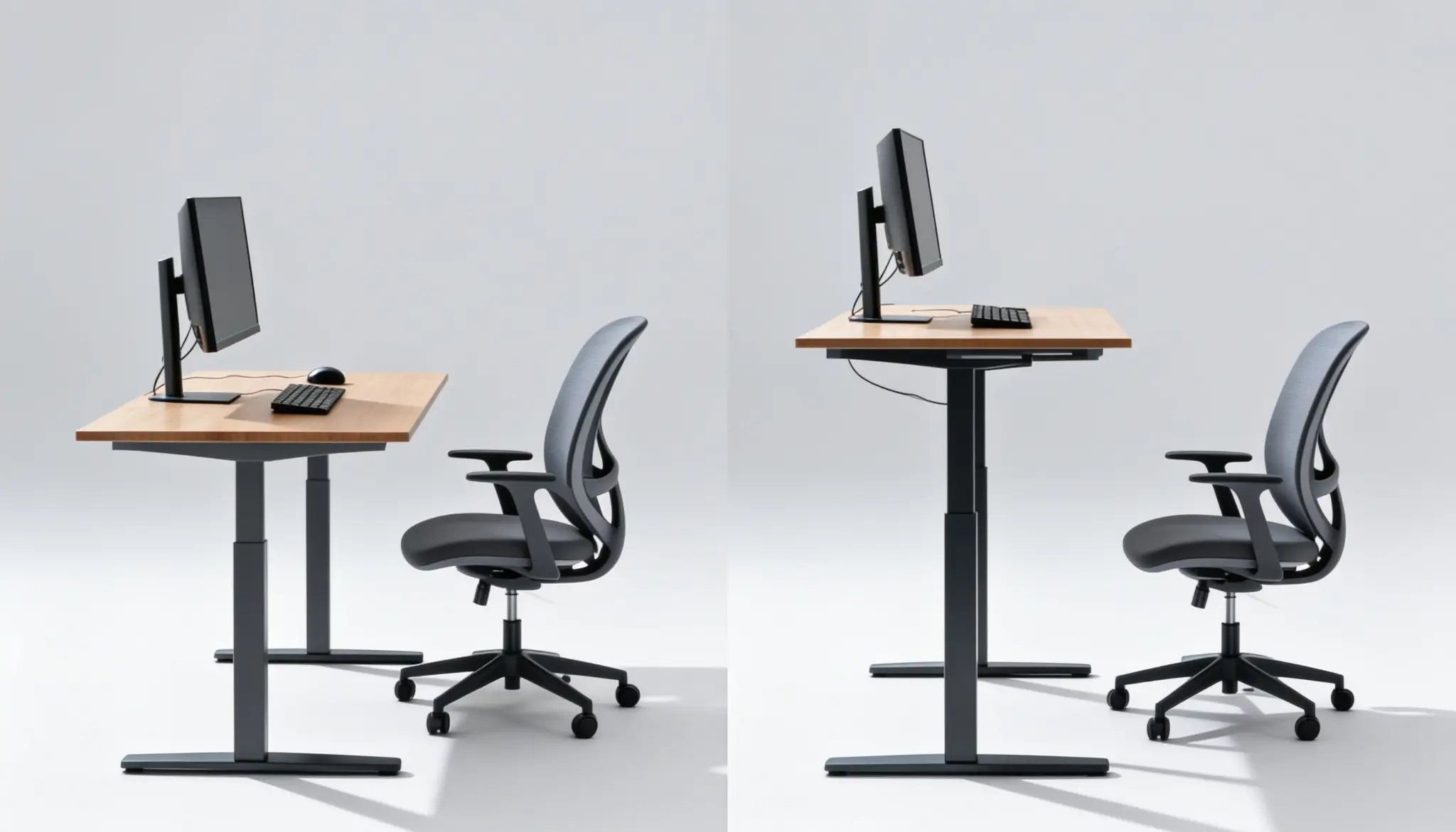
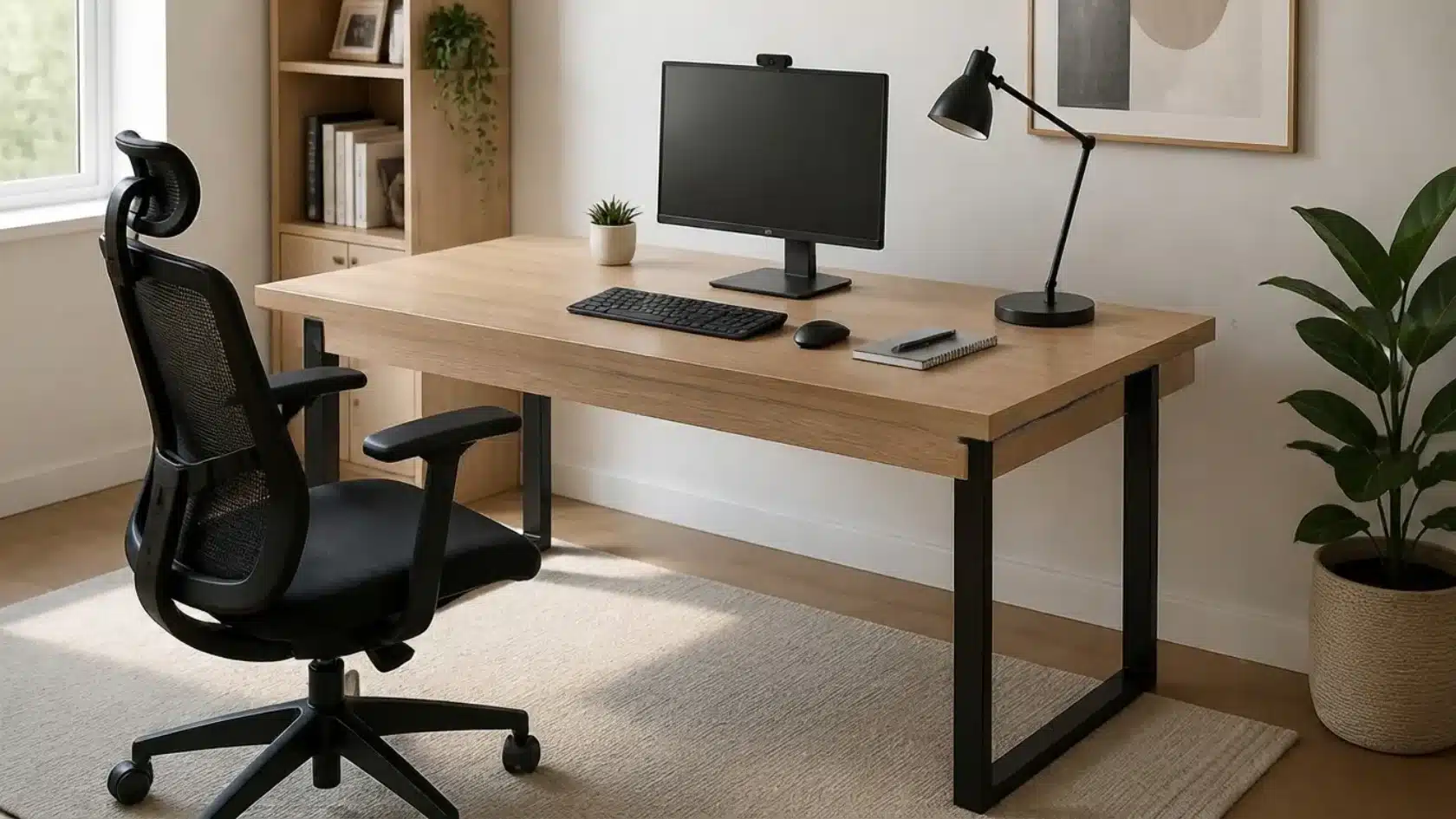
Most home offices are small, and that’s where a 4×6 rug does its best work.
Slide it under the desk and chair with room to roll back. It also stops that annoying scrape sound wheels make on hard floors, which you won’t notice until it’s gone.
Entryways
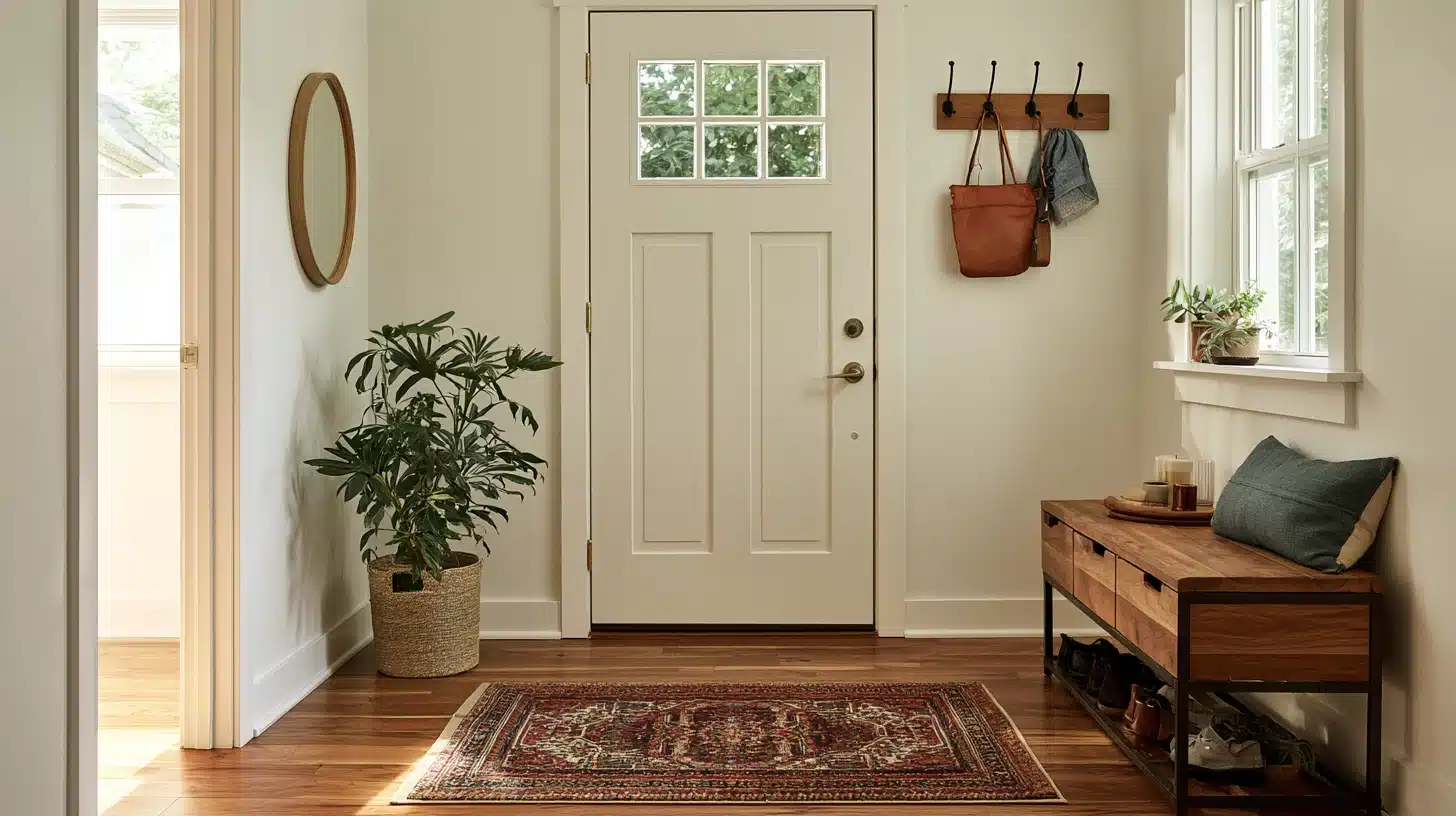
A 4×6 rug is a great size for an entryway. It greets guests right at the door without blocking the swing.
It also holds up well against daily foot traffic, mud, and rain, since it covers just enough floor to catch dirt before it spreads through your home.
Should You Layer a 4×6 Rug?
Yes, and it’s one of the better ways to use this size.
A 4×6 rug on its own can look small in a big room. But put it on top of a larger rug, like a jute or sisal one, and it turns into a design choice instead of a size problem.
The trick is the angle. Lay the 4×6 straight on top of the base rug, and it looks like a mistake. Turn it about 10 to 15 degrees, and it looks planned.
Pick a top rug that stands out from the base. If both are neutral, the layers blend together, and you lose the effect. A patterned 4×6 over a plain jute rug works well. So does a solid color with some texture over a woven base.
One problem with layering: the top rug slides. Furniture legs placed on top of it and rug tape on the corners will fix that.
Leave enough of the bottom rug showing, about a foot on each side. Cover too much of it, and people won’t even notice there are two rugs.
What to Look for When Buying a 4×6 Rug?
A few key details make a big difference in how a 4×6 rug looks and holds up over time. Here is what to check before you buy.
1. Materials
Wool rugs feel soft and last for years, but they cost more and need careful cleaning.
Cotton rugs are lightweight and easy to wash, making them a good pick for a bedroom or kids’ room.
Synthetic rugs, such as polypropylene, resist stains and cost less, so they work well in high-traffic areas. Jute rugs bring a natural, textured look, but they can wear down fast in high-traffic areas or with heavy moisture.
2. Pile Height
Pile height is how tall the fibers stand above the rug’s base. A low pile rug sits flat and works well under furniture, since chairs and tables move easily across it.
A high pile rug feels soft underfoot and suits a bedroom or reading spot, but it can trap dust and slow down vacuuming.
3. Shape and Design
Most 4×6 rugs are rectangular, which fit most rooms and furniture layouts without extra planning.
Round or oval 4×6 rugs exist too, but they suit a smaller, specific spot, like under a round side table.
Pick a color and pattern that match your existing furniture and floor, so the rug blends in rather than fights for attention.
4. Durability and Maintenance
Check how a rug handles daily wear before you buy it, especially if it will sit in an entryway or under a dining table.
Stain-resistant materials and darker colors hide spills and dirt better than light, thin fabrics.
Look at the care label too, since some rugs need professional cleaning while others go straight into a washing machine.
5. Rug Pad Compatibility
A rug pad keeps a 4×6 rug from sliding and adds a bit of cushion underfoot.
Check the rug’s backing material first, since some pads work better with certain backings than others. Measure your rug pad so it sits just under the rug’s edge, not sticking out past it.
4×6 Rug vs 5×7 Rug – Which Size Should You Choose?
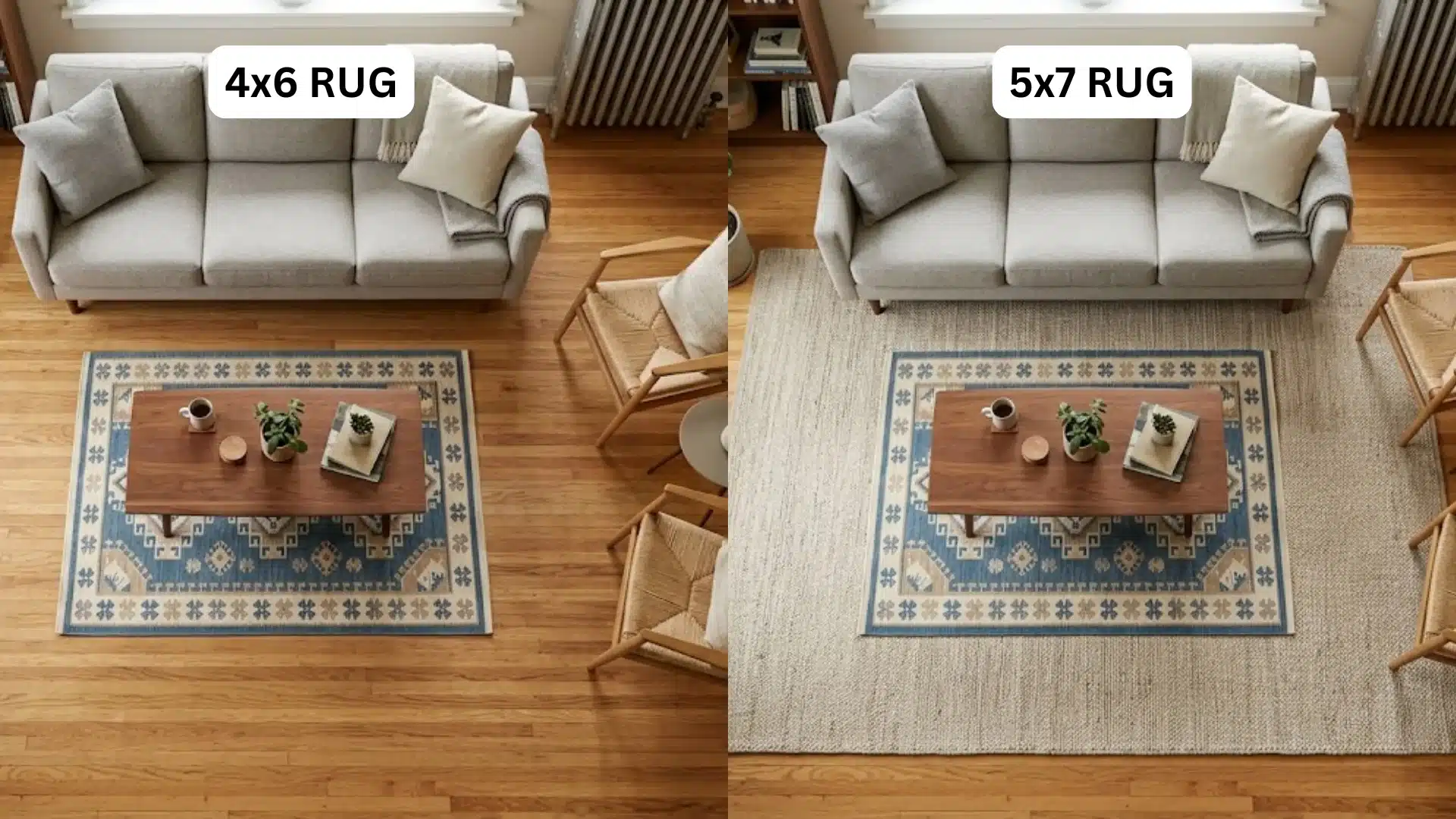
A 5×7 rug is only one foot bigger in each direction, but that extra foot makes a real difference in how a room feels.
Here is how the two sizes compare.
Room Size
A 4×6 rug works best in rooms around 8×10 to 10×12 feet. A 5×7 rug needs a bit more space, closer to 10×12 or 10×14 feet, so it does not touch the walls or crowd the furniture.
Furniture Coverage
A 4×6 rug usually sits under a coffee table, with just the front legs of a sofa or chairs touching the edge.
A 5×7 rug can often fit under the front legs of a full seating set, so more furniture rests on the rug instead of bare floor.
Price
Since rug price often goes up with size, a 4×6 rug usually costs less than a 5×7 rug in the same material and style. If you are working with a tight budget, that price gap is worth checking before you buy.
Which One Should You Pick?
Measure your room first. If it falls in the 8×10 to 10×12 range, a 4×6 rug should fit fine. If your room runs a bit bigger, or you want more furniture sitting on the rug, size up to a 5×7.
When in doubt, use painter’s tape on the floor to mark out both sizes before you buy.
Seeing the actual footprint on your floor makes the choice a lot easier than guessing from a tape measure alone.
Final Thoughts
Now you know how big a 4×6 rug is and where it fits best.
This size works well in small living rooms, bedrooms, home offices, and entryways.
It is not the right pick for large, open rooms, where a bigger size like 5×7 or 6×9 will look better.
So, before you buy, measure your room and check the exact rug dimensions from your retailer. If a 4×6 rug matches your space, go ahead and add it to your cart.
Your room is ready for a rug that actually fits.
Frequently Asked Questions (FAQs)
1. Is a 4×6 Rug Big Enough for a Living Room?
Yes, but only for a small living room. In a larger room, it may look too small under your furniture, leaving too much bare floor.
2. Can a 4×6 Rug Fit Under a Queen Bed?
Not fully. A 4×6 rug is too small to sit under a queen bed and still provide even side coverage. It works better placed beside the bed instead.
3. What Size Room is Best for a 4×6 Rug?
Rooms around 8×10 to 10×12 feet work best. This size lets the rug sit under key furniture without covering the whole floor.
4. Where Should a 4×6 Rug Be Placed?
Common spots include under a coffee table, beside a bed, under a small dining table, or in an entryway. Pick the spot that matches your room size.
5. How Much Floor Space Should Show Around a 4×6 Rug?
Aim to leave 12 to 18 inches of bare floor between the rug edge and the walls. This keeps the room from feeling cramped.