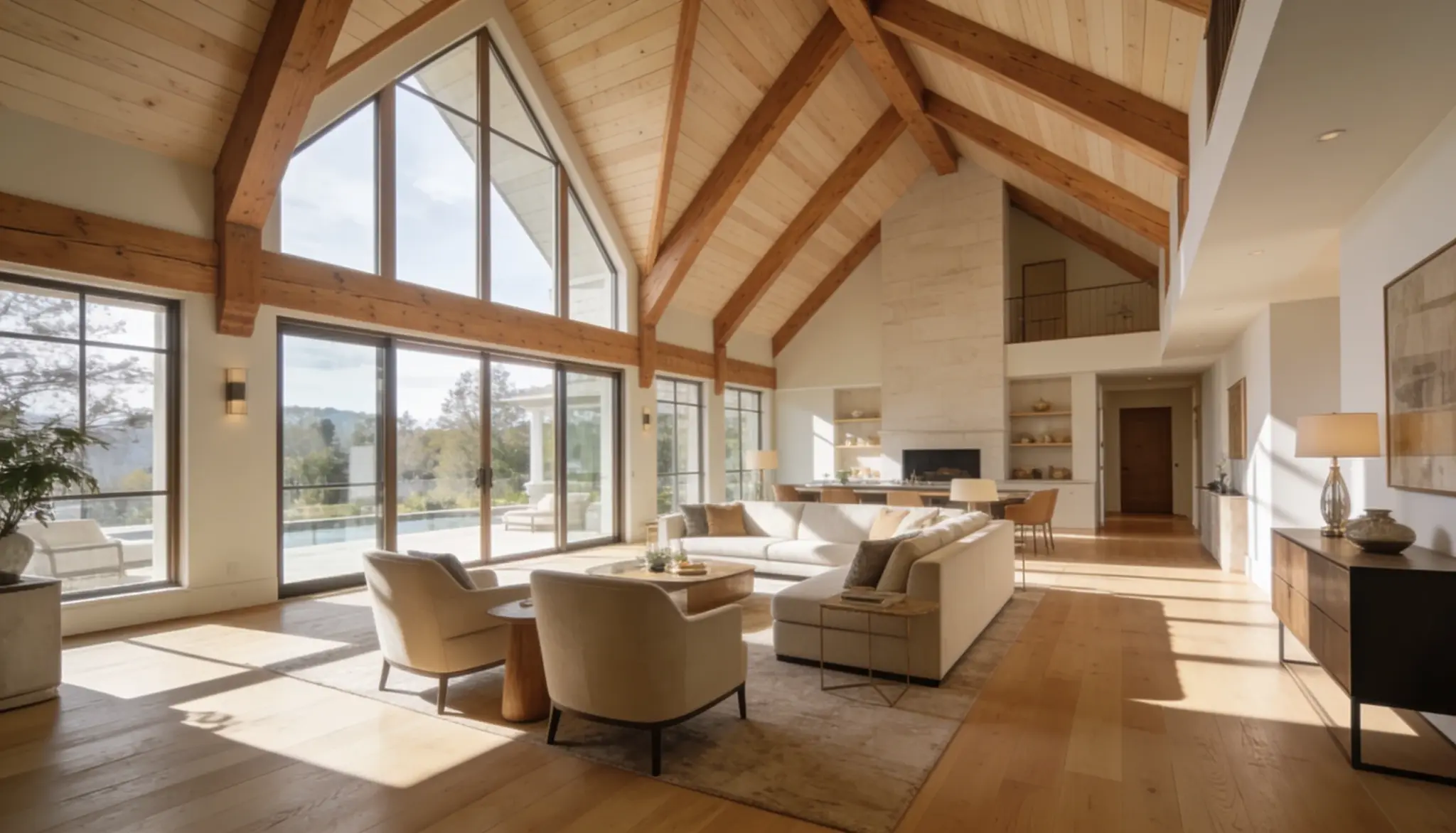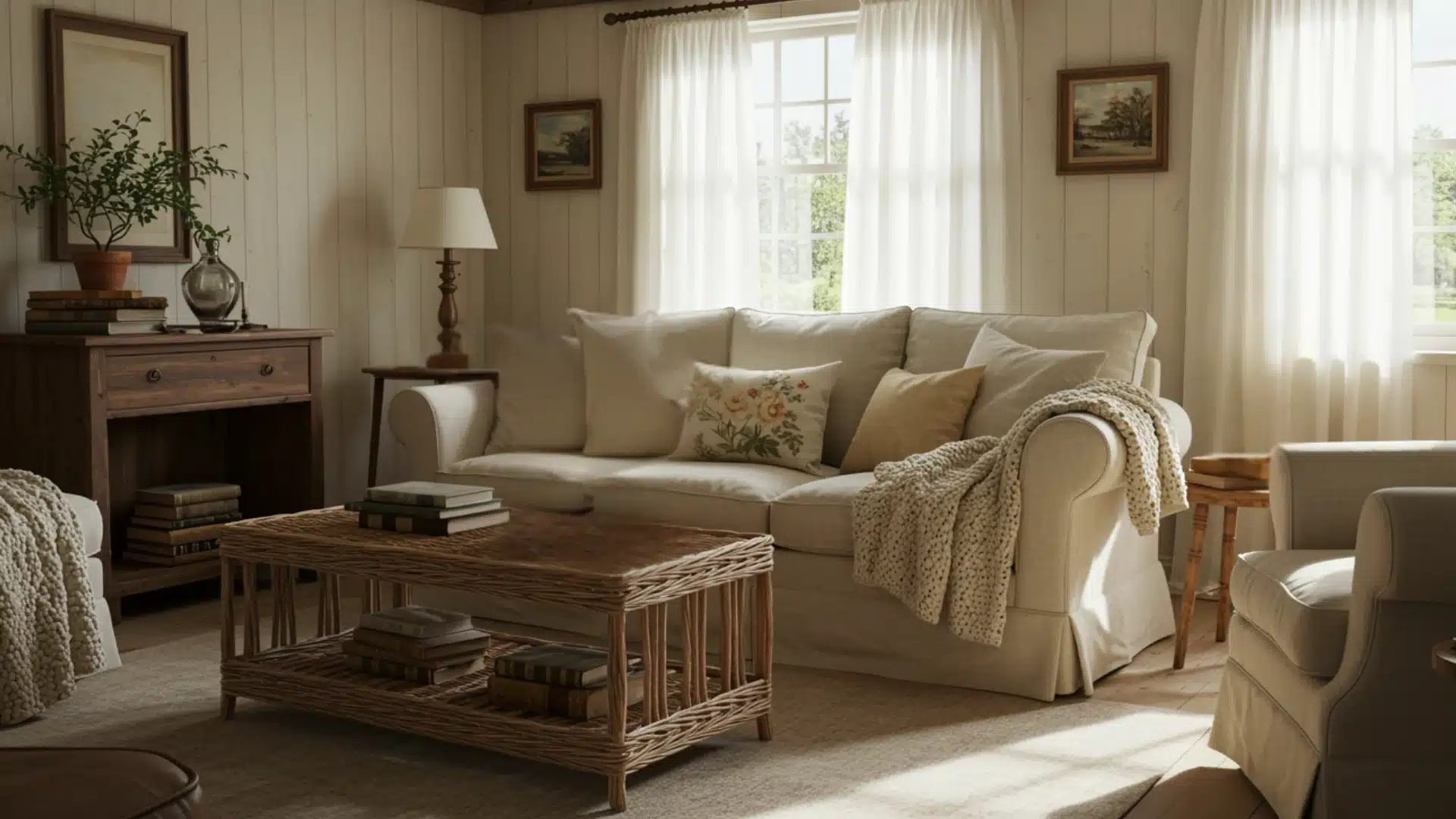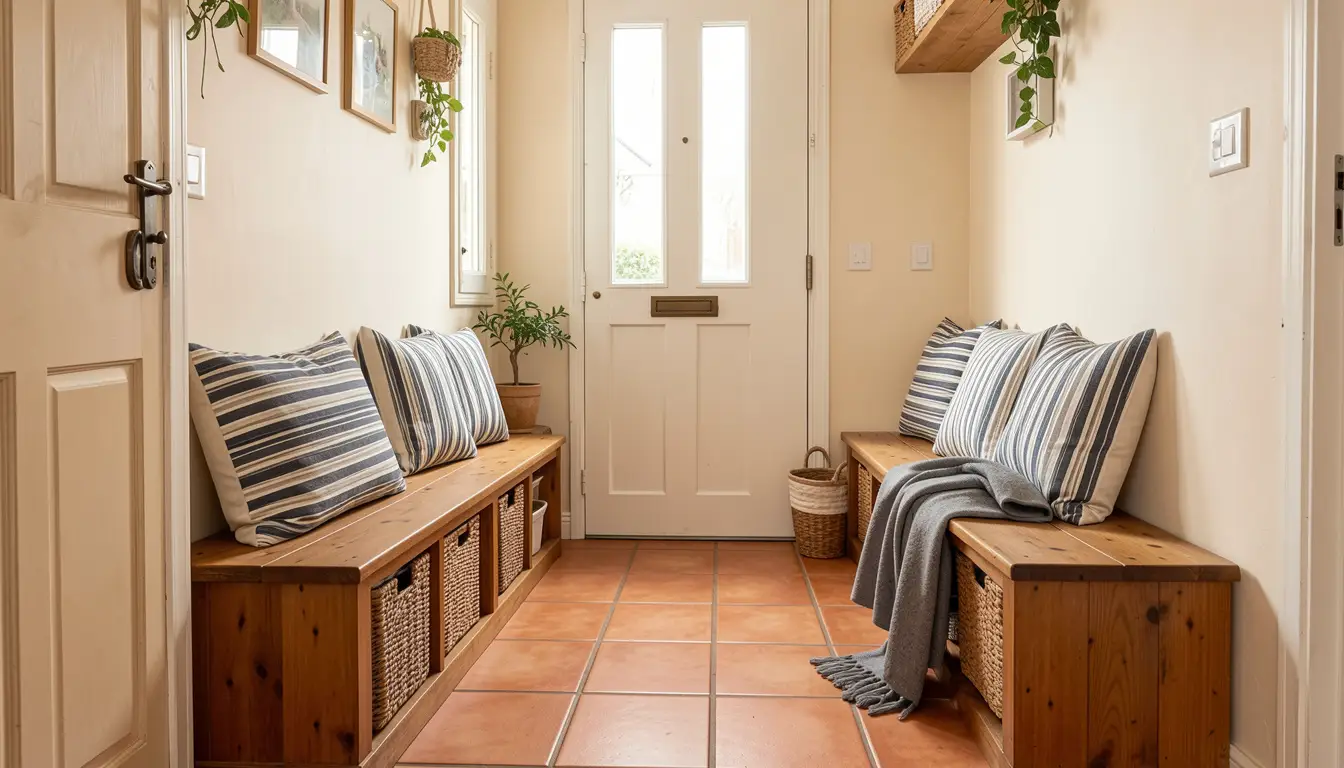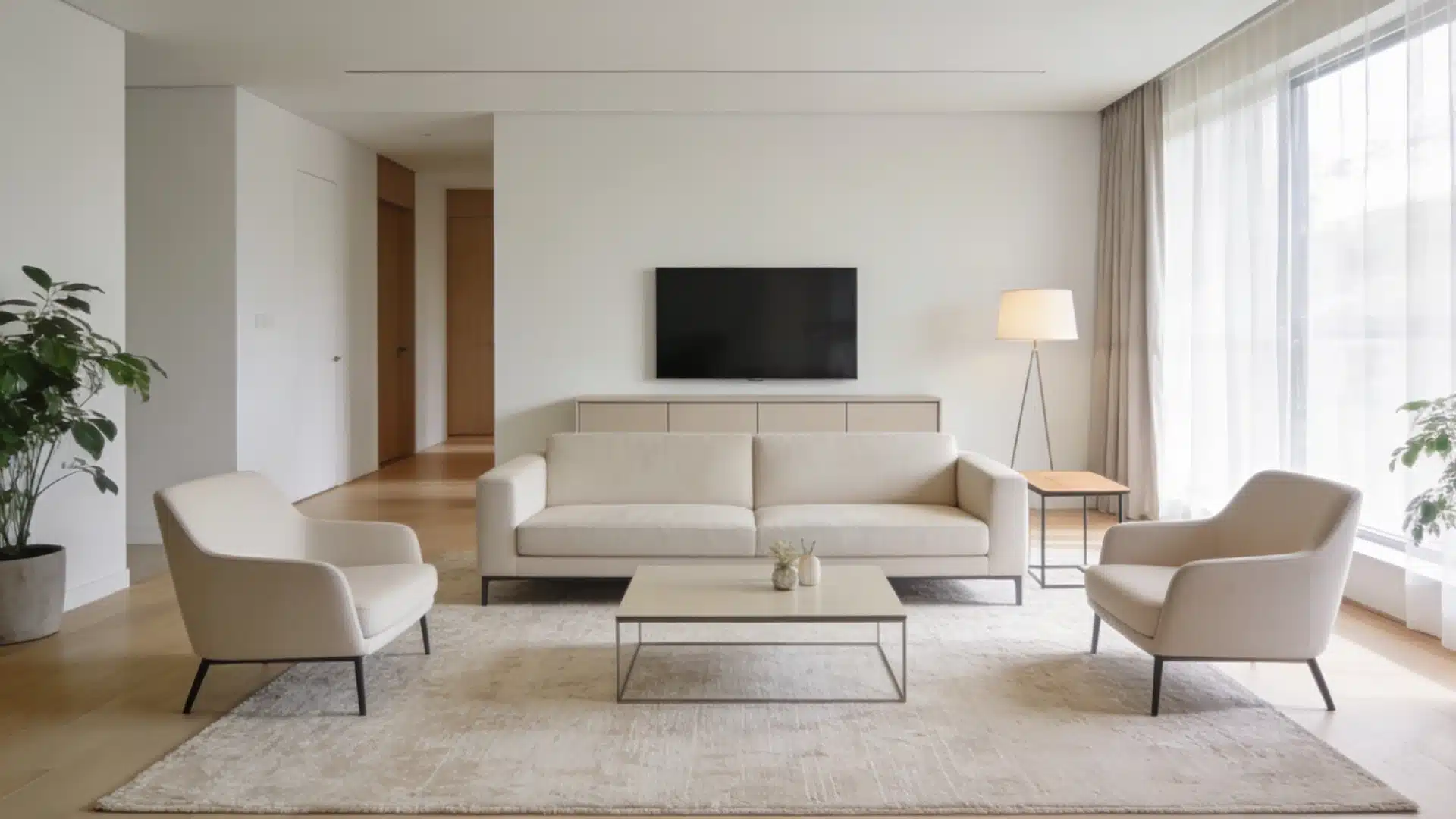
What is the first thing that you or anyone entering your room notices for the first time? It’s not how expensive your wall decor is or what exclusive material your furniture is made of.
How your coffee table is placed, what the focal point is, or how your sofas are aligned.
These are the things that really matter.
And if your room layout is chaotic, then prepare yourself for the judgy look from guests.
Let’s know about some room layout ideas.
Do You Need to Plan Your Room Layout?
Before jumping into practical room layout ideas, you need to understand why a planned layout is important.
A good layout affects how well your room functions and how easily you can move through it.
Just imagine you enter the room and your sofa blocks the doorway, or your desk faces a wall with no light. Even a small room feels open and spacious.
It creates a natural flow that makes everyday life easier. You stop bumping into things.
Everything feels like it belongs where it is.
Before you think about what furniture goes where, measure the room first. Good furniture layout planning starts with knowing your exact space dimensions. Even a few inches can create a difference.
Practical Room Layout Ideas
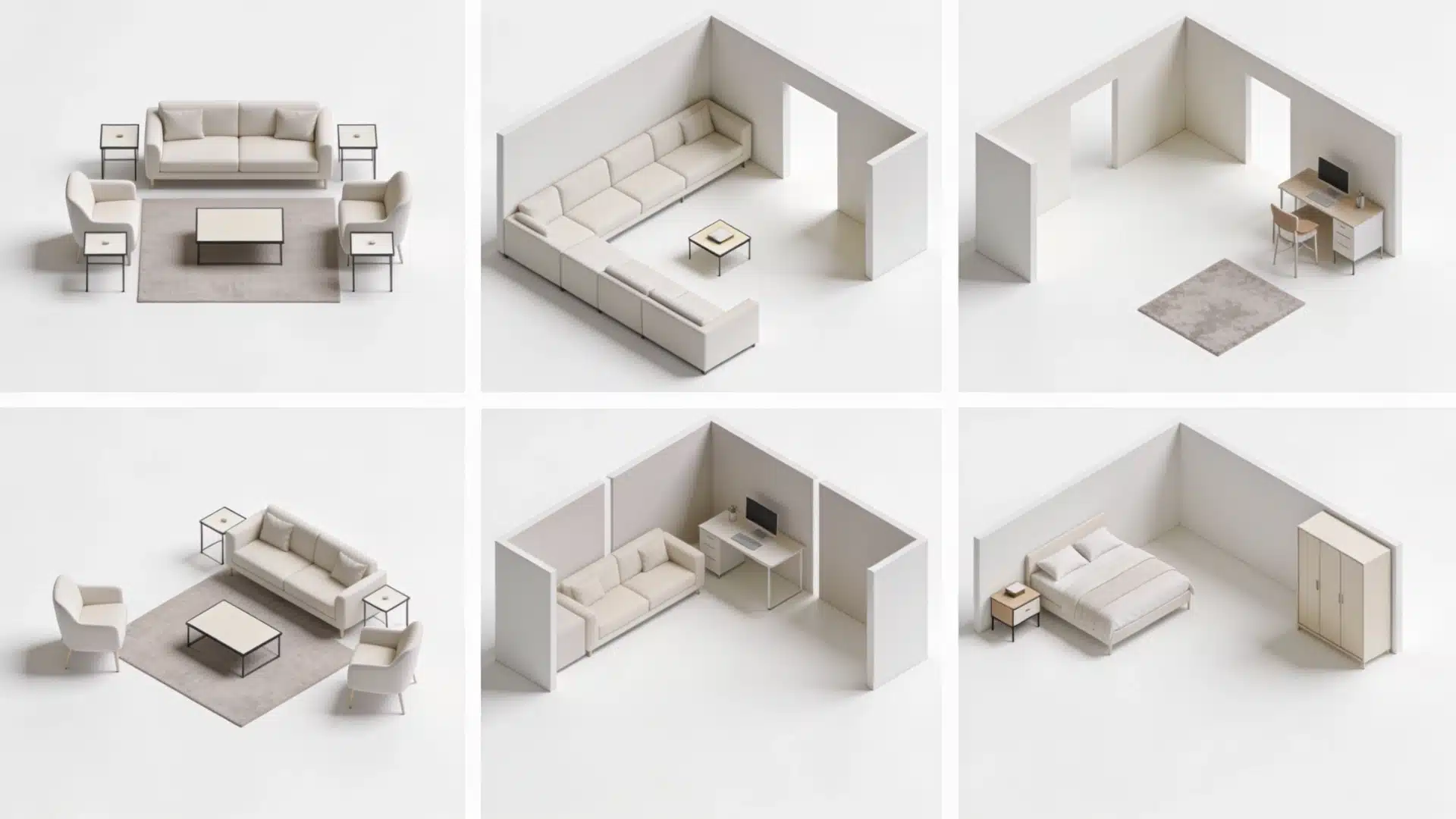
Now that you understand the significance of planning the correct layout, choosing and trying some practical ideas for yourself will be easier.
It’s important to understand that not every room is the same.
And because of that, a layout that works in a spacious living room may not work in a small bedroom.
1. Symmetrical Layout
As the name suggests, this layout symmetrically places matching furniture pieces on either side of a central point.
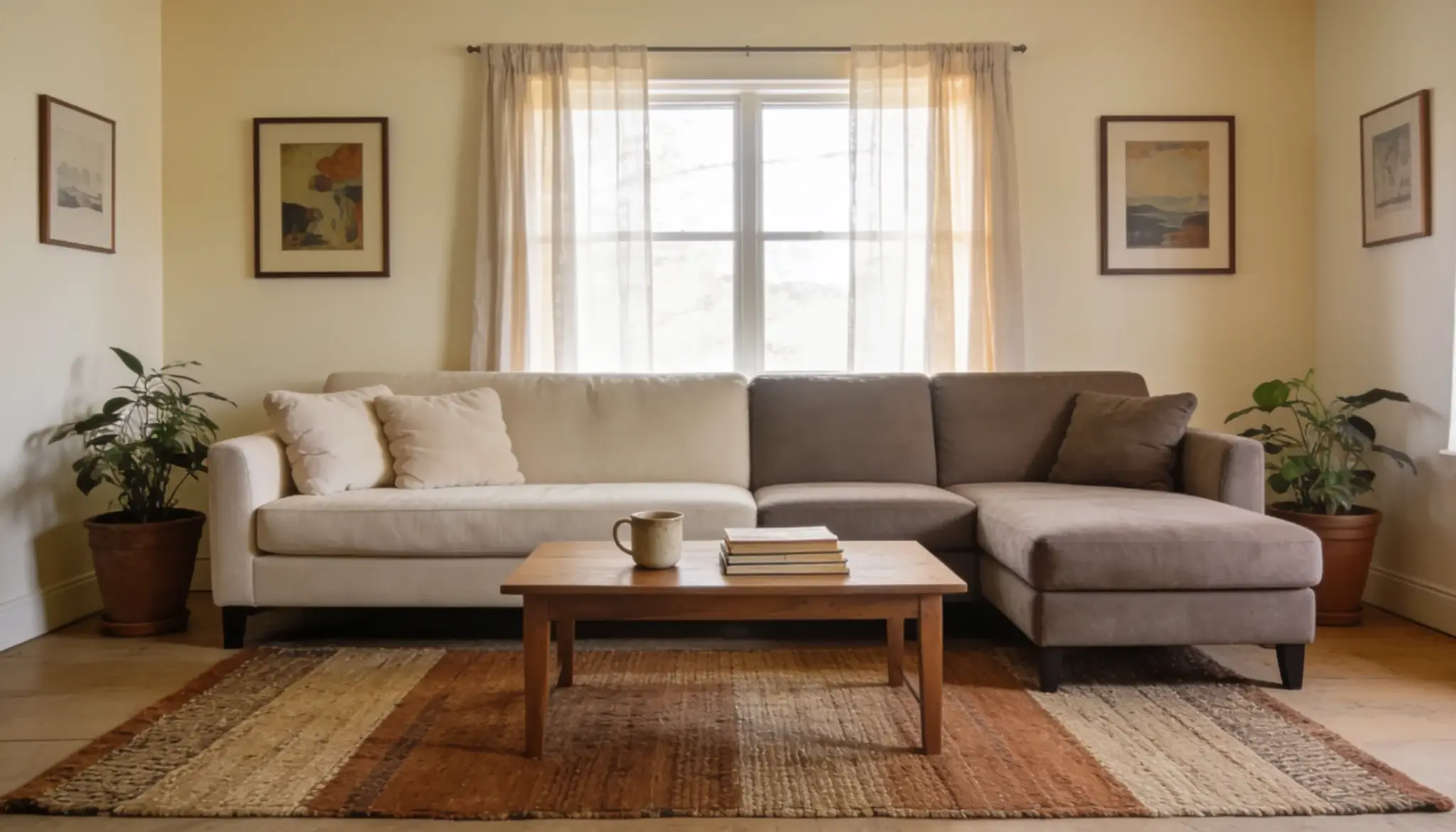
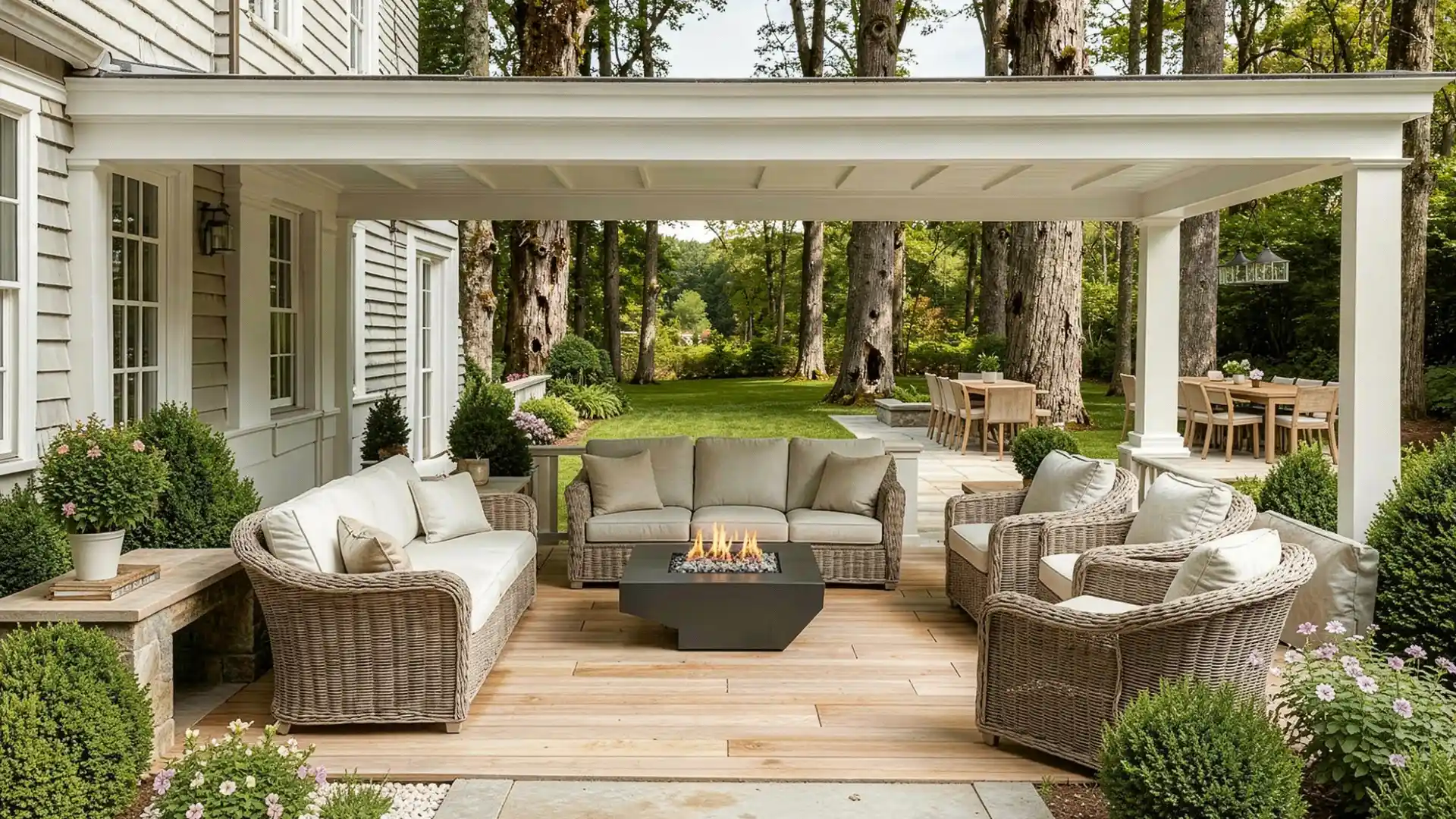
Think two armchairs facing a sofa, or matching bedside tables on both sides of a bed, creating a balanced, neat look that feels calm and organized.
Works best in: Living rooms and bedrooms.
You can add a pair of matching table lamps on either side of your bed or sofa. A decent pair costs between $40–$100 and instantly pulls the room together.
2. L-Shaped Layout
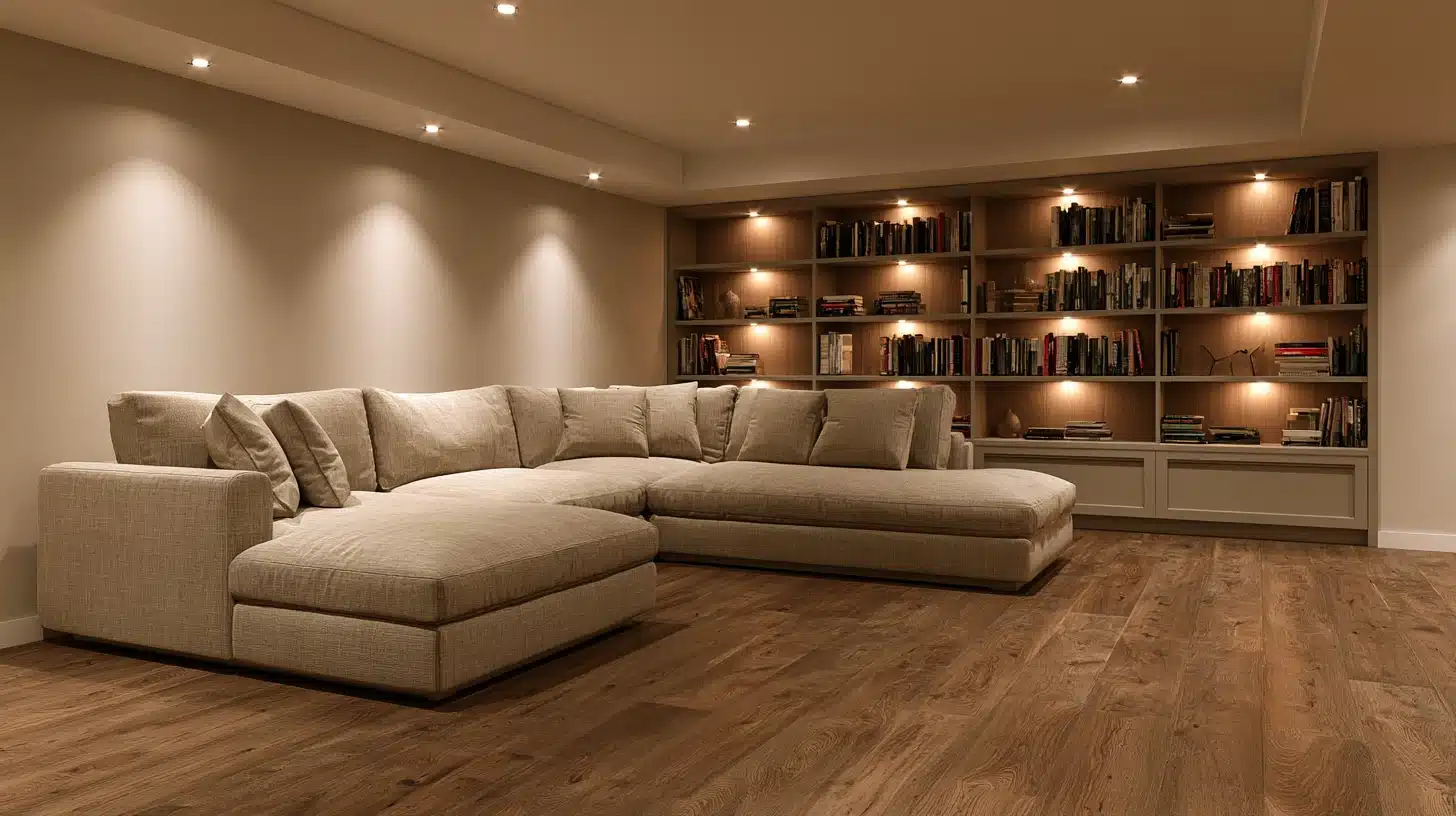
This layout arranges furniture in an L-shape along two walls. It works well in rooms where you need to define a space without using walls or dividers.
Works best in: Living rooms and studio apartments.
3. Zoned Layout
A zoned layout splits one room into separate areas for different activities.
You might have a reading corner, a work desk area, and a seating zone, all within the same room. This layout increases the functionality of the room by being multi-purpose.
Works best in: Large living rooms, open-plan spaces, and studio apartments.
You can use a rug to define each zone. A mid-size area rug costs between $80–$250 and is one of the easiest ways to separate spaces without building walls.
4. Floating Furniture Layout
People push furniture against the walls. This furniture layout idea does the opposite. It pulls furniture away from the walls and places it toward the center of the room.
This creates a comfortable, more social feel.
Works best in: Living rooms and dining rooms.
5. Corner-Focused Layout
This layout uses corners that are often wasted.
By placing key furniture pieces in corners, you free up the center of the room and make the space feel larger.
Works best in: Bedrooms, home offices, and small living rooms.
6. Minimalist Layout
Less is more with this one.
A minimalist layout keeps only the essential furniture in the room. No extra pieces, no clutter. Just the basics done well.
Works best in: Bedrooms, small apartments, and home offices.
Go for a simple bed frame, one wardrobe, and one bedside table in a bedroom. Look for multi-functional pieces like a bed with built-in storage. These start at around $300 and save a lot of space.
The Do’s and Don’ts of Planning a Room Layout
Planning a room layout sounds simple. But a few small mistakes can ruin even the best of room layout ideas.
Knowing what to do and what to avoid saves you a lot of time and effort.
Do’s Don’ts 1 Measure your room before placing any furniture. Don’t guess measurements 2 Leave clear pathways of at least 2–3 feet for easy movement. Don’t block doorways or windows with large furniture. 3 Place your largest furniture piece first, then build around it. Don’t start with small décor items before the big pieces are set. 4 Use rugs to define separate areas within a room. Don’t leave floors completely bare, as it makes spaces feel cold and empty. 5 Try the layout on paper or a free planning tool before moving furniture. Don’t move heavy furniture multiple times without a clear plan first. Final Thoughts
Now that you know that good room layout ideas do more than just arrange furniture.
It makes your home feel better to live in every single day. It’s important to remember that there is no universal perfect layout.
Every room is different, and every person lives differently.
So don’t be afraid to try things out. Move a chair. Shift a rug. Pull the sofa forward. Sometimes the smallest tweaks change a lot.
Frequently Asked Questions (FAQs)
1. What Furniture is in Style Now?
Clean lines, natural materials like wood and linen, and multi-functional pieces are popular right now.
2. What are Common Room Layout Mistakes?
The mistakes people often make are pushing all furniture against the walls, blocking natural light, skipping measurements, and overcrowding a room.
3. Is There a Website to Design a Room?
Yes. RoomSketcher, Planner 5D, and IKEA’s free planning tool are great options.