A bathroom remodel can cost anywhere from $2,500 to $80,000.
That’s a huge range, and most people have no idea where their project will fall until it’s too late.
This blog covers the real costs behind a bathroom remodel, explains how to build a budget that actually holds, and shows how the 30% rule keeps spending in check.
The numbers, the pitfalls, and the smart money moves are all here.
What Impacts Your Bathroom Remodeling Budget the Most
Three things eat up most of a bathroom remodel budget: size, materials, and labor.
A larger bathroom requires more tiles, more fixtures, and more hours of work. That adds up fast.
Material choices hit the budget hard, too.
Basic fixtures keep costs low, but premium finishes push numbers quite higher.
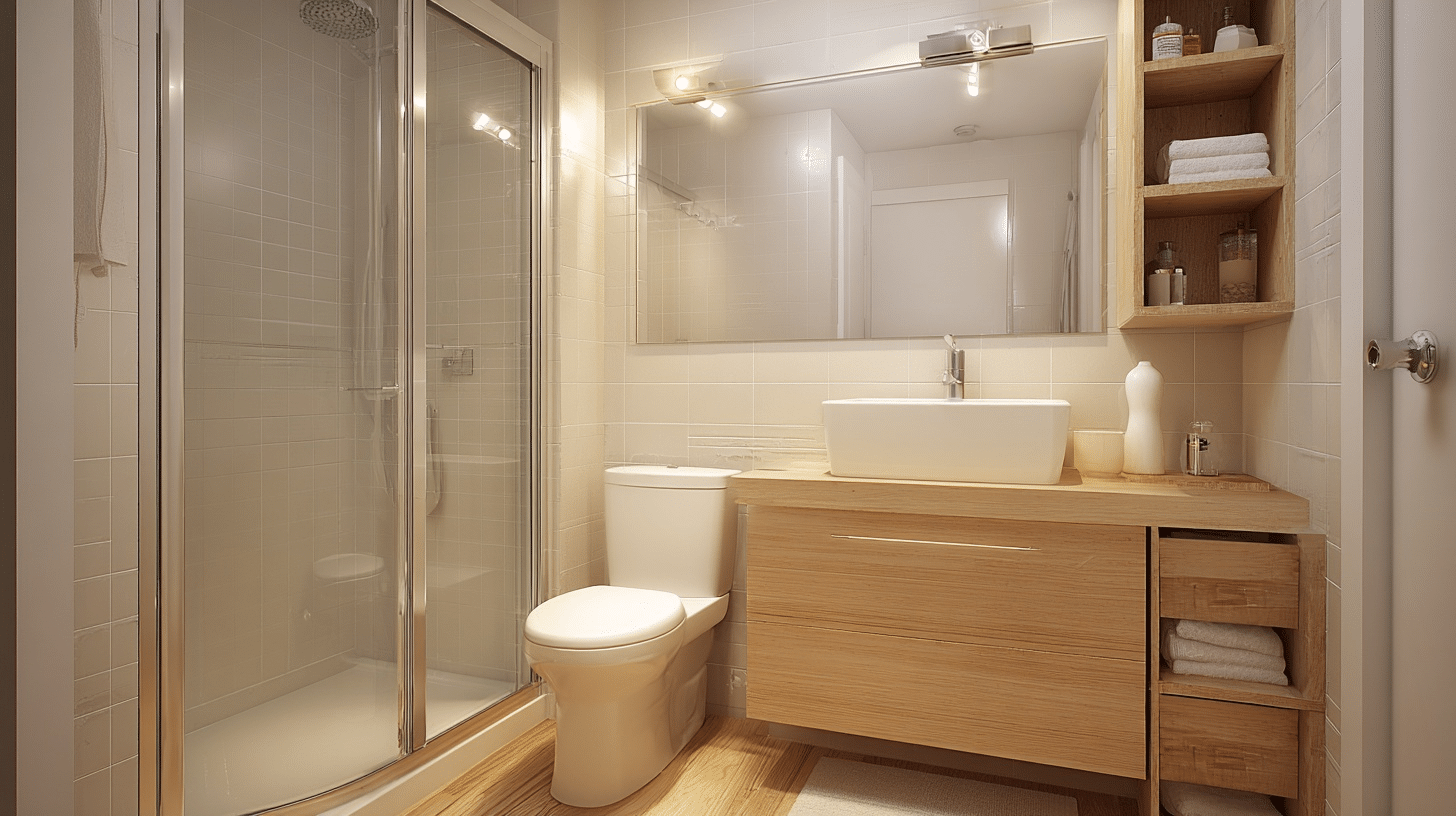
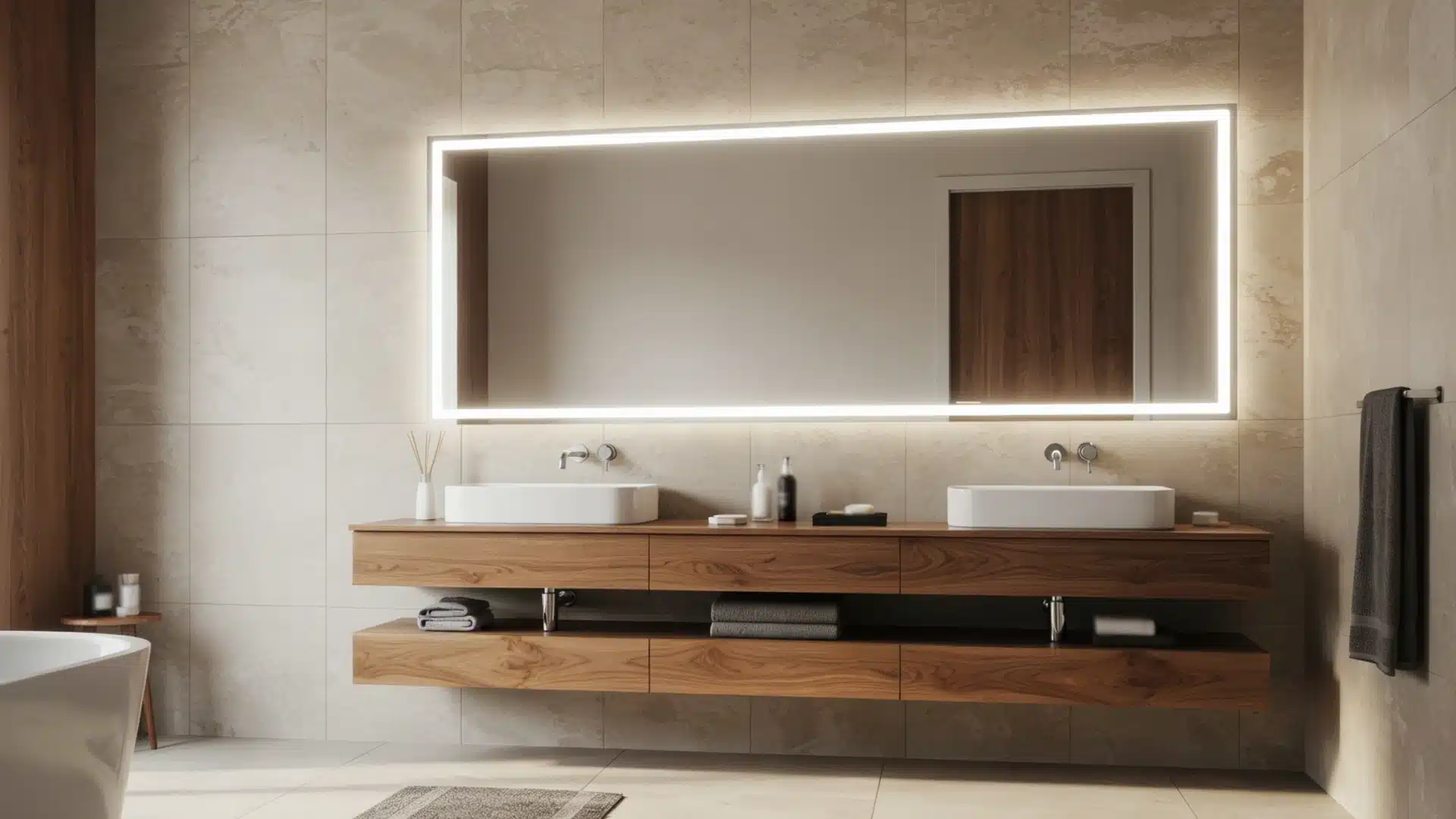
Those polished bathroom remodel pictures online? They usually show high-end finishes that come with high-end price tags. Labor costs vary by location.
A contractor in New York charges far more than one in a smaller city.
A bathroom remodel highlights that spending on visible upgrades like vanities and tilework makes a real difference.
The 30% Rule Explained in Simple Terms
The 30% rule says owners should spend no more than 30% of their home’s value on a bathroom remodel.
It’s a simple way to keep spending realistically.
This rule helps control overspending by setting a clear ceiling. Without it, costs can creep up quickly, especially when material upgrades and unexpected repairs are factored in. The rule isn’t rigid.
An owner planning to sell soon might spend less. Someone staying long-term might stretch it slightly.
Before and after bathroom remodel results show this well.
The biggest visual wins come from spending smartly within a reasonable budget, not from overspending the limit.
Breaking Down Costs Step-by-Step
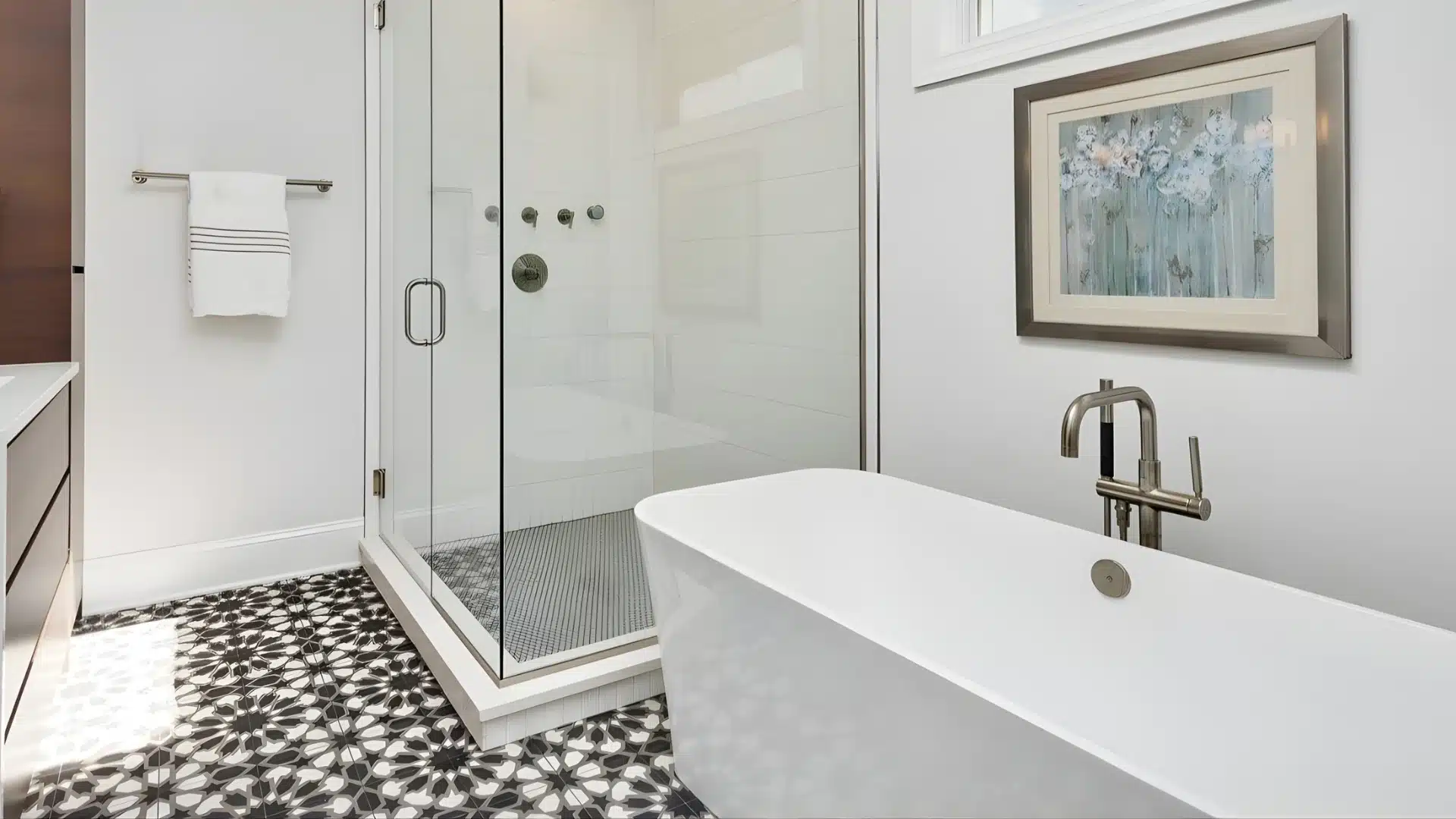
Here’s exactly where the money goes in a typical bathroom complete remodel.
- Labor Costs: Contractors and installers take up 40-65% of the total budget.
- Tiles and Flooring: Material and installation costs depend heavily on the size of the space.
- Plumbing and Electrical Work: Moving pipes or rewiring adds high cost to any remodel.
- Cabinetry and Vanity: A key visual upgrade that affects both function and final look.
- Fixtures and Fittings: Toilets, sinks, and showers vary widely, with options ranging from basic to premium at every price point.
| Component | Low-End Cost | Mid-Range Cost | High-End Cost |
|---|---|---|---|
| Labor | $500 | $3,500 | $8,000 |
| Fixtures & Fittings | $200 | $1,800 | $5,000 |
| Tiles & Flooring | $300 | $1,800 | $4,500 |
| Plumbing & Electrical | $500 | $2,500 | $5,000 |
| Cabinetry & Vanity | $300 | $1,500 | $3,800 |
| Permits & Miscellaneous | $100 | $500 | $1,500 |
| Demolition & Disposal | $200 | $800 | $2,000 |
| Total Estimate | $2,100 | $12,400 | $29,800 |
Where to Save and Where to Spend
Where to Splurge:
- Plumbing and waterproofing are non-negotiable.
- Skipping quality here leads to leaks, mold, and costly repairs down the line.
- Good tilework and flooring installation add long-term value and hold up better over time.
Where to Save:
- Decor and accessories like mirrors, towel racks, and shelving look great at lower price points.
- Basic lighting fixtures work just as well as expensive ones in most bathrooms.
Balancing Quality and Cost:
Ask one simple question before every purchase: Will cutting corners here cost more later?
That answer should direct every spending decision.
Hidden Costs that Most People Miss
Most bathroom remodel budgets fall short because of costs nobody planned for.
Permit fees, mold removal, and repairs to a rotted subfloor often surprise owners when walls are opened up.
Old plumbing that doesn’t meet current codes needs to be replaced, that’s an added expense few expect.
Delivery charges, disposal fees, and contractor markups on materials quietly push totals higher, too. Always keep 10-15% of the total budget aside for these unexpected costs.
Sample Budget Scenarios for Different Price Ranges
Here’s a look at what a bathroom remodel looks like across three common budget ranges.
| Component | Budget ($2,500–$5,000) | Mid-Range ($10,000–$20,000) | High-End ($30,000+) |
|---|---|---|---|
| Labor | $800 | $5,000 | $12,000 |
| Fixtures & Fittings | $400 | $2,500 | $6,000 |
| Tiles & Flooring | $300 | $2,000 | $5,000 |
| Plumbing & Electrical | $500 | $2,500 | $5,000 |
| Cabinetry & Vanity | $300 | $2,000 | $5,500 |
| Permits & Miscellaneous | $200 | $600 | $1,500 |
| Total Estimate | $2,500 | $14,600 | $35,000 |
How to Stay on Budget from Start to Finish
Staying on budget starts before the first wall comes down.
Set a firm number early and stick to it. Get all contractor quotes in writing; verbal agreements lead to surprise charges.
Lock in material choices before work begins to avoid mid-project price changes.
Check progress costs weekly against the original budget.
When unexpected expenses come up, adjust other areas rather than exceeding the total.
A clear plan from day one keeps spending in check throughout.
Wrapping it Up!
A bathroom remodel doesn’t have to break the bank. The key is knowing where money goes, planning for hidden costs, and spending wisely on what matters most.
The 30% rule provides a solid starting point, but smart budgeting decisions along the way keep a project on track.
Start with a clear budget, get everything in writing, and keep a contingency fund ready.
A well-planned remodel delivers real results without financial stress.
Frequently Asked Questions (FAQ’s)
1. How Much Does a Bathroom Remodel Typically Cost?
It usually ranges from $5,000 to $25,000, depending on size and materials.
2. What is the 30% Rule in Bathroom Remodeling?
It suggests allocating about 30% of your budget to labor and essential work.
3. How Long Does a Bathroom Remodel Take?
Most remodels take 2 to 4 weeks, depending on complexity.
4. What is the Most Expensive Part of a Bathroom Remodel?
Labor and plumbing upgrades are typically the biggest expenses.
5. Can I Remodel a Bathroom on a Tight Budget?
Yes, by keeping the layout the same and choosing cost-effective materials.