Here’s what designers don’t tell you: good rooms aren’t accidents. They follow rules, but not the stuffy kind.
You don’t need a big budget or years of training to make your space look and feel right. You just need to know where to start.
These interior design tips work in real homes with real budgets, and they’re simpler than you think. Ready? Let’s get into it.
What Interior Design Basics Really Mean
Think of design basics as the grammar of decorating. You need the rules before you can break them.
Most people jump to furniture and paint colors first. But the basics are really about understanding how a room works. Why some spaces feel right, and others don’t.
Once you know these principles, decisions get easier. You’ll have a framework instead of just guessing. Let’s break down the core elements.
Elements of Decor
- Space: The physical area you’re working with
- Line: The paths your eye follows around a room
- Form: The shapes of furniture and objects
- Light: Natural and artificial sources that set the mood
- Color: The palette that ties everything together
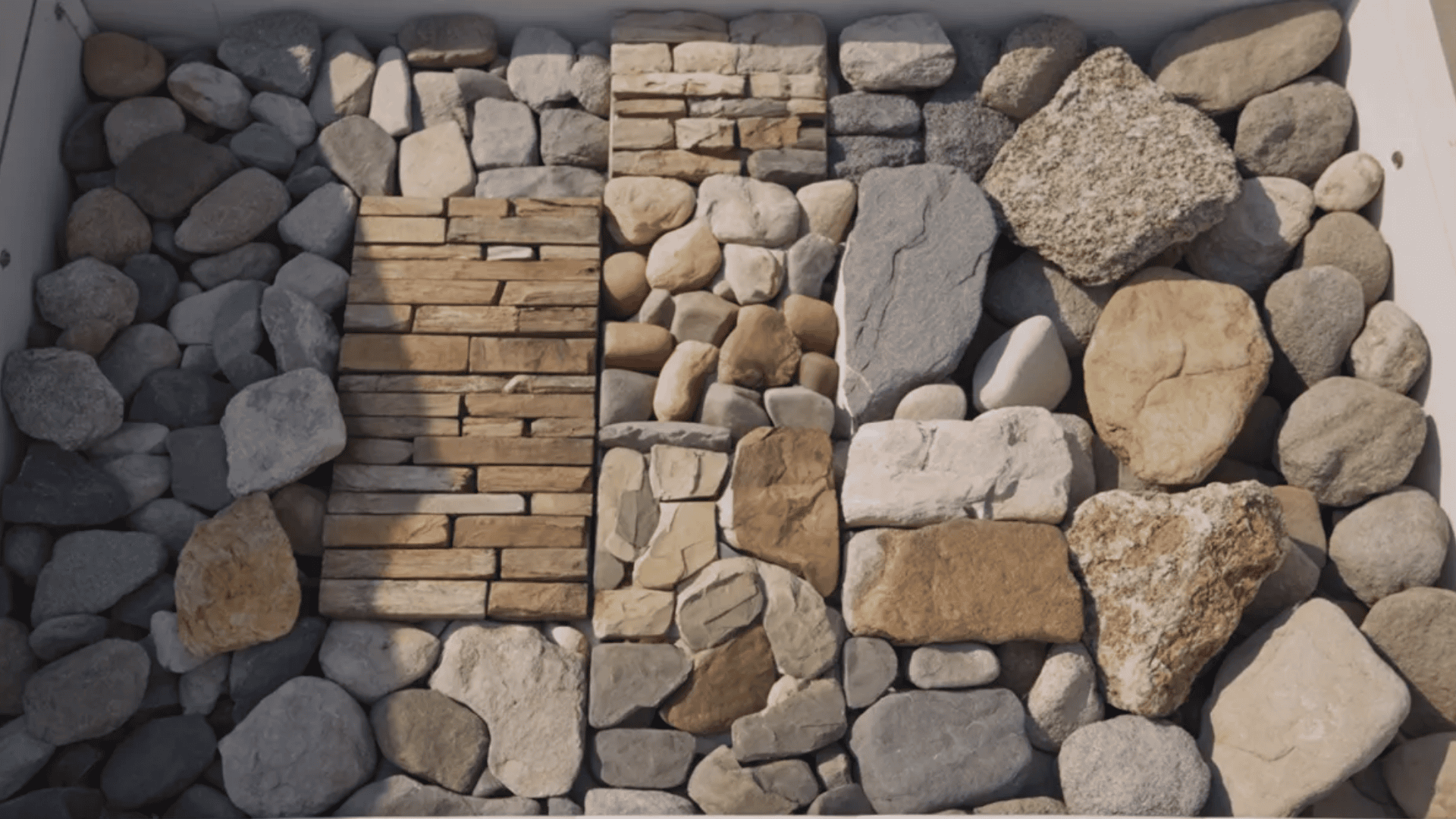
- Texture: How surfaces feel and look
- Pattern: Repeating designs that add visual interest
These seven elements show up in every single room, whether you plan for them or not. Master these, and you’ve got the foundation for any style you want to create.
Choices That Shape Any Space
Before you buy a single piece of furniture, make three big decisions first. These choices set the tone for everything that comes after.
Understand Your Space and Its Purpose: If your living room is where everyone dumps their stuff, plan for that instead of a formal setup nobody will use.
Light the Room in Layers: Add task lights where you work, accent lights to highlight features, and keep that ceiling fixture for general brightness.
Pick a Color Direction: Light and airy, bold and saturated, or somewhere in between. This guides all your other choices.
Pro Tip: Group decor by color family rather than matching exactly, three blue objects in different shades create more visual interest than identical pieces
Get these three things right, and the rest becomes simpler.
Interior Design Tips You Need to Know
Now we get to the good stuff. The actual doing. These tips work in real rooms with real limitations, and you can start using them today.
Furniture Placement That Works
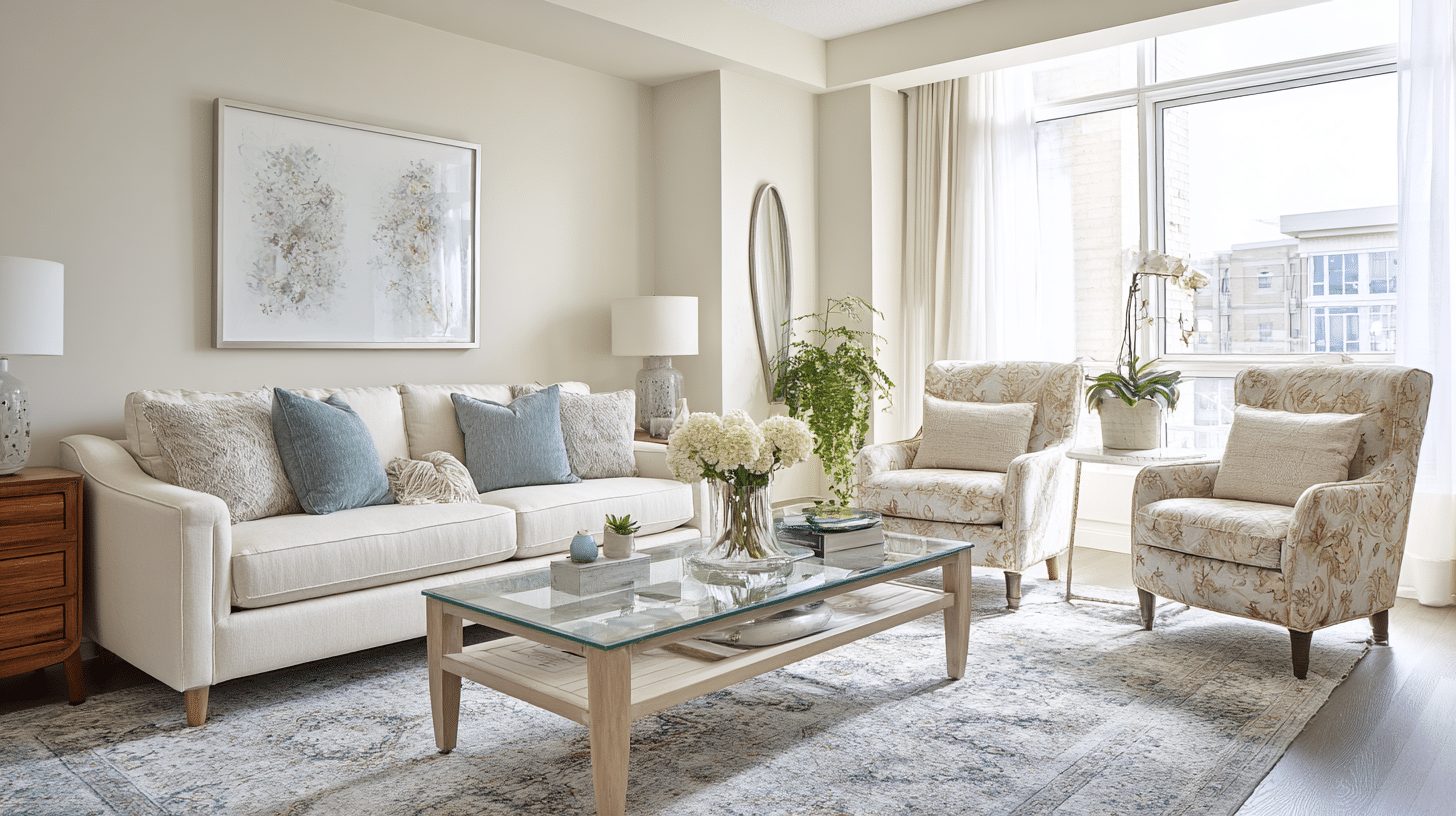
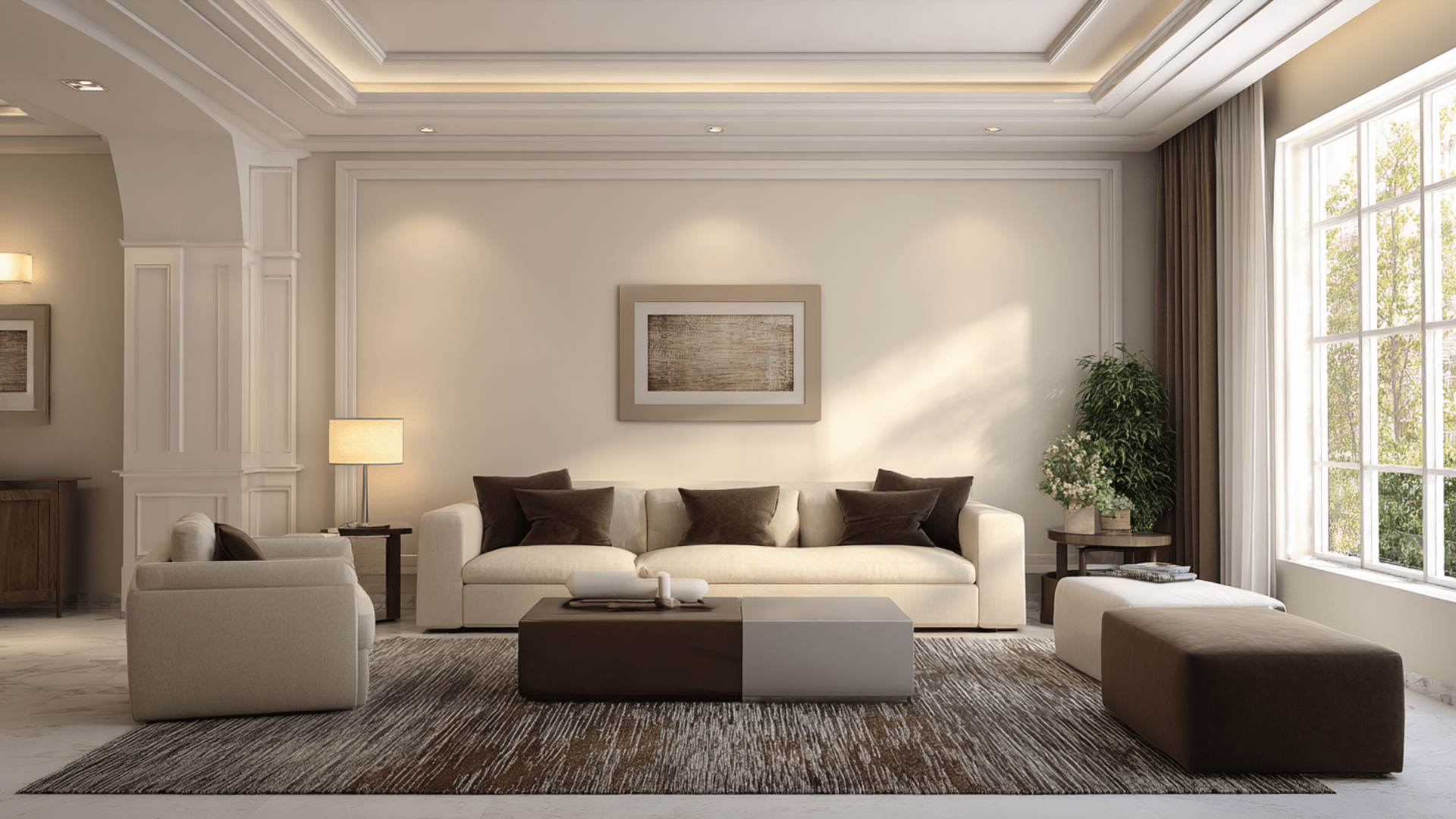
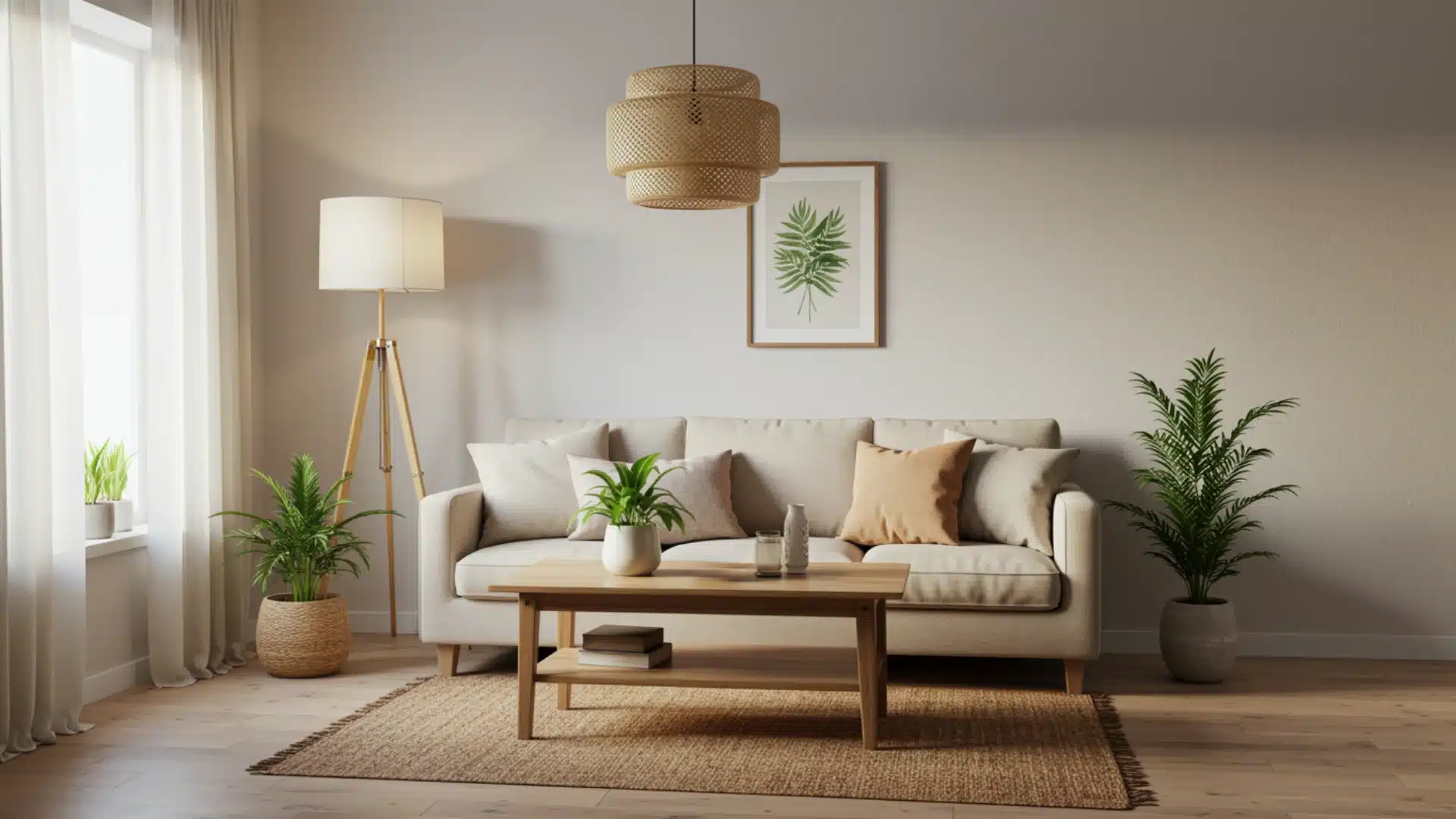
Pull furniture away from the walls. Most people push everything to the edges, but floating pieces a few feet out makes rooms feel bigger and more intentional.
Leave at least 18 inches between your coffee table and seating so you can actually move around.
Use Textures to Add Interest
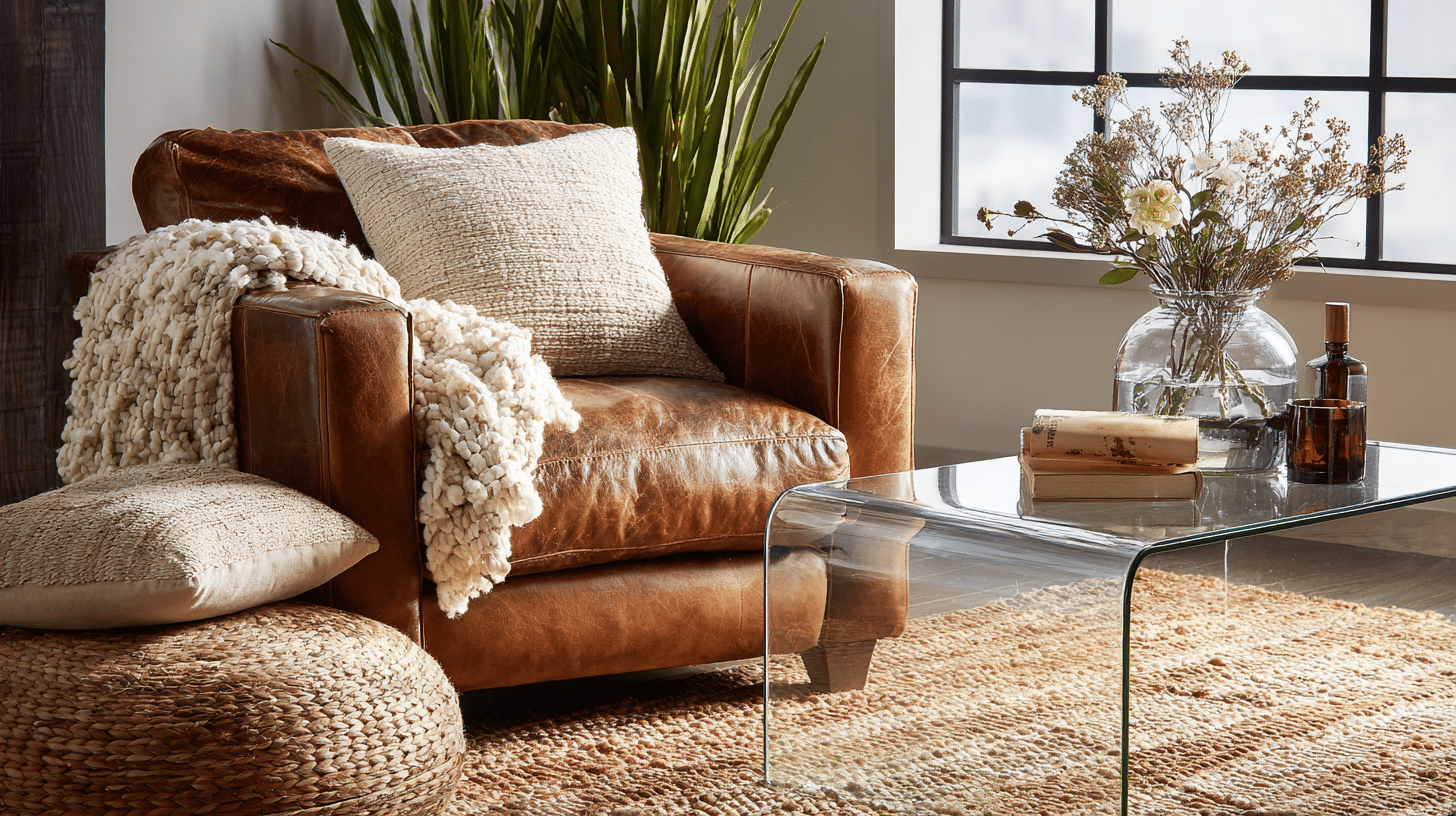
Flat rooms feel boring. Mix a nubby throw with smooth leather, or put a jute rug under a glass table.
Different textures give your eye something to do without adding clutter.
Add Storage That Looks Good
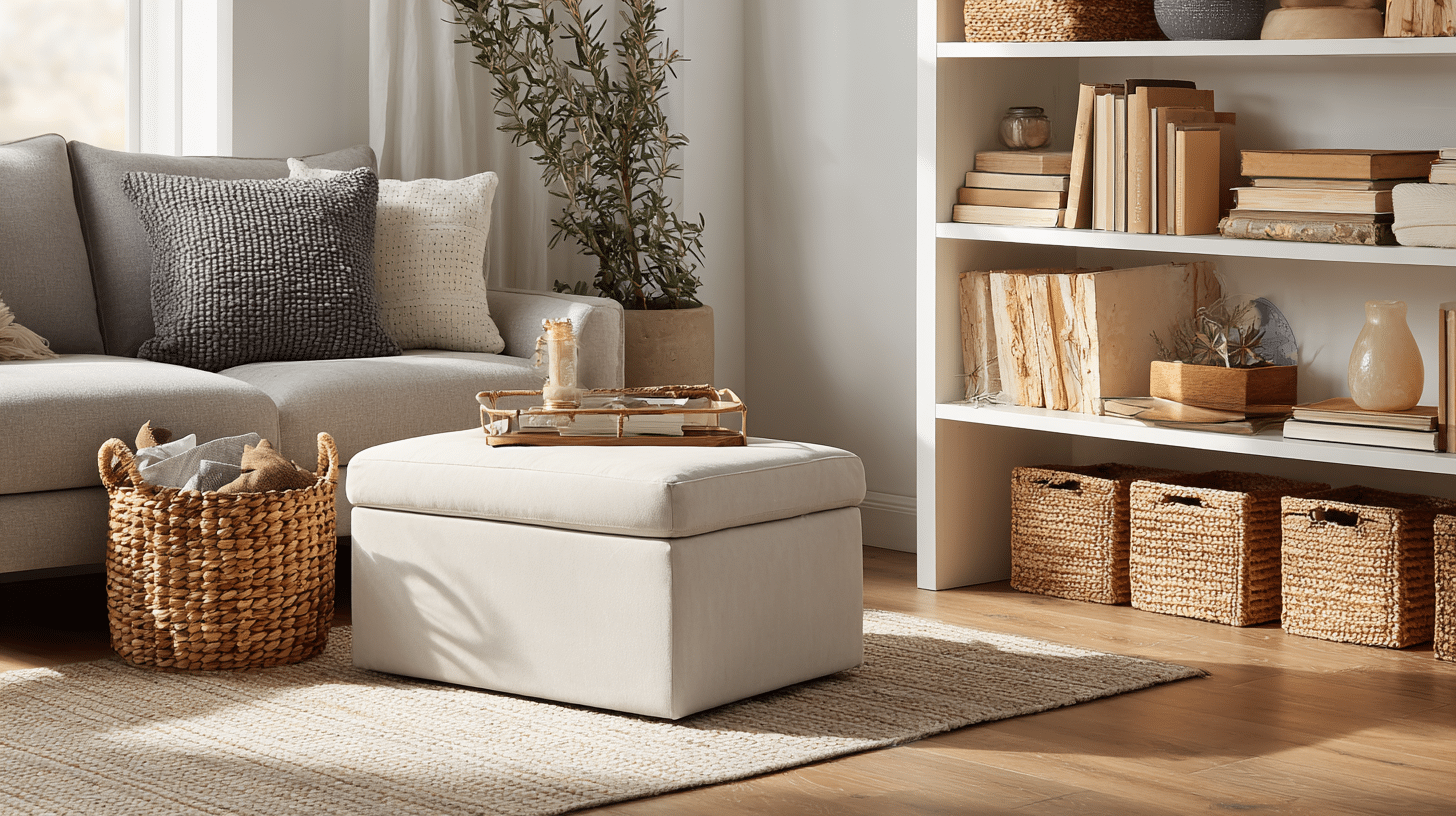
Find pieces that do double duty. Ottomans with hidden compartments, bookcases that display and hide, and baskets that look decent sitting out.
When storage looks like furniture, you’ll actually use it.
Add Art and Personal Items
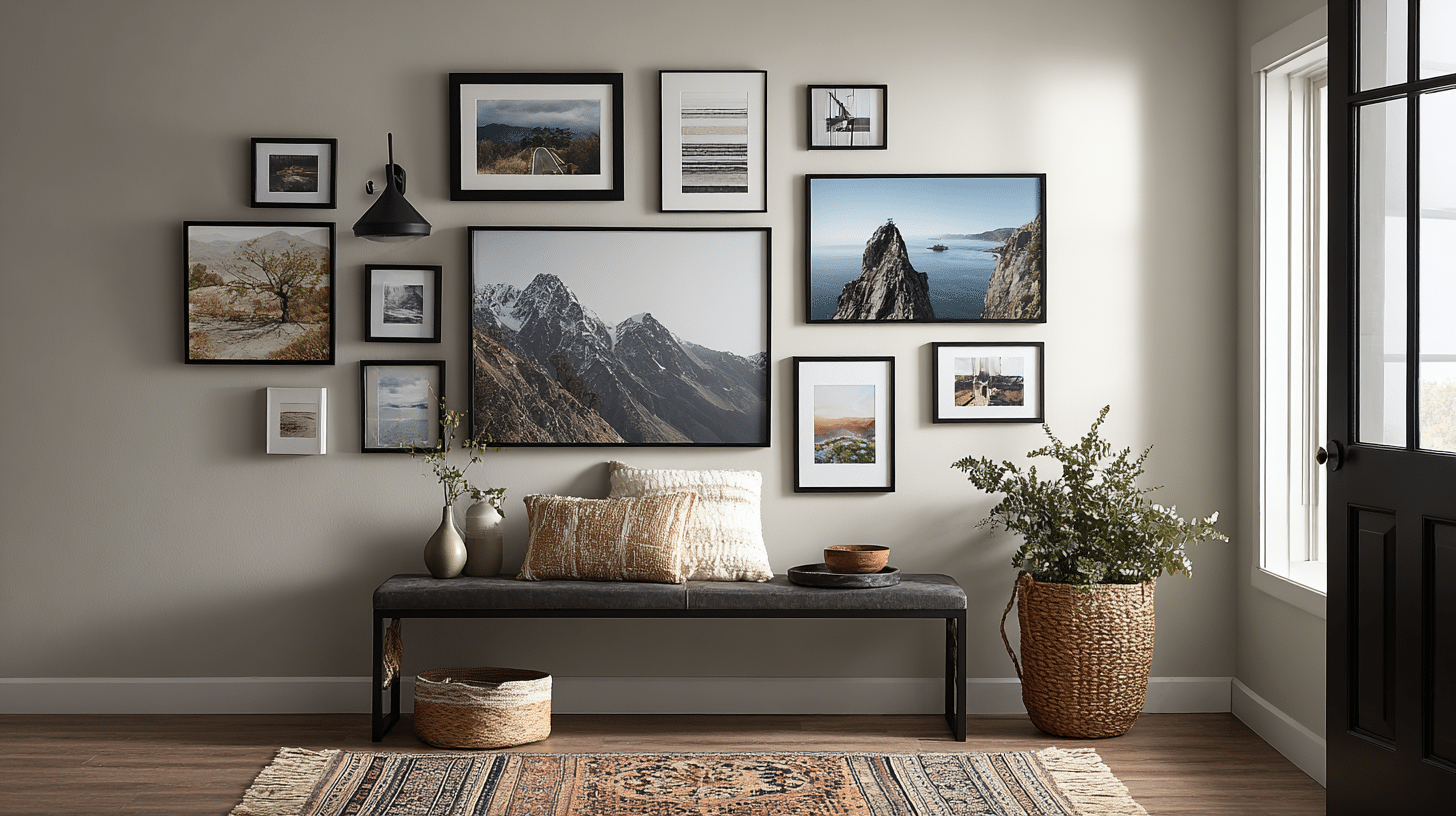
Frame things that matter to you, not just generic prints. Group smaller pieces together for a gallery wall effect.
Hang art at eye level, around 57 inches from the floor to the center of the piece.
Bring in Plants and Simple Decor
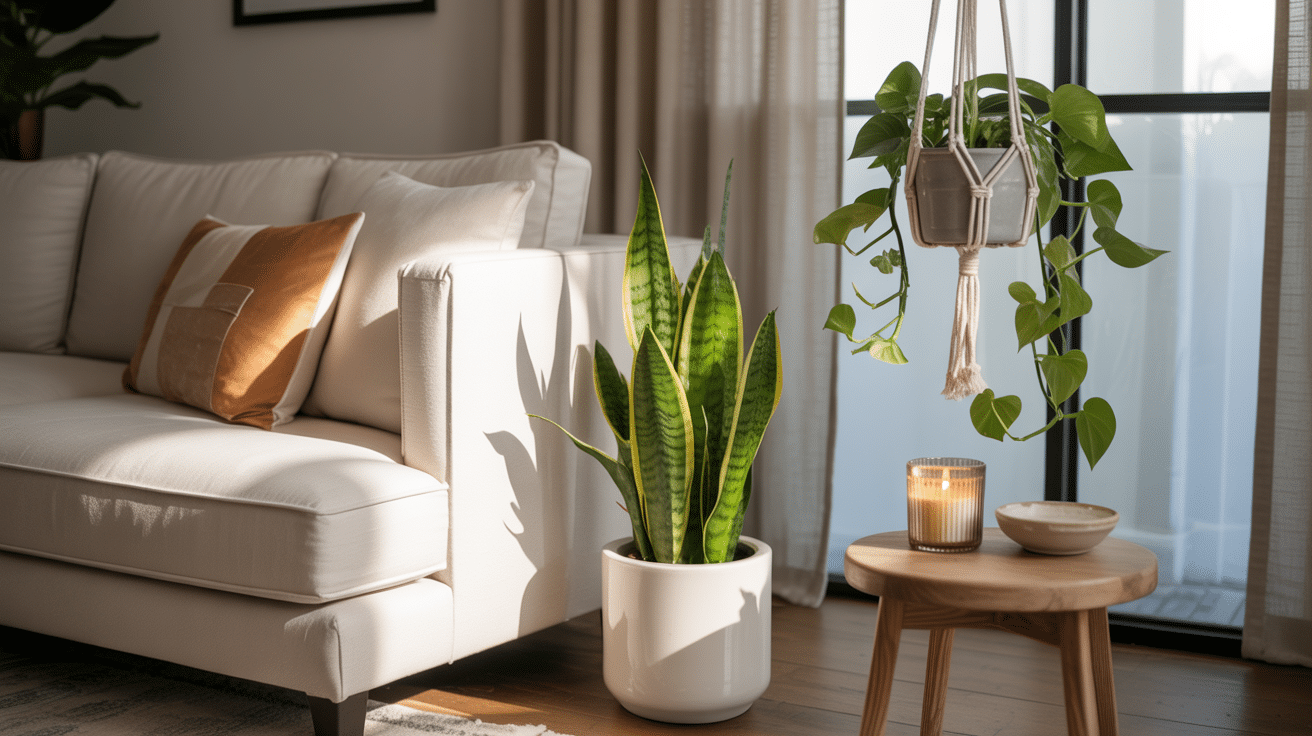
Plants make rooms feel alive, and they clean the air. Snake plants and pothos need almost no care.
Keep decor simple: three good pieces beat twenty small ones every time.
Try Low-Effort Changes With Big Impact
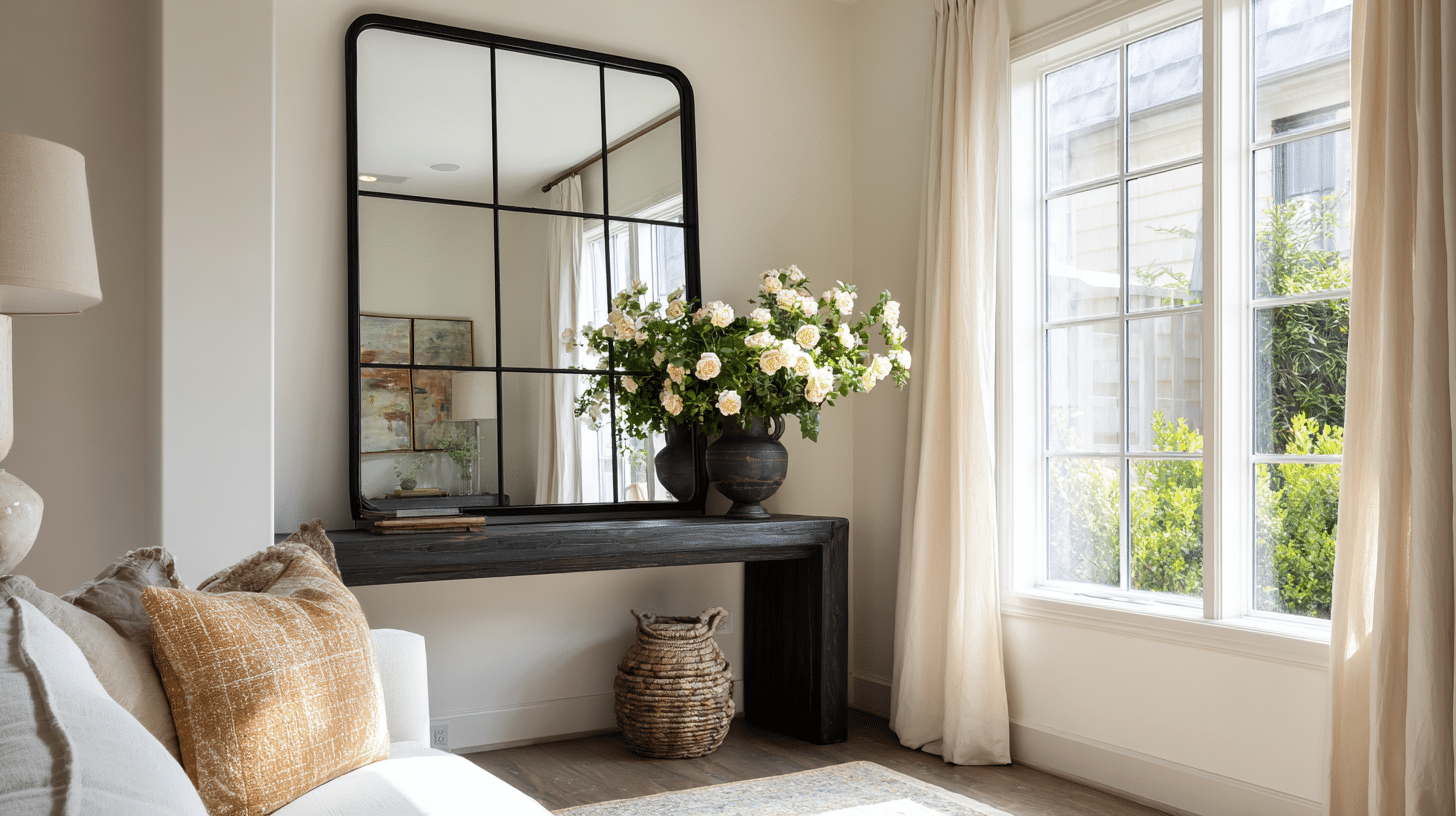
Sometimes you don’t need a full makeover. You just need smart swaps that take minutes but change the whole vibe.
- Swap pillow covers
- Change lamp shades
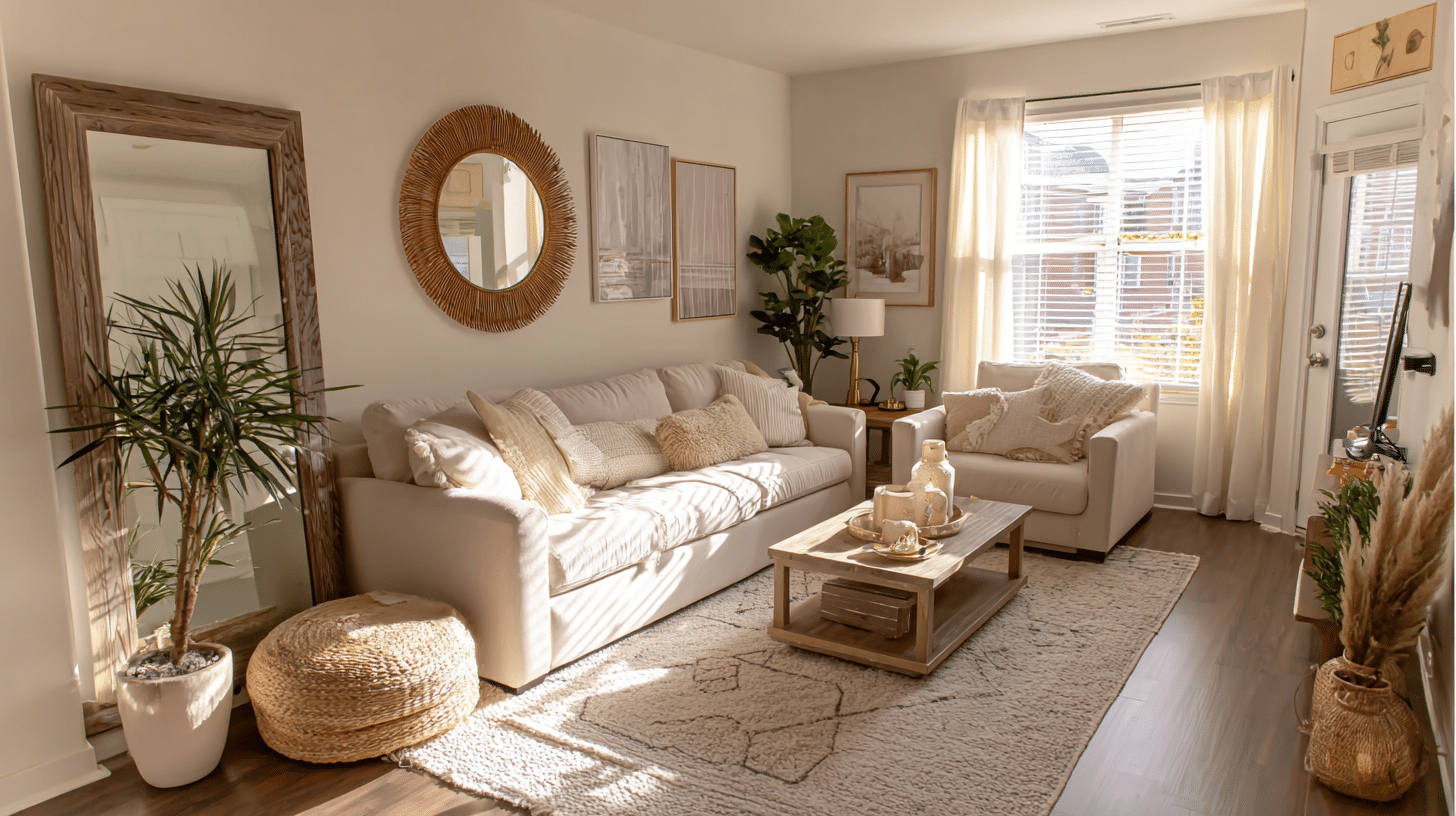
- Add mirrors to open up the room
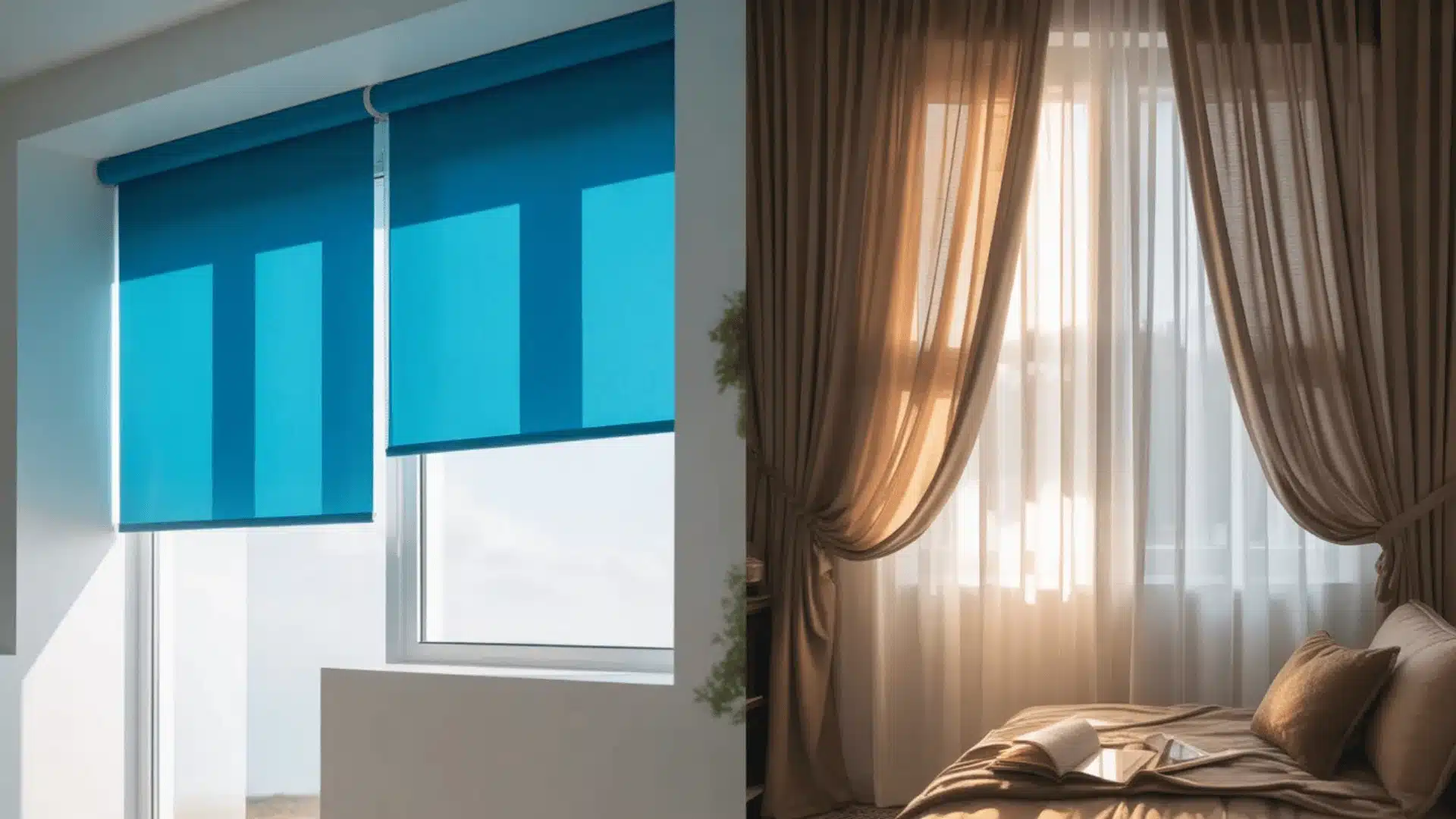
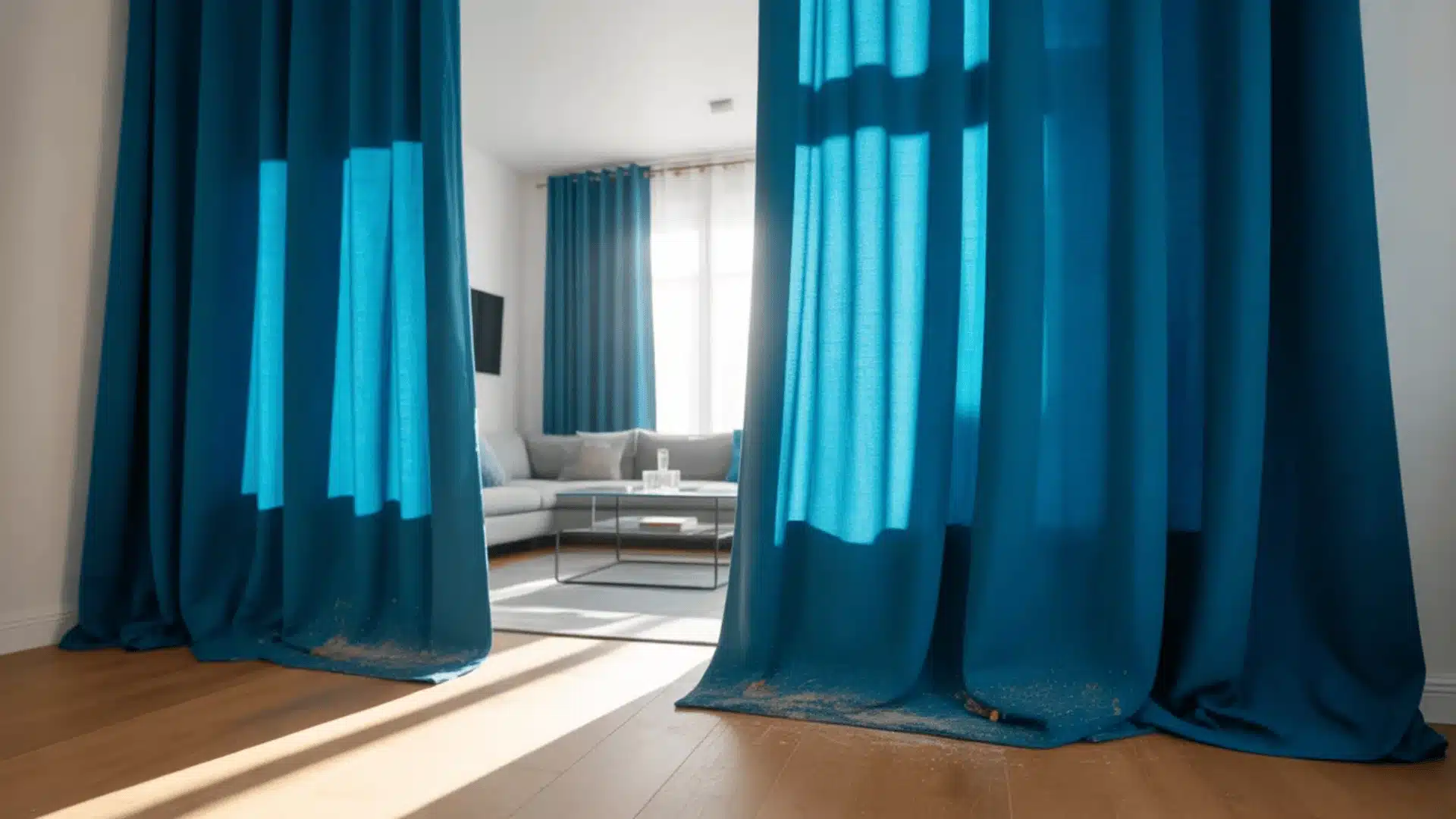
- Upgrade curtains for a softer or cleaner look
Play with Different Patterns
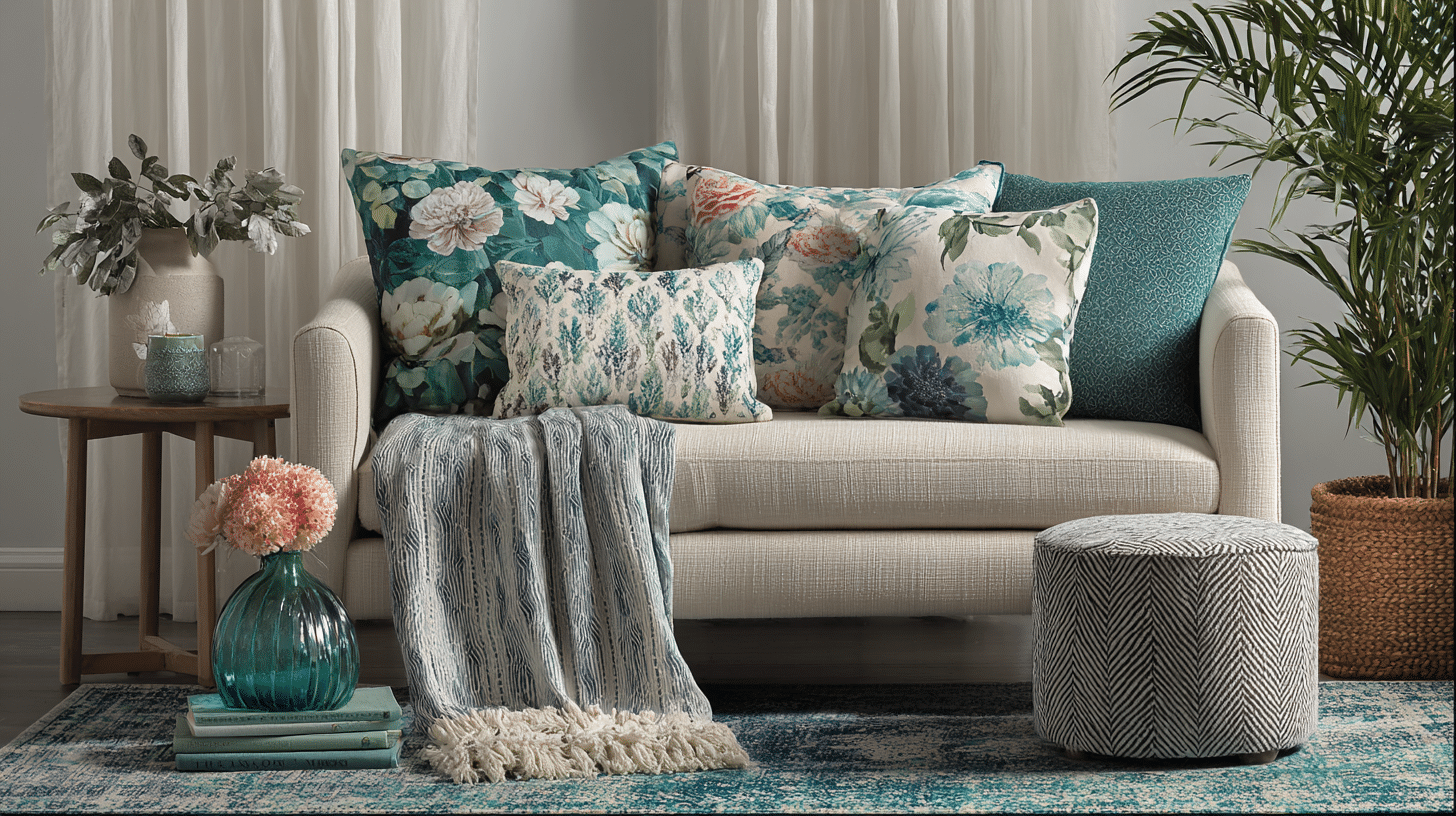
Patterns add energy to a room, but mixing them incorrectly feels chaotic. Stick to a simple rule: vary the scale.
Pair a large floral with small stripes, or a bold geometric with a subtle texture. Keep the colors related, and you’ll be fine.
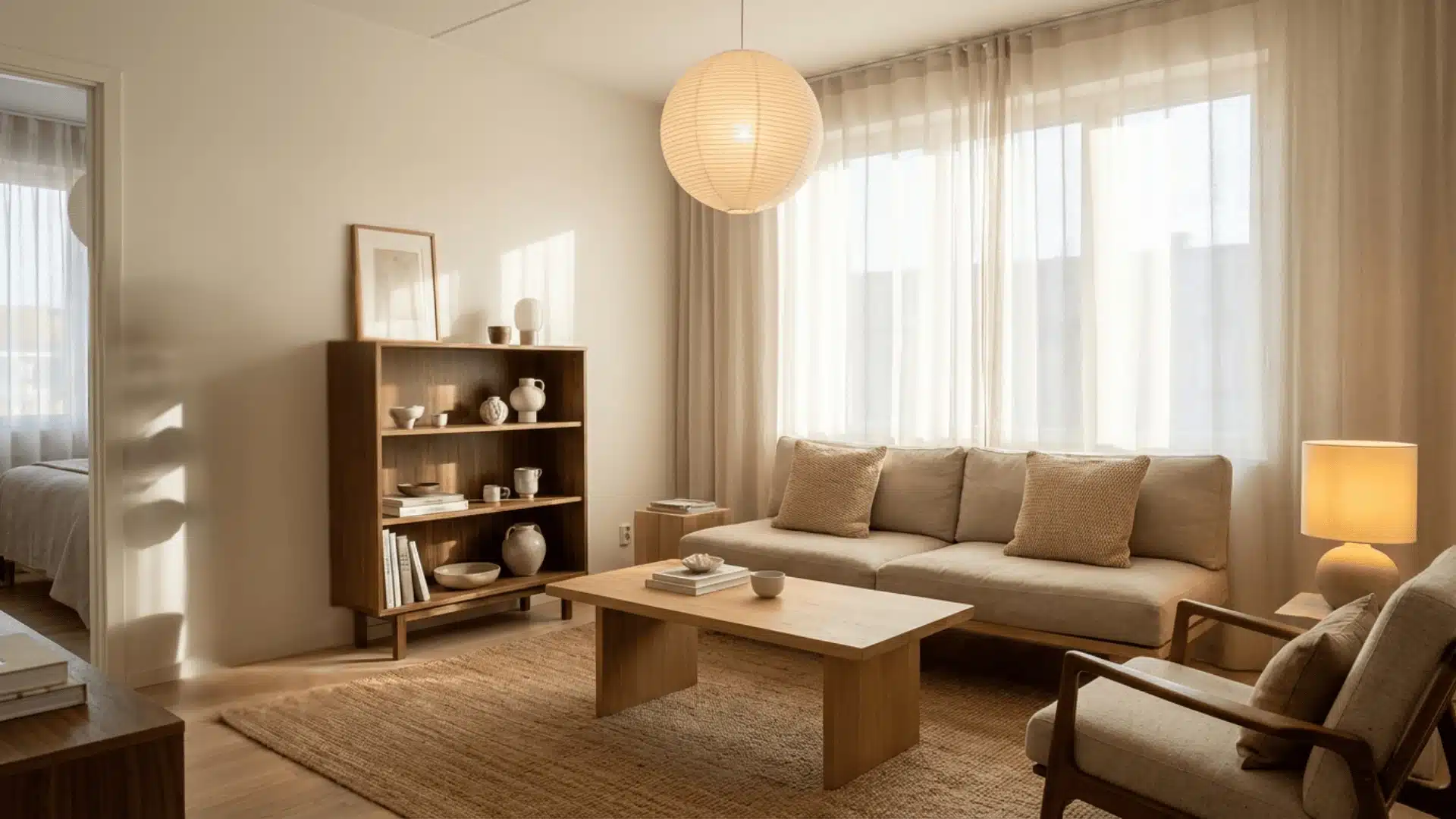
Use Lighting to Change the Mood
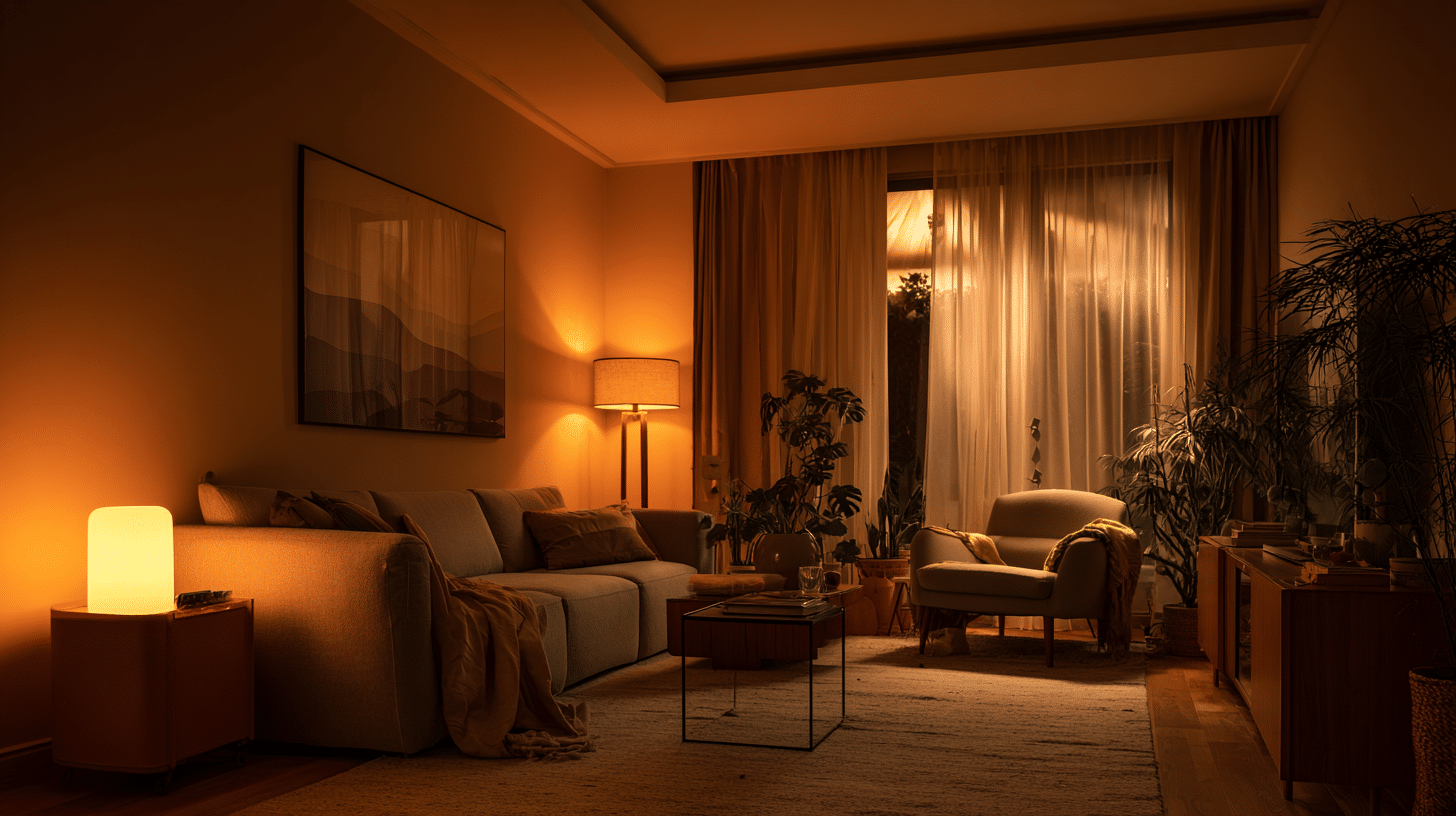
Bright overhead lights feel harsh. Dim them down or turn them off entirely in the evening.
Use table lamps and floor lamps instead to create pockets of light. This makes rooms feel cozy rather than like an office.
Principles of Interior Design
The elements tell you what you’re working with. The principles tell you how to use them.
Think of these as the rules that make a room feel complete instead of thrown together.
1. Proportion and Scale
Size relationships matter.
A tiny coffee table under a massive sectional looks wrong. Match the scale of your pieces to each other and to the room itself.
Learn more here: Symmetrical Balance in Interior Design.
2. Unity
Everything should feel like it belongs together. Repeat colors, shapes, or materials so there’s a visual thread connecting things.
You don’t need matching sets, just a common language.
Learn more here: Unity in Interior Design.
3. Contrast
Too much similarity gets boring. Pair dark with light, rough with smooth, old with new.
Contrast creates interest and stops rooms from feeling flat.
Learn more here: Texture in Interior Design.
4. Balance and Harmony
Visual weight should feel even, not necessarily symmetrical.
You can balance a heavy bookcase on one side with two chairs on the other. The room should feel stable.
Learn more here: Harmony in Interior Design.
5. Emphasis and Creating a Focal Point
Every room needs somewhere for your eye to land first.
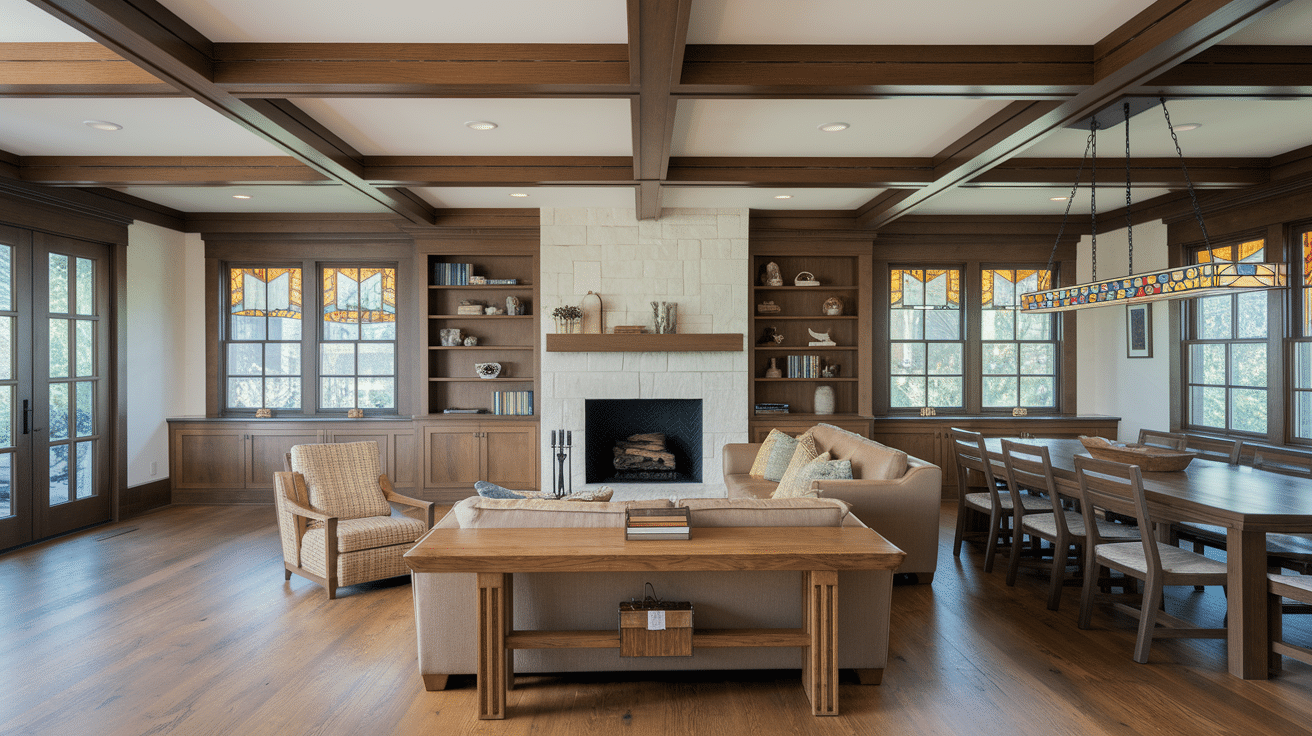
A fireplace, a statement wall, a great piece of art. Without this, rooms feel scattered.
Learn more here: Emphasis in Interior Design.
6. Rhythm
Repeat elements to create flow. Same wood tone in different pieces. A color that shows up in three spots.
Rhythm guides your eye smoothly instead of making it jump around.
Learn more here: Rhythm in Interior Design.
7. Details
Small touches finish a room. Switch plates that match the walls. Coordinated hardware. Books are arranged intentionally. Details are the difference between almost done and actually done.
These principles sound fancy, but you’re probably already using some without realizing it.
Quick Fixes for Common Design Problems
Running into the same issues everyone faces? Here’s how to fix them fast.
- Add a floor lamp in dark corners
- Hang mirrors across from windows to bounce light around and make the space feel bigger
- Get rid of half your throw pillows
- Layer a rug over hard flooring to make rooms feel cozier and add texture
- Hang curtains higher and wider than the window frame
- Use a larger rug that fits under all furniture legs
- Pick one metal finish and repeat it throughout the room for consistency
- Choose three main colors and stick to them
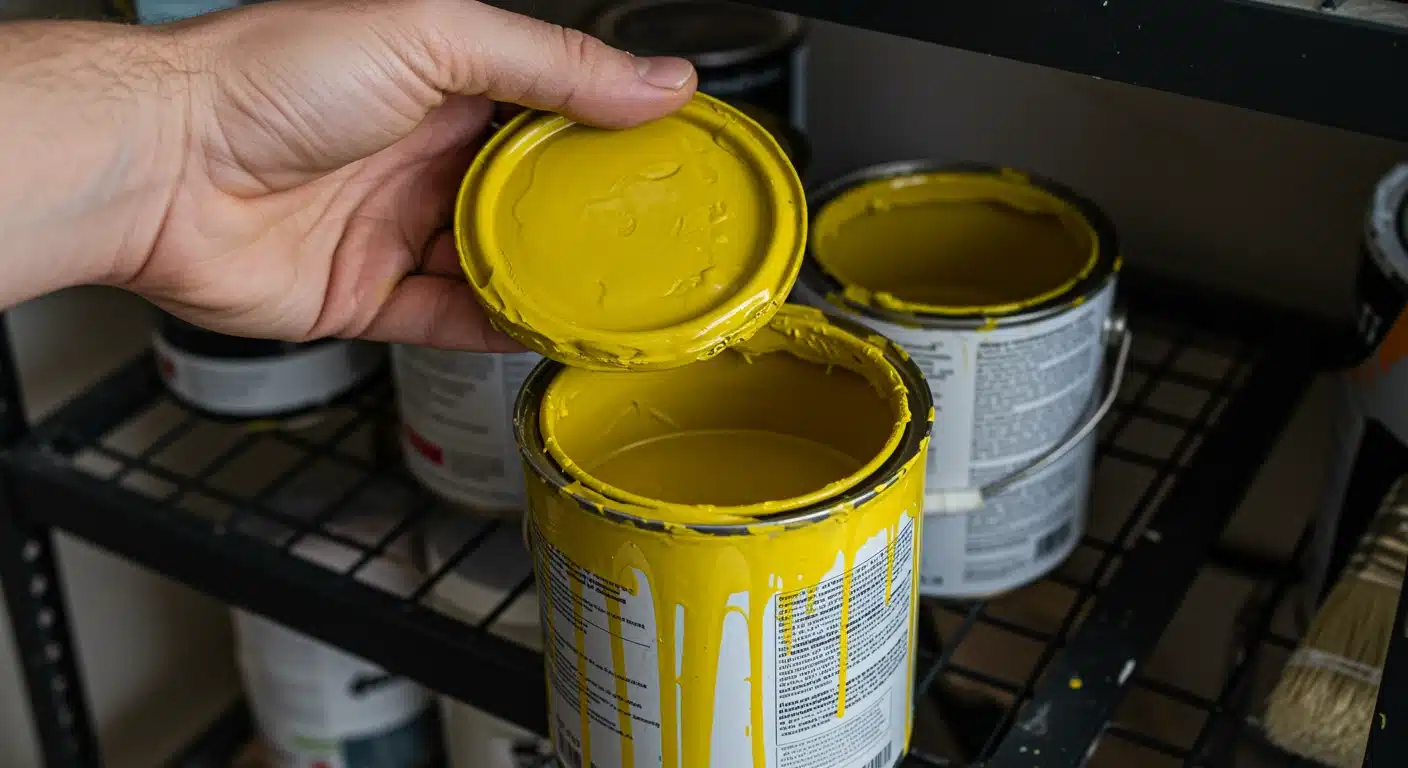
- Test paint samples in different lighting before committing to a whole room
Most design problems have simple solutions. You just need to know which lever to pull.
Putting These Ideas Into Practice
You’ve got the interior design basics now. Start with one room and one principle. Fix the lighting, rearrange the furniture, or just add a mirror.
Small changes prove the concepts work before you tackle bigger projects.
Your space won’t transform overnight, and that’s fine.
Pick what bothers you most and fix that first. The rest will follow once you see what’s possible.