Texture changes everything about how rooms feel. Most designers keep this secret close that texture in interior design matters more than color. It creates depth and makes spaces feel expensive.
In this blog, readers will learn about various types of textures and simple ways to incorporate them without overdoing it and compromising a space.
By the end, they’ll understand how to change boring rooms into spaces that feel inviting.
Texture in Interior Design
Texture refers to how surfaces feel and look in a space. It’s both tactile and visual.
A wool blanket feels soft and comfortable. Brick walls look rough and rustic. These are textures.
Smooth leather feels different than bumpy concrete. Shiny silk catches light differently from matte linen. Together, these contrasts make rooms feel complete and inviting.
A room filled with only smooth surfaces feels cold. Adding varied textures creates comfort and interest.
Designers use texture to add depth, highlight points, and make rooms feel more inviting. It works alongside color and pattern to complete a space.
Different Types of Textures in Interior Design
Texture in interior design falls into two main categories. Each plays a different role in creating complete spaces. Understanding both helps designers make better choices.
Visual Texture
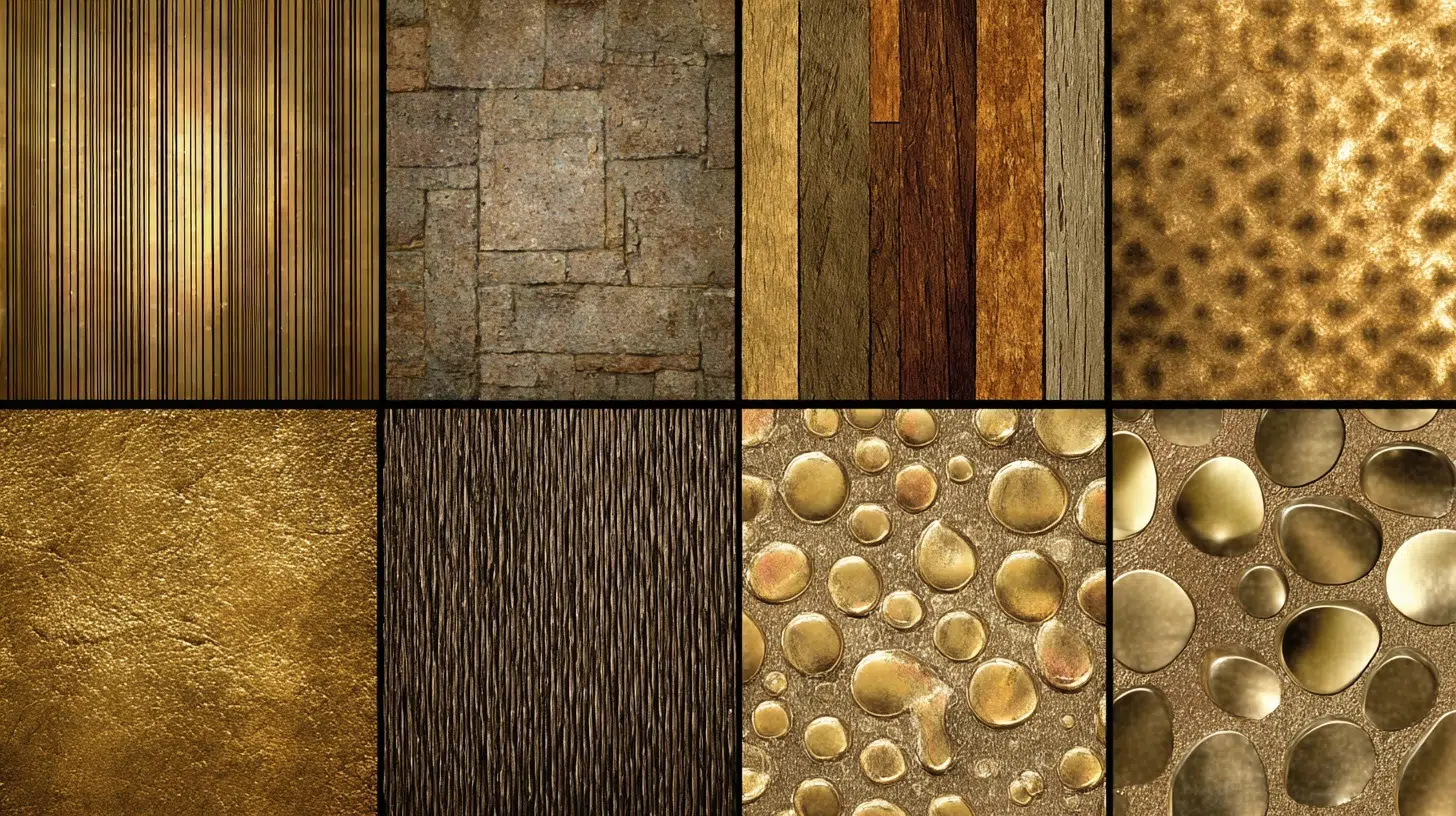
Visual texture is what people see, not what they touch. It creates the illusion of texture through patterns, colors, and shadows. A photograph of weathered wood on wallpaper looks rough but feels smooth.
Printed fabrics with geometric designs add an element without changing the tactile experience.
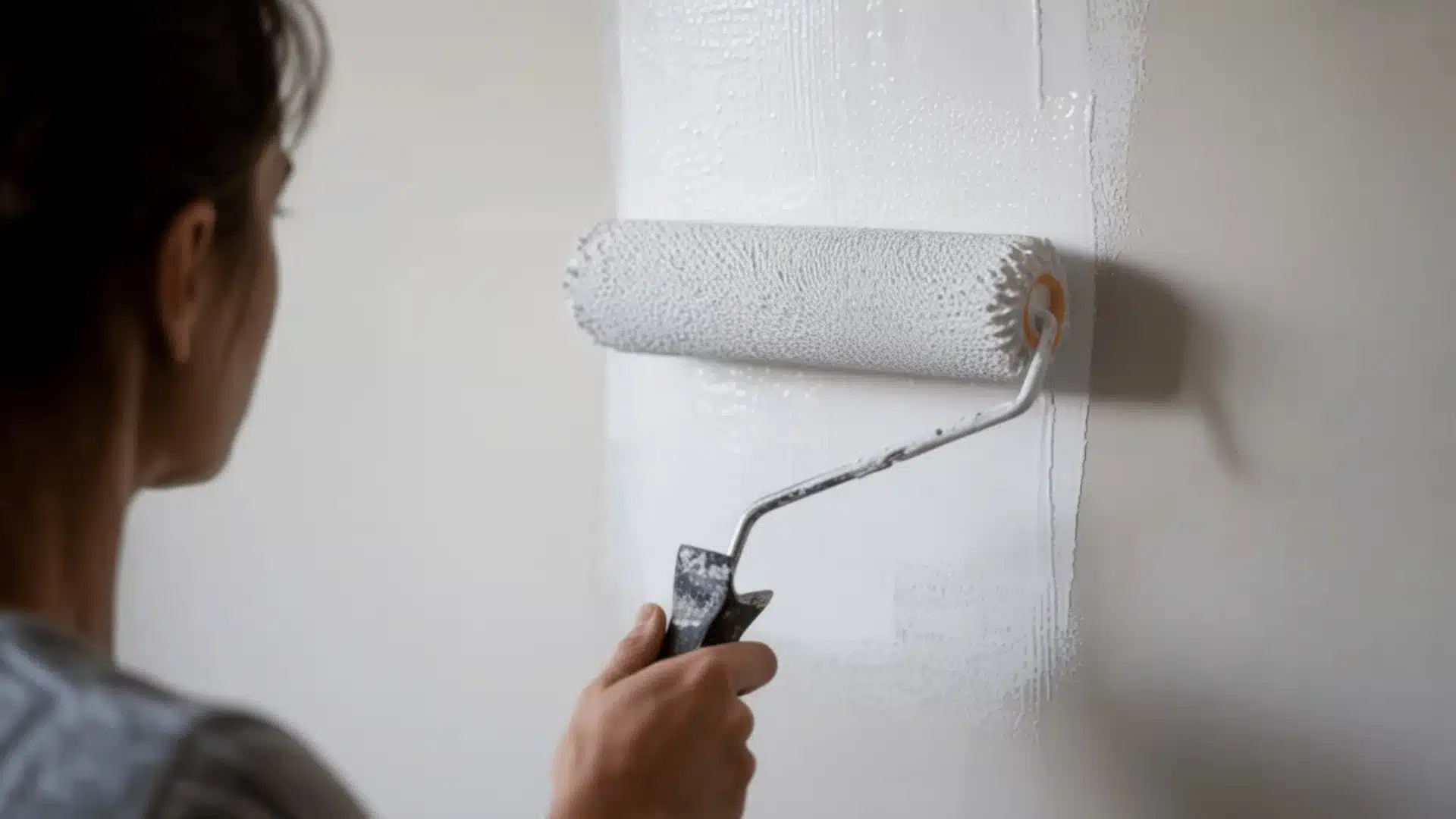
Paint techniques like sponging or rag-rolling create depth on flat walls. This type tricks the eye into perceiving dimension and complexity where none exists physically.
Tactile Texture
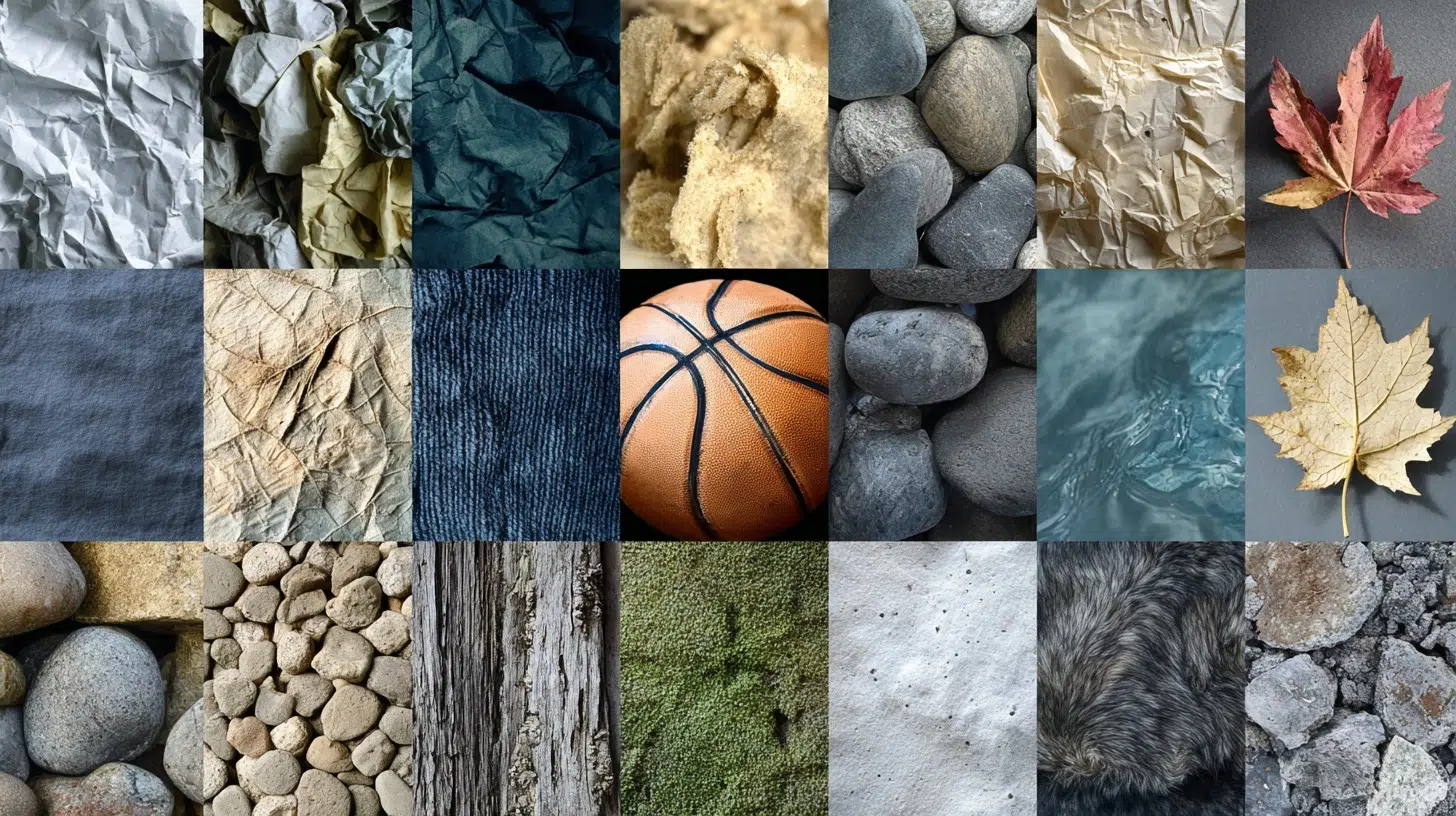
Tactile texture is the physical surface that people actually touch and feel. It’s real and tangible. Running hands over a chunky knit blanket, smooth marble countertop, or rough brick wall creates different sensations.
This type directly engages the sense of touch. Materials like velvet, burlap, leather, and concrete each offer distinct tactile experiences.
Tactile texture adds genuine depth to spaces and invites people to interact with their environment through physical contact and sensation.
The Impact of Texture in Interior Design
Texture does more than just make rooms look good. It changes how people feel in a space and affects the entire atmosphere. The following is how texture impacts interior design:
- Creates Interest: Mixing textures keeps eyes moving around a room. Smooth surfaces next to rough ones add depth and prevent flat-looking spaces.
- Adds Comfort: Soft textures like plush rugs make rooms feel comfortable. Hard surfaces like concrete create cooler vibes. The right mix sets the mood.
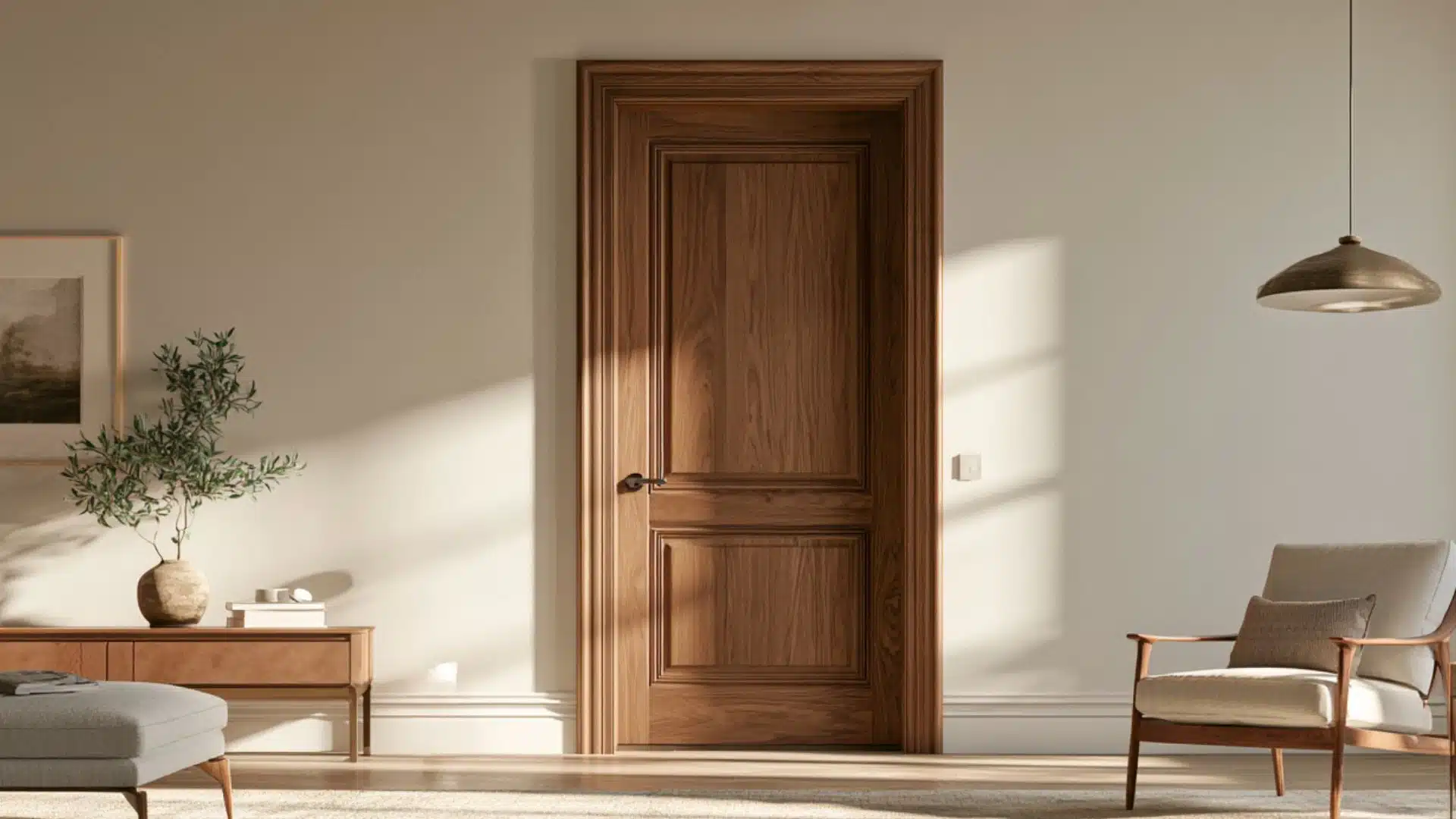
- Defines Style: Texture helps establish design themes. Rustic styles use weathered wood. Modern spaces prefer sleek metal and glass.
- Balances Color: Neutral schemes need texture to stay interesting. Different textures in similar colors create subtle contrast without bold color choices.
- Engages the Senses: Good design calls to touch, not just sight. Textured spaces invite interaction and help people connect with their surroundings.
- Improves Acoustics: Soft textures absorb sound and reduce echo. Thick curtains and plush furniture, quiet, noisy rooms.
- Increases Perceived Value: Layered textures make spaces feel expensive. Quality materials signal attention to detail and make rooms feel finished.
Ways to Add Texture in Your Home
Adding texture doesn’t require major renovations or huge budgets. Small changes create big impacts. The following are practical ways to bring texture into any space.
1. Layer Different Fabrics

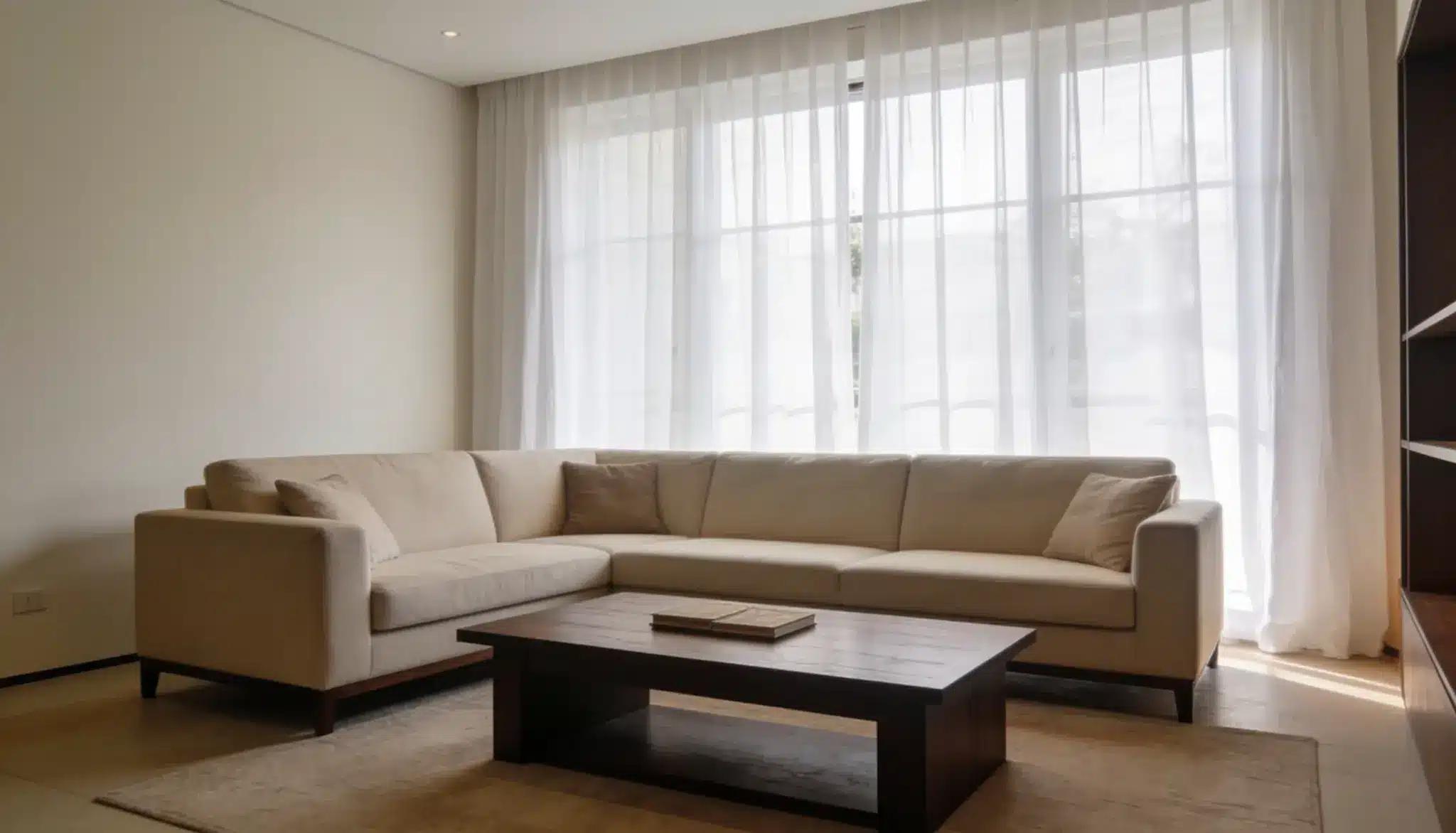
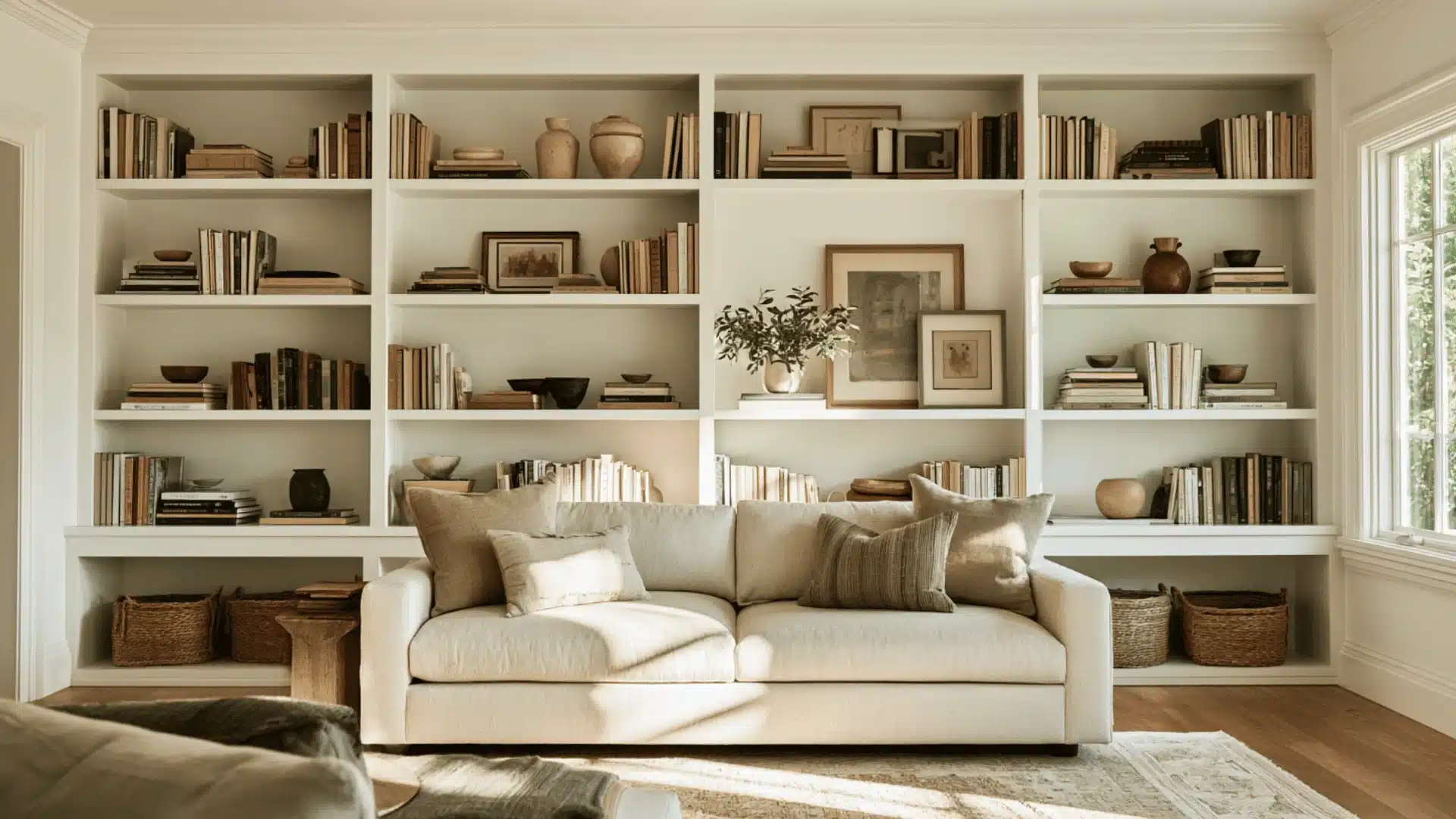
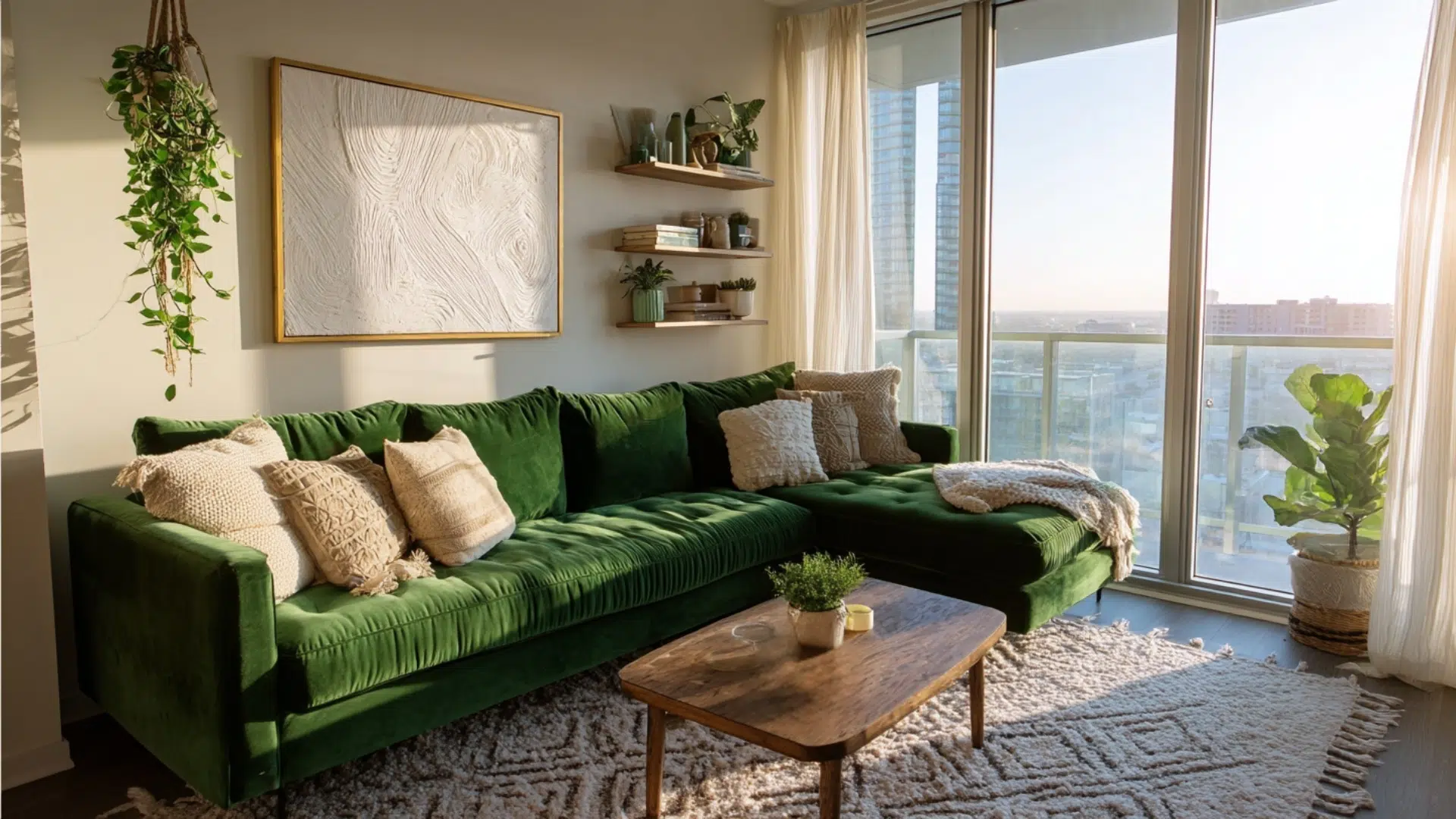
Mix various fabric types on furniture and windows to create rich, layered looks. Combine linen cushions with velvet throws on sofas.
Hang sheer curtains behind heavier drapes. Each fabric brings unique qualities. The contrast between materials makes rooms feel thoughtfully designed and interesting.
2. Incorporate Natural Materials

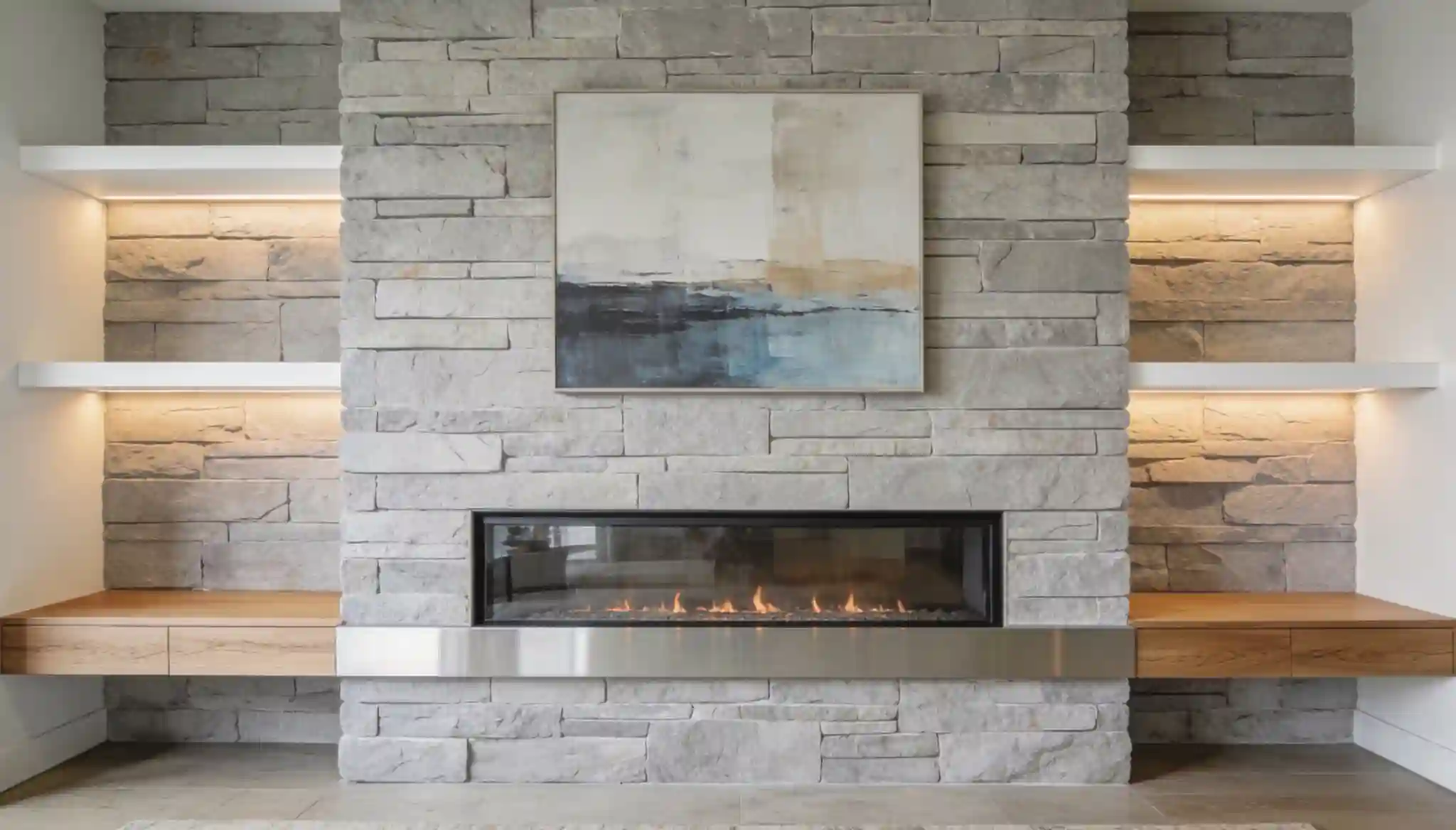
Bring in wood, stone, rattan, and plants for organic texture variety. Wooden furniture adds grain patterns. Stone countertops or accent walls introduce cool, solid surfaces. Woven baskets provide storage.
Live plants contribute both texture and life. Natural materials age beautifully and create connections to the outdoors. They work in any design style from traditional to contemporary spaces.
3. Use Textured Wall Treatments

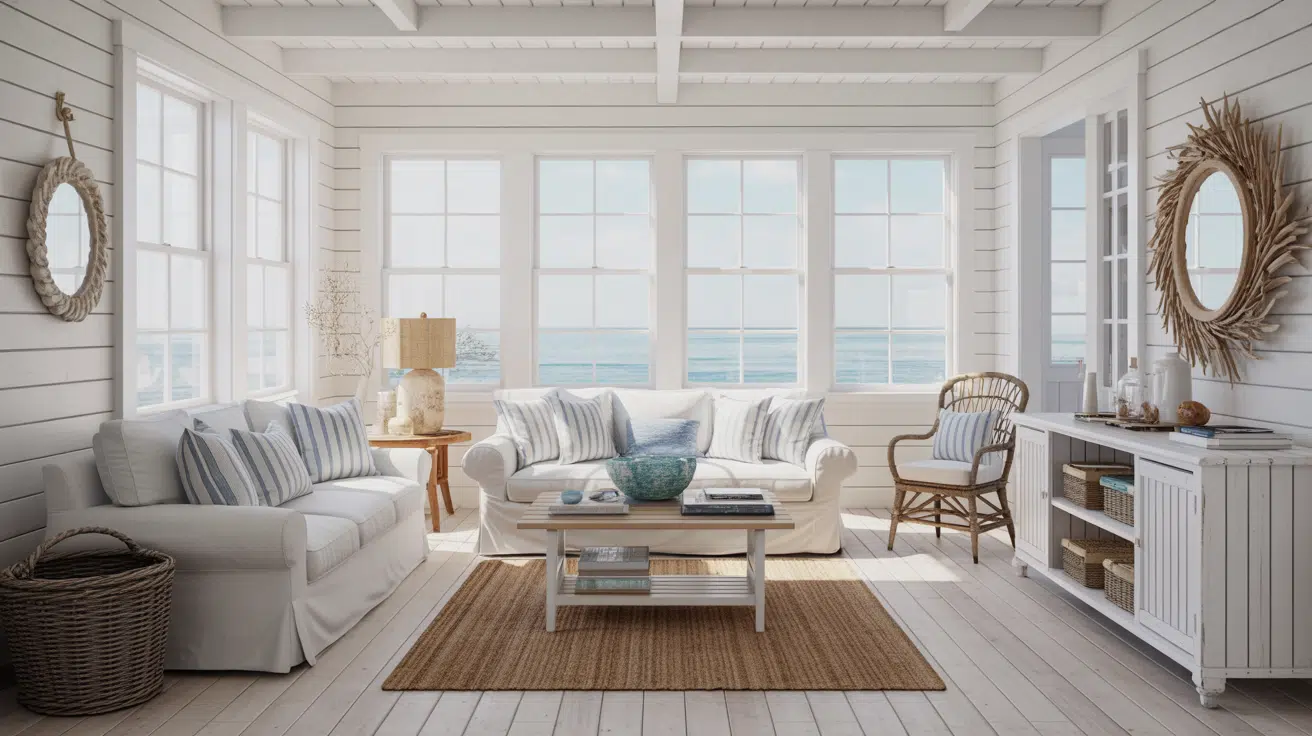
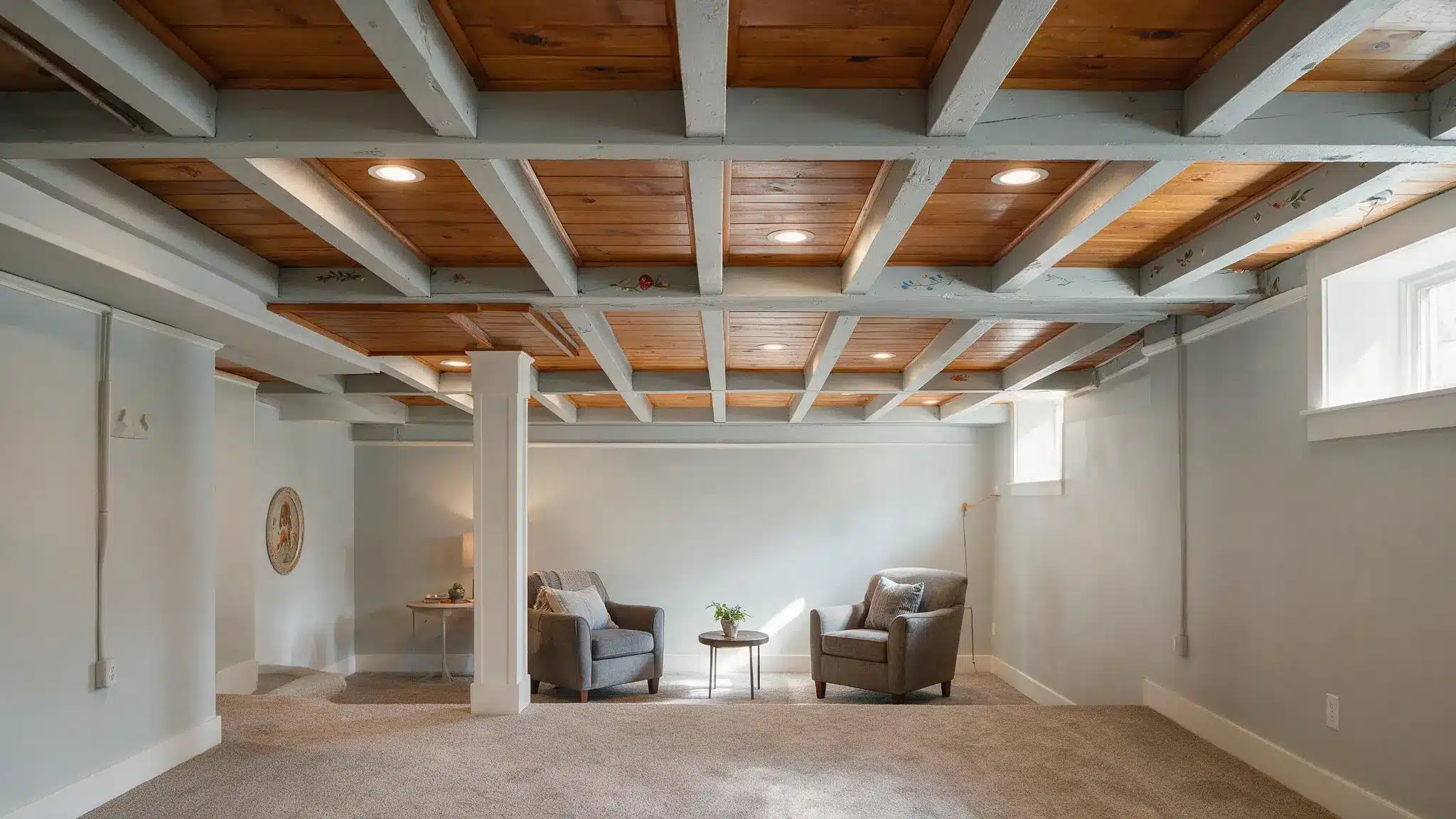
Change flat walls with materials that add depth to rooms. Install wood paneling, shiplap, or beadboard for an architectural element. Apply textured wallpaper with raised patterns or natural fibers.
Hang woven wall art or macramé pieces. Paint with specialty techniques that create dimension. Exposed brick or stone walls make bold textural statements. These treatments turn boring walls into points.
4. Add Rugs and Floor Coverings

Floor textures ground spaces and define areas within open rooms effectively. Layer rugs of different textures for added dimension. Place jute rugs under softer pile rugs for contrast.
Sheepskin throws add luxury to hardwood or tile floors. Textured rugs absorb sound and make hard surfaces more comfortable. They protect floors while introducing pattern, color, and tactile texture to any room.
5. Display Textured Accessories

Small decorative items bring texture without overdoing or requiring commitment. Group ceramic vases with varied glazes and finishes together.
Display woven trays, carved wooden bowls, and stack textured books on coffee tables, and arrange coral, shells, or natural elements in collections.
6. Install Different Light Fixtures

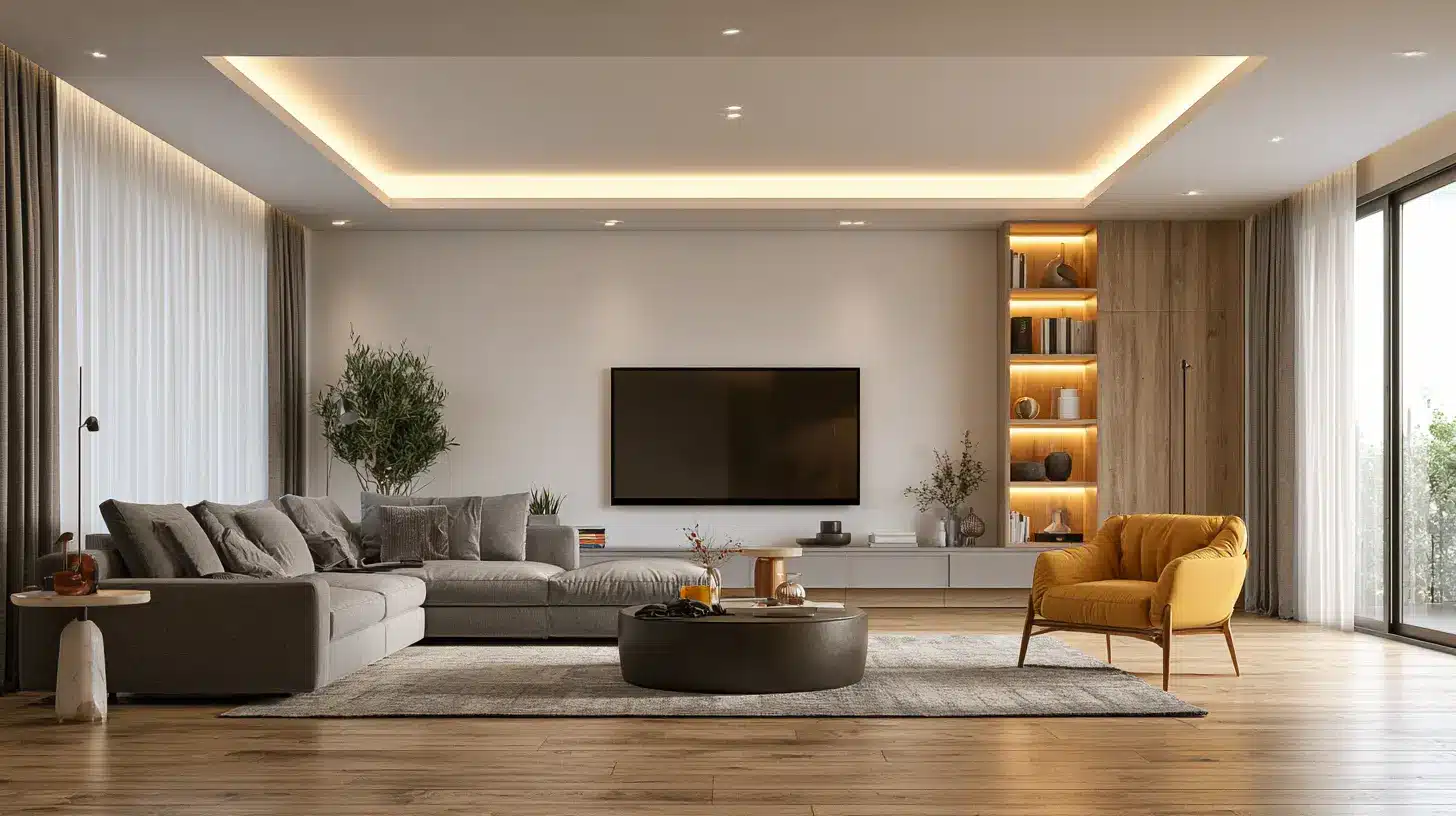
Lighting fixtures serve double duty as functional items and textural elements. Woven pendant lights cast interesting shadows and patterns on surfaces.
Metal chandeliers with hammered or brushed finishes catch light differently. Lamp bases in ceramic, concrete, or carved wood add texture to tables. The fixtures themselves become sculptural, textured objects in spaces.
7. Mix Furniture Finishes

Combine different furniture finishes to prevent monotonous, showroom-like appearances in rooms. Pair glossy lacquered pieces with matte wood furniture.
Mix metal frames with upholstered seating options. Distressed pieces work alongside polished ones for character. This variety creates depth and makes rooms feel collected over time rather than purchased all at once.
Avoid these Mistakes
The following are mistakes you can make while adding texture in interior design.
- Using Too Many Textures at Once: Cramming every texture into one room creates chaos. Stick to three to five distinct textures per space.
- Ignoring Scale and Proportion: Large textures in small rooms feel suffocating. Tiny textures get lost in big rooms. Match texture scale to room size.
- Forgetting About Balance: Only rough textures make rooms feel harsh. Only smooth textures create cold environments. Mix soft with hard, rough with smooth, matte with shiny.
- Matching Everything Perfectly: Perfectly matched textures look boring. Vary textures even within the same color family. Different materials in similar tones add interest without clashing.
- Neglecting Seasonal Changes: Heavy velvet feels oppressive in summer. Light linens seem cold in winter. Switch out seasonal texture.
- Overlooking Maintenance Requirements: Delicate silk and high-pile rugs require constant care. Textured walls collect dust. Consider maintenance before choosing textures.
Other Principles of Interior Design
Interior design relies on several core principles that work together to create beautiful spaces. While texture is important, other principles form the foundation.
Balance
Balance distributes visual weight evenly throughout a room to create stability. Symmetrical balance mirrors elements on both sides of a central point.
Asymmetrical balance uses different objects with equal visual weight. Radial balance arranges items around a focal point like a chandelier or round table.
Proportion and Scale
Proportion refers to how objects relate to each other in size. Scale compares object size to the room itself. A massive sectional overwhelms a tiny living room.
Delicate furniture gets lost in large spaces. Getting proportions right makes rooms feel comfortable and appropriately furnished without awkwardness.
Rhythm
Rhythm creates visual flow by repeating elements throughout a space consistently. Use the same color in different areas to guide eyes around rooms.
Repeat shapes, patterns, or materials at intervals. This repetition establishes movement and connection. Rhythm prevents spaces from feeling disjointed or randomly assembled without purpose.
Emphasis
Emphasis creates a point that draws attention and anchors the room. This could be a fireplace, artwork, statement furniture, or architectural feature.
Everything else supports this main element. Without emphasis, rooms lack direction. Eyes wander with nothing commanding attention or creating a memorable impact in spaces.
Unity and Harmony
Unity ties all design elements together into one look. Colors, styles, and materials should relate and complement each other naturally.
Harmony means nothing clashes or feels out of place. Rooms should tell one clear story. Unity creates calm, collected spaces where everything belongs together perfectly.
Wrapping It Up
Texture in interior design changes empty rooms into homes people actually want to live in. It’s not about buying expensive materials or redesigning everything at once.
Start small. Add a textured throw pillow today.
Swap smooth curtains for linen ones next week. Layer a jute rug under the coffee table next month.
Each small change builds on the last. Soon, flat spaces gain depth and character. Rooms start feeling warmer, more inviting, and genuinely complete.