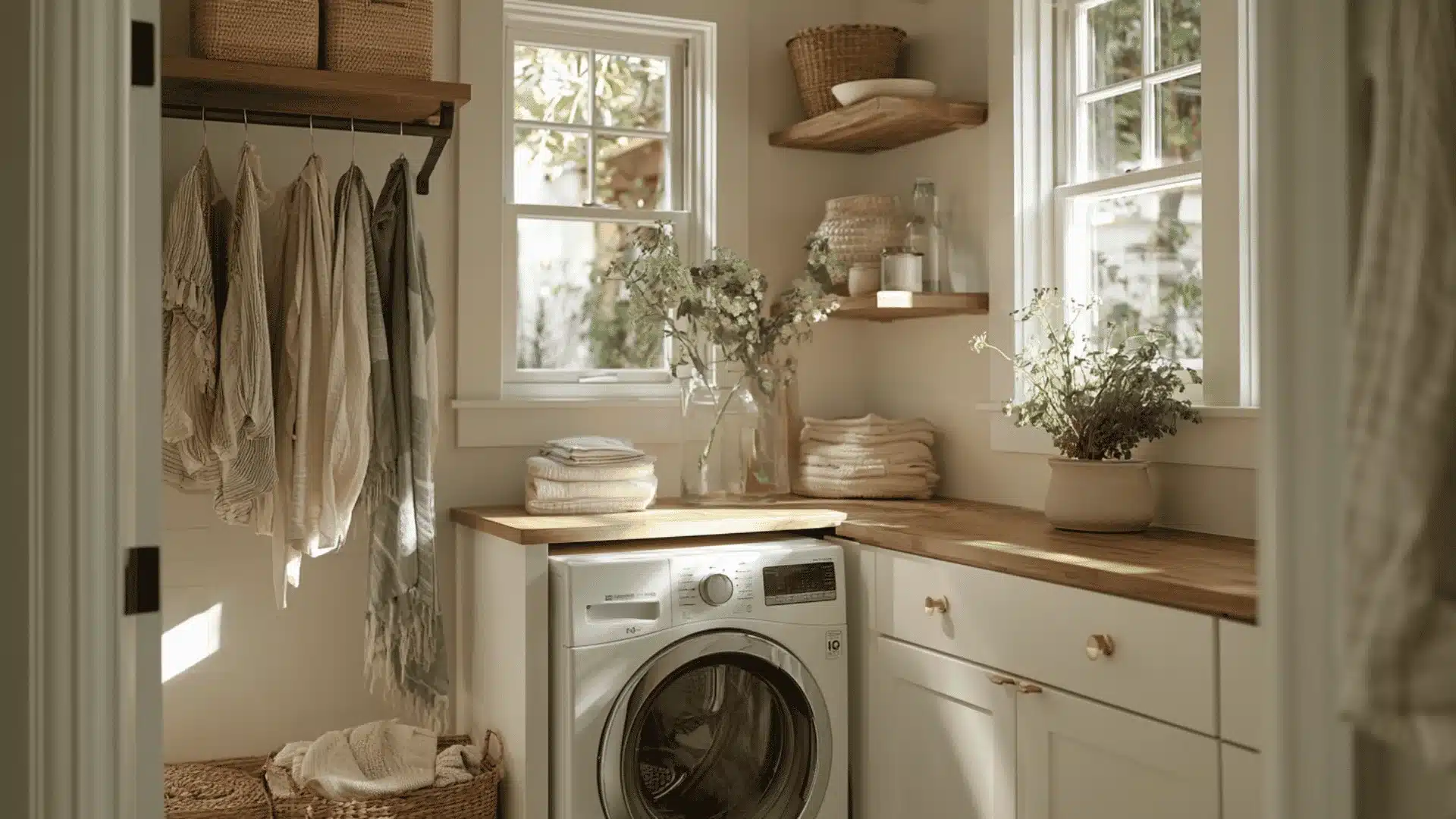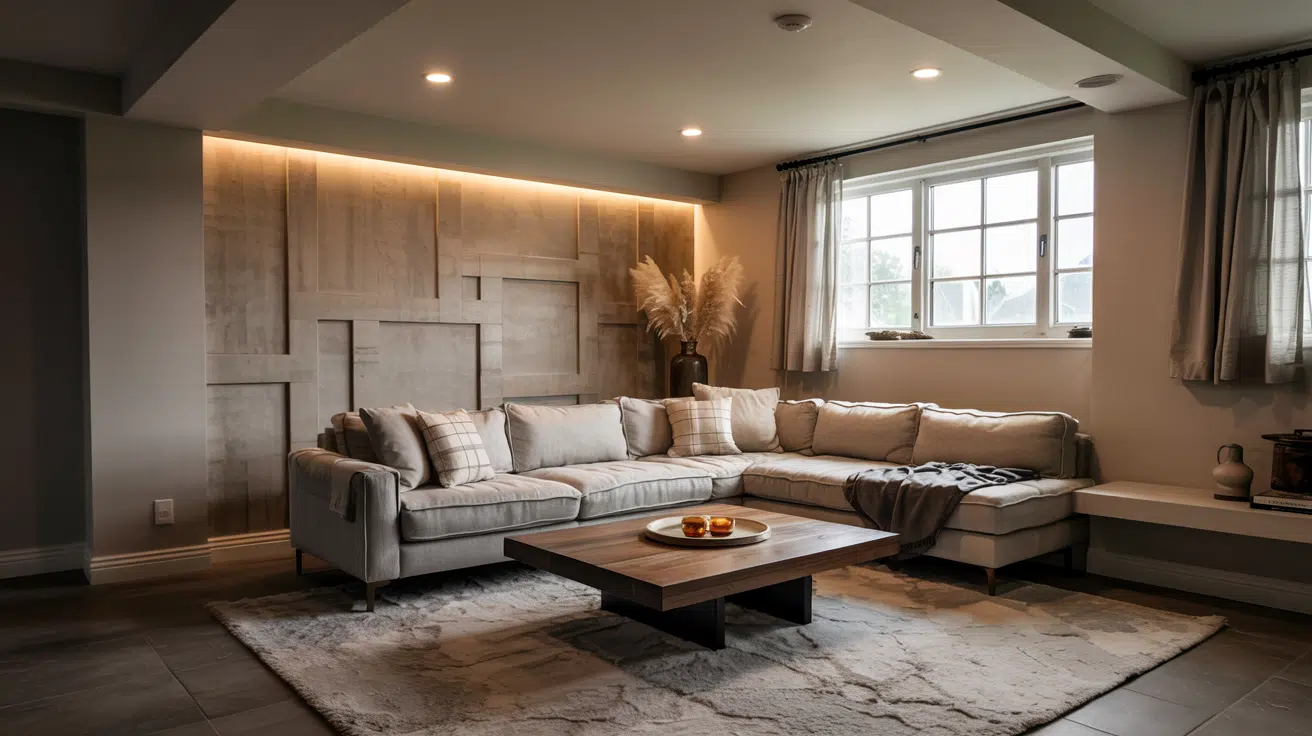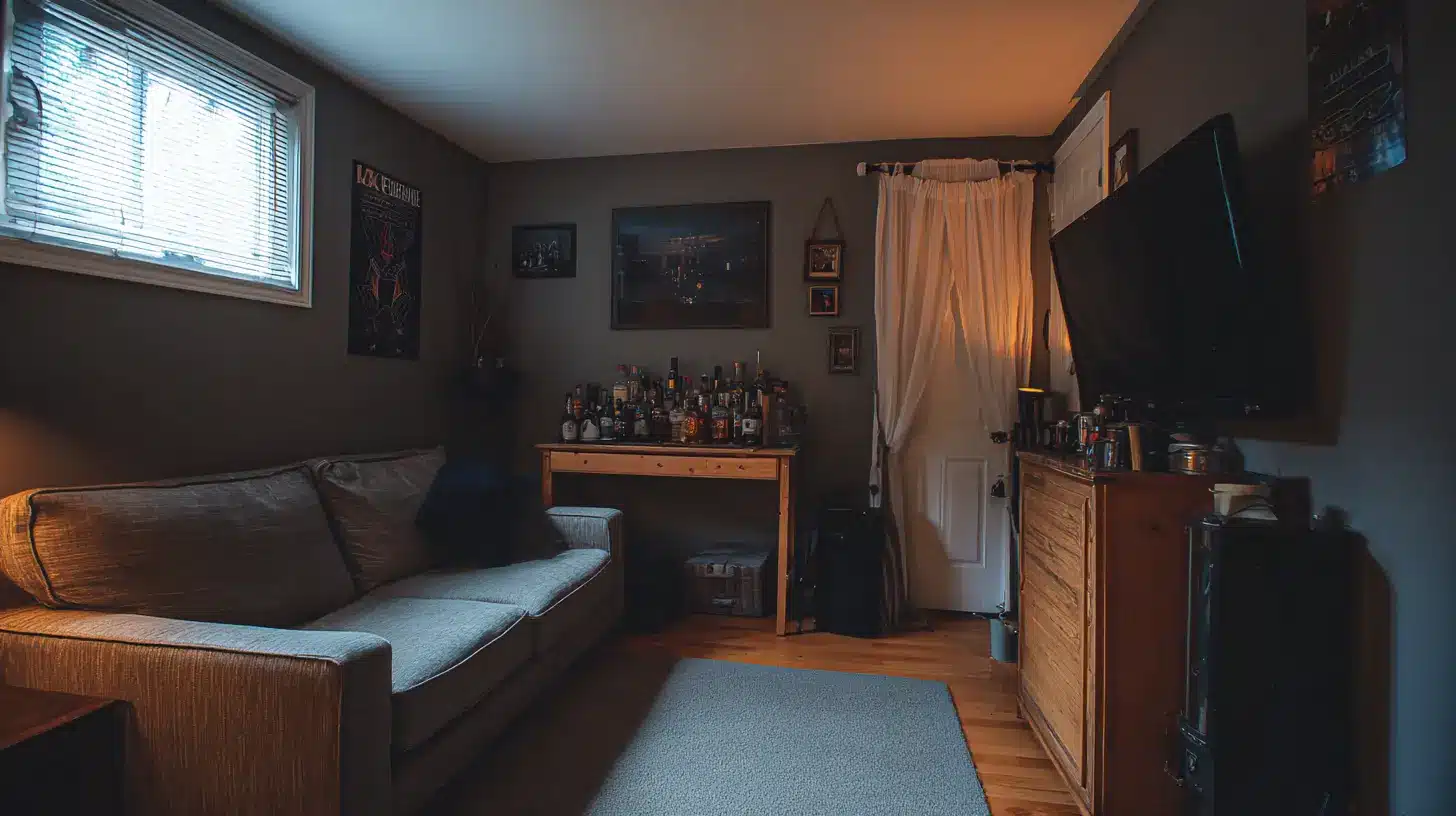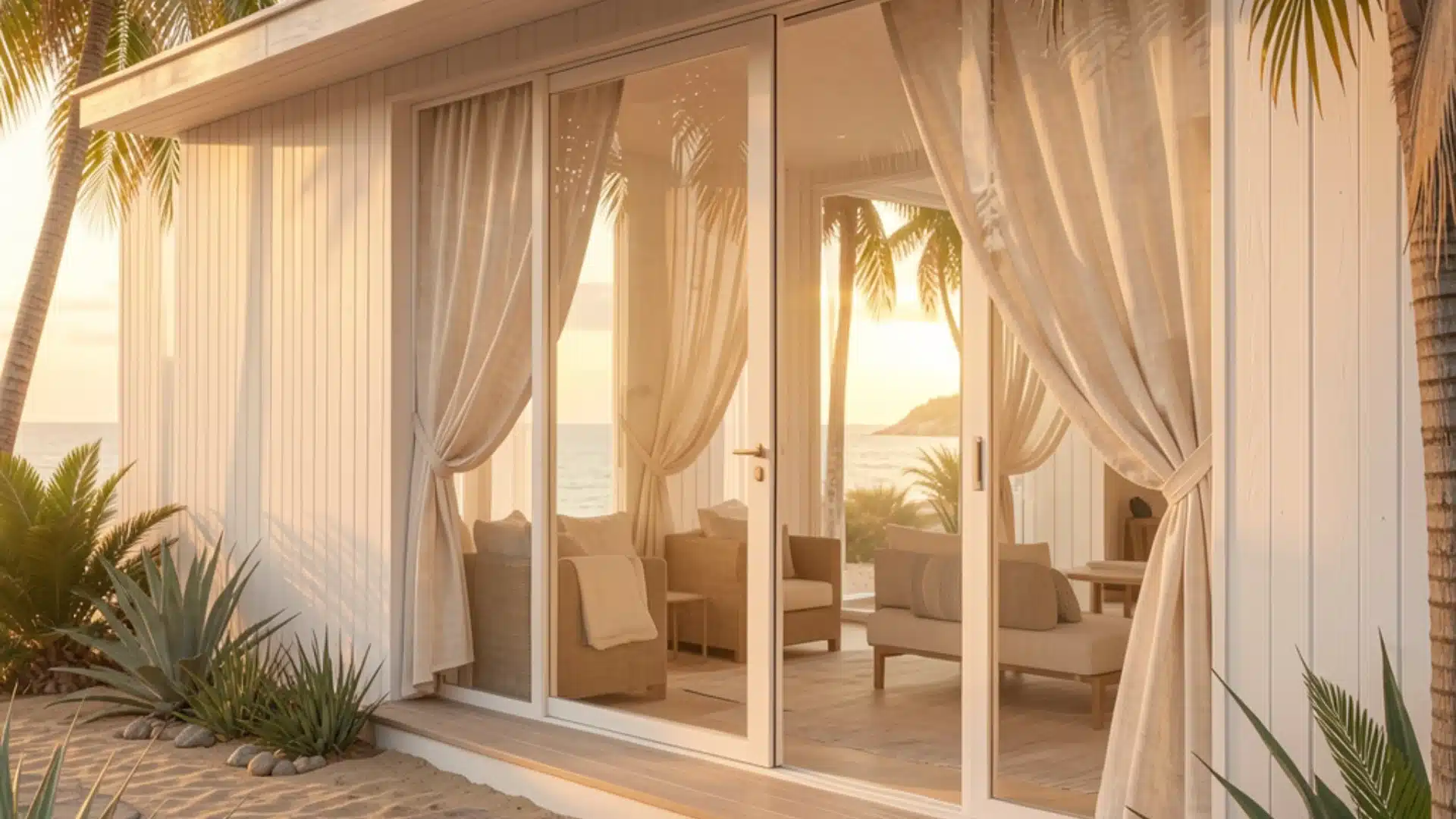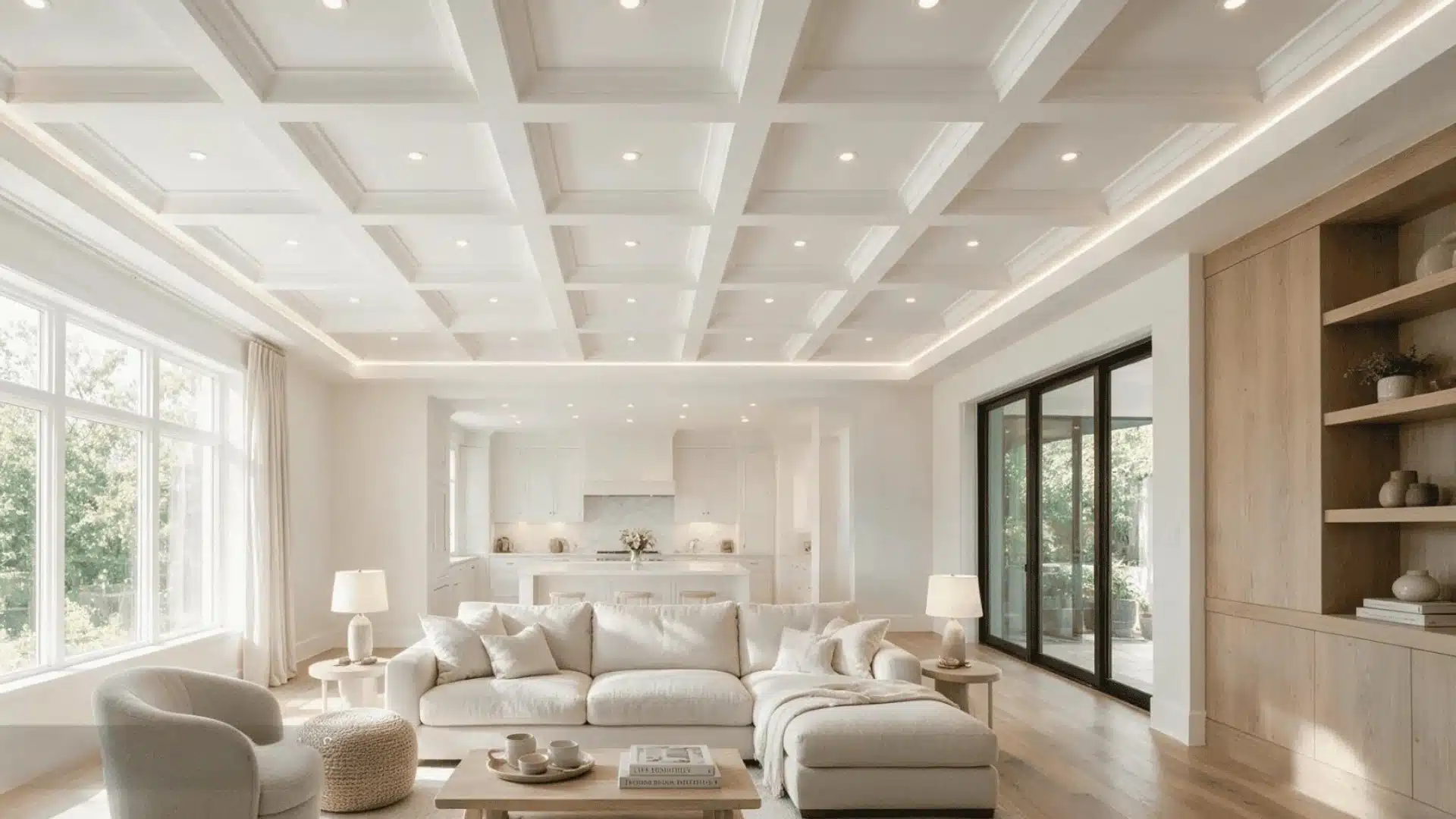
Interior designers have been quietly using this principle for decades to create spaces that feel effortlessly put-together. And they don’t want you to know how simple it actually is.
Rhythm in design isn’t some mysterious art form.
It’s a straightforward technique that anyone can master. Ready to know more about it?
What is Rhythm in Interior Design?
It refers to the organized movement that guides the eye around a room.
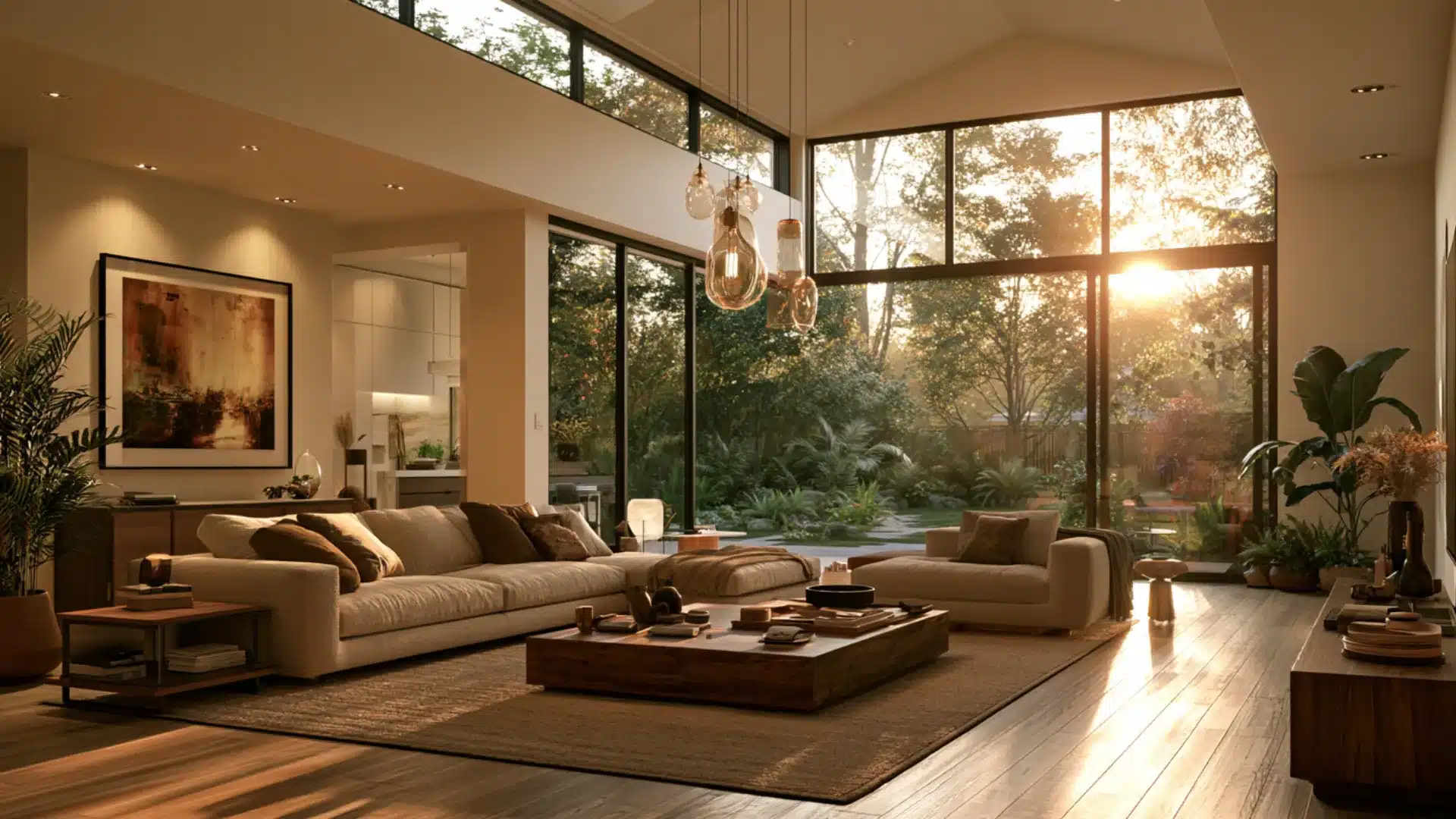
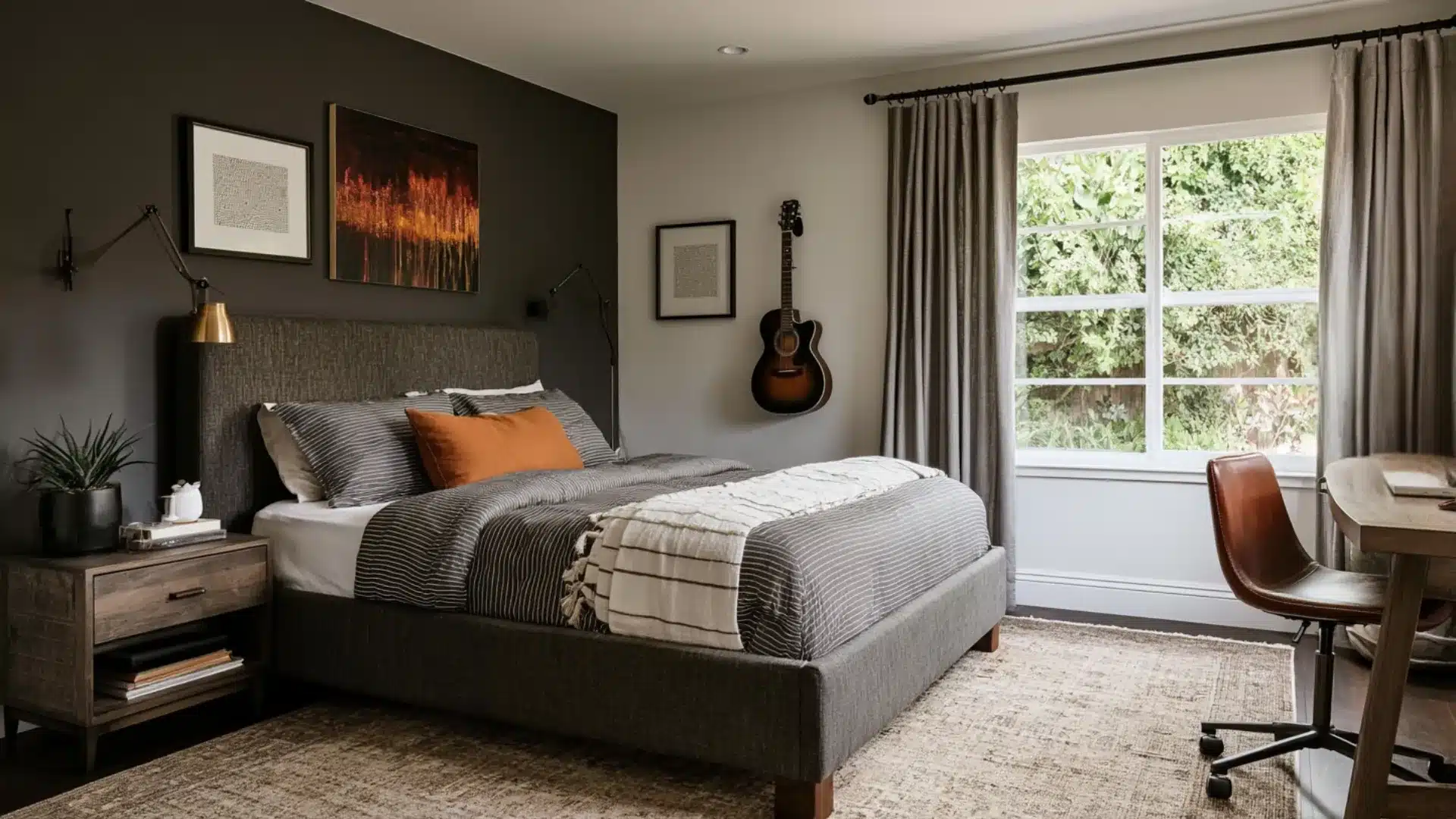
Rhythm acts like an invisible thread linking different pieces in a space. It might connect your throw pillows to your artwork through the use of repeated colors.
Or it could tie your furniture to your lighting through similar shapes.
When rhythm works well, it creates natural visual movement. Your eye moves smoothly from element to element, taking in the whole room comfortably.
Without rhythm, rooms feel choppy and uncomfortable, even when individual pieces are beautiful.
Types of Rhythm in Interior Design
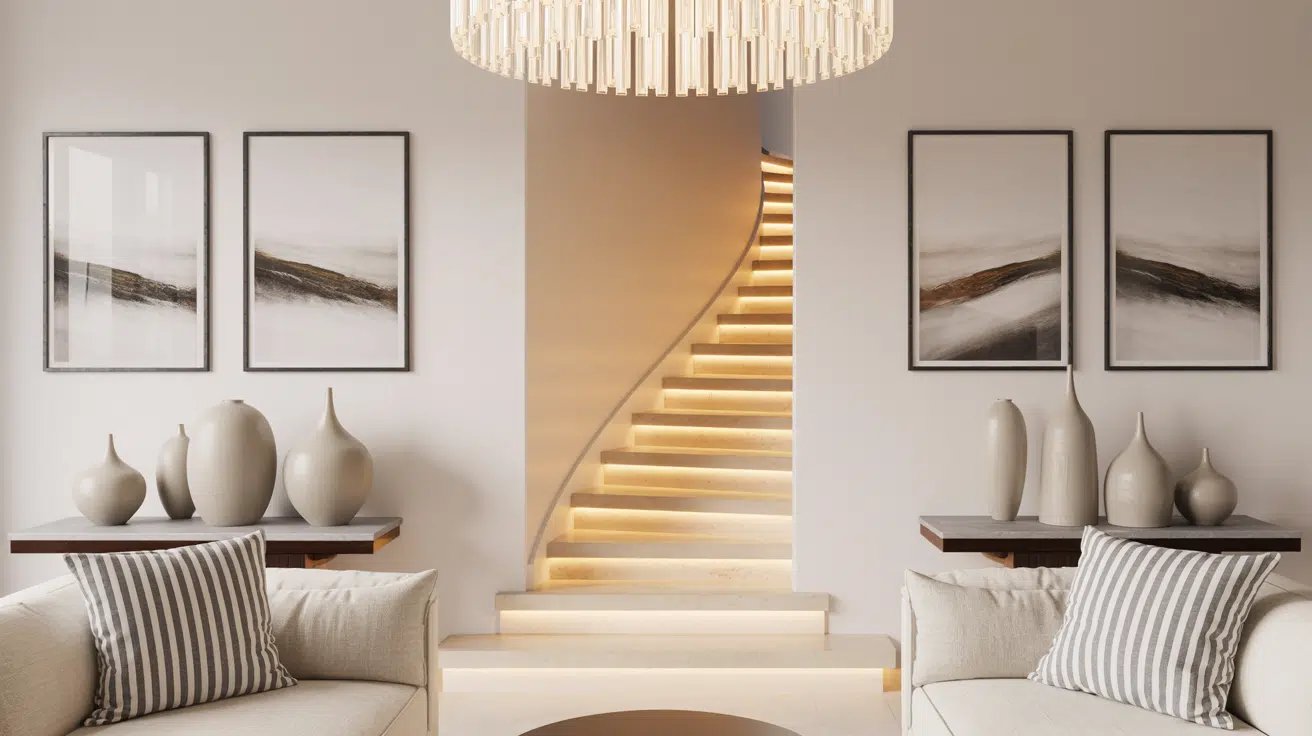
There are five main types of rhythm that designers use to create flow and harmony in any space.
Each one works differently, but they all help your eye move naturally around a room.
1. Repetition Rhythm
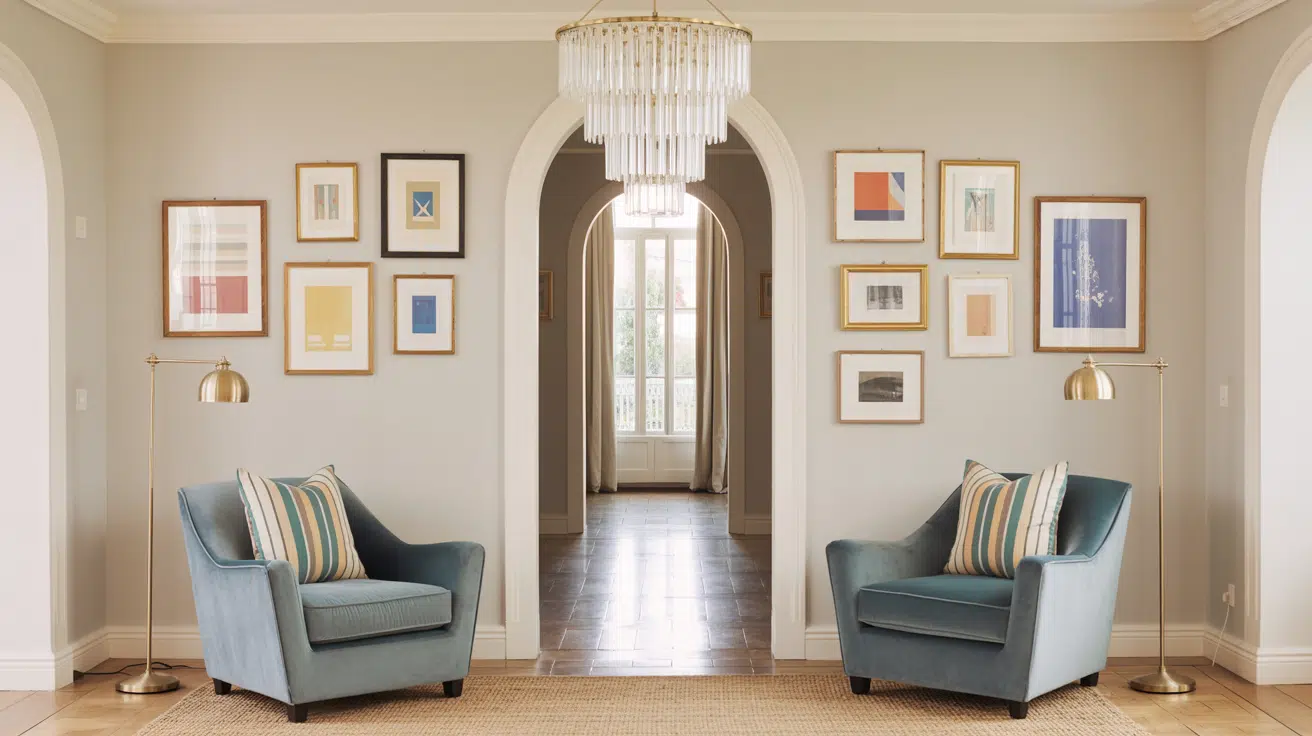
This is the simplest type. You repeat the same element throughout your space – like using the same throw pillow pattern on different chairs or hanging identical frames in a hallway.
It creates consistency and makes everything feel connected.
2. Alternation Rhythm
Here, you alternate between two or more elements in a regular pattern.
Think black and white checkered floors or switching between round and square mirrors along a wall. It adds visual interest while keeping things organized.
3. Progression Rhythm
Also called gradation, this involves gradually changing an element – like arranging books from short to tall, or using paint colors that get progressively lighter.
Your eye follows the gradual change, creating natural movement.
4. Transition Rhythm
This uses curved lines and flowing shapes to guide your eye smoothly from one area to another. Arched doorways, curved furniture, and winding staircases all create transition rhythm.
5. Radiation Rhythm
Elements radiate outward from a central point, like a round dining table with chairs arranged around it or a chandelier with arms extending in all directions.
It creates a strong focal point that draws attention.
Each type works on its own, but the magic happens when you combine them thoughtfully throughout your home.
Transition Rhythm in Interior Design
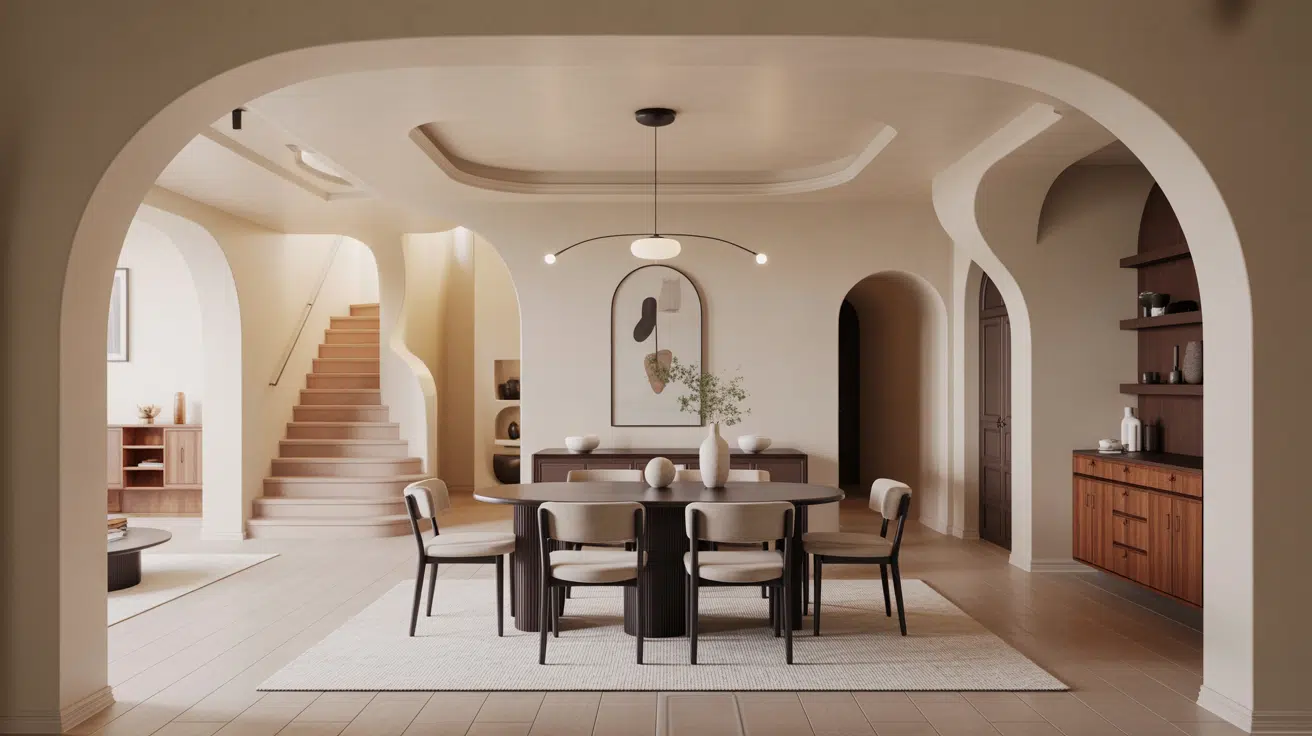
It uses curved lines and flowing shapes to guide your eye smoothly through a space.
Curved elements create continuous movement. Your gaze flows along these lines without stopping, making rooms feel more spacious.
- Arched doorways: Lead your eye between rooms
- Curved sofas: Guide attention around living areas
- Round coffee tables: Soften angular arrangements
- Flowing curtains: Add gentle movement to windows
Start with one curved focal point per room. Mix curves with straight lines for balance. Use flowing fabrics and round mirrors to break up angles.
Rhythm as a Principle of Design
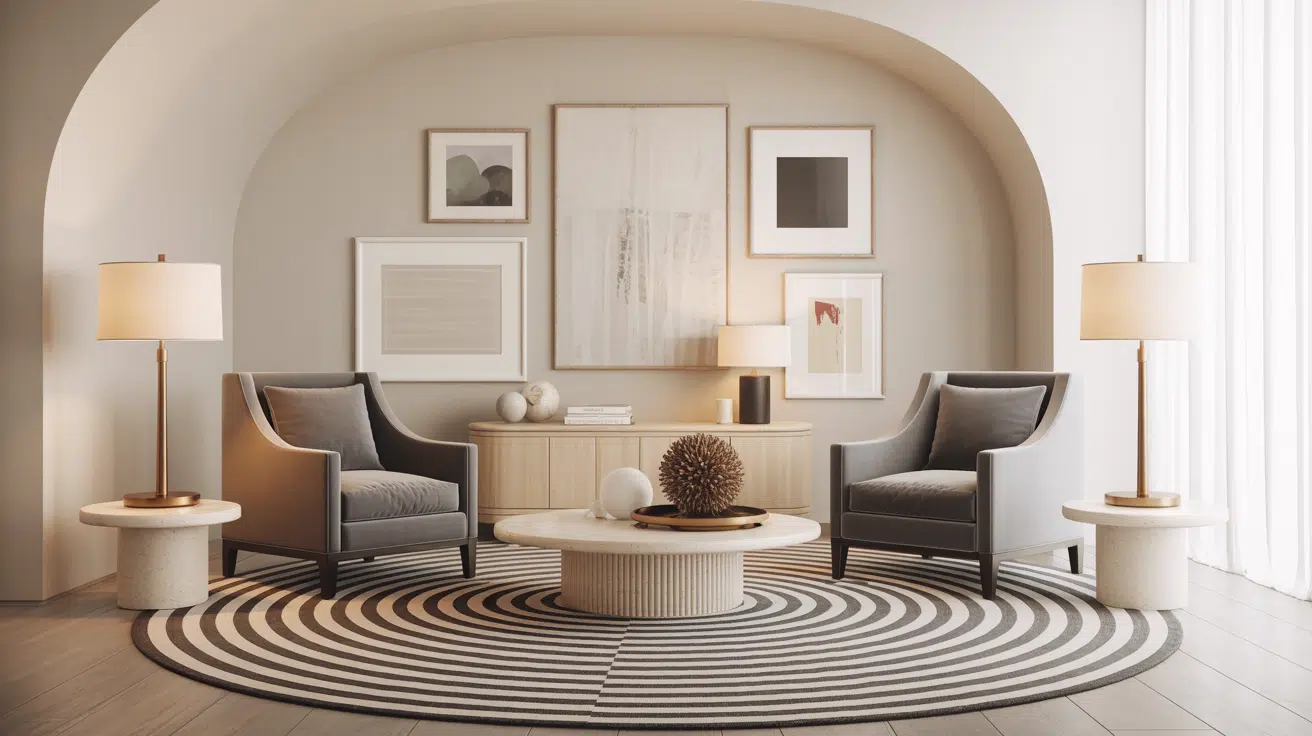
Rhythm principle of design works in conjunction with other core design principles, such as balance, contrast, emphasis, and unity, to create successful interiors.
How Rhythm Fits with Other Principles
These principles support each other. Balance distributes visual weight evenly, while rhythm creates movement between balanced elements.
Contrast adds interest, but rhythm makes those differences feel intentional. When emphasis creates focal points, rhythm naturally guides your eye to them.
Why Rhythm Creates Harmony
Without rhythm, rooms become random collections of objects. Your eye bounces around without direction, creating stress.
Rhythm solves this by creating predictable patterns that our brains find comfortable and calming.
Principle vs. Technique
As a principle, rhythm is the big idea of creating visual movement. As a technique, it refers to the specific methods you use, such as repeating colors or arranging furniture in patterns.
The principle guides your thinking. The techniques make it happen.
Benefits of Rhythm in Interior Design
Adding rhythm to your interior design alters the way a space looks and feels. It brings order to chaos and makes rooms feel professionally designed, even on a budget.
1. Creates Visual Balance: Rhythm distributes elements evenly across a room, preventing any area from feeling too heavy or empty compared to others.
2. Connects Different Areas: It links separate zones in open floor plans, making large spaces feel unified rather than disconnected.
3. Makes Spaces Feel Complete: Rooms with good rhythm feel finished and intentional, like every piece belongs exactly where it is.
4. Improves Traffic Flow: Rhythm guides people naturally through a space, making movement feel effortless and logical.
5. Reduces Visual Clutter: Even busy rooms feel organized when rhythm creates predictable patterns that the eye can follow easily.
Challenges of Integrating Rhythm in Interior Design
While rhythm improves any space, many homeowners struggle to implement it correctly. Common mistakes can make rooms feel forced or unnatural instead of flowing smoothly.
- Over-repetition problems: Using the same elements excessively creates spaces that are boring, monotonous, and lack visual interest and personality.
- Mixing Different Rhythm Types: Combining multiple rhythm styles in one room often creates confusion rather than harmony, overwhelming the eye.
- Budget Constraints: Creating a consistent rhythm requires coordinated purchases, which can be expensive when done all at once.
- Working with Existing Items: Incorporating rhythm while keeping favorite furniture pieces often leads to awkward compromises and forced arrangements.
- Scale and Proportion Issues: Achieving the right size relationships between repeated elements can be tricky, especially in smaller or oddly shaped rooms.
Practical Ways to Use Rhythm in Your Space
Here are simple methods to add rhythm to any room without major renovations.
1. Using Color Repetition for Cohesion
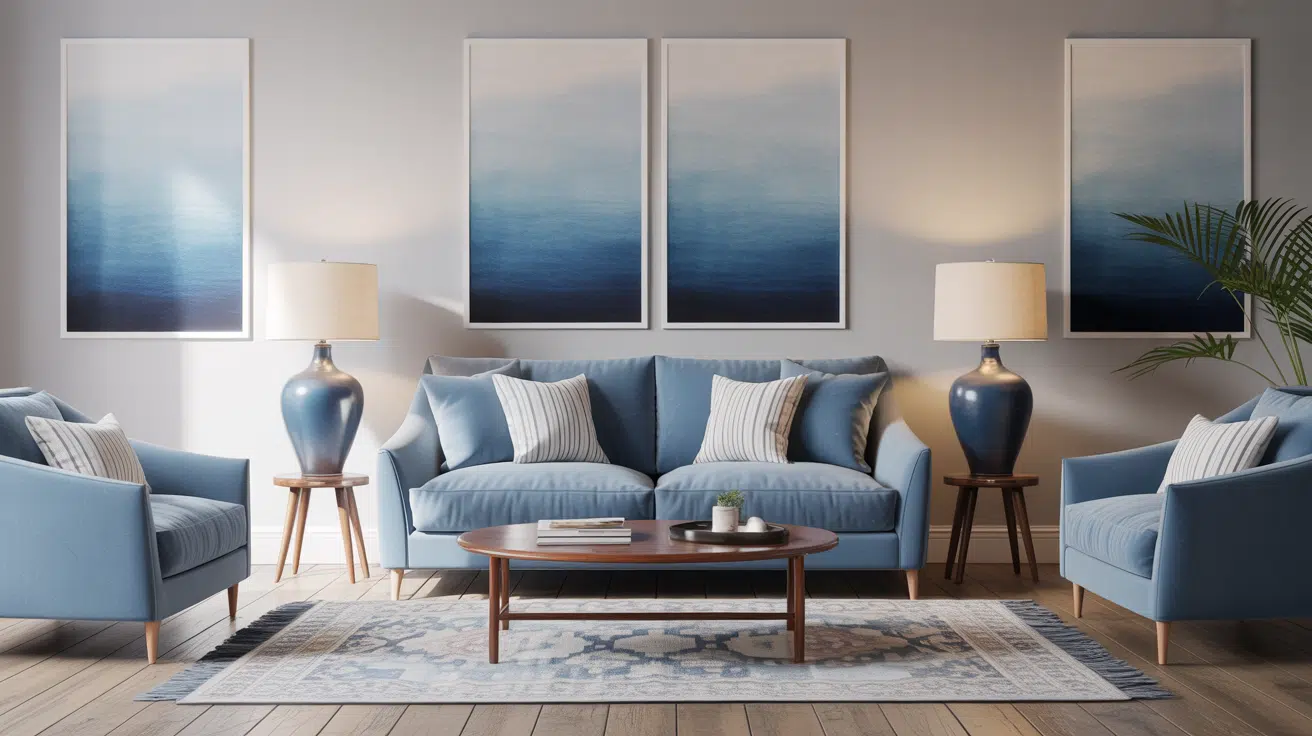
Pick three colors and repeat them throughout your space. Use your main color in large pieces, such as sofas.
Add your second color to medium-sized items, such as pillows and artwork. Sprinkle your accent color in small touches, such as candles and books.
This creates a visual path that connects everything naturally.
2. Furniture Placement for Flow
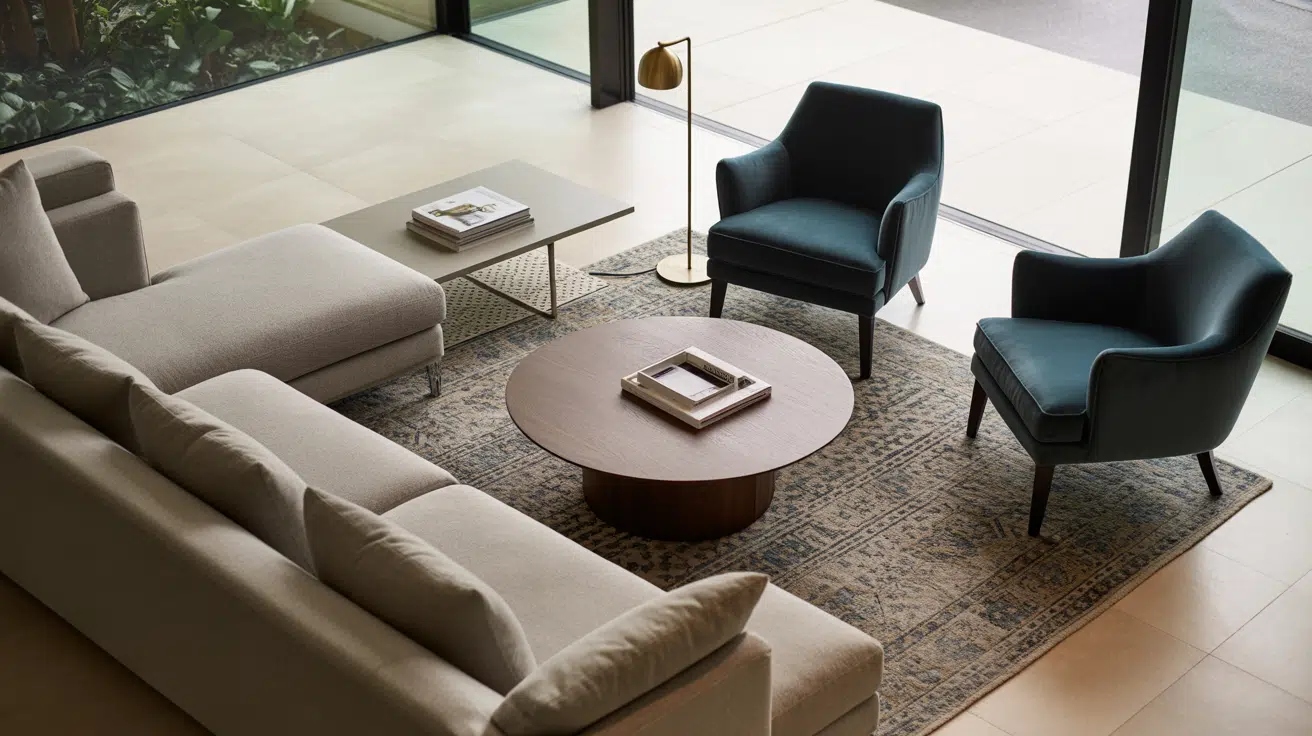
Arrange furniture to create clear pathways through your room. Place seating pieces so they face each other or angle toward a focal point.
Leave enough walking space between pieces, about 18 inches works well.
Avoid pushing all furniture against the walls. Float some pieces to create better movement patterns.
3. Lighting and Patterns
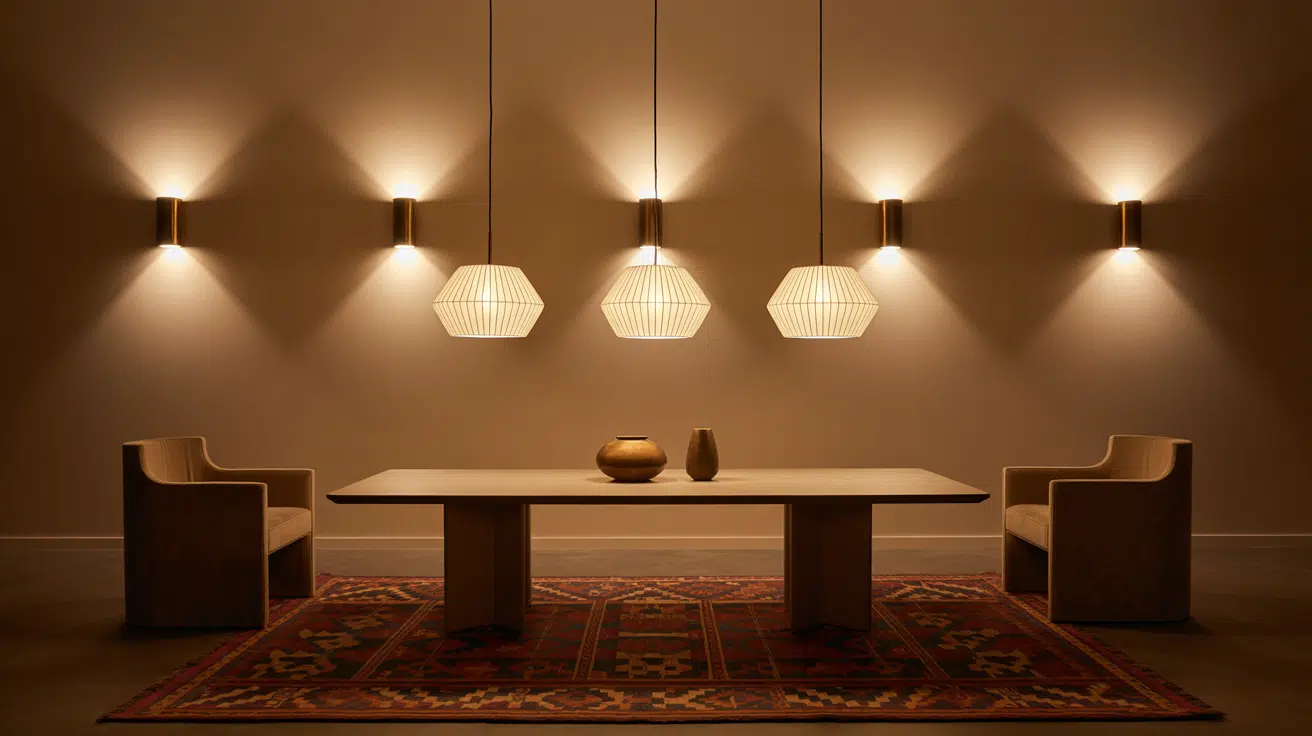
Use multiple light sources at different heights. Combine floor lamps, table lamps, and overhead lighting to create a well-lit space.
This creates visual layers that guide the eye naturally from top to bottom.
Repeat geometric patterns in small doses, such as striped pillows paired with a geometric rug.
4. Flooring and Wall Design
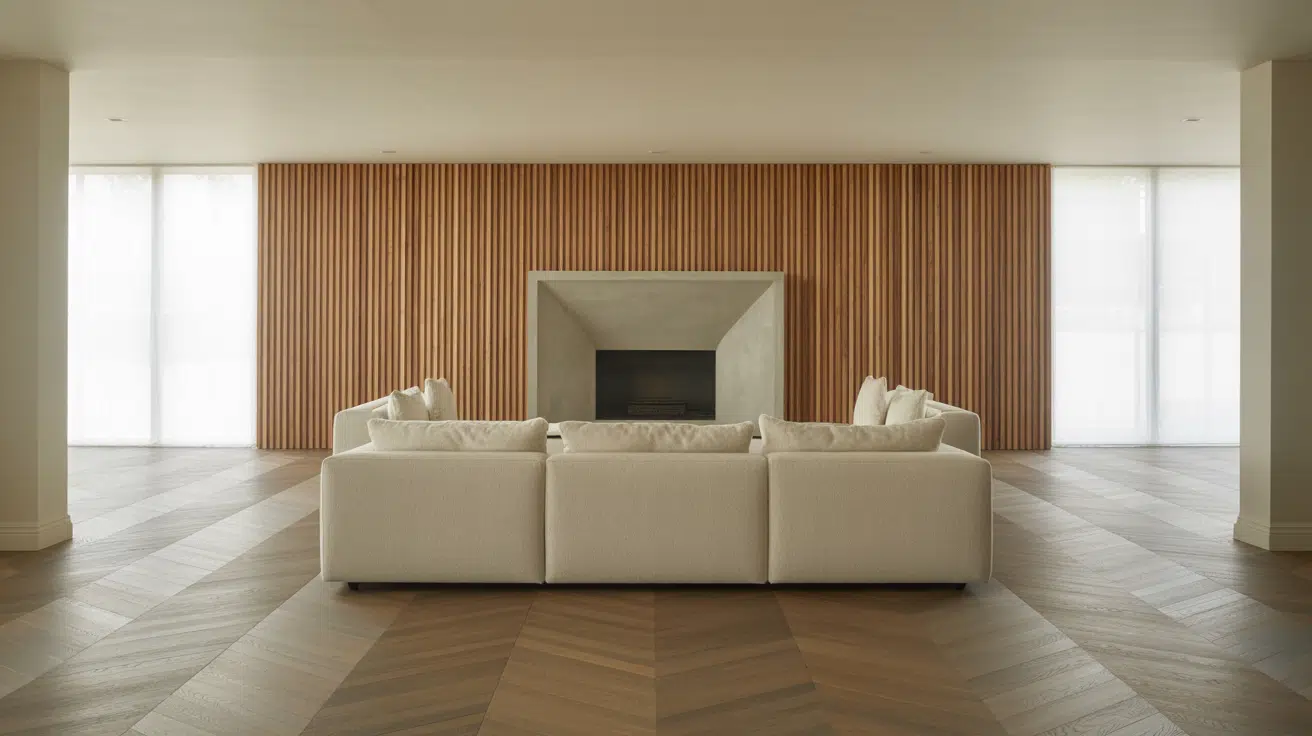
Large area rugs help define spaces and create visual anchors. Choose rugs that complement your color scheme. On walls, hang artwork in groups of odd numbers. Three or five pieces work better than four or six.
Keep wall decorations at eye level, approximately 57-60 inches from the floor.
Conclusion
Add one curved element to soften sharp angles. Arrange your furniture to create clear walking paths.
The key is patience. Build rhythm gradually rather than trying to fix everything at once. Focus on one room at a time, then apply what you’ve learned to other spaces.
Good rhythm feels natural, not forced.
When you get it right, your rooms will feel complete and professionally designed.