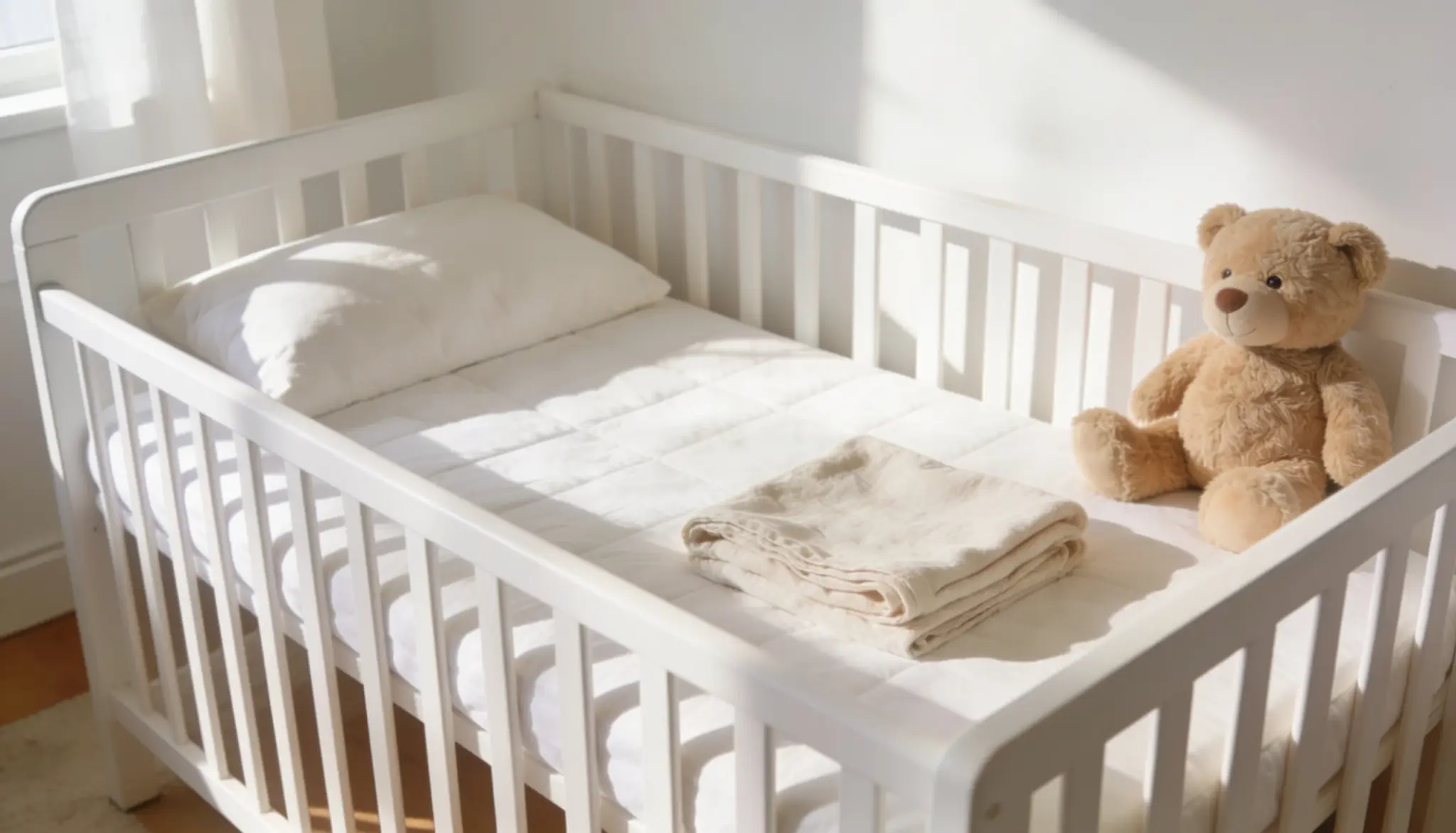
Bigger isn’t always better when it comes to crib mattresses.
Most parents don’t think twice about it until they’re standing in the nursery, mattress in hand, wondering if it actually fits.
It may look close enough, but even a small gap between the mattress and crib rail can create a a strangulation risk — the exact hazard the federal mattress-fit rule exists to prevent.
That’s why crib mattress size isn’t just a detail to skip past. This post covers the standard dimensions, how to measure your crib correctly, and how to confirm the fit is actually safe.
Standard Crib Mattress Size
There’s no guessing involved here. The CPSC’s crib mattress standard (16 CFR 1241) sets the exact numbers, and that’s actually good news once you know them.
Standard Dimensions in Inches and Centimeters
A standard crib mattress runs at least 27 1/4 inches wide and 51 5/8 inches long.
In metric, that’s roughly 69 by 131 cm. Height matters too: keep it under 6 inches, since anything taller gives a climbing toddler a boost out of the crib.
Cribs themselves run 28 inches wide by 52 3/8 inches long on the inside, give or take 5/8 inch. That small difference is intentional.
It keeps the gap between the mattress and the rail under 1 inch. Always check the actual product size, not the box it ships in.
Standard vs. Mini: Not Interchangeable
Mini crib mattresses are made for smaller, portable cribs only. Drop one into a full-size crib, and you’ll end up with gaps that aren’t safe.
Measure your crib’s interior first, then match it to the right size.
How to Measure a Crib Mattress?
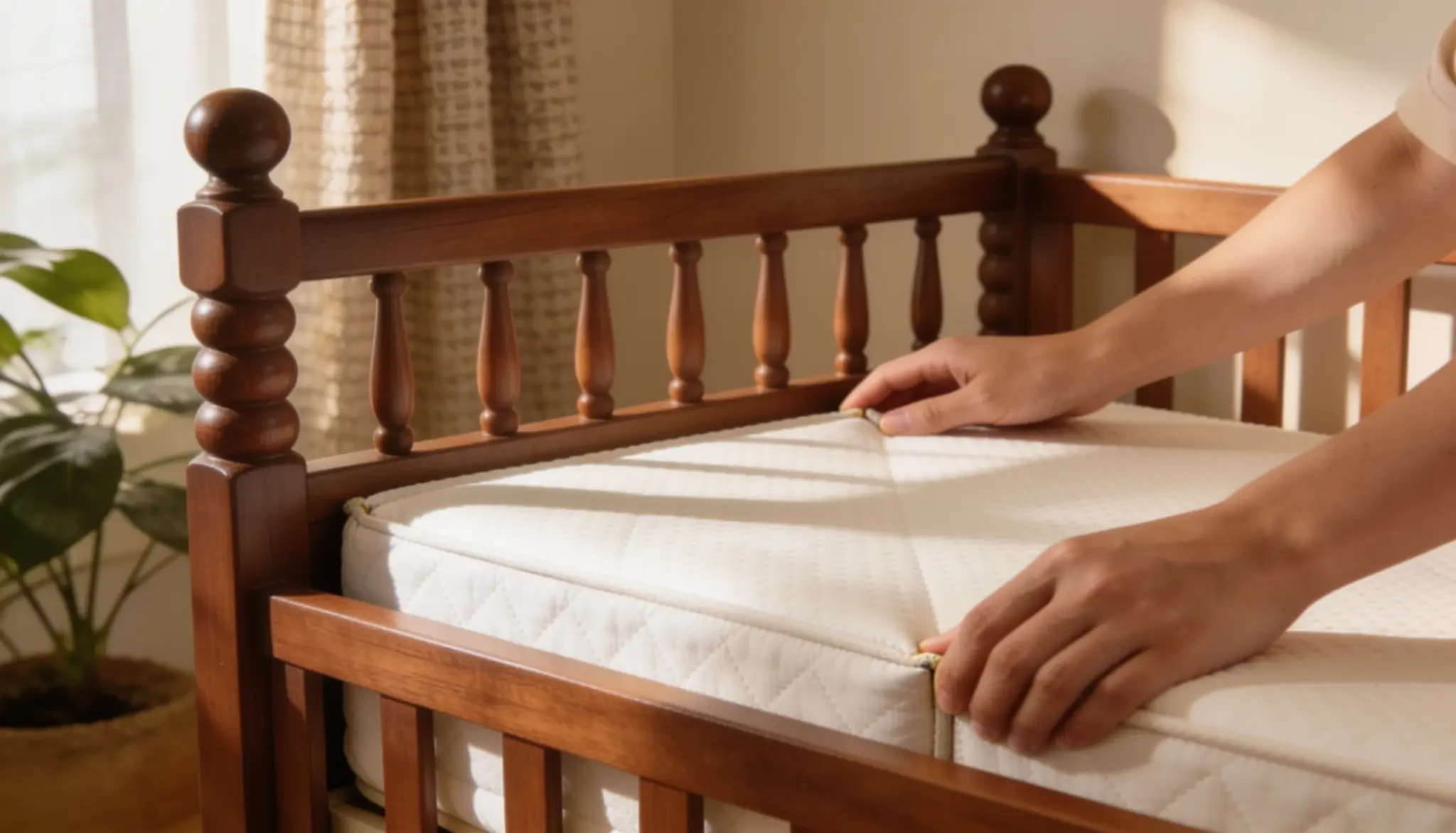
Use a measuring tape before you buy anything.
It only takes a few minutes and prevents you from having to return a mattress that doesn’t fit once you’ve already opened the box.
Measure the Length, Width, and Thickness
Lay the mattress down flat. Measure the long side, then the short side: inches, not centimeters. Thickness is the one people skip.
Don’t just look at it and guess. Put the tape from the top seam down to the bottom. If it’s more than 6 inches, that’s too tall.
It’ll matter later once your baby’s pushing up on their hands and knees near the rail.
Measure the Inside of The Crib
Measure the crib’s interior only, not the outer frame. Rail to rail, both ways.
If the numbers differ significantly from the standard, don’t try to squeeze a mattress in anyway.
Something’s probably wrong with the crib, so call the maker and ask.
How to Get a Safe Crib Mattress Fit
Measuring is step one. Seeing how the mattress actually sits in the crib is what tells you if it’s safe.
Checking the Fit and Finding Red Flags
A few quick checks tell you everything you need to know.
- Two-finger test: push the mattress to one side. If two fingers slide into the gap on the other side, it’s too small.
- Right length and width aren’t enough on their own; thickness matters as much.
- Over 6 inches thick makes climbing out easier and falls harder once babies start pulling up.
- Shifting, visible gaps, or a mattress that won’t lie flush means the size is wrong, even if it looked fine in the store.
- Sagging corners or bunching are red flags too.
Why Does This Matter More Than It Seems?
A mattress can look fine and still not be safe. Those are two different things, and it’s easy to mix them up.
The two-finger test and thickness check together take under a minute. That’s all it takes to catch problems you can’t spot just by eyeballing the crib.
If you notice any of the signs above, don’t write it off as normal wear. It’s worth a second look.
Mattresses also compress with use. A fit that passed the two-finger test six months ago is worth checking again — foam settles, and the gap it left won’t announce itself.
Different Crib Mattress Sizes and Compatibility
Not every crib mattress is built the same way, and mixing up the categories is where most fit problems start.
Getting the category right matters just as much as getting the measurements right.
Crib mattresses fall into a few set categories, and each one is designed for a different type of crib. Each one serves a different setup.
| Type | Typical Size | Fits |
|---|---|---|
| Standard | 27¼” x 51⅝” (min) | Any full-size crib |
| Mini | ~24″ x 38″ | Space-saving/portable cribs only |
| Portable | Varies by brand | Travel cribs, play yards |
| Toddler | Matches standard | Converted cribs |
Standard Crib Mattress
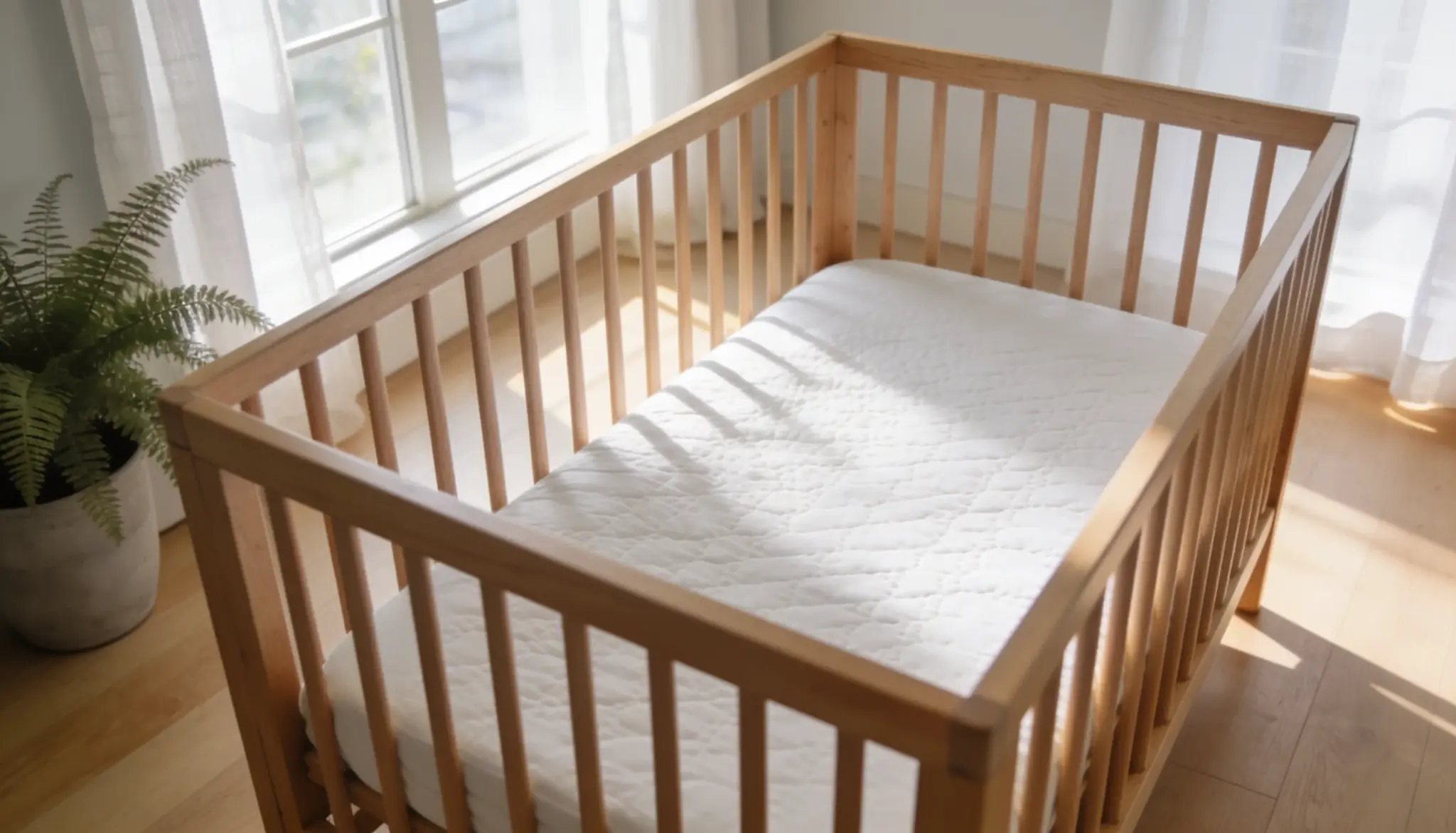
This is the size most parents end up buying. It measures at least 27 1/4 inches wide by 51 5/8 inches long and is built to fit any full-size crib sold in the US.
Mini Crib Mattress
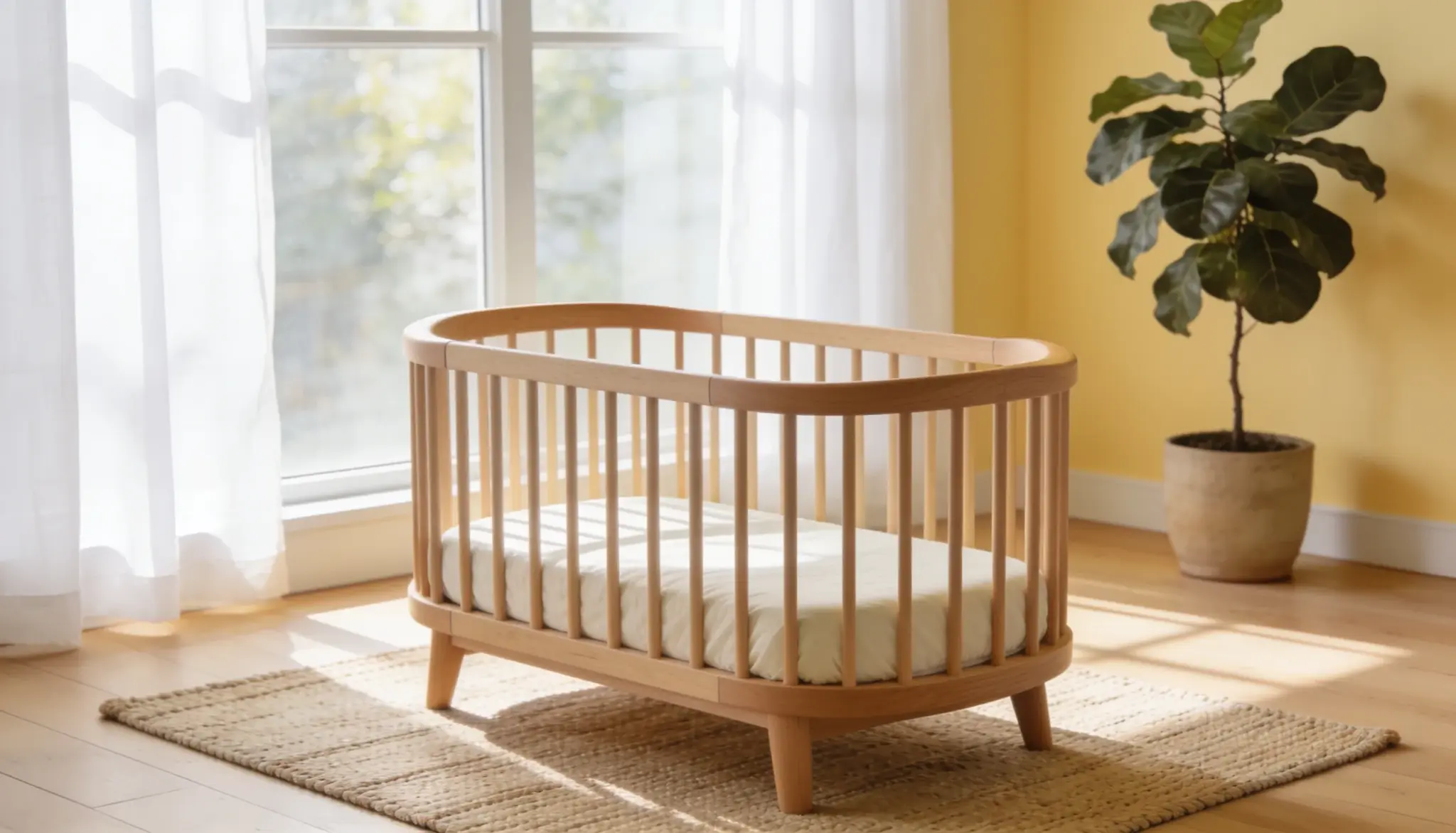
Made for smaller, space-saving cribs, usually measuring around 24 by 38 inches. It’s not a smaller version of the standard; it’s a completely different category, and the two aren’t interchangeable.
Portable Crib Mattress
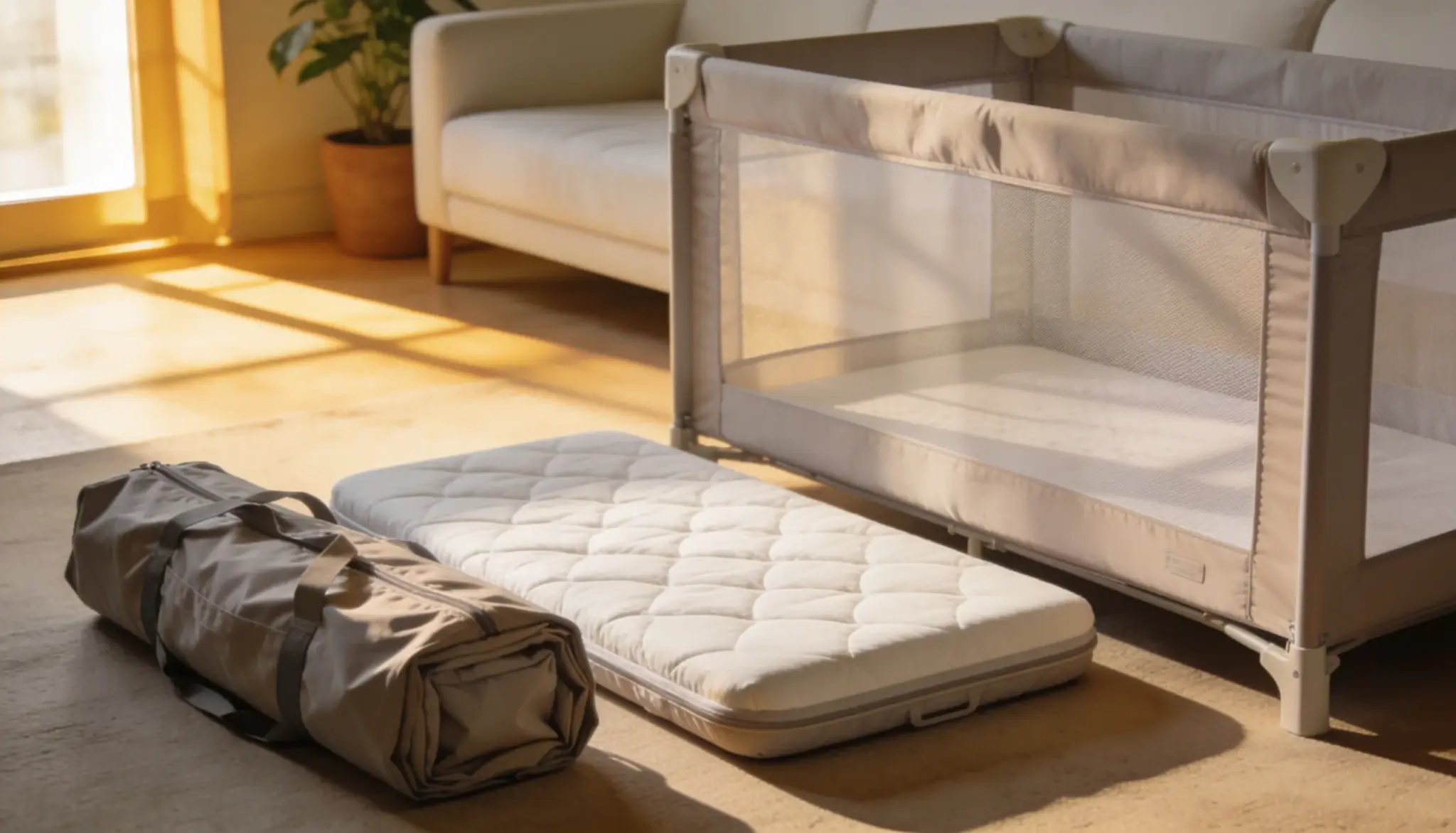
Sized for travel cribs and play yards, these can vary more from brand to brand than standard or mini sizes. Always check the manufacturer’s exact measurements rather than assuming one portable mattress fits another.
Toddler Mattress
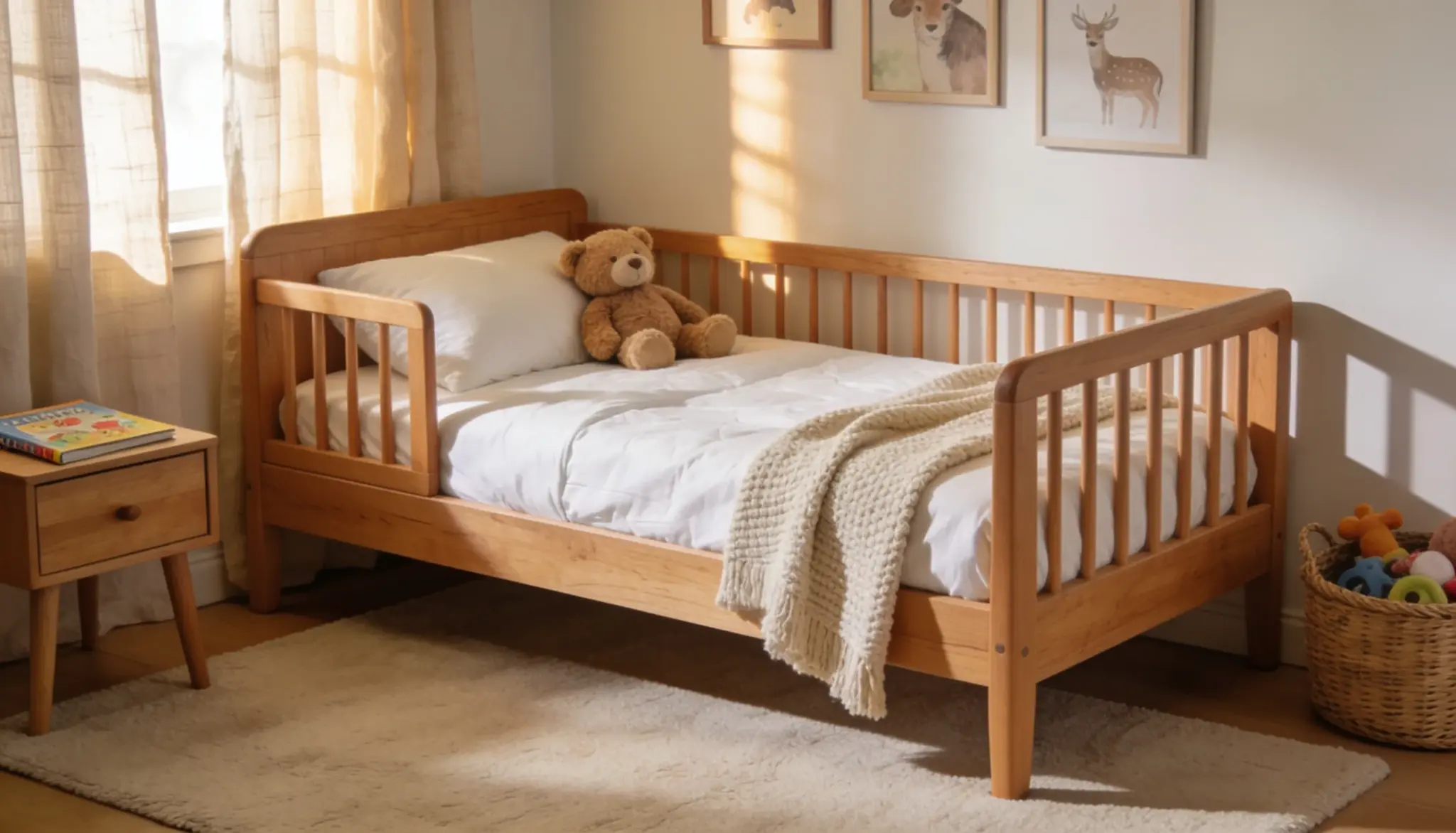
Toddler mattresses typically match the standard size exactly. If your crib converts, you usually don’t need to buy a new mattress at all.
Standard crib mattresses follow regulated sizes, but slight variations can occur. Always measure your crib before buying a replacement mattress.
Signs It’s Time to Switch to a Toddler Bed
The mattress usually stays the same size. It’s the crib itself that stops working at some point.
- Your toddler can climb over the rail, even just once
- They’ve hit the height or weight limit the crib manufacturer lists
- They’re trying to get in and out on their own
- A new sibling is coming, and the crib needs to be freed up early
Most toddlers make this move somewhere between 18 months and 3 years old, but climbing out is the real signal to watch for, no matter the age.
Since toddler mattresses usually match standard crib mattress size, you probably won’t need a new one when you switch.
Conclusion
Crib mattress size comes down to a few basics: know the standard dimensions, measure your crib correctly, and check the fit once the mattress is in.
If you started out wondering whether “close enough” was good enough, now you know it isn’t.
Grab your tape measure and confirm your crib’s interior dimensions before you buy. It’s a small step that keeps your baby’s sleep space safe.
Frequently Asked Questions
1. Can a Newborn and Toddler Use the Same Crib Mattress?
Yes, most crib mattresses are designed to work for both stages, as long as the mattress stays firm and in good condition.
2. How Long Does a Crib Mattress Usually Last?
A quality crib mattress typically lasts through the crib and toddler bed stage, often 3 to 5 years, depending on wear and material.
3. Do Crib Mattress Dimensions Vary Between Brands?
Slightly, even among standard sizes. Measuring your own crib is the safest way to confirm a snug fit.
4. Do Crib Mattresses Need a Box Spring or Foundation?
No, crib mattresses sit directly on the crib’s slatted base and don’t require a box spring or foundation.