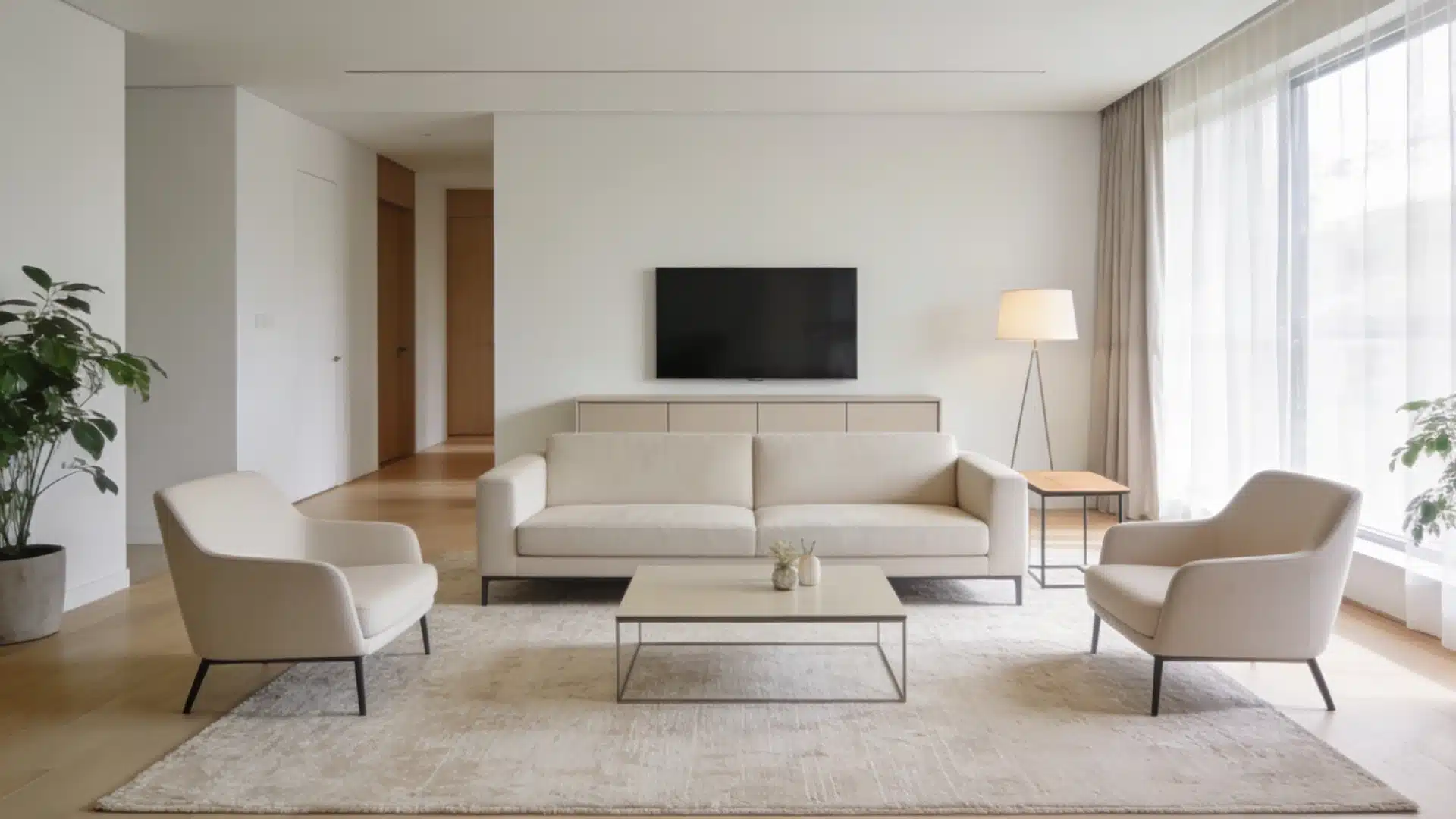
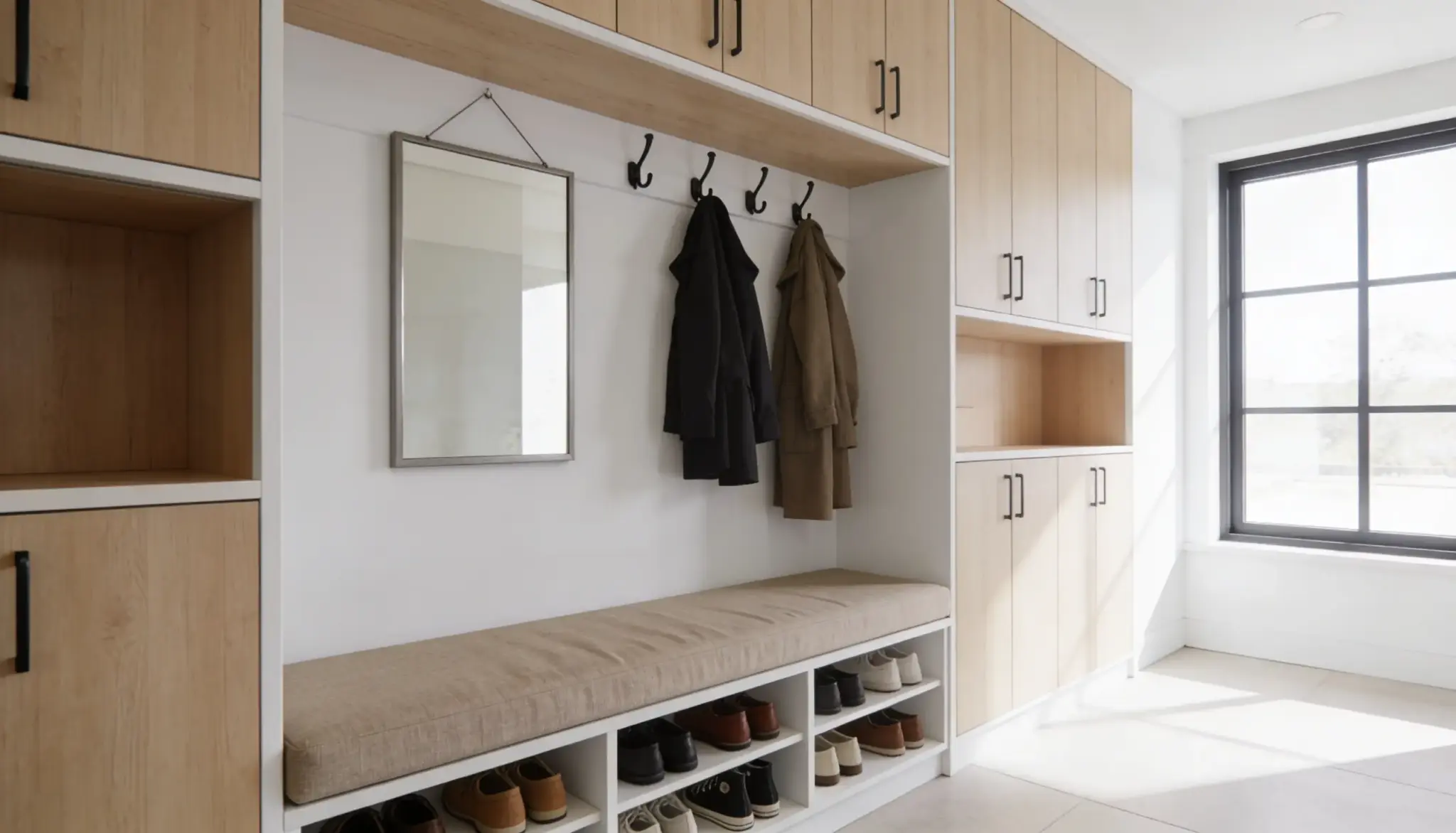
It’s always a concern when you find shoes by the door, wet jackets on the floor, and a backpack dropped as you enter.
We often deal with this kind of clutter every single day.
It’s a sign you need a mudroom – a small space near your entry that acts as a buffer zone between the outside world and your living areas.
For busy families with kids, dogs, or wet winters, this space is very useful.
It also handles seasonal items like boots, umbrellas, and sports gear, and a mudroom floor plan can turn that chaotic entryway into a neat, functional space.
Let’s get into it.
Mudroom Floor Plan Basics You Should Know
A good plan does three things well: it controls traffic, stores what you need, and stays easy to maintain. But just a mudroom won’t solve the issue.
These are the things that make the space functional.
- Entry flow: Leave enough room for two people to move without bumping into each other.
- Storage zones: Hooks, cubbies, and shelves for shoes, coats, and bags. Each item needs a dedicated home.
- Seating: A bench lets you sit while putting on or taking off your shoes. Under-bench storage adds extra space.
- Easy-clean surfaces: Mud and wet boots are daily realities.
Mudroom Floor Plan Ideas that Work for Every Home
Not every home is built the same, and not every family runs on the same schedule. Yes, it’s personal.
But there are plenty of layout plans that you need to know before you make the choice. It depends on your home sizes, lifestyles, and budgets.
1. The Compact Corner Mudroom
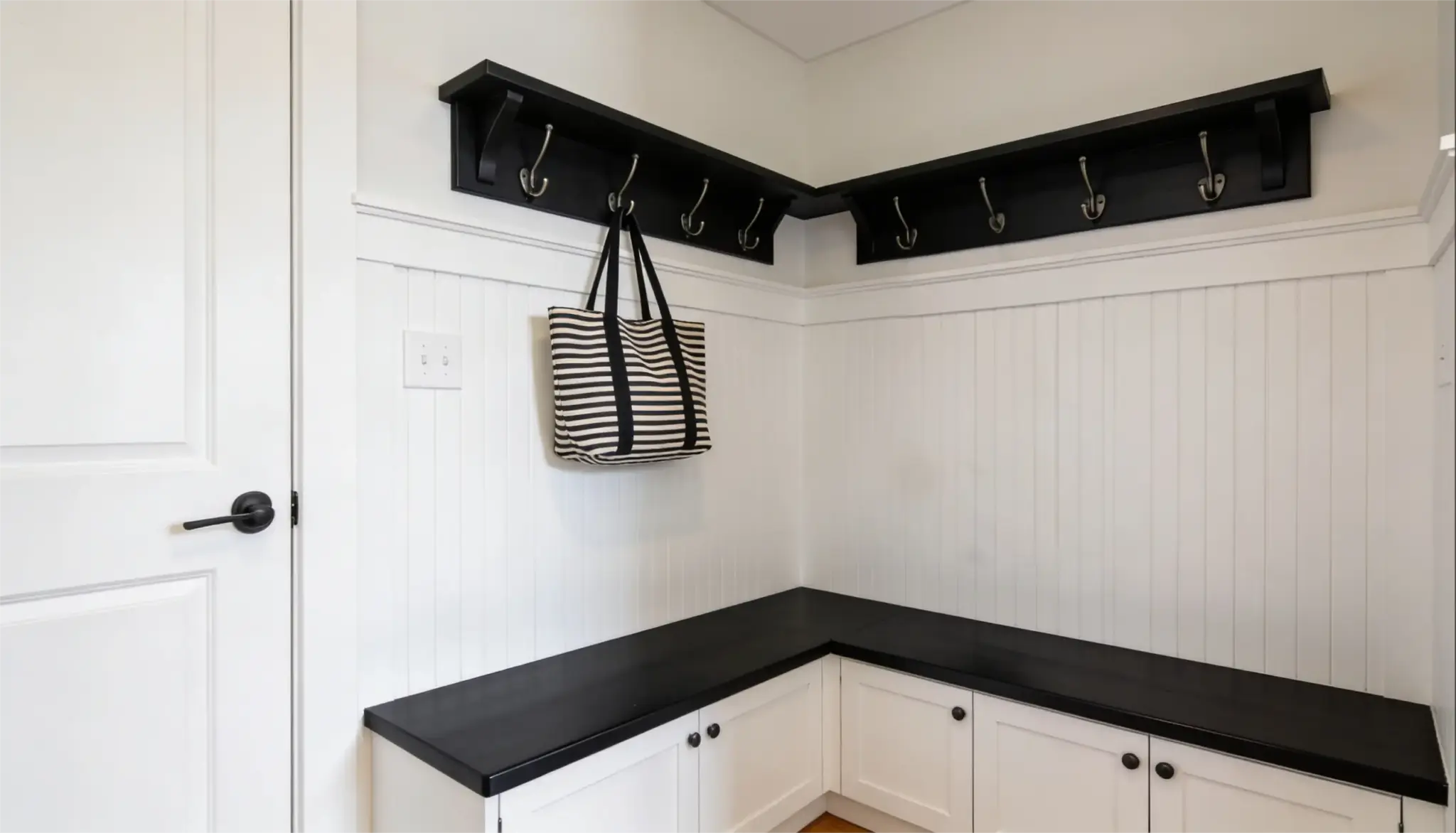
If you have a small home or apartment, a corner mudroom is the best option.
The idea is simple: instead of spreading storage across a wide wall, you stack it vertically in a corner near the entry.
Tall shelving, hooks at different heights, and a slim bench can handle your daily gear without taking up too much floor space.
It won’t look like a traditional mudroom, but it will work just fine.
Good lighting is important here since it’ll open up the small space, and small spaces need it more.
2. Garage Entry Mudroom Layout
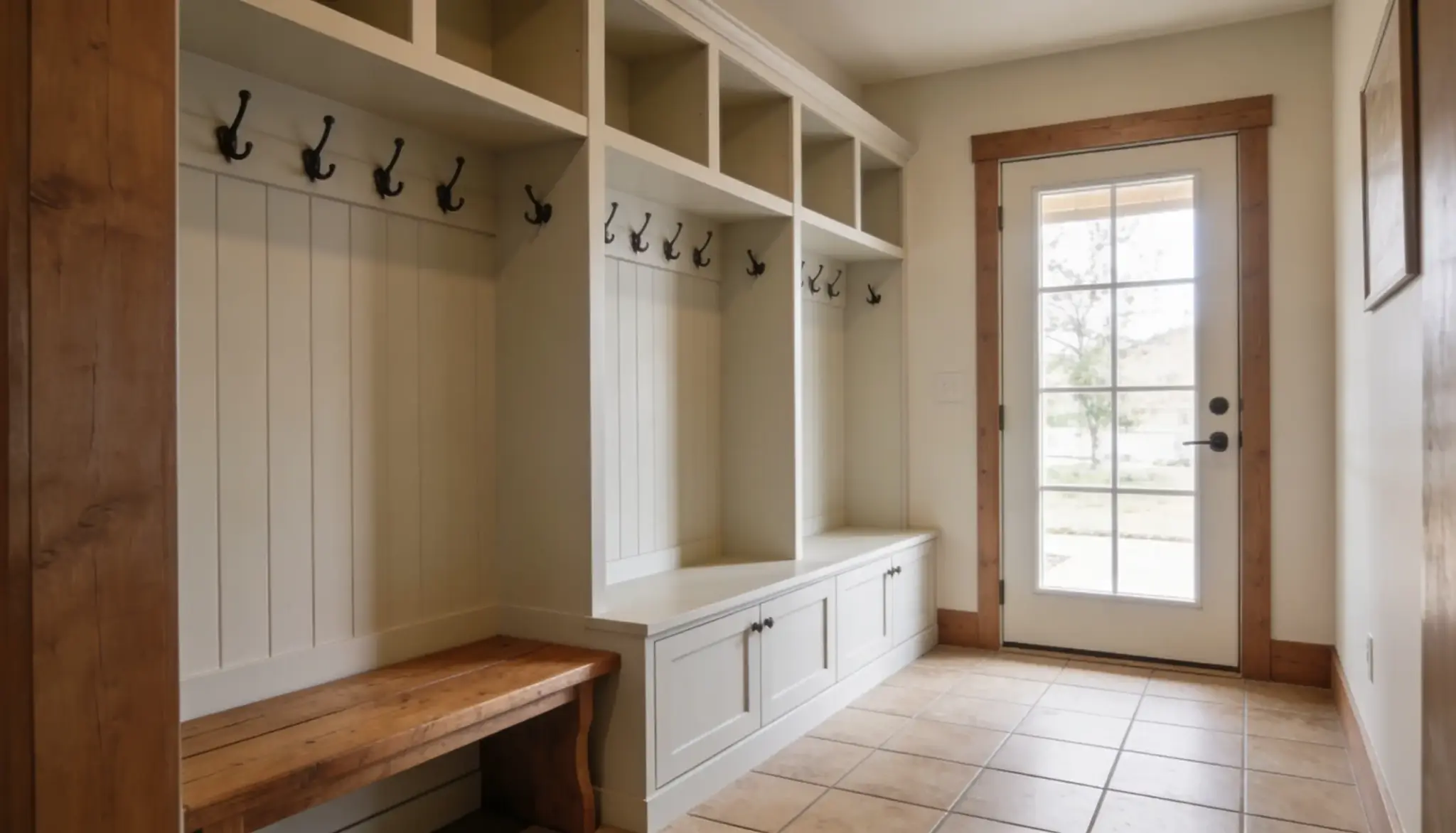
The garage entry is usually the busiest door in the house.
People come in with groceries, muddy shoes, sports bags, and everything in between.
This layout puts storage at the entry, so coats, shoes, and bags come off before anyone gets further inside the house.
Durable flooring and wall materials make cleaning up quick and easy.
3. Mudroom with Built-In Lockers
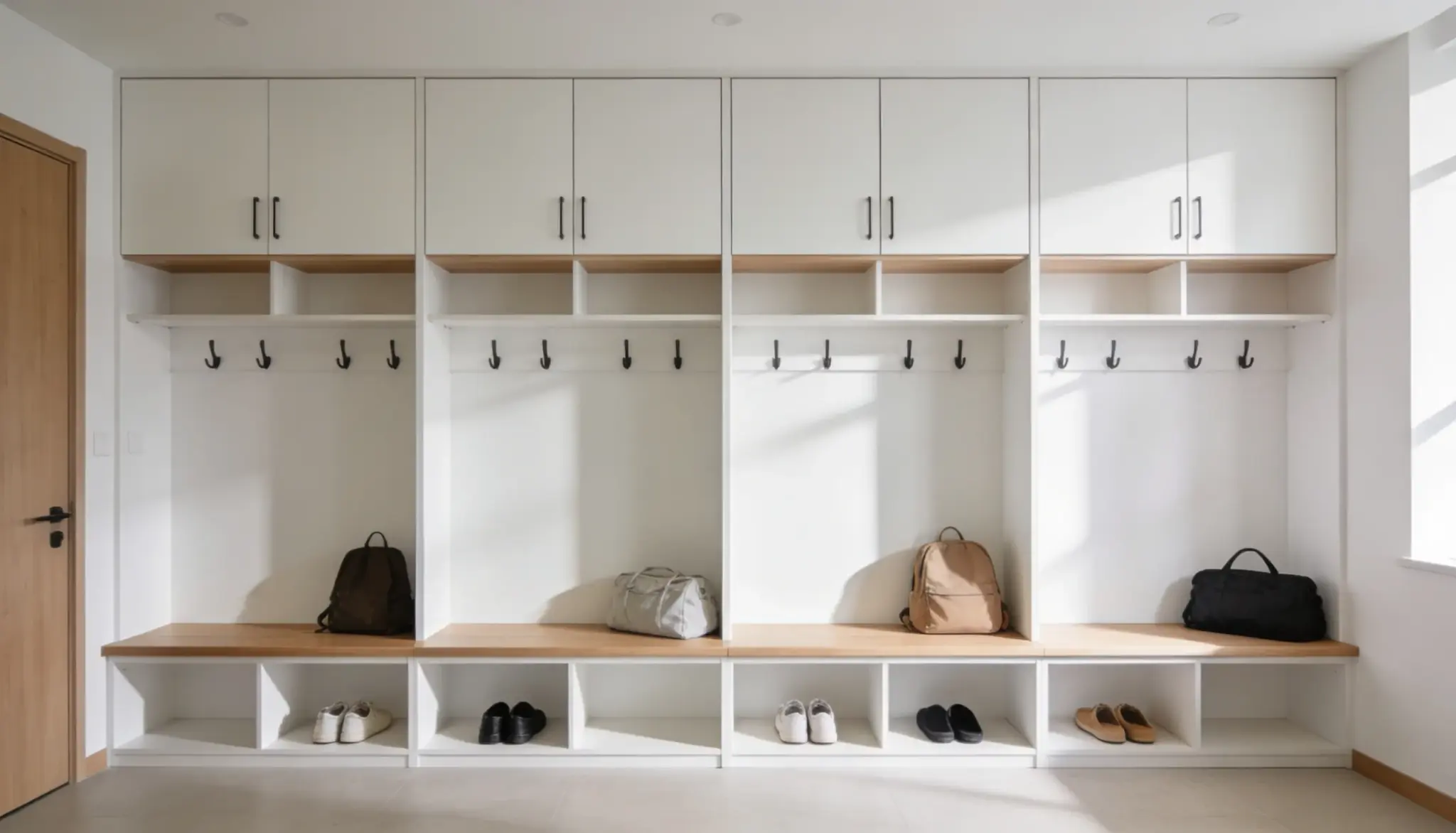
With a busy schedule, we often get to see coats slowly taking over the entire hook rack.
And it’s common.
But each person, with their own space, room for a coat, a bag, and shoes, keeps it all sorted and creates space for everyone without getting in the way of others.
For homes with kids, you can color-code or label each locker to avoid confusion about where things belong.
Remember, the hooks should be your child’s height, since kids use them when they can reach them.
4. Open Concept Mudroom Design
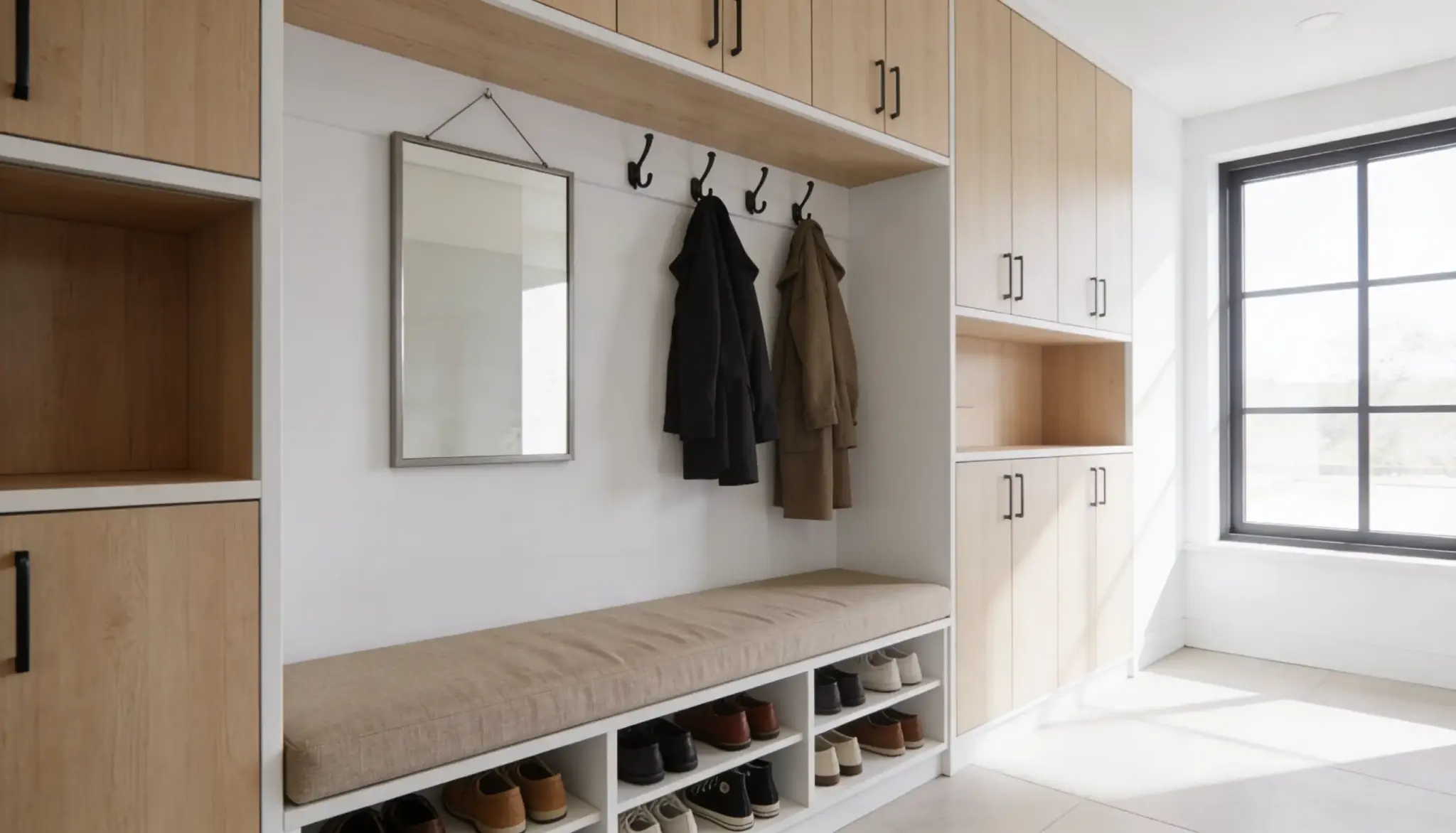
Often, some homes don’t have a spare room to dedicate to a mudroom.
An open concept layout works around that by blending the entry storage into the surrounding living space.
The motive is to keep the storage pieces looking intentional, like a furniture-style cabinet, concealed storage, and clean lines, so it doesn’t draw much attention.
You can also add a mirror near the door, since it’ll be functional and aesthetic at the same time.
5. Mudroom Laundry Combo Floor Plan
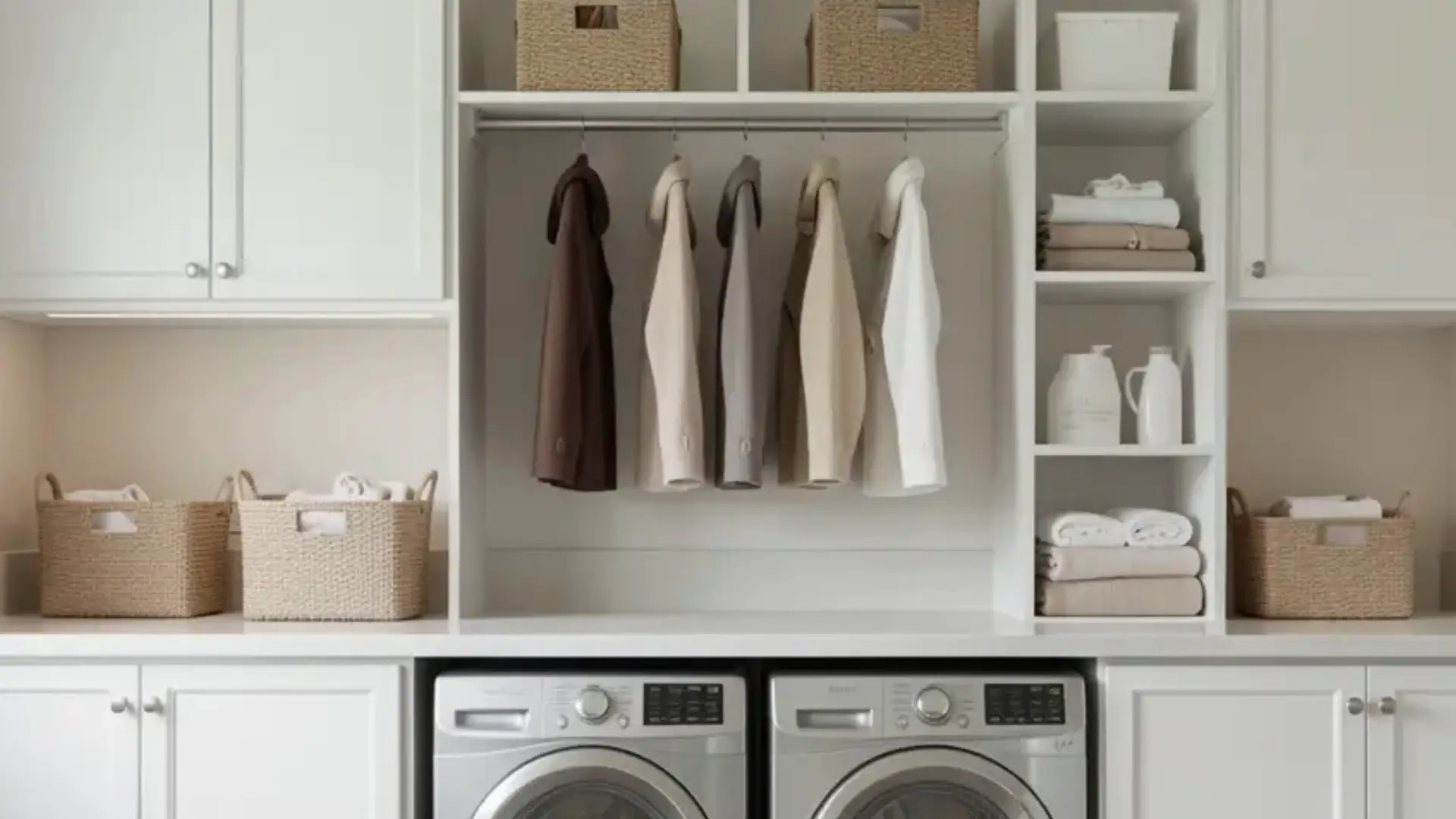
Combining a mudroom with a laundry area is one of the best ideas.
Dirty clothes and muddy gear come off at the door and go into the wash, without making a trip through the rest of the house.
It handles two daily tasks in one place, saving time and effort.
Also, the space is closed, so you can add a small exhaust fan or louvered door for proper ventilation.
6. U-Shaped Storage Mudroom
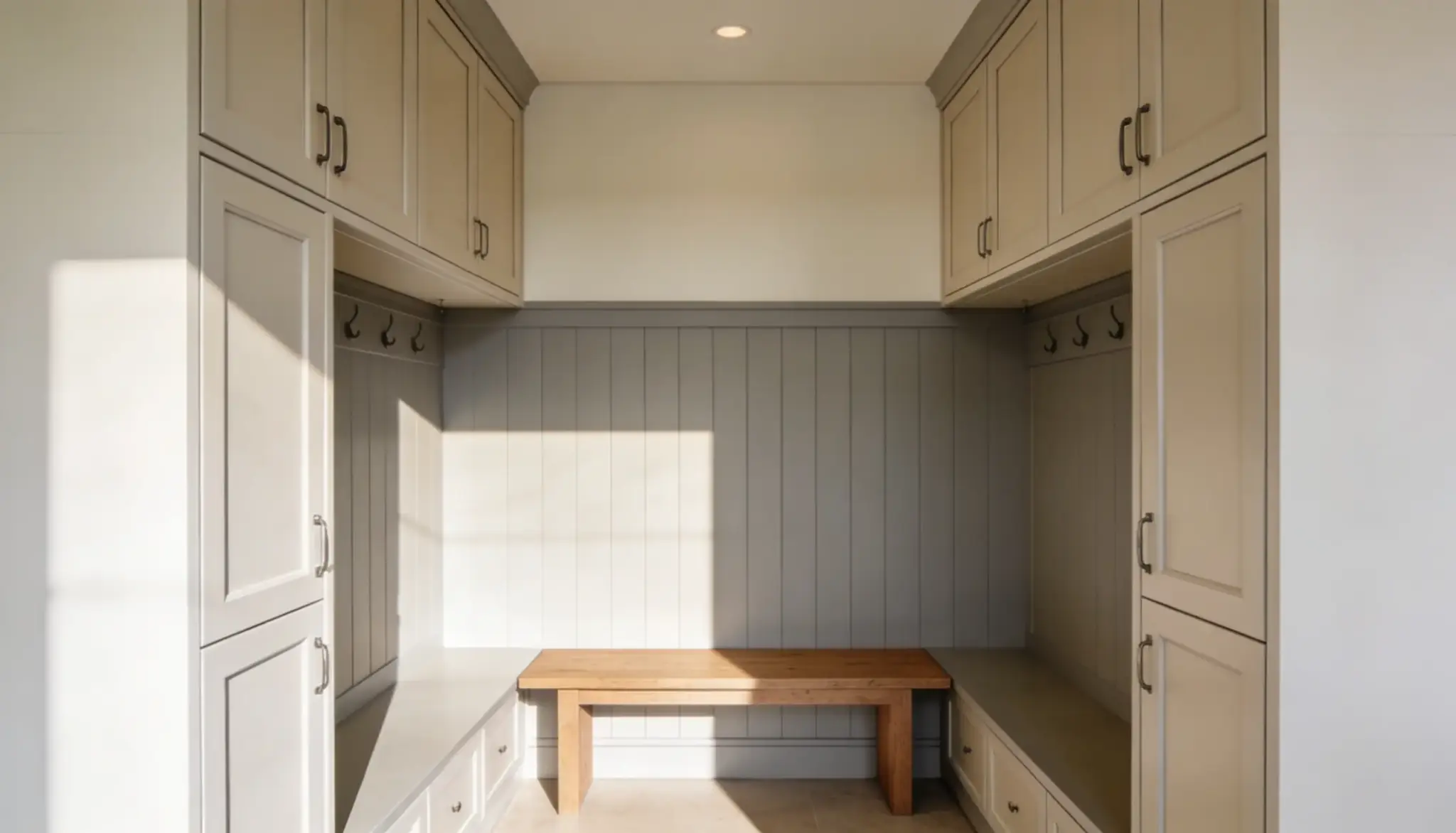
If you have the floor space, a U-shaped layout gives you more storage.
Storage spreads across three walls: one side for coats and hooks, another for your shoes, and the third for cabinets or shelving for the extras.
The center of the room stays open, which means multiple people can use the space at the same time, without clashing.
For larger households with a lot of gear, this layout works best.
7. Narrow Hallway Mudroom Layout
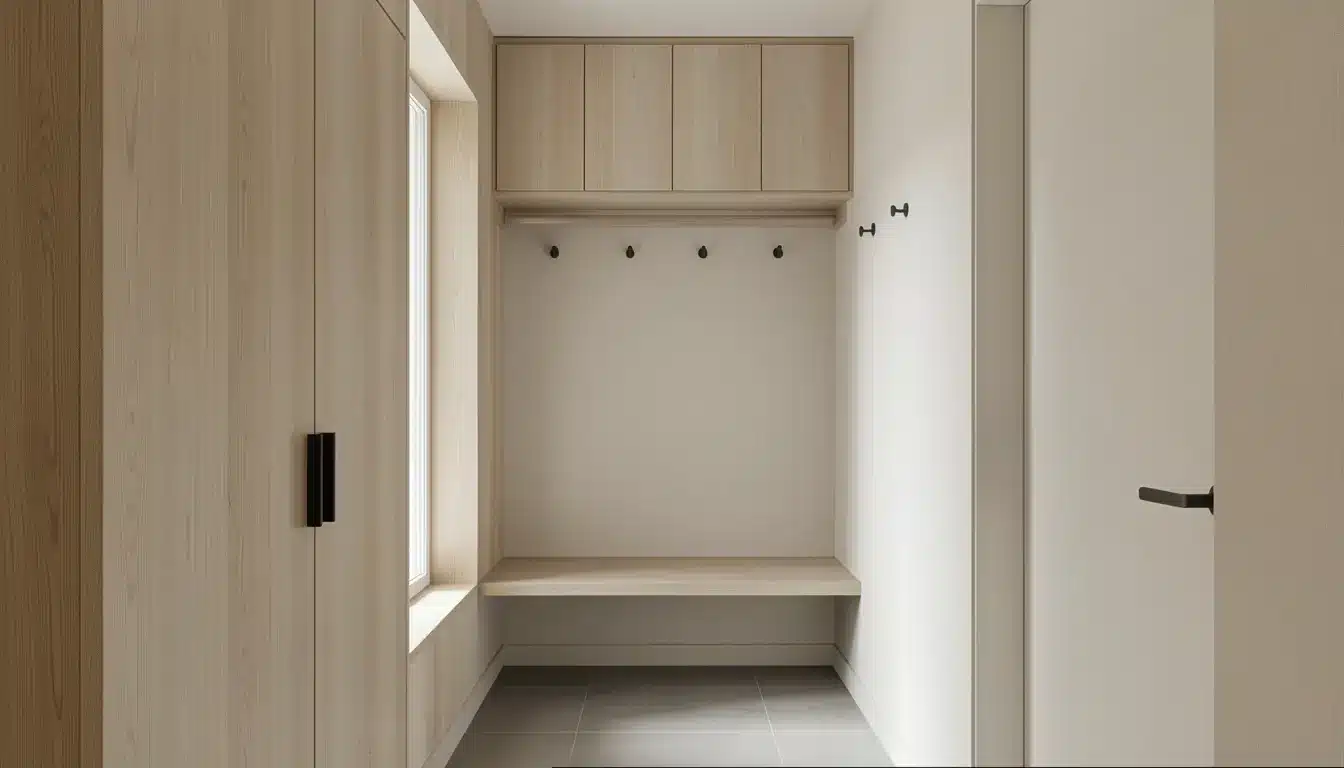
A narrow hallway feels like the last place you’d want to fit a mudroom.
What you can do is, first, avoid bulky furniture and focus on slim, wall-mounted storage instead.
Hooks, thin shelving, and a fold-down bench keep it functional without making the hallway feel even tighter.
You’re not going to get much storage, but you’ll have enough for daily drop-offs, which is what most people need anyway.
8. Walk-Through Mudroom Design
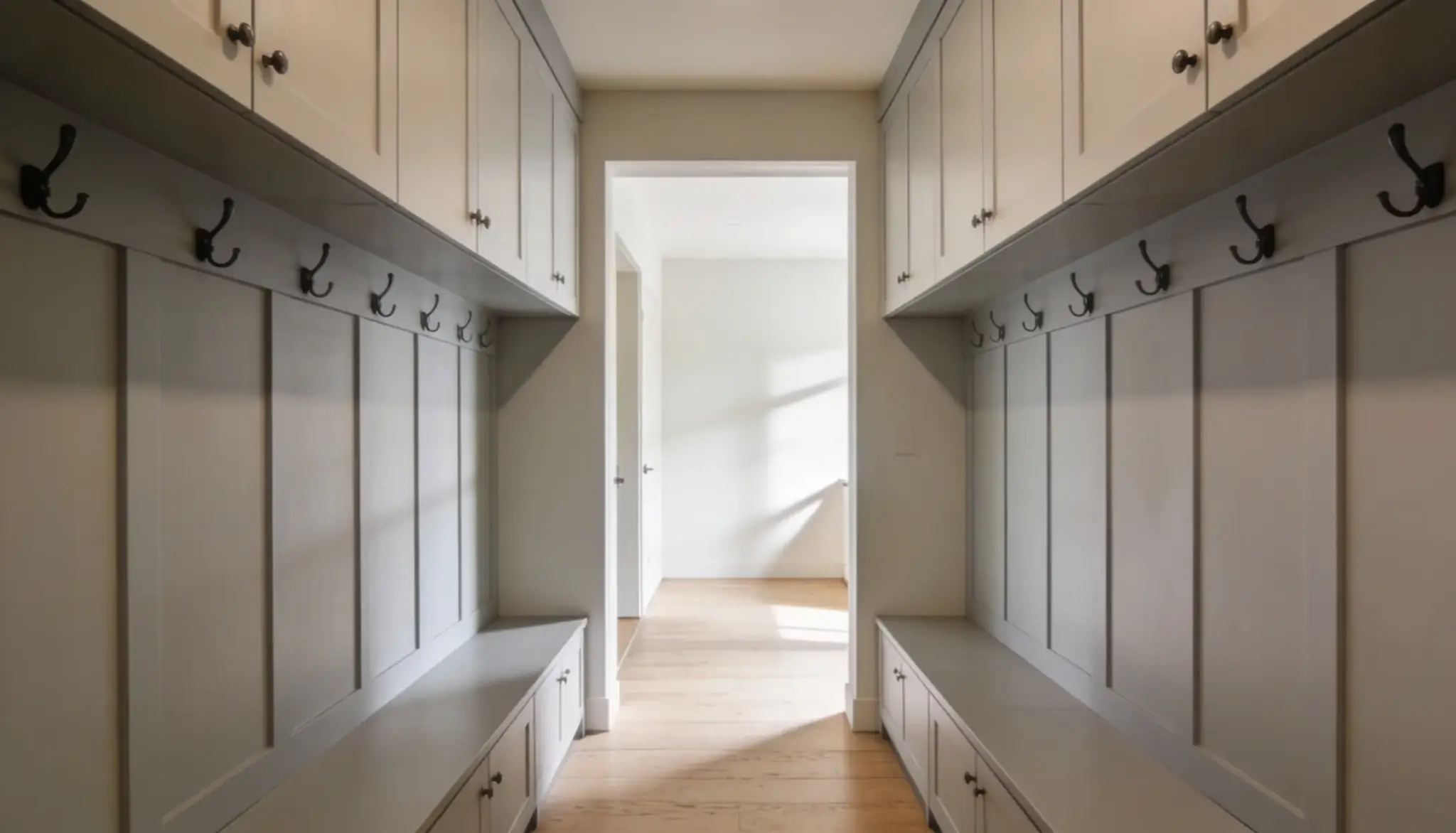
Some homes have entry points that also serve as the main route between rooms, such as a door connecting the garage to the kitchen or a back entry that runs through to the hallway.
A walk-through mudroom is the best-case scenario here.
Storage lines the sides of the space so one can move through the middle without any interruption.
Since it keeps everything tidy and doesn’t bother anyone, it’s more practical.
9. Mudroom with Bench and Cubbies
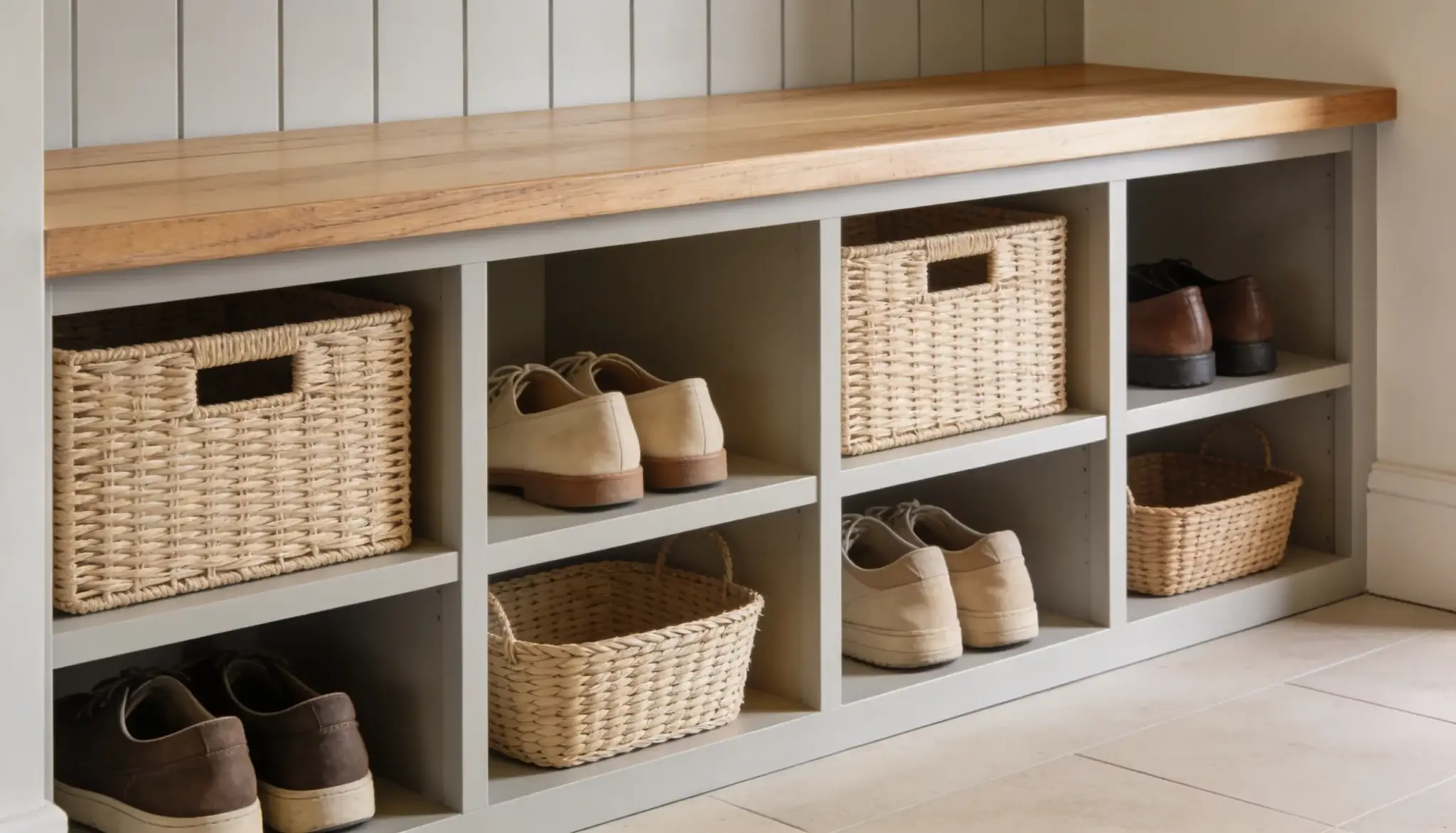
This is probably the most recognizable mudroom layout.
A built-in bench against the wall, with cubbies below, gives everyone a place to sit, take off their shoes, and tuck their things away.
It gets easier for the kids because the routine is built right into the space.
Sit down, shoes off, bag in the cubby, and done – hence making it easier to maintain or follow.
10. Pet-Friendly Mudroom Layout
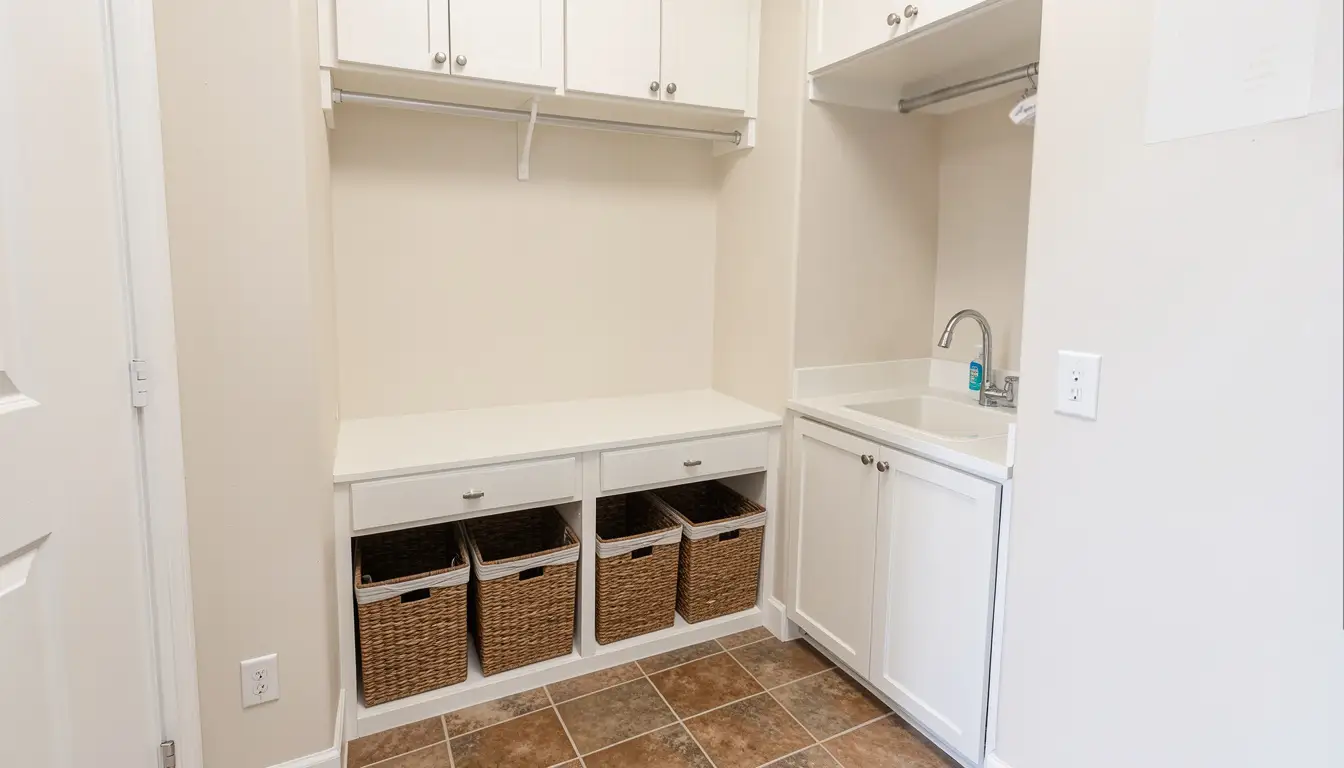
Anyone who has a dog knows what it’s like to come home after a rainy walk.
A pet-friendly mudroom floor layout includes a low washing station or a dedicated pet zone right near the entry for muddy paws.
Their paws get rinsed before they can enter the house.
Storage for leashes, towels, and pet supplies keeps everything in one place when you need it.
Focus on the flooring, see ceramic tile, vinyl plank, or sealed concrete handles dirt and moisture well, so it’s easier to clean.
11. Luxury Mudroom with Custom Storage
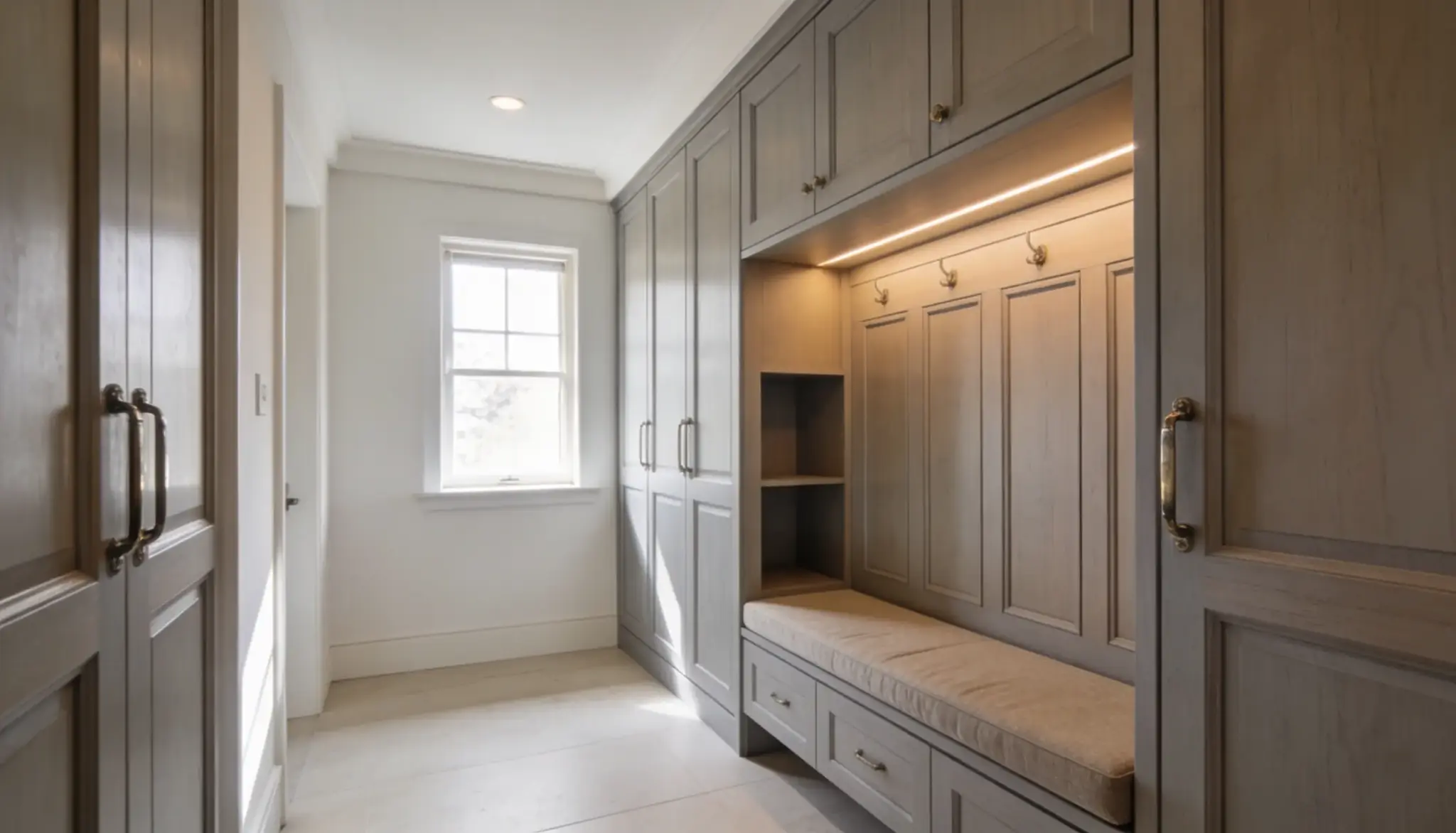
When budget and space aren’t limiting your choices, a custom mudroom can be designed.
Built-in cabinetry, quality finishes, and personalized storage systems make the space feel like a proper room rather than a utility corner.
You can also add charging stations, full-length mirrors, or pull-out shoe drawers.
You get a mudroom that handles all the everyday practicalities while still feeling like a considered part of the house.
What is a Good Size for a Mudroom?
A mudroom needs at least 6×6 feet of space, which is enough for one person to move around.
If you can stretch to 8×10 feet, you can fit a bench, cubbies, and hooks. Anything beyond that gives you room for laundry, a pet station, or built-in lockers.
The size is personal, and it also matters less depending on how well your space is planned.
Conclusion
A mudroom doesn’t need to be fancy but just needs to fit into your lifestyle.
You can plan it out yourself, but if you feel stuck, get in touch with your interior designer or let us know in the comments for more tips on a mudroom floor plan.
Pick a layout that matches your space.
Frequently Asked Questions(FAQs)
1. Do I Need a Permit to Build a Mudroom?
Adding walls, plumbing, or electrical work usually requires a permit. A basic storage setup typically doesn’t.
2. What is a Fancy Name for a Mudroom?
A mudroom is also known as a boot room, entryway, vestibule, foyer, or utility room.
3. Does a Mudroom Increase Home Value?
Yes, it can. A well-built mudroom adds practical value that buyers appreciate, especially in areas with harsh weather or busy family lifestyles.