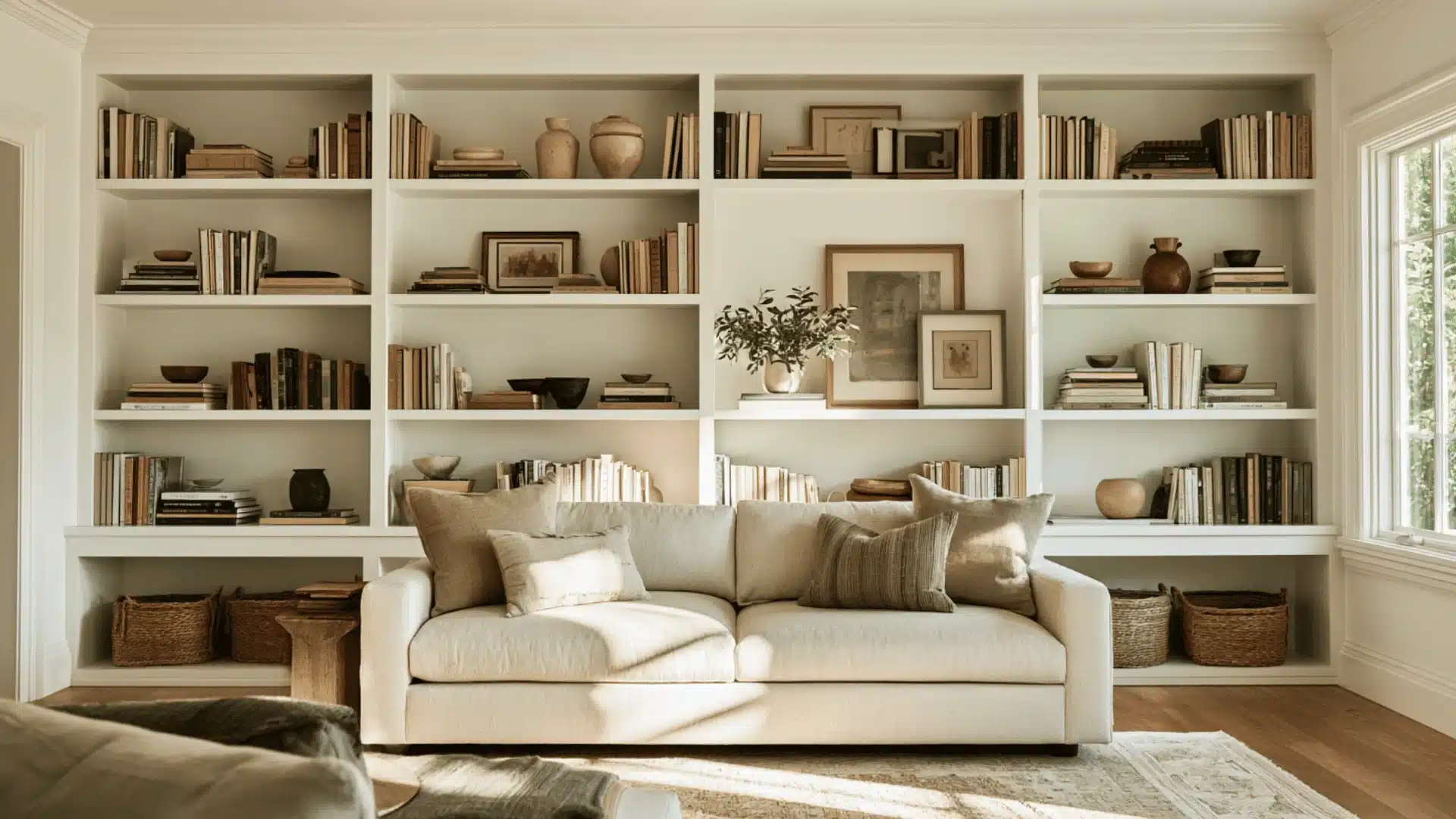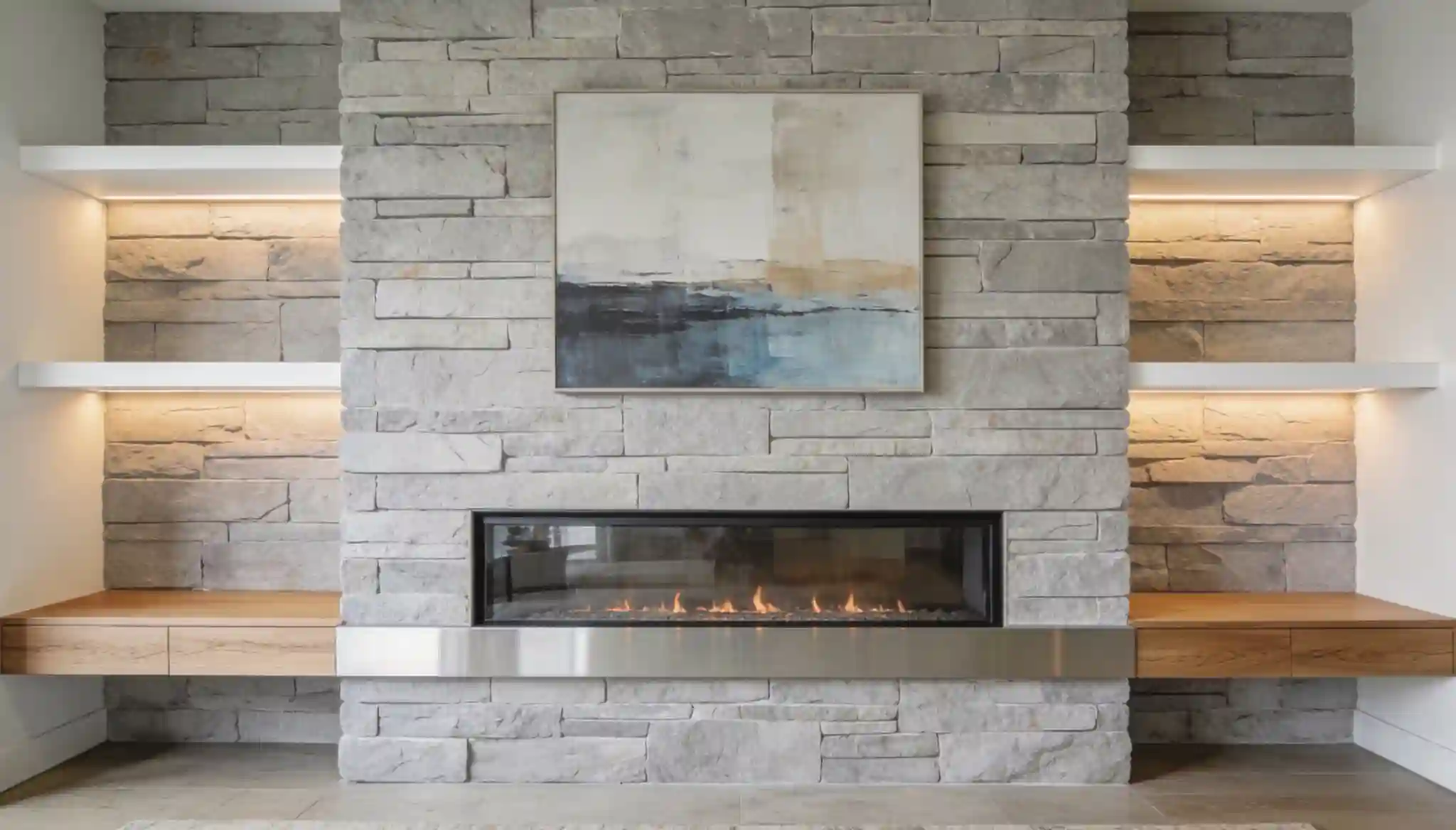
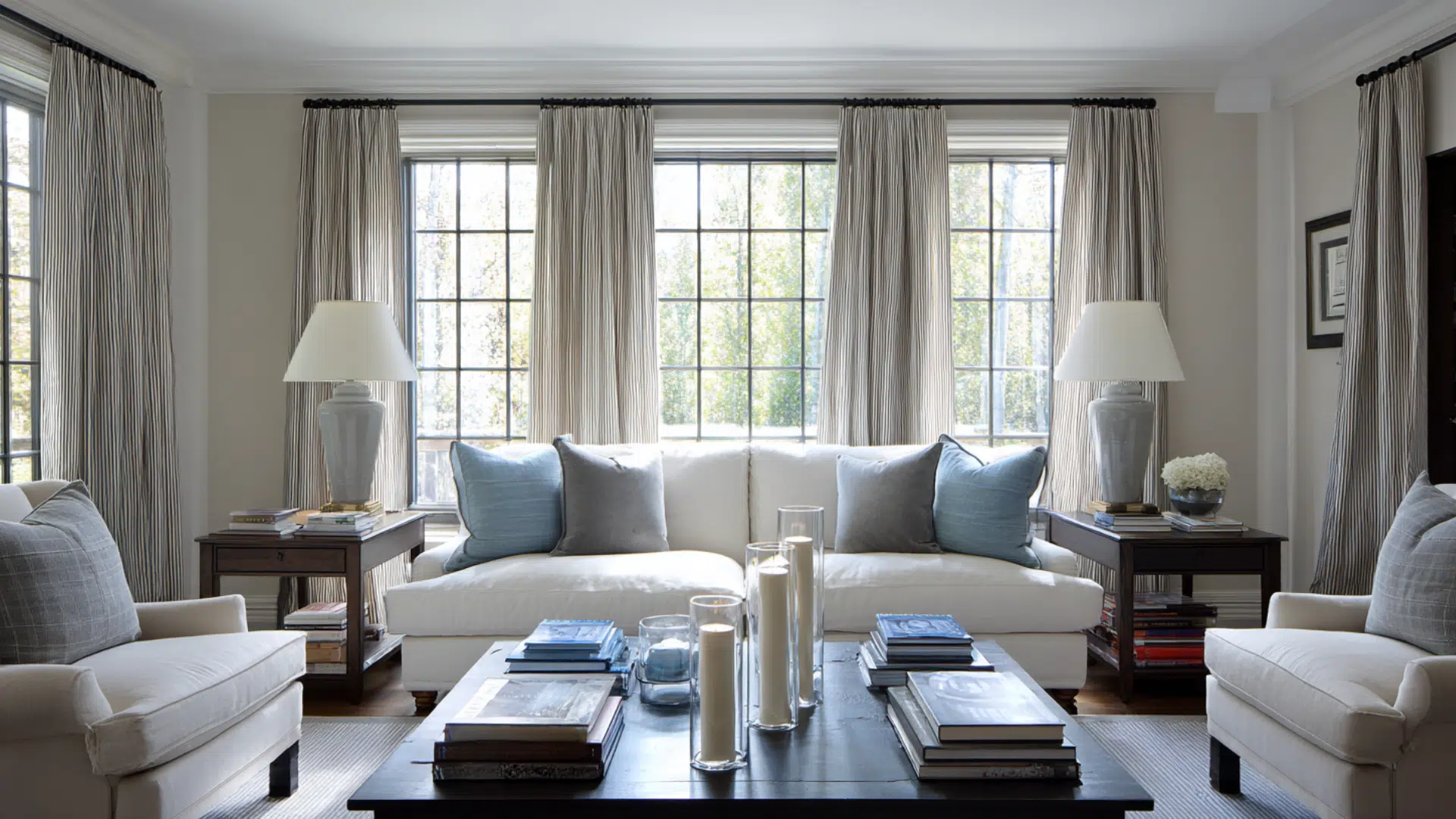
Walk into any room that feels calm and well-organized, and you’ll probably notice one main design principle in action.
Symmetrical balance creates that sense of order that we all crave in our homes.
Some spaces feel comfortable, others off-kilter, even if we can’t explain why.
Using symmetrical balance in interior design can turn any room from chaos to calm.
In this blog, you will learn how to implement this symmetry, its principles, and practical tips to avoid all common mistakes.
Symmetrical Balance in Interior Design: What is it?
In interior design, balance is about distributing visual weight so a room feels stable and harmonious.
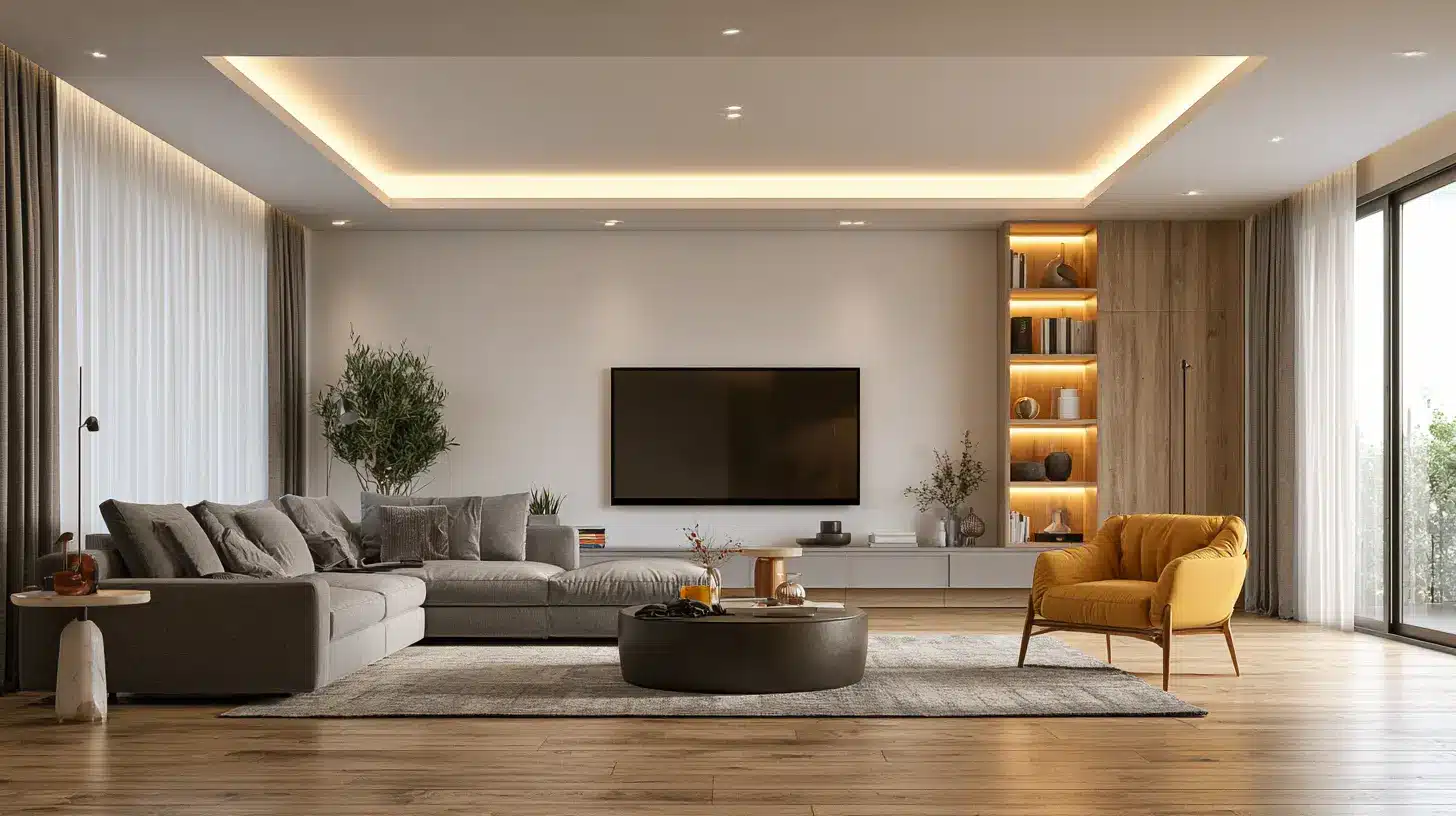
Symmetrical balance is the most straightforward way to achieve this, in which elements on one side of a space mirror those on the other, such as twin lamps on a console table or matching chairs by a fireplace.
This style of balance creates a sense of order, formality, and natural visual comfort.
Types of Symmetry
- Bilateral Symmetry: A mirror-image layout where left and right sides match exactly.
- Radial Symmetry: Elements evenly arranged around a central focus, like a chandelier over a round table.
- Translational Symmetry: Repeated patterns like pendant lights or wall panels spaced at intervals.
The following are the pros and cons of Symmetrical Balance.
| Pros | Cons |
|---|---|
| Creates an instant sense of order and calm | Can feel too formal or stiff for casual spaces |
| Easy for beginners to implement successfully | May appear boring without texture or color variation |
| Makes rooms feel more spacious and organized | Requires purchasing matching items, which increases costs |
| Works perfectly in traditional and formal settings | Limits creativity and spontaneous decorating choices |
| Provides effortless appeal that never goes out of style | Difficult to achieve in oddly shaped or small rooms |
Symmetry isn’t always the right answer. In smaller, irregular rooms it can actually highlight what’s imperfect rather than hide it.
The Emotional Impact Behind Creating a Symmetrical Balance
Symmetrical balance does more than look good. It directly affects how you feel in a space.
Studies in environmental psychology show that balanced spaces lower stress and improve focus. That’s a big deal for everyday living. [Source: National Library of Medicine]
A cluttered, uneven room can make you feel unsettled without knowing why.
But a room with matching furniture, even lighting, and mirrored decor on both sides. It feels calm. Controlled. Safe.
Symmetry also signals harmony. Your brain processes it faster than asymmetry.
So you feel comfortable almost instantly.
For bedrooms, this means better rest. For living rooms, it means easier conversations and more relaxed evenings.
Balance, quite simply, makes a home feel like home.
The Principles of Symmetrical Balance
Symmetrical balance in interior design is a core principle that will help you apply symmetrical balance like a pro in any room.
1. Equal Visual Weight
Objects on both sides should feel similar in size and importance. A large lamp on one side needs something equally substantial on the other.
This doesn’t mean identical items; rather, it means pieces that share the same visual presence and draw equal attention.
Here’s a trick that sounds odd but works every time: squint at the room. Seriously. When you blur out the detail, you stop seeing the furniture and start seeing weight. You’ll immediately notice if one side feels heavier than the other.
2. Consistent Spacing
Maintain the same distances between matching elements on each side.
If your left nightstand sits six inches from the bed, the right one should too.
Precise spacing creates that polished, intentional look that makes symmetrical designs feel professional rather than accidental.
3. Color Distribution
Balance colors evenly across the room to avoid heavy spots. Dark colors carry more visual weight, so distribute them thoughtfully.
If you place a navy chair on the left, echo that depth with similar tones on the right to prevent the room from feeling lopsided.
4. Scale Coordination
Maintain similar proportions between mirrored elements and furniture pieces.
Tall bookcases work best when paired with equally tall pieces.
Mixing drastically different heights disrupts the symmetrical flow and creates visual confusion that undermines the balance of your design.
5. Central Focal Point
Establish a clear center line or anchor for a symmetrical arrangement. This could be a fireplace, bed, or window that serves as your reference point.
Everything else radiates from this central element, creating that harmonious, mirror-like effect.
Visual Balance and Symmetry: Are They the Same Thing?
A lot of people use these two terms interchangeably.
But they’re not the same thing, and knowing the difference actually helps you design better.
Symmetry is clear. You place matching items on both sides of a room. Two sofas. Two lamps. Same height, same size, same side. It’s a clear, clean look.
Visual balance is a little different. It’s about making a room feel even, but the items don’t have to match.
A large armchair on one side can balance a tall bookshelf on the other. Different objects, same visual weight.
Symmetry is a type of visual balance. But visual balance is the bigger idea. One is specific, the other is flexible.
Both are valid; it just depends on the look you’re going for.
Asymmetry Vs. Symmetrical Balance in Interior Design
Both symmetry and asymmetry have their place in interior design, but they create completely different moods and feelings.
| Symmetrical Design | Asymmetrical Design |
|---|---|
| Creates a formal, structured feel | Offers a relaxed, casual atmosphere |
| Uses matching pairs of items | Mixes different shapes and sizes |
| Perfect for traditional spaces | Great for modern, eclectic rooms |
| Easier to achieve and maintain | Requires more skill to balance |
| Feels calm and predictable | Adds visual interest and movement |
In practice, the best rooms rarely commit fully to one or the other.
Symmetry gives you the foundation; a few asymmetrical choices give it life. Think of symmetry as the structure and asymmetry as the personality.
Practical Methods for Applying Symmetrical Balance
Ready to put symmetrical balance in interior design? Here are methods that work in every room.
1. Mirror Furniture Placement
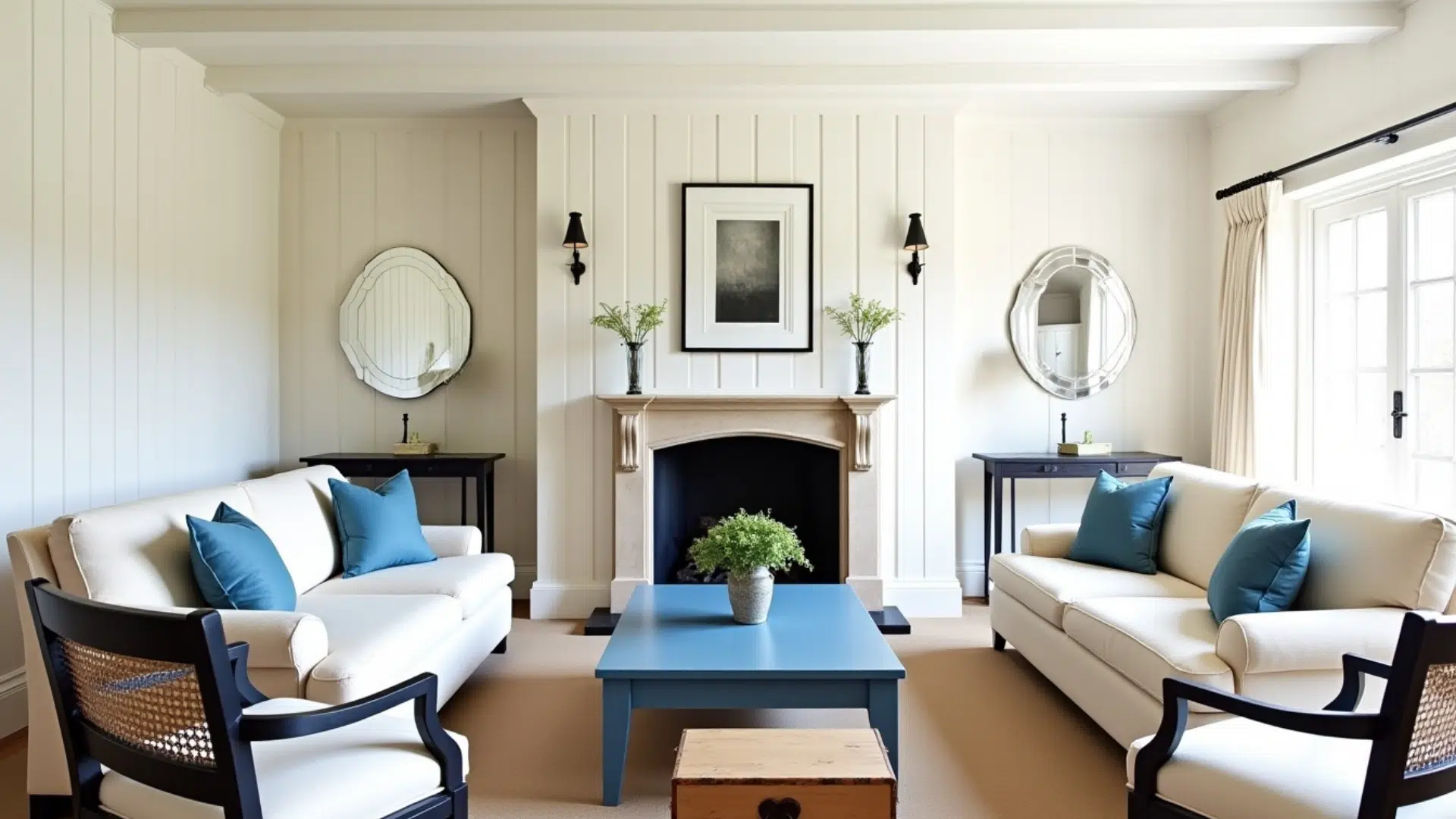
Place identical chairs on either side of your living room fireplace or matching nightstands beside your bed.
In the dining room, position two buffets on opposite sides of the room. This creates instant balance and makes rooms feel more organized and intentional.
One thing to watch: in narrow rooms, mirrored furniture placement can accidentally create a tunnel effect.
If your room is under 10 feet wide, offset slightly rather than going perfectly parallel.
2. Use Matching Light Fixtures
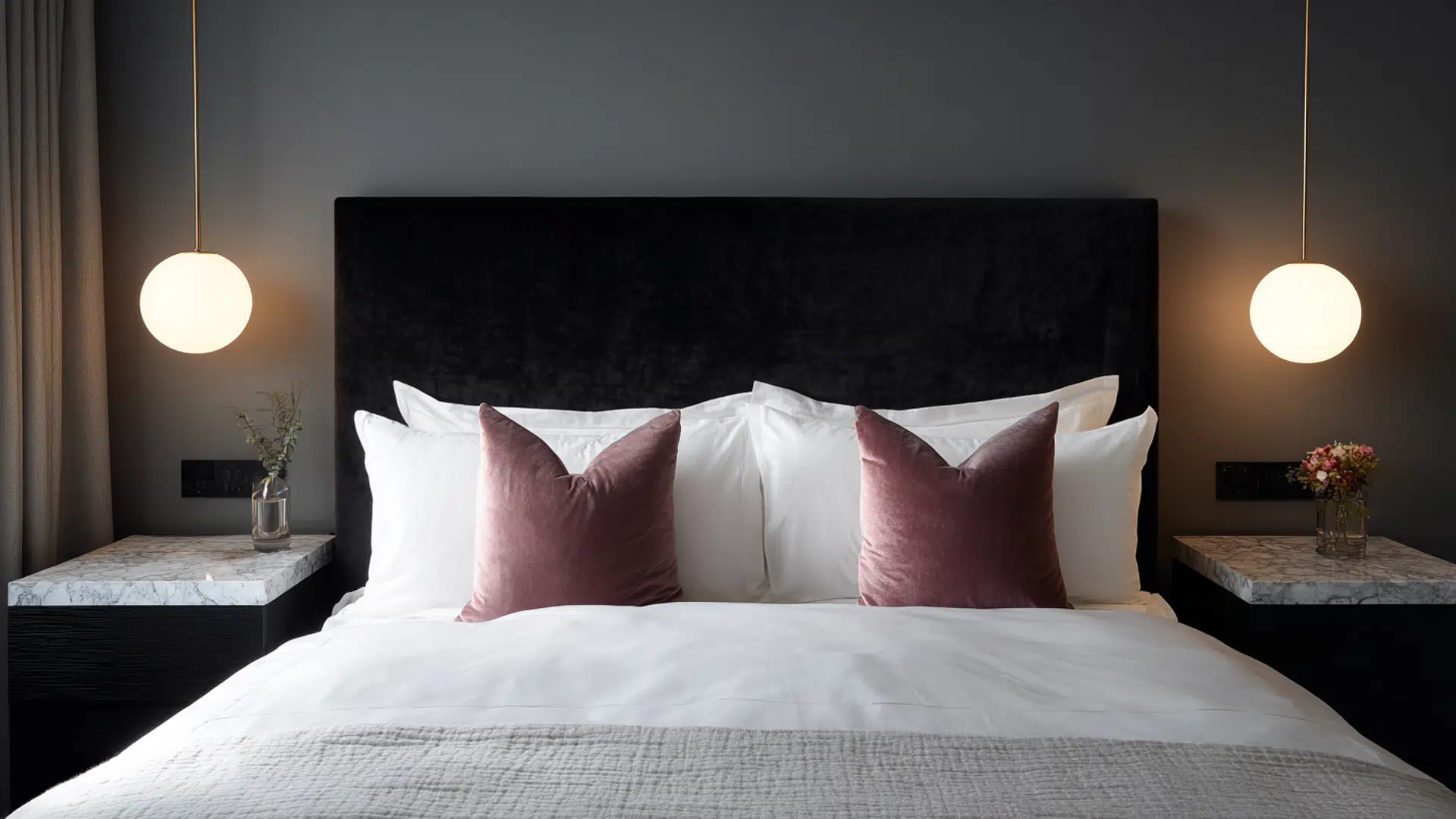
Hang pendant lights in pairs over kitchen islands or matching table lamps in your bedroom.
Symmetrical lighting creates even illumination while adding visual harmony. In bathrooms, install identical sconces on both sides of mirrors for perfect balance.
3. Create Identical Wall Displays
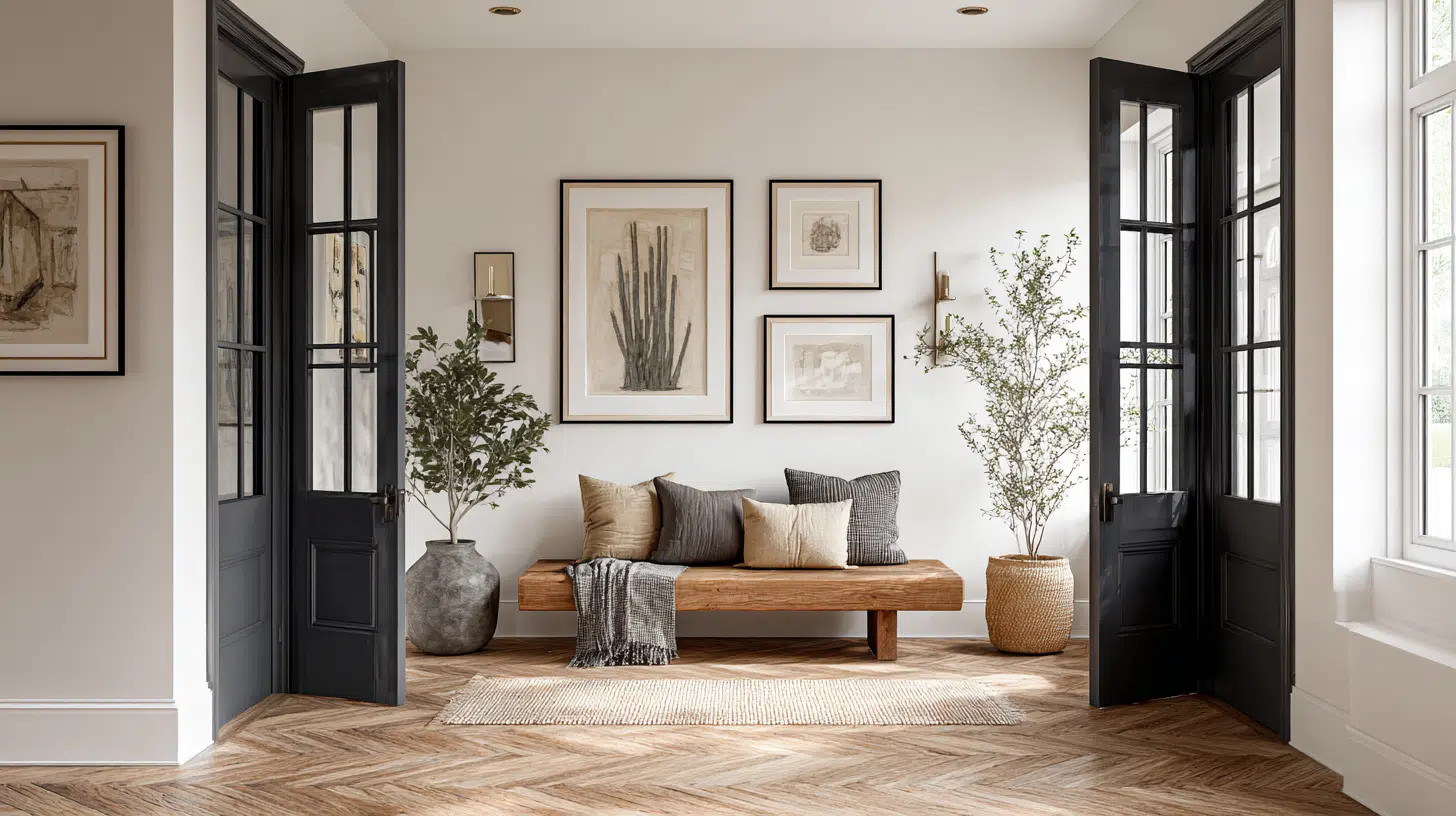
Frame matching artwork or photos and hang them at equal distances from a central point.
This works beautifully in hallways, above sofas, or flanking entryways. Your dining room also benefits from symmetrical art placement above sideboards.
4. Balance Window Treatments
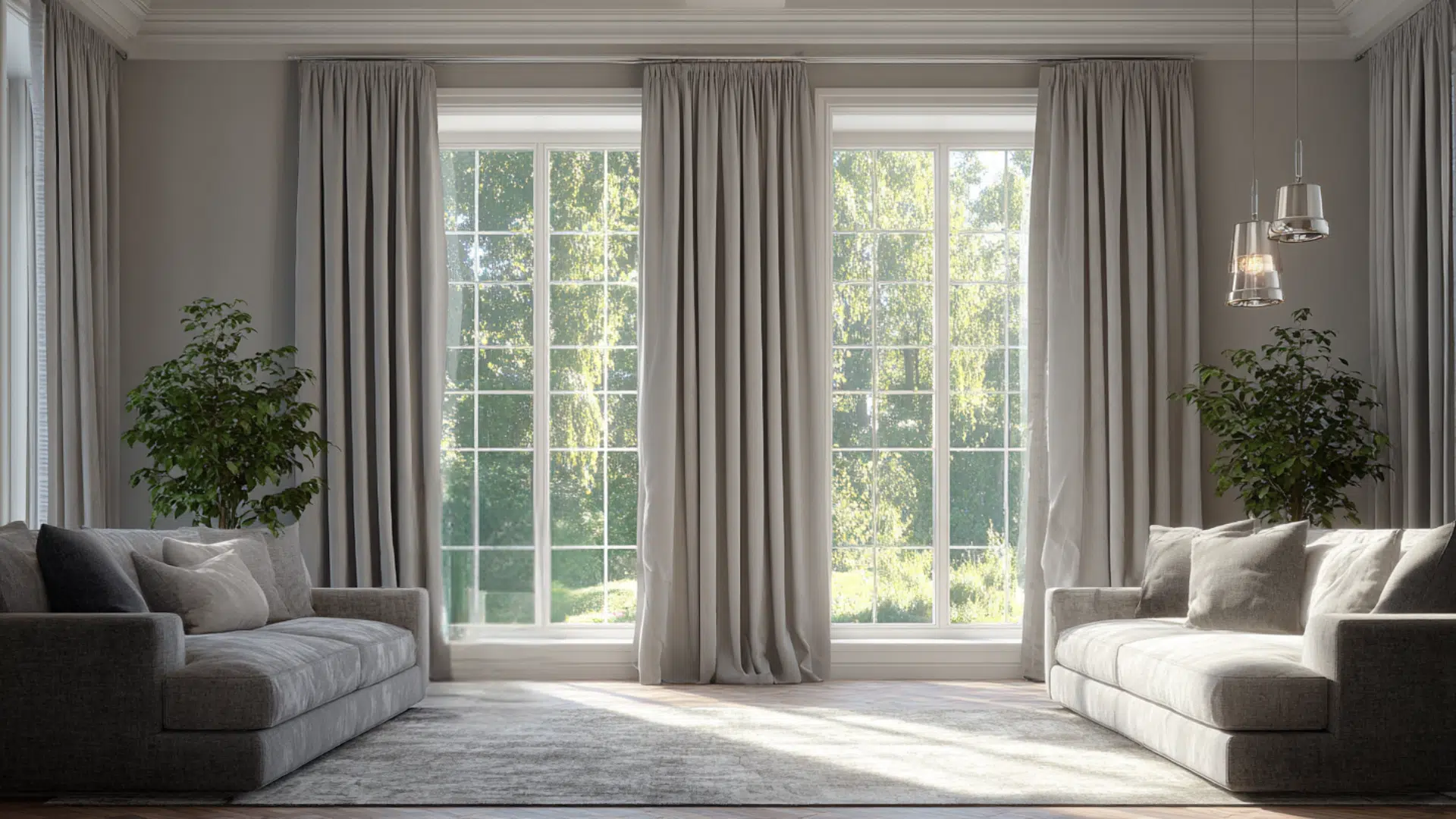
Install matching curtains or blinds on multiple windows in the same room. Maintain consistency in lengths and styles for living rooms and bedrooms.
In kitchens with multiple windows, uniform treatments create a balanced look throughout the space.
If your windows aren’t exactly the same size, uniform curtain rods hung at the same height can still fake symmetry convincingly. Most people will never notice the window difference.
5. Arrange Accessories in Pairs
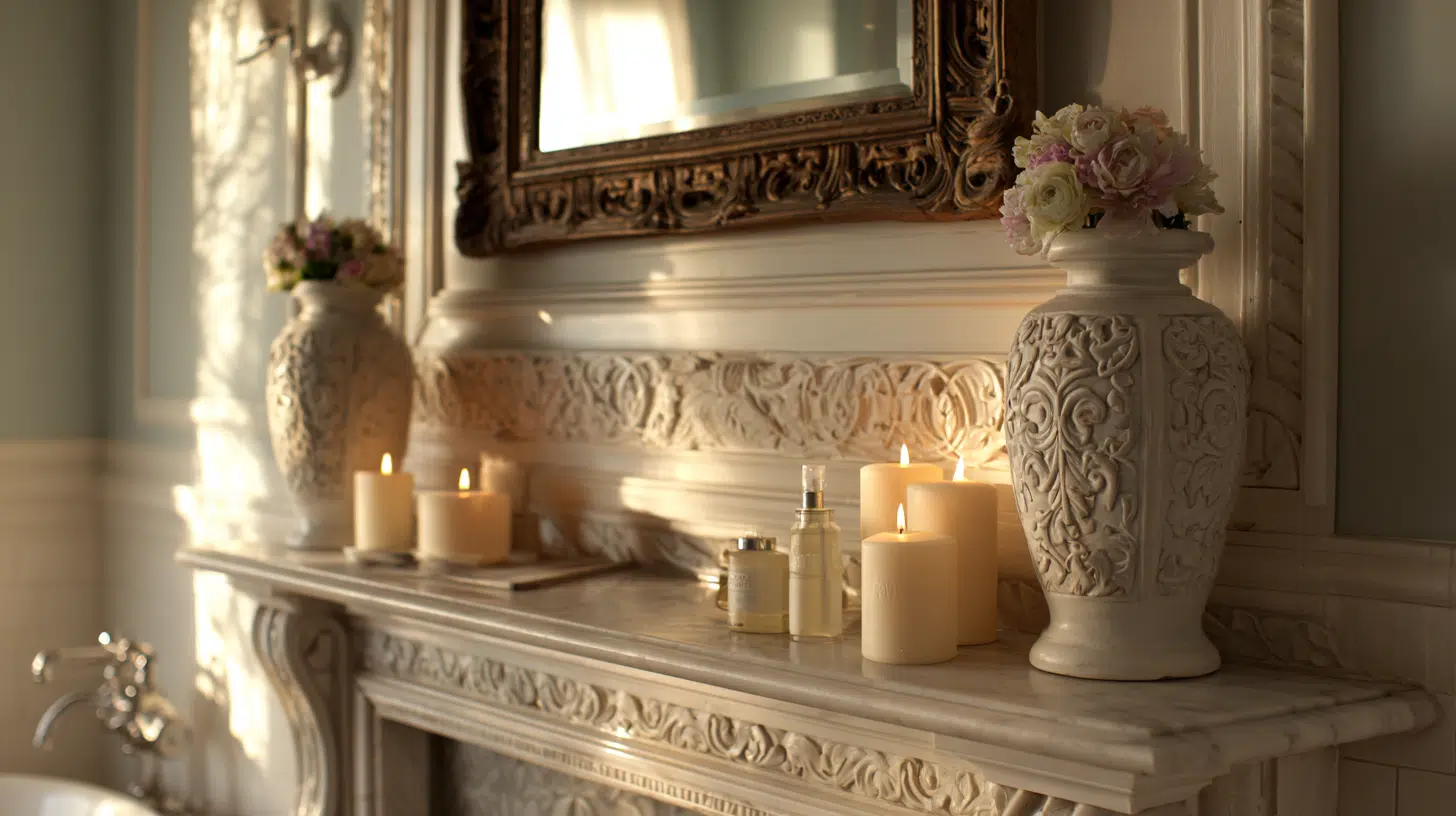
Group decorative objects, such as vases, candles, or books, in matching sets. Place them on mantels, coffee tables, or bookshelves.
Even bathrooms benefit from paired accessories, such as matching soap dispensers or towel arrangements on either side.
6. Position Rugs Symmetrically
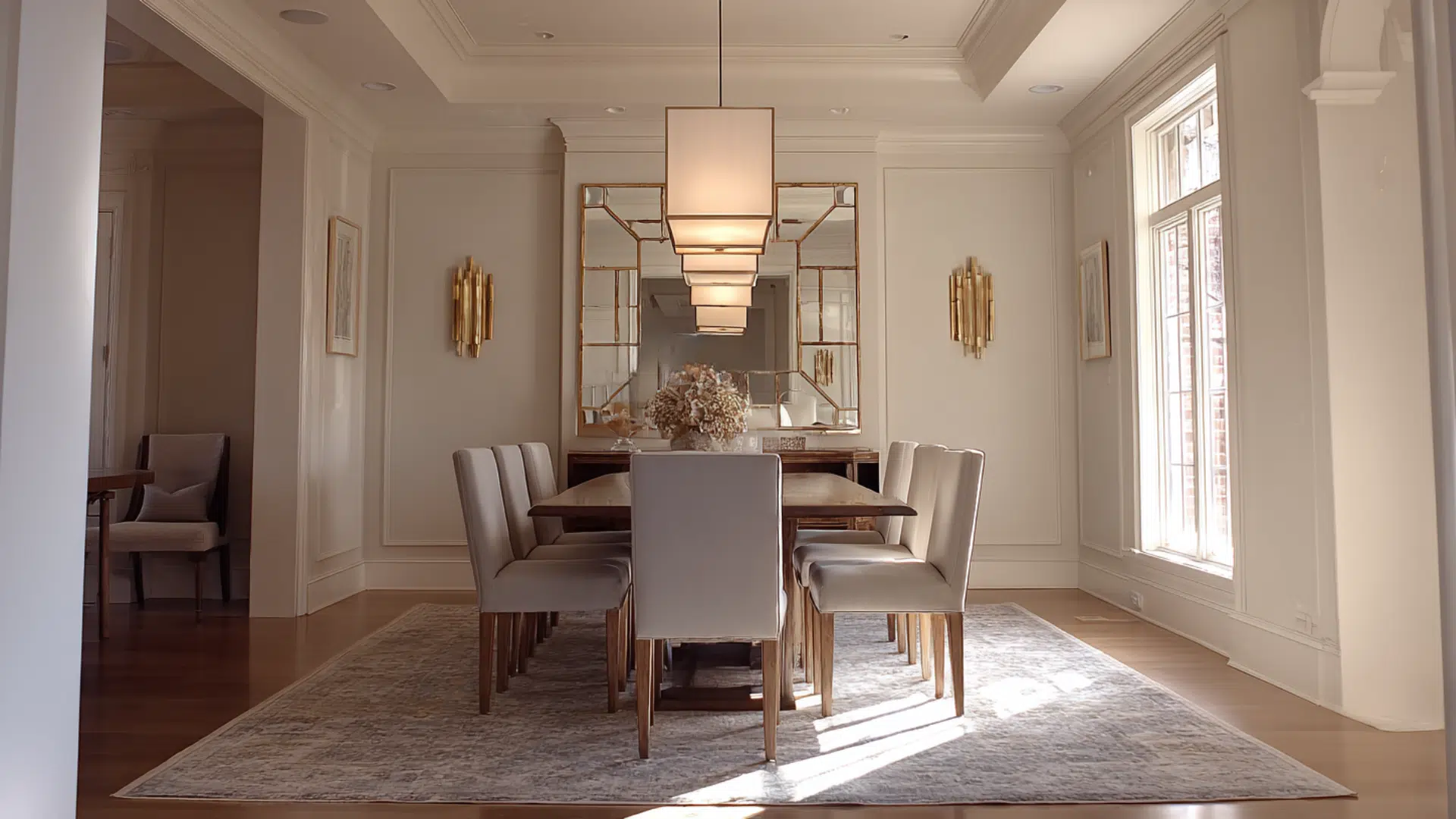
Center area rugs under dining tables or place matching smaller rugs on either side of beds.
Living rooms can feature identical rugs defining separate seating areas. This grounds furniture arrangements and creates visual stability and symmetrical balance in any space.
A rug that’s even slightly off-center will bother people more than almost any other asymmetry in a room. Always measure twice before making the decision.
7. Install Built-in Storage
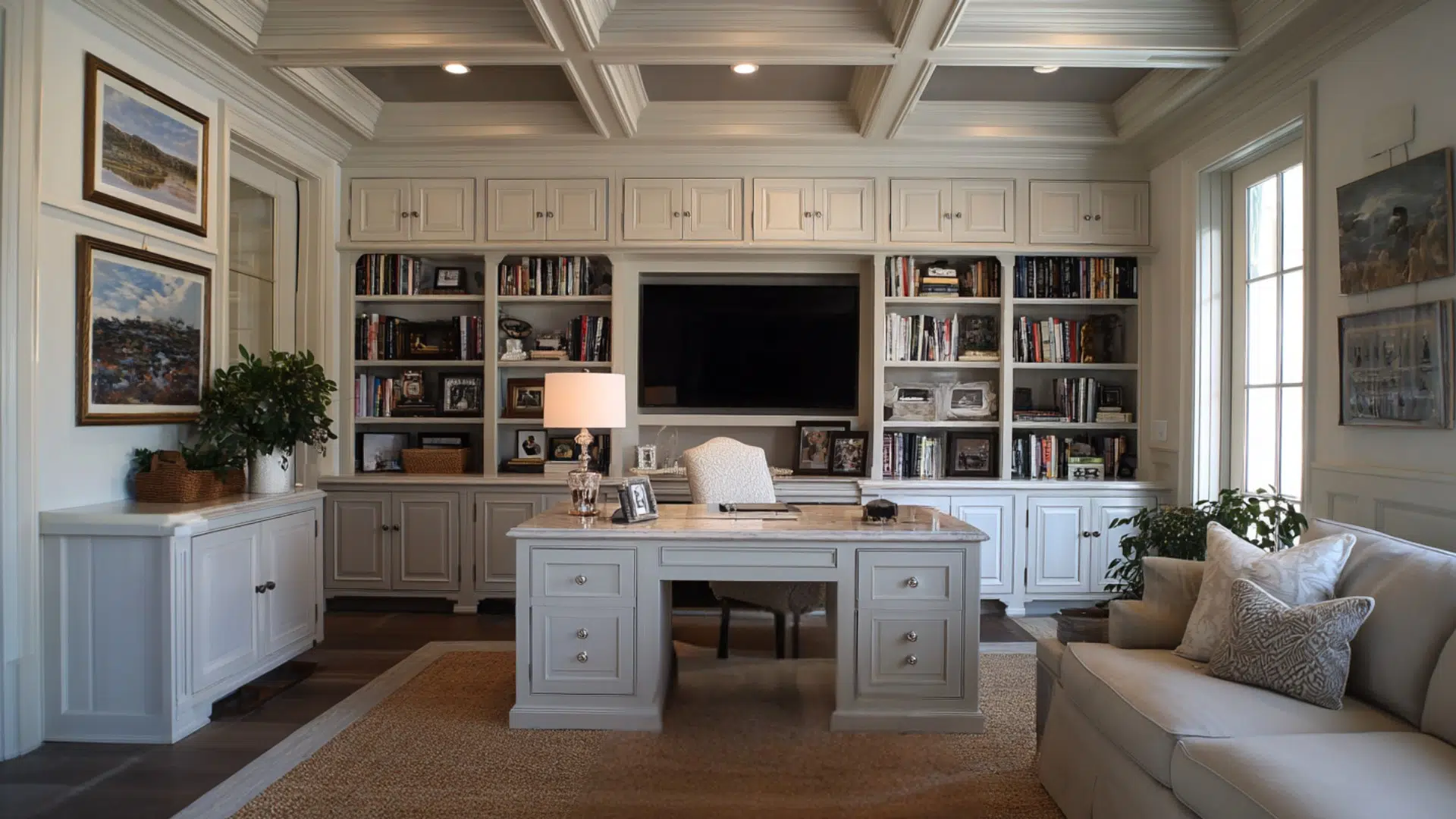
Design matching bookcases, cabinets, or shelving units on opposite sides of rooms. Kitchen islands with identical storage on both ends work perfectly.
Bedrooms benefit from symmetrical closet systems or matching wardrobes flanking the sleeping area.
8. Create Balanced Seating Arrangements
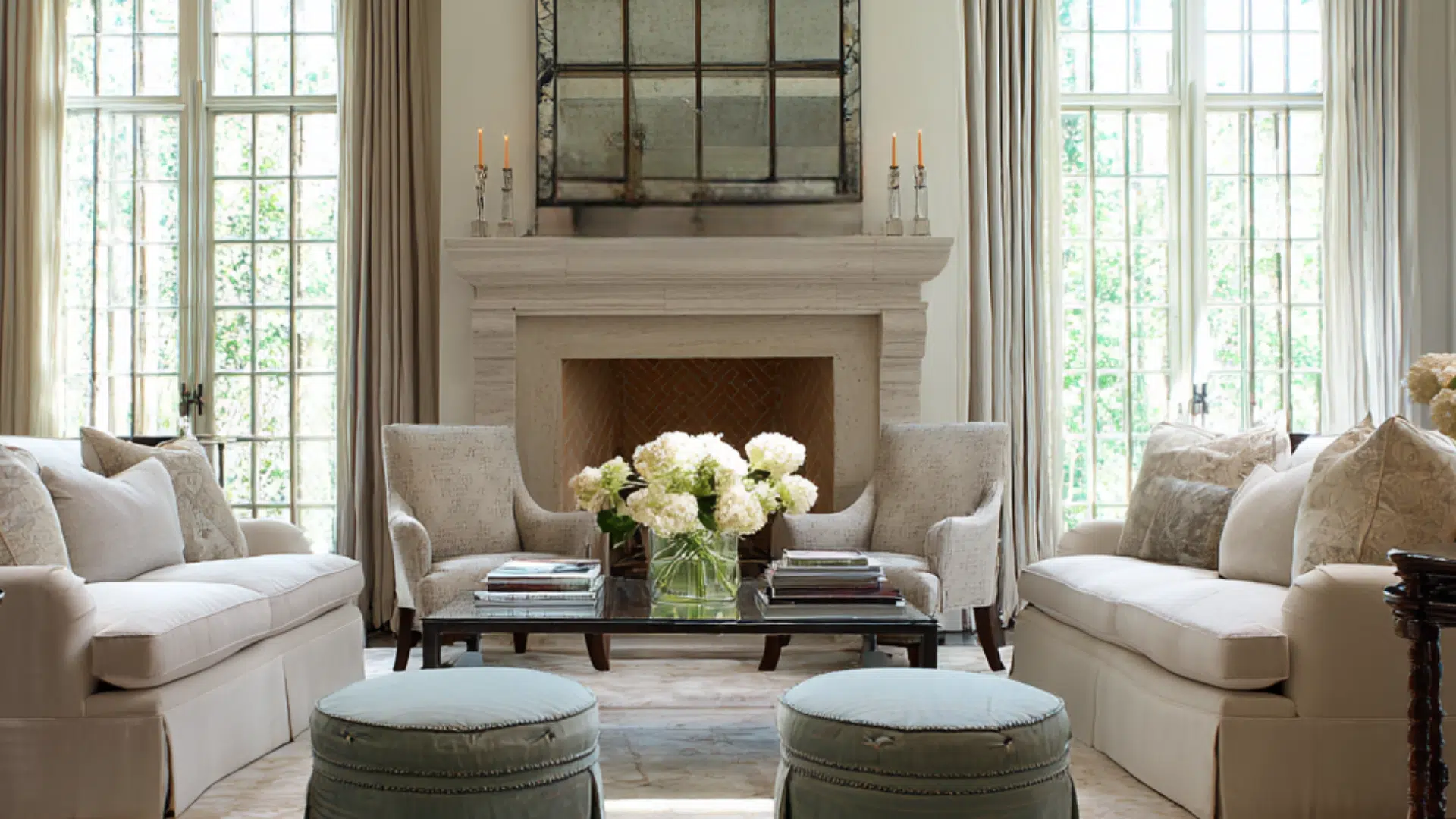
Arrange identical chairs facing each other, or place matching sofas facing inward. Dining rooms typically feature symmetrical seating arrangements around tables, often with a central focus point.
Living areas feel more formal and organized when seating creates mirror-image arrangements.
9. Design Symmetrical Landscaping Views
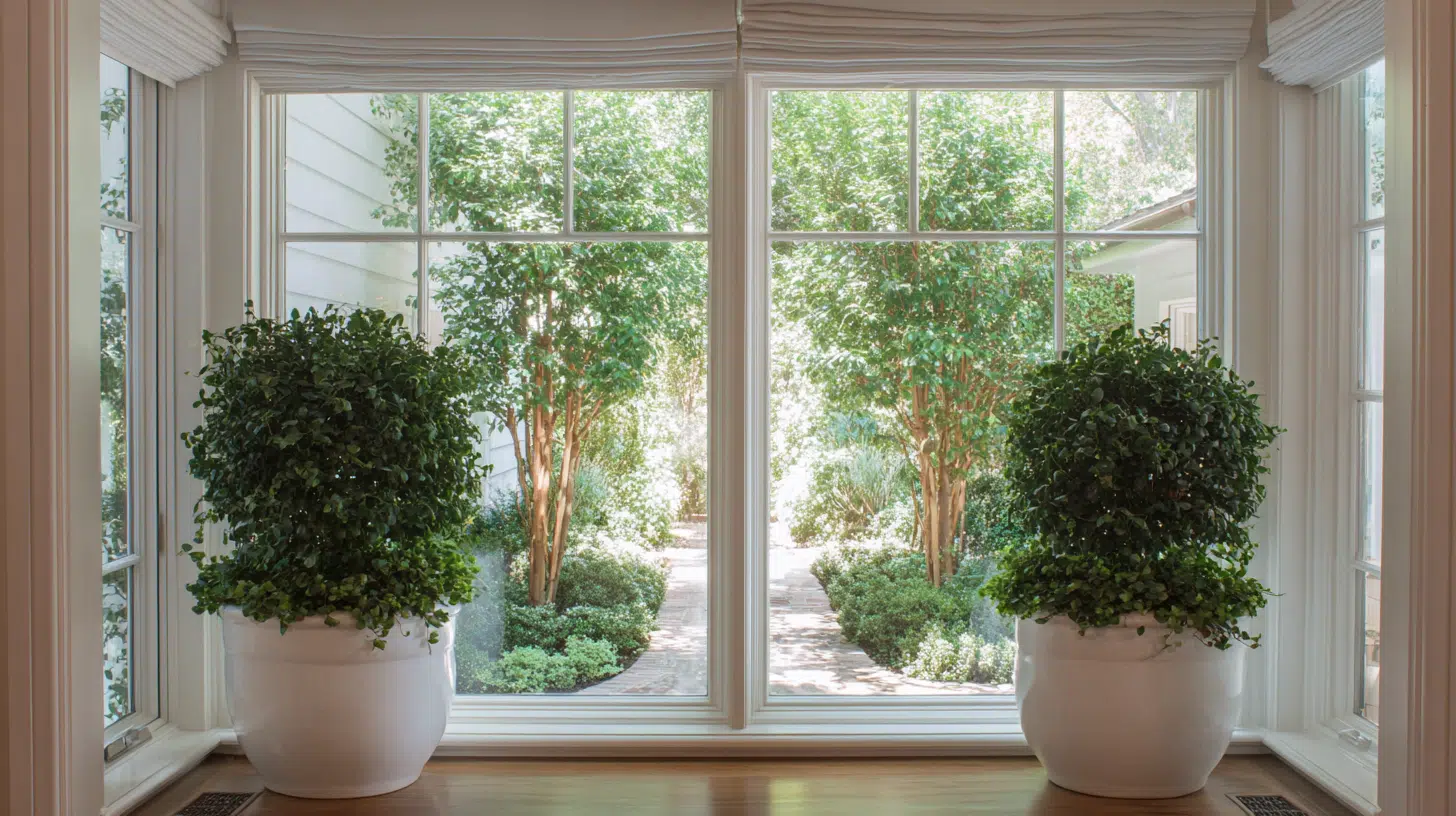
Plant trees or shrubs visible through windows to extend the balance between the interior and the outdoors.
Kitchen windows benefit from symmetrical herb gardens or matching planters. This creates a seamless connection between indoor symmetry and outdoor views, achieving a harmonious balance.
Radial Symmetry and Radial Balance
While both concepts involve circular arrangements, radial symmetry and radial balance work differently in interior design.
| Radial Symmetry | Radial Balance |
|---|---|
| Elements are identical around the center point | Elements vary but feel equally weighted |
| Creates perfect mirror images in all directions | Uses different items with similar visual impact |
| More formal and structured appearance | Offers flexibility and creative freedom |
| Requires exact matching of all elements | Balances through color, size, and texture |
| Less common in home interiors | More practical for everyday room design |
For most people, radial balance is the more livable and forgiving choice. True radial symmetry looks stunning in large, formal spaces. But in everyday rooms, it can feel more like a stage set than a home.
Other Principles of Interior Design
Symmetrical balance is just one piece of the puzzle. Knowing these additional principles helps you create truly well-designed spaces.
Every room needs a focal point, such as a fireplace, artwork, or architectural feature, to draw attention.
Without emphasis, spaces seem directionless and lack personality, making it hard to focus.
Rhythm creates visual flow by consistently repeating elements throughout a space. Use the same color in different areas to guide the eye around the room.
Contrast
Mixing elements like light and dark colors, rough and smooth textures, or large and small objects adds visual interest.
Contrast prevents rooms from feeling flat or monotonous.
It makes features pop and creates dynamic energy in interiors.
Proportion
The relationship between objects and space is crucial.
Oversized furniture in small rooms feels overwhelming; tiny pieces in large spaces seem lost. Proper proportion creates harmony with the room and furnishings.
All elements should work together for cohesion.
Unity means furniture, colors, textures, and accessories complement each other rather than compete, tying everything together to make your space feel intentional and complete.
Harmony means nothing clashes or feels out of place. Rooms should tell one clear story. Unity creates calm, collected spaces where everything belongs together perfectly.
Symmetrical Balance in Art VS Photography VS Interior Design
Symmetrical balance shows up everywhere in art, photography, and interior design.
The way it’s used and why it works is a little different in each approach.
| Field | How Symmetry is Used | Key Elements | Purpose | Overall Effect |
|---|---|---|---|---|
| Art | Mirrored shapes, centered compositions | Shapes, color, form | To create order and meaning | Feels powerful and intentional |
| Photography | Reflected subjects, centered framing | Light, angles, reflection | To draw the eye and create calm | Feels clean, striking, and satisfying |
| Interior Design | Matching furniture, decor, and lighting | Layout, texture, space | To make spaces feel balanced and comfortable | Feels calm, safe, and put-together |
Symmetrical Balance in Art
Artists have used symmetry for thousands of years, from ancient Egyptian paintings to Renaissance portraits, to show power and perfection.
Symmetry in art, like even facial features or matching cathedral towers, was intentional, signaling importance.
Today, it still indicates stability and strength, drawing and holding the viewer’s eye.
This defines why many iconic artworks are immediately satisfying.
Symmetrical Balance in Photography
In photography, symmetry is a powerful composition tool.
A photographer might shoot a long hallway straight or capture a bridge reflected in still water.
The result is a visually satisfying photo because both sides mirror each other, making it easy for the eye to understand.
The main difference is intention. In art and photography, symmetry is a compositional choice. In interior design, it’s a functional one – it shapes how comfortable and at ease people actually feel in your space, day after day.
Tips for Effective Use of Symmetry
- Start small with accessories before tackling major furniture pieces
- Mix textures within symmetrical arrangements to prevent boring repetition
- Leave breathing room between matched elements for visual clarity
- Consider room proportions when deciding on symmetrical element sizes
- Break perfect symmetry occasionally with subtle variations for interest
Wrapping It Up
Mastering symmetrical balance turns your home from ordinary to extraordinary.
You now have the tools to create spaces that feel calm, organized, and professionally designed.
Begin with one room, practicing techniques like matching lamps, pairing accessories, or creating wall displays. Mix textures and occasionally break rules to avoid rigidity.
The beauty of symmetrical balance in interior design is its simplicity. It’s forgiving for beginners yet calm enough for experienced decorators.
Your guests will notice the difference, even if they can’t explain why your rooms feel so inviting.
Frequently Asked Questions (FAQ’s)
1. What is the 3-5-7 Rule in Interior Design?
Group décor items in odd numbers: three, five, or seven pieces.
2. What are 5 Symmetrical Objects in a Home?
Lamps, cushions, nightstands, curtain panels, and matching wall frames.
3. What is a 5-Fold Symmetry?
A pattern that repeats itself equally across five balanced, mirrored sections.
4. What are the Three F’s in Interior Design?
The three F’s stand for floors, furniture, and fixtures.
5. What is the 70/20/10 Rule in Interior Design?
Use 70% dominant color, 20% secondary, and 10% accent color.