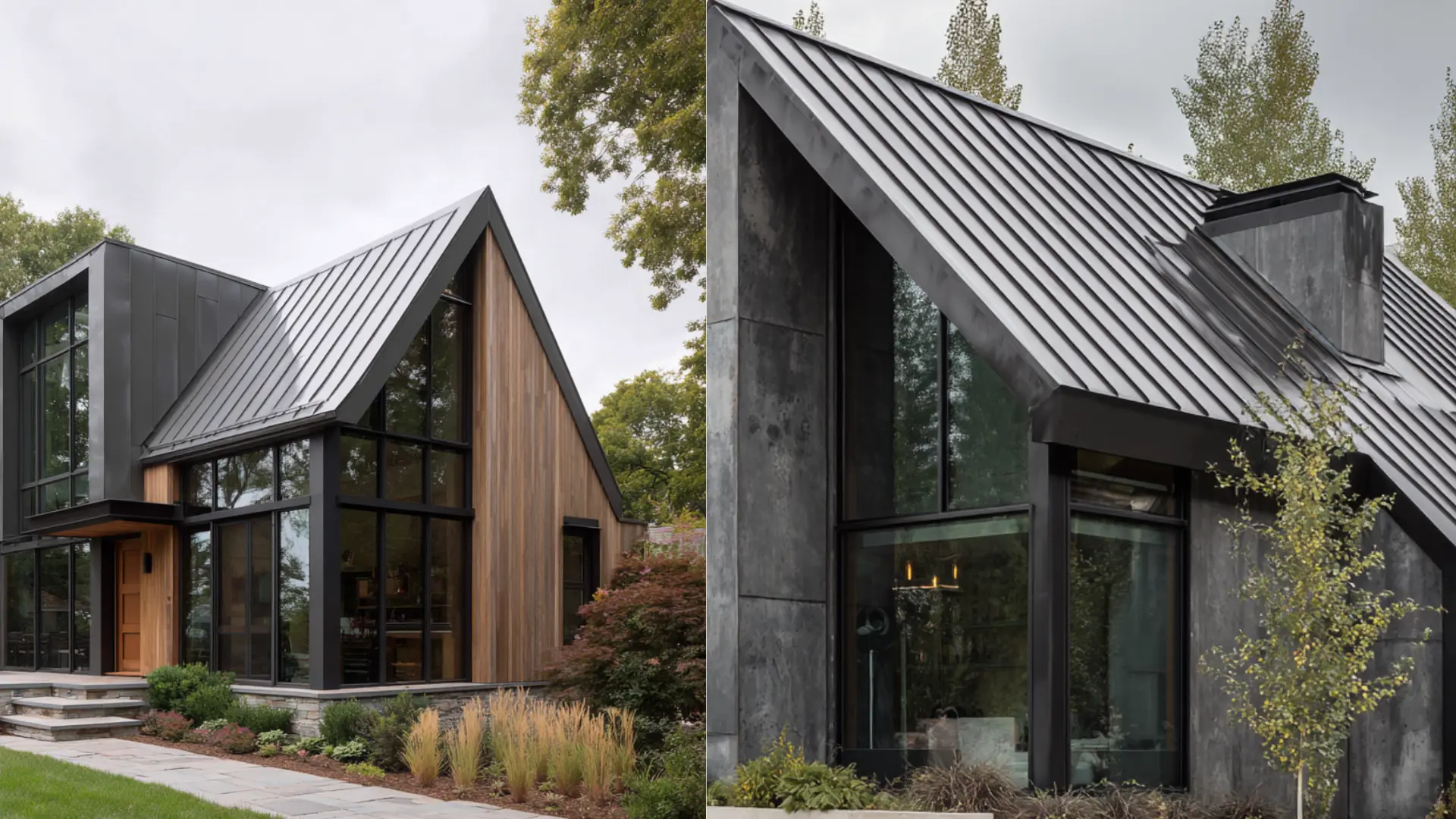
Metal roofing was once reserved for commercial buildings and agricultural sheds.
Today, it is one of the fastest-growing roofing choices in residential construction.
Occupiers are drawn to the durability, energy efficiency, and a lifespan of 40 to 70 years, depending on the material.
But the first question is almost always about cost. Metal roof cost varies based on roof size, material type, labor rates, complexity, and location.
What Does a Metal Roof Actually Cost?
Metal roof costs typically range between $5,000 and $40,000 or more, with most owners paying $5 to $20 per square foot installed.
That range is wide because the final number shifts significantly based on material choice, roof size, labor rates, and the complexity of the installation.
Corrugated steel sits at the affordable end. Copper and standing seam metal roof options cost significantly more. Roof style matters too.
Steep slopes, chimneys, skylights, and irregular layouts all add labor time and push the price up.
Metal roofs cost more than asphalt shingles because they require specialized tools, skilled labor, and custom flashing built for long-term performance.
Types of Metal Roofing and Their Costs
Not all metal roofs are priced the same. The material you choose is the single biggest factor in your overall roof cost.
1. Steel Roof Cost
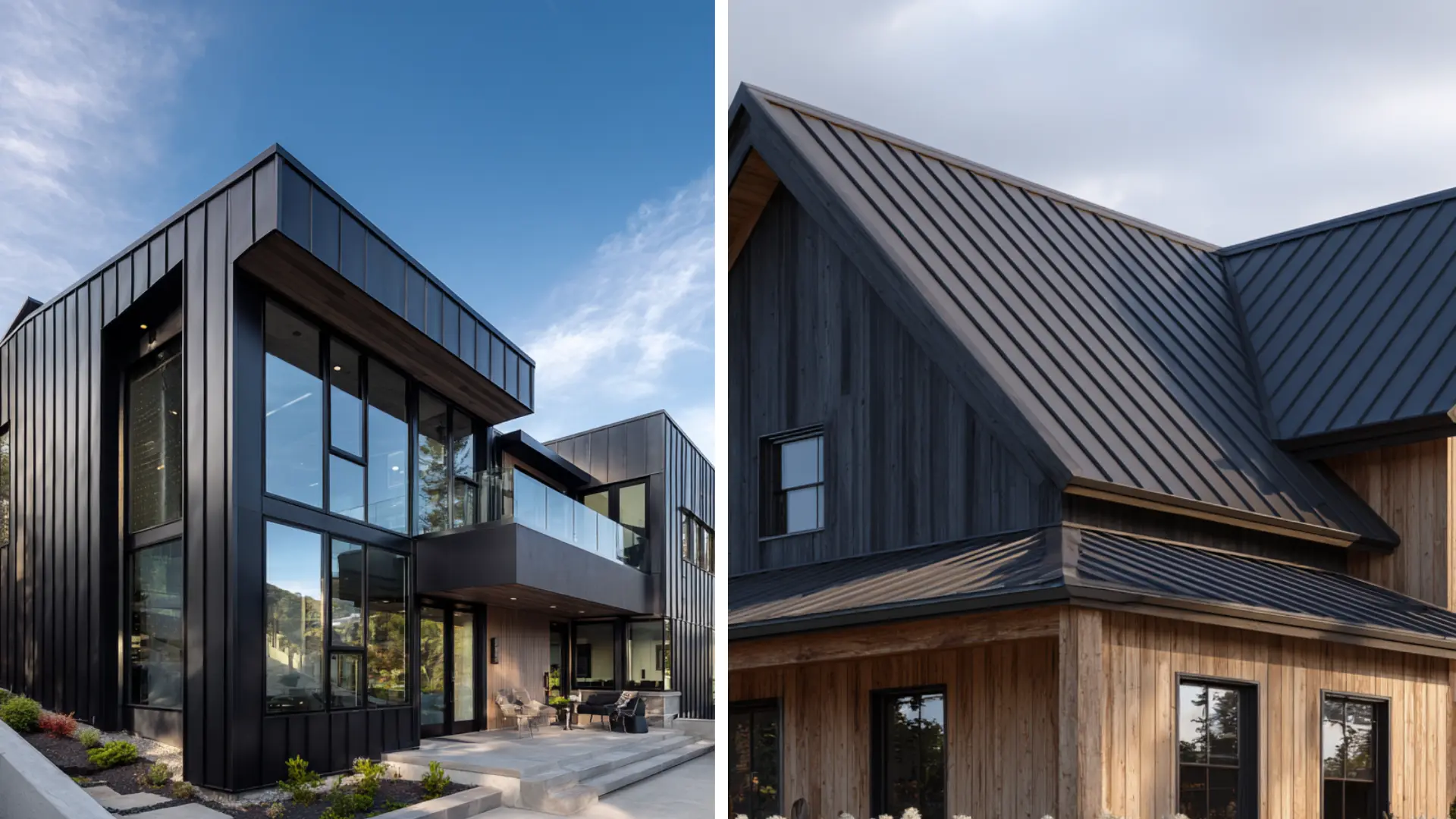
Steel is the most widely used metal roofing material in residential construction.
It is strong, widely available, and comes in more styles than any other option.
- Cost range: $3 to $12 per square foot installed
- Available in corrugated panels, standing seam, and metal shingles
- Usually coated with zinc or a zinc and aluminum blend to prevent rust
- Galvanized steel sits at the lower end, while Galvalume steel offers better corrosion resistance at a slightly higher price
Steel works well in most climates and is the go-to choice for homeowners who want durability without paying premium material prices.
2. Aluminum Roof Cost
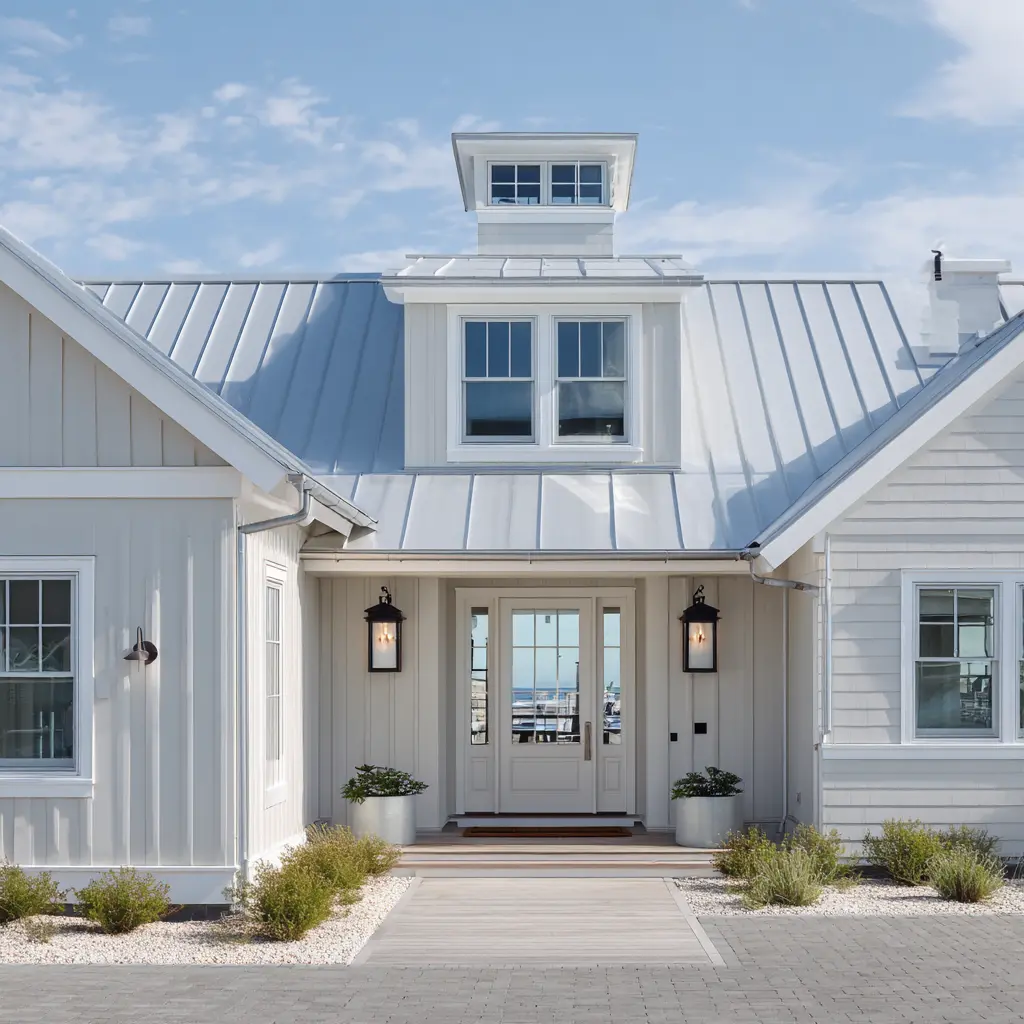
Aluminum costs more than steel but earns its price in coastal and high humidity environments.
It is naturally rust-resistant, lighter than steel, and does not corrode, unlike standard panels, which would be eaten away by salt air within a few years.
Costs range from $6 to $16 per square foot installed. It expands and contracts more than steel in temperature swings, so fastener choice matters.
For homes near the ocean, it is usually the smarter long term investment.
3. Copper Roof Cost
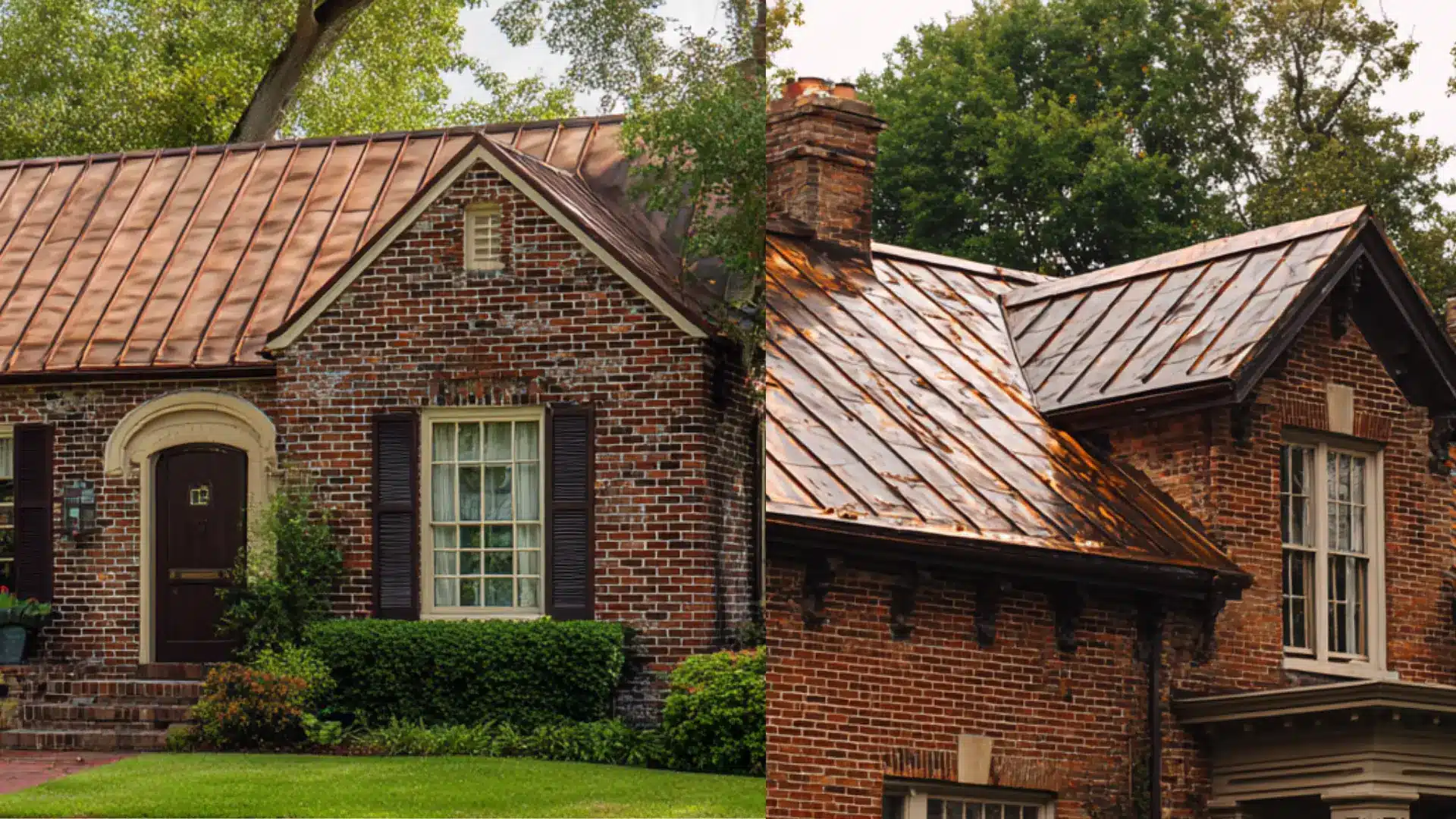
Copper is the premium end of the metal roofing market.
It develops a natural patina over time, shifting from bright copper to a distinctive green finish, making it one of the most visually striking roofing materials available.
- Cost range: $15 to $30 per square foot installed
- Lifespan of 60 to 100 years with minimal maintenance
- Completely recyclable and one of the most sustainable roofing materials
- Requires experienced installers familiar with thermal expansion and soldering
Copper roof cost is high, but for historic homes, luxury properties, or accent sections like dormers and bay windows, it is often the only material that looks right.
4. Zinc Roof Cost
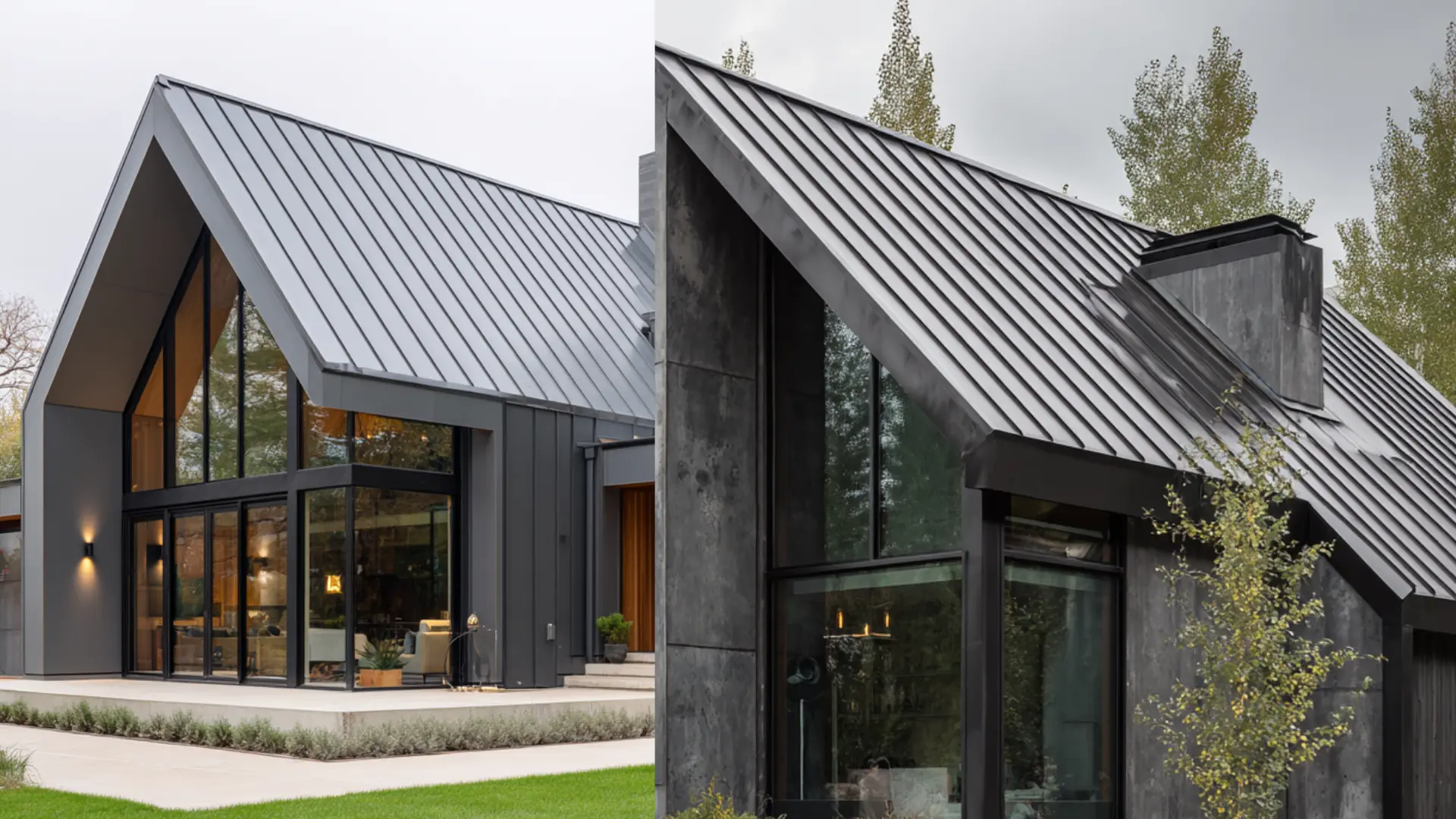
Zinc sits just below copper in both price and prestige.
It is gaining traction in high-end residential projects across the United States, with costs ranging from $12 to $25 per square foot installed and a lifespan of 60 to 100 years.
Its self-healing surface naturally repairs minor scratches, and its lower melting point makes it easier to shape into complex roof designs. The only real limitation is the climate.
Zinc performs best in moderate conditions and does not hold up well in areas with high levels of acid rain.
Factors That Affect Roof Cost
No two metal roof installations cost the same.
The final number depends on where you live, what you build with, and how complicated the job turns out to be.
Roof size is the most straightforward driver.
Contractors price by the square, where one square equals 100 square feet, and a 1,500 versus 3,000 square foot home can differ by $15,000 to $25,000 on identical material.
Most add 10-15 percent for cuts and waste. Pitch and complexity add cost fast. Above a 6:12 pitch, expect a labor surcharge of 20 to 30 percent.
Beyond that:
- Valleys, dormers, skylights, and chimneys add custom flashing and significant labor time
- Multi-level rooflines take considerably longer than a simple gable
- Labor runs 20 to 40 percent higher in the Northeast and West Coast markets than in the rural Midwest or South
- Coastal homes need corrosion resistant aluminum, and northern states require heavier gauge panels for snow load
- Corrugated steel starts at $3 per square foot, and copper reaches $30, with painted finishes, stone coated steel, and standing seam sitting in between
- Metal roofing is a specialty trade, and in tight markets, three quotes change everything
Permits run $150 to $500 according to the National Roofing Contractors Association, and historic districts or HOA communities may require additional approvals
Metal Roof Installation Process: Total Timeline
A professional metal roofing installation follows a clear sequence.
First, the contractor inspects the existing roof structure for damage, soft spots, or decking issues that need to be addressed before anything goes on top.
Measurements are taken, and panels are ordered to spec.
Underlayment goes down next, followed by flashing around chimneys, vents, and edges.
Panels are then installed from eave to ridge, sealed, and finished with trim work. A final inspection confirms watertightness and code compliance.
Timeline varies by home size. A 1,500 square foot roof typically takes 2 to 3 days. Larger or more complex homes run 4 to 7 days.
Metal Roofing Cost Per Square Foot
Material-only pricing covers panels, fasteners, and trim. Installed cost covers everything, including underlayment, labor, flashing, and cleanup.
A steel panel at $3 per square foot in materials can run $8 to $12once installation is included.
Underlayment adds $0.50 to $1.50 per square foot, and labor typically accounts for 40 to 60 percent of the total installed price.
Smaller roofs tend to cost more per square foot because setup fees stay fixed. Mid-size roofs at 1,500 square feet see the most competitive contractor pricing.
At 2,000 square feet, the gap between corrugated steel and standing seam can exceed $20,000.
Quick Overview
| Roof Size | Corrugated Steel | Metal Shingles | Standing Seam | Copper |
|---|---|---|---|---|
| 1,000 Sq Ft | $8,000 to $12,000 | $10,000 to $18,000 | $14,000 to $22,000 | $20,000 to $35,000 |
| 1,500 Sq Ft | $10,000 to $16,000 | $14,000 to $22,000 | $18,000 to $30,000 | $25,000 to $48,000 |
| 2,000 Sq Ft | $12,000 to $20,000 | $18,000 to $28,000 | $22,000 to $38,000 | $32,000 to $60,000 |
Standing Seam Metal Roof Cost
Standing-seam metal roofs cost between $10 and $18 per square foot installed.
For a 1,500-square-foot home, the total cost is between $15,000 and $27,000, depending on material choices, roof complexity, and location.
Steel is the most affordable panel option in this category. Aluminum, zinc, and copper incur higher material costs, pushing the total up accordingly.
The concealed fastener system requires skilled installation, and labor typically makes up 40 to 50 percent of the final bill.
Where standing seam earns its price is longevity.
A properly installed system lasts 40 to 70 years with very little upkeep. The upfront cost is higher than for shingles, but when broken down over the years, metal almost always works out cheaper.
All prices mentioned are estimates based on averages. Actual costs vary by location, roof size, and contractor. Always get at least three quotes before making a final decision.
Metal Roof Cost vs Shingles: What I Actually Think
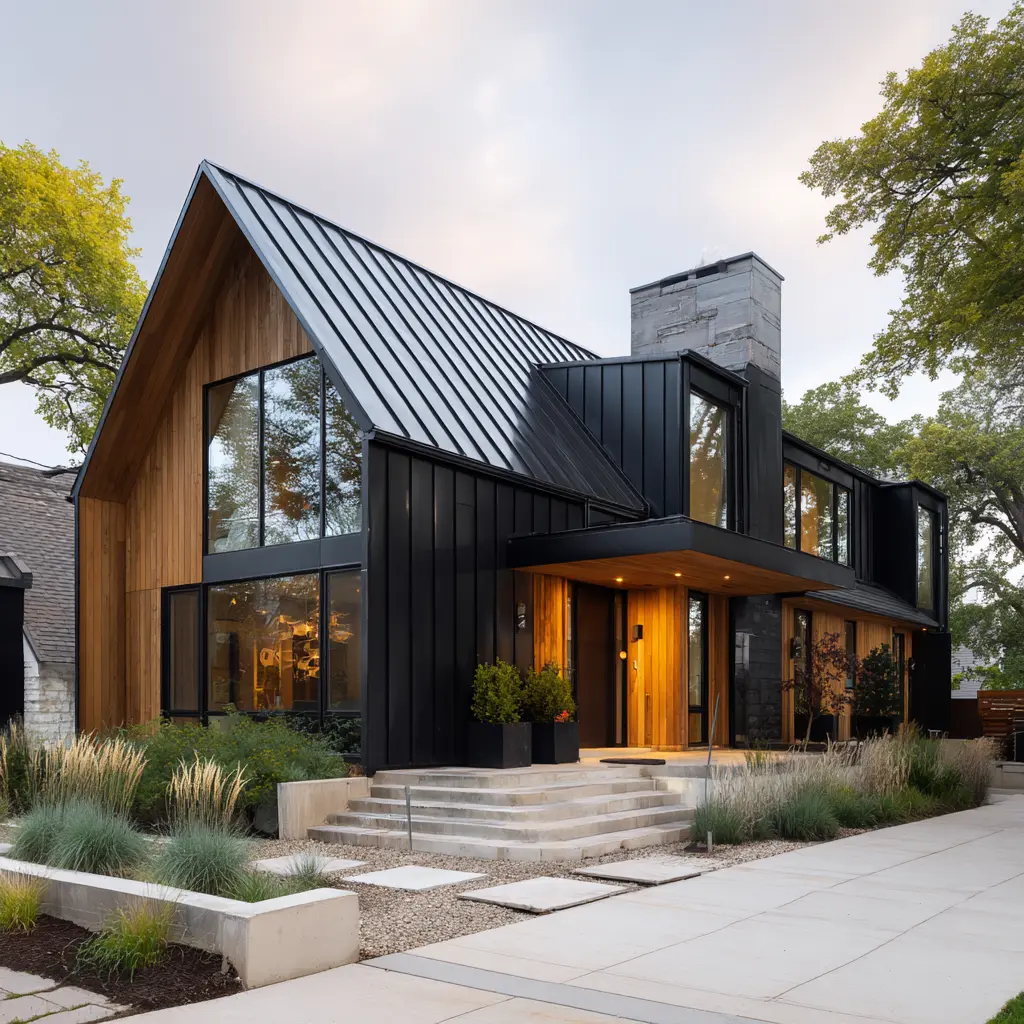
I have lived under both, so take this from someone who has actually been there.
Shingles are fine for the short term. Cheaper upfront, easy to patch, and if you are moving in a few years, they do the job. We had them for years and never thought twice about it.
Then we switched to metal, and I wish we had done it sooner. Once it is up there, you stop thinking about your roof entirely. No storm stress, no repair calls, no wondering what that dark patch means.
That first summer, our energy bills dropped enough that my husband noticed without me saying a word.
The Metal Roofing Alliance puts cooling savings at up to 25 percent with reflective coatings.
Shingles last about 20 years and cost $3 to $6 per square foot. Metal carries you 40 to 70 years. On a bigger home, you could replace shingles twice before metal even needs a conversation.
Which One Should You Choose?
Tight budget and moving within ten years, go with shingles.
Staying in the house long term, metal wins, and it is not close. Lower maintenance, better energy performance, and you will likely never replace it again.
And honestly, the peace of mind alone is worth something.
Every time a bad storm rolls through, and you do not even flinch, you will know you made the right call. I have done both, and there is no version of this where I go back.
Bottom Line!
Metal roofing is not the cheapest option upfront, and it was never meant to be.
It is the option you choose when you are done replacing things every decade and ready for something that just works.
Whether you are comparing materials, calculating costs by square foot, or trying to decide between metal and shingles, the answer usually comes down to one question.
How long are you staying? Get that right and everything else falls into place.
Frequently Asked Questions
1. Can You Install a Metal Roof over Existing Shingles?
In many cases, yes, but local building codes and the condition of your existing roof deck determine whether it is allowed.
2. Does a Metal Roof Increase Home Insurance Premiums?
Most insurers actually reduce premiums for metal roofs because they are more resistant to fire, wind, and impact damage.
3. How Loud is a Metal Roof during Rain or Hail?
With proper underlayment installed, a metal roof is no louder than asphalt shingles and can even be quieter due to added insulation layers.
4. Do Metal Roofs Attract Lightning More Than Other Roofing Materials?
No, metal roofs do not attract lightning, and because metal is non-combustible, it is actually considered safer than other materials in the event of a strike.
5. How long does it Take to Recoup the Cost of a Metal Roof?
Most owners recoup the cost through energy savings, reduced maintenance, and avoided replacements within 15 to 20 years, depending on material and climate.