
Small living rooms can feel tricky to arrange.
You want a space that’s comfortable for movie nights and visiting friends, but the furniture never seems to fit quite right.
Maybe the sofa blocks the walkway, or the coffee table makes everything feel cramped.
These living room layout ideas will help you make the most of what you’ve got.
Why Layout Matters in a Small Living Room
The way you arrange furniture affects how a room feels and works.
It determines whether people can move around easily, if there’s enough seating, and whether the space feels open or tight.
Small changes make a big difference. Moving your sofa to a different wall or angling a chair can improve flow and create more usable space.
You don’t need new furniture. Sometimes just removing one piece or shifting things a few feet opens up the whole room.
A good layout matches how you actually use the space. If you watch TV most nights, that should guide your setup.
Tips for Arranging Furniture in a Small Living Room
Small spaces need a more innovative approach to make the most of what you have.
- Start with measurements: Know your room and furniture dimensions before moving anything around.
- Choose furniture with exposed legs: Pieces on legs make the room feel more open by showing the floor underneath.
- Use multipurpose furniture: Ottomans with storage or coffee tables with shelves add function without taking up extra space.
- Keep 18 inches of clearance: This gives enough room to walk comfortably between pieces.
- Mount things on walls: Floating shelves and wall-mounted TVs free up floor space.
- Stick to a simple color scheme: Too many colors make small rooms feel smaller.
Simple Ways to Arrange a Living Room
These setups work in rooms of different shapes and sizes. Some are perfect for tight spaces, while others help divide a larger area into zones.
Pick the ones that match your room’s dimensions and how you want to use the space.
1. Sofa Against the Longest Wall
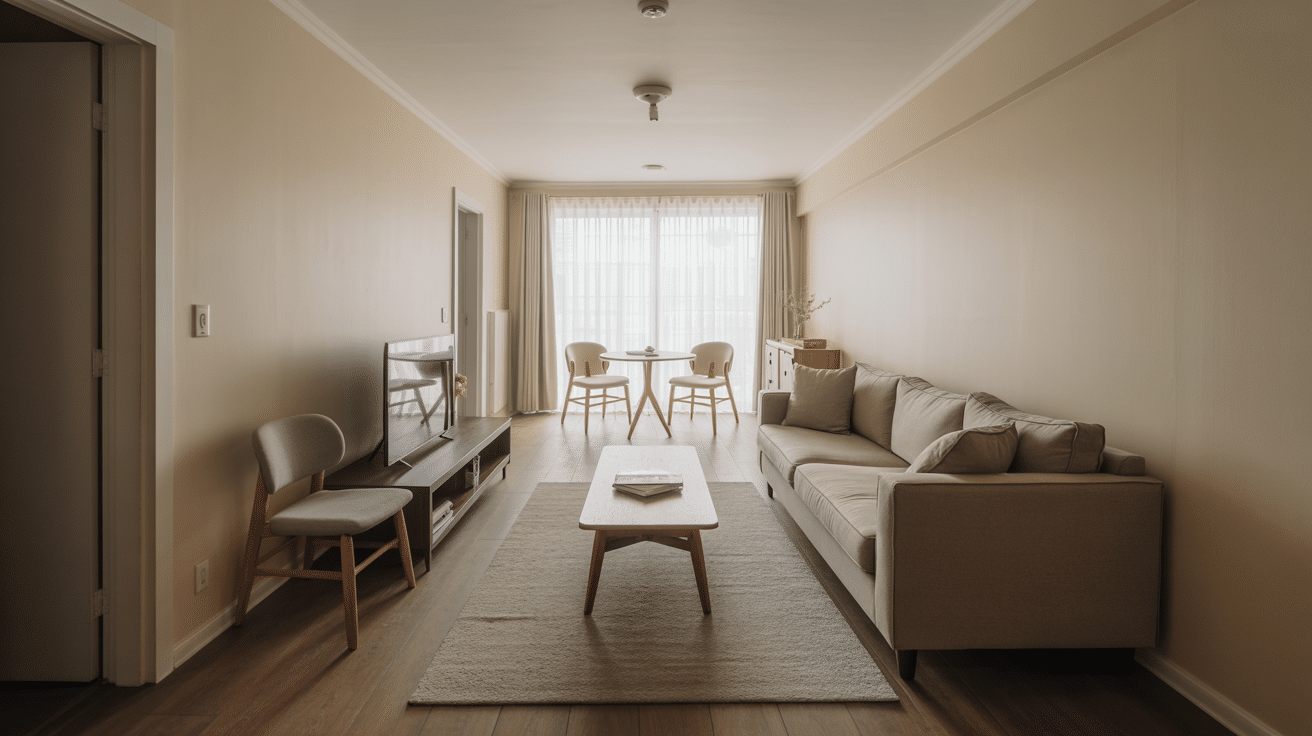
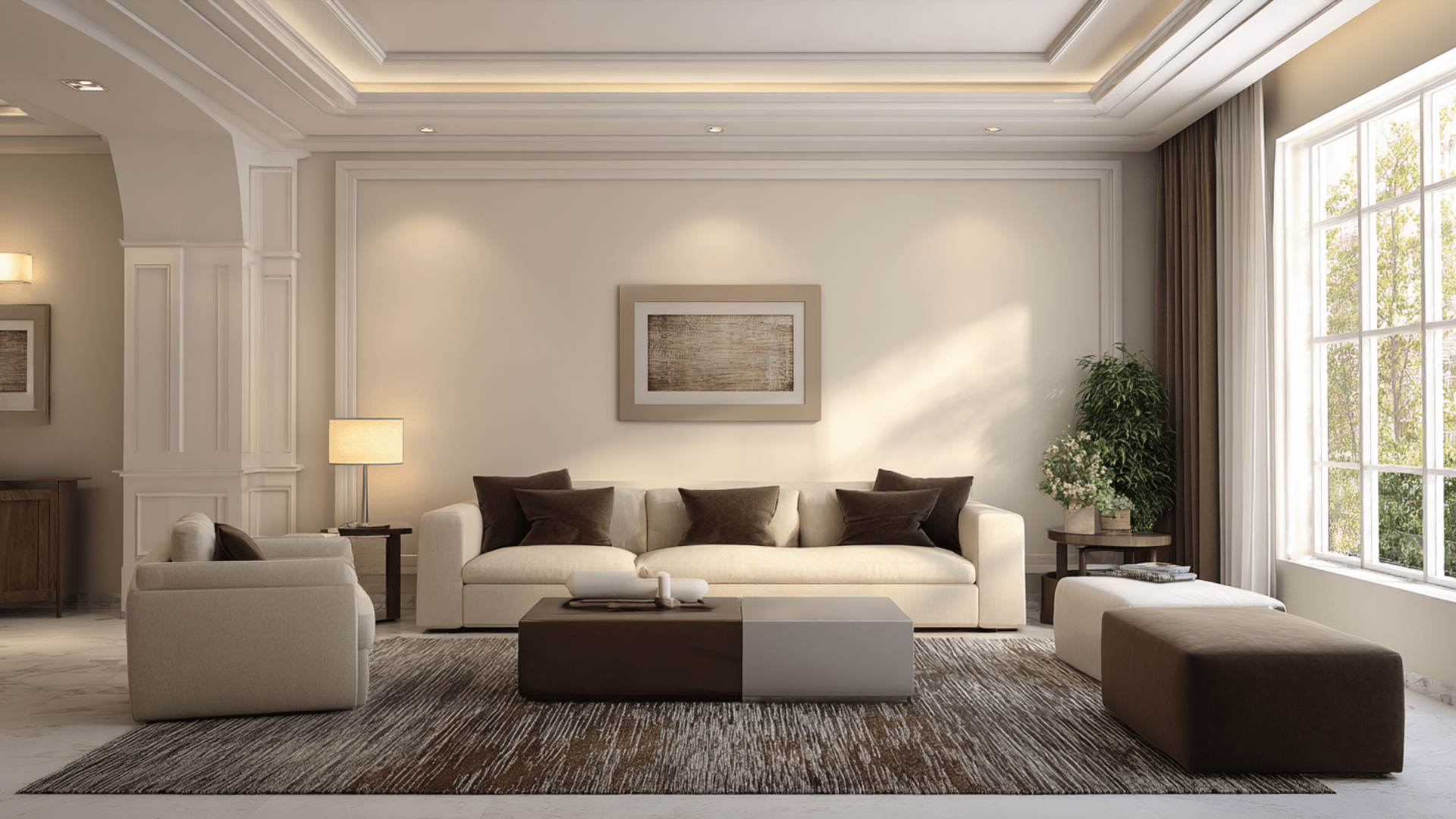
Placing your sofa along the longest wall opens up the center of the room and makes it easier to add other pieces.
It works well in narrow spaces because it keeps the main seating out of the walkway. You can put a coffee table in front and add chairs across from it if you have room.
Pro tip: Keep your sofa at least 10 feet from the TV for comfortable viewing without neck strain.
2. L-Shaped Seating in a Corner
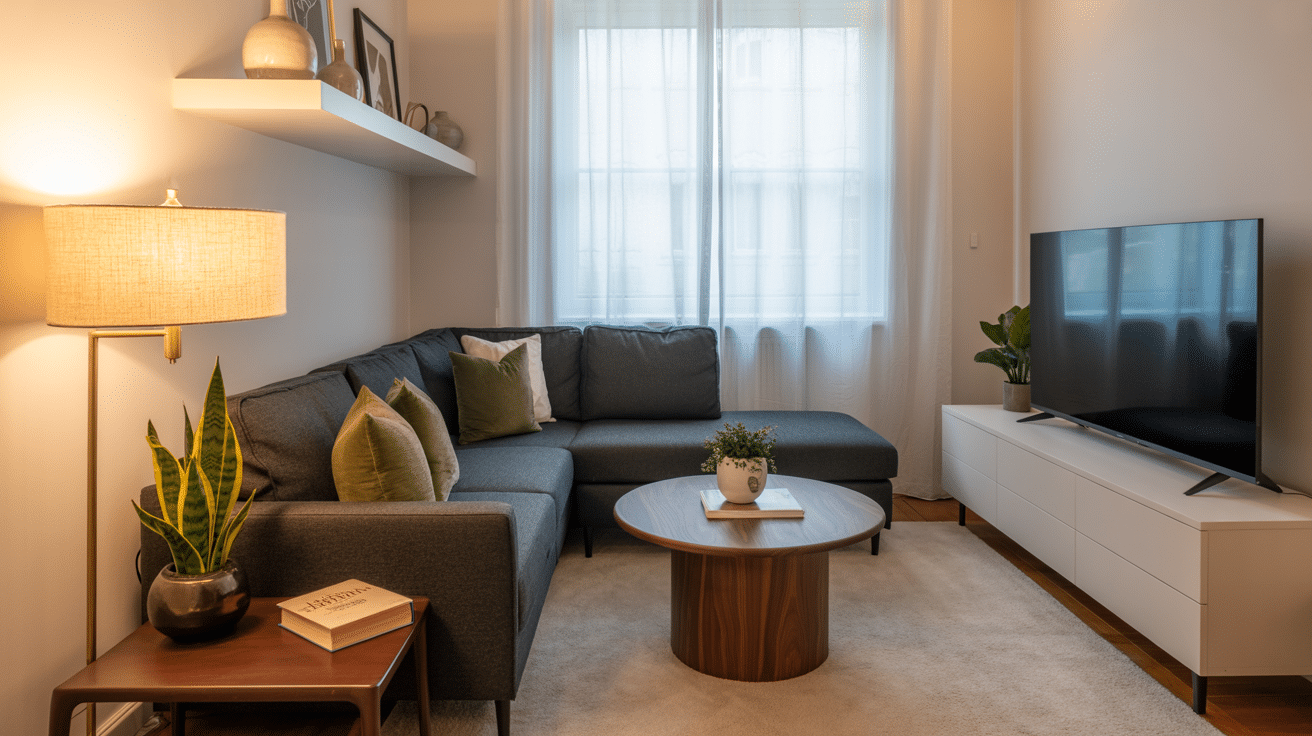
An L-shaped sectional or two pieces arranged at a right angle fit nicely into a corner. This setup creates a cozy seating area without taking up the whole room.
It’s helpful in square spaces where you want to define a sitting zone but still leave floor space open on the other side.
3. Two Small Chairs Facing the Sofa
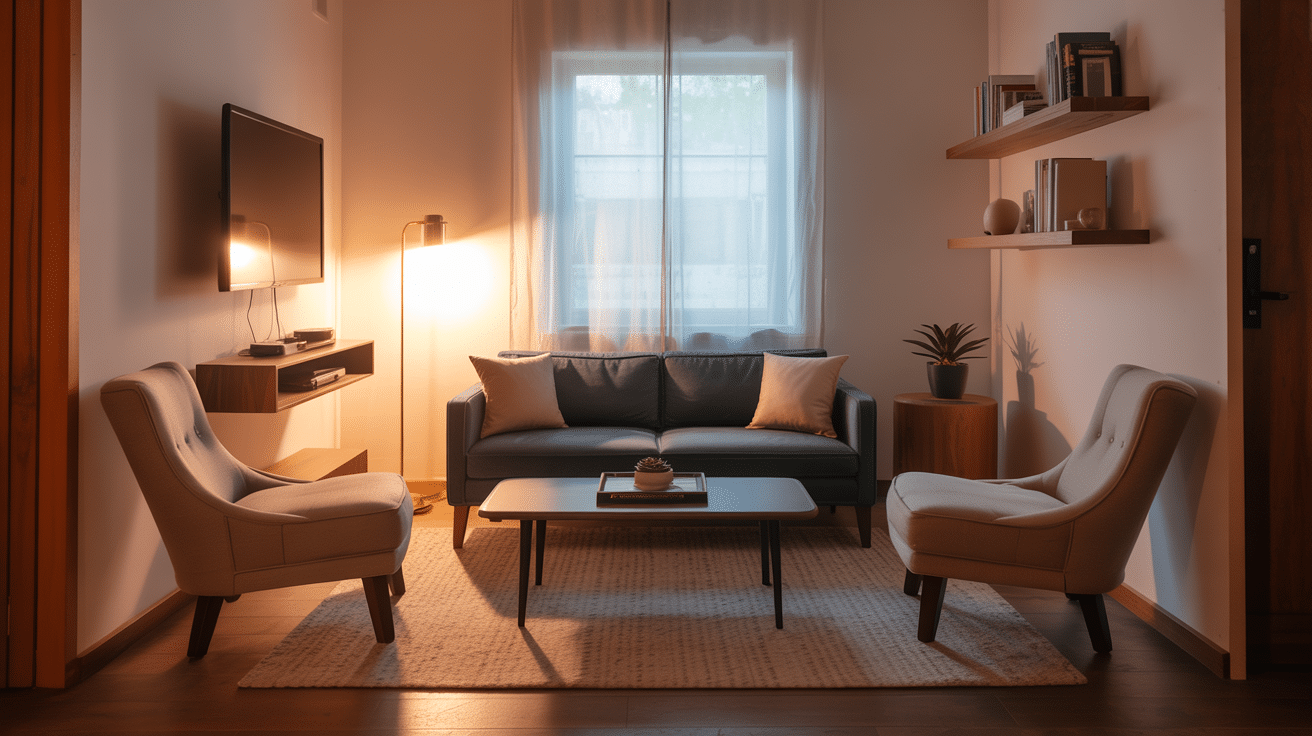
Instead of one large sectional, try a sofa on one wall and two chairs across from it. This arrangement creates a conversation area and works well when you need flexible seating.
Chairs are easier to move than a big sofa, and they don’t block as much visual space.
4. Chairs-Only Setup Instead of a Sofa
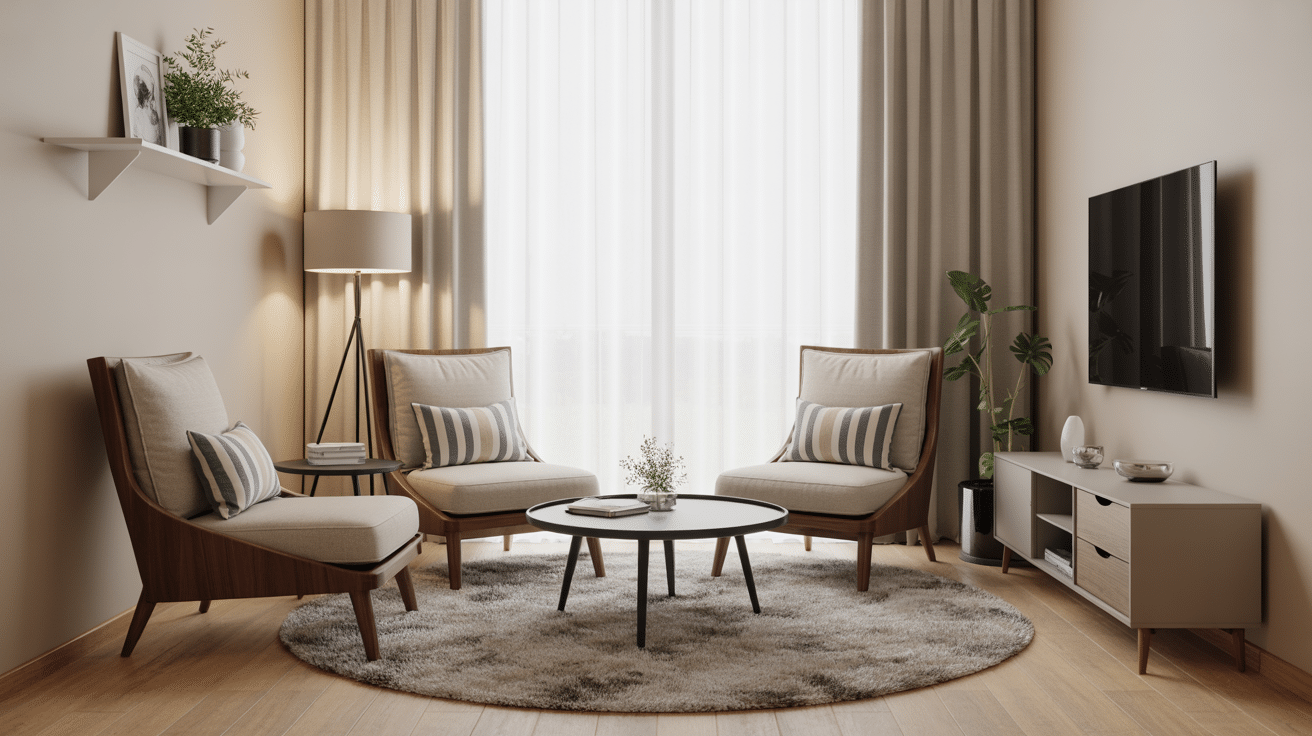
Skip the sofa entirely and use three or four chairs arranged in a circle or square.
This works in tiny rooms where a sofa would dominate. Chairs give you the same seating capacity but feel lighter and less bulky.
Plus, you can rearrange them quickly when you need to.
5. Daybed Layout for Extra Flexibility
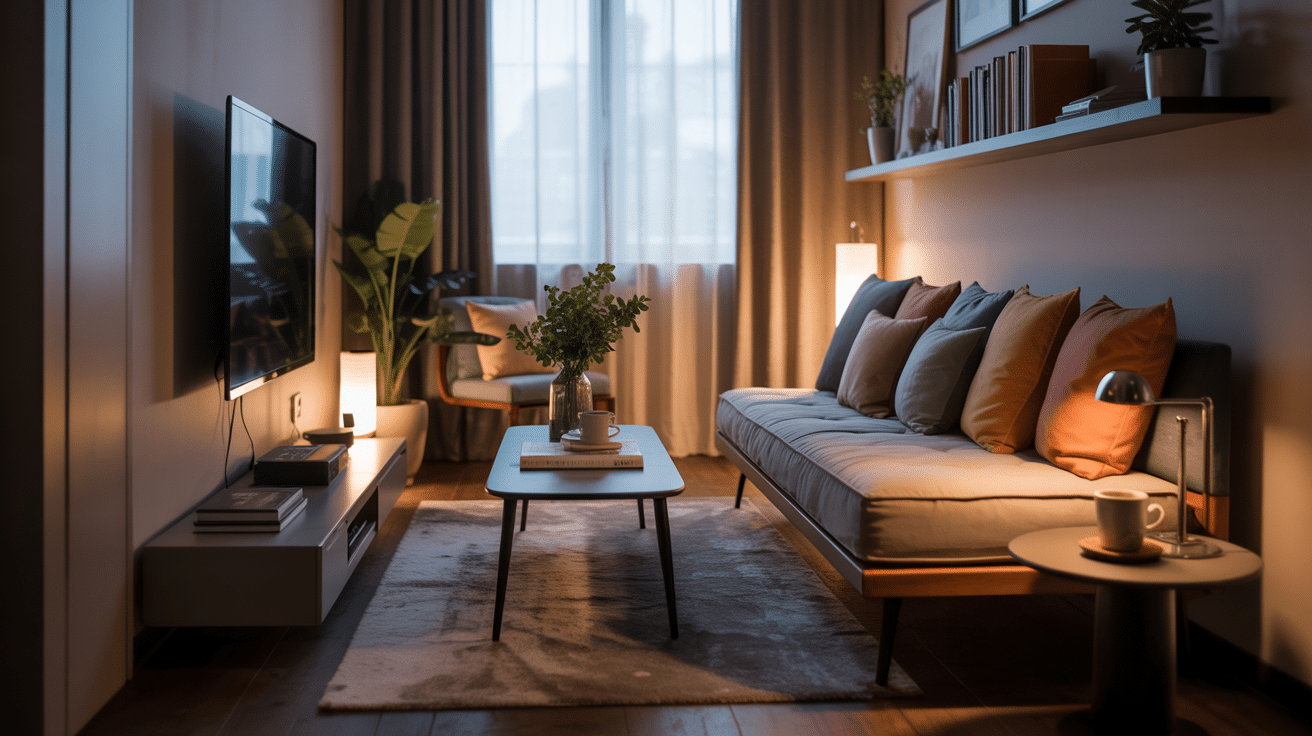
Place it against a wall like you would a sofa, then add cushions to make it comfortable for sitting during the day.
This is practical in studio apartments or multipurpose rooms where you need furniture to do more than one job.
Choose a daybed with a trundle underneath if you regularly host overnight guests. It doubles your sleeping capacity without taking up extra floor space.”
6. Floating the Sofa in the Center
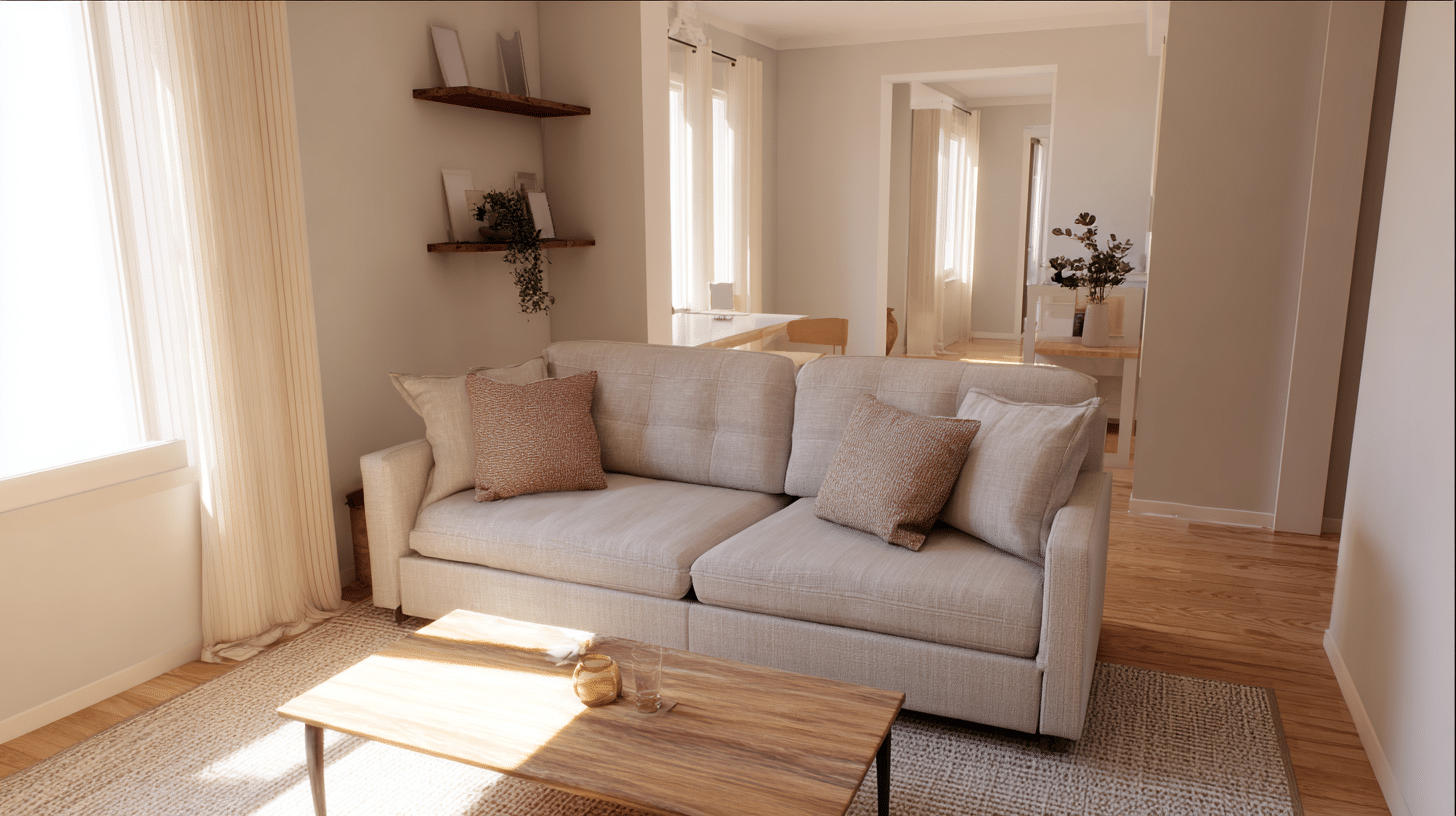
Pulling the sofa away from the wall might seem backward, but it can actually make a room feel more intentional. This works best in larger spaces where you want to create separate zones.
Put the sofa a few feet out, then use the space behind it for a console table or a walkway.
Try this when:
- You have extra square footage
- You want to define separate areas
- You need a walkway behind the seating
- You can add a console table behind
7. Diagonal Furniture Placement
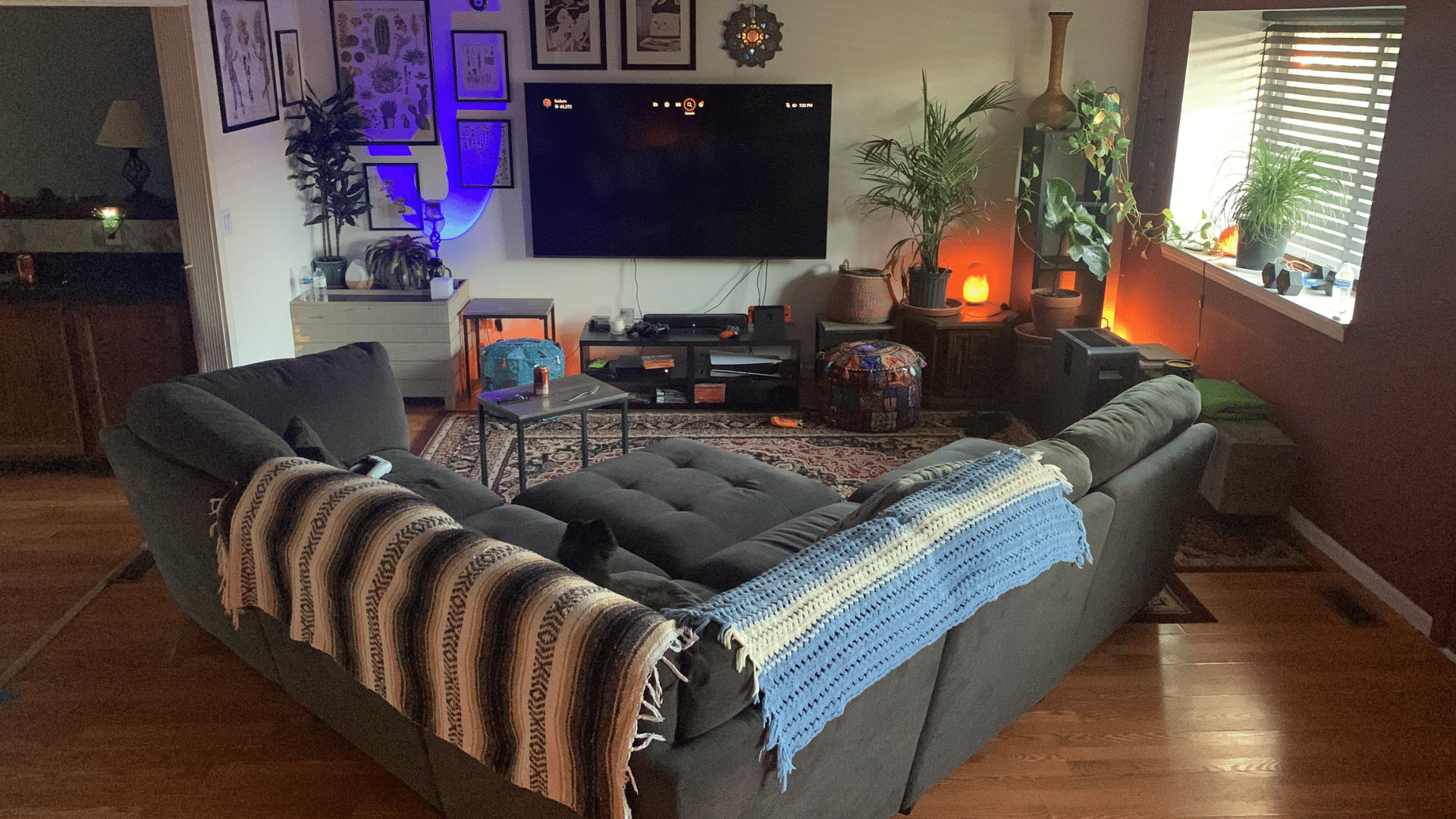
Angling your sofa or chairs at 45 degrees changes the whole feel of a room.
It softens the hard lines and can make a boxy space feel less rigid.
This approach works well in square rooms, but make sure the angled pieces don’t block doorways or create awkward walking paths.
8. Side-by-Side Chairs Under a Window
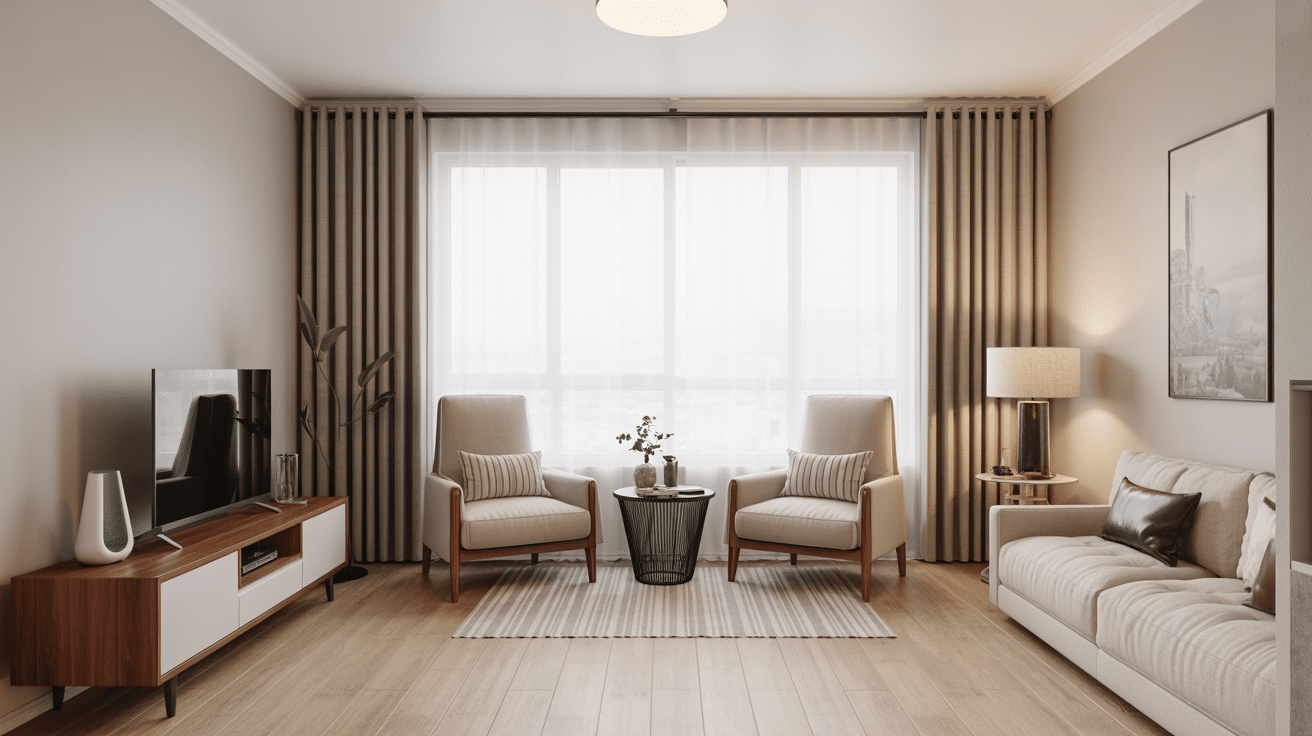
Two chairs placed under a window create a pleasant spot for reading or conversation.
This setup works when you don’t have room for a full sofa but still want usable seating. It also draws attention to the window and takes advantage of natural light.
9. Low Furniture Facing One Wall
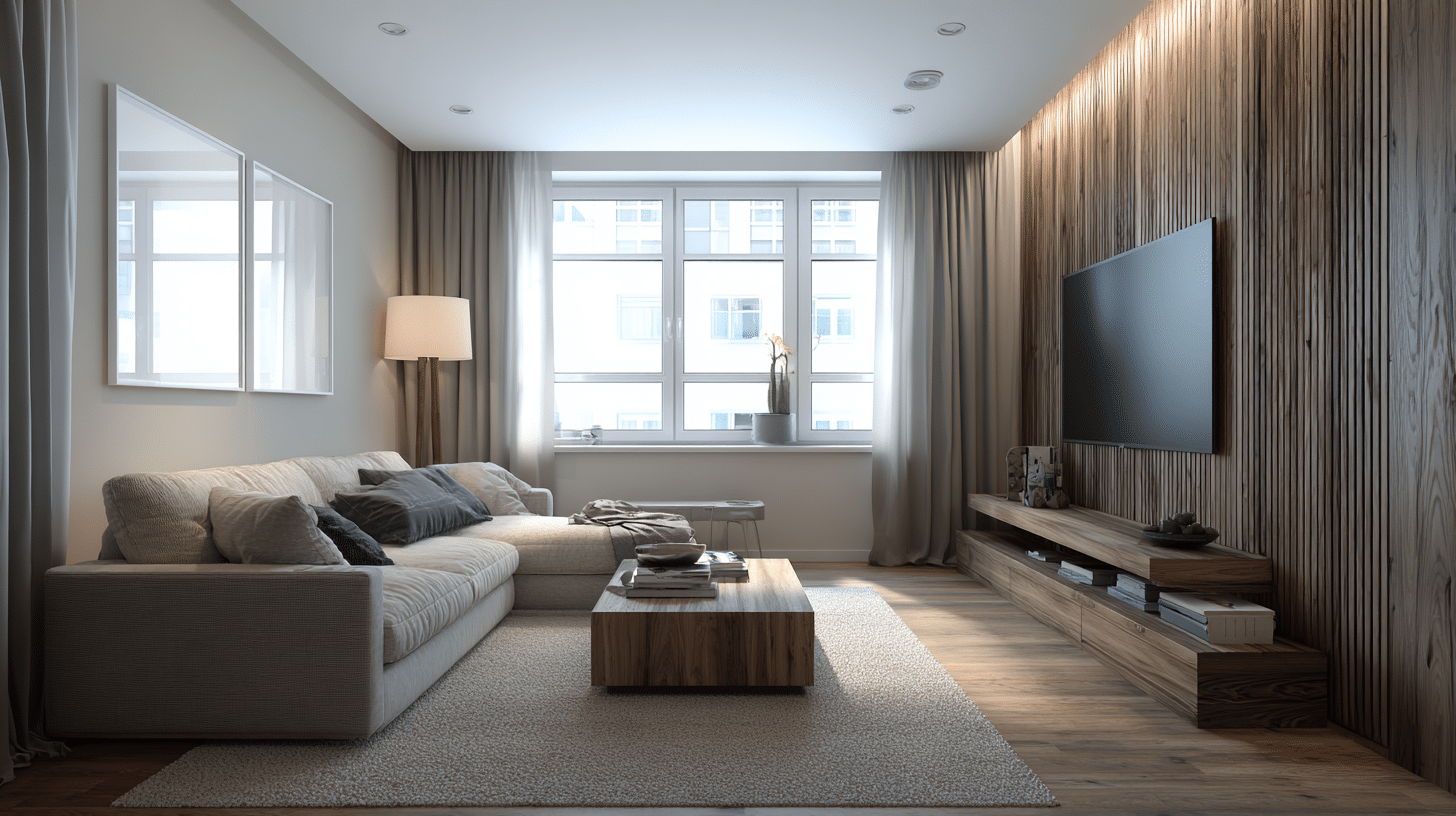
Choosing low-profile furniture keeps sightlines open and makes the ceiling feel higher.
A low sofa, short chairs, and a coffee table that sits close to the ground all contribute to this effect.
Face everything toward a single feature wall to create a clear focal point.
10. Tall Shelves to Keep the Floor Clear
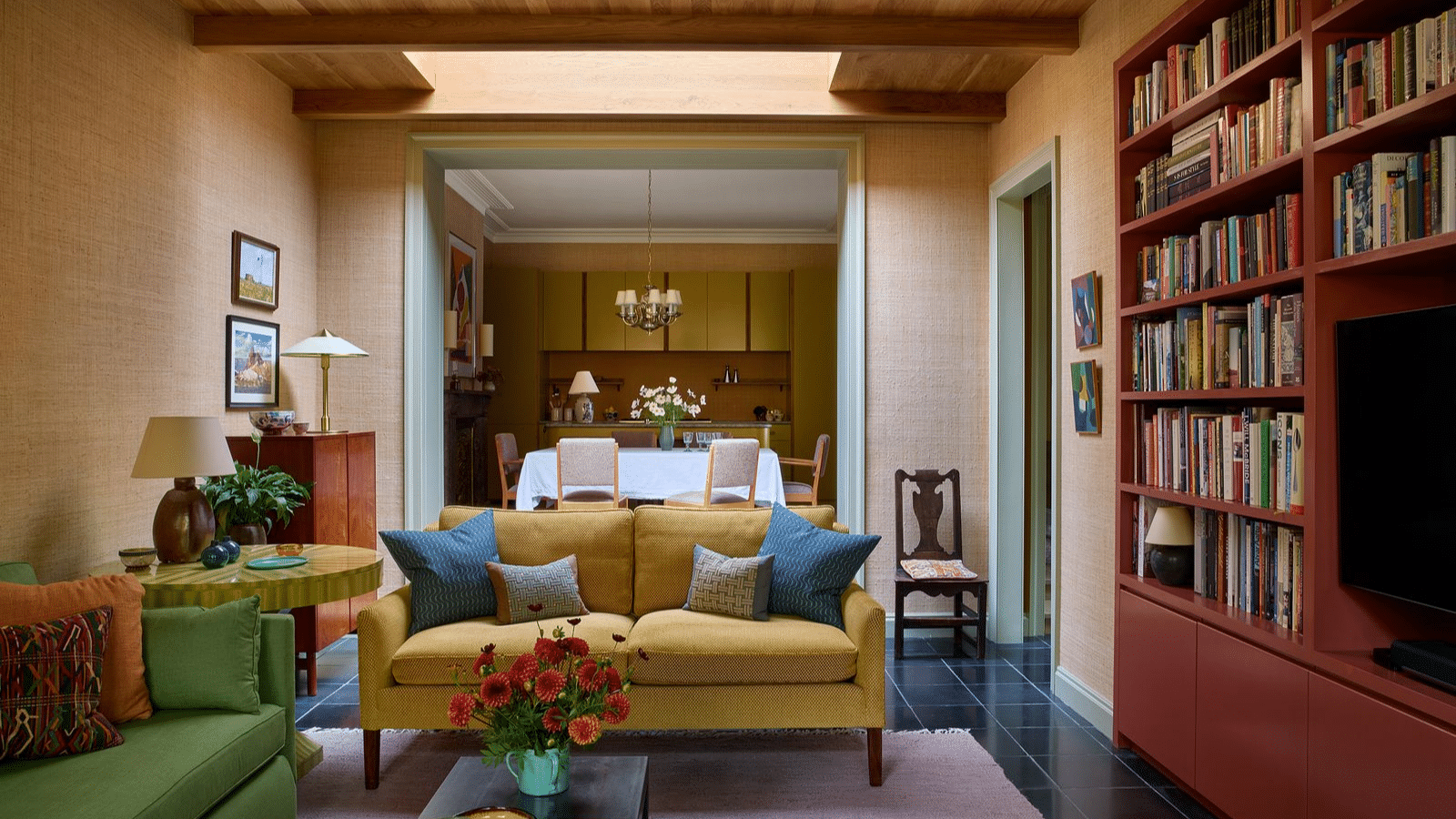
Instead of spreading storage across the floor, go vertical with tall bookshelves or cabinets.
This frees up floor space for seating and movement while still giving you plenty of room to store things.
Mount shelves high or choose a narrow bookcase that reaches toward the ceiling.
Anchor tall shelves to the wall for safety, especially if you have kids or pets in the house.
11. Window-Edge Seating Layout
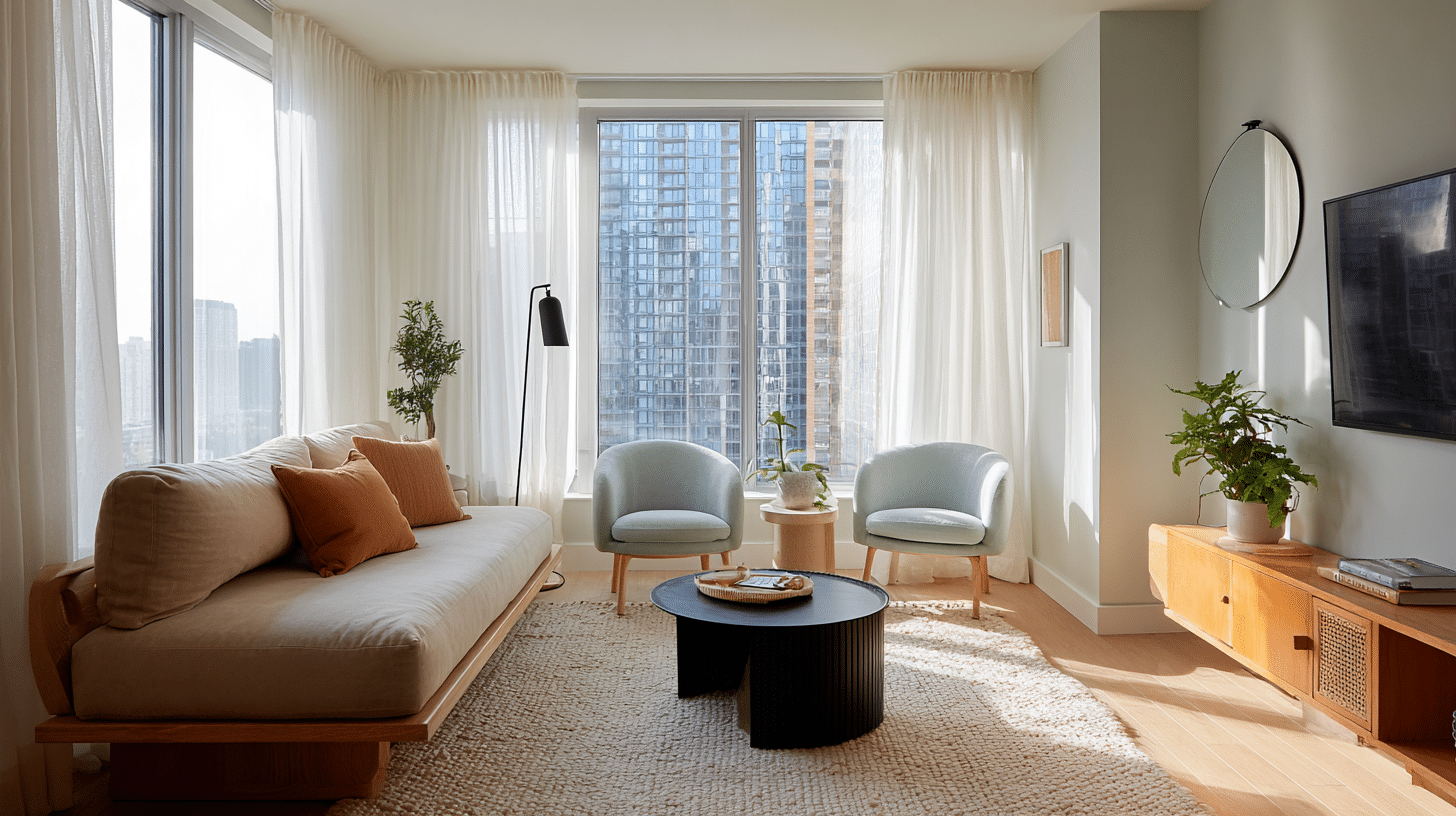
Place your sofa or bench along the window wall, not directly in front of it. Keep the seating low and close to the glass, then add one or two chairs across from it.
This keeps the center open and works in small spaces where you want natural light without blocking movement.
12. Sofa Facing the Window for Natural Light
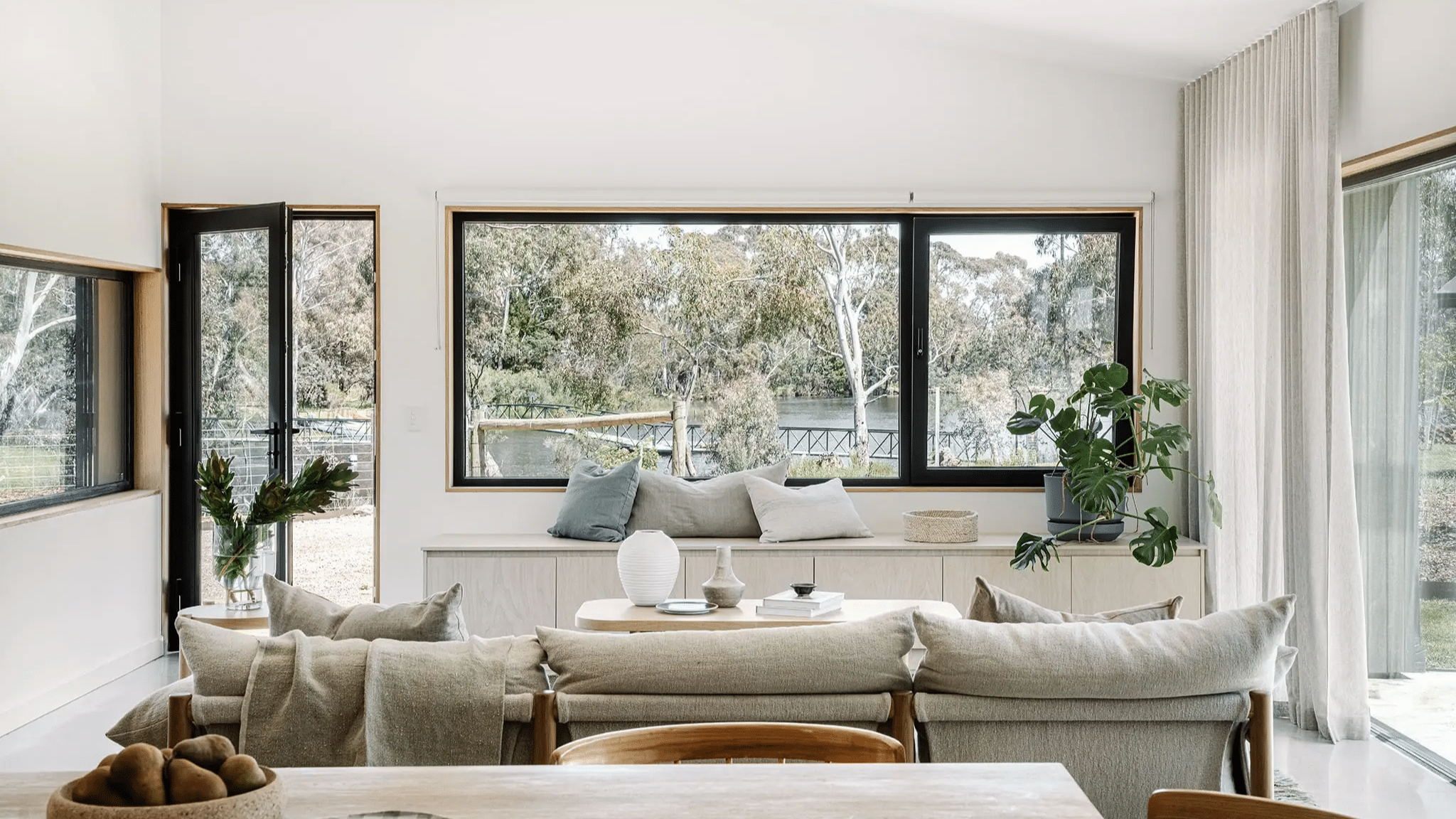
Position your sofa so it faces a window, and you’ll get natural light throughout the day. This setup works well if the view is pleasant or if you want to make the most of sunlight.
Just be mindful of glare if you plan to watch TV from this spot.
13. Small Console Table Behind the Sofa
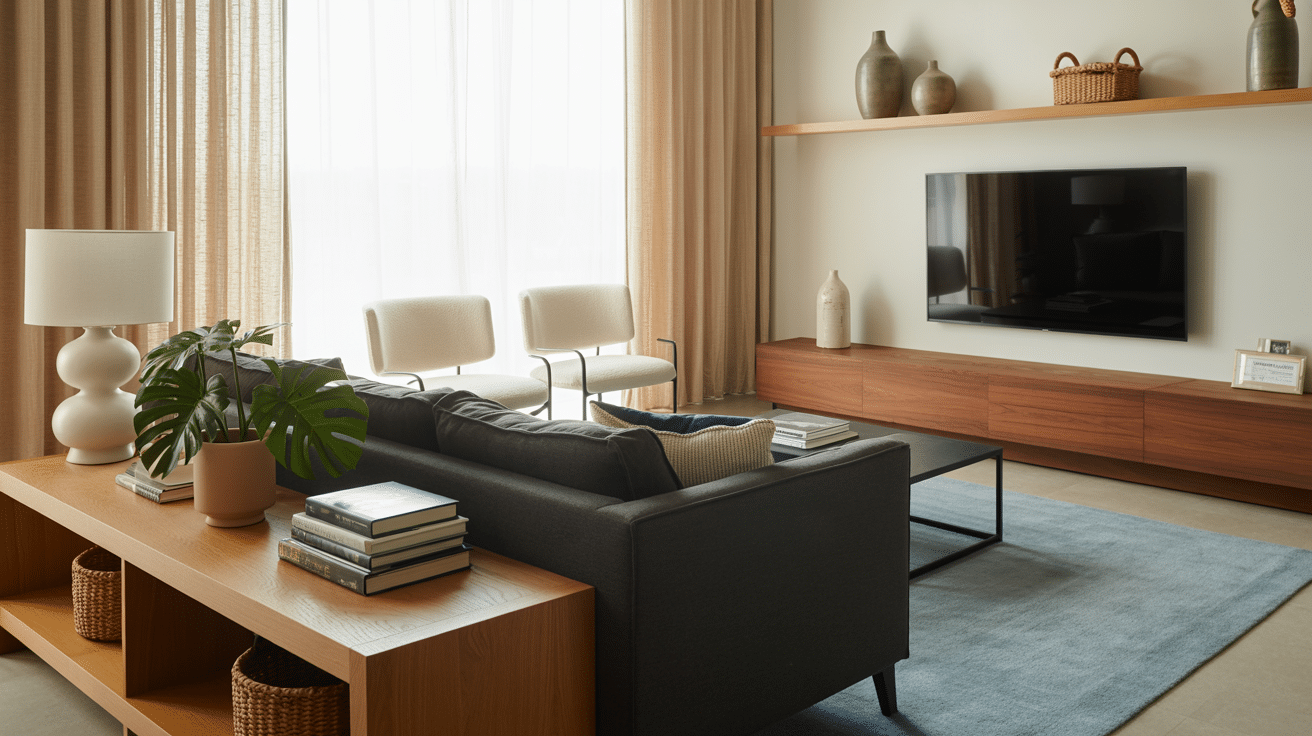
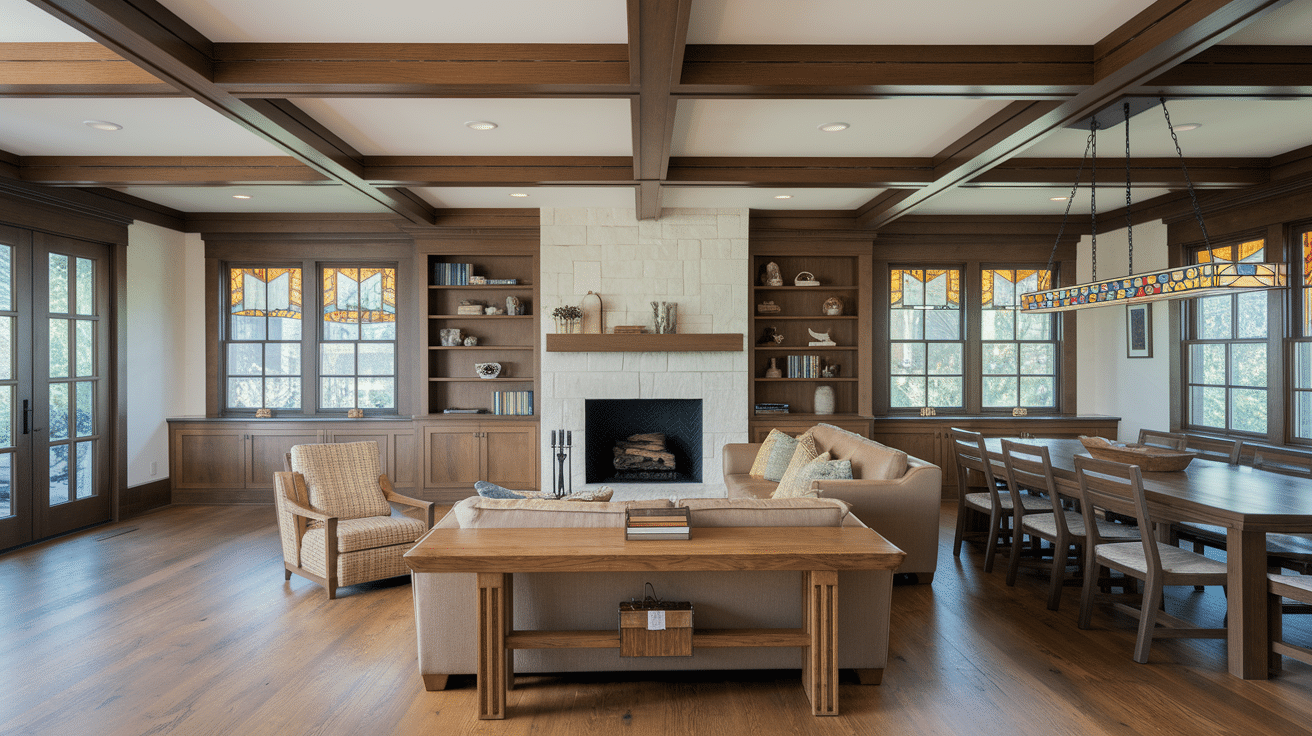
When your sofa floats in the room or sits in the middle of a space, a console table behind it adds function.
Use it for lamps, plants, or a place to set drinks. It also helps define the back of the seating area and makes the setup feel finished.
Personal tip: Choose a console table that’s 10 to 15 inches narrower than your sofa width to keep proportions balanced.
14. Layout With a Simple Media Wall
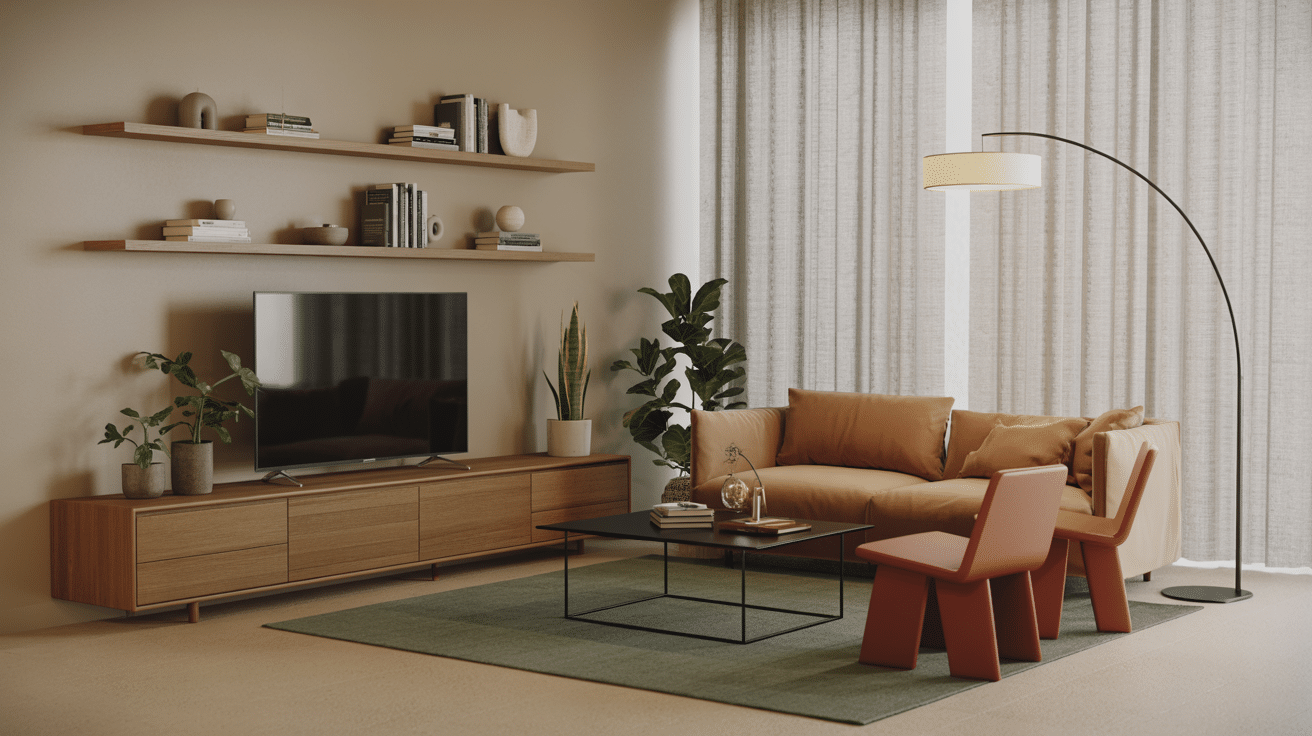
A media wall is just one wall dedicated to the TV and related storage.
Please keep it simple with a mounted screen and a low cabinet or floating shelves. This concentrates everything in one spot, leaving the rest of the room open for seating.
15. Corner Sofa for Square Rooms
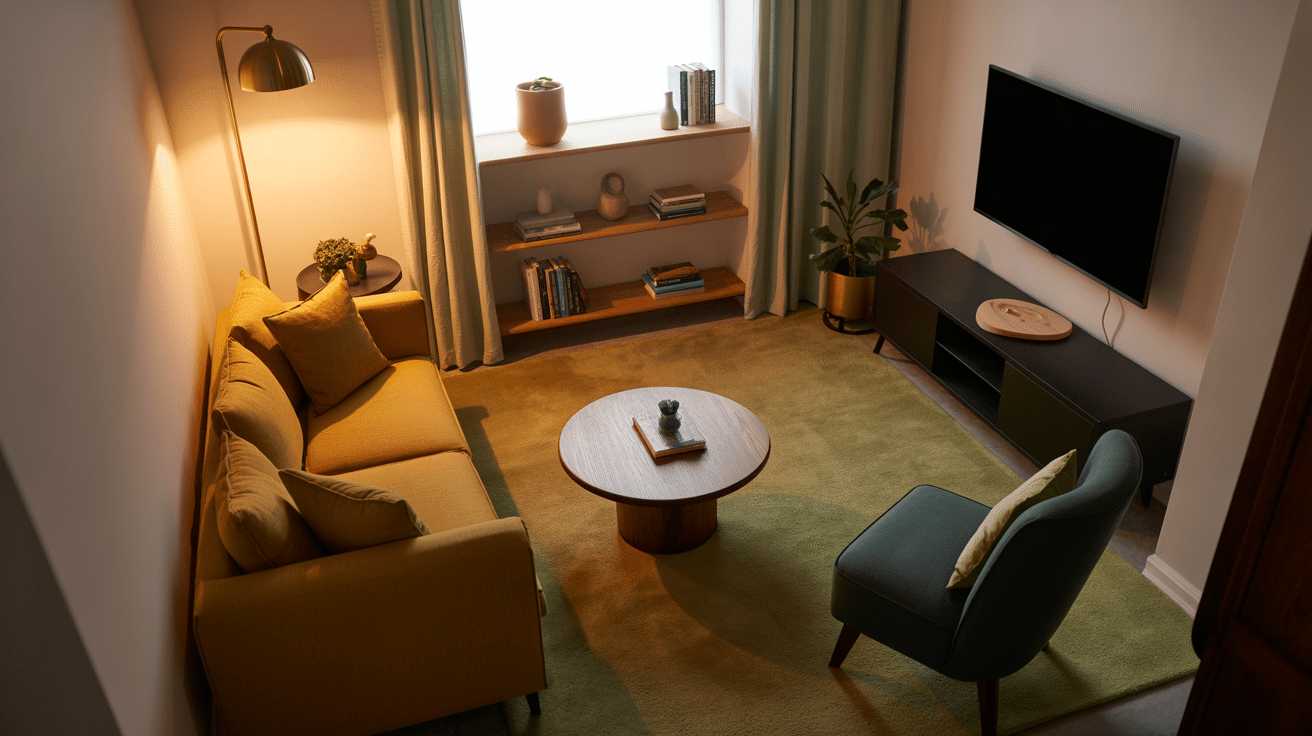
A corner sofa or sectional fits naturally into square rooms because it follows the shape of the space.
It provides plenty of seating without awkward gaps in the middle of the room.
This setup works exceptionally well when you want to maximize seats in a compact area.
16. Built-In Bench Seating in Tight Corners
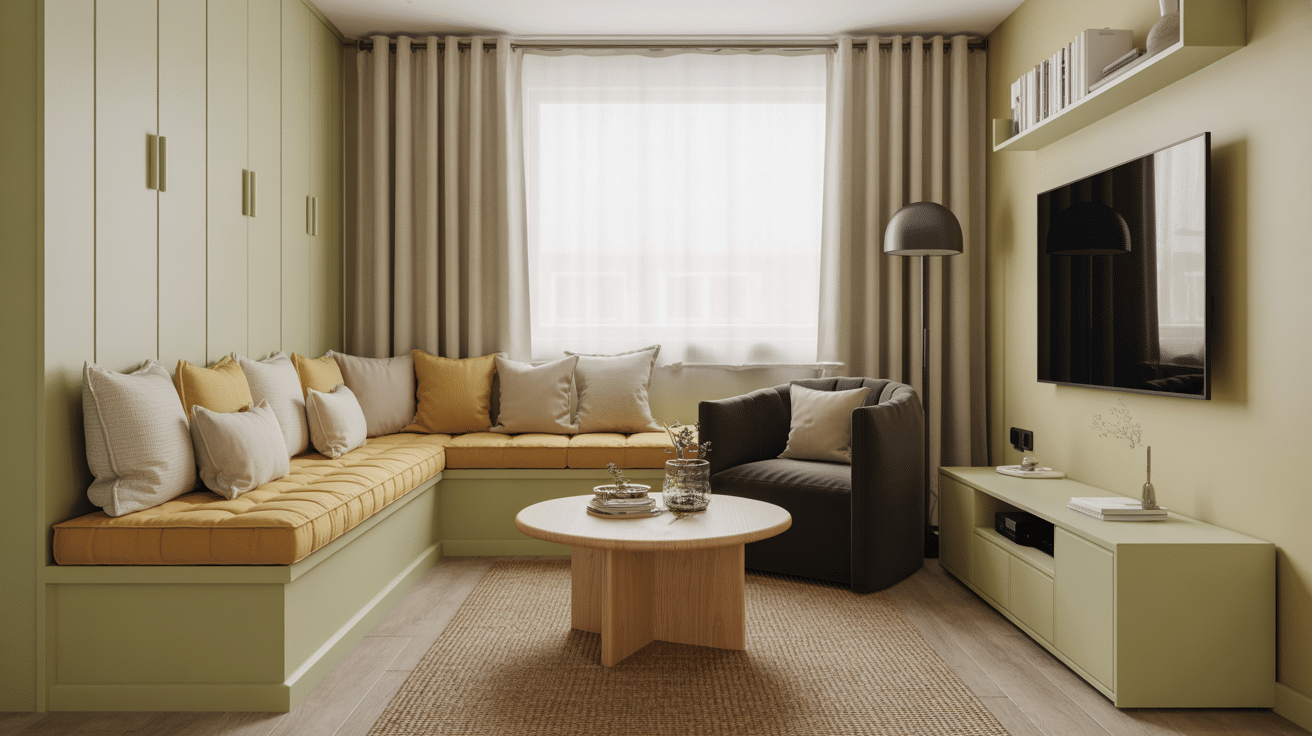
If you have an alcove or an awkward corner, consider built-in bench seating. This custom option uses space that might otherwise go to waste.
Add cushions to make it comfortable, and you’ve created extra seating that doesn’t stick out into the room.
17. Small Round Table in the Center
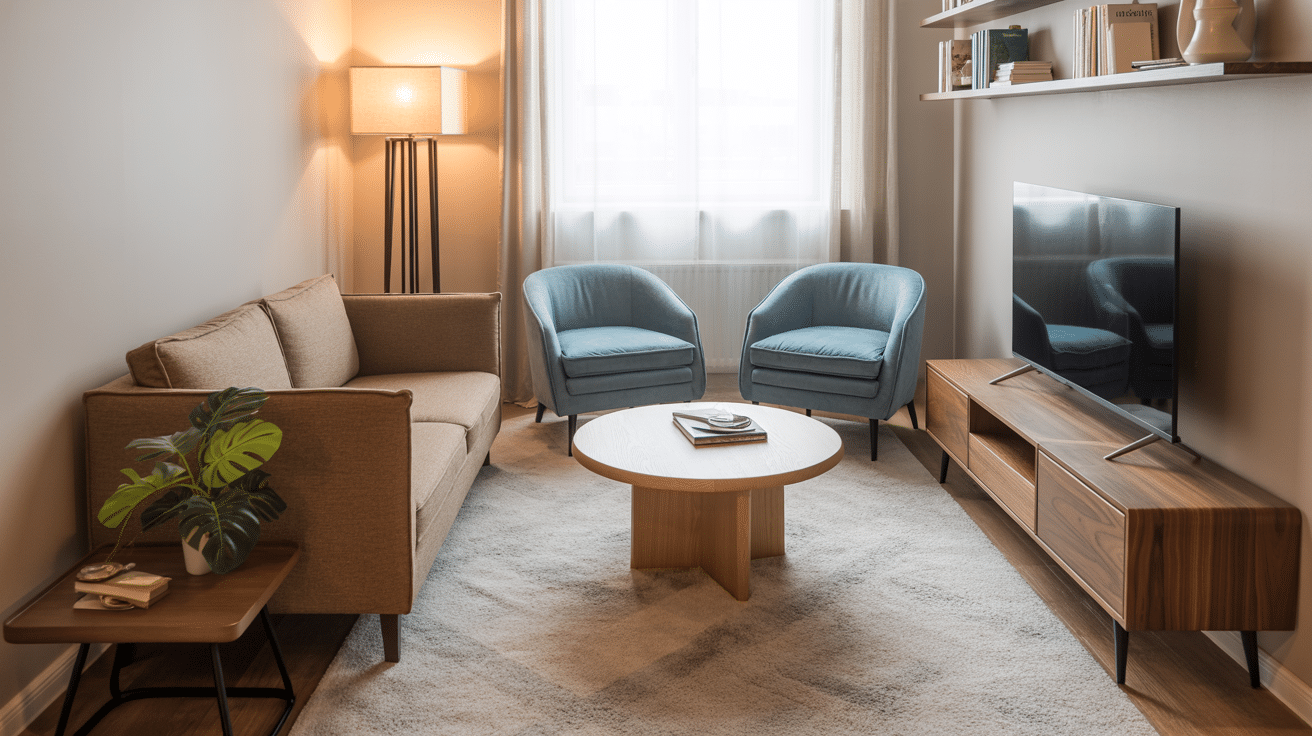
A round coffee table or side table takes up less visual space than a rectangular one. It also makes it easier to move around the room since there are no sharp corners to navigate.
This works well in tight quarters where every inch counts.
18. Narrow Console Table as a Divider
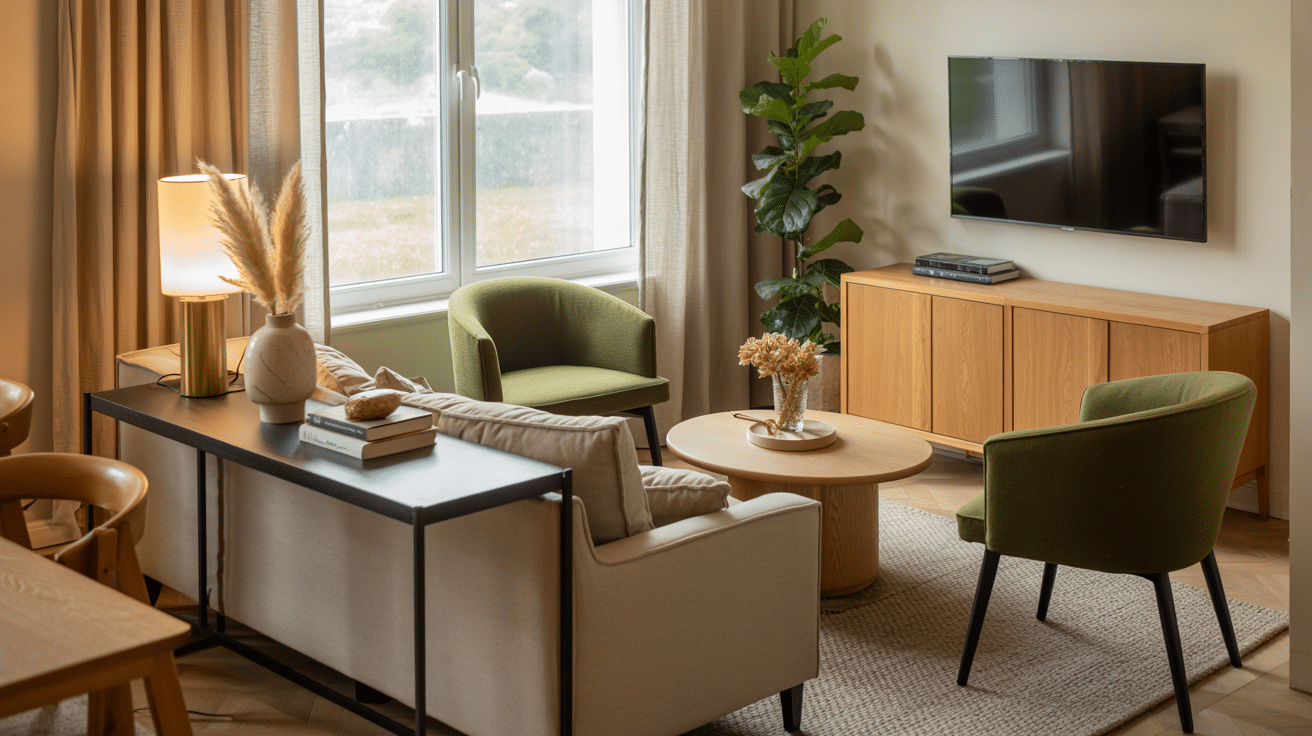
Use a slim console table to separate a living area from a dining space or entryway.
It acts as a visual boundary without blocking light or making the room feel closed off. This is helpful in open floor plans where you need to define zones but don’t want walls.
19. Sofa Facing Away From the Entry to Shape the Space
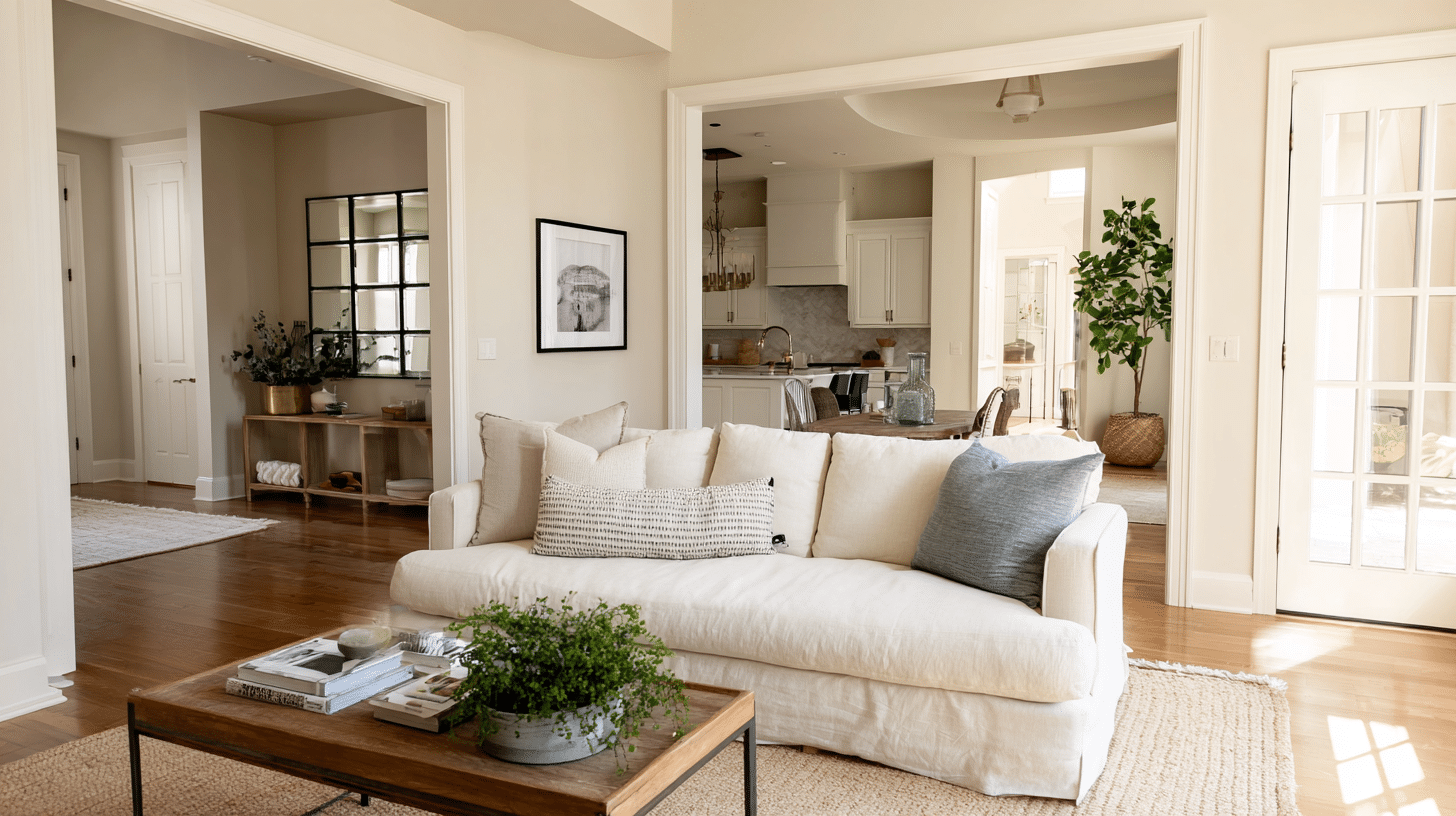
Positioning the sofa so its back faces the door or entryway might feel odd at first, but it can help define the living area.
The back of the couch serves as a subtle divider, separating the sitting area from the rest of the room. This works in open layouts or studios.
20. Sofa on One Side and Workspace on the Other
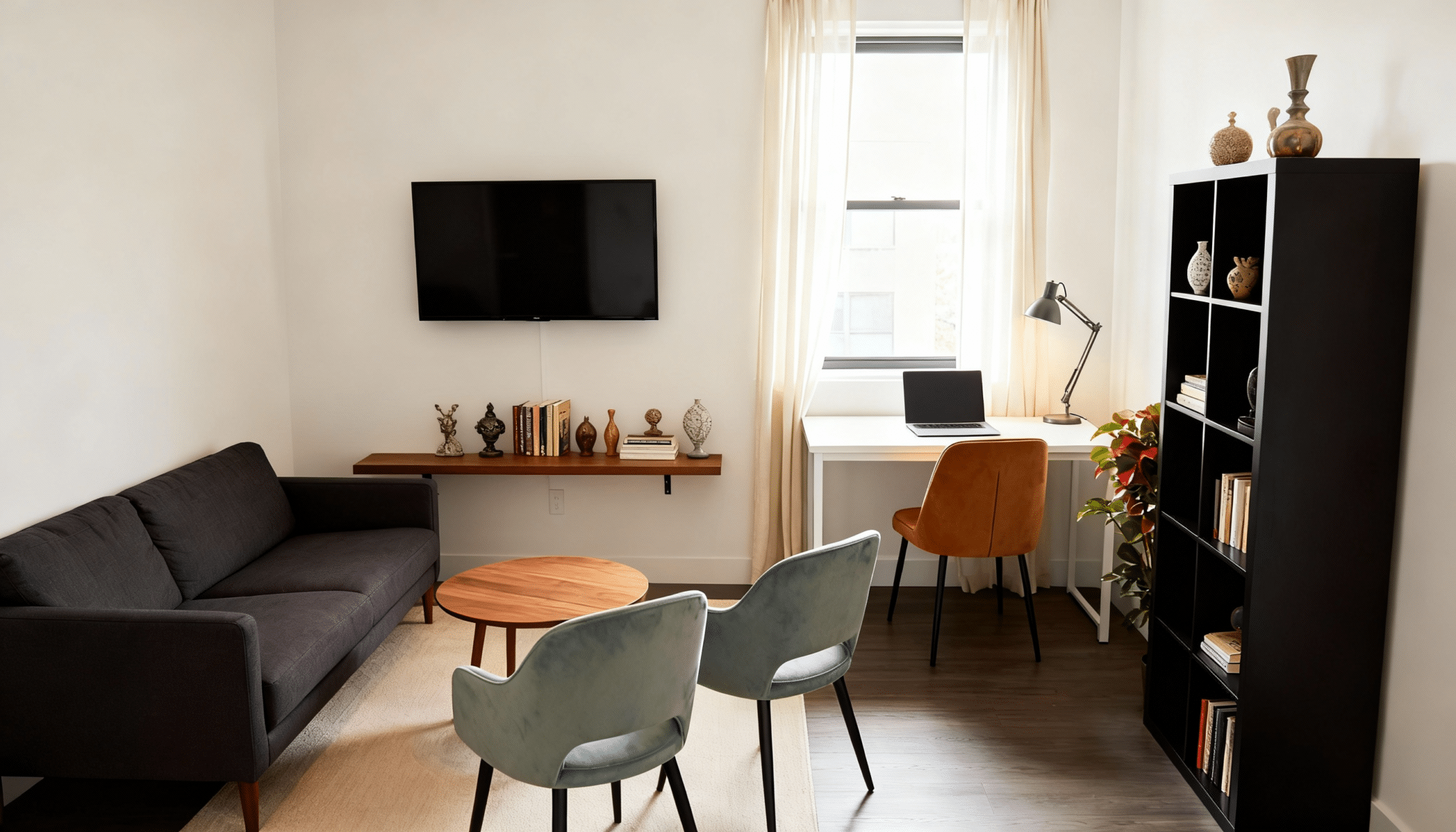
Split the room into two zones by putting your sofa on one side and a desk or workspace on the other.
This setup is practical when you work from home and need a dedicated area for your computer. Keep the desk simple and use a bookshelf or a rug to separate the two areas visually.
Personal tip: Place your desk so you’re facing a wall instead of the TV or sofa to minimize distractions during work hours.
Now that you’ve seen the options, let’s cover a few practical tips that make any setup work better.
How to Make Any Layout Work Better?
These living room layout ideas work best when you pay attention to a few practical details.
- Keep walk paths open: You need at least 24 inches of clearance for comfortable passage. Clear paths prevent that squeezed-in feeling.
- Use the right rug size: Aim for a size where at least the front legs of your sofa and chairs sit on the rug. This pulls the seating area together.
- Add lighting at different heights: Mix floor lamps, table lamps, and wall sconces to create layers and options for different moods.
- Match furniture scale to room size: A huge sectional in a tiny room makes everything feel cramped. Choose pieces that fit the space.
- Leave 14 to 18 inches between the sofa and coffee table: This gives you enough room to set down a drink without bumping your shins.
- Start with the most significant piece first: Place your sofa before anything else. Once that’s positioned, everything else falls into place.
- Don’t push everything against the walls: Pulling furniture a few inches away can actually make a small room feel less boxed in.
- Keep some space: You don’t need to fill every corner. A little breathing room makes the layout feel more intentional.
Decorating Ideas for Small Living Rooms (Budget-Friendly)
You don’t need to spend a lot to make a small living room look good. A few wise choices can change the whole feel.
Use mirrors to reflect light ($15-$40):
Hang a mirror across from a window to bounce natural light around the room. This makes the space feel brighter and bigger without any significant changes.
Add plants for life and color ($5-$25 each):
Snake plants, pothos, and succulents are low-maintenance and fill empty corners without taking up floor space.
Shop secondhand for unique pieces ($20-$100):
Thrift stores and online marketplaces have chairs, side tables, and decor at a fraction of retail prices.
You can find quality pieces that add character to your space, and many items need a quick cleaning or a fresh coat of paint to look brand new.
Hang curtains close to the ceiling ($25-$60 per panel):
This draws the eye up and makes walls look taller. Mount the rod just below the ceiling line instead of above the window frame.
Basic panels from discount stores work just as well as expensive ones.
Add throw pillows and blankets ($10-$30 each):
These are affordable ways to change colors and add comfort. Swap them out seasonally if you want a fresh look without redecorating the entire room.
Final Thoughts
The proper setup can completely change how you use and enjoy your space.
Start with one or two changes that fit your room’s shape and your daily routine. Move the sofa, try a different coffee table, or rearrange your chairs.
You’ll likely find that these living room layout ideas give you more space and comfort than you expected.
Test a few options and see what feels right.
Which idea do you think is right for your small living room? Share in the comments!