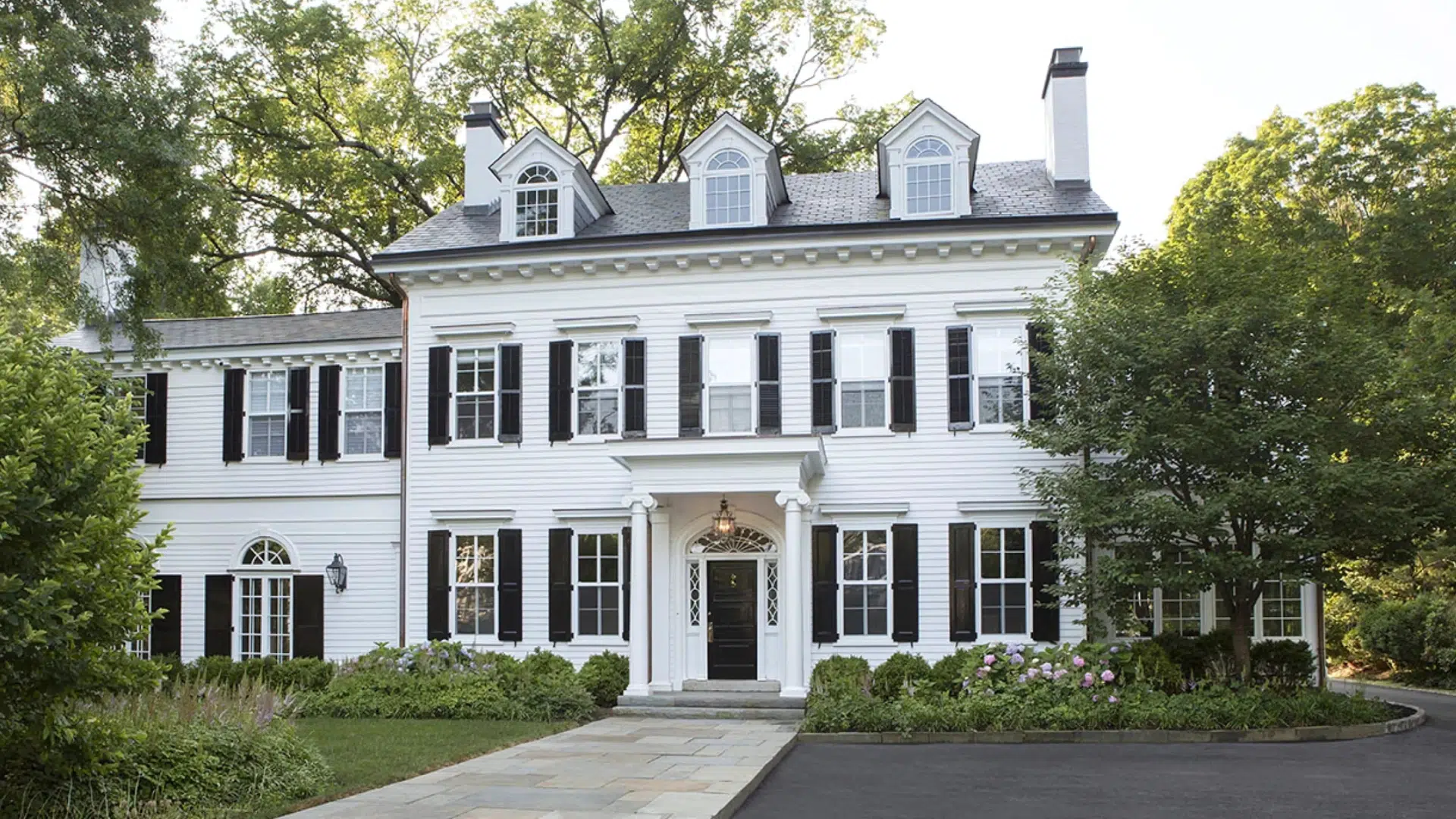
There is something about a colonial home that makes you slow down.
White columns, symmetrical windows, a roofline that feels considered rather than accidental.
From Virginia to the Carolinas, the same proportions, the same materials, and the same quiet confidence show up in colonial homes built three hundred years apart.
Origin and Historical Background of Colonial Architecture
This architecture emerged in America between 1600 and 1800 as European settlers began arriving in the region. Each group brought their own building traditions from home.
The Dutch built sturdy stone houses in New York, while Spanish colonists created adobe structures in the Southwest.
English settlers had the greatest influence on what is now known as the colonial style. They adapted their familiar designs to American materials and climate. Local wood replaced expensive imported stone.
Wide porches appeared to handle the hot summers well. By the 1700s, distinct regional styles developed.
New England favored simple, practical designs. The South embraced grander plantation houses. These early builders created a uniquely American architectural language that still speaks to us today
Key Characteristics of Colonial Architecture
Colonial homes share specific features that make them instantly recognizable.
These design elements create the balanced, welcoming look we associate with American colonial style.
- Symmetrical Facades: Windows and doors align perfectly on both sides of the front entrance. This creates visual harmony and reflects the colonial love of order and proportion.
- Multi-Pane Windows: Small glass panes, divided by wooden muntins, were both practical and beautiful. They let in light while adding texture and interest to exterior walls.
- Central Chimneys: Large chimneys anchored the home’s center, providing heat for multiple rooms. They often featured decorative brickwork that added character to the roofline.
- Simple Rooflines: Gable or hip roofs with moderate slopes handled the weather well. Clean lines helped keep construction costs down while creating an effortless appeal.
- Natural Materials: Wood siding, brick, and stone connected homes to their local environment. These materials aged gracefully and required skills colonial craftsmen already possessed.
When restoring multi-pane windows, skip the single-pane replacements. The divided light pattern defines authentic colonial character, and reproduction muntins cost far less than a full window replacement.
Materials and Building Techniques
| Material | Primary Use | Building Technique |
|---|---|---|
| Wood | Framing, siding | Post-and-beam construction |
| Brick | Walls, chimneys | Hand-molded, kiln-fired |
| Stone | Foundations, walls | Dry-stacked or mortared |
| Clay | Roof tiles, chinking | Hand-shaped, sun-dried |
| Lime | Mortar, plaster | Mixed with sand and water |
| Iron | Hardware, nails | Hand-forged by blacksmiths |
Different Types of Colonial Architecture
Colonial America developed distinct regional styles based on settlers’ origins and local conditions. Each type reflects unique cultural influences and practical adaptations.
1. Georgian Colonial

credit: Charles Hilton architecture
Named after British kings, Georgian homes feature formal symmetry and refined details.
Two or three stories with central doorways, decorative crowns, and balanced window placement create an imposing yet graceful appearance.
2. Cape Cod Colonial

credit: House Beautiful
Simple one-and-a-half-story homes with steep roofs and central chimneys.
Originally built by English Puritans, these compact houses maximized warmth and minimized materials while withstanding harsh New England winters.
3. Dutch Colonial

credit: Apartment Therapy
Recognizable by distinctive gambrel roofs that flare outward at the bottom.
These homes often feature stone foundations, wide front porches, and divided Dutch doors that allow ventilation while keeping animals out.
4. Spanish Colonial

credit: Darvish architecture
Adobe walls, red tile roofs, and interior courtyards define this southwestern style.
Thick walls provided insulation from desert heat, while flat roofs and small windows kept interiors cool and comfortable.
5. Federal Colonial

credit: One Kindesign
Post-Revolutionary War style, characterized by tall, narrow proportions and refined decorative elements.
Elliptical fanlights, slender columns, and delicate moldings reflected the new nation’s growing sophistication and prosperity.
6. Saltbox Colonial

credit: Better Homes & Gardens
Asymmetrical design with a long, sloping rear roofline resembling a salt storage box. This practical New England style added living space while maintaining the structural integrity of simpler colonial forms.
Each style tells the story of America’s diverse colonial heritage
Colonial Influence on Modern Architecture
Today’s builders still borrow from colonial design principles. Suburban developments feature colonial-inspired homes with updated layouts and modern conveniences.
Architects often incorporate colonial proportions and symmetry into contemporary projects.
The front porch has made a comeback in new neighborhoods. Even modern minimalist homes incorporate colonial window patterns and rooflines.
Interior designers revive colonial-era paint colors and furniture styles. This enduring influence proves that this architecture created something truly lasting and adaptable.
Famous Colonial Architecture Buildings Around the World
Colonial powers left architectural footprints across continents, creating amazing buildings that blend European styles with local traditions.
1. Independence Hall, Philadelphia

credit: National Park Services
Built in 1753, this Georgian colonial masterpiece was the site of the signing of the Declaration of Independence.
Red brick walls, white trim, and a distinctive bell tower make it an icon of American architecture and democracy.
April through June, before summer crowds arrive. Free timed entry tickets are required and book out fast during peak season.
2. Mount Vernon, Virginia

credit: Britannica
George Washington’s plantation home showcases refined colonial beauty.
The white mansion features a distinctive cupola, a wraparound porch, and carefully planned grounds that demonstrate 18th-century architectural sophistication and a distinctly presidential taste.
Mount Vernon was not originally Washington’s design. He inherited a smaller one-and-a-half-story house and expanded it himself over nearly forty years of renovations.
3. Old State House, Boston

credit: Tripadvisor
This 1713 brick building witnessed key events of the Revolutionary era, including the Boston Massacre.
Its colonial design features decorative gables, arched windows, and a prominent balcony where the Declaration of Independence was first read to Bostonians.
March through May before the Freedom Trail crowds peak. The building sits at a busy intersection so early morning visits give you the cleanest experience.
4. Williamsburg Governor’s Palace, Virginia

credit: Go Williamsburg
Reconstructed colonial residence displaying royal British architectural standards in America.
Formal gardens, ornate interiors, and symmetrical facades represent the height of colonial luxury and governmental power in pre-Revolutionary Virginia.
5. Taj Mahal Palace, Mumbai

Credit: Boundless explorism
British colonial influence merged with Indian craftsmanship in this 1903 luxury hotel.
Indo-Islamic architecture combines European engineering with traditional Mughal design elements, creating a unique colonial fusion that defines Mumbai’s skyline.
November through February during Mumbai’s dry season. The humidity drops significantly, and the white facade photographs far better in clear winter light.
6. Raffles Hotel, Singapore

Credit: Forbes Travel Guide
This 1887 colonial landmark epitomizes British tropical architecture.
White facades, wide verandas, and palm court gardens created comfortable spaces in Southeast Asia’s humid climate while maintaining Victorian beauty and sophistication.
7. Government House, Sydney

Credit: Flickr
Built in 1845, this sandstone mansion served as the British governor’s residence.
Gothic Revival colonial style features castellated towers, ornate stonework, and expansive grounds overlooking Sydney Harbor, symbolizing British imperial authority.
8. Casa de Gobierno, Buenos Aires
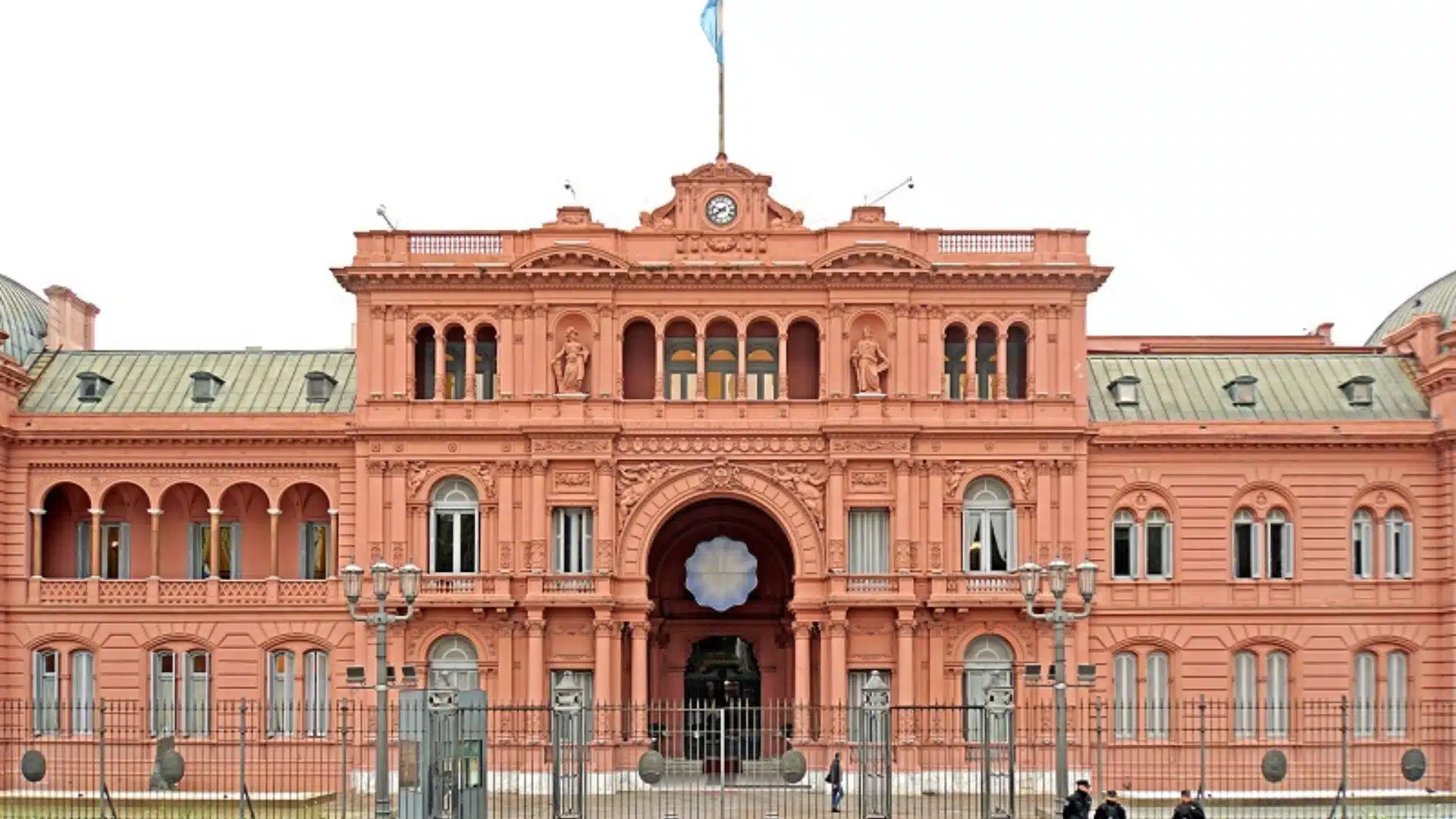
Credit: Wikimedia Commons
Argentina’s presidential palace is one of the most recognizable government buildings in South America. Built in 1594 and expanded over centuries, it combines baroque details with colonial fortress design.
The pink walls are not just a style choice. The original color came from mixing ox blood with lime paint, a common preservation technique in colonial South America.
9. Victoria Memorial, Kolkata

Credit: robinage
This 1921 marble monument combines British imperial architecture with Indian influences.
Classical colonial design features domes, gardens, and sculptures that celebrate Queen Victoria’s reign and represent the pinnacle of British colonial architectural ambition in India.
10. Château Frontenac, Quebec City

Credit: Fairmont
This 1893 hotel exemplifies French colonial revival architecture in North America.
Copper-green roofs, turrets, and limestone walls create a fairy-tale appearance that dominates Quebec’s historic skyline, drawing visitors from around the world.
11. El Capitolio, Havana

Credit: Granma
Cuba’s former capital building resembles the U.S. Capitol, with tropical colonial adaptations.
Completed in 1929, its neoclassical design features Cuban marble, local artwork, and architectural details that reflect the island’s unique colonial heritage.
January through February, if you want the full winter experience with the hotel lit against snow. September is the best month for mild weather and fall color along the St. Lawrence River.
Preservation and Legacy
Protecting Colonial architecture ensures future generations can appreciate these architectural treasures and learn from history.
- Take photos and measurements before making any changes to maintain historical accuracy.
- Match original wood species, brick types, and hardware to preserve authentic character.
- Study old photos and building permits to know original design intentions and modifications.
- Collaborate with experienced contractors who specialize in historic renovation techniques and materials.
- By checking with historical societies and building departments for restoration requirements.
- Maintain original moldings, flooring, and fixtures that contribute to the historical significance of the property.
- Install modern plumbing and electrical while hiding new work behind walls and floors
Wrapping It Up
Colonial architecture shaped American home design and continues to influence how we build today.
The symmetry, natural materials, and smart layouts colonial builders perfected remain effective in modern neighborhoods.
Architects keep borrowing these time-tested ideas because they create homes people genuinely love.
Every preserved colonial building teaches us about lasting craftsmanship and thoughtful design.
Whether you own a colonial home or simply appreciate good architecture, you’re part of this ongoing story. Colonial design isn’t stuck in the past; it’s about building better homes for the future.
People Also Ask
1. How did Colonial Architecture Differ Across Various Climate Zones?
Builders adapted the same core colonial principles to suit local conditions, resulting in thicker adobe walls in desert regions and steeper rooflines in snow-heavy northern areas.
2. What is the Average Cost of Restoring a Colonial Home Today?
Restoration costs vary significantly depending on the scale and materials involved, but historic colonial restorations typically range between $100 and $400 per square foot.
3. Are Colonial Style Homes Energy Efficient by Modern Standards?
Original colonial homes were not designed with energy efficiency in mind, though many of their passive design features, like thick walls and deep overhangs, naturally regulate temperature.
4. Which American Cities Have the Highest Concentration of Preserved Colonial Buildings?
Philadelphia, Boston, Charleston, and Williamsburg are home to some of the most intact colonial streetscapes and protected historic districts in the United States.
5. How did Colonial Architecture Influence the Development of American National Identity?
The symmetry, permanence, and European refinement of colonial buildings became a visual language for the young nation’s desire to project stability, order, and democratic values.