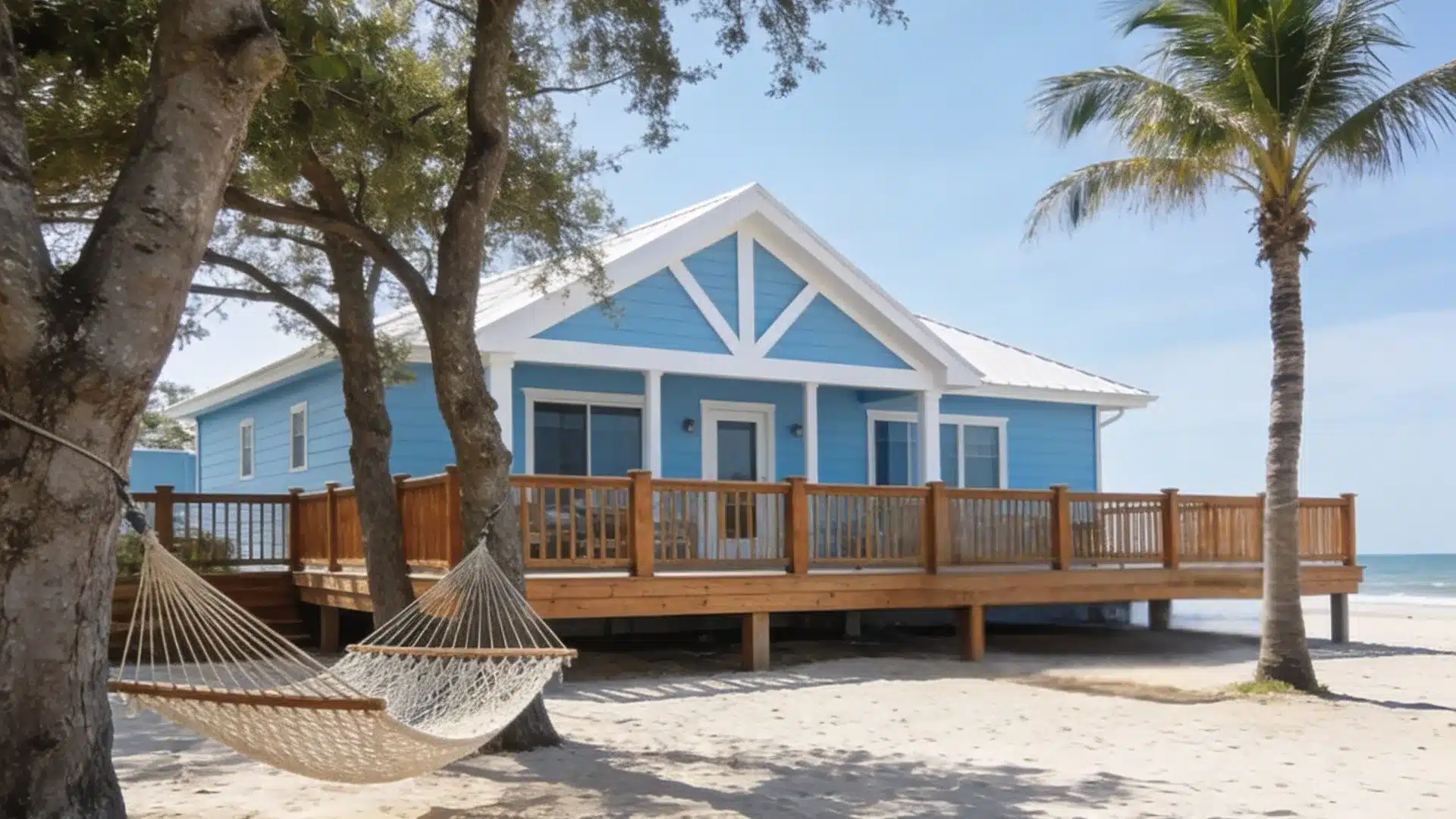
Living near the water sounds like a dream.
Coastal homes are built close to the water, where the weather is beautiful but can also be tough on a regular house.
But picking the right home design for a coastal setting? That’s where things get tricky.
Not every floor plan handles salt air, strong winds, or flood risk well. That’s why choosing the right coastal house plans matters more than most people think.
Let’s find you a home that loves the coast as much as you do.
What is a Coastal House Plan?
A coastal house plan is a home design built specifically for life near the water.
It’s not just a regular floor plan with a nice view. It’s a plan that accounts for the unique challenges of living close to the ocean, a lake, or a bay.
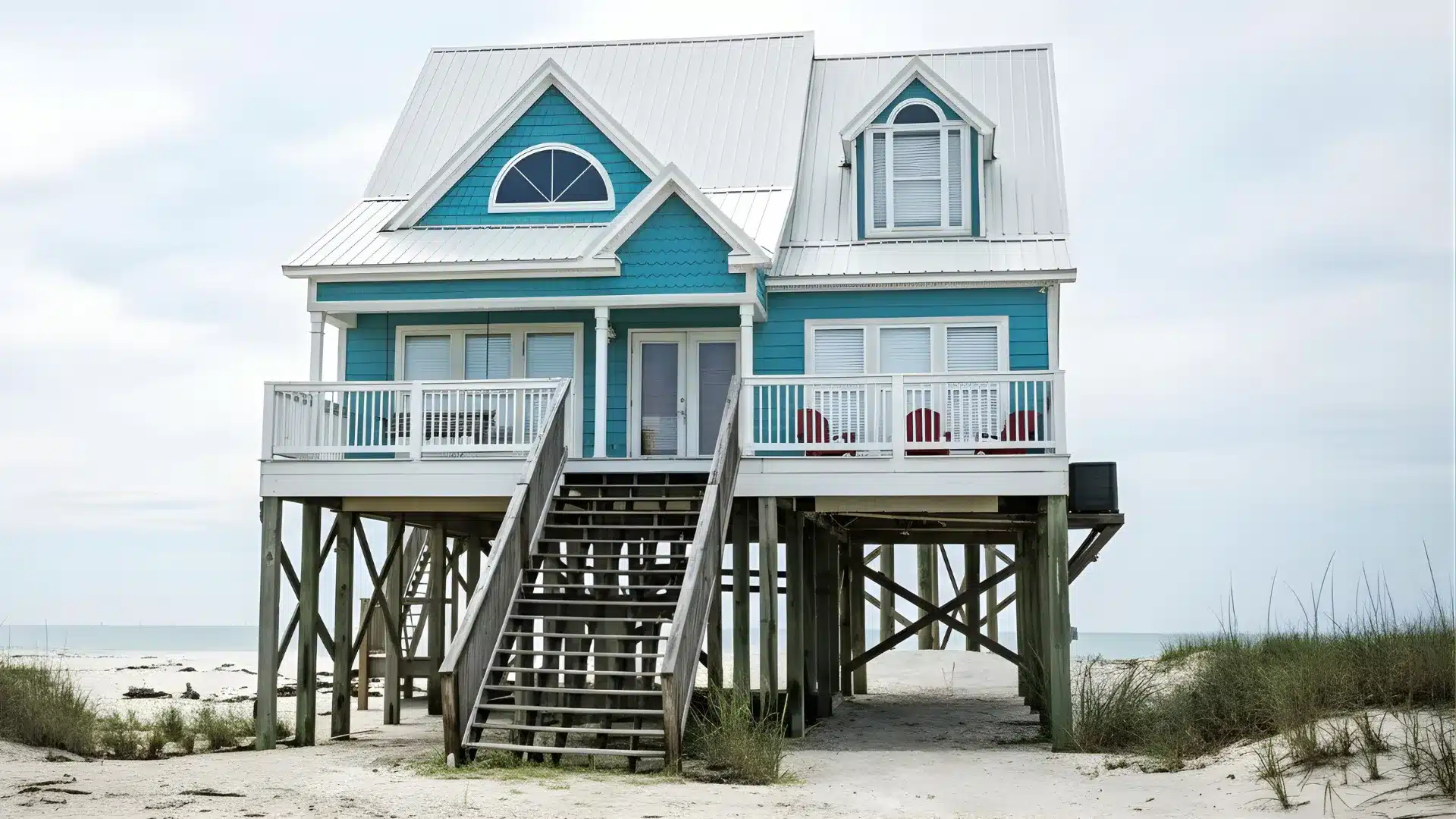
They typically include raised foundations, open layouts, large windows, and weather-resistant materials throughout.
A coastal house plan is designed to keep your home safe and comfortable near the water.
How Can You Plan a Coastal House?
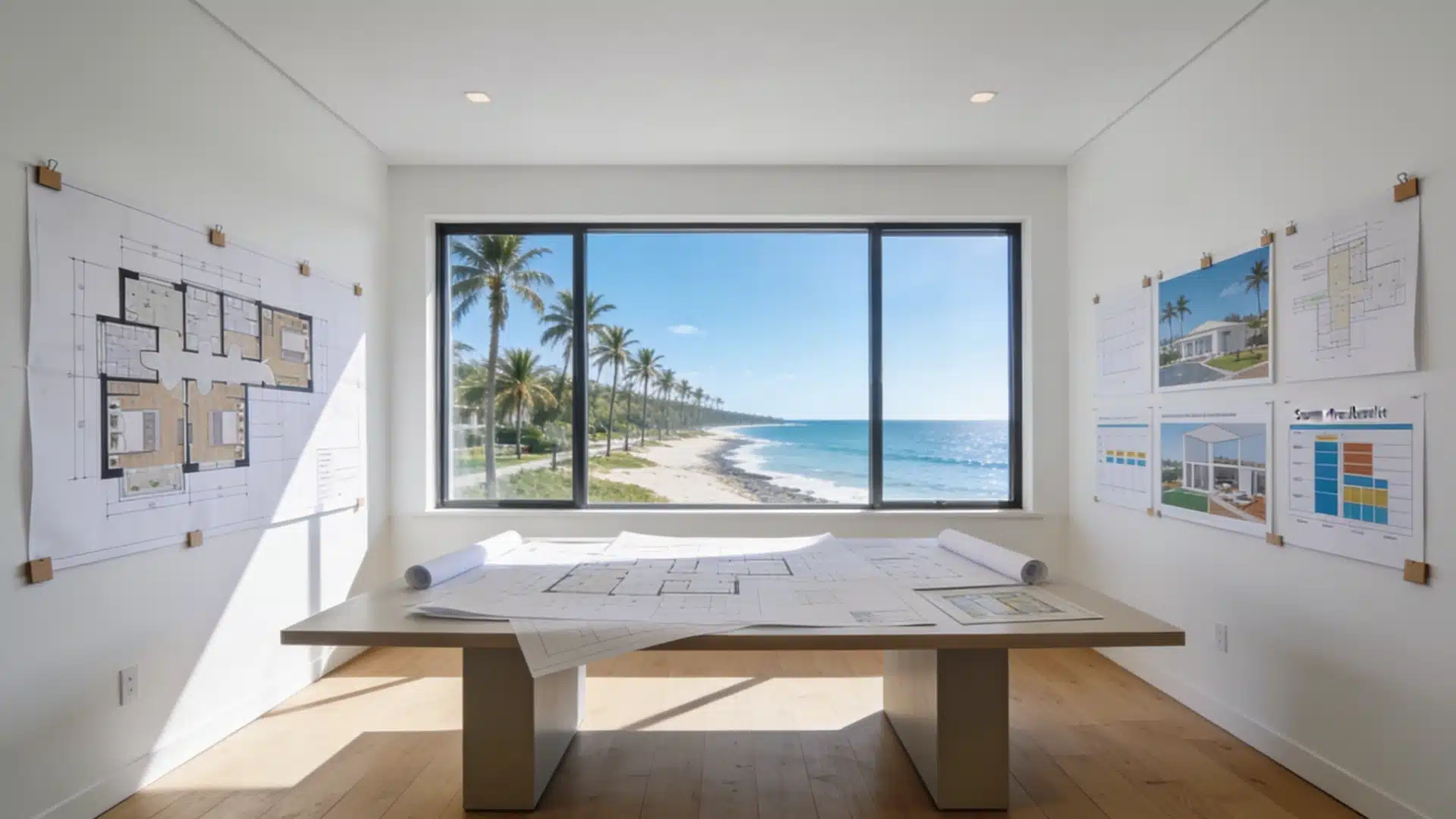
Planning a coastal house isn’t just about picking a design you like. It’s about making smart decisions at every stage.
Start with Your Budget
Coastal builds cost more than standard ones.
Know your numbers before you commit to anything. It includes construction costs, permits, landscaping, insurance, and future maintenance expenses.
Leaving room for unexpected costs can also help prevent stress later in the process.
Research Your Plot of Land
Not all coastal land is the same. Every coastal property comes with different conditions, so studying the land carefully is important before building begins.
Check the elevation level, drainage, flood history, and soil condition to make sure the site can support your design safely.
Get the Right Permits
Coastal construction comes with strict regulations. Sort out all necessary permits early to avoid delays later.
Local regulations may control home height, setback distance, roofing materials, or environmental impact.
Working with experienced builders and local authorities makes the approval process much smoother.
Think About Long-Term Maintenance
Coastal homes need more upkeep than regular ones.
They face constant exposure to humidity, salt air, strong winds, and heavy rain. Choosing durable materials from the beginning can reduce repair costs over time.
Metal roofing, weather-resistant paint, composite decking, and quality windows often perform better in coastal environments.
Plan for the Future
A coastal home should fit both your current lifestyle and future needs. Think about resale value, insurance costs, and potential weather risks down the line.
Features like elevated foundations, flexible living spaces, energy-efficient systems, and storage areas can improve comfort and resale value.
What Sets Coastal House Plans Apart from Regular Home Designs?
A regular home is built for everyday conditions. A coastal home has to do more. Let’s see how these two differ:
| Feature | Regular Home Design | Coastal House Plan |
|---|---|---|
| Foundation | Standard ground-level | Raised to handle flood risk |
| Materials | Standard wood and metal | Rust and rot-resistant materials |
| Windows & Doors | Standard strength | Reinforced for wind pressure |
| Layout | Varies | Open floor plans with water views |
| Outdoor Spaces | Optional | Common covered decks and porches |
| Weather Resistance | Basic | Built for salt air, wind, and rain |
The difference is clear. Coastal house plans are built for a specific place, with specific challenges in mind.
A standard home design simply won’t cut it near the water.
Features that Every Coastal House Plan Should Have
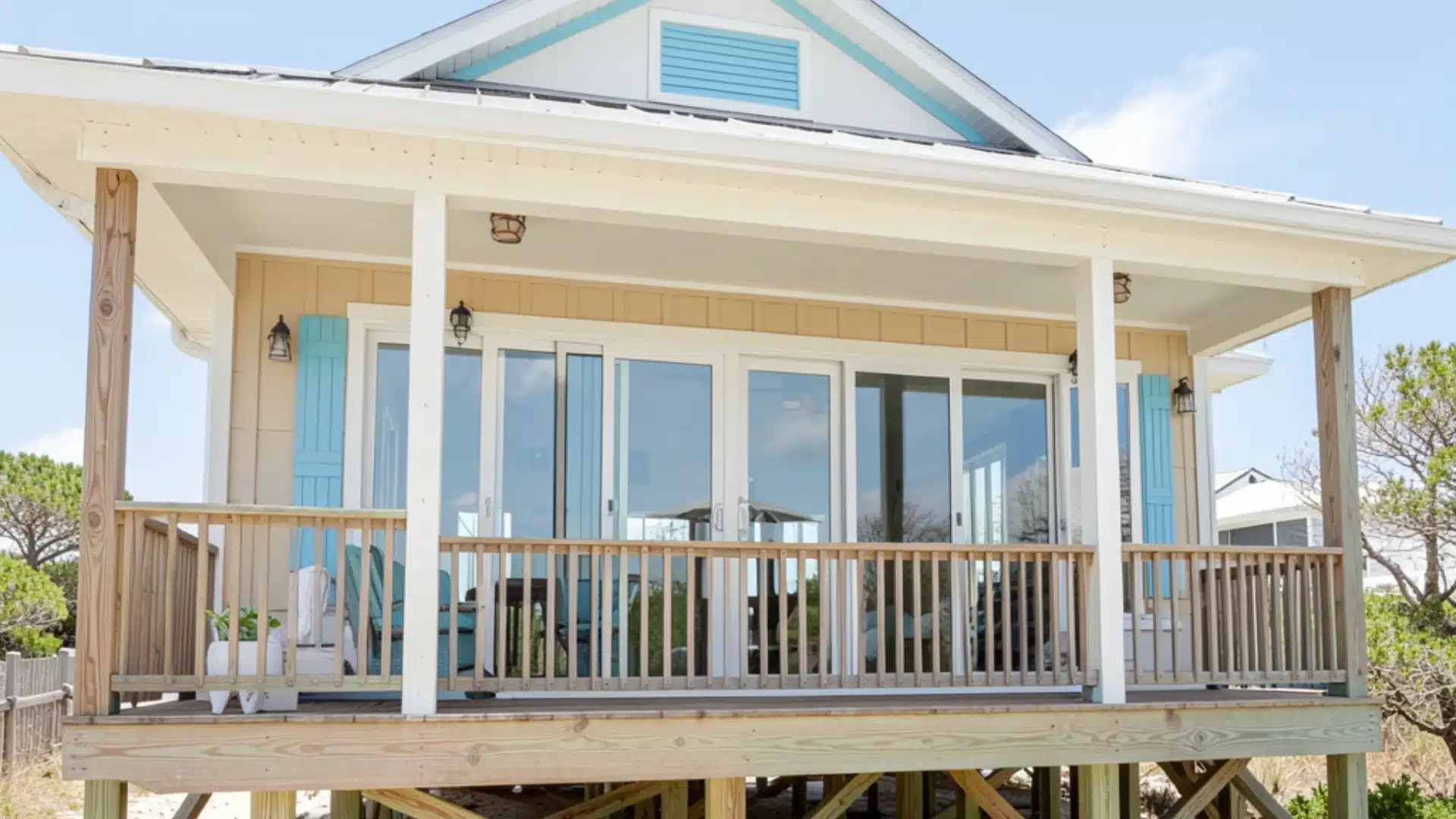
Not every coastal house plan is built the same. But there are a few features that every good one should have.
Raised Foundation: This keeps the home above flood levels and storm surges. It’s one of the first things to check.
Impact-Resistant Windows: Strong winds carry debris. These windows hold up where regular ones won’t.
Rust-Resistant Materials: Salt air breaks down standard materials fast. The right materials last much longer near the water.
Elevated Entry Points: Water gets in through the lowest points first. Raising the entry reduces that risk significantly.
Covered Outdoor Spaces: A good coastal home lets you enjoy the outside. Even on a rough day, a covered deck makes that possible.
Cross Ventilation Design: This keeps the home cool and fresh. It reduces the need for heavy air conditioning, too.
Sloped or Hip Roof: Wind moves over a sloped roof more easily. It’s a small detail that makes a big difference in a storm.
Do’s and Don’ts of Choosing the Right Coastal House Plans
Picking a coastal house plan can feel overwhelming. These simple do’s and don’ts make it easier.
Do’s
- Check your location first. Every coastal area comes with its own set of weather risks.
- Verify local building codes, as coastal areas have strict construction rules
- Work with experienced builders.
- Find out if your land sits in a flood zone. It affects your foundation choice and your insurance costs.
Don’ts
- Don’t pick a plan based on looks alone.
- Coastal builds cost more than standard ones, so don’t ignore your budget.
- Don’t skip the small details like roof type, window strength, and entry points, which matter a lot near the water.
Conclusion
Choosing the right coastal house plans is one of the most important decisions you’ll make when building near the water.
It’s not just about how the home looks. It’s about how well it holds up over time.
The right plan accounts for your location, your budget, and the specific challenges that come with coastal living.
Get those things right, and you’ll have a home that’s safe, comfortable, and built to last.
Frequently Asked Questions (FAQ’s)
1. How Much Does it Cost to Build a Coastal House?
Coastal homes cost more than standard builds. The price depends on your location, materials, and foundation type.
2. How Long Does a Coastal House Last?
A well-built coastal home can last for decades. The key is using the right materials and keeping up with regular maintenance.
3. What is the Best Foundation for a Coastal Home?
A raised foundation works best. It keeps the home safe from flooding and storm surges.