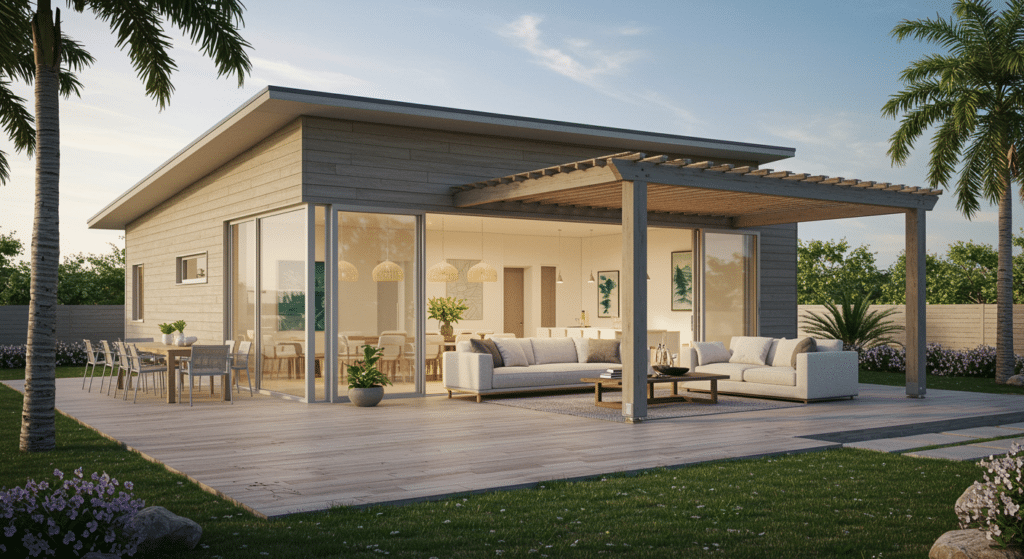
Ever wondered why some coastal homes feel right while others miss the mark?
Many homeowners struggle with blending style and function near the water. Salt air damages materials. Harsh sunlight fades colors. Strong winds test every design choice.
A modern beach house solves these problems with smart planning.
The right approach turns challenges into opportunities. Natural light becomes a feature.
Ocean views frame every room. Outdoor spaces extend living areas.
This blog shows how to create a coastal home that works.
What Defines a Modern Beach House Design?
A beach house stands out with clean lines and open floor plans. Large windows connect indoor spaces with ocean views.
Natural materials like wood and stone blend with the coastal setting. Neutral color palettes reflect the sand and sea.
High ceilings create airiness throughout the home. The design prioritizes function over decoration. Smart storage solutions keep clutter hidden from view.
Each element serves a purpose while maintaining visual appeal. The result feels both comfortable and refined for coastal living.
Popular Beach House Architectural Styles
Coastal homes come in various styles. Each offers unique features that suit different tastes and locations.
1. Minimalist Coastal
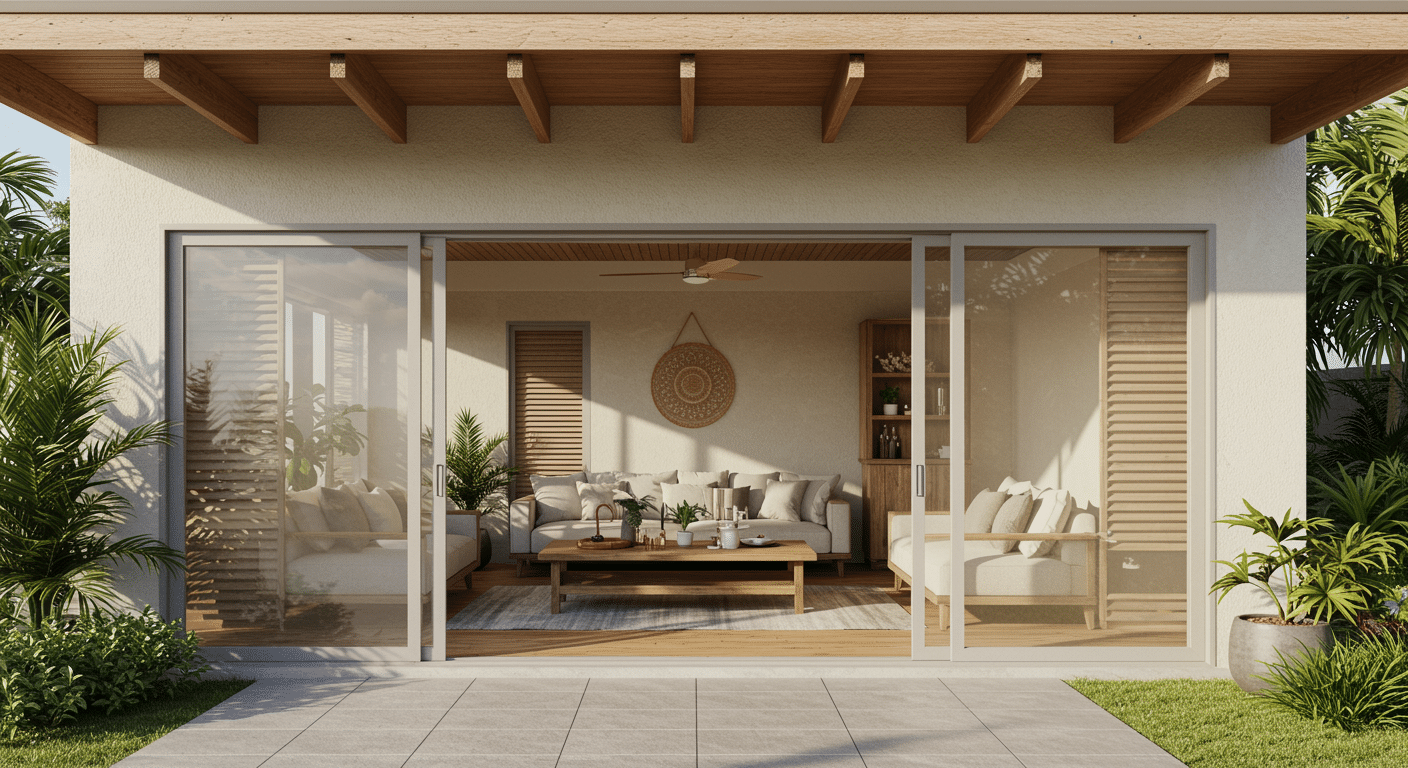
This style strips away excess and focuses on essentials. White walls and simple furnishings dominate the space. Floor-to-ceiling windows maximize natural light and views.
Open layouts flow without barriers. Clean geometric shapes define the structure. Storage stays hidden to maintain the uncluttered look. The overall feel is calm and peaceful.
Every item has its place and purpose in the design.
2. Industrial Beach
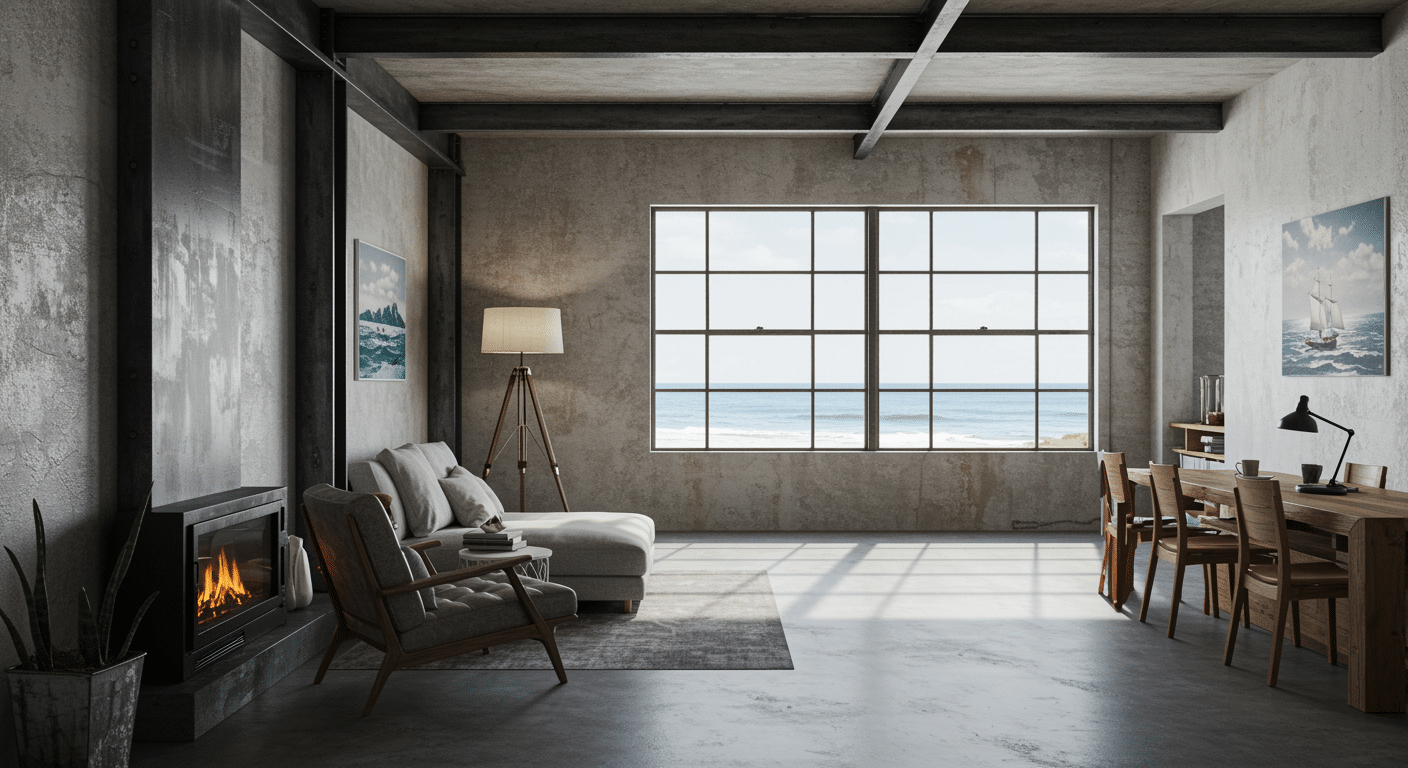
Raw materials define this bold coastal approach.
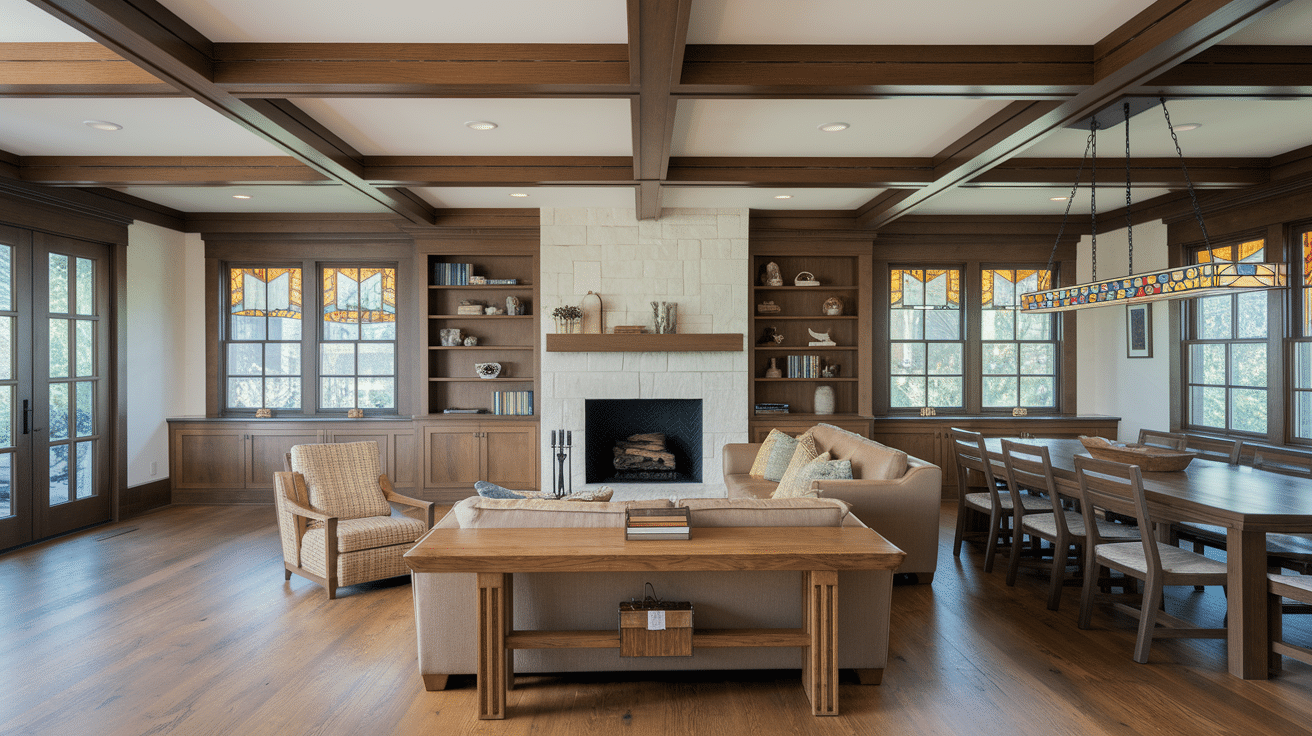
Exposed steel beams and concrete floors create visual interest. Metal window frames contrast with natural wood elements.
Neutral grays blend with coastal whites and blues. Large industrial windows flood spaces with light.
Polished concrete withstands sand and moisture well. The look feels urban yet relaxed. Reclaimed materials add history and texture to spaces.
3. Scandinavian Coastal
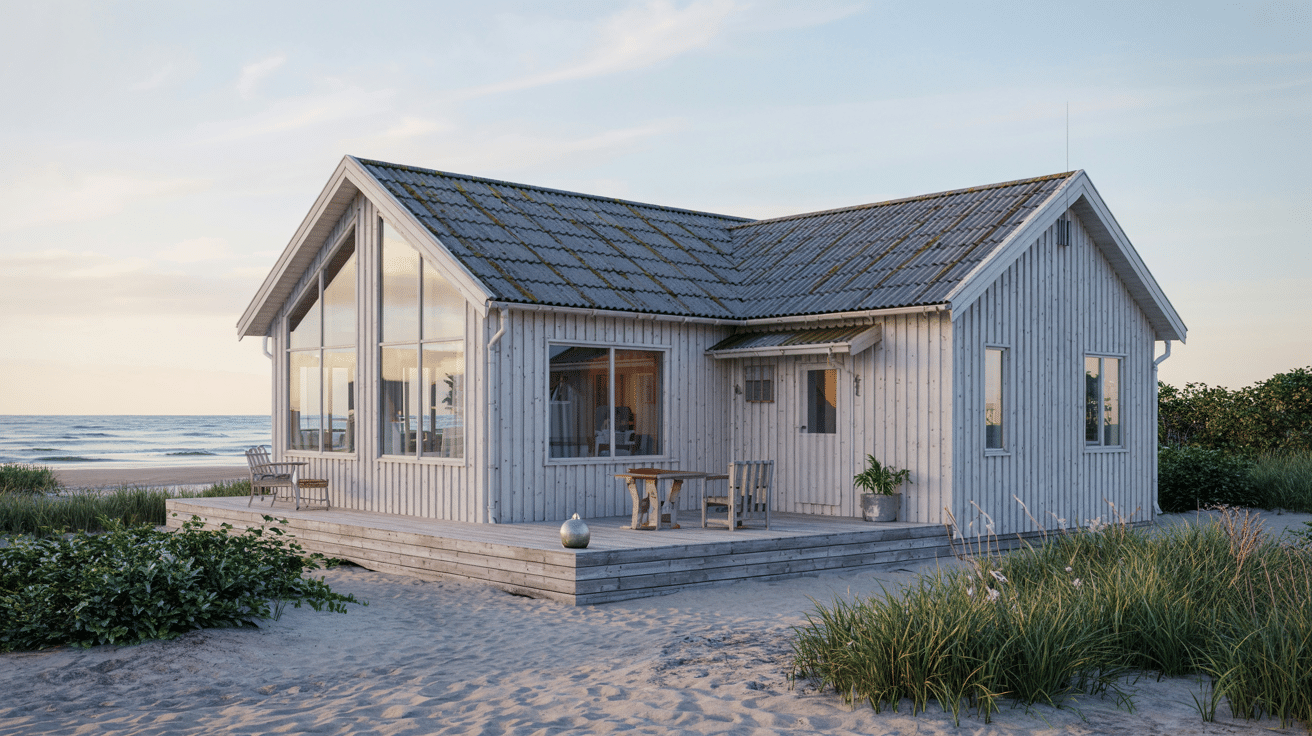
Nordic design principles meet seaside living here. Light wood tones create warmth throughout the interior. Simple lines and functional furniture fill each room.
White and pale blue colors dominate the palette. Large windows capture every bit of available light. Cozy spaces balance the minimal aesthetic perfectly.
The style works well in cooler coastal climates. Hygge principles make the home feel welcoming.
Best Materials for a Beach House
- Teak wood resists moisture and maintains its beauty in coastal environments.
- Stainless steel hardware prevents rust and corrosion from salt air.
- Porcelain tile withstands moisture and cleans easily in high-traffic areas.
- Composite decking offers durability without the maintenance wood requires.
- Fiber cement siding mimics wood aesthetics while resisting weather damage.
- Aluminum window frames resist corrosion and support large glass panels.
- Concrete flooring handles sand, water, and heavy use without damage.
Modern Beach House Interior Design Ideas
1. Coastal Color Palettes
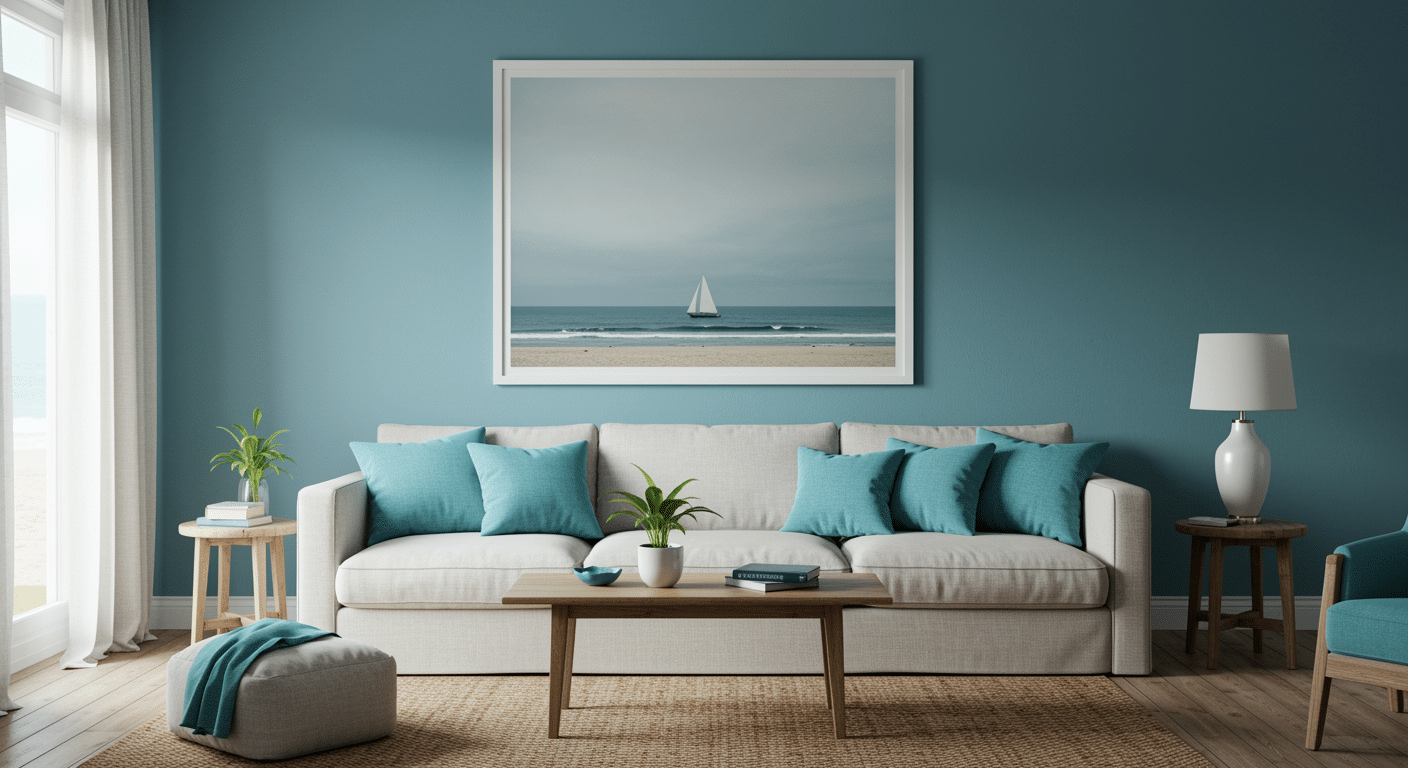
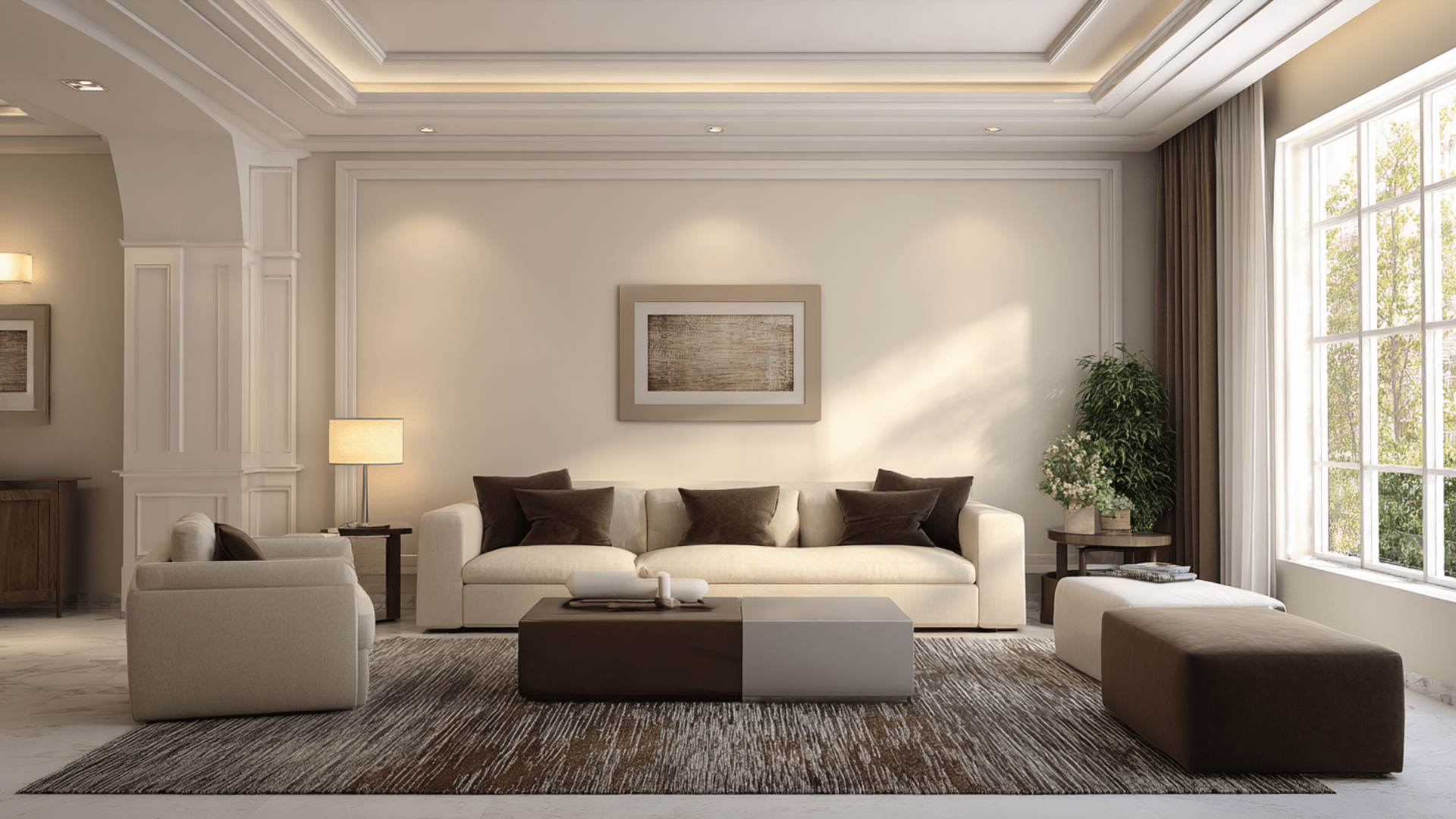
Choose soft whites, sandy beiges, and ocean blues for walls. These colors create a serene backdrop that mimics the beach.
Add pops of coral or aqua through pillows and throws. This approach keeps spaces feeling fresh and calming, always.
2. Natural Lighting Solutions
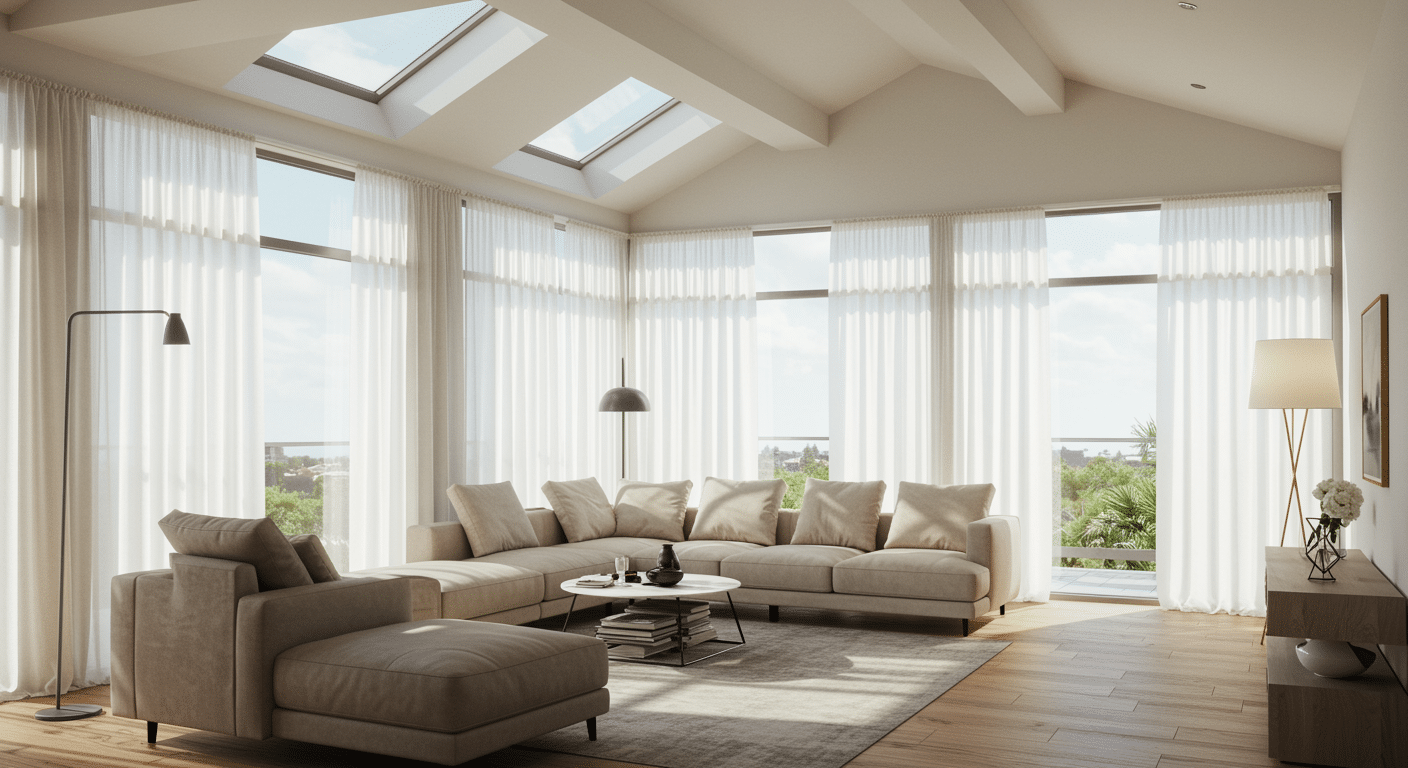
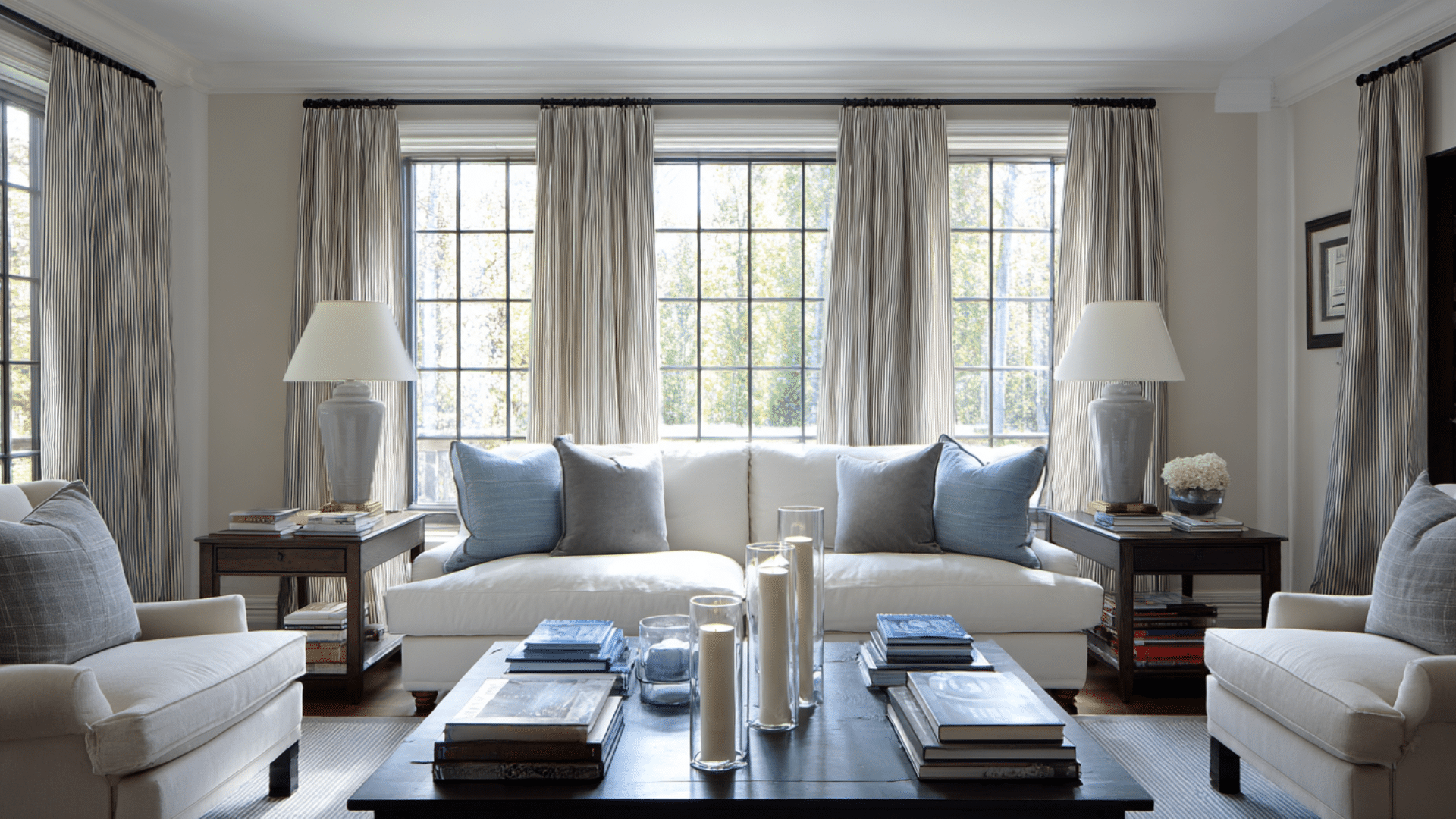
Maximize windows to capture sunlight from multiple angles. Sheer curtains filter harsh rays while maintaining privacy.
Skylights bring light into interior hallways and bathrooms.
Light-colored walls bounce sunshine deeper into rooms. The goal is brightness without glare or heat buildup.
3. Furniture Selection
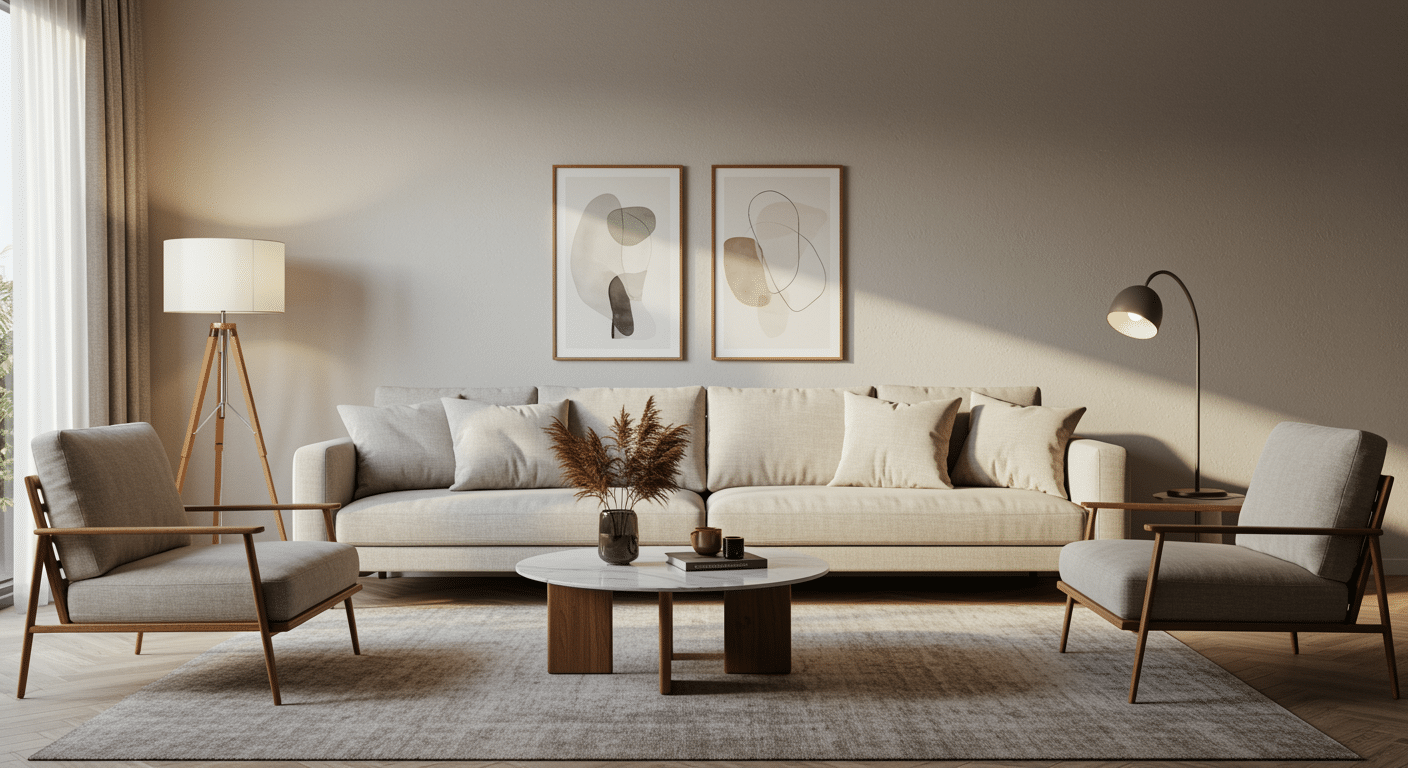
Select low-profile pieces that maintain open sight lines. Choose materials that handle humidity like teak or metal. Slipcovered sofas allow easy cleaning after sandy beach days.
Comfort matters as much as style in coastal homes. Furniture should invite relaxation and withstand daily use well.
Arrange seating to face ocean views and create conversation areas that feel natural and inviting.
4. Textured Accents
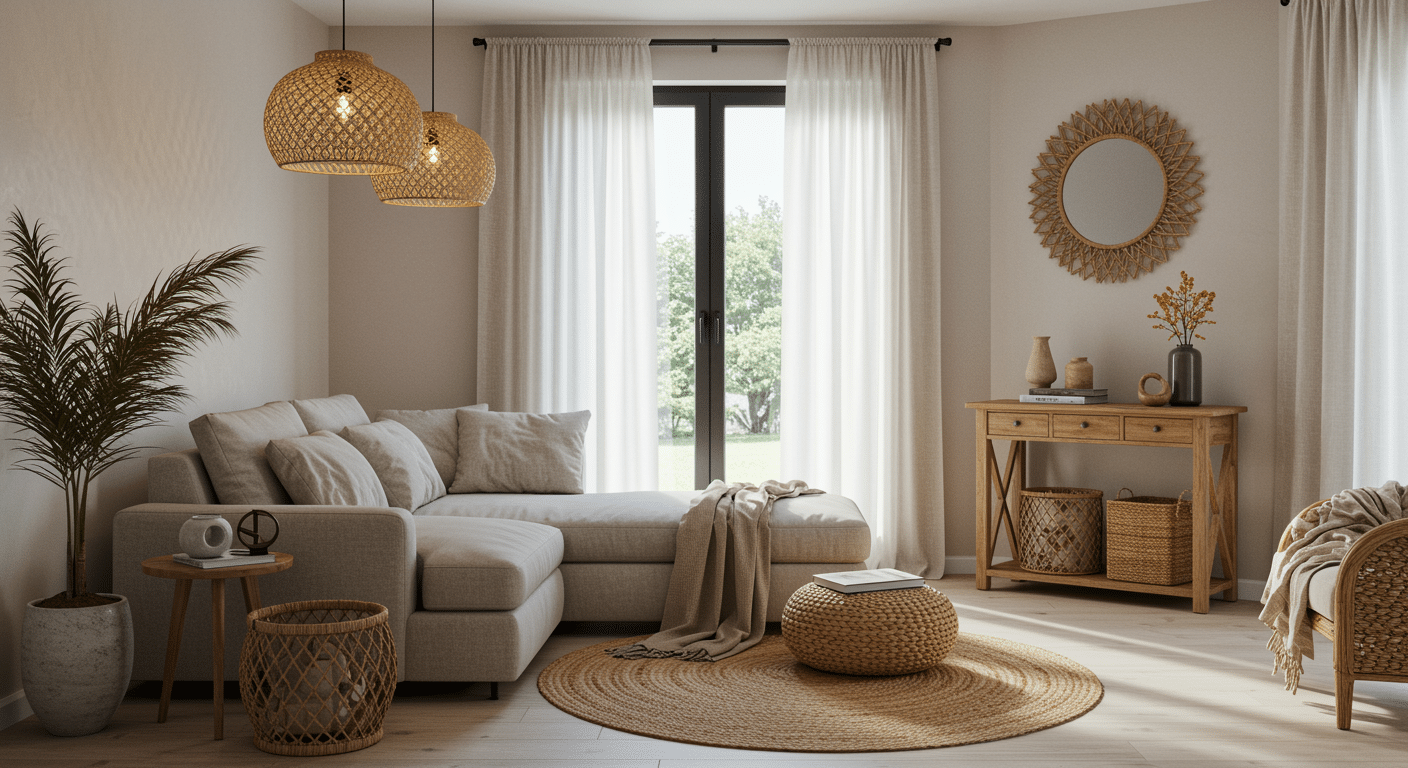
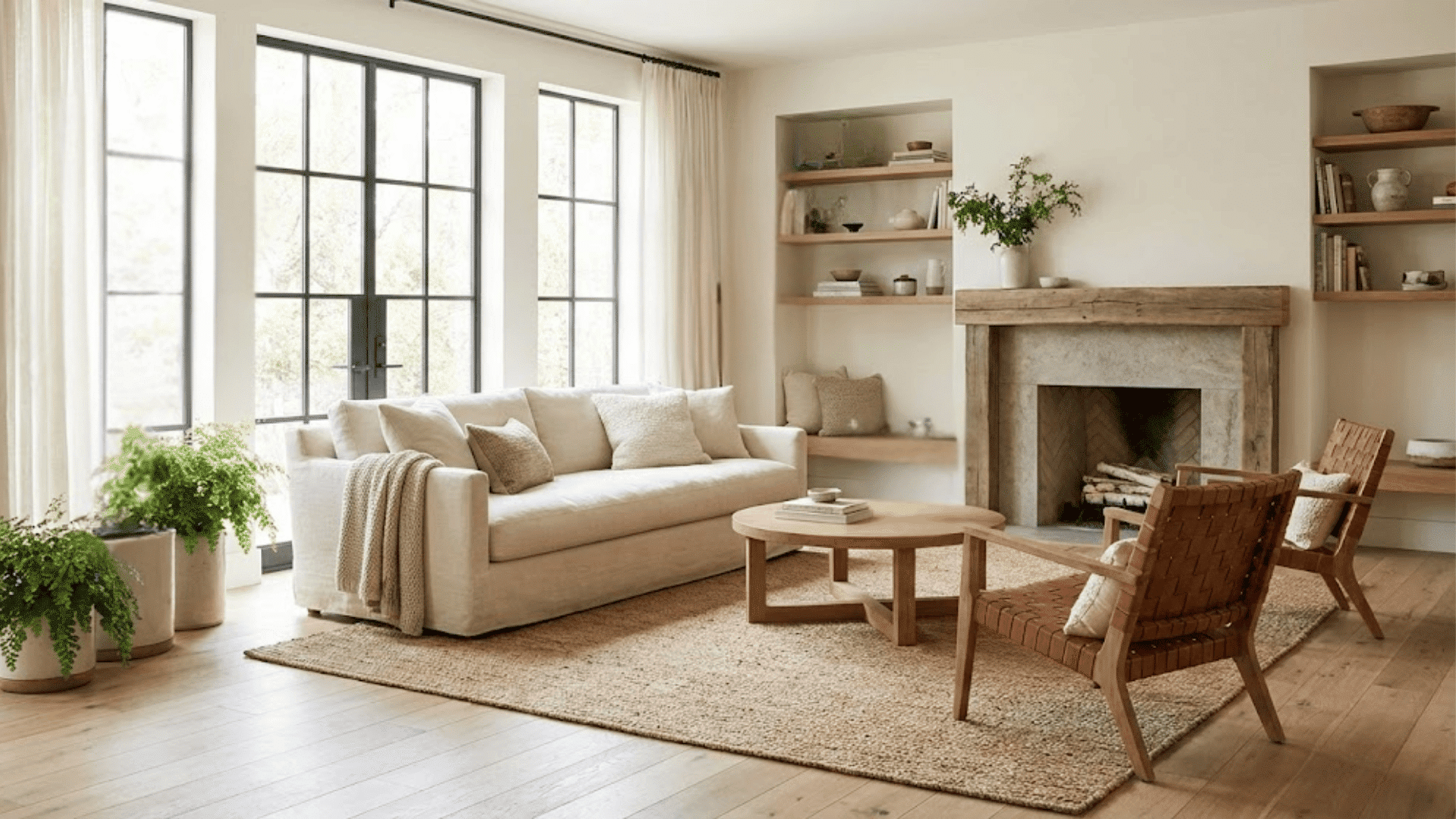
Layer natural textures like jute rugs and linen curtains. Woven baskets provide storage while adding visual interest. Rope details on mirrors or lighting add nautical touches.
Driftwood pieces bring the beach inside authentically. Mix smooth and rough textures for depth.
Avoid synthetic fabrics that trap heat and moisture.
These elements create warmth without overwhelming the minimalist aesthetic.
5. Open Shelving
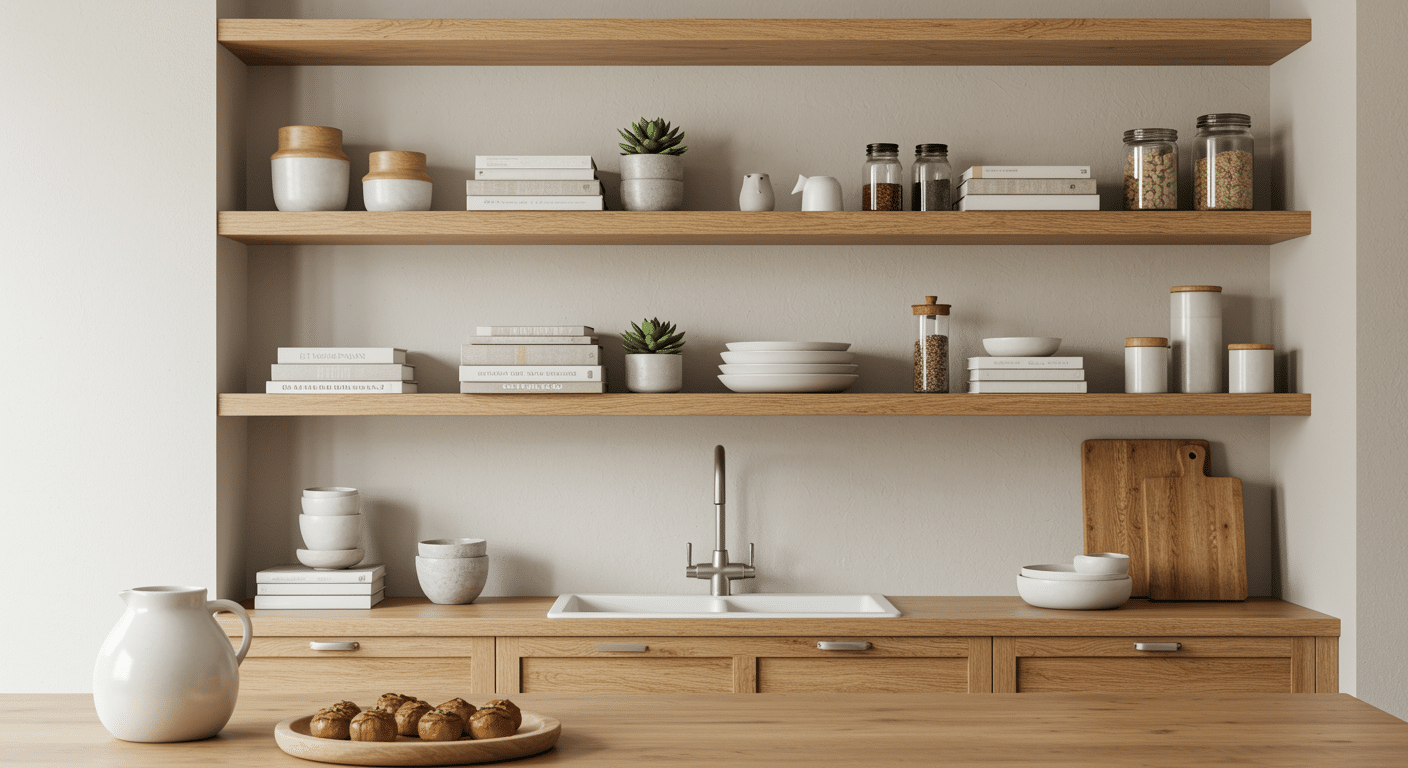
Display coastal finds and everyday items on floating shelves. Open storage keeps the space feeling light and accessible. Arrange books, ceramics, and plants in casual groupings.
This approach works well in kitchens and living areas. Avoid overcrowding shelves to maintain the clean look. Change displays seasonally to keep things fresh.
The openness enhances the airy beach house vibe desired.
Modern Beach House Exterior Design Ideas
6. Outdoor Living Spaces
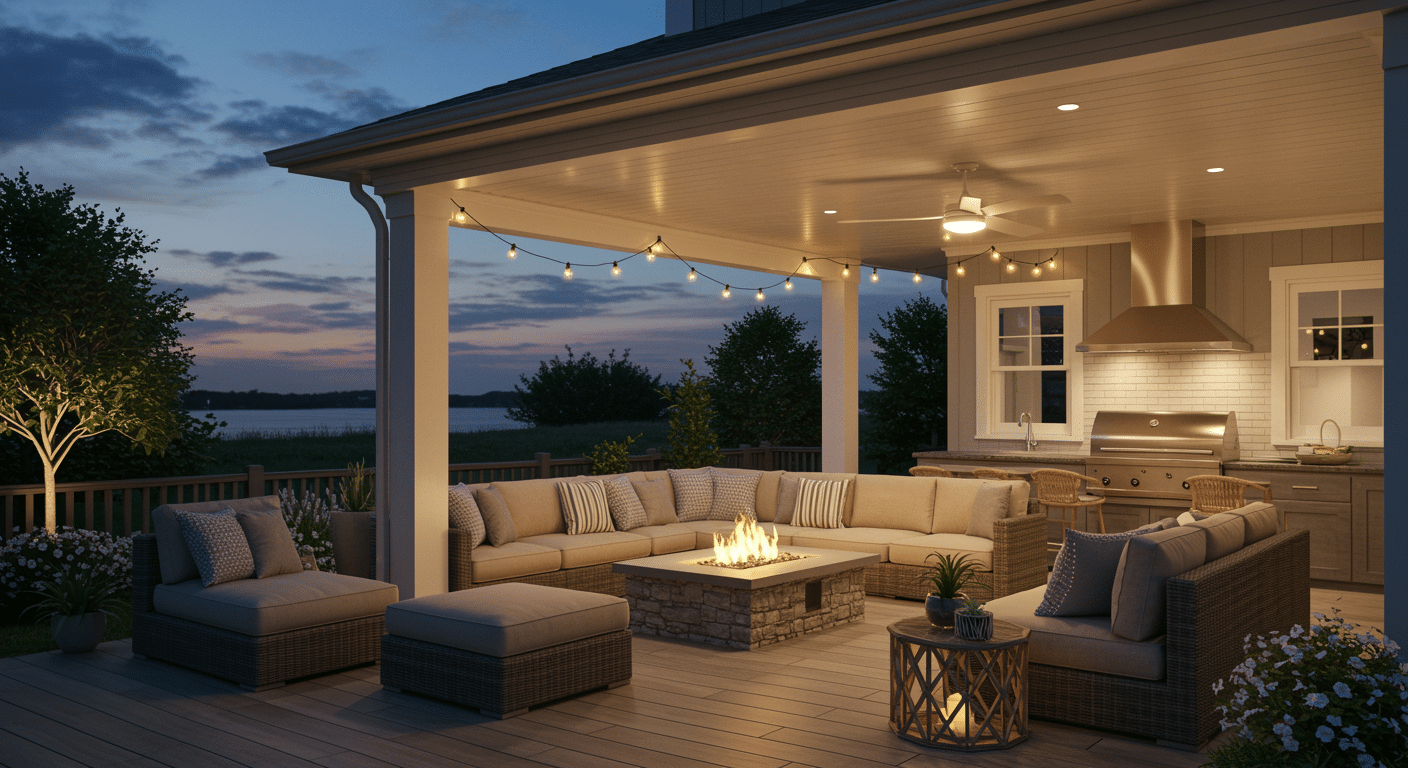
Create covered patios that function as additional rooms. Install weather-resistant furniture for year-round comfort. Add outdoor kitchens for easy entertaining.
String lights provide ambiance after sunset. Fire pits extend usage into cooler months.
These spaces become natural gathering spots for family and friends.
7. Coastal Landscaping
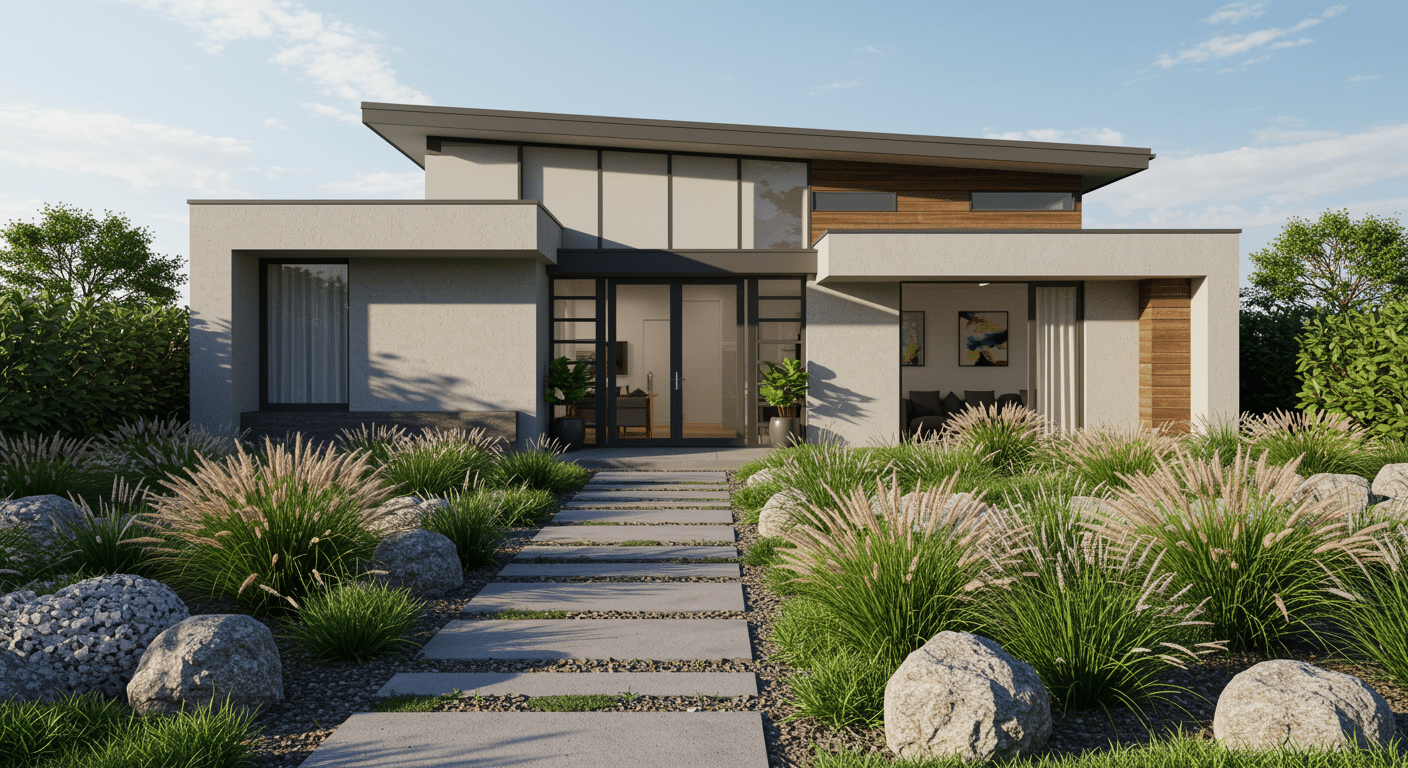
Choose native plants that thrive in sandy, salty conditions. Ornamental grasses add movement and require minimal water.
Succulents provide color without constant care. Create pathways using gravel or permeable pavers. Add rocks or driftwood for natural focal points.
Drought-resistant plants reduce maintenance significantly.
8. Smart Lighting Design
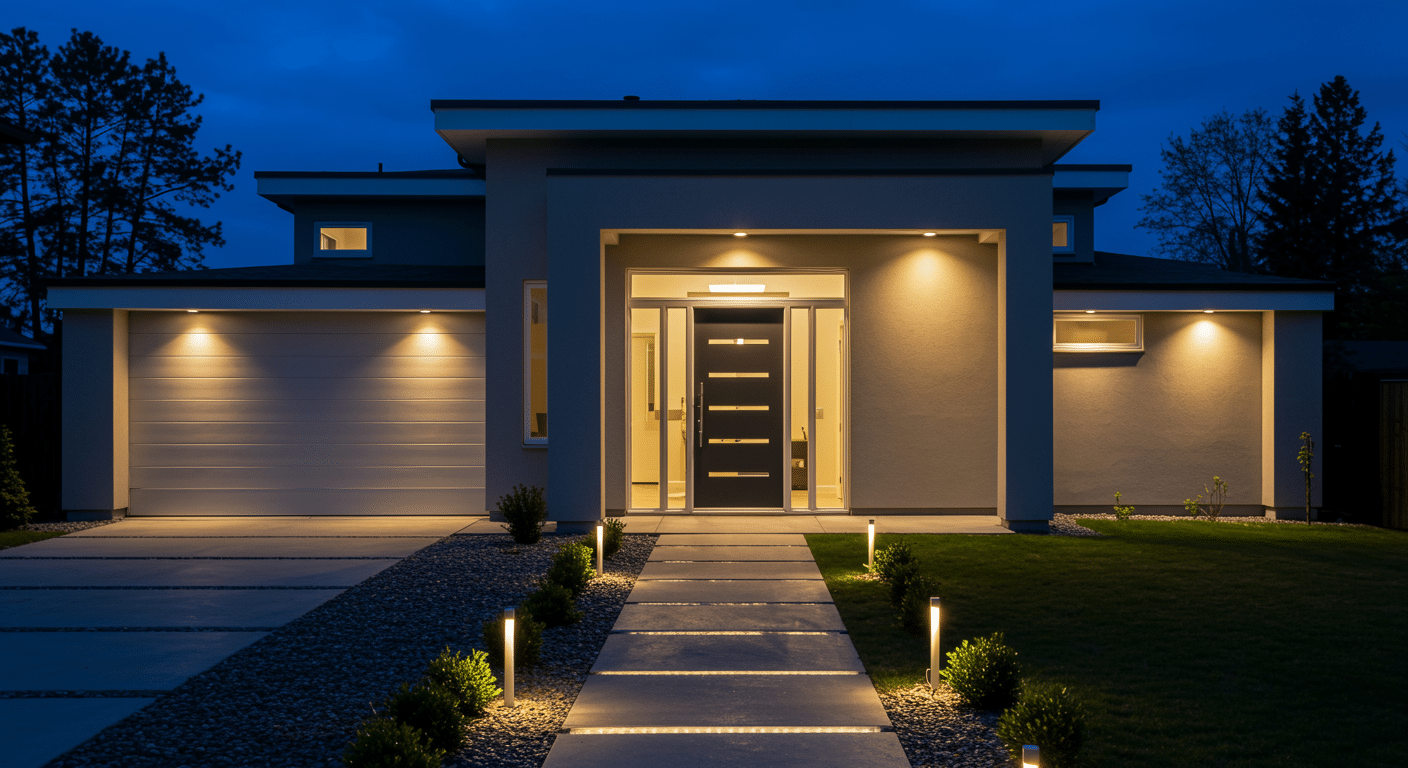
Install fixtures made from marine-grade materials that resist corrosion. Use LED bulbs for energy efficiency and longevity.
Add motion sensors for pathways and entry areas. Highlight architectural features with uplighting after dark. Solar lights reduce electrical costs.
Proper lighting enhances safety while showcasing design.
9. Privacy Solutions
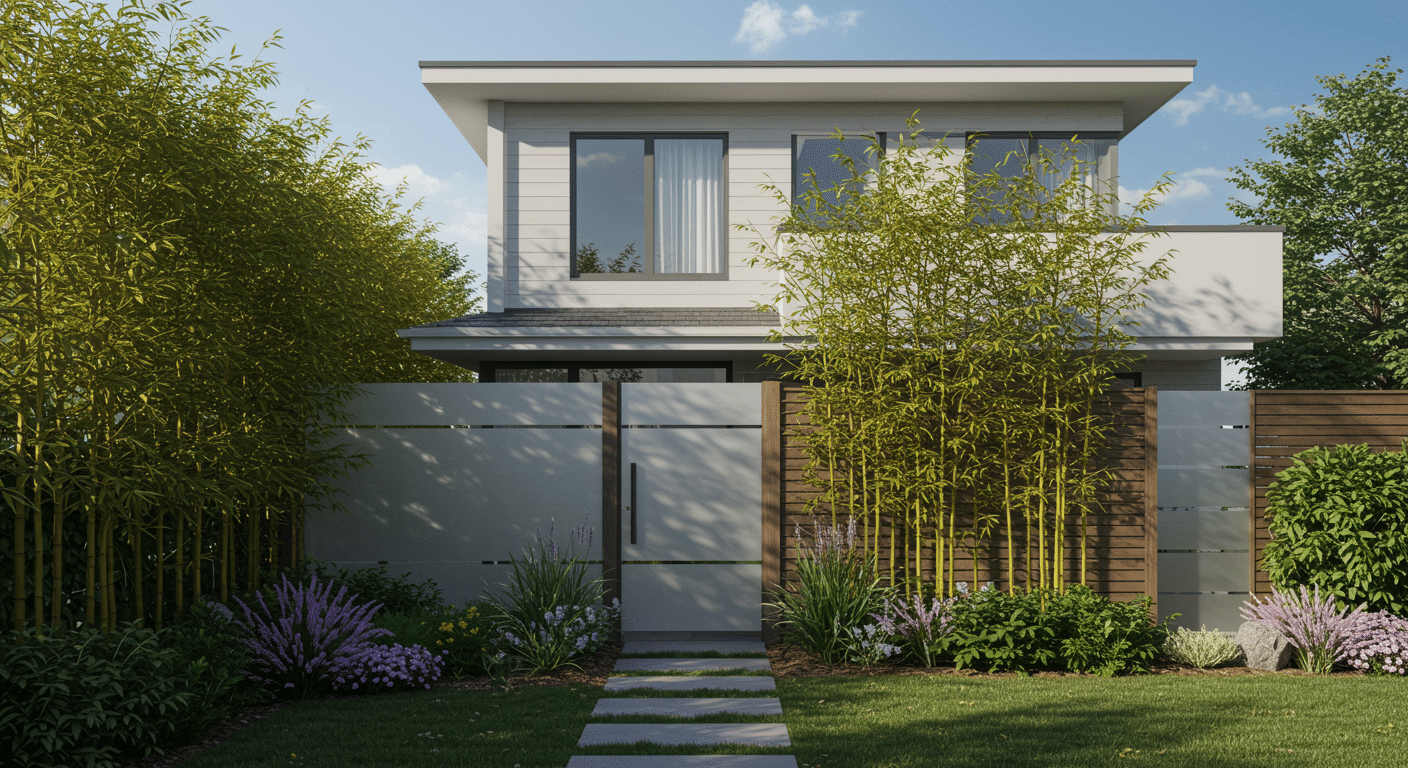
Plant tall shrubs or bamboo to screen neighboring properties naturally. Install modern slatted fencing that allows air flow.
Use frosted glass panels for privacy without blocking light. Position outdoor showers behind decorative screens. Create secluded seating areas with pergolas.
Balance openness with comfortable seclusion effectively.
How Much Does a Beach House Cost to Build?
Building costs vary based on location, materials, and design complexity. Here’s a breakdown of typical expenses for coastal construction.
| Cost Category | Price Range | Details |
|---|---|---|
| Land Purchase | $100,000 – $2,000,000+ | Beachfront properties cost more than inland lots. Proximity to water drives prices up. |
| Design and Permits | $15,000 – $50,000 | Architectural plans, engineering studies, and coastal permits required. |
| Foundation | $30,000 – $100,000 | Elevated foundations protect against flooding and storms effectively. |
| Construction per Square Foot | $200 – $500+ | Coastal codes require special materials. Remote locations increase costs. |
| Weatherproof Materials | $40,000 – $150,000 | Salt-resistant materials prevent corrosion and long-term damage. |
| Windows and Doors | $25,000 – $80,000 | Impact-resistant glass withstands coastal weather conditions. |
| Outdoor Spaces | $20,000 – $100,000 | Decks, patios, and landscaping add value and functionality. |
| Total Estimated Cost | $500,000 – $3,000,000+ | Final costs depend on size, finishes, and the location chosen. |
Common Mistakes to Avoid
- Ignoring climate and weather patterns leads to premature damage.
- Using non-coastal materials causes quick deterioration and frequent replacement.
- Overlooking natural ventilation increases cooling costs and creates discomfort.
- Blocking ocean views with walls prevents natural light and vistas.
- Skipping proper drainage systems causes flooding and foundation issues.
Is a Modern Beach House Right for You?
Coastal living offers a unique lifestyle that blends relaxation with natural beauty.
The investment requires careful planning and quality materials that withstand harsh conditions. Consider your budget, maintenance commitment, and long-term goals before starting construction.
Ready to bring your coastal dream to life? Start by consulting with architects who specialize in beach properties.
They can help create a design that matches your vision and meets local building codes.