A bathtub can make or break a bathroom.
People pick one based on looks alone and regret it later.
Picking the wrong bathtub means ripping out plumbing, refitting walls, or living with buyer’s remorse for a decade.
This guide shows you how to match bathtub dimensions to your bathroom layout, pick the right material for your budget, and avoid the three common installation mistakes.
What are the Standard Bathtub Sizes?
The bathtub measures 60 inches long, 30 inches wide, and 14 to 16 inches deep, suitable for standard bathrooms.
Smaller tubs start at around 48 inches, while larger soaking tubs can reach 72 inches or more.
Depth also matters for comfort.
A deeper tub holds more water and feels more relaxing. Before ordering, measure wall-to-wall length and width, ceiling height, and the location of existing plumbing.
A 72-inch soaking tub that looked perfect online won’t fit if your wall is only 70 inches across.
Bathtub Sizes and Dimensions by Type: Quick Reference
Before you go deeper into any single tub type, here’s a full comparison of standard bathtub dimensions across all seven styles.
Use it to quickly rule out options that won’t fit your space.
| Tub Type | Length | Width | Depth | Best For |
|---|---|---|---|---|
| Alcove | 55–60 in | 30–32 in | 14–18 in | Most bathrooms, tub-shower combos |
| Freestanding | 55–72 in | 27–32 in | 15–24 in | Larger primary baths, statement piece |
| Drop-In | 60–72 in | 30–36 in | 14–20 in | Renovations with custom deck framing |
| Corner | 48–60 in per side | 48–60 in per side | 18–20 in | Awkward layouts, primary suites |
| Walk-In | 52–60 in | 28–32 in | 38–43 in (total height) | Seniors, mobility needs |
| Soaking | 60–72 in | 32–36 in | 23–28 in | Full-body immersion, spa-style baths |
| Clawfoot | 54–67 in | 30–32 in | 20–25 in | Vintage aesthetics, open floor space |
One thing most buyers miss: the dimensions listed on a product page are the exterior measurements.
The interior bathing well is always smaller. A tub with 18 inches of listed depth may only offer 14 to 15 inches of actual water depth once the overflow drain position is factored in.
If soaking depth matters to you, look for the spec labeled “water depth to overflow” rather than the overall height figure.
Bathtub Types and Their Sizes and Dimensions
Your bathroom layout dictates which type of bathtub you need and how much installation will cost.
Standard alcoves fit most homes, but corners, mobility needs, and freestanding designs each come with different space and plumbing requirements.
1. Alcove Bathtub
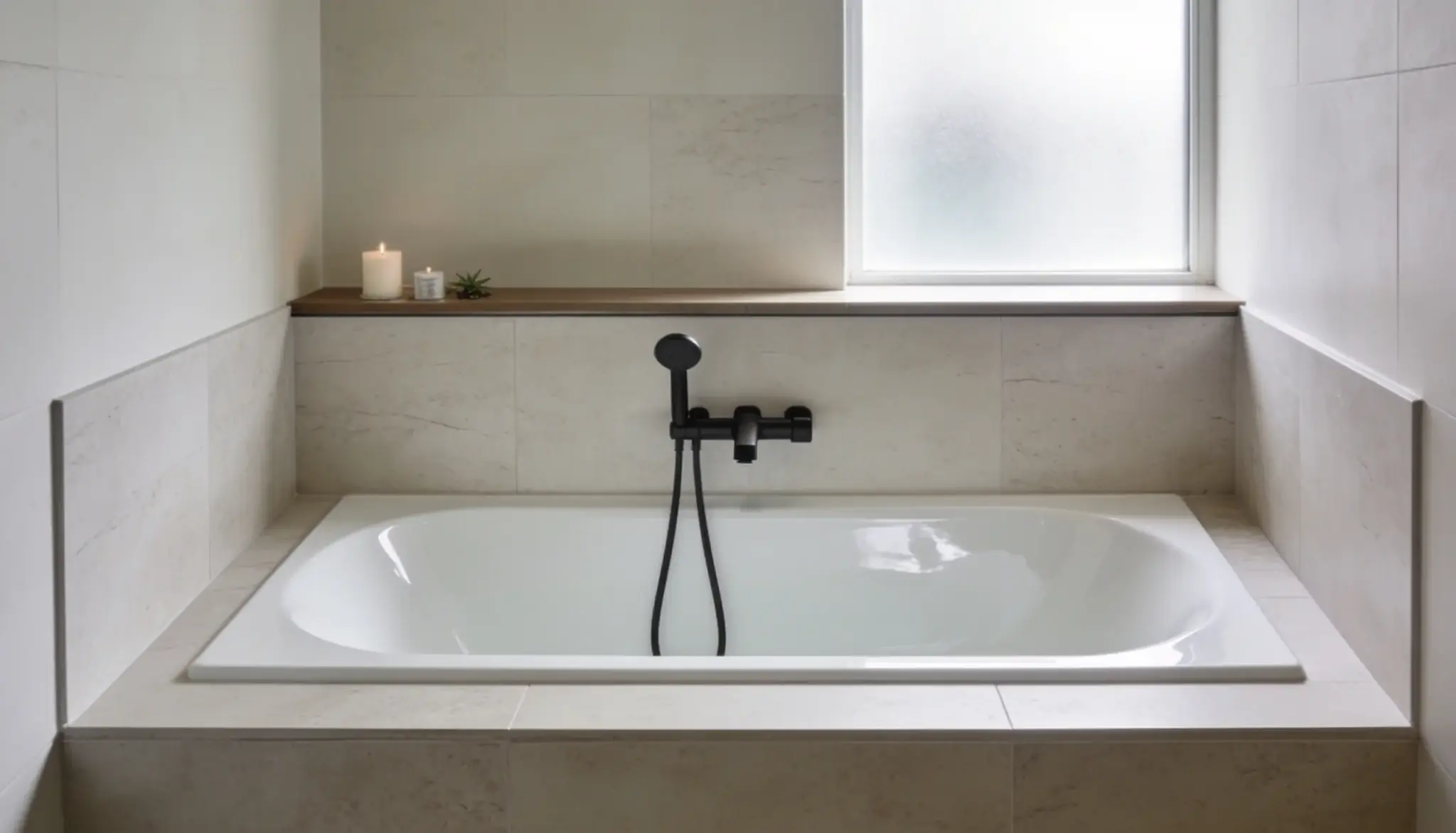
- Length: 55–60 in
- Width: 30–32 in
- Depth: 14–18 in
- Standard rough opening: 60 in
Alcoves are so widely chosen because they fit three-wall bathroom layouts.
The standard alcove size is 60×30 inches, which matches the wall framing, and it even works well in smaller bathrooms.
Most models also include a built-in shower, making them a practical two-in-one option.
2. Freestanding Bathtub
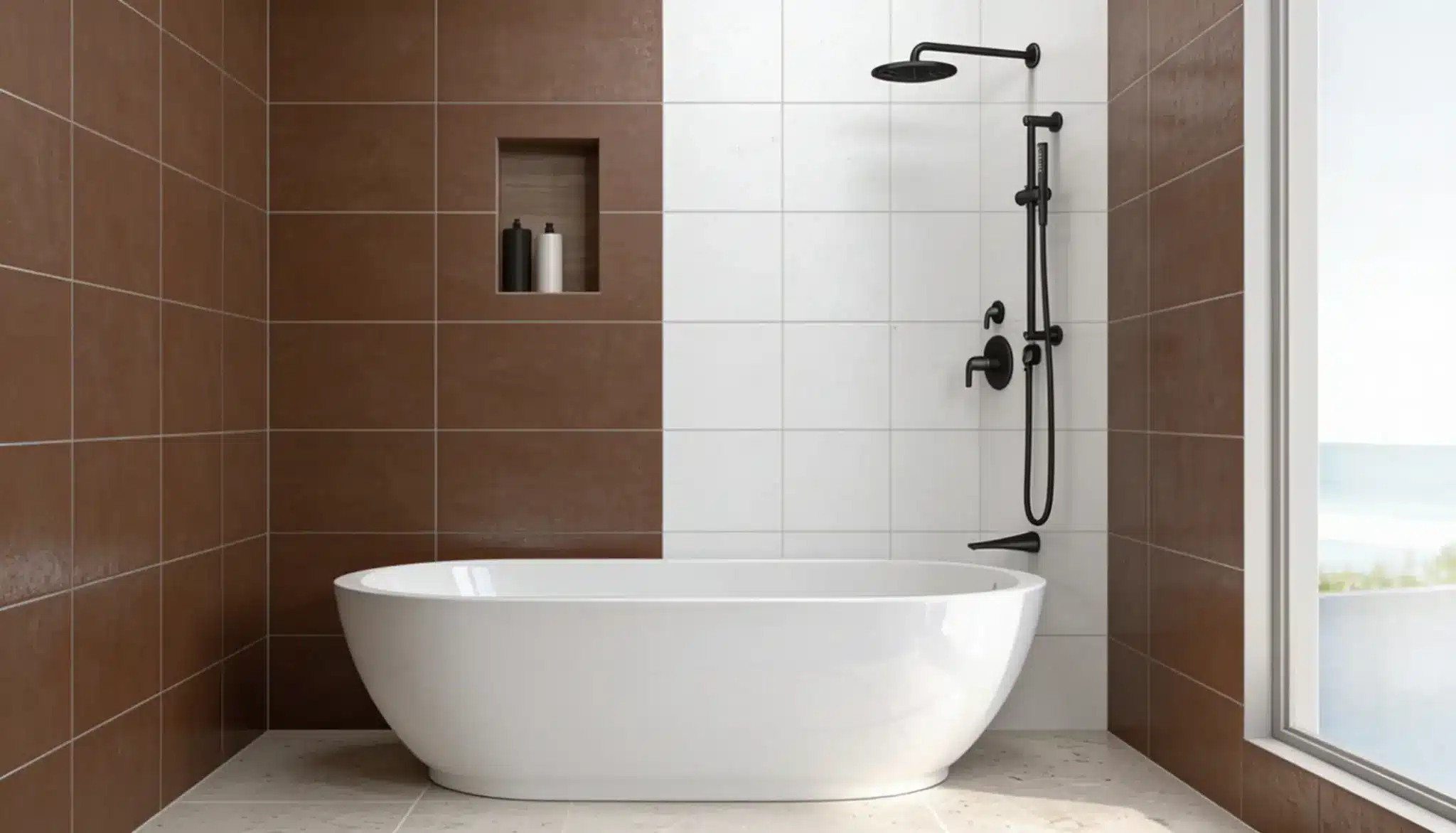
- Length: 55–72 in
- Width: 27–32 in
- Depth: 15–24 in
- Floor clearance needed: 4–6 in on all sides
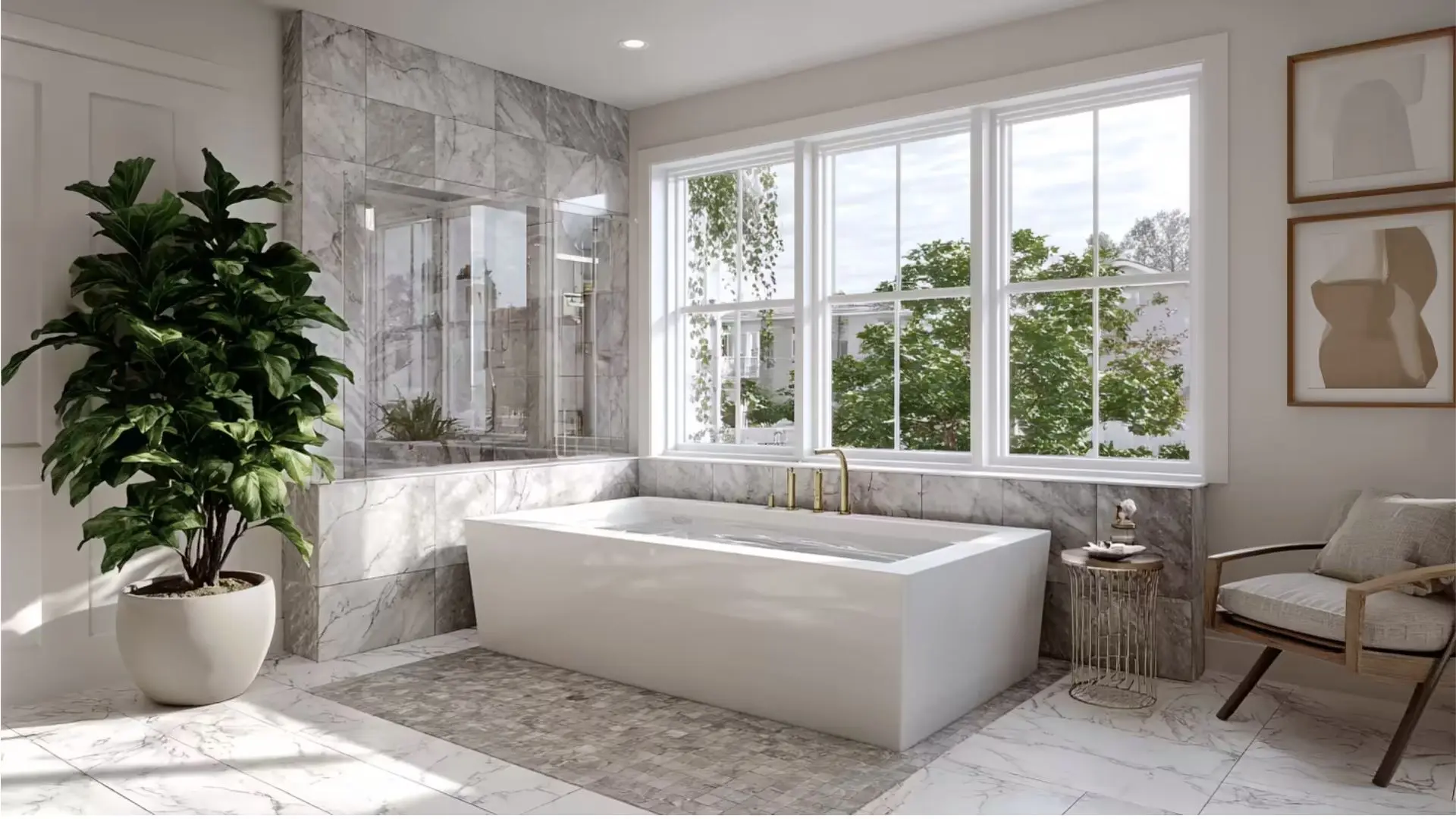
A freestanding bathtub stands on its own without touching any walls. It works as a statement piece in larger bathrooms.
These tubs usually range from 55 to 72 inches in length and require more floor space and open access to plumbing.
3. Drop-In Bathtub
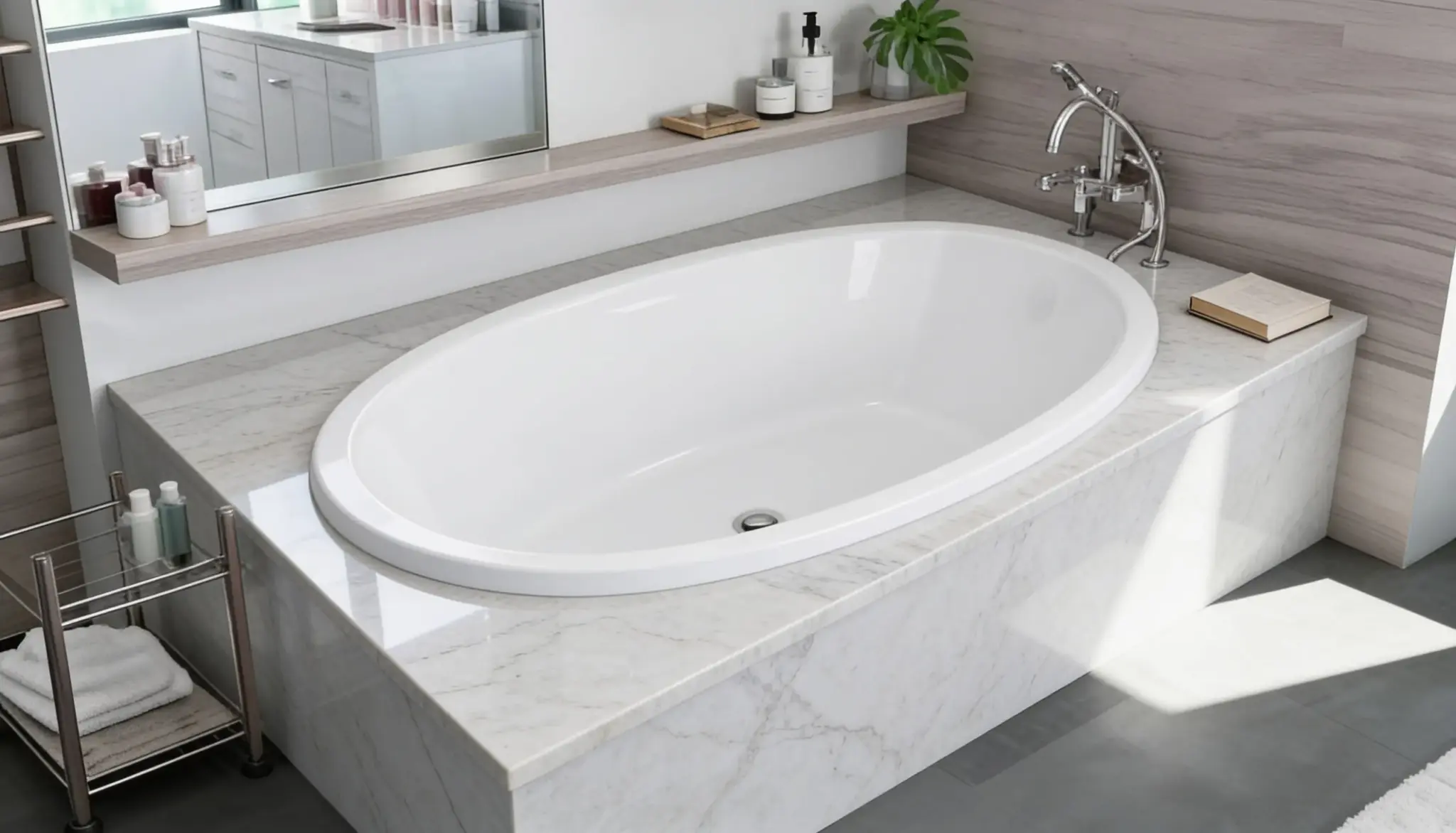
- Length: 60–72 in
- Width: 30–36 in
- Depth: 14–20 in
- Deck surround adds 4–6 in to overall footprint
A drop-in bathtub sits inside a custom-built frame or deck. These tubs typically measure between 60 and 72 inches long.
Drop-in tubs require built-out framing, so they’re best for renovations where you’re already removing walls.
The surround deck is useful for shower caddies and soap, but it adds 4-6 weeks to installation.
4. Corner Bathtub
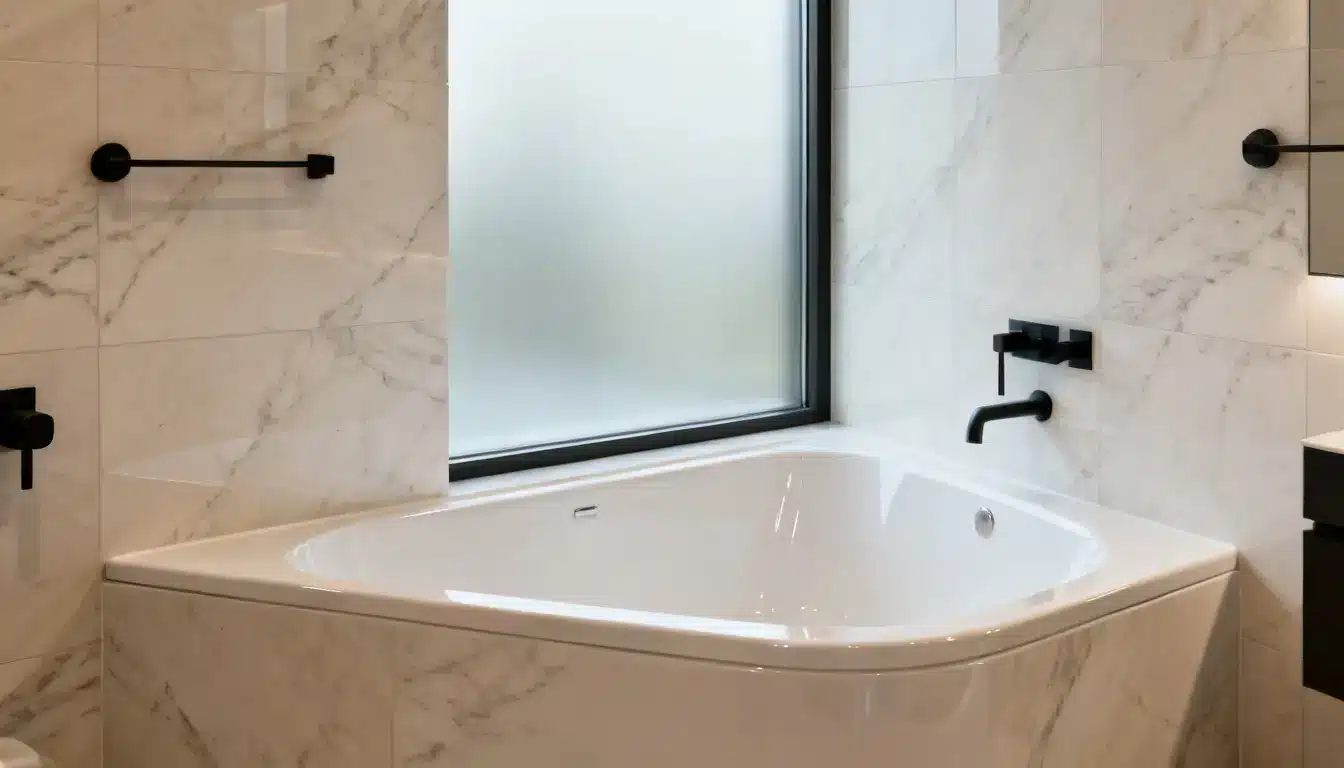
- Each side: 48–60 in
- Depth: 18–20 in
- Shape: triangular or wedge
- Total loaded weight with water and occupant: can exceed 1,000 lbs
A corner bathtub fits into the corner of a bathroom.
It uses space efficiently without occupying the center of the floor. These tubs are usually larger, measuring around 48 to 60 inches on each side.
They work well in bathrooms with an awkward layout. Many models include jets for added comfort.
5. Walk-In Bathtub
- Length: 52–60 in
- Width: 28–32 in
- Total height: 38–43 in
- Door step height: 3–4 in
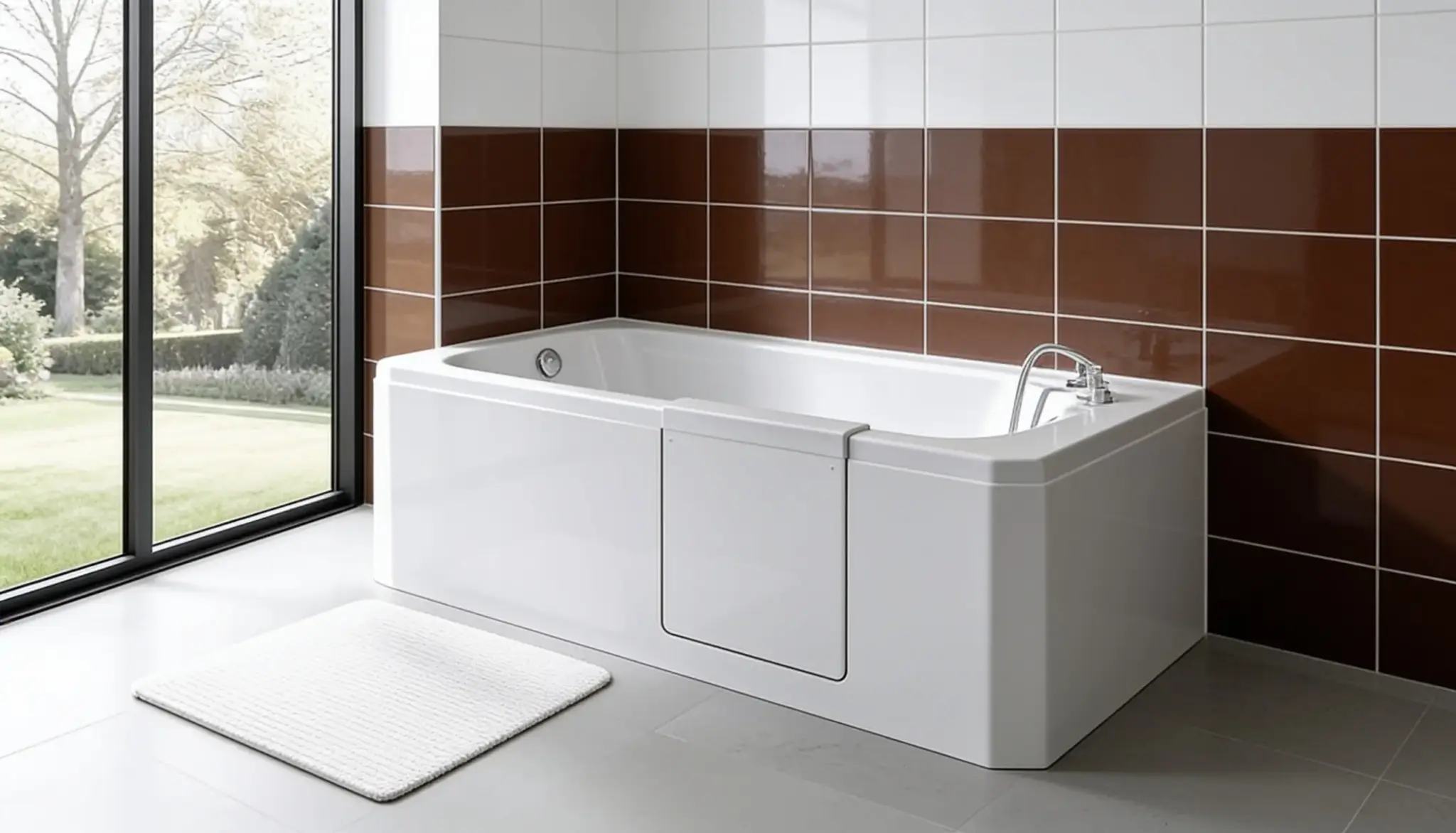
A walk-in bathtub has a side door for easy entry.
It is a great option for older adults or anyone with mobility needs.
These tubs are close to standard bathtub size, around 52 to 60 inches long. Safety features like grab bars and non-slip floors are usually built in.
6. Soaking Bathtub
- Length: 60–72 in
- Width: 32–36 in
- Depth: 23–28 in
- Water depth to overflow: 20–22 in (check spec sheet)
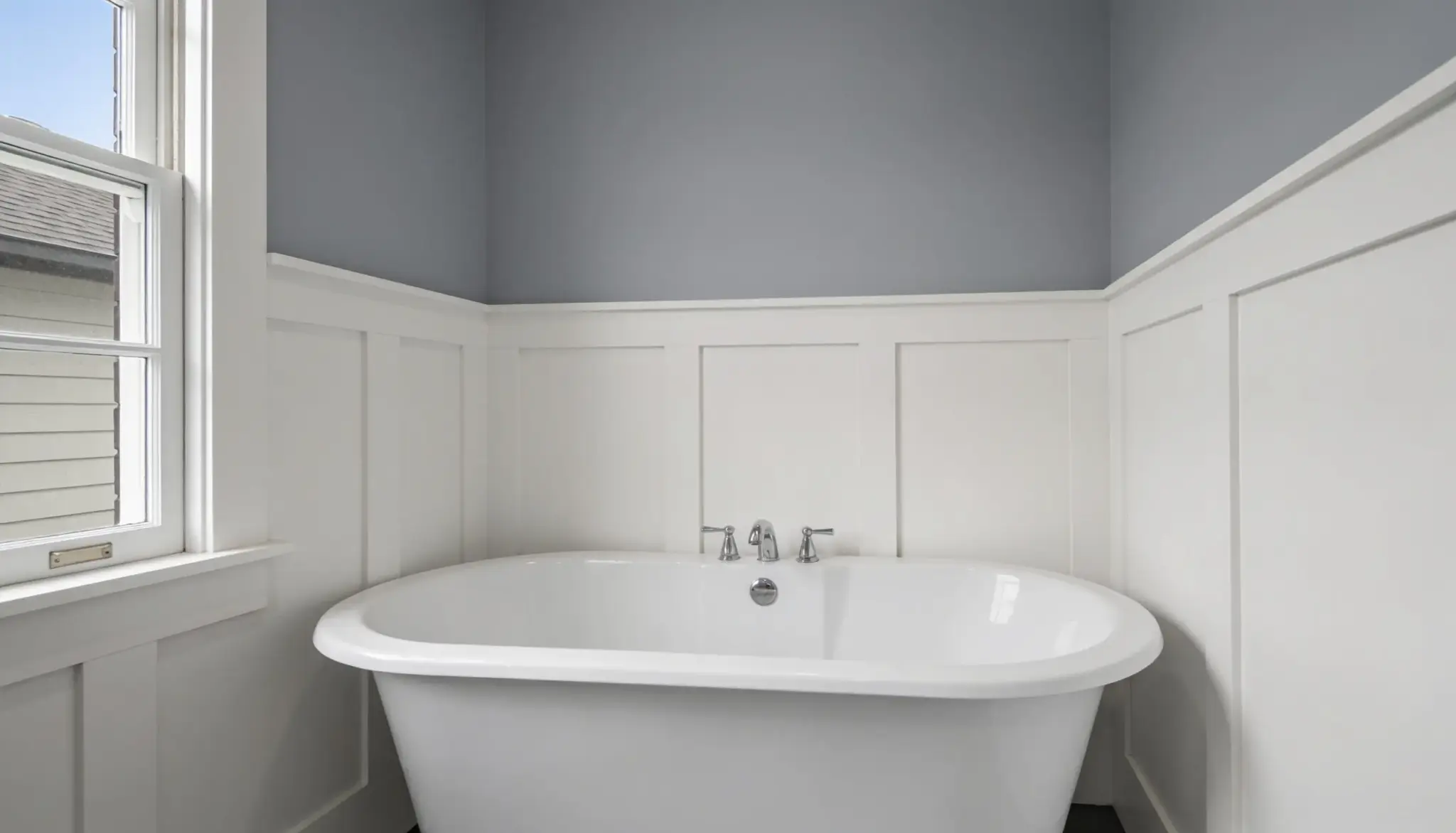
A soaking bathtub is deeper than most standard tubs. It is built for full-body relaxation.
These tubs range from 60 to 72 inches long and sit at least 23 inches deep. They hold more water, so they take longer to fill.
They work best in bathrooms with strong water pressure and a large water heater.
7. Clawfoot Bathtub
- Length: 54–67 in
- Width: 30–32 in
- Depth: 20–25 in
- Requires open floor access on all four sides
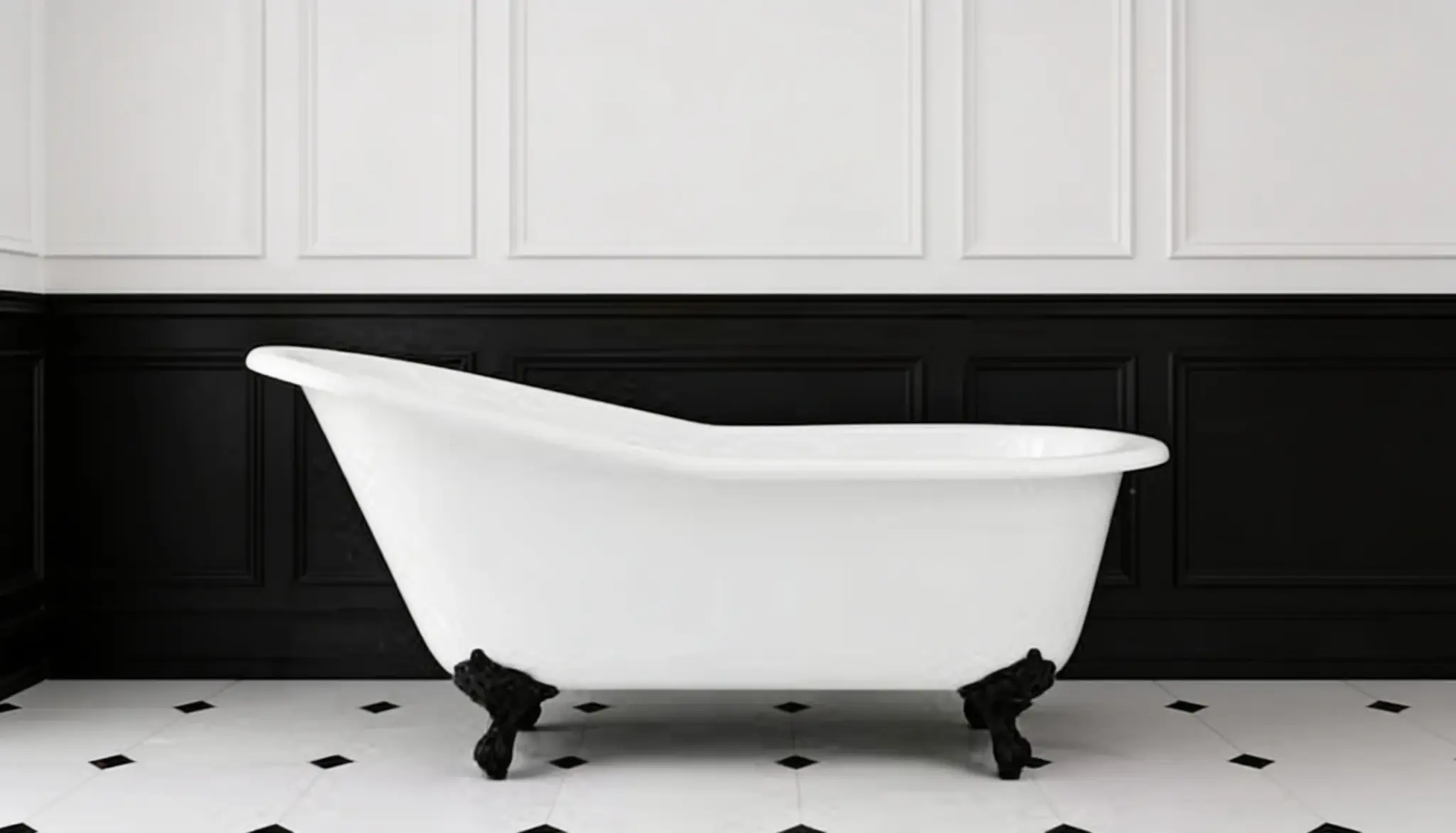
A clawfoot bathtub is a classic freestanding tub that rests on four decorative feet. It brings a vintage look to any bathroom.
These tubs usually measure between 54 and 67 inches long. They need open floor space on all sides.
Plumbing for a clawfoot tub may require some extra work during installation.
How to Measure Your Bathroom for a Bathtub
Most people measure once, order the tub, and then measure again when it arrives. Do it the other way around.
Related read: Measuring and Planning a Room for Furniture
Before you buy anything, take four measurements and write them down:
- Wall-to-wall length — measure at floor level, mid-height, and near the ceiling. Walls are rarely perfectly straight. Use the smallest of the three numbers.
- Wall-to-wall width — same method, three points, smallest number wins.
- Ceiling height — relevant if you’re installing a freestanding tub near a window or angled wall, or if the tub needs to be tilted during delivery.
- Drain location — stand facing where the tub will go. If the drain sits on your left, you need a left-drain model. Getting this wrong means returning the tub.
Once you have those numbers, check your delivery path. Measure every doorway, hallway turn, and stairwell the tub needs to pass through.
A 60-inch tub needs a clear path of at least 32 inches wide to maneuver.
Freestanding and cast iron tubs are especially unforgiving here because they cannot be tilted as easily as lightweight acrylic models.
For alcove replacements specifically, measure the rough opening rather than the old tub. If your current tub is sitting in tile, measure from finished surface to finished surface.
Tile adds thickness on both sides, and many buyers order a tub that fits the rough opening but binds against the tile once installed.
One number most guides skip: floor load. A standard cast iron tub filled with water and a person in it can exceed 500 pounds. If your floor joists run parallel to the tub rather than perpendicular, have a contractor check the subfloor before you order.
Which Bathtub Size Fits Your Body
The standard 60-inch tub was designed around an average adult height of 5’4″ to 5’8″.
It works for most people, but not all.
- Under 5’5″: A 54 to 60-inch tub is comfortable. Standard depth of 14 to 16 inches is sufficient for a relaxing soak.
- 5’5″ to 5’10”: A 60-inch alcove tub fits fine for daily use. If you want to fully stretch out, look at 66-inch options.
- Over 5’10”: Go 66 inches minimum. A 72-inch tub lets you lie flat without your knees bent. Standard alcove tubs will feel cramped for a soak.
For households with both tall adults and young children, a 60-inch soaking tub with extra depth is usually the best compromise.
Which Bathtub Material Lasts Longest?
Material determines how long your tub lasts, how much maintenance it needs, and whether it can handle the weight of a full water load.
Here are the three most common options.
1. Acrylic:
Acrylic is the most popular bathtub material: lightweight, easy to clean, and available in virtually every shape and size.
Acrylic resists stains but scratches with repeated scrubbing (avoid abrasive cleaners).
2. Cast Iron:
Cast iron tubs are heavy (genuinely heavy, often 300+ lbs) but built to outlast the house itself.
They hold heat well, keeping bathwater warm for longer. The enamel coating on the surface resists chips and scratches better than most materials.
3. Fiberglass:
Fiberglass is the budget pick — lightest to install, quickest to fit, lowest upfront cost.
However, it is less durable than acrylic or cast iron. It scratches more easily and may fade or crack within a few years of regular use.
Bathtub Cost by Type and Material
Budget plays a major role in choosing the right bathtub. Fiberglass tubs are the most affordable, while acrylic falls in the mid-range.
- Fiberglass: $200-500
- Acrylic: $400-1,200
- Cast iron: $800-2,500
- Freestanding: $1,000-5,000+
Installation is a separate line item. Budget ~$500 for a standard alcove swap, ~$1,500 for a drop-in, and ~$3,000 for a clawfoot.
If your plumbing needs to move to accommodate a new tub position, add another $2,000–4,000 on top of that.
Always factor in all costs before making a final decision.
Conclusion
Falling in love with a tub online and finding out mid-installation that your home can’t handle it structurally or plumbing-wise.
Measure first. Call a plumber for a pre-purchase consultation (most do free 15-minute calls).
Only then pick your tub.
Frequently Asked Questions
1. How Often Should a Bathtub be Cleaned to Maintain its Condition?
A bathtub should be cleaned at least once a week. Regular cleaning prevents soap scum buildup and keeps the surface looking new for longer.
2. What Bathtub Depth is Most Comfortable for Soaking?
A depth of at least 14 to 18 inches suits most adults comfortably. Those who prefer full-body soaking should look for tubs deeper than 20 inches.
3. Is it Better to Shower or Take a Bath for Relaxation?
Baths are generally better for relaxation. Soaking in warm water helps relieve muscle tension and stress far more effectively than a quick shower does.
4. How Does Bathtub Shape Affect Bathroom Comfort and Movement?
Oval and round tubs offer more interior space for stretching out. Rectangular tubs fit better against walls and leave more open floor space for movement.