What do you picture when you think about a farmhouse’s exterior?
Most people picture rustic wood, big porches, and lots of detail. To their surprise, the Scandinavian farmhouse exterior is the opposite.
It’s clean, simple, and built to handle tough winters without losing its charm.
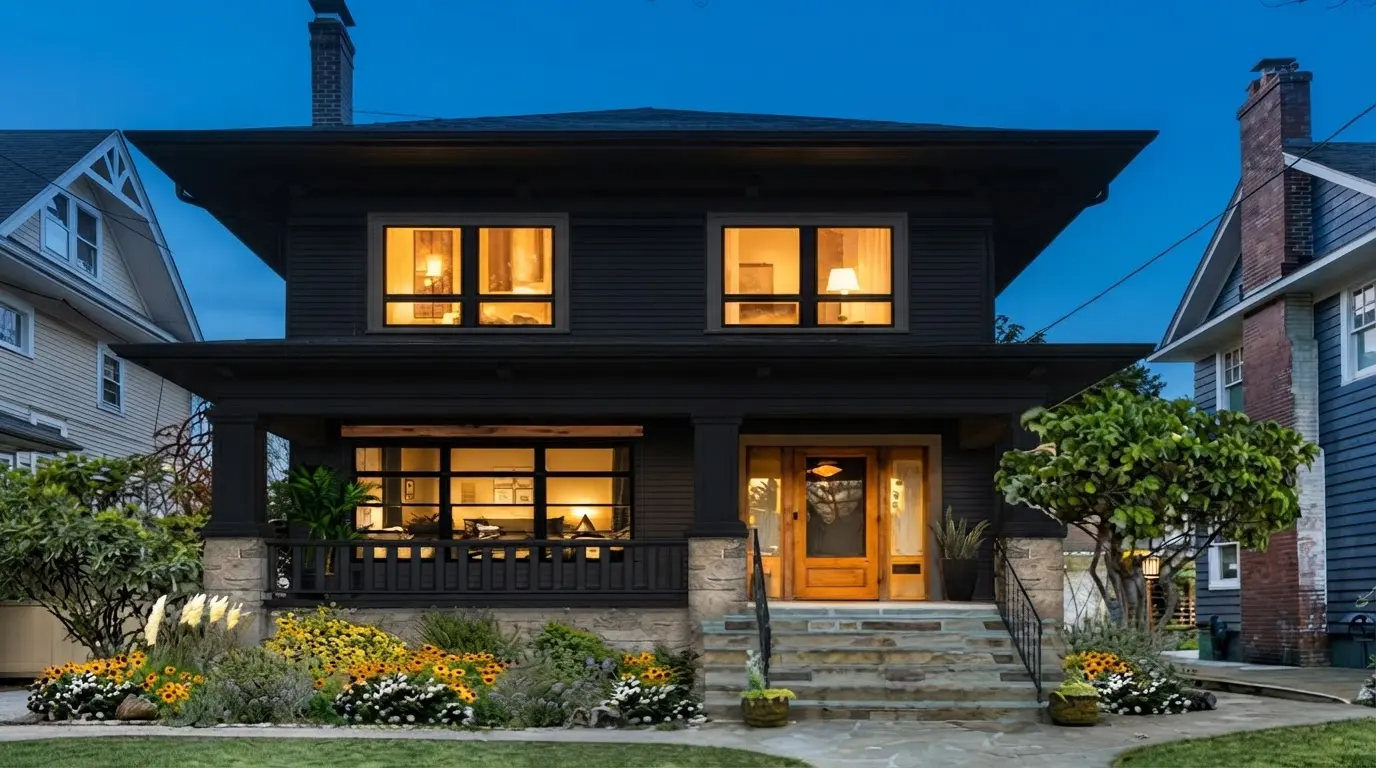
You’ve probably seen it before and didn’t know what to call it. Dark painted walls and simple rooflines. A home that looks calm and put together.
So what actually makes it recognizable, and how is it different from other farmhouse styles?
What Makes the Scandinavian Farmhouse Exterior Recognizable?
The few things you’ll never see in a Scandinavian exterior are decorative trims, mixed materials, and warm, busy tones.
The Scandinavian exterior takes a different path. It strips things back. What’s left is clean, calm, and surprisingly strong.
The look blends rural roots with a modern sensibility.
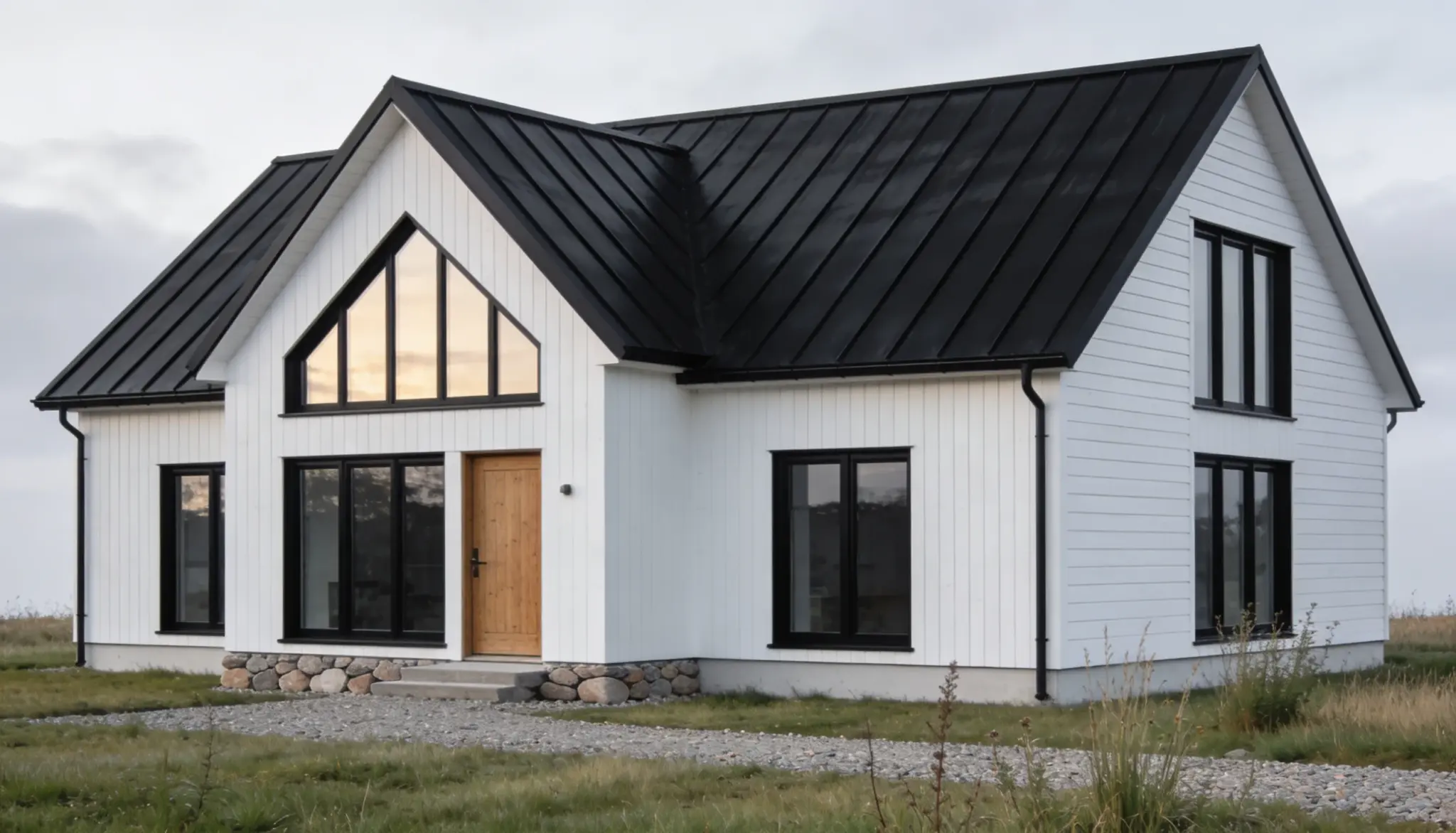
Look for steep-pitched roofs that shed heavy snow with ease. Symmetrical windows placed with purpose. Exterior walls finished in muted, earthy tones, deep blacks, and warm greys. What makes it stand out is the simplicity.
And that same thinking carries through inside the home, too. If the exterior caught your eye, the Scandinavian farmhouse interior follows the same logic: clean, functional, and nothing extra
A regular farmhouse feels warm and busy. A Scandinavian one feels calm and considered. It’s the difference between a home that’s decorated and a home that’s designed.
Common Materials Used for Scandinavian Exterior
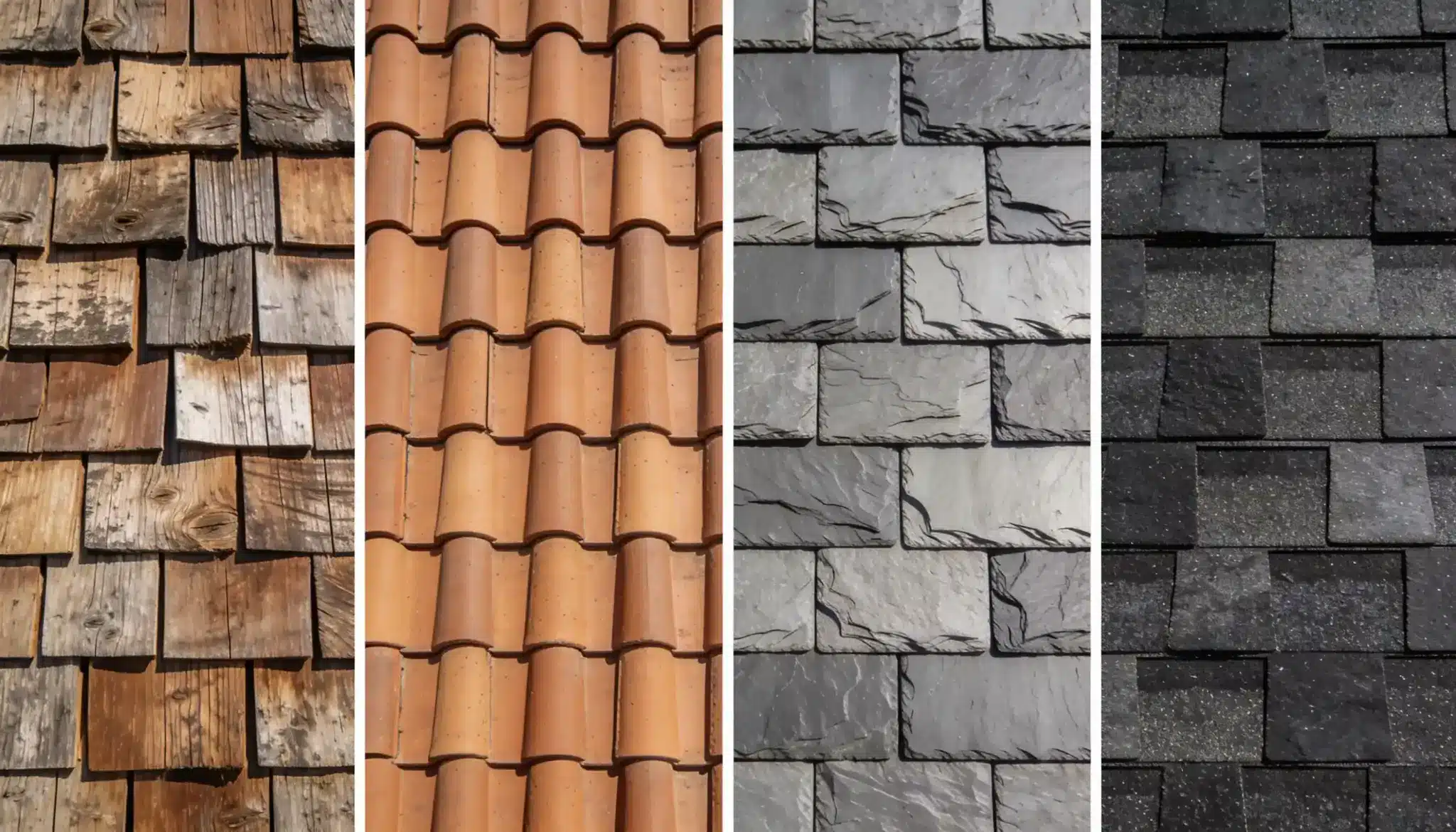
Apart from the look, a few key materials used in a Scandinavian farmhouse exterior set it apart from the rest.
They also hold up against cold, wind, and heavy snow. And they still look good doing it.
Wood (Painted or Natural)
Wood is the crowd-favorite Scandinavian material; it is used for wall cladding and facades.
It handles cold climates well, and once you paint it in dark or neutral tones, maintenance is mostly just a recoat every several years, depending on the finish quality.
Metal Roofing
Metal roofing on well-maintained Scandinavian-style homes can last 40 to 70 years, which is one reason it became the default in harsh Nordic climates where constant re-roofing isn’t practical.
Stone Accents
Stone is added around foundations and entryways. It brings in natural texture, pairs well with wood, and gives the exterior a solid, grounded feel that holds up over time.
Three Ways the Scandinavian Farmhouse Exterior Gets Done
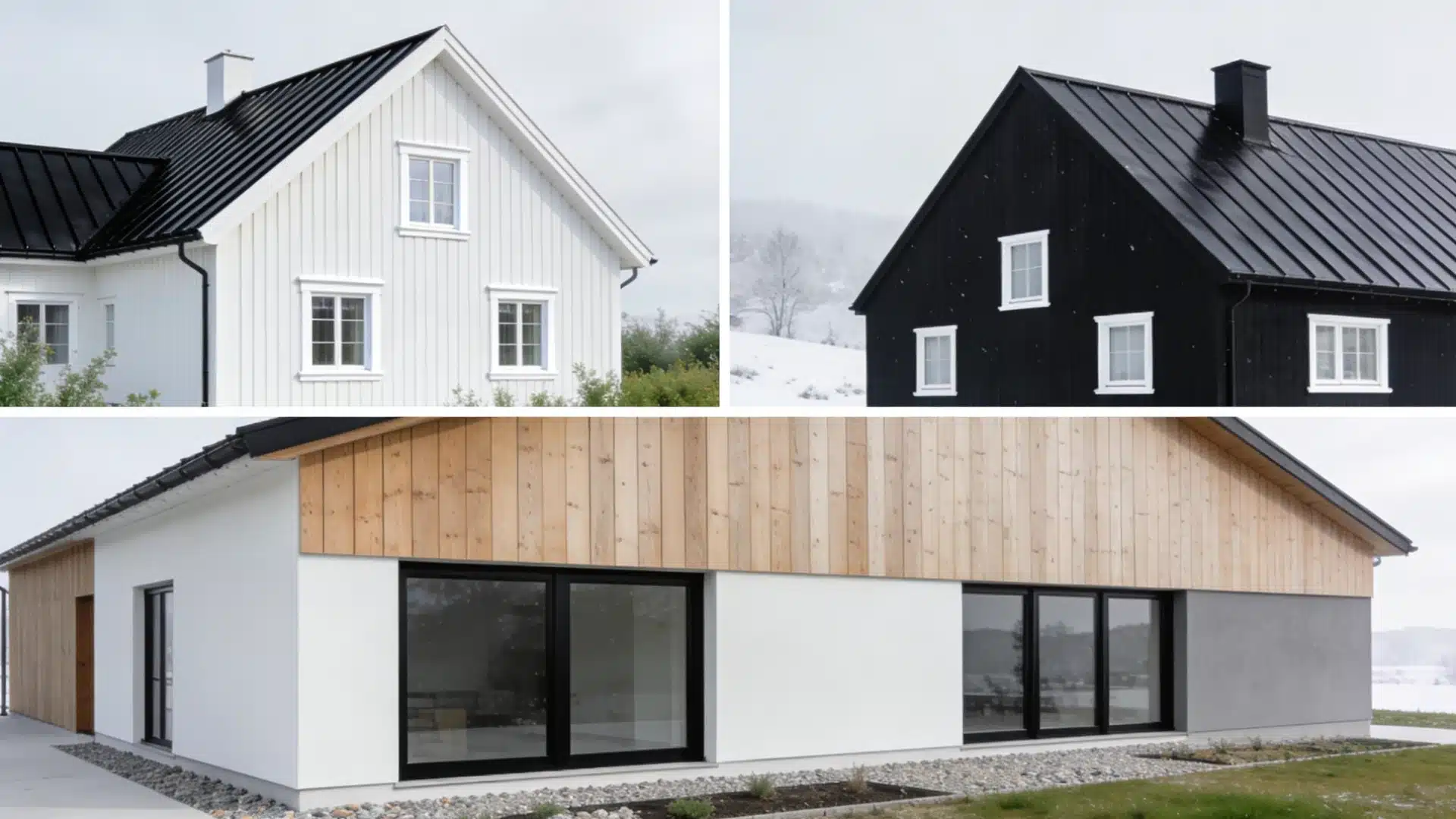
The Scandinavian exterior isn’t one fixed look. It shifts depending on the region and the climate.
Some go regional. Others adapt the look for their climate or budget.
Some homes go full white. Others go almost black. And some sit somewhere in the middle with warm wood tones mixed in.
1. All-White Modern Farmhouse Look
This is the most common and recognizable version of the Scandinavian exterior you’ll see.
The entire facade goes white, including the walls, trims, and window frames. Against a grey sky or a tree line, an all-white facade tends to look sharper than most other exterior color choices.
What sets it apart is how sharp it looks against a green landscape or a grey sky.
Cost to adapt: A full white exterior using quality painted wood cladding typically runs between $8,000 and $18,000, depending on the size of the home and the paint system used. Fiber cement is a cheaper alternative at the lower end of that range.
2. Dark Scandinavian Exteriors
You’ll find dark charcoal, deep black, or dark navy as signature color tones in these exteriors.
The real visual interest comes from the contrast. Dark walls next to white trims pop, especially in low winter light or against snow.
Cost to adapt: Dark-painted wood cladding or fiber cement panels generally cost between $10,000 and $22,000. Dark pigments in exterior paints tend to cost more per gallon and may need recoating sooner in high-UV climates. If you’re in a region with intense summer sun, check the paint’s fade resistance rating before committing.
3. Mixed Wood and Neutral Finishes
This variation brings in natural wood alongside neutral painted surfaces.
You might see raw or lightly stained timber on one section of the facade, with white- or grey-painted walls on the rest.
What sets it apart is the warmth it adds. It feels more organic than the all-white or all-dark options.
Cost to adapt: Mixed finishes vary the most in price. Expect to spend between $12,000 and $25,000, depending on the wood species chosen and how much of the facade uses natural timber versus painted cladding.
How to Design it on Your Own?
You don’t need to hire an architect or gut your exterior. A few focused decisions get you most of the way there.
And doing that is very easy; just take care of a few points, and that would be more than enough.
The key is to make deliberate choices and stick to them.
- Keep it minimal. Every surface choice should have a clear reason, whether it’s material durability, visual contrast, or structural function.
- Avoid mixing too many textures. Pick one or two materials and commit to them across the full facade
- Get the roof pitch, window size, and wall height right, because good proportions matter more than details.
Final Thoughts
The Scandinavian farmhouse exterior has held up for a reason. It was never built around trends. It was built around function, and that’s why it still looks right.
It doesn’t chase trends. It doesn’t overcomplicate things. It just works by keeping things minimalist and functional at the same time.
Clean lines, honest materials, and a restrained color palette. That’s really all it takes.
Frequently Asked Questions (FAQs)
1. What is the Best Color for Scandinavian Walls?
White is the most popular choice. It keeps things bright and clean. Dark shades like charcoal and black also work well for a bolder look.
2. What Colors are Common in Scandinavian Design?
White, grey, black, and warm neutrals are the most common. Soft blues and muted greens appear, too, but always in understated, low-contrast tones.
3. What are the Traditional Nordic Colors?
Traditional Nordic colors include deep reds, earthy browns, and dark greens, drawn from the natural landscape. White and grey became more prominent in modern Scandinavian design.