Every building standing today started as a statement about power, faith, wealth, or the future someone imagined.
Here’s a guide to the major architectural styles — where they came from, what drove them, and what makes each one recognizable.
What is Architecture?
Architecture is the art and science of designing buildings and spaces.
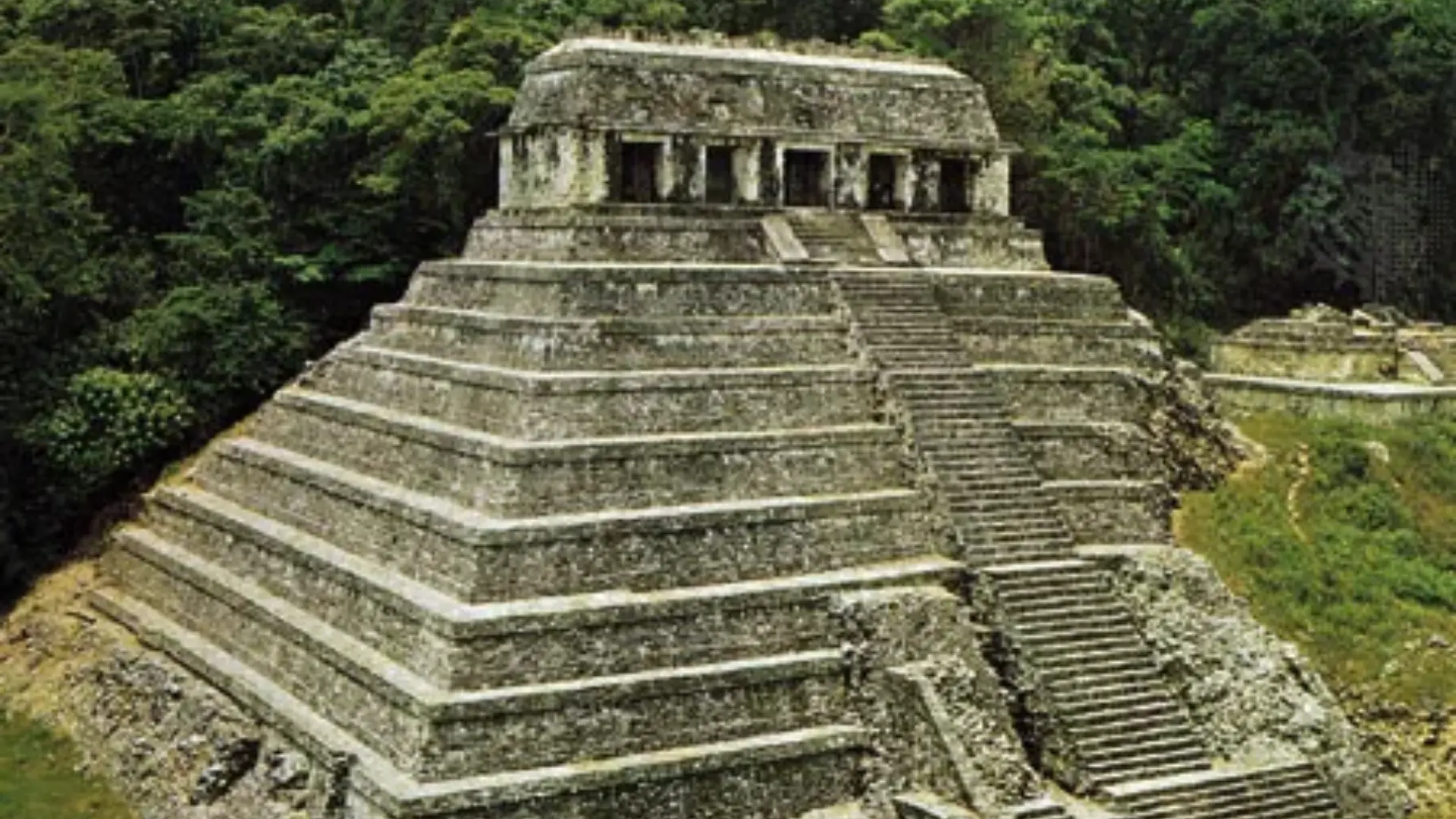
Ancient architecture is one of the few ways we understand civilizations that left no written record. Buildings outlast everything else.
Every arch, every column, every glass wall was a deliberate choice — shaped by the materials available, the beliefs held, and the money on hand.
It shows what people valued, feared, and celebrated – it’s the FEELING of the time!
What makes architecture so fascinating is that it speaks without words, which is hard to do. And it is safe to say that some structures give chills just at first glance.
Architecture shapes daily life in ways people fail to even consider.
Types of Architecture – A Detailed Study
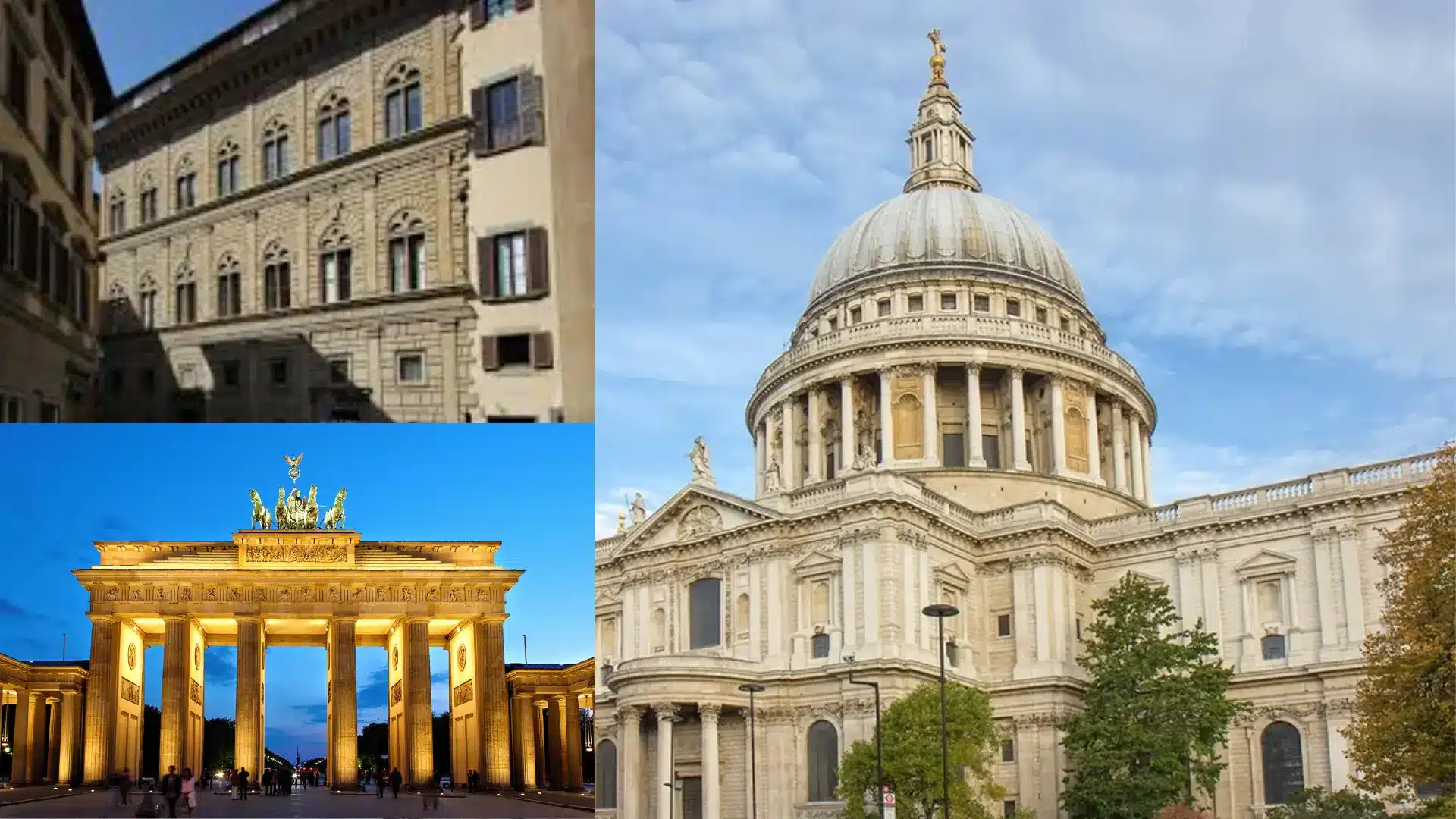
Architecture has grown century by century. Each type of architecture on this list shaped the world – beauty and functionality, a mash of both!
Some of the most studied architectural structures in the world are thousands of years old.
And some were a reaction against what came before. Let’s get into it.
1. Classical Architecture

Credit: @Britannica
Classical architecture is where it all began.
It comes from ancient Greece and Rome, and then every other style followed. When you see tall columns, triangular roofs called pediments, and perfectly balanced layouts – it’s Classical Architecture.
Everything in classical architecture follows strict rules of proportion.
The Greeks believed that beauty came from mathematical order. So they built accordingly. Their temples were calculated down to the last stone.
The Romans took those ideas and made them even bigger and more powerful.
The Parthenon in Athens, Greece, is the most famous classical structure in the world. Built in 447 BC, it still stands on the Acropolis today.
2. Gothic Architecture
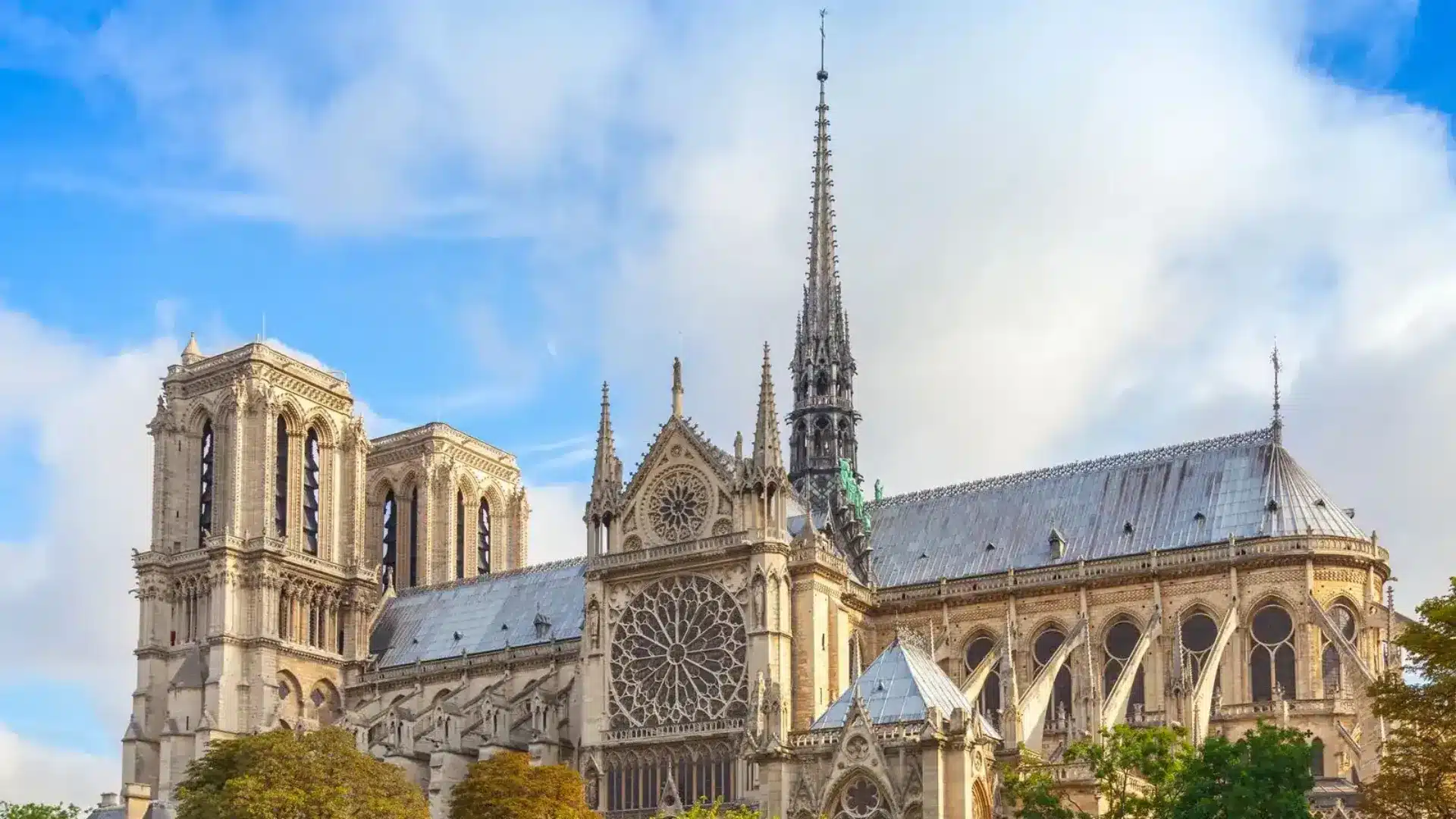
Credit: @Britannica
Gothic architecture looks like it came straight out of a fantasy novel.
Pointed arches shoot towards the sky, with giant stained-glass windows that bring in colored light.
Stone carvings of creatures called gargoyles perched on rooftops. It is dramatic and intense, but it was definitely planned.
This architecture rose in medieval Europe between the 12th and 16th centuries.
It was built primarily for churches and cathedrals. The goal was to make people feel the presence of something greater than themselves.
Every detail in here points upward.
Notre-Dame Cathedral in Paris is one of the most recognized Gothic structures on earth.
Builders used a clever structural trick called flying buttresses, which allowed the external stone supports to allow walls to rise taller and windows to grow larger without the building collapsing.
3. Romanesque Architecture
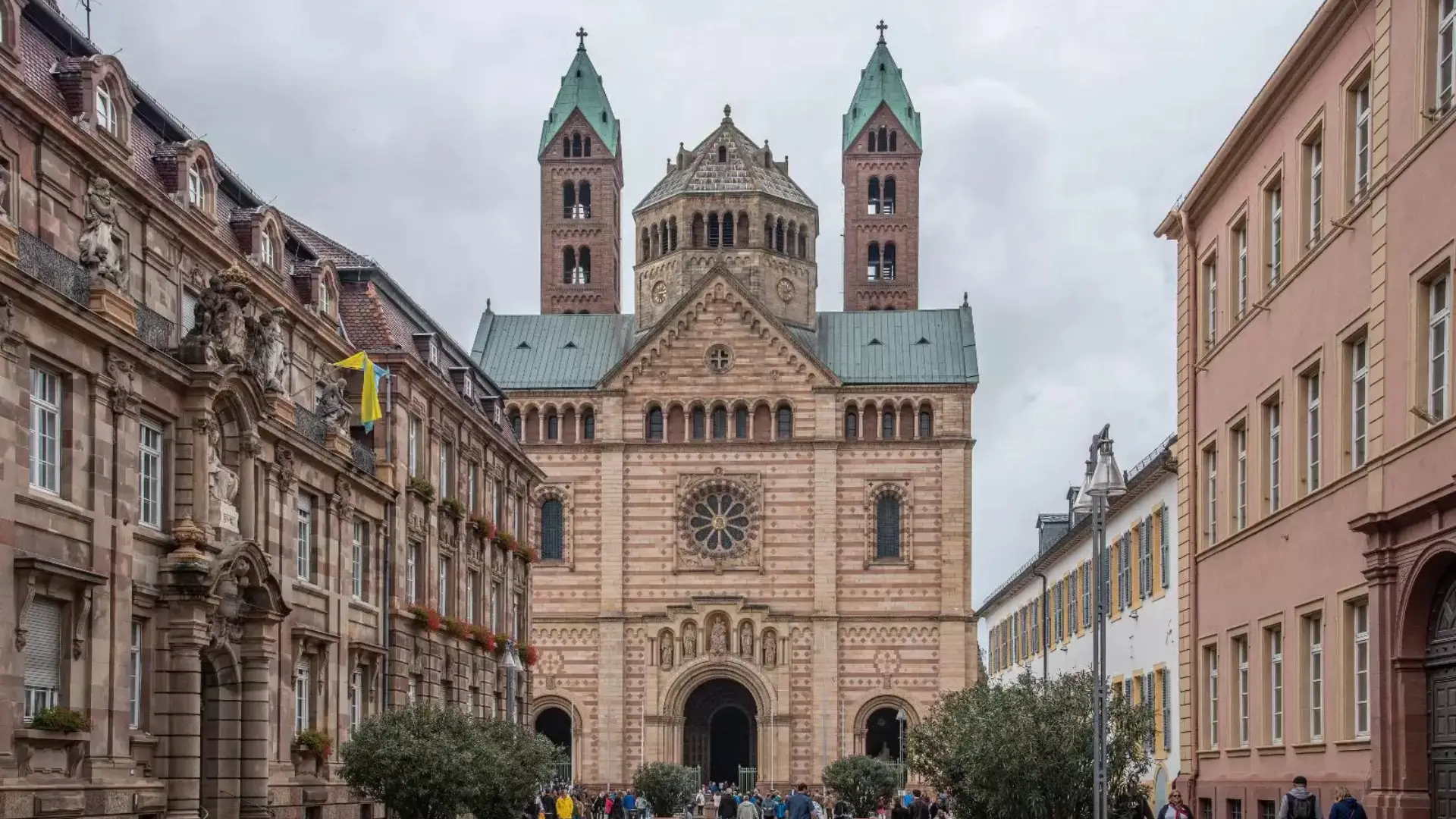
Credit: @PlacesofGermany
Romanesque architecture, which preceded Gothic between the 9th and 12th centuries, has a very different personality.
Where Gothic is tall and light, Romanesque is thick and heavy. Round arches instead of pointed ones, with massive stone walls and small windows.
Romanesque buildings feel like fortresses. That is because many of them had to be.
Medieval Europe was not a safe place. Churches needed to double as shelters. So builders made their walls thick and their structures tough.
Romanesque interiors are rich in detail. Carved stone decorations, painted ceilings, and elaborate doorways.
The Speyer Cathedral in Germany is one of the largest surviving Romanesque structures in the world.
4. Renaissance Architecture
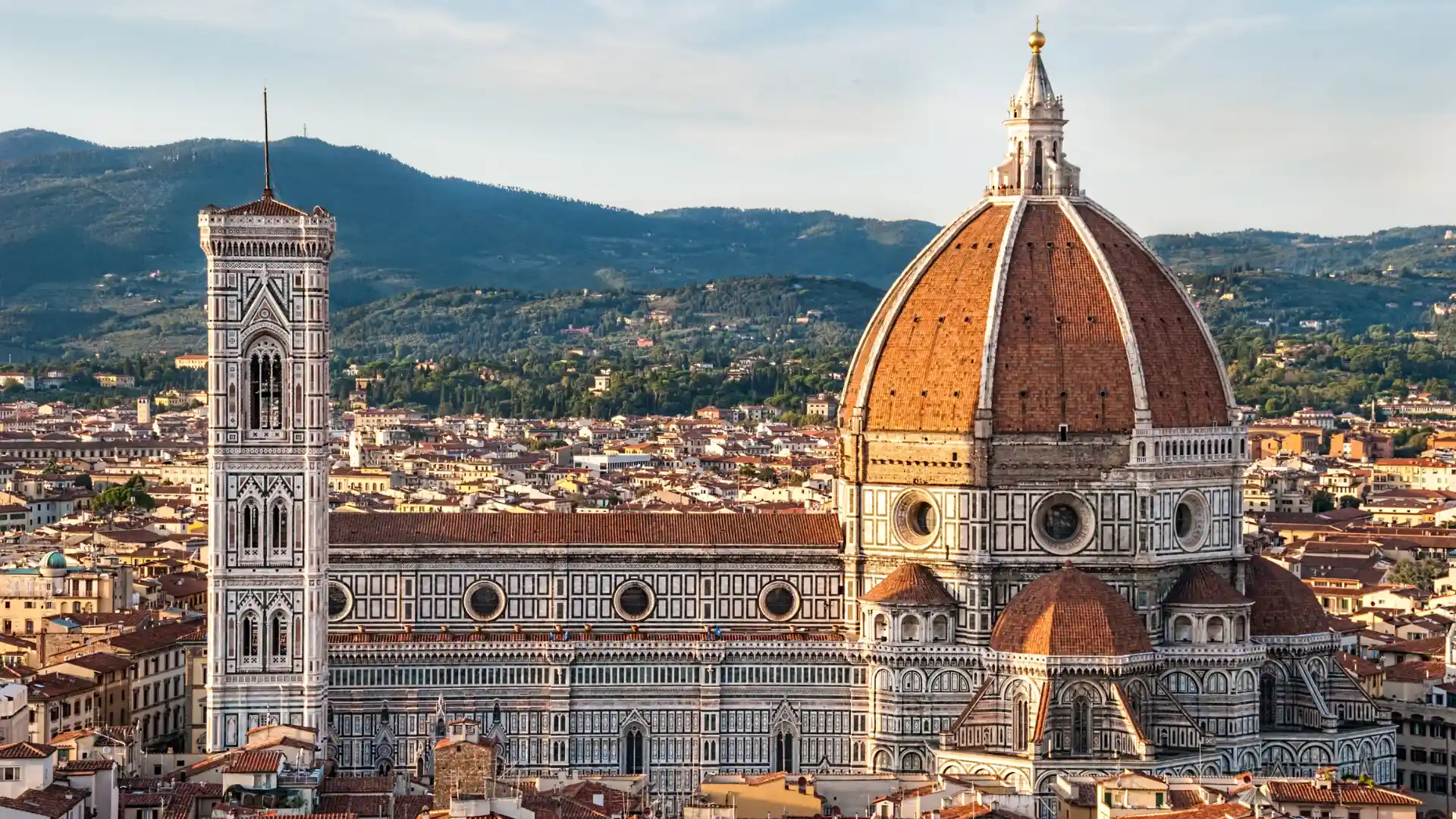
Credit: @Wikipedia
Renaissance architecture arrived in 15th-century Italy, bringing a new energy.
Architects returned to studying ancient Greek and Roman buildings, bringing back symmetry, clean lines, and a love of proportion.
But they weren’t copying — they were reinterpreting.
The dome became a signature Renaissance element, and no dome defined the period more than Brunelleschi’s solution for Florence Cathedral: a double-shell construction that had never been attempted before at that scale.
5. Baroque Architecture
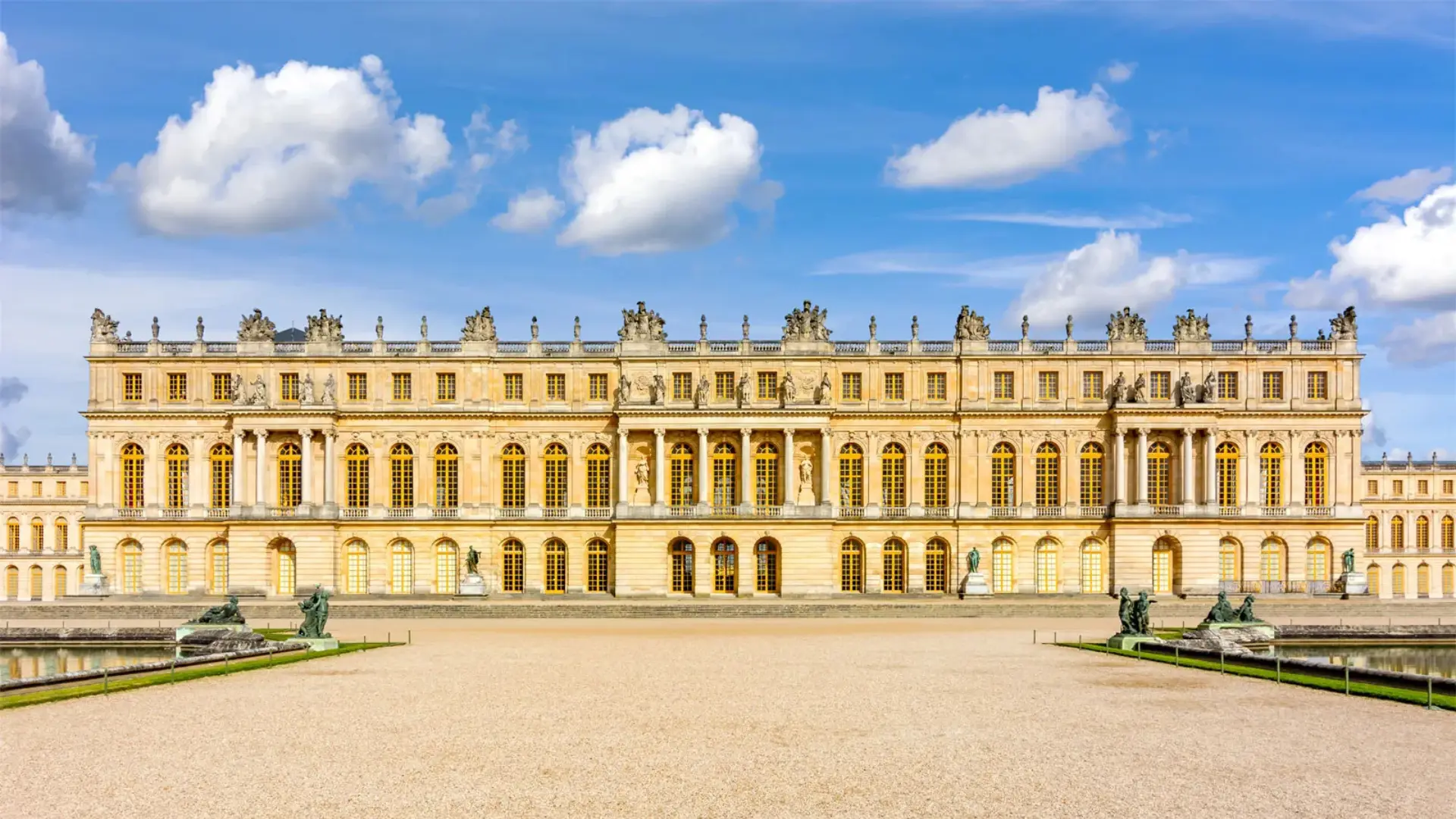
Credit: @Britannica
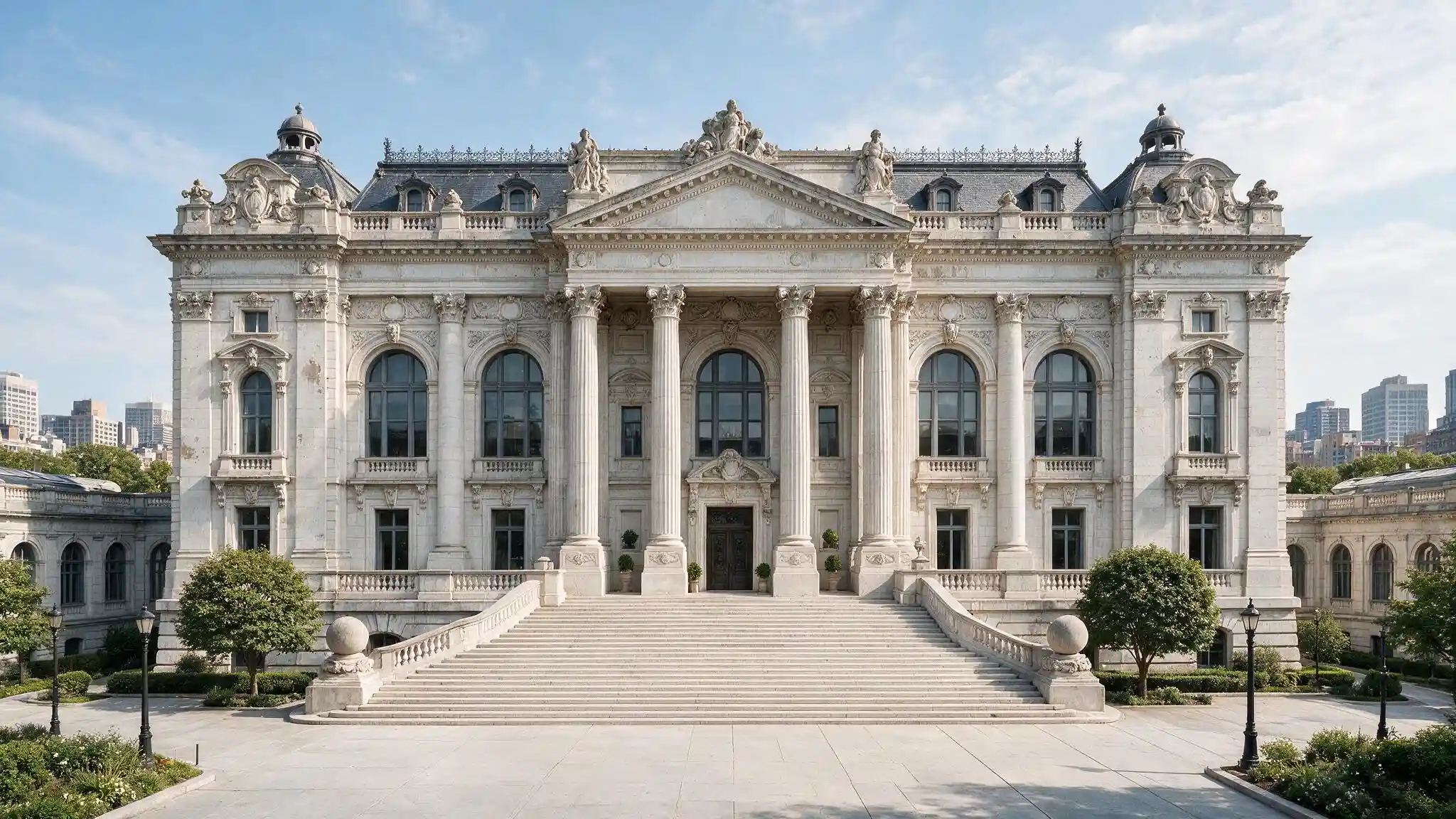
Baroque emerged in Europe in the early 17th century, bringing more curves, more drama, and more gold.
Basically, more of everything.
Grand staircases, ceiling paintings that seemed to extend into the sky, and facades covered in intricate carvings.
The Catholic Church was one of the biggest supporters of Baroque architecture. They used it as a tool to inspire awe and draw people back to faith during a period of religious conflict.
Baroque architects understood one thing very well. Emotion is powerful.
The Palace of Versailles in France is arguably the most famous Baroque building in the world. Its Hall of Mirrors leaves visitors speechless.
6. Victorian Architecture

Credit: @Wikipedia
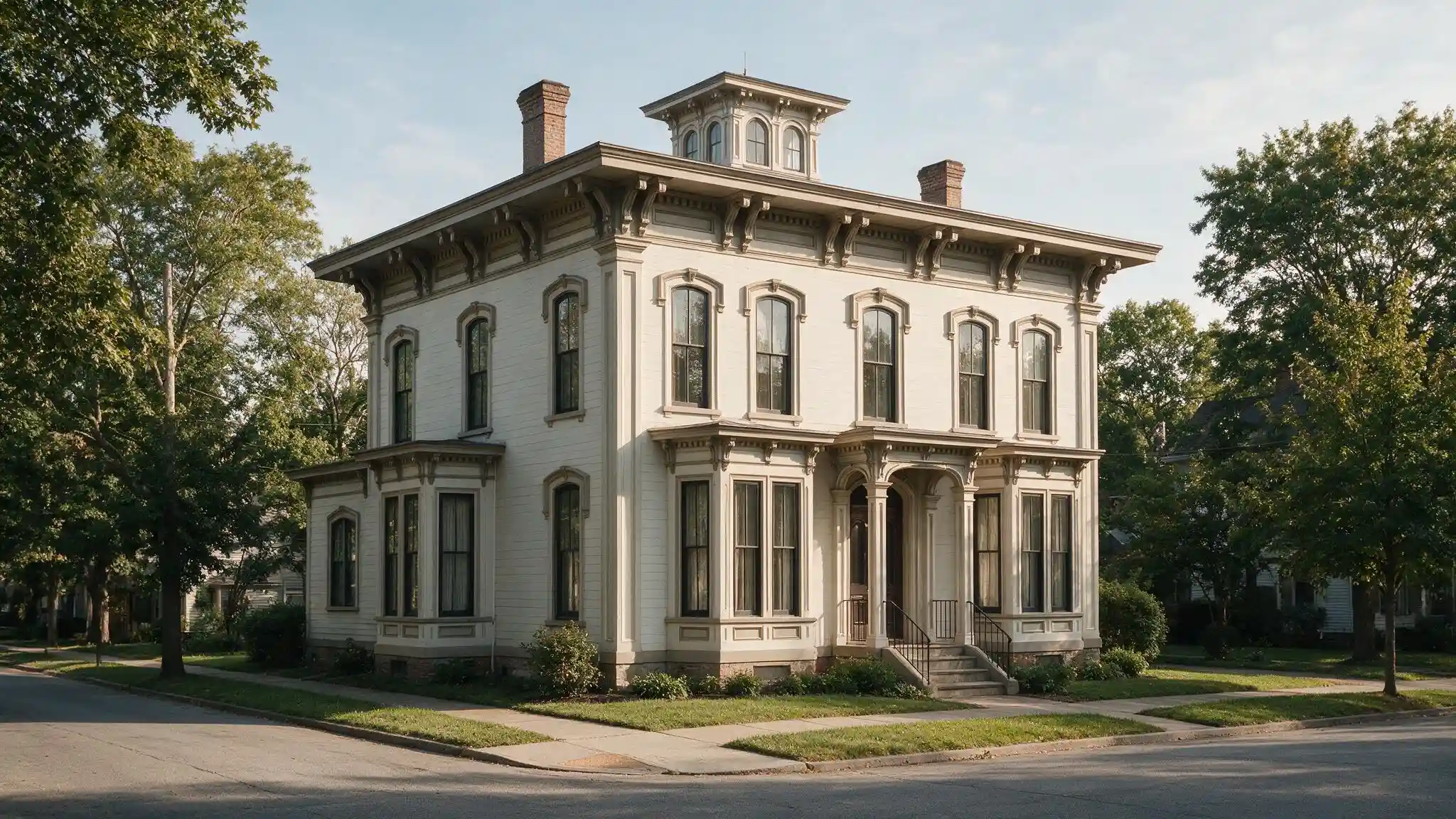
Victorian architecture emerged during the reign of Queen Victoria in Britain, between 1837 and 1901, and it is one of the most recognizable styles in the world.
Steep rooftops, decorative trim, bay windows, turrets, and wraparound porches.
With rich colors, Victorian buildings look like they were designed by someone who believed more is always better.
New materials, such as cast iron and mass-produced brick, became widely available. Builders could suddenly afford to be more ambitious and more decorative.
Several sub-styles emerged under the Victorian umbrella, including Gothic Revival, Italianate, and Queen Anne.
The Houses of Parliament in London, also known as the Palace of Westminster, is a magnificent example of Victorian Gothic Revival.
7. Neoclassical Architecture

Credit: @ArchitecturalDigest
By the 18th century, Europe had Neoclassical architecture.
The drama calmed, and it was again that clean, serious elegance of ancient Greece and Rome, with tall columns and simple geometric shapes.
Neoclassical architecture carried a strong political message.
It was associated with democracy, reason, and civic duty. Governments and institutions loved it because it made their buildings look powerful, permanent, and trustworthy.
The United States adopted Neoclassical architecture heavily during its early years.
Hence, the White House in Washington, D.C. It is one of the most recognized Neoclassical buildings in the world.
8. Art Deco Architecture

Credit: @EmpireStateBuilding
Art Deco arrived in the 1920s, and it looked like the future, with bold geometric shapes, sunburst patterns, zigzag lines, and metallic finishes.
It used luxurious materials like chrome, glass, and marble.
Art Deco was the style of the Jazz Age, a time when cities were growing fast, and people were excited about modernity.
Art Deco buildings feel glamorous. They feel like old Hollywood films brought to life in stone and steel.
The Chrysler Building in New York City is the crown jewel of Art Deco architecture. Its stainless steel crown is instantly recognizable on the Manhattan skyline.

And the Empire State Building is another Art Deco icon.
9. Modern Architecture
Credit: @Wikipedia
Modern architecture emerged in the late 19th and early 20th centuries and made a statement.
The famous phrase connected to this movement is “form follows function.”
Architects like Le Corbusier, Ludwig Mies van der Rohe, and Frank Lloyd Wright led the charge. They stripped buildings down to their essential elements.
Focusing more on flat roofs, open floor plans, large glass windows, and minimal ornamentation.
Modern architecture was shaped by new materials.
Steel and reinforced concrete enabled buildings to reach higher heights, and the glass curtain walls replaced stone facades.
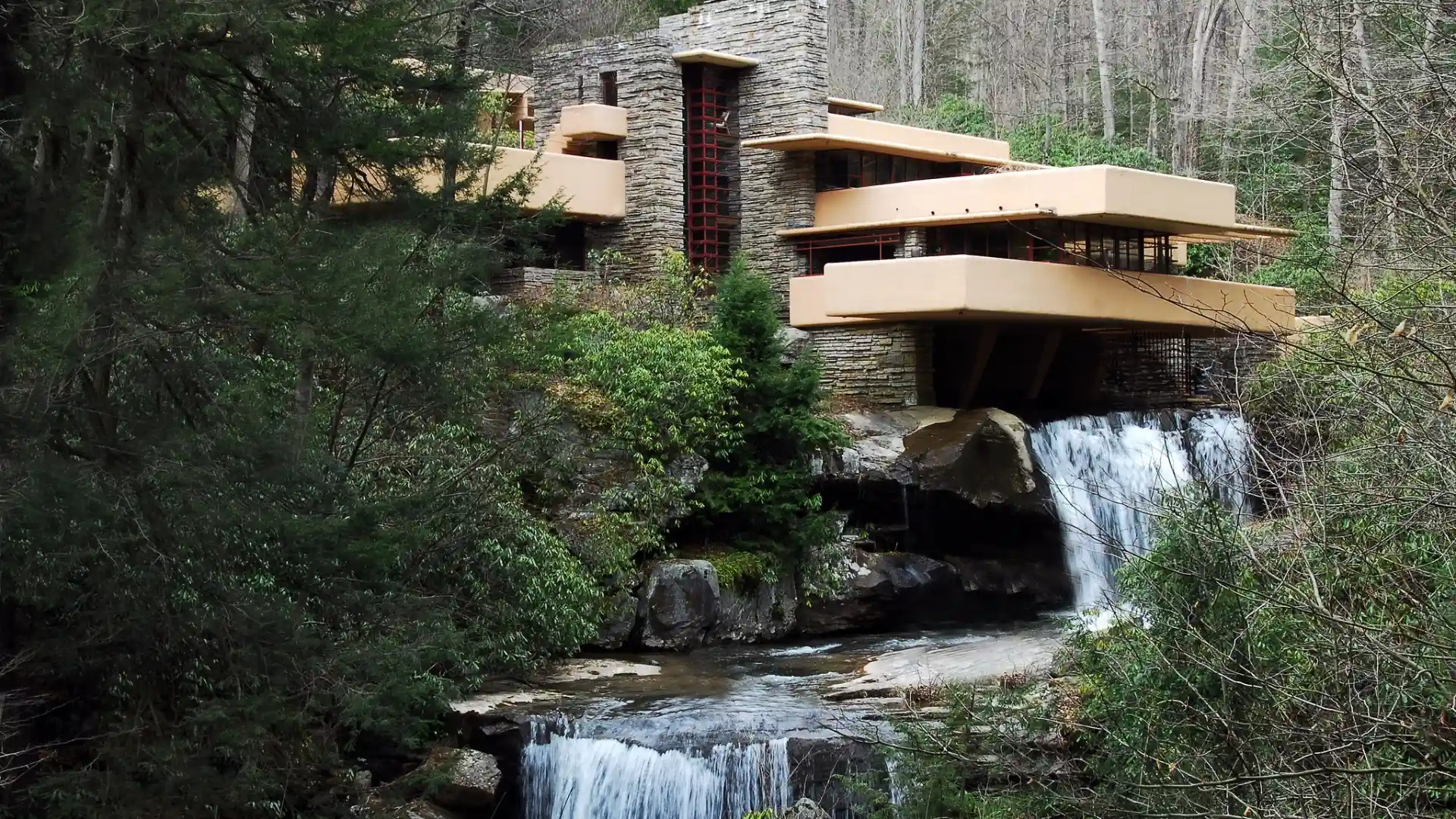
The Fallingwater house in Pennsylvania, designed by Frank Lloyd Wright, is one of the most celebrated modern buildings ever built. It is directly over a waterfall, mixing structure with nature.
10. Contemporary Architecture

Credit: @MODUS
Contemporary architecture is the present. It is not tied to one set of rules.
It borrows from many styles and pushes boundaries in ways that were not possible even 20 years ago. Curved buildings, facades that change appearance based on light, and structures that seem to defy gravity.
Contemporary architects have tools that earlier generations could only dream of.
Computer-aided design allows for shapes and forms that would have been impossible to calculate by hand.
New materials such as carbon fiber, titanium cladding, and smart glass open up new options.
The Burj Khalifa in Dubai is the tallest building in the world and a defining example of contemporary design.
11. Minimalist Architecture
Credit: @Wikipedia
Minimalist architecture takes the ideas of Modern architecture and follows the “less is more” mantra.
It is its strict design philosophy. Every line has a purpose.
Minimalist buildings often feel like quiet spaces in a noisy world with clean surfaces, neutral colors, open, and uncluttered interiors.
And the natural light does everything!
This style became especially popular in the late 20th century as a reaction against the busy, decorative excesses of earlier periods.
Japanese design philosophy strongly influenced minimalism.
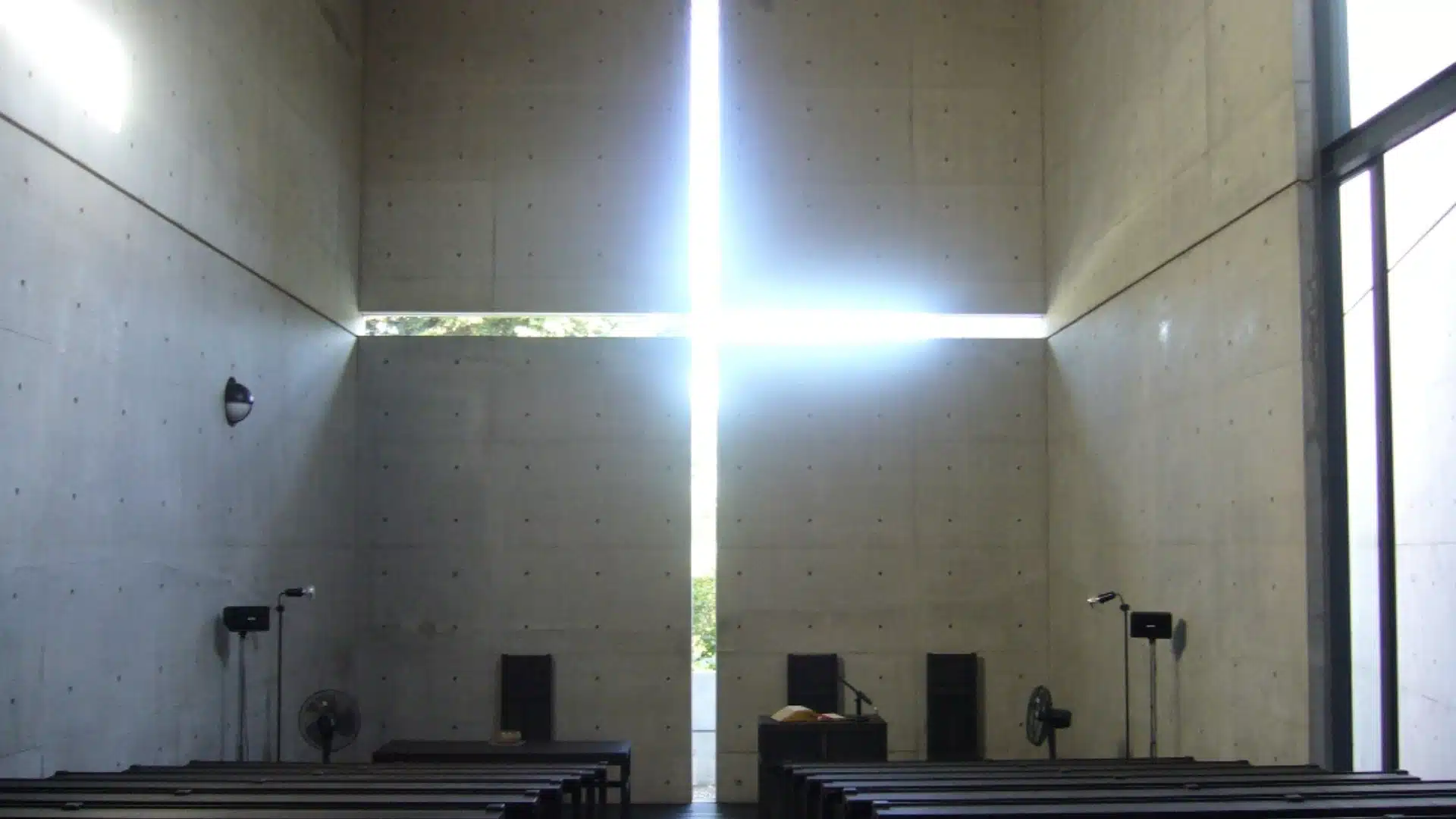
The Church of the Light in Osaka, Japan, designed by Tadao Ando, is the best example of minimalist architecture. A single cross-shaped cut in the wall lets in a beam of light that changes the entire space.
12. Industrial Architecture

Credit: @Wikipedia
Industrial architecture emerged in the 19th century, with factories, warehouses, and railway stations that needed to be built quickly and built to last.
Exposed brick, iron beams, large open floor plans, and concrete floors – Is Industrial Architecture!
Over time, people began to find these spaces beautiful.
Old factories got converted into apartments, offices, and art galleries. Industrial architecture became one of the most sought-after styles in modern urban living.
The High Line in New York, built on an old raised railway track, is a brilliant example of industrial heritage being given new life.
13. Sustainable (Green) Architecture

Credit: @Bloomberg
Sustainable architecture is the style of the moment and the need of the future.
It designs buildings that work with nature rather than against it. Solar panels, green roofs covered with plants, and rainwater-harvesting systems.
Natural ventilation instead of air conditioning, and materials sourced responsibly to reduce environmental impact.
Green buildings are not just good for the environment.
They are better places to live and work, giving better air quality, more natural light, and lower energy bills.
The Edge in Amsterdam is widely considered the most sustainable office building in the world. It generates more energy than it uses.
Ancient vs Modern Architecture
Stand in front of the Colosseum in Rome. Then pull up a photo of the Burj Khalifa.
The difference is an entirely different way of thinking about what a building should be, do, and say. Let’s get a quick overview of the two.
| Category | Ancient | Modern |
|---|---|---|
| Time Period | Before 500 AD | Late 19th century to present |
| Materials | Stone, marble, timber | Steel, glass, concrete |
| Construction | Hand tools, human labor | Machinery, CAD software |
| Wall Style | Thick, load-bearing walls | Slim steel and glass frames |
| Decoration | Heavy carvings and sculptures | Clean, minimal surfaces |
| Windows | Small, narrow openings | Large glass facades |
| Purpose | Temples, tombs, palaces | Offices, homes, airports |
| Design Goal | Permanence and power | Function and efficiency |
| Height | Limited by the stone strength | No practical height limit |
| Lifespan | 2,000 plus years | 50 to 100 years typically |
Wrap Up
Every style on this list was shaped by the constraints and convictions of its moment — what materials were available, what beliefs needed expressing, what the previous generation had done that needed rejecting.
Architecture is the record that survives when everything else is gone.
People Also Ask
1. What is the Oldest Type of Architecture?
Ancient Egyptian architecture is the oldest known style. The Great Pyramid of Giza, built around 2560 BC, is the best example of early human construction.
2. What is the British Style of Architecture?
British architecture is best known for the Gothic Revival and Victorian styles.
3. What is the Difference Between Modern and Contemporary Architecture?
Modern architecture was a specific movement from the late 19th to mid-20th century. Contemporary architecture refers to whatever is being designed and built right now.