You start with a rough number in your head.
Then the painter mentions wall prep, primer, ceiling work, and labour. Suddenly, that number doubles. It’s a situation many people find themselves in.
But calculating the cost to paint interior of house isn’t as complicated as it sounds.
Once you know what factors affect the price, you can plan better and avoid those nasty surprises.
In this blog, you’ll find everything you need to figure out your interior painting costs, room by room, wall by wall.
Key Factors That Influence Interior Painting Cost
Before you get a quote, it helps to know what drives the price up or down.
These factors play the biggest role in determining your final painting cost, and understanding them puts you in a better position to budget right.
1. Total Wall and Ceiling Surface Area
- Larger rooms mean more paint and more labour time
- Painters calculate cost based on total square footage
- High ceilings or vaulted spaces add to the overall area
- More surface area directly increases your total bill
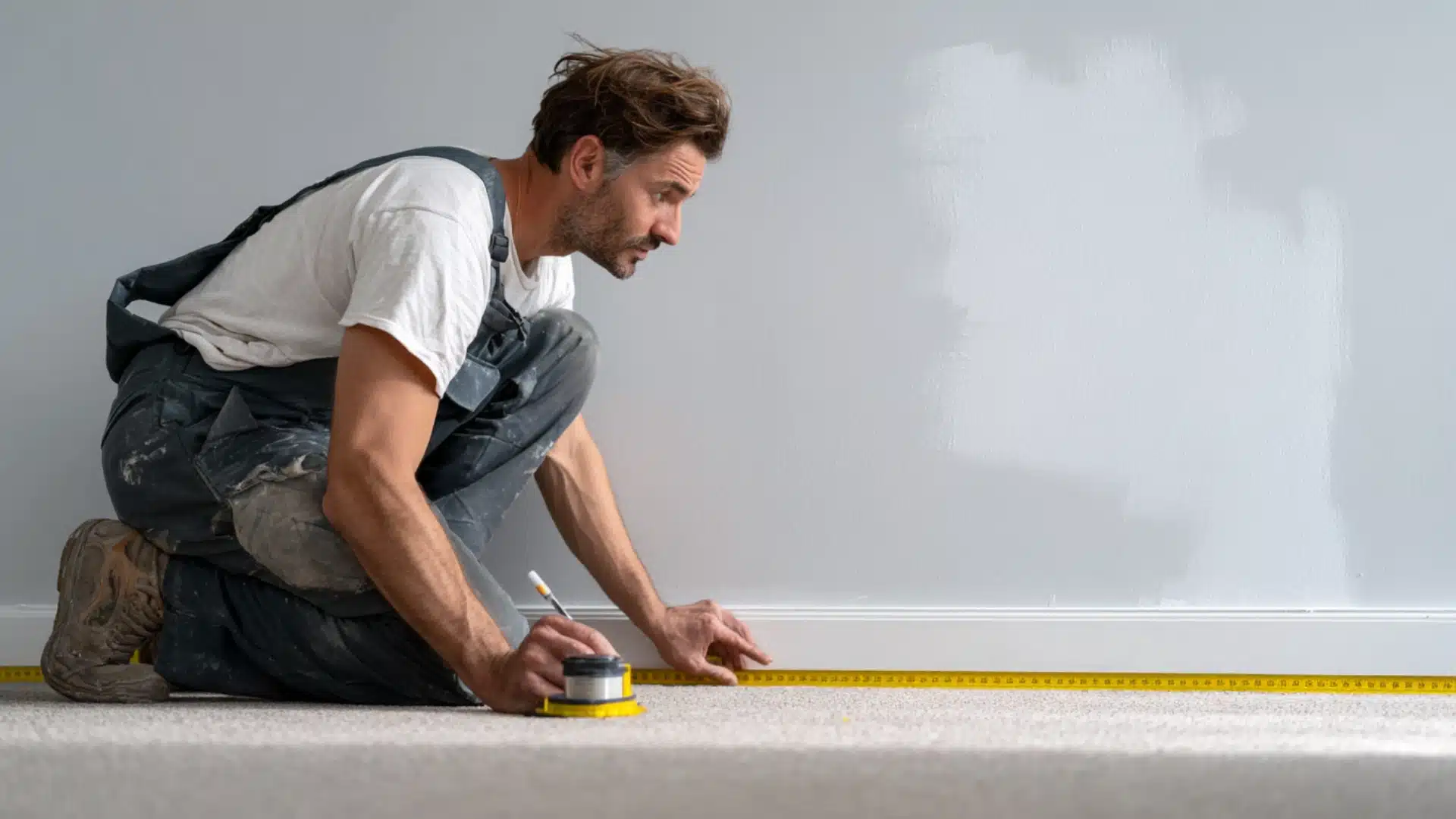
Note: Measure each room before calling a painter. It helps you get a more accurate quote upfront.
2. Number of Paint Coats Required
Most interior walls need at least two coats of paint.
If you’re covering a dark color with a lighter one, you may need three. Each extra coat adds to both material and labor costs.
For example, if you are going from bold red to soft white, that’s definitely a three-coat job.
3. Amount of Surface Preparation Needed
Walls with cracks, holes, or old peeling paint need work before a single coat goes on.
Filling gaps, sanding rough patches, and cleaning walls takes time. And time means added labour cost. The worse the wall condition, the higher the cost to paint the interior of a house.
Caution: Skipping surface prep leads to uneven finish and paint that peels much sooner than expected.
4. Paint Brand and Quality Level
- Budget brands cost less upfront but may need more coats
- Mid-range brands balance cost and coverage well
- Premium brands offer better durability and finish
- Higher-quality paint reduces long-term repainting costs
Related read: How Long Does Wall Paint Last Once Opened?
5. Complexity of Trim, Doors, and Moldings
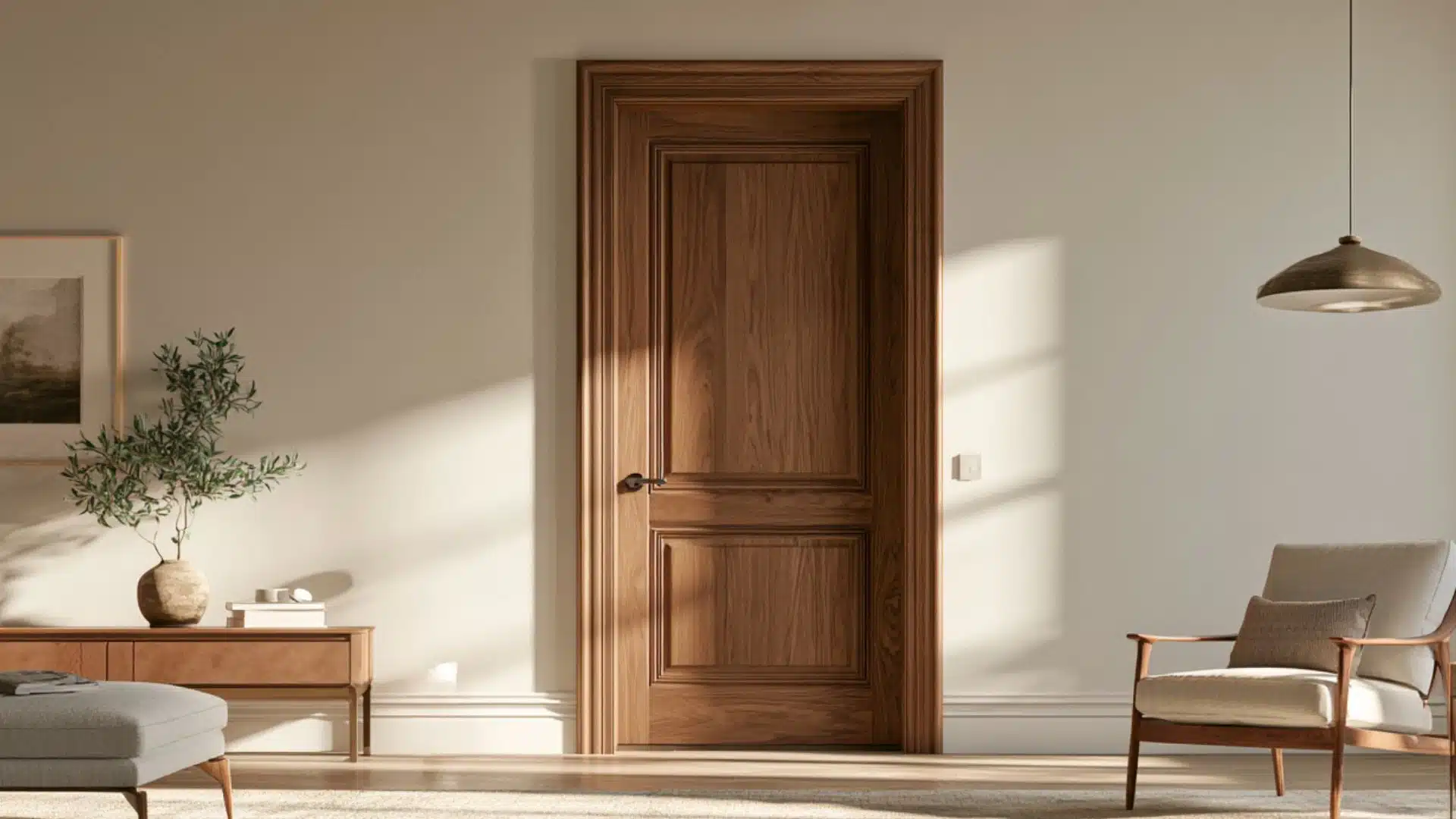
Detailed trim, ornate moldings, and multiple doors slow painters down considerably.
Each extra detail requires careful brushwork and more time on the job. A straightforward room with plain walls costs far less than one with crown molding and decorative trim throughout.
This is one factor people often overlook when budgeting for interior painting costs.
Breaking Down The Cost to Paint Interior of House

Getting a clear cost breakdown saves you from budget surprises. The cost to paint the interior of a house depends on several factors: square footage, paint type, labor, and surfaces involved.
Knowing each one helps you plan smarter and spend wisely.
Cost Per Square Foot
Most painters charge between $1.50 and $3.50 per square foot for interior painting. This includes labour and basic materials.
- Small rooms cost more per sq ft than larger ones
- High ceilings or awkward spaces push the rate up
- Some contractors charge a flat rate per room instead
Tip: Always ask your painter whether the quote includes walls only or walls plus ceilings.
Cost by Paint Type
| Paint Type | Average Cost Per Gallon |
|---|---|
| Flat/Matte | $15 – $30 |
| Eggshell | $25 – $45 |
| Satin | $30 – $55 |
| Semi-Gloss | $35 – $60 |
| Gloss | $40 – $70 |
Each paint type is suited to a different surface. Flat paint works well on ceilings. Satin and eggshell are popular for living rooms and bedrooms.
Labor Cost for Interior Painting
Labor makes up 70–80% of your total painting bill. Painters typically charge $25 to $75 per hour, depending on your location and project size.
- Experienced painters charge more but finish faster
- Complex rooms with high ceilings add to labour time
- Multi-room projects sometimes come with discounted rates
Caution: Avoid choosing a painter based on price alone. Poor workmanship costs more to fix later.
Cost by Surface (Walls, Ceilings, Trim)
Different surfaces carry different price tags. Here’s a quick look:
- Walls: $1.50 – $3.00 per sq ft
- Ceilings: $1.00 – $2.50 per sq ft
- Trim and baseboards: $1.00 – $3.00 per linear foot
- Doors: $50 – $150 per door
Ceilings and trim need extra care and time. That adds to the overall cost to paint the interior of a house.
Cost by Room Type
| Room | Average Cost Range |
|---|---|
| Bedroom | $300 – $750 |
| Living Room | $600 – $1,500 |
| Kitchen | $150 – $350 |
| Bathroom | $150 – $300 |
| Hallway | $200 – $500 |
| Full Home (2,000 sq ft) | $3,500 – $7,000 |
Benefit: Getting a room-by-room estimate helps you prioritise which rooms to paint first if you’re working within a budget.
Cost of Paint Quality and Finish
Paint quality directly affects the final look and its longevity.
Budget paints cover less surface area and often need extra coats. Mid-range paints offer decent coverage and hold up well over time.
Budget-Friendly Picks Worth Considering:
- Behr Classic: Solid coverage at ~$30/gallon, widely available at Home Depot
- Glidden Premium: Reliable base coats starting around $25/gallon
- Clark+ Kensington: Good hide and washability for everyday rooms
Premium paints, on the other hand, last longer and need fewer touch-ups down the line.
Spending a little more up front can actually save you money over time. Cheap paint fades faster and chips easily.
For Premium Results, These Stand Out:
- Benjamin Moore Aura: Exceptional durability and rich color depth, ~$90/gallon
- Sherwin-Williams Emerald: Self-priming formula with a long-lasting finish, ~$85/gallon
Cost to Paint The Interior of a Bedroom vs Other Rooms
A bedroom typically costs $300–$750 to paint, less than a living room but more than a bathroom. It is due to size, ceiling height, and the complexity of the trim.
See how it stacks up against other rooms:
- Bedroom: $300–$750 for a moderate-sized one with fewer surfaces
- Living Room: $600–$1,500 for the largest space, most prep work
- Kitchen: $150–$350 for a smaller area, but grease-prone walls need extra prep
- Bathroom: $150–$300 for a small bathroom, yet humidity demands moisture-resistant paint
Bedrooms are a great place to start if you’re repainting on a budget.
How to Save Money on Interior Painting Cost
Small, smart decisions can bring your total bill down by quite a bit. Have a look at these ways to keep the cost to paint the interior of a house within budget:
- Get Multiple Quotes: Always collect at least three quotes before hiring. Prices vary more than you’d expect.
- Do Your Own Prep Work: Fill small holes and sand rough patches yourself. It cuts down on labor time.
- Buy Paint During Sales: Many stores offer seasonal discounts on premium brands. Stock up when prices drop.
- Paint One Room at a Time: Tackling one room at a time helps you manage your spending without stretching your budget.
- Stick to One Color Scheme: Fewer colors mean less prep, less waste, and a faster finish overall.
Effective Tip: If a full repaint feels too costly right now, start with high-traffic areas like the living room or hallway. Fresh paint in the right spots makes the whole home feel renewed without breaking the bank.
Wrapping Up
Now you know what drives the cost to paint interior of house up, what to watch out for, and where you can save. That’s half the battle won right there.
Always plan before you spend. Measure your rooms, pick the right paint quality, and get a few quotes before committing.
Small decisions add up to big savings.
So what’s your next step?
Start with one room. Get two or three quotes this week. Compare them against the cost breakdown you’ve just read.
Frequently Asked Questions
1. How Much Paint is Required for a 2000 sq ft House?
Expect 10-15 gallons for walls and ceilings (two coats); add 2-3 gallons for trim. Coverage varies by paint type and surface prep.
2. How Long Does it Take to Paint The Interior of a 2,500 sq ft House?
Typically 5-10 days with a 2-4 painter crew, depending on prep work, coats needed, and room complexity like trim or high ceilings.
3. What is the Best Time to Paint a House?
Spring or fall offers ideal conditions: temperatures of 50-85°F, low humidity for even drying, and the tiniest dust compared to summer heat or winter chill.