Bathrooms have changed a lot in recent years, and the tub, smart toilets, and more are at the center of it.
More homeowners are ditching the standard built-ins.
The Japanese soaking tub has gone from a niche import to a serious contender in modern Japanese design.
Soaking in a deep Japanese tub after a long day feels nothing like a regular bath.
But is it the right fit for your space, or is a regular tub still the smarter move? Before you commit to either, let’s find out what the real differences look like.
What is a Japanese Soaking Tub?
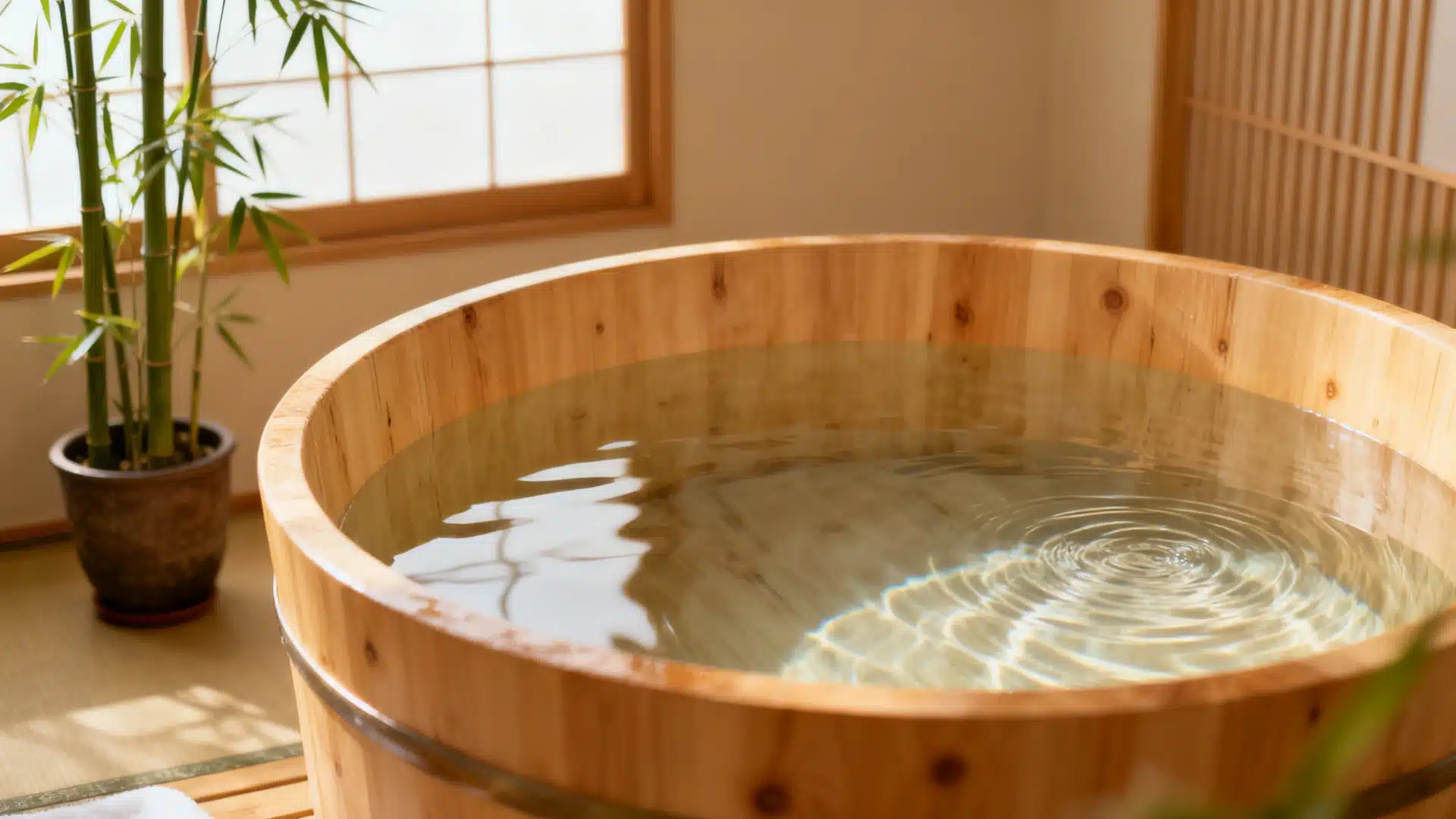
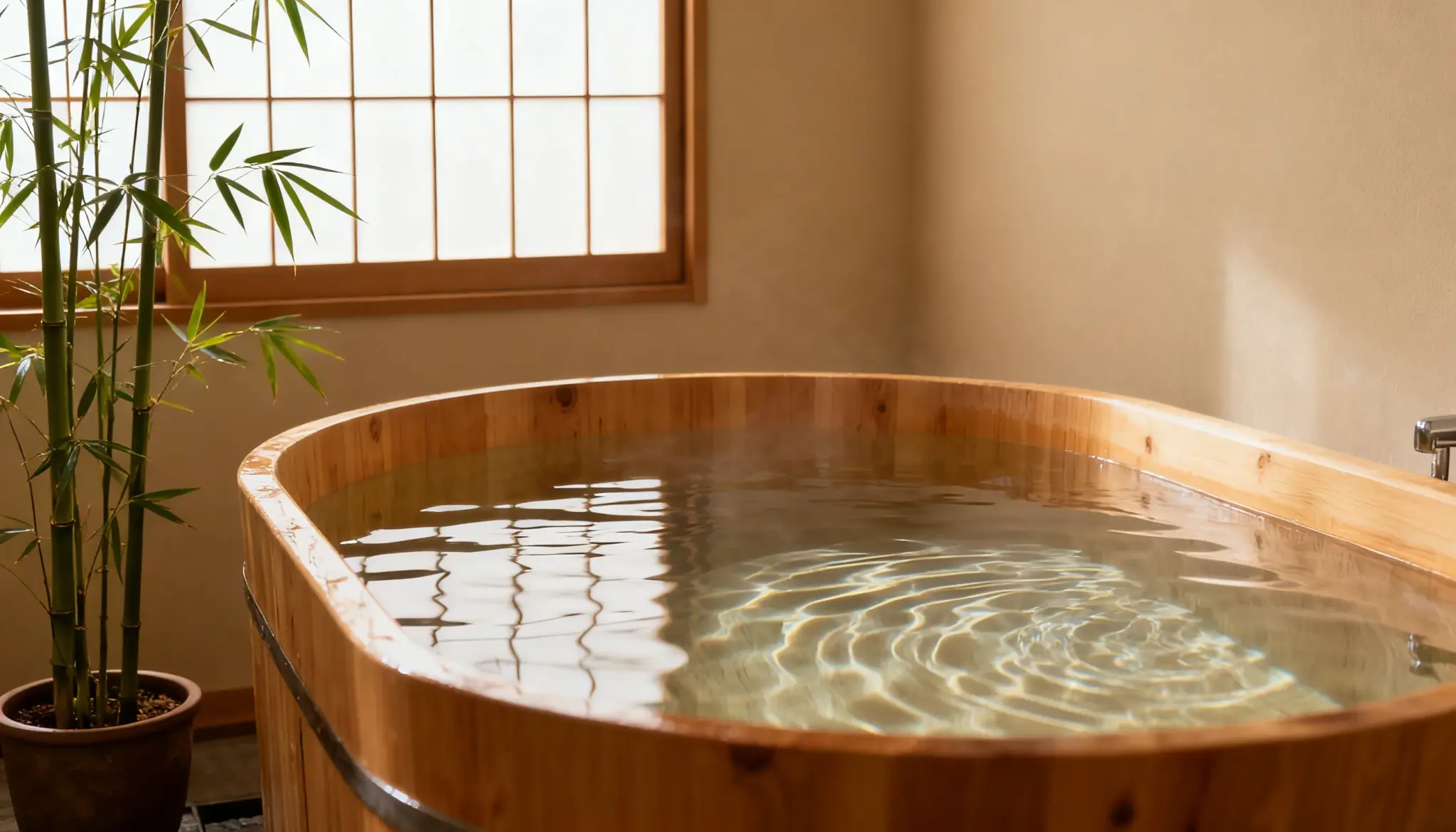
A Japanese soaking tub, called an ofuro in Japan, is designed for a deep, still soak.
Unlike a regular tub where you stretch out horizontally, an ofuro is tall and compact. You sit upright with water reaching your shoulders.
If you’ve ever visited a bathhouse, the ofuro will feel familiar.
The design comes from Japanese bathing culture, where soaking is less about cleaning and more about relaxing.
You wash off before you get in. The tub is for relaxation only.
Most ofuros are made from hinoki wood, acrylic, or stone. Most Japanese bathrooms use these materials.
Hinoki wood needs to stay moist between uses, or it starts to crack, something most suppliers won’t tell you upfront.
What is a Regular Tub?
A regular tub is what most of us grew up with.
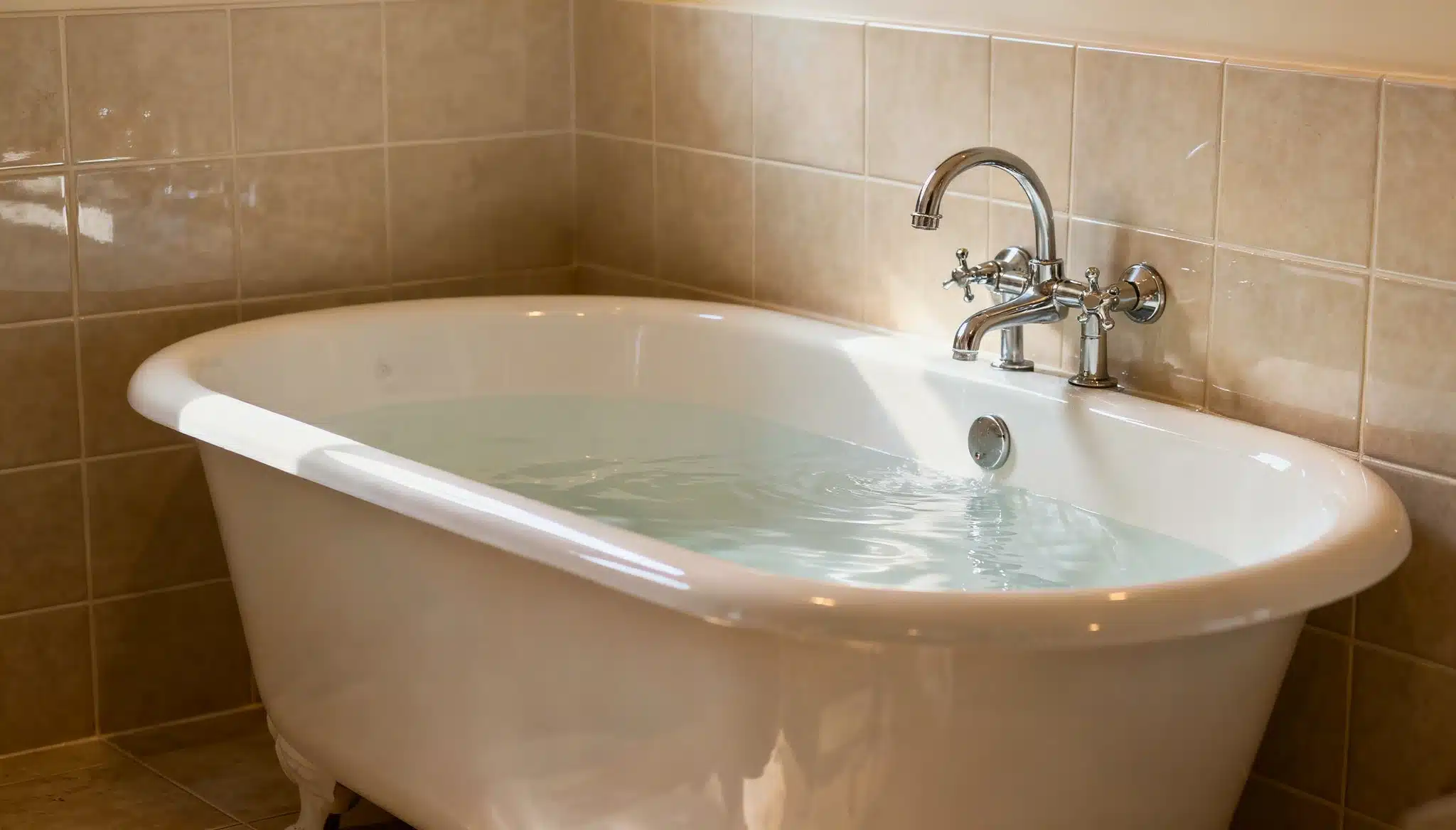
It’s the standard built-in you’ll find in almost every American bathroom, long, shallow, and designed for lying down.
Most measure around 60 inches long and 14 to 18 inches deep, giving you enough room to stretch out.
Regular tub work just as well for a quick rinse as for a long soak. Many come with a showerhead combo, which makes them practical for everyday use.
They’re available in acrylic, fiberglass, cast iron, and more, at a wide range of price points.
Japanese vs Regular Tub: Key Differences
Both tubs have the same basic purpose, but the similarities stop there.
Look at this side-by-side overview of a Japanese Soaking tub and a regular tub.
| Feature | Japanese Soaking Tub | Regular Tub |
|---|---|---|
| Depth | 22-30 inches | 14-18 inches |
| Length | 40-60 inches | 55-72 inches |
| Bathing Position | Upright/seated | Lying down |
| Primary Purpose | Deep relaxation soak | Bathing + showering |
| Footprint | Compact | Larger |
| Materials | Hinoki wood, stone, acrylic | Acrylic, fiberglass, cast iron |
| Installation | Freestanding or drop-in | Built-in, freestanding, alcove |
| Average Cost | $1,500-$10,000+ | $300-$5,000 |
| Maintenance | Moderate to high | Low to moderate |
| Best For | Relaxation-focused bathrooms | Everyday family use |
Go for the Japanese Soaking Tub If
- You treat bathing as part of a wind-down ritual rather than just a hygiene habit.
- Your bathroom already has a dedicated shower, so the tub doesn’t need to multitask.
- You’re renovating with resale value or a spa-like aesthetic in mind.
- You prefer a minimalist layout where one statement piece carries the room.
- Soaking after workouts, long travel days, or stressful weeks is something you genuinely prioritize.
Go for the Regular Tub If
- You have kids or share the bathroom with people who need quick, practical access.
- Your bathroom is the only one in the home.
- Budget is a real constraint right now, and flexibility matters more than luxury.
- You want the option to shower and bathe from the same fixture.
- You’re not ready to commit to a major plumbing overhaul just yet.
If you’re in a condo or rental-style building, check with a structural engineer before installing a cast-iron or stone tub; floor load limits are real.
Conclusion
One thing remains consistent: the tub decision is always more personal.
People mostly regretted the soaking tub, especially when it was the only tub in the home.
A Japanese soaking tub brings intention to the space. It signals that rest is a priority, not an afterthought.
Whereas a regular tub keeps things practical, flexible, and accessible.
See, the thing is that your bathrooms decide what kind of tub you need, along with your needs. Your tub definitely reflects how the person actually lives.
Take your time with this decision. The right tub will make your bathroom feel exactly like it should.
Frequently Asked Questions (FAQs)
1. Can Two People Fit in a Japanese Soaking Tub?
Most Japanese soaking tubs are designed for one person. Some larger models fit two, but they’re less common and more expensive.
2. How to Sit in a Japanese Soaking Tub?
You sit upright, with your knees bent and the water at shoulder level. Some tubs have a built-in seat or ledge.
3. Do Japanese Soaking Tubs Use Less Water?
Yes. The depth requires more water than a standard tub despite the smaller footprint.
4. Why do Japanese Take a Bath at Night?
It’s a cultural ritual tied to relaxation and sleep preparation. Bathing at night helps the body de-stress, washes off the day, and signals the mind to slow down.