Colors affect how you feel at home. But they can also change your energy flow.
Feng shui, the ancient Chinese practice, shows that specific colors shape the energy in your space.
It’s not just about what looks good. The right colors can calm a room, lift your mood, and support your goals.
When a room feels good to be in, the colors usually line up with these principles.
This blog covers what feng shui colors mean, how they connect to each room, and how to pick the right one for what you want to achieve.
Overview of Feng Shui Colors
These are specific hues linked to the five elements: wood, fire, earth, metal, and water.
Each element has its own color family and brings different energy into your space. Wood connects to greens and browns.
Fire shows up in reds, oranges, and purples. Earth appears in yellows, beiges, and sandy tones.
Metal includes whites, grays, and metallics. Water brings blues and blacks.
These colors do more than decorate. They balance the energy, or chi, in your rooms.
When you use them right, they can improve your health, relationships, and prosperity.
It’s about matching colors to what you need in each space.
Before picking colors, most feng shui practitioners first sketch out their home’s floor plan and lay a Bagua map over it.
Think of it as a grid that shows which part of your home governs which area of your life, so your color choices actually land in the right zone.
Feng Shui Colors and Directions for Promoting Harmony and Balance

In this, each direction connects to specific colors and energies. Placing the right colors correctly can improve various aspects of your life.
They help wealth energy grow naturally and steadily.
Here’s a quick overview of what works:
| Direction | Life Area | Colors | Best Placement |
|---|---|---|---|
| North | Career & Life Path | Blue, Black | Work areas, north-facing rooms |
| South | Fame & Reputation | Red, Orange, Purple | Southern walls, public spaces |
| East | Family & Health | Green, Brown | Gathering rooms, eastern spaces |
| West | Creativity & Children | White, Gray, Metallic | Kids’ rooms, creative studios |
| Northeast | Knowledge & Growth | Beige, Yellow, Tan | Study areas, meditation spots |
| Northwest | Helpful People & Travel | Gray, White, Silver | Entryways, networking spaces |
| Southeast | Wealth & Abundance | Green, Purple | Finance areas, home office |
Direction 1: North
North relates to your career and life path. Blue and black represent the water element here. Use these in north-facing rooms or spaces where you work on goals.
The effect of using these colors:
They help opportunities flow your way and support professional growth.
Direction 2: South
South rules fame, reputation, and recognition.
Red, orange, and purple are its fire element colors. Place them in the southern areas of your home.
The effect of using these colors:
They boost your public image and bring passion and energy to spaces where you want to shine.
Direction 3: East
East connects to family and health. Green and brown wood colors belong here.
Use them in eastern rooms or gathering spaces.
The effect of using these colors:
They promote wellness and strengthen family bonds, encouraging growth and harmony among loved ones.
Direction 4: West
West represents children and creativity. White, gray, and metallic colors from the metal element work here. They’re great for kids’ rooms or creative studios.
The effect of using these colors:
They support fresh ideas and create a space where creativity and fun can grow freely.
Direction 5: Northeast
Northeast controls knowledge and self-improvement.
Earth element colors like beige, yellow, and tan fit this direction. Use them in study areas or meditation spots.
The effect of using these colors:
They sharpen your focus and create a steady, grounded space for learning and personal development.
Direction 6: Northwest
This relates to helpful people and travel. Gray, white, and silver metal colors belong here.
Place them near entryways or networking spaces.
The effect of using these colors:
They attract the right people and foster an open, inviting energy for new opportunities and connections.
Direction 7: Southeast
Southeast controls wealth and abundance. Green and purple are its primary colors, mixing wood and a touch of fire. Use these in areas where you handle finances.
The effect of using these colors:
They help wealth energy grow naturally and steadily, supporting long-term financial progress.
How to Add Feng Shui Colors in Your Home: Color Palette
Different rooms serve different purposes. Here’s how to apply colors room by room for best results.
A useful rule of thumb from interior design: follow the 60/30/10 split.
60% dominant color (walls), 30% secondary (furniture/textiles), 10% accent (décor). This prevents any single feng shui color from overpowering the room while still activating its energy.
1. Living Room Colors
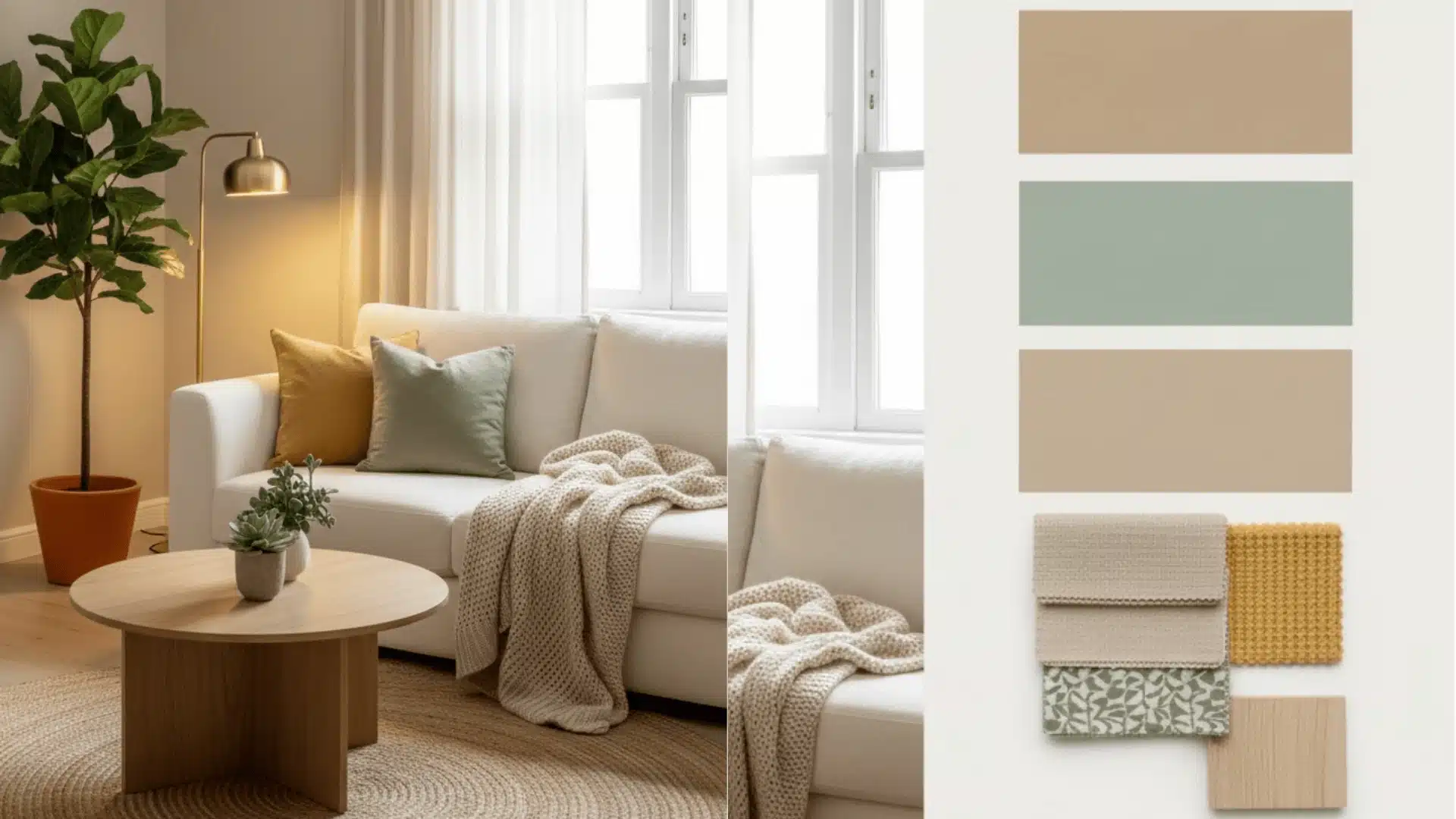
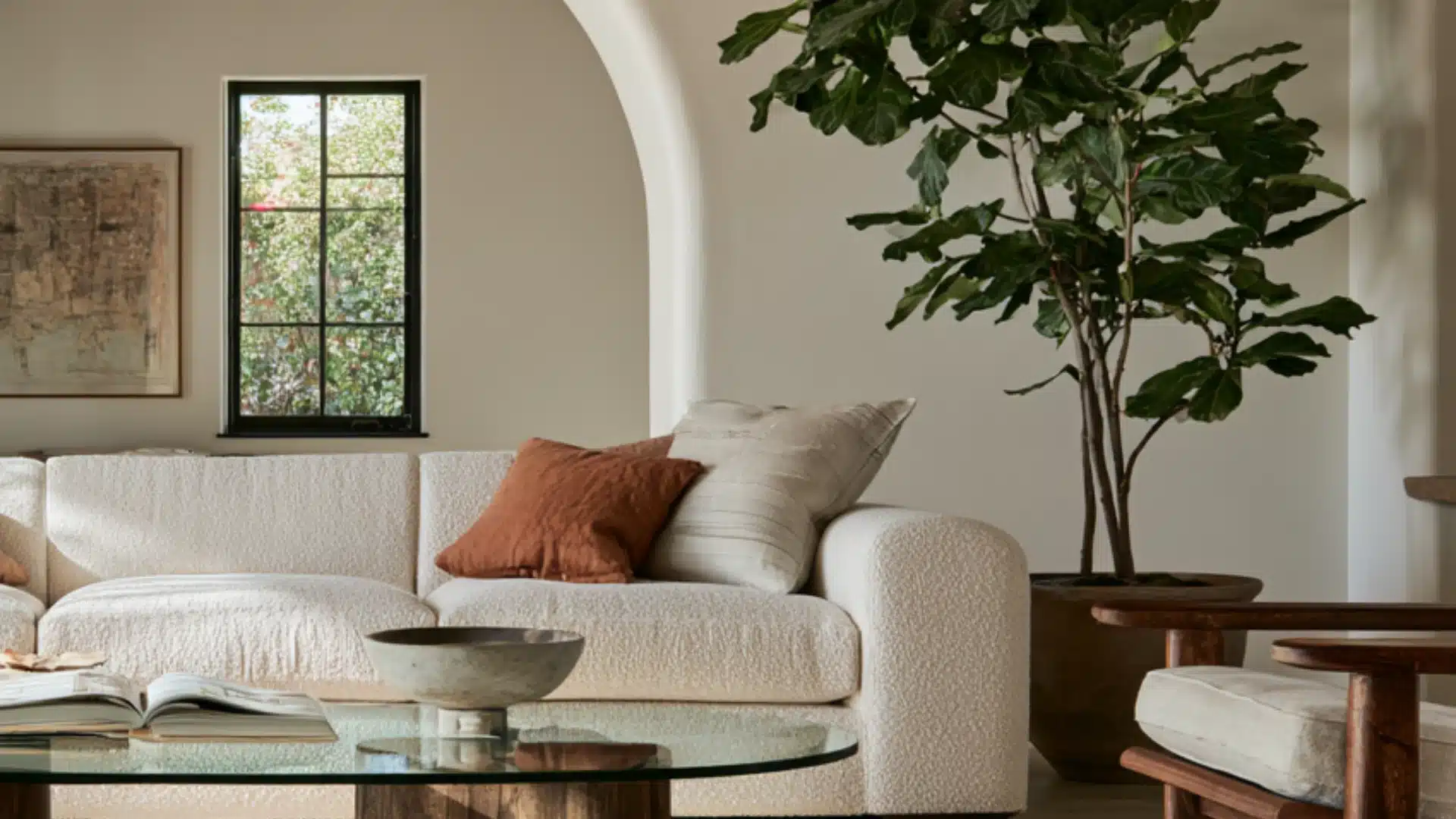
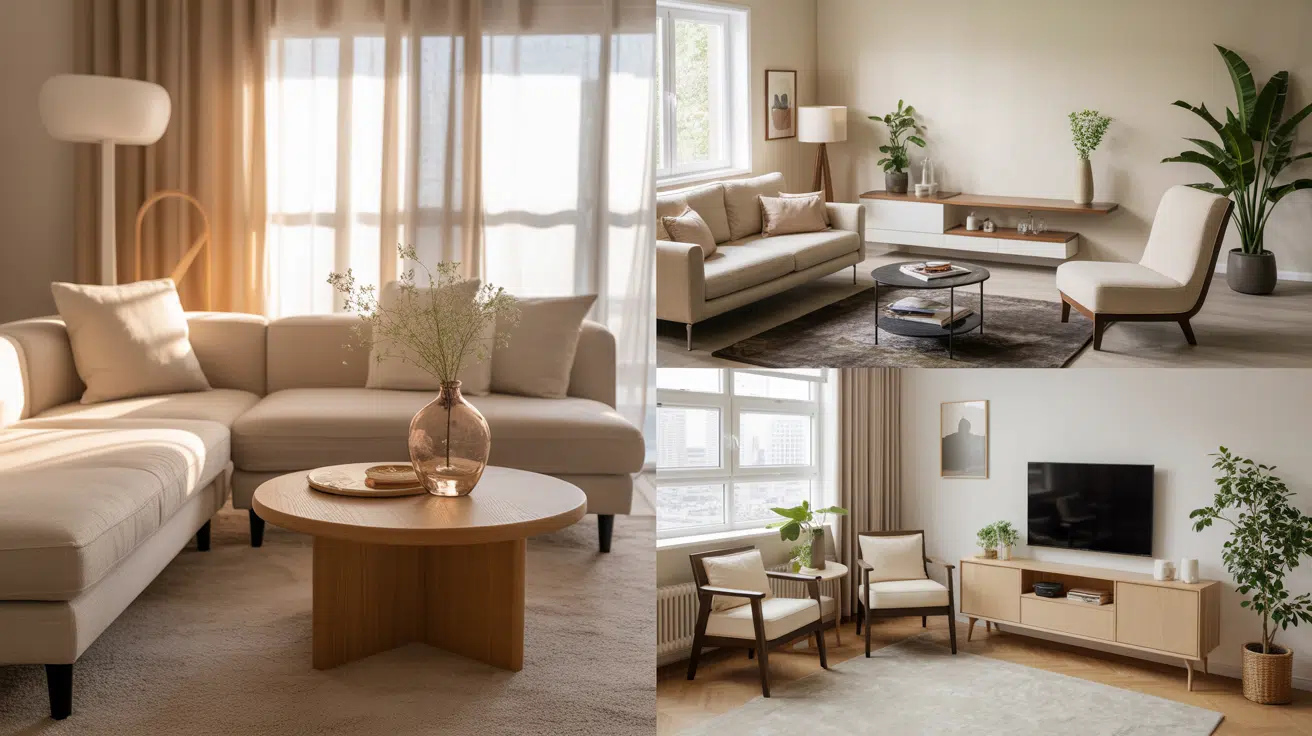
Earth tones like beige, tan, and yellows create inviting energy.
Designers working with a warm color paletteconsistently reach for these shades first in living rooms. Add touches of green for growth or orange for conversation.
Color Placement: Paint one accent wall a bold earth tone, keep others neutral for balance.
Related read: How to Incorporate Feng Shui into Your Living Room?
2. Bedroom Colors
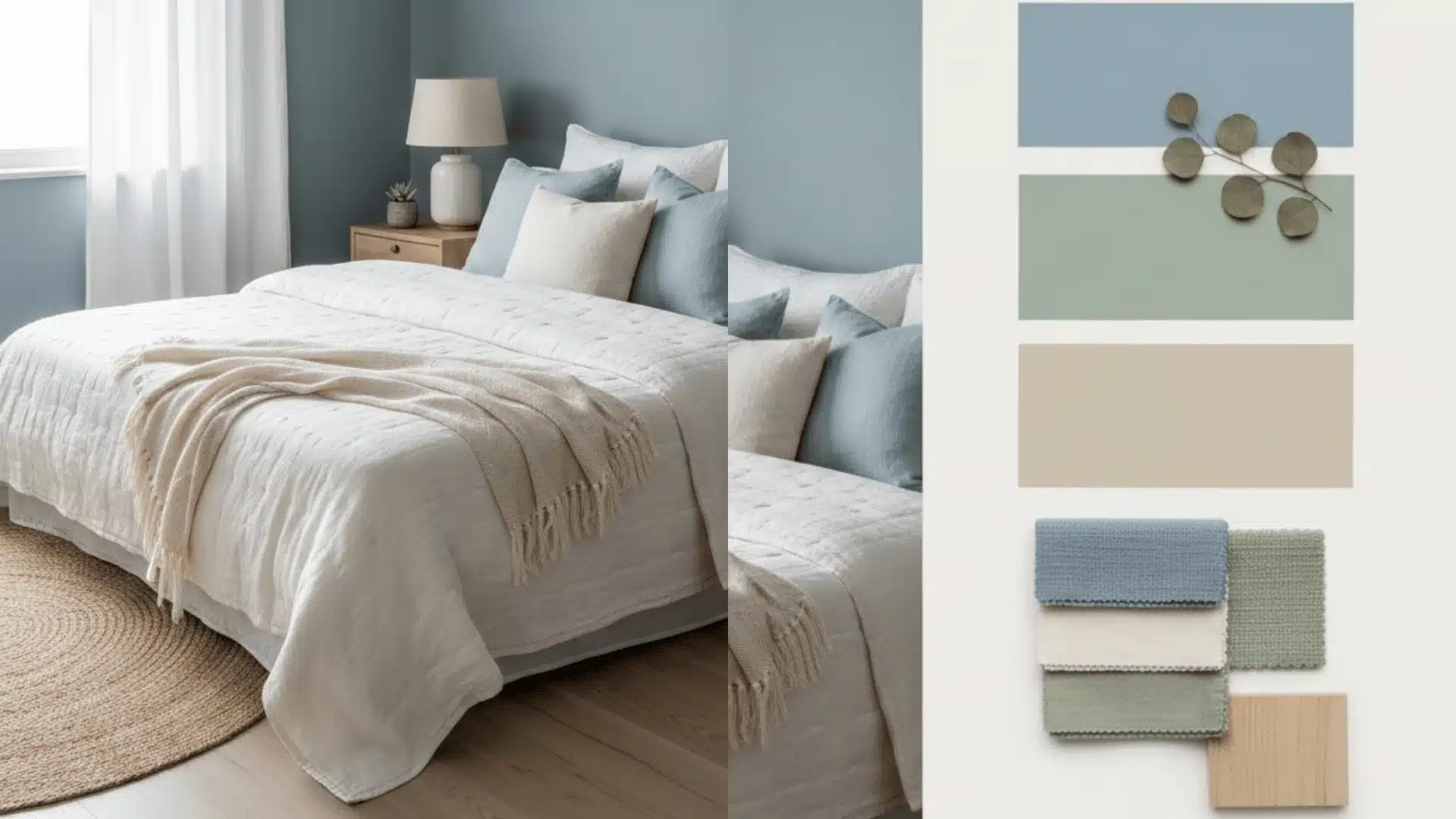
Bedrooms need calm, restful energy for good sleep.
Soft blues, gentle greens, and light earth tones work best. Skin tones like peach and cream also promote intimacy. Keep it soothing and simple for better rest.
This is the same split I use when putting together color plans.
Layering Strategy: Use calming wall colors and add deeper blues or greens through bedding and curtains.
Red is intense fire energy that can disrupt sleep and foster restlessness rather than calm, so avoid red in the bedroom.
3. Kitchen Colors
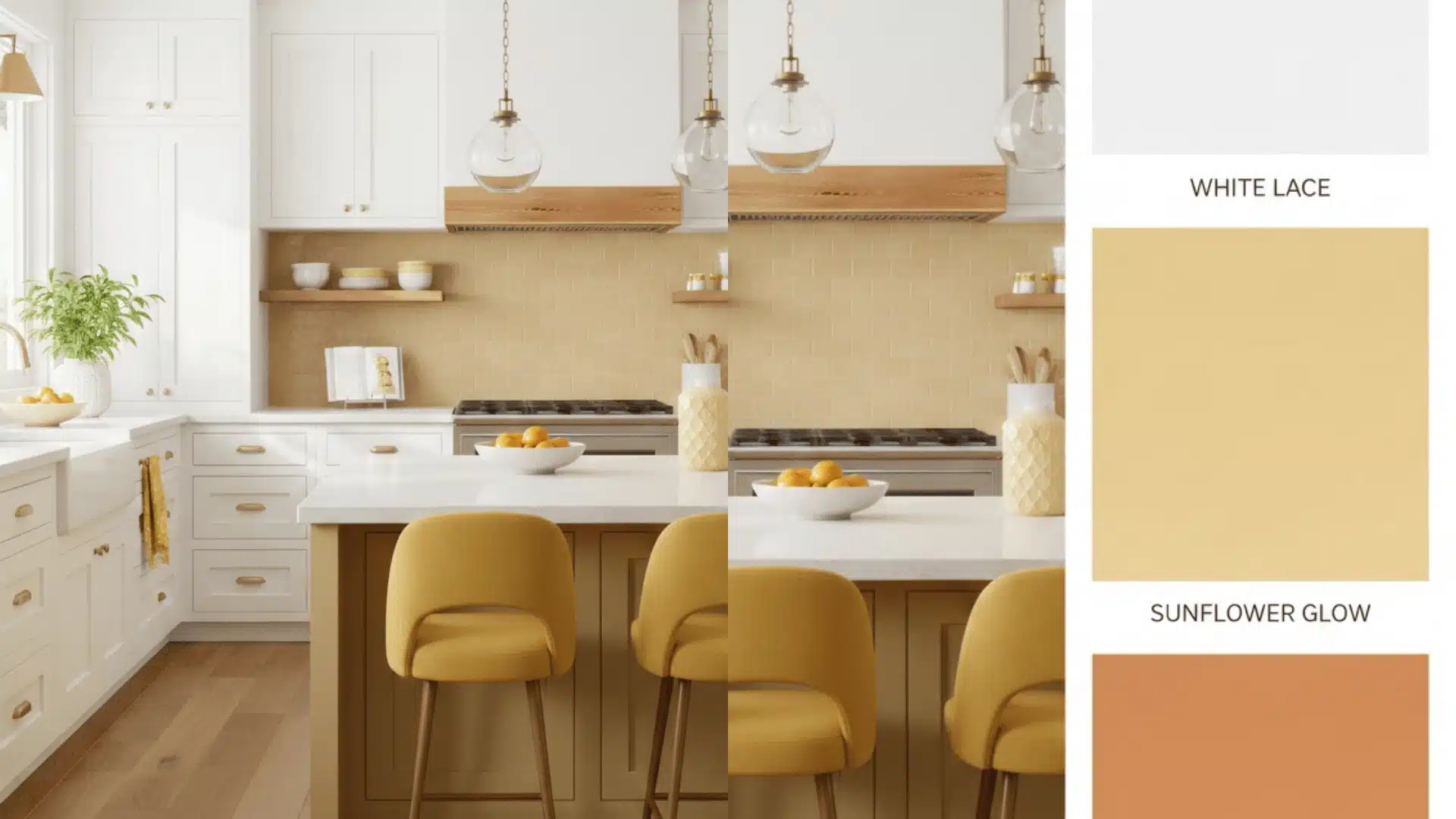
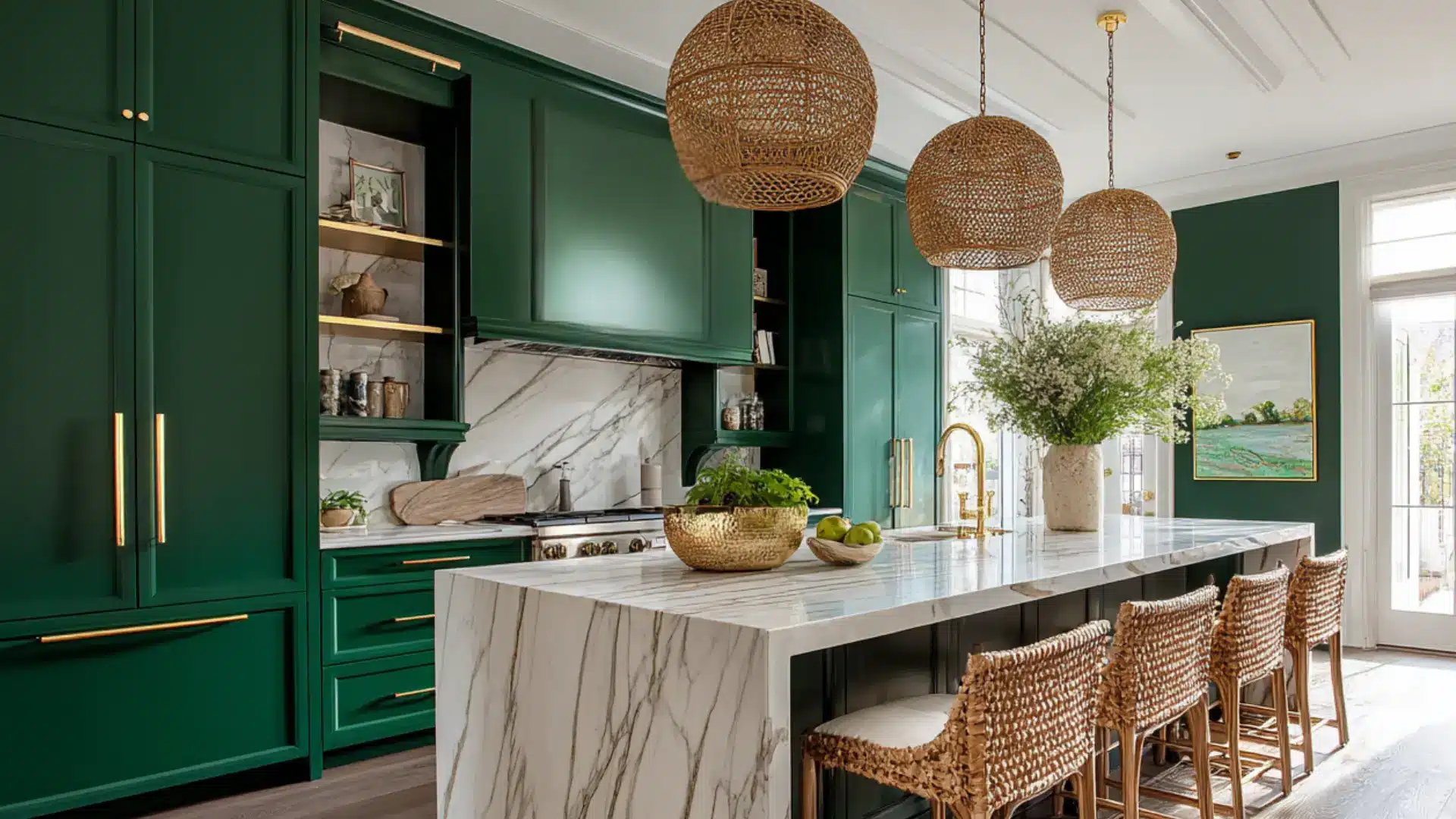
Kitchens benefit from the fire and earth elements of feng shui colors.
Whites, yellows, and oranges stimulate appetite and activity. Avoid too much blue or black since water energy can dampen the fire needed for cooking. Hot tones keep energy flowing here.
Balance Method: Combine white with yellow or orange accents in backsplashes or accessories.
4. Bathroom Colors
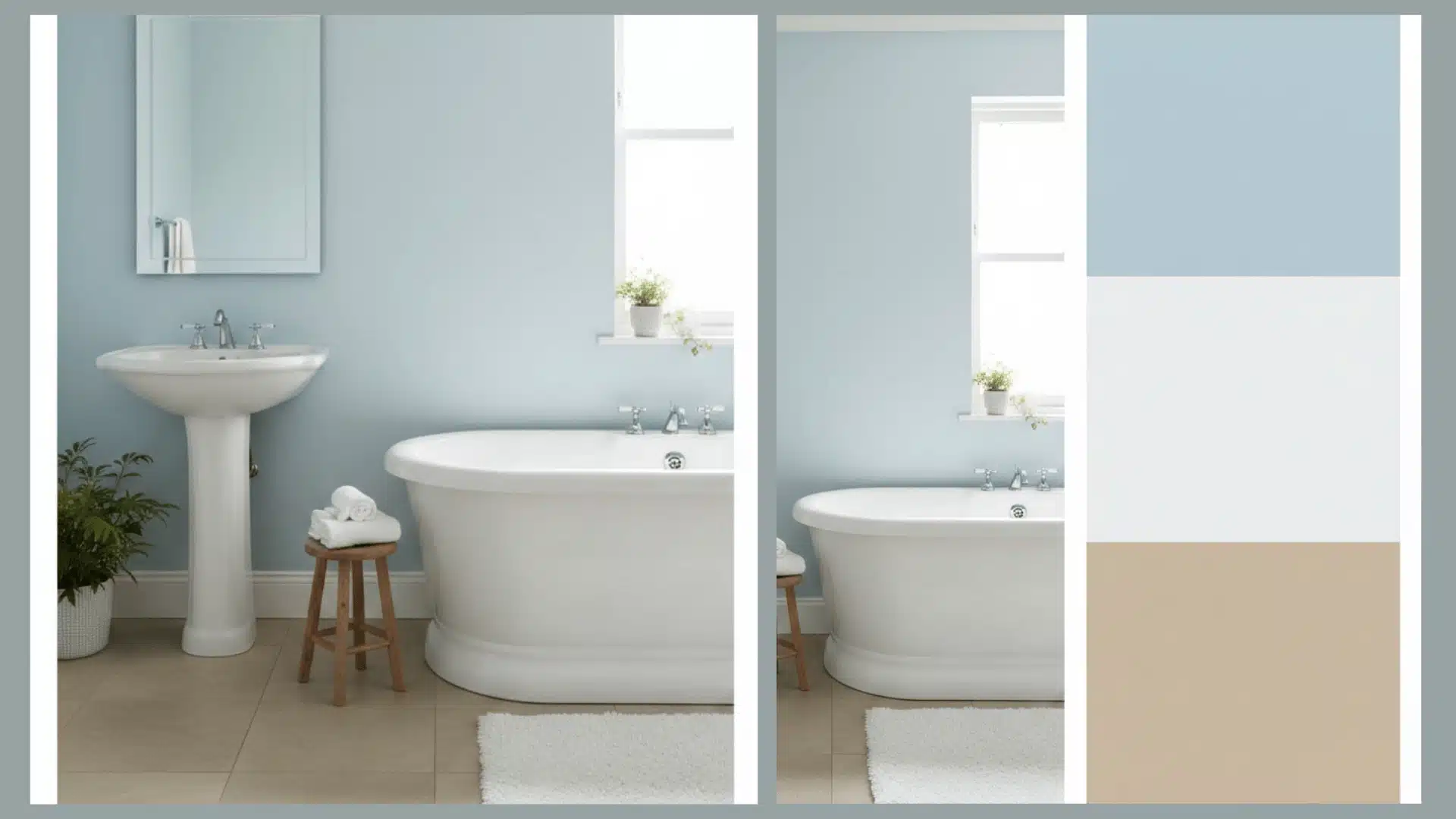
Bathrooms naturally hold water energy, so blues and whites work perfectly. Add earth tones like beige or tan to ground all that water.
These colors keep energy from draining away. Soft greens also bring freshness and cleanliness to the space.
Grounding Technique: Install beige or tan tiles on the floor to anchor the water energy from the blue walls.
Too much black or dark blue can make spaces feel heavy and drain positive energy.
5. Home Office Colors
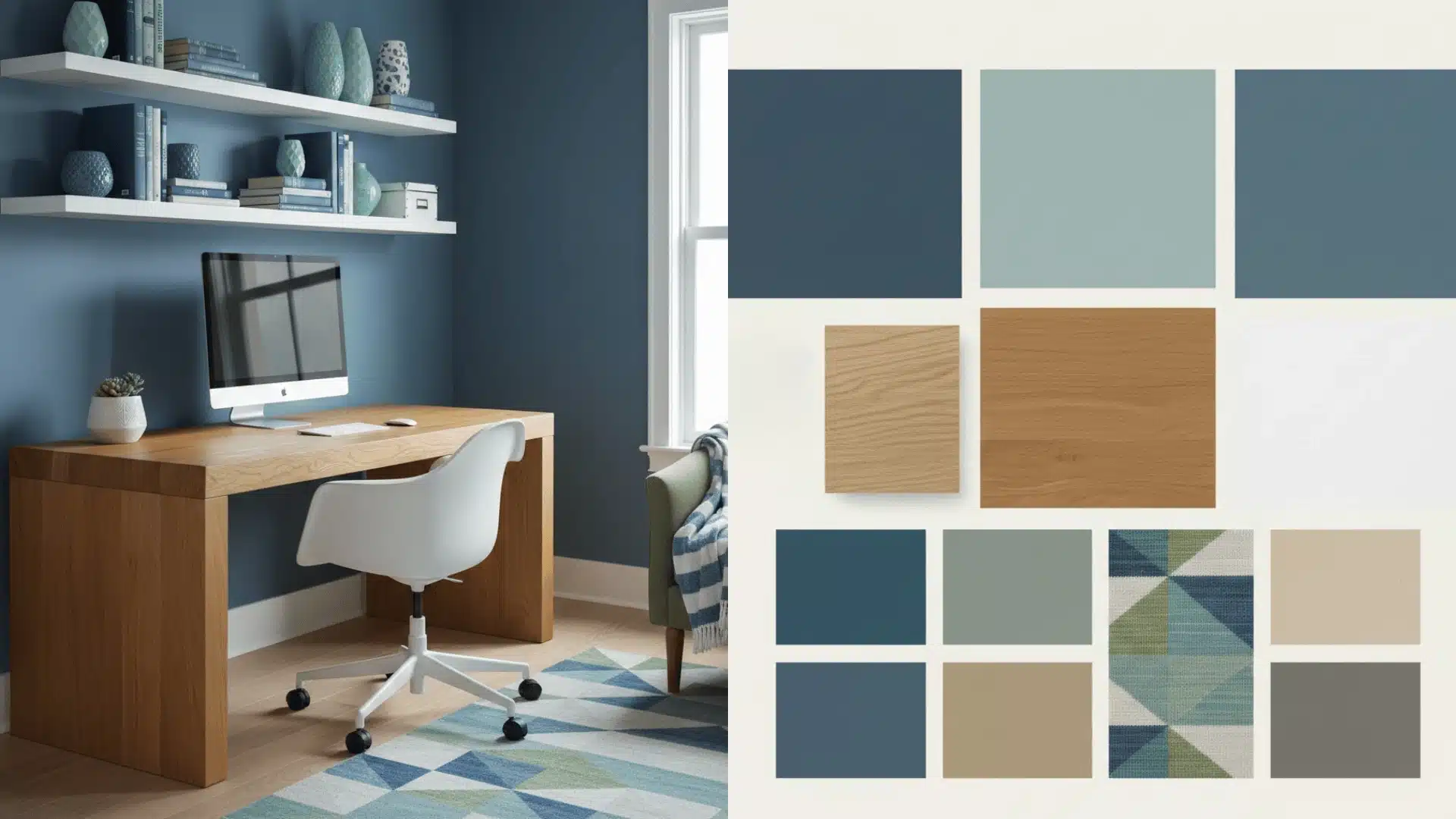
Offices need metal and wood colors for focus and productivity. Blues improve concentration and clear thinking.
Greens spark creativity and growth. White and gray bring clarity.
Choose based on whether you need more creative energy or structured focus in your work.
Focus improver: Use blue on the wall you face while working to improve concentration and mental clarity.
6. Dining Room Colors
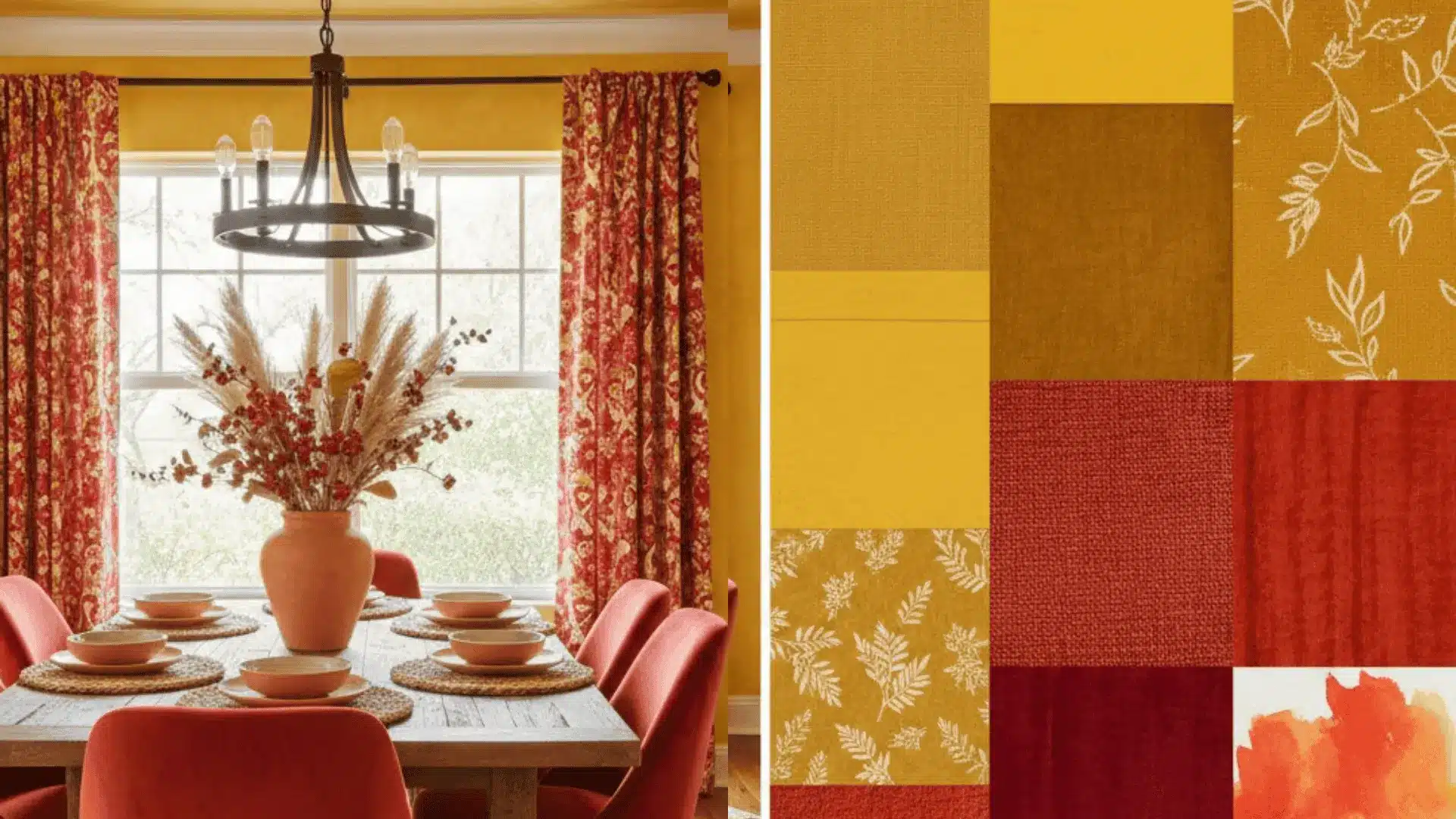
Dining rooms thrive with earth element colors that encourage nourishment and togetherness. Yellows, oranges, and reds stimulate appetite and conversation. These colors make meals feel more satisfying.
They create energy that regularly brings people together around the table.
Appetite Booster: Add red placemats or orange napkins to neutral tables for subtle fire energy during meals.
Orange and purple everywhere can cause overstimulation and make you feel scattered or anxious.
7. Entryway Colors
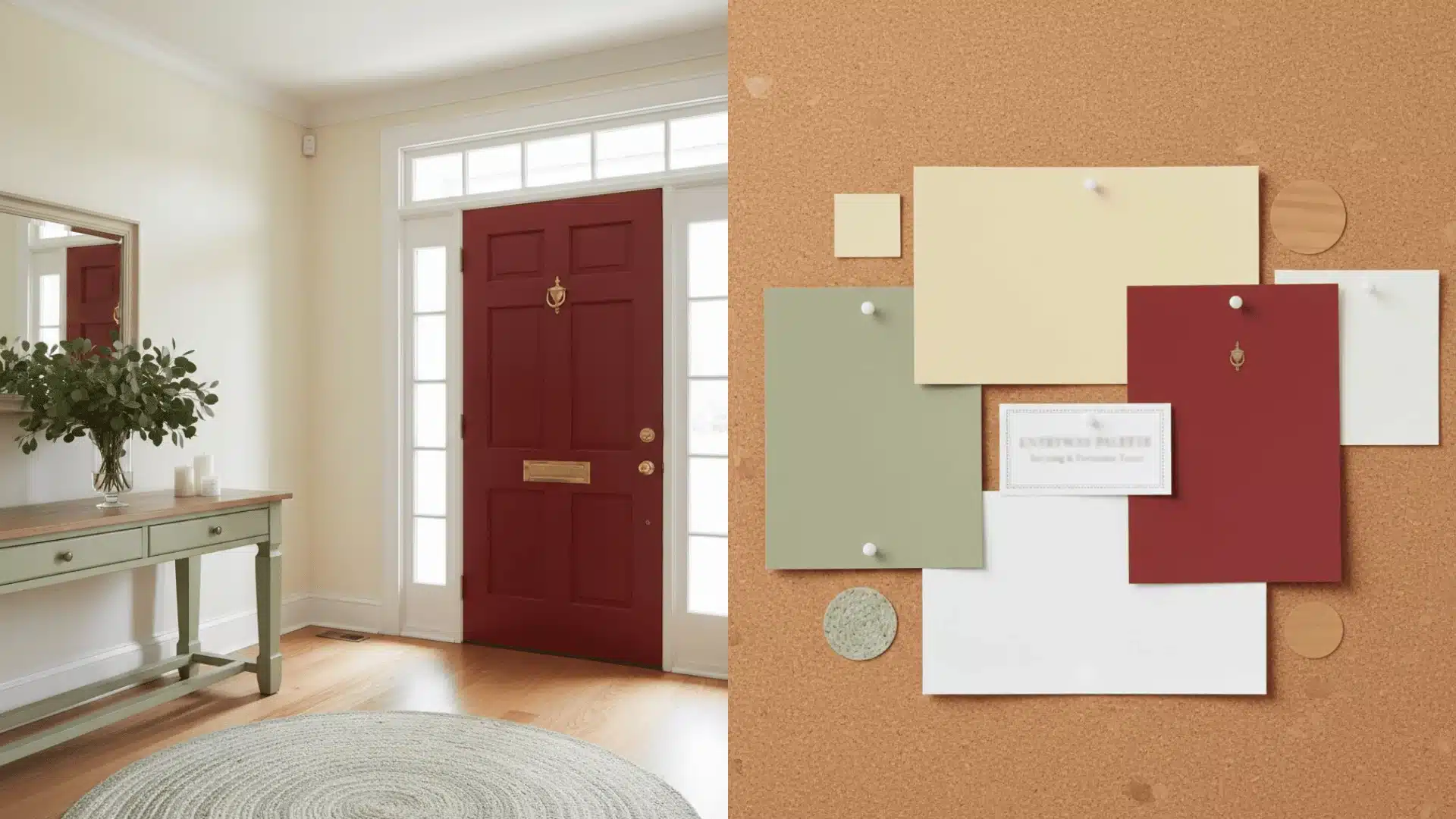
Your entryway sets the tone for your entire home. Use inviting colors like soft yellows, whites, or gentle greens.
This area should feel open and inviting, with colors that promote positive energy flow from the moment you enter.
First Impression Fix: Paint the inside of your front door red to attract good fortune and opportunities.
8. Children’s Room Colors
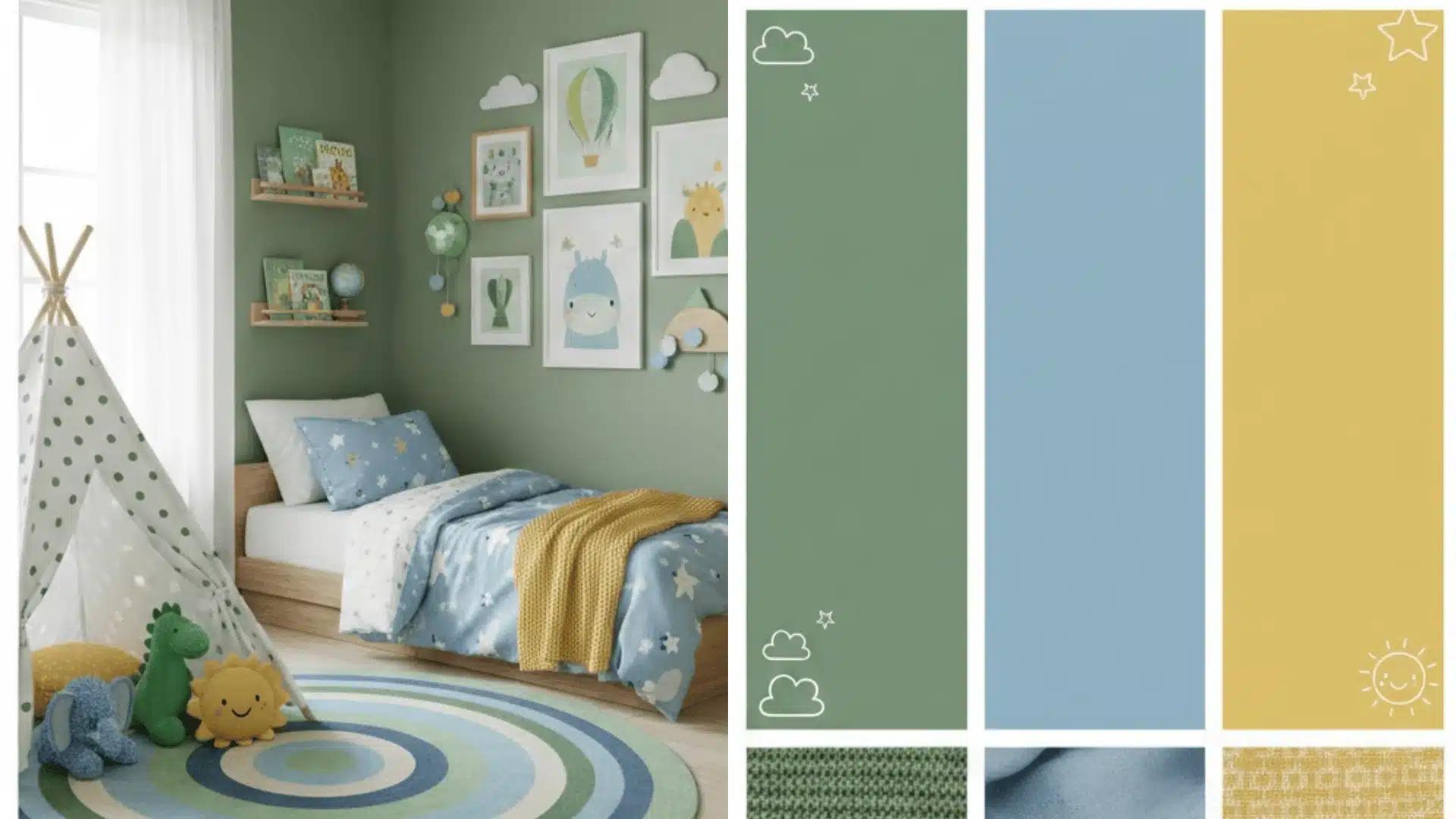
Kids’ rooms need playful yet calming colors. Soft blues and greens promote learning and peace.
Add touches of yellow for happiness or pink for gentleness. Avoid too many intense colors, as they can overstimulate. Balance fun with rest since kids sleep and play here.
Growth Support: Use green as the main color with colorful artwork to boost development without chaos.
9. Master Bedroom Colors
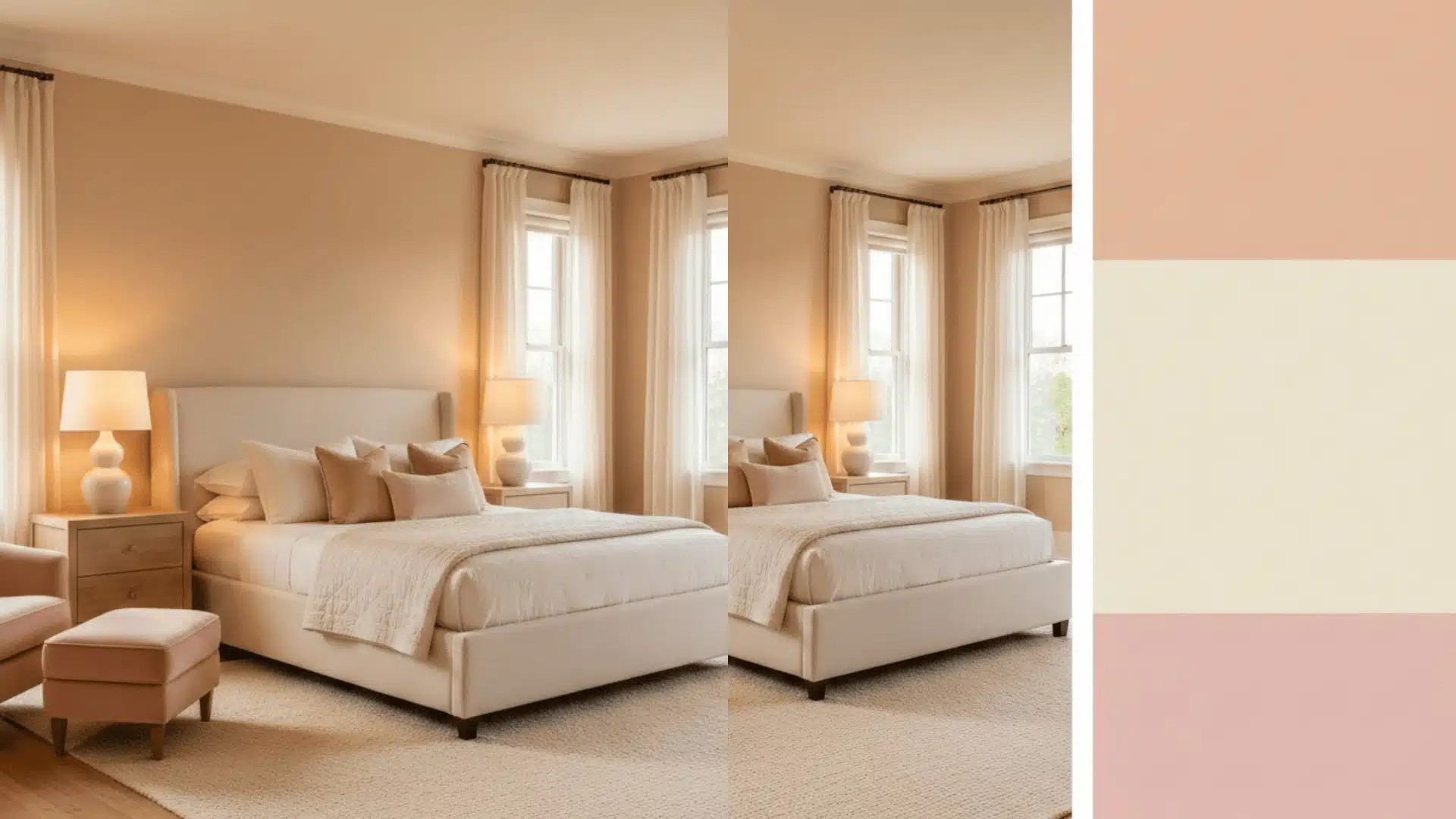
The master bedroom should promote romance and deep rest.
Skin tones like peach, cream, and soft pink work beautifully. Light blues and lavenders are also calming.
Use pairs of items in these colors to represent partnership. Keep fire feng shui colors tiniest here.
Relationship Harmony: Place matching lamps with peach on both nightstands for balanced couple energy.
All beige or white lacks energy variation and can make your home feel lifeless or stagnant.
10. Meditation Space Colors
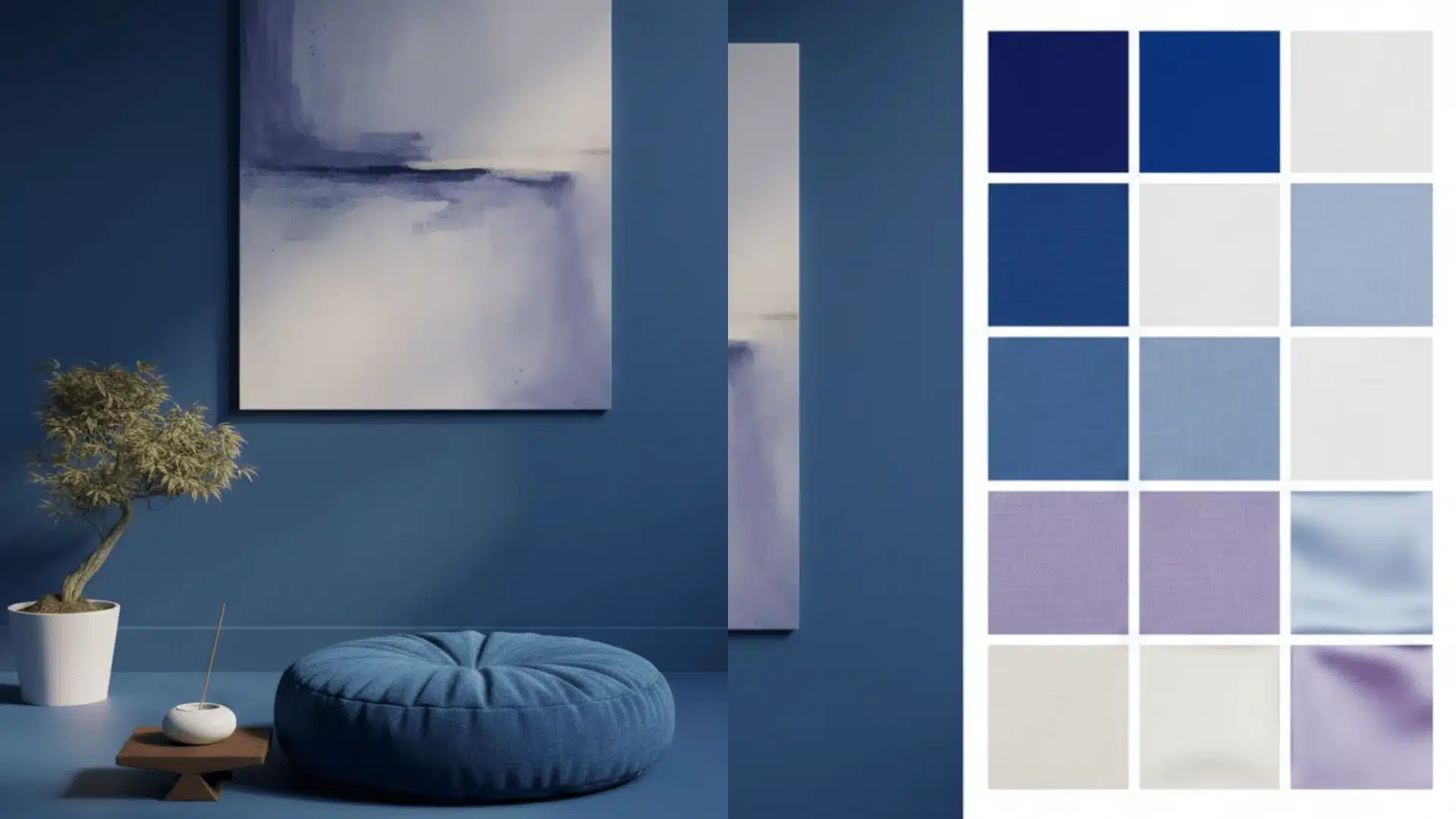
Spaces for meditation need colors that quiet the mind.
Deep blues, soft purples, and gentle greens create a sense of peace. White can work too for mental clarity. These colors help you turn inward and find stillness.
Keep the palette simple and uncluttered here.
Mindfulness Aid: Paint one wall deep blue and leave others white to create a focal point for meditation.
11. Basement Colors
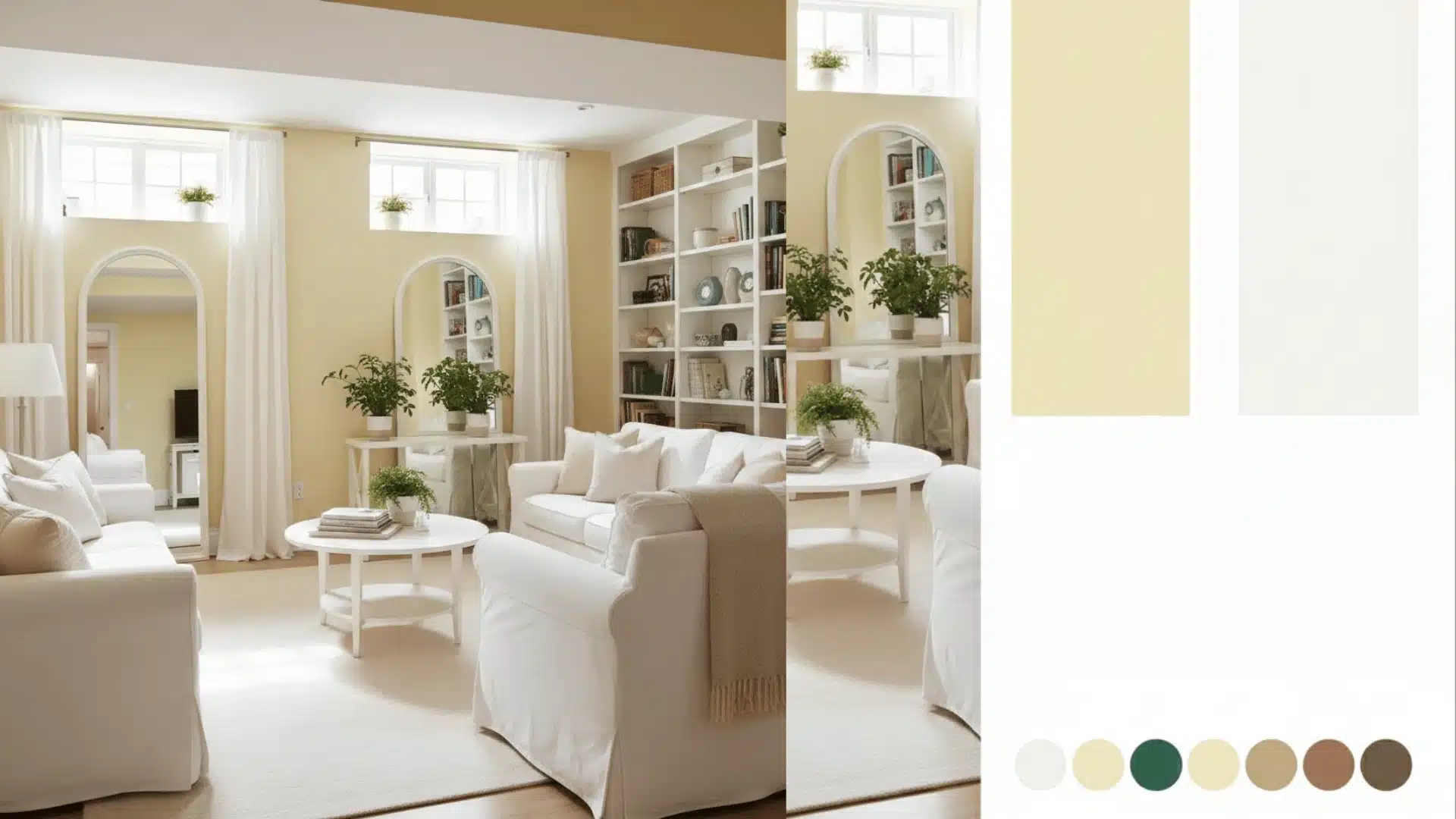
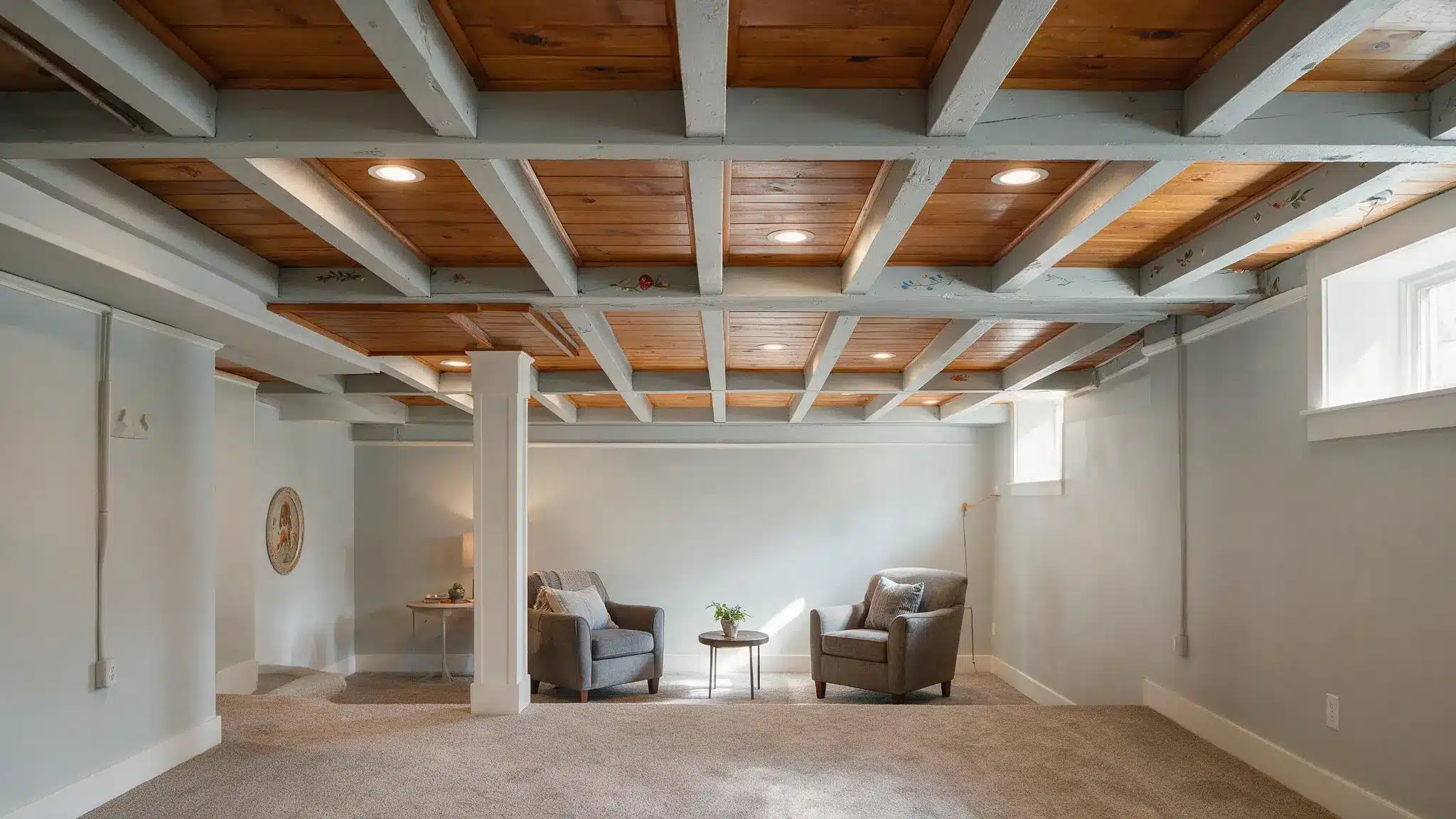
Basements often lack natural light and can feel heavy. Use lighter colors to lift the energy. Whites, light yellows, and soft earth tones brighten dark spaces.
Add mirrors to reflect light. Avoid too much black or dark blue, as it can make basements feel even heavier.
Light Amplifier: Paint walls light yellow and add white furniture to counteract the below-ground heaviness.
12. Workout Space Colors

Exercise areas need motivating fire energy. Reds, oranges, and bright yellows boost physical energy and determination.
These colors get your body moving and keep you motivated.
Just balance them with some white or gray so the space doesn’t feel overwhelming or too hot.
Energy Booster: Use orange accent walls with gray equipment to create motivation without visual overload.
13. Stairway Colors
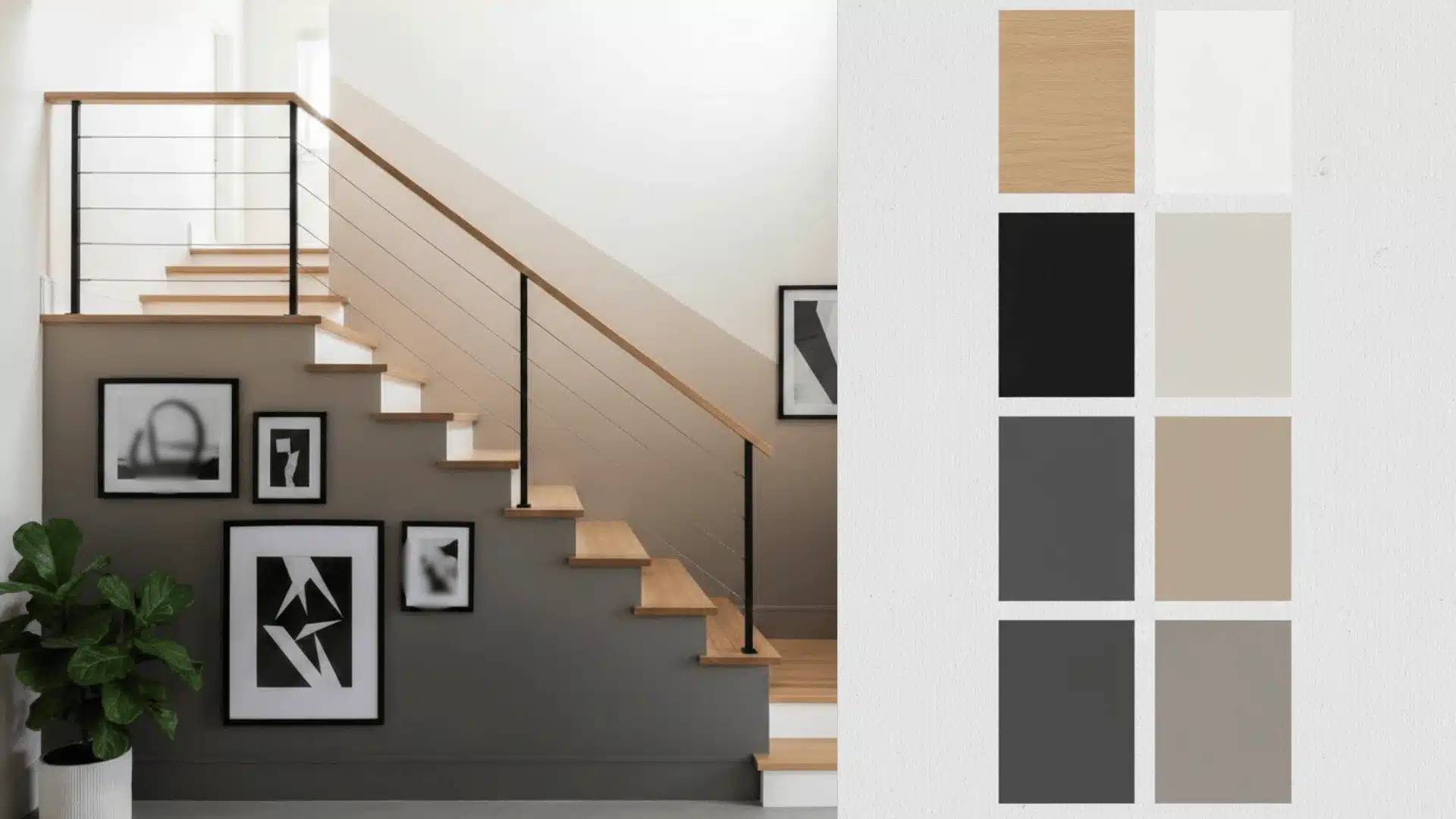
Stairways share energy between floors, requiring careful color choices.
Lighter colors on upper floors and darker below promote natural energy flow. Use consistent tones across levels.
Avoid dramatic color changes that disrupt the flow between spaces in your home.
Flow Connector: Gradually shift from lighter shades upstairs to deeper tones downstairs for soft energy flow.
Choosing the Right Feng Shui Color Combinations
Pairing the right colors together can make a big difference in how your space feels and functions.
| Goal | Recommended Colors | Why it Works |
|---|---|---|
| Career Growth | Blue + Black | Strengthens water energy, supports focus and opportunity |
| Fame & Recognition | Red + Purple | Boosts fire energy, increases visibility, and confidence |
| Family Harmony | Green + Brown | Grounds wood energy, promotes bonding and wellness |
| Creativity & Play | White + Metallic Gray | Activates metal energy, encourages fresh ideas |
| Learning & Focus | Beige + Yellow | Stabilizes earth energy, sharpens concentration |
| Helpful Connections | White + Silver | Attracts supportive people and opens new doors |
| Wealth & Prosperity | Green + Purple | Blends wood and fire energy, supports financial growth |
These pairings come from both feng shui tradition and practical color theory, two systems that, in my experience, align more often than people expect.
Are There Any Feng Shui Colors to Avoid?
Not every color works well in every space. Too much red in a bedroom can make it hard to relax.
Harsh, dark shades in small rooms can feel heavy and draining. Black children in children’s spaces are generally a poor fit. It’s less about avoiding colors completely and more about balance.
A color that works well in one room can feel off in another.
Placement and proportion matter just as much as the color itself.
How to Choose Feng Shui Colors Based on Your Goal
- Use black and blue in your home office or north areas to support professional growth and opportunities.
- Green and purple in southeast spaces promote financial abundance and help money energy grow naturally.
- Pink, peach, and soft red in the bedroom boost romantic and emotional bonds.
- Green and brown in the eastern rooms support your physical wellness and vitality.
- White and light blue in study areas sharpen focus, improve decision-making, and clear mental fog effectively.
- Soft blue, lavender, and light green throughout your home reduce stress and create tranquil environments.
- Hot earth tones in gathering areas foster cooperation, understanding, and stronger household connections.
Final Thoughts
Now you know how feng shui colors can shift the energy in your home. Start small if this feels overcrushing.
Pick one room that matters most to you right now. Maybe it’s your bedroom where you need better sleep. Or your office, where you want more focus. Test a few colors based on your goals and the room’s direction.
See how they make you feel after a week or two. Trust your instincts along with feng shui guidelines.
Your home should support your life, not complicate it.
The right colors can help you feel better every single day. What room will you start with?
Frequently Asked Questions (FAQ’s)
1. What is the Lucky Color in Feng Shui?
Red is the luckiest color in feng shui, attracting good fortune and positive energy.
2. What Color Attracts Positive Energy?
Yellow brings heat, optimism, and strong positive energy into any living space.
3. What is the Rule of 3 in Feng Shui?
Group objects in threes to create balance, harmony, and steady energy flow.
4. Which Color is Believed to Keep Bad Luck Away?
Red has been used in Chinese homes and temples for centuries for exactly this reason.