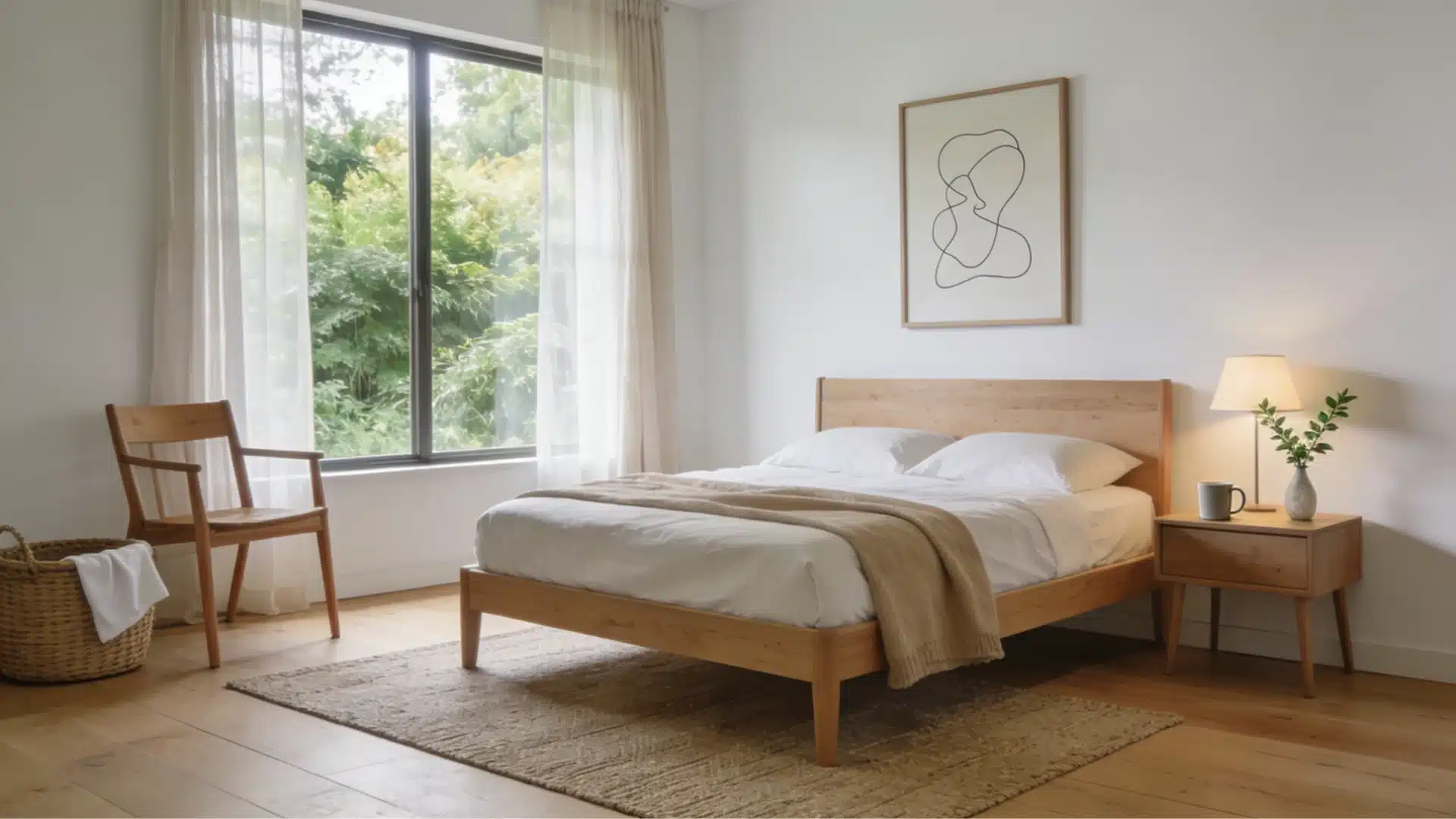
Life feels overwhelming, stress piles up, and finding peace at home seems impossible when chaos surrounds you. Most people crave a quiet space but don’t know where to start.
A zen room offers a personal retreat right inside the house.
This blog shows how to design a simple Zen room.
You will learn about essential elements, color choices, and furniture placement.
What is a Zen Room?
A zen room is a dedicated space for relaxation and meditation. It strips away the clutter and distractions. The focus stays on simplicity and calm.
These rooms often feature minimal furniture, soft lighting, and natural elements. They create an environment that helps the mind settle down.
People use zen rooms for meditation, yoga, or quiet reading. Some just sit there to breathe and think.
The goal remains the same: finding peace away from daily stress.
Features that Define a Zen Room
A zen room follows specific design principles that work together. These features create the calming atmosphere people seek.
1. Minimal Furniture
Less is more in a Zen room. Only essential furniture pieces belong here.
A meditation cushion, low table, or simple chair suffices. Extra furniture creates visual noise and defeats the purpose.
The space should feel open and breathable. Every item needs a clear function. This approach keeps the mind from wandering toward material things.
2. Natural Elements
Nature brings instant calm to any space. Wood, stone, bamboo, and plants appear frequently in Zen rooms. These materials connect us to the earth.
A small indoor fountain adds soothing water sounds. Natural textures feel warm and grounding. They remind us of outdoor spaces where stress naturally fades.
Even a single plant can shift the room’s energy completely toward peace.
3. Neutral Color Palette
Soft colors dominate the zen room design.
Whites, beiges, grays, and earth tones work best. These shades don’t overstimulate the eyes or mind. Bright colors create excitement, which contradicts the room’s purpose.
They form a background that supports meditation and reflection. The walls, floor, and furniture should flow together without jarring contrasts or bold patterns.
4. Soft Lighting
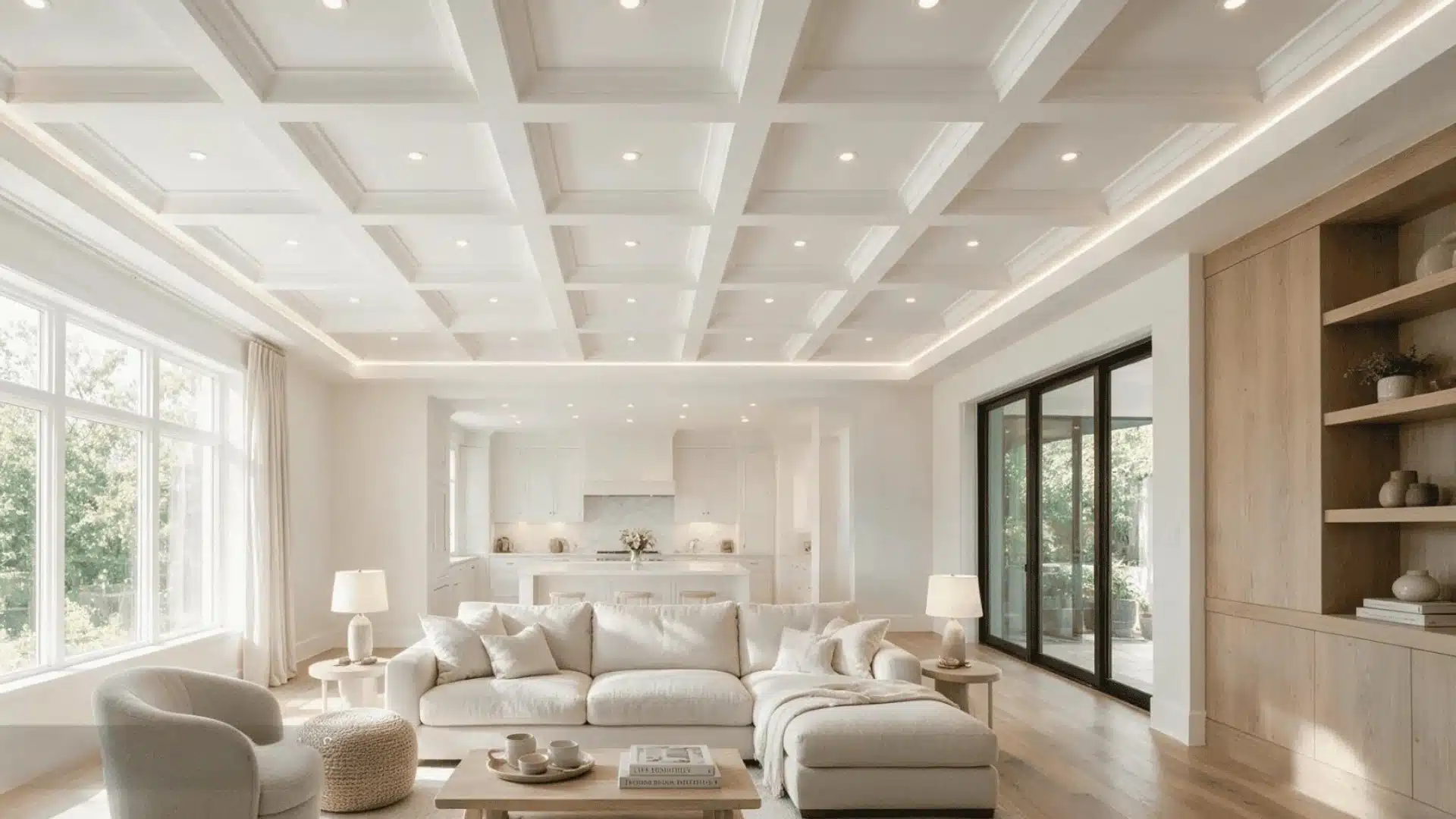
Harsh lights destroy calm instantly. Zen rooms need gentle, adjustable lighting options.
Natural light through sheer curtains works wonderfully during the day. Candles, salt lamps, or dimmed fixtures suit evening hours.
The goal is to create a warm glow rather than bright illumination. Soft shadows feel comforting and help the body relax.
5. Clutter-Free Space
Visual chaos prevents mental peace. A zen room must stay organized and clear.
Storage solutions keep necessary things hidden away. Clean surfaces allow the eyes to rest. When everything has its place, the mind stops processing extra information.
This simplicity makes it easier to enter a meditative state and stay focused.
6. Comfortable Flooring
Meditation cushions, yoga mats, or soft rugs provide necessary comfort. Bare hard floors can distract from practice with discomfort.
Natural materials like cork or bamboo flooring add warmth. The feet should feel good when touching the surface.
Comfort supports longer meditation sessions without physical complaints interrupting focus.
Pros and Cons of a Zen Room
Creating a zen room requires careful consideration. Like any home project, it comes with benefits and drawbacks.
| Pros | Cons |
|---|---|
| Provides a dedicated space for stress relief and mental health | Requires sacrificing a room or area that could serve other purposes |
| Costs relatively little to set up with basic items | Needs ongoing maintenance to keep the space clutter-free and clean |
| Improves sleep quality and overall well-being | May go unused if meditation or relaxation isn’t practiced regularly |
| Encourages healthy habits like meditation and mindfulness | Takes time to design properly and find the right elements |
| Reduces anxiety through a calming environment | Requires discipline to maintain the minimalist aesthetic over time |
| Easy to personalize based on individual preferences | Can become just another storage space without commitment to its purpose |
Ways to Make Your Room Zen
The right colors set the foundation for any zen room. Different spaces need different approaches. Room type and natural light levels influence which shades work best.
1. Declutter Essentials
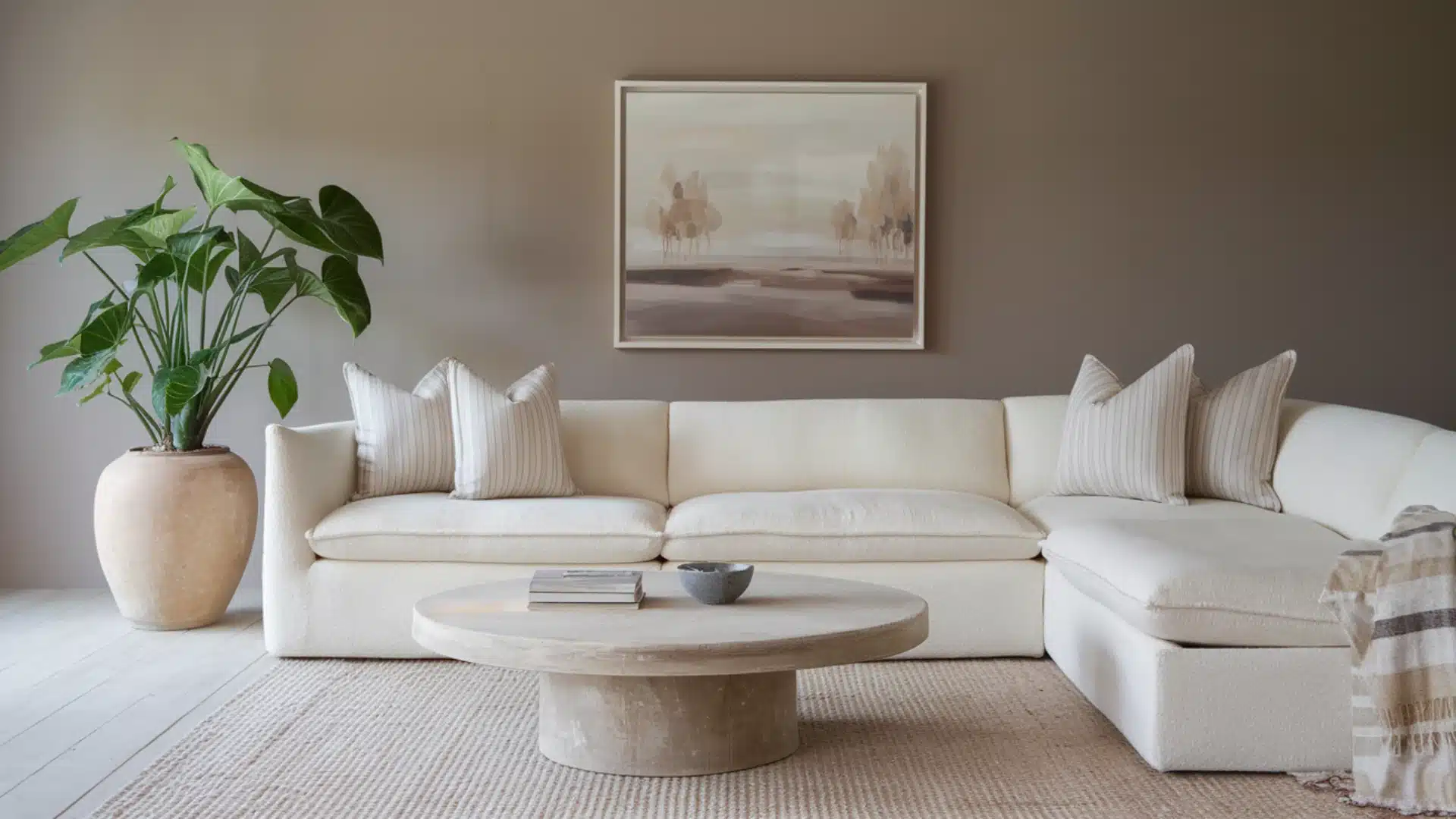
A zen room needs breathing space to function properly. Store items elsewhere or donate them completely.
Once the space is empty, choosing colors becomes much easier. The bare walls reveal their true character and light patterns throughout the day.
2. Neutral Color Choices
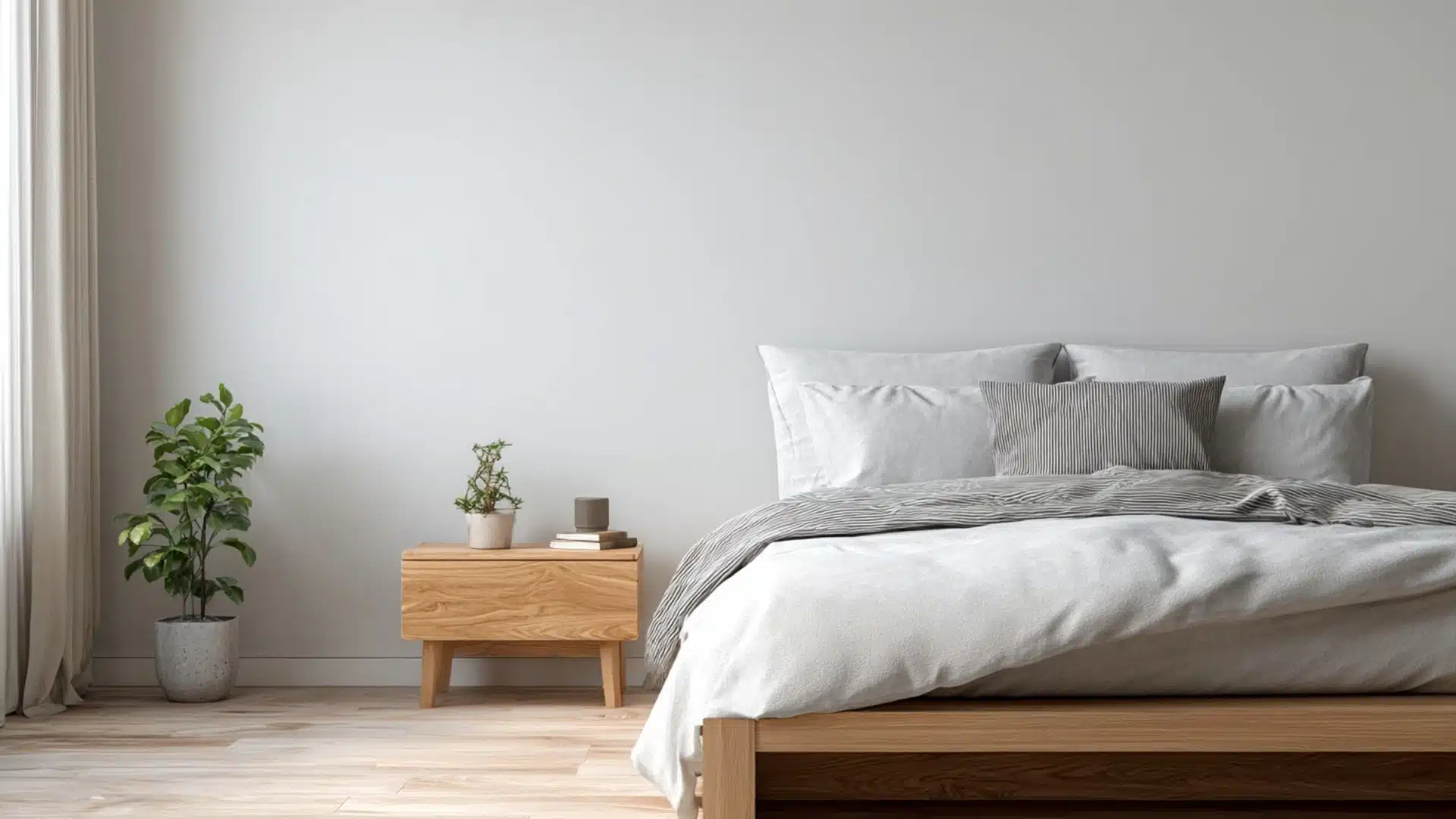
Stick with whites, beiges, soft grays, and warm tans for walls. These colors reflect light gently without creating harshness.
They also pair well with natural materials like wood and stone. Avoid bold colors that grab attention or stimulate the mind.
3. Natural Material Integration
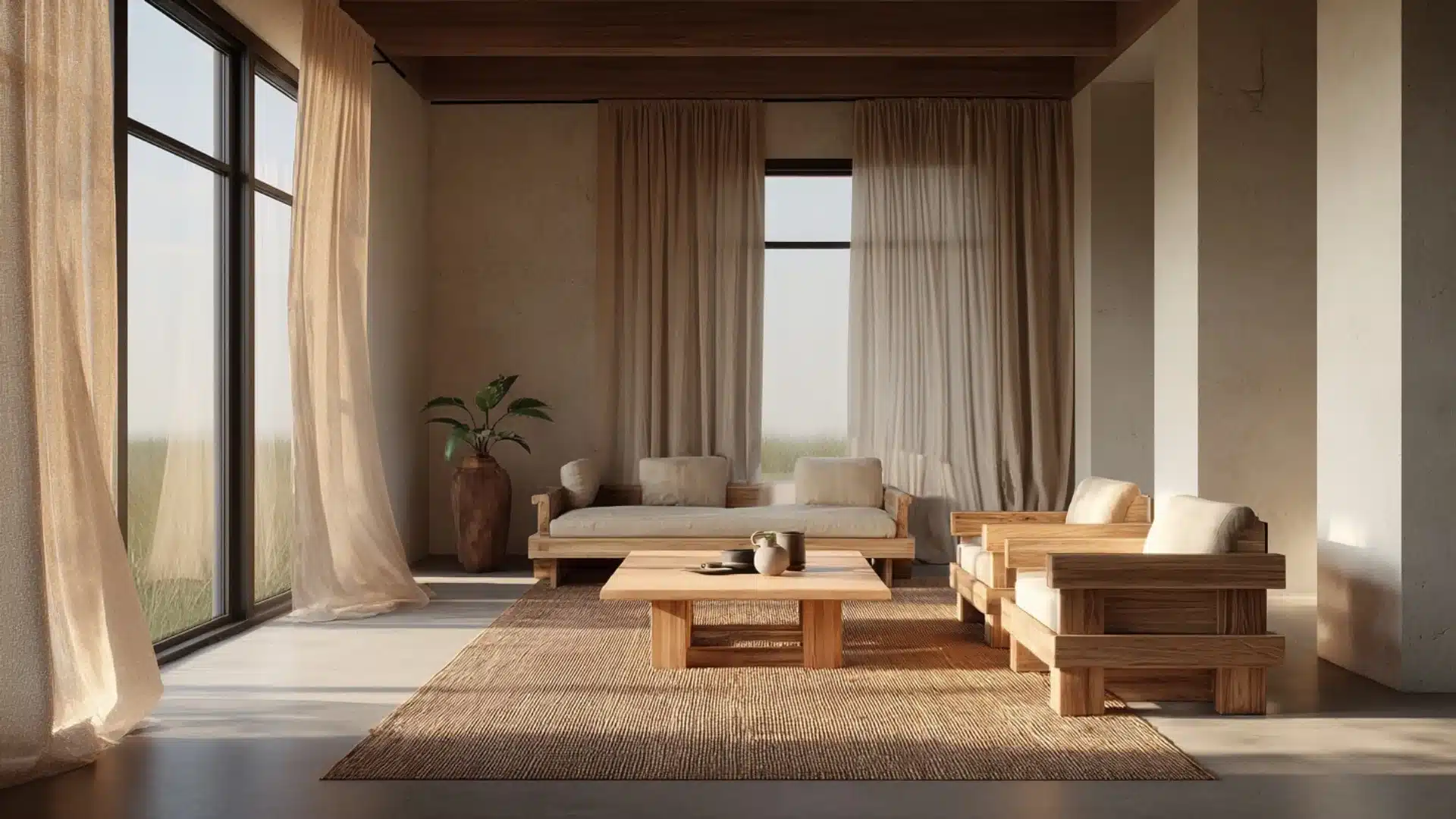
Wood tones, stone grays, and bamboo browns should guide color decisions. Match wall colors to the materials you plan to use.
This creates harmony between the room’s surfaces and objects. Natural materials already carry calming properties.
When colors coordinate with them, the effect multiplies.
4. Indoor Plants and Greenery
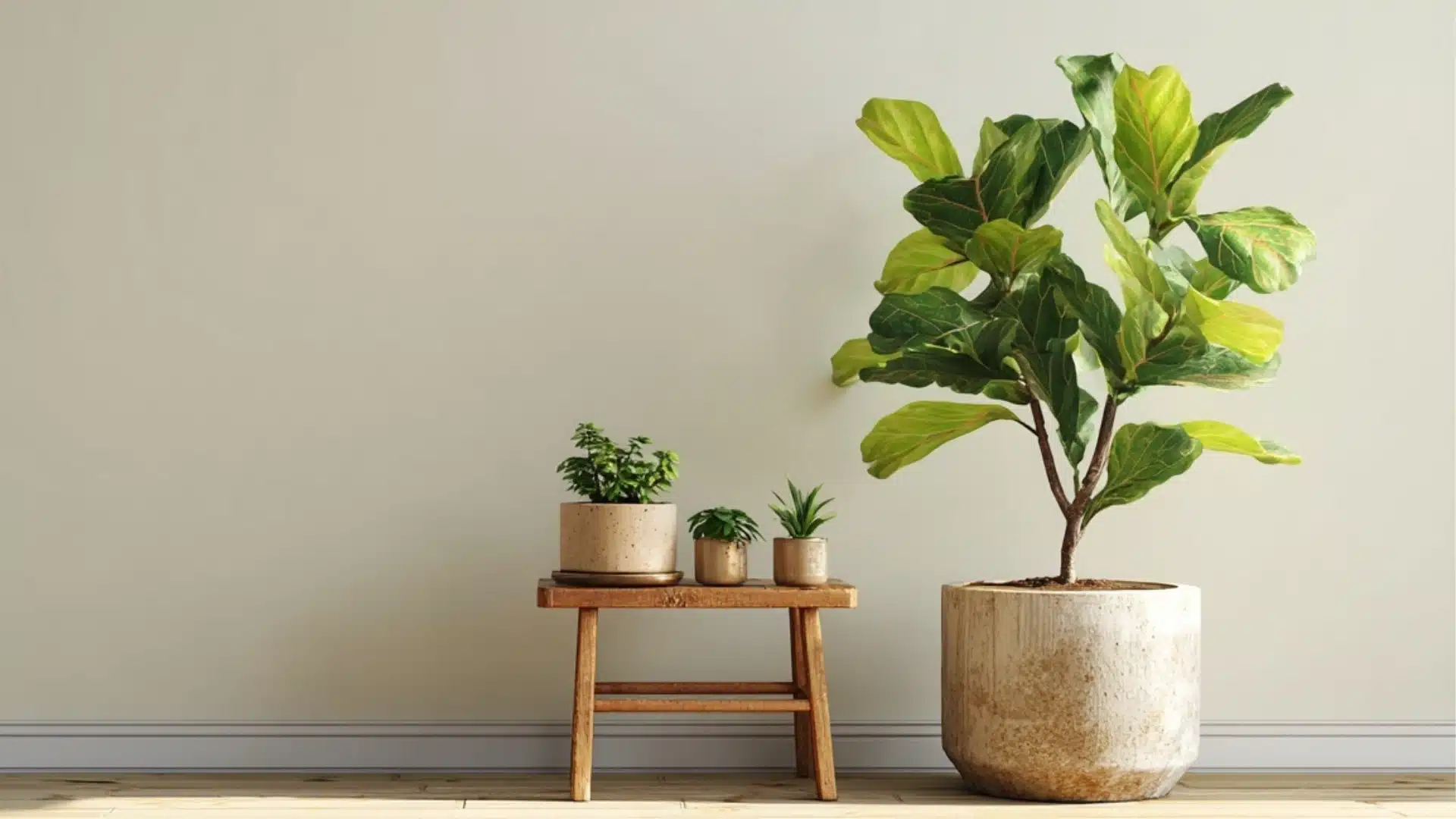
Plan for living plants when selecting wall colors. Green foliage pops beautifully against neutral backgrounds. Beige and light gray walls make plants the natural focal point.
This adds life without overwhelming the space with pattern or color. Plants bring oxygen and natural energy.
The wall colors should support them rather than compete with them.
5. Textured Layering
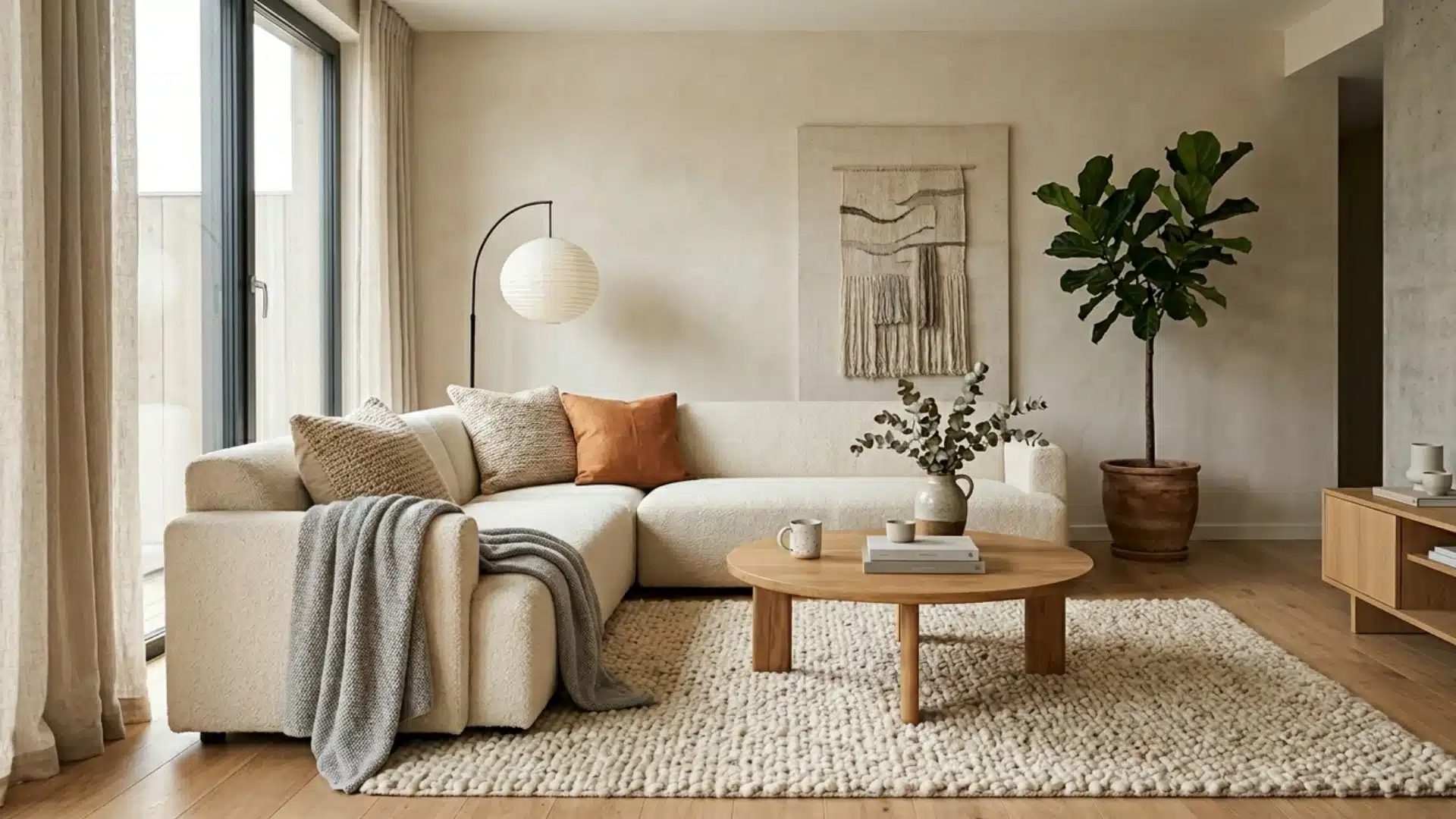
Mix smooth and rough textures to add depth without color. Soft cotton cushions, woven jute rugs, and smooth wooden surfaces create interest.
Texture engages the sense of touch during floor activities. Avoid synthetic materials that feel artificial or overly slick.
Natural fibers like linen, wool, and cotton feel better against the skin. The variety keeps the room from feeling flat or sterile.
6. Meditation Nook
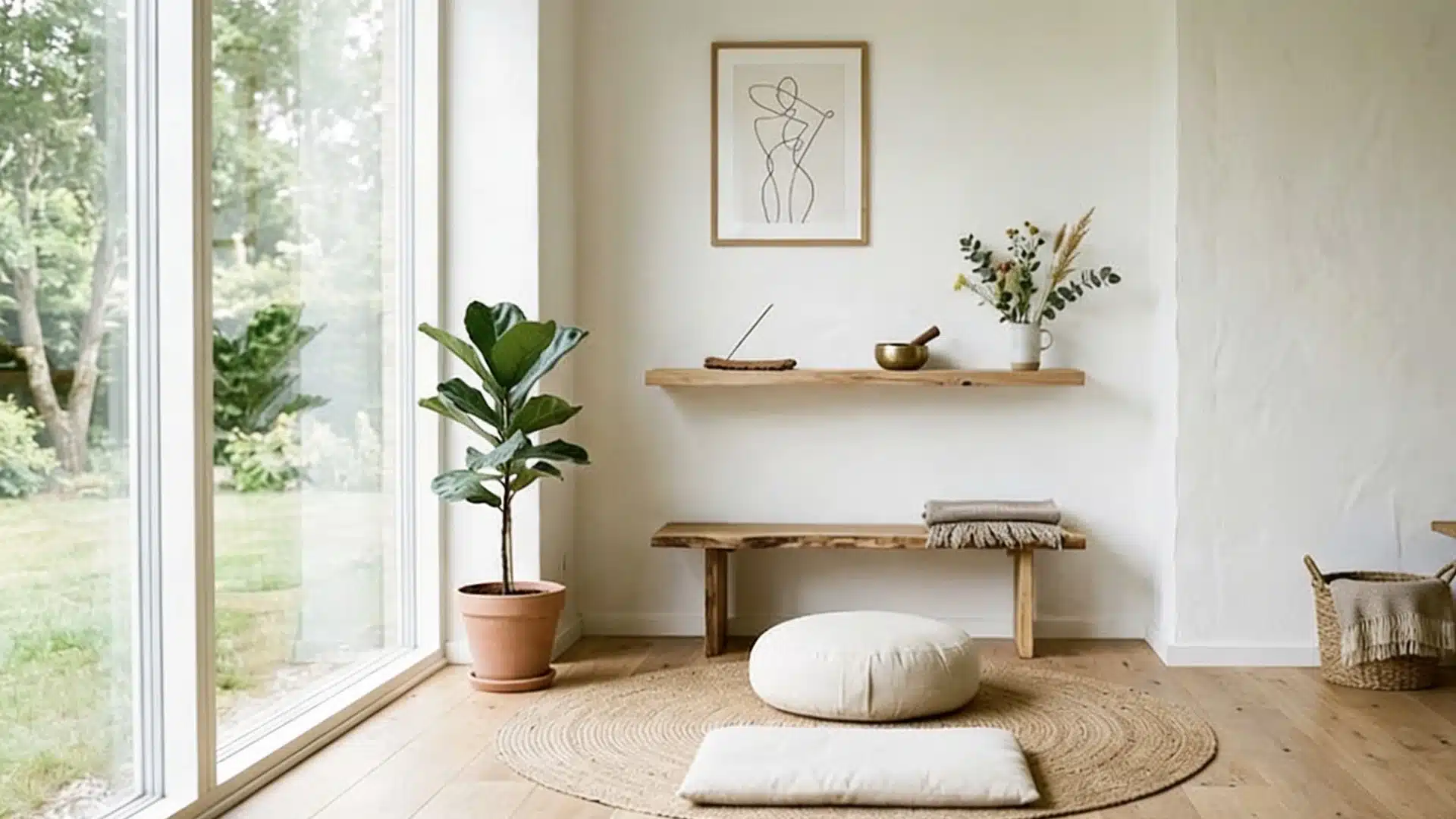
Designate one corner specifically for sitting practice and quiet reflection. Place a comfortable cushion or meditation bench there permanently.
This spot becomes associated with stillness through repeated use.
Add a small side table for tea or a timer. Keep this area sacred by using it only for meditation.
The brain learns to enter a calm state simply by sitting there.
7. Minimalist Art Display
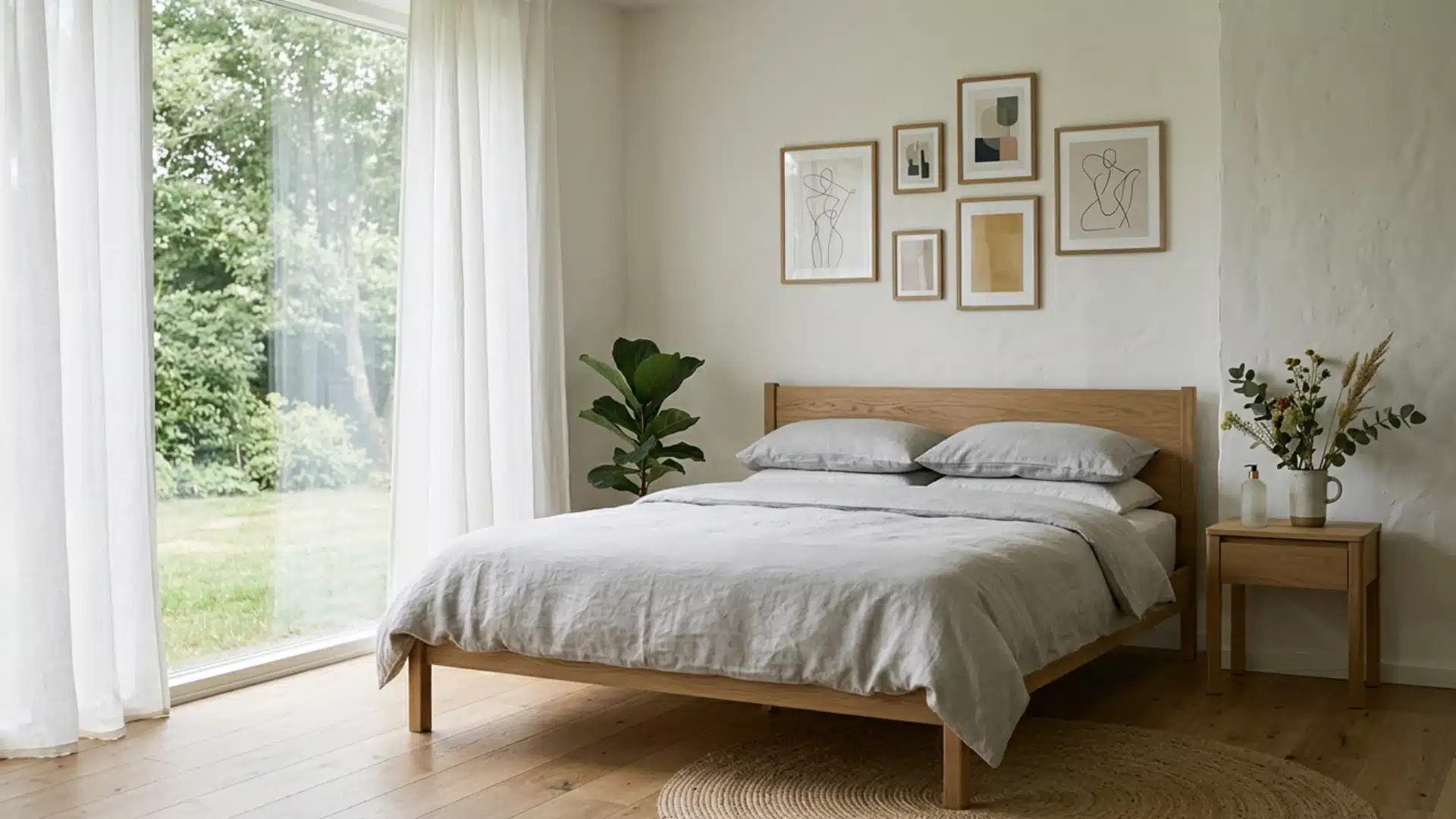
Choose one or two meaningful pieces rather than covering every wall.
Simple line drawings, nature photography, or abstract prints work well. The art should inspire calm rather than provoke strong emotions.
Simple wood frames or thin metal frames suit the aesthetic. Blank wall space is acceptable and often preferable.
Avoid busy patterns or images with too many details.
Best Lighting for Creating a Zen Atmosphere
Lighting shapes the entire mood of a Zen room. The wrong lights create tension instead of peace.
Natural light works best during daytime hours. Position the room near windows if possible. Use sheer curtains to soften harsh sunlight.
For evening practice, consider these options:
- Salt lamps that emit a warm, amber glow
- Dimmer switches for overhead fixtures
- Candles placed safely on stable surfaces
- Paper lanterns that diffuse light gently
- Avoid bright white or fluorescent bulbs; they stimulate rather than soothe.
- Warm-toned lights between 2700K and 3000K work perfectly for meditation and relaxation.
Make Your Zen Rooms More Zen
Small intentional additions can transform an ordinary room into a deeply calming sanctuary.
These simple touches build on your foundation and deepen the sense of peace you’ve already created.
1. Wind Chimes
Hang gentle wind chimes near a window to introduce soft, natural sound into your space.
Their subtle tones interrupt mental chatter and guide your attention back to the present moment, making your meditation practice.
2. Zen Garden
Place a small desktop sand garden within your reach during sitting practice. Raking the sand slowly engages your hands and quiets your thoughts.
You’ll find this simple, repetitive motion surprisingly effective at releasing tension after a long, stressful day.
3. Water Feature
A small tabletop fountain introduces the gentle sound of flowing water without overwhelming the space.
You can use this ambient noise to drown out background distractions, helping your nervous system shift into a slower, more restful state during practice.
4. Grounding Stones
Arrange a few smooth river stones or crystals in a simple tray nearby.
Holding or touching them during moments of anxiety brings your awareness back to physical sensation, anchoring you firmly in the present rather than spiraling.
5. Journaling Corner
Keep a simple notebook and pen in your zen room for post-meditation reflection.
Writing down thoughts immediately after sitting helps you process emotions, track your progress, and release lingering mental noise.
Things that Are a Big No in Zen Rooms
A zen room only works when you protect it from elements that disrupt peace and focus.
Certain habits and objects quietly destroy the calm atmosphere you’ve worked hard to build.
- Electronic Devices: TVs, laptops, and phones bring notifications, noise, and mental distraction into the space
- Bright or Fluorescent Lighting: This overstimulates the nervous system and kills the relaxed mood instantly
- Clutter and Excess Furniture: This creates visual noise that prevents the mind from settling during meditation
- Bold and Loud Colors: Walls or décor trigger excitement rather than calm, and contradict the room’s purpose
- Strong Artificial Scents: Chemical air fresheners can cause headaches and disrupt breathing during practice
- Work-Related Items: Files, desks, or office supplies, mentally connect the space to stress and responsibility
To Wrap Up
A zen room doesn’t require perfection or a big budget. It starts with intention and grows from there.
Follow the key elements: clear space, natural materials, soft colors, and gentle light.
Start small. Convert a corner. What matters is having a dedicated spot that signals to the brain.
Build the space gradually. Add one element at a time. Let the room develop naturally, just like the peace it’s meant to bring.
Frequently Asked Questions (FAQs)
1. What is a Good Color for A Zen Room?
Soft neutrals work best: whites, beiges, warm grays, and earth tones. These colors calm the mind without creating visual stimulation or distraction during meditation practice.
2. What Are the Cons of Zen?
Zen practice requires discipline and patience. Results take time. It may feel boring initially. The minimalist lifestyle can seem restrictive to some people’s preferences.
3. What is the 3 Color Rule?
Use a maximum of three colors in a space: one dominant shade, one secondary color, and one accent. This creates visual harmony without overwhelming the eyes or mind.