Some buildings don’t just stand; they tell a story. And these aren’t ordinary stories.
They’re about bold ideas, big risks, and moments that changed cities forever.
If you’ve ever wanted to know what makes an architecture truly famous, you’re in the right place. Well, here are some architectures with stories that are worth knowing.
Famous Architecture Worth Adding to Your Places to Visit List
Iconic architecture tells the story of human ambition better than any textbook ever could. Every great building carries a vision, a story, and a moment in history.
1. Eiffel Tower
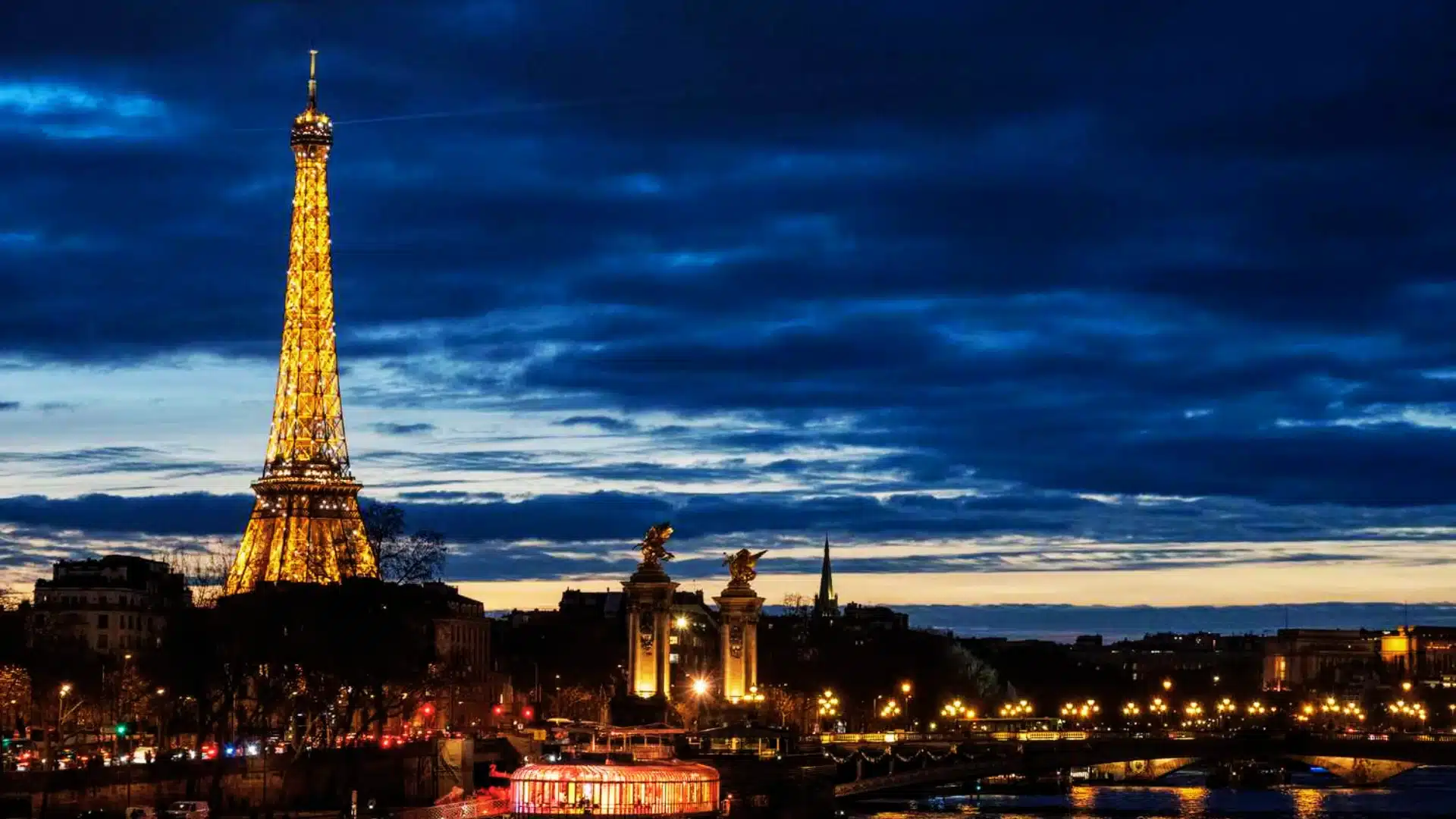
Paris has many landmarks, but none quite like the Eiffel Tower. It stands 330 meters tall and greets millions of visitors every year.
Built between 1887 and 1889 for the World’s Fair, the Eiffel Tower was meant to be a temporary structure. Many Parisians hated it at first. They called it an eyesore.
But Gustave Eiffel’s iron lattice design proved its worth as a radio transmission tower, and it stayed.
Today, it’s the most visited paid monument on Earth.
The Eiffel Tower grows about 15 cm taller in summer due to heat expansion.
2. Palace of Versailles
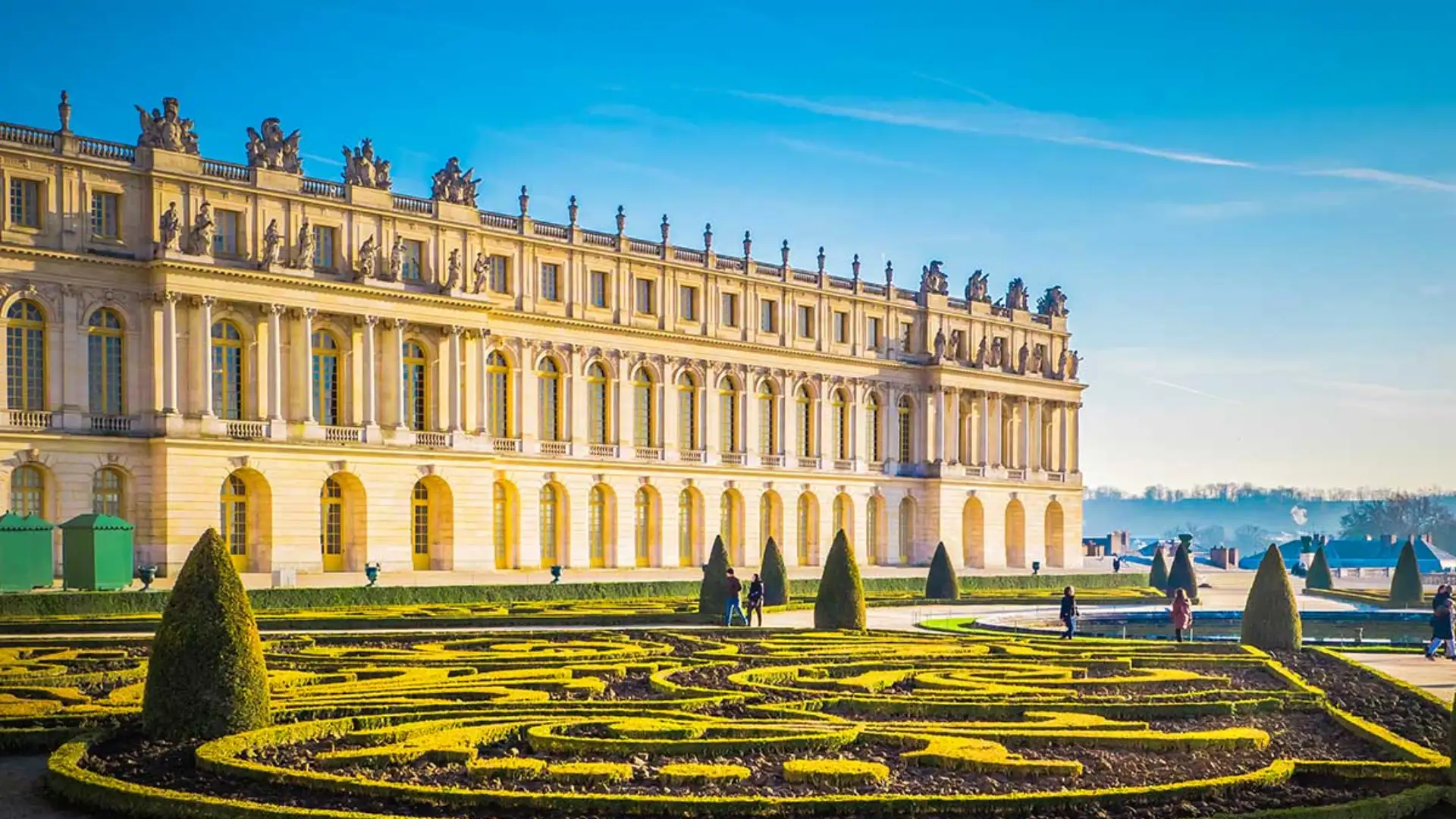
The Palace of Versailles was built to show the world what power looks like.
King Louis XIV moved the French royal court to Versailles in 1682, transforming a hunting lodge into the grandest palace in Europe.
Over 30,000 workers built it over several decades. The Hall of Mirrors alone has 357 mirrors and 20,000 candles. The gardens span 800 hectares and feature fountains, sculptures, and perfectly trimmed hedgerows.
The palace became a symbol of royal excess, and partly why the French Revolution happened. The Treaty of Versailles, ending World War I, was signed here in 1919.
3. Sydney Opera House
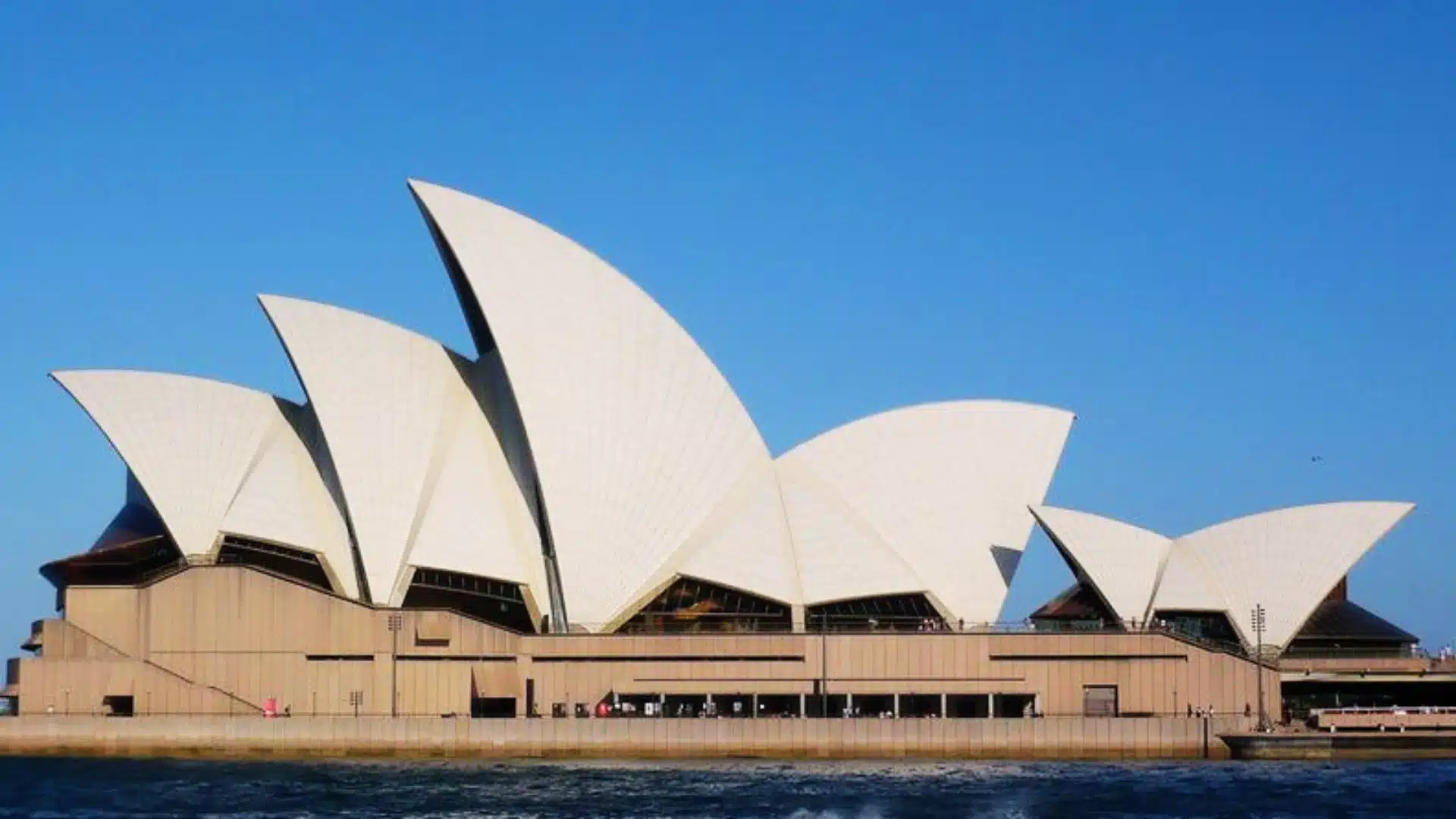
The Sydney Opera House looks like a fleet of ships sailing into the harbor. This is an interesting architecture; it sits on Bennelong Point and is one of the most photographed buildings in the world.
Danish architect Jørn Utzon won an international design competition in 1957 with a sketch that many experts initially rejected.
Construction was complex and went massively over budget, from an estimated $7 million to over $102 million.
Utzon eventually resigned due to disputes with the government and never saw the finished building. It opened in 1973 and changed architecture forever.
The roof’s ceramic tiles were designed to self-clean in the rain.
4. Burj Khalifa
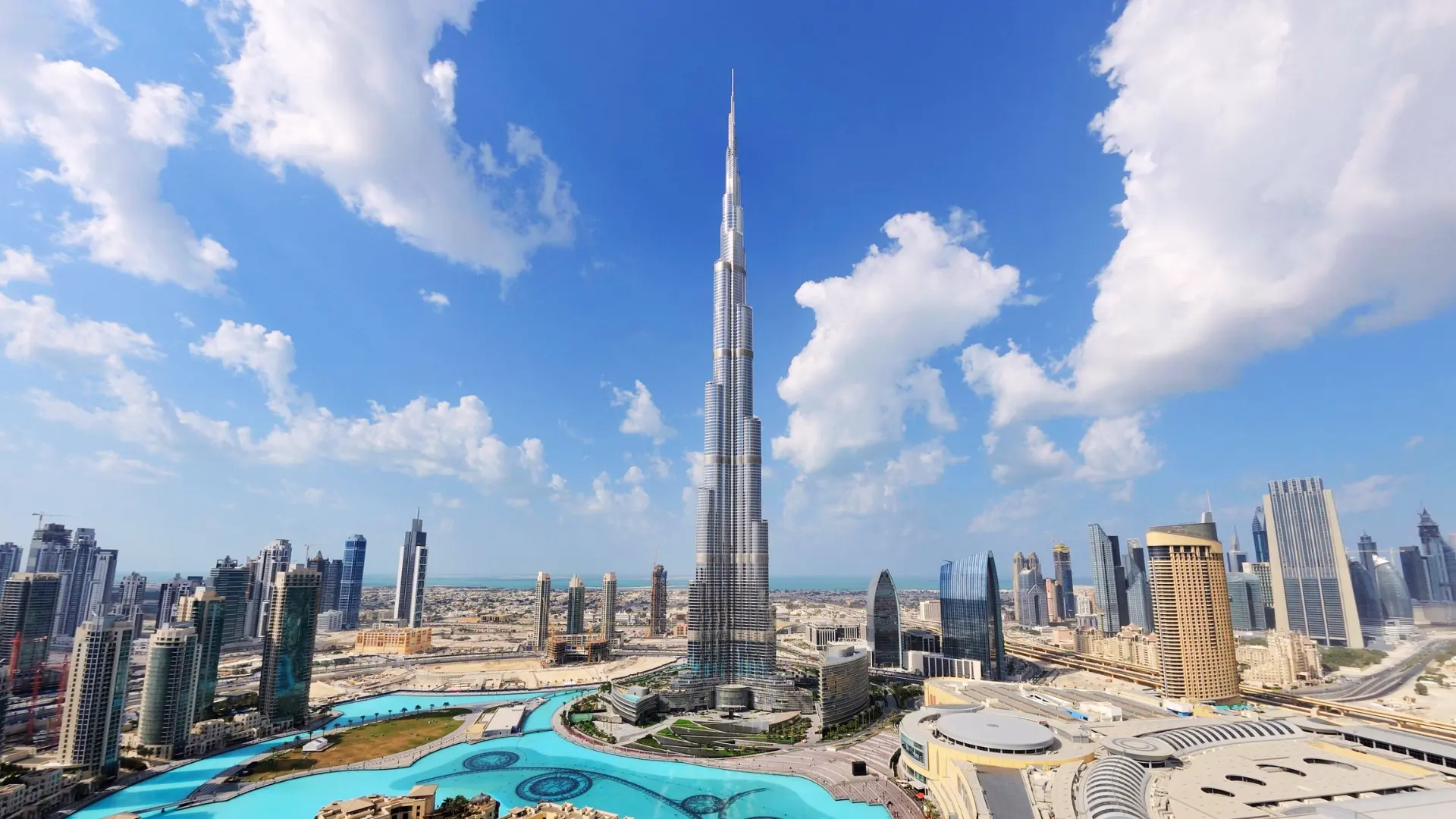
The Burj Khalifa in Dubai is the tallest building on Earth. At 828 meters, it makes everything around it look small.
Construction began in 2004 and finished in 2010. The design was inspired by the Hymenocallis flower and traditional Islamic architecture.
Over 12,000 workers were on site daily during peak construction. The building has 163 floors, 57 elevators, and uses a bundled tube structure to resist the desert winds.
It was originally named Burj Dubai but was renamed to honor the UAE President.
You can watch the sunset twice on the same day, once from the ground and again from the top floor.
5. Colosseum
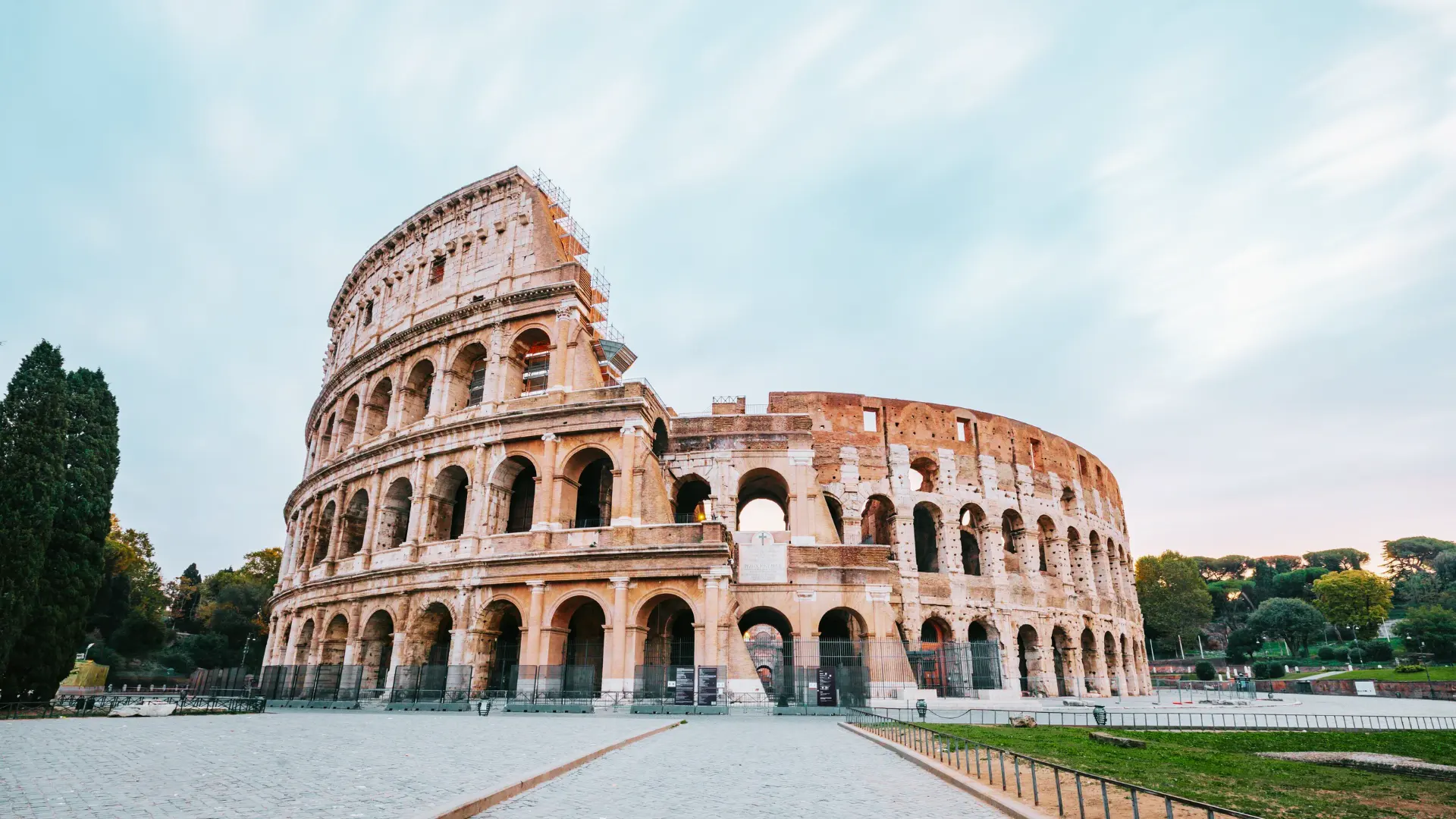
Rome’s Colosseum is a symbol of power, spectacle, and ancient engineering. It has stood for nearly 2,000 years, and this interesting architecture continues to draw millions of visitors each year.
Construction began around 70 AD under Emperor Vespasian and was completed by his son, Emperor Titus, in 80 AD. It could hold up to 80,000 spectators.
Gladiators, wild animals, and even mock naval battles filled the arena. A network of underground tunnels, called the hypogeum, lay beneath the floor.
Over the centuries, earthquakes and stone robbers damaged nearly two-thirds of the original structure.
The best time to visit is April to May or September to October for milder weather.
6. Great Wall of China
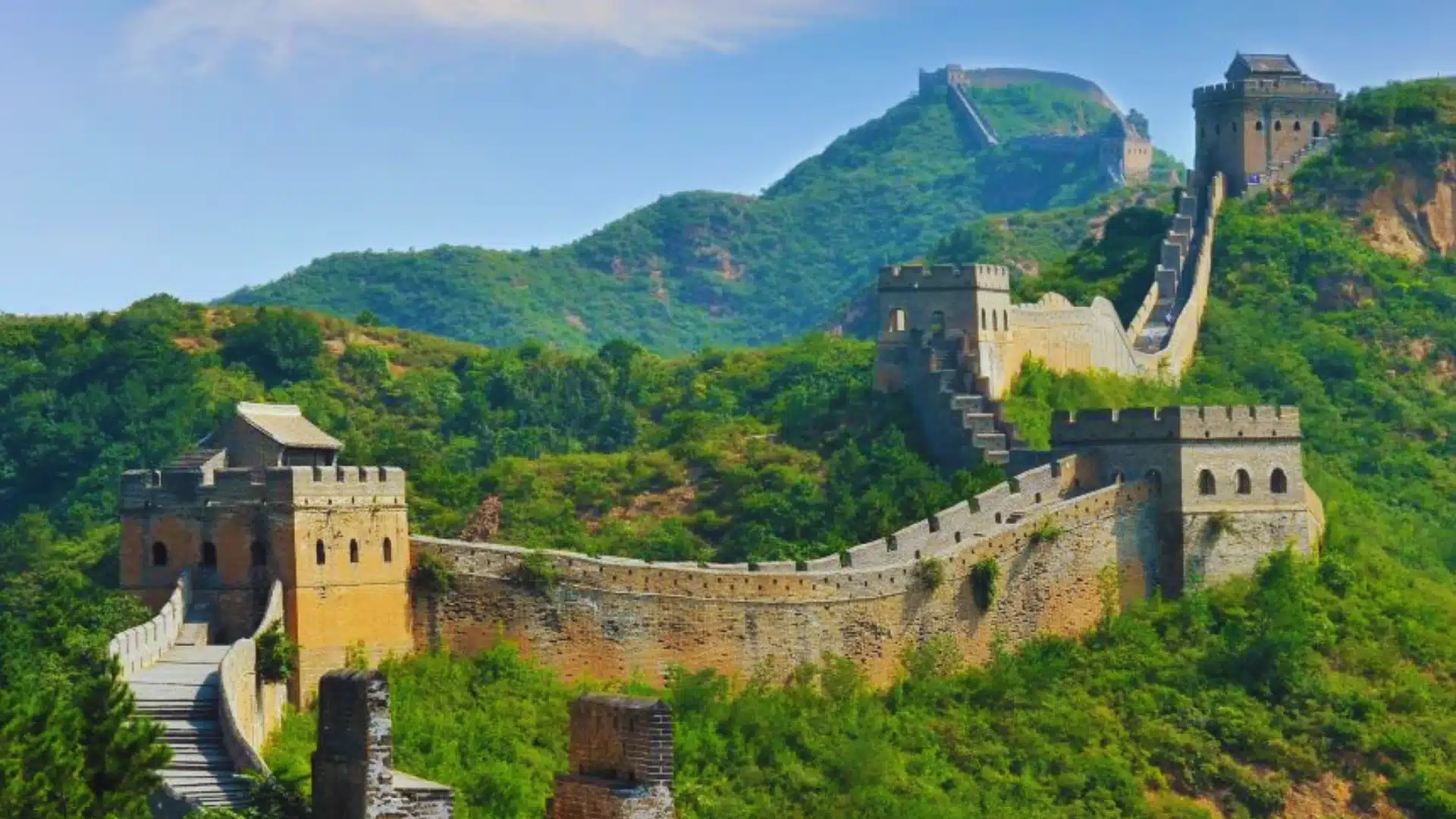
The Great Wall of China stretches across mountains, deserts, and plains. It’s one of the most famous Chinese architectural works in human history.
The wall wasn’t built all at once. Different Chinese states began building sections as far back as the 7th century BC. The most well-known sections were built during the Ming Dynasty (1368–1644).
It spans over 21,000 kilometers in total. Millions of workers, soldiers, peasants, and prisoners built it over centuries.
Sadly, many died during construction and were buried within the wall itself.
Contrary to popular belief, the Great Wall is NOT visible from space with the naked eye.
7. Sagrada Família
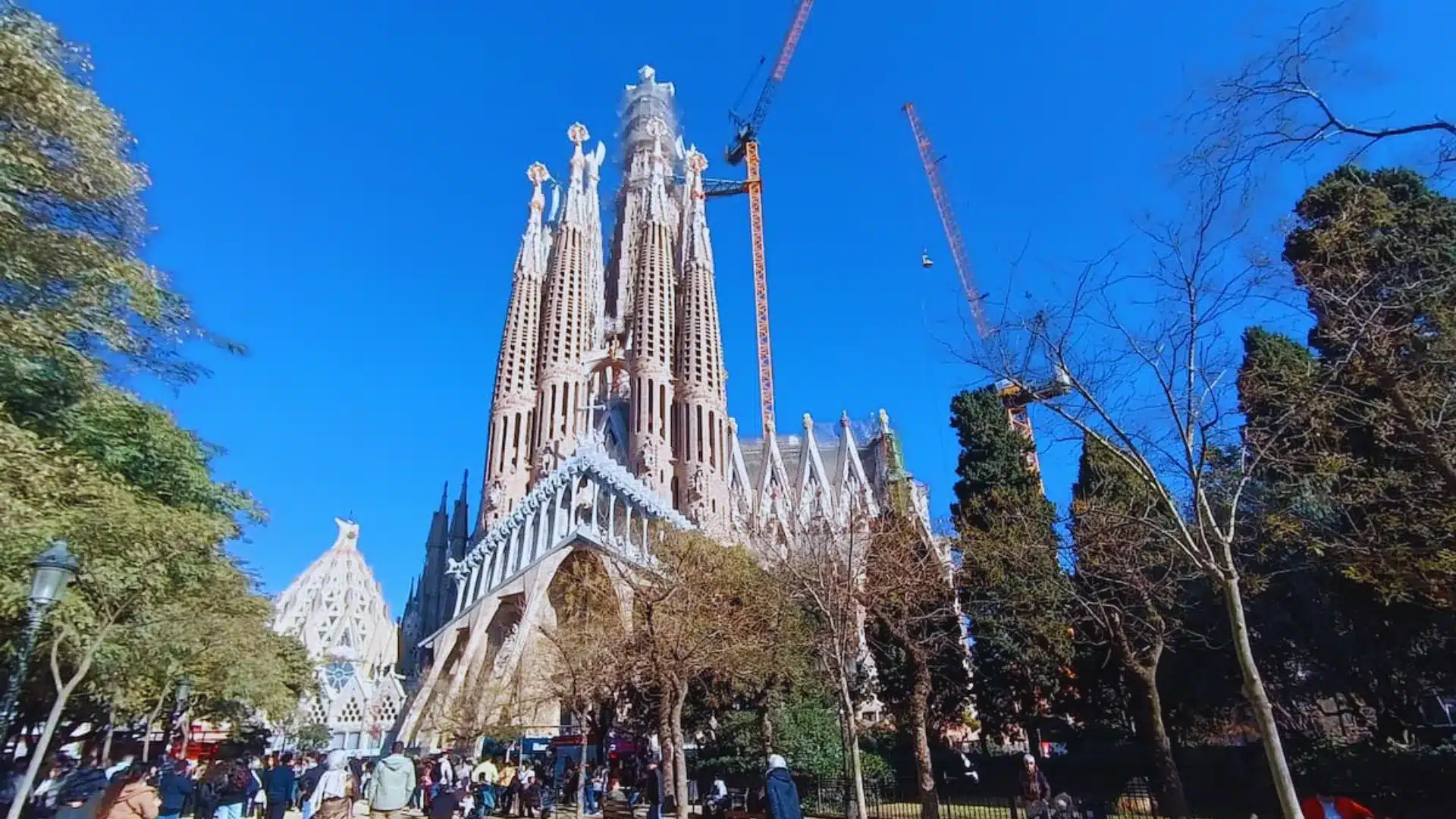
The Sagrada Família in Barcelona is unlike any church you’ve ever seen. Its towers look organic, almost alive, reaching toward the sky.
Antoni Gaudí took over the project in 1883 and dedicated the rest of his life to it. He knew he would never see it finished.
Construction is still ongoing today, over 140 years later. Gaudí was hit by a tram in 1926 and died three days later.
Because he looked so unkempt, people initially didn’t recognize him as the genius behind Barcelona’s most famous building. Completion is now expected around 2026.
Gaudí is buried in the crypt beneath the Sagrada Família.
8. Empire State Building
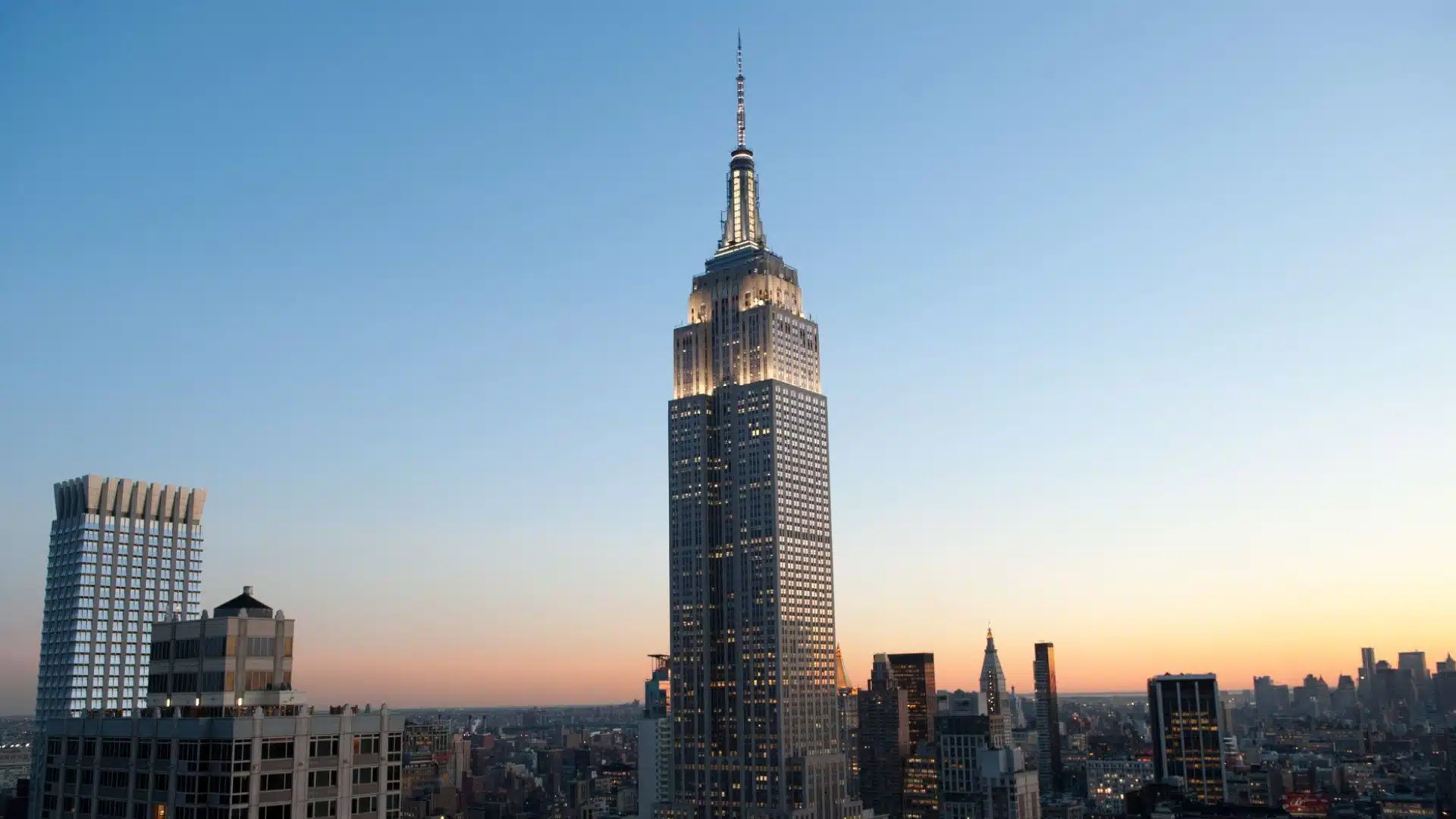
The Empire State Building defined New York City’s skyline for decades. It stood as the world’s tallest building for 40 years after it opened.
Built during the Great Depression, construction began in March 1930 and was completed in just 410 days, a record at the time. Workers raced to finish it, assembling an average of 4.5 floors per week.
The building was originally designed with a mooring mast for dirigibles (airships) at the top, though that idea never really took off, quite literally.
It opened on May 1, 1931, and President Herbert Hoover switched on the lights from Washington, D.C.
9. Leaning Tower of Pisa
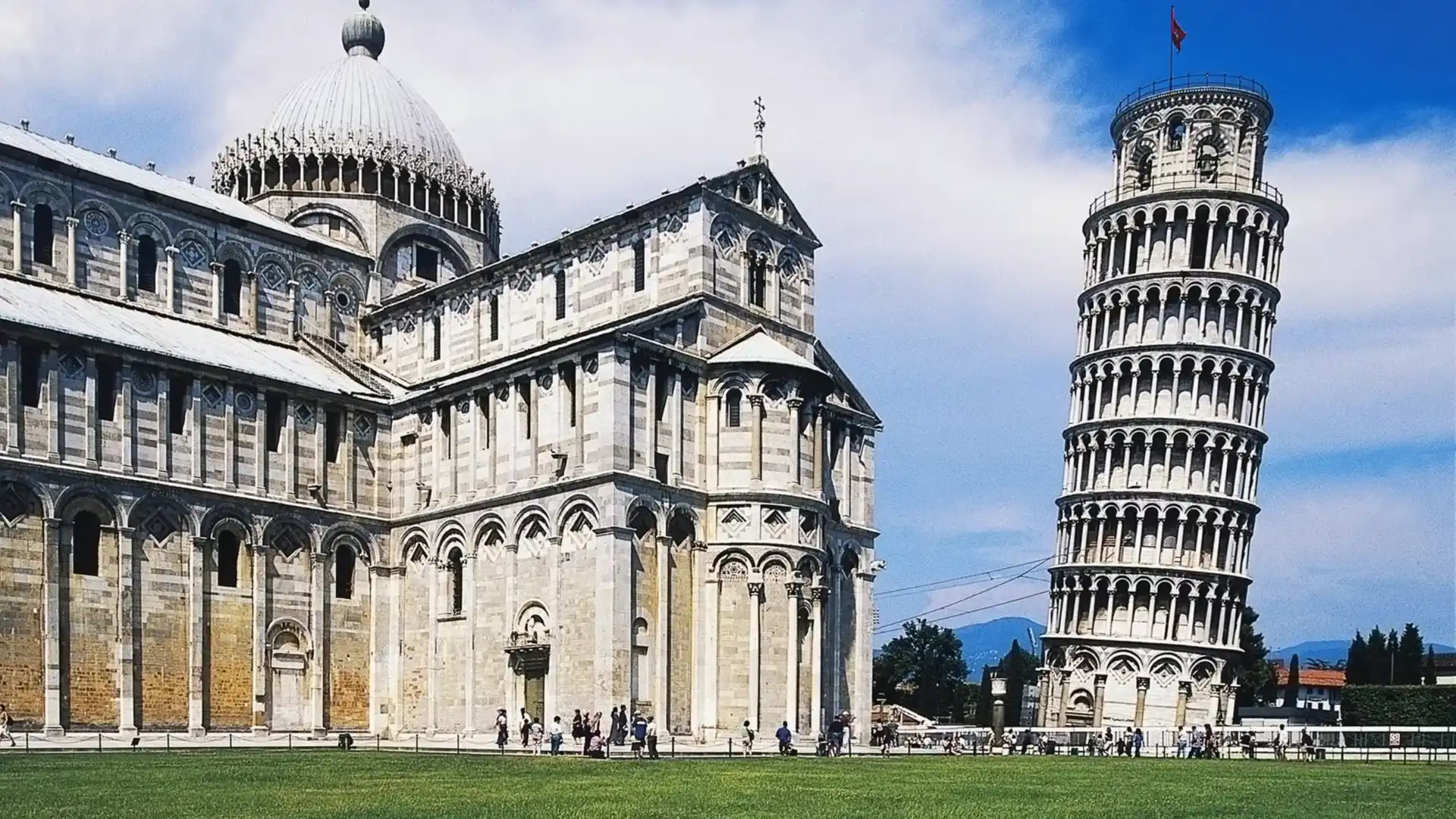
The Leaning Tower of Pisa is a famous architecture for one simple reason: it leans. And that accidental tilt is exactly what made it a global icon.
Construction began in 1173 in Pisa, Italy. The ground beneath was too soft on one side, and the tower started tilting during construction.
Work stopped twice due to wars, which actually helped the soil settle and prevented a full collapse. It took nearly 200 years to complete.
Engineers in the 1990s straightened it slightly, just enough to make it safe, but not enough to lose that famous lean.
UNESCO World Heritage Site since 1987 as part of the Piazza dei Miracoli.
10. Notre‑Dame Cathedral
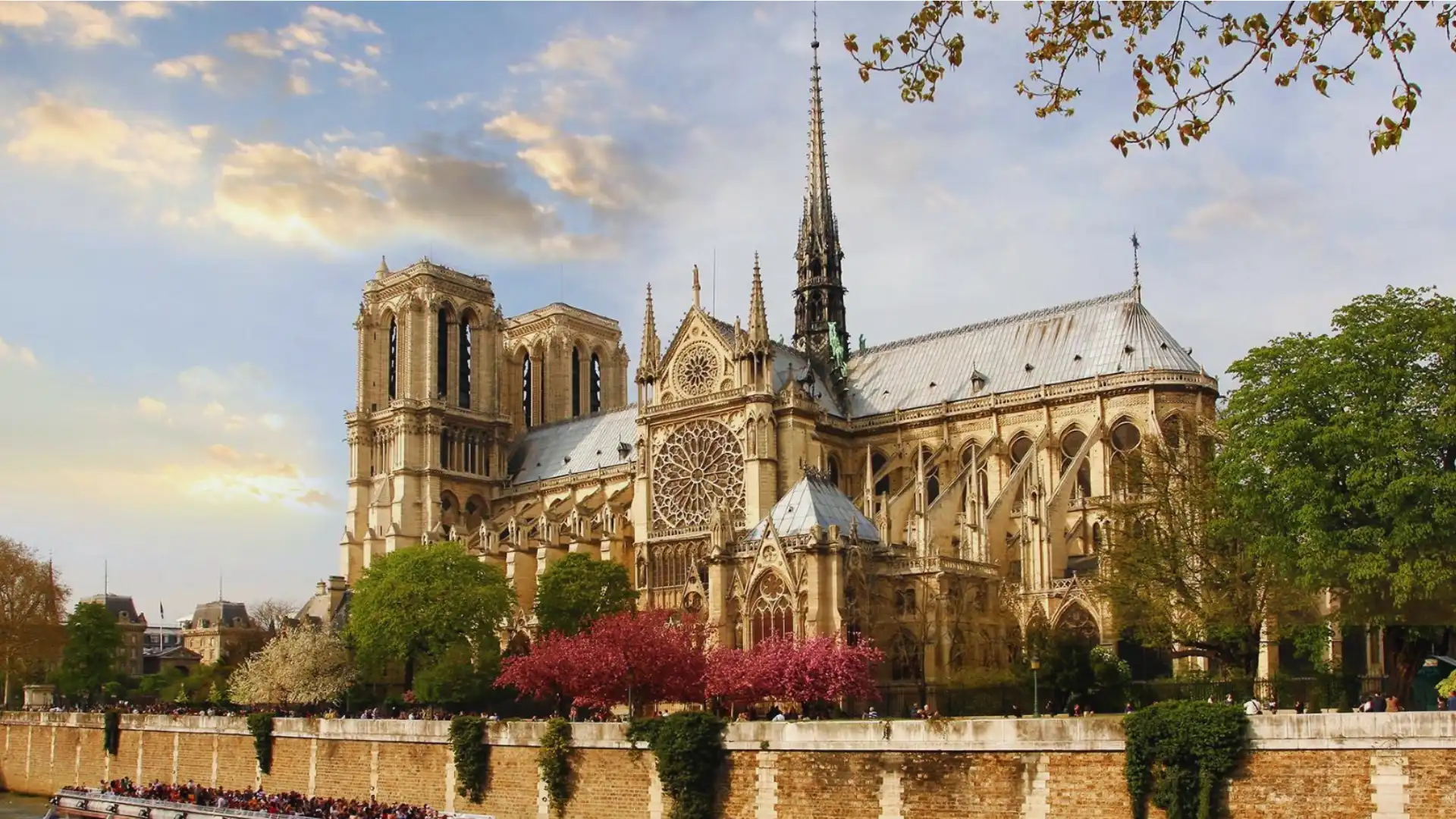
Notre-Dame Cathedral sits at the heart of Paris, both literally and emotionally. For over 850 years, it has watched the city grow around it.
The construction of this famous architecture began in 1163 under Bishop Maurice de Sully and took nearly 200 years to complete.
The cathedral introduced the flying buttress to the world, a bold structural innovation that enabled taller walls with larger windows.
Victor Hugo’s 1831 novel brought fresh attention to the then-crumbling building.
In April 2019, a devastating fire destroyed the spire and much of the roof. After restoration work, it reopened in late 2024.
This iconic architecture is a part of the “Paris, Banks of the Seine” UNESCO World Heritage Site since 1991.
11. Acropolis of Athens
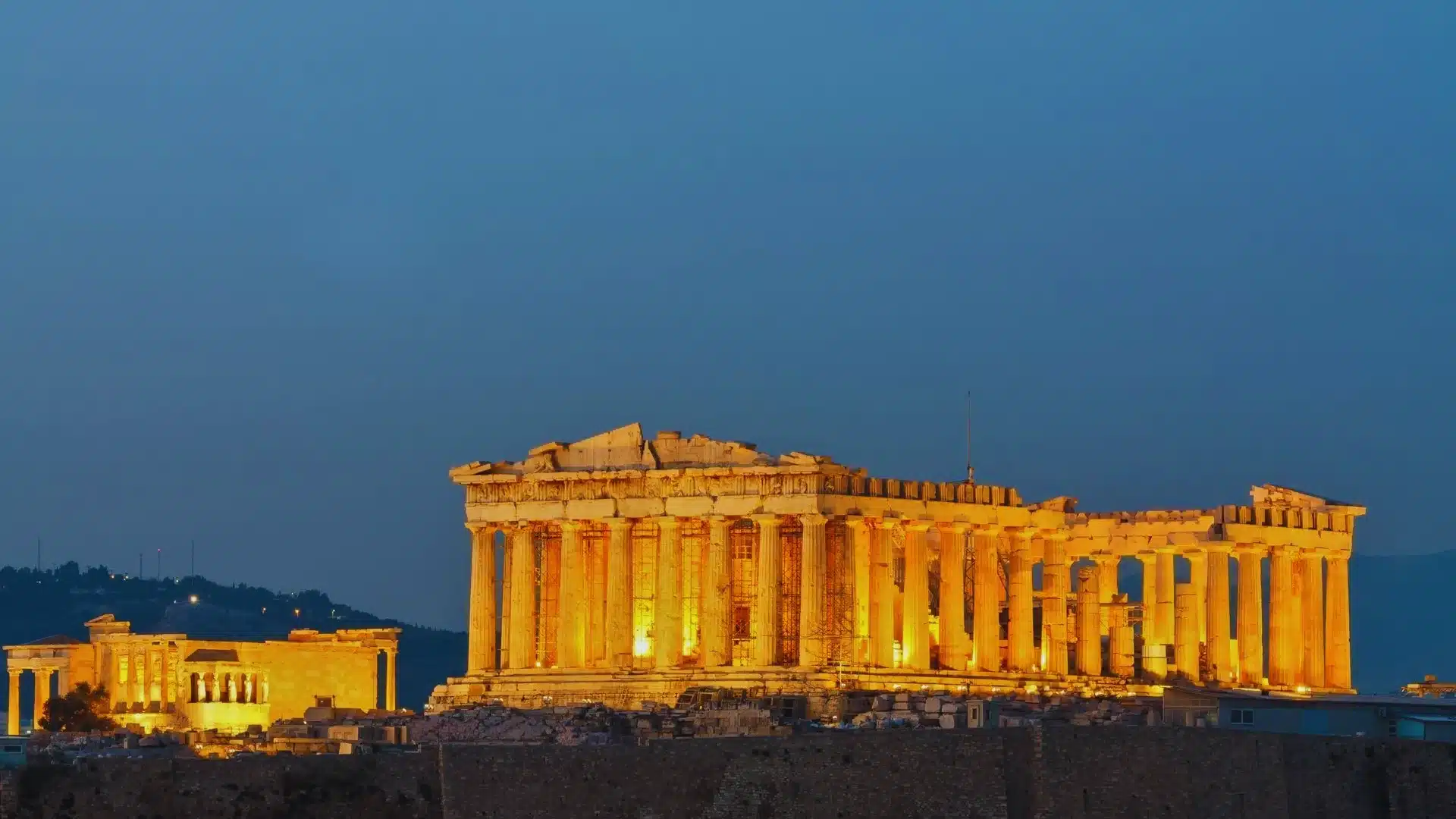
The Acropolis of Athens rises like a crown. It’s one of the oldest, most studied and famous architecture on the planet.
The hill has been occupied since the 4th millennium BC. The most famous structures, including the Parthenon, were built under the leadership of Athenian statesman Pericles around 447–432 BC.
The Parthenon was built as a temple to the goddess Athena. Over the centuries, it served as a church, a mosque, and even a gunpowder store.
In 1687, a Venetian bombardment caused a massive explosion that badly damaged the structure.
12. Machu Picchu
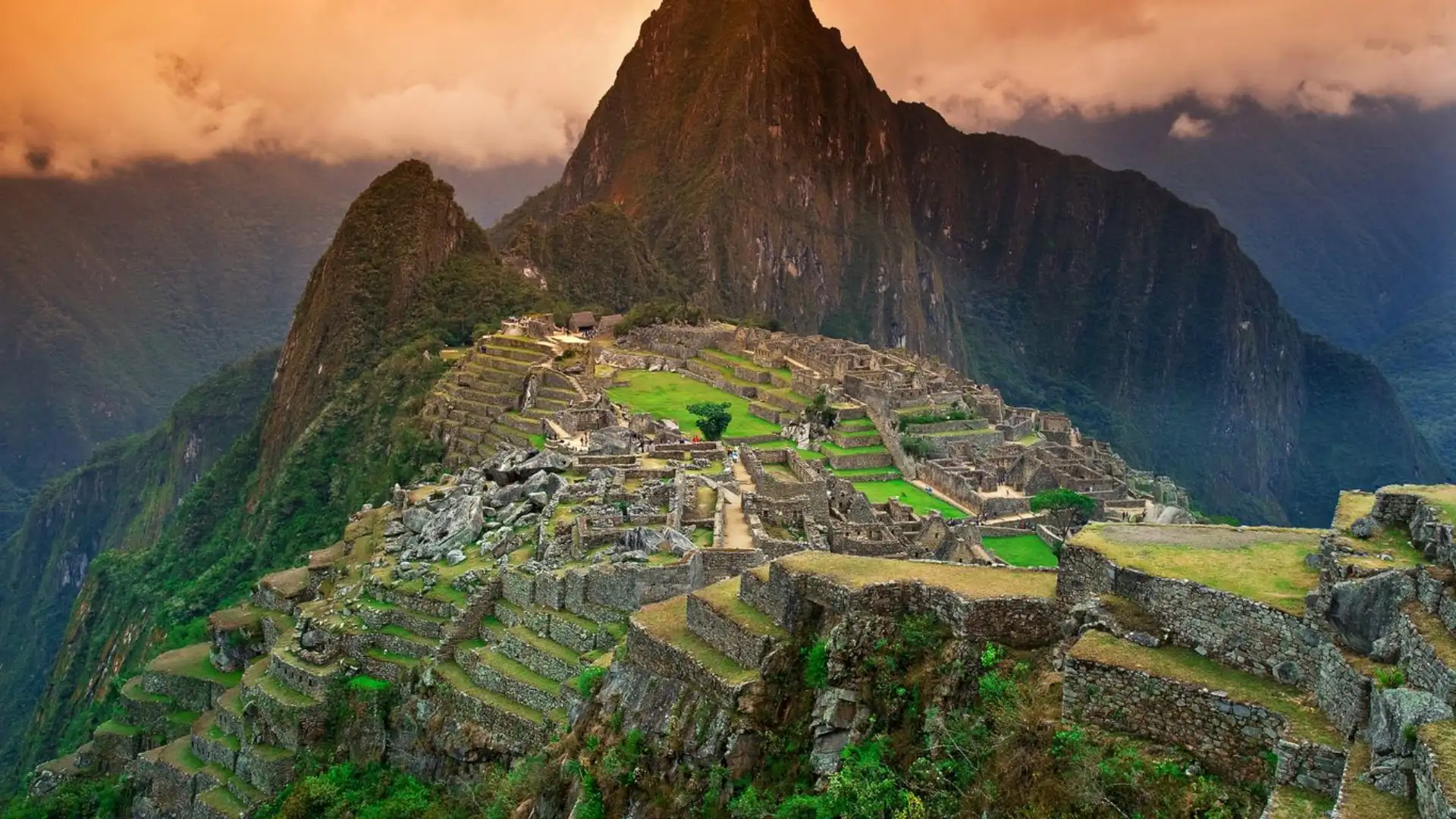
Machu Picchu sits high in the Andes Mountains of Peru, hidden among clouds. It looks like a city built for the sky.
The Inca emperor Pachacuti likely built it around 1450 AD as a royal estate or religious retreat. It was home to roughly 500 to 750 people.
When the Spanish conquered the Inca Empire in the 16th century, they never found Machu Picchu; the site was simply abandoned and swallowed by the jungle.
American historian Hiram Bingham brought it to the world’s attention in 1911. The stone blocks fit together so tightly that not even a knife blade can pass between them, all without any mortar.
Machu Picchu was built without the use of wheels, iron tools, or mortar; purely by human hands and stone.
13. Christ the Redeemer
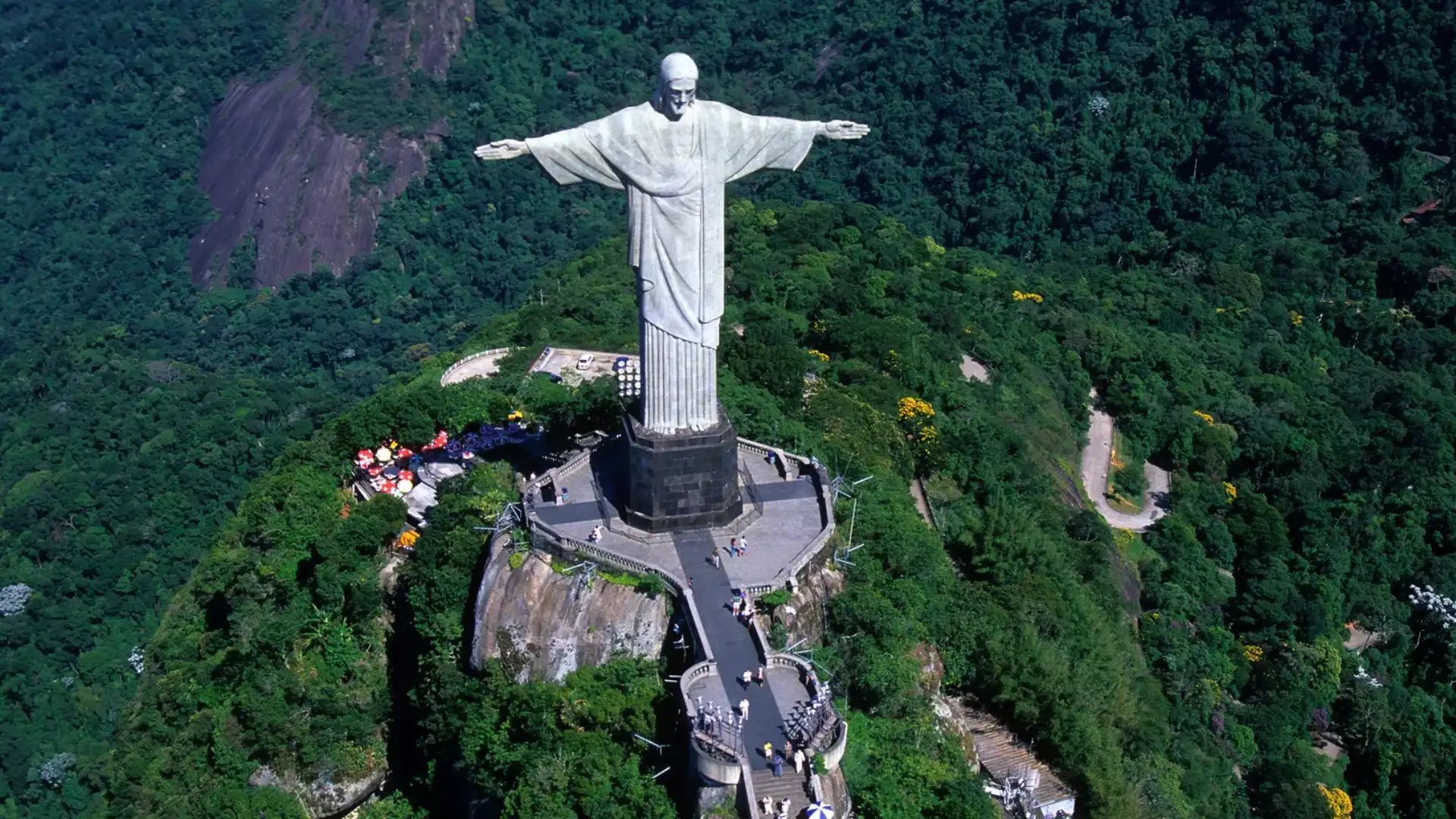
Christ the Redeemer stands with open arms over Rio de Janeiro, Brazil. It’s one of the most recognizable statues in the world.
The idea for the statue came up in the 1850s but was formally proposed in 1921 by a local Catholic group.
Brazilian engineer Heitor da Silva Costa designed it, while French sculptor Paul Landowski crafted the iconic figure. Construction took nine years, and the statue was inaugurated on October 12, 1931.
It stands 30 meters tall on an 8-meter pedestal atop Corcovado Mountain, looking over the entire city. Lightning strikes it several times every year.
14. Angkor Wat
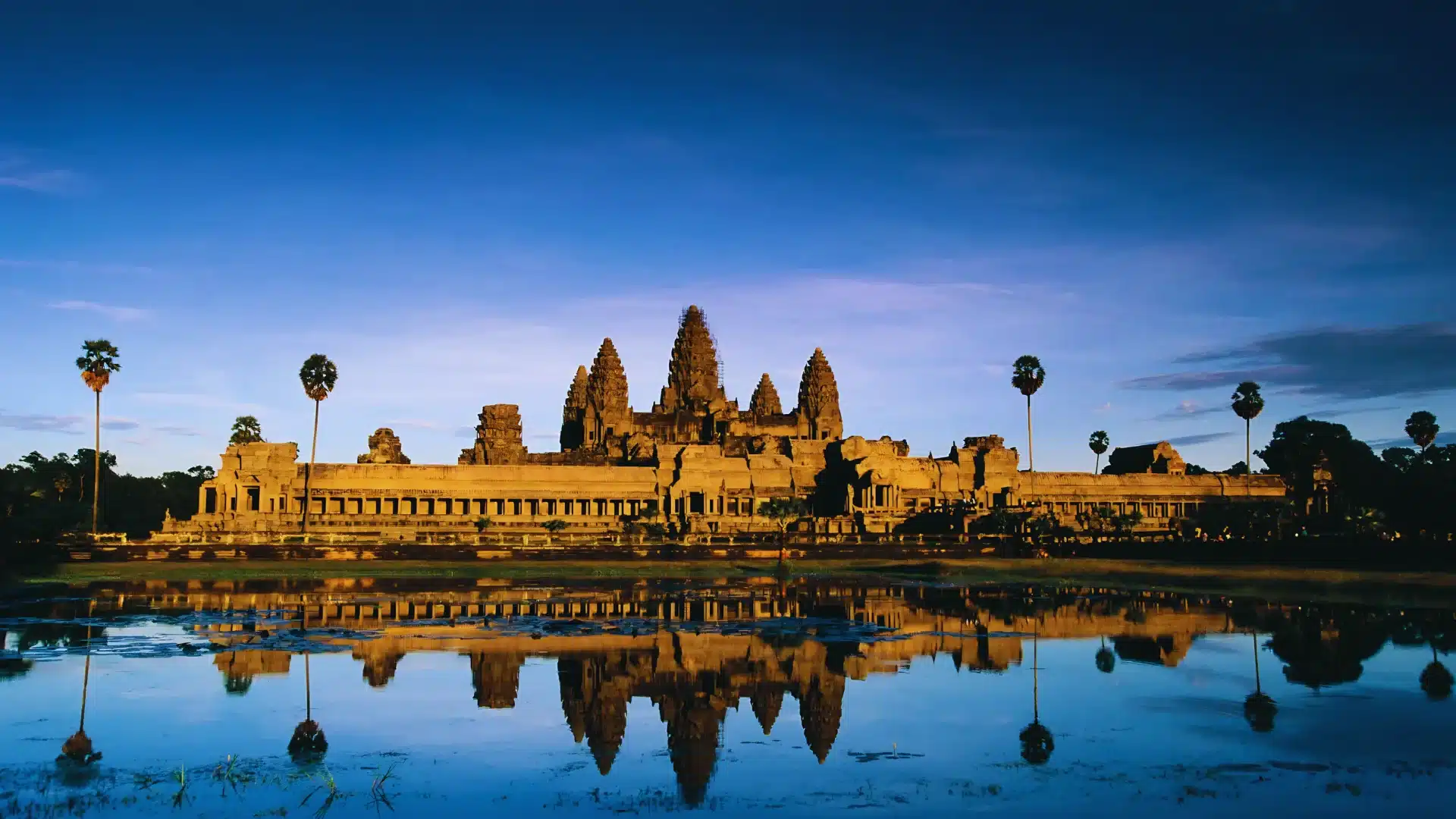
Angkor Wat in Cambodia is the largest religious monument ever built. It covers over 400 acres and took roughly 30 years to construct.
King Suryavarman II built it in the early 12th century as a Hindu temple dedicated to the god Vishnu. It later became a Buddhist temple, and still functions as one today.
The temple complex required moving more stone than the Great Pyramid of Egypt. Thousands of carved figures and miles of bas-relief artwork cover the walls.
The city of Angkor once supported over a million people, making it one of the largest pre-industrial cities in history.
Angkor Wat appears on the Cambodian national flag, the only building in the world to hold that distinction
15. Petronas Towers
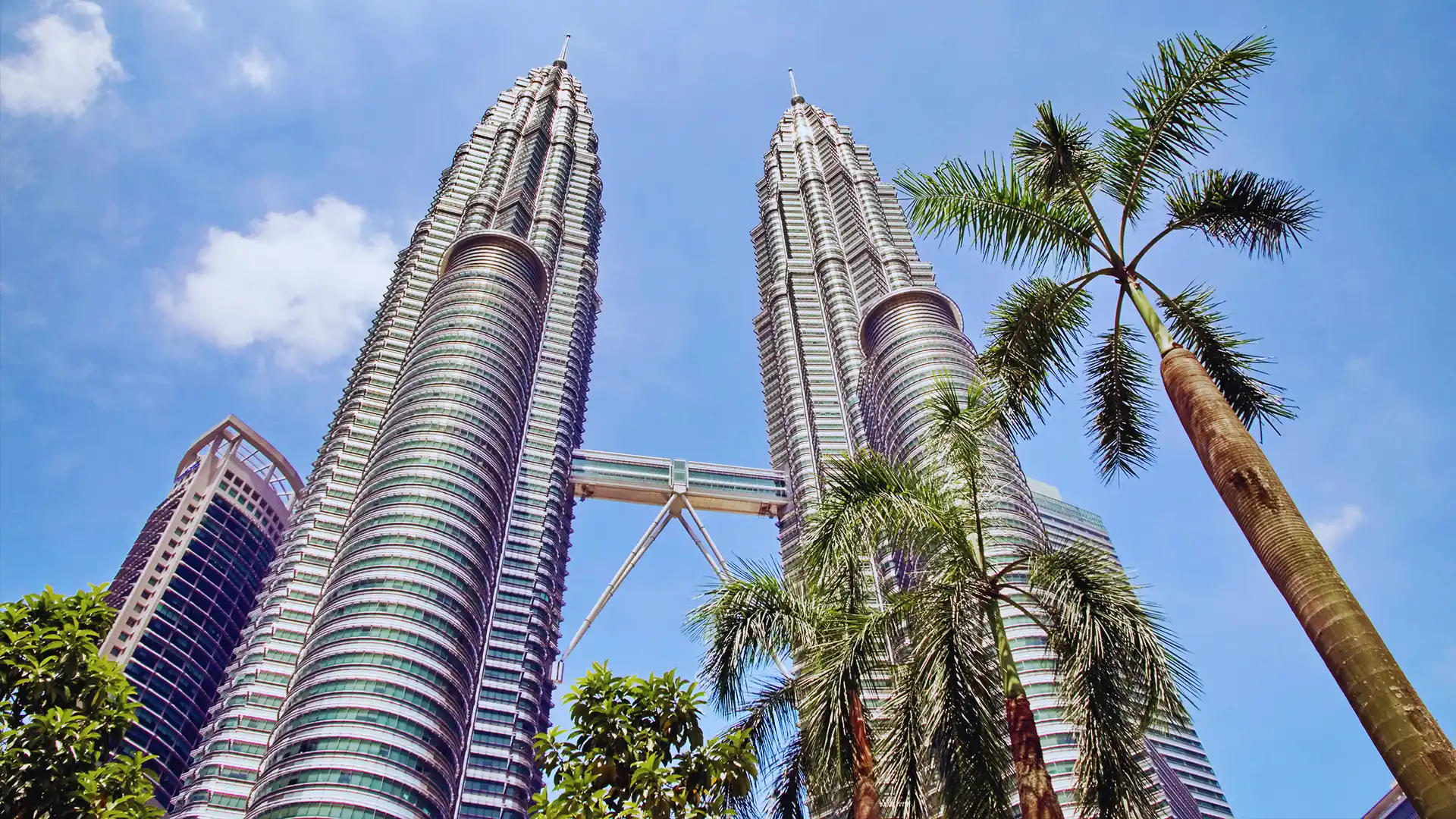
The Petronas Towers in Kuala Lumpur held the title of world’s tallest buildings from 1998 to 2004. Even today, they remain the tallest twin towers on Earth.
Argentine-American architect César Pelli designed them with Islamic geometric patterns, a nod to Malaysia’s cultural identity.
Construction began in 1992 and finished in 1998. Each tower has 88 floors. Interestingly, the two towers were built by different contractors, one from Japan, one from South Korea, and they literally raced each other to the top.
A sky bridge connects them on the 41st and 42nd floors.
Visit this famous architecture during May to July or December to February to avoid the heaviest monsoon rains.
16. Guggenheim Museum Bilbao
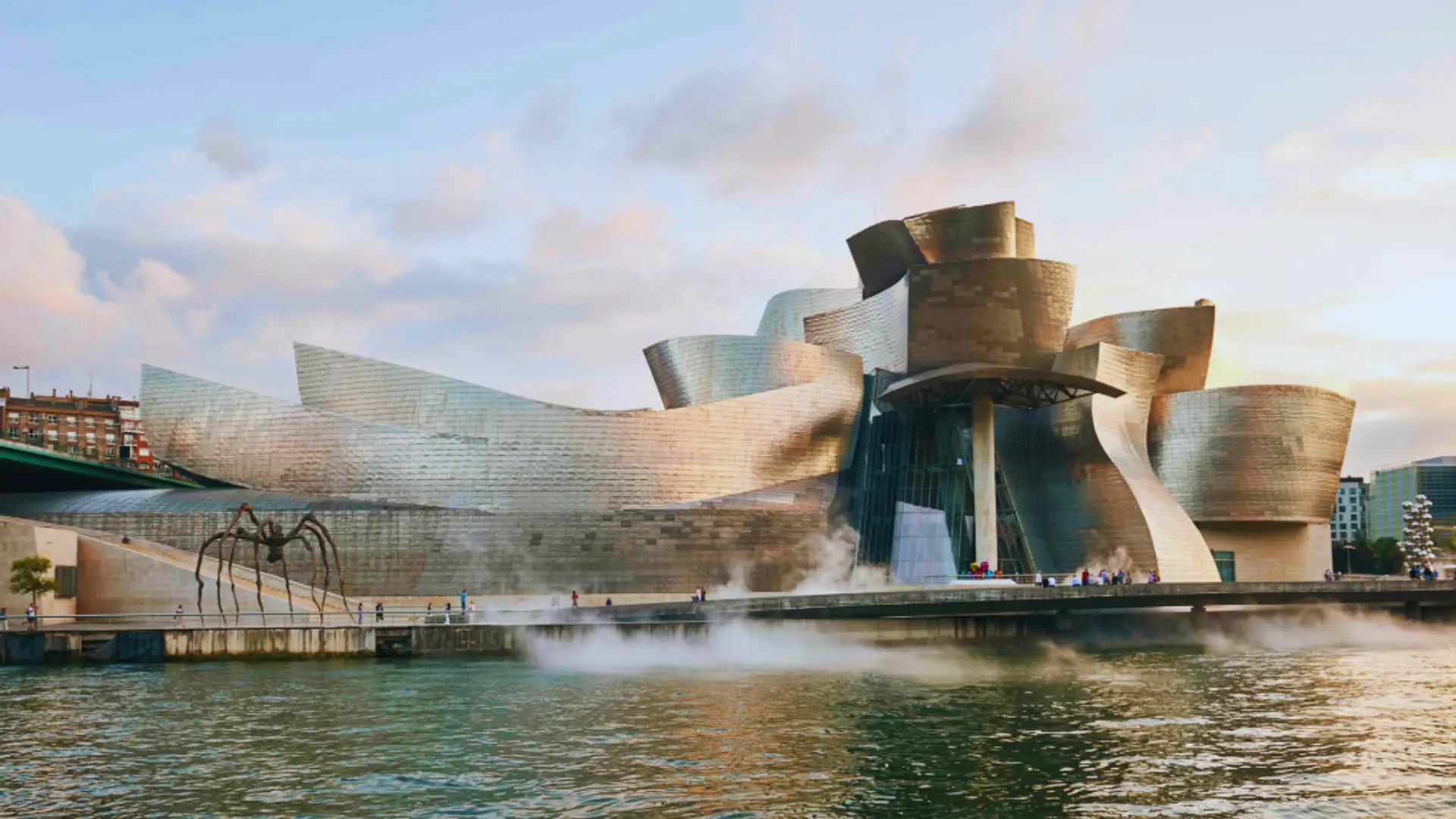
The Guggenheim Museum Bilbao doesn’t look like any museum you’ve seen before. Its curving titanium panels catch the light differently every hour of the day.
Frank Gehry designed it in 1991, and it opened in 1997 in Bilbao, Spain. The city was an industrial port in decline at the time.
The museum changed everything. Economists call it the “Bilbao Effect”, a single building that completely turned a struggling city around.
Gehry reportedly sketched the original design in just a few quick lines. The building uses 33,000 titanium tiles, each one unique in shape. It cost $89 million to build and earned that back within a year.
The titanium panels were chosen after Gehry’s team accidentally used titanium foil in a model, and loved how it looked in sunlight.
17. Fallingwater
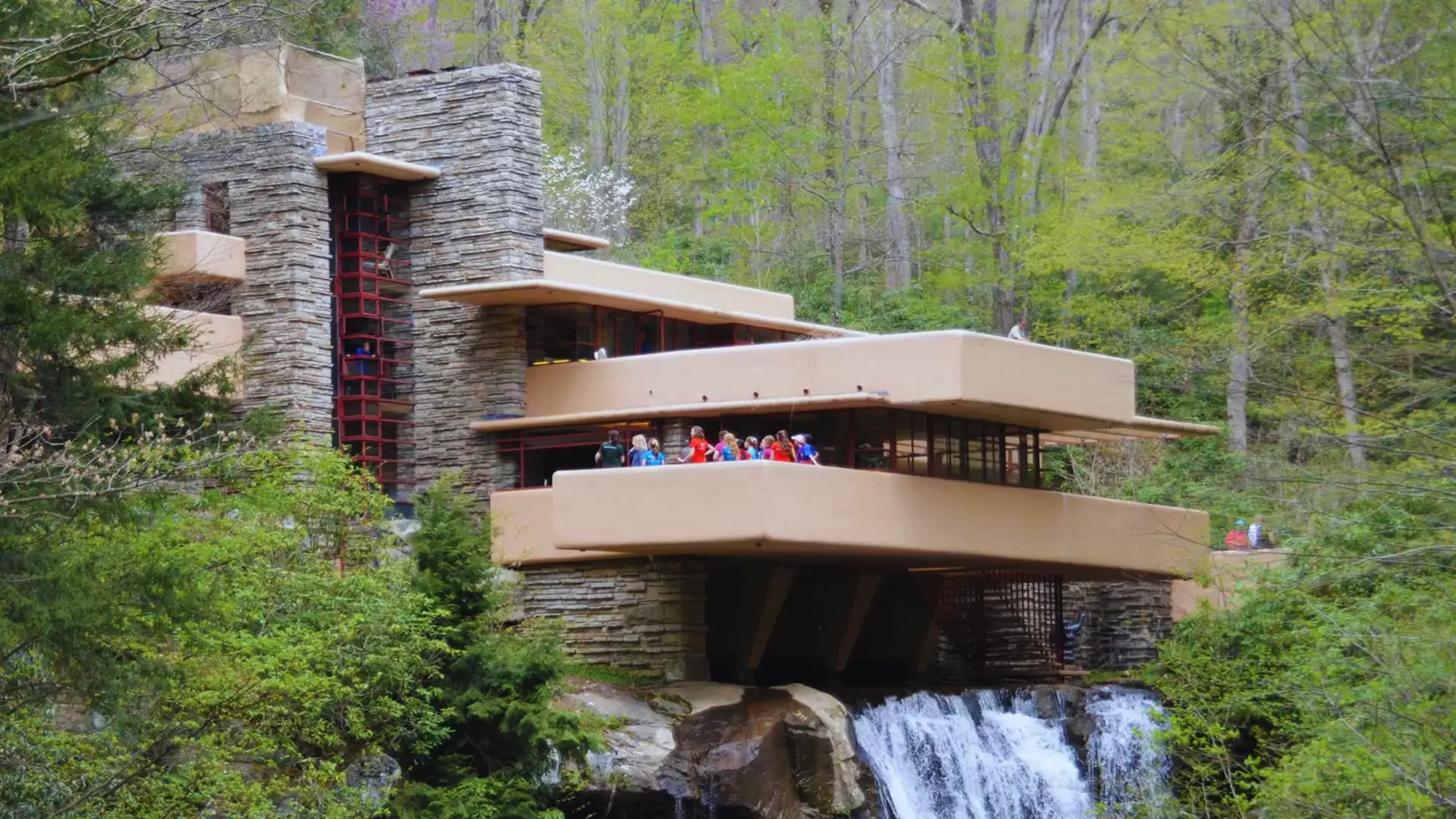
Fallingwater is a house built over a waterfall. That alone tells you everything about how bold its design really is.
Edgar Kaufmann Sr., a Pittsburgh department store owner, commissioned Frank Lloyd Wright in 1934 to design a weekend home in rural Pennsylvania.
Wright reportedly hadn’t touched the plans for months. When Kaufmann called to say he was coming to check progress, Wright sat down and drew the entire design in two hours. The house was completed in 1939.
It sits directly above Bear Run stream, with concrete terraces extending over the flowing water below. Engineers later found the original structure was under-reinforced and had to add support beams in 2002.
Frank Lloyd Wright was 68 years old when he designed this famous architecture, and many consider it his greatest work.
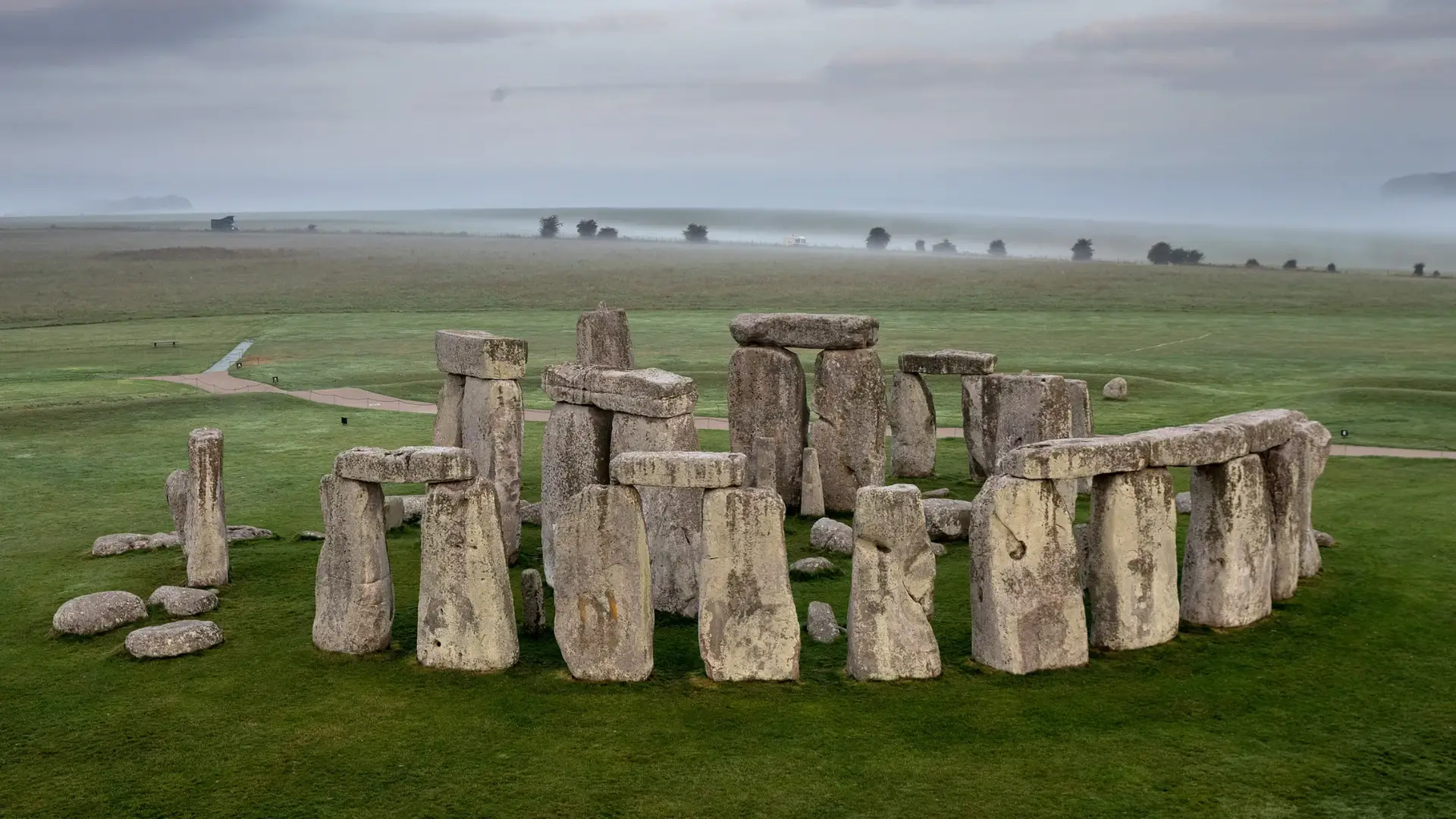
18. Stonehenge
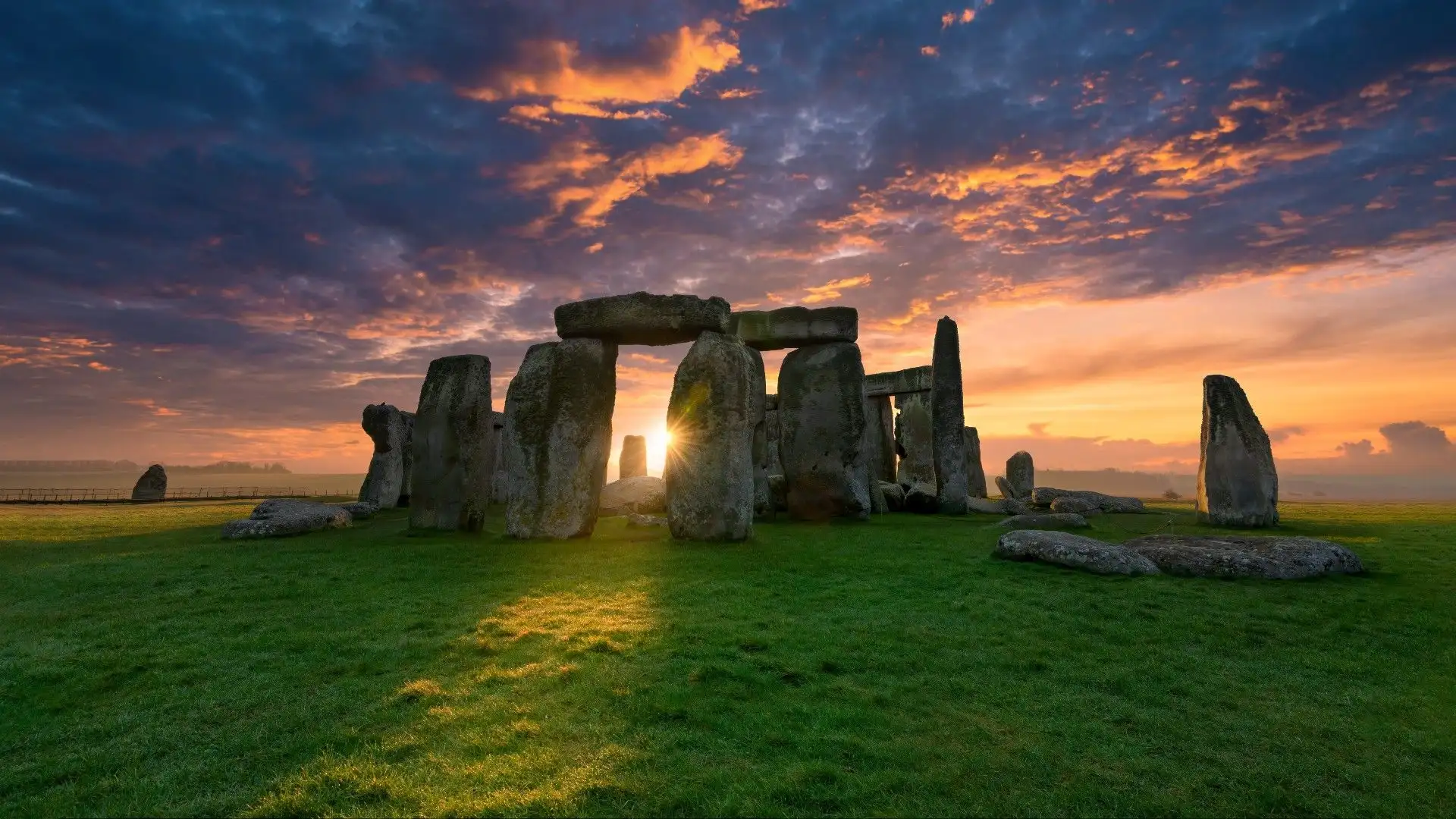
Stonehenge stands on Salisbury Plain in England, silent and still. No one knows exactly who built it or why, and that mystery is a big part of its pull.
Construction happened in several phases, starting around 3000 BC and continuing until roughly 1500 BC. The large sarsen stones weigh up to 25 tons each and were quarried 25 miles away.
The smaller bluestones were transported from Wales, over 150 miles. How prehistoric people moved them without wheels or modern tools remains one of archaeology’s great questions.
The site aligns perfectly with the sunrise on the summer solstice and the sunset on the winter solstice.
Stonehenge’s stones are aligned so precisely with the sun that some researchers believe it was used as an ancient calendar.
19. Golden Gate Bridge
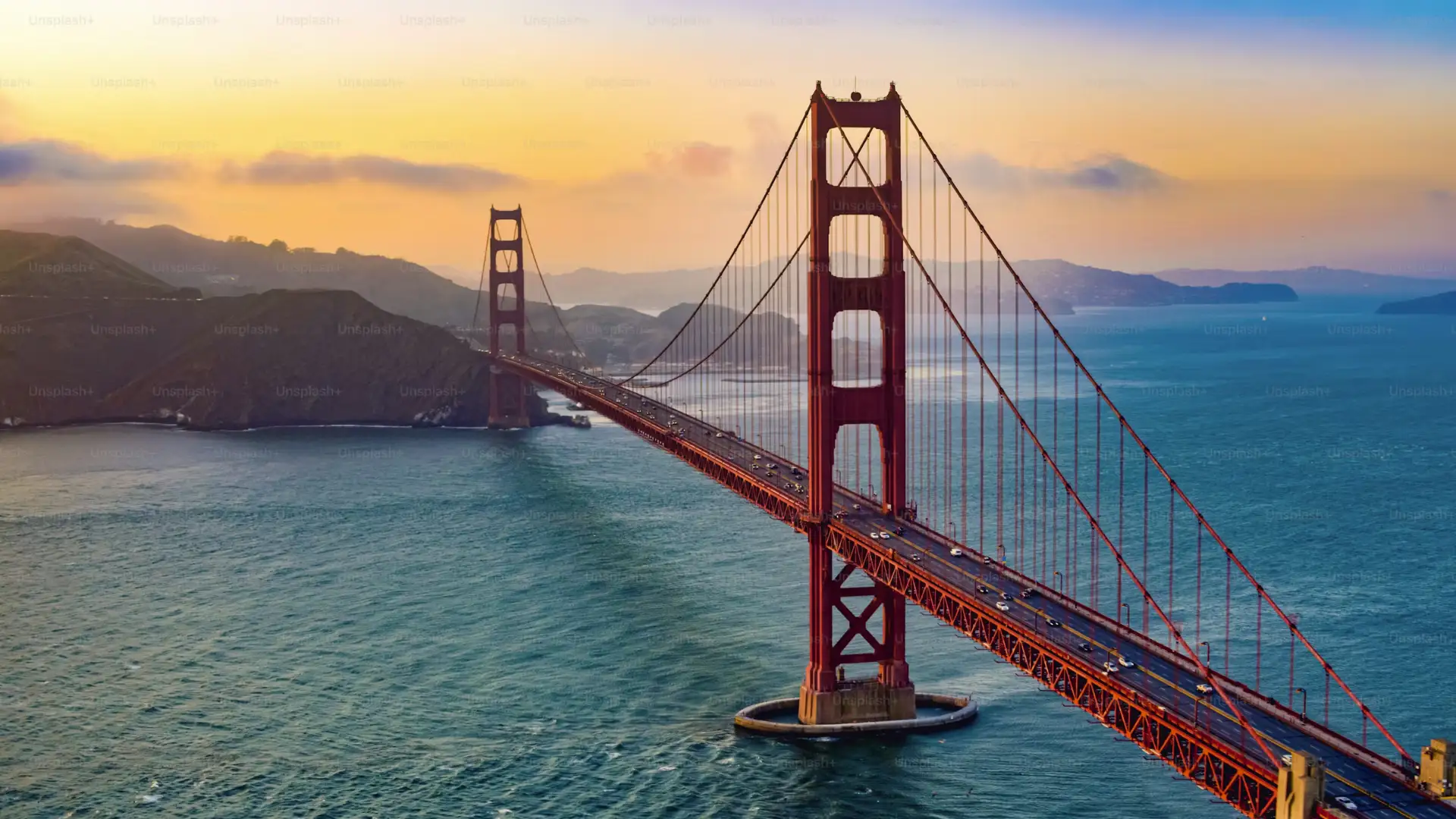
The Golden Gate Bridge stretches across San Francisco Bay in a single, confident sweep of orange-red steel. It’s hard to look at it without feeling something.
When construction was proposed in the 1920s, engineers called it impossible. The currents were too strong, the fog too thick, the water too deep. Joseph Strauss pushed the project forward anyway.
Construction began in 1933 and finished in 1937, four months ahead of schedule and under budget. It was the longest suspension bridge in the world at the time.
The color, officially called “International Orange,” was originally just a primer coat, but everyone liked it so much that it stayed.
20. Taj Mahal
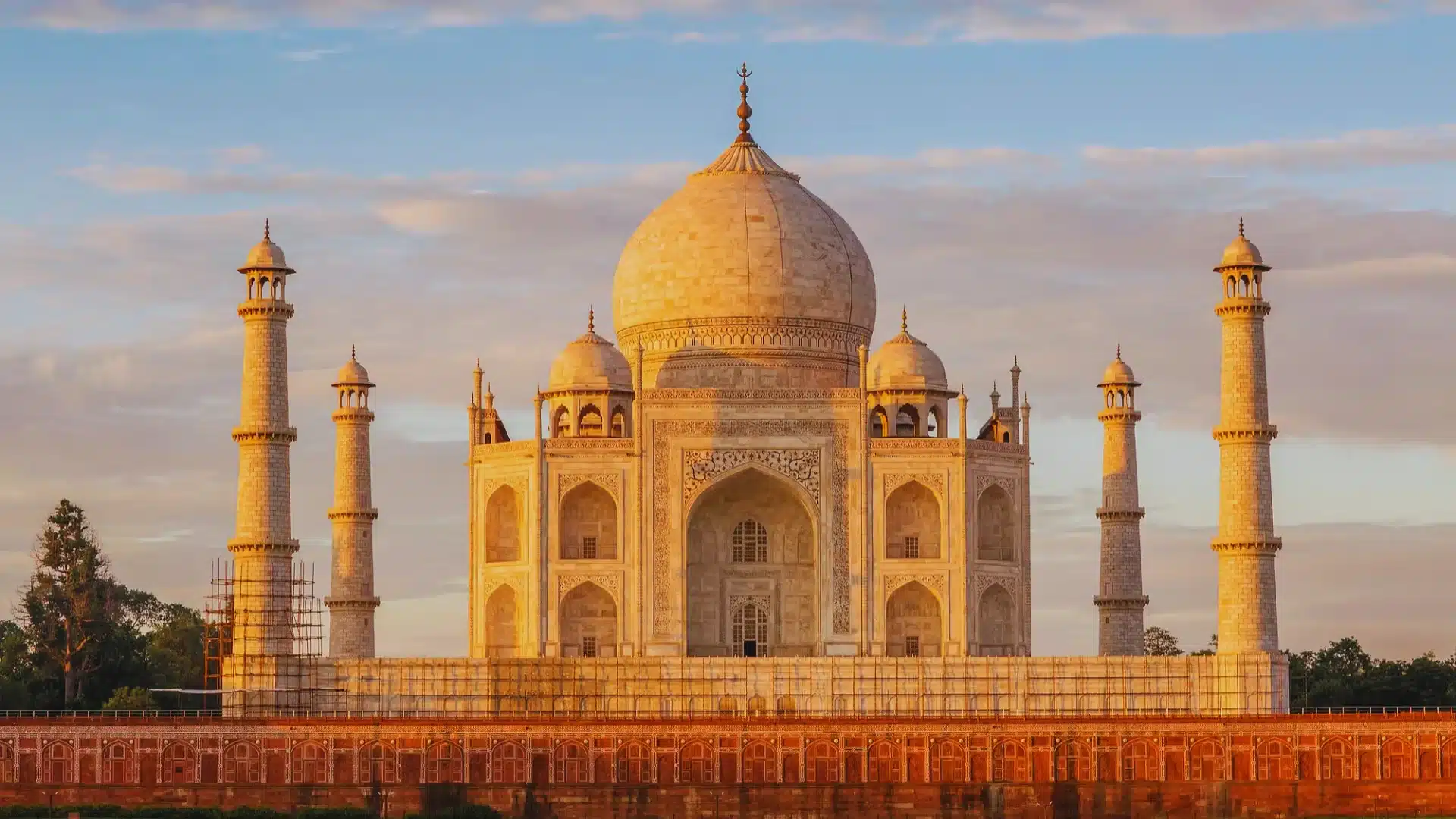
The Taj Mahal is one of the most famous architecture in the world. It’s a love story carved in white marble. It sits on the banks of the Yamuna River in Agra, India.
Mughal Emperor Shah Jahan built it between 1632 and 1653 in memory of his wife Mumtaz Mahal, who died during childbirth.
Over 20,000 workers and 1,000 elephants helped construct it. The white marble changes color through the day, pink at dawn, white at noon, golden at night.
Some say Shah Jahan planned a twin of black marble across the river but never built it.
21. Louvre Pyramid
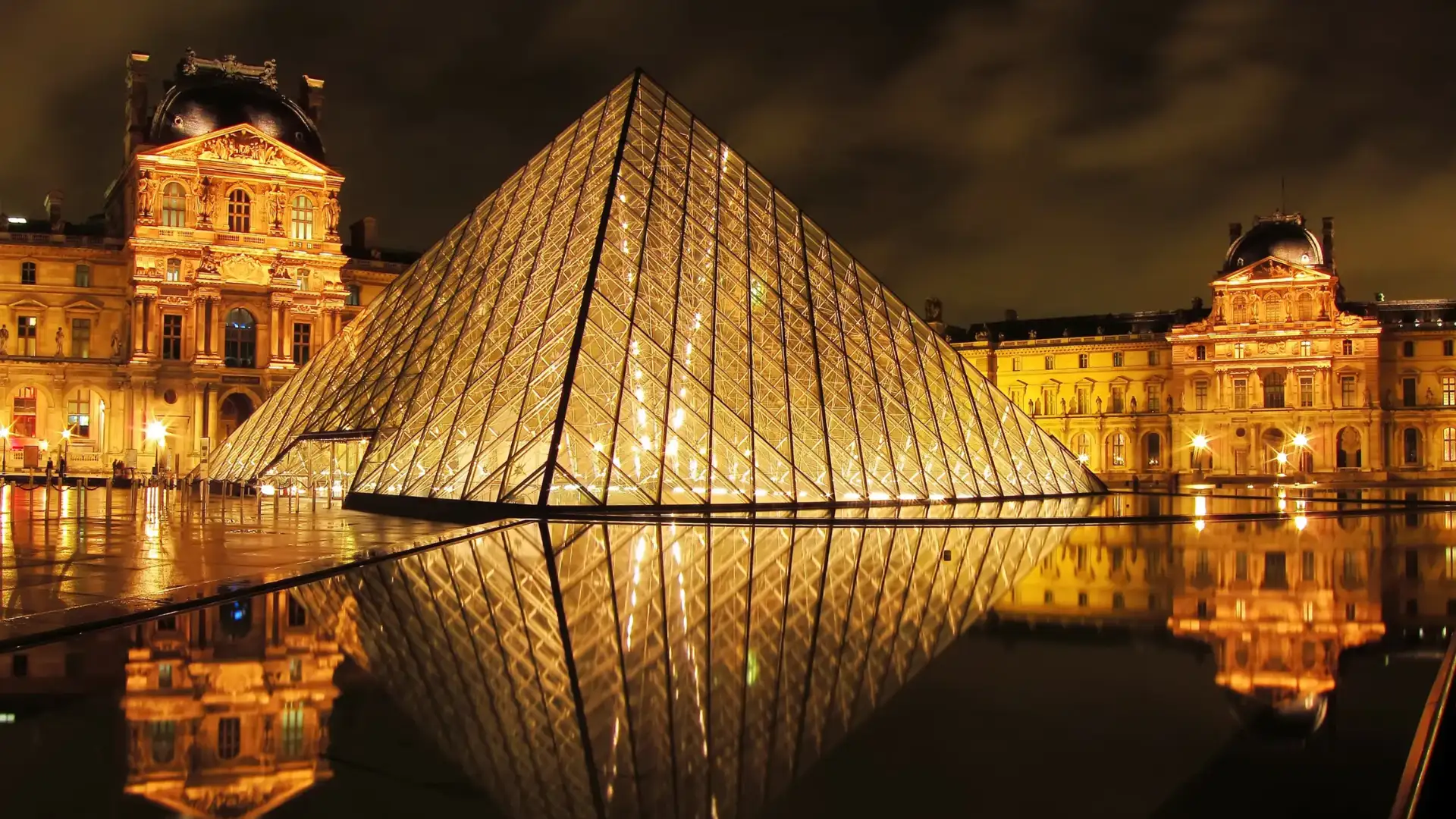
The Louvre Pyramid looks like it landed in the courtyard of a 17th-century palace from another time entirely.
Chinese-American architect I. M. Pei was commissioned by French President François Mitterrand in 1984.
The design was deeply controversial. Parisians were furious; they felt a glass pyramid had no place next to a historic palace. Pei stood firm.
It opened in 1989 and quickly became one of the most celebrated pieces of modern architecture in the world.
The pyramid serves as the main entrance to the Louvre Museum and brings natural light into the underground lobby below.
This iconic architecture is a part of the “Paris, Banks of the Seine” UNESCO World Heritage Site since 1991.
22. Big Ben
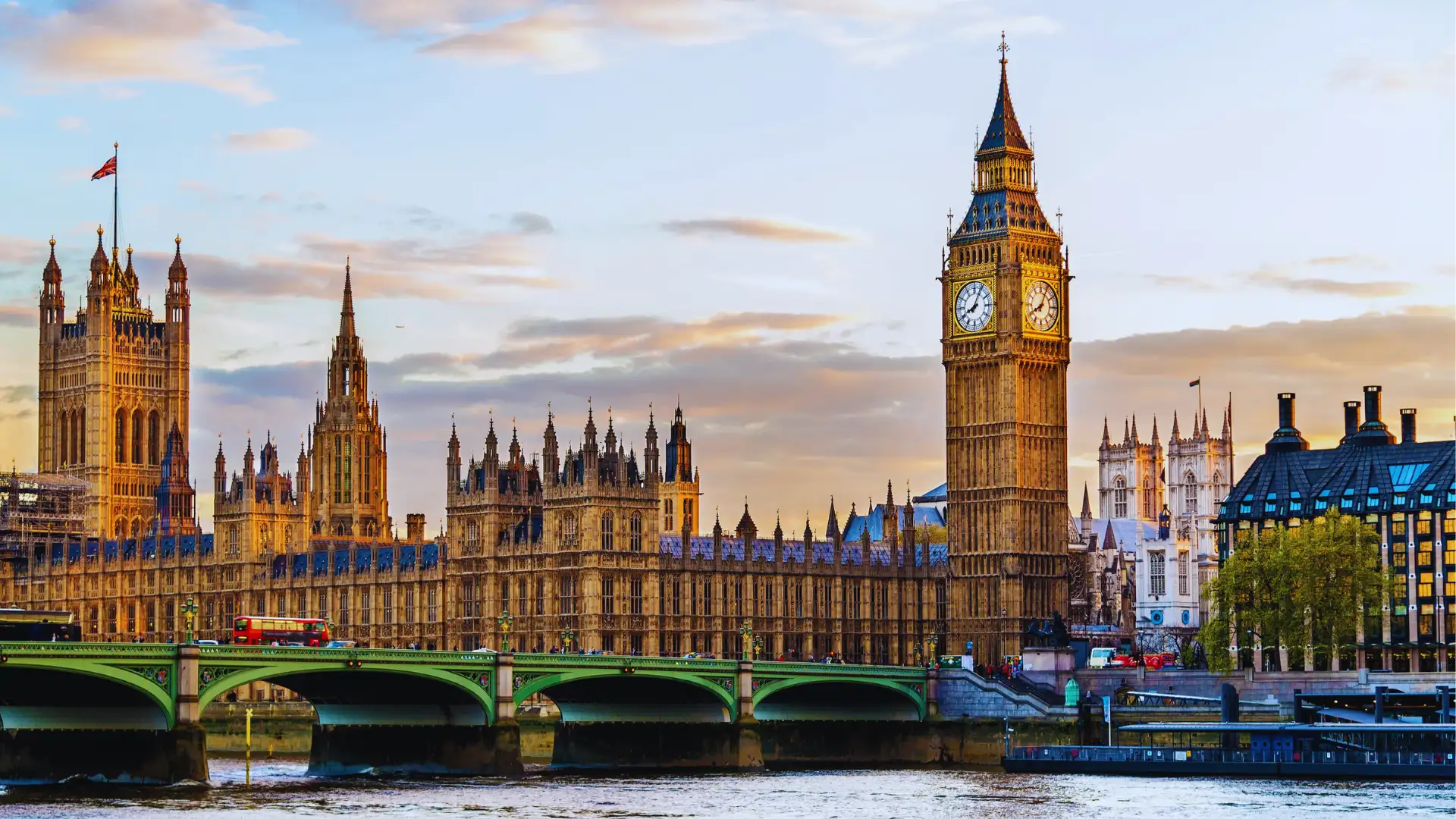
Big Ben is the sound of London. That deep, resonant chime has marked the hours for over 160 years and become one of the most recognizable sounds on Earth.
The clock tower was completed in 1859 as part of the rebuilding of the Palace of Westminster after a fire destroyed the original in 1834.
Charles Barry designed the Gothic Revival building, while Augustus Pugin created the ornate interior details. “Big Ben” technically refers to the great bell inside the tower, not the tower itself.
The tower was officially renamed Elizabeth Tower in 2012 to honor Queen Elizabeth II’s Diamond Jubilee. It underwent a major restoration from 2017 to 2022.
23. Bahá’í Lotus Temple
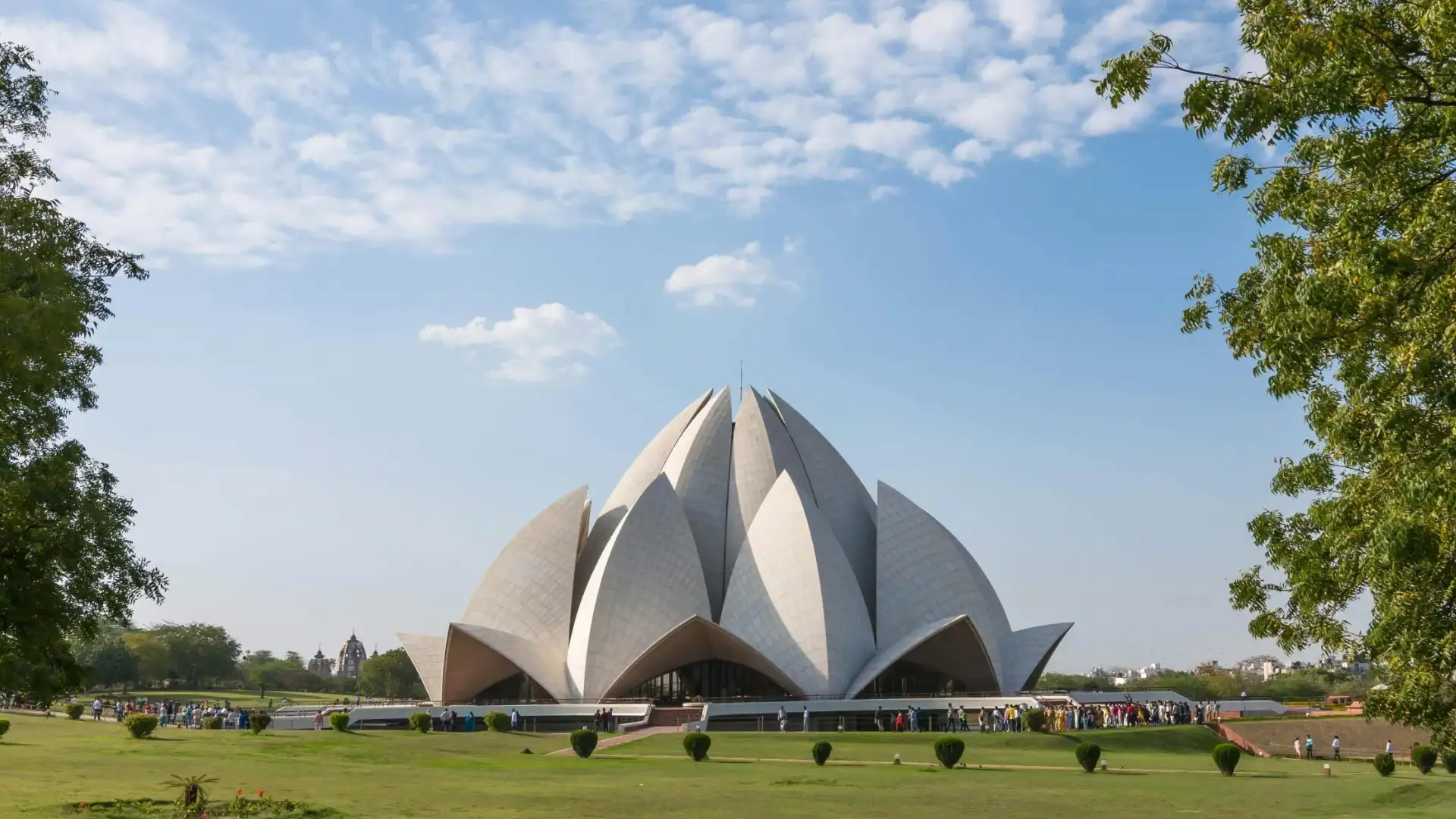
The Lotus Temple in New Delhi opens like a flower in bloom. It’s one of the most visited buildings in the world, and one of the most peaceful.
Iranian-Canadian architect Fariborz Sahba designed it, and it opened in 1986. The structure has 27 free-standing marble-clad petals arranged in groups of three, forming the shape of a lotus flower.
It belongs to the Bahá’í Faith, which holds that all religions are one. The temple welcomes people of every faith; no prayers, sermons, or rituals take place inside.
The best time to visit is from October to March, when Delhi’s weather is cooler; avoid visiting during the monsoon season.
To Wrap Up
These famous architecture are more than stone, steel, and glass. Each one carries a story of ambition, loss, faith, or sheer human stubbornness.
Some of these structures took decades to build. Some were hated before they were loved. And some were never even meant to last.
Yet here they are.
If any one of these caught your eye, go read more about it.
Which one would you visit first? Drop your answer in the comments; we’d love to know.
Frequently Asked Questions (FAQs)
1. Who is Known as The Poor Man’s Architect?
Hassan Fathy is known as the poor man’s architect. He designed low-cost homes in Egypt using traditional mud-brick methods.
2. Does James Madison Have Architecture?
Yes. Montpelier, James Madison’s Virginia estate, reflects Federal-style architecture. He made several renovations to the mansion throughout his lifetime.
3. Who is the Man Considered America’s Greatest Architect?
Frank Lloyd Wright is widely considered America’s greatest architect. His organic designs, including Fallingwater and the Guggenheim Museum, changed architecture forever.