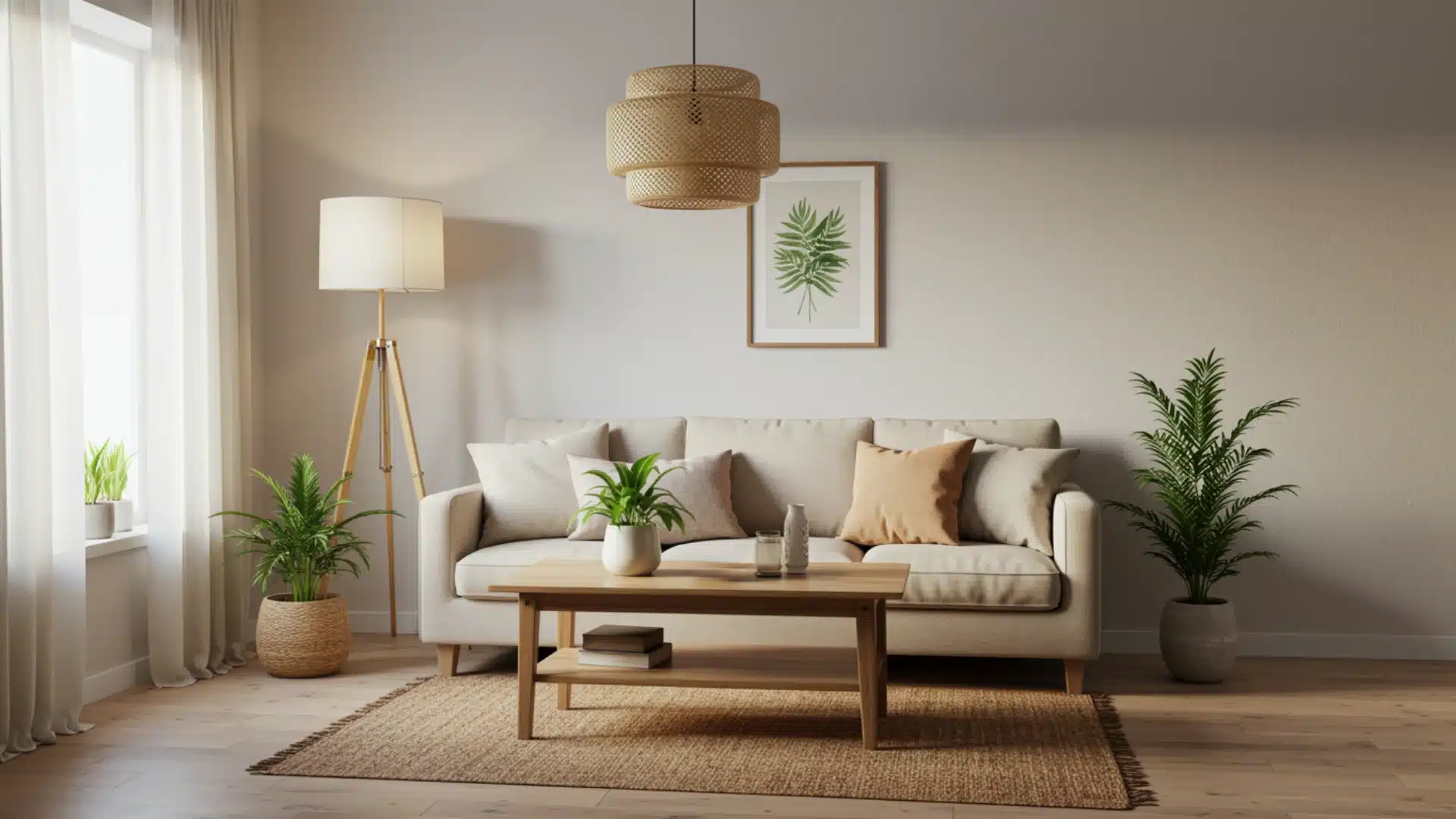
That one wall in your living room, the one you keep meaning to do something about, or the corner that collects clutter because nothing ever looks right there.
It’s not that you have bad taste. Decor just gets confusing fast.
Too many options, and opinions, and suddenly you’re three hours into a Pinterest scroll with nothing to show for it.
You don’t need all that noise. The home decor ideas by The HomeTrotters are specific, easy to act on, and built around how real homes actually look, not showrooms.
A few focused changes can make a room’s aesthetic feel completely different.
What Defines Thehometrotters Style in Home Decor?
The Hometrotters’ style draws on travel, culture, and everyday life.
It’s not a single look, it’s a mix that feels personal and put-together at the same time.
This style sits close to what designers call biophilic design – the practice of bringing natural materials and organic textures into a space to make it feel calmer and more human.
Where it pulls away from that is in the cultural layer.
A hand-thrown bowl from a Moroccan market or a block-printed textile from Rajasthan adds something a purely nature-led interior rarely achieves: the feeling that someone with a real history lives there.
Woven baskets, hand-printed textiles, ceramic pieces from different parts of the world, these aren’t just decor.
They add character that a generic showroom piece simply can’t.
What makes it work is the balance:
- Minimal layouts with one or two expressive statement pieces.
- Natural materials like wood, linen, rattan, and stone are the base.
- Cultural accents are layered in without overwhelming the space.
Modern people connect with this style because it doesn’t feel staged. It feels like someone actually lives there.
Design Elements and Color Palette
This decor stays grounded in heat and simplicity. Every element has a purpose; nothing is there just to fill space.
| Element | Details | Colors |
|---|---|---|
| Base Colors | Sets the tone for the whole room | Warm white, sandy beige, soft terracotta |
| Accent Colors | Added in small doses for depth | Deep green, burnt orange, muted blue |
| Key Materials | Wood, rattan, linen, stone, jute | Natural, earthy tones throughout |
| Textures | Rough with smooth, matte with natural grain | Tone-on-tone, no sharp contrasts |
| Lighting | Warm-toned, soft, never harsh | Amber, soft gold hues |
| Statement Pieces | One per room rug, vase, or wall accent | Bold but grounded in the base palette |
| Cultural Accents | Hand-crafted, travel-sourced objects | Rich ochres, dusty reds, earthy browns |
| Layout | An open and breathable space is part of the design | Neutral backdrop, let materials speak |
Why Warm Tones Work Better in Most Homes?
Warm tones reflect light softly, making spaces feel larger and more comfortable.
Cooler tones absorb light and can make a room feel closed-in.
For most homes, warm always wins and that same thinking carries through into design styles that favour natural, imperfect, and handmade over cold and polished.
Sustainable Materials
Natural materials have stayed relevant in interiors for one simple reason: they last.
Wool softens with use rather than pilling. Solid wood can be sanded and refinished. Rattan flexes rather than cracks. Linen gets better with every wash.
Synthetic alternatives tend to look good for a season and tired by the next.
Choosing natural isn’t just an aesthetic decision – it’s the more practical one over time.
Living Room Home Decor Ideas – Thehometrotters Style
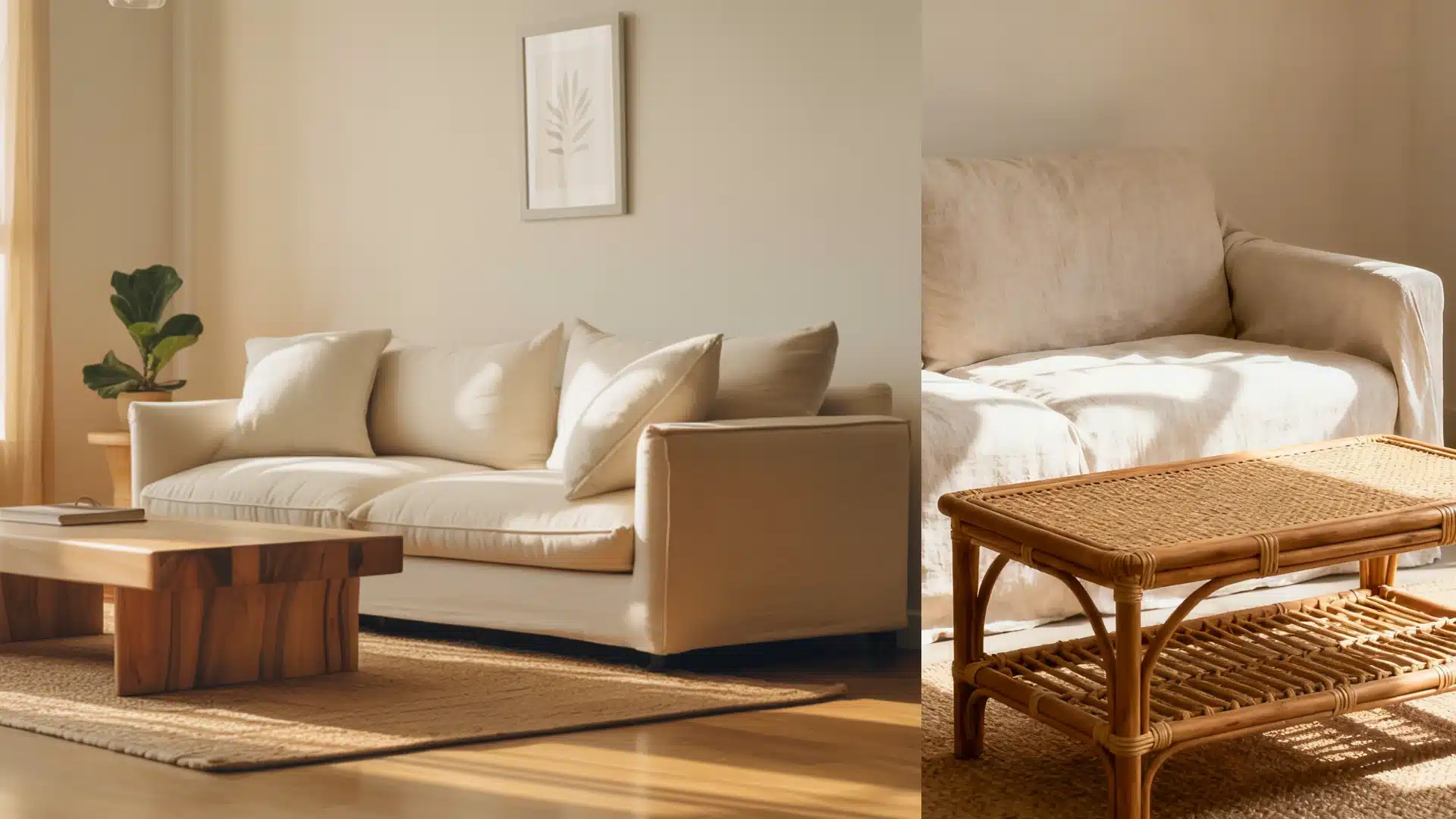
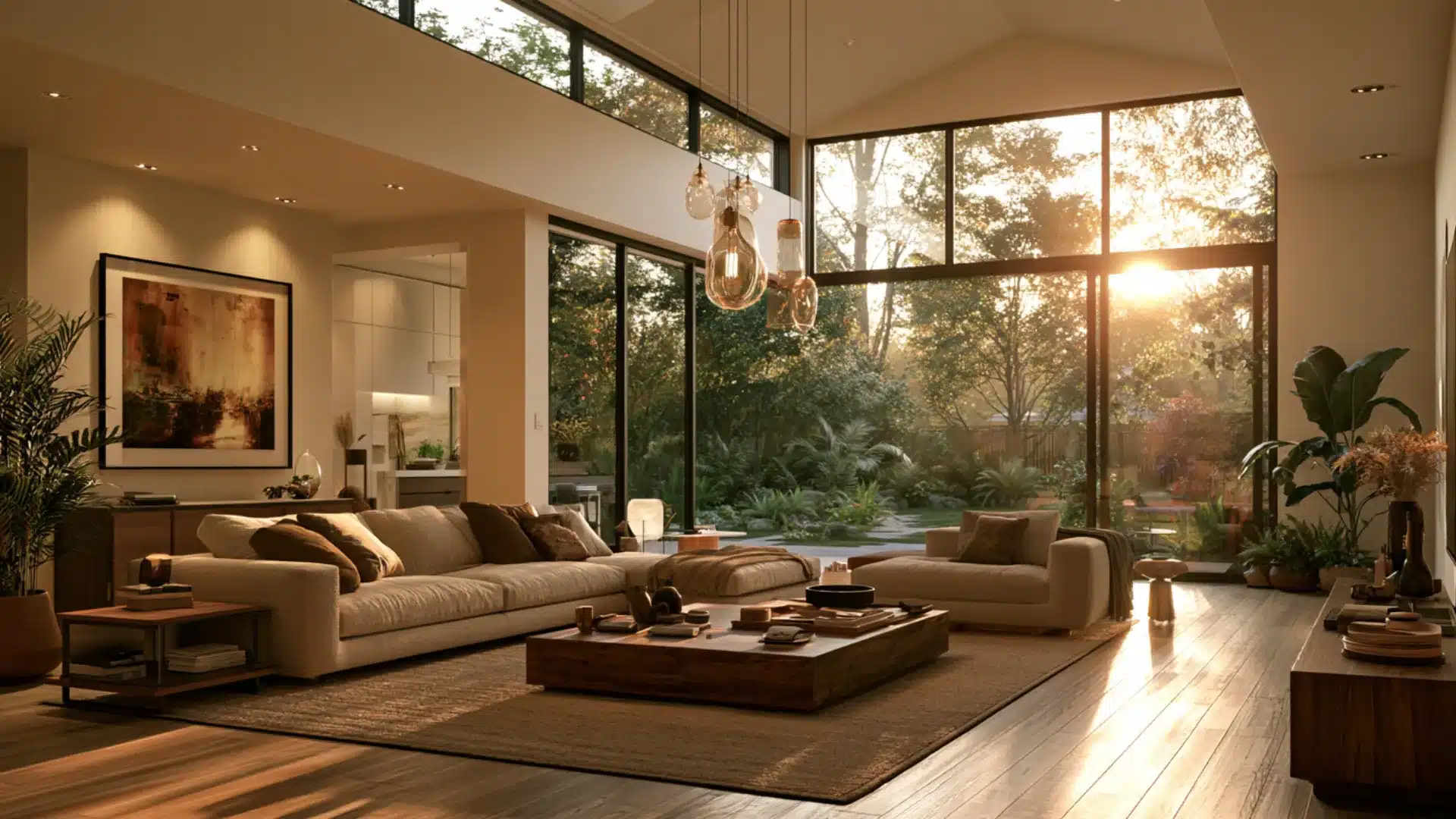
The living room sets the tone for the rest of your home.
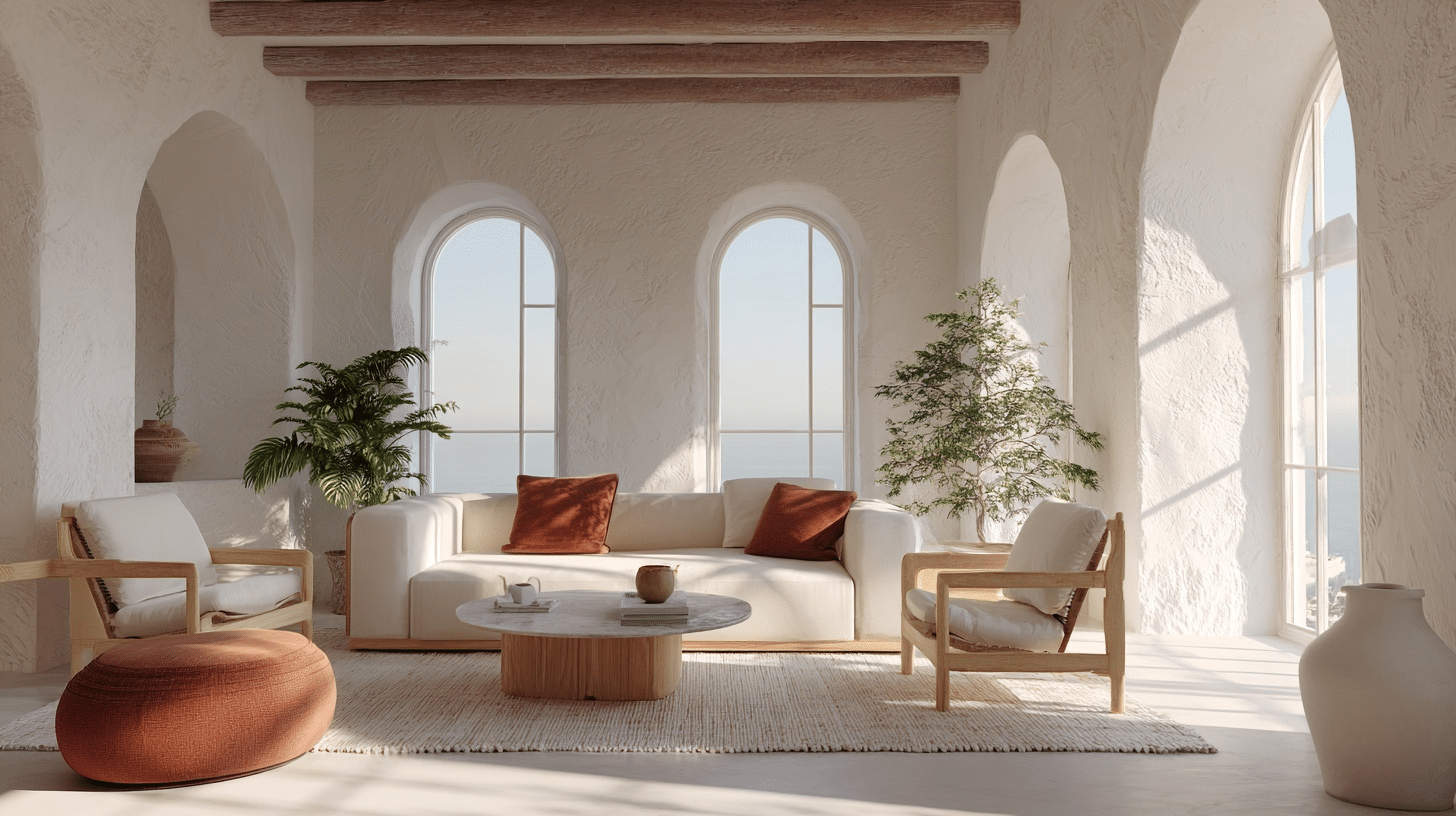
A rattan coffee table, a linen sofa, and a jute rug; these three alone can anchor a whole room. Add one cultural accent, like a hand-thrown ceramic bowl or a woven wall piece.
One thing worth knowing: rattan and jute are durable but sensitive to sustained moisture. In humid climates or poorly ventilated rooms, they can soften or discolour over time.
Keep them away from direct contact with plant drainage and wipe with a dry cloth rather than a damp one.
Keep seating open, away from the walls. That breathing room is what makes a space feel considered, not crowded.
Bedroom Styling Ideas Inspired by Thehometrotters
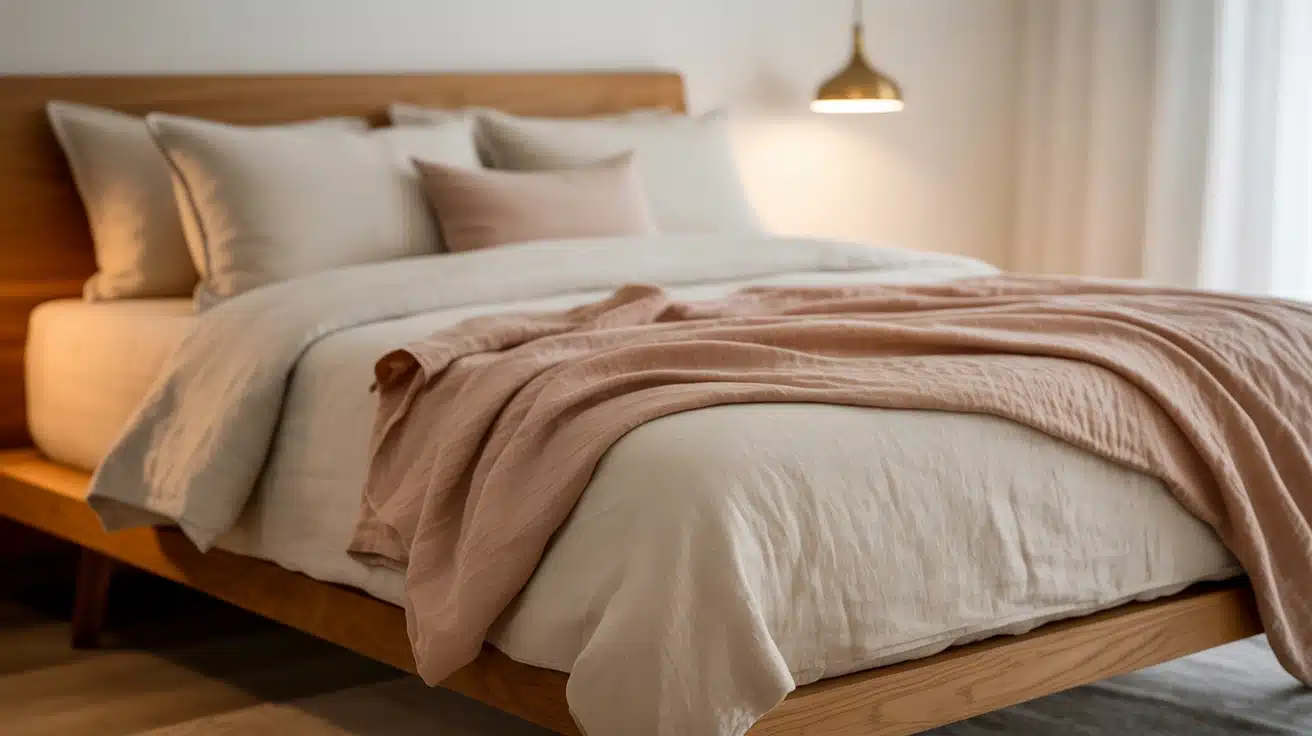
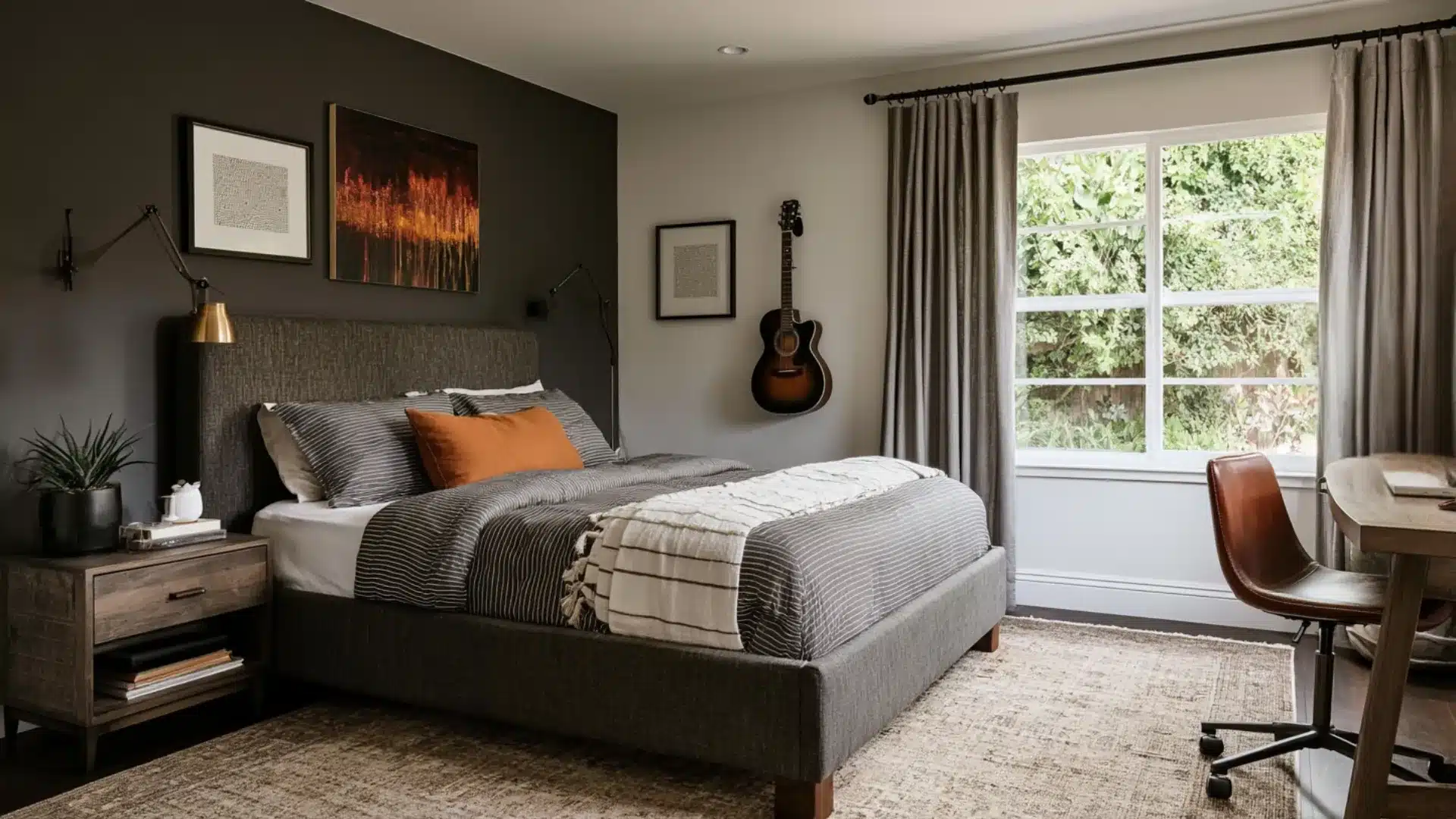
Your bedroom should feel like the quietest, most personal room in the house.
Layer Bedding Not Clutter
Skip the pillow overload.
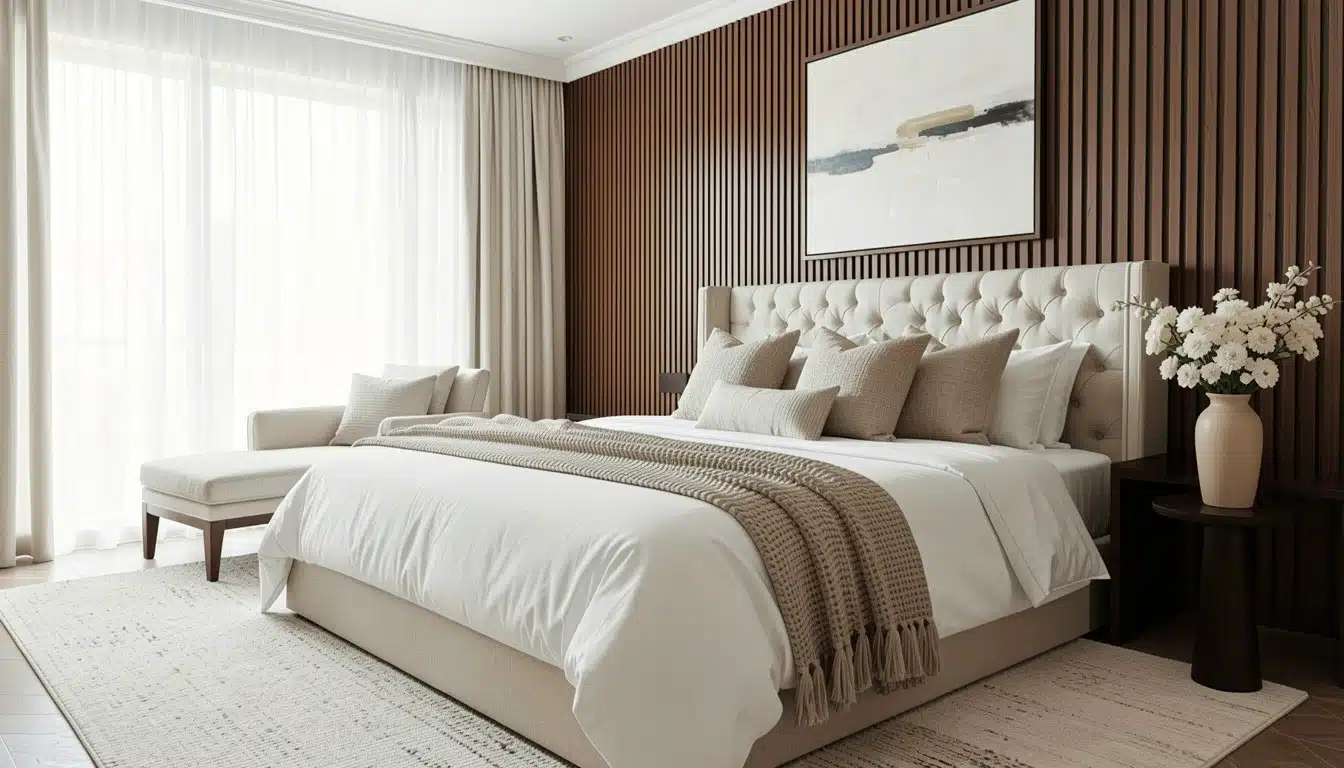
A linen duvet, a cotton knit throw, and one solid cushion are enough. Stick to cordial whites, soft clay, or dusty sage. A low wooden bed frame keeps things grounded.
Swap your bedside table lamp for a pendant light to free up surface space entirely.
Keep One Surface Intentional
A bedside table doesn’t need five things on it. One book, one small plant, one light source that’s it.
Keeping surfaces clear makes the room feel restful, not cluttered.
Use the Wall Behind Your Bed
Skip the oversized headboard art.
A single narrow shelf with two or three objects works better. It adds personality without competing with the rest of the room
Bathroom Styling Ideas
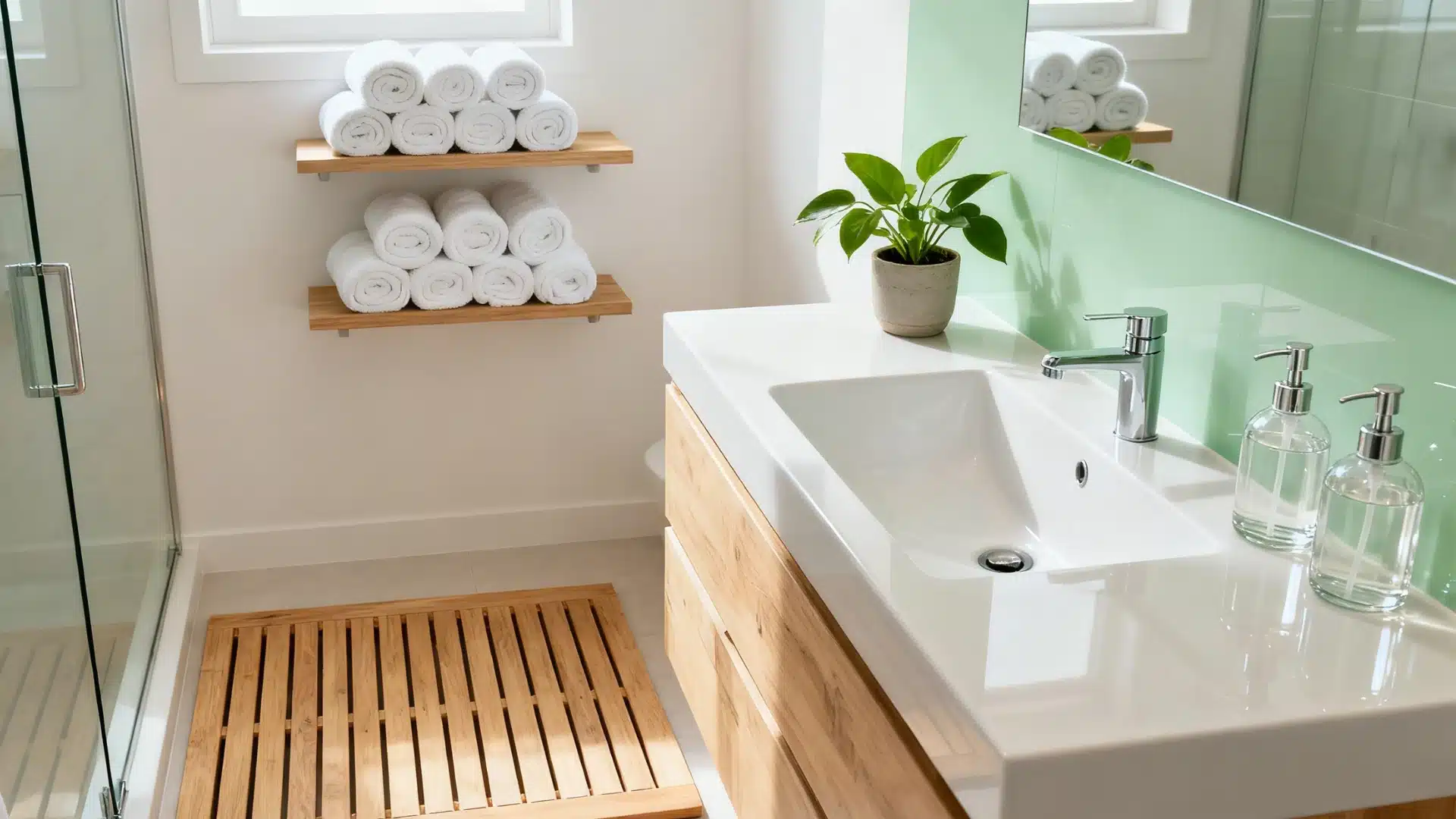
Most bathrooms are an afterthought. They don’t have to be. Start with the small swaps:
- Plastic dispensers out, ceramic or glass ones in.
- Rolled towels, rather than flat-hung ones, add texture and save space.
- A teak stool or wooden bath mat for heat.
- One pothos or peace lily for life and humidity balance.
- Linen hand towel instead of cotton, it just feels better.
Kitchen and Dining Decor
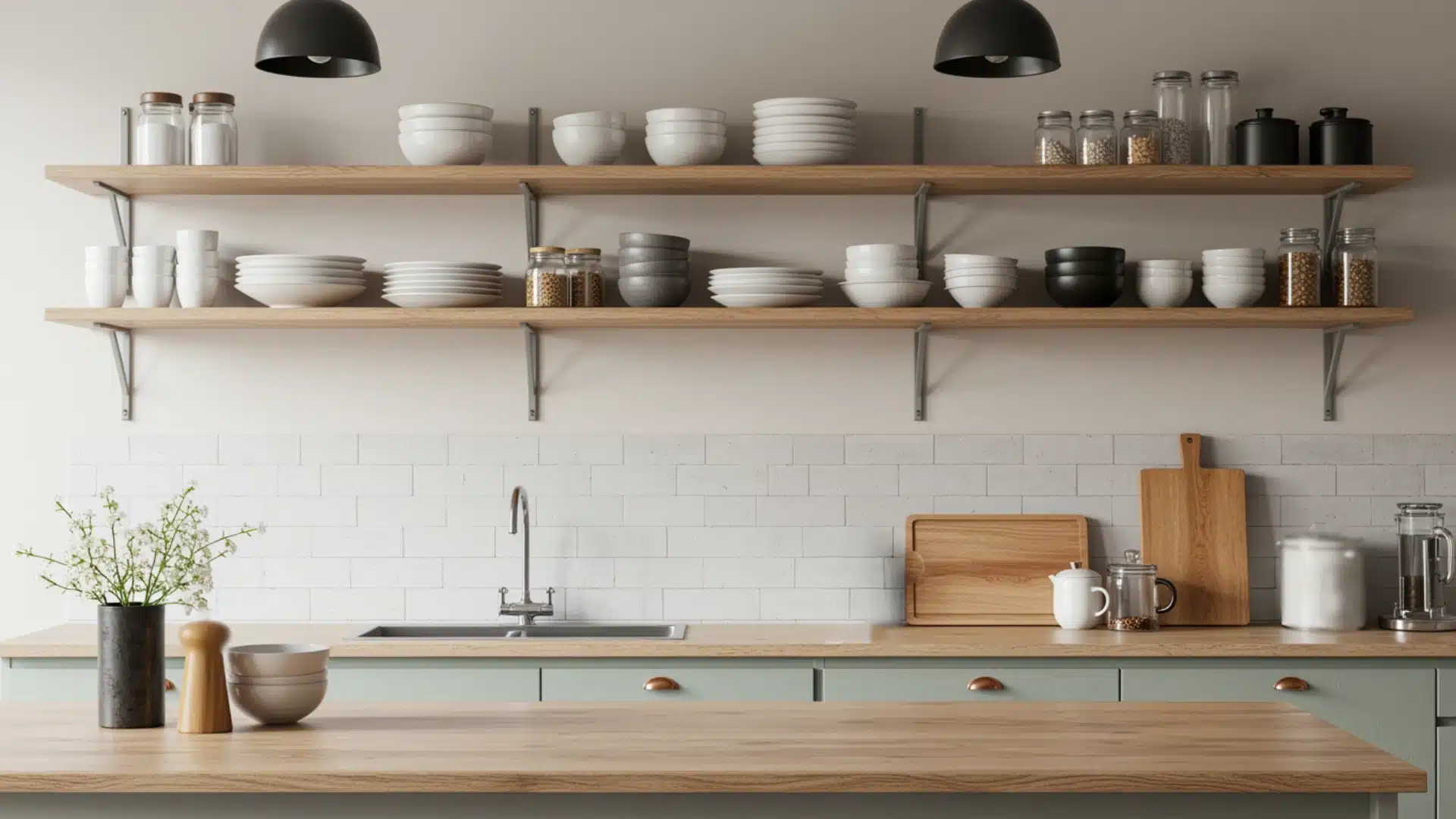
Open shelving works when you’re selective about what goes on display.
A few complementary ceramics, a herb planter on the windowsill, and a wooden cutting board propped against the wall.
Everything on display in kitchen should either be actively used or genuinely beautiful — ideally both. The moment something lives on the shelf purely because it has nowhere else to go, the shelf starts working against the room.
For the dining area, try a round table; it encourages conversation in a way a rectangular one simply doesn’t.
Pair it with chairs in two complementary materials, like wood and cane. Collected, not matchy-matchy.
Outdoor and Balcony Home Decor Ideas Thehometrotters Style
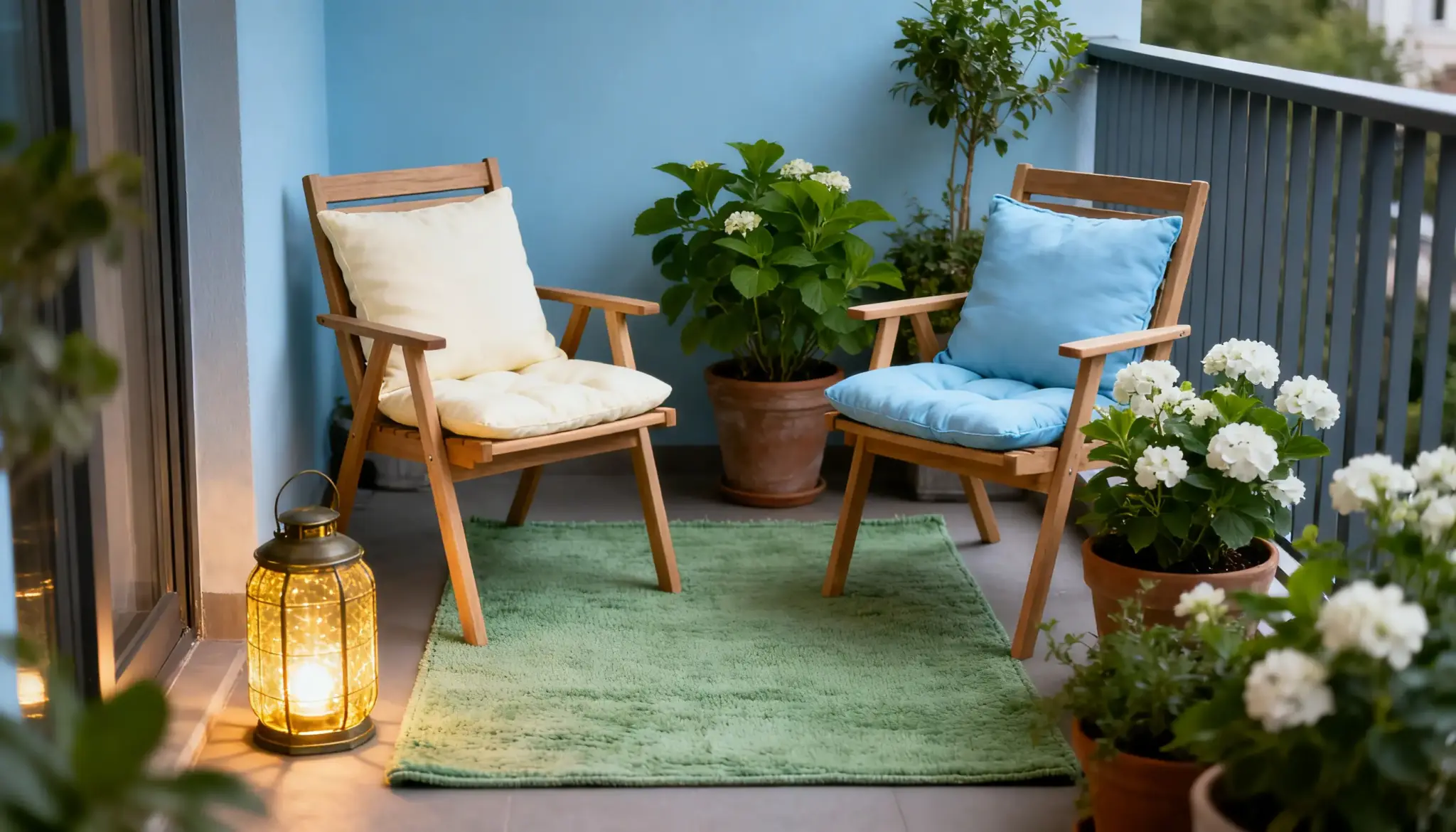
A weather-resistant rug immediately defines the space.
Two low chairs with cushions over a bulky patio set. Plants clustered at three heights: tall, mid, and trailing.
A solar lantern for after dark. That’s it. Even fifteen square feet feels like a proper room with this setup.
Home decor ideas inspired by thehometrotters always treat outdoor space as an extension, not an extra.
Small Space Home Ideas
A storage ottoman serves as both a coffee table and a storage box.
A bed with built-in drawers removes the need for a dresser. A bench at the foot of the bed doubles as a shelf.
Keep your palette tight, two or three tones only.
Go vertical with shelving. One mirror opposite a window is worth more than three decorative pieces on a wall.
Lighting Ideas for Every Room
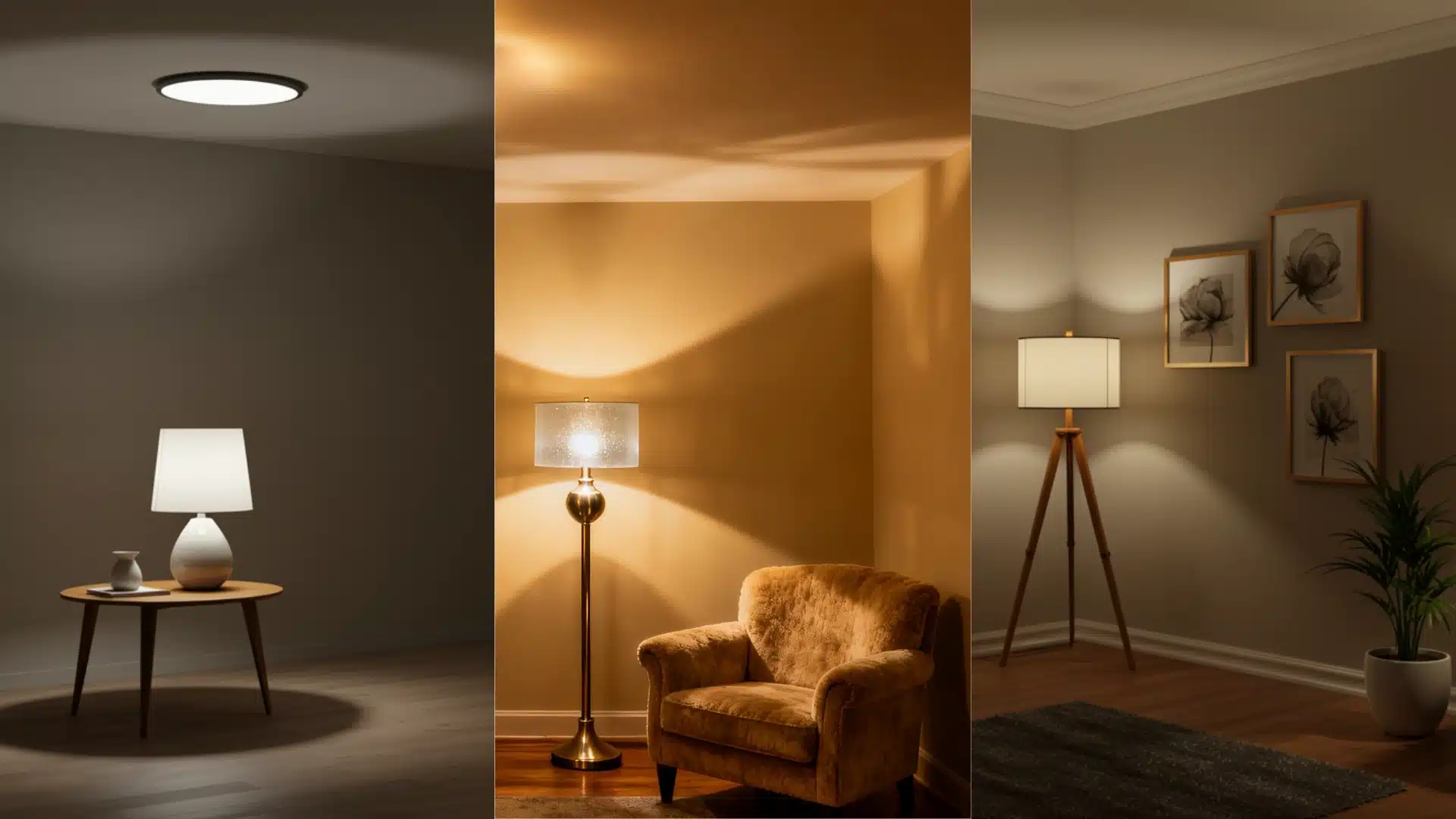
Get the lighting wrong, and even the best decor falls flat. Warm bulbs are best for bedrooms, living rooms, and dining spaces.
Kitchens and bathrooms can handle cooler tones.
The real shift comes from layering: one overhead source, one task light, one ambient piece like a floor lamp.
That floor lamp in a dark corner? It adds depth and makes the room feel bigger than it is.
Why One Fixture is Never Enough?
A single ceiling light flattens a room. Three light sources at different heights give it dimension. That’s the difference between a room that looks lived-in and one that looks like a waiting room.
Color rendering index (CRI) matters too; bulbs with a CRI above 90 show fabric and material colors more accurately.
Entryway and Hallway Decor Ideas
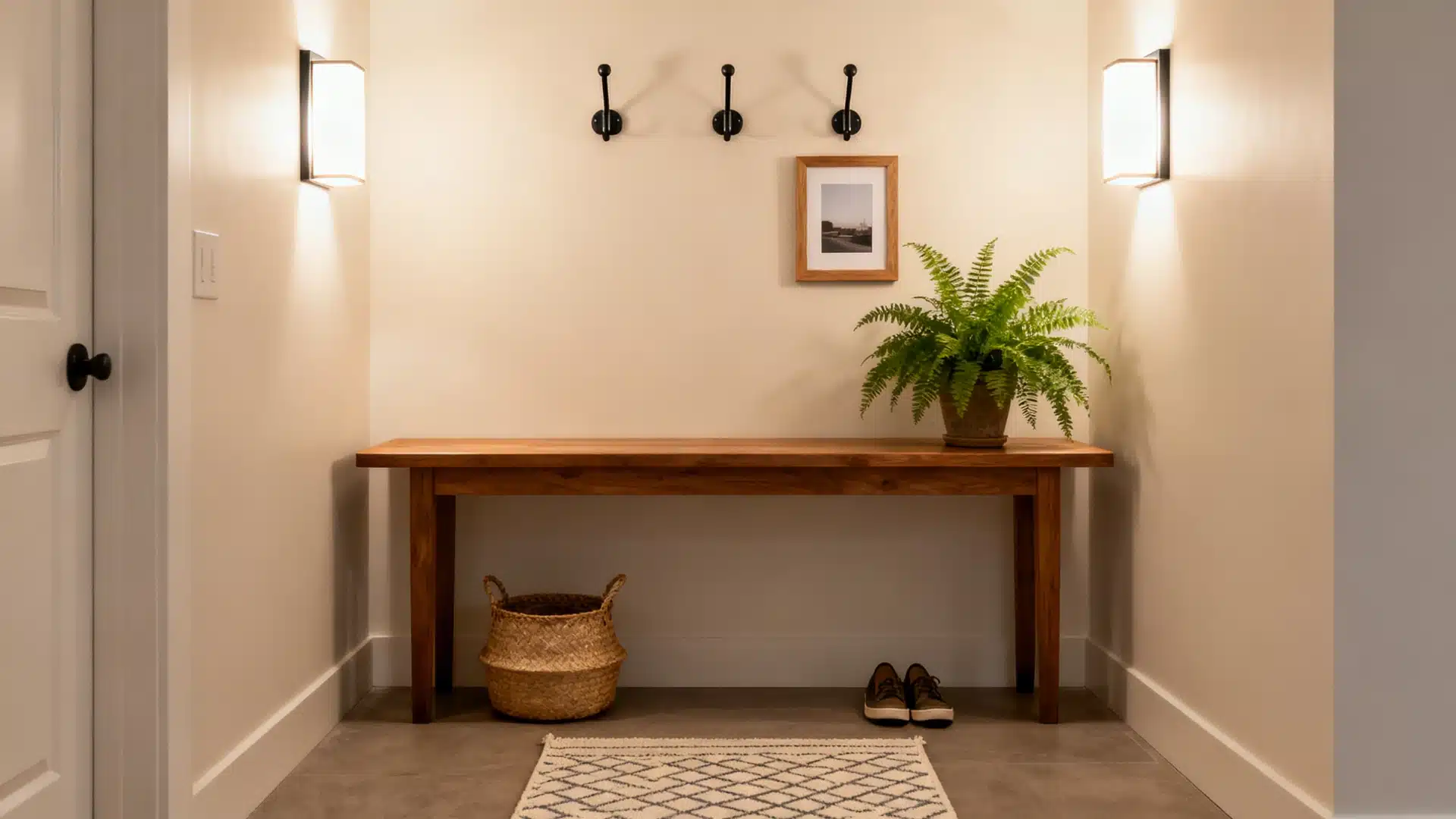
A hook rail, a narrow console, and a small key tray get the function right first.
Then one personal touch: a framed print, a small plant, a woven basket for shoes.
Hallways are trickier. A runner rug and a wall-mounted light are all it takes to stop a hallway from feeling like a corridor. One layer at a time, don’t style it all at once.
Budget-Friendly Home Decor Ideas Thehometrotters
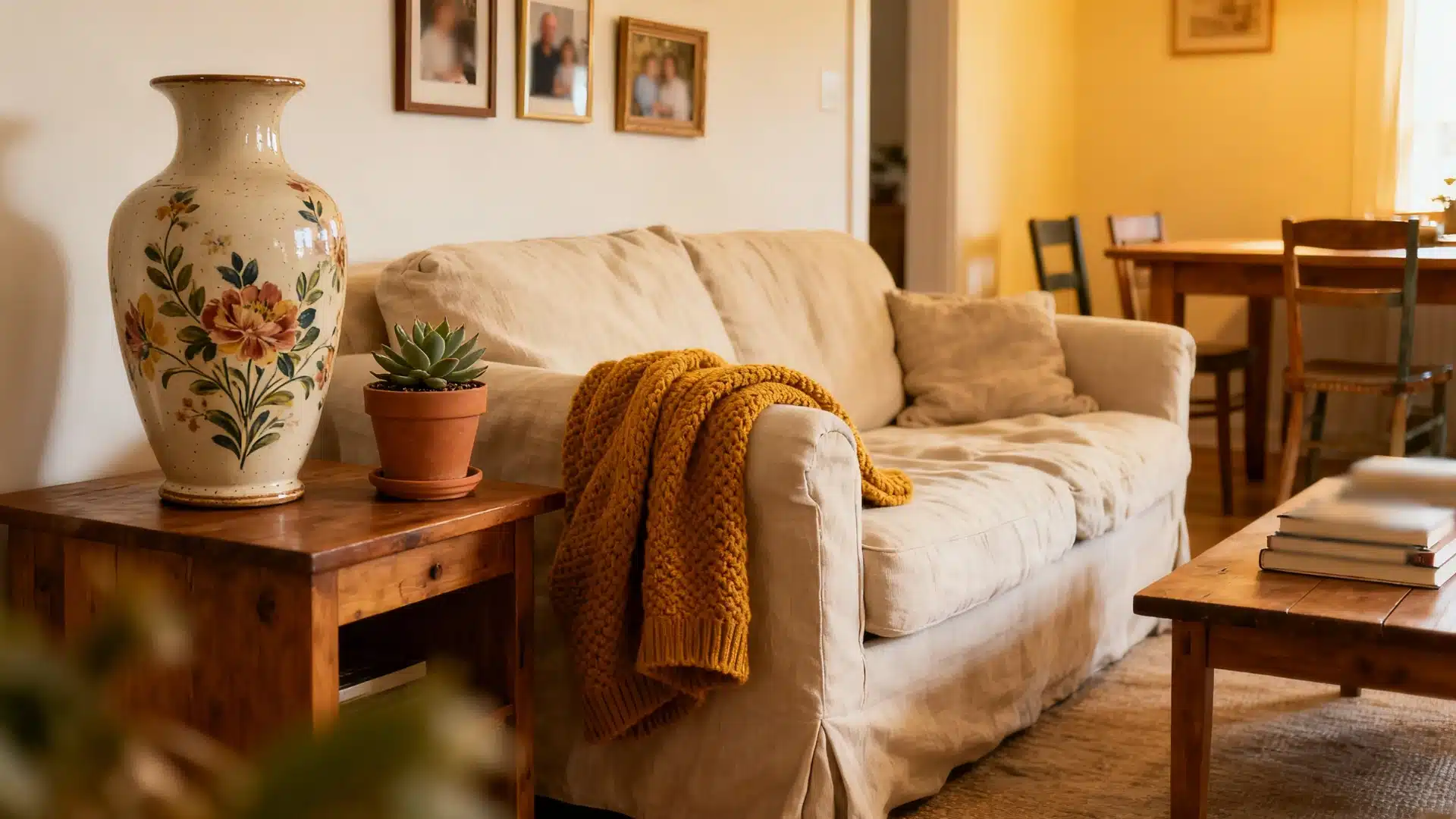
You don’t need to spend much. You need to spend right.
Thrift stores carry ceramic vases, solid wood frames, and linen cushion covers for next to nothing, and they last.
Rearranging what you already own costs nothing and often reveals unseen combinations. Paint offers the highest return in any room. Prioritize spending on touches you use most, like a good rug or throw.
Keep everything else simple.
Tips and Common Upgrades to Achieve TheHomeTrotters Look
Small, focused upgrades make the biggest visible difference without redoing an entire room.
The details are what separate a styled home from a decorated one.
1. Stick to Three Materials Per Room
More than three materials in one room creates visual noise. Pick a primary, a secondary, and one accent material.
Wood, linen, and rattan, for example. That limit forces better decisions and keeps the space feeling intentional.
2. Layer Textures Before Adding Colour
Colour gets all the attention, but texture does the real work.
Rough against smooth, matte against natural grain. Get the texture balance right first, then bring colour in. The room will feel considered rather than flat.
3. Always Buy Odd Numbers
Three vases, five books, one plant. Odd groupings look more natural than even ones.
It’s a small detail, but it’s the kind of thing that separates a styled room from one that just looks arranged.
4. Leave Negative Space Intentionally
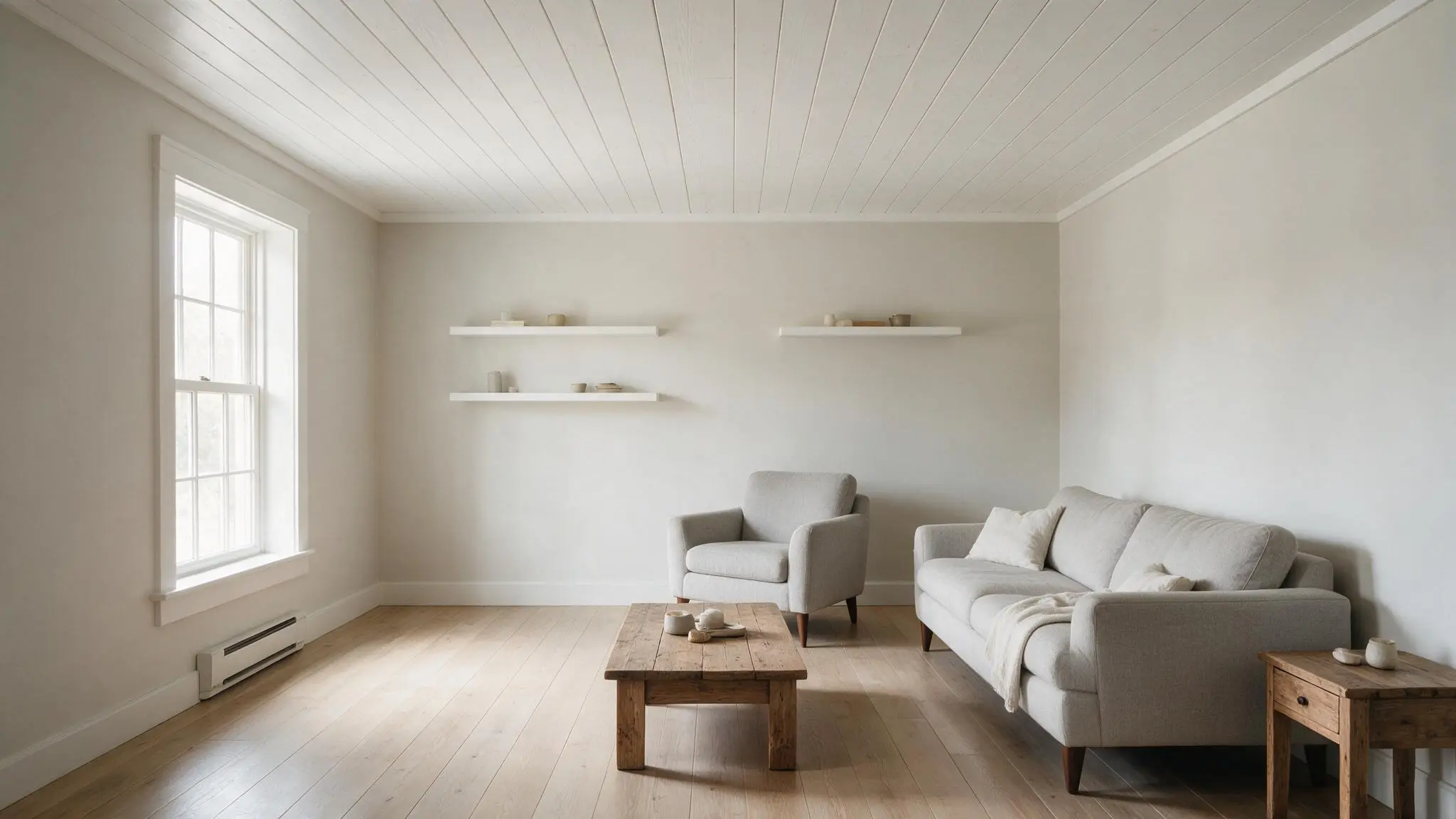
Empty areas are part of the design, not gaps waiting to be filled.
A clear shelf or an open corner gives the eye somewhere to rest. Resist the urge to fill every surface, it works against the whole look.
5. Check Your Room’s Natural Light Direction First
North-facing rooms need warmer tones and lighter materials to offset cooler, indirect light.
Get this wrong and even the right furniture and colours will feel off.
Light direction should be the first thing you assess.
6. Mix One Vintage or Handcrafted Piece Per Room
A hand-thrown bowl, a thrifted frame, a woven basket one piece like this adds authenticity that new store-bought items simply can’t.
It gives the room a story without trying too hard.
7. Seal Natural Materials Before Styling
Unsealed terracotta or stone stains easily and ages poorly. Before styling any unfinished natural piece, seal it first.
It takes five minutes and saves the piece from permanent damage within weeks of display.
8. Paint One Wall in a Grounded Tone
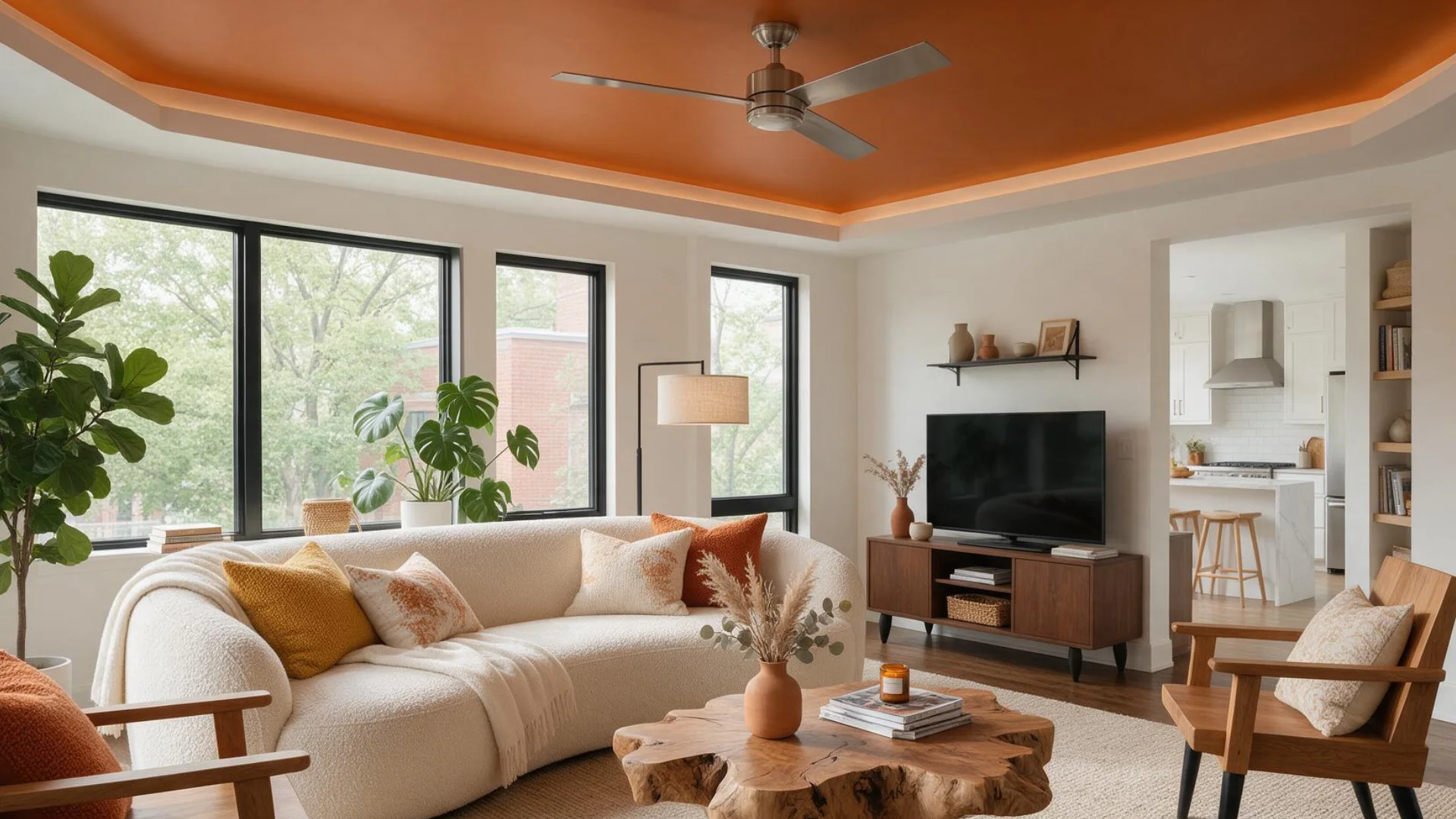
A warm terracotta or soft sage accent wall changes a room more than any single decor piece.
Paint offers the highest visible return of any upgrade. One wall is enough the whole room shifts around it.
Key Takeaway
Good decor isn’t about spending more, it’s about choosing better.
A grounded color palette, natural materials, and one statement piece per room outweigh a cartful of accessories.
Start with what bothers you most about your space right now.
Fix that first. Then build from there, one room at a time.
Your home doesn’t need to look like a catalog. It needs to feel like yours. Every home decor idea by thehometrotters approach is built on exactly that: real spaces, real choices, and results you’ll actually live with.
Frequently Asked Questions (FAQs)
1. How Often Should I Update My Home Decor?
Swap seasonal throws and cushions twice a year; replace bigger pieces only when they no longer fit the space.
2. What Type of Materials are Used in Thehometrotters Decor?
Wood, rattan, linen, jute, stone, and hand-thrown ceramics are all materials chosen for their texture and longevity.
3. How do I Make My Home Feel Inviting Using Thehometrotters Ideas?
Layer warm lighting, add a plant, and keep surfaces clear. These three things instantly change how a room feels.
4. Can I Mix Thehometrotters Style with Other Decor Styles?
Yes, it pairs naturally with Japandi, bohemian, and Scandinavian styles since all share a preference for natural materials and restrained color.