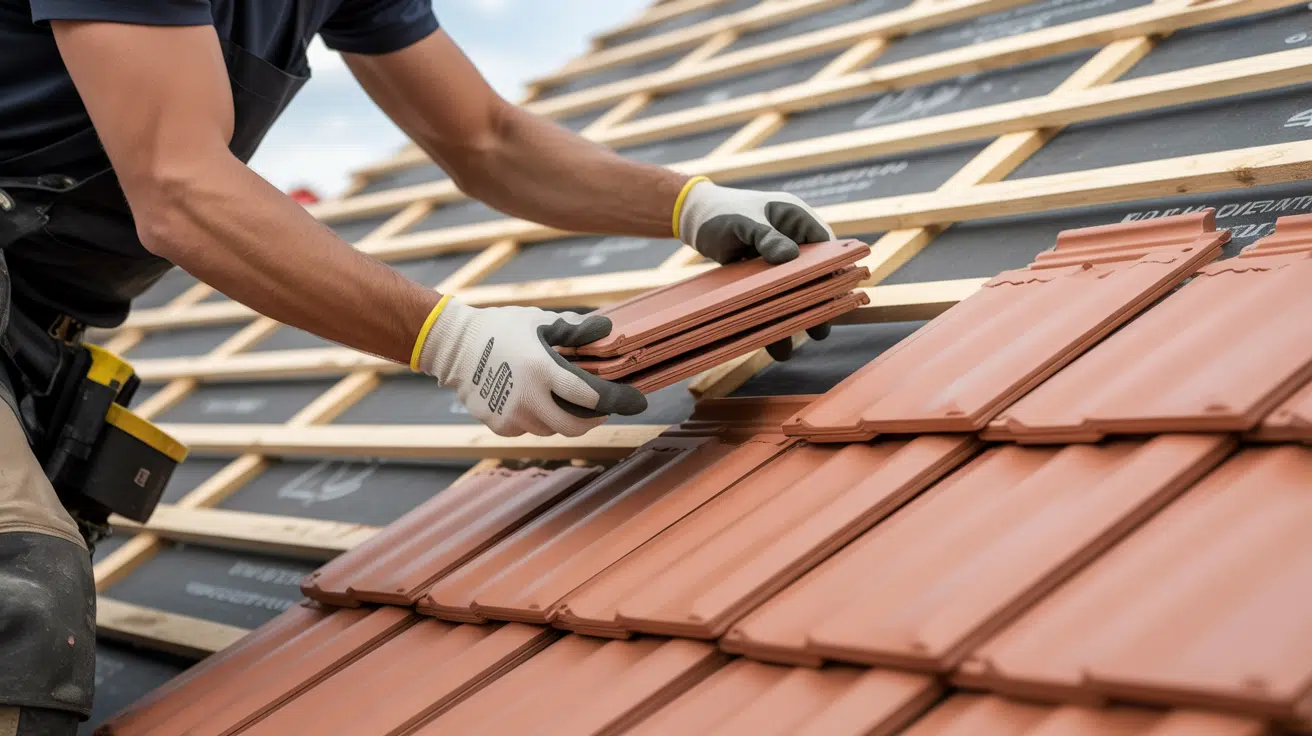
Your roof protects everything inside your home. When tiles start cracking or slipping, the problem only gets worse.
Tile roof replacement might seem like a big job, but it’s one of the smartest moves a homeowner can make. These roofs last way longer than most alternatives.
They handle brutal weather without issues and add hard curb appeal. Plus, they can lower energy bills.
This blog will cover everything you need to know before replacing a tile roof.
What Causes Roof Tile Failure?
Tile roofs are built tough, but several factors can cause them to fail over time.
Knowing these causes helps roofers catch problems early and prevent expensive damage.
Age and Weathering
Even the best tiles break down after decades of exposure to sun, rain, and temperature changes.
UV radiation gradually fades and weakens the tile surface, while repeated wet-dry cycles cause the material to expand and contract over time.
Impact Damage
Hail, falling branches, or walking on the roof can crack tiles and create weak spots.
What makes impact damage particularly tricky is that the visible crack is rarely the whole story. The tile beneath it may have shifted, and the underlayment underneath may have taken a hit too.
After any major storm, it’s worth having a professional walk the roof rather than relying on a ground-level visual check.
Poor Installation
Tiles installed incorrectly don’t sit right, leading to slipping, cracking, or water infiltration.
In fact, underlayment failure is often the first thing an experienced roofer checks. It fails silently, long before the tiles show visible damage.
Inadequate Underlayment
A cheap or worn underlayment fails first, allowing water to seep beneath tiles and damage them.
Freeze-Thaw Cycles
Water enters tiny cracks, freezes, expands, and breaks tiles apart in cold climates.
This process is called spalling. This happens gradually and can be almost invisible in early stages.
The expansion of freezing water exerts tremendous internal pressure, and over several winters, even a small entry point can fracture a tile from the inside out.
Tile Roof Replacement Cost: Average Numbers
Total tile roof cost isn’t cheap, but knowing the numbers helps with planning.
Average costs:
- Most homes spend between $10,000 and $30,000 total
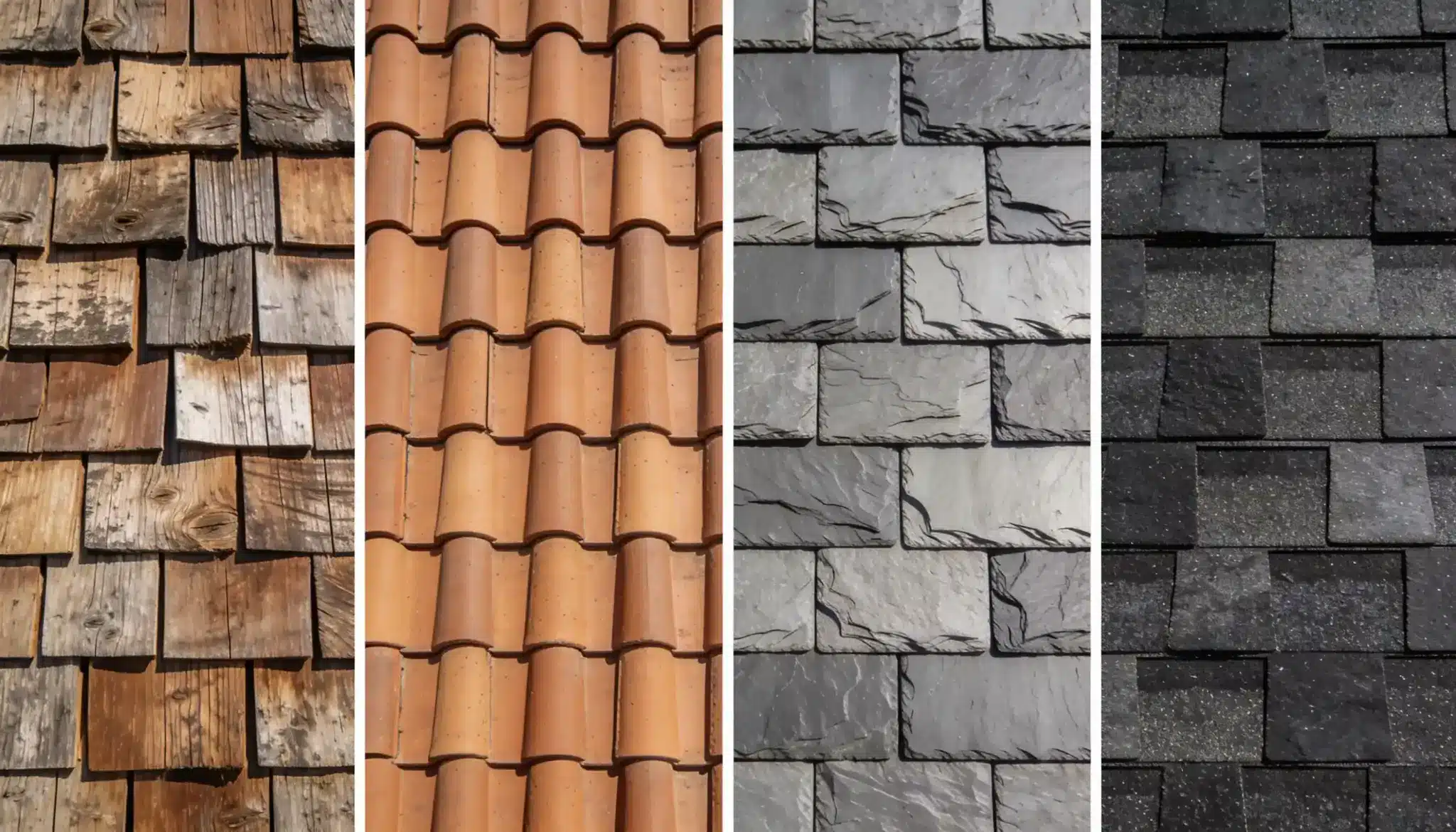
- Clay tiles: $15 to $30 per square foot
- Concrete tiles: $8 to $20 per square foot
- Slate tiles: $20 to $40 per square foot
- Synthetic tiles: $10 to $18 per square foot
For a typical 1,500–2,000 sq ft home, most homeowners land somewhere in the $15,000–$25,000 range; though labor costs in coastal or high-demand markets can push that higher.
Roof size, complexity, and location all impact the final price. Labor typically makes up 40% to 60% of the budget.
Removing old materials and adding underlayment further increases costs.
Tip: Getting at least three quotes from licensed contractors is the standard advice, and for good reason. Labor estimates on the same roof can vary by thousands.
Replacement Cost Per Square Foot
Replacement costs include new materials, labor, underlayment, and removal of the old roof.
Complex roof designs, steep pitches, and structural repairs add to the final price.
| Tile Material | Replacement Cost Per Square Foot | Removal Cost | Total Cost Range |
|---|---|---|---|
| Clay Tiles | $15 – $30 | $2 – $5 | $17 – $35 |
| Concrete Tiles | $8 – $20 | $2 – $4 | $10 – $24 |
| Slate Tiles | $20 – $40 | $3 – $6 | $23 – $46 |
| Synthetic Tiles | $10 – $18 | $1 – $3 | $11 – $21 |
| Terracotta Tiles | $18 – $28 | $2 – $5 | $20 – $33 |
| Metal Tiles | $7 – $15 | $1 – $3 | $8 – $18 |
But Why Does One Even Need Tile Roof Replacement?
Tile roofs are built to last, but they don’t stay perfect forever.
Over time, wear and tear takes its toll, and ignoring the warning signs leads to bigger problems down the road.
Key signs replacement is needed:
- Cracked or broken tiles let water seep through and damage the structure underneath
- Missing tiles create gaps where rain, wind, and pests enter the home
- Water stains on ceilings or walls mean the roof is already leaking
- Sagging sections signal serious structural problems with the roof deck
Age matters too. Most tile roofs last 50 to 100 years before replacement becomes necessary.
Frequent repairs add up fast and eventually cost more than a complete replacement.
Storm damage weakens the entire roofing system over time, making proactive replacement the more intelligent choice.
How Tile Roofs Differ from Shingles
Tiles and shingles offer completely different roofing experiences.
Tiles and shingles differ significantly in price, lifespan, and overall value. Here’s how they compare:
| Factor | Tile Roofs | Asphalt Shingles |
|---|---|---|
| Cost per sq ft | $8 – $30 | $3 – $7 |
| Lifespan | 50 – 100+ years | 15 – 30 years |
| Maintenance | Low | Moderate |
| Energy efficiency | Excellent | Fair |
| Weight | Heavy (needs support) | Light |
| Durability | Very high | Moderate |
Tiles cost more upfront but last much longer than shingles.
Also, tile roofs are significantly heavier. Before choosing a tile material, a structural assessment of your roof deck is a smart (and sometimes required) first step.
5 Steps of Tile Roof Replacement
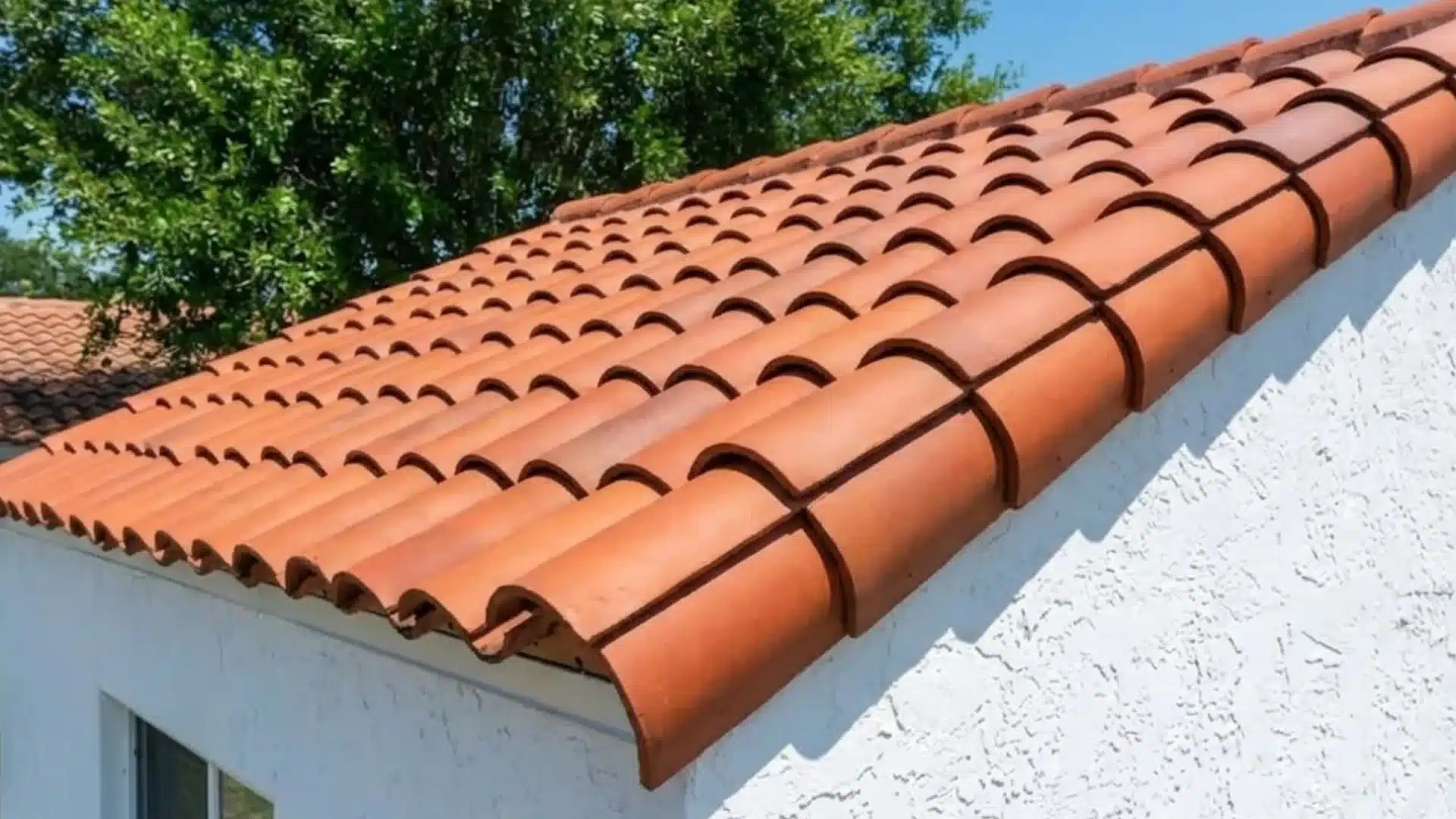
Replacing a tile roof follows a straightforward process from start to finish.
Professional roofers break the job into manageable phases to ensure quality results.
A full replacement on an average-sized home typically takes 5 to 10 days, depending on weather, complexity, and crew size.
Step 1: Inspection and Assessment
The process begins with a careful evaluation of the entire roof to spot damage, weak areas, or aging materials.
Measurements are taken to determine how much material is needed, while problem spots are identified for repair.
At this stage, different tile styles and options are considered, and a clear cost estimate is prepared for the homeowner.
Step 2: Removing the Old Roof
Next, the existing tiles and underlayment are removed to expose the roof deck underneath.
This step allows for a thorough check of the structure, helping identify issues like rot, mold, or weakened wood.
Any damaged sections are replaced to create a solid base before moving forward with the new installation.
Step 3: Installing Underlayment and Flashing
A strong, waterproof layer is installed across the roof deck to protect against moisture.
Underlayment is carefully laid out, while drip edges are added along the roof’s perimeter.
Flashing is installed around chimneys, vents, and other openings to prevent leaks, ensuring all vulnerable areas are properly sealed before tile placement begins.
Step 4: Laying New Tiles
Once the base is ready, new clay tiles are installed, starting from the lower edge of the roof and moving upward in rows.
Each tile is secured in place and aligned to maintain consistent spacing and overlap.
Special cuts are made around obstacles to ensure a smooth, uniform finish that allows proper water drainage.
Step 5: Final Inspection and Cleanup
In the final stage, the entire roof is checked to ensure everything is properly installed and secure.
Water flow and drainage are reviewed to confirm functionality, and any loose tiles are corrected.
All leftover materials and debris are cleared away, leaving the site clean and ready for the homeowner to review the completed work.
Conclusion
Your roof protects everything inside your home, so ignoring damage is never a good idea.
When tiles start cracking or slipping, small issues can quickly turn into costly repairs. That’s why tile roof replacement becomes essential at the right time.
It may seem like a big step, but it helps prevent long-term damage and keeps your home secure.
With proper installation and quality materials, tile replacement can last for decades while improving durability, energy efficiency, and overall value.
Frequently Asked Questions (FAQs)
1. How Much Does it Cost to Replace One Tile on a Roof?
Replacing one tile costs $100 to $300, including labor.
2. How Many Years Will a Tile Roof Last?
Tile roofs last 50 to 100 years, depending on the material.
3. Do Tile Roofs Need Maintenance?
Yes. Regular inspections and the replacement of broken tiles keep them performing well.
4. How Often Does a Tile Roof Need to be Replaced?
Every 50 to 100 years, depending on the tile material used.