Rough air, low sun, and humidity wear down the exteriors of beach houses more than those of regular homes do.
People pick colors and cladding without thinking. Then two years later, the paint peels, the wood warps, and the whole exterior looks worn out.
The materials, colors, and finishes you choose affect your home’s durability and appearance over time.
Strong coastal house plans start with smart exterior decisions.
This blog covers colors, cladding, and curb appeal ideas that work especially well for a beach house, so your home looks sharp and holds up over time.
Exterior Design Features that Set Modern Beach Homes Apart
Modern beach homes have a look that’s hard to miss.
Clean lines, open layouts, and materials that feel at home near the water.
But what actually separates a modern beach home from just any house near the coast? It comes down to specific design choices. Large windows that pull in natural light.
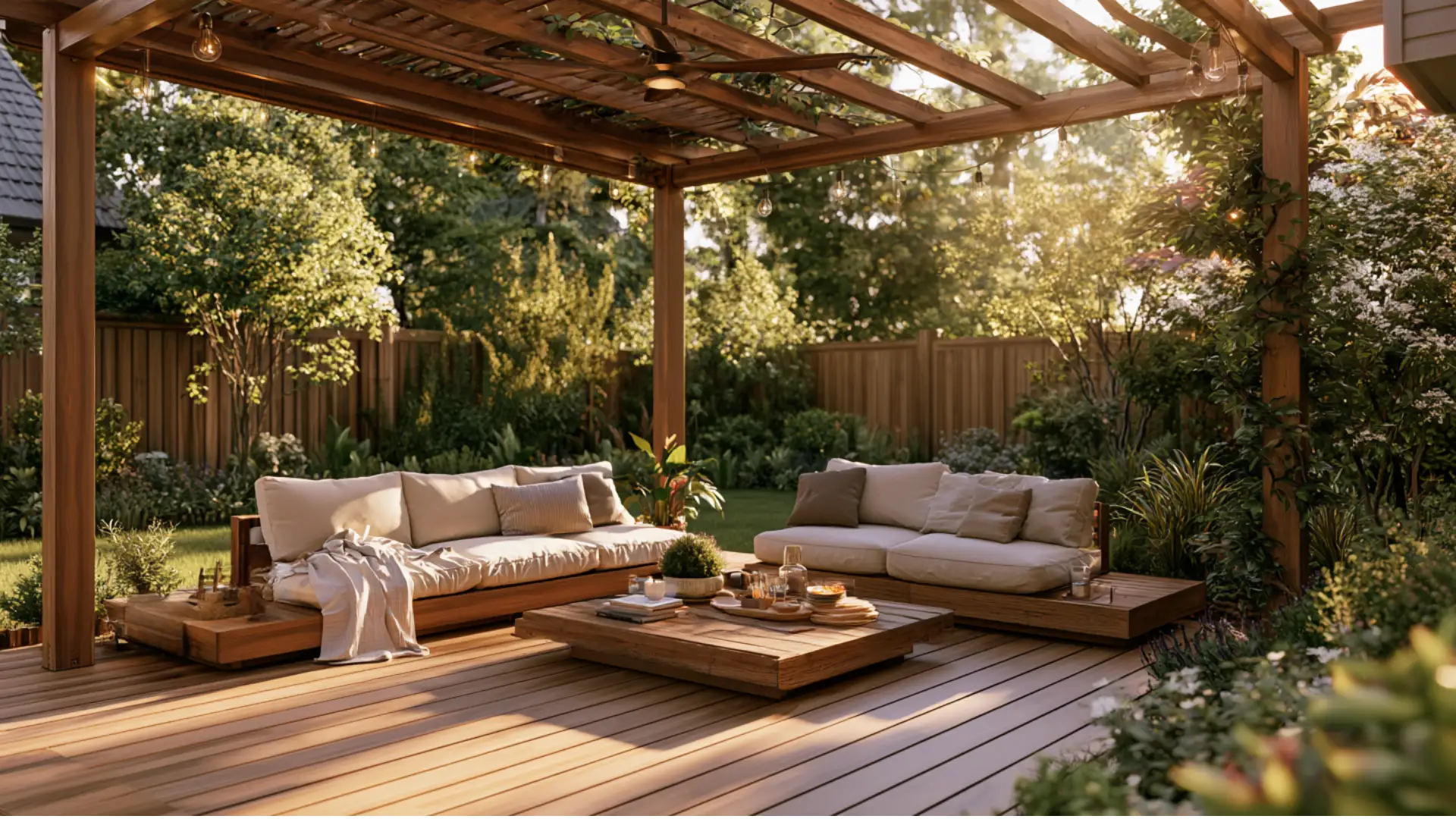
Wide overhangs that block harsh sun. Outdoor living spaces that connect directly to the inside.
Good beach house floor plans are built around these features from the ground up, not added as an afterthought.
Each choice creates modern beach homes with a distinctive, sharp look.
Choosing the Right Color Palette for a Coastal Look
Color sets the tone for your exterior. Get it right, and your home looks like it belongs by the water. Get it wrong, and even the best cladding won’t save it.
Here are the most effective color combinations for a coastal exterior:
| Color Palette | Best For | Vibe It Creates |
|---|---|---|
| Soft white + navy trim | Classic beach homes | Clean, effortless coastal look |
| Sandy beige + warm grey | Sun-heavy locations | Earthy, natural feel |
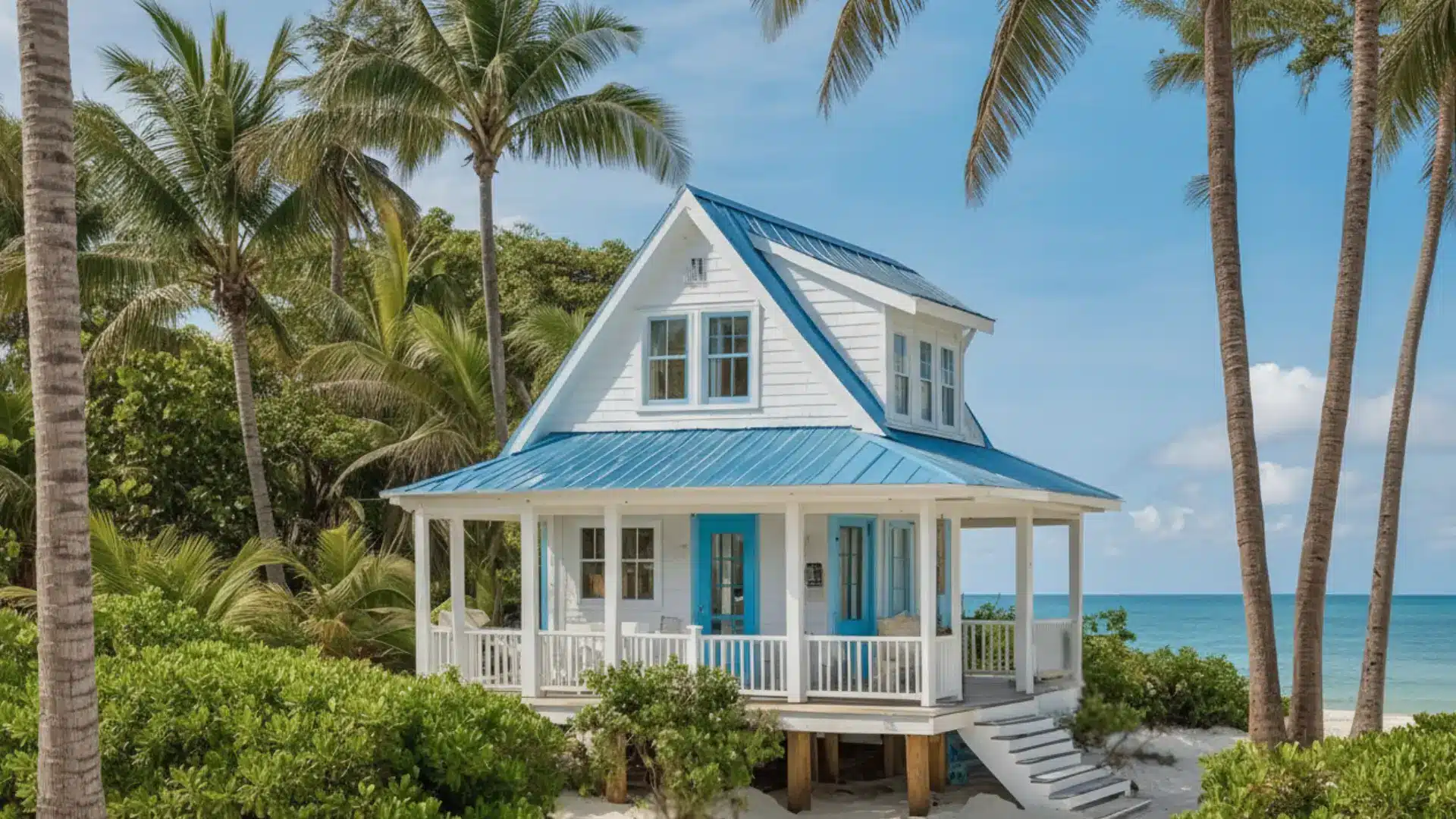
| Pale blue + white trim | Oceanfront properties | Light, airy, waterfront feel |
| Charcoal + timber accents | Modern beach homes | Bold, contemporary contrast |
| Sage green + cream | Coastal vegetation areas | Relaxed, nature-blended tone |
Cladding Materials that Balance Style and Durability
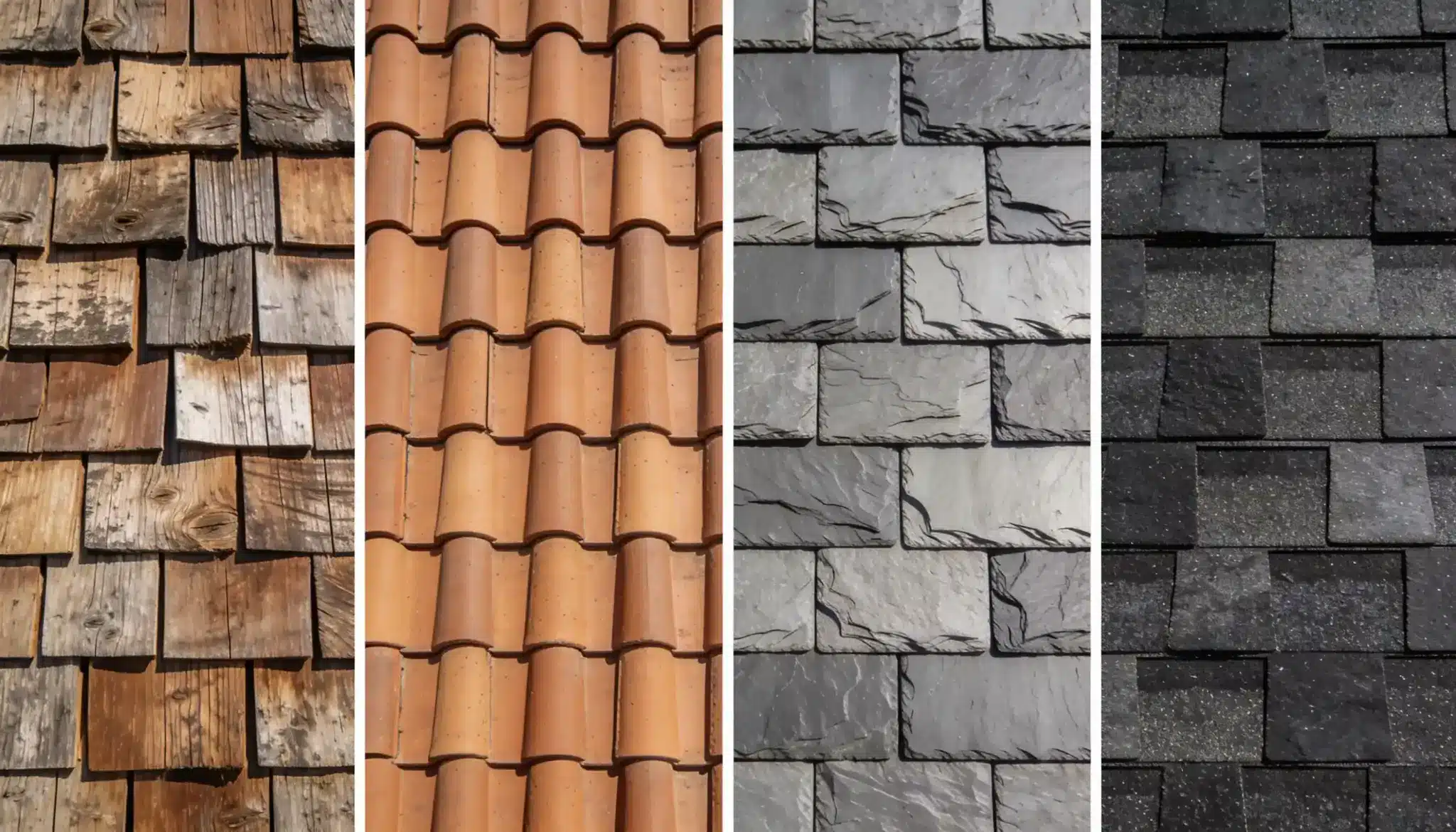
Cladding does two jobs at once: it protects your home and defines its appearance. Near the coast, material choice matters even more.
- Wood: warm and natural, but needs regular sealing against salt and moisture.
- Fiber cement: low maintenance and holds up well in harsh coastal weather.
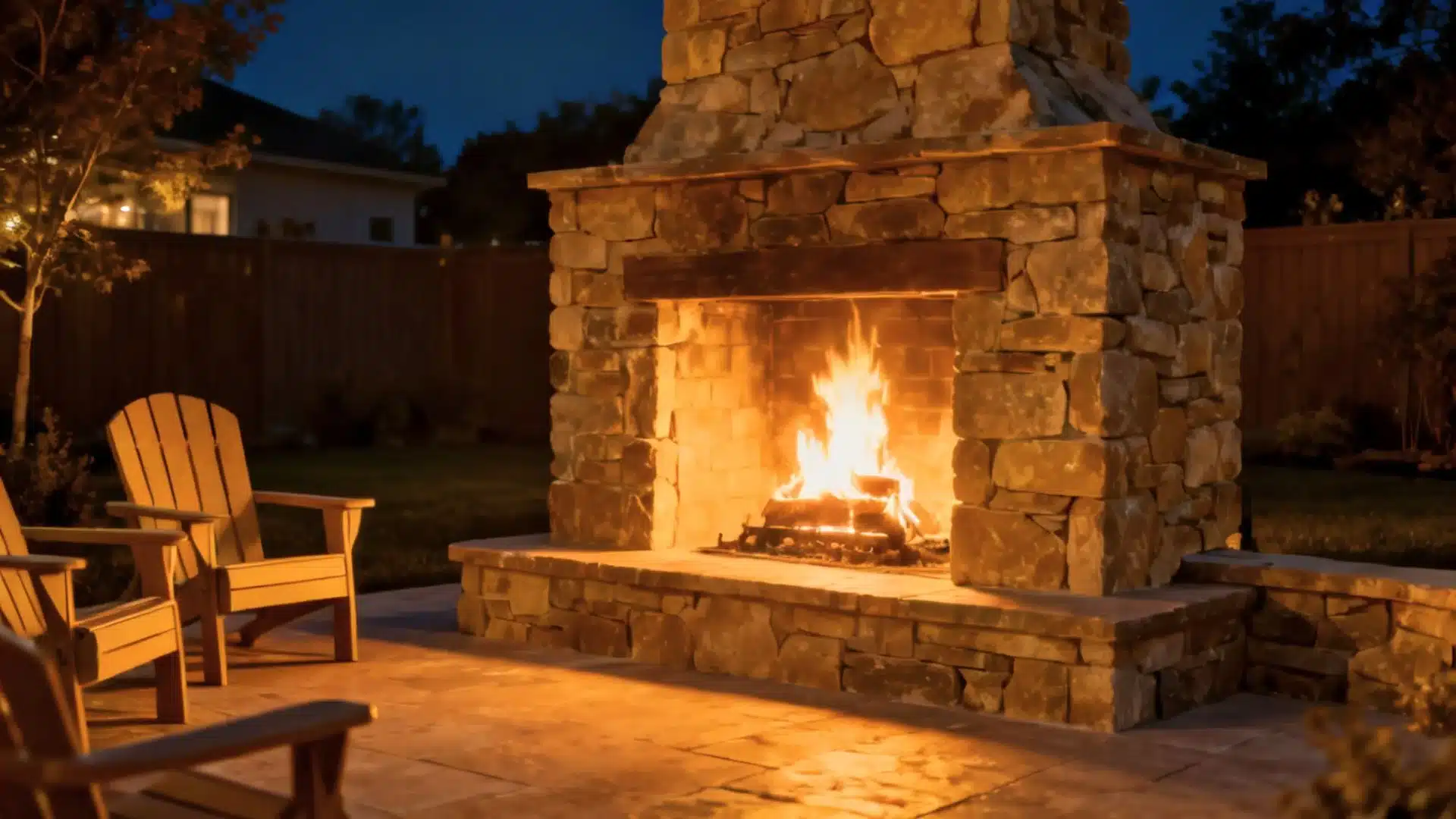
- Stone: heavy, textured, and strongly resistant to wind and rain.
- Metal (zinc/aluminum): handles coastal conditions well and ages gracefully.
Cladding decisions made at the design stage, when you’re still working through your floor plans, save costly changes later and keep your exterior looking sharp for years.
How to Shape a Front Exterior?
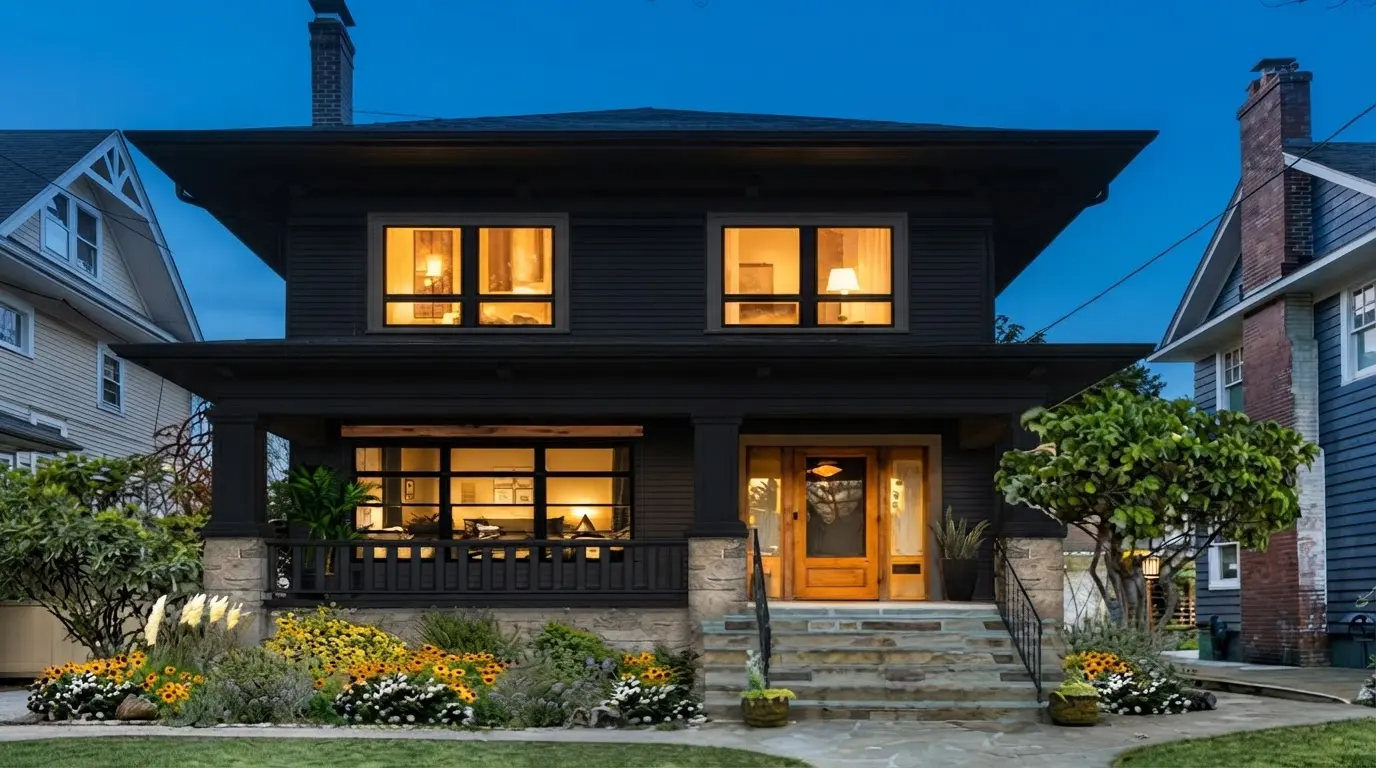
Your home’s presence is decided in seconds. Every element from the front door to the garden edge plays a role.
A clear, well-lit pathway draws the eye straight to the entrance.
Landscaping doesn’t need to be complex; low-maintenance coastal plants framing the walkway do the job well.
In layout, symmetry feels formal and balanced.
Asymmetry feels relaxed and modern, a better fit for most beach homes. Lighting ties it all together. Well-placed fixtures highlight your cladding, define your entryway, and make the home look intentional after dark.
Get these three things working together to make your home impressive before anyone steps inside.
Windows Rooflines and Structural Details that Stand Out
The details you build into your exterior are what people remember long after they’ve driven past.
Windows
They do more than let light in. Oversized frames, steel-edged casements, and floor-to-ceiling glass all signal a home that was designed with intention.
A beach house’s large windows connect the interior to the water view, the main purpose of being near water.
Rooflines
shape the entire silhouette of your home. A flat roof reads as clean and modern.
A skillion roof adds angle and edge. Wide, extended eaves do double duty: they shade your interiors from harsh sun while adding strong visual depth to the facade.
Structural details
Exposed beams, timber soffits, concrete features, and board-formed walls add character without extra decoration.
None of these elements works in isolation. A strong roofline paired with the right windows and honest material finishes creates an exterior that looks considered, not accidental.
That’s what makes a beach home genuinely worth looking at.
Small Exterior Features that Make a Big Impact
Big design wins don’t always come from big changes. Sometimes it’s the smaller details that pull everything together.
- Front door color: A bold or contrasting door instantly draws attention and sets the tone.
- House numbers: Clean, well-placed numbers add a finished, intentional look.
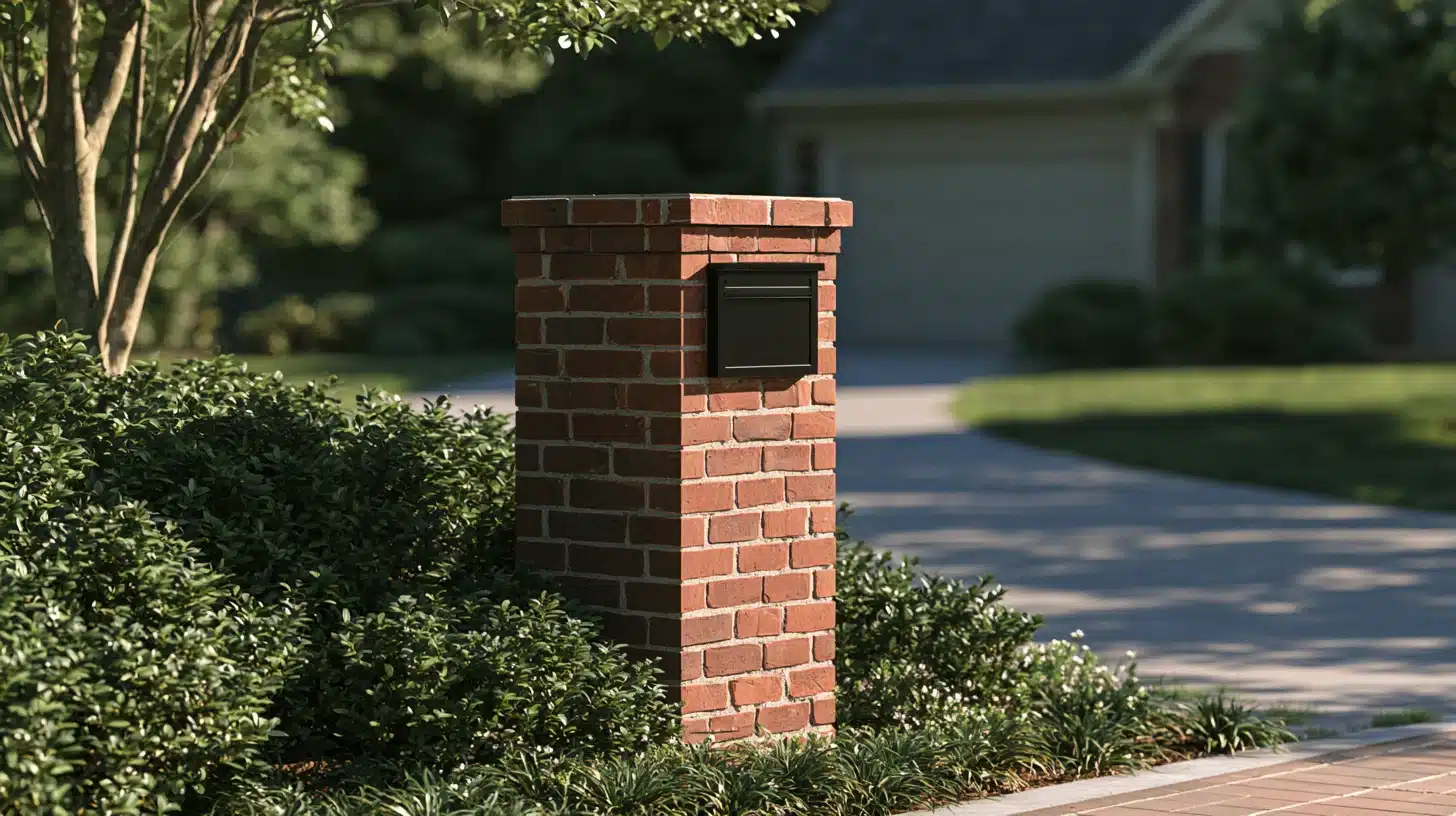
- Mailbox and fixtures: Matching metals and finishes across small fittings creates visual consistency.
- Window trims: A contrasting trim color sharpens the overall facade without major work.
- Outdoor shower: A practical coastal feature that also adds character to the exterior.
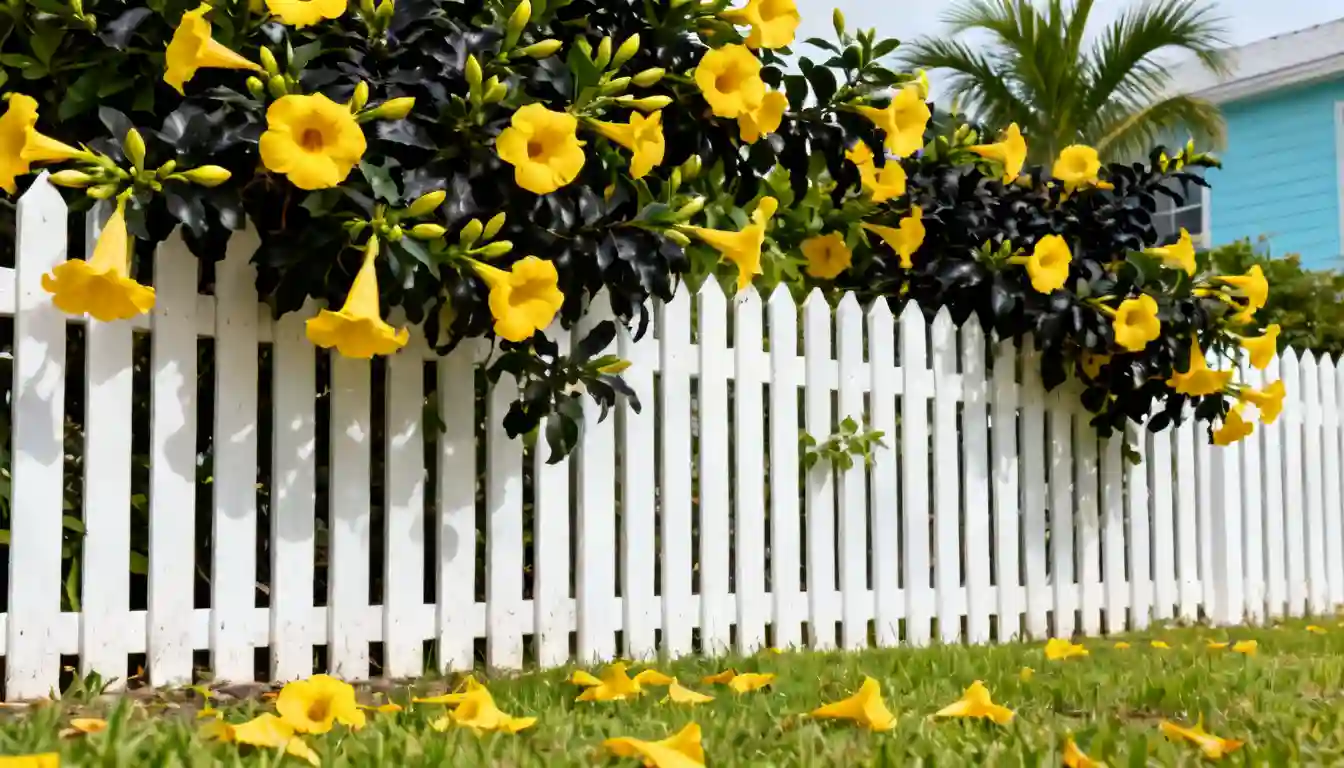
- Fencing and gates: The right style frames your property and reinforces the overall design.
- Planter boxes: Simple greenery near the entrance softens hard surfaces and adds life.
- Shutters: Functional or decorative, they add depth and texture to flat wall surfaces.
Key Takeaway
A great beach house exterior comes down to the right decisions made in the right order.
Colors that suit the coast. Cladding that holds up over time. Details that work together rather than compete.
Begin with your materials and color palette, then refine details. Good choices build on each other. If planning your coastal house, now’s the time to finalize these decisions.
The earlier you plan your exterior, the better your finished home will look and the longer it will last.
Frequently Asked Questions (FAQ’s)
1. What is the New Trend in Exterior House Colors?
Warm neutrals, earthy tones, and deep charcoal shades are leading right now.
2. What Should Every Beach House Have?
Large windows, durable cladding, outdoor living spaces, and strong coastal color choices.
3. How to Make a House Look Beachy?
Use light colors, natural materials, wide overhangs, and coastal-friendly landscaping throughout.
4. What are the Three Paint Colors that Will Never go out of Style?
Soft white, warm grey, and classic navy always work on coastal homes.
5. What are Beach House Rules About?
Choosing materials, colors, and details that hold up against harsh coastal conditions.