Are you tired of bland, tiniest spaces that feel cold and empty? Many people struggle with rooms that lack personality. They want their homes to tell a story, but don’t know where to start.
Maximalist interior design lets you break free from boring rules.
This style celebrates more color, more texture, more of what makes you happy.
This blog defines how maximalism works and how to incorporate this style in your space.
You’ll learn its principles, key elements, how it is different from other styles, and common mistakes to make space that reflects who you really are.
What is Maximalism Interior Design?
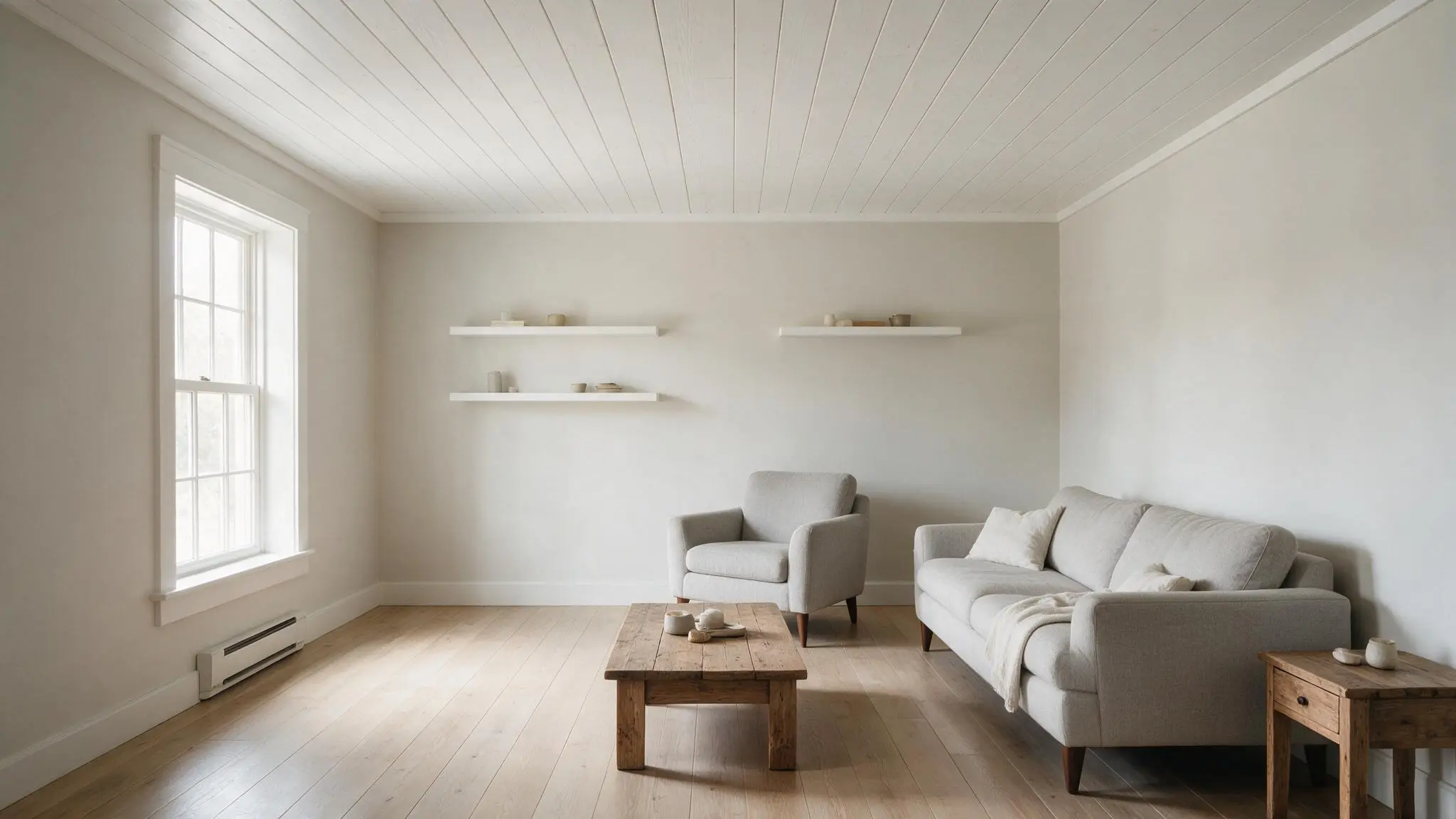
Maximalism is a design style that saysmore is more. It’s the opposite of minimalism.
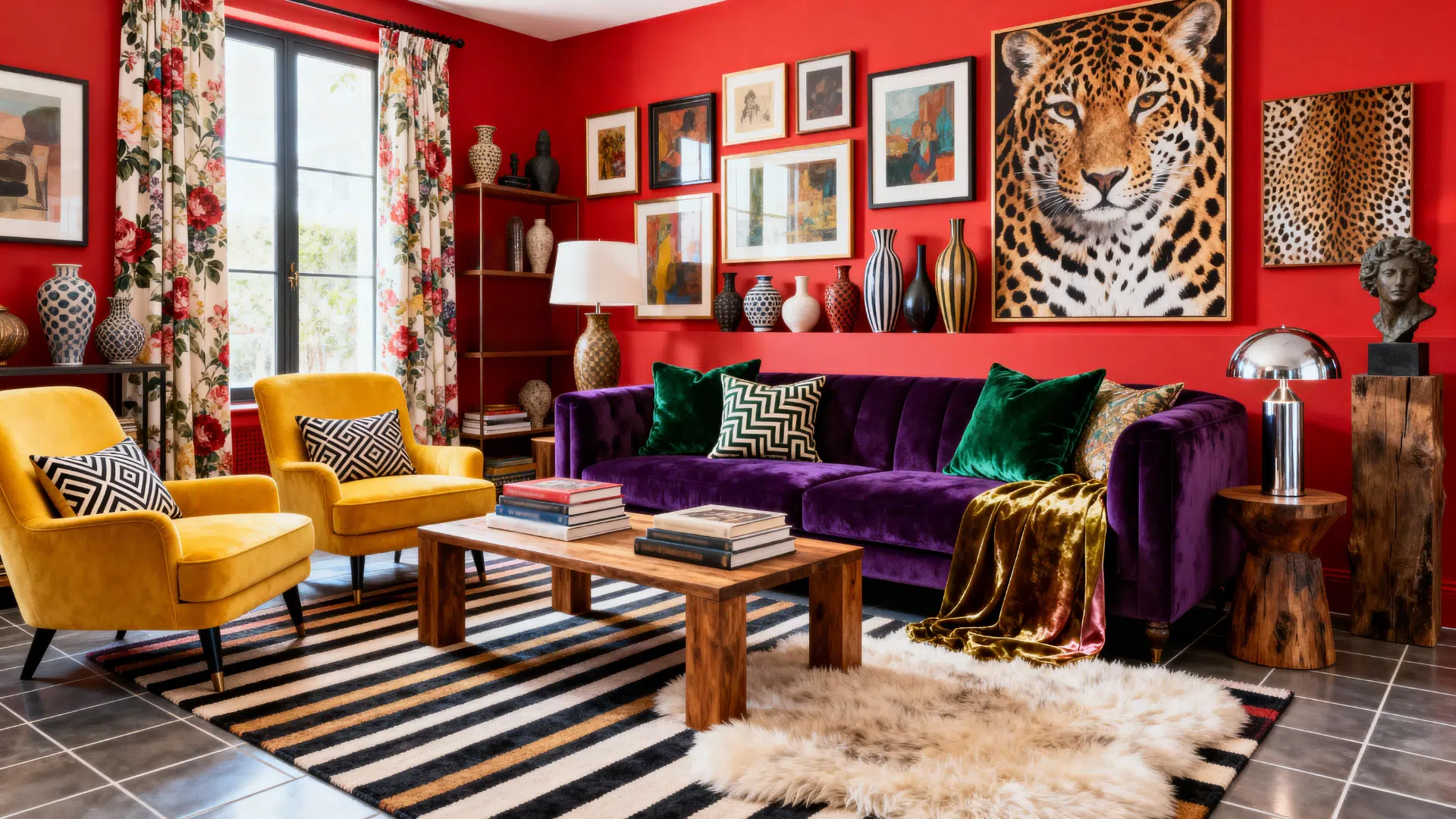
You fill your rooms with bold colors, mixed patterns, and lots of decorative items. There are no strict rules about what you can’t do. You layer textures, combine different styles, and display collections proudly.
Your walls might be covered in art. Your shelves overflow with books and treasures. Every corner tells a story.
This style lets you express yourself fully. Nothing needs to match perfectly, and that’s what matters.
You create visual richness through mass rather than restraint.
Where Did Maximalism Come From?
It emerged as a reaction to minimalism in the 1980s. Designers and artists rejected the less-is-more philosophy.
They drew inspiration from Victorian-era interiors, which featured ornate details and layered decorations.
Main Principles of Maximalism Interior Design
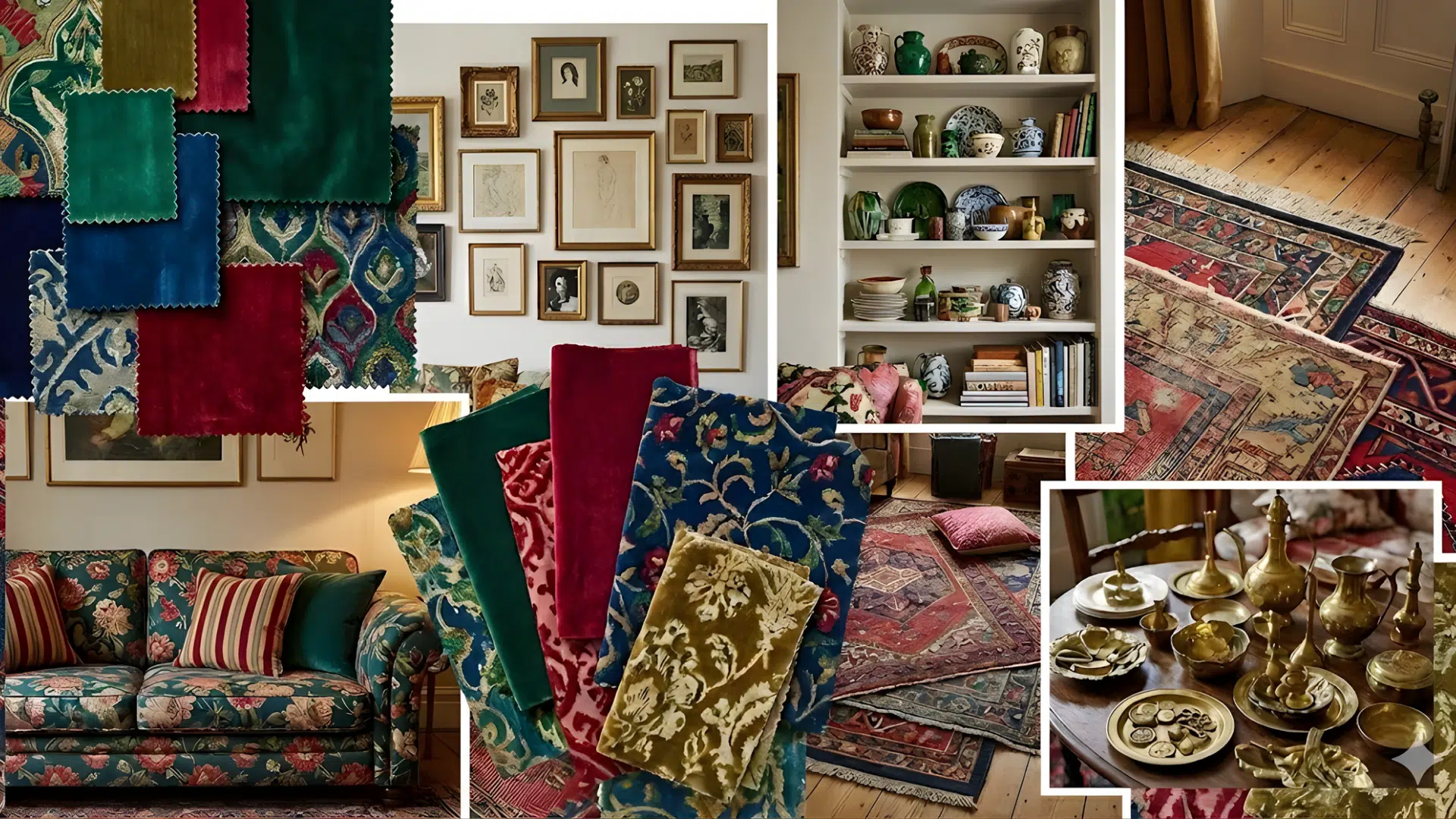
Maximalist design follows certain principles that keep your space from looking chaotic.
Bold Color Combinations
Maximalism loves color. You can mix bright reds with deep purples, or pair sunny yellows with rich greens.
Don’t worry about traditional color rules. The key is using colors confidently throughout your room, from walls to furniture to accessories.
Pattern Mixing and Layering
You combine different patterns freely. Florals sit next to stripes. Geometric prints mix with animal prints. The trick is varying the scale of patterns.
Use large prints alongside smaller ones. This creates visual interest without overpowering your eyes.
Display Personal Collections
Your belongings deserve to be seen, stacked on tables. Hang multiple artworks on one wall.
Group your treasures together. It encourages you to showcase what you love rather than hide it away in closets and drawers.
Layer Different Textures
Texture adds depth to maximalist spaces. Mix velvet cushions with silk throws. Pair rough wood with smooth metal.
Combine soft rugs with hard floors. These contrasts make your room feel rich and inviting to touch and see.
Fill Empty Spaces Intentionally
Blank walls and bare surfaces get filled purposefully.
This doesn’t mean random clutter. Each item you add should bring you joy or serve a function. The goal is abundance with meaning, not mess.
How Maximalism Design Differs from Other Design Styles
Maximalism interior design stands apart from other popular interior styles. Here’s how:
| Design Style | Key Features | How Maximalism Differs |
|---|---|---|
| Minimalism | Few items, neutral colors, clean lines, empty spaces | Uses many items, bold colors, filled spaces, and layers everything |
| Scandinavian | Light woods, whites, and grays, functional pieces, simple decor | Prefers dark and bright colors, ornate pieces, and decorative focus |
| Industrial | Exposed brick, metal fixtures, raw materials, open layouts | Covers surfaces, uses fabrics heavily, hides structural elements |
| Mid-Century Modern | Clean lines, organic curves, limited color palette, understated | Busy patterns, mixed styles, unlimited colors, attention-grabbing |
| Bohemian | Relaxed vibe, natural materials, earthy tones, casual arrangement | More structured, uses any material, all color ranges, intentional placement |
| Traditional | Matched sets, symmetry, classic pieces, coordinated colors | Mismatched items, asymmetry, mixed eras, and clashing colors welcomed |
How to Create a Balanced Maximalist Space
Creating a maximalist room requires strategy. Here are practical ideas to help you build a space that feels full but not chaotic.
1. Start with One Anchor Color
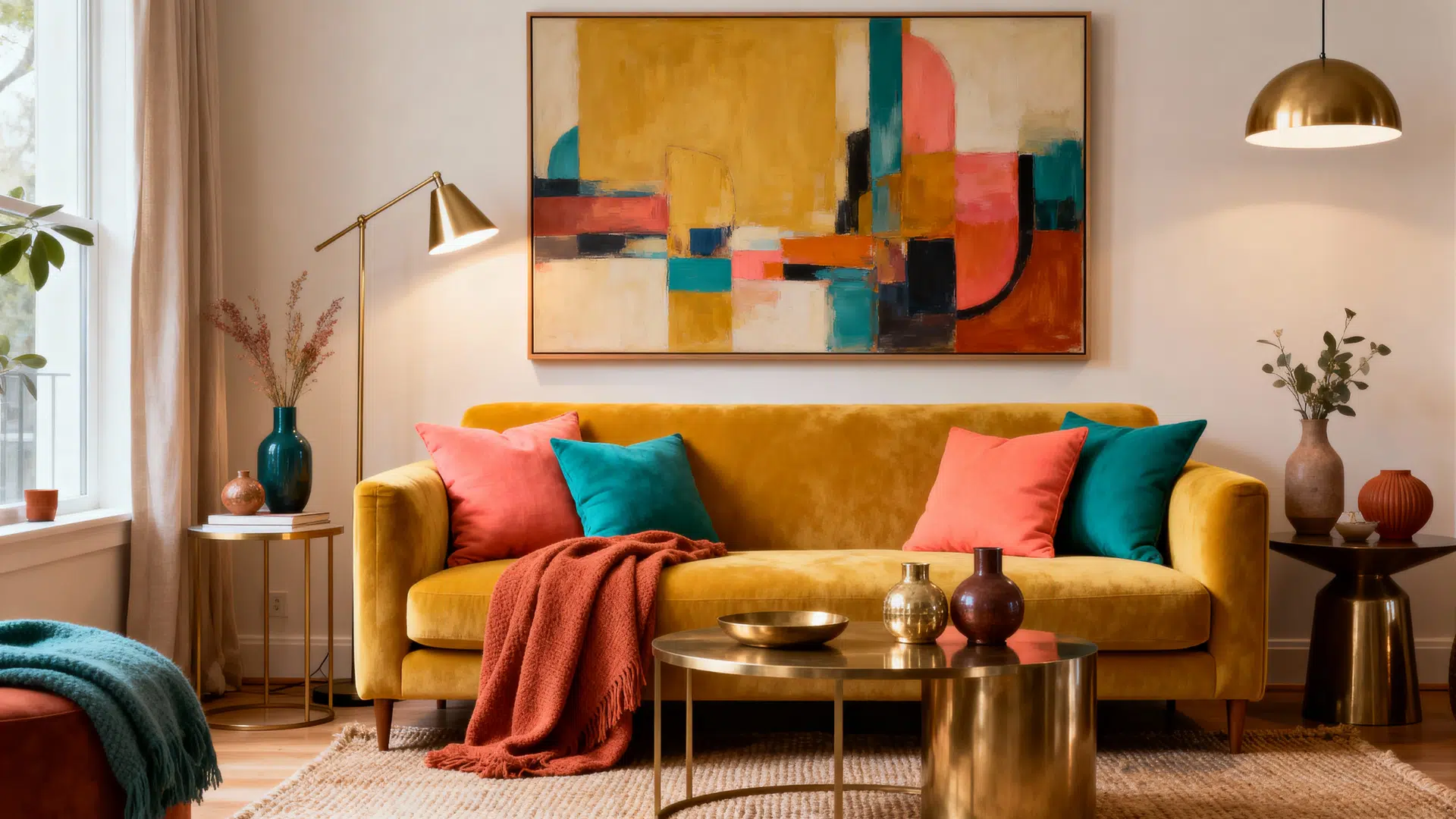
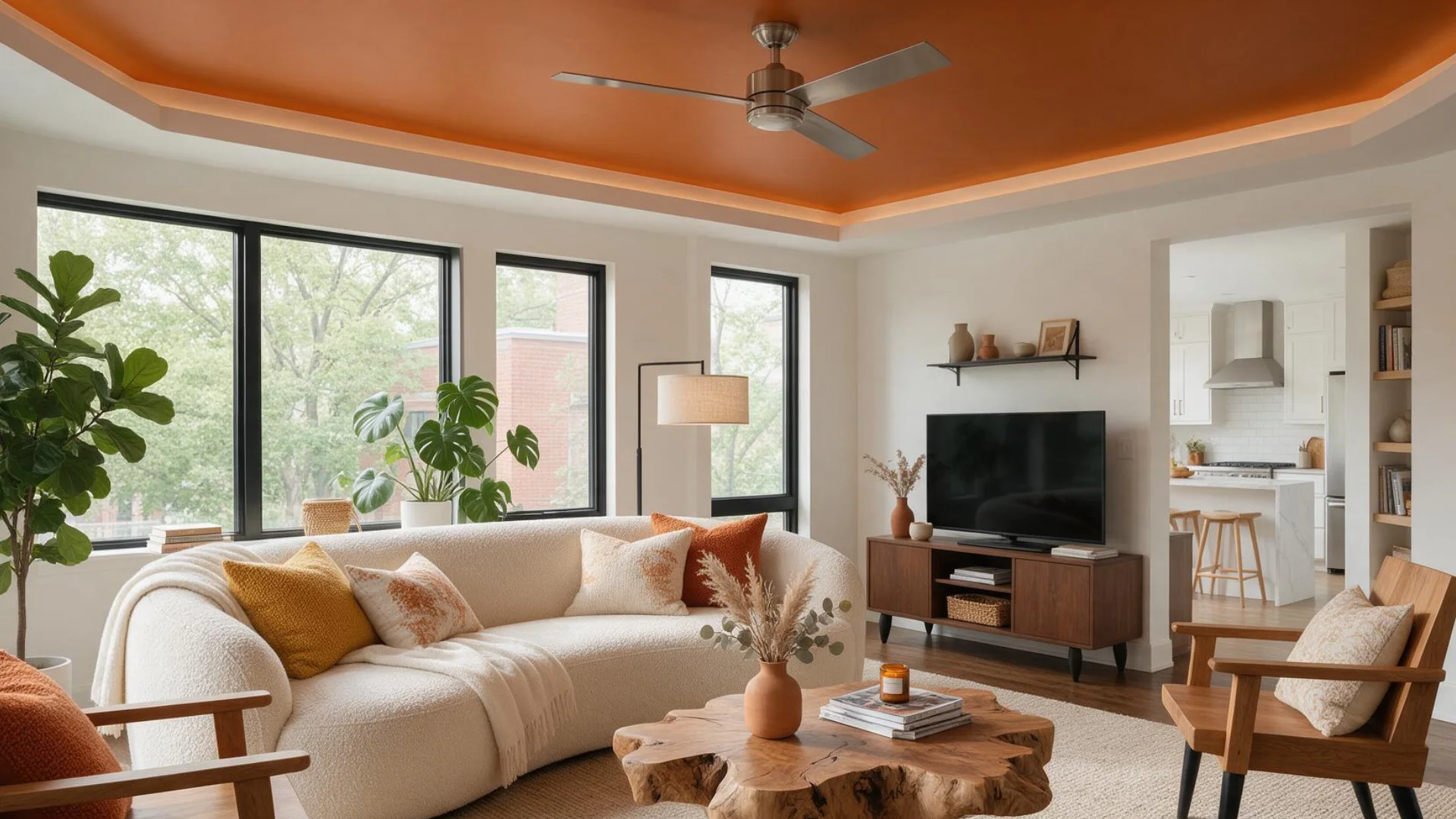
Pick a primary color that appears throughout your room. This could be emerald green or burnt orange.
Use it on walls, furniture, or accessories. Other colors can be wild, but this anchor ties everything together and prevents chaos.
2. Mix Large and Small Patterns
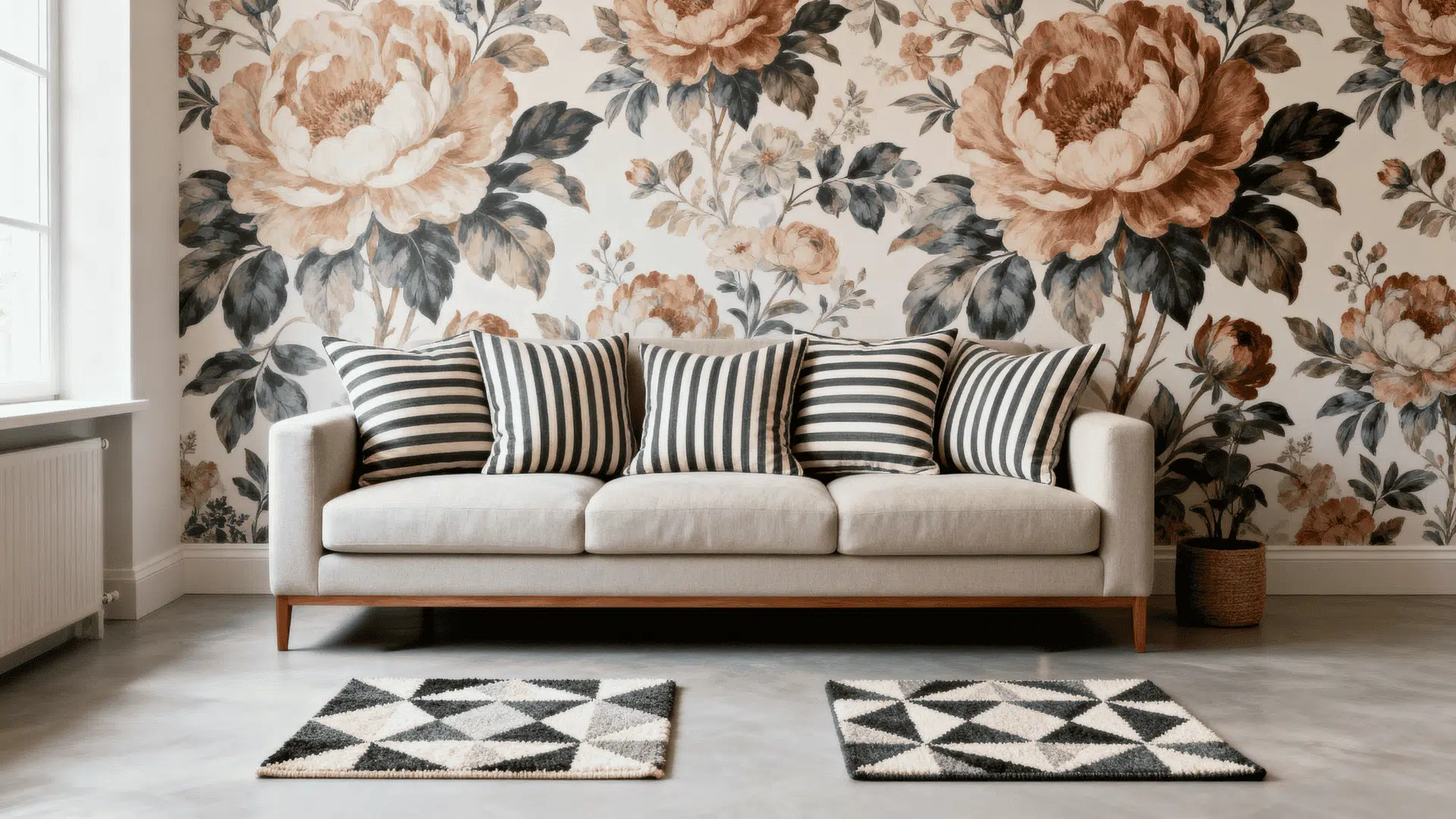
Use a large floral wallpaper, medium-sized striped pillows, and small geometric rugs. When patterns vary in size, your eye can process them more easily.
Combine patterns of different scales in one space. They won’t compete for attention the same way.
3. Create Focal Points in Each Area
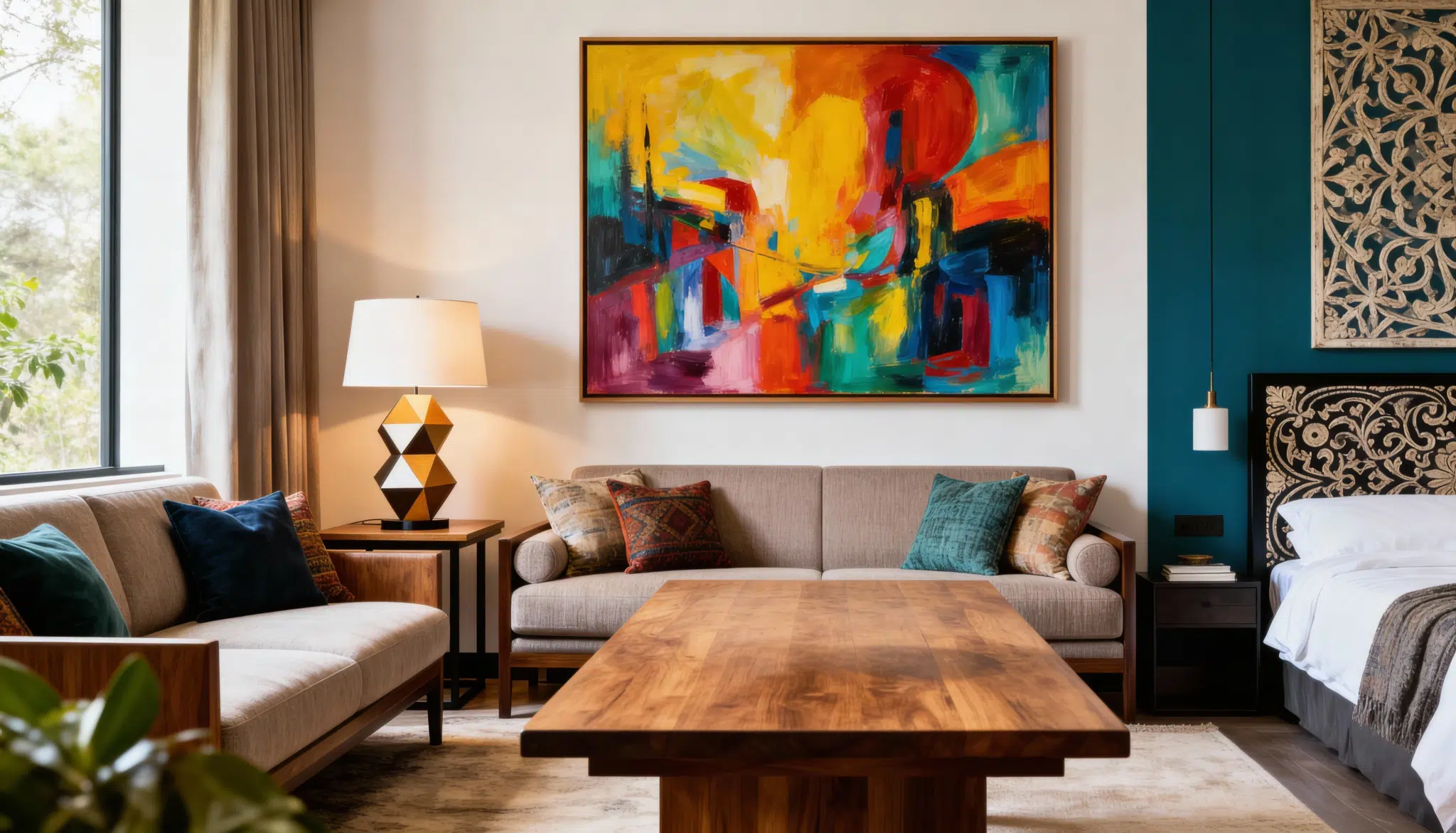
Give each section of your room something fascinating to look at.
Maybe it’s a colorful painting above the sofa or a unique lamp on a side table; these focal points direct where people look first and create intentional viewing moments.
4. Use the Rule of Threes
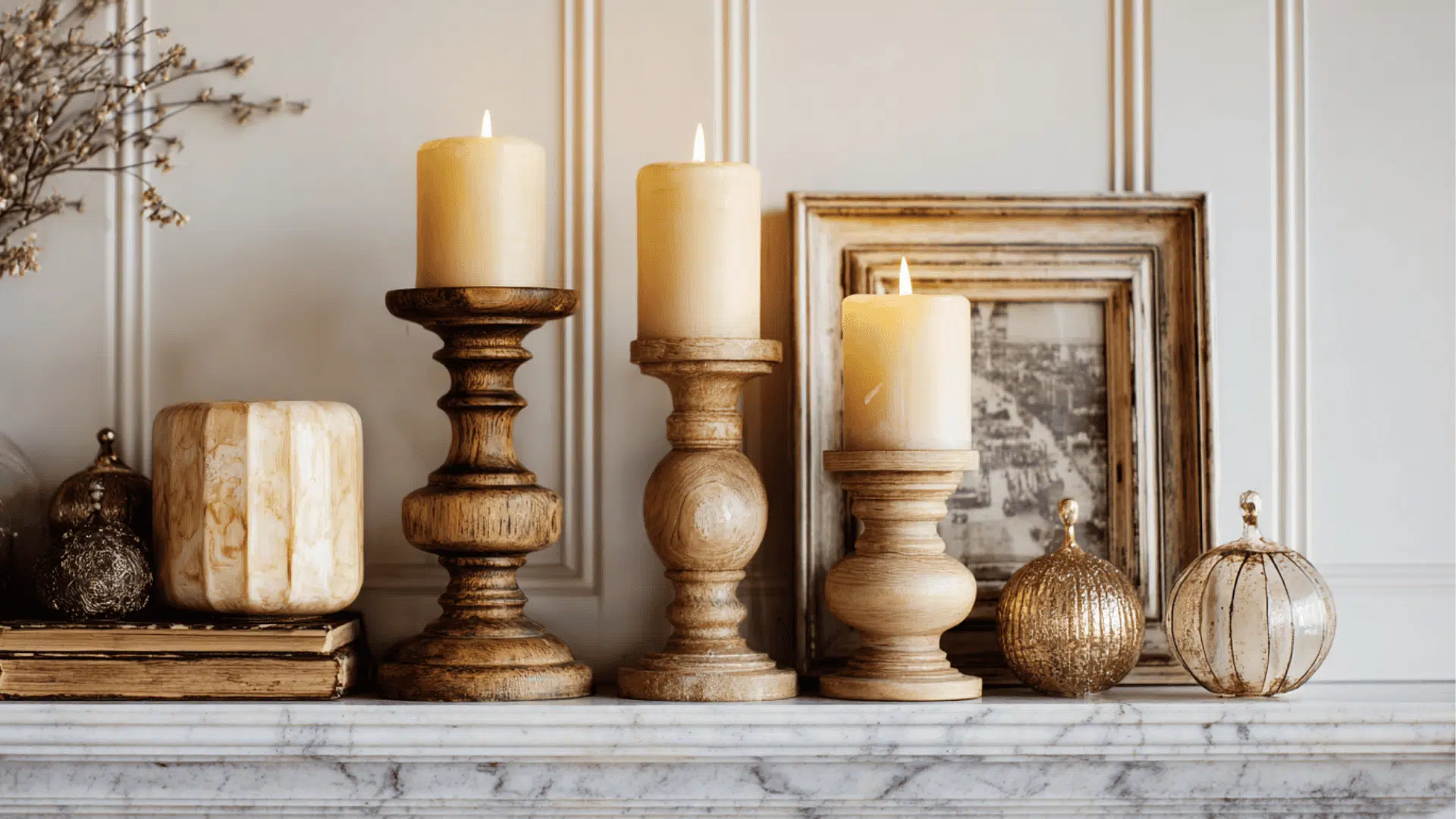
Group decorative objects in sets of three. This old design trick works even in maximalist spaces. It creates order within abundance.
Three candles, or three picture frames, look more balanced than random numbers.
5. Balance Dark and Light Elements
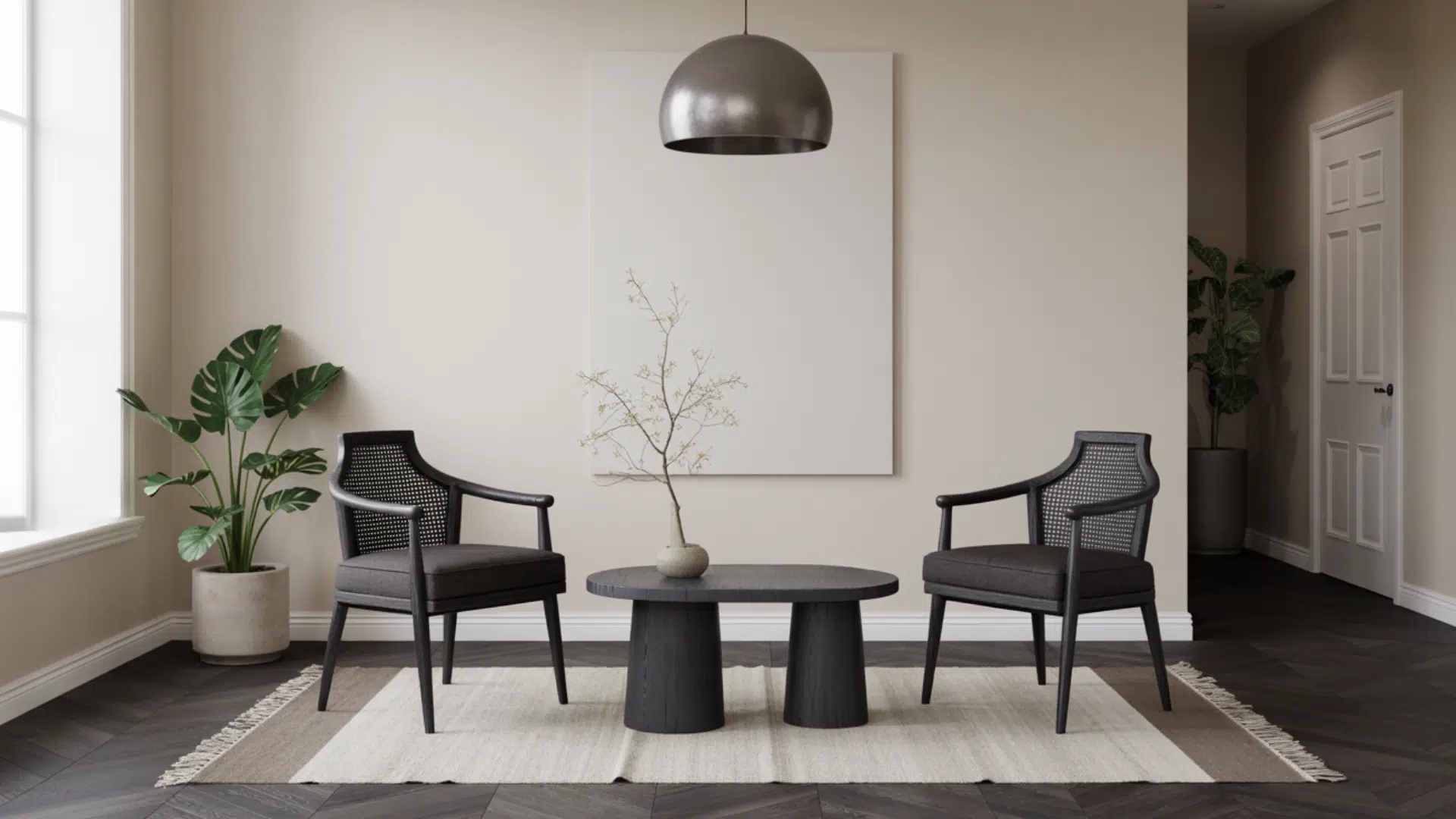
Don’t make everything dark or everything light. Mix dark furniture with light walls.
Pair light-colored rugs with dark wood floors. This contrast prevents your room from feeling too heavy or too washed out. Balance keeps things visually comfortable.
6. Leave Some Breathing Room
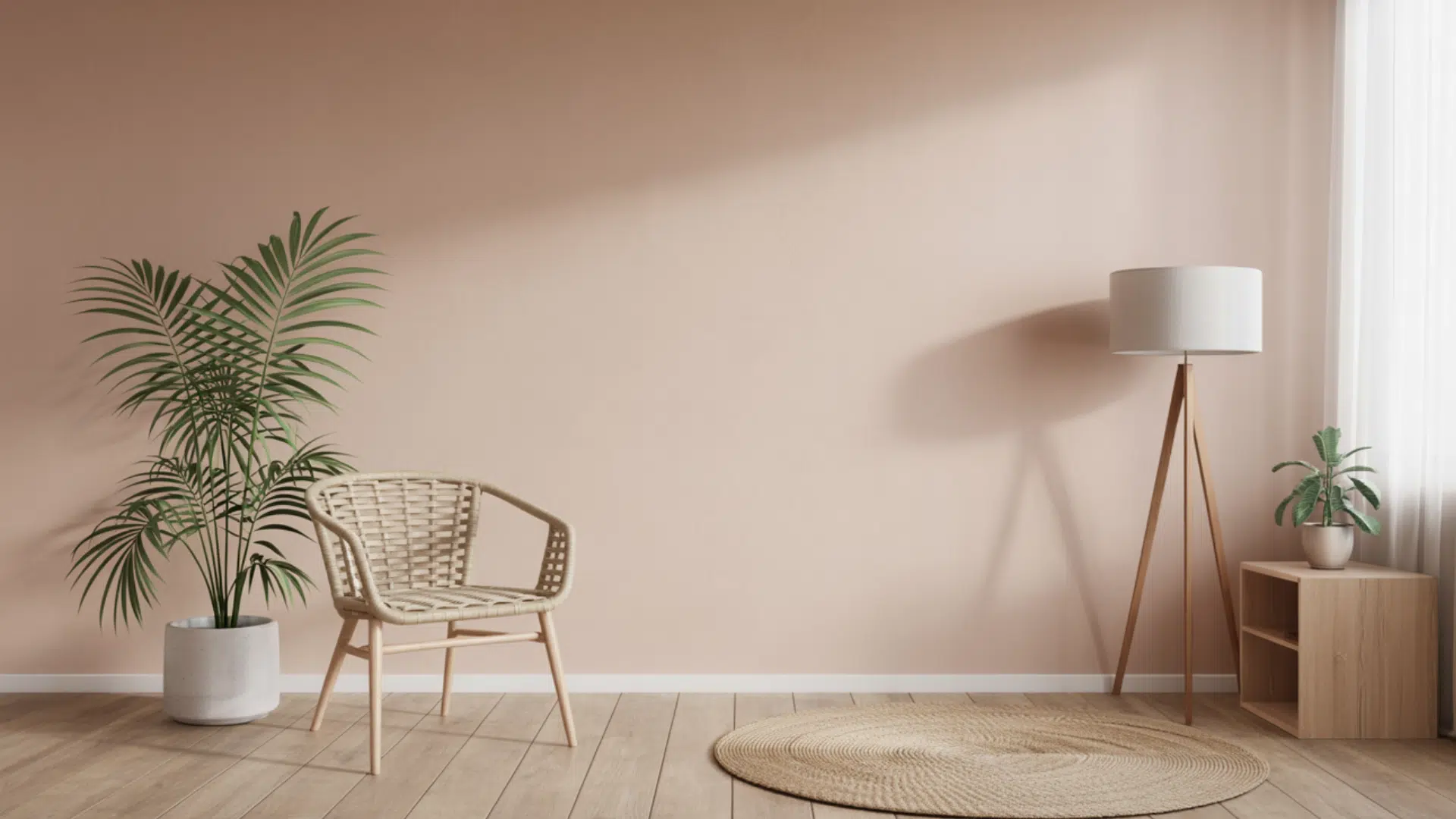
Even maximalism interior design needs occasional breaks. Leave one small section less decorated. Maybe it’s a corner with just a chair.
Perhaps it’s a bit of empty wall. These pauses let your eyes rest before taking in more.
7. Repeat Colors Across the Room
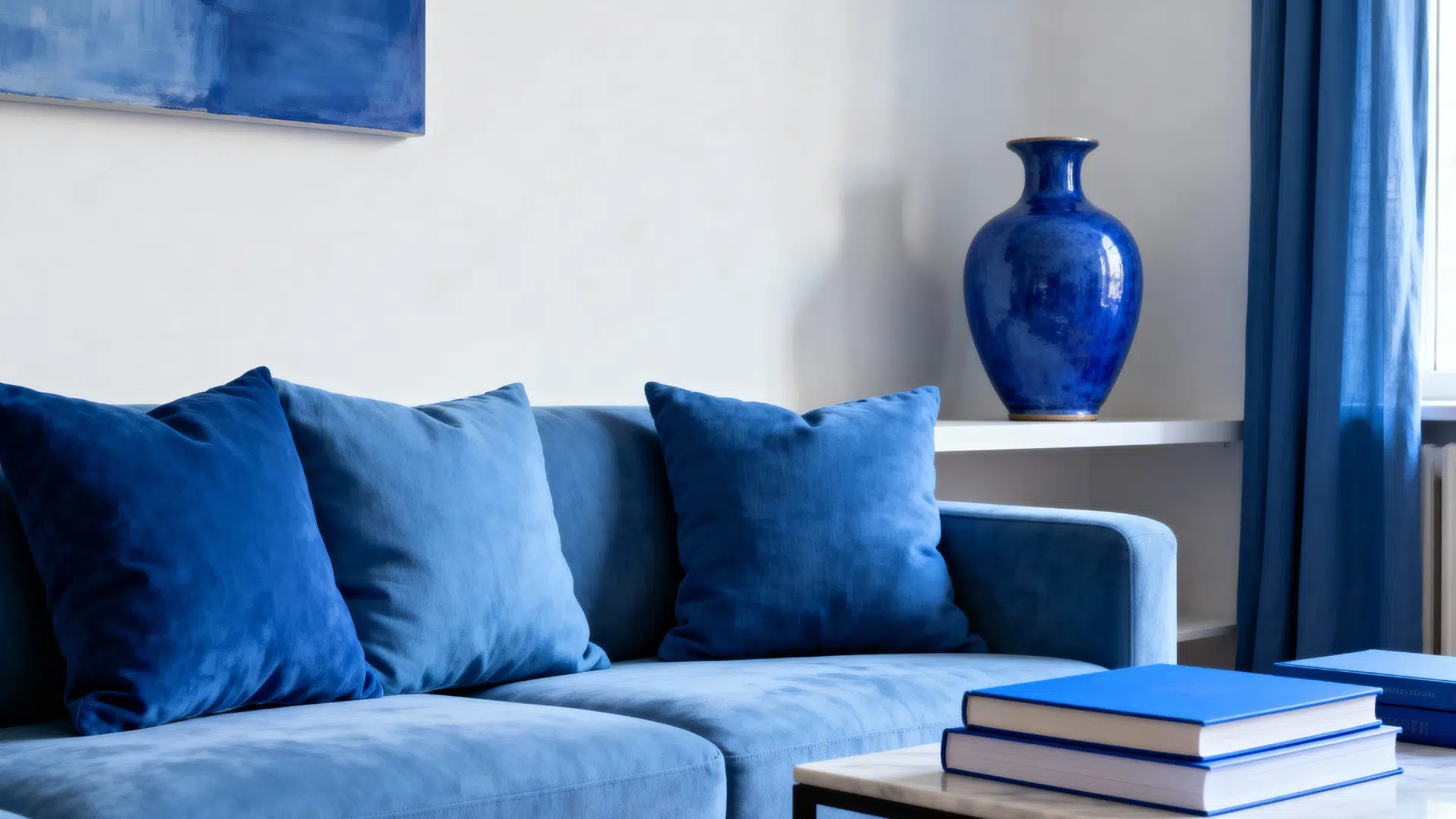
Use your favorite colors in multiple spots around the space.
If you have blue pillows on the sofa, add blue books on the shelf and a blue vase on the table. Repetition creates visual connections that help unify busy rooms.
8. Layer Rugs for Depth
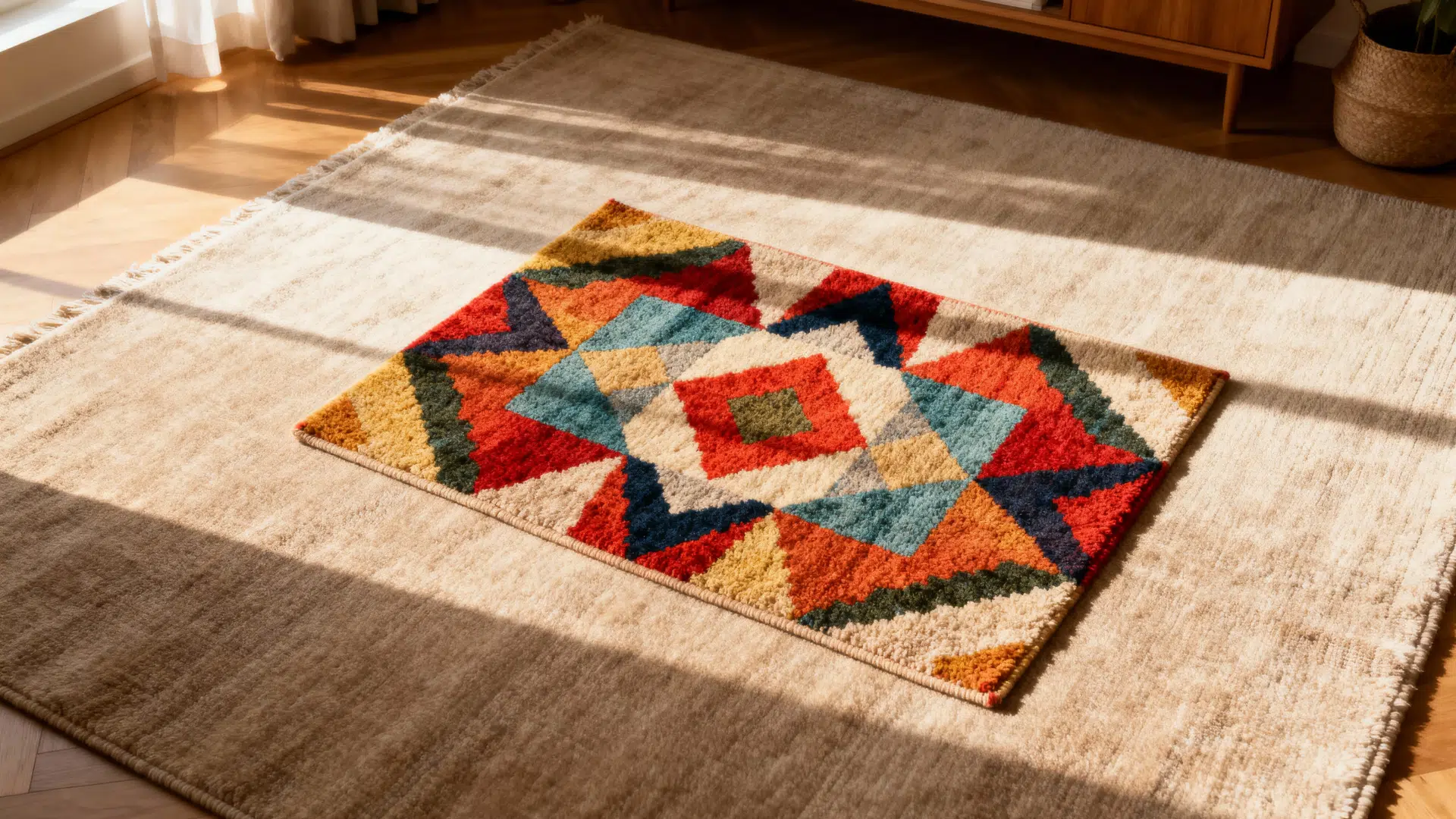
Place a smaller patterned rug over a larger neutral one. This adds texture and interest to your floors.
The bottom rug grounds the space while the top one adds personality. It’s an easy way to introduce more color and pattern.
9. Hang Art at Different Heights
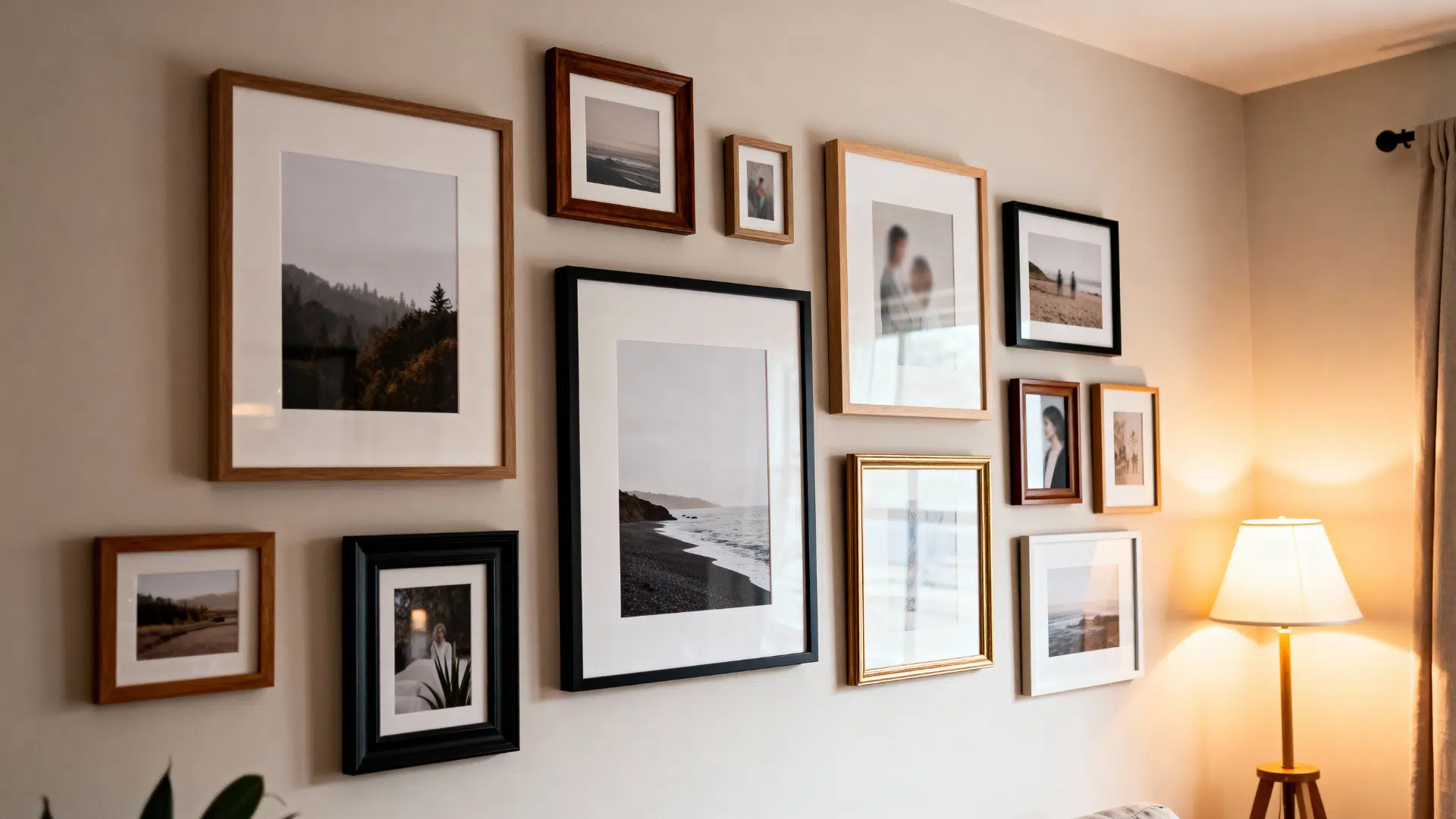
Don’t line up all your wall art at the same level. Vary the heights to create a more organic gallery wall.
Start with larger pieces and fill in gaps with smaller ones. This looks less rigid and more collected over time.
10. Mix Old and New Pieces
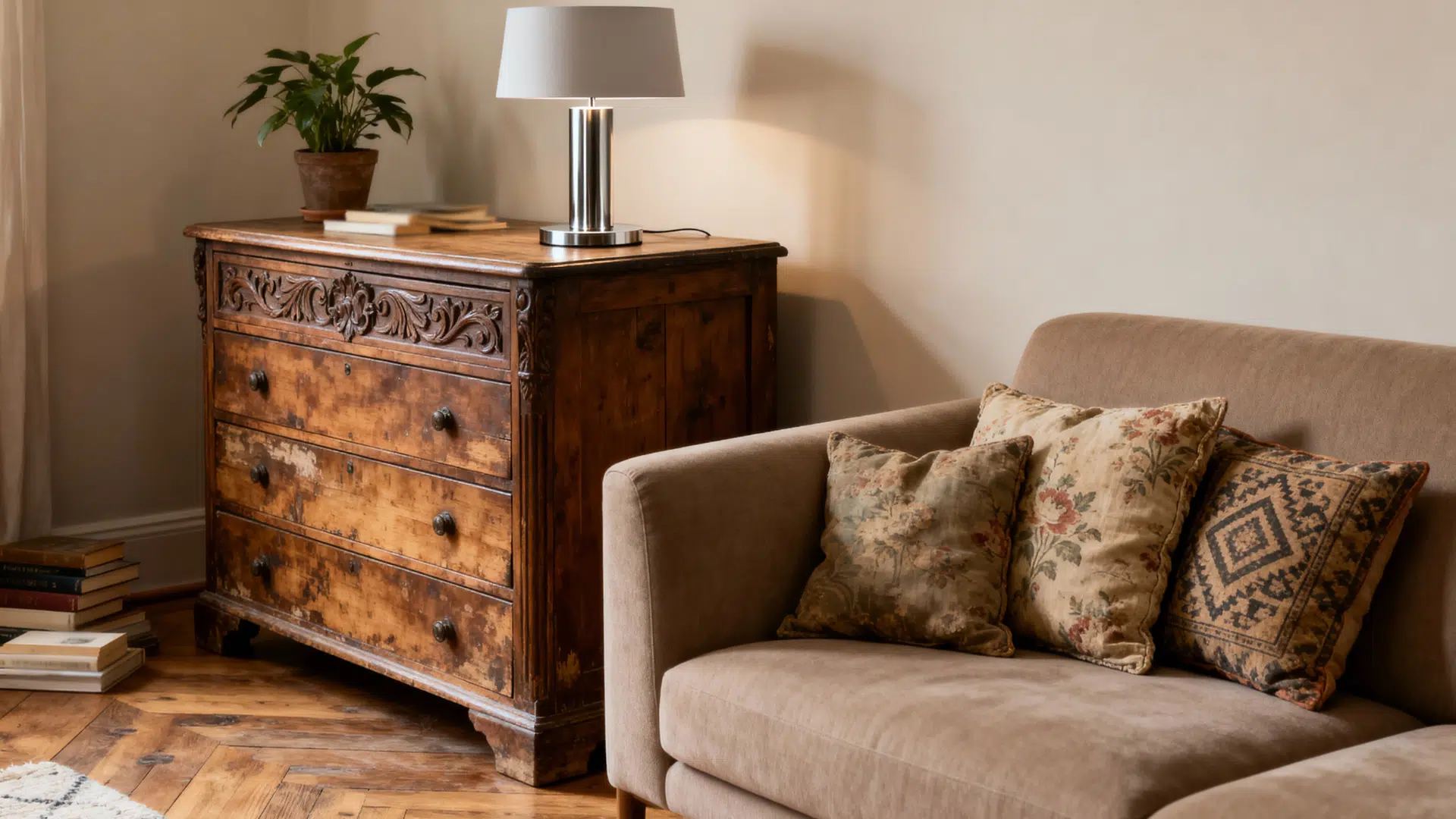
Combine vintage furniture with modern accessories. An antique dresser can hold modern lamps.
A new sofa can be paired with vintage pillows. Mixing eras adds depth and makes your space feel more personal and less catalog-perfect.
11. Use Books as Decorative Elements
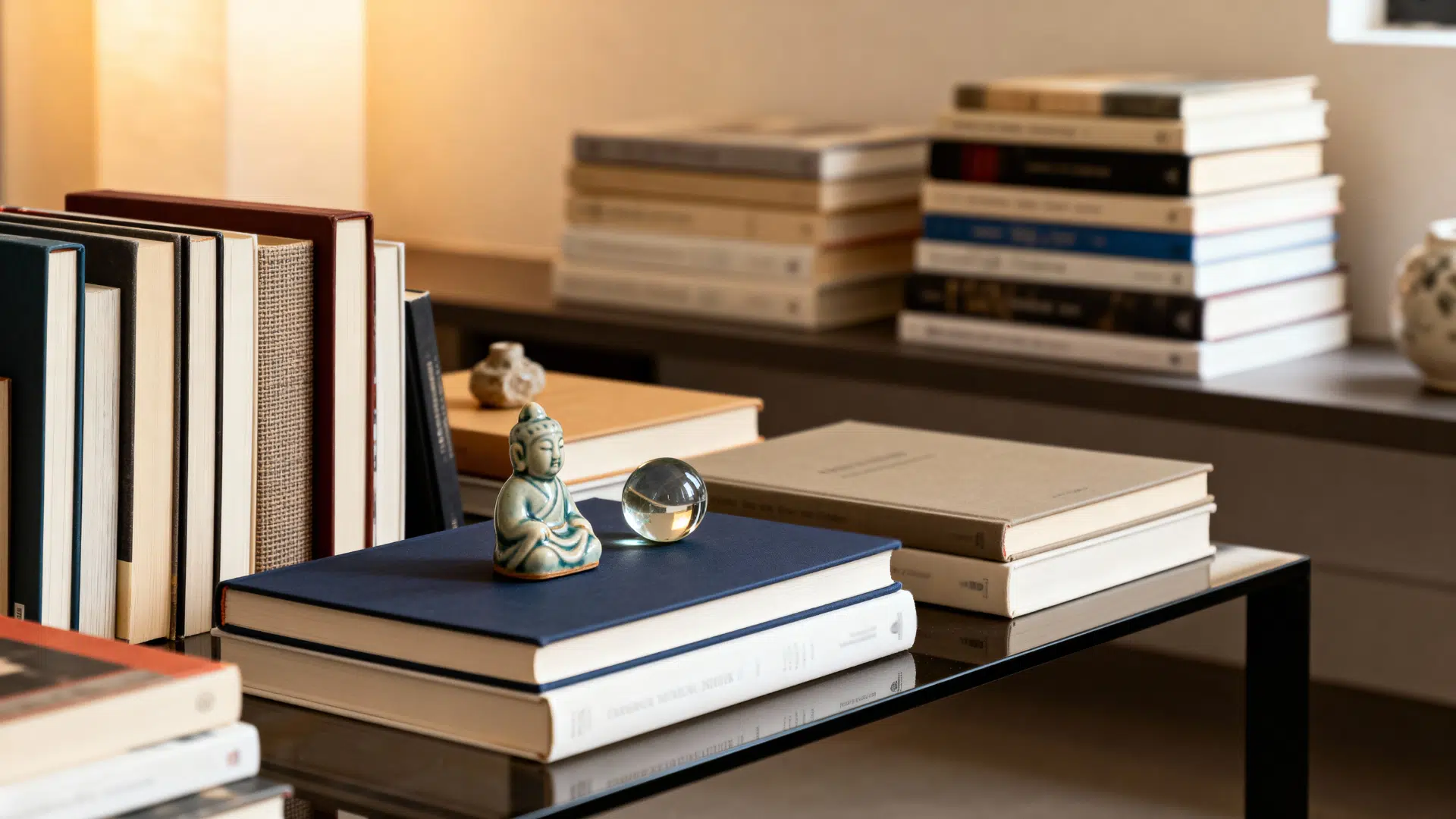
Stack books horizontally and vertically on shelves. Place them on coffee tables with objects on top. Books add color through their spines and create height variations.
They’re functional art that fills space while showing your interests and personality.
12. Add Metallic Accents Throughout
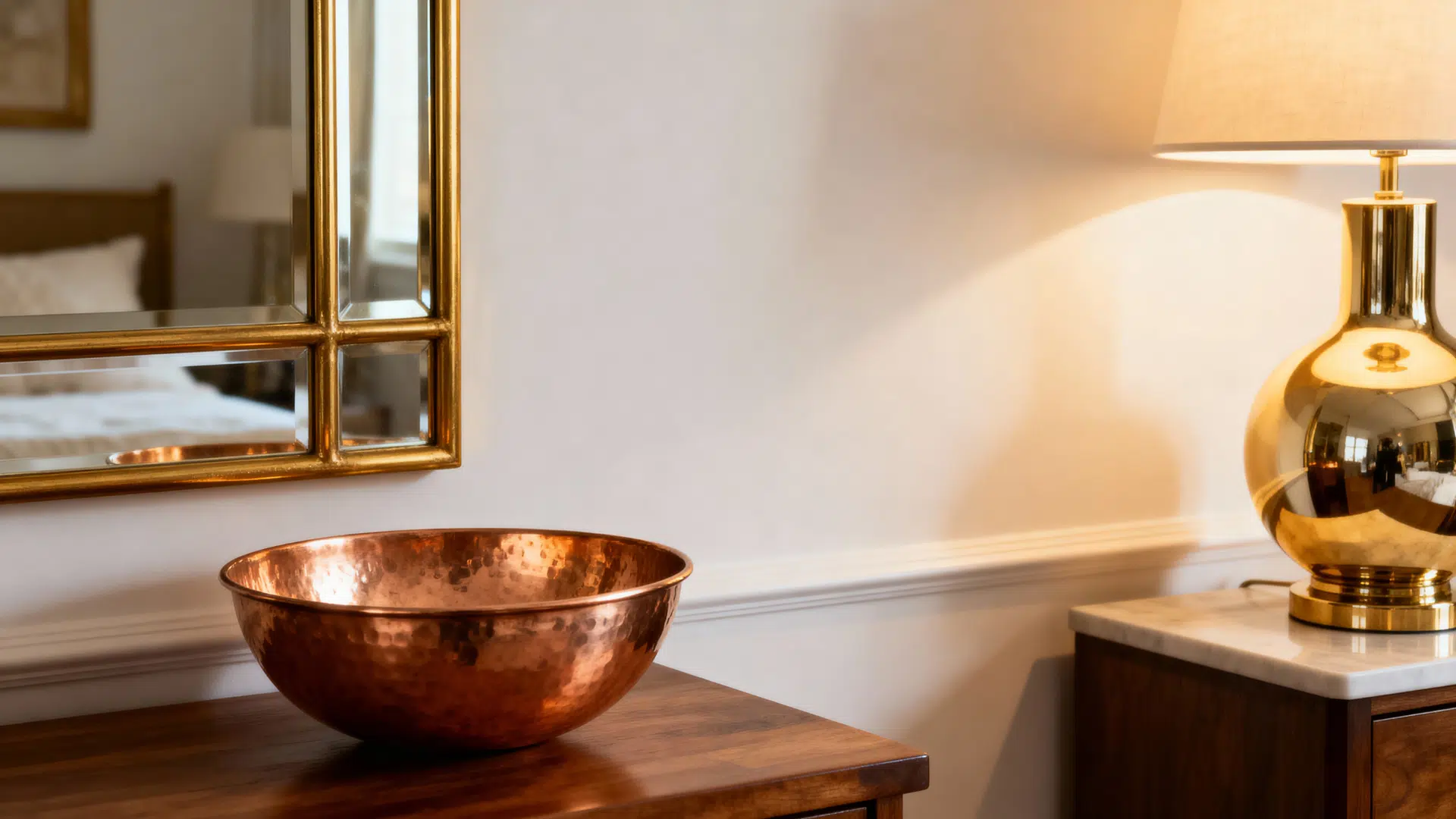
Scatter gold, brass, copper, or silver items around your room. Metal catches light and adds shine to busy spaces.
Use it in picture frames, lamp bases, or decorative bowls. The reflective quality breaks up matte surfaces nicely.
13. Install Statement Lighting Fixtures
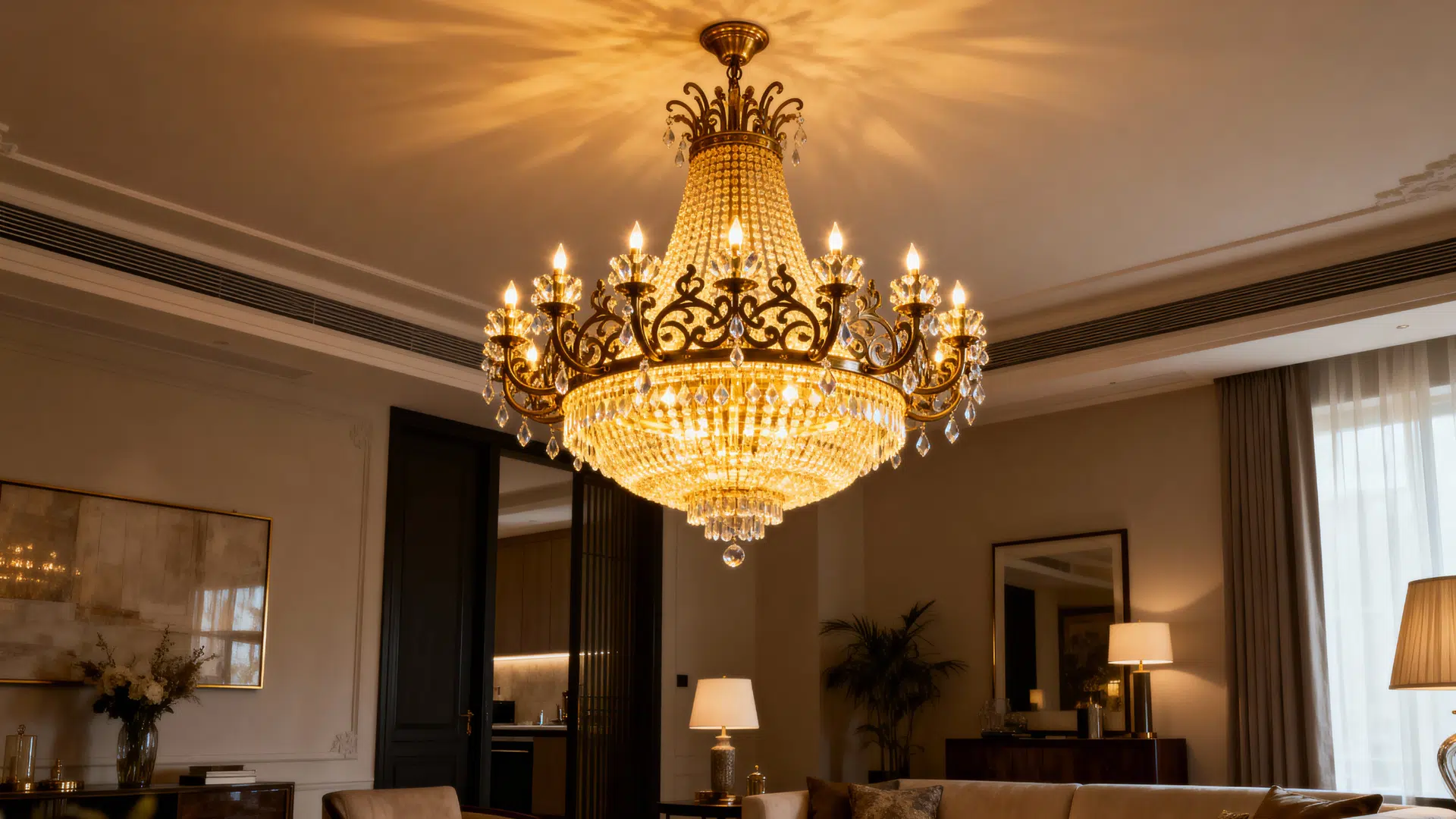
Choose a bold chandelier, pendant, or floor lamp as a centerpiece.
Lighting shouldn’t be boring in maximalist design. A striking fixture draws the eye upward and adds another layer of visual interest. It becomes functional art in your space.
14. Frame and Display Textile Art
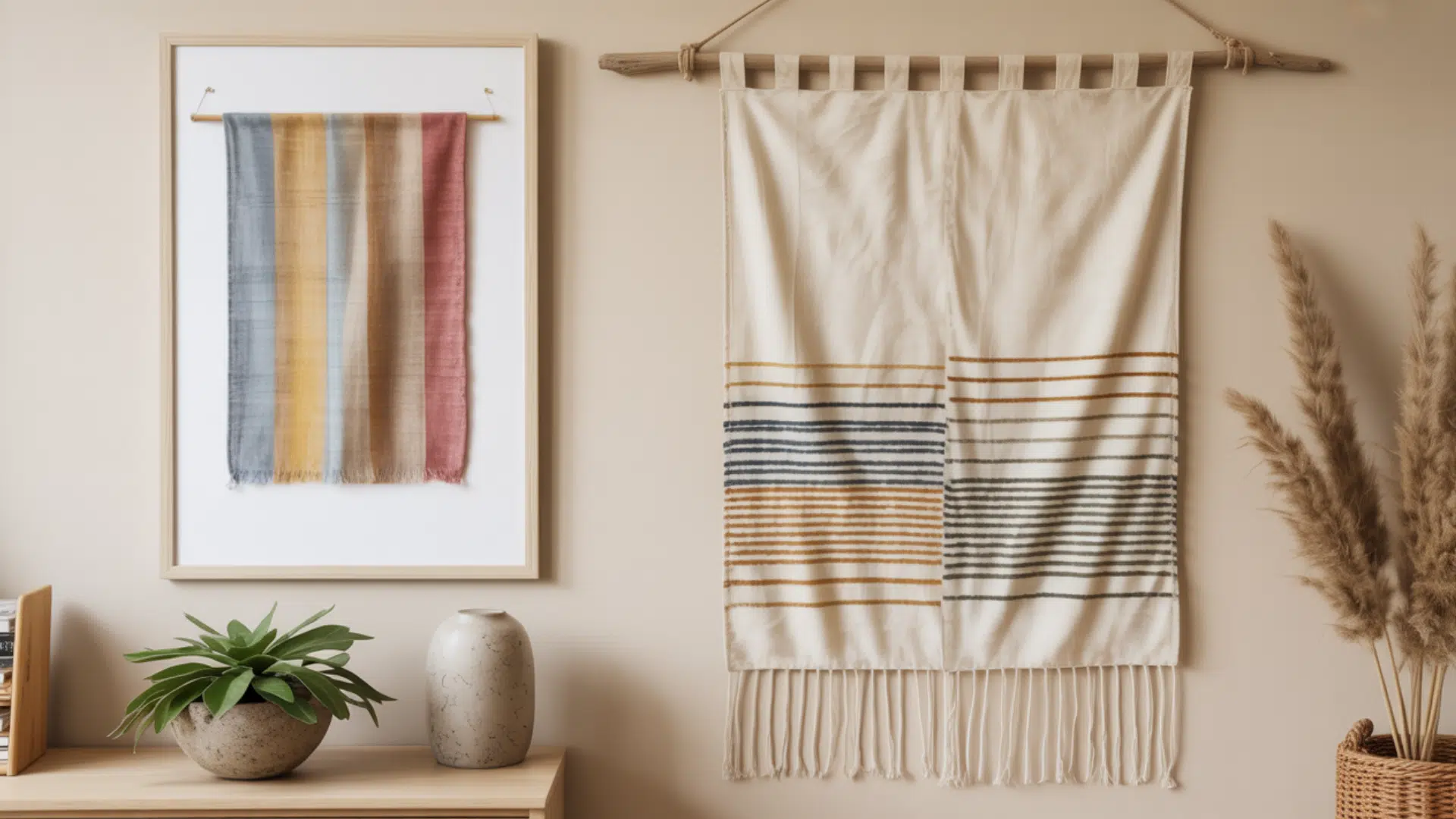
Hang tapestries, vintage scarves, or embroidered pieces on your walls. Textiles add softness and texture that paintings can’t provide.
Frame them like traditional art or use decorative rods. They bring heat and cultural richness to your walls.
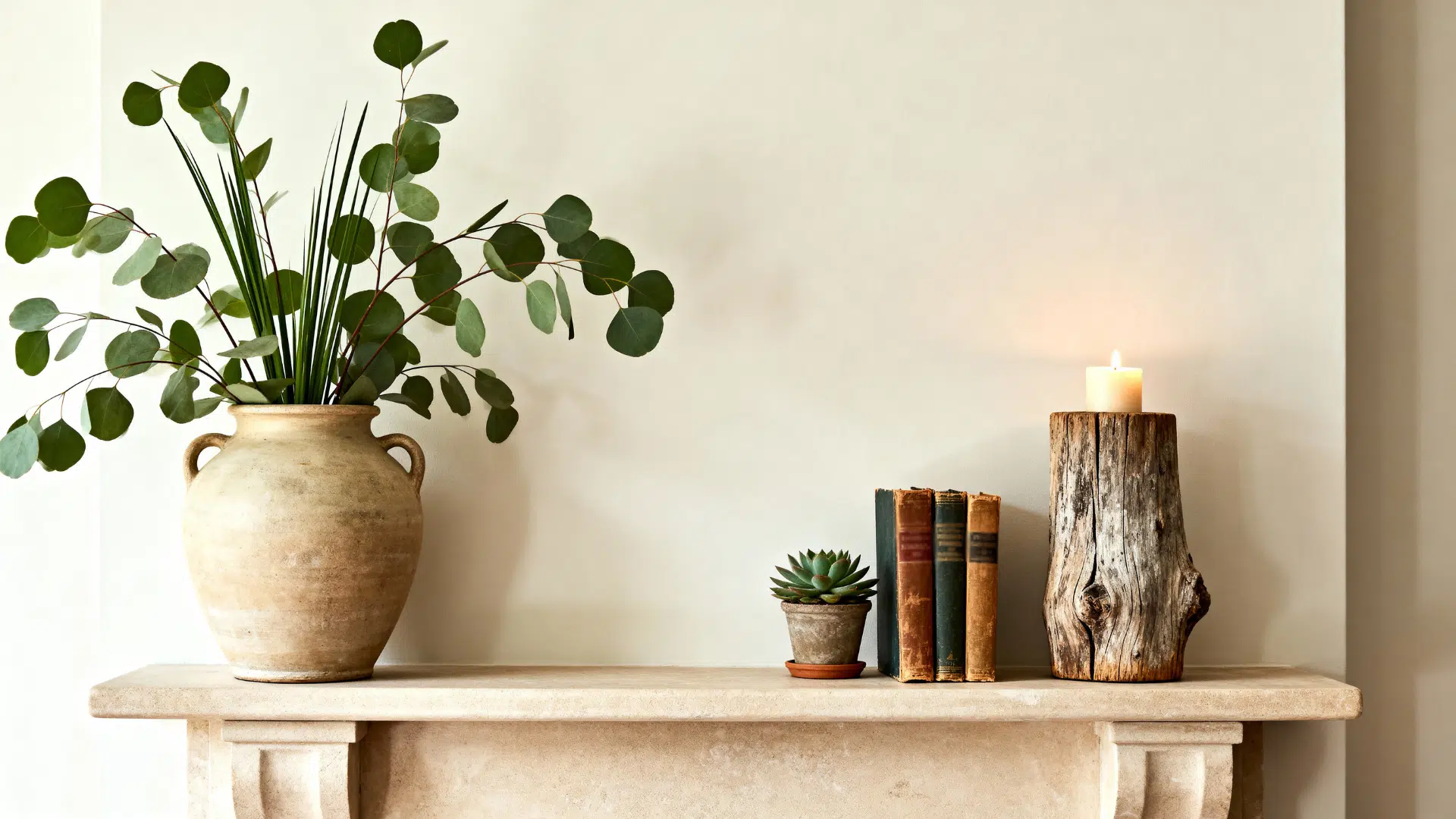
15. Create Vignettes on Surfaces
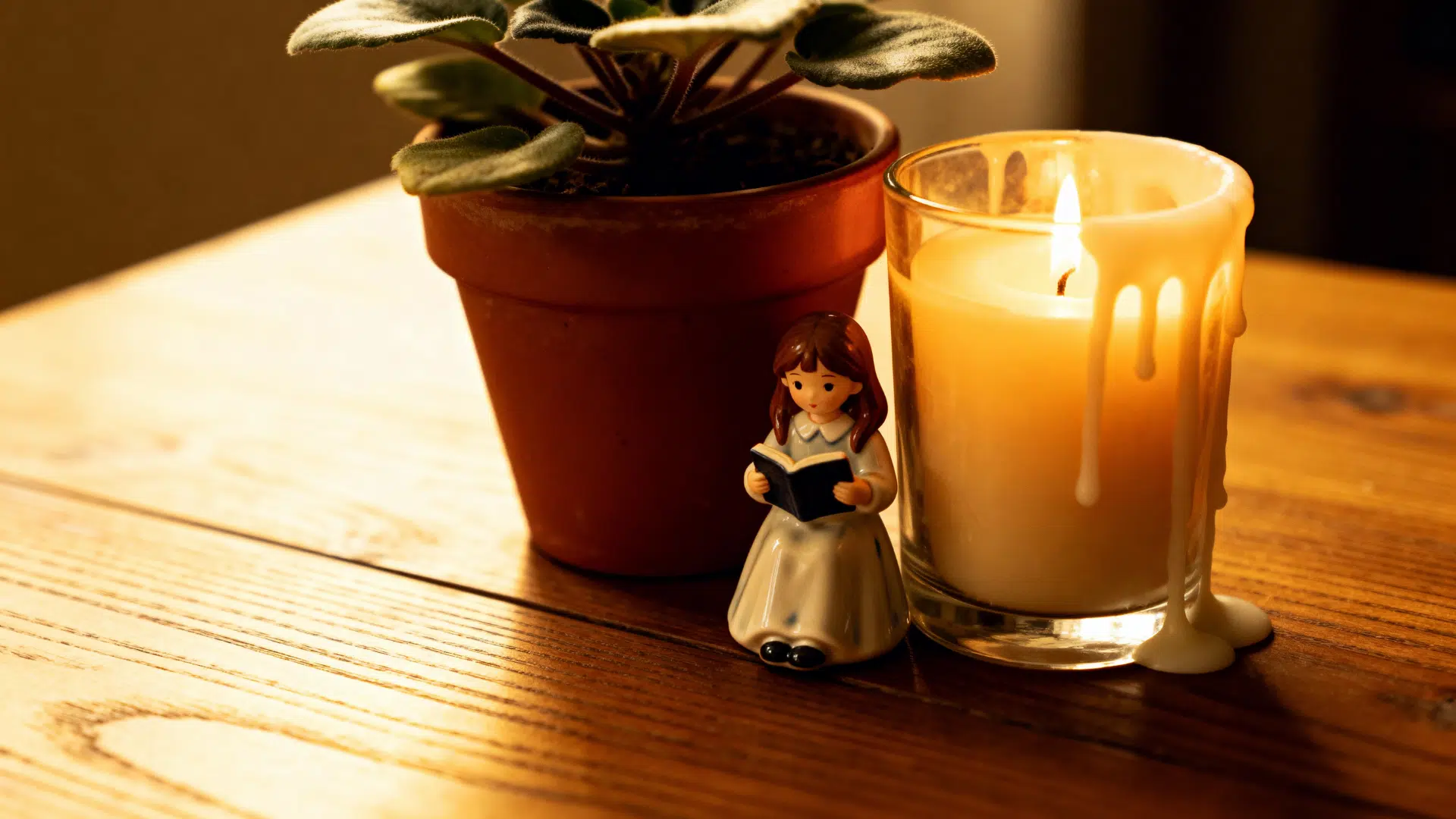
Arrange small groupings of objects on tables and shelves. Combine a plant, a candle, and a small sculpture.
These mini compositions tell stories. They’re easier to style than entire rooms, and you can change them when you want something fresh.
16. Use Bold Wallpaper on One Wall
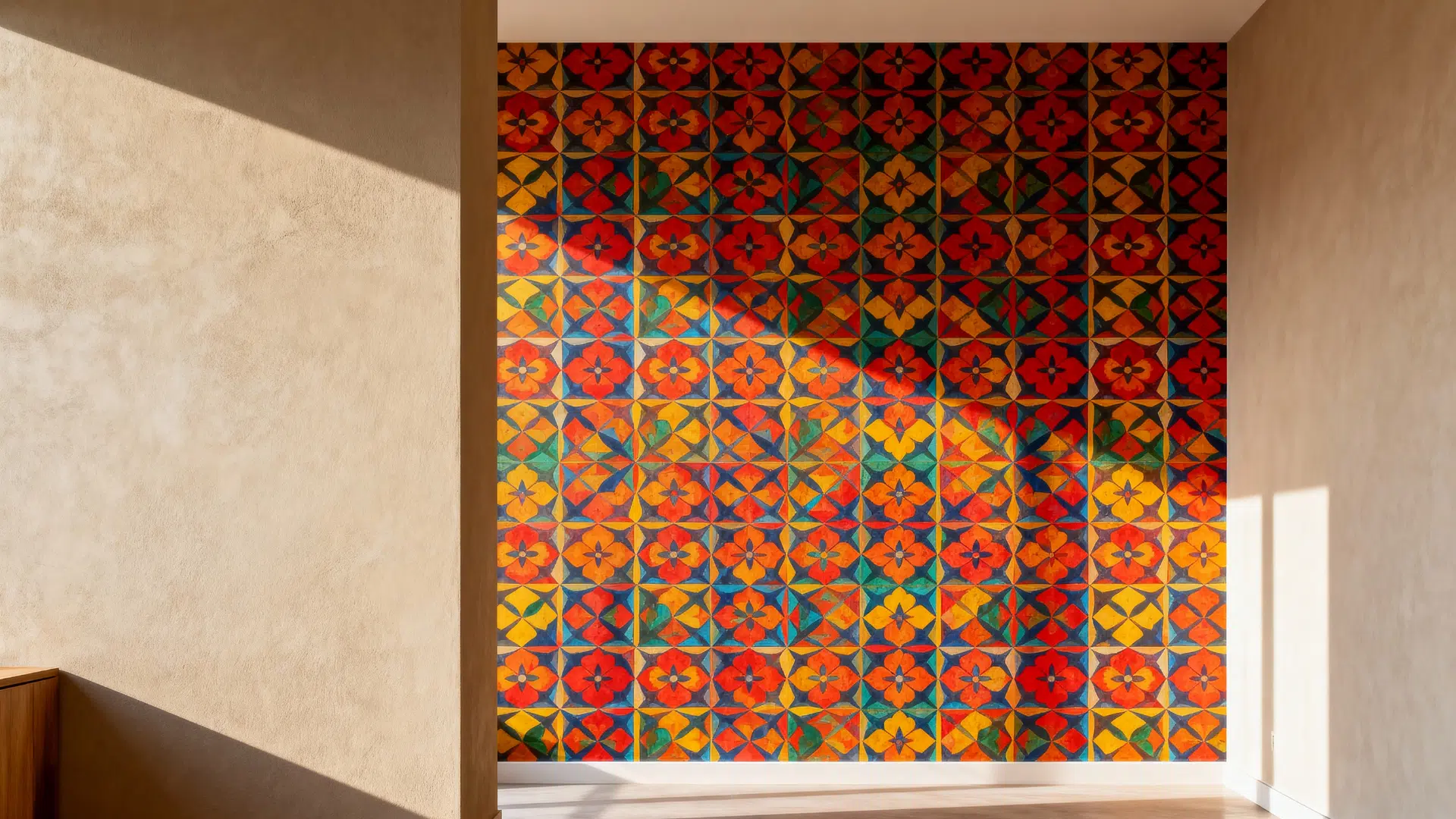
If covering all walls feels too intense, try an accent wall instead. Choose your boldest pattern or brightest color for this feature wall.
Keep the other walls simpler. This gives you maximum impact while maintaining some visual relief.
17. Incorporate Different Wood Tones
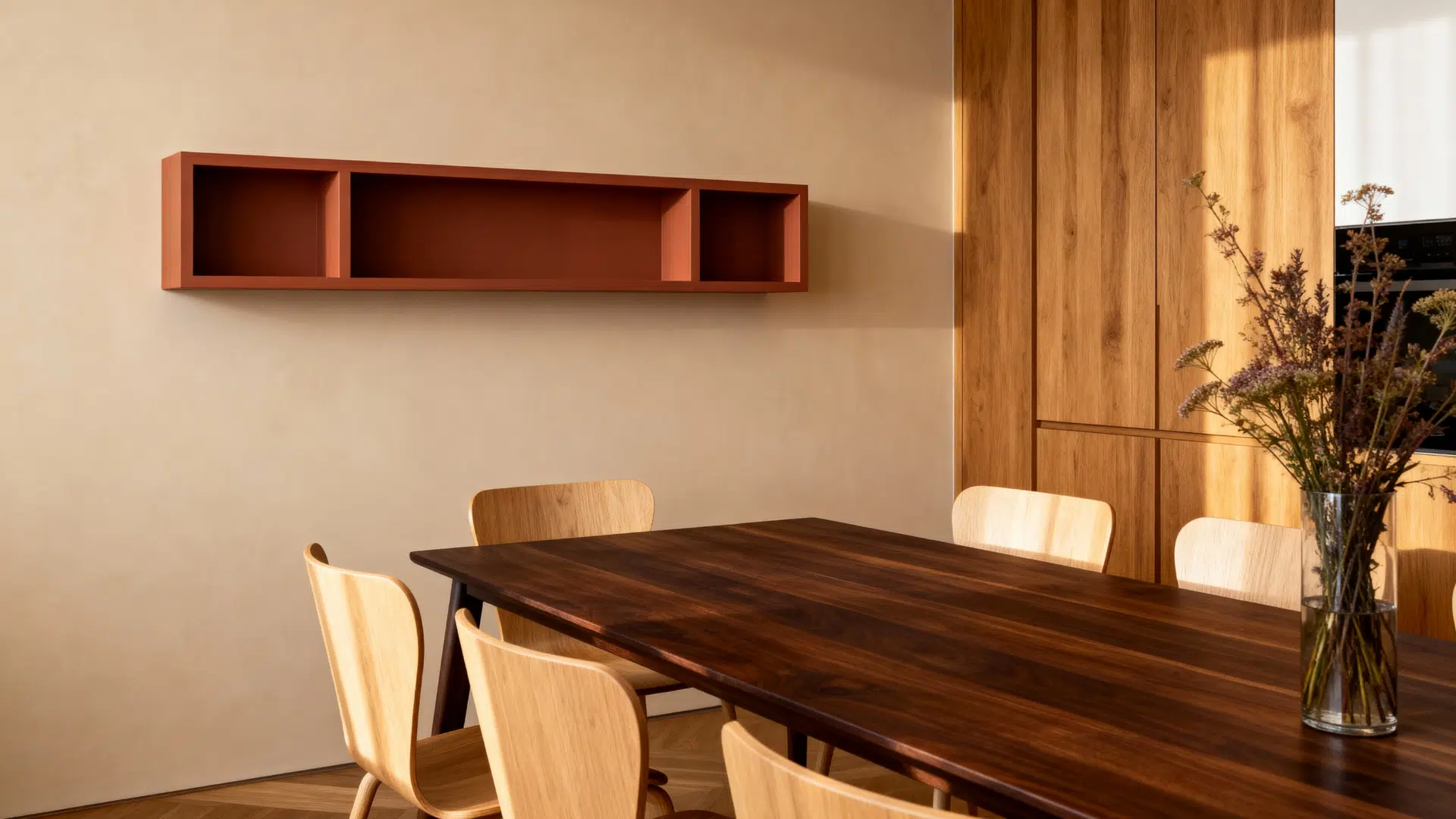
Mix light oak with dark walnut. Combine painted wood with natural finishes. Matching wood perfectly isn’t necessary in maximalism.
Different tones add richness and make your space feel collected over the years rather than bought all at once.
18. Display Collections in Groups
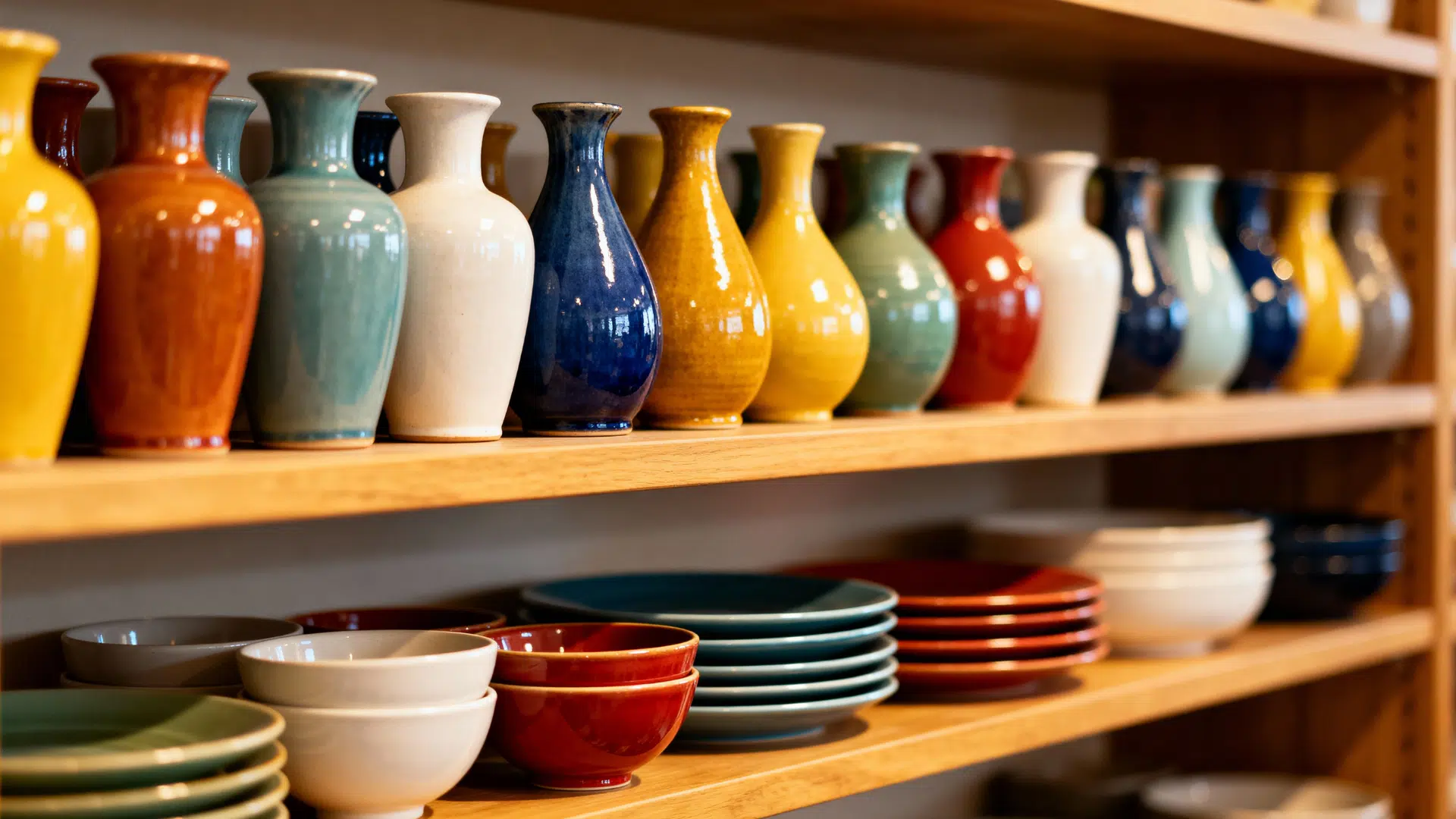
Gather similar items together for impact. A shelf of colorful ceramics looks intentional.
Scattered single pieces look messy. Grouping shows you’re a collector, not just cluttered. It turns possessions into displays that contribute to your design vision.
19. Add Plants at Various Heights
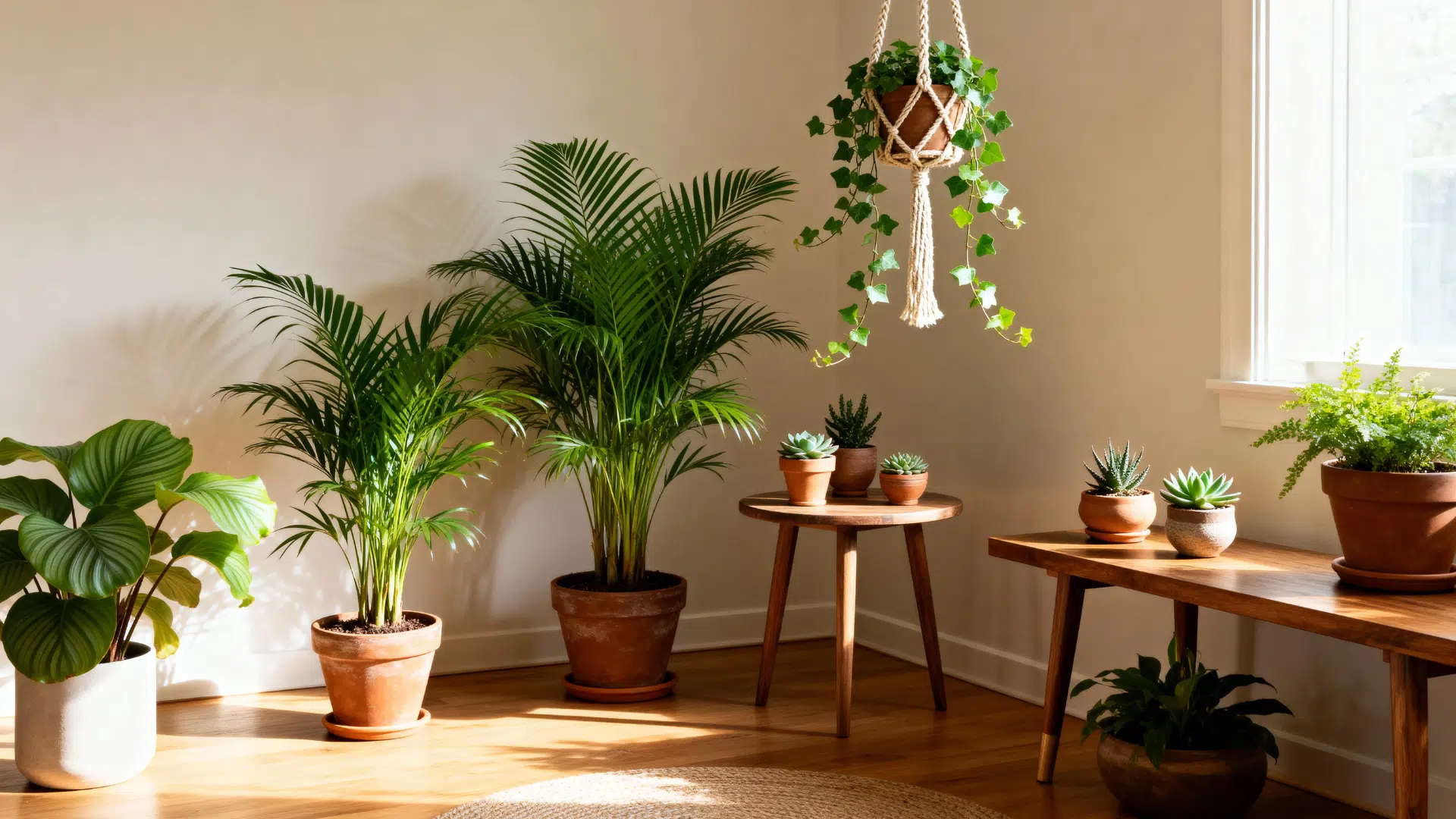
Put plants on the floor, on tables, and hanging from ceilings. Vary the pot colors and plant types. Greenery adds life and softness to busy patterns and bold colors.
Plants also improve air quality while contributing to your room’s abundance.
20. Use Patterned Curtains or Drapes
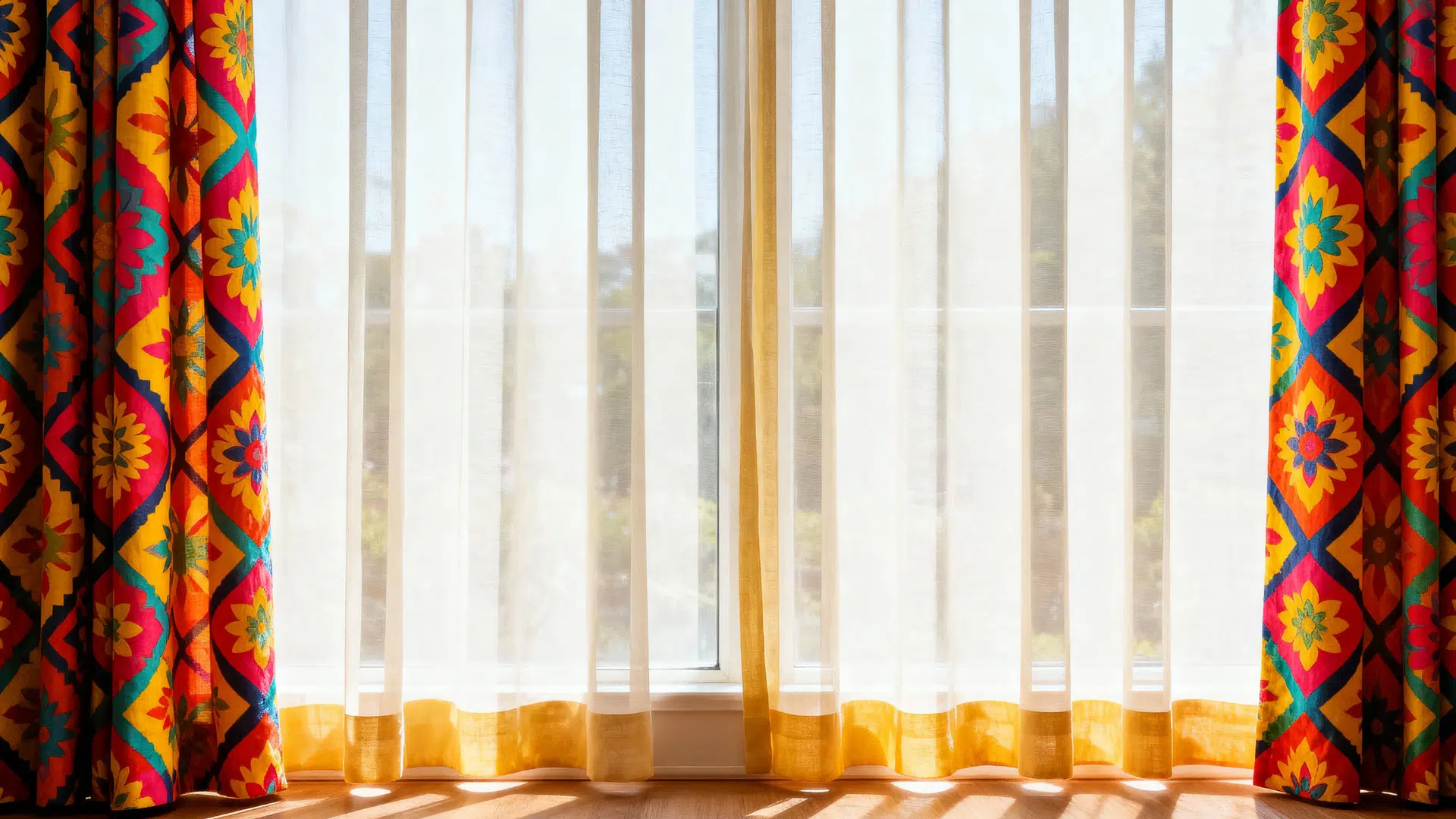
Window treatments are opportunities for more patterns and colors.
Choose curtains that complement your room’s palette but don’t match exactly. Floor-length drapes add drama and height. They frame your windows like art and soften hard edges in the room.
21. Mix Furniture Styles Freely
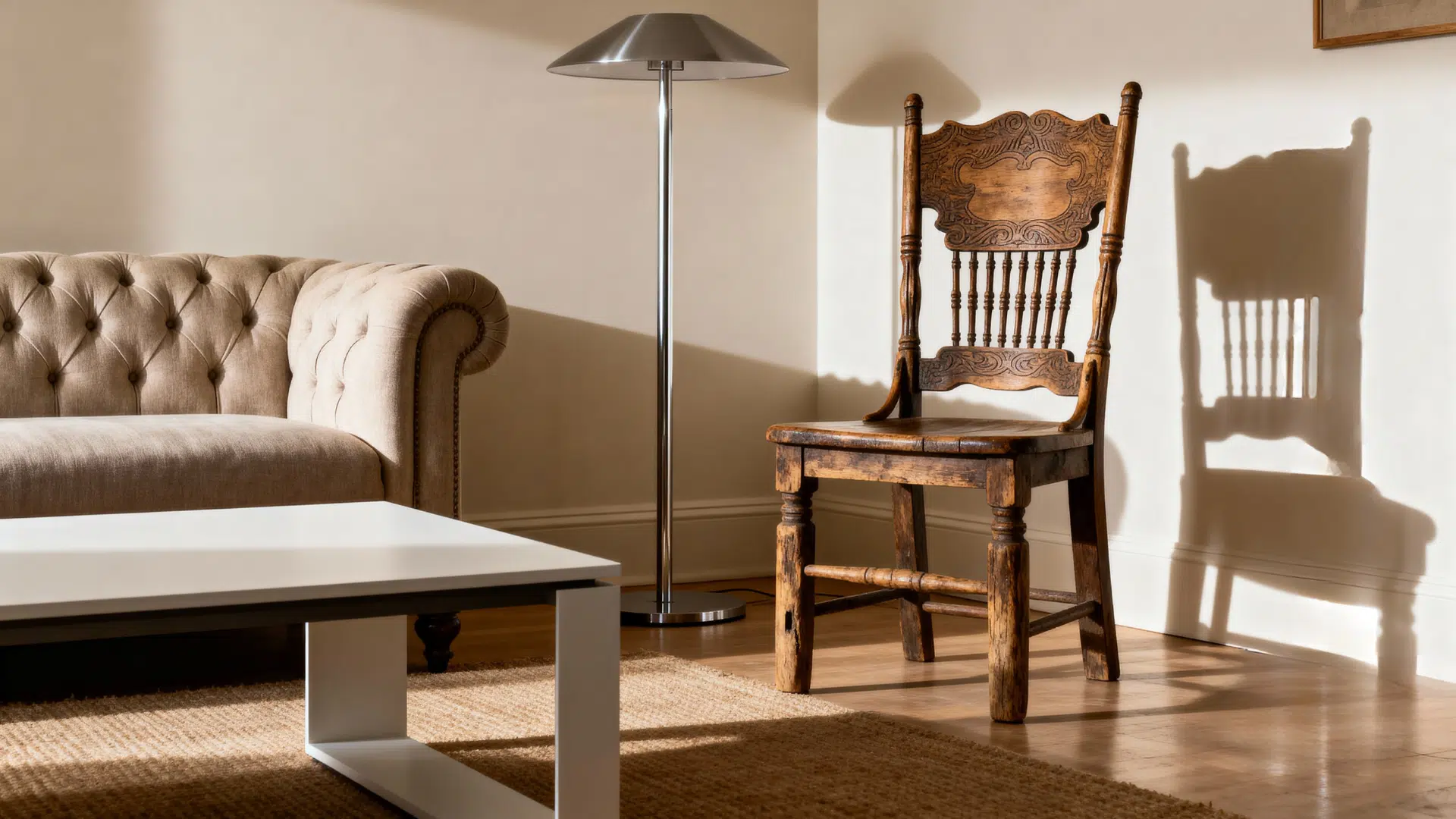
Pair a modern coffee table with a traditional sofa. Combine a rural dining table with modern chairs.
Maximalism doesn’t require matched furniture sets. Mixing styles makes your space more interesting and personal. Just ensure the scale works together.
22. Add Texture Through Throw Blankets
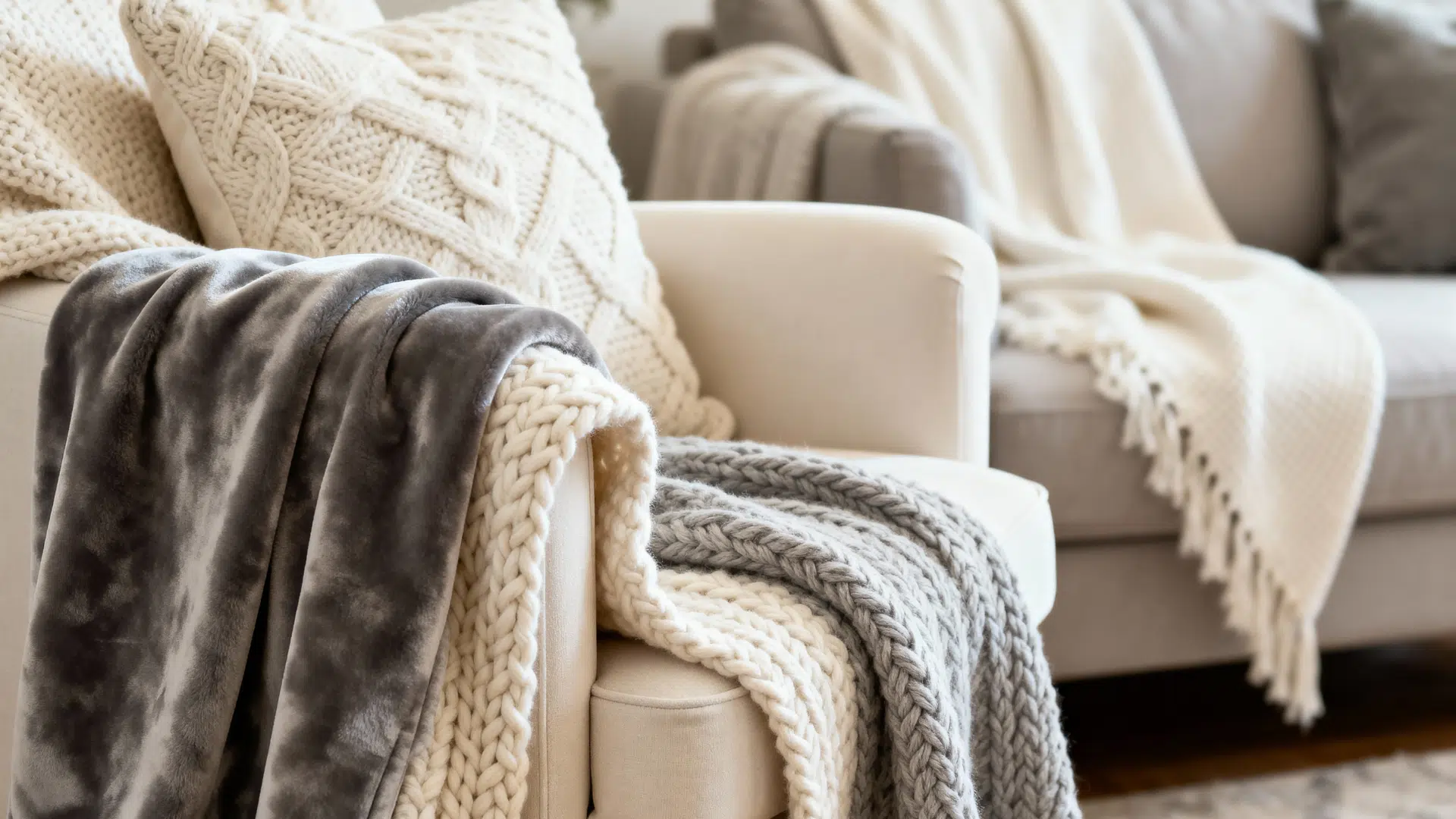
Drape different blankets over sofas and chairs. Use chunky knits, smooth velvet, and woven cotton. Layering blankets adds coziness and visual texture.
They’re easy to swap seasonally, too. Please keep them in colors that work with your overall palette.
23. Create Asymmetrical Arrangements
Avoid perfectly balanced, symmetrical layouts. Place a large item on one side and several smaller items on the other.
Asymmetry feels more natural and dynamic. It keeps your eye moving around the room rather than settling on predictable patterns.
24. Use Decorative Trays to Organize
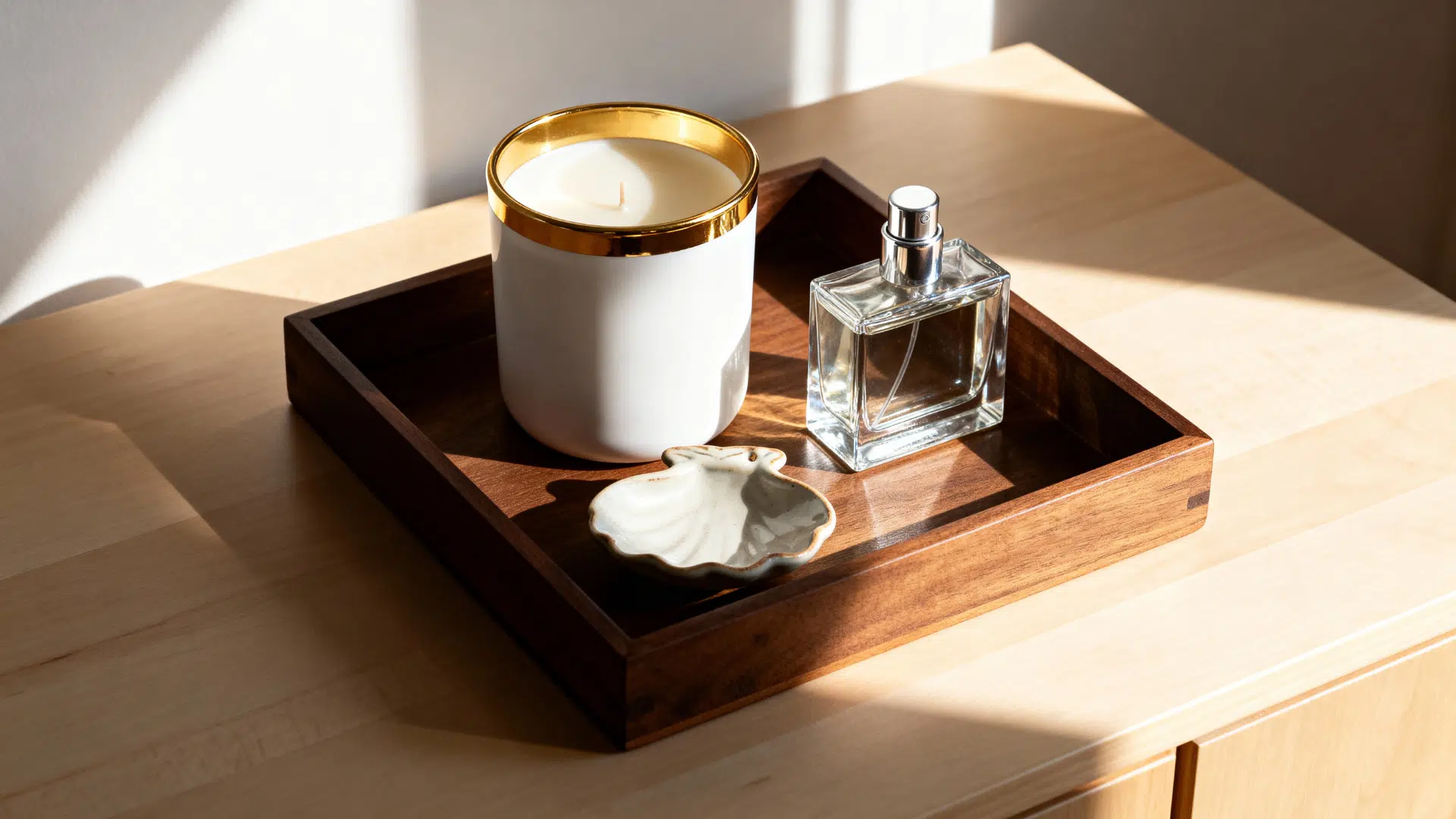
Corral small items on trays to create order within abundance. Group candles, perfumes, or trinkets together.
Trays define boundaries and make collections look intentional. Choose trays in interesting materials like marble, brass, or patterned ceramic.
25. Trust Your Personal Style
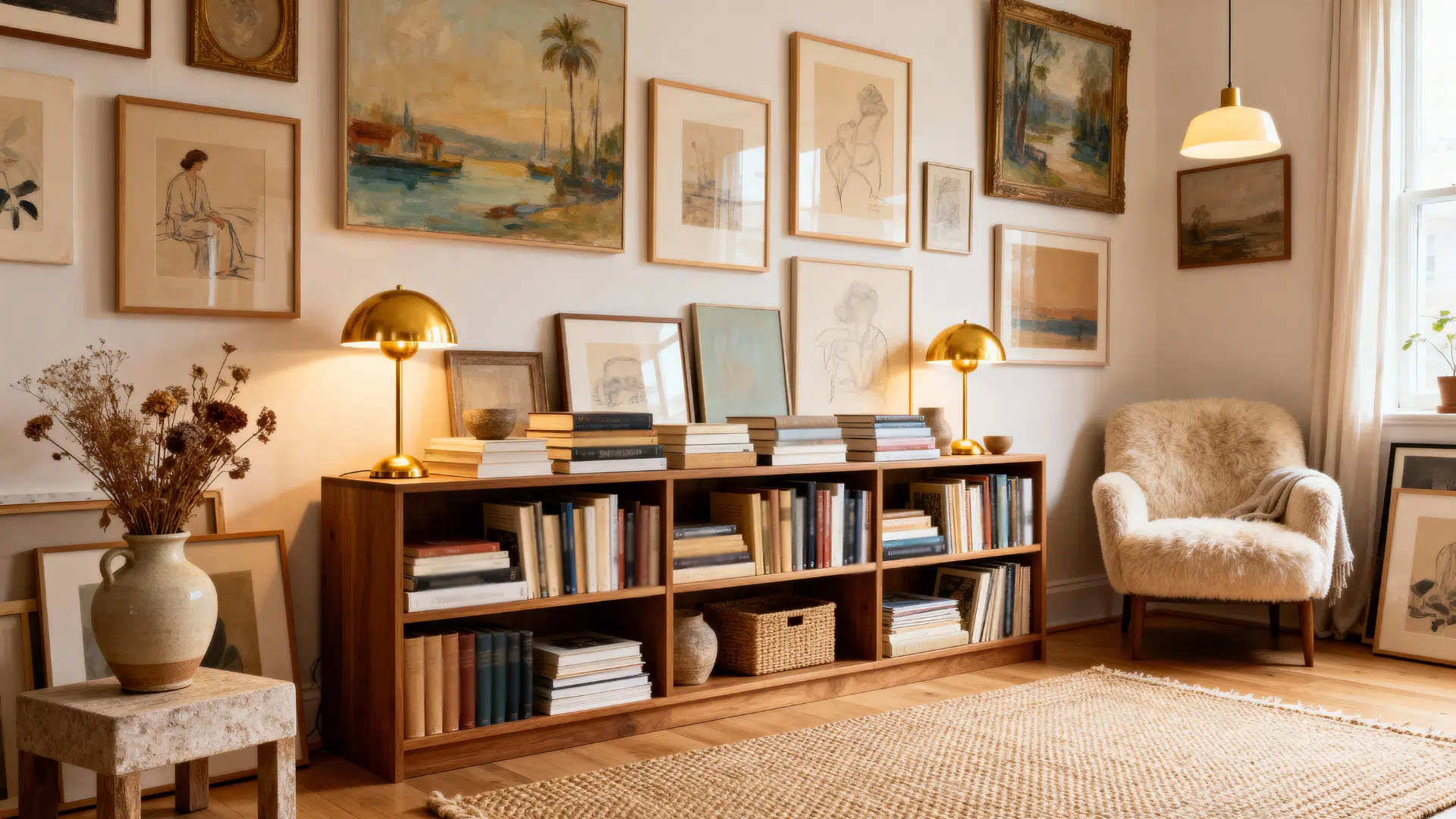
Choose items you genuinely love, not just what looks maximalist. Your passion for your belongings shows through. If you love it, it belongs in your space.
Realism matters more than following rules. Your enthusiasm creates the energy that makes maximalism work.
Wrapping Up
Maximalism interior design permits you to be yourself. You don’t have to follow minimalist trends if they don’t feel right. Add one bold piece you love. Layer in patterns gradually.
Build your space over time with things that mean something to you. There’s no perfect way to do maximalism.
Your room should reflect your life, your travels, and your passions.
What works for someone else might not work for you, and that’s fine.
Fill your walls with art. Stack those books. Display your collections. Create a home that’s unapologetically you.