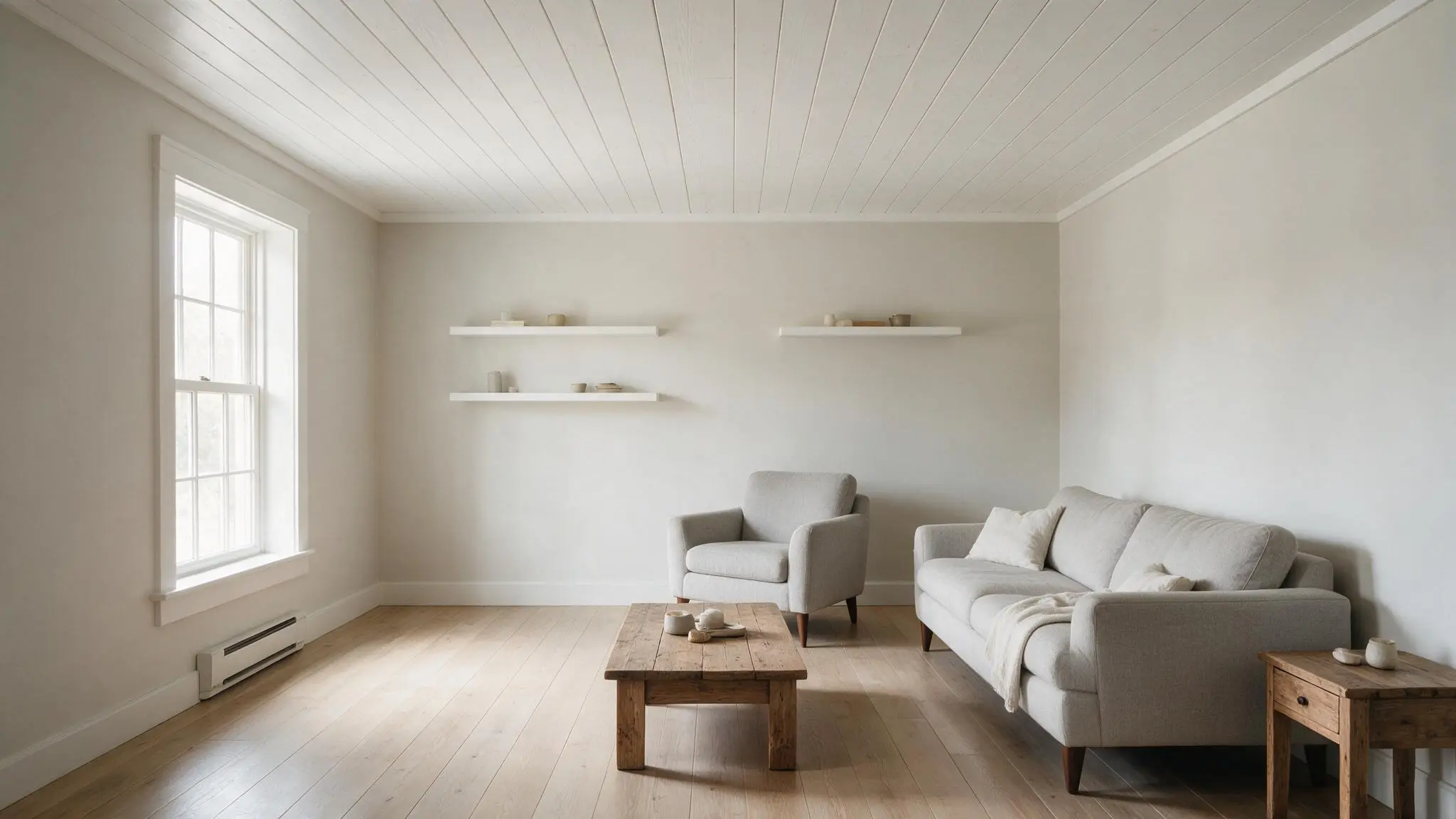
A shiplap ceiling can change how a room looks without taking up any floor space at all. The clean lines add texture, warmth, and visual interest, and this style works with more interior looks than people expect.
Farmhouse homes use it most, but shiplap ceilings fit rustic, cottage, modern, transitional, and coastal spaces just as well.
Boards can stay bright white, run natural wood, add beams, or take on a bold color. Find ideas and more details about shiplap ceilings ahead.
What is a Shiplap Ceiling?
A shiplap ceiling uses wooden boards or shiplap-style panels installed across the ceiling, forming a series of clean, horizontal lines.
Boards can be painted, stained, or left with their natural finish showing. Homeowners often turn to shiplap to bring texture and character into a plain or dated ceiling.
It can also draw attention to features like vaulted or tray ceilings already in the room.
White shiplap shows up most in farmhouse interiors, but the material also works well in rustic, coastal, cottage, and modern design styles.
Shiplap Ceiling Ideas for Every Style
Shiplap can transform a plain ceiling with texture, contrast, and architectural detail. Painted boards, natural wood, beams, and creative layouts all suit many interiors.
1. Classic White Shiplap Ceiling
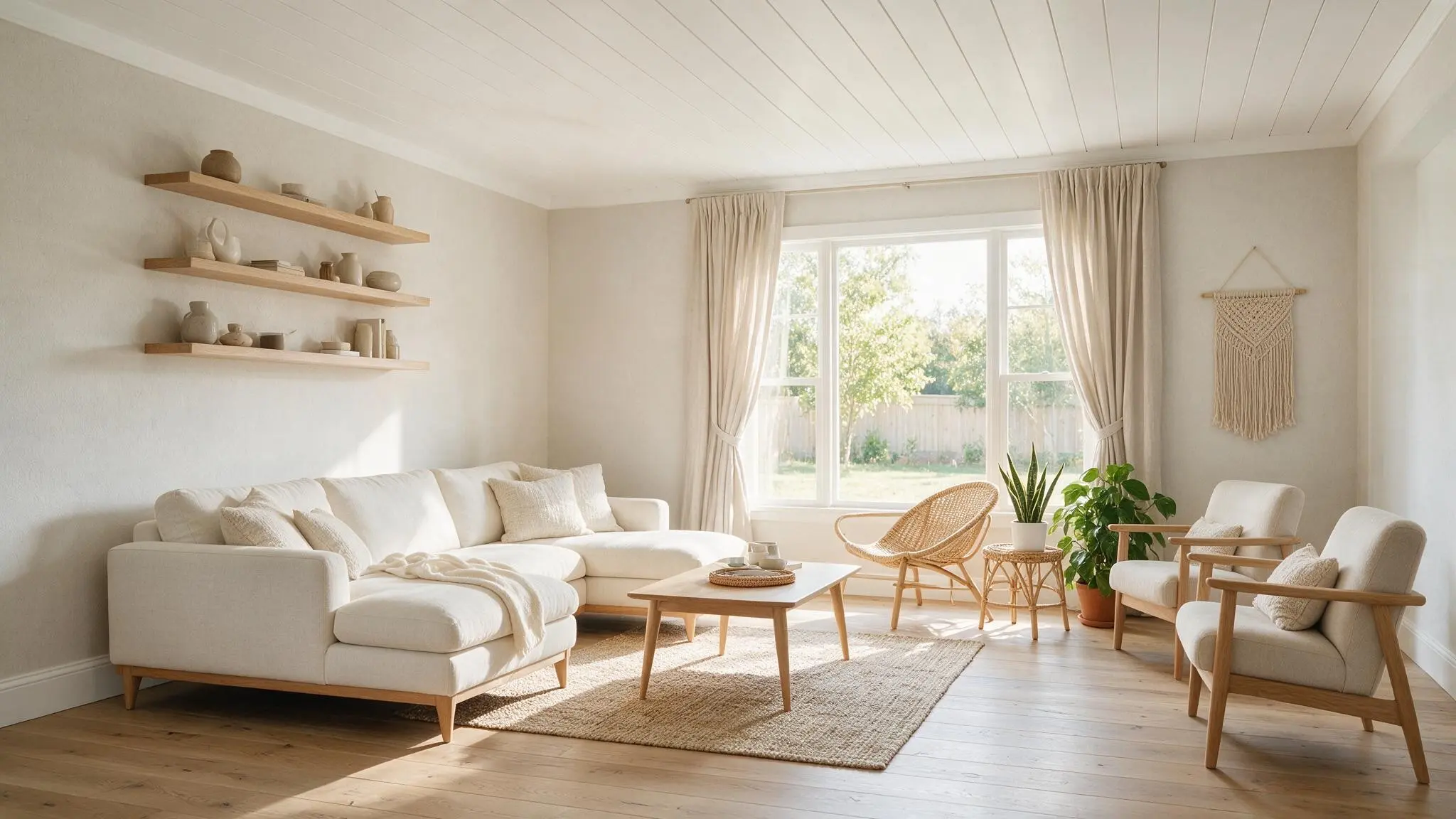
Bright and subtle at once, that’s what a classic white shiplap ceiling brings to a room. The clean finish pairs especially well with white walls, natural wood, neutral furniture, and soft lighting.
Farmhouse, cottage, coastal, and transitional interiors all take to this look easily when the goal is character without a busy ceiling.
2. White Shiplap Ceiling With Wood Beams
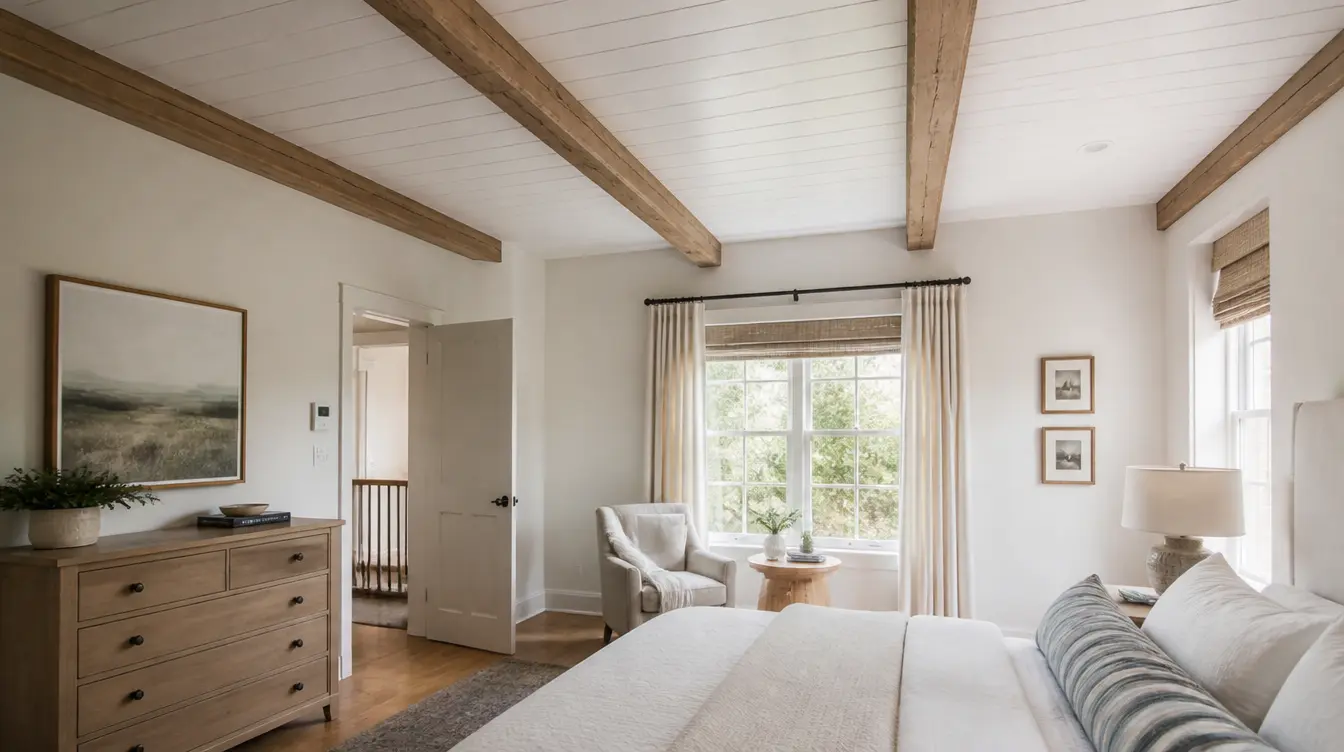
Clean meets rustic when white shiplap pairs with natural wood beams overhead. The white boards keep things light, while the beams bring warmth and real definition into the mix.
Kitchens, living rooms, and bigger spaces with enough ceiling height all suit this combination well.
3. Natural Wood Shiplap Ceiling
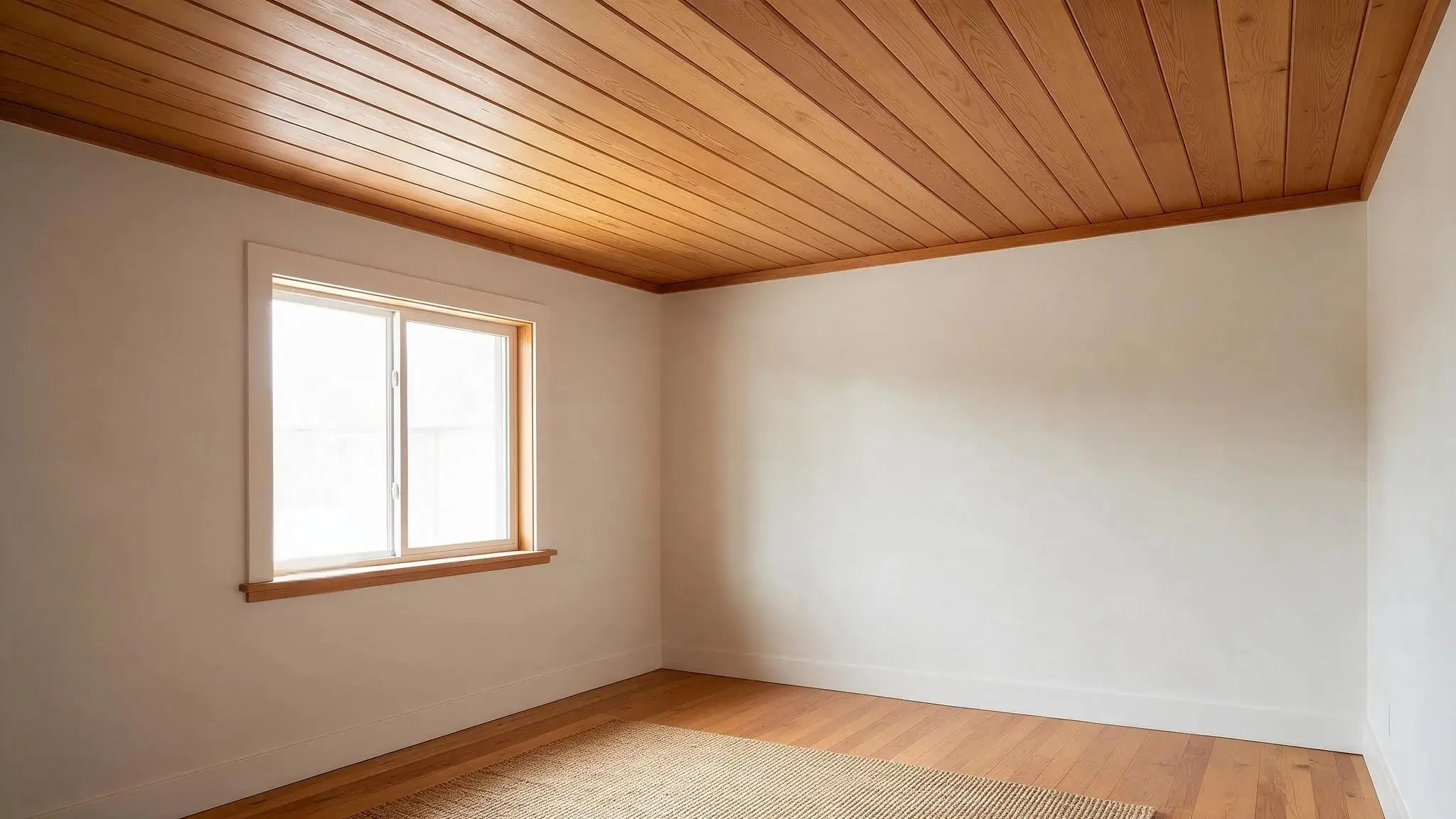
Real warmth and visible grain show up fast with natural wood shiplap. A lighter wood feels relaxed, while a deeper stain creates a richer look.
Neutral walls, wood furniture, stone, and simple lighting all pair nicely here. This one works especially well when an all-white ceiling starts feeling too plain.
4. Shiplap Ceiling in a Farmhouse Kitchen
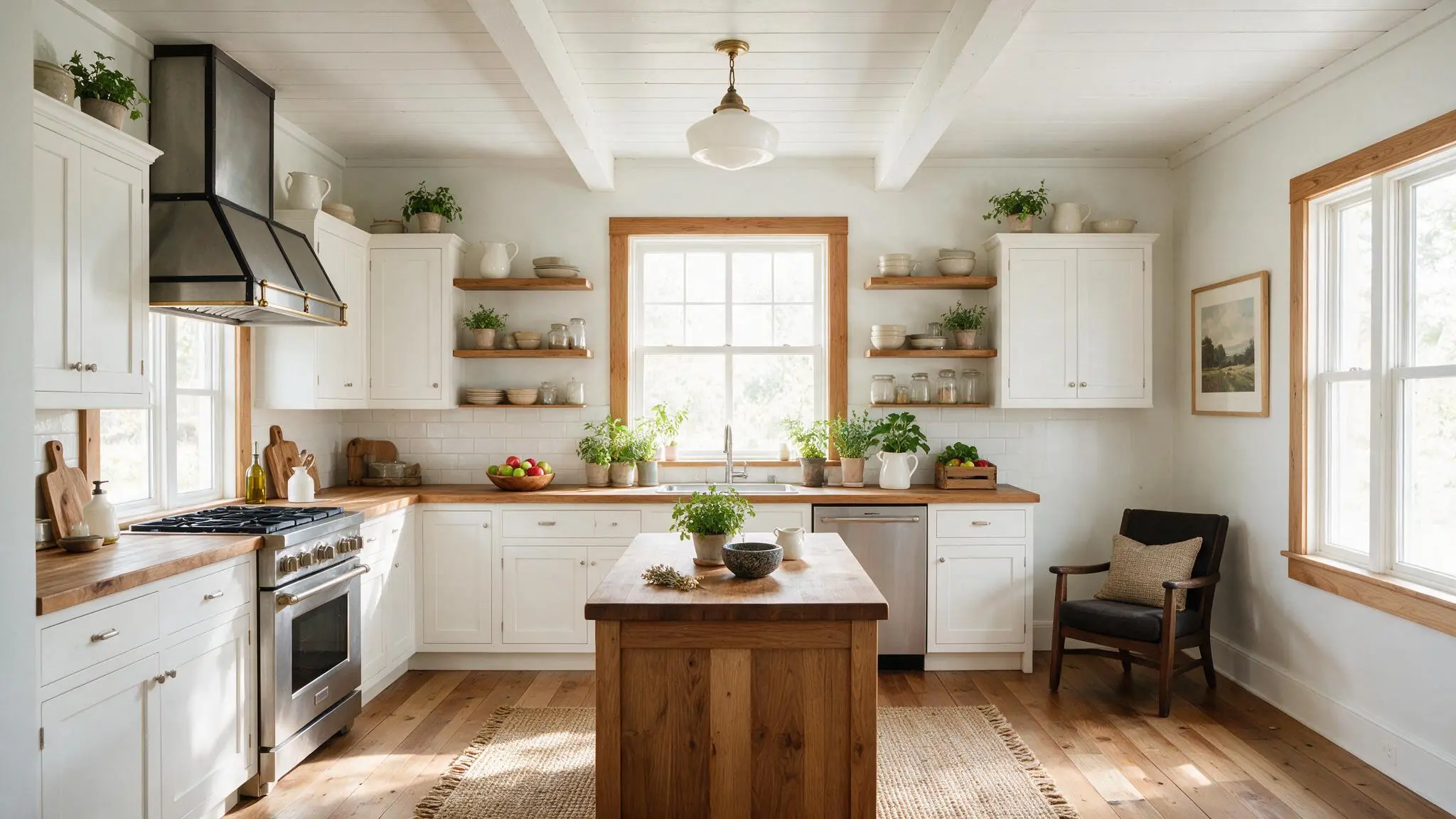
A farmhouse kitchen’s warm, simple look gets pulled together with a shiplap ceiling on top.
White boards fit naturally alongside shaker cabinets, wood accents, open shelving, and good natural light.
A few simple beams or matching trim give the ceiling more shape without pushing the kitchen into overly decorated territory.
5. Shiplap Ceiling in a Cozy Bedroom
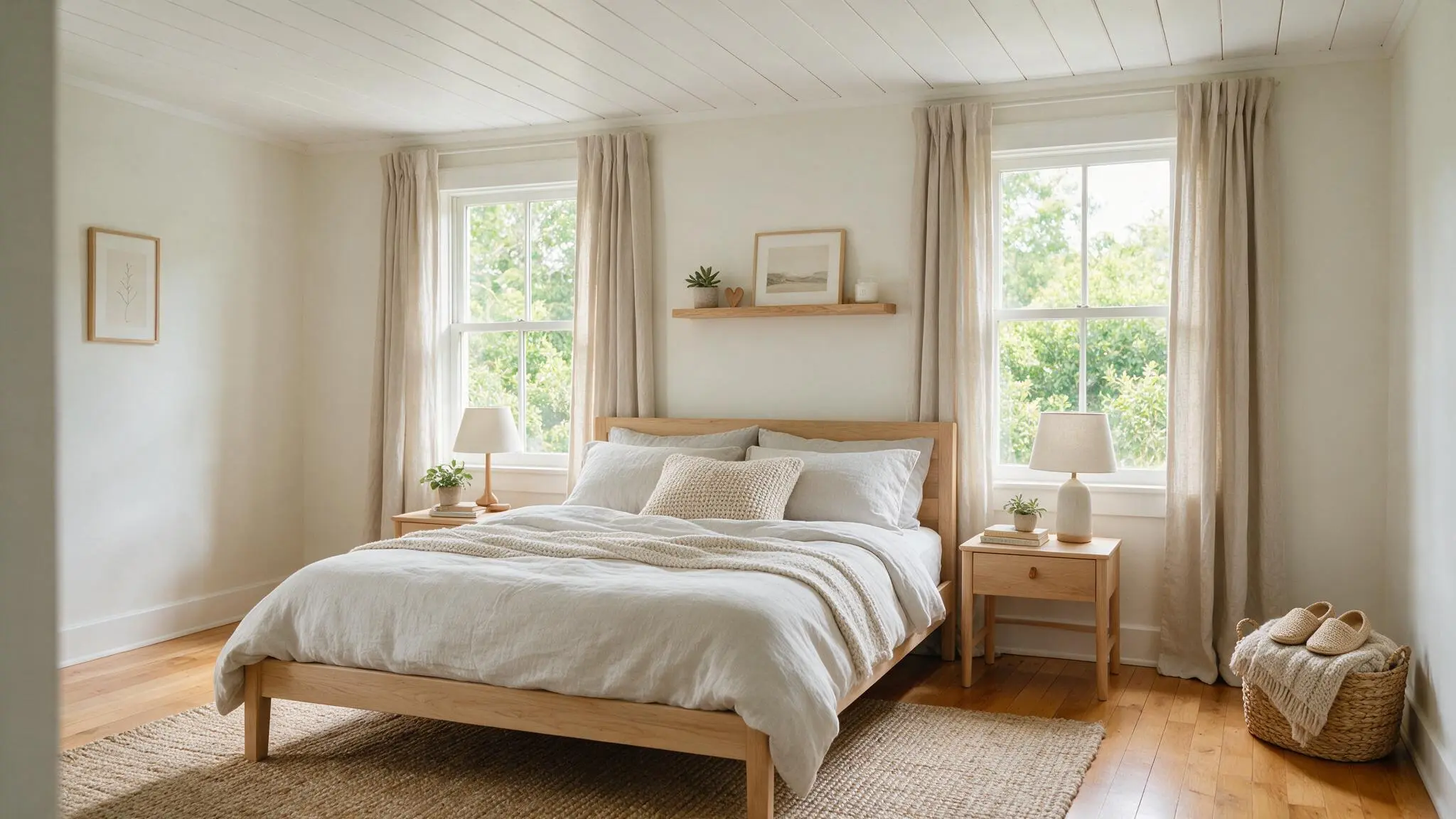
Overhead shiplap gives a bedroom a softer, more welcoming feel almost immediately. White or cream boards create a calm backdrop, while natural wood adds warmth.
Keep the rest of the room simple: neutral bedding, soft lighting, and wood furniture, so the ceiling adds texture without taking over the whole space.
6. Shiplap Ceiling in a Bathroom
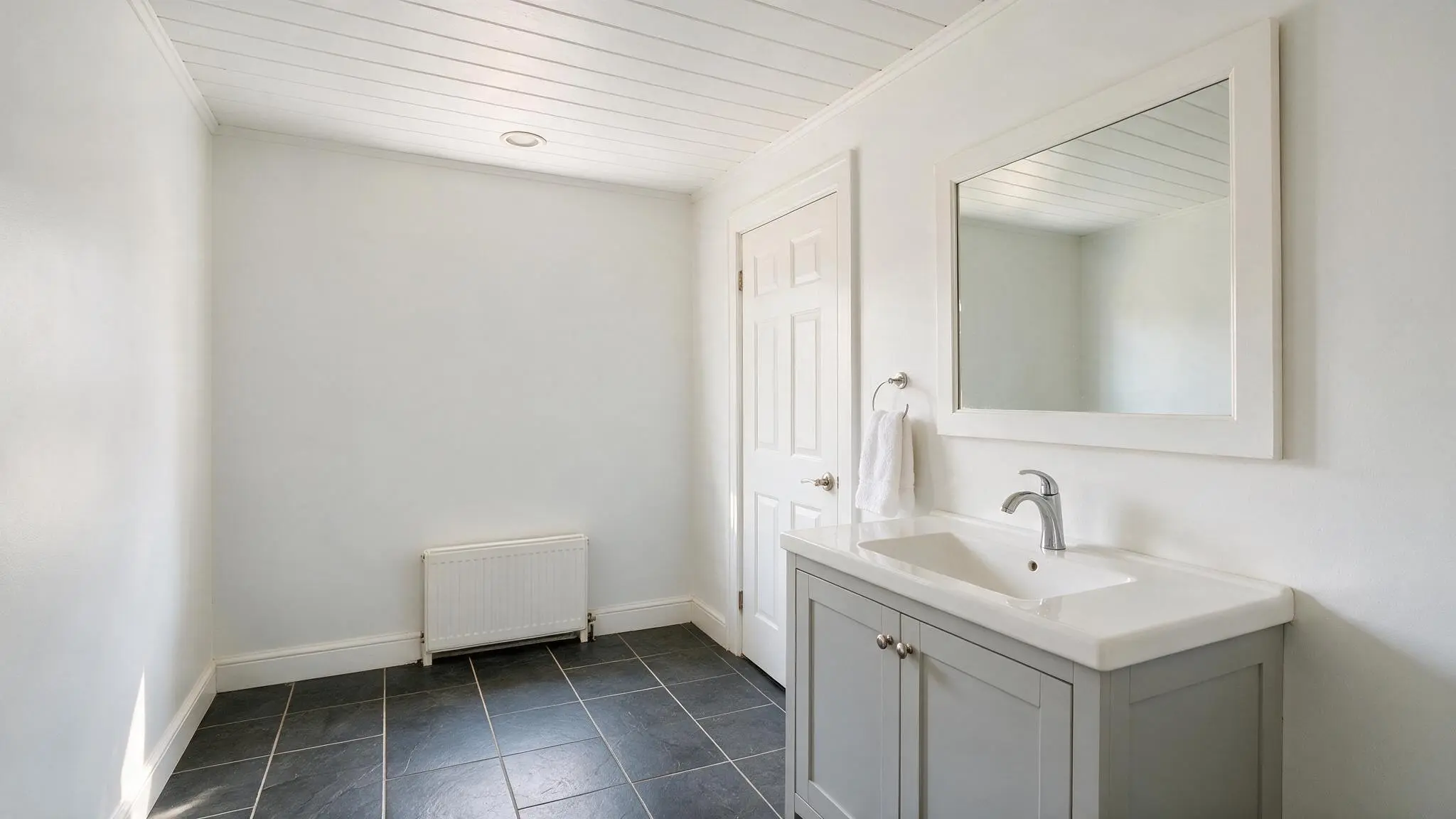
A bathroom full of hard surfaces, tile, stone, and glass gets some real warmth from shiplap overhead.
A painted ceiling works fine in a powder room or a bathroom with decent ventilation.
Skip areas with direct water exposure, though, and pick a material and finish built for humid conditions.
7. Shiplap Ceiling in a Living Room
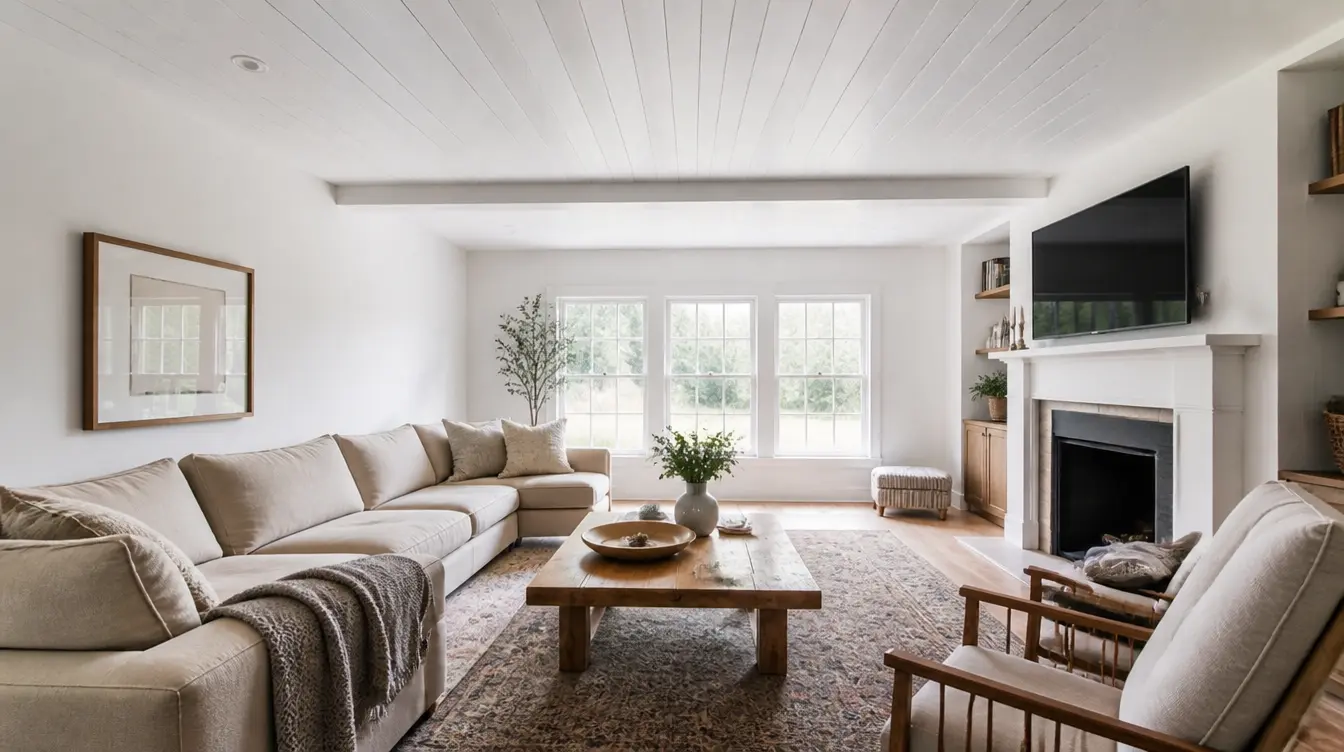
A living room ceiling is a great place to make shiplap a real design feature. White boards brighten things up, while natural wood or dark paint adds more drama instead.
A fireplace, simple beams, or large windows paired with the ceiling pulls the eye upward and builds a balanced focal point.
8. Shiplap on a Vaulted Ceiling
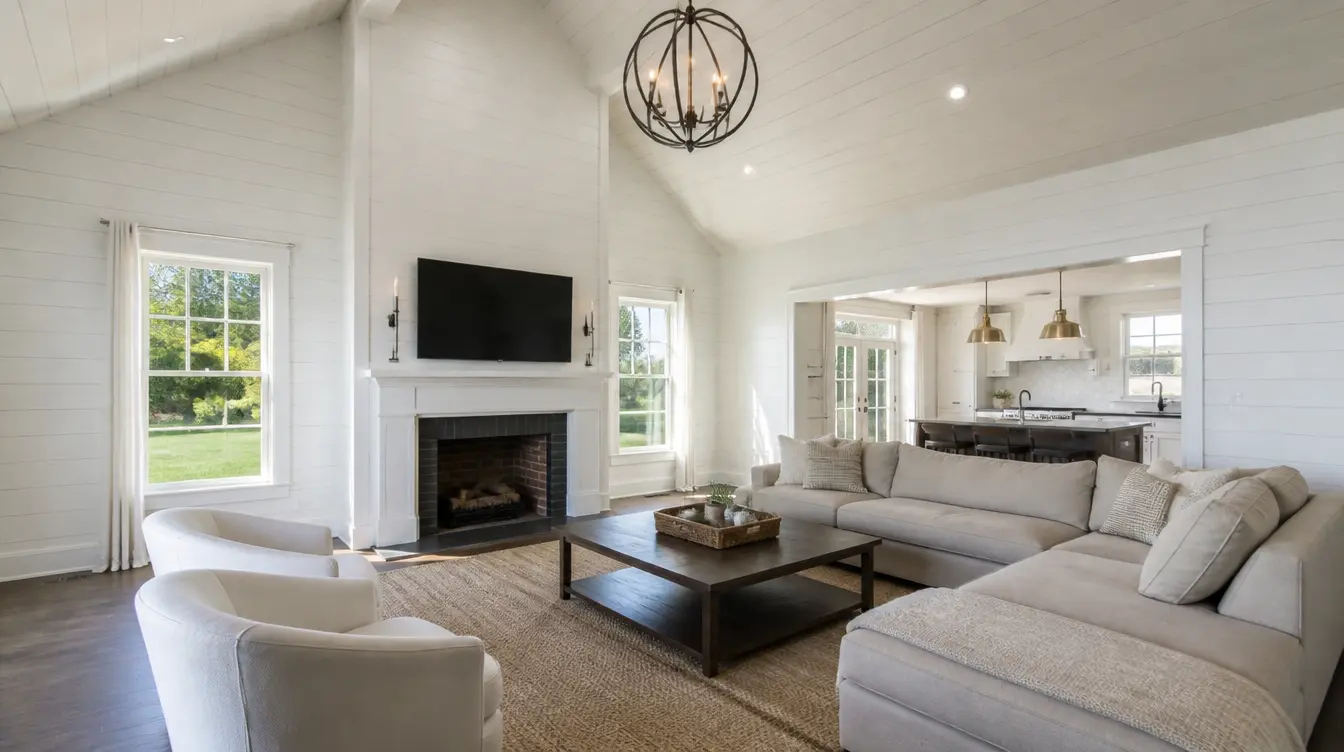
A vaulted ceiling already carries a strong architectural feature, and shiplap makes that shape stand out even more.
White boards emphasize the height and openness already built into the room.
Follow the ceiling’s existing lines instead of fighting them, and keep everything else simple for a clean result.
9. Shiplap Ceiling With a Tray Ceiling
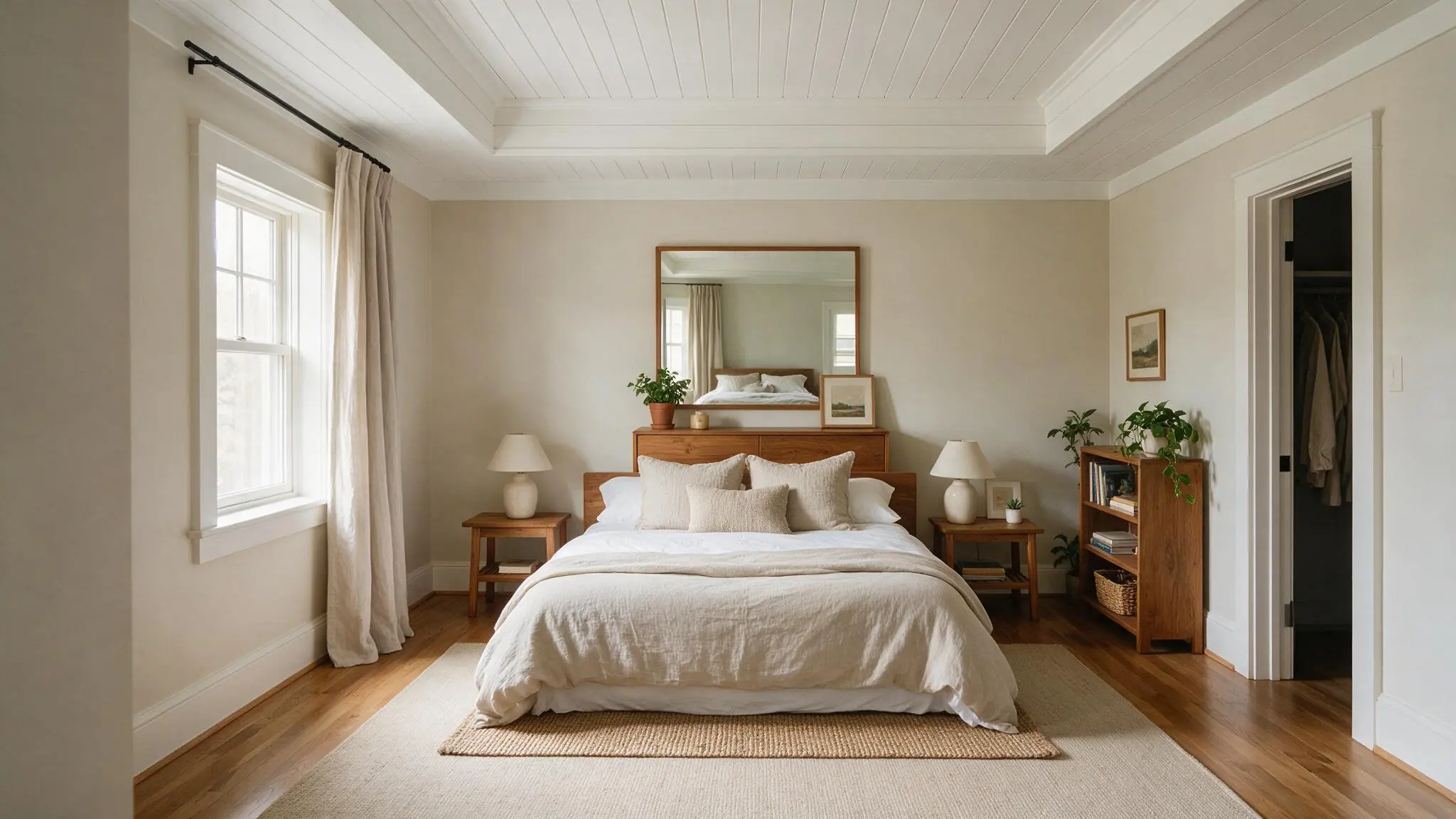
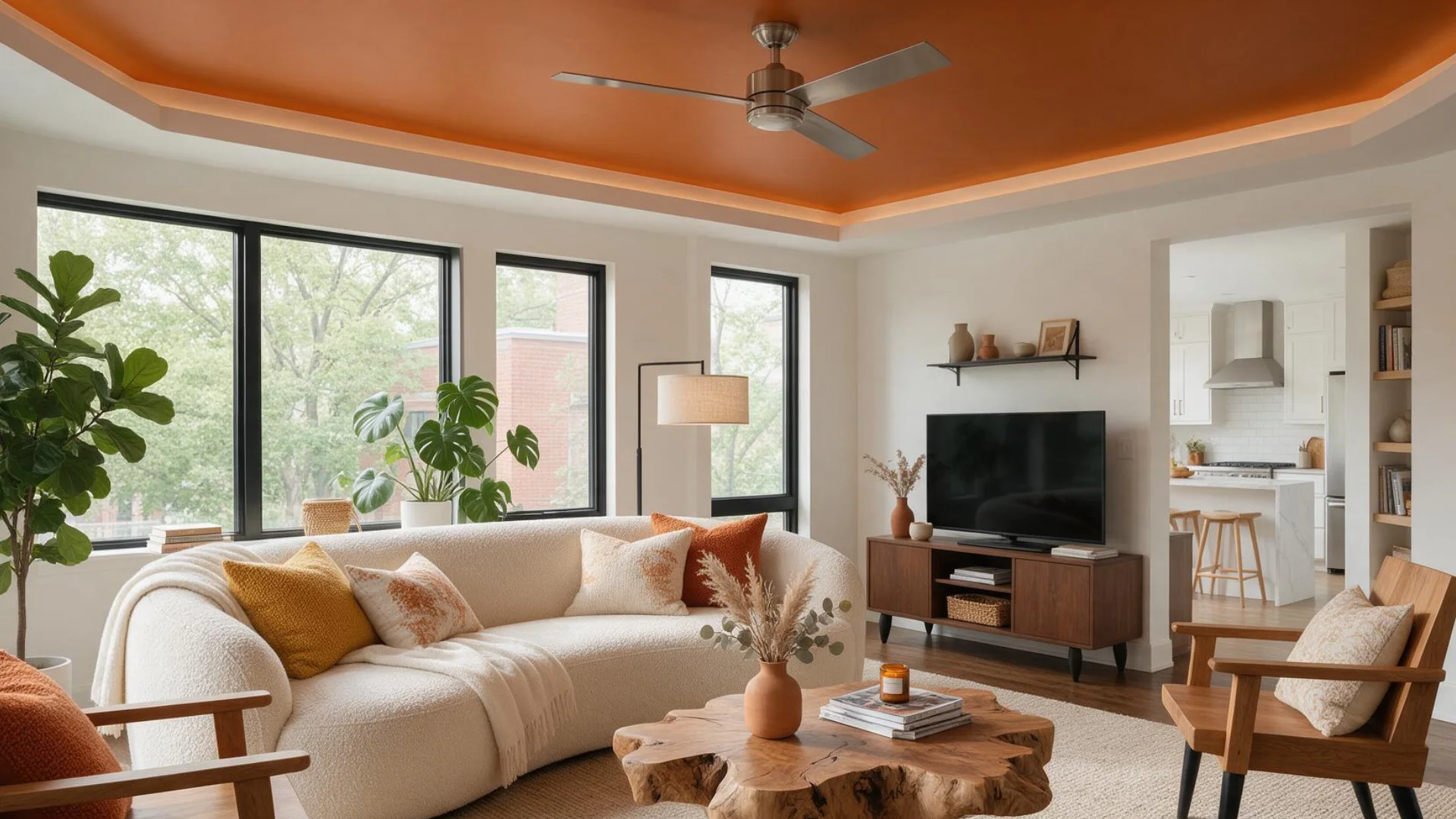
A recessed tray ceiling gets more interesting once shiplap covers that inset area. The boards add texture, while the existing edges naturally frame the whole thing.
This trick also helps update an older or less attractive ceiling without tearing out every original detail.
10. Shiplap Wall-to-Ceiling Continuation
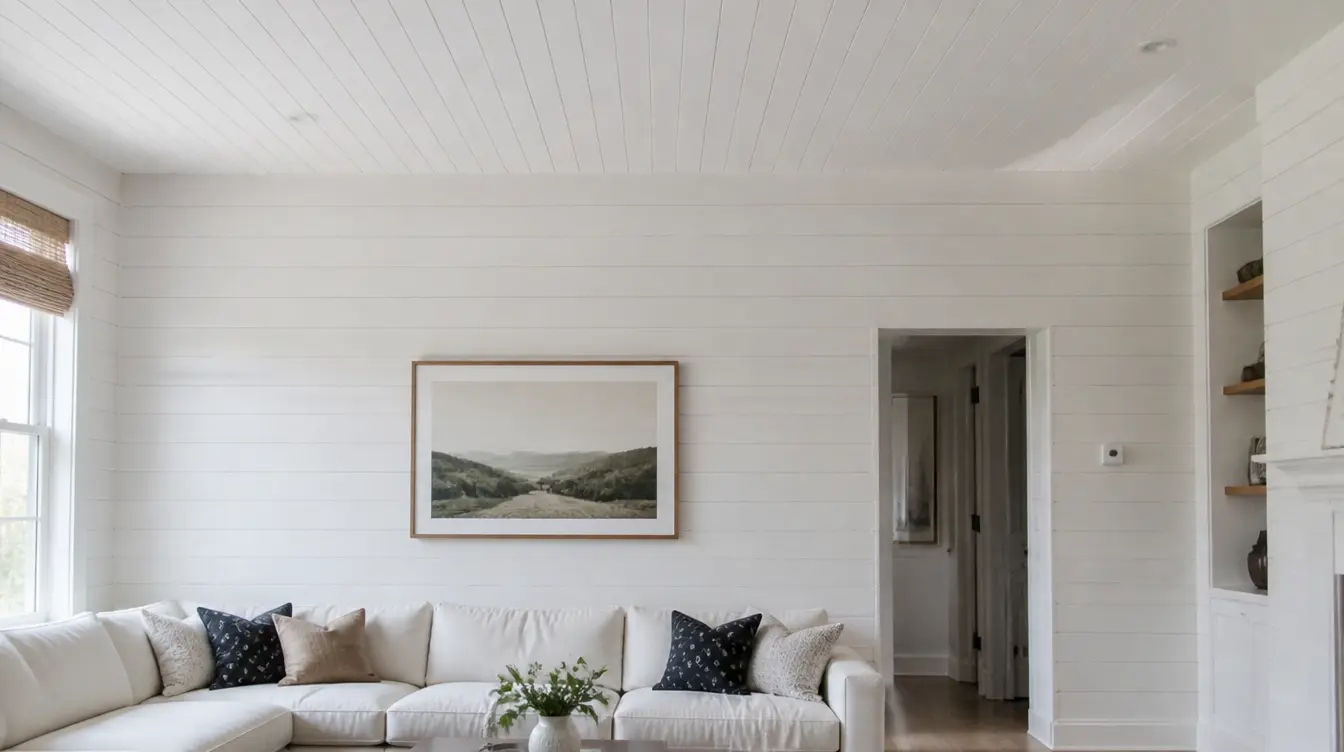
Running shiplap from an accent wall right up to the ceiling creates a bold look. Matching boards and direction tie the wall and ceiling together as one connected surface.
A fireplace, a bed, a dining area any focal point gets a dramatic boost this way.
11. Two-Tone Shiplap Ceiling
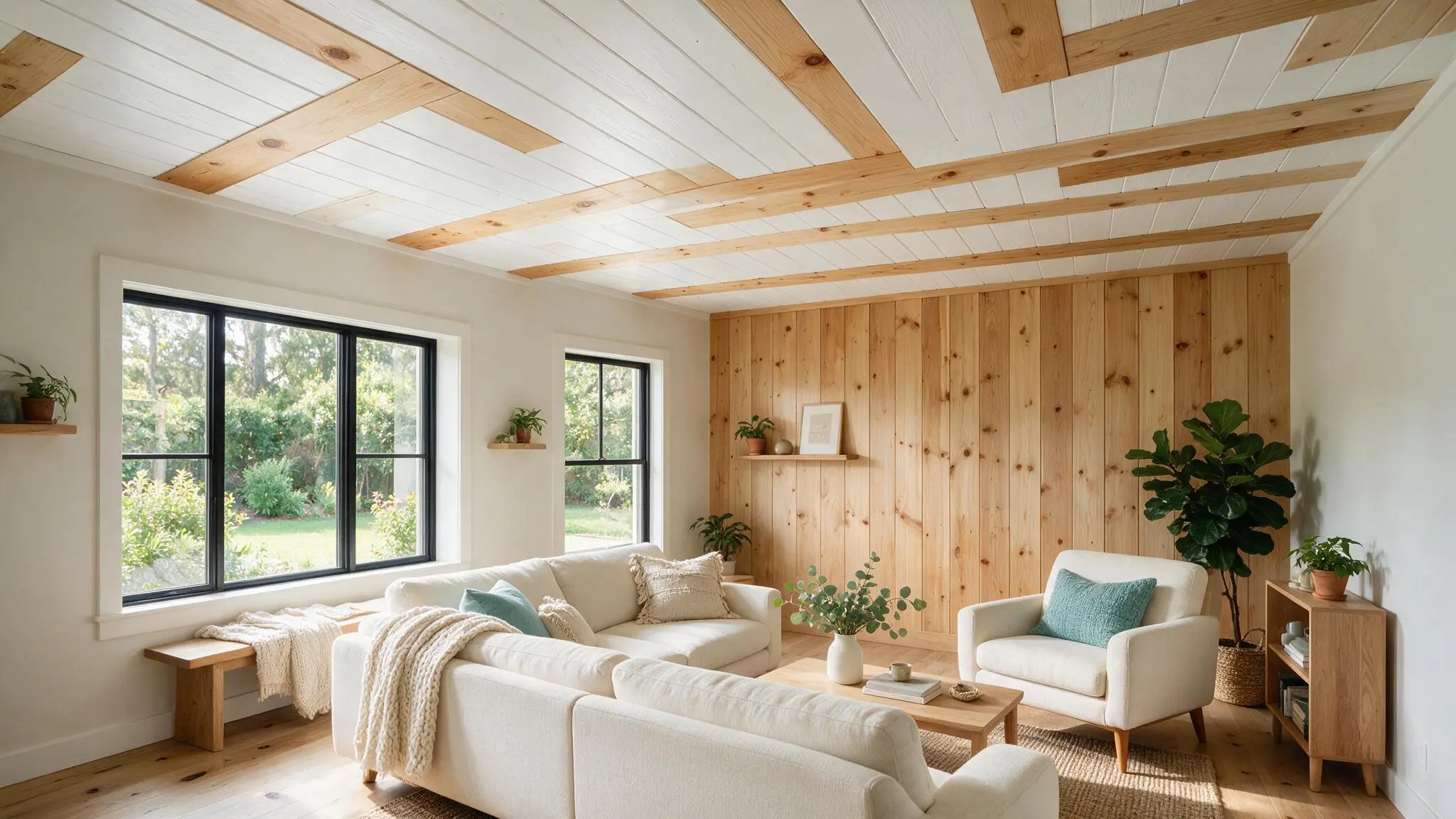
Mixing two shades instead of sticking with one color builds a more detailed ceiling look. White paired with a soft neutral, or painted boards next to natural wood, both work well.
Keep the colors close enough to work together, so the ceiling adds interest without competing with the rest of the room.
12. Dark Shiplap Ceiling With Light Walls
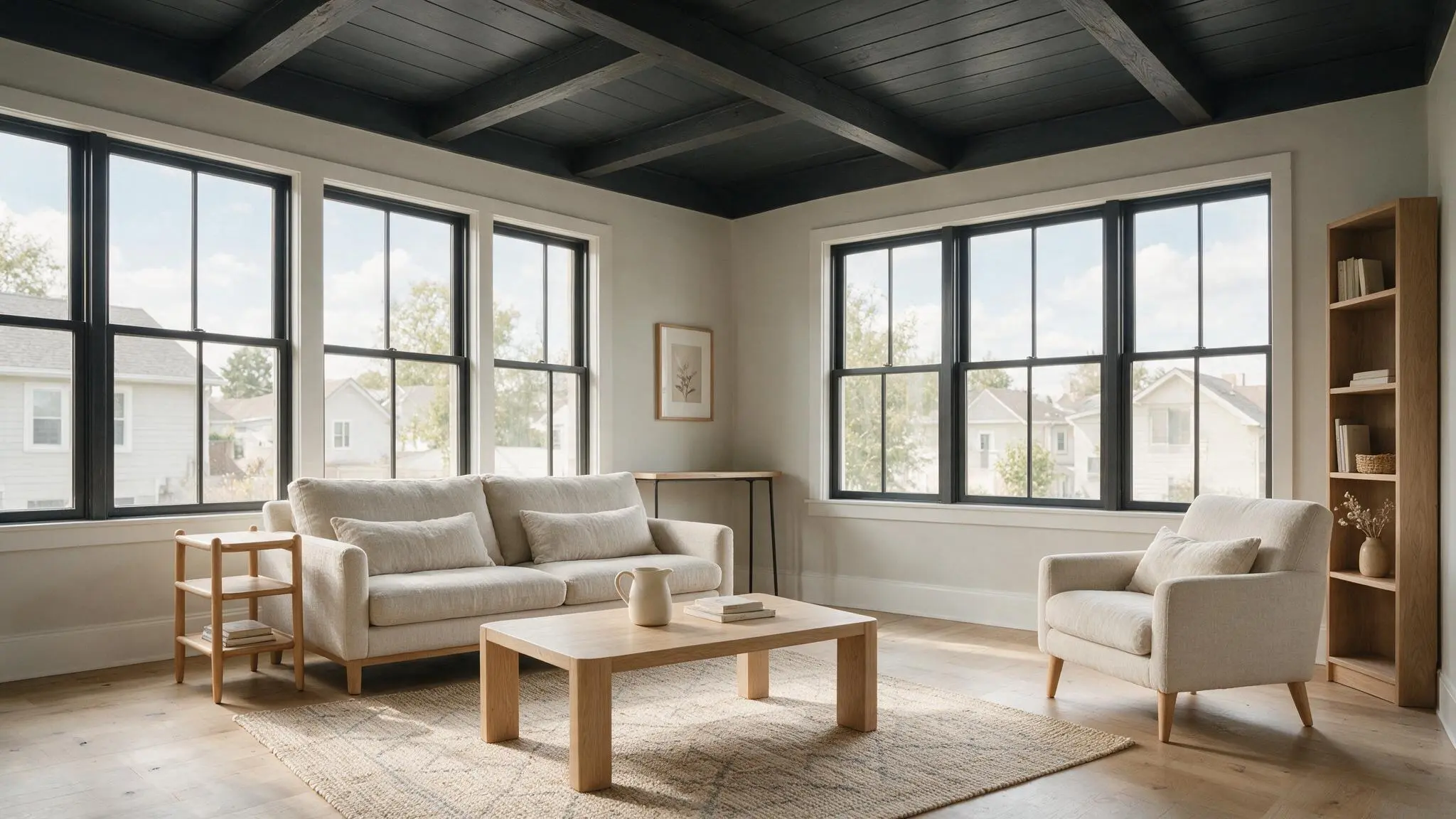
A dark shiplap ceiling creates real drama against nearby white or light-colored walls.
Charcoal, deep navy, or black boards make the ceiling feel modern and deliberate.
This works best in rooms with enough natural or layered lighting to balance out that darker surface overhead.
13. Soft Pastel Shiplap Ceiling
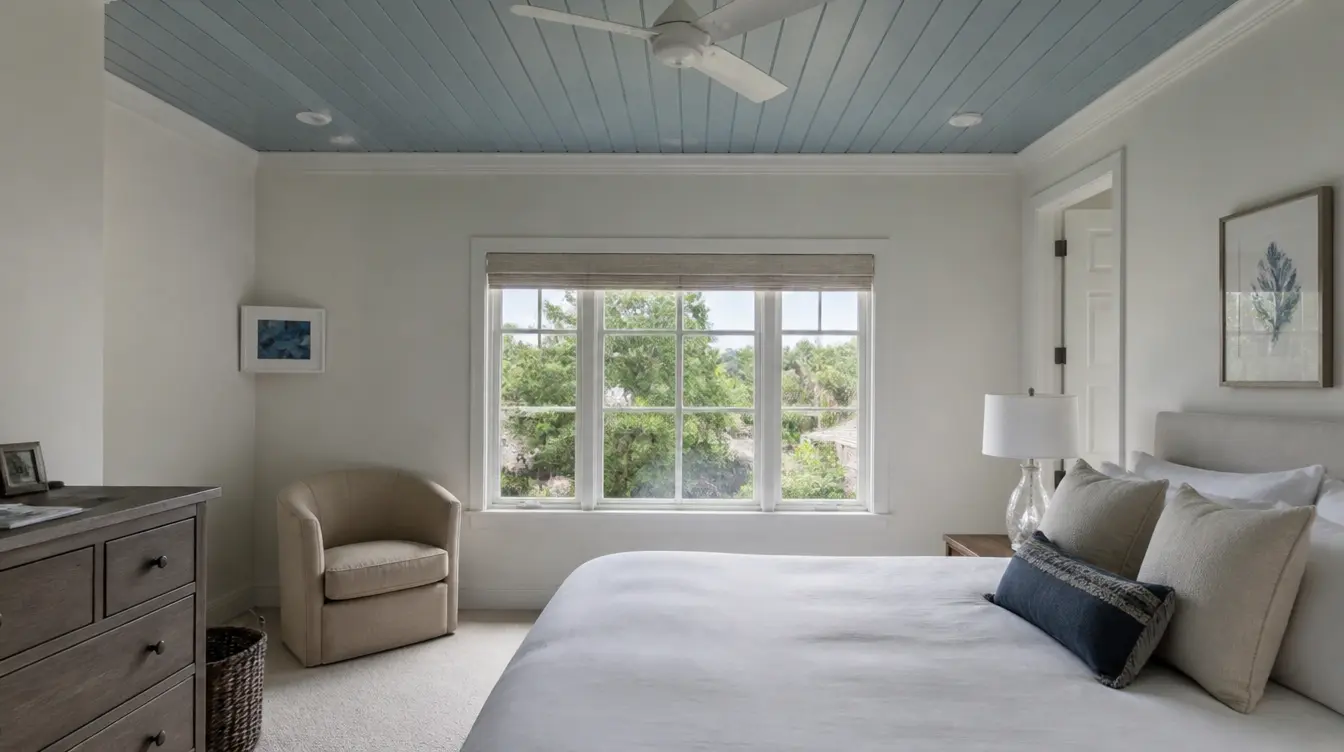
Pale blue, muted green, or dusty gray give shiplap a fresh look without the weight of a dark ceiling.
Pastel boards suit bedrooms, kitchens, nurseries, and cottage-style rooms particularly well. White trim and simple furniture paired with the ceiling keep the whole look light and relaxed.
14. Narrow Shiplap Ceiling
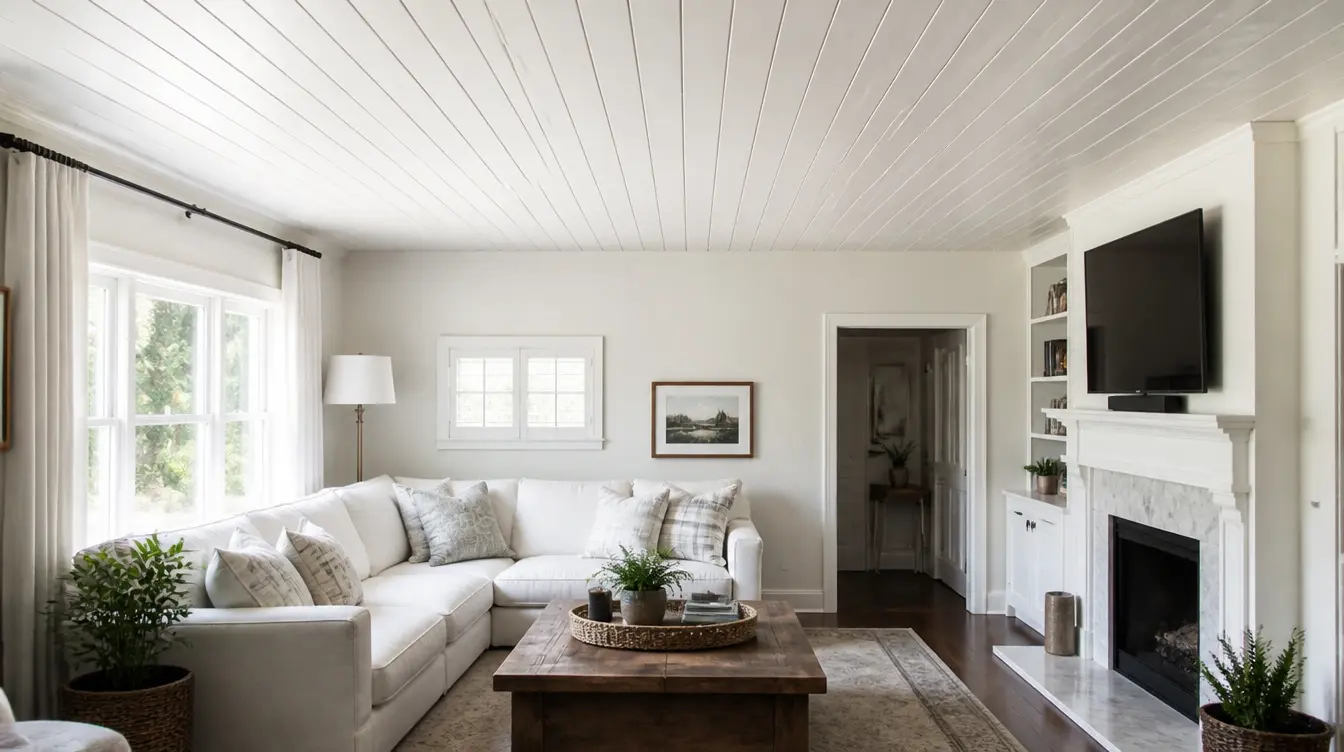
Narrow boards build more visible lines across a ceiling than wider ones ever could. That gives a room a more detailed look while keeping the overall design simple underneath it all. Smaller spaces, sunrooms, bedrooms, and interiors mixing rustic materials with cleaner modern touches all suit this style well.
15. Herringbone Shiplap Ceiling
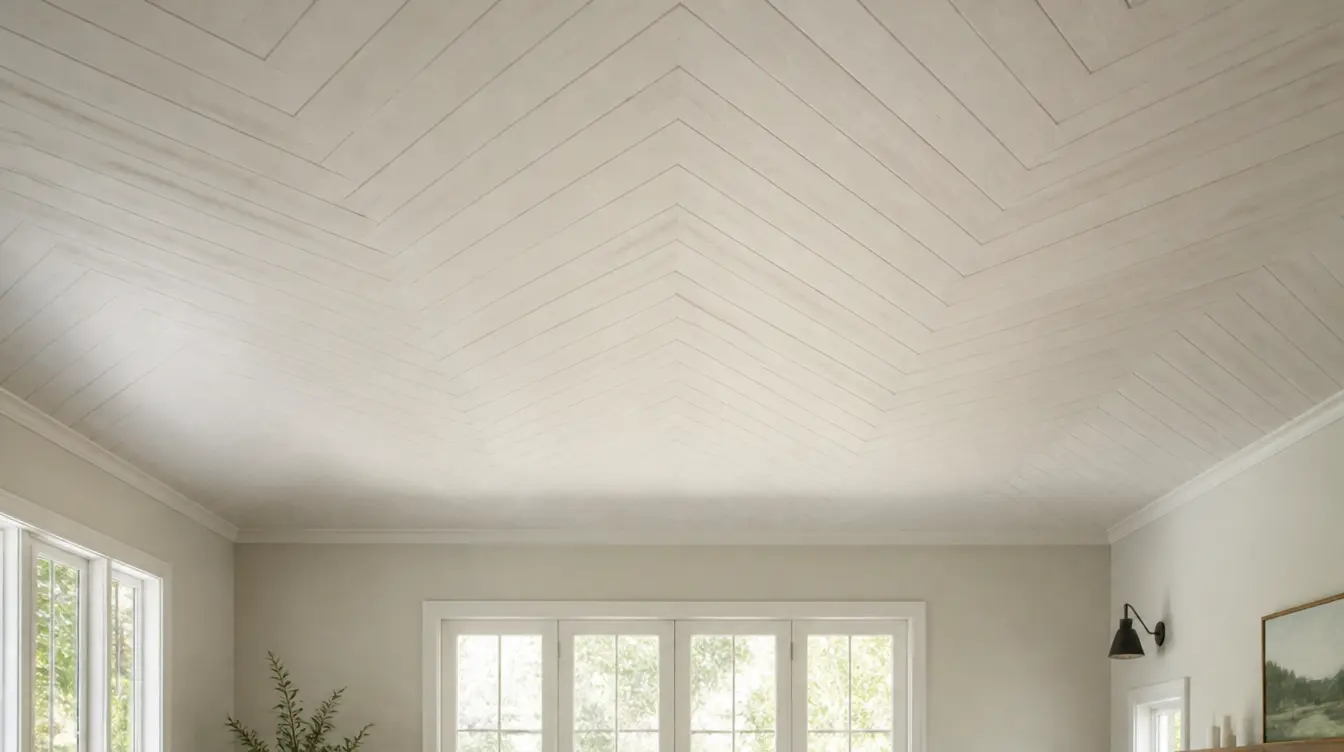
A herringbone layout takes traditional shiplap in a more decorative direction entirely. Instead of every board running the same line, they form a repeating angled pattern instead.
Since the design naturally pulls the eye, it works best as the main ceiling feature, paired with simpler walls and furniture around it.
16. Framed or Coffered Shiplap Ceiling
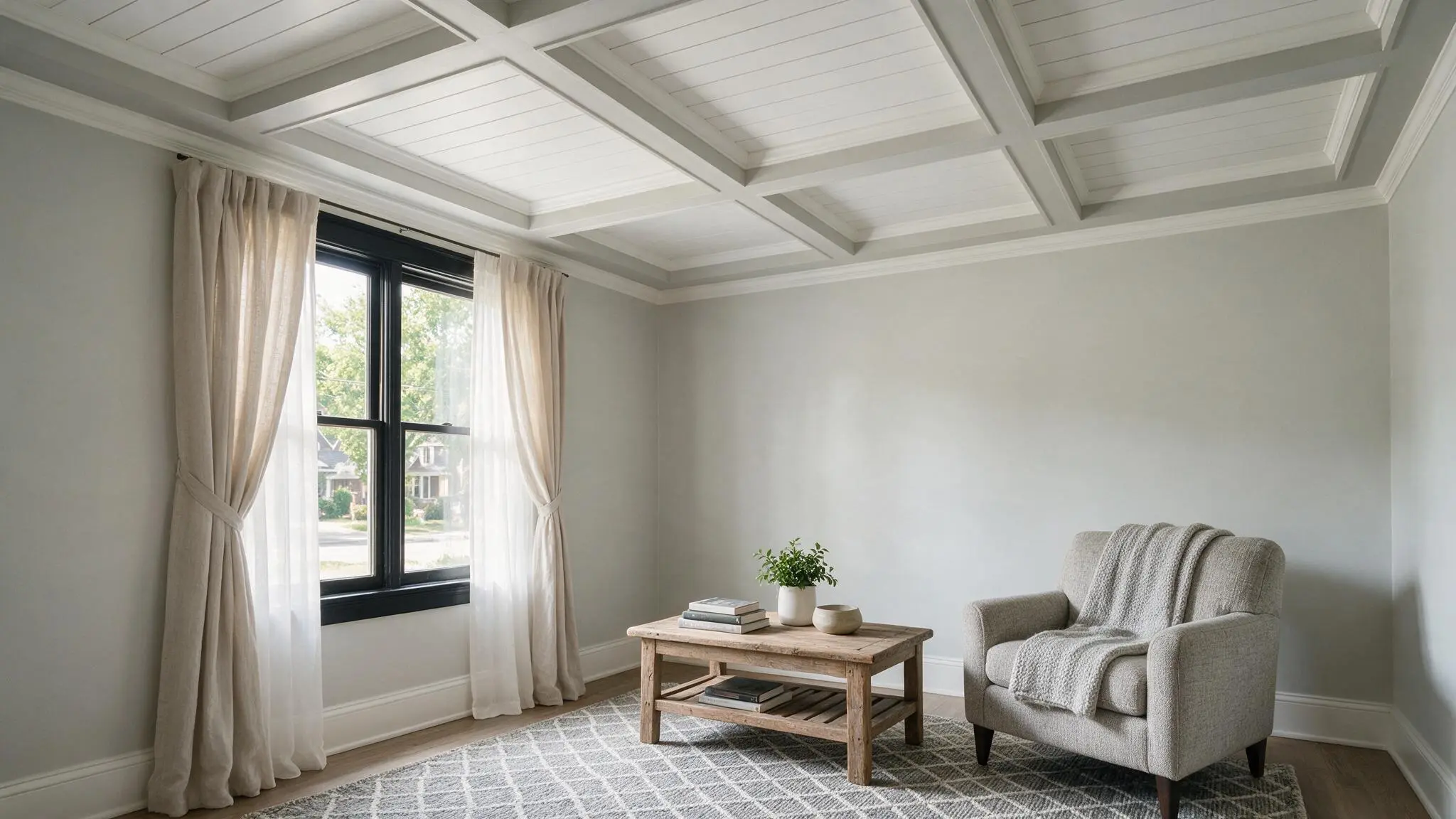
Trim around sections of shiplap builds a more structured design overall. One large framed area, or several recessed sections for a coffered look, both work here.
This combination adds real depth and a more finished feel, fitting well in dining rooms, offices, bedrooms, and formal living spaces.
17. Shiplap Ceiling With Skylights
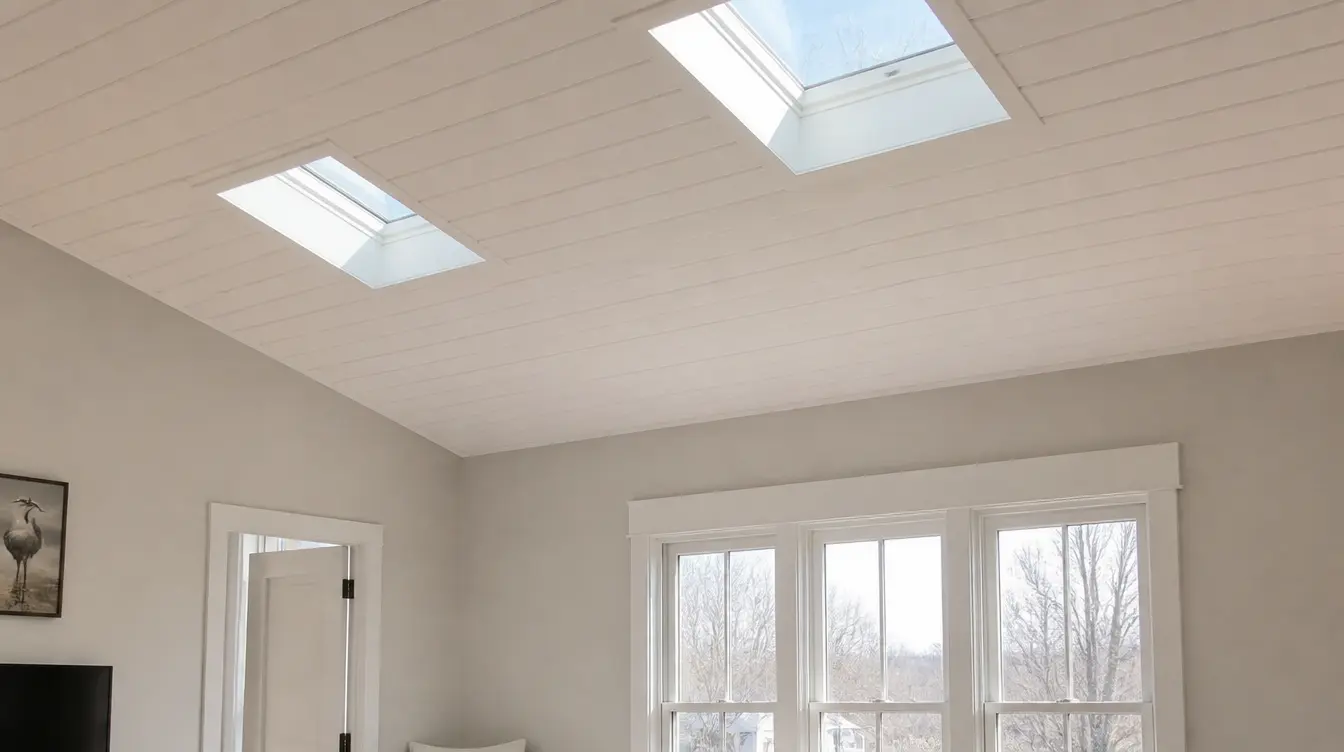
Skylights make a shiplap ceiling even more noticeable by pulling natural light straight across the boards.
That changing light throughout the day highlights the gaps, grain, and texture in a way artificial light never quite manages.
Keep everything else simple, so the skylights and ceiling work together instead of competing for attention.
What Color is Best for a Shiplap Ceiling?
White stays one of the most flexible choices for a shiplap ceiling, since it keeps a room bright and works with most decorating styles.
Natural wood works well when you want more warmth and visible texture than brightness.
Soft blue, sage, gray, and cream create a quieter look, while charcoal, navy, or black turn the ceiling into a bold focal point.
Think through the room’s natural light, wall color, furniture, and ceiling height before picking a shade.
Smaller or darker rooms often do better with lighter colors to keep things feeling open, while bigger spaces can handle deeper colors just fine.
Can You Install Shiplap Over an Existing Ceiling?
Yes, you can often install shiplap over an existing ceiling if the surface is sound, dry, level, and strong enough to support the added weight and secure the boards properly.
Drywall
You can install shiplap over drywall when the ceiling is flat, secure, and free of major damage. Locate the ceiling joists before installation so you can fasten the boards securely and ensure proper support.
Popcorn Ceiling
A popcorn ceiling may require extra preparation before adding shiplap. Remove or secure any loose texture and check that the underlying surface is stable. Proper preparation helps create a safer, more even base for the boards.
Vaulted Ceiling
Shiplap works well on vaulted ceilings and can emphasize the room’s height and shape. Plan the board layout carefully, mark the framing, and use secure fasteners to keep the boards firmly attached across the angled surface.
What Rooms Work Best With a Shiplap Ceiling?
Shiplap ceilings fit into many rooms as long as the material and finish match the space.
Living rooms and bedrooms both take on warmth and texture easily this way. Kitchens can lean into farmhouse or cottage style with shiplap overhead, while bathrooms can use it away from direct water exposure.
Dining rooms, home offices, entryways, sunrooms, and other spaces also gain something from a textured ceiling.
The best room really comes down to the ceiling’s condition, the available light, the moisture level, and the overall look someone’s going for, more than any one fixed style.
How Do You Select the Right Shiplap Ceiling Design?
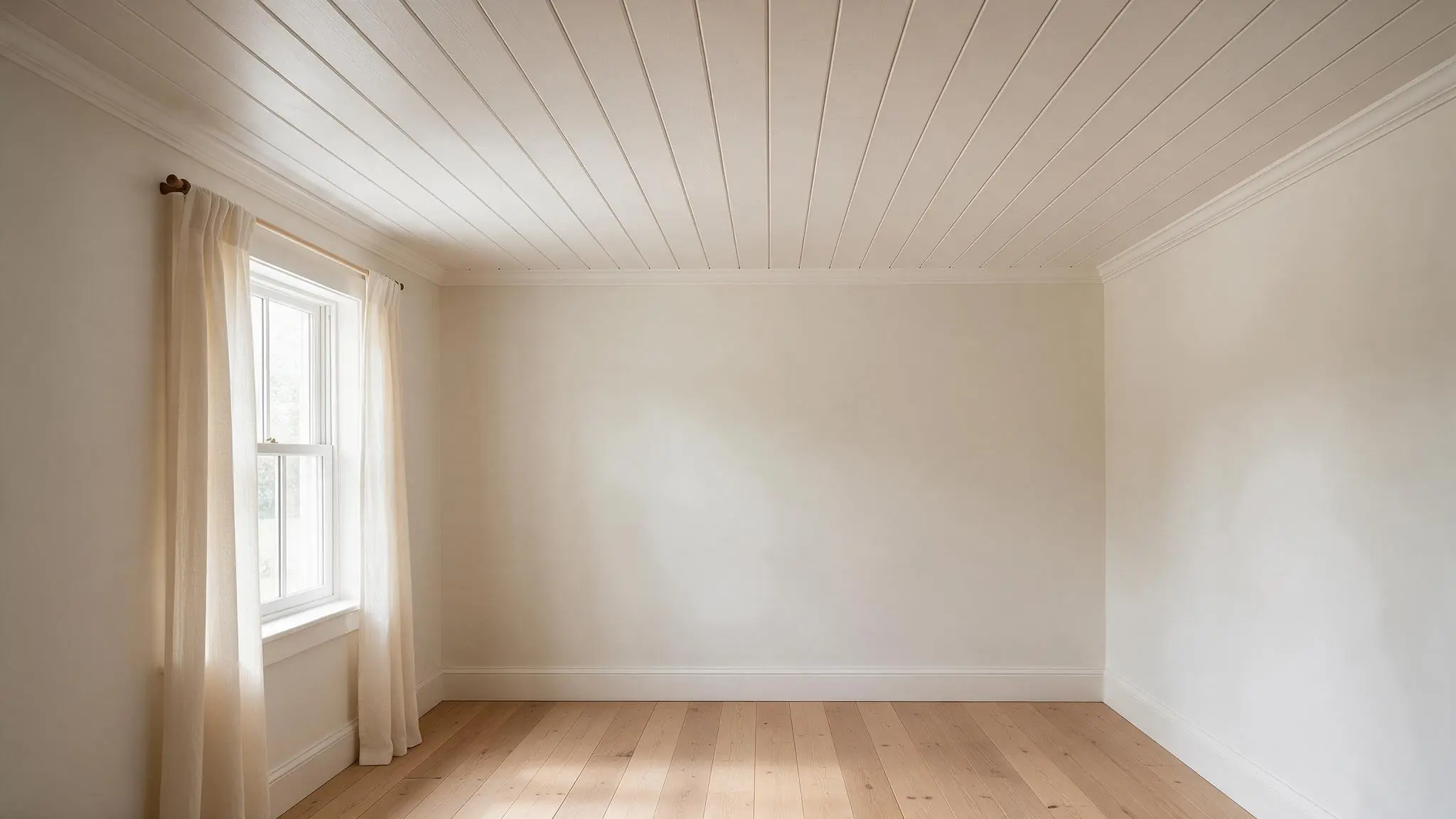
Room size, ceiling shape, lighting, and decor all shape the right shiplap design in the end. Weighing them together helps create a balanced look that fits the space.
1. Ceiling Height
Low ceilings do better with light colors and simple board layouts, opening up the room instead of pressing down on it.
Taller or vaulted ceilings offer more room to experiment; wider boards, darker finishes, and detailed patterns any of it adds character without swallowing the space whole.
2. Room Size
Larger rooms handle wider shiplap boards well, giving the ceiling an even, clean look from wall to wall.
Smaller rooms usually work better with narrower boards, which adds texture and visual interest without making the ceiling feel cramped or overly heavy.
3. Natural Light
Plenty of natural light means a room can handle darker shiplap just fine, without feeling boxed in.
Less sunlight calls for something different; white or light-colored shiplap works better here, since it bounces back available light and keeps things brighter and more open.
4. Interior Style
Whatever decor’s already in the room should guide the shiplap decision, which ties the ceiling into everything else in the room.
Rustic spaces naturally pull toward natural wood finishes, while farmhouse, cottage, coastal, and modern rooms take painted shiplap in simple, clean finishes just as easily.
5. Ceiling Shape
The ceiling’s actual shape deserves real thought before locking in a shiplap layout.
Vaulted, tray, and coffered ceilings all pair well with shiplap, so the boards play up the structure, bring out architectural detail, and add texture without stealing focus from the rest of the room.
How Much Does a Shiplap Ceiling Cost?
A shiplap ceiling runs about $3 to $11 per square foot once installed, though the final price shifts based on materials, ceiling size, and the actual installation work involved.
Shiplap boards alone usually run $2 to $7 per square foot. A few things can shift that total cost:
Cost Factor | How It Affects the Price |
|---|---|
Material | Pine and MDF usually cost less, while cedar, hardwood, and reclaimed wood can increase the overall price. |
Ceiling size | Larger ceilings require more boards, fasteners, paint, and labor, which increases the total project cost. |
Ceiling height | Higher ceilings can raise labor costs because installation becomes more difficult and may require additional equipment. |
Finish | Painting, staining, trim, and other finishing touches add to the overall budget. |
Installation | DIY installation can reduce labor costs, while hiring a professional increases the total project price. |
These cost figures come from research across different U.S. sources and can shift based on location, materials, ceiling size, labor rates, and the specific project involved.
Are Shiplap Ceilings a Good Idea?
Shiplap ceilings work well when the goal is texture, covering an unattractive surface, or adding architectural character to a room.
They also fit several interior styles and can be painted or finished in different ways depending on taste.
That said, the existing ceiling must be strong enough to support the added material, and installation takes real planning to get right.
Moisture matters too in bathrooms, kitchens, and other humid spaces. The material shouldn’t sit exposed to standing water, and some products need extra protection from too much humidity.
Conclusion
Shiplap ceilings offer a lot more than the classic white farmhouse look most people picture first.
Natural wood, bold colors, beams, vaulted shapes, framed sections, or creative layouts can all give a ceiling its own character.
The right pick really depends on the room, the ceiling shape, the lighting, and the overall style already in place.
Whether the goal is a subtle textured finish or a strong focal point, these ideas can help build a ceiling that feels intentional and fits naturally into the rest of the home.
Frequently Asked Questions (FAQs)
1. Can Shiplap Ceilings Work in Modern Homes?
Yes. Narrow boards, dark colors, simple trim, and clean furniture can give shiplap a modern feel instead of the usual farmhouse look most people expect.
2. Does Shiplap Make a Ceiling Look Lower?
A heavily detailed or dark ceiling can feel lower to the eye, while white or light-colored shiplap tends to keep things feeling brighter and more open overall.
3. Can You Put Shiplap Over an Existing Ceiling?
In some cases, yes. Shiplap can go over certain existing ceilings, but you need to check the surface and structure first, especially if you have popcorn ceilings or damage underneath.