Organic modern interior design softens the sharper side of modern spaces without losing their clean structure.
Think curved furniture beside solid wood, linen layered against stone, and a quiet neutral palette lifted by greenery. Those contrasts give the style its character without making the room feel overdone.
It can work just as well in a single room as it can across an entire home, creating spaces that feel comfortable and thoughtfully put together.
Ahead are the key elements, decorating tips, and room by room ideas that bring the look together.
What is Organic Modern Interior Design?
Organic modern interior design pairs the clean structure of modern spaces with the texture and character of natural materials.
The look is built around neutral colors, simple furniture, wood, stone, linen, greenery, and pieces that feel useful rather than purely decorative.
It still follows the core principles of interior design.
Where traditional modern interiors can feel stark, organic modern adds depth through layered textures, curved forms, and natural finishes.
Organic Modern Interior Design Characteristics (Core Materials and Finishes)
The appeal of organic modern design really comes down to balance: simple on one side, natural on the other.
This style relies on natural materials, soft textures, and a few thoughtful choices instead of bold colors or heavy decor.
Neutral Color Palette
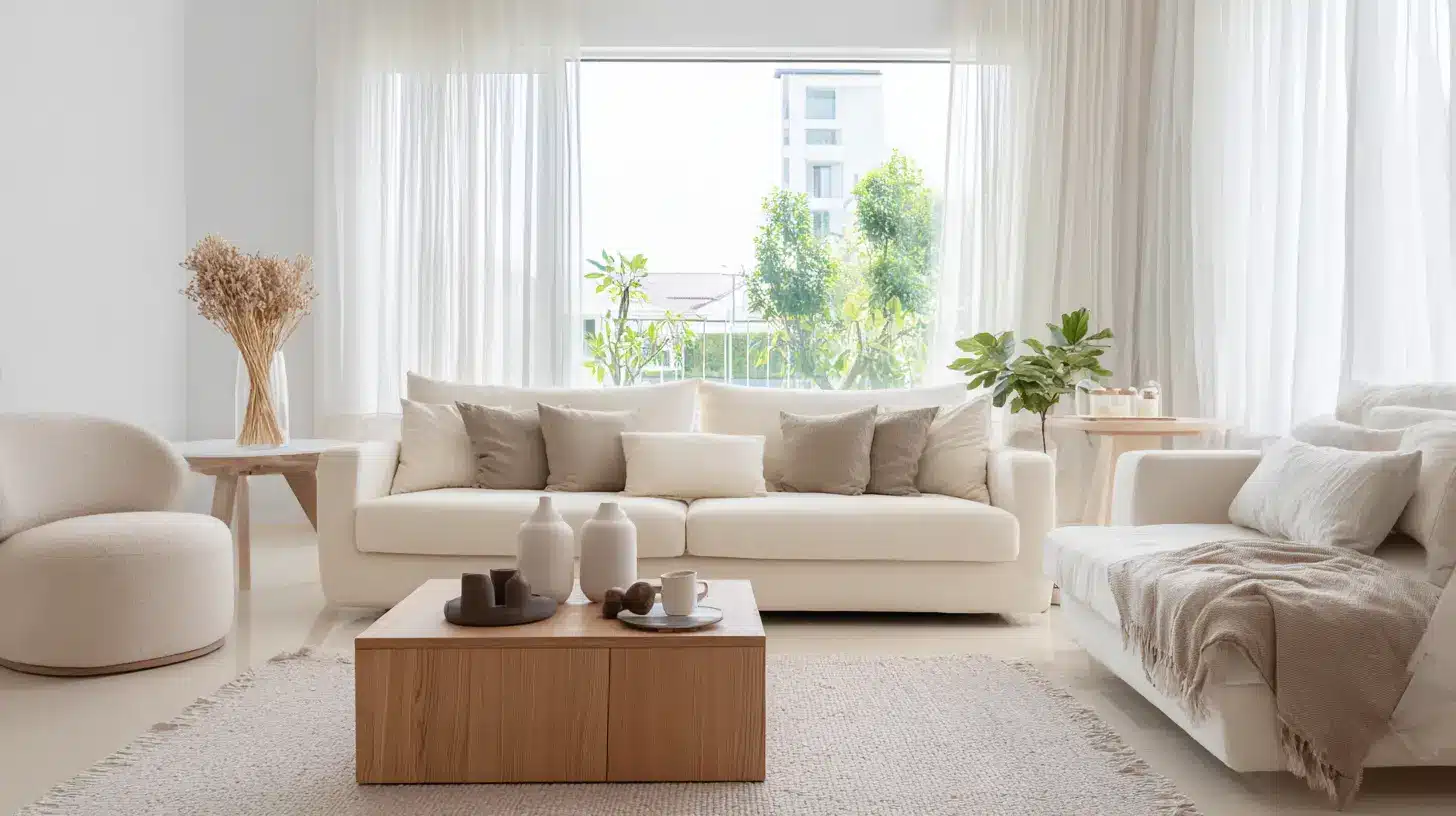
Warm whites, beige, greige, taupe, soft browns- these make up the foundation of most organic modern spaces you’ll come across.
A calm feel comes from keeping things understated overall, though a bit of black, olive green, or charcoal thrown in here and there adds some depth.
That restraint lets natural materials and textures actually stand out.
Raw Materials
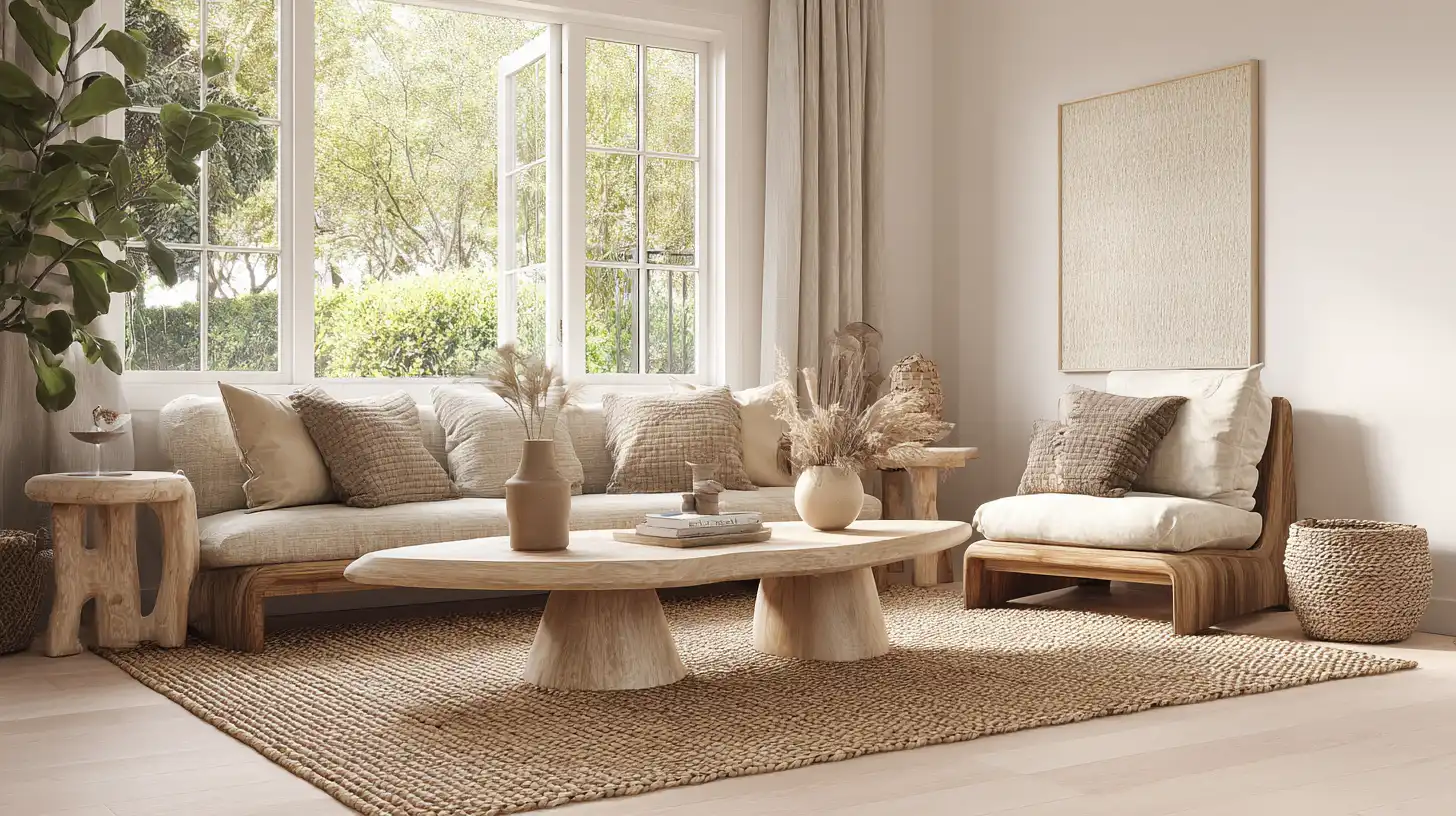
Wood, stone, linen, cotton, wool, rattan, ceramic- these give the style its warmth and its authentic character throughout a home.
Texture and visual interest come from mixing a few of these rather than sticking to just one material.
High-quality natural finishes over synthetic ones hold up better and feel more genuine over time.
Clean Lines and Organic Shapes
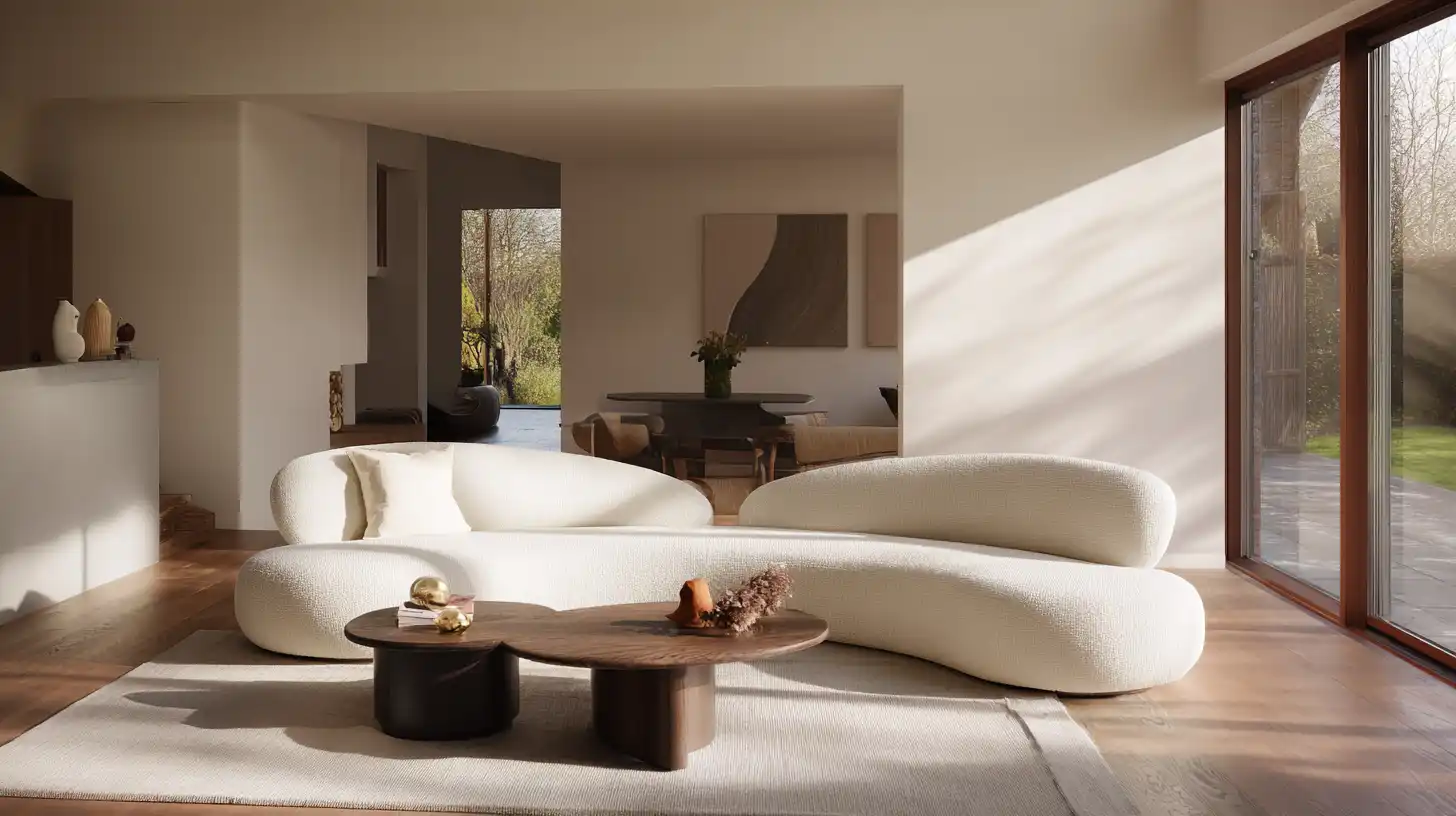
Simple, structured furniture pairs with softer, curved shapes to keep the whole look feeling balanced rather than stiff.
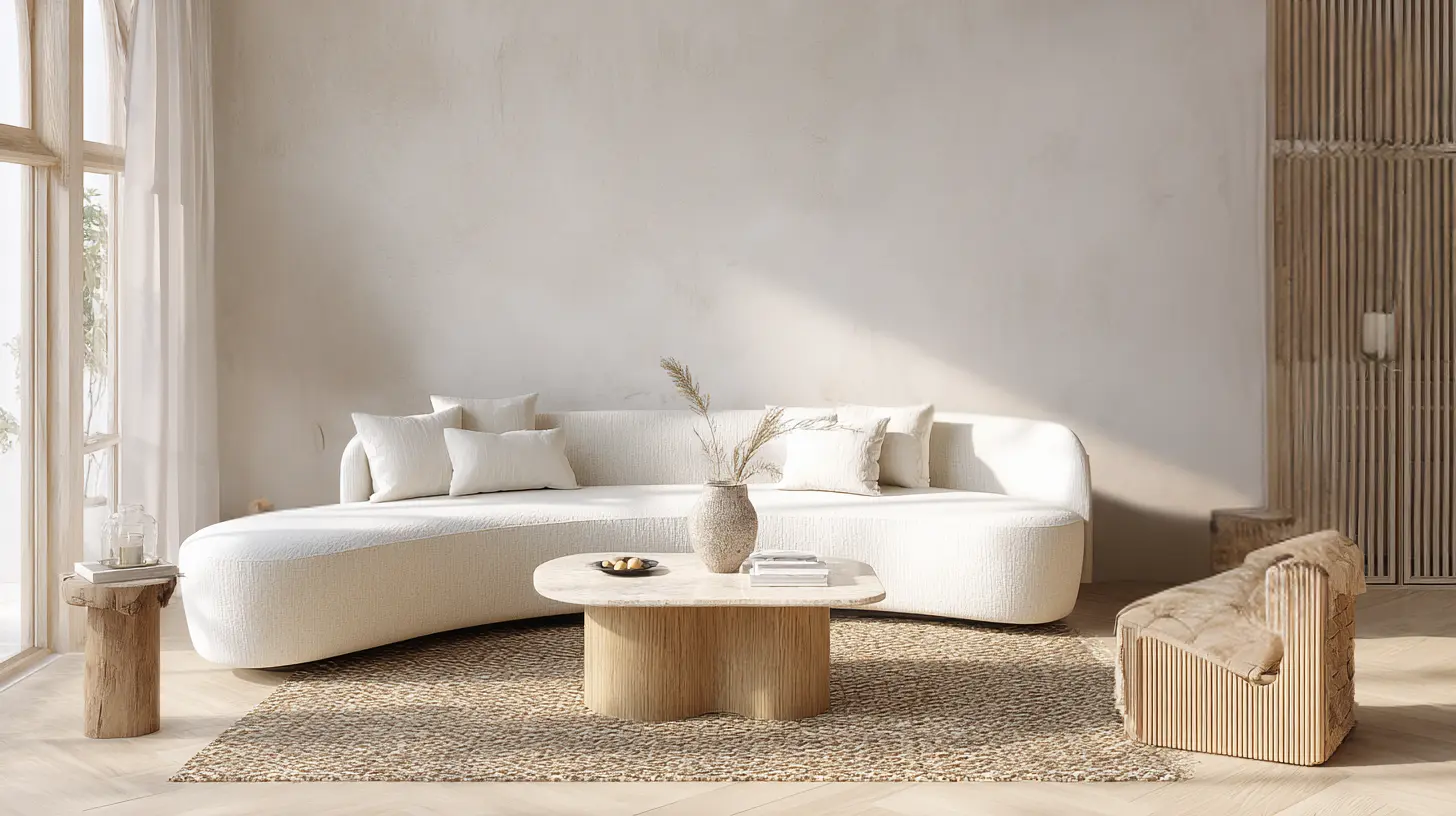
Straight lines give the room structure, while rounded sofas, oval tables, arched mirrors, and sculptural accessories add movement back into the space.
That mix keeps things from feeling too minimal or cold.
Layered Textures
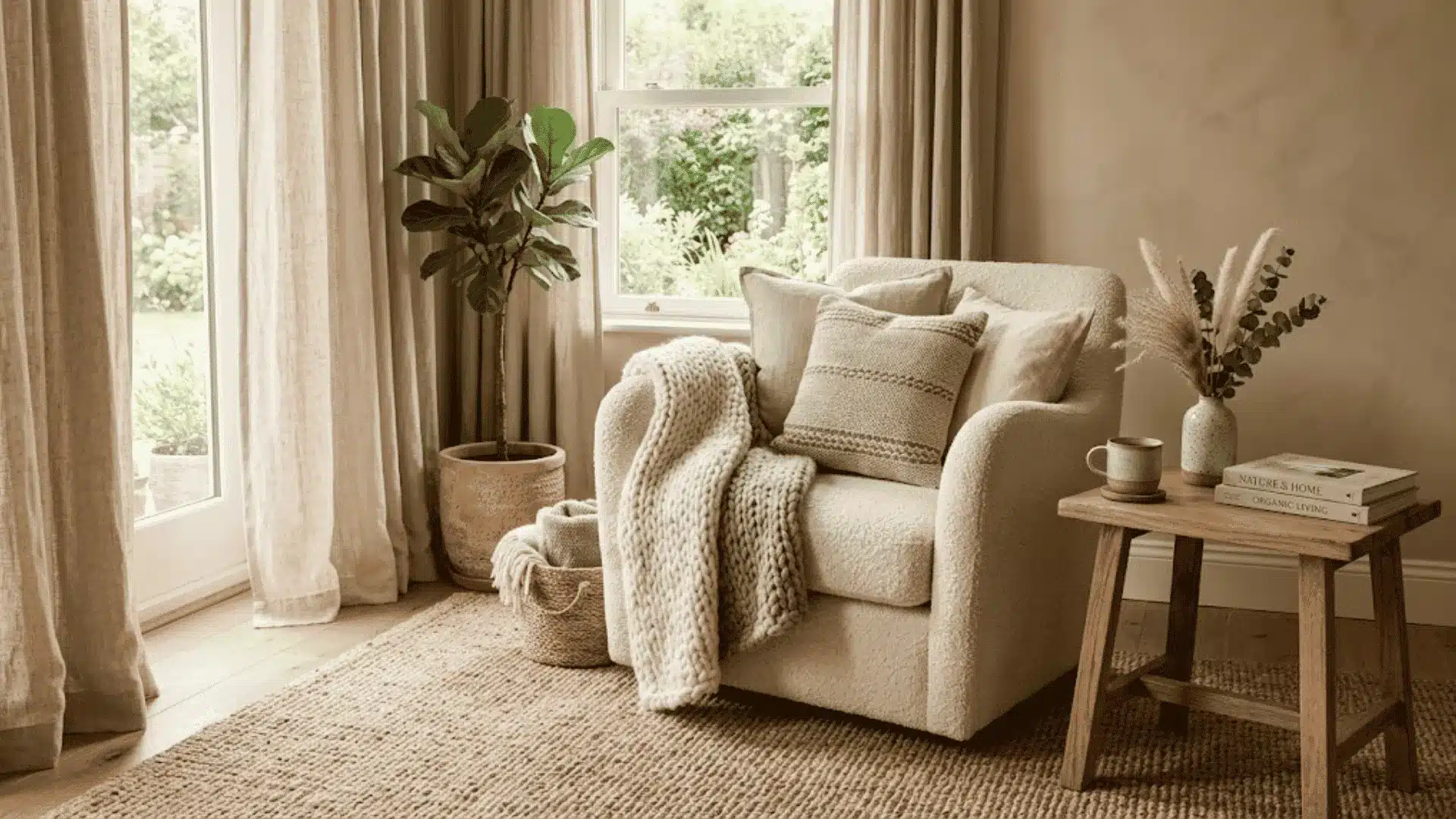
Rather than bold colors or busy patterns, this style leans on layered textures instead to build real depth across a room.
Linen curtains, woven rugs, knitted throws, textured cushions, natural wood finishes – mixing a handful of these makes a space feel more comfortable and visually interesting without ever tipping into clutter.
Natural Light and Greenery
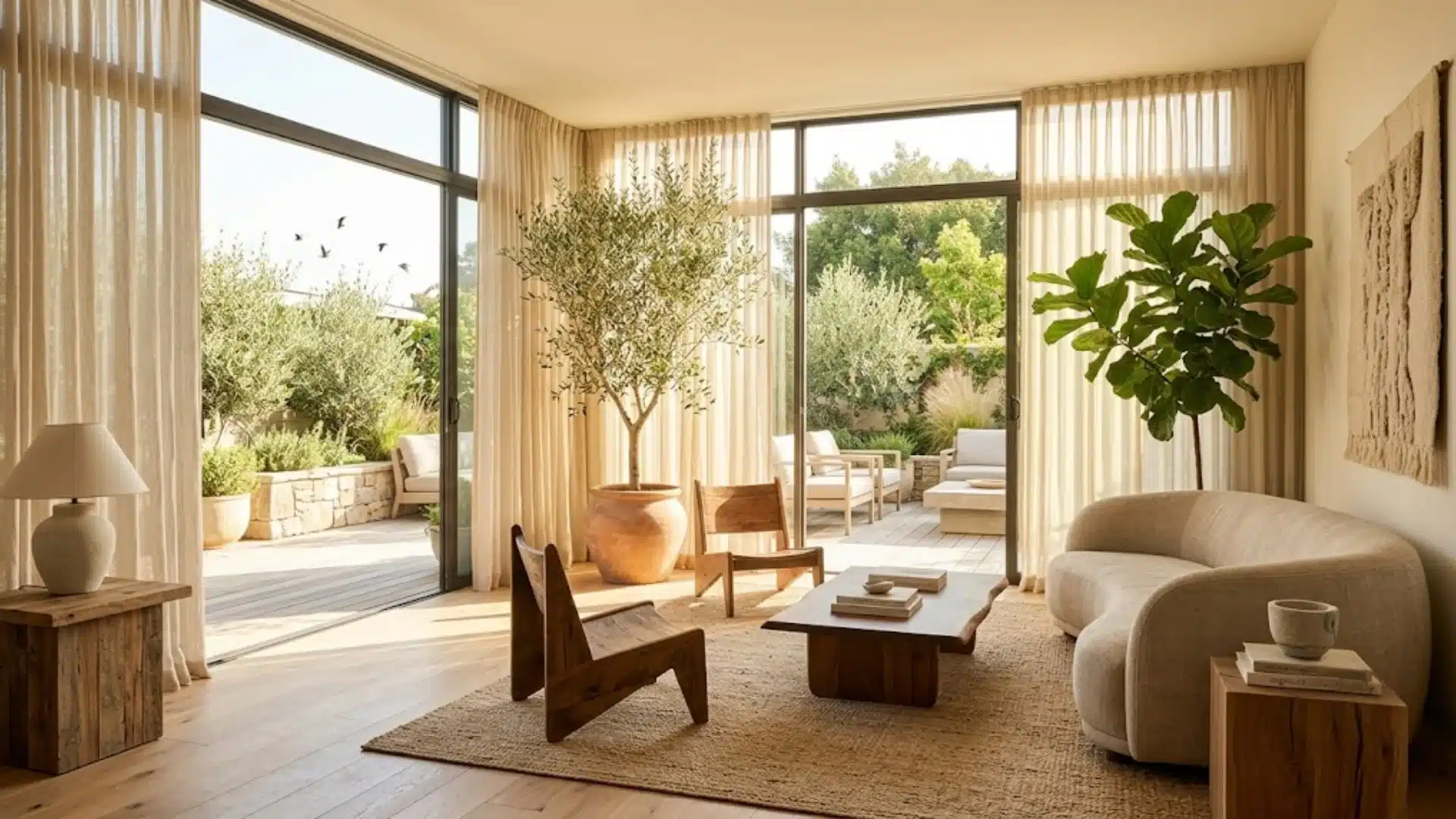
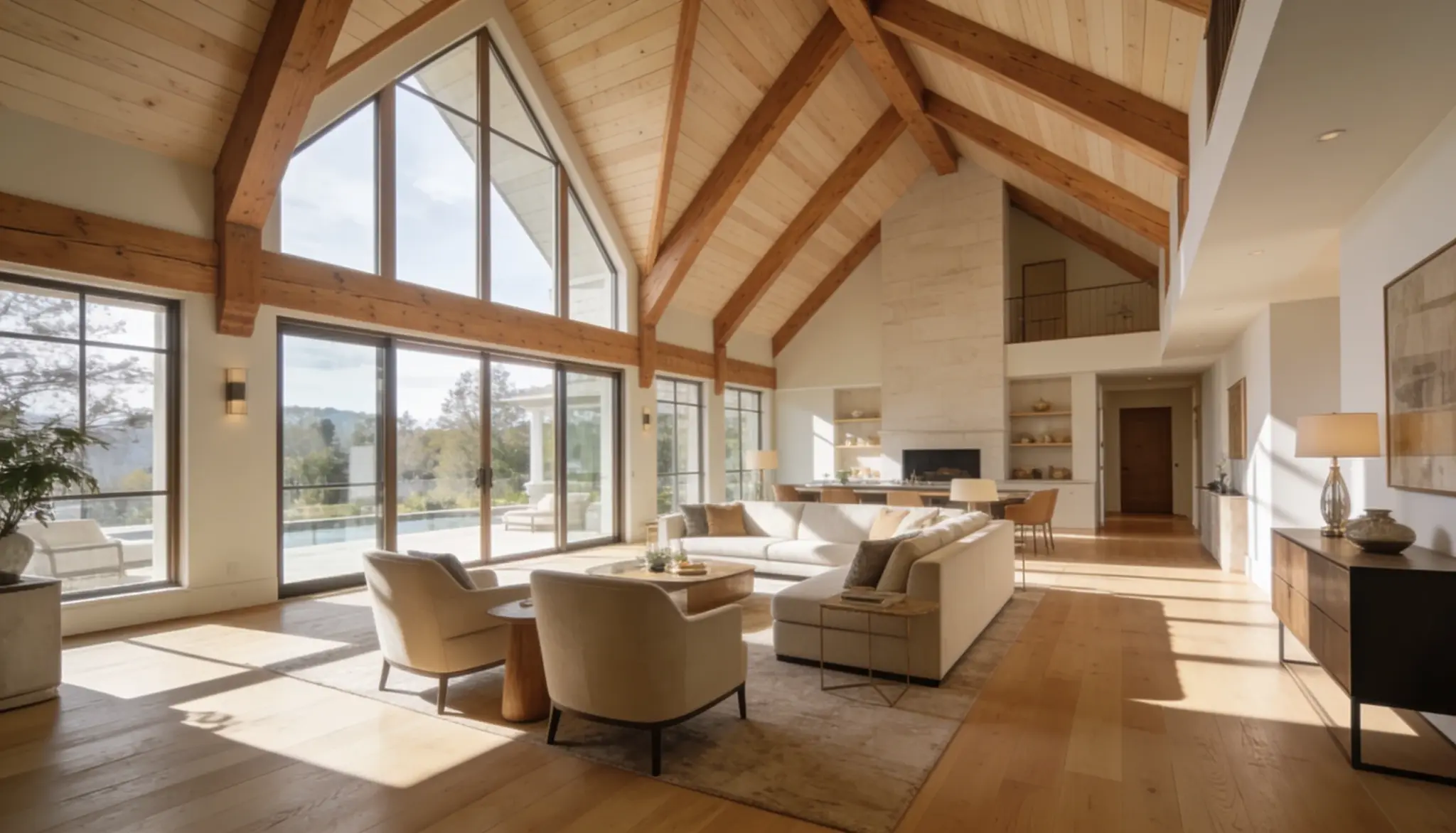
Large windows, sheer curtains, and open layouts all help brighten an organic modern home considerably throughout the day.
Indoor plants and fresh greenery bring in some color and life on top of that natural light.
Together, they build a space that feels airy, balanced, and genuinely connected to the outdoors.
Organic Modern Design Ideas by Room
Organic modern works in almost any room; the trick is keeping that balance of natural materials, neutral colors, and functional decor while shaping it to fit the room’s purpose.
1. Living Room
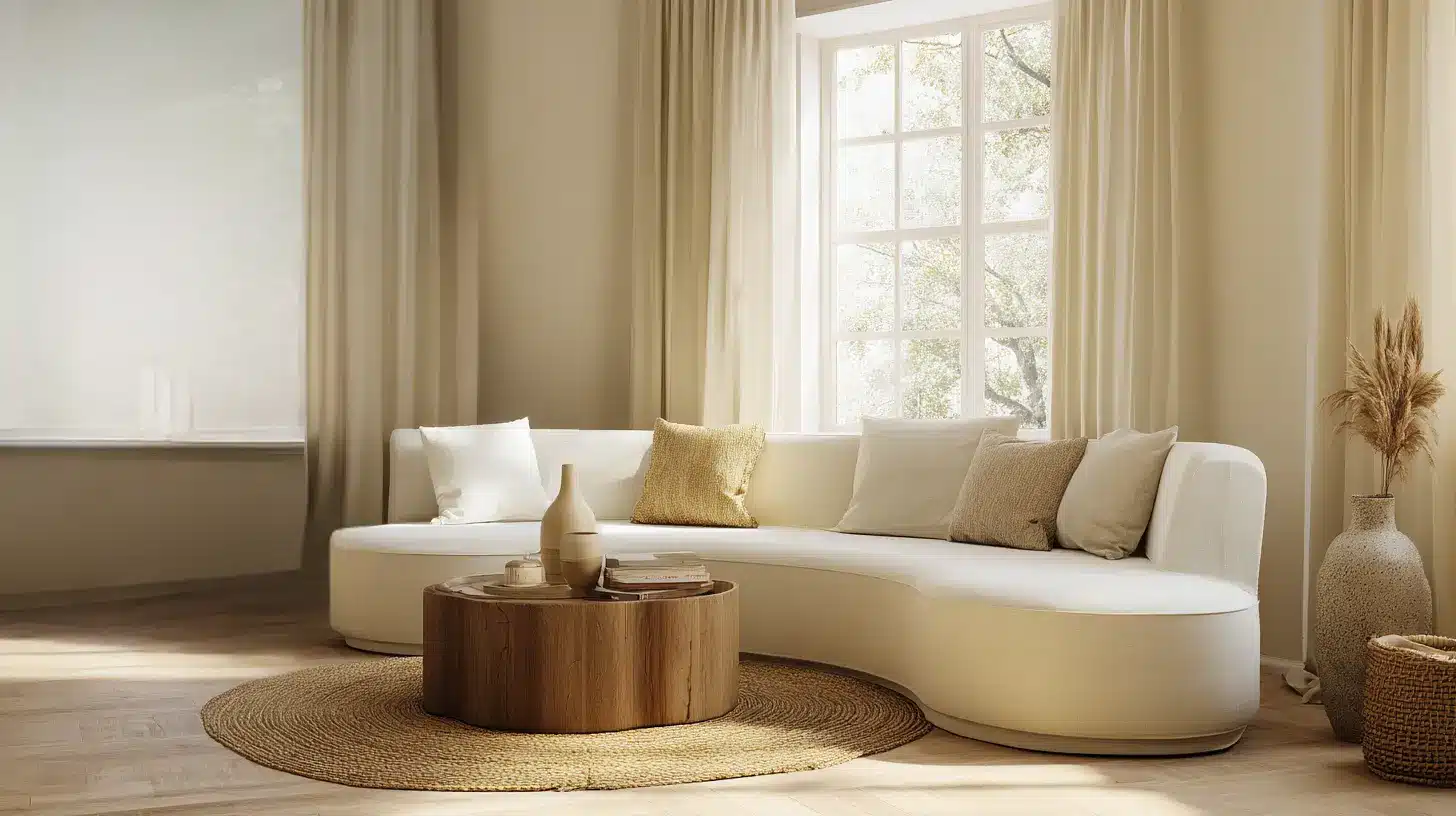
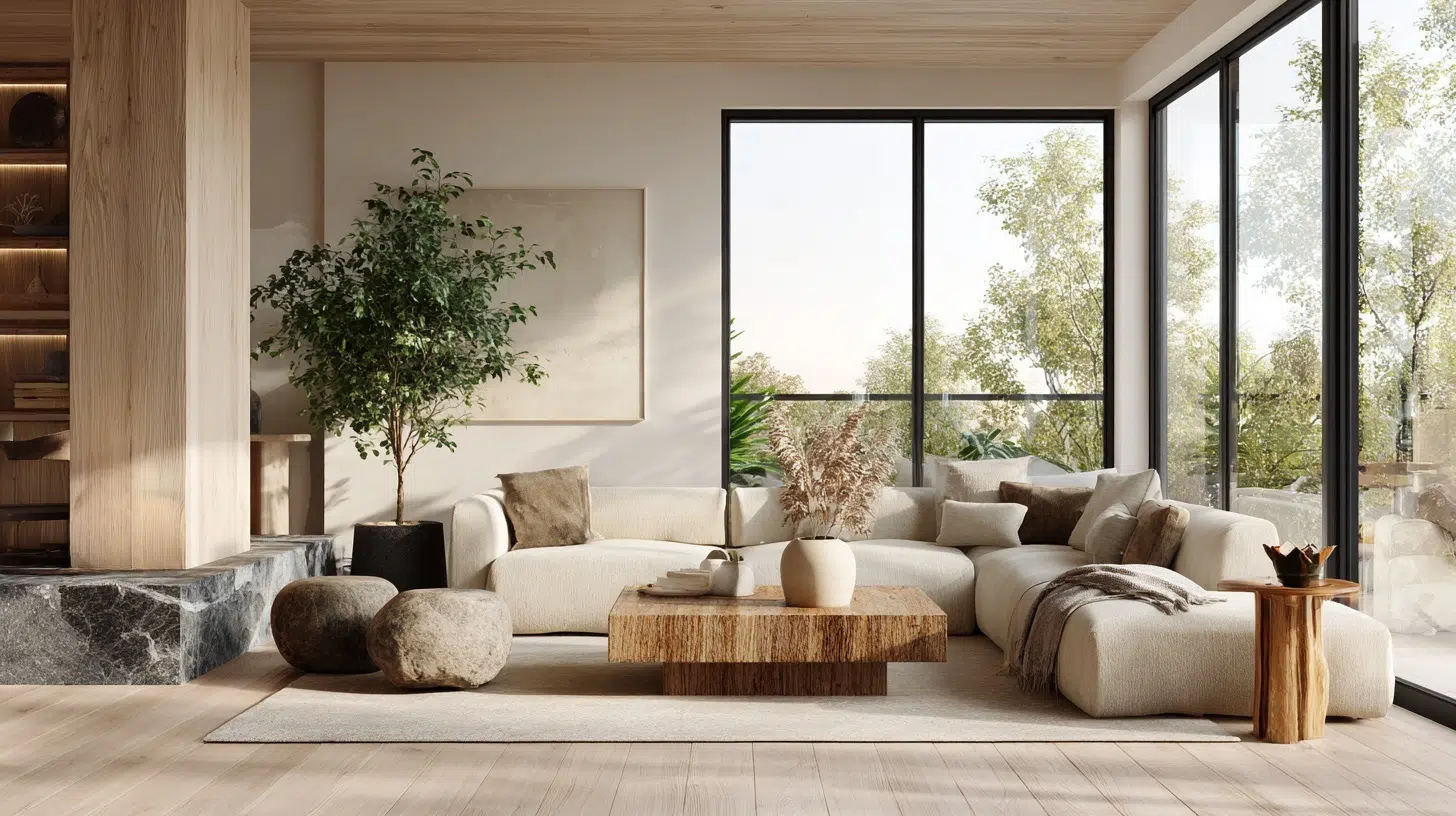
A neutral sofa, a solid wood coffee table, and layered textures like linen curtains and woven rugs build a warm foundation fast in almost any living room.
Add indoor plants, ceramic decor, and soft lighting to finish it off, and the space feels grounded rather than sparse.
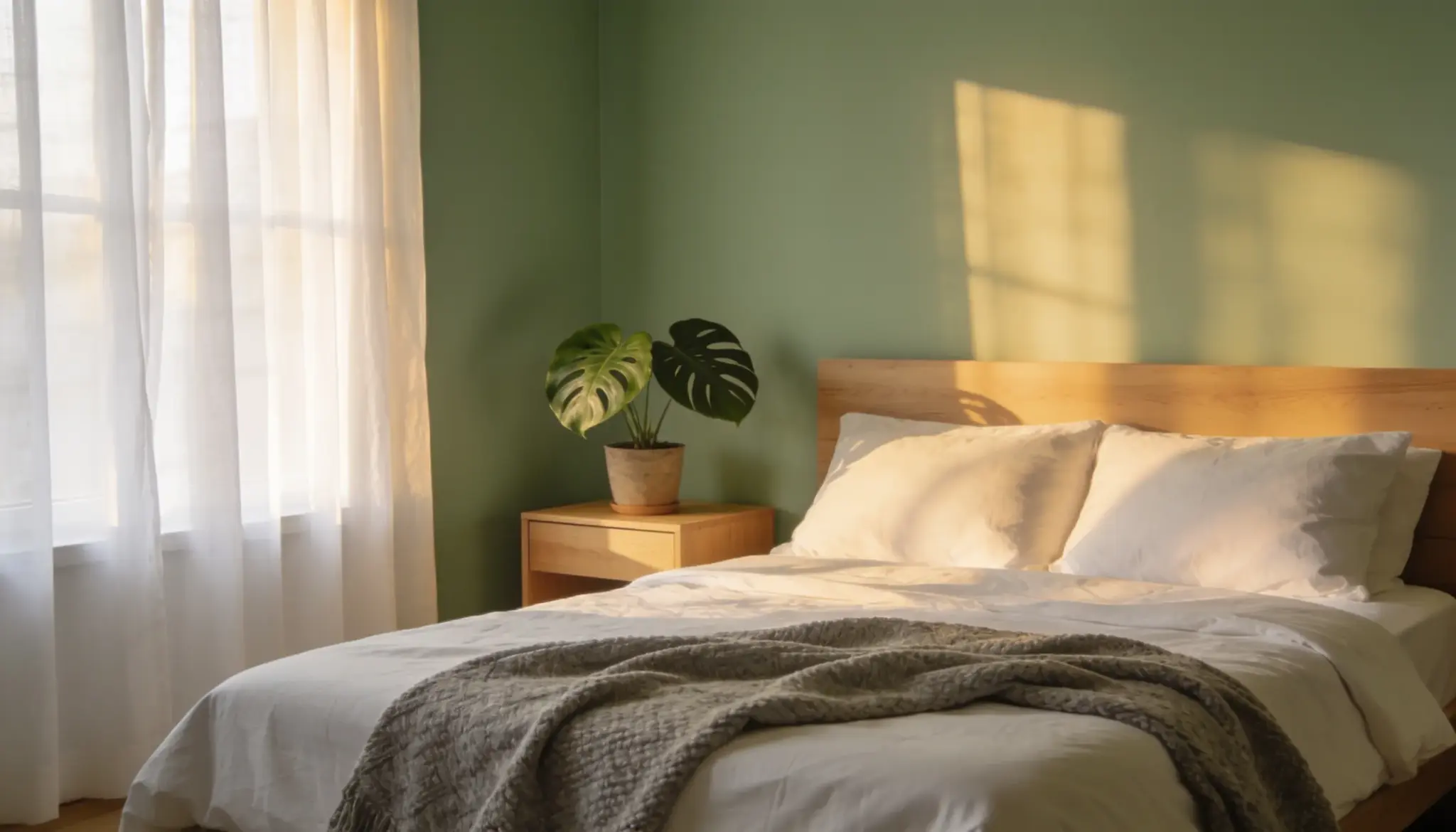
2. Bedroom
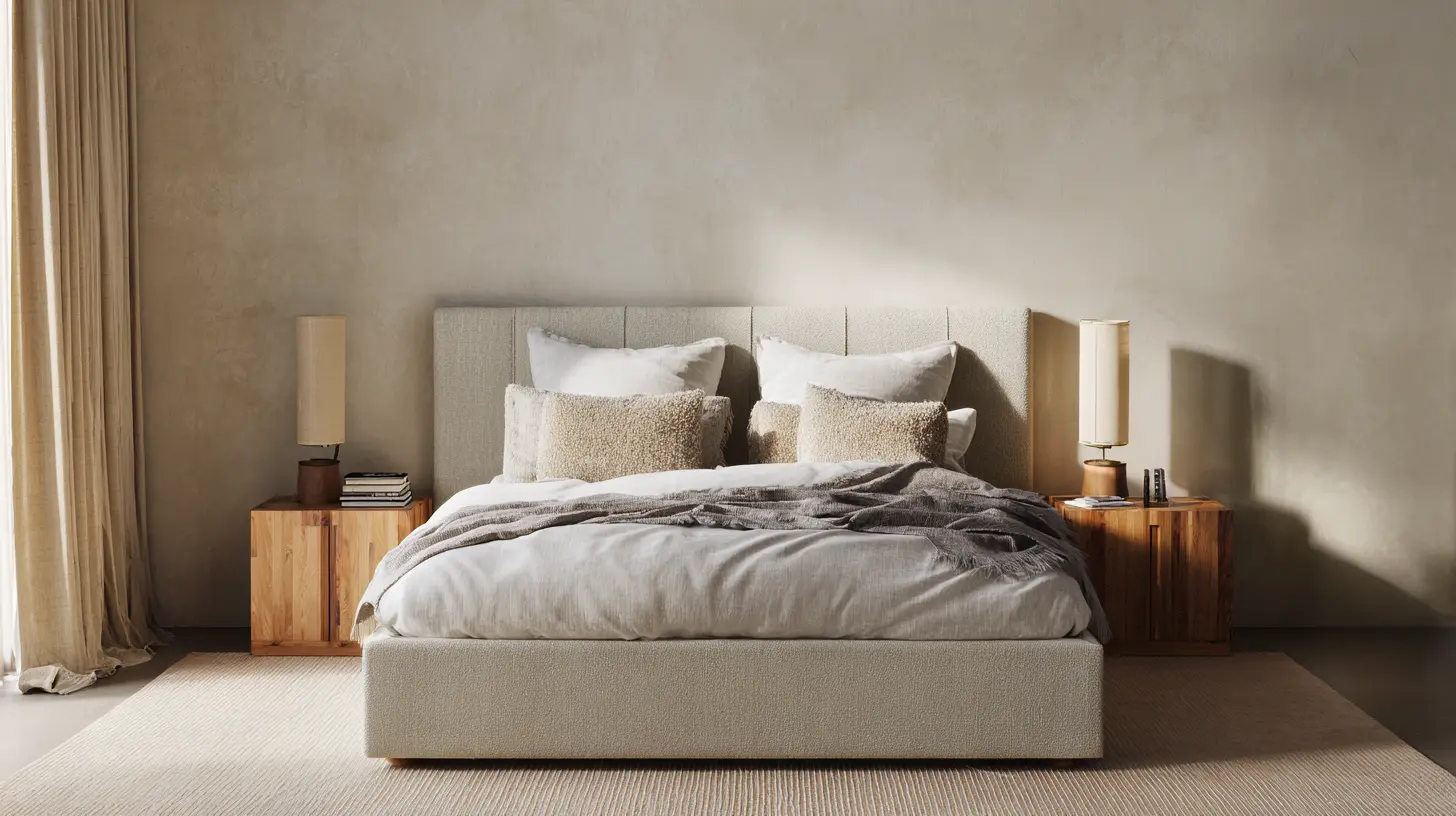
A calm, quiet feel is really the goal in a bedroom done this way.
Wooden nightstands, upholstered furniture, and soft lighting come together to create something that reads more like a retreat than just a place to sleep.
Textured pillows and linen curtains round it out without adding clutter.
3. Kitchen
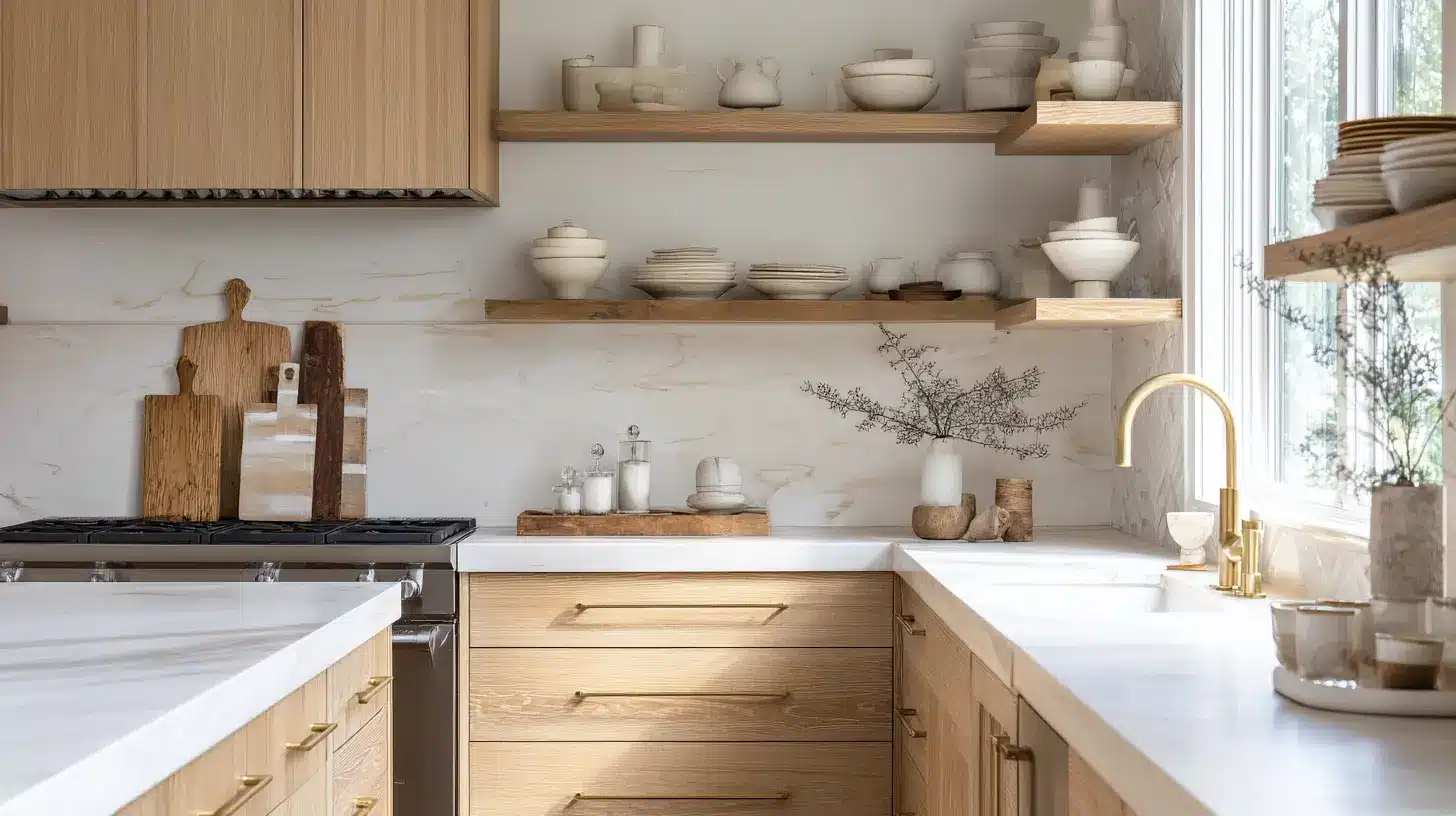
Light wood cabinets or open shelving paired with stone countertops keep things simple and grounded in an organic modern kitchen.
Warm lighting and understated hardware pull the whole look together, while a few ceramic pieces or wooden boards left out add texture without cluttering the counters.
4. Bathroom
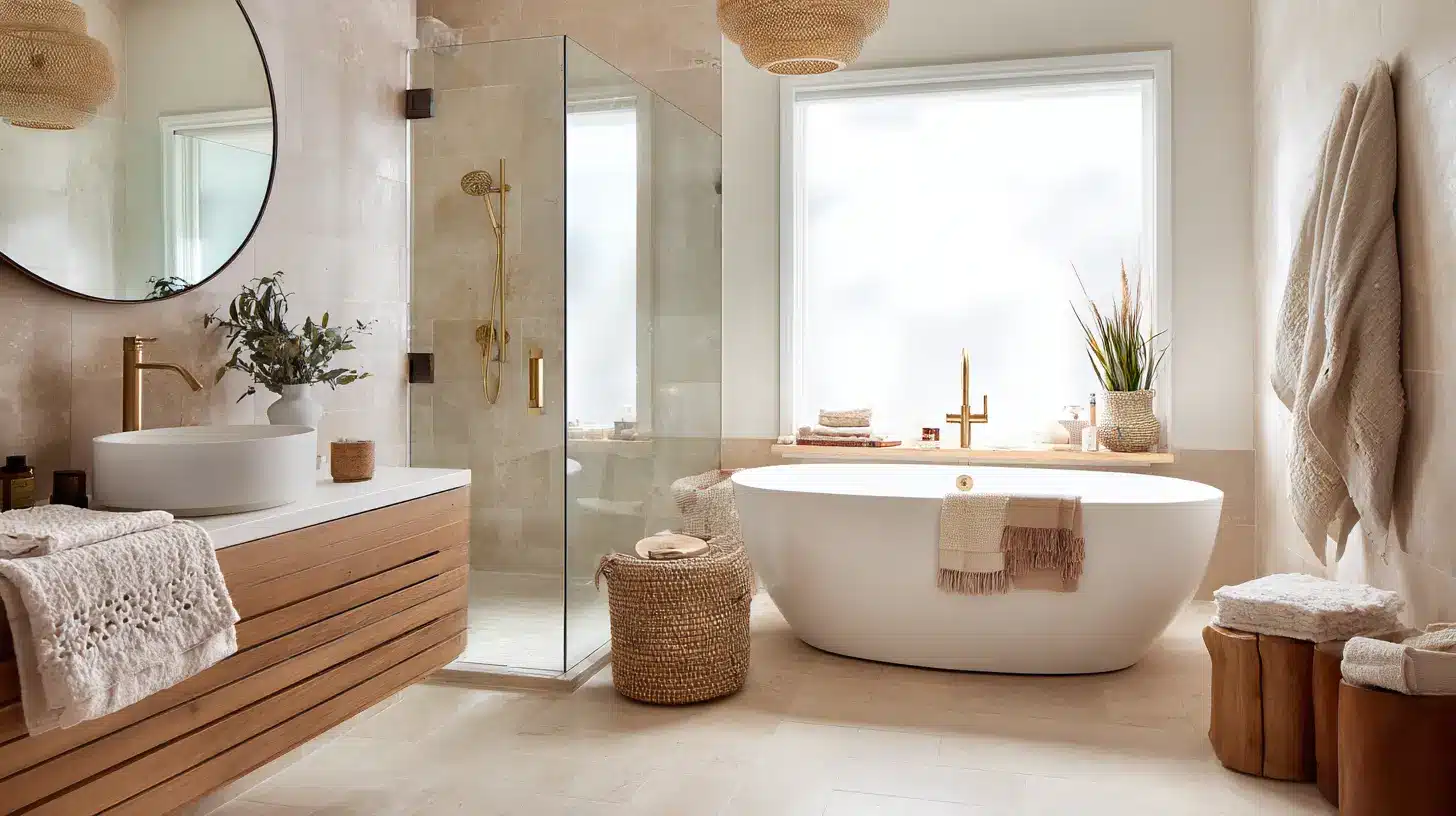
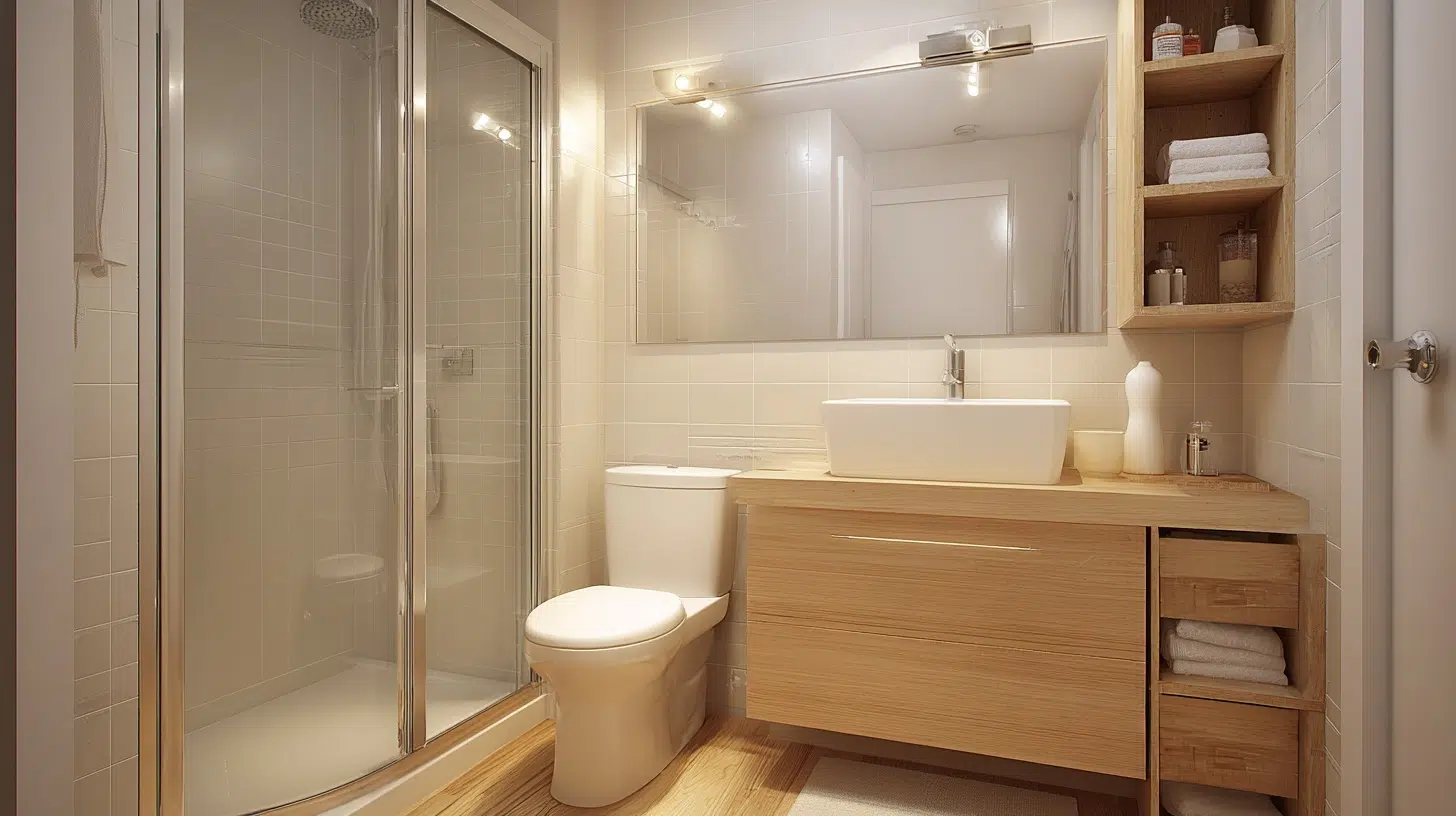
Stone surfaces and wood accents give a bathroom that spa-like quality without much effort involved.
Simple fixtures, a few woven baskets, and cotton towels keep it functional and warm, while a small plant or two on the counter add the finishing touch to the space.
How to Create an Organic Modern Home?
Getting this look right really comes down to balancing simple with warm.
Skip filling a room with decorative pieces and focus on natural materials, furniture that actually gets used, and textures layered in instead.
1. Start With Natural Colors
Begin with a neutral base: warm whites, beige, greige, taupe, and soft browns. These work well across walls and bigger furniture pieces.
From there, a few accents in olive green, charcoal, or black add some contrast without ever taking over theroom’ss overall calm feel.
2. Choose Quality Furniture
Clean lines and simple silhouettes beat oversized or heavily decorated pieces most of the time in this style.
Solid wood tables, linen sofas, upholstered chairs with soft curves- all of it fits the look while holding up well over the years.
3. Add Texture Instead of Clutter
Skip piling on accessories and build visual interest through texture layering instead.
Woven rugs, linen curtains, chunky knit throws, ceramic vases, natural wood accents- mixing these in adds warmth and depth while the room stays uncluttered. Comfortable without losing that simplicity.
4. Keep Decor Simple and Functional
Go for pieces that work as well as they look. Handmade pottery, wooden bowls, sculptural lamps, and a few well-placedwell-placed plants- add character without piling on clutter.
Keeping decor intentional is really what holds the whole balanced look together.
Is Organic Modern Right for Your Home?
Organic modern suits homeowners who value simplicity, comfort, and a bit of natural texture.
First, think through whether it actually matches your lifestyle.
Works Best If…
Neutral colors, natural materials, clean lines, and uncluttered spaces already sound appealing to you.
This style builds a home that feels warm, put together, and comfortable enough for everyday life.
May Not Suit If…
Bold colors, ornate furniture, dramatic patterns, or heavily decorated interiors are more your speed.
Organic modern leans hard into simplicity, so anyone after something louder will likely feel unsatisfied here.
Conclusion
Organic modern interior design pulls the simplicity of modern style together with the warmth natural materials bring, and the result usually feels calm without going cold.
Neutral colors, natural textures, furniture that actually gets used- that combination works in almost any home.
One room or the whole house, this style gives a comfortable, put-together foundation that holds up well no matter how long it’s been on the walls.
Frequently Asked Questions (FAQs)
1. Is Organic Modern Interior Design Still in Style?
Yes. Organic modern remains a popular design trend because its focus on natural materials and timeless decor works well with changing interior styles.
2. What’s the Difference Between Japandi and Organic Modern?
Japandi combines Japanese and Scandinavian design, while organic modern focuses on modern interiors softened with natural materials, textures, and earthy tones.
3. Can You Mix Organic Modern with Other Design Styles?
Yes. Organic modern pairs well with Scandinavian, farmhouse, contemporary, and minimalist styles because they share a focus on simplicity and functional design.