Curtains can makea room look finished and warm. But the wrong length? It throws everything off.
I have worked with enough home styling decisions to know that should curtains touch the floor is one of the most skipped yet most important questions you can ask.
Get it right, and your room instantly feels taller, cosier, and more complete.
Get it wrong, and even the nicest fabric won’t save it.
Let me show you exactly what works, and why.
Why Curtain Height Length Matters More Than You Think
Most people don’t realise this, but curtains are one of the quickest and most budget-friendly ways to change how a room looks.
Not the sofa. Not the paint. The curtains.
A simple change in curtain height, moving the rod just 4 to 6 inches higher, can make your ceiling appear noticeably taller without touching a single wall.
That’s the kind of trick that makes guests say, “Did you renovate? Something looks different in here.”
So yes, should curtains touch the floor is a question worth spending real time on. Because the right answer makes your whole home feel more intentional.
Should Curtains Touch the Floor?

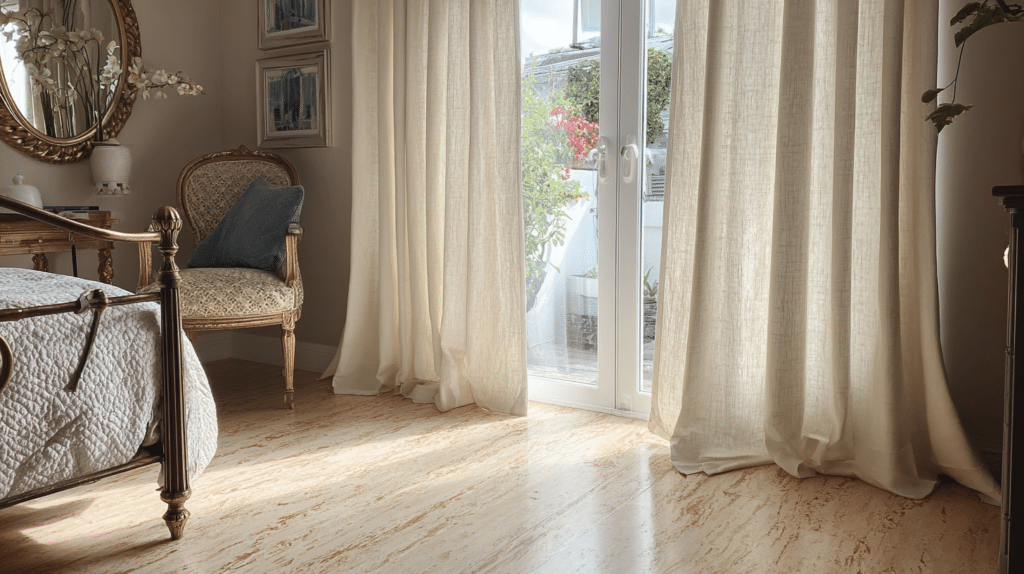
Yes, curtains should touch the floor in most cases. This creates a polished look that makes rooms feel complete.
Floor-length curtains add visual height to your space. The long vertical lines make ceilings appear taller. They also block drafts better and provide more privacy since there’s no gap at the bottom.
But there are exceptions. Kitchen and bathroom windows often work better with shorter styles.
These rooms are prone to moisture and require frequent cleaning. Windows above radiators also need shorter curtains, since long fabric over heat sources can create fire hazards.
Homes with small children or pets might also benefit from shorter lengths to prevent tripping.
Should Curtains Touch the Bedroom Floor?
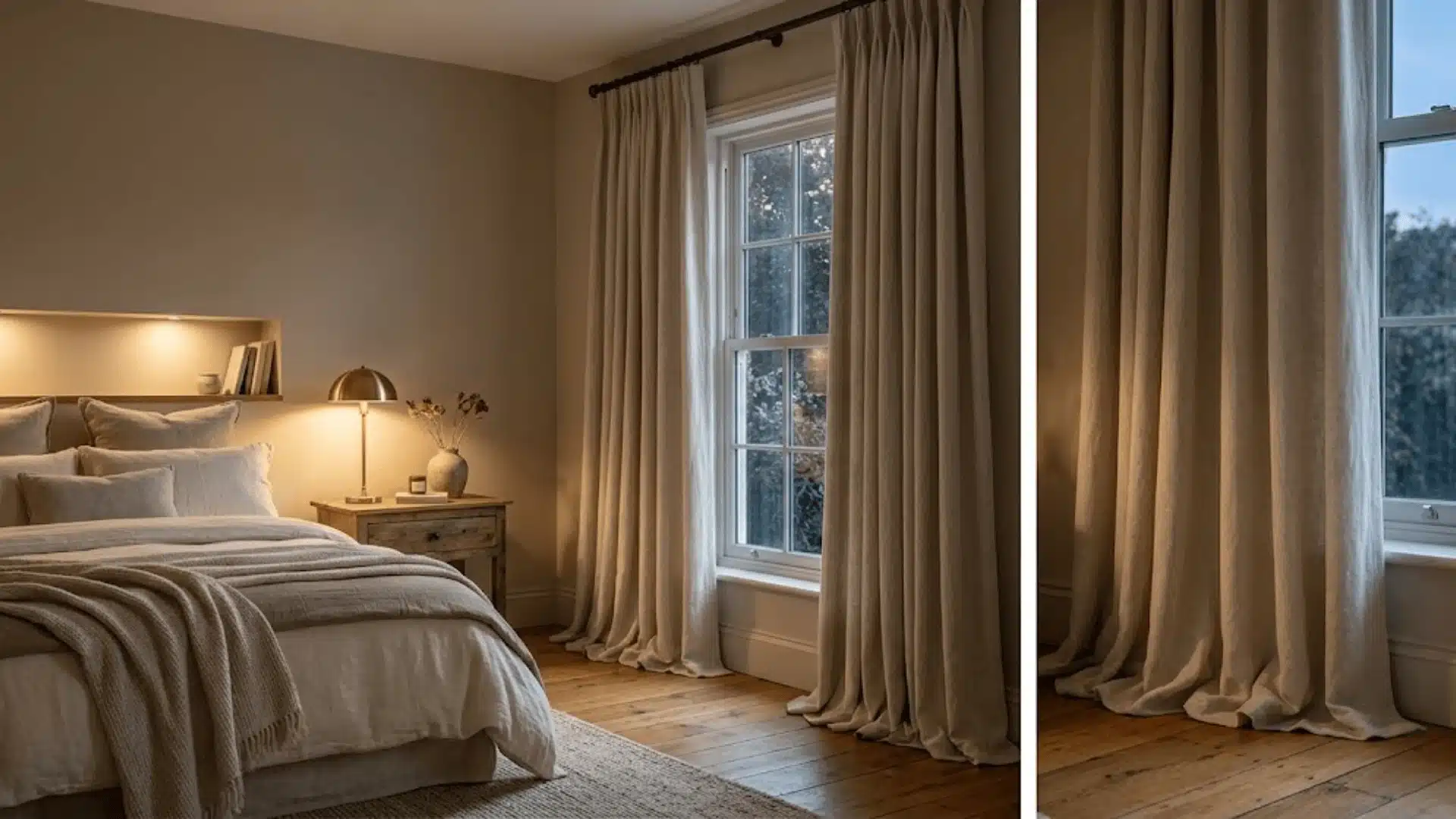
Yes. Bedrooms are actually the best place for curtains that touch the floor.
Your bedroom is where you want to feel cosy, private, and calm. Long curtains deliver all three.
They block light from creeping in at the bottom, keep drafts out, and make the room feel like a proper retreat rather than just a place you sleep.
A small tip: let curtains puddle 2 to 3 inches on the floor for that soft, warm bedroom feel. And if early morning light is your enemy, go with blackout-lined panels.
The bedroom is the easy yes. But as you move into other rooms, the answer changes. Let’s see how.
Should Curtains Touch the Bathroom Floor?
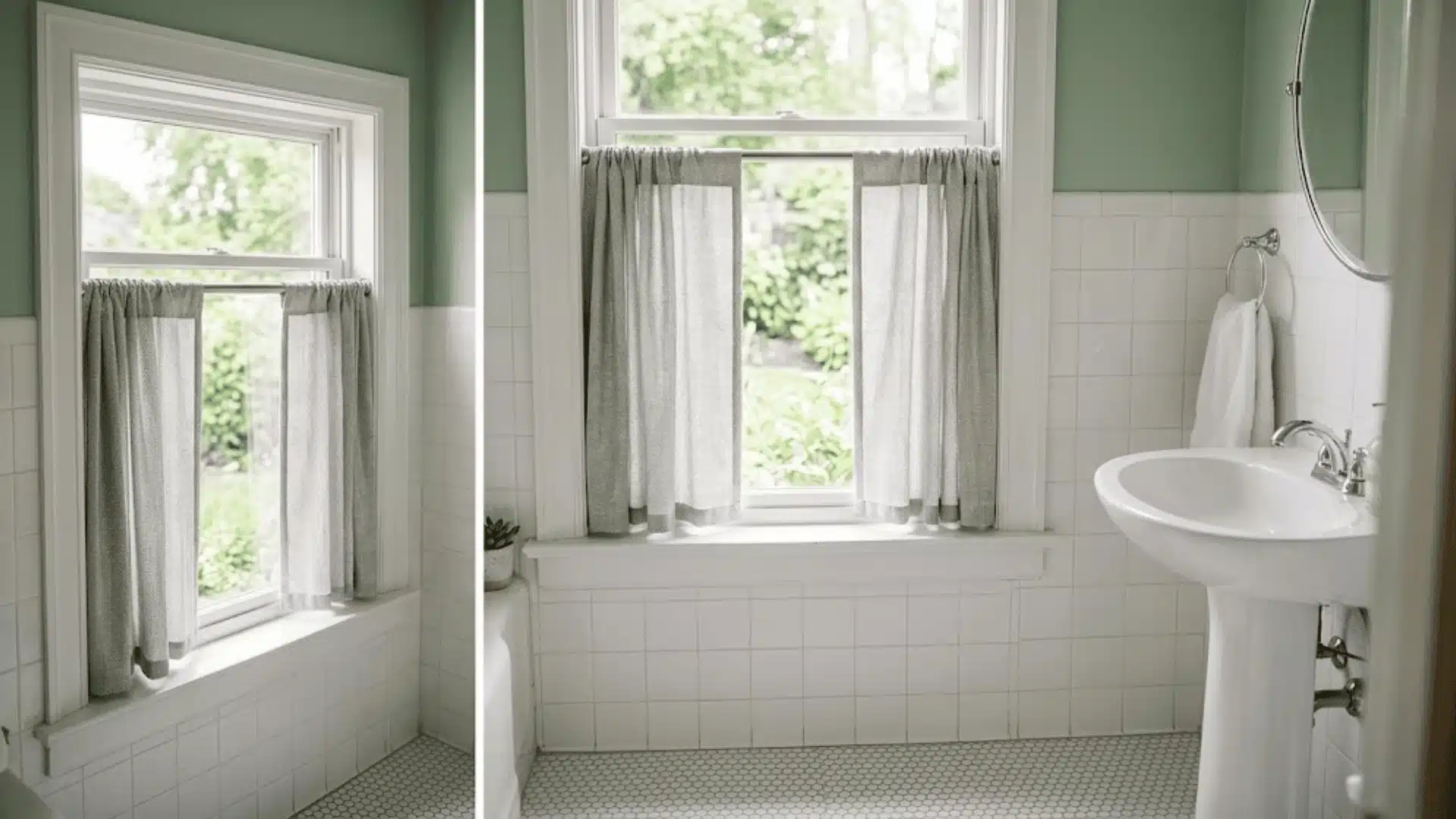
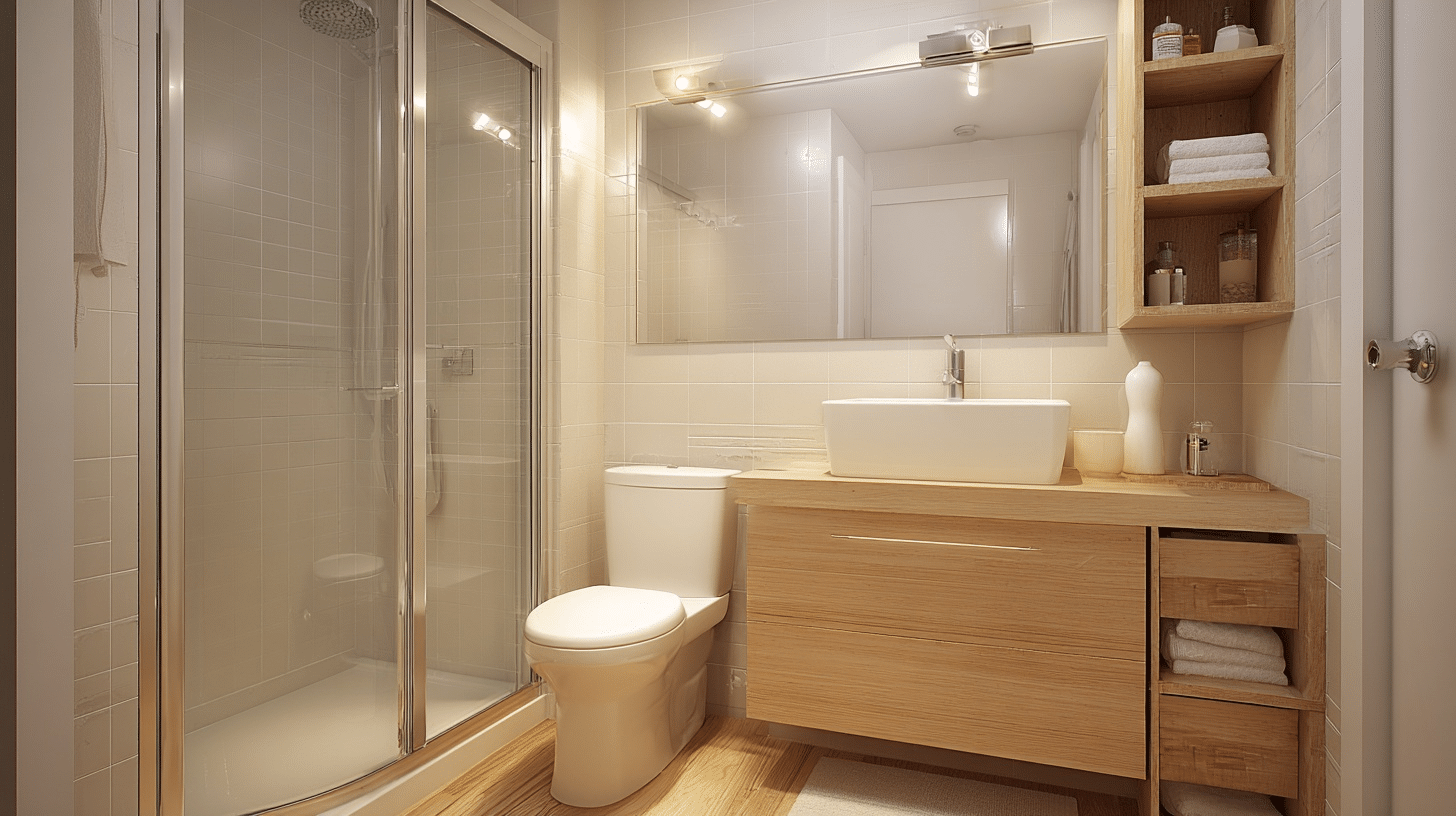
This is where things flip. In bathrooms, curtains should not touch the floor.
Bathrooms deal with daily moisture from showers, steam, and wet floors. Fabric sitting on a bathroom floor will absorb that moisture. And once mildew sets in, no amount of washing fixes it.
Sill-length curtains work best here. They give you privacy without the damage. Go with polyester or any water-resistant material.
It dries fast, resists mould, and holds up far better in a humid space.
Polyester blends work, but look for a tight weave. Loosely woven polyester still holds moisture longer than you’d expect.
Should Curtains Touch the Kitchen Floor?

No. Kitchens are greasy, steamy, and splashy by nature.
Floor-length curtains in a kitchen pick up grease particles from cooking, drag across wet floors, and become genuinely difficult to keep clean.
Sill-length or apron-length curtains are the right choice here. They’re easier to wash, keep fabric safely away from the stove, and stay out of harm’s way.
Should Outdoor Curtains Touch the Floor?

Outdoor curtains play by different rules altogether. Keep them about 1 to 2 inches off the ground.
Unlike indoor spaces, outdoor surfaces are exposed to dirt, rain, and debris on a daily basis.
Fabric sitting directly on the ground soaks all of that up fast. A small gap is all it takes to keep your curtains cleaner and in better shape through every season.
If you prefer a fuller, draped look, a gentle brush against the ground works fine. Just avoid letting them pool completely outdoors.
That turns into a cleaning and damage problem sooner than you’d expect.
With outdoor curtains sorted, let’s look at the style that goes all the way from the ceiling to the floor.
Should Curtains Run from Ceiling to Floor?
Ceiling-to-floor curtains create a dramatic and luxurious look that transforms any room.
This style works especially well in spaces with high ceilings. The long fabric panels make rooms feel grander, and ceilings appear taller.
Formal spaces like dining rooms and master bedrooms benefit most from this treatment.
However, this style requires more fabric, which means higher costs. You’ll also need solid ceiling-mounted brackets to support the extra weight.
What Length is Best for Your Curtains?
There are three main curtain length styles. Each one suits a different room and a different lifestyle. Here is a quick breakdown to help you decide what fits your space best.
| Length Style | What It Looks Like | Best For | Avoid If |
|---|---|---|---|
| Kiss Length | Fabric just barely grazes the floor. Clean, classic, no bunching | Living rooms, dining rooms, everyday spaces | Floors are uneven or you have pets that tug at fabric |
| Puddle Effect | Curtains pool 2 to 6 inches on the floor. Dramatic and formal | Master bedrooms, formal dining rooms | You have kids, pets, or dislike frequent cleaning |
| Floating Curtains | Curtains hang about 1 inch above the floor. Practical and deliberate | Kitchens, laundry rooms, mudrooms | You want full draft protection or maximum light blocking |
The best curtain length depends on the look you want and where you’re hanging them.
Choosing the right length affects both style and function. What works in a bedroom might not suit a kitchen at all.
Standard Floor Length or “Kiss Length”
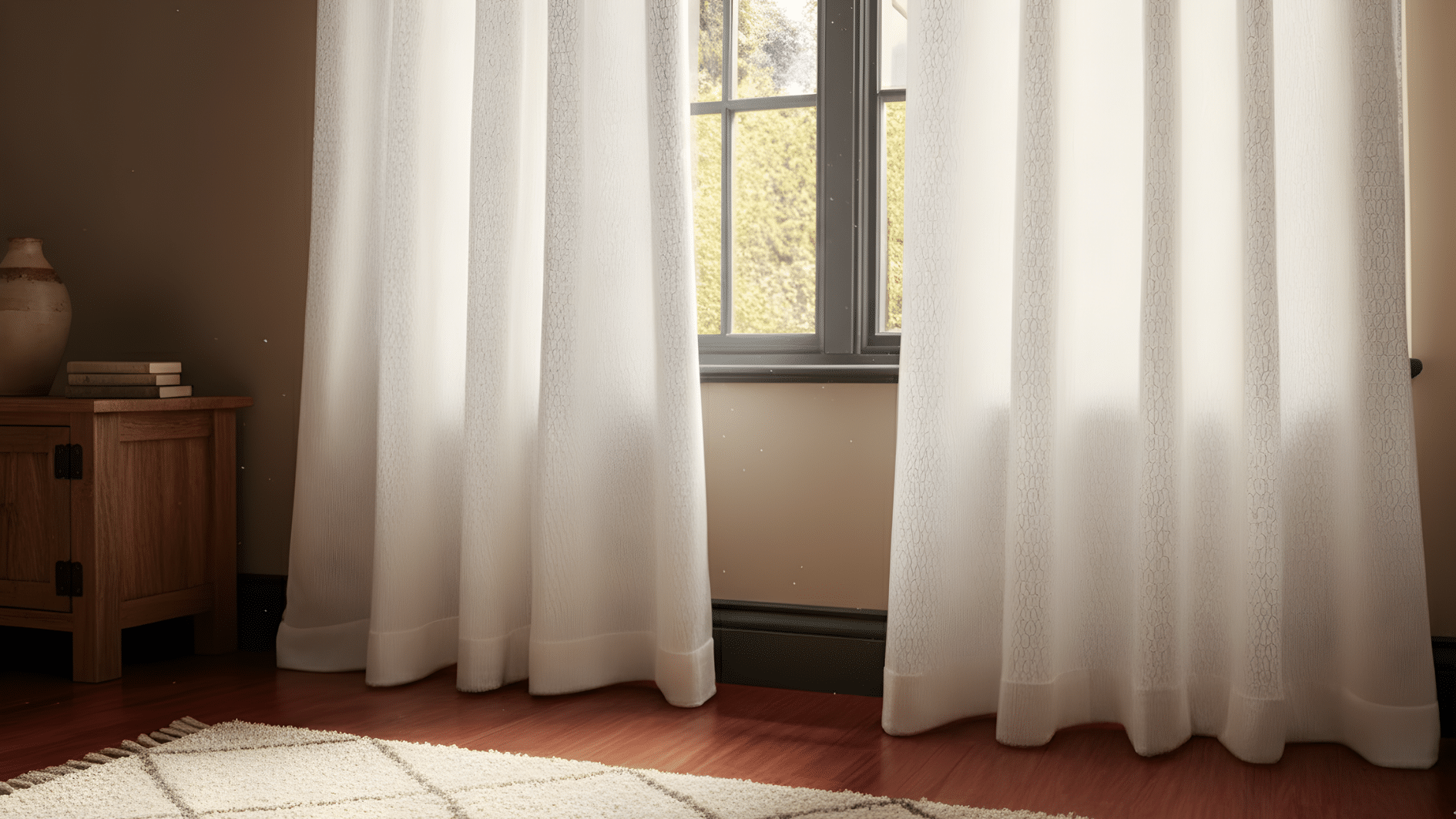
Most rooms look best with curtains that just kiss the floor. This means the fabric barely touches without bunching up.
It’s clean and works in almost any space. This style gives you a finished appearance without extra maintenance.
- Works Best When: You want a classic, timeless look that’s easy to clean and maintain.
- When Not to Choose: Your floors are uneven, or you have pets that might pull on the fabric.
Kiss length is the most widely recommended style by interior designers. It works in almost every room, suits almost every style, and is the easiest to maintain day to day.
The Puddle Effect
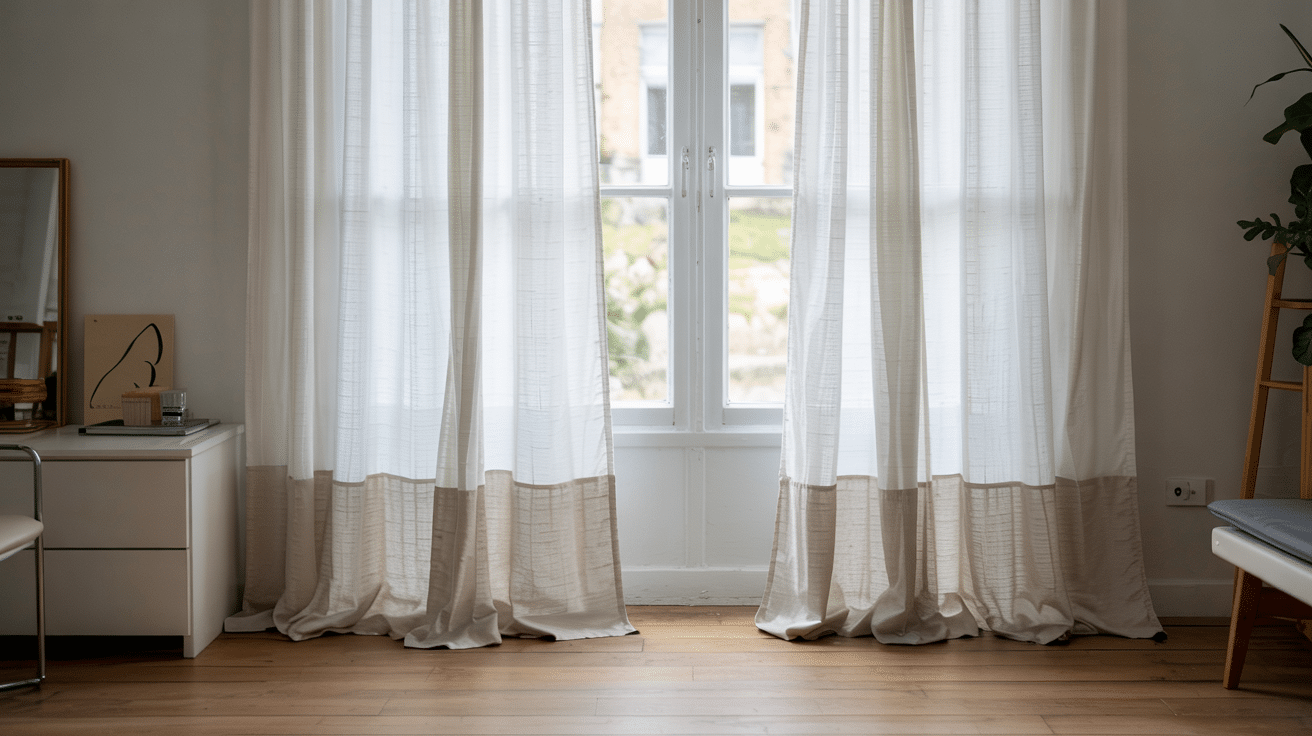
Some prefer curtains that pool on the floor by 2 to 6 inches. This creates a luxurious, formal appearance.
However, puddled curtains collect dust easily, making vacuuming harder.
Think of this as the fancy option for special rooms.
- Works Best When: You’re decorating a formal dining room or master bedroom where elegance matters most.
- When Not to Choose: You have kids, pets, or need to vacuum frequently.
The puddle effect is more of a lifestyle choice than just a design one. It looks beautiful but comes with extra upkeep.
Floating Curtains
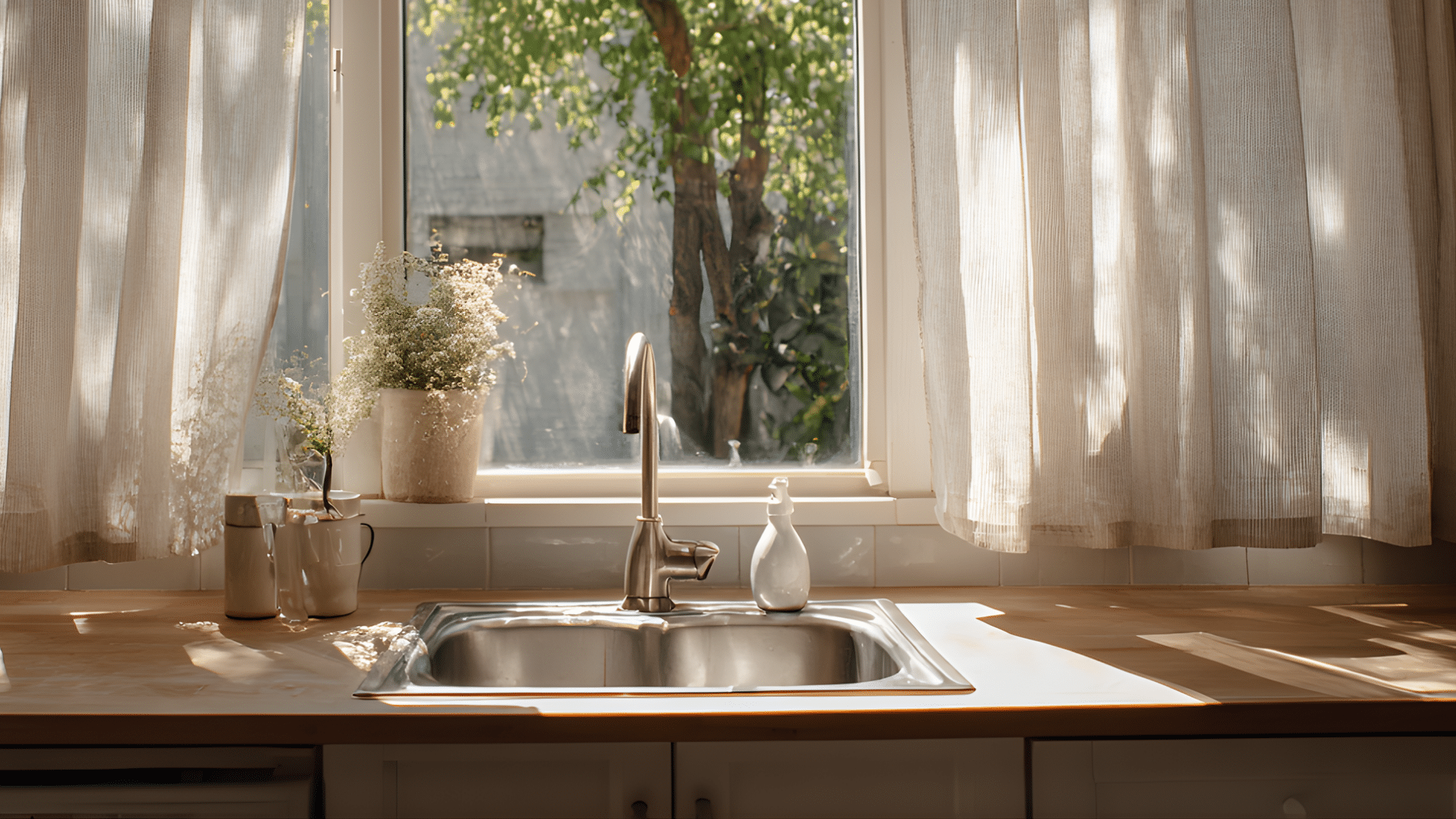
Curtains can hang 1 inch above the floor in kitchens or laundry rooms.
This keeps fabric away from spills and moisture. The small gap prevents staining and damage from wet floors.
- Works Best When: Your room regularly deals with water, grease, or heavy foot traffic.
- When Not to Choose: You want maximum light blocking or draft protection.
Floating curtains are not a mistake. In high-moisture or high-traffic spaces, keeping fabric off the floor is simply the smarter call.
How High to Hang Curtains (step-by-step)
Measuring wrong is one of the most common and costly curtain mistakes.
Most rods sit 4 to 6 inches above the window frame. This placement is a well-known interior design trick. It draws the eye upward, making the window look bigger than it actually is.
What you’ll need: A metal tape measure (not a cloth one, those stretch), a pencil, and paper.
Follow These Steps:
- Decide where your rod will sit. Mark it lightly with a pencil.
- Measure from that mark down to the floor.
- For kiss-length curtains, add half an inch to that measurement.
- For the puddle effect, add 2 to 6 inches more.
- Measure in three different spots along the window. Floors are rarely perfectly level.
- Use the longest of those three measurements.
- Write everything down immediately. Don’t trust your memory.
- Double-check before you order.
One wrong number means wrong curtains, a return, and starting over. Two minutes of careful measuring saves hours of frustration.
Factors for Choosing a Curtain Length
Picking the right curtain length isn’t just about style. Several practical factors should influence your decision.
Room Function Matters Most
Think about what happens in the room daily. Bedrooms and living rooms can handle longer curtains since they see less messy activity.
Kitchens and bathrooms need shorter options because of splashes and grease.
Ceiling Height Changes Everything
Low ceilings benefit from floor-length curtains. The vertical lines create an illusion of height.
Your Lifestyle Needs
Do you have kids running around? Pets that love to play? Floor-length curtains might become toys or tripping hazards. Cleaning habits also play a role.
Long curtains need more frequent washing and careful maintenance.
Fabric Selection
Heavy fabrics like velvet work best at floor length. They hang straight and look luxurious.
Lighter materials, such as linen or cotton, can work at any length but might blow around if too long.
Window Placement and Obstacles
Check what sits below your windows. Radiators or furniture can dictate the length of curtains.
Never let curtains drape over heat sources because that’s a fire risk.
How to Measure for Curtain Length the Right Way
Getting accurate measurements ensures your curtains look professional and hang correctly. Start by deciding where the curtain rod will go.
Most rods sit 4 to 6 inches above the window frame. This placement makes windows appear larger and rooms feel taller.
If you’re ordering custom curtains, always round up by half an inch rather than down. Fabric that’s slightly long can be hemmed. Fabric that’s too short can’t be fixed.
Tools You’ll Need
Grab a metal tape measure for accuracy. Cloth measuring tapes can stretch and give wrong numbers.
You’ll also need a pencil and paper to write down measurements.
Step-by-Step Measuring Process
- Measure from where the rod will sit to your desired ending point
- For floor-length curtains, measure to the floor and add half an inch for a light touch
- Want the puddle effect? Add 2 to 6 inches to your floor measurement
- Measure at three different spots along the window since floors aren’t always level
- Use the longest measurement to ensure complete coverage everywhere
- Write all numbers down immediately so you don’t forget or mix them up
- Double-check your math before ordering curtains
Wrong measurements mean returns, delays, and frustration.
Take your time and measure twice to get it right the first time.
Additional Styling Ideas (Room-By-Room Advice)
Different rooms have different needs regarding curtain length. What works in your bedroom won’t necessarily suit your kitchen.
Living Room Curtain Length

Living rooms look best with floor-length curtains that just kiss the ground.
Mount your rods high and extend them 6 inches beyond each side of the window frame. This setup makes windows appear larger and lets in maximum light when curtains are open.
Fabric choice matters here. Heavier materials like cotton blends provide better light control and privacy.
Bedroom Curtain Length

Bedrooms need full coverage for privacy and light blocking.
Puddle length curtains work perfectly here. Blackout-lined options help you sleep better by blocking early morning sun.
The extra length also stops light from sneaking in at the bottom.
For a cozy vibe, consider curtains that puddle 2 to 3 inches. This adds softness without being too fussy.
Kitchen Curtain Length

Kitchens require practical thinking. Sill-length or apron-length curtains work best since they stay cleaner and avoid grease splatters.
These shorter styles are also easier to wash frequently, which matters in messy cooking spaces.
Safety tip: Keep all kitchen curtains away from the stove to prevent fire hazards.
Bathroom Curtain Length
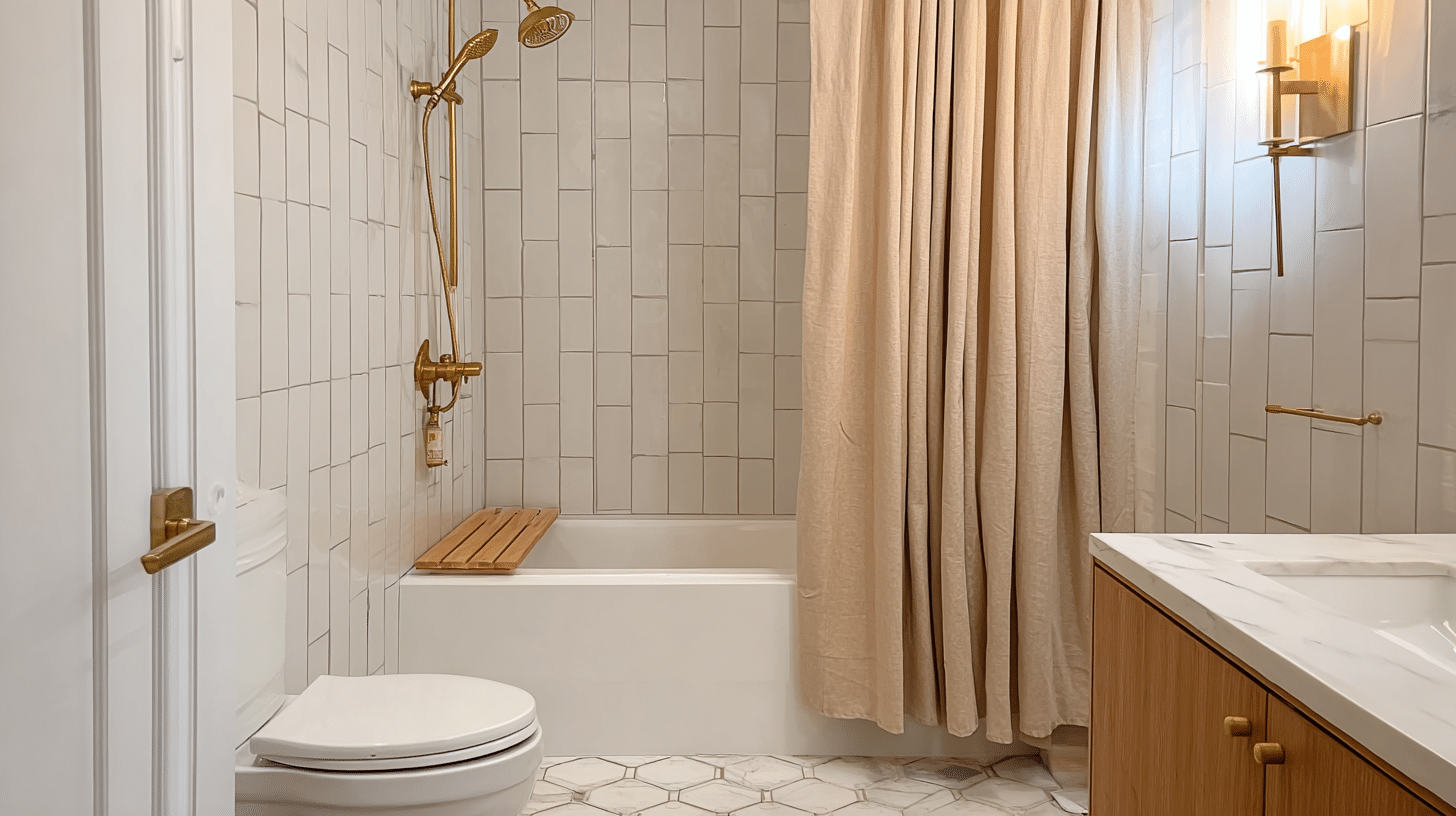
Bathrooms need sill-length curtains that provide privacy without touching damp floors.
Avoid floor-length options as they absorb moisture and develop mildew. The humid environment from showers quickly ruins delicate fabrics too.
Consider water-resistant materials like polyester. These fabrics resist moisture damage and dry faster.
Each room has unique requirements that should guide your curtain decisions. Match length and fabric to how you actually use the space.
When Shorter Curtains Make Sense
Sometimes shorter curtains are the smarter choice, no matter how much you love the floor-length look.
Pets that Shed or Chew: Floor-length curtains become magnets for pet hair. Some pets also chew or scratch fabric, turning curtains into tempting toys.
Uneven or Sloped Floors: Older homes often have floors that aren’t level, causing floor-length curtains to hang unevenly and look sloppy.
Kids Who Grab Fabric: Toddlers pull on anything they can reach. Long curtains turn into playthings and create tripping risks for active kids.
Radiators and Vents: Never hang long curtains over heating sources. The fabric blocks warm air and creates a fire hazard.
Robot Vacuums and Daily Cleaning: Robot vacuums can’t navigate around floor-length curtains. Regular vacuuming and mopping also become easier.
High-Moisture Areas: Laundry rooms and mudrooms experience constant dampness, which can make floor-length curtains absorb moisture and develop musty odors.
Common Mistakes and Quick Fixes
Even experienced decorators make certain mistakes. Here are the most common errors and how to fix them fast.
Mistake: Hanging Rods Too Low
Quick Fix: Move your rod up 4 to 6 inches above the frame. This simple change makes a huge visual difference.
Mistake: Buying Curtains that Are Too Short
Quick Fix: If you can’t return them, add a decorative trim or fabric band to the bottom. This extends the length without buying new panels.
Mistake: Choosing Narrow Curtain Panels
Quick Fix: Add a second set of panels or replace them with wider ones. Your rod should extend 3 to 6 inches past each side of the frame.
Mistake: Ignoring Weight and Fabric Type
Quick Fix: Match fabric weight to your rod strength. Use curtain weights or clips at the bottom of lightweight panels to keep them in place.
Mistake: Forgetting About Cleaning Access
Quick Fix: Shorten curtains in problem areas or switch to different window treatments like blinds or shades that work better with obstacles.
Honestly, if I had to pick one mistake I see more than any other – it’s rods hung too low.
It shows up even in otherwise well-put-together rooms. Moving the rod up takes ten minutes and the difference is immediate.
Curtain Care and Maintenance Tips
Proper care keeps your curtains looking fresh and extends their lifespan significantly.
Small maintenance habits make a big difference in how long your window treatments last.
Key Maintenance Tips:
- Dust curtains weekly using a vacuum with a brush attachment
- Use a lint roller for quick touch-ups between deep cleans
- Check care labels and use cold water with a gentle cycle for washing
- Take delicate fabrics like silk or velvet to professional cleaners
- Use a handheld steamer to remove wrinkles while curtains hang
- Test cleaning solutions on hidden areas first
- Close curtains during peak hours to protect fabric from UV damage
- Treat stains immediately by blotting gently with cold water
So, Should Curtains Touch the Floor?
If I had to give you one takeaway, it’s this: yes, in most rooms, curtains should touch the floor.
But always on your own terms.
I’ve seen floor length curtains completely change a plain room into something warm and intentional.
Here’s what I’d tell anyone before they hang a single panel – check two things first.
Where is your rod sitting? And does your fabric actually reach the floor? Those two details quietly make or break how a room feels. Everything else is fixable. Those two, not so much.
So yes, measure carefully, hang your rods high, and choose the length that fits how you actually live in your space.
Frequently Asked Questions
1. Should Curtains Touch the Floor in a Living Room?
Yes. Floor length curtains work best in living rooms. They create a finished look, make ceilings feel taller, and give the space a warm, complete feel.
2. How Much Floor Gap is Acceptable for Curtains?
A gap of about 1 inch is acceptable in kitchens or laundry rooms. For most other rooms, curtains should touch or just kiss the floor for the best look.
3. Is it Okay if Curtains Puddle on the Floor?
Yes, in formal spaces like master bedrooms or dining rooms. A 2 to 6 inch puddle looks luxurious but expect more frequent cleaning and avoid this in high traffic areas.
4. What Happens if the Curtains are too Short?
Short curtains make ceilings feel lower, and windows look smaller. They also give rooms an unfinished appearance. You can add a fabric trim at the bottom to fix the length.