What Makes Rectangular Rooms Tricky?
Rectangular living rooms feel like design puzzles. The long, narrow shape creates challenges that make decorating frustrating.
The biggest issue is limited width. These rooms feel cramped from side to side, and fitting a sofa without blocking walkways becomes difficult. Push everything against the walls, and you create a bowling alley effect.
Float furniture in the middle, and the space feels even narrower.
Traffic flow compounds the problem. People naturally walk straight down the middle, exactly where you want your coffee table and seating area. This creates constant disruptions.
Then there’s the TV placement dilemma. Short wall or long wall? Each choice affects how you arrange everything else and impacts the room’s entire balance.
Why the TV Placement Matters Most
In most homes today, the TV becomes the room’s command center. This is especially true in rectangular spaces where every decision affects the entire layout.
Once you decide where your TV will go, everything else falls into place. Your sofa faces the screen. Side chairs angle toward it. Even the position of your coffee table depends on your viewing comfort.
You can mount your TV on the short wall or the long wall. Each choice creates a completely different feel. Short wall placement often works better for narrow rooms.
It allows you to create a cozy seating area without stretching the furniture too far apart.
A rectangular living room layout with TV requires careful planning to ensure an optimal viewing distance. You don’t want to sit too close or too far from the screen.
Rectangular Living Room Layout Ideas (Some with TV’s)
Change your challenging, narrow space into a functional and stylish living area with these proven layout solutions.
Each idea addresses the unique challenges of long rectangular rooms while maximizing comfort and flow.
1. Divide the Room into Zones
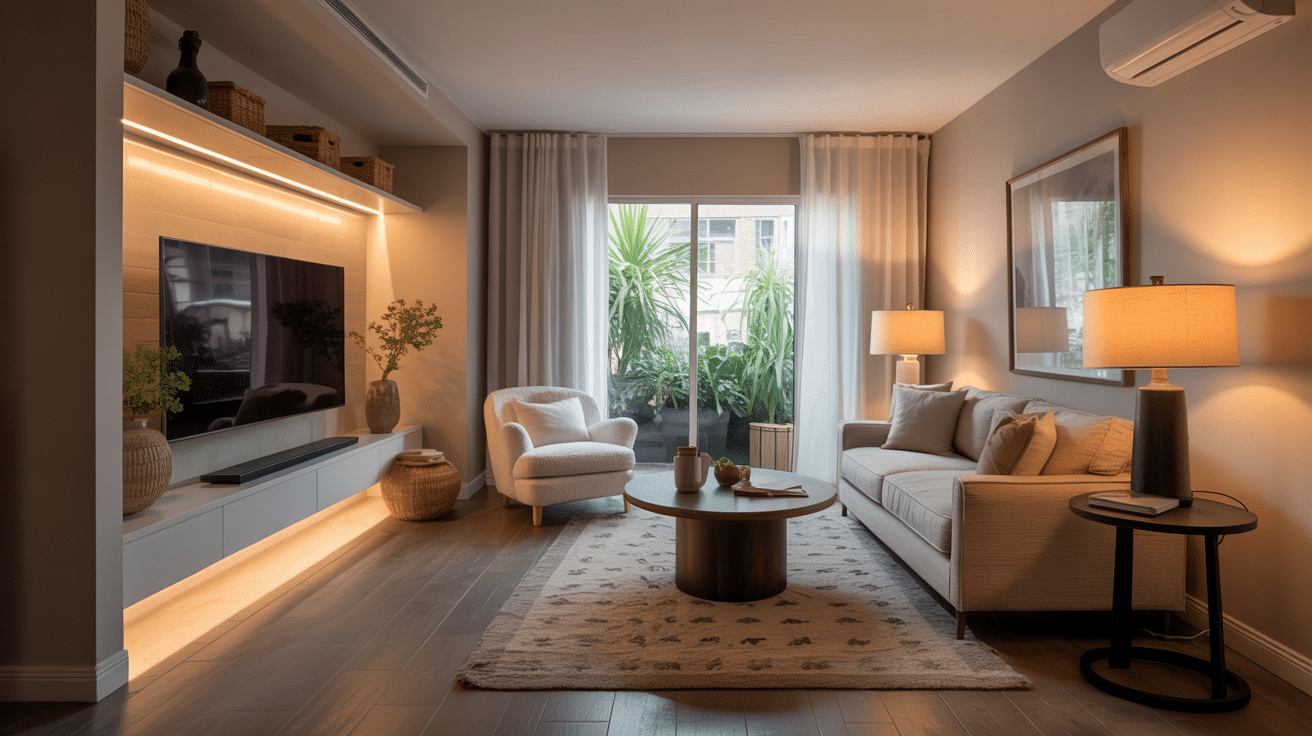
A long, narrow living room feels more functional when divided into distinct zones. You can create a TV area, a reading nook, or even a workspace to avoid that hallway effect.
Rugs, lighting, and furniture clusters help define each section while still keeping the overall space cohesive.
2. Float Furniture Away from Walls
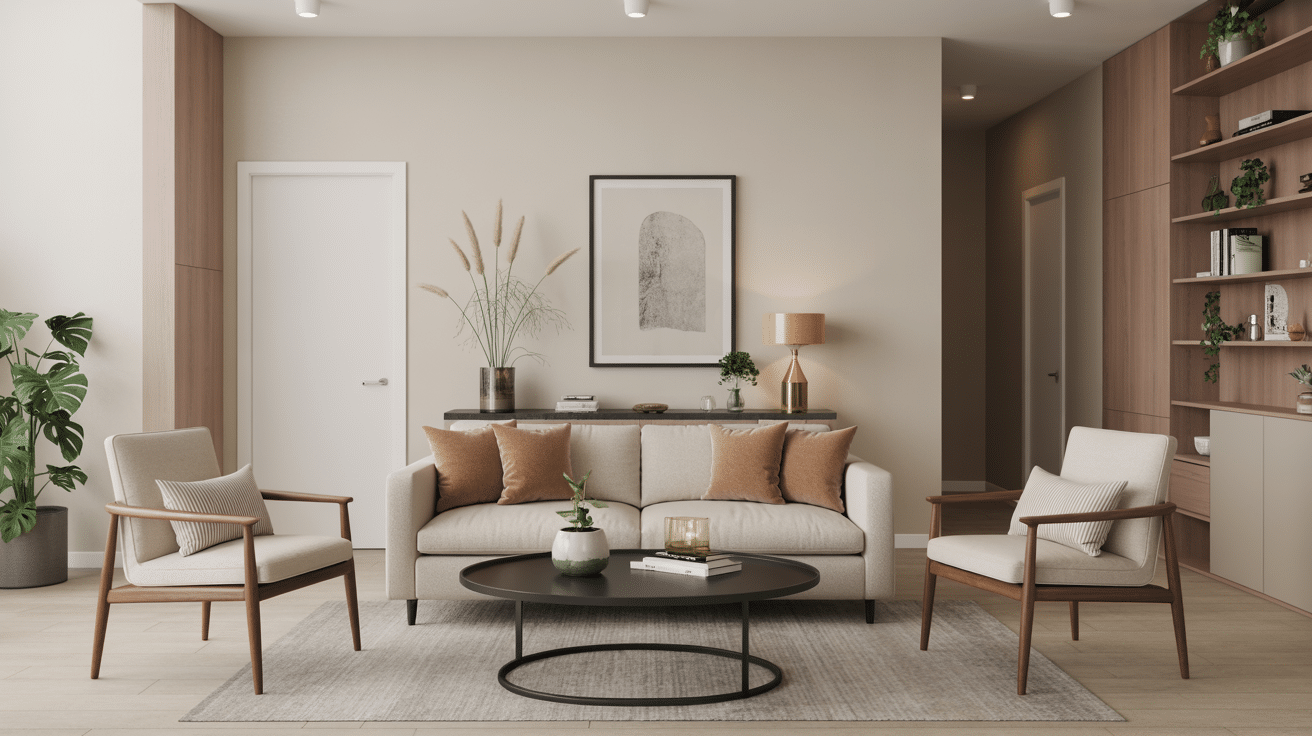
Instead of lining all your furniture against the walls, try floating sofas and chairs in the middle of the room.
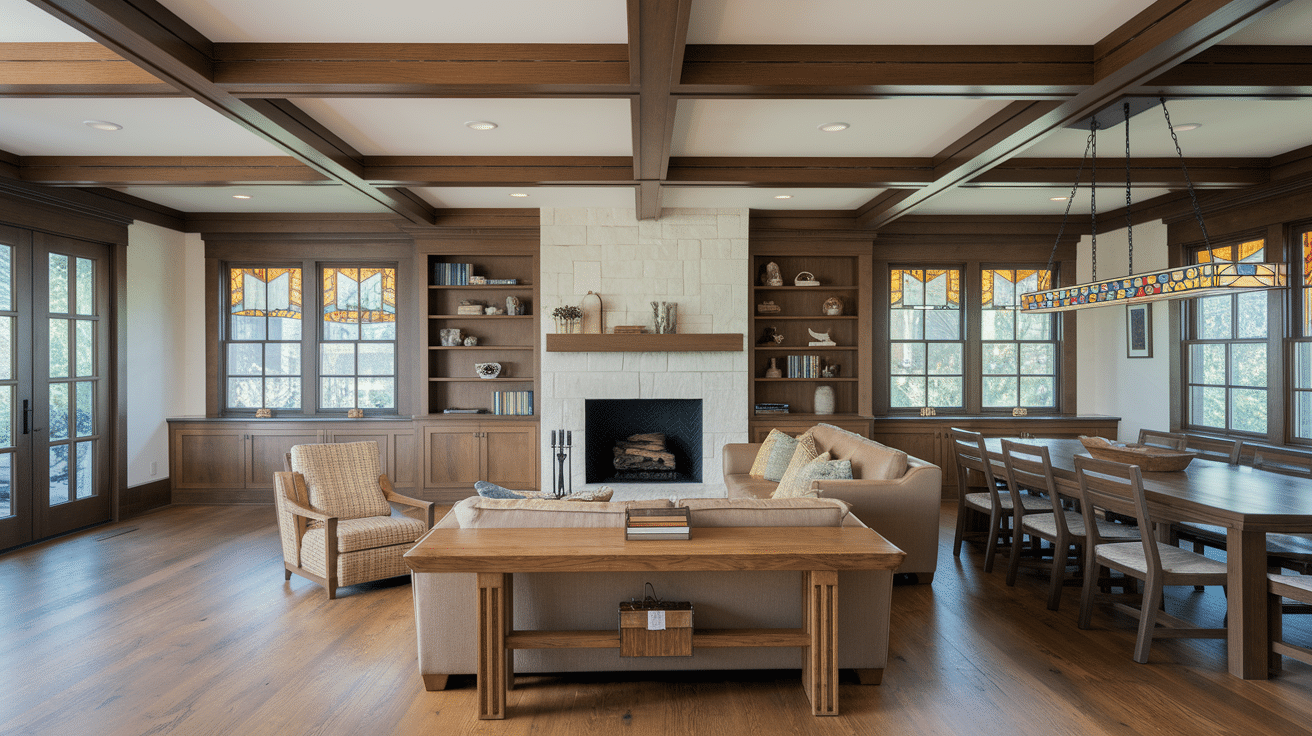
This creates cozy conversation areas, improves walking flow, and makes the space feel more inviting. Adding a slim console behind the sofa adds both style and function.
3. Use Symmetry for Balance
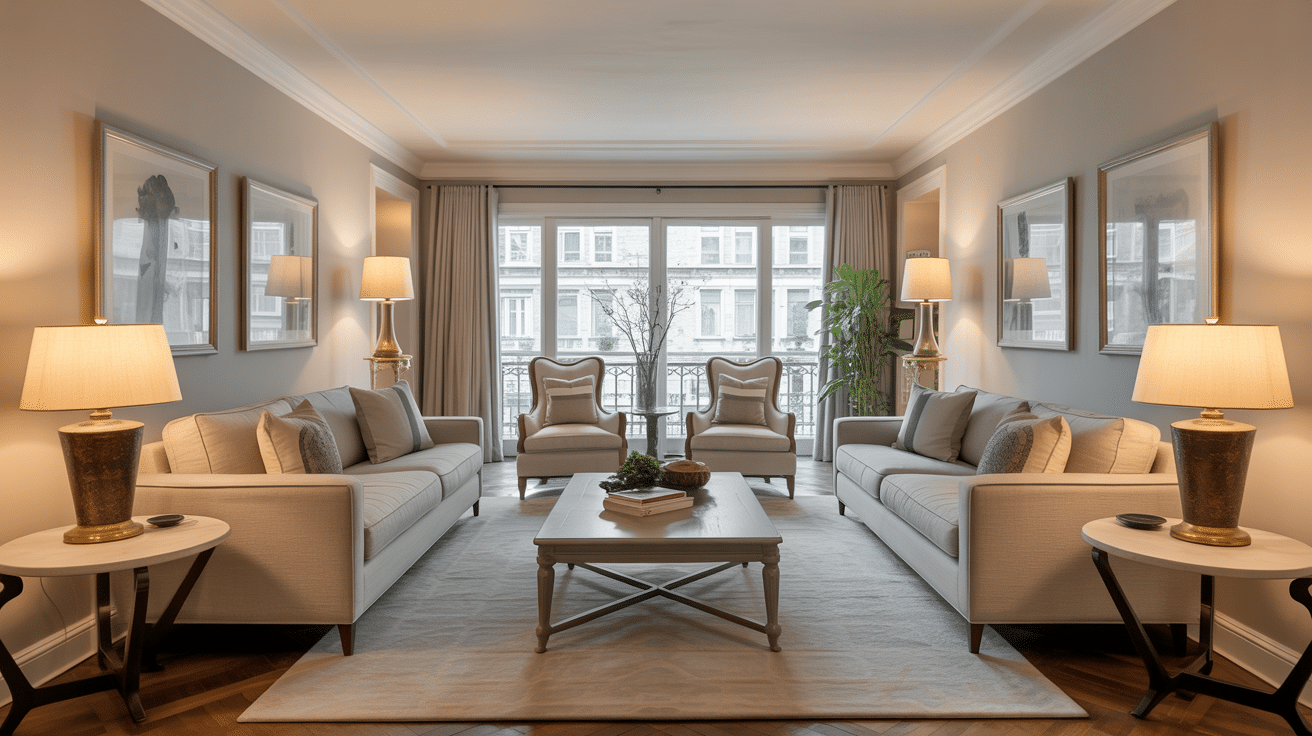
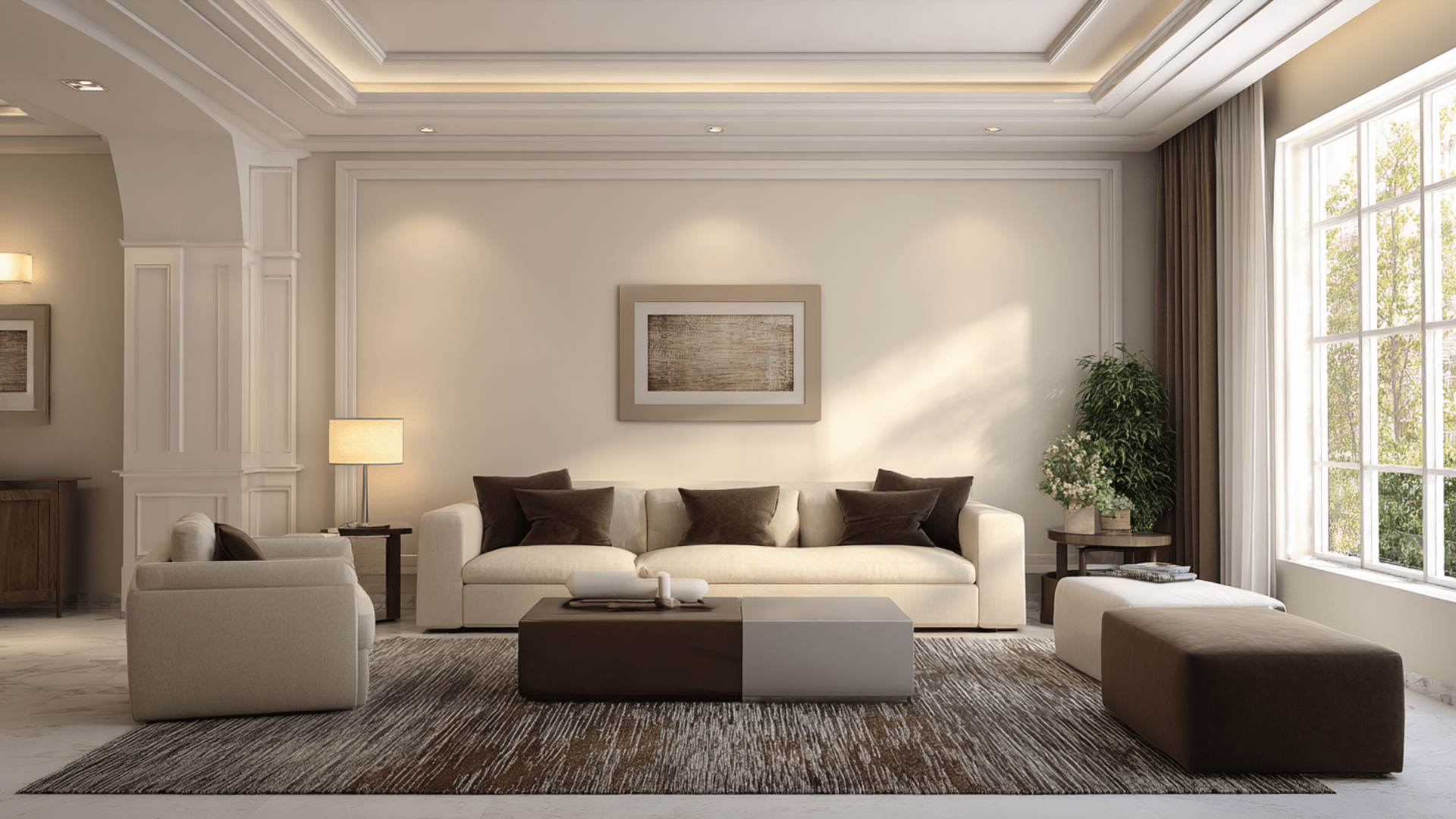
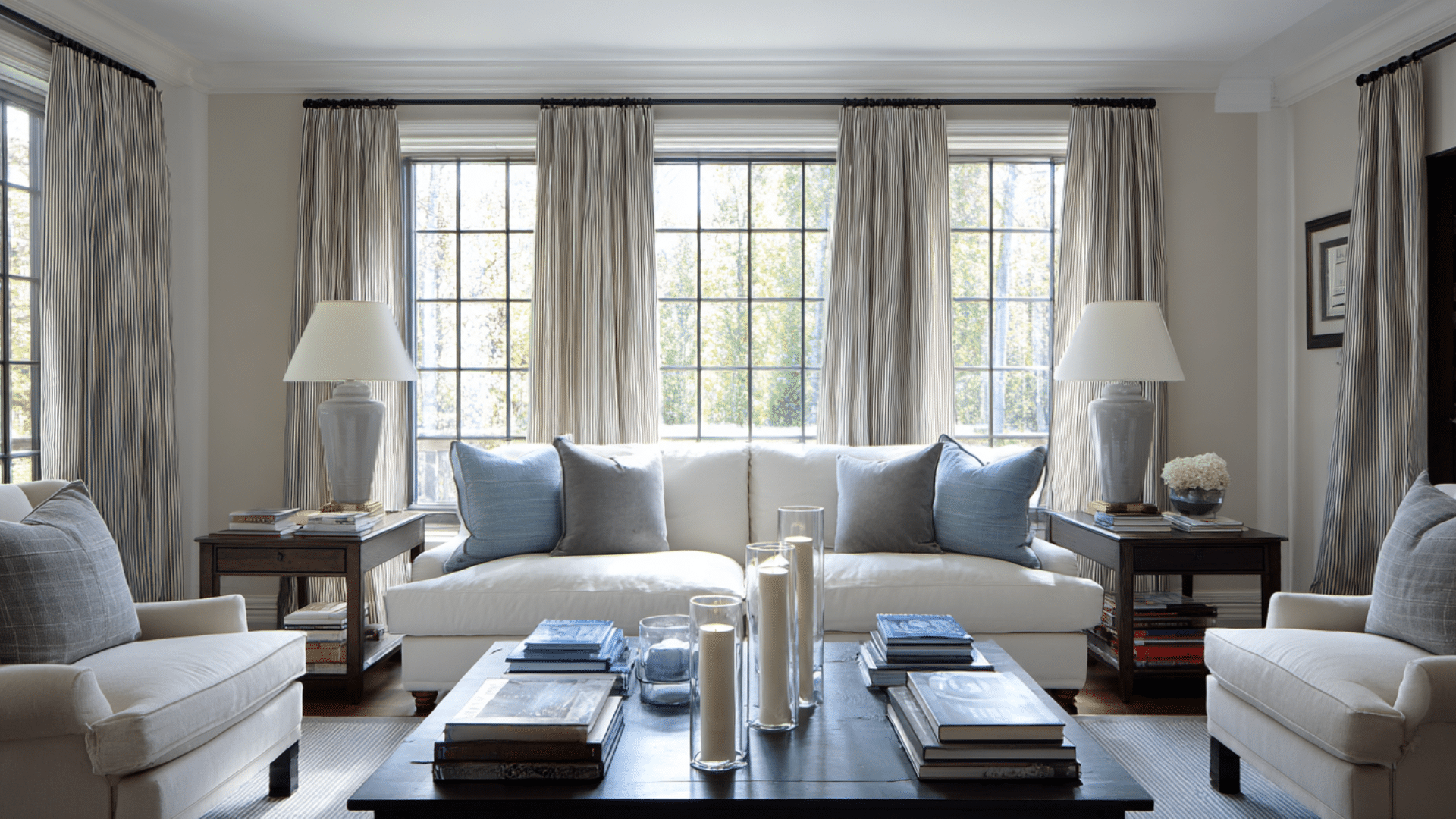
Symmetry brings structure to a long room. Pairing chairs, tables, or lamps on either side helps balance the layout and gives the space a polished, intentional look.
Matching pieces also make the room feel more harmonious and less stretched out.
4. Anchor with a Sectional Sofa
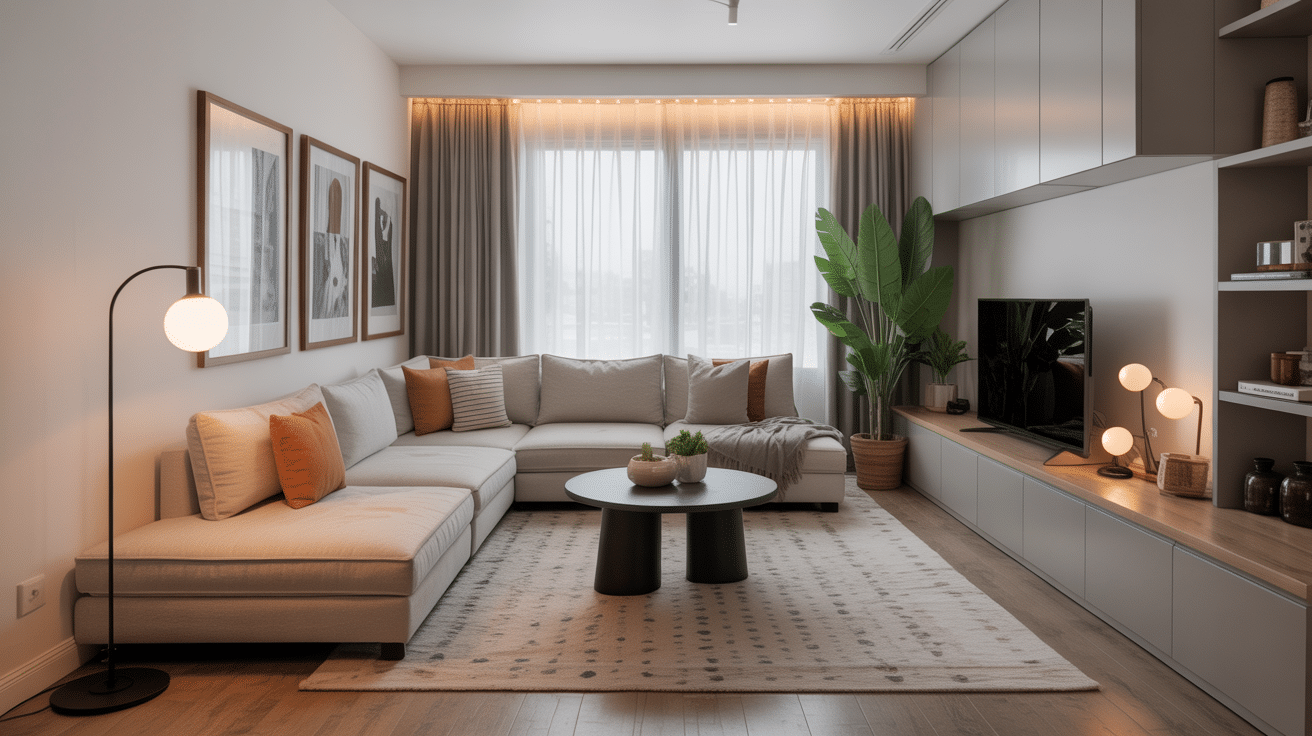
A sectional sofa is an excellent way to anchor the main seating area.
Whether you choose an L-shape or a chaise version, it defines boundaries and reduces the need for multiple bulky pieces. Adding throw pillows in different textures keeps the look both cozy and stylish.
5. Add Multipurpose Furniture
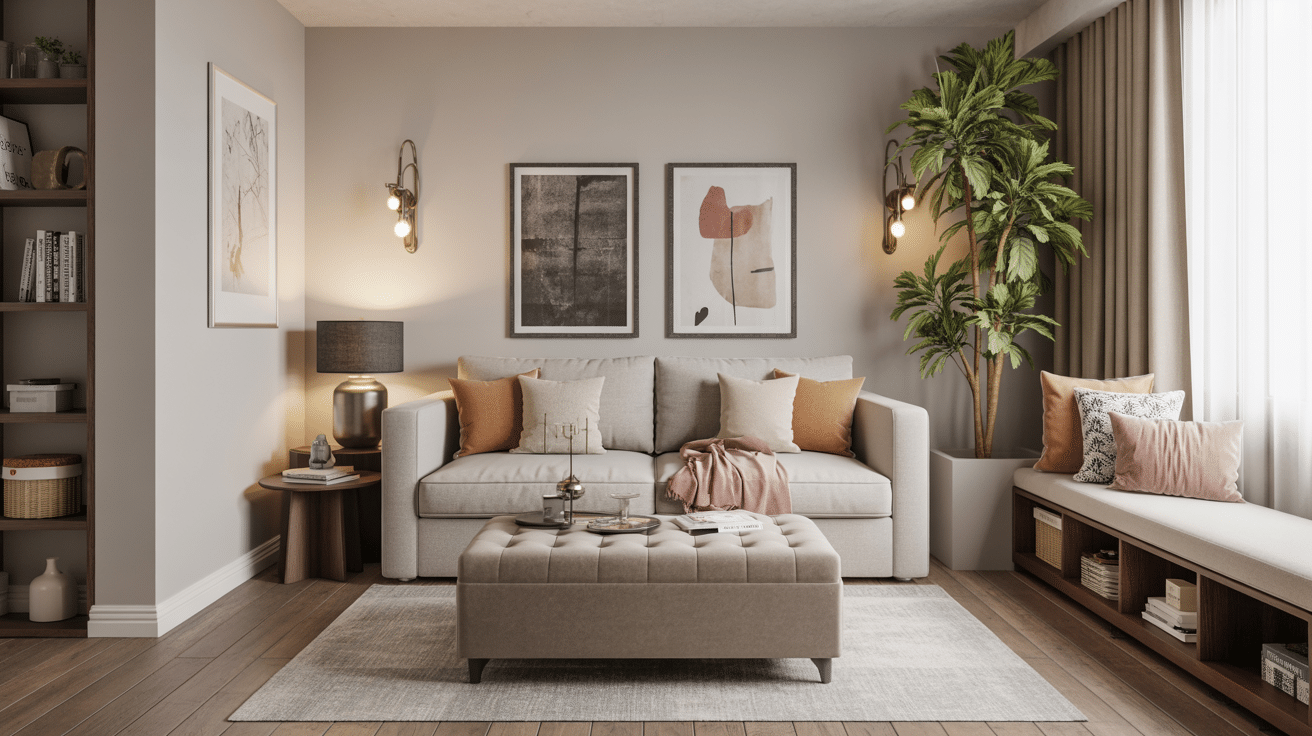
Narrow living rooms benefit from versatile furniture that saves space and reduces clutter.
Storage ottomans, nesting tables, and benches can serve as seating, tables, or hidden storage. Choosing stylish, dual-purpose pieces ensures the room stays open and functional.
6. Place the TV on the Long Wall
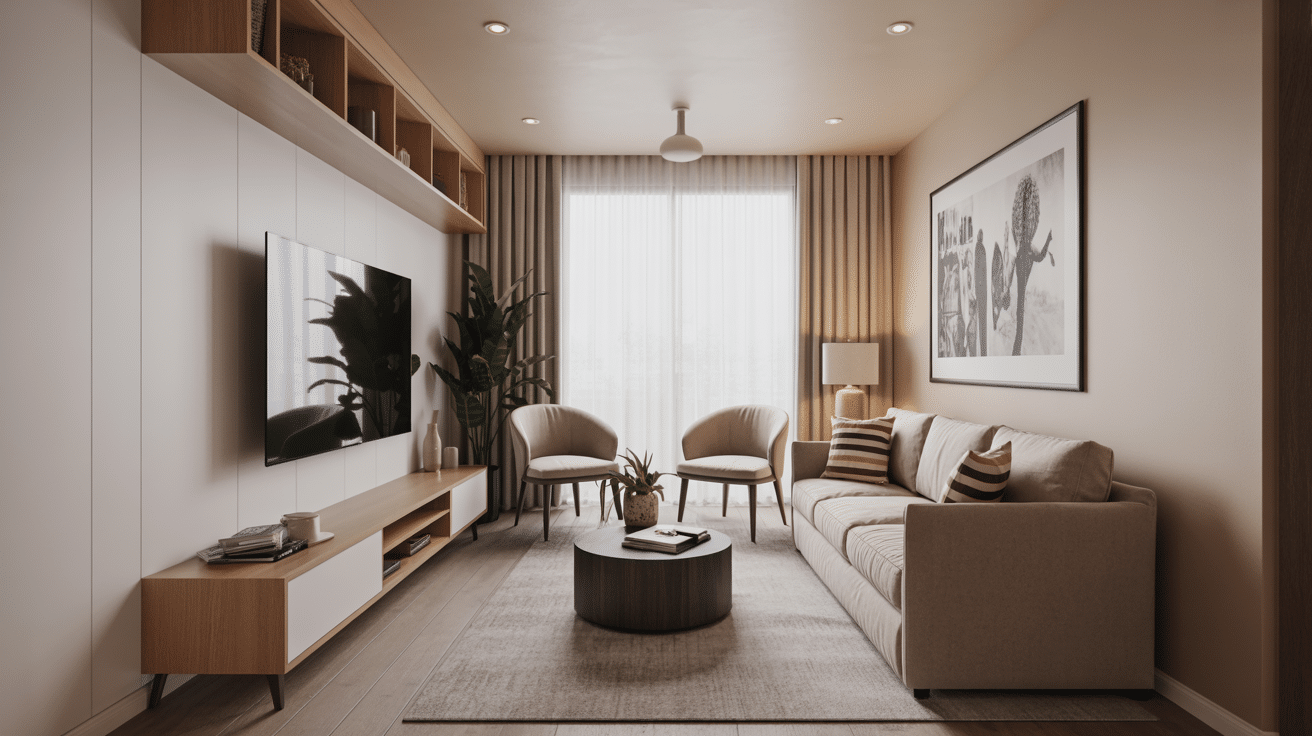
Mounting the TV on the long wall keeps the layout open and prevents furniture from crowding short walls.
This setup maximizes viewing angles and works well in narrow rooms where seating is spread lengthwise.
Low shelves or cabinets underneath provide storage without overwhelming the space.
7. Use Sliding Doors or Room Dividers
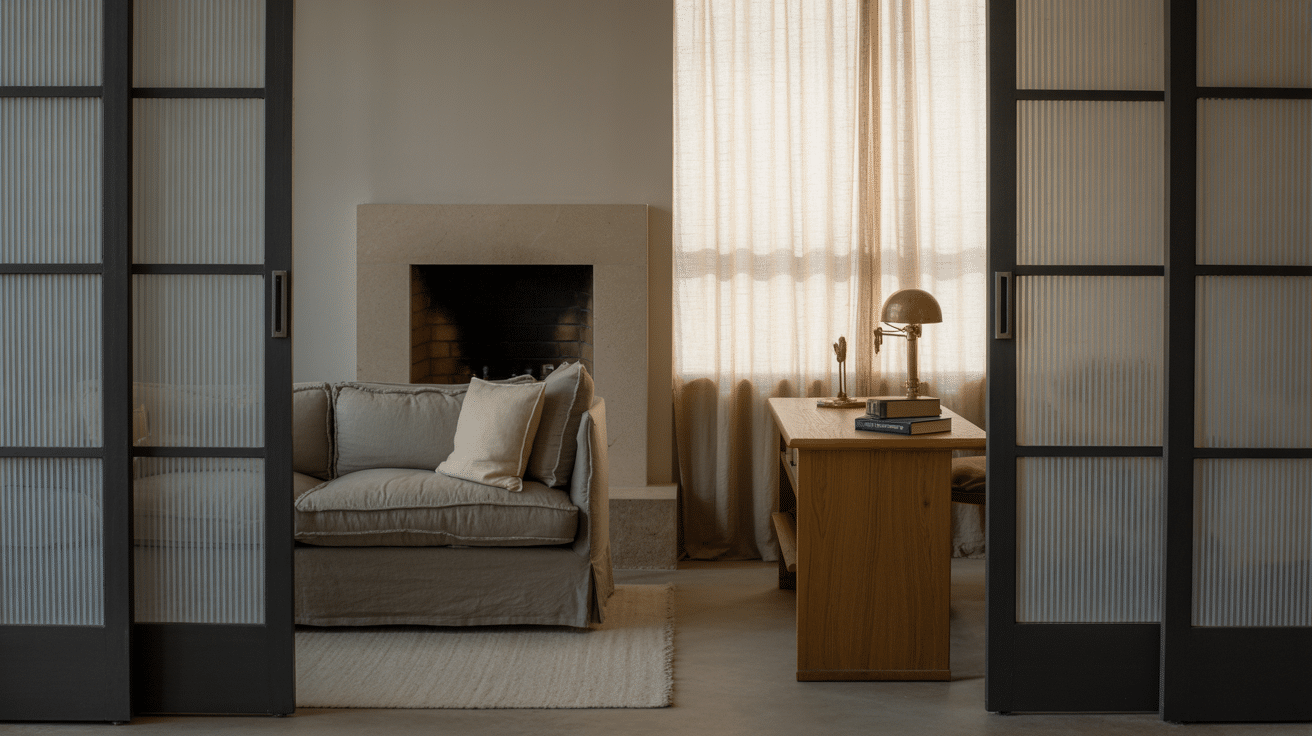
Dividers like folding screens, sliding doors, or open shelving can break up a long living room into purposeful sections.
These options create separation without blocking light or closing off the space completely, adding both flexibility and style.
8. Try a Corner TV Setup
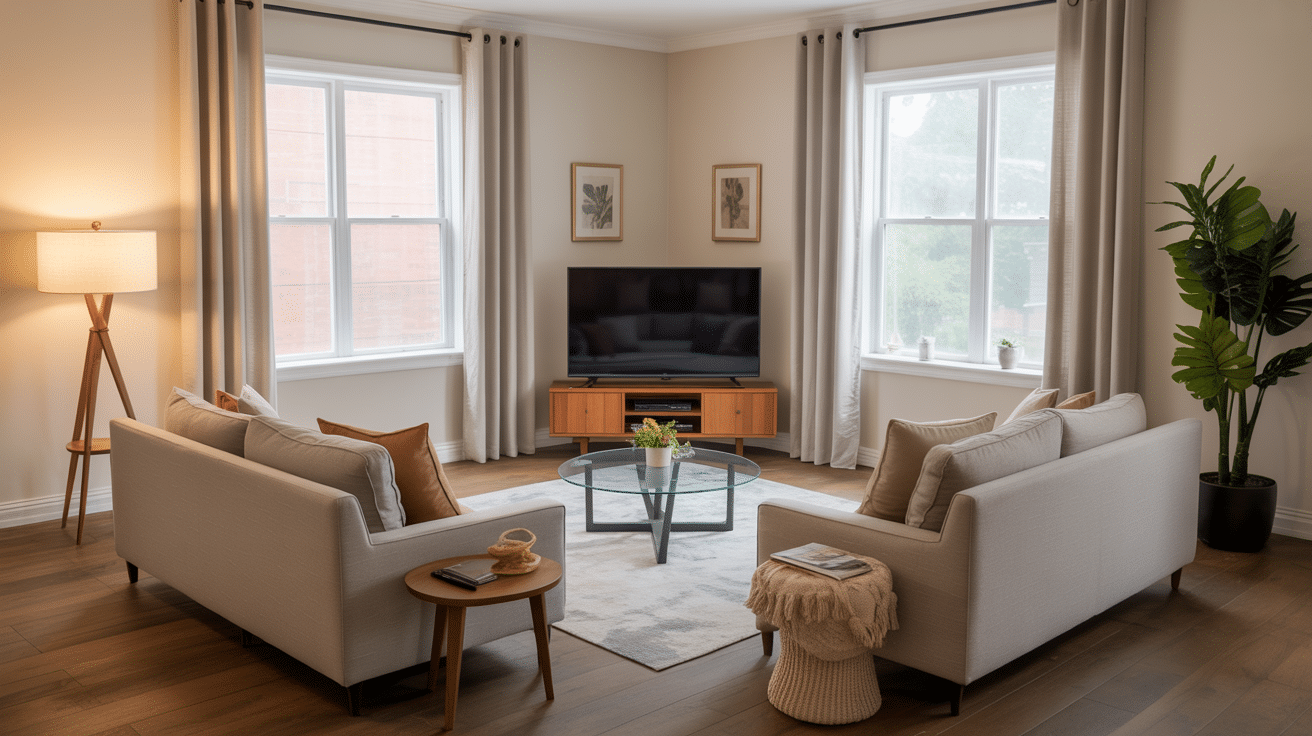
If walls or windows make furniture placement tricky, consider placing the TV in a corner.
Angling the screen softens the long shape of the room and opens up short walls for artwork or shelving. A floor lamp nearby adds balance and warmth.
9. Add Built-Ins or Slim Consoles
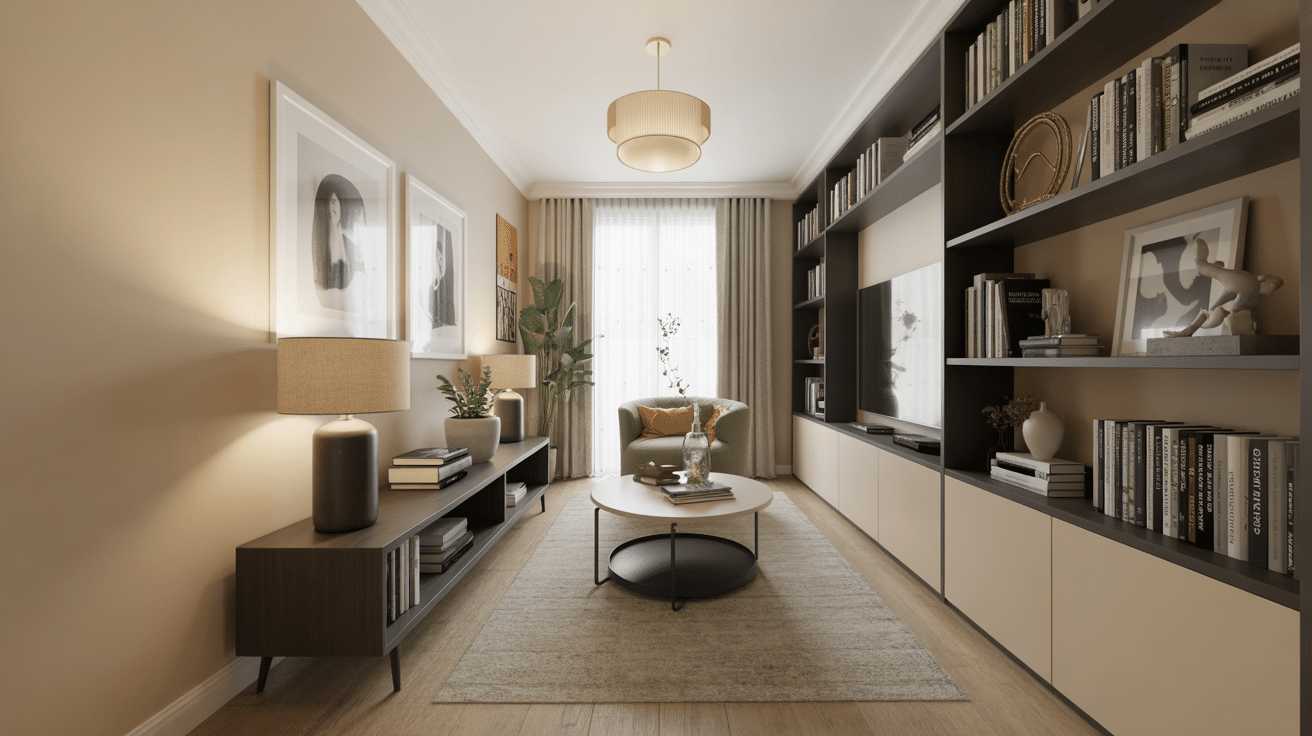
Built-in shelving and slim consoles are perfect for narrow spaces, offering storage without taking up too much floor area.
Built-ins painted the same color as the walls blend seamlessly, while consoles provide display space for decor and lamps.
10. Define Areas with Rugs
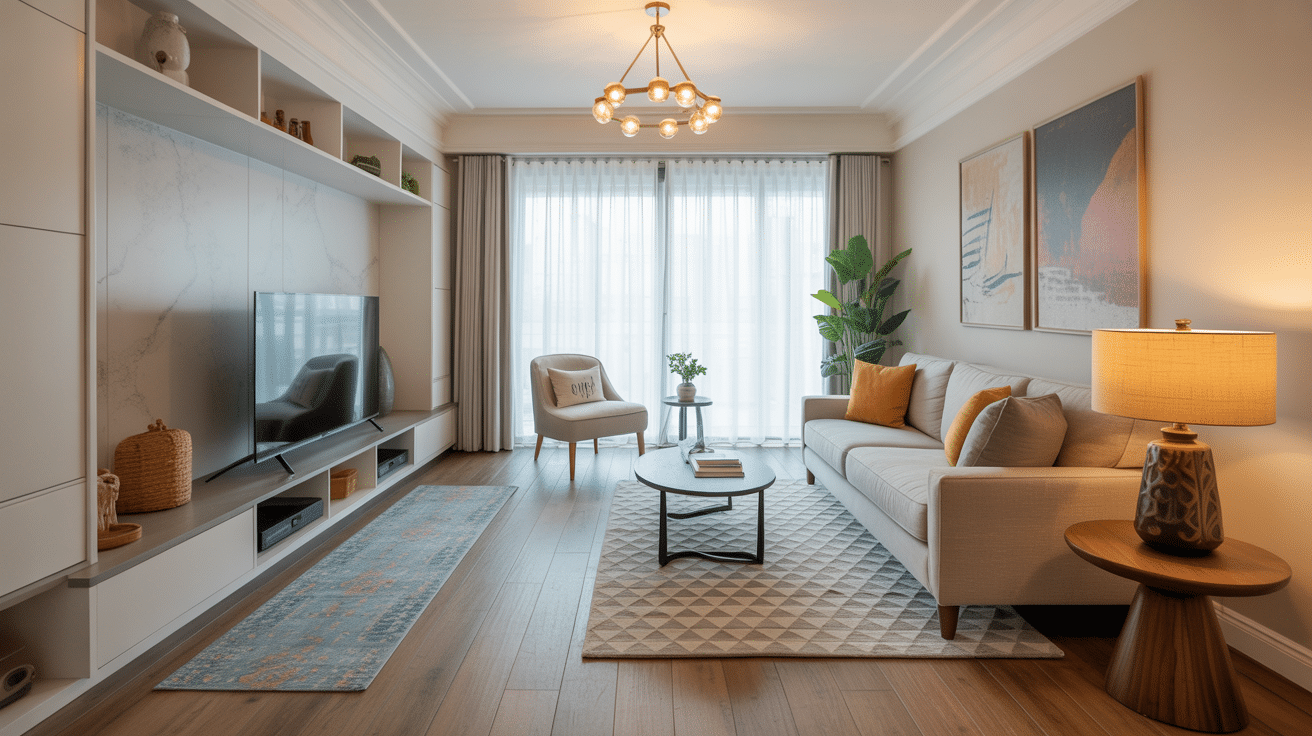
Rugs are one of the easiest tools for separating zones in a long room. A large rug can anchor the seating area, while smaller rugs highlight reading nooks or workspaces.
Choosing complementary colors ensures the room still feels unified.
11. Use Vertical Elements for Height
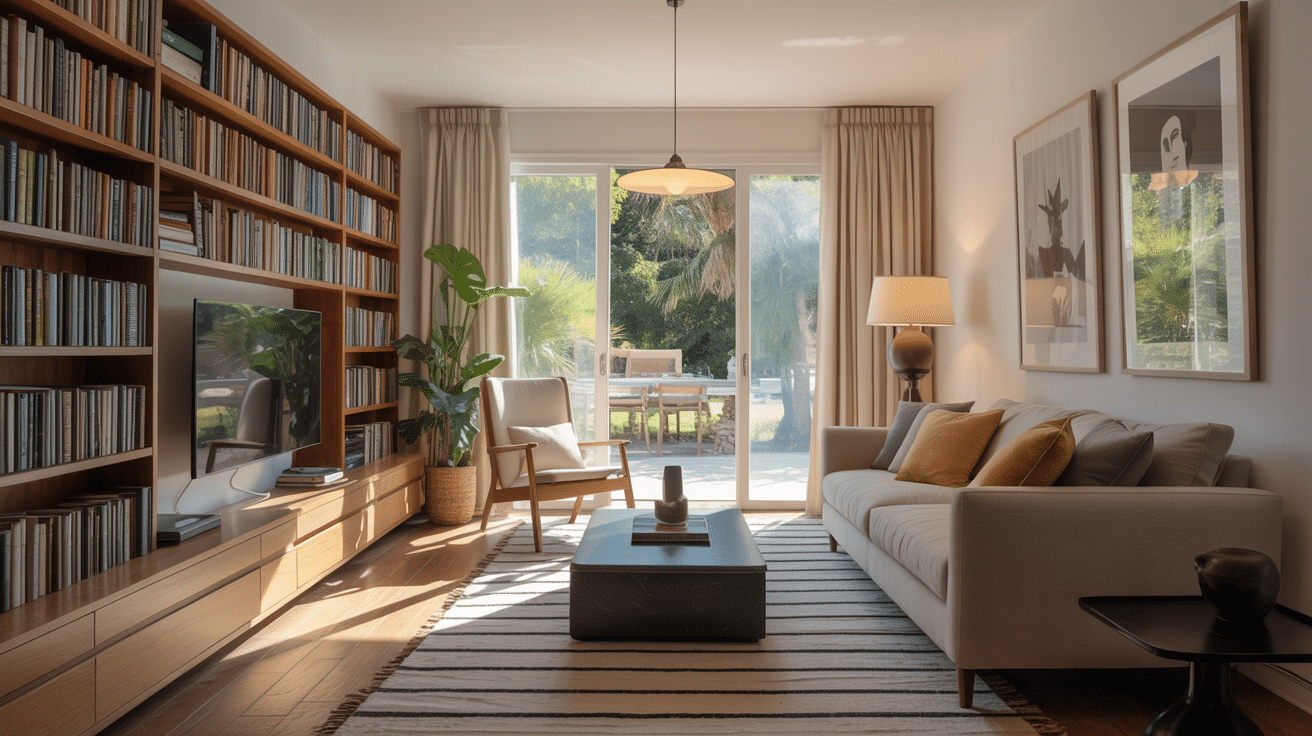
When width is limited, draw attention upward with tall curtains, bookcases, or artwork.
Vertical elements expand the sense of space and make the room feel more open. Floor-to-ceiling curtains in light fabrics are especially effective.
12. Layer Lighting for Depth
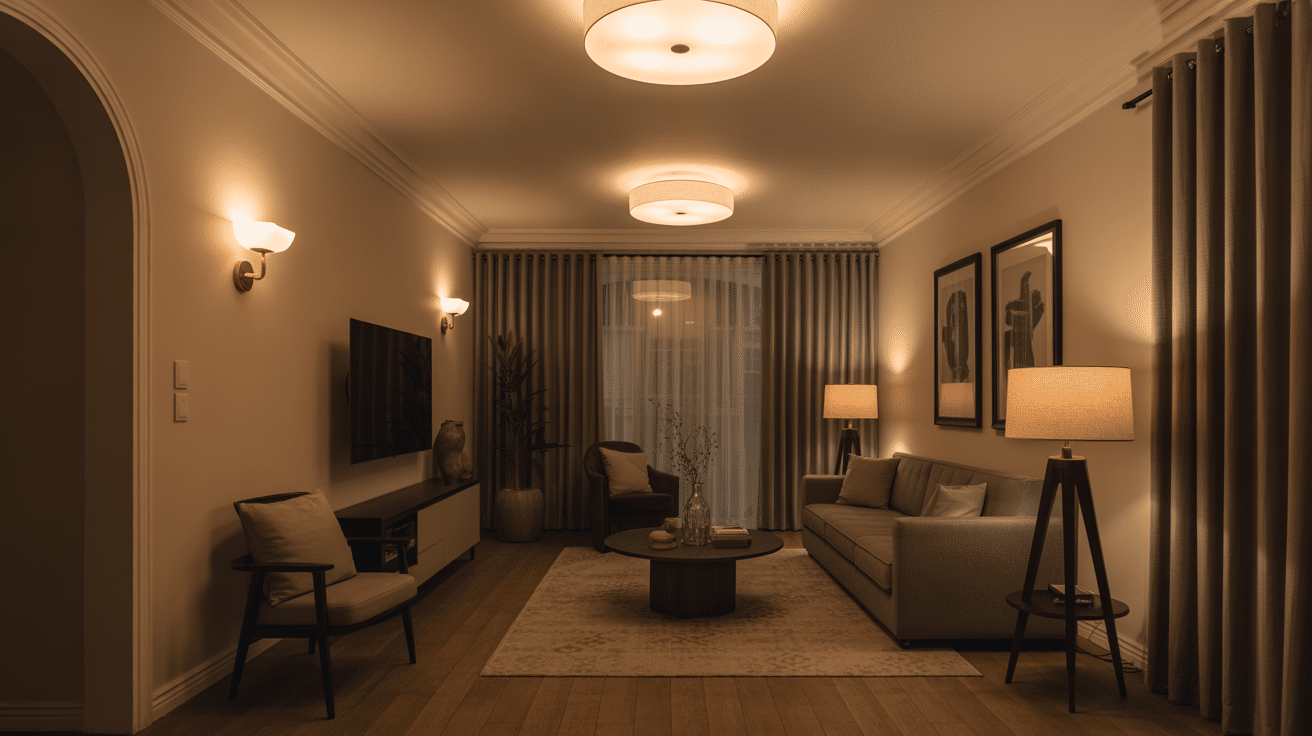
Instead of relying on a single ceiling light, use multiple sources like sconces, floor lamps, and table lamps.
Layered lighting softens shadows, reduces the tunnel effect, and creates a warm, inviting atmosphere. Dimmable options make the space even more versatile.
13. Create a Walkway for Easy Flow
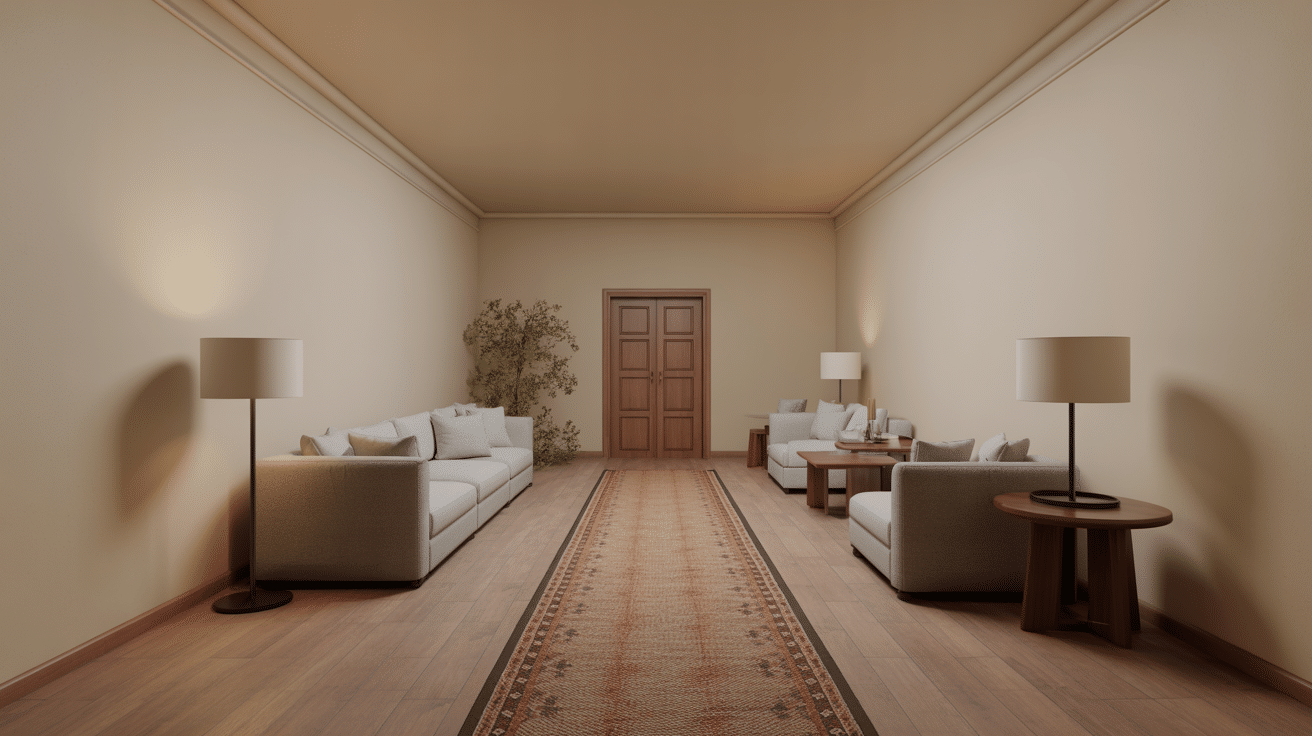
A clear walkway makes a long living room easier to use. Keep one side open for circulation so guests don’t have to weave awkwardly through furniture.
Adding a runner rug in the walkway defines the path while adding texture.
14. Mix Seating Types for Flexibility
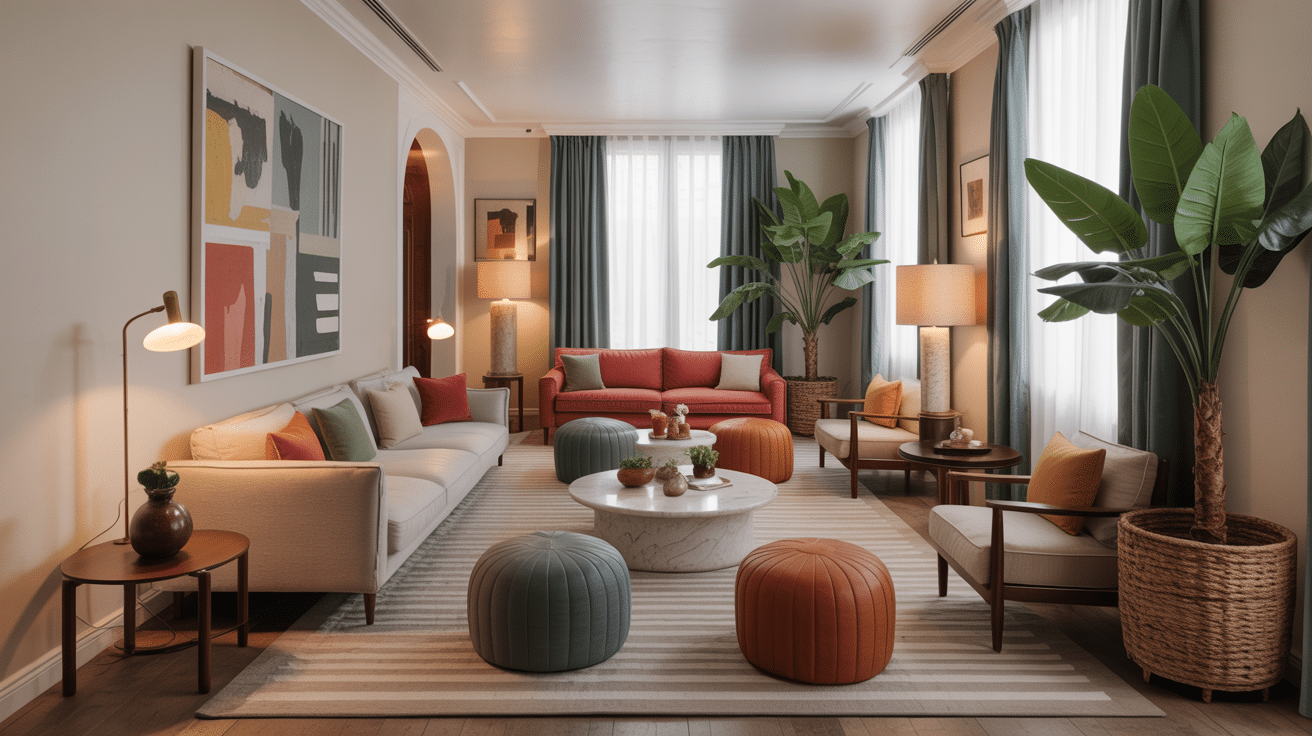
Mixing seating, like armchairs, poufs, and loveseats, offers flexibility and makes the space more dynamic.
This approach works especially well for filling awkward corners. Keeping fabrics within the same color palette ensures variety without clashing.
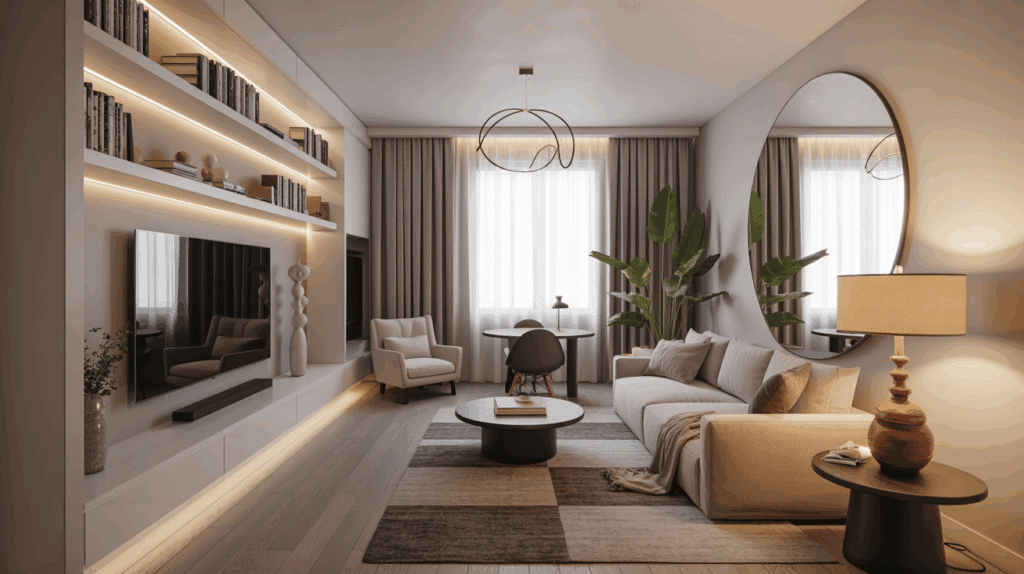
15. Use Mirrors to Widen the Space
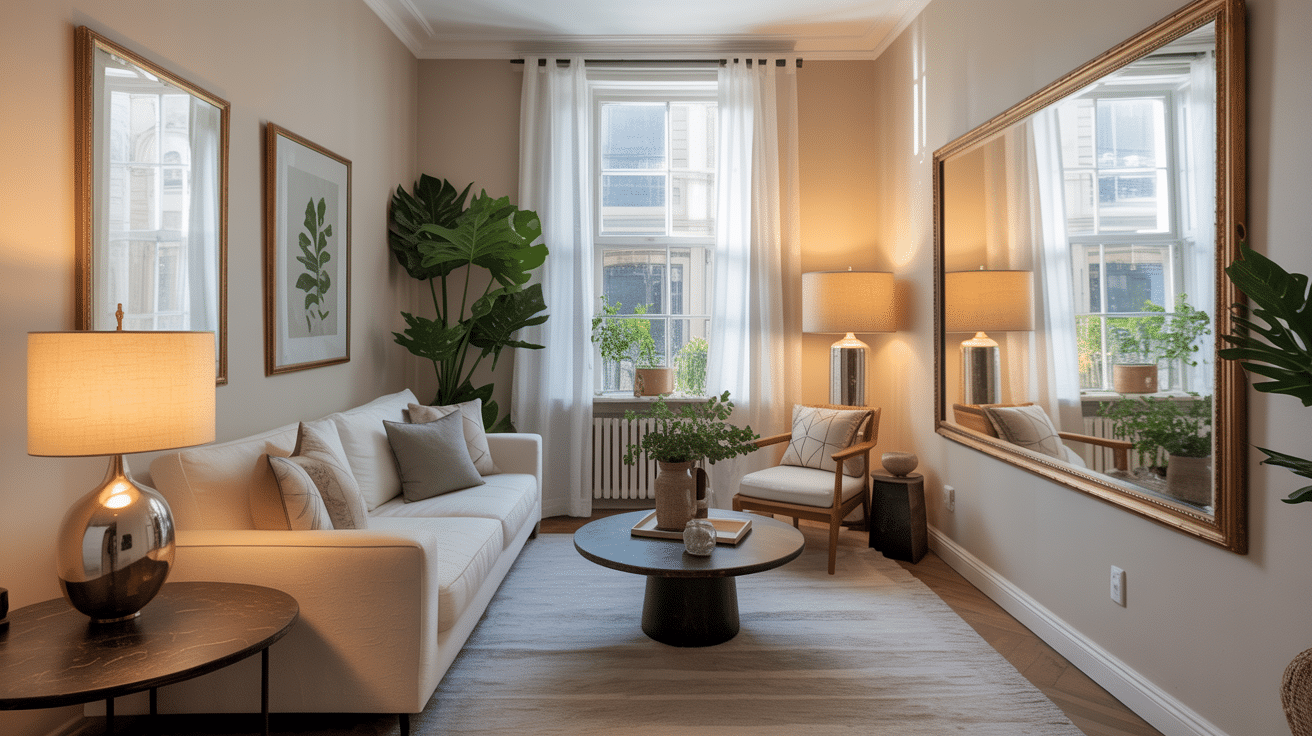
Mirrors are a simple way to visually widen a narrow room. Placing a large mirror opposite a window reflects light and creates depth, making the space feel larger.
For a clean look, choose one oversized mirror instead of several small ones.
Rules for Planning Your Layout
Before moving furniture, follow these guidelines to save time and prevent mistakes.
Identify your focal points
Every room needs a main attraction, your TV, fireplace, or a window with a view. In rectangular rooms, you might have multiple options. Choose the most important one first, then plan everything else around it.
Map out walking paths
People need clear routes through your space. The main path usually runs down the center. Keep at least 3 feet of walking space so people don’t squeeze between furniture pieces.
Work with natural light
Windows make narrow spaces feel larger and brighter. Don’t block them with tall furniture. Use low pieces near windows to let light flow throughout the room.
Consider your daily habits
Think about how you actually use the space. Do you watch TV every evening? Do kids play on the floor? Do you entertain guests often? Your lifestyle should guide your layout choices.
Tips to Make a Narrow Space Seem Wider
Narrow living rooms don’t have to feel cramped or awkward.
With the right design tricks, you can create the illusion of width and make your space feel much more open and inviting.
- Use Light Colors on Walls: Paint walls in whites, creams, or soft pastels to reflect more light and visually expand the space
- Add Mirrors Strategically: Place large mirrors on long walls to create depth and double the visual width of your room
- Choose Low-Profile Furniture: Select sofas, chairs, and tables with lower backs and profiles to keep sightlines open across the room
- Create Horizontal Lines: Use striped rugs, horizontal artwork, or long floating shelves to draw the eye sideways rather than lengthwise
- Keep Window Treatments Simple: Hang curtains close to the ceiling and extend them beyond window frames to make windows appear larger
- Use Multi-Functional Pieces: Choose furniture that serves double duty, like storage ottomans or nesting tables, to reduce clutter and visual weight
Conclusion
Your rectangular long, narrow living room layout doesn’t have to be a design challenge anymore.
Start with your TV placement, create distinct zones, and use visual tricks to add width. Each small change builds on the next one.
Pick one layout idea from this blog and try it this weekend. Which idea are you trying first?