Opposition rhythm in interior design refers to the placement of contrasting elements to create visual interest and balance.
It’s more like mixing opposites that somehow work perfectly together.
You might pair a sleek modern sofa with a wooden coffee table. Or combine soft, flowing curtains with sharp, geometric artwork. The key is balance and not throwing random things together.
This technique serves several purposes; it prevents rooms from looking flat or dull, it helps highlight your favorite pieces by creating a focal point, and it adds depth and character to your space.
When done right, opposition makes each element stand out more.
Types of Opposition in Interior Design
Different types of opposition help you create balanced yet lively spaces in your home.
| Type | Description | Example |
|---|---|---|
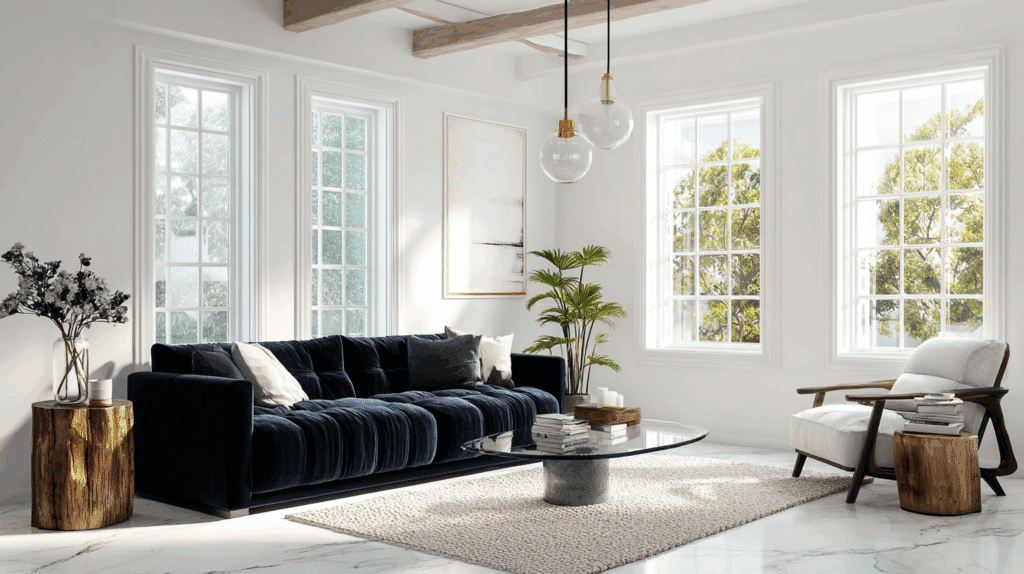
| Color Opposition | Light vs. dark shades | White walls with black furniture |
| Texture Opposition | Smooth vs. rough surfaces | Silk pillows on a leather sofa |
| Shape Opposition | Angular vs. curved forms | Round mirror above square dresser |
| Scale Opposition | Large vs. small elements | Oversized art with tiny side tables |
| Material Opposition | Natural vs. synthetic materials | Wood floors with metal fixtures |
| Style Opposition | Traditional vs. modern pieces | Antique chair with glass coffee table |
| Pattern Opposition | Busy vs. simple designs | Striped rug with solid-colored furniture |
Implementing Opposition in Different Spaces
Each room in your home offers unique opportunities to create incredible contrasts and visual balance.
1. Living Room
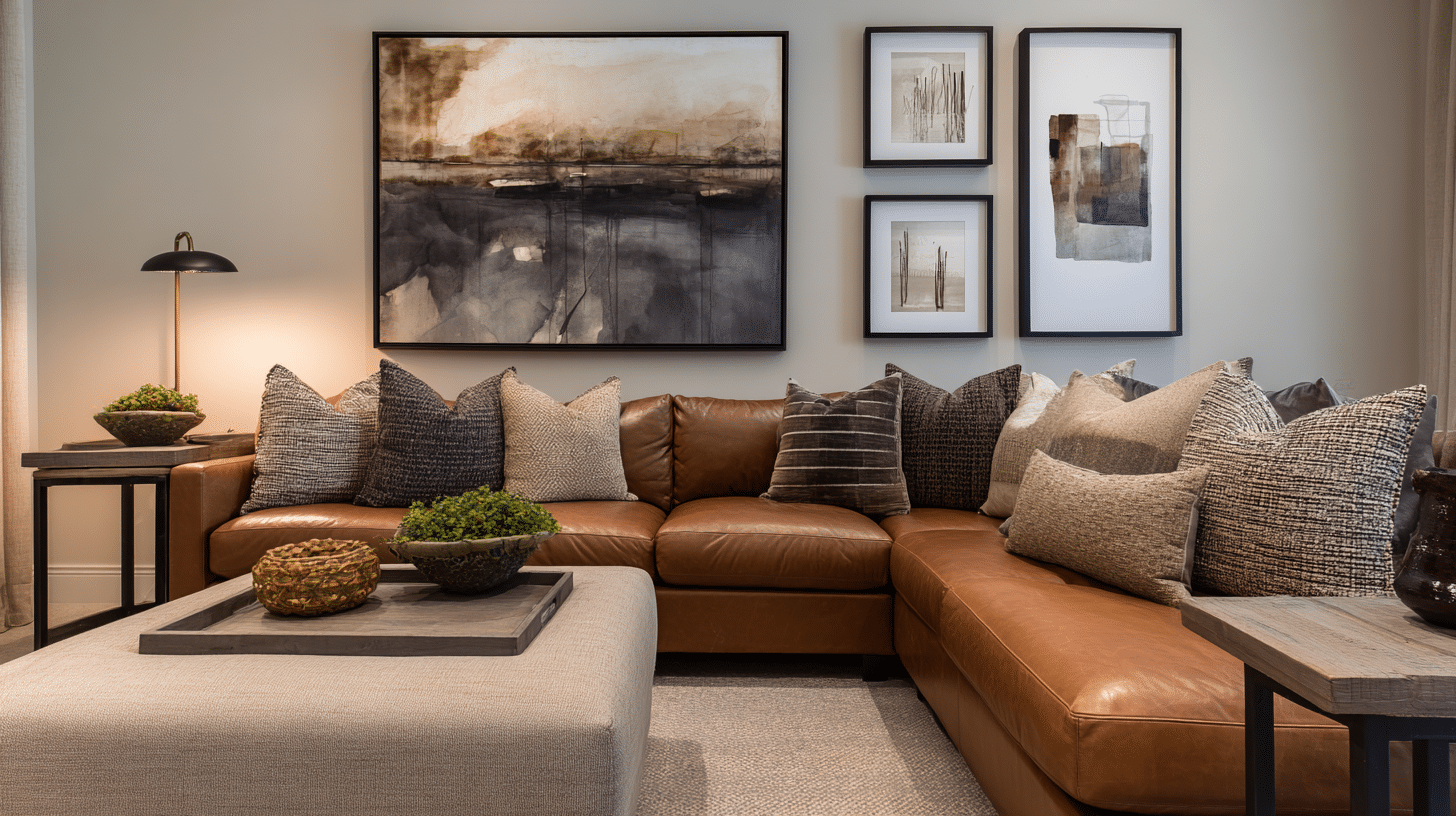
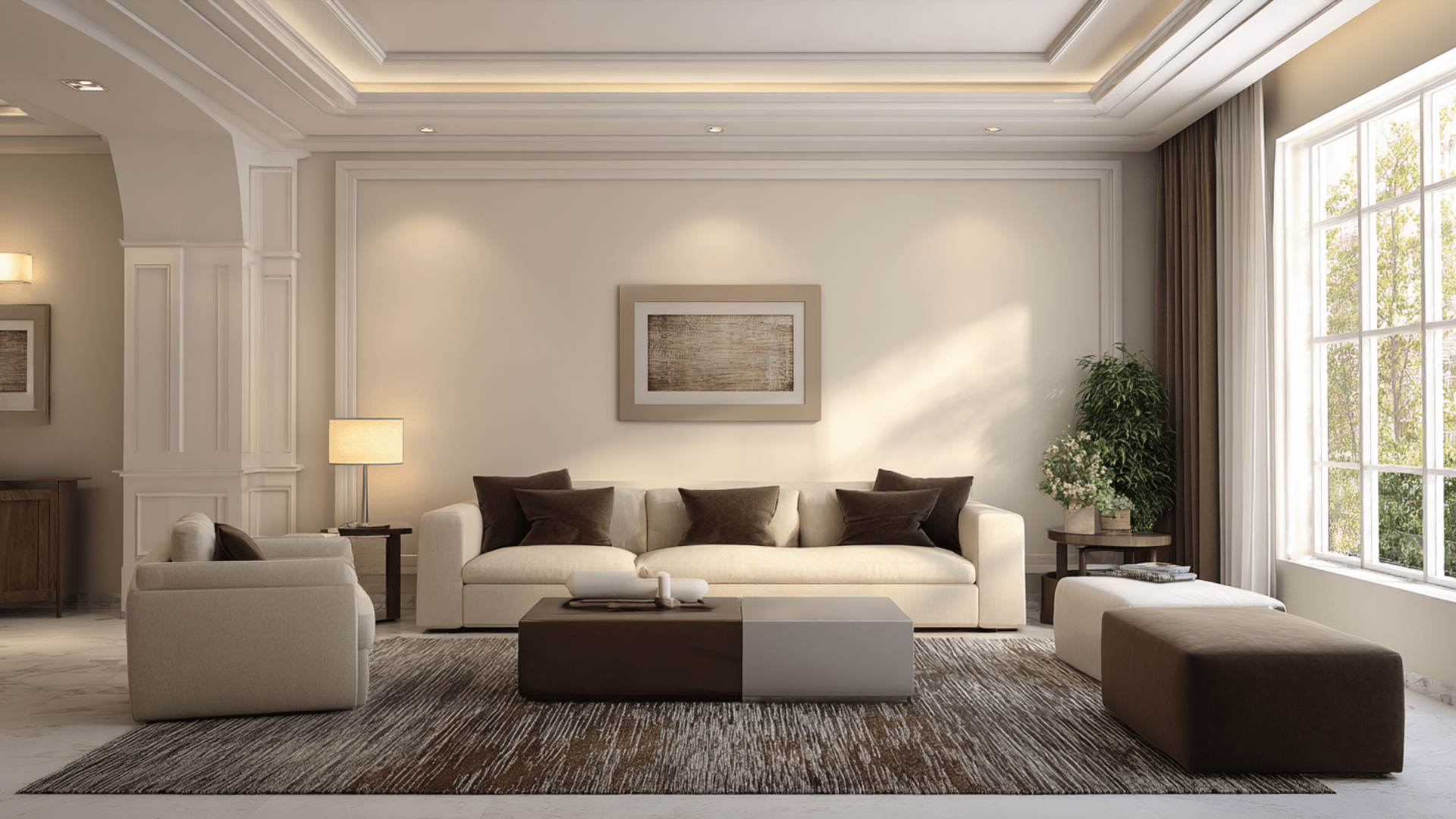
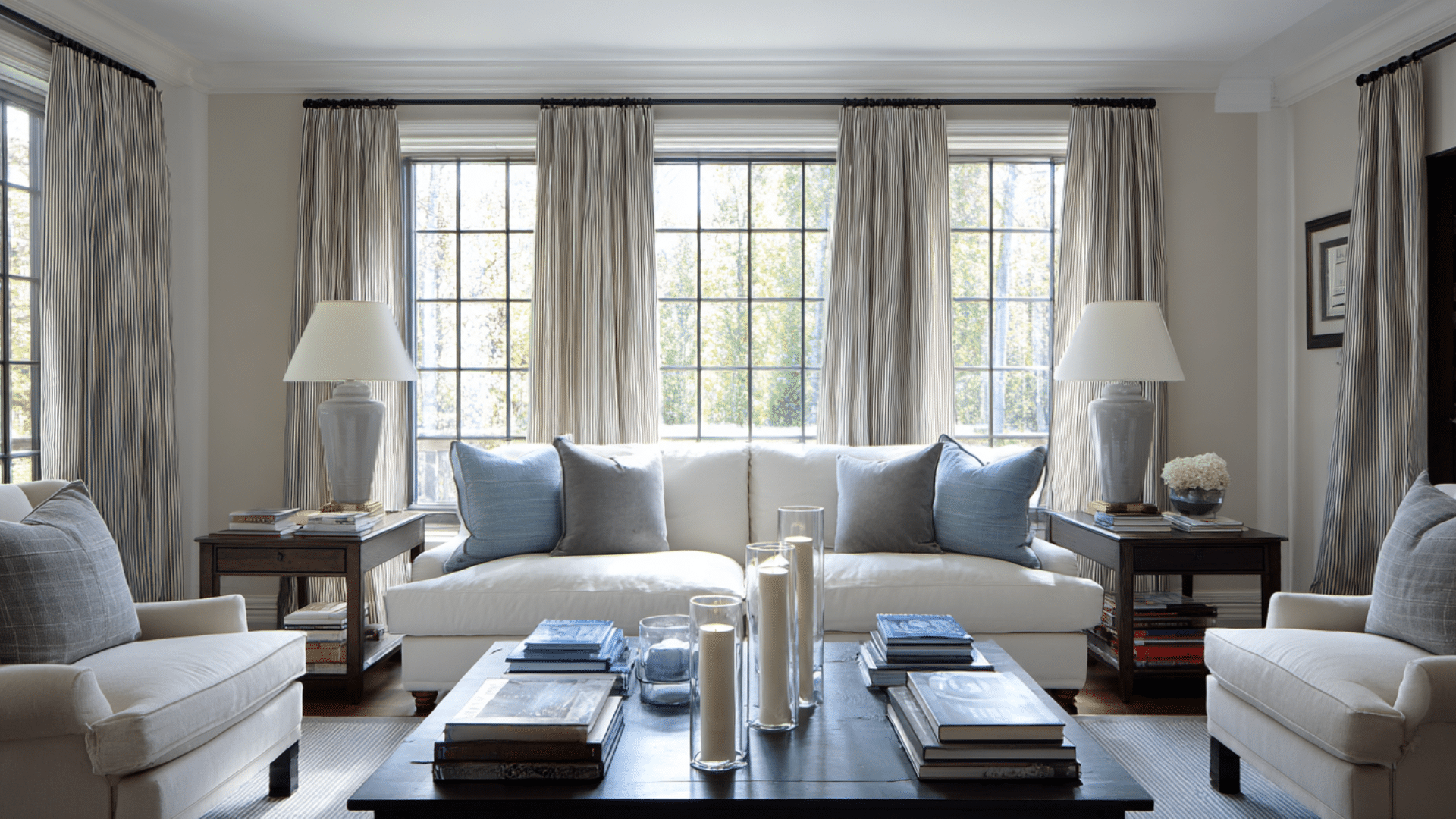
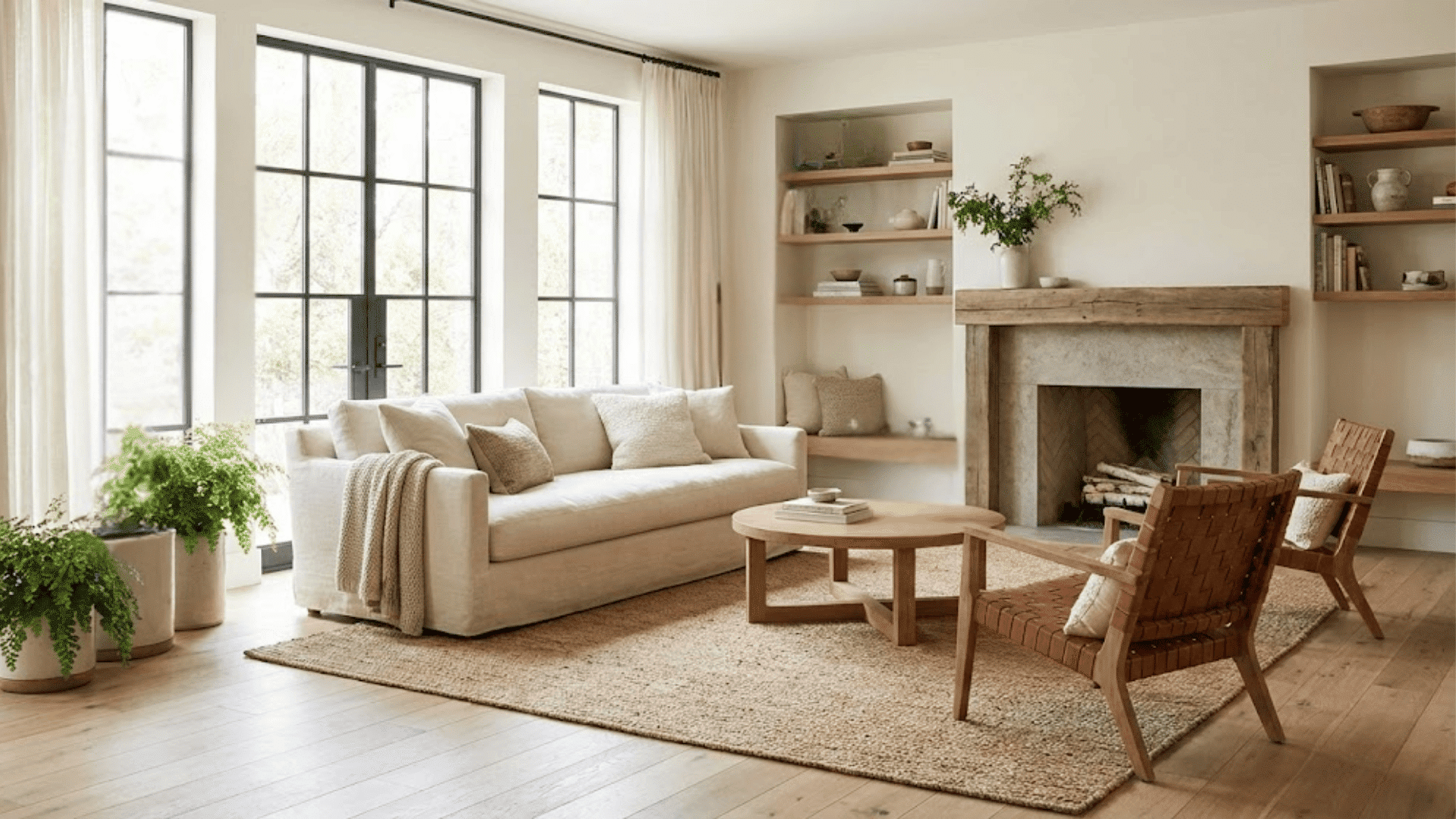
Mix a large sectional sofa with side tables. Combine heavy wooden furniture with light, airy curtains.
Place bold artwork against neutral walls, or add textured throw pillows to smooth leather seating. Balance warm lighting with cool metal accents throughout the space.
Common mistake to avoid: Using too many contrasting patterns at once
2. Bedroom
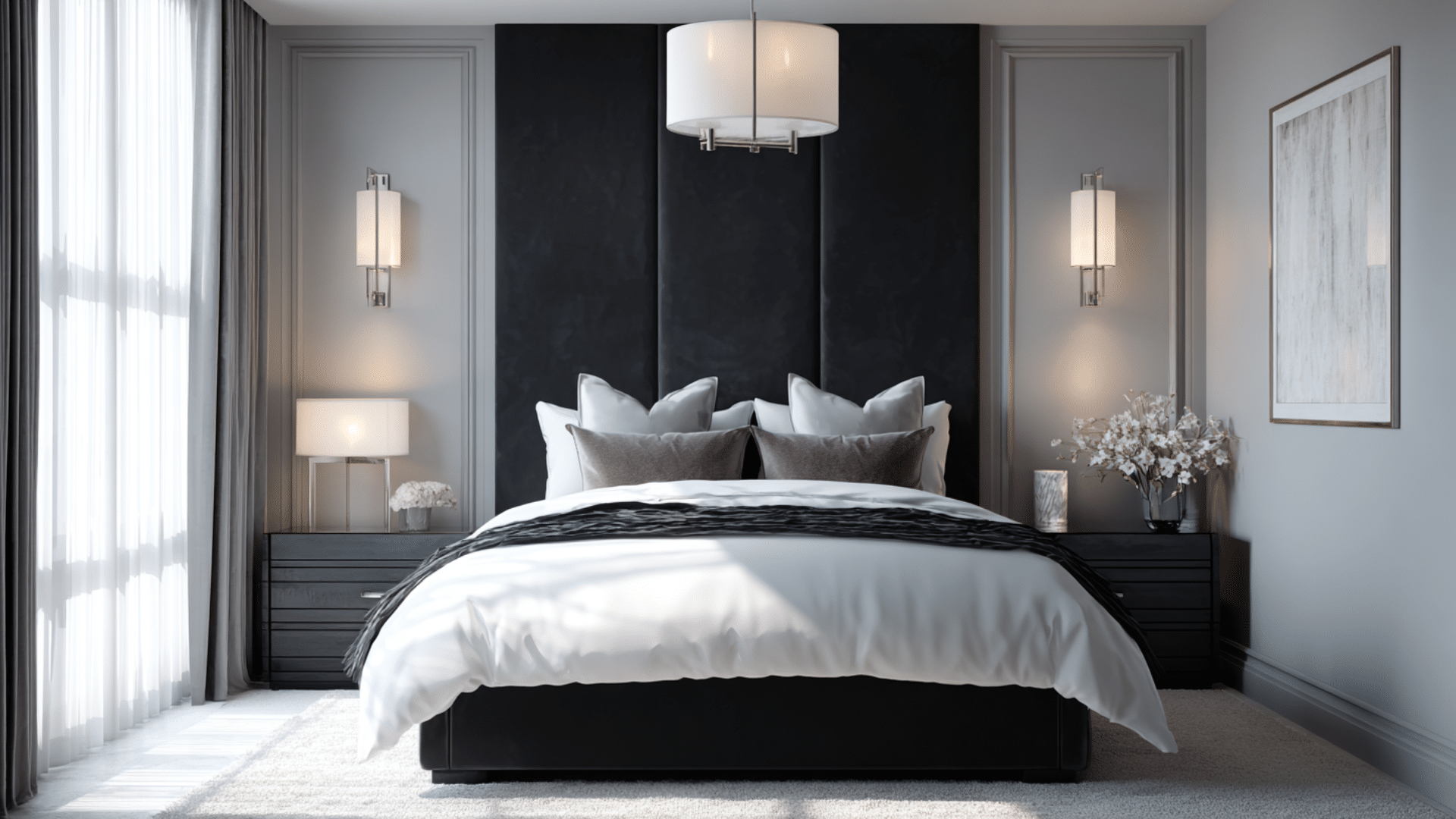
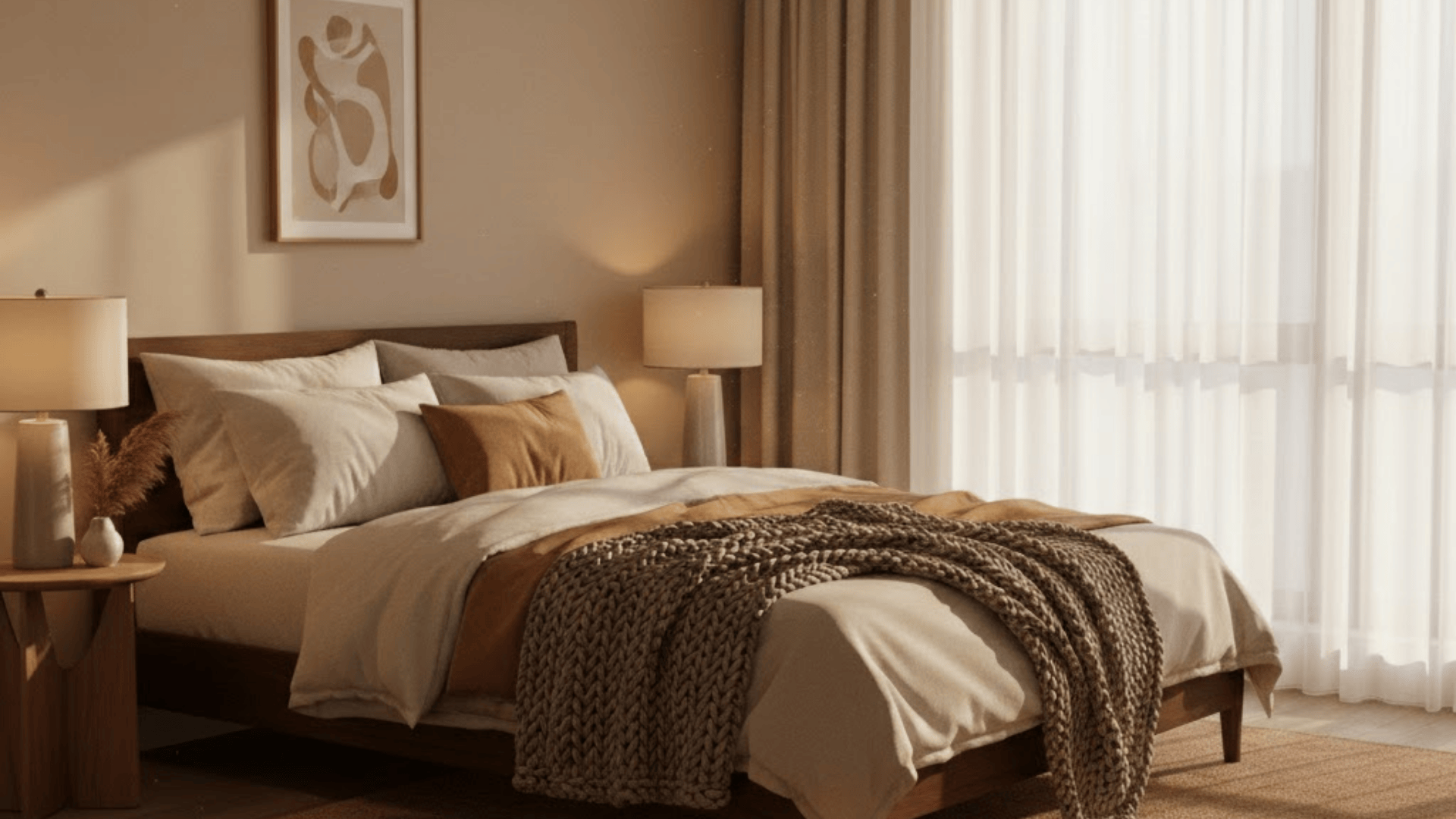
Pair a dark headboard with crisp white bedding. Mix soft fabrics, such as velvet, with harder surfaces, like marble nightstands.
Combine overhead lighting with intimate table lamps for a well-balanced mood. Add geometric artwork above flowing curtains, or place modern fixtures alongside vintage furniture pieces.
Common mistake to avoid: Making color contrasts too harsh for relaxation
3. Kitchen
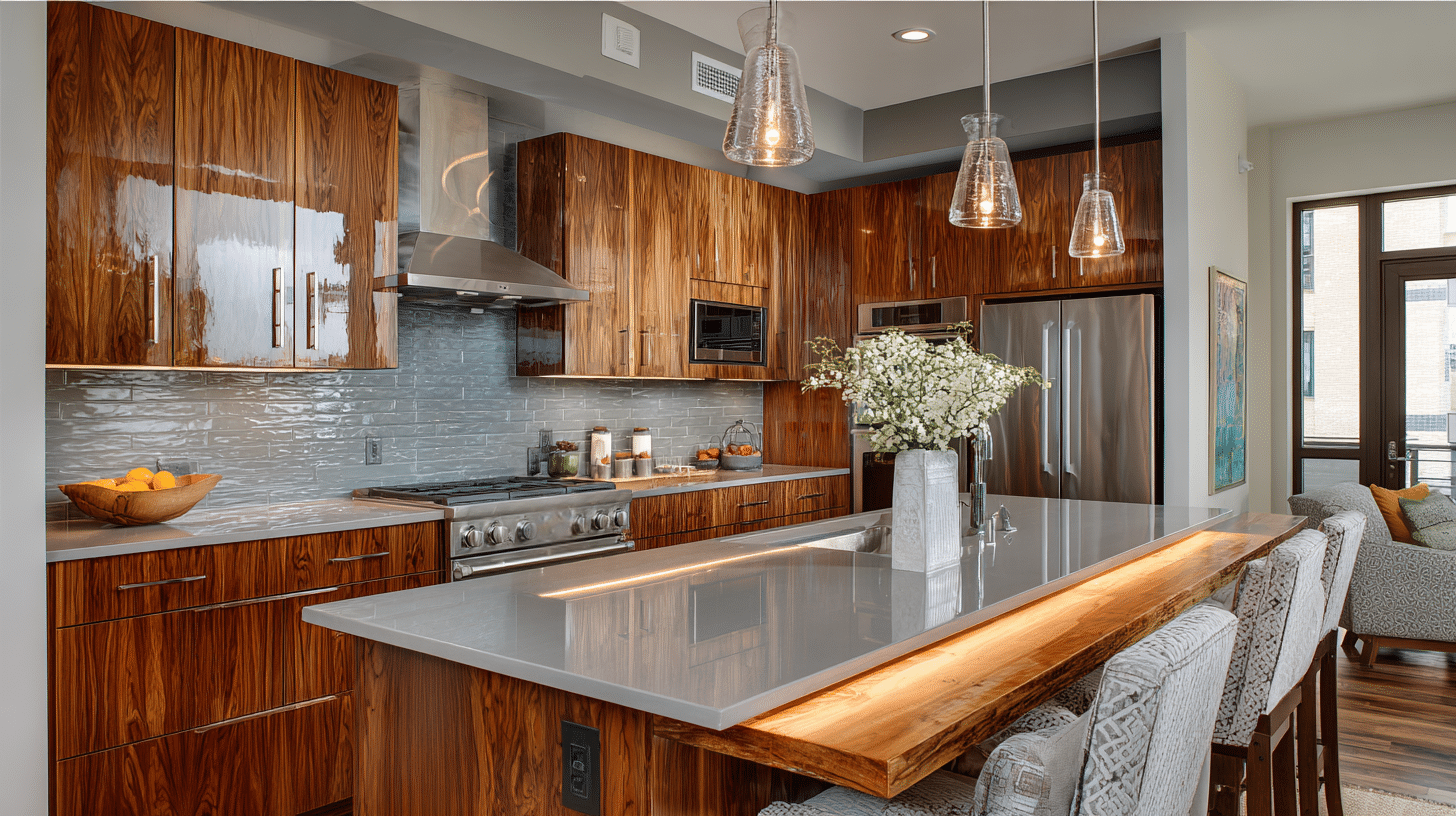
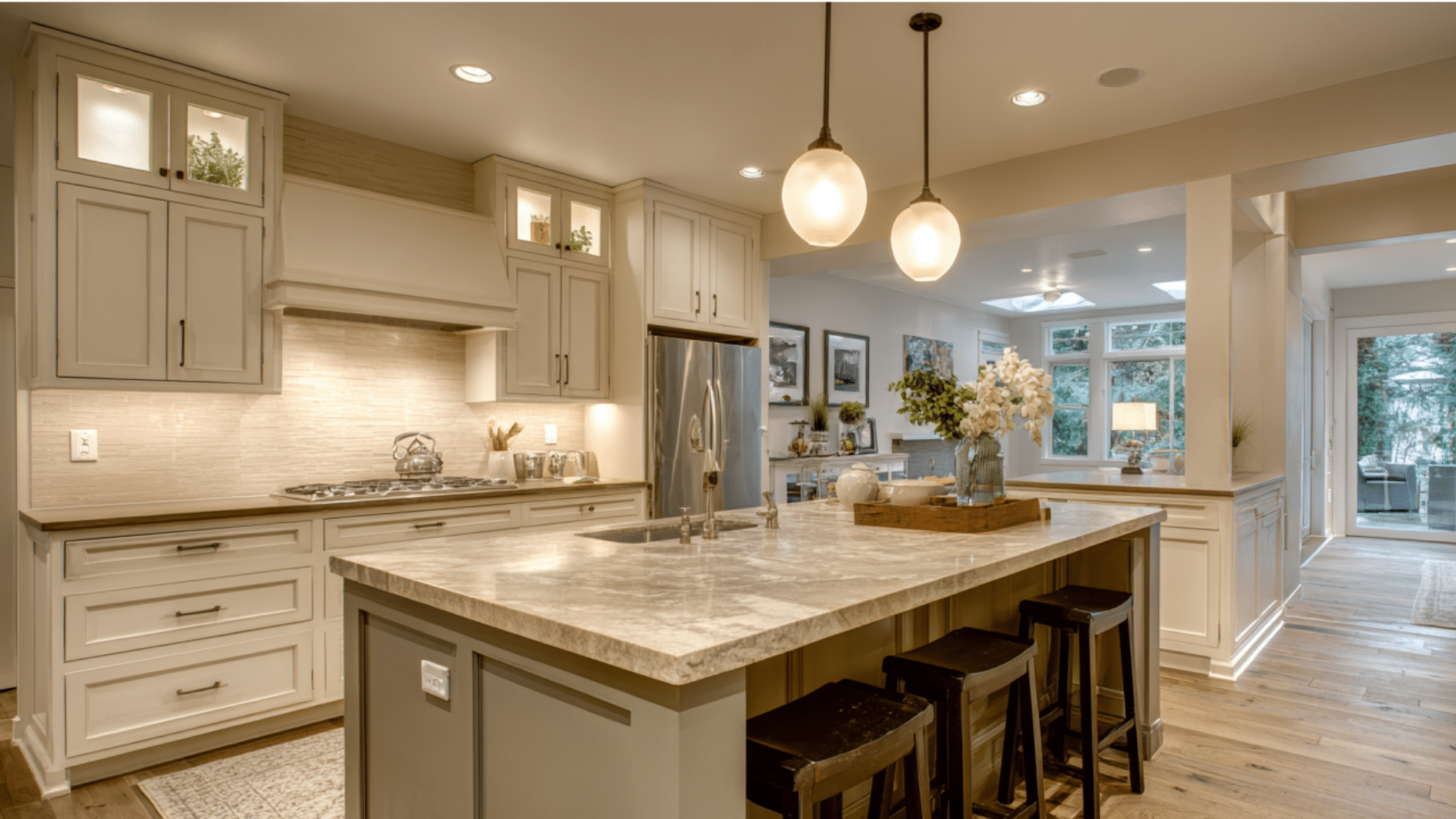
Balance sleek stainless steel appliances with warm wooden cabinets. Mix matte countertops with glossy backsplashes.
Combine industrial pendant lights with soft under-cabinet lighting for a cohesive look. Pair modern bar stools with traditional dining tables, or add natural stone against painted surfaces.
Common mistake to avoid: Mixing too many different metal finishes together
4. Bathroom
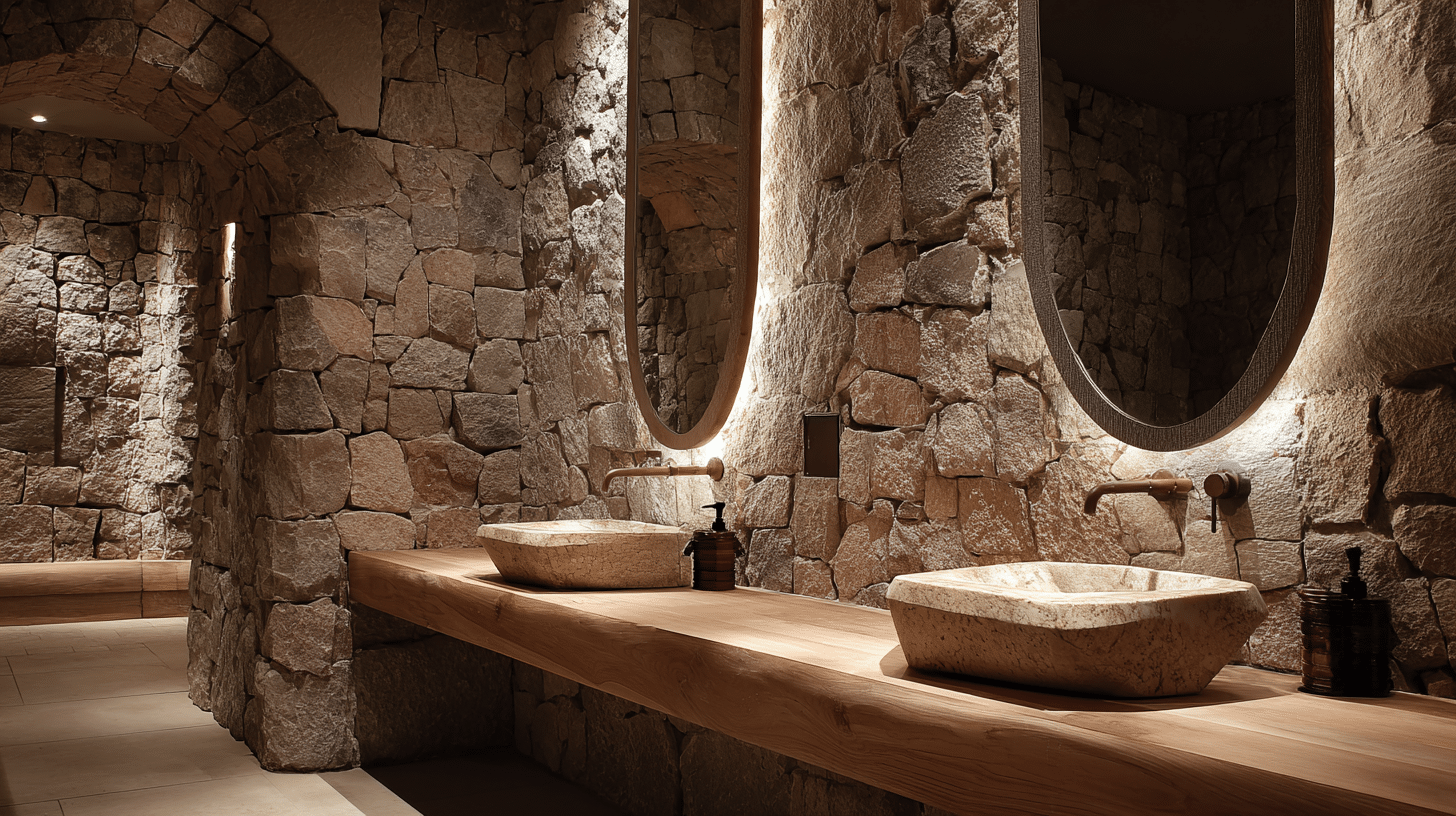
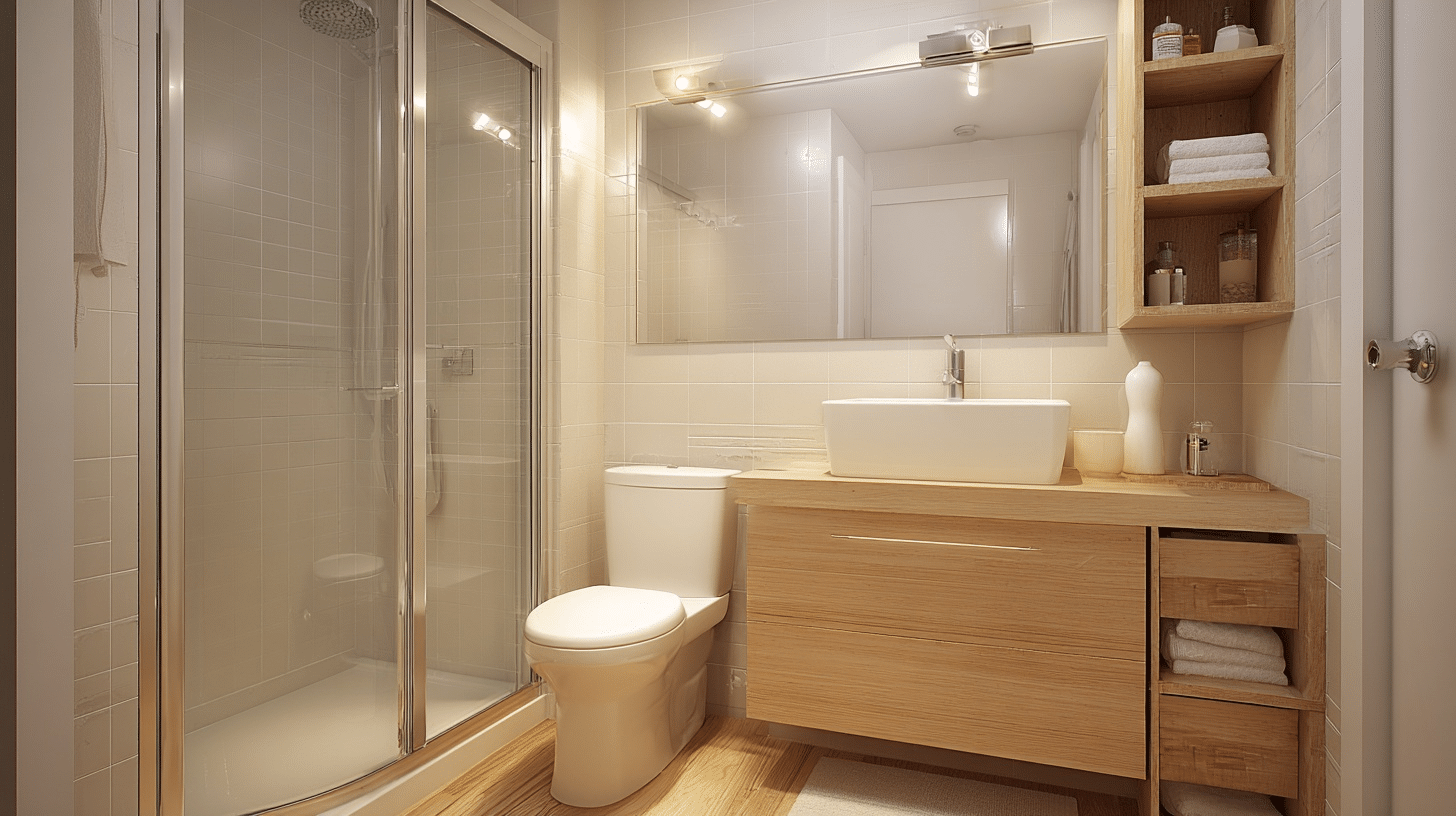
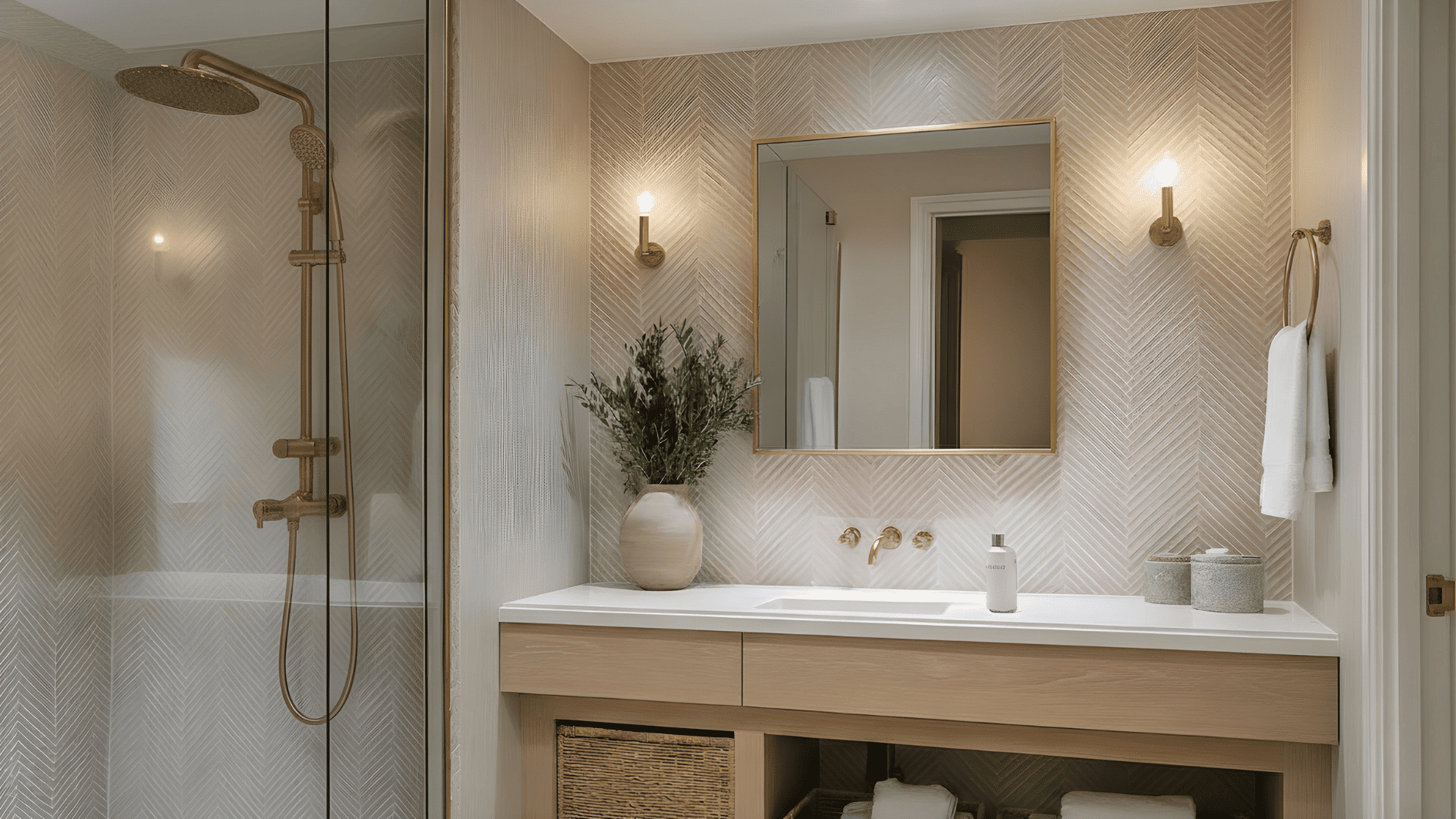
Combine rough natural stone with smooth porcelain fixtures. Mix wood vanities with cool marble counters. Pair bright task lighting with soft fixtures for a well-balanced lighting scheme.
Add curved mirrors above angular sinks, or place modern hardware on traditional cabinetry styles.
Common mistake to avoid: Creating slippery texture combinations near wet areas
5. Dining Room
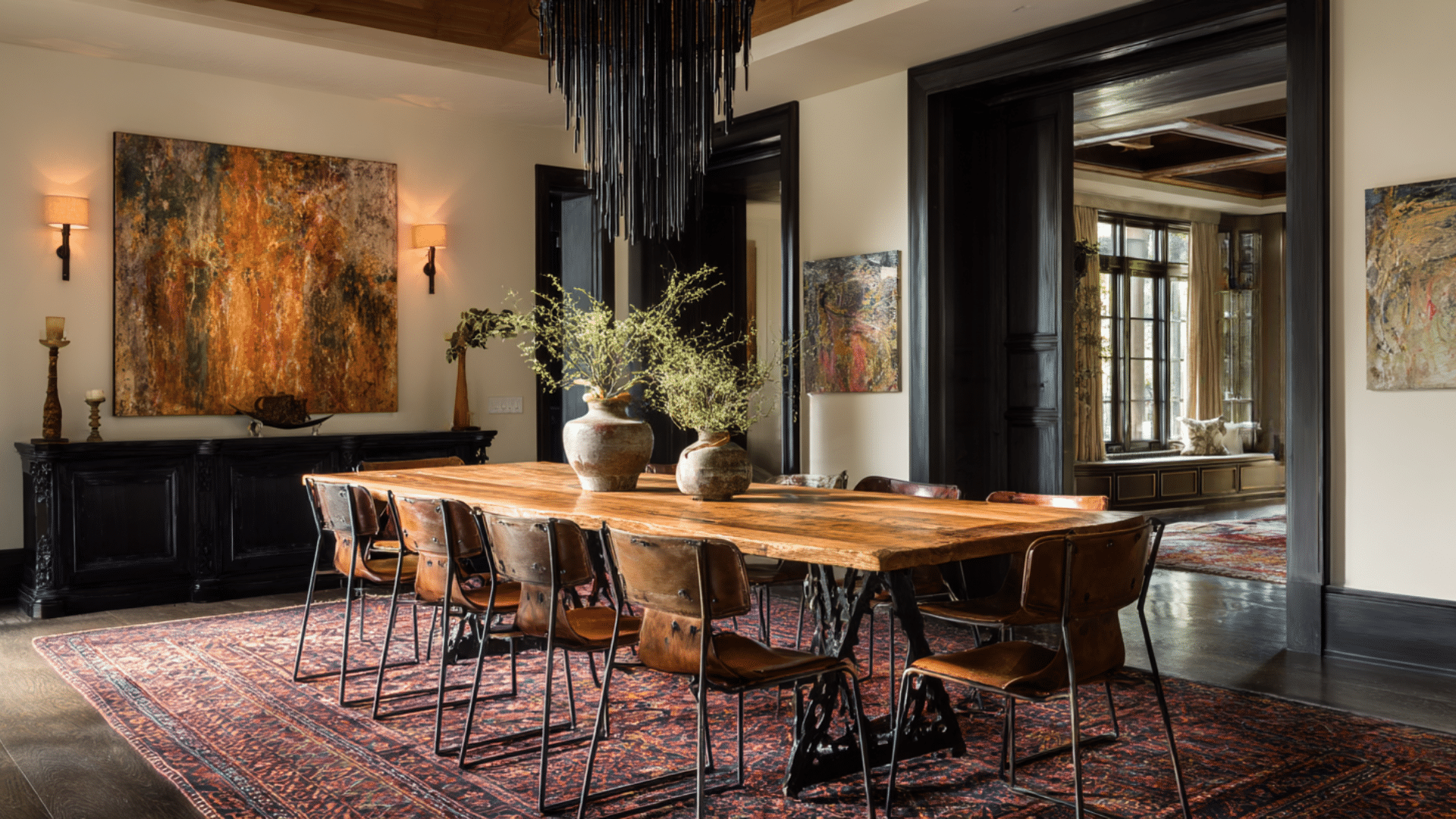
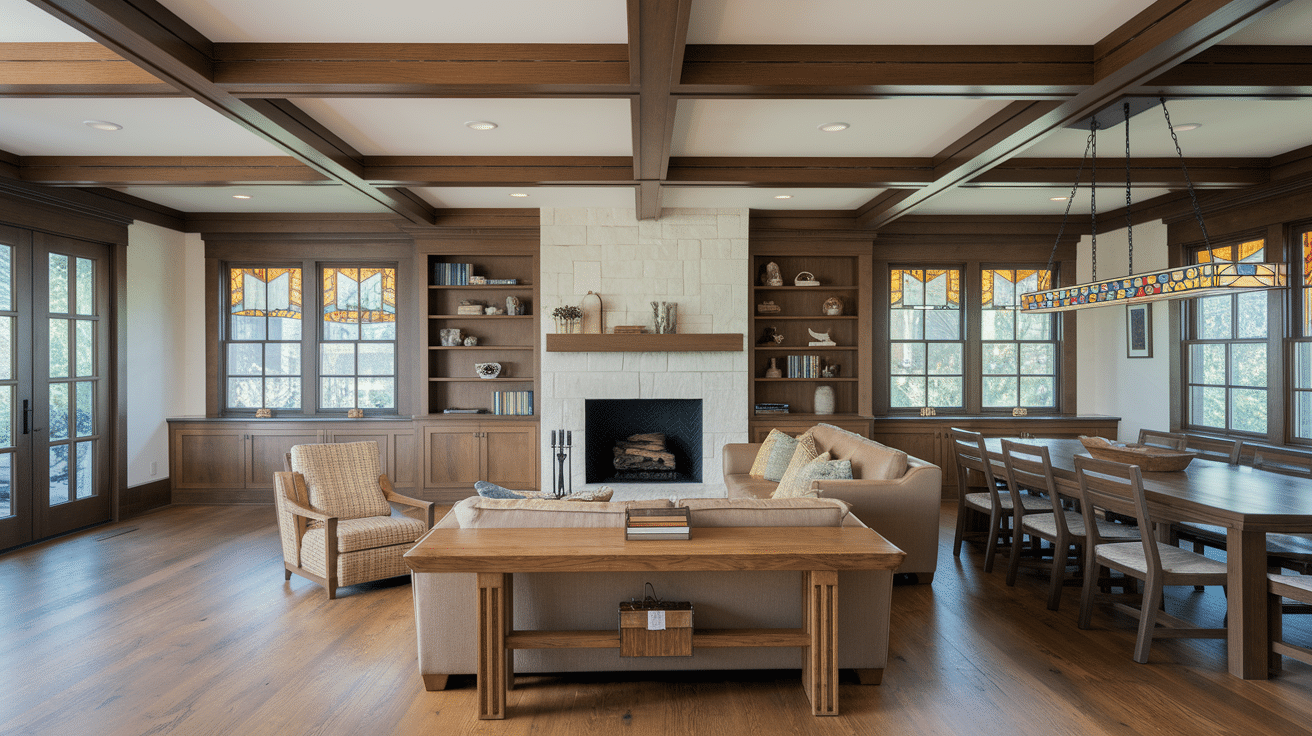
Balance a heavy wooden table with lightweight metal chairs. Mix formal china with casual serving pieces.
Combine dramatic overhead lighting with subtle wall sconces for a balanced effect. Pair traditional rugs with modern artwork, or add soft fabric elements to hard furniture surfaces.
Common mistake to avoid: Making the lighting too dim for comfortable dining
6. Home Office
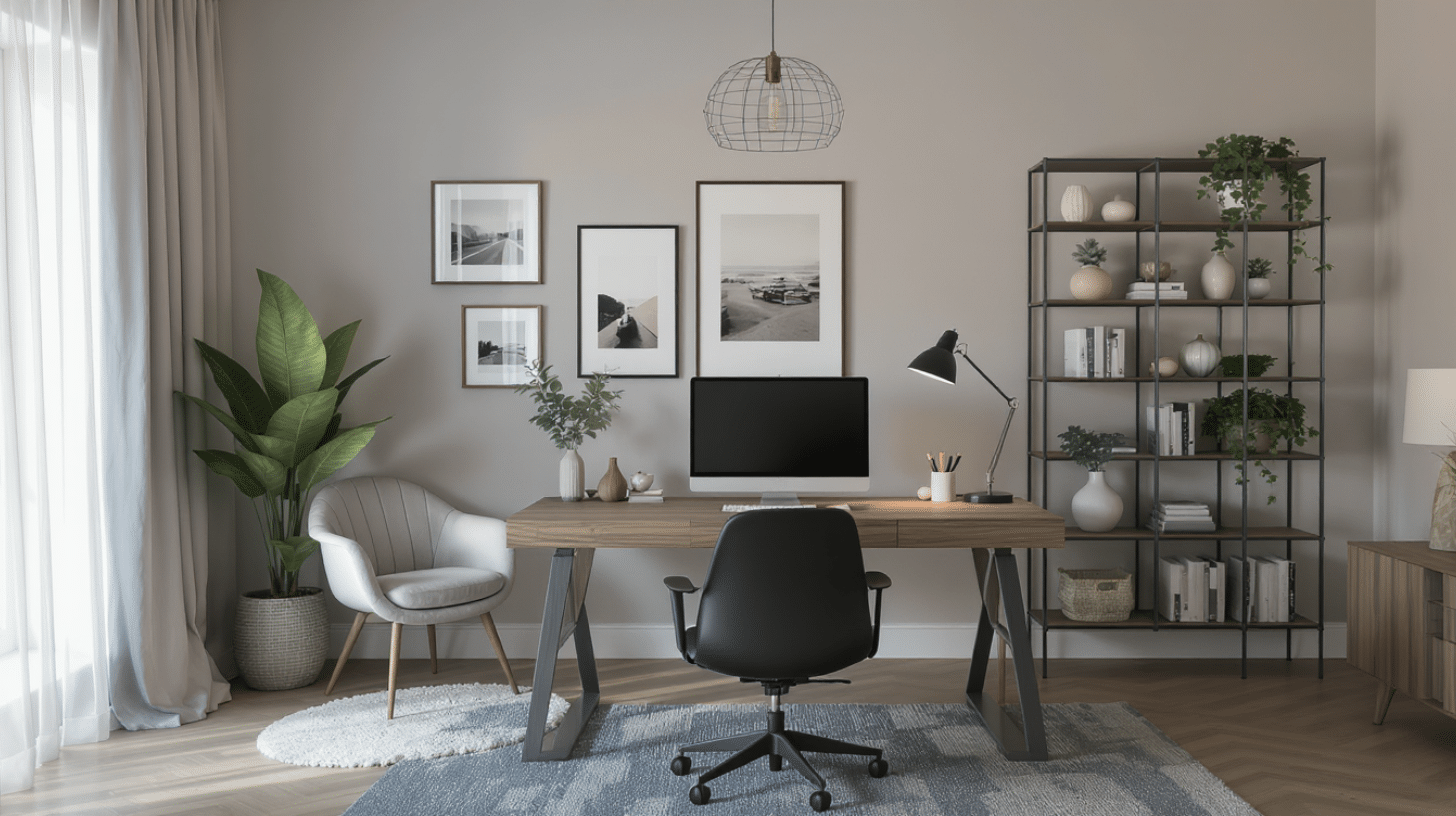
Mix industrial metal desks with comfortable upholstered chairs. Balance hard storage solutions with soft decorative elements.
Combine bright task lighting with fixtures. Pair modern technology with vintage decorative pieces, or incorporate natural plants to liven up sterile work surfaces.
Common mistake to avoid: Creating too many visual distractions while working
7. Entryway
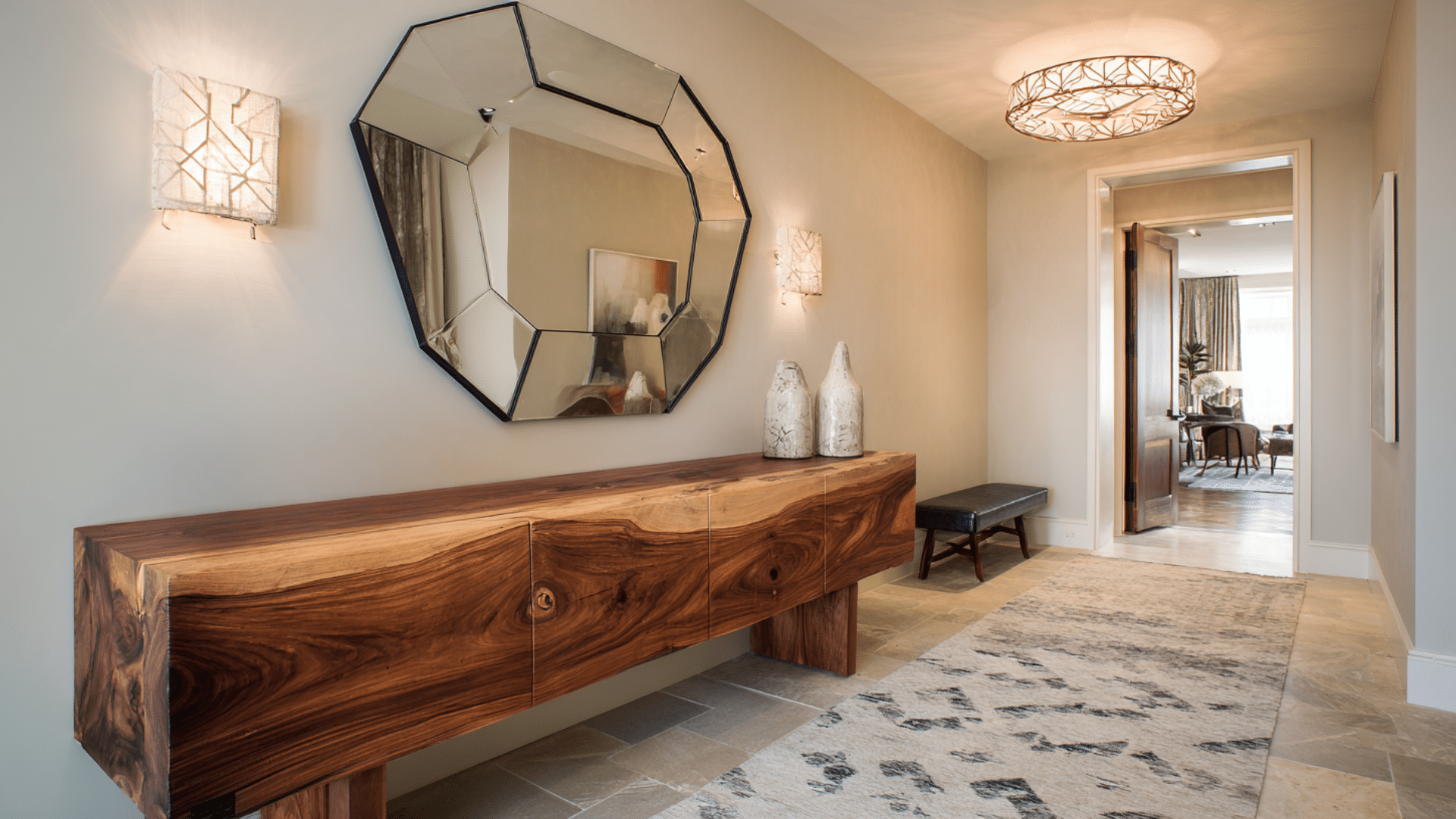
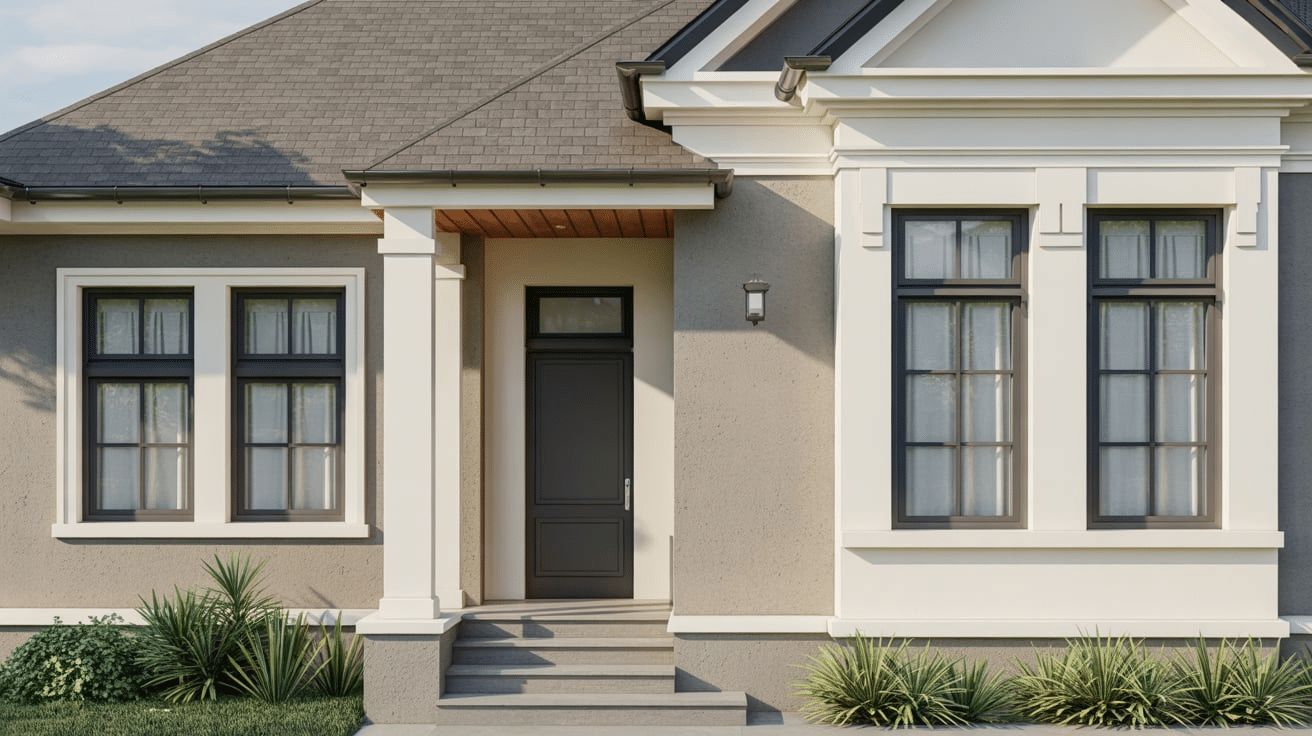
Balance large furniture pieces, such as console tables, with accessories. Mix durable flooring with soft area rugs.
Combine bright overhead lighting with welcoming table lamps. Pair modern mirrors with traditional coat hooks, or add organic shapes to geometric architectural features.
Common mistake to avoid: Making the space feel cramped with oversized furniture
8. Children’s Room
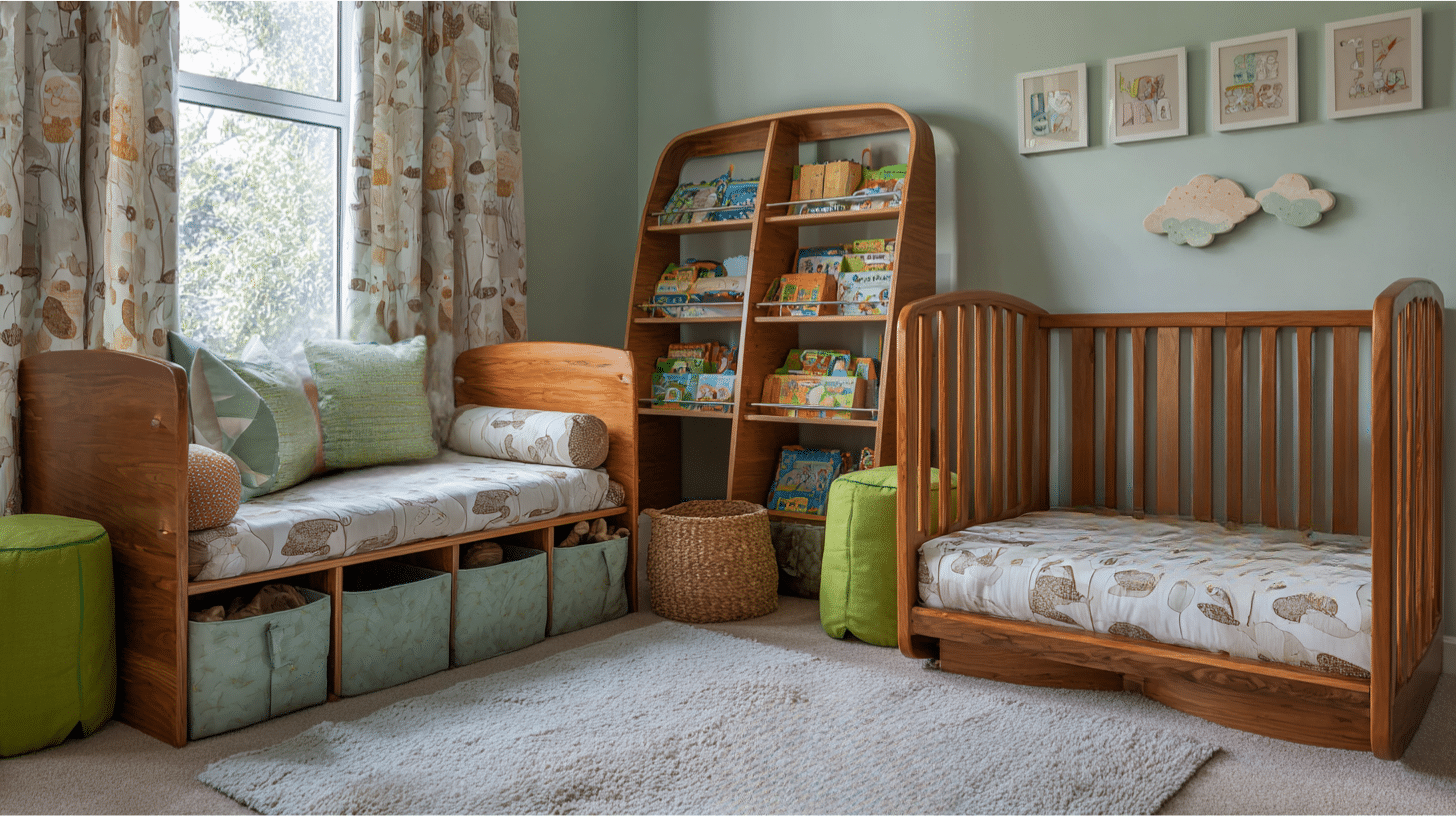
Mix sturdy wooden furniture with soft fabric elements. Balance bright primary colors with neutral base tones. Combine fun patterned bedding with solid-colored walls.
Pair modern storage solutions with playful decorative pieces, or add curved elements to sharp furniture edges for safety.
Common mistake to avoid: Using adult design rules in kid-friendly spaces
9. Outdoor Spaces
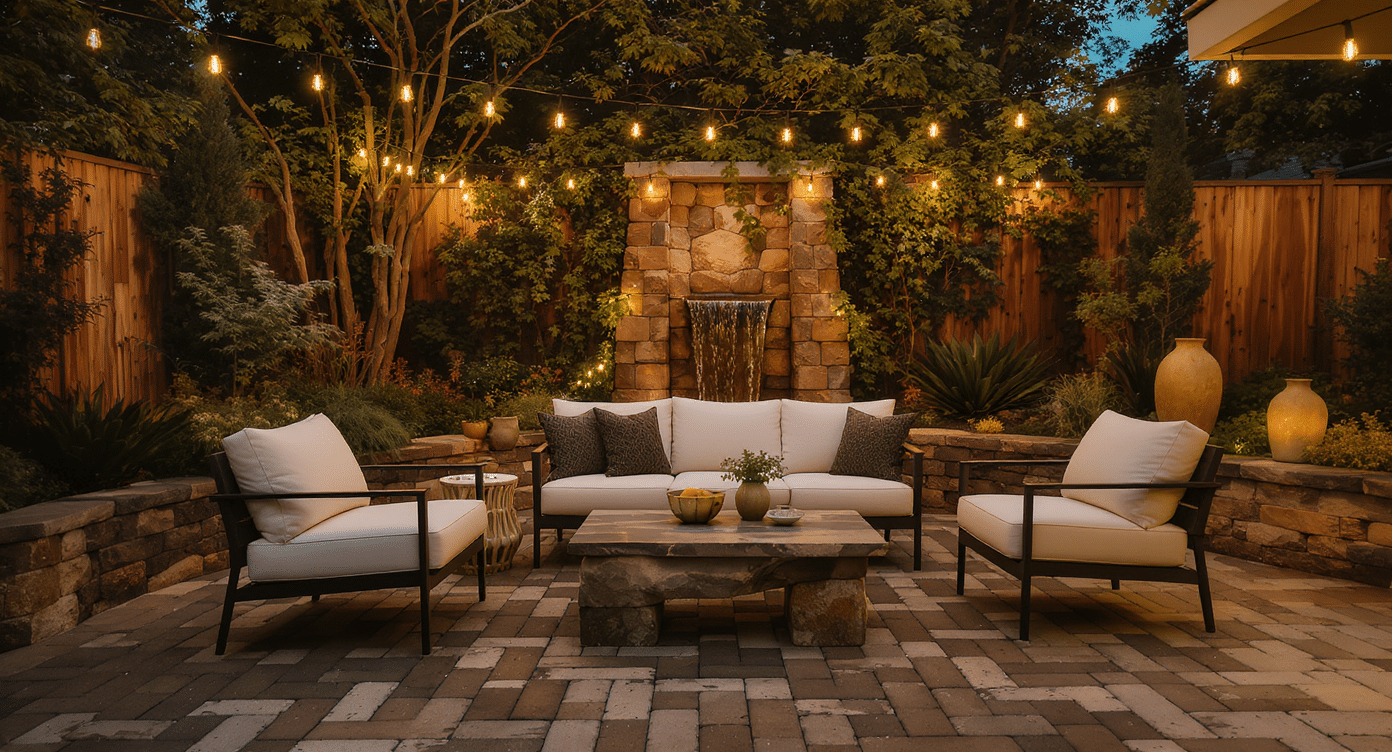
Balance weather-resistant metal furniture with comfortable cushions and pillows. Mix hard paving materials with soft, planted areas.
Combine string lights with focused spotlighting. Pair modern planters with traditional garden elements, or add flowing water features to structured hardscaping.
Common mistake to avoid: Forgetting weather resistance when choosing contrasting materials
Tips for Successful Use of Opposition Rhythm
Master these essential techniques to create perfectly balanced, contrasting spaces in your home.
- Start small with accessories before making significant furniture changes
- Maintain consistent color temperature across different lighting types
- Limit contrasts to three main elements per room
- Test material samples together before making final purchasing decisions
- Consider the room function when choosing opposing design elements
Final Thoughts
Opposition in interior design turns ordinary rooms into spaces with real character and visual appeal. You’ve learned how contrasting elements interact from blending textures and colors to balancing scales and materials.
The beauty of this approach lies in its flexibility. You can start with minor changes, such as adding textured pillows to smooth furniture, and then gradually build more dramatic contrasts as you gain confidence.
Your home should reflect your personality while remaining comfortable and functional.
Use oppositional techniques to create spaces that are polished and lived-in. Start today, your rooms await that perfect contrast.