European buildings tell stories that span centuries. The history and the sheer artistry found across the continent leave visitors speechless.
Yet planning a trip or simply knowing what makes these structures special can feel overcrushed.
This post will walk you through the architectural periods you’ll encounter in Europe.
We’ll look at what defines each style and highlight the worth-visit landmarks.
Let’s get started.
What is European Architecture?
This architecture refers to the building styles that developed across Europe over thousands of years.
It includes everything from ancient Greek temples to Gothic cathedrals and modern structures.
Each era brought distinct features like pointed arches, grand domes, or clean lines. These styles shaped construction worldwide and still inspire architects today.
Characteristics of European Architecture
European buildings have features that make them instantly noticeable.
Here are the key elements that define this architectural tradition:
- Stone and Brick Construction: Durable materials that have survived centuries. These form the foundation of most historic European structures.
- Arches and Columns: Arches appear in doorways, windows, and ceilings. Columns support entrances and create impressive facades.
- Ornate Details: Intricate carvings decorate exteriors. Stained glass windows add colour and light. Moldings frame windows and rooflines with care.
- Vaulted Ceilings: High, curved ceilings create dramatic interior spaces. They’re especially common in churches and grand halls.
- Symmetrical Design: Buildings often mirror themselves from center to edge. This creates visual balance and harmony.
- Regional Materials: Mediterranean builders used limestone. Northern regions favoured timber and brick; local resources shaped each area’s unique style.
Famous Styles of European Architecture
This architecture has evolved dramatically over the centuries, and each style tells its own story.
Below are the major architectures that shaped the continent’s skyline.
1. Classical Greek Architecture
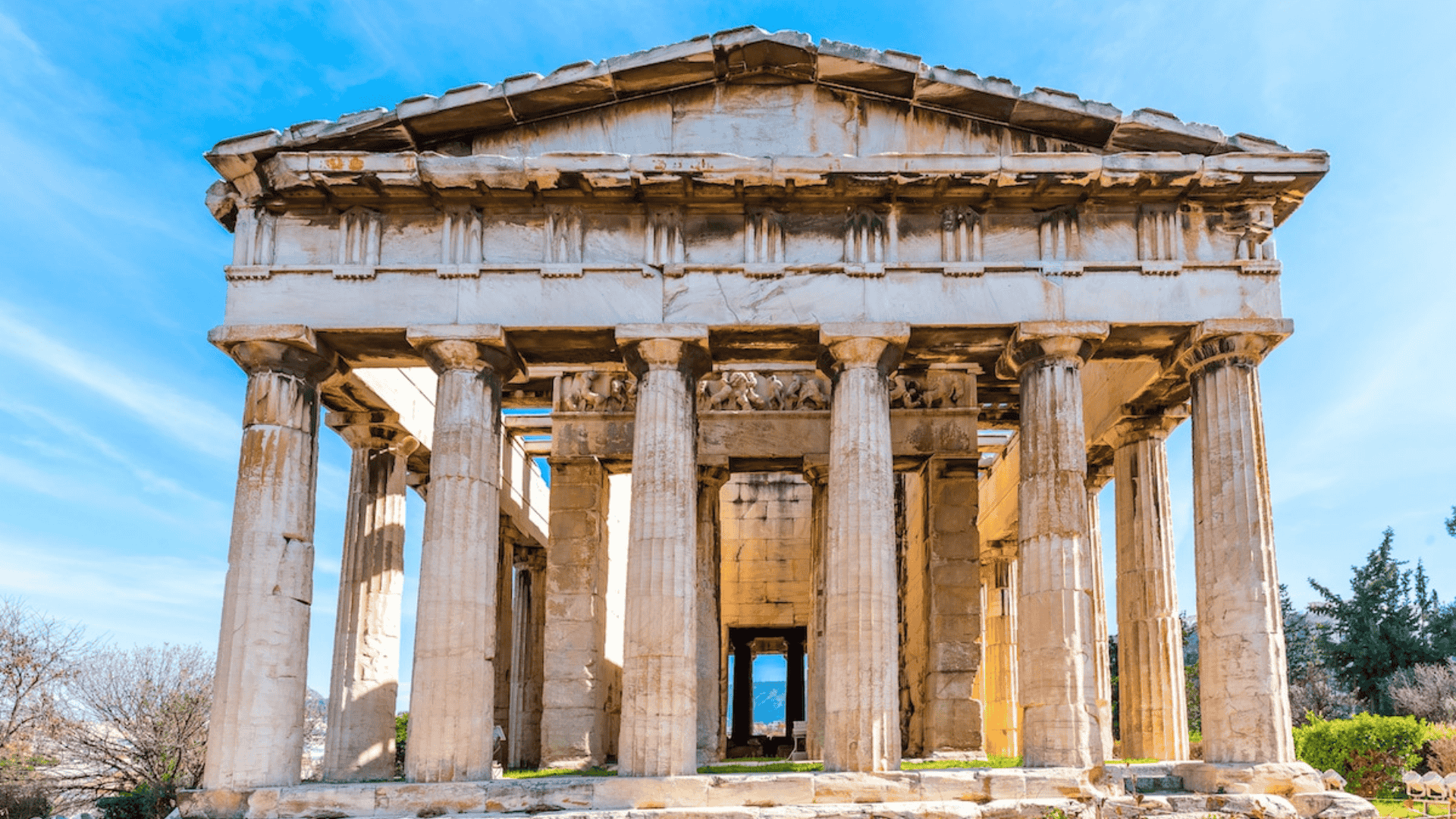
Credit: My Modern Met
Greek architecture is the foundation for Western building design. You’ll recognize it by those columns and perfectly balanced proportions.
Key Features:
- Three column styles: Doric (simple), Ionic (scroll tops), and Corinthian (ornate)
- Symmetrical designs with triangular pediments
- Famous examples: Parthenon, Temple of Athena
2. Roman Architecture
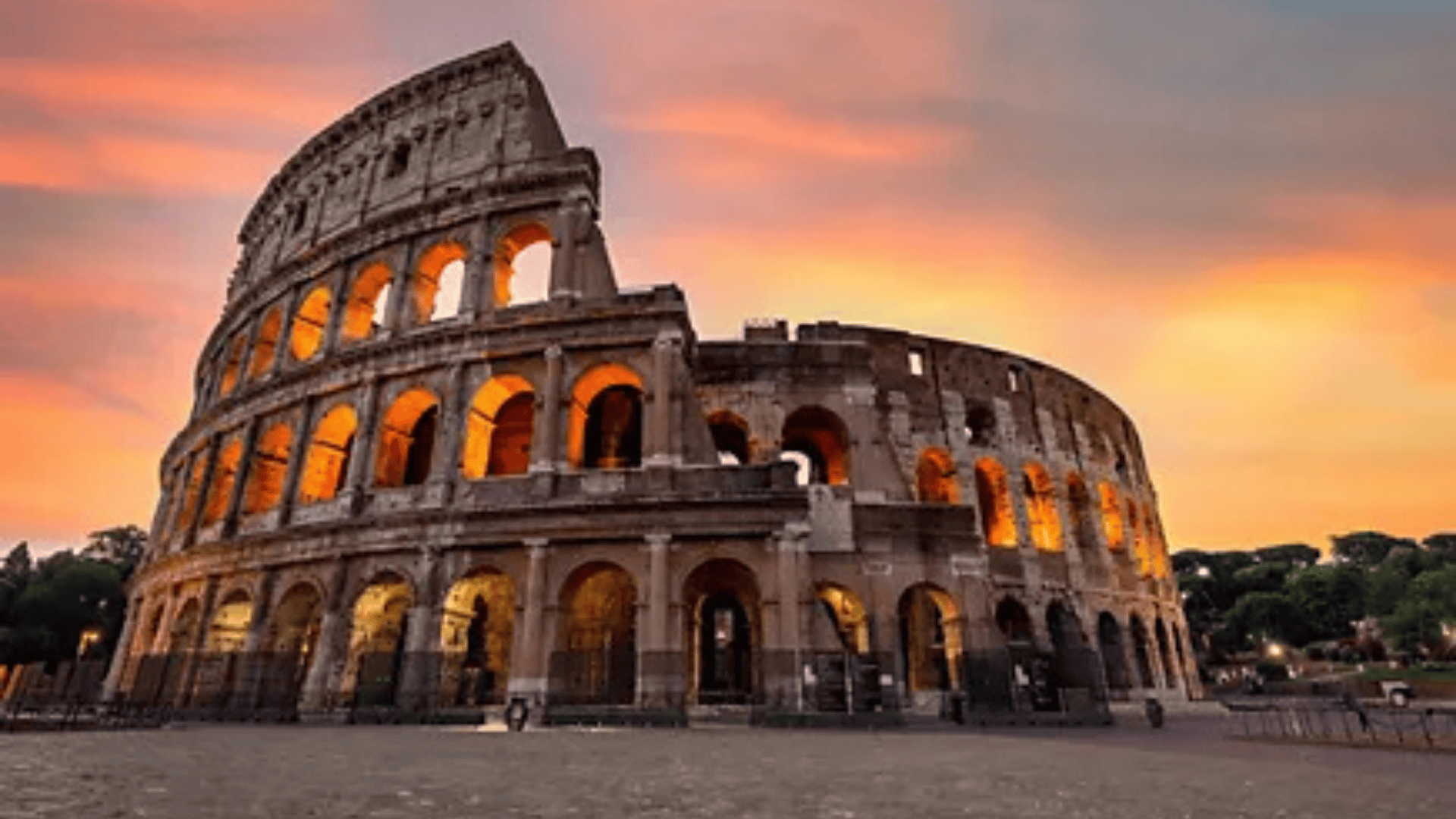
Credit: Art in Context
Romans took Greek ideas and made them bigger and bolder. They were engineering geniuses who invented concrete and created structures that still stand today.
Key features:
- Massive arches, domes, and vaults
- Aqueducts and amphitheaters
- Practical designs for public buildings
- Famous examples: Colosseum, Pantheon, Roman aqueducts
Read more: The Evolution of Italian Architecture
3. Byzantine Architecture
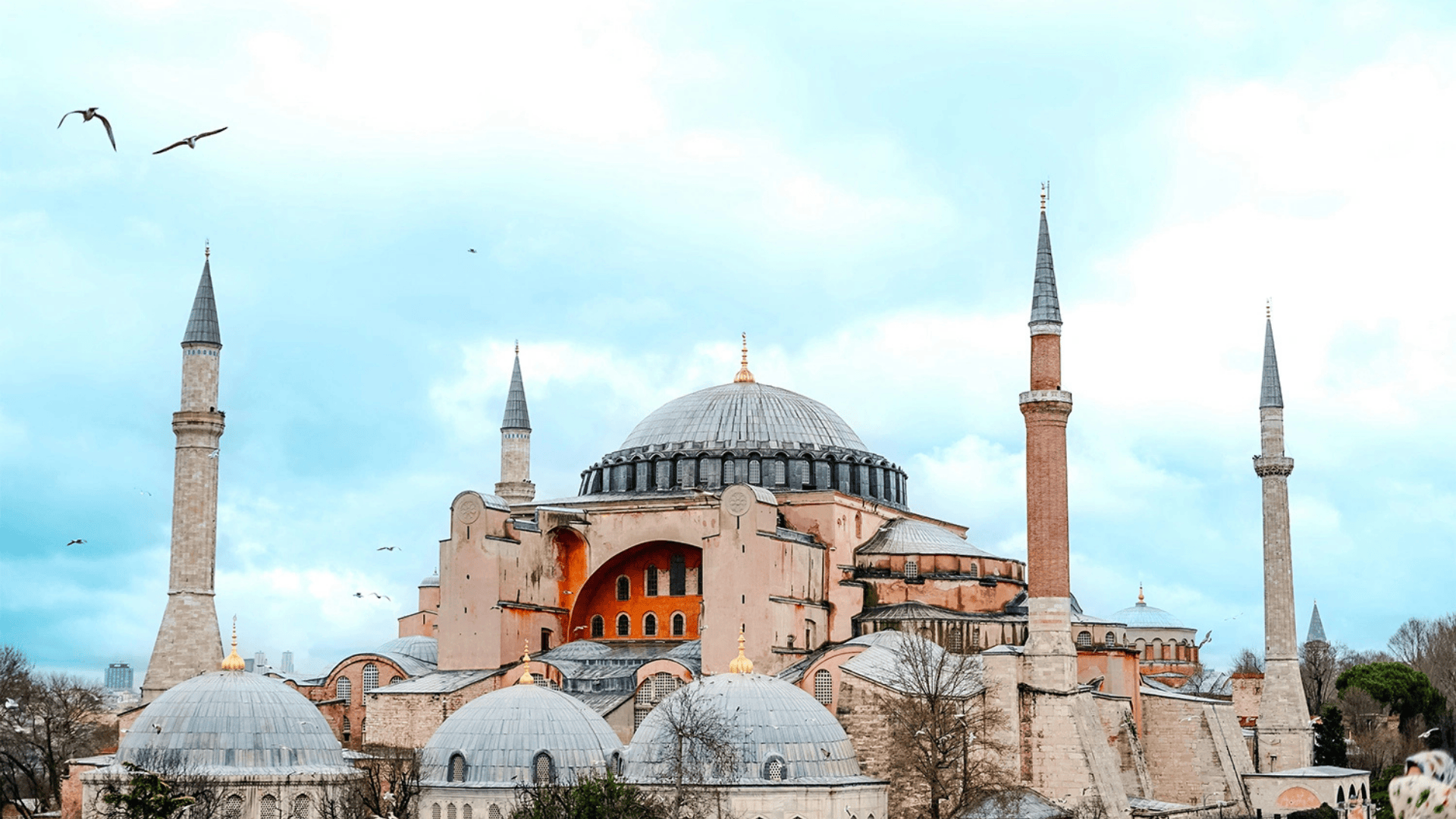
Credit: Parametric Architecture
After the Roman Empire split, Byzantine architecture emerged in Eastern Europe with a focus on religious grandeur.
Key features:
- Large central domes supported by pendentives
- Rich interior decorations with gold mosaics
- Greek cross floor plans
- Famous examples: Hagia Sophia, St. Mark’s Basilica
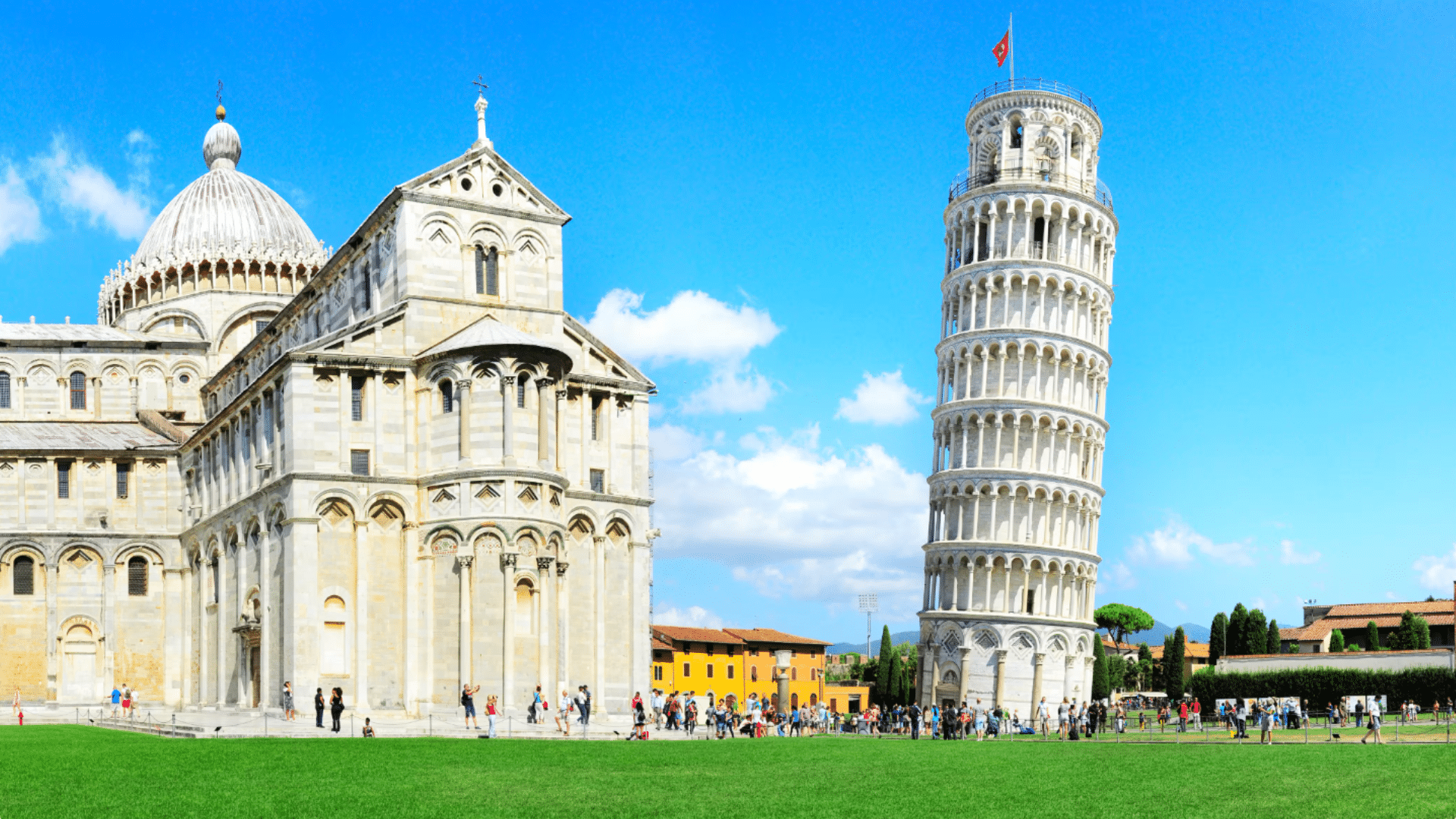
4. Romanesque Architecture
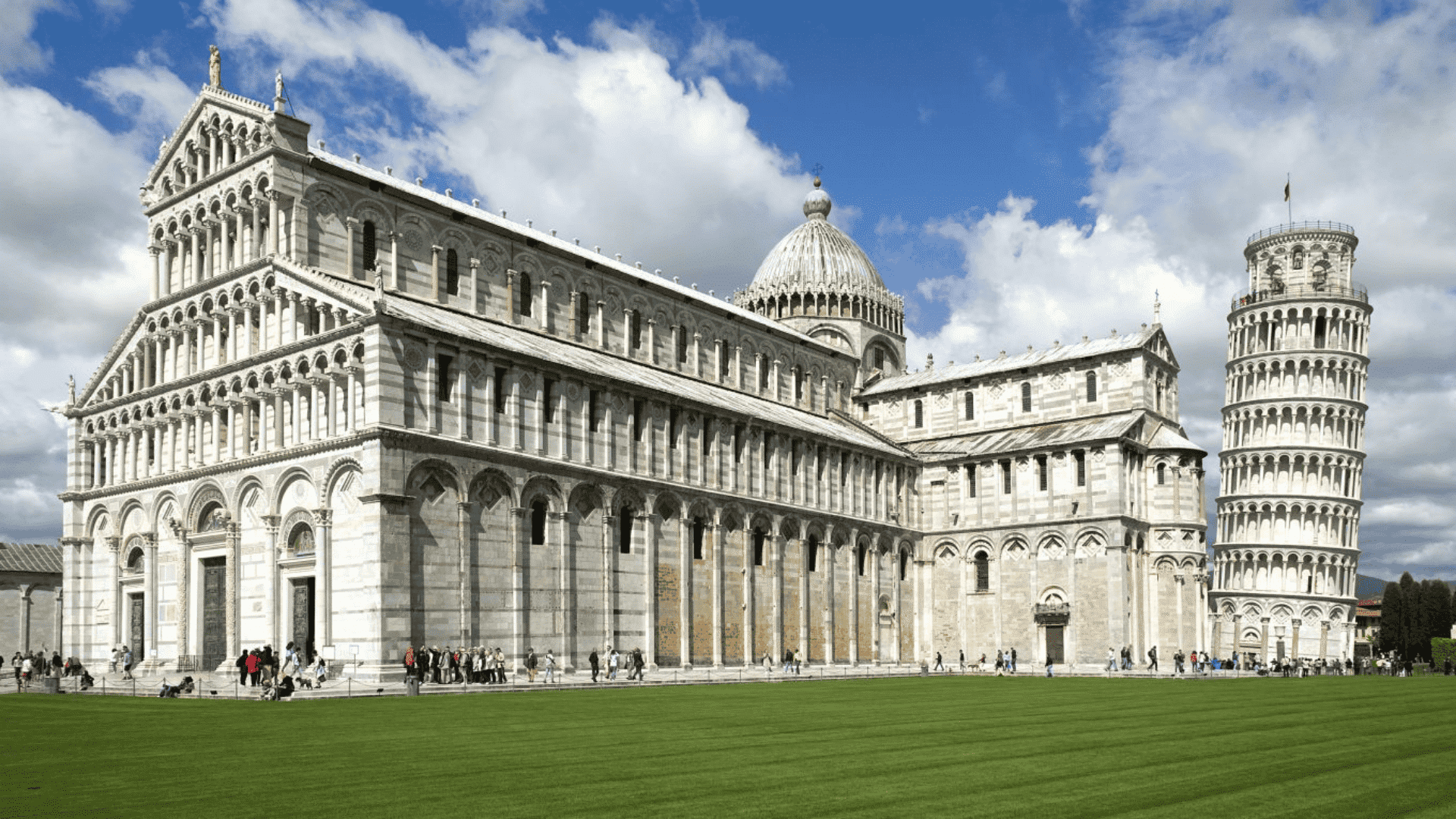
Credit: Architecture of Cities
Romanesque buildings are solid, sturdy, and fortress-like. They dominated medieval Europe before the Goths took over.
Key Features:
- Thick Walls and Small Windows
- Rounded Arches and Barrel Vaults
- Massive Stone Construction
- Famous Examples: Durham Cathedral, Pisa Cathedral
5. Gothic Architecture
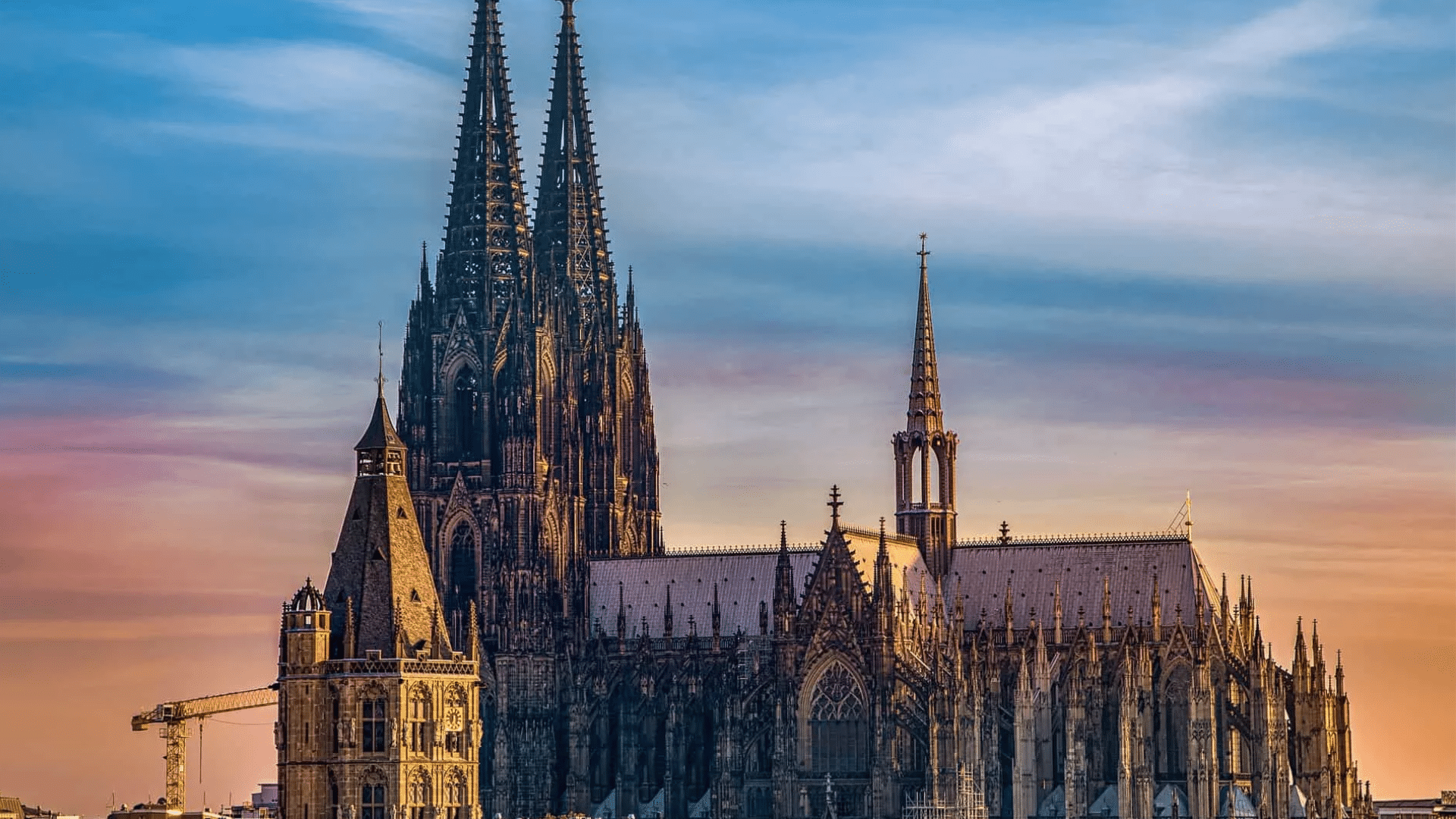
Credit: Odyssey Traveller
Gothic Architecture reached for the heavens. These buildings pushed engineering to new heights with their soaring spires and light-filled interiors.
Key Features:
- Pointed arches and ribbed vaults
- Flying buttresses for support
- Massive stained glass windows
- Intricate stone carvings and gargoyles
- Famous examples: Notre-Dame, Cologne Cathedral, Westminster Abbey
6. Renaissance Architecture
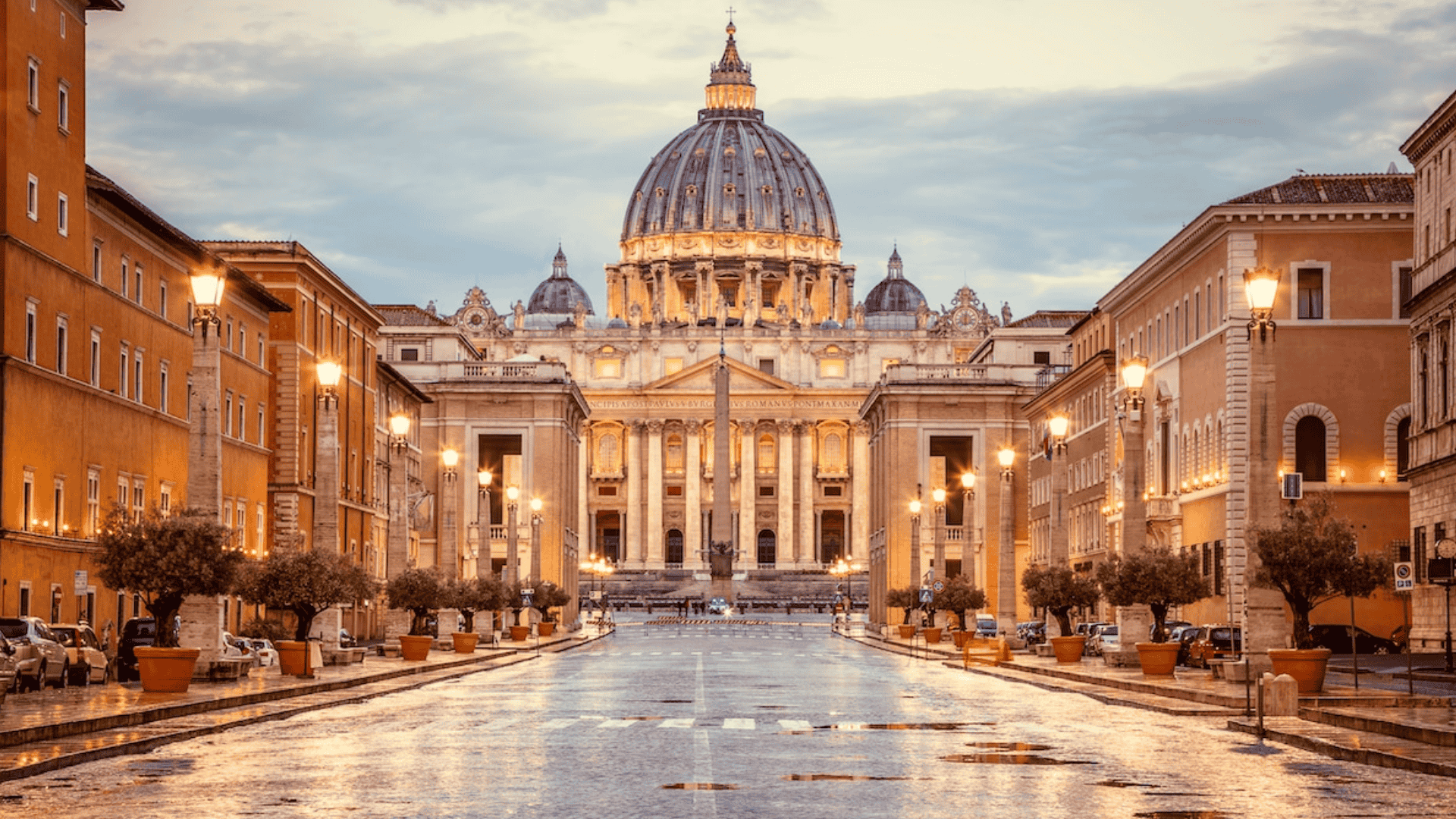
Credit: My Modern Met
The Renaissance brought back classical Greek and Roman ideas with a fresh perspective. It’s all about proportion, symmetry, and mathematical precision.
Key Features:
- Perfect symmetry and geometric shapes
- Columns, pilasters, and rounded arches
- Domes inspired by the Pantheon
- Famous Examples: St. Peter’s Basilica, Florence Cathedral’s Dome
7. Baroque Architecture
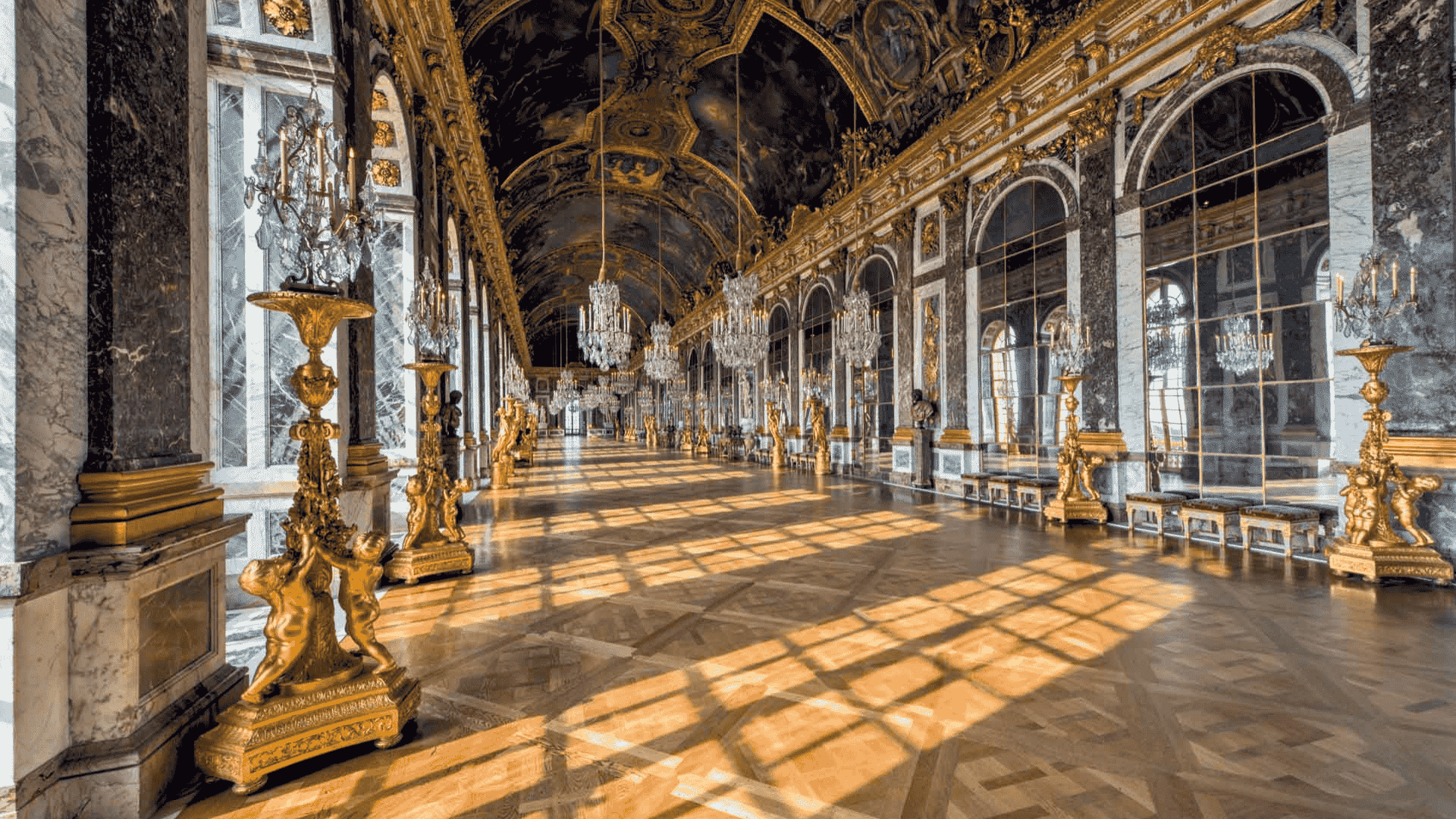
Credit: The Artistic Adventure of Mankind
Baroque cranked up the drama. These buildings shout with gold accents, painted ceilings, flowing sculptures, and an energy that feels almost alive.
Key Features:
- Curved Lines and Dynamic Shapes
- Elaborate decorations and sculptures
- Grand Staircases and painted Ceilings
- Dramatic Use of light and shadow
- Famous Examples: Palace of Versailles, St. Paul’s Cathedral
8. Rococo Architecture
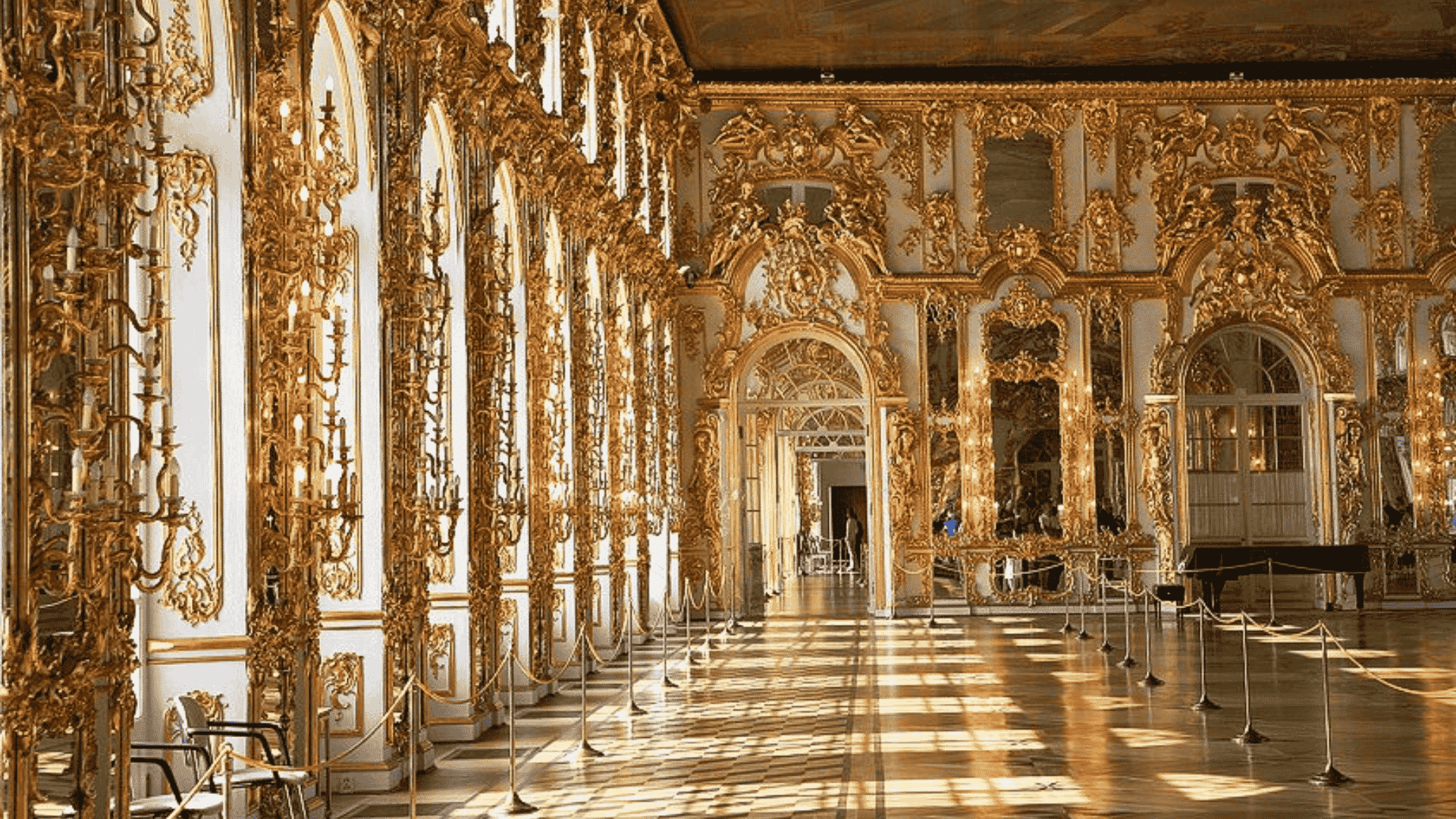
Credit: Art in Context
Rococo is Baroque’s lighter, more playful cousin. It’s fancy, delicate, and incredibly decorative can be seen in palaces and interiors.
Key Features:
- Pastel colors and gold accents
- Shell-like curves and floral patterns
- Asymmetrical designs
- Famous Examples: Sanssouci Palace, Amalienburg
9. Neoclassical Architecture
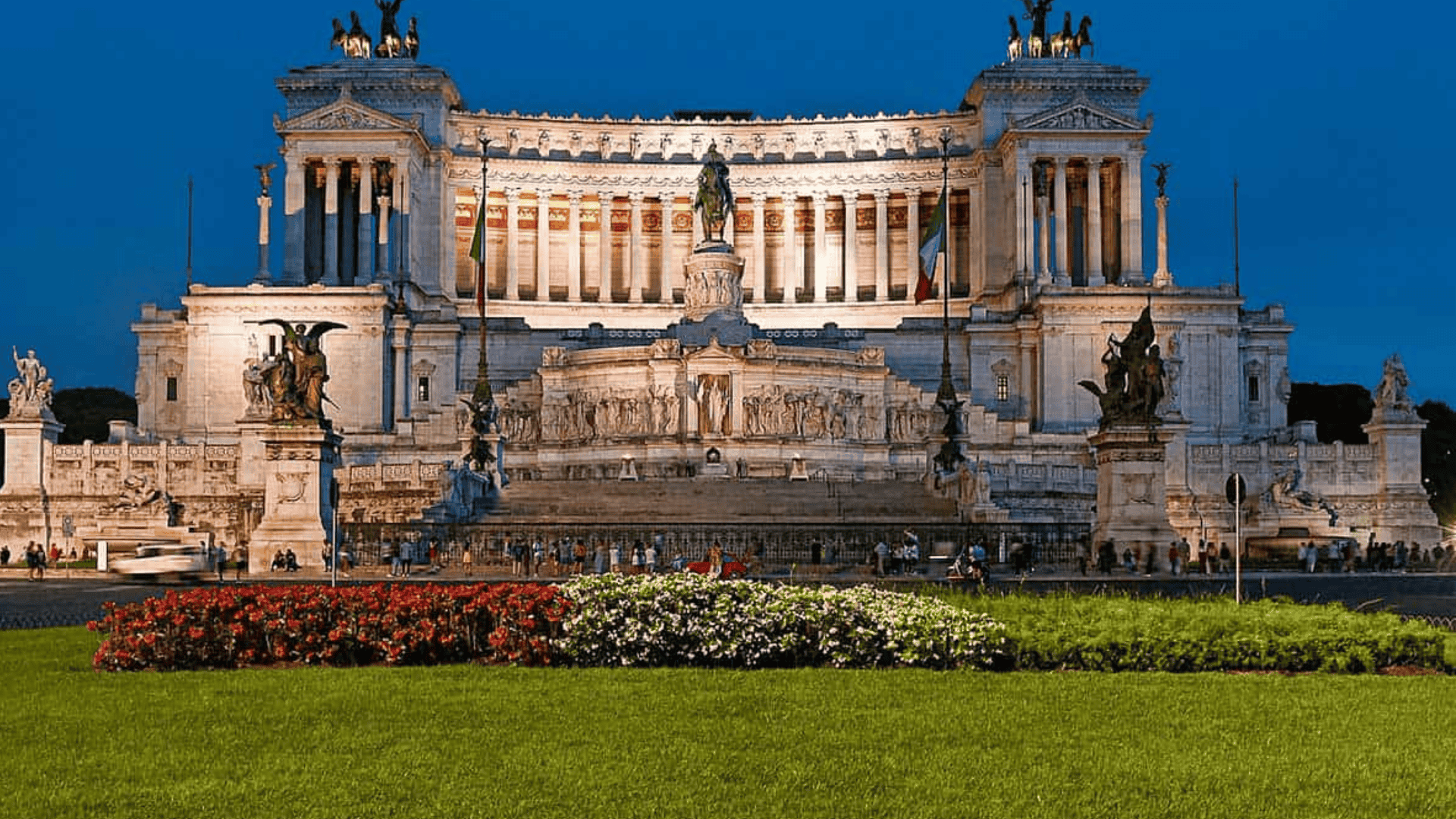
Credit: Landmarks Architect
Neoclassical Architecture returned to the clean lines of ancient Greece and Rome with a more refined approach. It became the go-to style for government buildings and museums.
Key Features:
- Grand columns and triangular pediments
- Symmetrical facades
- Minimal decoration compared to Baroque
- Famous examples: Brandenburg Gate, British Museum
10. Art Nouveau
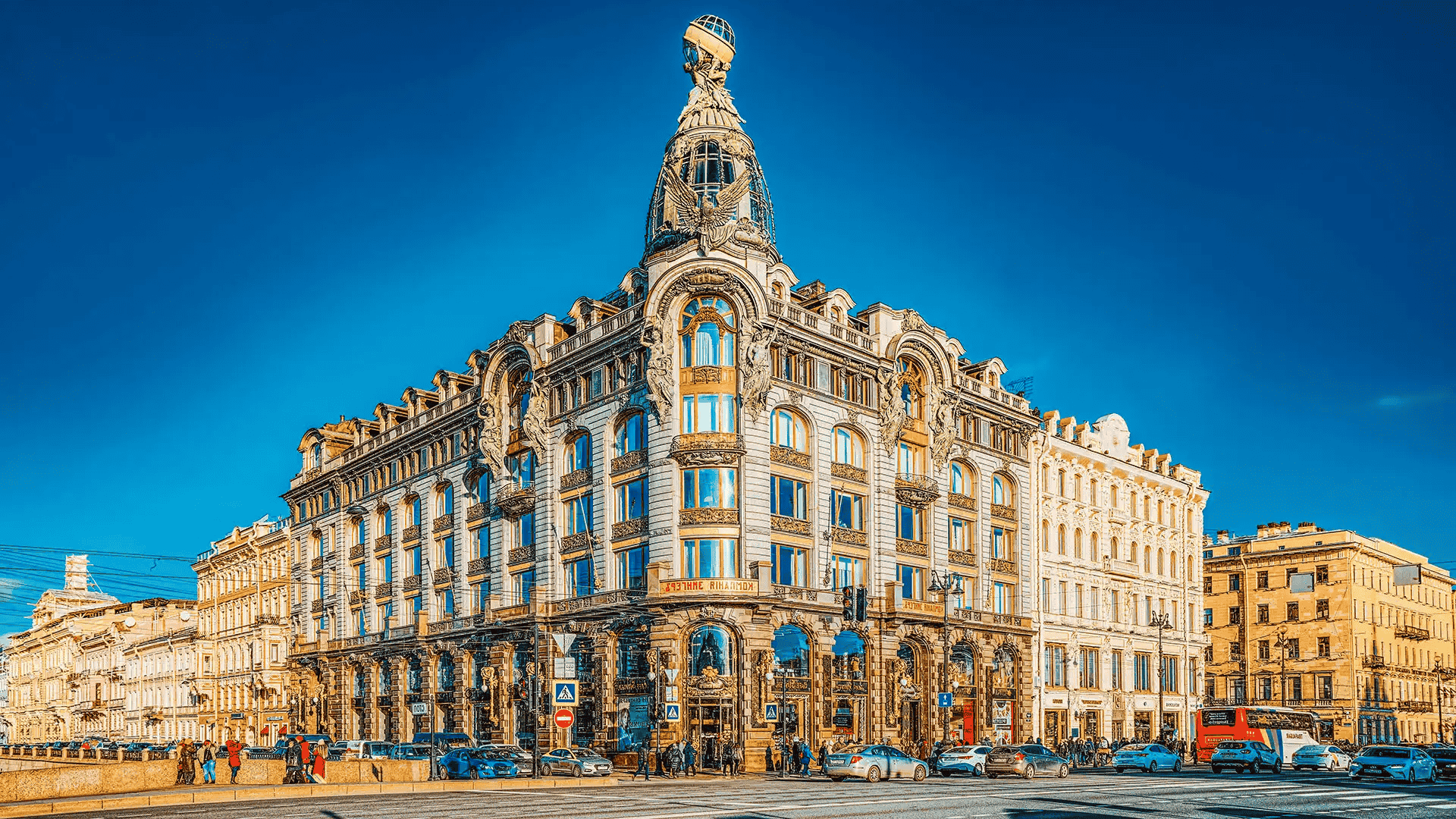
Credit: Paacademy
Art Nouveau broke all the rules with its flowing, organic forms inspired by nature. It’s whimsical and instantly recognizable.
Key Features:
- Curved lines mimicking plants and flowers
- Decorative ironwork and stained glass
- Asymmetrical designs
- Famous examples: Casa Batlló (gaudí), Paris Métro Entrances
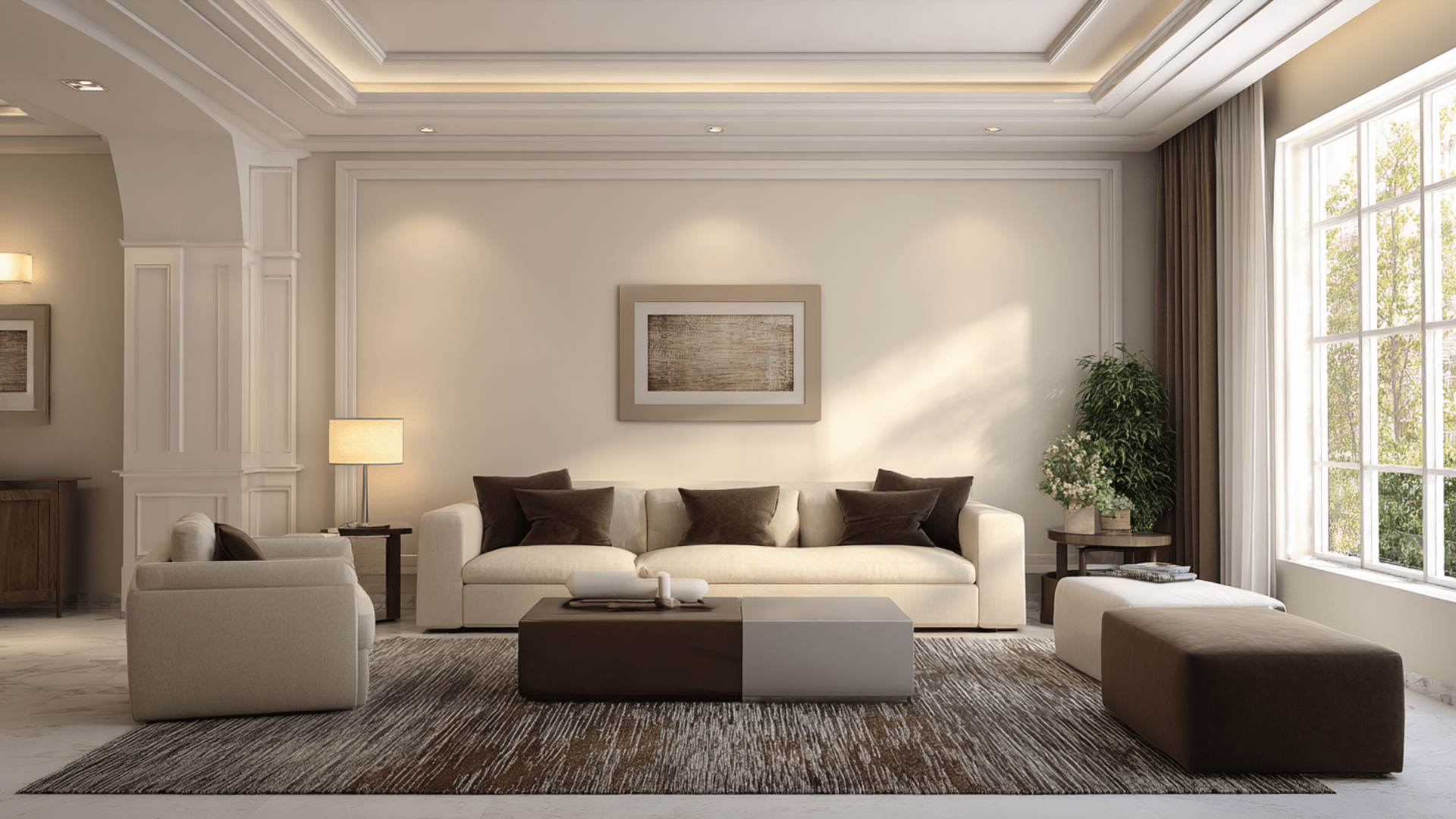
11. Modernist Architecture

Credit: Floyd Home
Modernism stripped away all the ornamentation and focused on function. The Bauhaus movement in Germany introduced this less is more approach.
Key Features:
- Clean lines and geometric shapes
- Glass, steel, and concrete materials
- Open floor plans
- Form follows Function Philosophy
- Famous examples: Villa Savoye, Bauhaus Dessau
Each of these styles influenced the next, creating a rich architectural heritage that continues to shape how we build today.
How to Plan Your House in European Style?
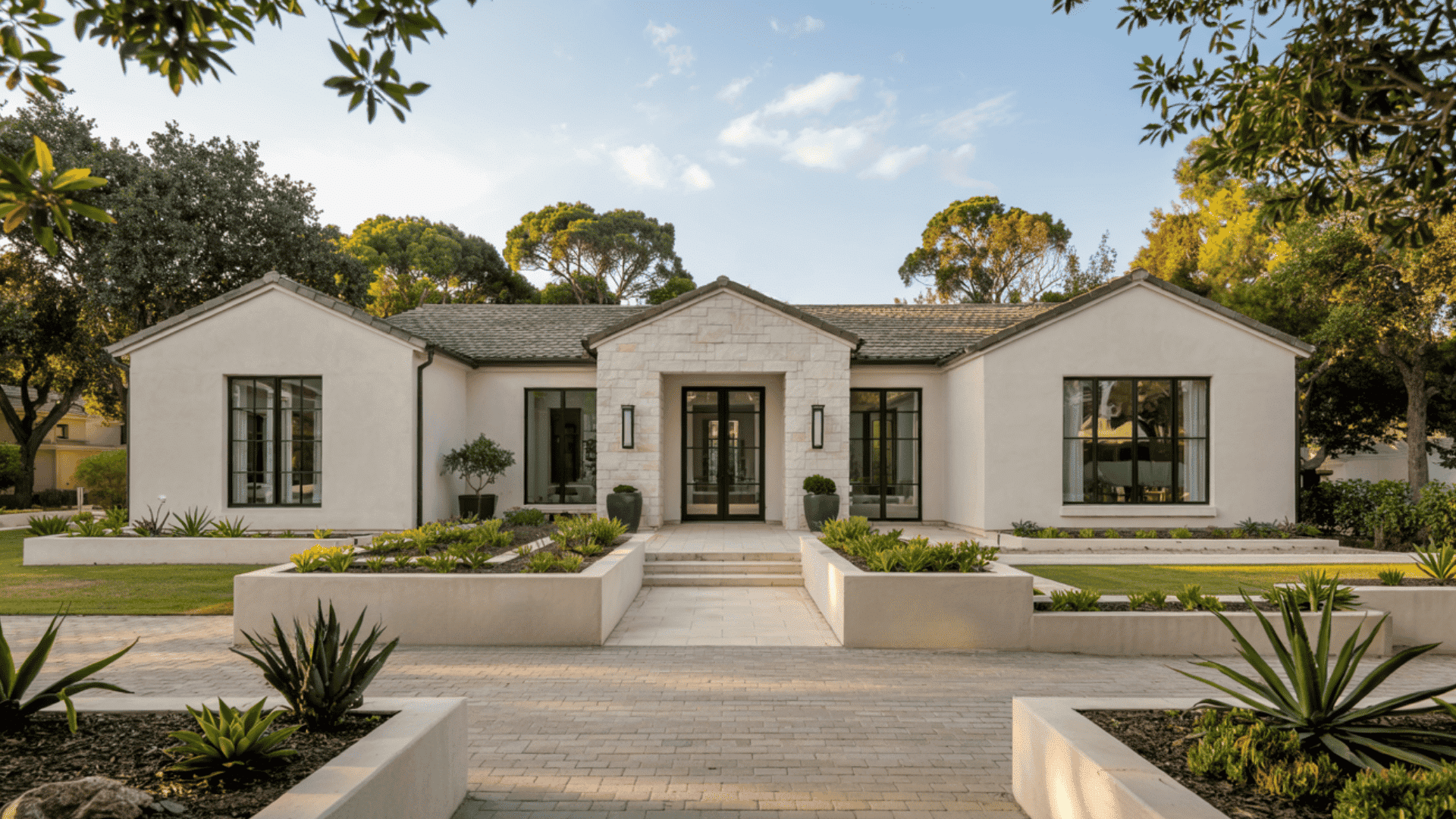
Step 1: Choose Your Style Period
Choose which European era suits your personality.
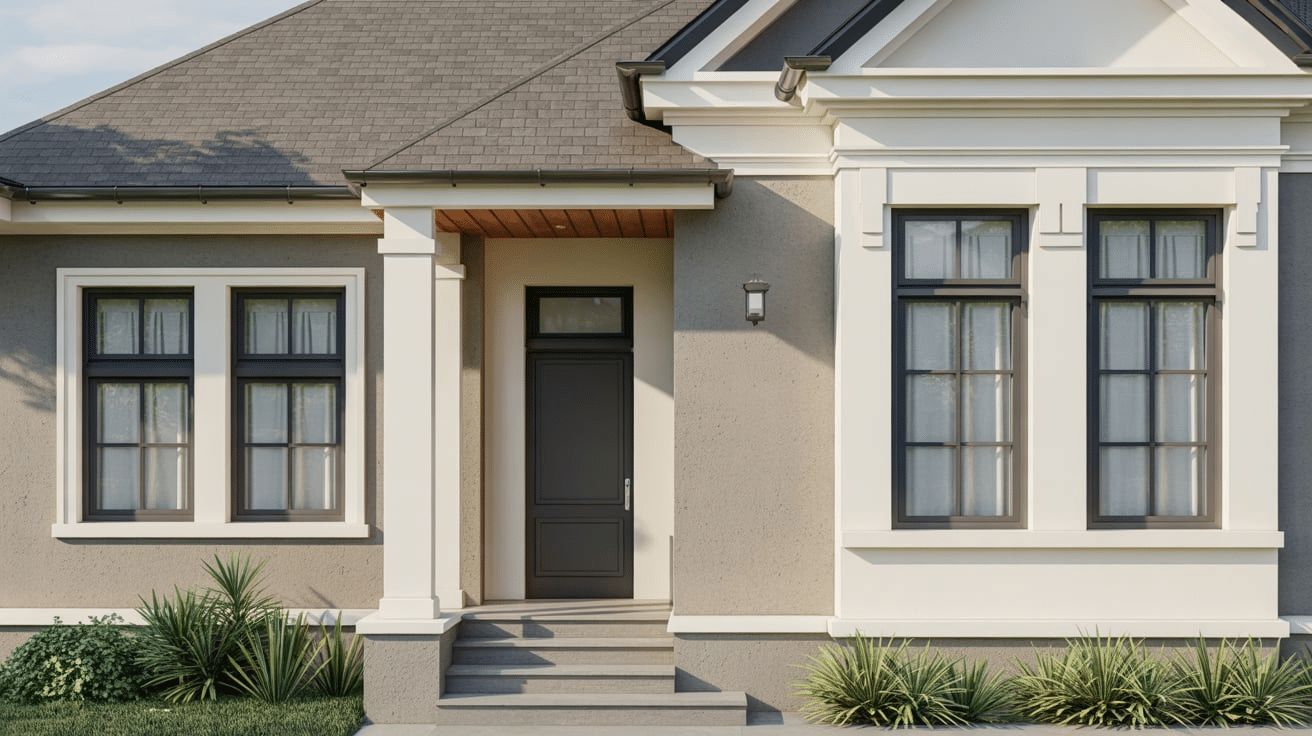
Mediterranean homes feature stucco walls and terracotta roofs. French country styles use stone and rustic wood. English cottages showcase brick and steep rooflines.
Step 2: Focus on Key Elements
Arched doorways and windows create instant European character.
Crown molding and ceiling details add period authenticity.
Stone or tile flooring works better than carpet.
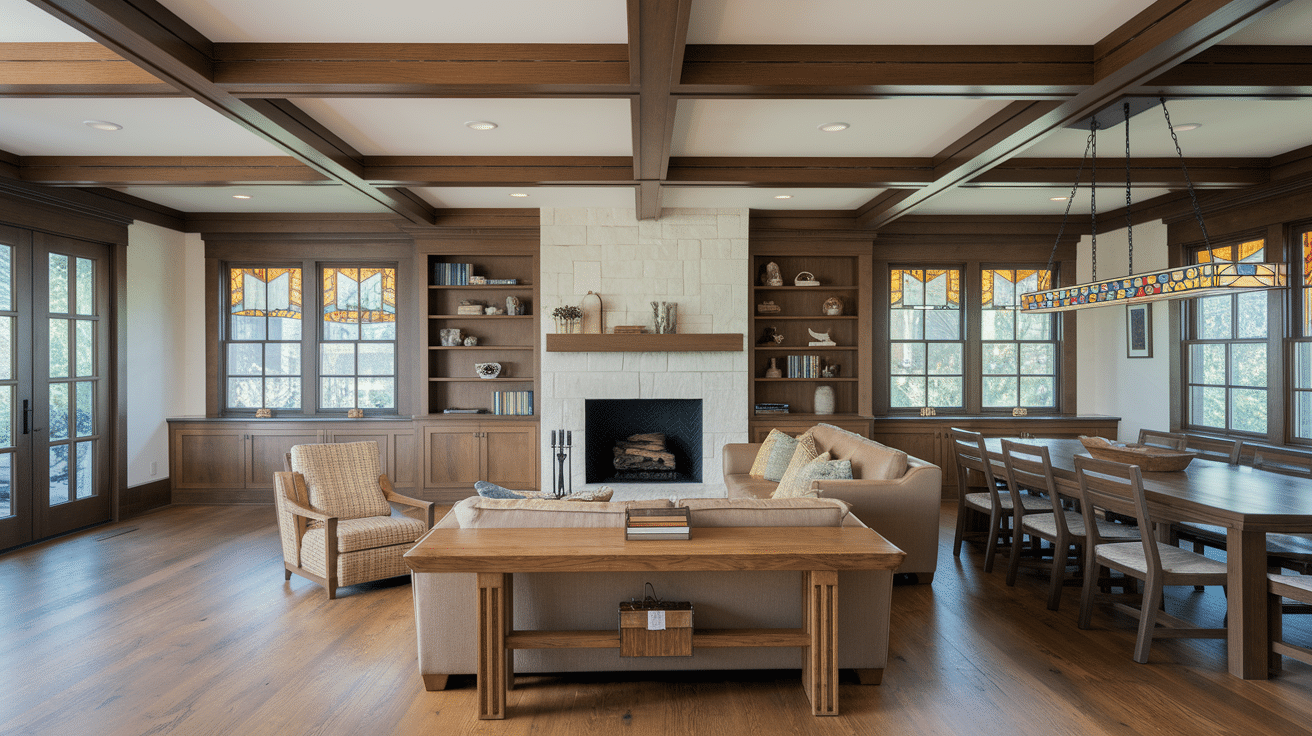
Exposed wooden beams bring old charm.
Step 3: Select Appropriate Materials
Use natural materials like stone, brick, and hardwood. Wrought iron fixtures and railings enhance the look.
Shutters on windows add functional decoration.
Step 4: Work with An Architect
Professional guidance ensures proportions stay authentic.
They can adapt European styles to modern building codes while maintaining historic character.
European Architecture in the Modern World
European architectural traditions continue to influence global design.
Modern architects blend classical elements with contemporary materials and methods.
Historic buildings receive new purposes through adaptive reuse. Old palaces become museums. Warehouses transform into apartments. This preserves heritage while meeting current needs.
The louvre pyramid represents this fusion. Glass and steel sit beside Renaissance architecture.
European styles spread worldwide. Neoclassical government buildings and Gothic revival churches appear globally. Cities balance preservation with innovation through strict regulations.
What Makes the European Architecture Different?
This architecture stands out for several key reasons that set it apart from building styles worldwide.
- Buildings span over a millennium. You can walk through a single city and see centuries of history side by side.
- Stone carvers and artisans created intricate work by hand. Skills are passed from generation to generation.
- Builders used stone and brick meant to survive centuries. Many structures still function after 500 years.
- Limestone in France, brick in Holland, and granite in Scotland created distinct regional looks.
- Grand town halls and churches served everyone, reflecting collective values.
Conclusion
European architecture tells the story of human creativity.
From ancient Greek temples to modern glass structures, each period brought innovation that changed how people built and lived.
These buildings aren’t just tourist attractions. They represent ideas about beauty, community, and permanence that still resonate today.
If you visit these landmarks or study them, you’ll gain insight into how design shapes our lives.
The balance between form and function, the respect for materials, and the focus on public spaces offer lessons for anyone interested in architecture.