Choosing a roof is not as simple as picking a color and calling a contractor.
Roof shingles types vary in material, lifespan, appearance, maintenance, and cost.
Many homeowners assume all shingles are basically the same until they compare prices and realize the difference in lifespan and cost.
Others get stuck trying to figure out what sets architectural shingles apart from traditional asphalt shingles, or whether a premium material is even worth the investment.
The sections ahead cover the different types of asphalt shingles and their pros and cons, general costs for each material, and the specific factors that distinguish a good match from a bad one.
What starts as a guessing game becomes a simple choice based on budget, climate, and the look a homeowner wants.
What is a Roof Shingle?
A roof shingle is an individual roofing piece that overlaps neighboring shingles to create a weather-resistant roof.
Together, they protect the roof deck by directing rainwater safely away from the home.
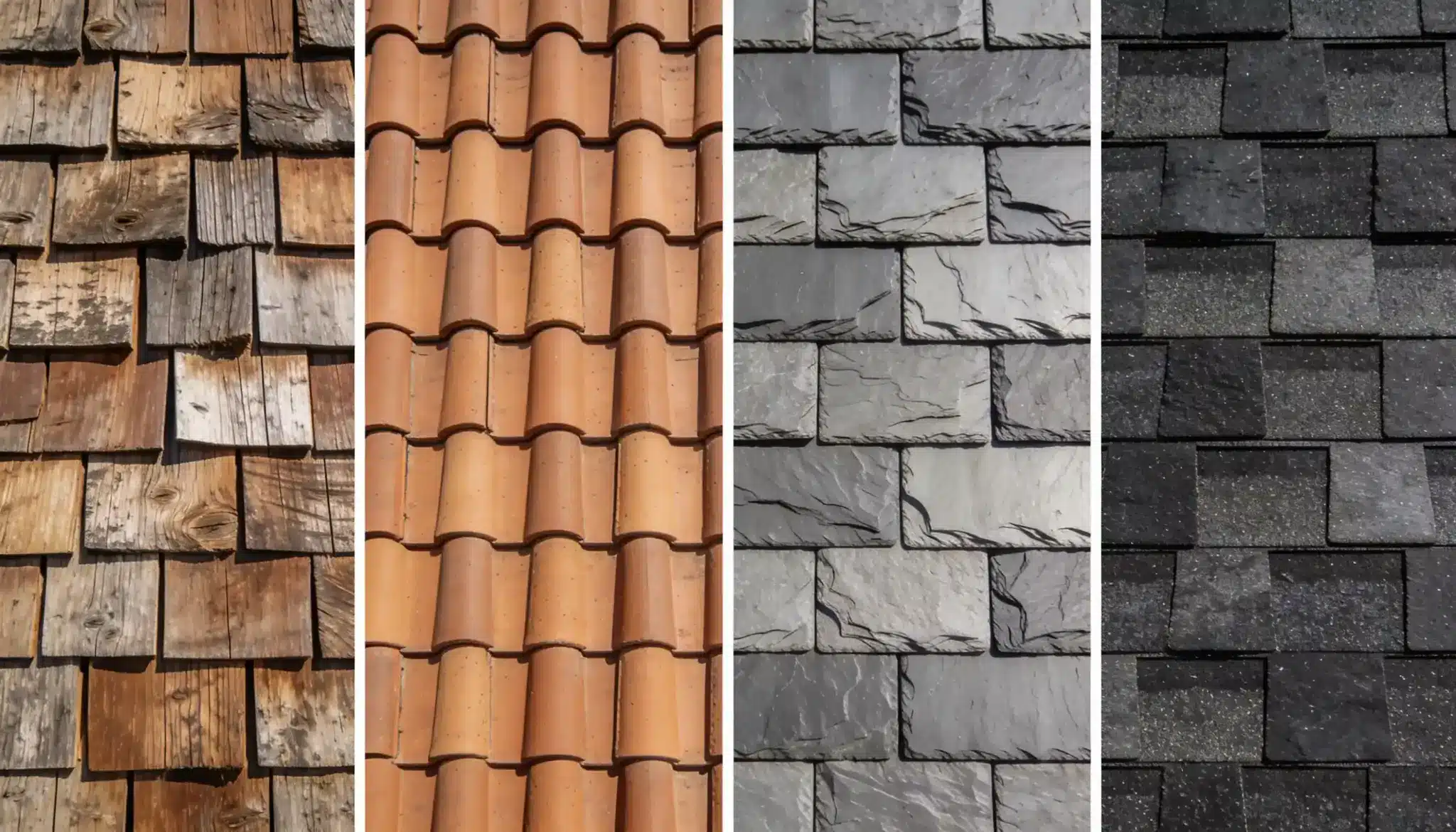
Main Roof Shingle Types by Material
Roof shingles are classified in two ways:
- Material – what the shingle is made from, such as asphalt, wood, metal, tile, or composite.
- Style – different designs within a material category, such as three-tab, architectural, and luxury asphalt shingles
Here’s a closer look at how the five primary roofing materials compare.
Asphalt Shingles
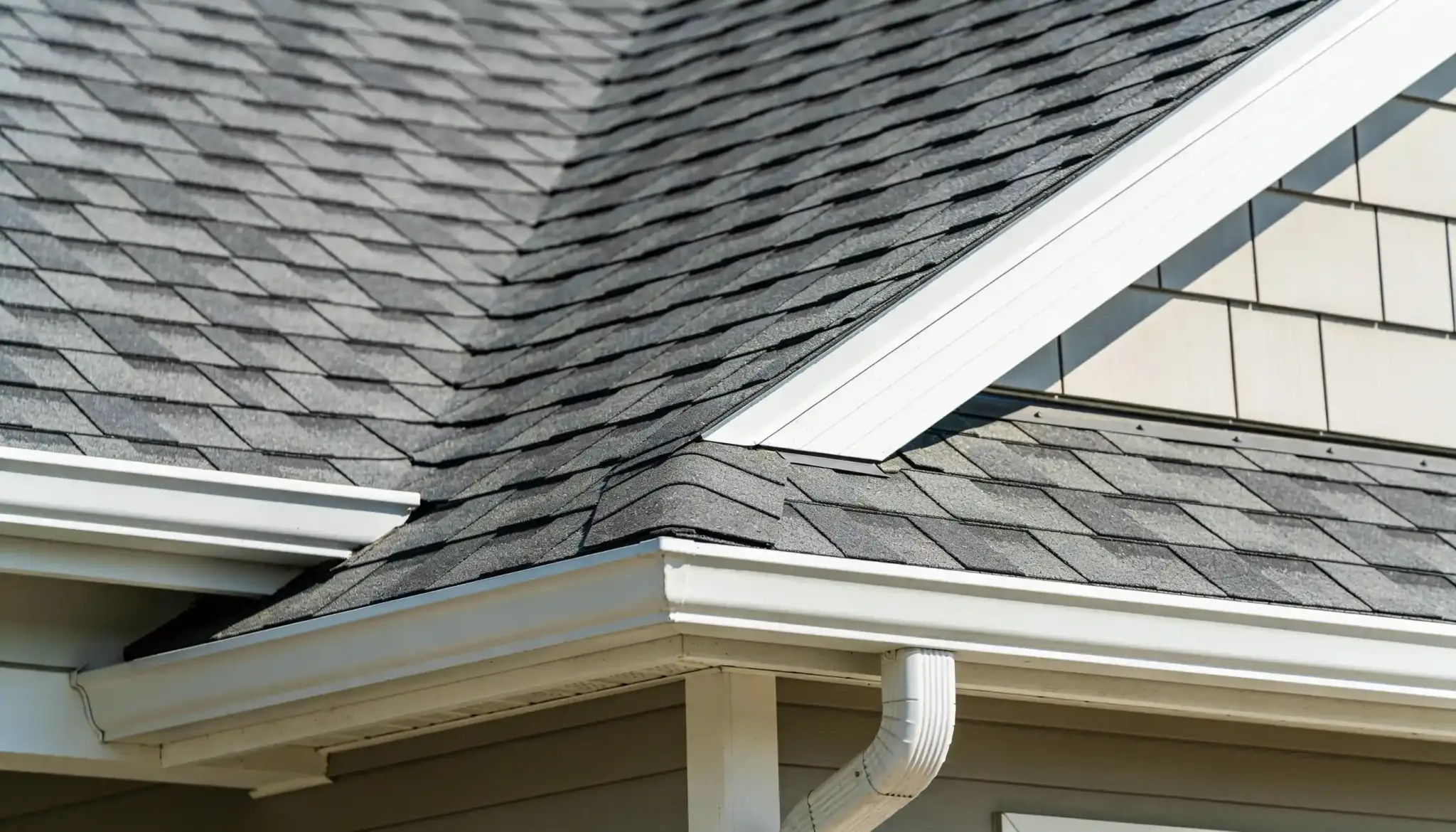
Asphalt is the most popular roofing material because it’s affordable, widely available, and suitable for nearly every home style.
It typically lasts 15 to 50 years, depending on the type, costs less the any major roofing material, and ranges in appearance from simple and flat to richly dimensional.
Roofers see this play out constantly: a homeowner picks the cheapest three-tab option, then calls back three years later after a windstorm peels a section off the south-facing slope.
Pros
- Lowest upfront cost
- Available in many colors and styles
- Easy to install and repair
Cons
- Doesn’t last as long as metal or slate
- Less resistant to severe weather than premium materials
- Shorter warranty coverage than many premium roofing materials
Wood Shingles
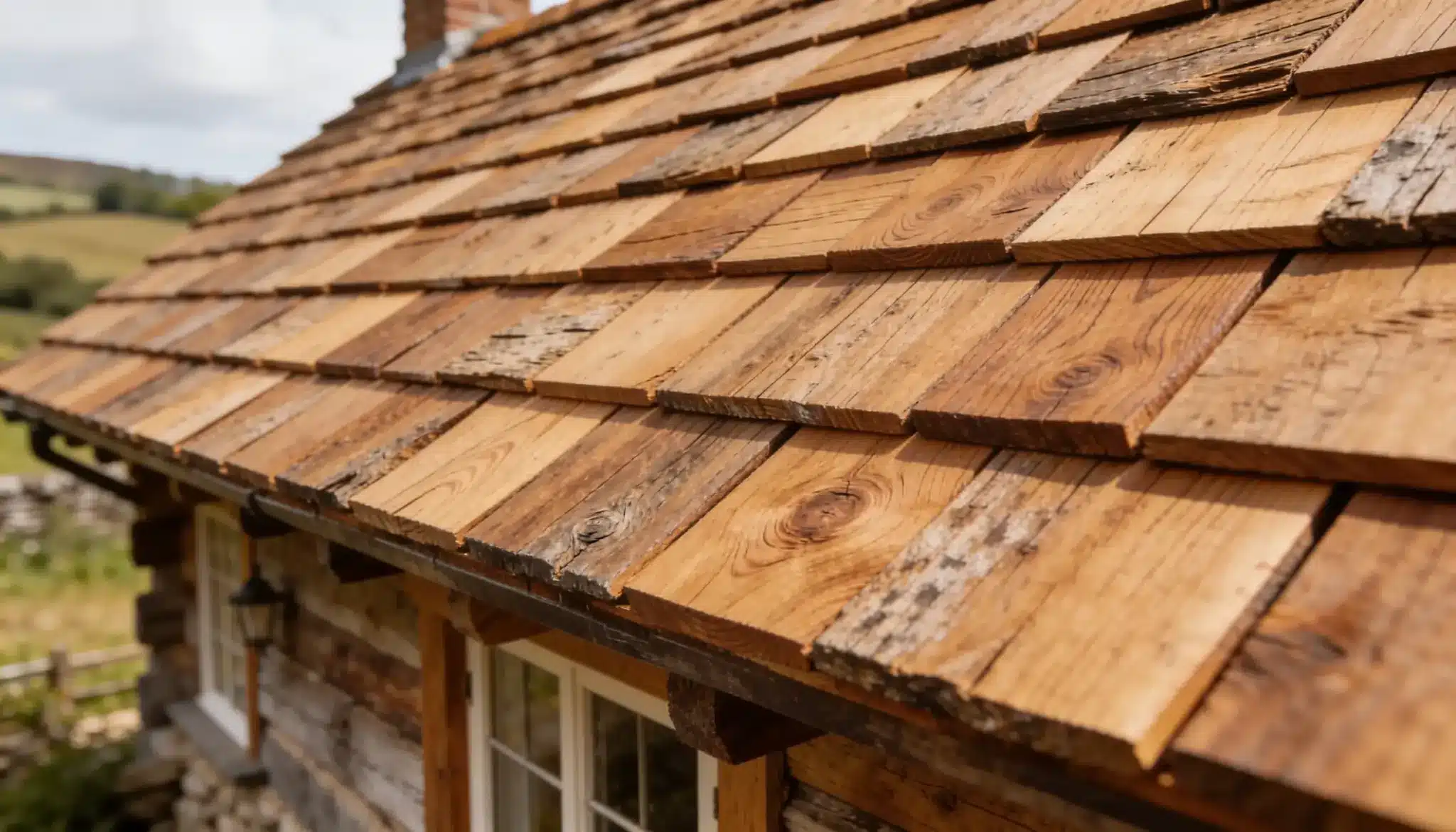
Wood shingles, usually made from cedar, give homes a warm, natural appearance that suits cottages, cabins, and traditional designs.
They last 15 to 40 years, cost more than standard asphalt, and carry a rustic look that ages from red tones to gray over time.
Maintenance runs higher than most other materials, which makes wood best suited to homeowners who specifically want that natural, rustic aesthetic and don’t mind the upkeep it demands.
Pros
- Attractive natural look
- Ages beautifully over time
- Naturally resistant to insects and decay
Cons
- Requires regular maintenance
- Performs less reliably in damp climates
- Can warp or split as it naturally expands and contracts
Metal Shingles
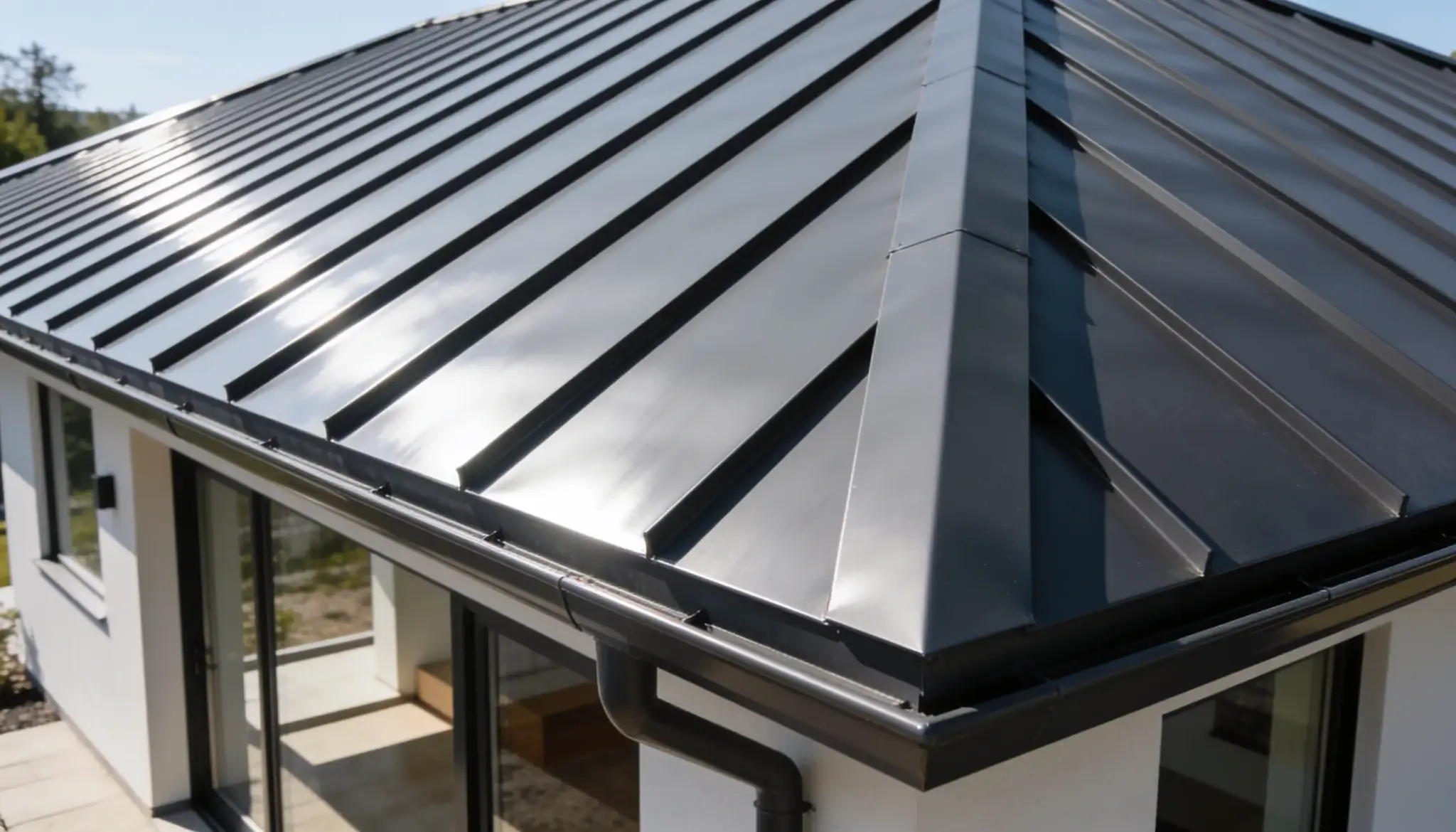
Metal roof shingles are built for durability and can last decades longer than asphalt while requiring very little maintenance.
Lifespans of 50 to 70 years or more are common, and the modern, sleek appearance suits homes in regions with severe weather especially well.
The cost sits well above asphalt, but you’re paying for decades without thinking about your roof again.
Pros
- Excellent lifespan
- Fire and weather resistant
- Minimal maintenance
Cons
- Installation requires experienced contractors
- Repairs can be more expensive if individual panels are damaged
Tile and Slate Shingles
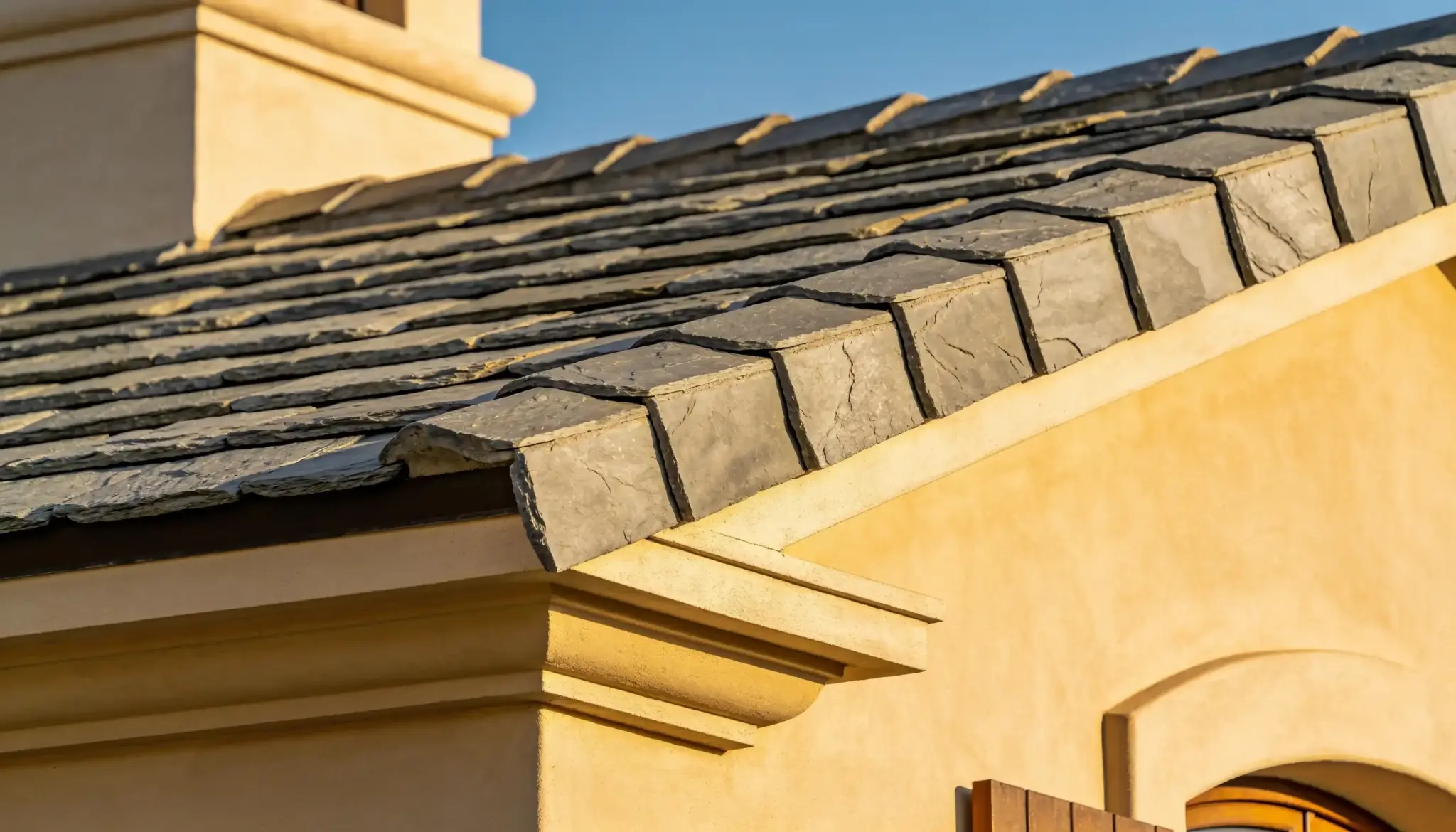
Tile and slate are premium roofing materials known for exceptional longevity and a timeless appearance.
Lifespans commonly reach 50 to 100 years, appearance stays firmly in premium territory, and maintenance needs stay low despite the material’s weight and cost.
Tile and slate cost more than anything else on this list, but a century-long roof changes the math for homeowners who plan to stay put.
Pros
- Longest lifespan
- Distinctive, high-end appearance
- Excellent weather resistance
Cons
- Expensive
- Heavy enough to require structural support on some homes
- Individual tiles or slate pieces can crack if walked on improperly
Composite Shingles
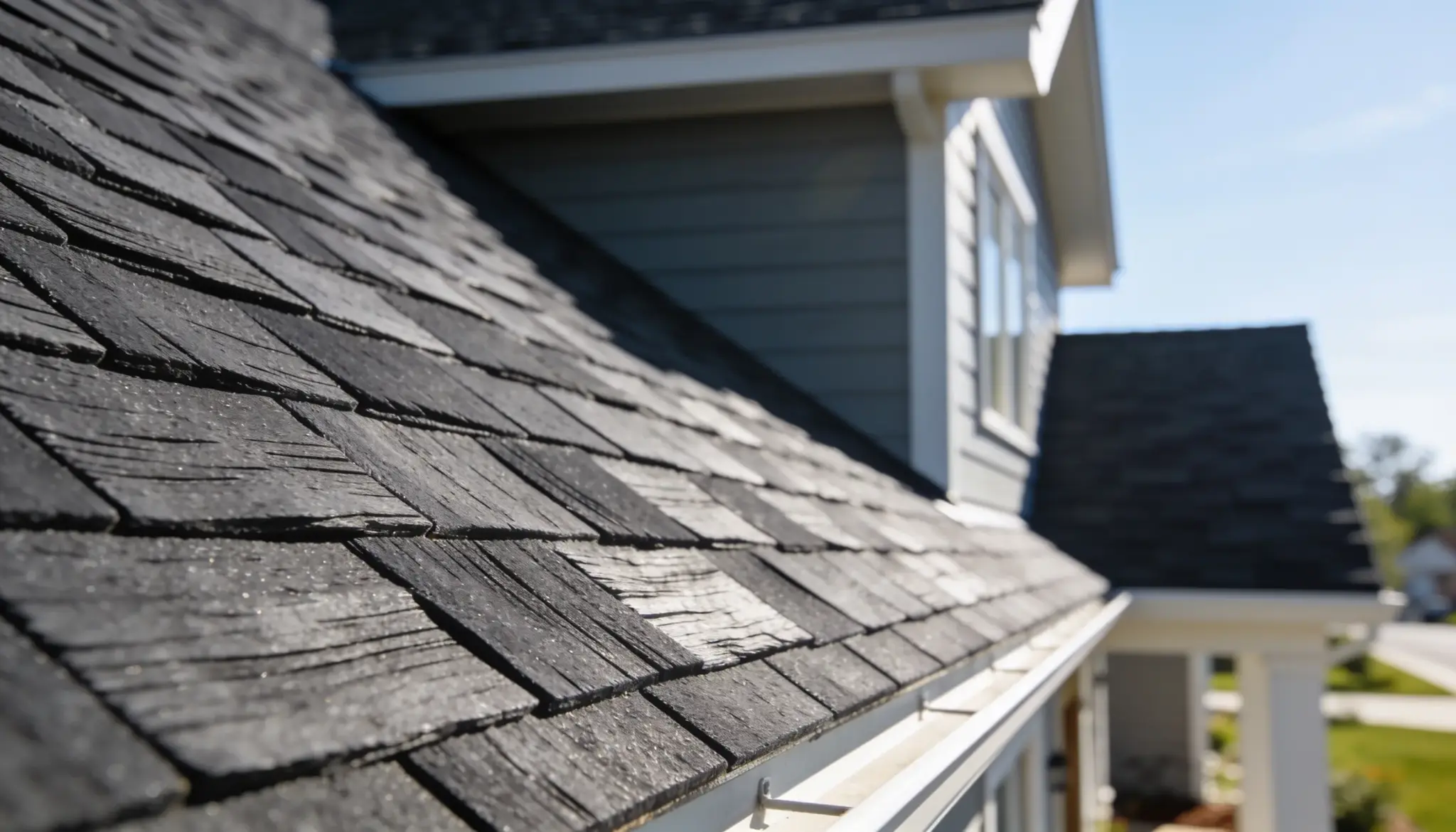
Composite shingles are made from polymer blends or recycled materials to replicate the appearance of slate or cedar without the added weight.
They last 30 to 50 years, cost more than standard asphalt, and closely mimic the look of natural materials while keeping maintenance low.
That combination gives homeowners a premium appearance without the extra weight that tile, slate, or wood would otherwise require.
Pros
- Lightweight
- Moisture and algae resistant
- Closely resembles natural roofing materials
Cons
- Higher cost than standard asphalt
- Fewer specialized installers
Since asphalt is the most common roofing material, it’s worth taking a closer look at its different styles.
Cost Comparison by Material
| Material | General Cost | Value Over Time |
|---|---|---|
| Asphalt | $ | Excellent for most budgets |
| Wood | $$ | Good if appearance is the priority |
| Metal | $$$ | Excellent long-term value |
| Tile or Slate | $$$$ | Highest lifespan but highest investment |
| Composite | $$$ | Premium look without natural stone costs |
Types of Asphalt Shingles Explained
Asphalt shingles come in three main types, each differing in construction, appearance, durability, lifespan, and cost.
Once you know the differences, matching a shingle to your budget and your home’s style gets a lot easier.
1. Three-Tab Shingles
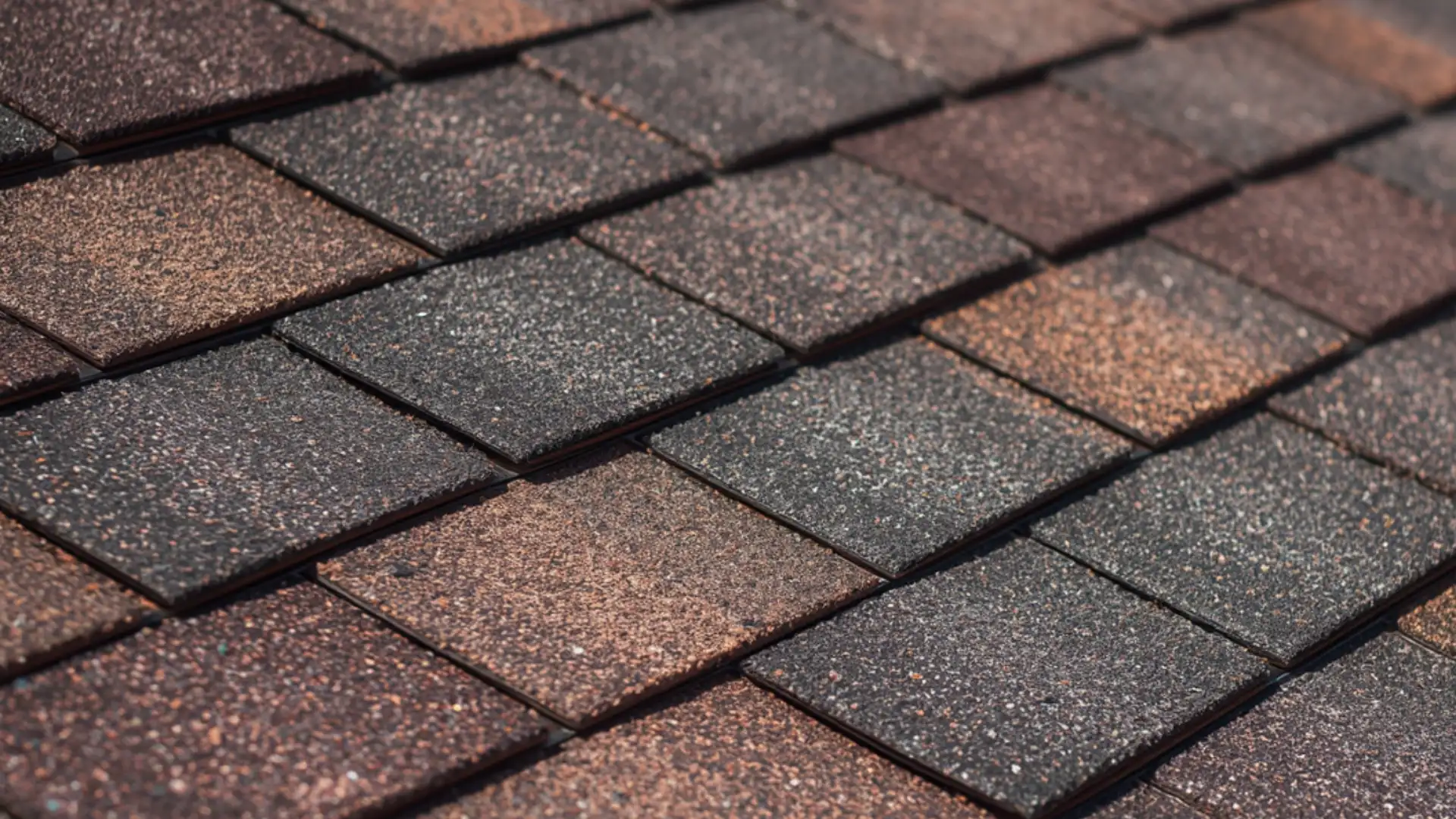
Three-tab shingles are the simplest asphalt option and remain popular for homeowners with limited budgets.
These last 15 to 20 years, cost the least, and have a flat, uniform look best suited to budget projects. Three-tab shingles use a single layer.
Pros
- Lowest purchase price
- Lightweight
- Easy to replace
Cons
- Shortest lifespan
- Lower wind resistance
- Flat appearance adds less visual depth to the roof
2. Architectural Shingles
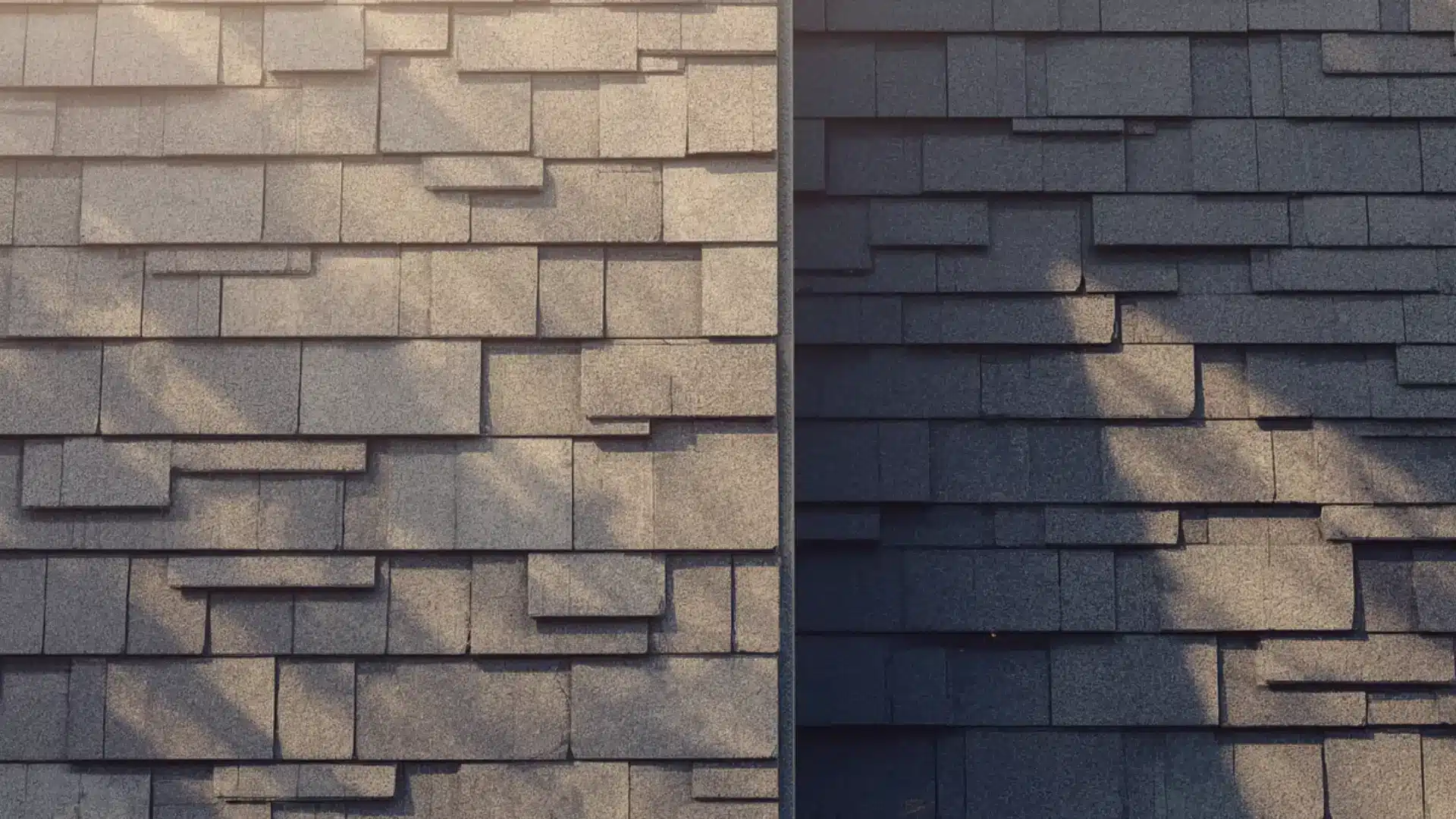
Architectural shingles last 20 to 30 years, cost more, and offer a textured, dimensional look that suits most homes.
For greater durability, architectural shingles use multiple layers.
Also called dimensional or laminate shingles, architectural shingles are the most common choice for residential roofs today.
Pros
- Better durability
- Improved wind resistance
- More attractive dimensional appearance
Cons
- Costs more than three-tab shingles
- Slightly heavier than basic asphalt shingles
- Repairs can be more noticeable due to the layered design
3. Luxury Shingles
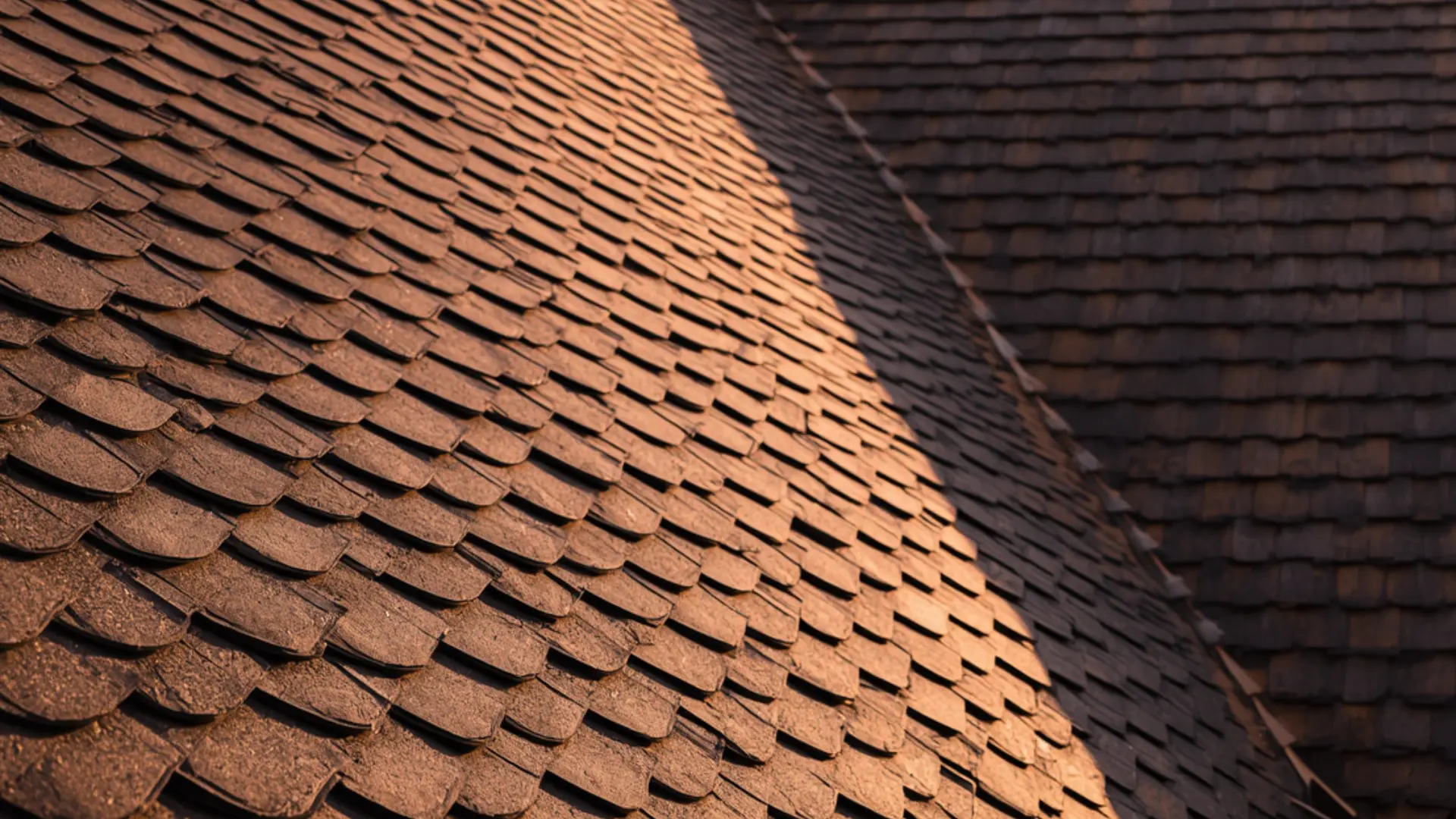
Luxury shingles are designed to recreate the appearance of slate or cedar while offering the benefits of asphalt.
They tend to last 30 to 50 years, are the most expensive, and use even thicker construction to closely resemble slate or cedar, making them a good fit for premium homes.
Pros
- Premium appearance
- Longest lifespan among asphalt shingles
- Excellent curb appeal
Cons
- Highest asphalt cost
- Heavier than other asphalt options
- Limited return on investment compared with some premium roofing materials
Cost Comparision
| Asphalt Type | Typical Cost per 100 Sq. Ft. | Best For |
|---|---|---|
| Three-Tab | Under $100 | Budget projects |
| Architectural | 50–100% more than three-tab | Most homeowners |
| Luxury | Around twice the cost of architectural | Premium homes |
Although three-tab shingles cost the least, architectural shingles often provide better long-term value because they last longer and resist wind damage more effectively.
Maintenance remains low across the board, making it a good fit for most homes, regardless of budget or style.
Not sure where to start? Architectural asphalt hits the best balance of price, durability, and curb appeal for most homes.
Weather and Maintenance Considerations
Climate and maintenance requirements can influence which roofing material performs best over time.
Best Performance by Weather
- Fire-prone areas: Metal and tile
- Hail-prone areas: Impact-resistant asphalt shingles
- Coastal climates: Composite shingles
- Hot climates: Light-colored shingles help reflect heat
- Snowy regions: Metal roofs shed snow more easily
Maintenance Needs
- Lowest maintenance: Metal, asphalt, tile, and composite
- Highest maintenance: Wood shingles, which need regular cleaning and sealing
Most manufacturers also provide a material warranty, while roofing contractors typically provide a separate artistry warranty covering installation.
Which Roof Shingle is Best?
There isn’t one best roofing material for every home. The right choice depends:
| If You Want | Best Choice |
|---|---|
| Lowest upfront cost | Three-tab asphalt |
| Best overall value | Architectural asphalt |
| Premium appearance | Luxury asphalt or slate |
| Longest lifespan | Slate or metal |
| Lowest maintenance | Metal |
| Rustic appearance | Wood |
| Lightweight premium look | Composite |
Which Asphalt Shingle Should You Choose?
The right pick often comes down to what matters most for the specific project.
Homeowners should choose three-tab shingles if keeping upfront costs low is the main priority; this option offers the most affordable way to get a new roof.
Architectural shingles make more sense for those who want the best overall balance of value, durability, and appearance.
The extra layers add years to the lifespan and improve wind resistance without pushing the price into premium territory.
Luxury shingles are worth considering when premium aesthetics matter more than upfront cost, particularly for those who plan to stay in the home long enough to make the investment worthwhile.
Thinking through these priorities before comparing brands or contractors makes the rest of the decision much easier.
Conclusion
Roof shingles come in a variety of materials and styles, each offering different strengths in cost, durability, maintenance, and appearance.
For most homeowners, architectural asphalt shingles provide the best overall value, while metal, tile, slate, wood, and composite options suit more specific priorities.
Compare your budget, climate, and design preferences before choosing a roofing material.
Taking the time to weigh these factors can help you invest in a roof that performs well and looks great for years to come.
Frequently Asked Questions
1. Can New Shingles be Installed Over an Existing Roof?
Sometimes. If the existing roof is in good condition and local building codes allow it, a second layer of shingles may be installed.
2. Which Roof Shingle is the Most Affordable?
Three-tab asphalt shingles have the lowest upfront cost and remain a practical choice for budget-conscious homeowners and outbuildings.
3. Are Architectural Shingles Worth the Extra Cost?
For most homeowners, yes. They offer a longer lifespan, better wind resistance, and a more attractive appearance than three-tab shingles.