Most furniture doesn’t fail because of hard use. It fails because the wrong material was chosen for the job.
This guide breaks down the most durable furniture materials — what makes each one hold up, where it belongs in your home, and where it falls short.
Why Material is the Only Spec That Actually Matters
A well-built piece of furniture lasts 15 to 20 years.
A cheap one lasts three – then it wobbles, cracks, and ends up on the curb. Over a decade, that “budget” option costs you more.
The frame, the surface, the fill, every component has a material. Getting those right from the start is how you stop replacing the same piece every few years.
A Quick Overview of all the Furniture Materials
| Material | Durability | Best for | Cost level | Maintenance |
|---|---|---|---|---|
| Solid wood (oak, maple, teak) | Very high | Dining tables, bed frames, bookshelves | High | Low — dry wipe, no harsh cleaners |
| Plywood (multi-layer pressed wood) | High | Cabinets, wardrobes, storage units | Low–mid | Low — wipe clean |
| Metal (steel, iron – powder coated) | Very high | Bed frames, shelving, outdoor furniture | Mid | Low — soap + water, dry after |
| Leather (full-grain recommended) | Very high | Sofas, lounge chairs, ottomans | High | Medium — condition every few months |
| Stainless steel (non-corrosive alloy) | Very high | Dining tables, kitchen stools, outdoor chairs | Mid–high | Very low — wipe clean, rust-proof |
| Teak wood (natural oil content) | Very high | Outdoor furniture, garden benches, patios | High | Very low — weather-resistant untreated |
| Hardwood + HD foam (1.8 lb/ft³ foam minimum) | High | Sofas, sectionals, armchairs | Mid–high | Low — vacuum, spot clean fabric |
Top 7 Most Durable Furniture Materials
Material determines lifespan, maintenance load, and how the piece holds up under real use.
Here are the top materials worth knowing before you buy.
1. Solid Wood
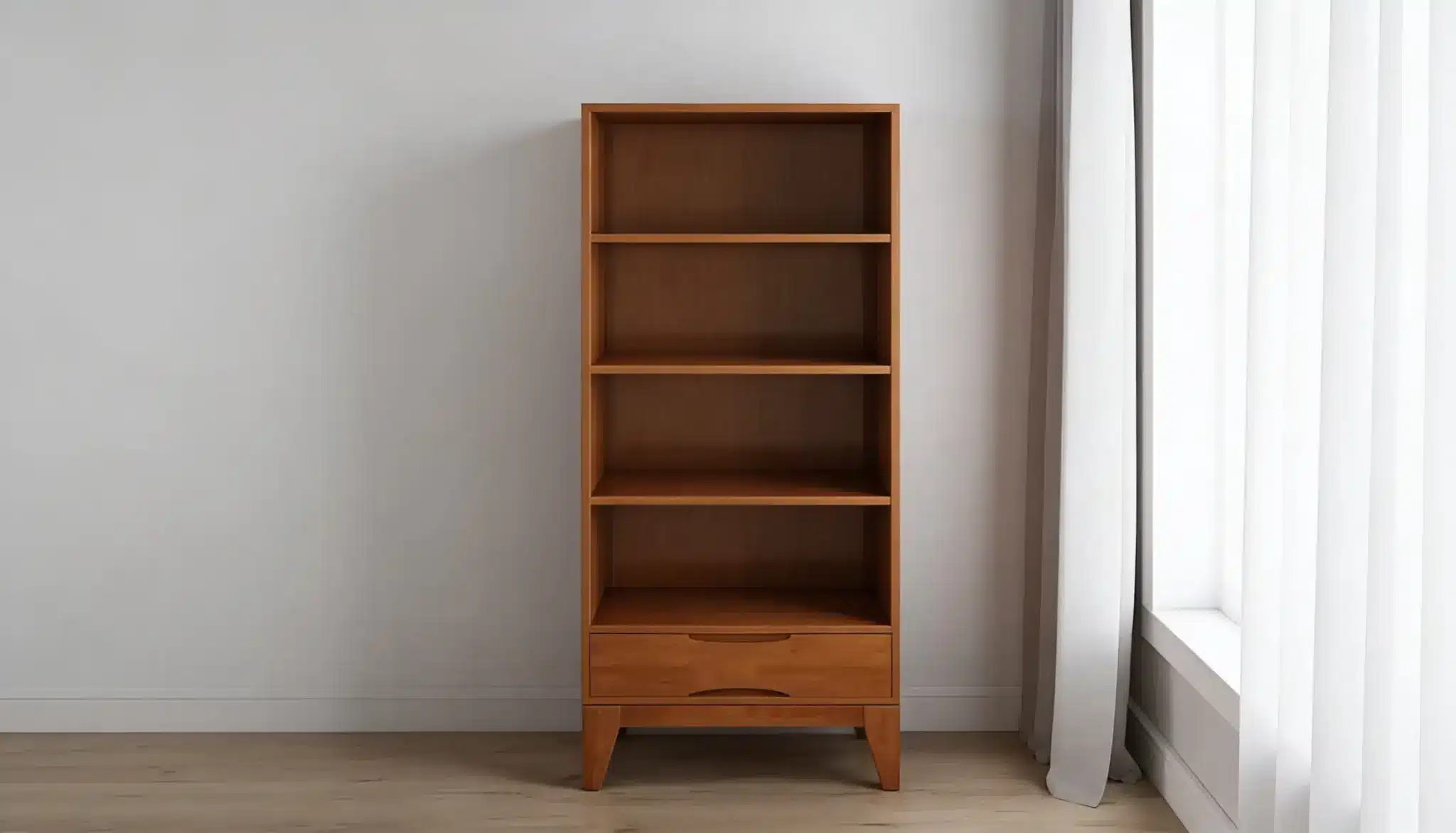
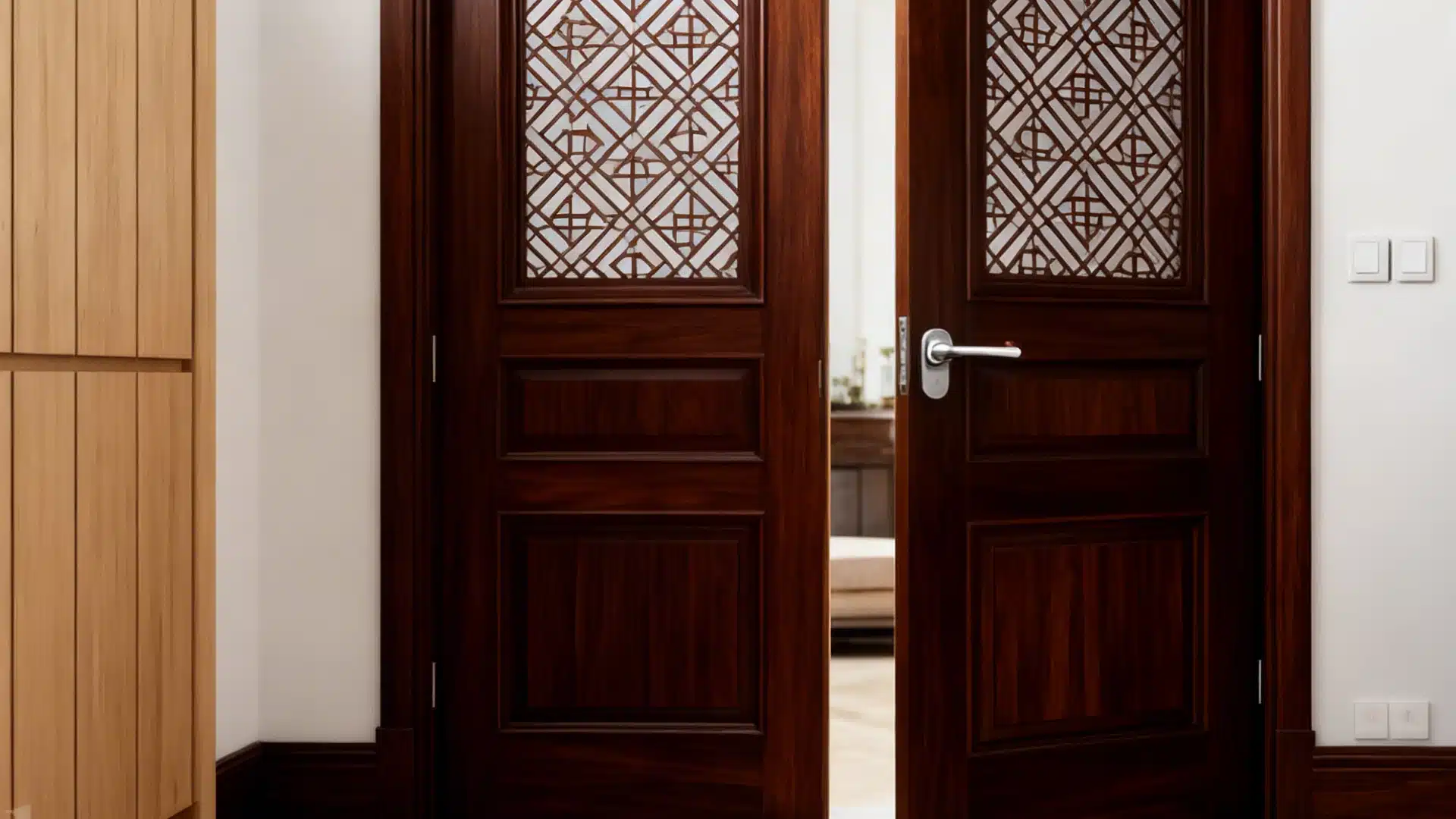
Solid wood is one of the strongest furniture materials you can choose. It handles daily wear really well.
Hardwoods like oak, teak, and maple are especially tough. They resist scratches and last for decades with basic care.
The only downside is that it costs more. Solid oak dining tables, for instance, routinely outlast the homes they’re bought for — 50-year-old pieces are common at estate sales.
Solid wood works best for dining tables, bed frames, and bookshelves where strength and weight support matter most.
2. Plywood (Underrated and Underpriced)
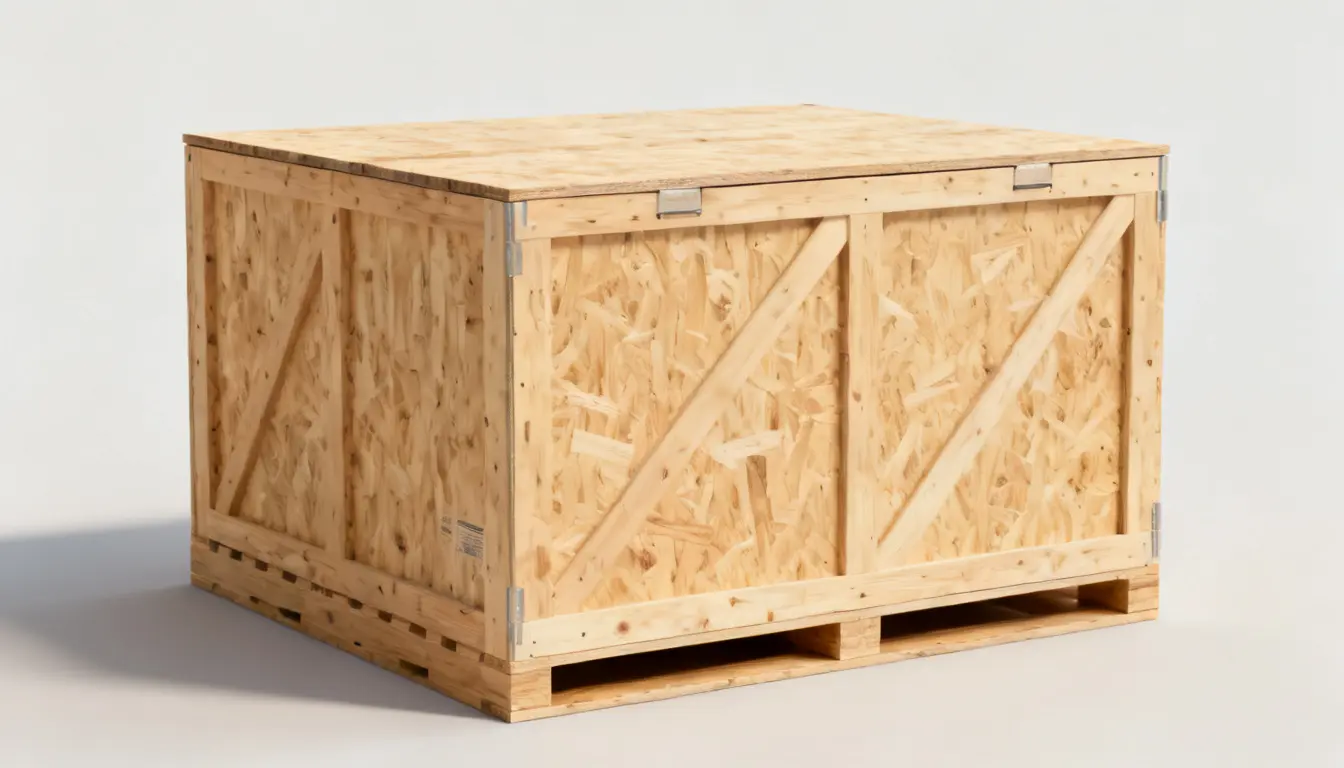
Plywood is stronger than most people think.
It is made by pressing multiple wood layers together. This layered structure makes it resistant to cracking and warping.
It handles moisture better than solid wood in many cases. It is a budget-friendly option that still gives you good durability.
Most high-end cabinet makers use Baltic birch plywood for carcasses precisely because it doesn’t move the way solid wood does in humid climates.
Plywood is ideal for cabinets, wardrobe frames, and storage units where lightweight strength is needed.
3. Metal – Best for Frames That Take Abuse
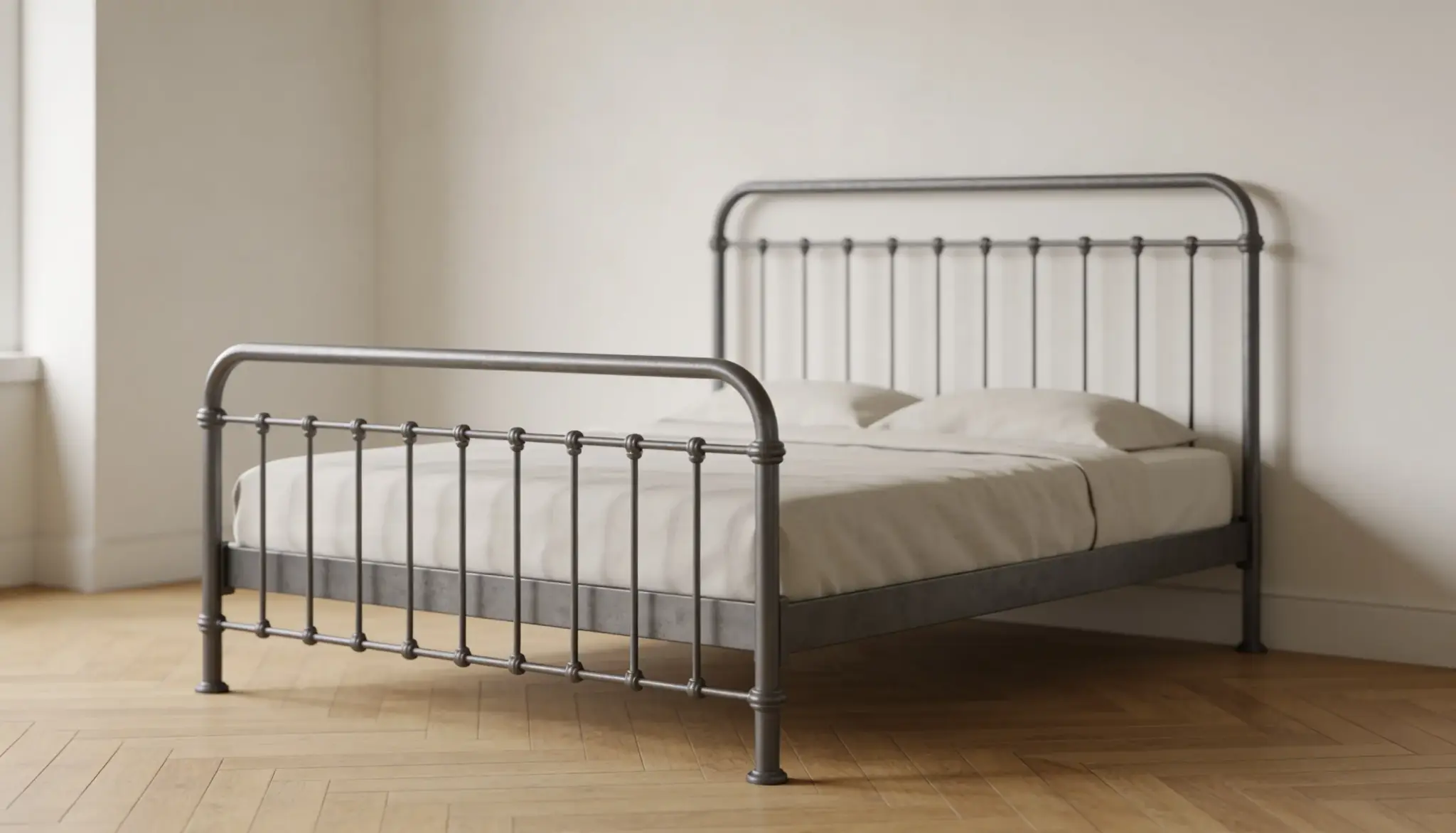
Steel and iron don’t flex, splinter, or absorb moisture. They hold their shape under stress that would split a wood joint.
They do not warp, crack, or swell like wood sometimes does. Metal frames hold their shape for years under heavy use.
Powder-coated metal resists rust and scratches much better than untreated metal. It is also very easy to clean.
Metal works best for bed frames, outdoor furniture, and industrial-style shelving units.
4. Leather: Gets Better, Not Worse
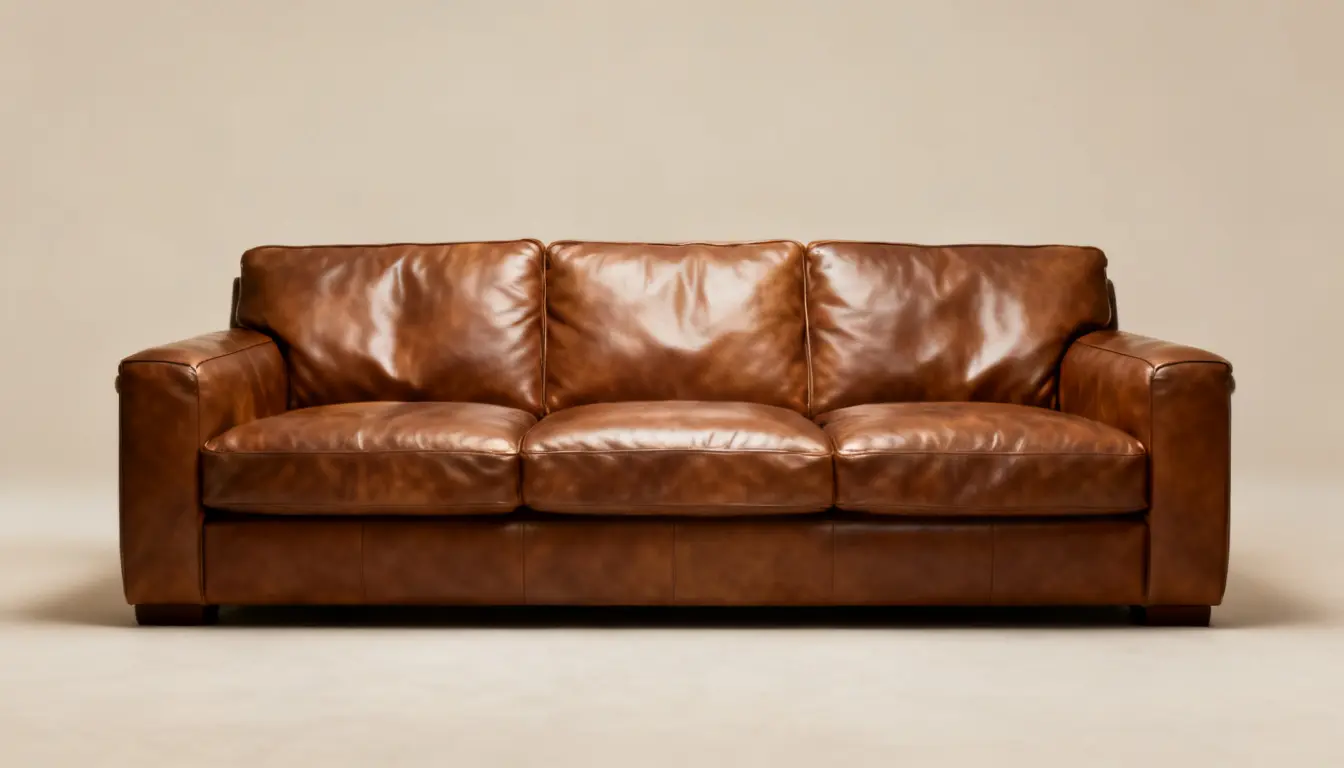
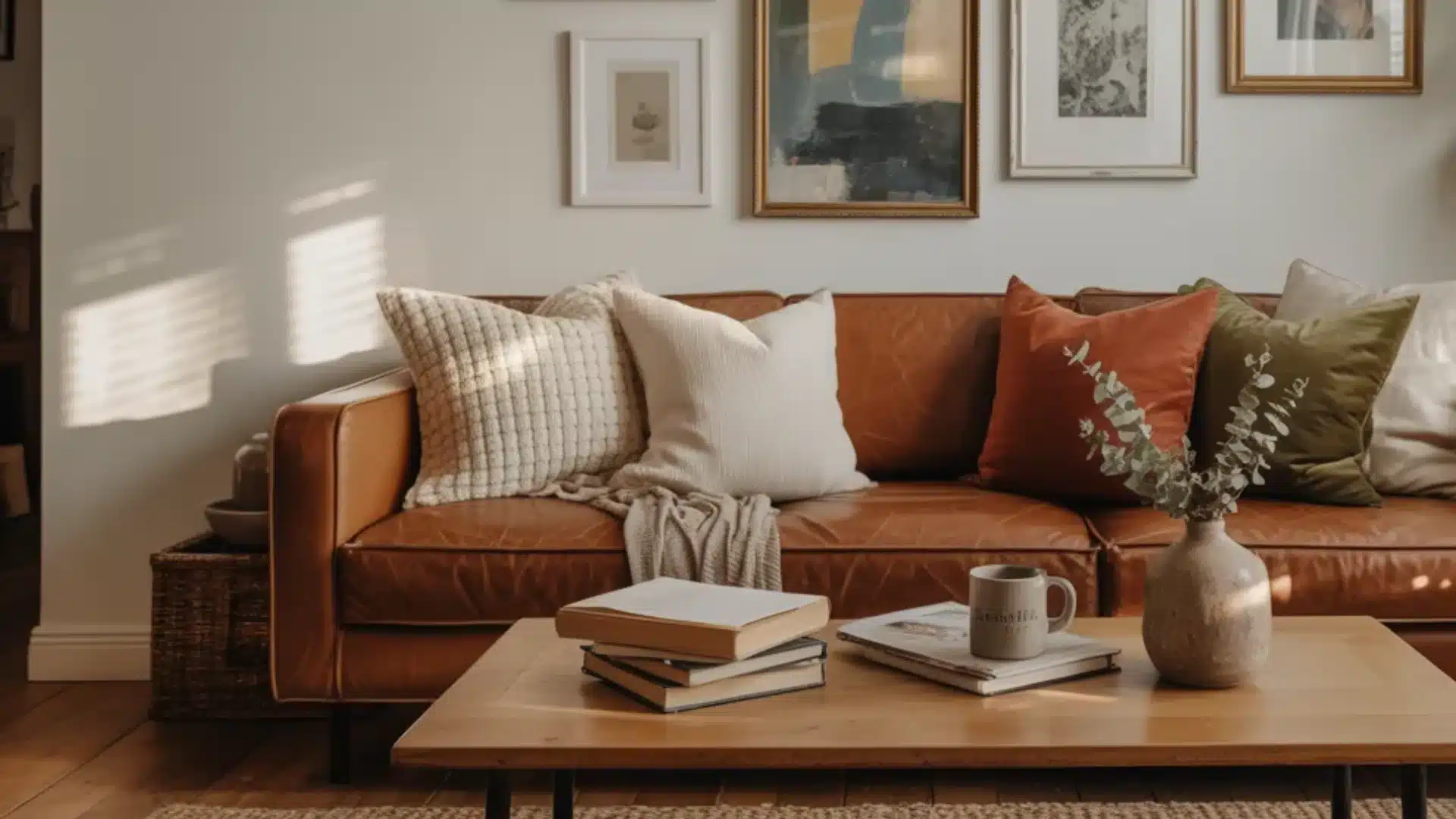
Leather is a top choice for upholstered furniture that lasts.
It gets better with age and develops a rich look over time. Leather resists spills and stains better than most fabrics. It is also easy to wipe clean.
Full-grain leather (not bonded or “faux” leather) is the grade that ages well. Bonded leather peels within a few years and is best avoided.
Leather is best suited for sofas, lounge chairs, and ottomans in high-use living areas.
5. Stainless Steel
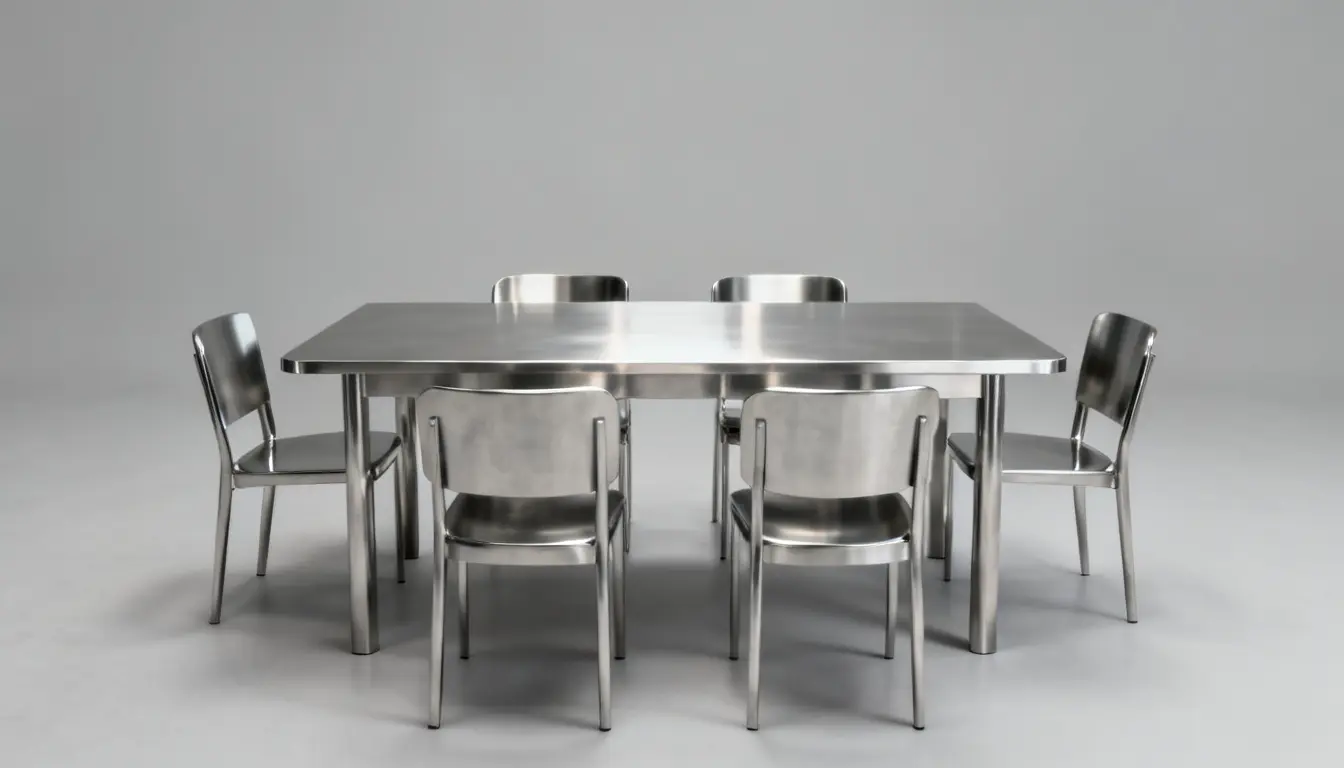
Stainless steel doesn’t rust, corrode, or stain — and it won’t do any of those things 15 years from now either.
It is especially common in modern and minimalist home styles. It handles weight very well without bending.
It is also hygienic and easy to clean.
Stainless steel is perfect for dining tables, kitchen stools, and outdoor chairs where hygiene and strength matter.
6. Teak Wood – The Only Wood You Can Leave Outside
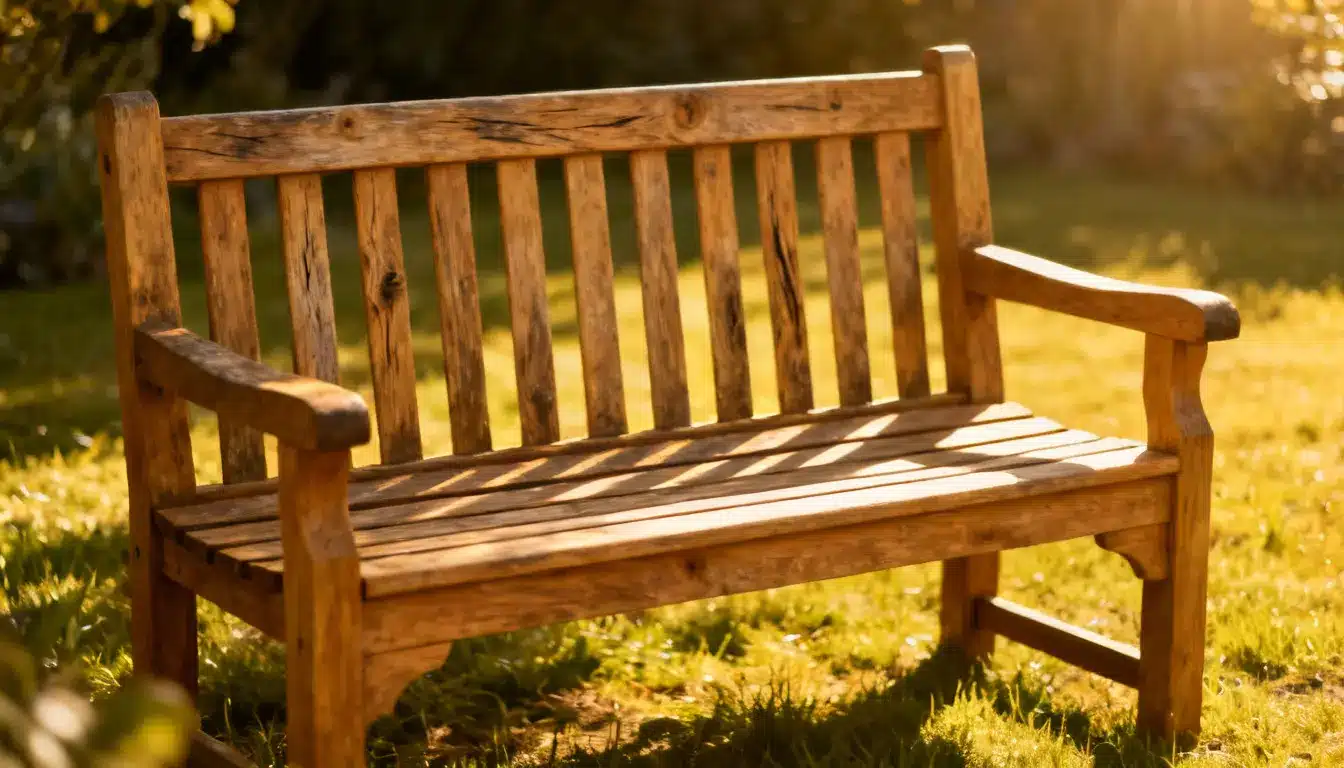
Teak is one of the best wood choices for long-lasting furniture.
It contains natural oils that protect it from moisture, rot, and insects.
It has a tight grain that resists scratches and dents. Teak furniture does come at a higher price point. A good teak patio set can handle years of rain and direct sun without any treatment at all — that’s genuinely rare for wood.
Teak works best for outdoor furniture, garden benches, and patio dining sets that face weather exposure.
7. Hardwood Frame + High-Density Foam — How Good Sofas are Built
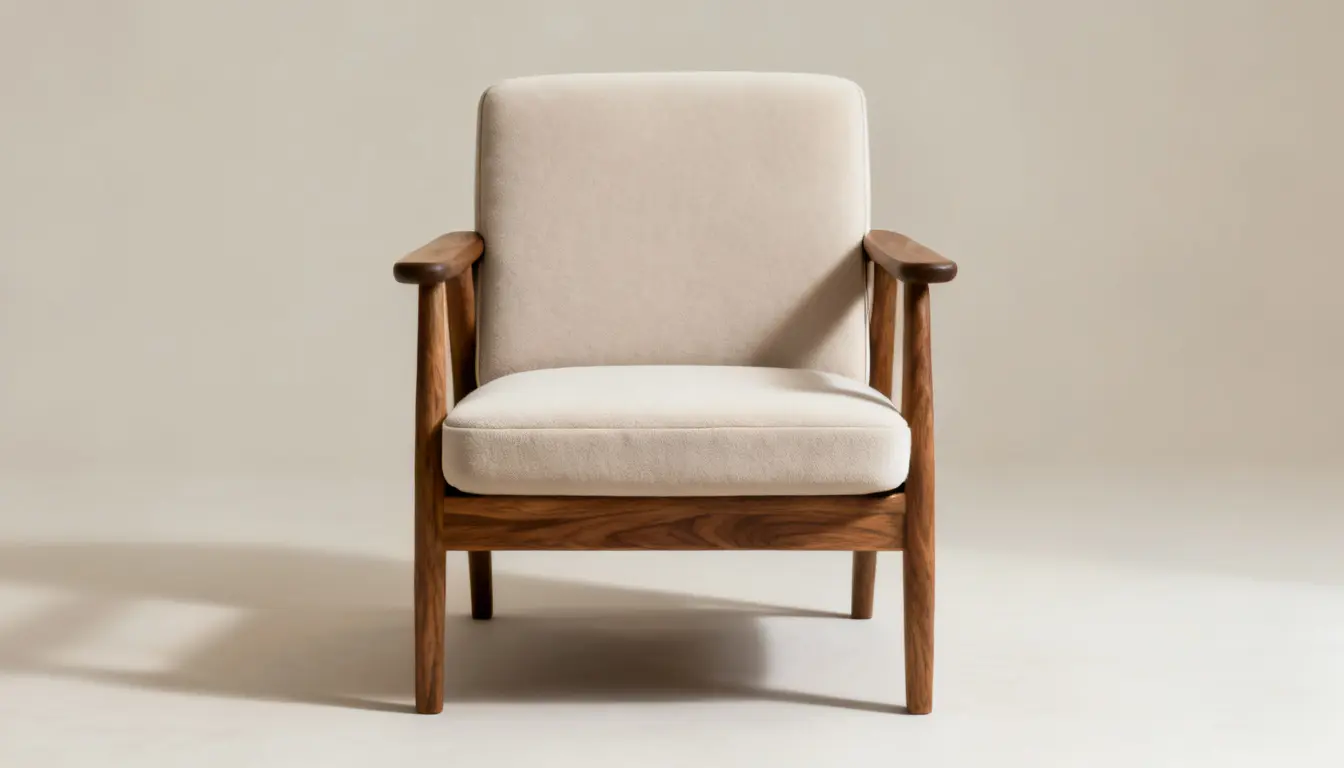
This combination gives you the best of both worlds for seating furniture.
A hardwood frame provides a solid, lasting structure.
High-density foam on top gives you comfort that holds its shape over time. Low-density foam flattens out quickly.
When shopping, look for foam rated at 1.8 lb/ft³ or higher — anything below that is low-density regardless of how the retailer describes it.
This combination is ideal for sofas, sectionals, and armchairs where both comfort and long-term structure are important.
Materials That Look Durable But Aren’t
Particleboard Frames
Particleboard is compressed sawdust and glue.
It holds screws poorly, swells when it absorbs moisture, and starts crumbling at stress points within a couple of years.
Most flat-pack furniture uses it. The outer veneer looks identical to real wood on a showroom floor.
To spot it: lift a corner and check the weight. Particleboard is noticeably heavy for its size. Check the tag for “engineered wood” or “wood composite.” Real solid wood will name the species.
Bonded Leather
Bonded leather is 10 to 20% leather scraps mixed with polyurethane, pressed onto a backing.
It peels, flakes, and cracks within 2 to 3 years of regular use. It is often marketed with phrases like “genuine leather” or “top-grain look.”
Real leather has an irregular grain pattern. Bonded leather looks perfectly uniform.
The label will say “bonded,” “reconstituted,” or “blended.”
Painted Metal (not powder-coated)
Standard paint on metal chips, scratches, and lets moisture reach the base metal. Powder coating is a heat-bonded finish that is far thicker and more durable.
Outdoor furniture at low price points is almost always painted, not powder-coated, even when it looks identical in the store.
Powder-coated finishes feel slightly textured to the touch. A very smooth, glossy metal finish is likely paint.
Low-density Foam Cushions
Foam density is measured in pounds per cubic foot. Anything below 1.8 lb/ft³ loses its shape fast.
You will feel the frame through the cushion within 12 months on a sofa used daily.
Press the cushion down and release it. High-density foam springs back immediately. Low-density foam stays compressed.
How to Test Furniture Durability Before You Buy
Most furniture looks solid in a showroom. The materials that fail do so at home, months later.
These quick checks take under two minutes and tell you more than any product description will.
Check the fabric weave first
Hold the fabric up toward a light source. If light passes through clearly, the weave is too loose. Loose weaves snag, stretch, and look worn within a year.
What to look for:
- Fabric that blocks most of the light
- A slight resistance when you rub it between your fingers
- No visible gaps between threads when stretched lightly
Ask for the rub count before you commit
Every upholstery fabric has a double rub count, which measures how many times it can be rubbed before wearing through.
If the sales associate cannot give you a number, that is a red flag. Benchmarks to know:
- Guest room or low-use chairs: 15,000 double rubs is adequate
- Family sofa with daily use: 30,000 or above
- Homes with kids and pets: look for performance fabrics that exceed 50,000
Test the frame with your body weight
Sit down and shift your weight side to side. A solid hardwood frame will not flex or make any noise. While you are at it:
- Wiggle each leg individually. It should not move at all.
- Legs that are screwed on as attachments are a weak point. On quality pieces, the legs are part of the frame itself.
- Any creaking under normal seated movement means the joints are already under stress.
Do the foam press test
Press the seat cushion down firmly with both hands and release.
High-density foam returns to shape almost immediately. Low-density foam is slow to recover and feels spongy under pressure.
That slow recovery is exactly what becomes a flat, uncomfortable seat within 12 months of regular use.
Look at the back and underside
Cheap construction is usually hidden where buyers do not think to check.
Flip the piece or look underneath before you decide:
- Stapled fabric instead of sewn seams is a sign of low-grade finishing
- A cardboard dust cover on the underside instead of woven fabric
- Visible gaps or unfinished sections in the frame
Quality pieces are built the same way on every side, including the parts no one typically sees.
How to Clean Your Furniture
Keeping your furniture clean is just as important as choosing the right material. A little regular care goes a long way in making your furniture last longer.
Solid Wood
Wipe solid wood furniture with a dry or slightly damp cloth. Avoid harsh chemicals as they strip the natural finish and leave the surface looking dull over time.
Metal
Use a mild soap solution and a soft cloth to clean metal furniture. Dry it completely after cleaning to prevent rust or water spots from forming on the surface.
Leather
Clean leather furniture with a damp cloth and a leather-safe cleaner. Condition it every few months to keep it soft and prevent cracking or peeling over time.
Fabric Upholstery
Vacuum fabric sofas and chairs regularly to remove dust and debris. For stains, blot immediately with a clean cloth and use a fabric-safe cleaner for best results.
Conclusion
There’s no single most durable furniture material. It depends on where the piece lives and what it needs to do.
Solid wood and teak for structural pieces. Metal for frames and outdoor use. Full-grain leather for upholstery that actually improves with age.
Match the material to the job, and you’ll stop replacing the same piece every few years.
Frequently Asked Questions
Q1. What is the Best Sofa Material if I Have Pets at Home?
Leather and tightly woven fabrics work best with pets. They resist scratches, fur, and stains better than loose weave or delicate materials.
2. How Often Should I Replace my Home Furniture?
Most quality furniture lasts 10 to 15 years. Watch for signs like wobbly legs, sagging seats, or visible damage before deciding to replace any piece.
3. What Sofa Colors Last Well without Looking Worn Out?
Darker shades like charcoal, navy, and brown hide stains and wear better. Neutral tones like beige and grey also stay looking fresh for longer.