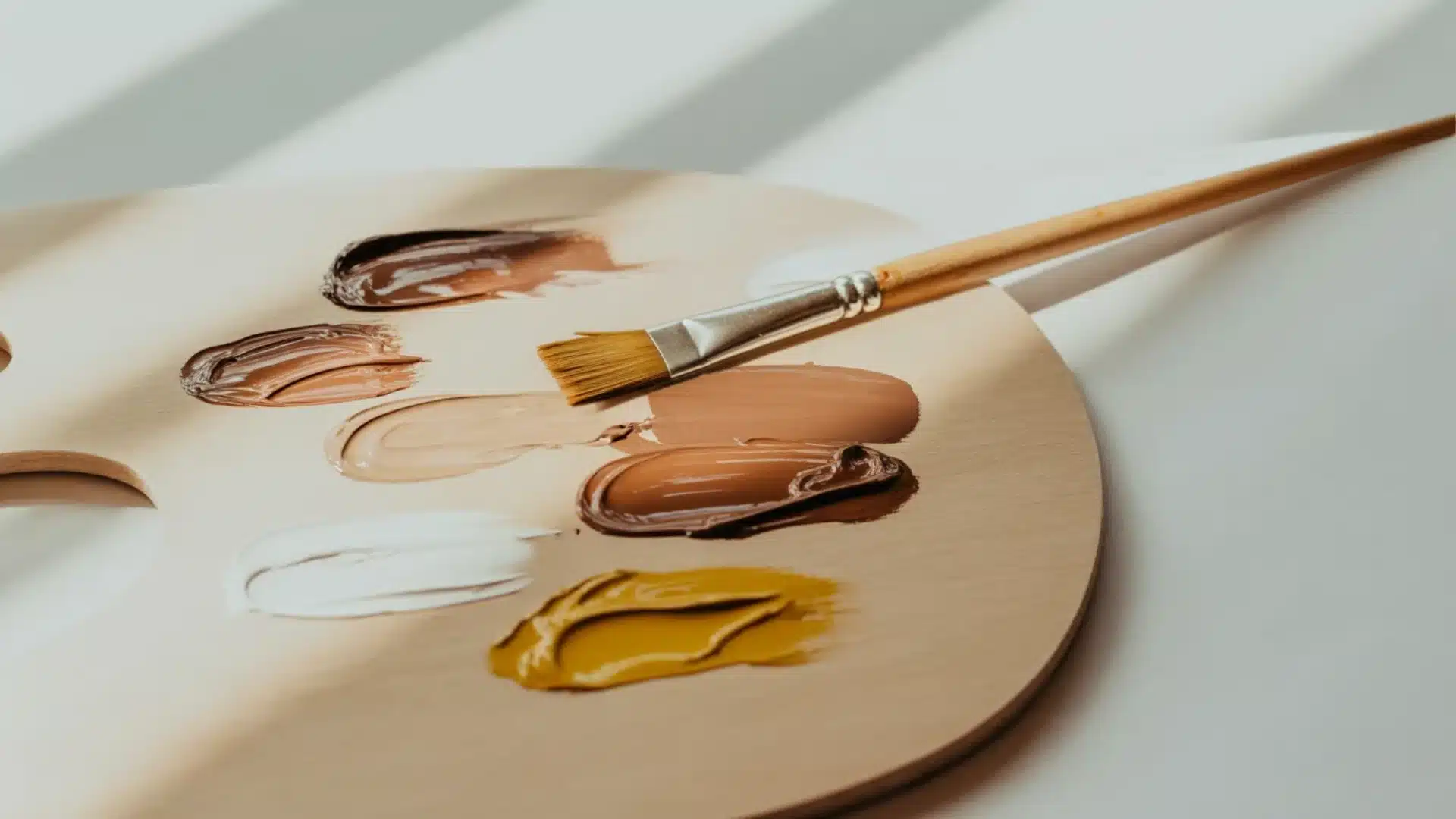
It happens to me often when I’m mid-painting, and in that artistic flow, and suddenly there’s no brown – it’s empty!
And to be very honest, people stop there. They either run to the store or give up entirely. But do you know – brown was never something you find. It’s something you make.
It’s super fun (trust me!)
So come, let’s learn how to make brown paint when you run out of it, cause why not?
What is Brown?
Okay, so when I found out that brown isn’t really a color, I was flabbergasted! Are you too?
Brown is not a real color.
I mean, it looks real. It’s everywhere. Wood, soil, coffee, and chocolate. But on the color wheel? Brown doesn’t have its own spot!
Brown is actually a mix. It comes from combining the primary colors red, yellow, and blue.
Sometimes in equal parts. Sometimes not.
When you mix all three primary colors, you get a dark, warm, muddy tone. That muddy toneis brown.
It’s pretty cool, right?
Let’s Understand Primary, Secondary, and Complementary Colors First
Before we start mixing, let me give you a quick overview of these three color types, which will help everything else click into place.
| Color Type | Colors | How They’re Made |
|---|---|---|
| Primary | Red, Yellow, Blue | Cannot be made by mixing |
| Secondary | Orange, Green, Purple | Made by mixing two primary colors |
| Complementary | Red/Green, Blue/Orange, Yellow/Purple | Colors sitting opposite on the color wheel |
Primary Colors
Primary colors are the three big ones – Red, yellow, and blue.
But do you know that you cannot make them? They just exist on their own. And every other color you see literally comes from mixing these three in some way.
Secondary Colors
Secondary colors are what you get when you mix any two primary colors.
- Red + Yellow = Orange
- Yellow + Blue = Green
- Red + Blue = Purple
These three colors, orange, green, and purple, are your secondary colors. And as I showed you earlier, these play a big role in making brown, too.
Complementary Colors
This one is my personal favorite to talk about.
Complementary colors are two colors that sit directly opposite each other on the color wheel. And when you mix them together, they cancel each other out, creating a brown color.
- Red sits opposite Green.
- Blue sits opposite Orange.
- Yellow sits opposite Purple.
So when you mix any of these pairs together, you get brown.
Once you understand complementary colors, making brown starts to feel less complicated!
Brown on the Color Wheel: Is Brown Just Dark Orange?
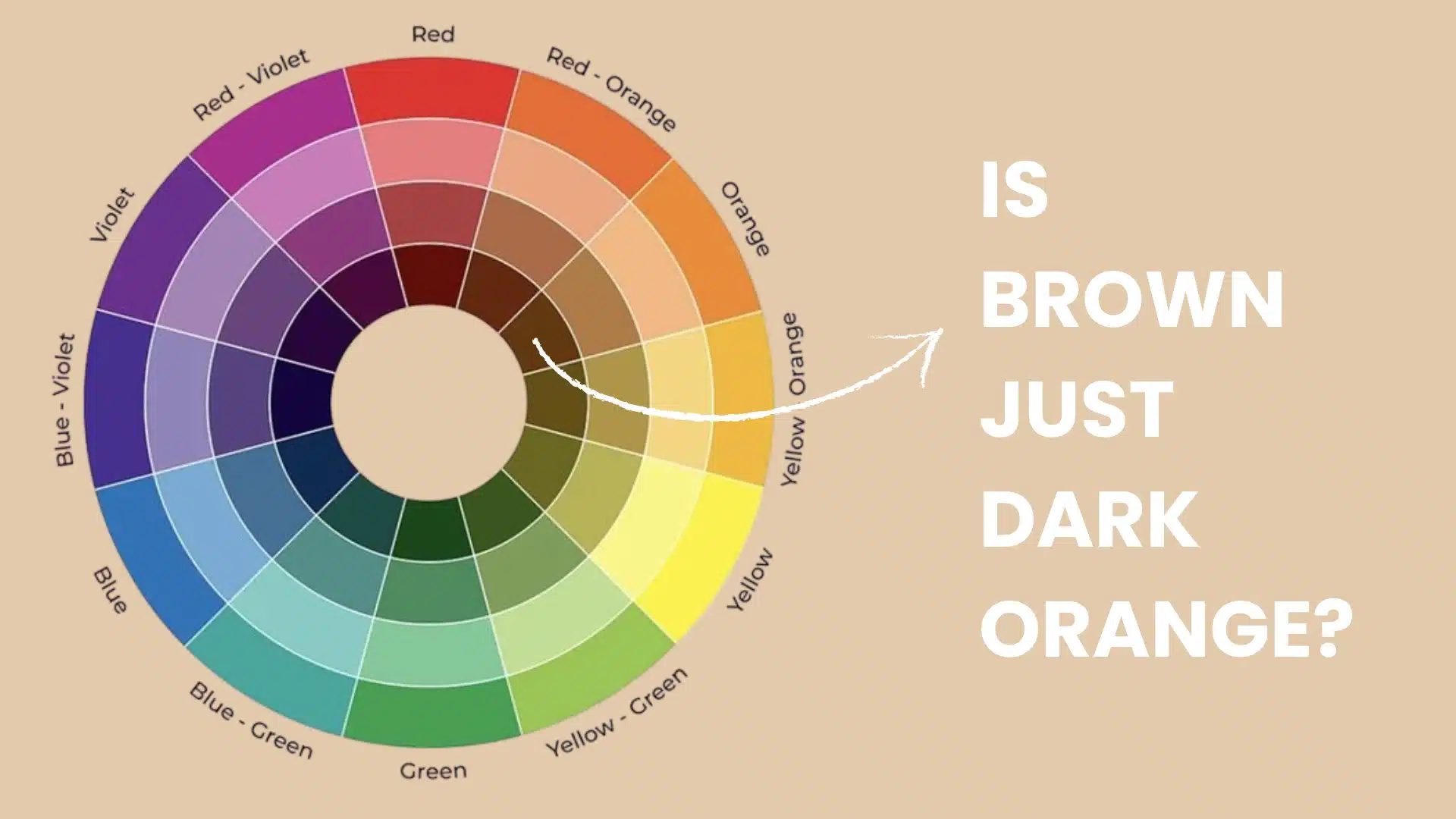
If you look at a standard color wheel, you won’t find brown anywhere on it. It’s weird for such a color that is found everywhere!
Brown is what artists call a “tertiary” color.
That means it’s created when you mix primary and secondary colors in certain ways. Red, yellow, and blue are the “parents.”
Brown is what happens when all three are well mixed together.
The more you mix, the darker and muddier it gets. And that muddy, warm, earthy result? That’s your brown.
So next time someone asks you where you get your browns, you can simply smile and say, “Actually, I make it myself.”
How to Make Brown Paint Using Primary Colors: Step-by-Step
Okay, this is the part I love most. You only need three colors. Red, yellow, and blue. That’s it.
But before we start mixing, let me quickly tell you what you’ll need:
- Red, yellow, and blue paint (any kind works: acrylic, oil, or watercolor)
- A palette or any flat mixing surface.
- A palette knife or paintbrush for mixing.
- A cup of clean water (if you’re using watercolors)
- Paper towel or a rag to wipe between mixes.
And after you’ve gathered everything, follow along with the step-by-step instructions.
Step 1: Start with Red
Squeeze a small amount of red onto your palette. Don’t put everything on it right away; you can always add more later.
Step 2: Add Yellow
Add an equal amount of yellow right next to the red. Mix them together. And you see a warm orange forming, and that’s a sign that you’re doing it correctly!
Step 3: Add Blue
Now add a small amount of blue, and you can already see everything coming together. The blue cools down that orange and pulls it toward brown.
Step 4: Keep Mixing and Adjust
Mix everything together slowly. You’ll start seeing a rich, earthy brown come through.
If it’s too orange? Add a little more blue. Too dark? Add more red or yellow. Too purple-ish? Add a tiny bit more yellow to warm it back up.
What Color Makes Brown – Other Colors Options
Okay, so what if you don’t have all three primary colors handy? Been there.
You can still make brown. There are a few other color combinations that make some interesting shades of brown.
1. Orange + Blue: This is my personal favorite shortcut. Mix a warm orange with a little blue, and you get a brown instantly. The more blue you add, the deeper it gets.
2. Red + Green: Yes, really. Mix red with green and watch brown appear. This one gives you a slightly darker, earthier brown.
3. Yellow + Purple: Mix yellow with purple, and you get a softer, warmer brown. This one is great for lighter, more natural-looking shades.
How to Make Dark Brown?
So now you’ve got your brown, but it’s not dark enough.
And if you need a deep chocolate brown or a rich, almost black-brown for shadows. Sometimes that light caramel brown just doesn’t match the mood. Try this!
Add Black
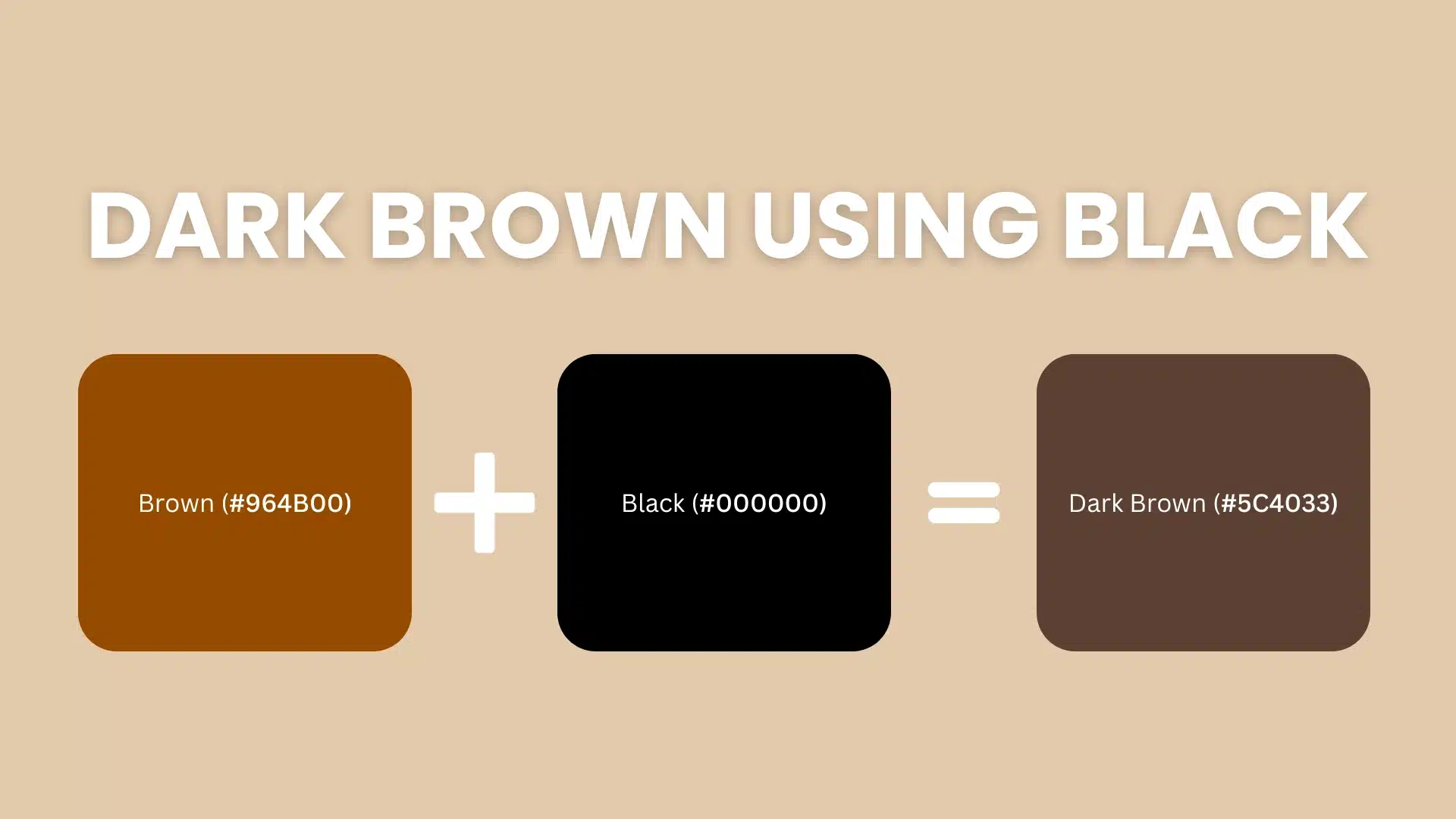
Add a tiny amount of black paint to your brown. And I mean tiny, a very little bit of black. Black is very powerful. A little does. Mix slowly and keep checking the shade as you go.
Add More Blue
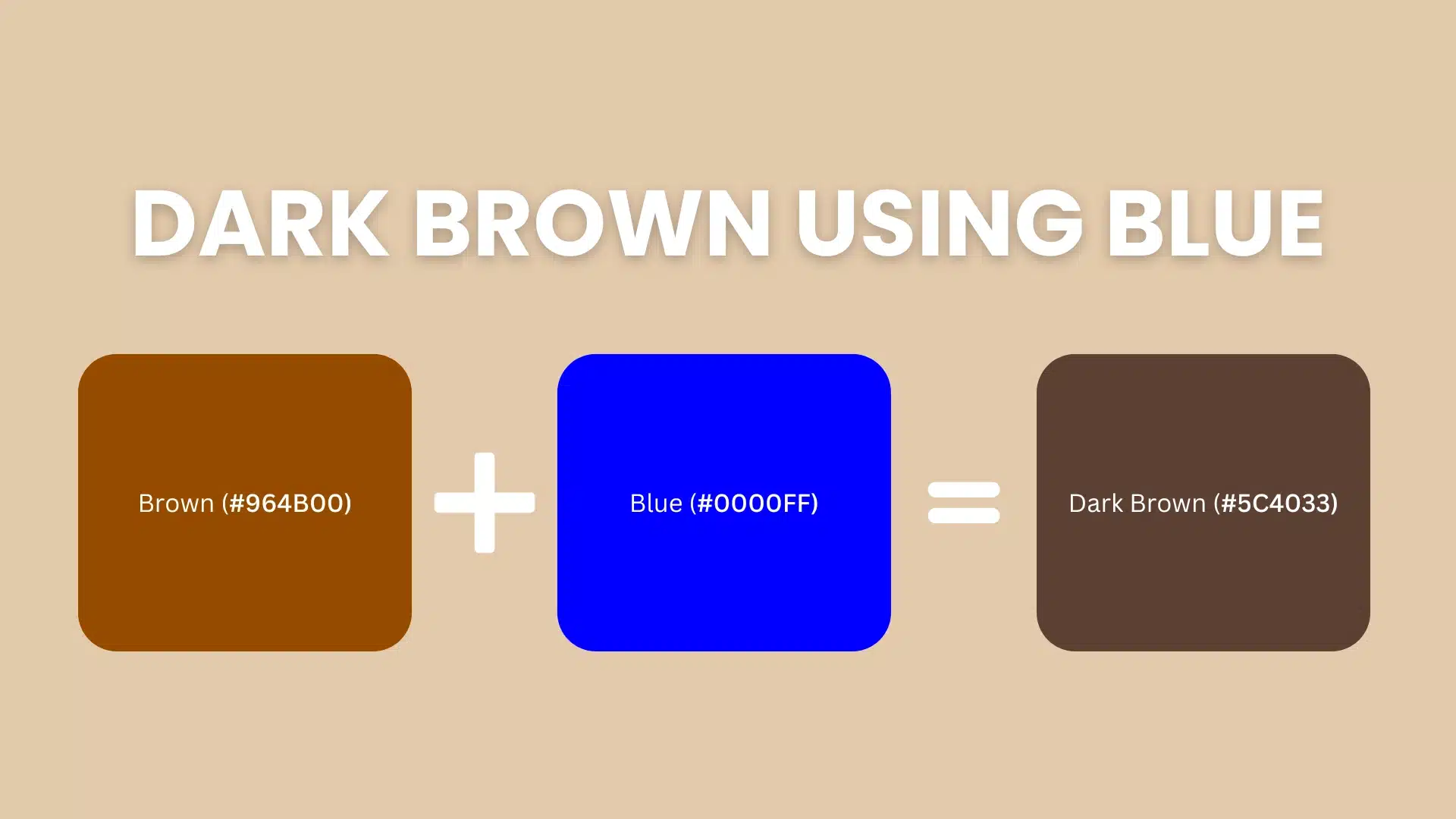
This is my personal go-to. Adding more blue to your brown deepens it without making it look flat or dull. It keeps that warmth there while pushing the shade darker.
Add Purple
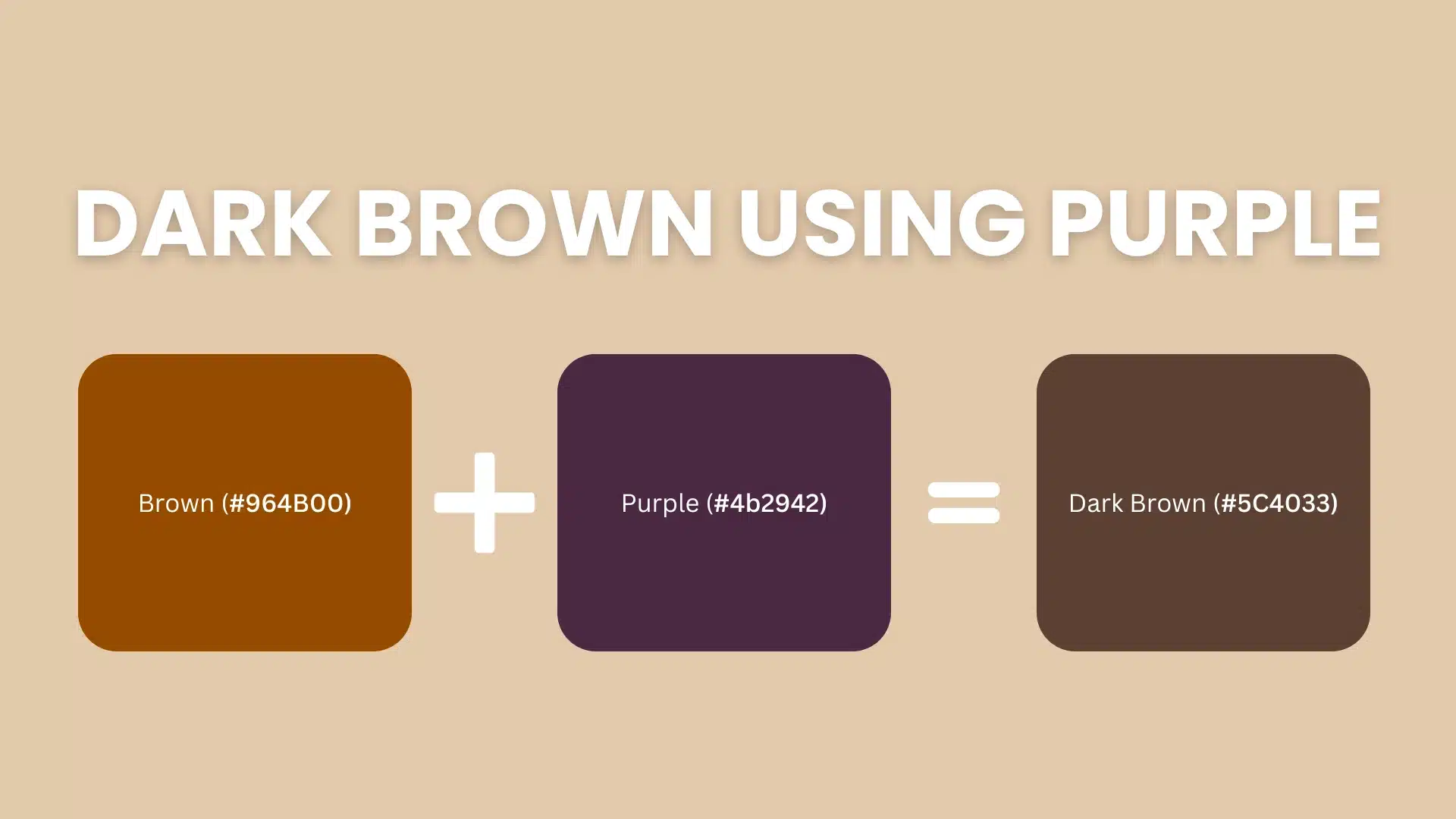
A small touch of purple makes brown richer and deeper. This one gives you a really beautiful dark brown that is great for hair, wood, and shadow tones.
Add Dark Red
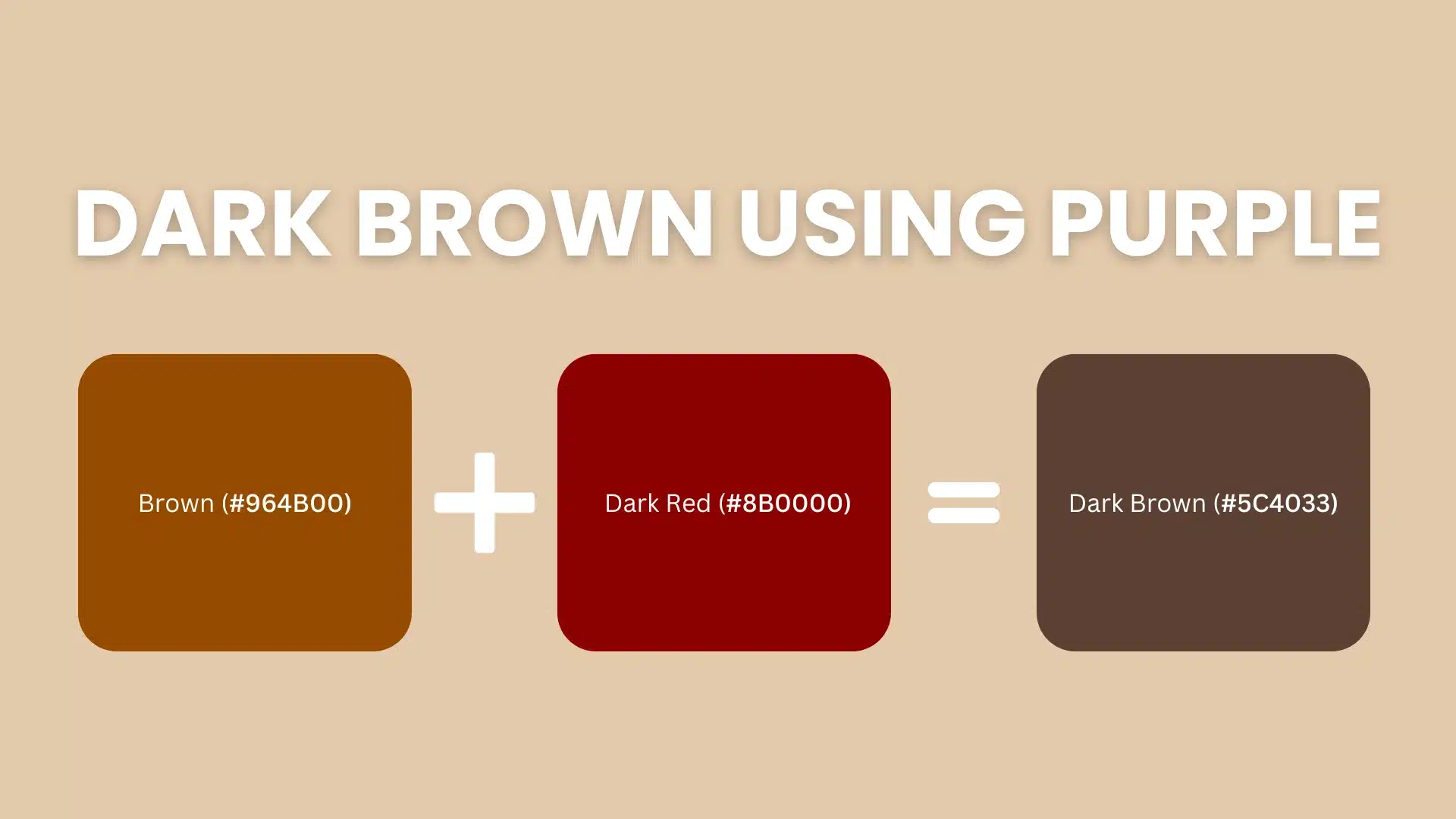
Adding a deeper red like burgundy or maroon pushes your brown into a warmer, darker territory. Great for earthy, natural tones.
One thing – always go slow. Add small amounts at a time. Dark brown can turn into near-black really fast if you’re not careful.
How to Make Light Brown, Tan, and Beige Paint?
Okay, so we went darker, now let’s try the other way around.
Light browns feel warm, soft, and natural, like the sandy beaches, wooden furniture, human skin tones, and autumn leaves.
Making Light Brown Paint
Light brown is softer and airier than your regular brown. It is often used for backgrounds, natural textures, and skin tones.
Add White: This is the easiest way. Take your brown and add white paint little by little. Mix slowly as you go. The more white you add, the lighter it gets.
Add Yellow: Adding yellow warms your brown up and lightens it at the same time. This gives you a golden, honey-like light brown. I love this one for wood textures and warm skin tones.
Add Orange: A tiny touch of orange makes your brown lighter and warmer together. This one is great for sandy, sun-baked tones that feel very natural and earthy.
Always start with the lighter color and add the darker one slowly. It’s much easier to go darker than to pull a shade back once it’s too dark.
Making Tan Paint
Tan is not too light, not too dark. It’s warm, natural, and useful for skin tones, wood, and sandy textures.
Here’s my go-to method to make it:
- Step 1: Start with your brown base. Make sure it’s a warm brown, not a dark one.
- Step 2: Add white paint slowly. Mix well after every addition. This lightens your brown, making it tan.
- Step 3: Now, add a small touch of yellow or orange. This warms the tone up and gives it the classic tan feel.
Making Beige Paint
Beige is lighter and cooler than tan. More of a very pale, creamy brown. It’s the one for walls, fabric textures, and soft backgrounds.
And here’s how I make it:
- Step 1: Start with white as your base. A good amount of it.
- Step 2: Add just a tiny drop of brown. Mix it in fully. You’ll see the white shift toward a very pale brown.
- Step 3: Add a very small drop of yellow. This gives beige that warm, creamy quality that makes it look soft and natural.
Mix everything together slowly. Step back and look at it in natural light. Beige can look different depending on the lighting around you.
Now You Know How to Make Brown Paint
See? Brown was never really missing, but it’s very easy to make!
So the next time you’re missing a brown tube, you don’t have to stop. Just grab your reds, yellows, and blues and create whatever shade of brown you would like to.
Frequently Asked Questions (FAQ’s)
1. What Two Colors Make Brown with Crayons?
Mix orange and blue crayons together. Press firmly and blend well. You’ll get a solid brown shade quickly. Red and green can be used too.
2. How to Make Dirty Brown Paint?
Add a small touch of black and green to your brown. This gives it that muddy, unsaturated look. Perfect for soil and gritty textures.
3. What to Add to Light Brown to Make it Darker?
Add black, blue, or purple, one tiny drop at a time. Mix slowly. Check the shade as you go.