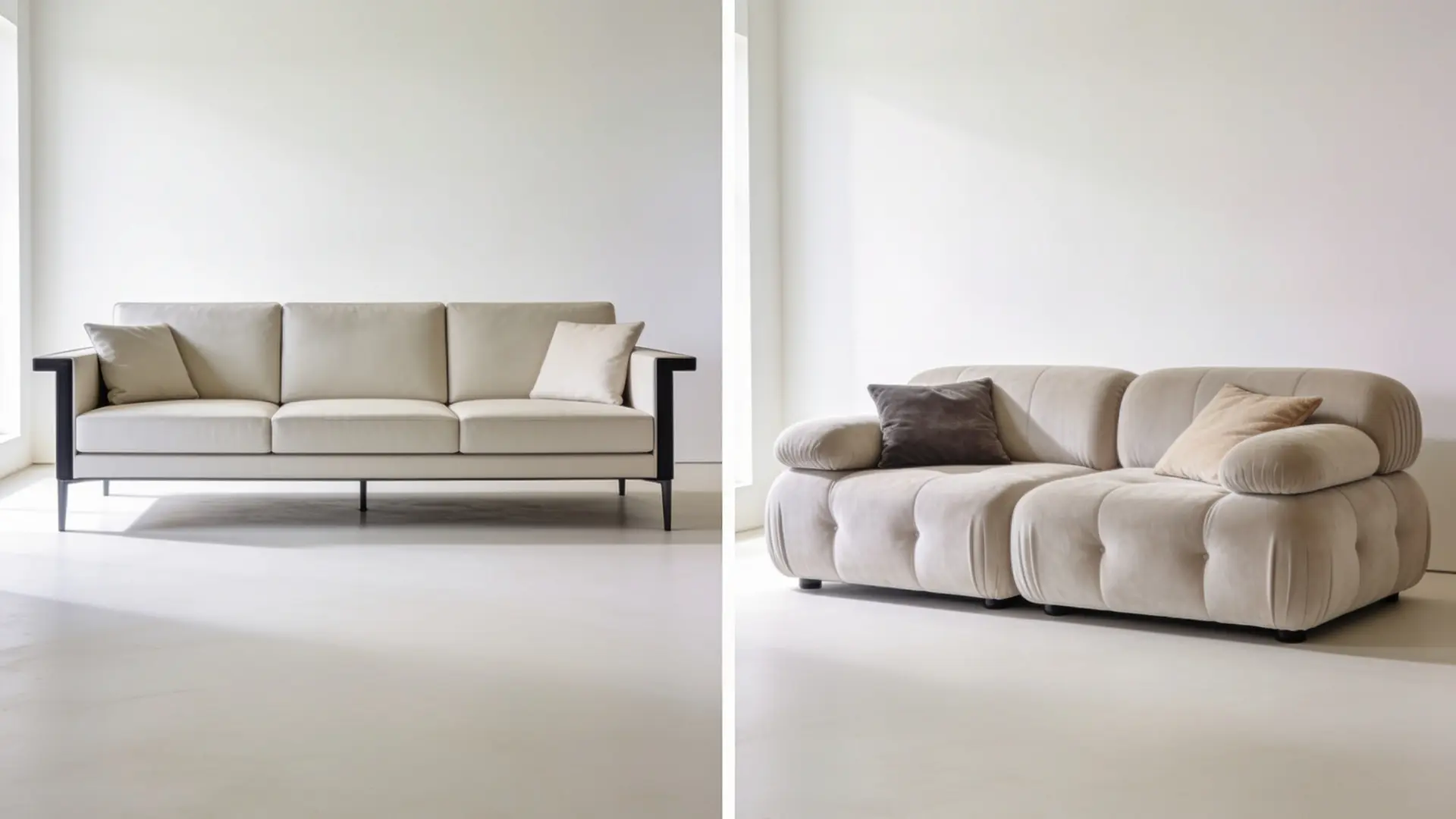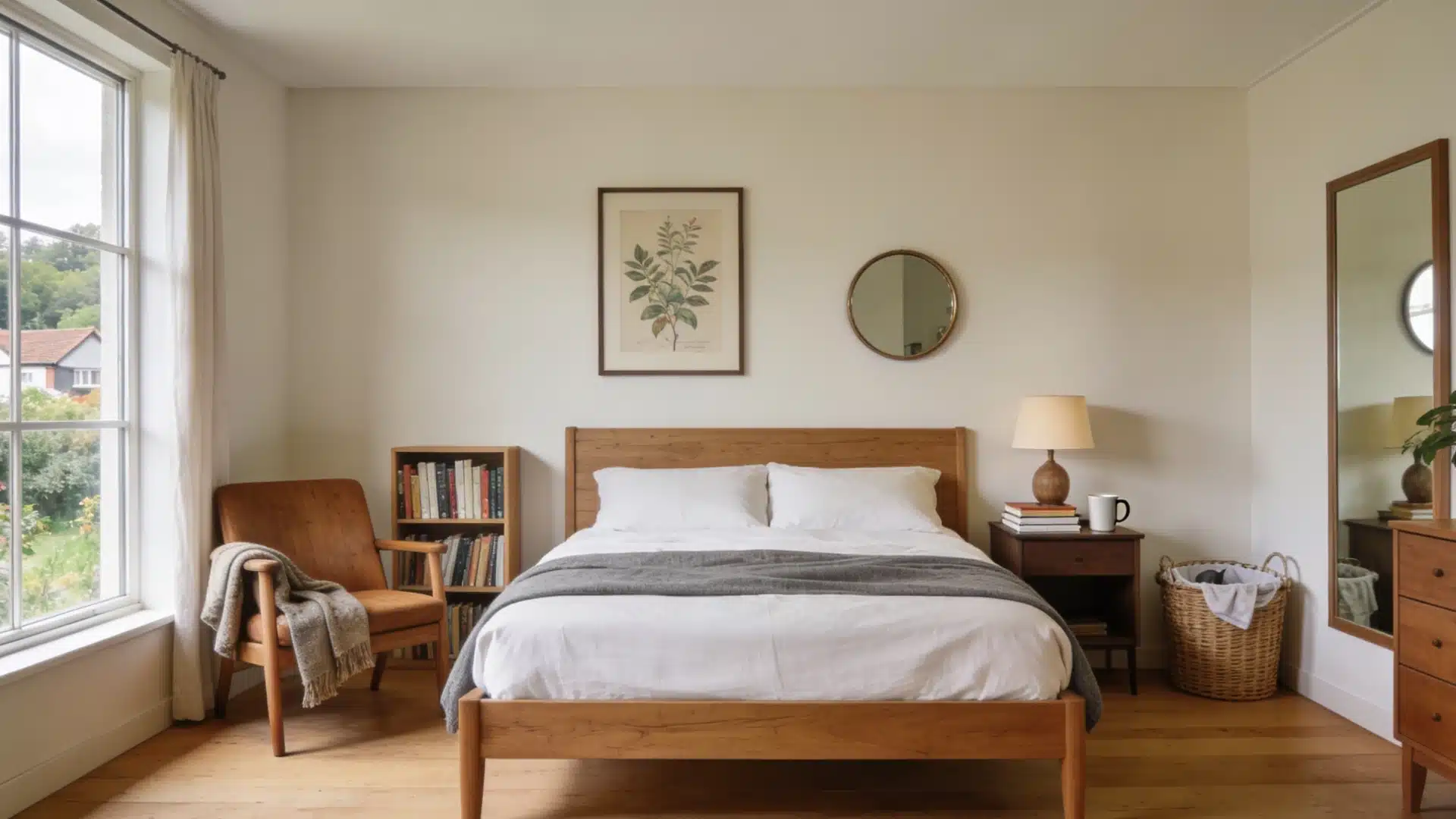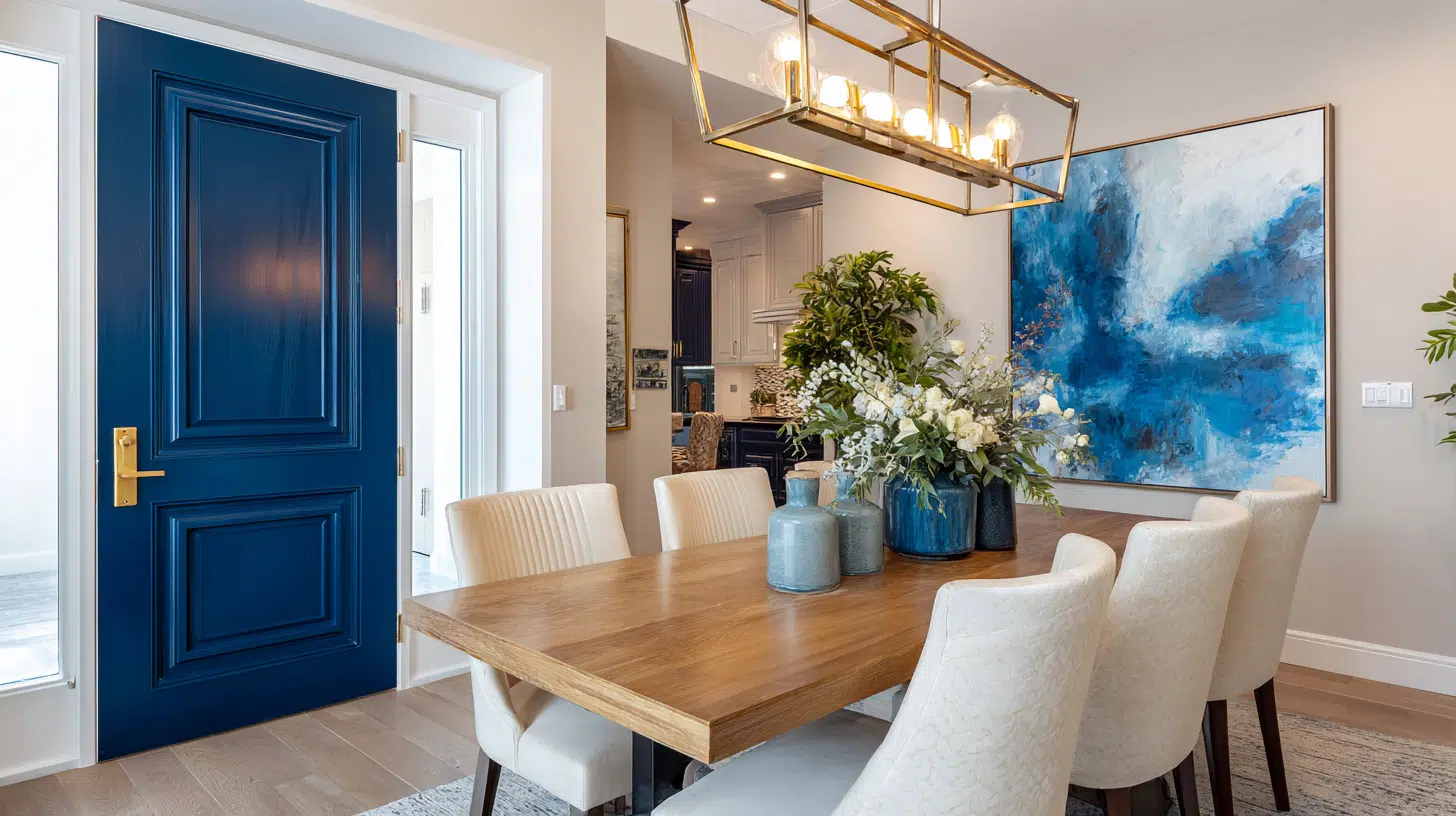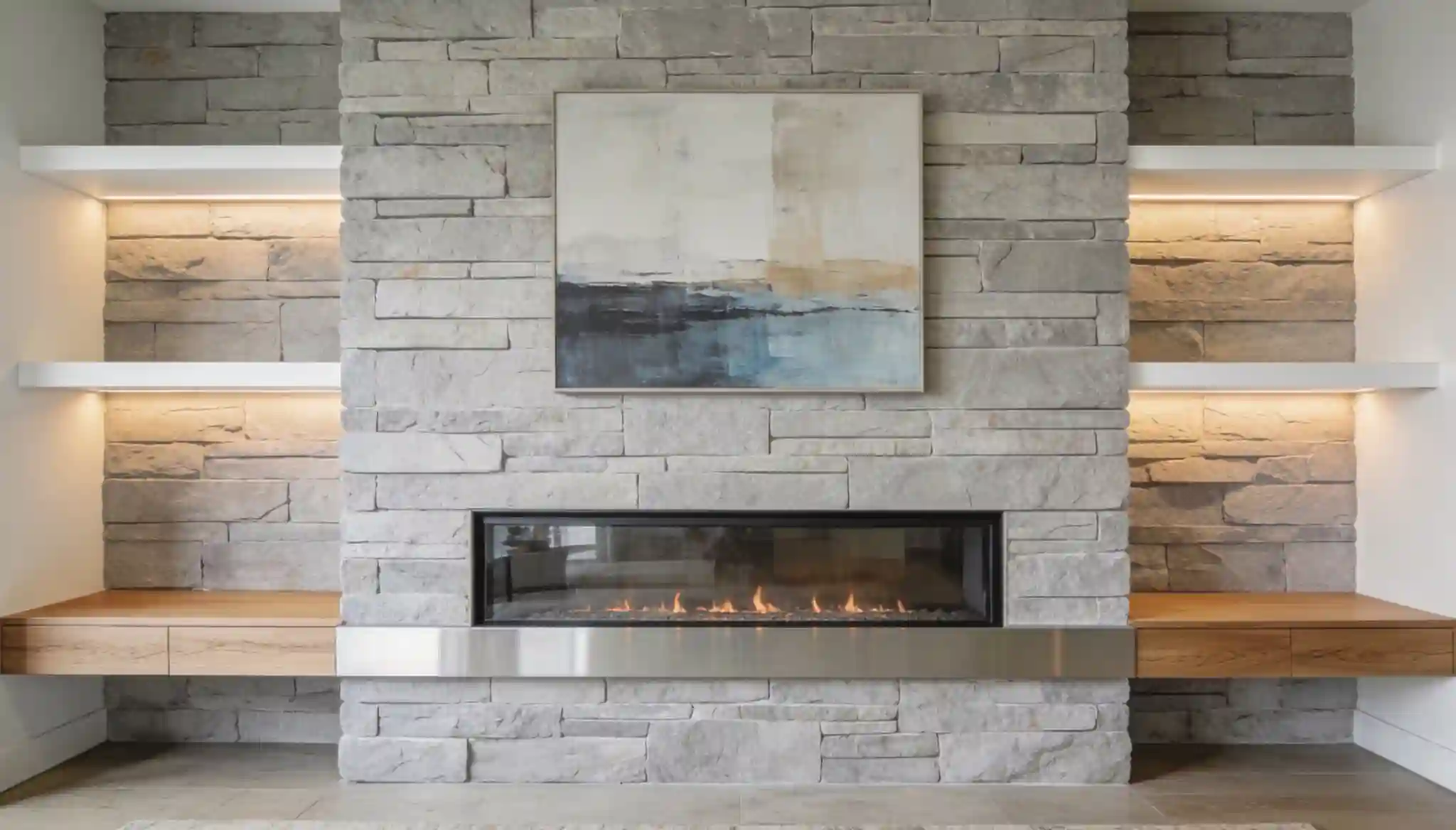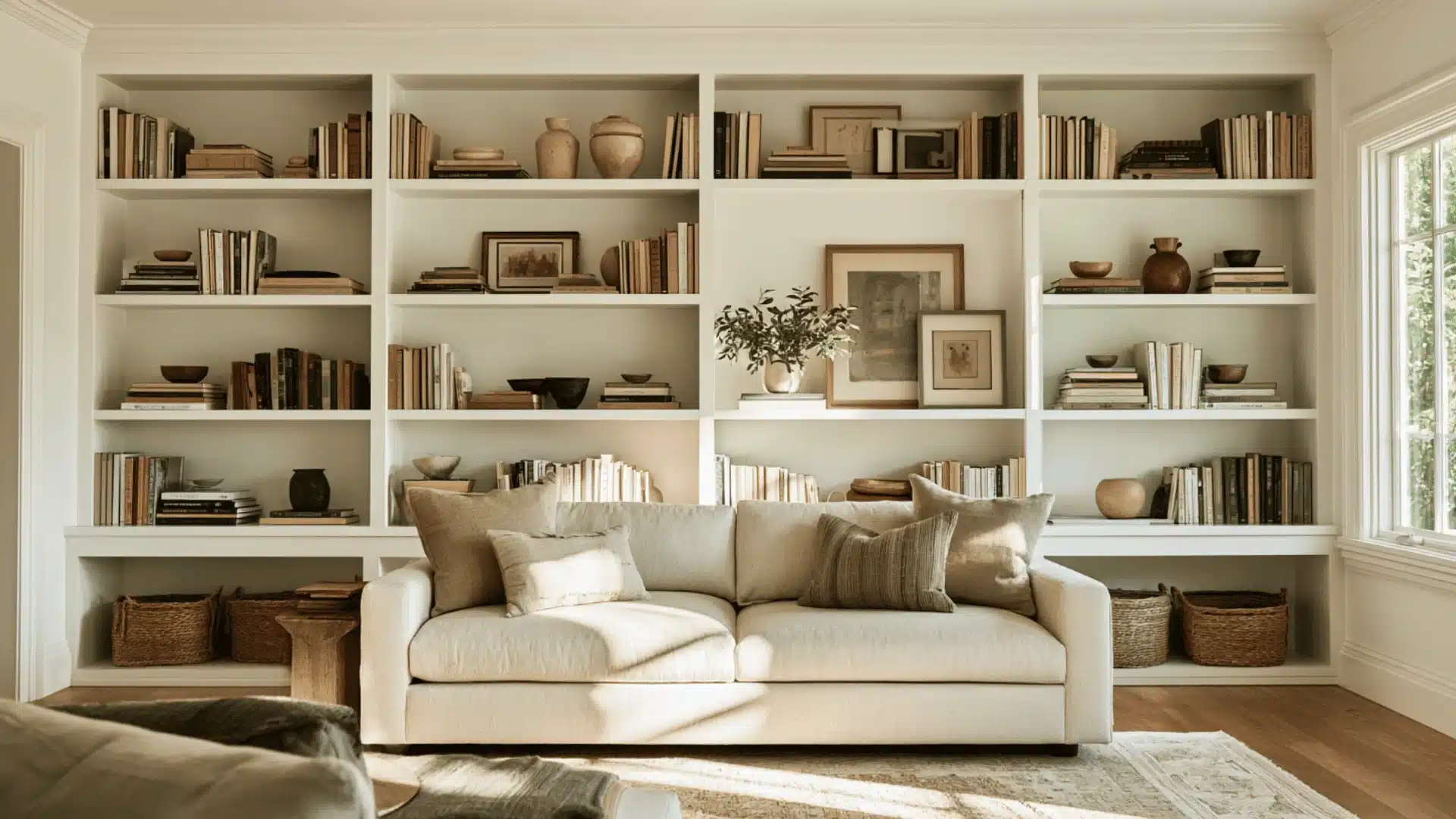
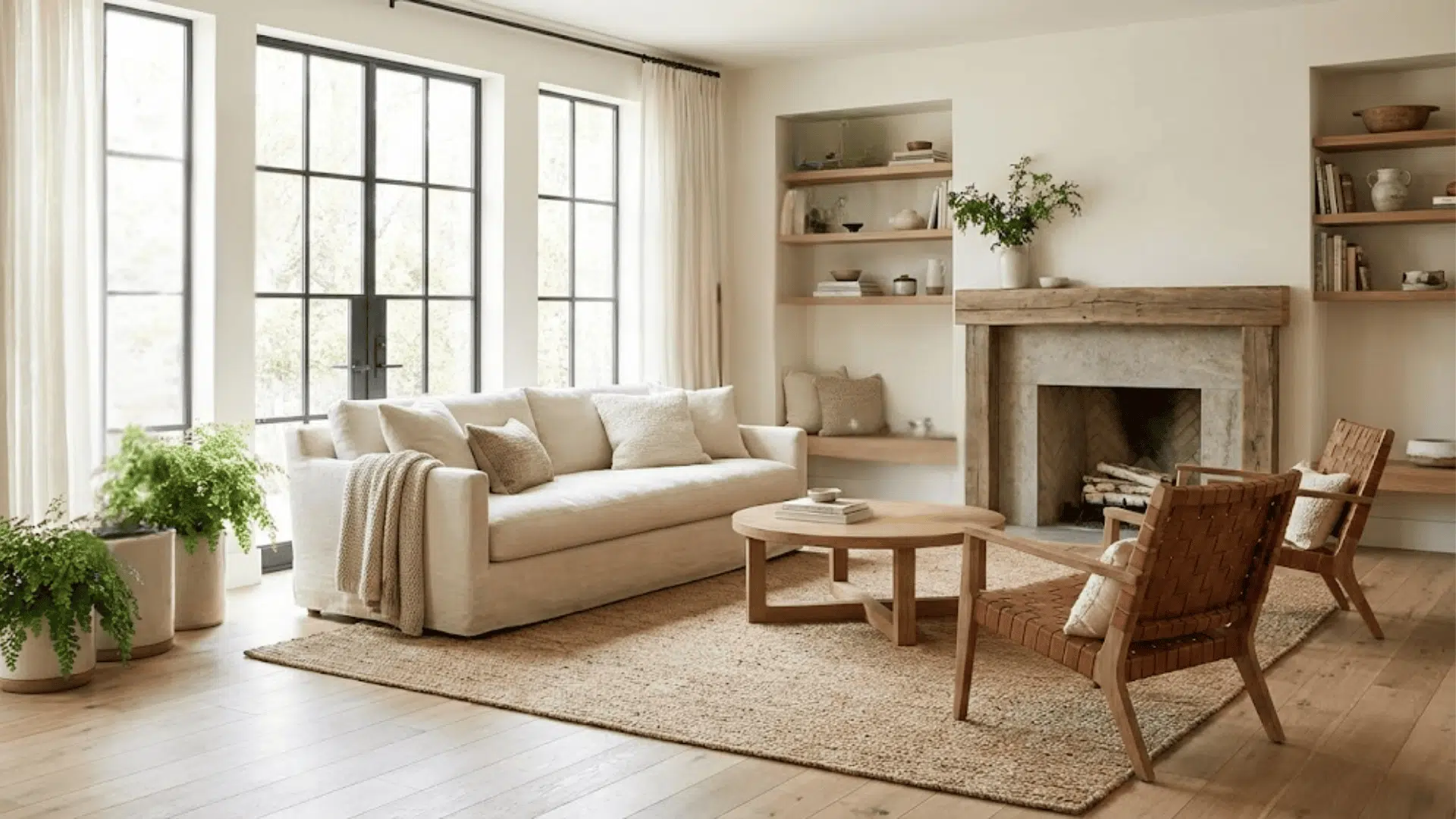
You can fill a room with beautiful furniture and still feel like something is missing. I used to think I just needed better pieces.
Over time, I realized home aesthetics has more to do with harmony than price.
The way colors flow, how lighting falls, and how furniture is arranged matter more than trends. Once I started focusing on these details, everything changed.
I am sharing those practical insights here so you can create a space that truly feels right to you
Home Aesthetics Meaning
Home aesthetics is the visual and emotional feel of your living space. It’s how your home makes you feel when you walk in.
Colors, textures, furniture, and lighting combine to create a mood.
Some spaces feel cozy. Others feel modern and clean.
The goal? Make your space reflect who you are without needing a designer.
Key Principles for Creating Your Home Aesthetic
Building your ideal space starts with understanding core principles. Here’s what matters most:
Know Your Style First
Before buying anything, figure out what you love.
Do you lean toward minimalist looks? Or do you prefer cozy, warm spaces? Browse images online.
Balance is Everything
A room needs visual weight distributed evenly. Put a large sofa on one side? Add a bookshelf or tall plant on the other side.
This creates harmony in your interiors.
Functionality
Furniture should match how you live. Choose practical pieces, avoid white sofas with kids, and add good lighting if you love reading.
Stick to a Color Story
Pick three to five colors and use them throughout your home. This creates flow between rooms.
What is Modern House Aesthetic?
The modern house aesthetic came to life in the 1920s as a rebellion against fancy Victorian design. Architects wanted buildings that matched how people actually lived.
You know those homes with huge windows and flat roofs? That’s modern aesthetics at work.
It focuses on horizontal lines and open floor plans. No walls blocking your view. Materials stay honest, too. Steel beams show, concrete stands bare, and wood grain stays visible.
What sets it apart is the idea that function comes first. Every design decision serves a clear purpose.
A chair is not made just to look good; it is built to support your body comfortably. This mindset completely reshaped the way homes are designed and built
Trending House Aesthetics of 2026
Different styles speak to different people. In 2026, it is less about trends and more about personal comfort.
Your home should show your taste and daily life. Choose what feels right to you, not what social media says is popular.
Minimalist
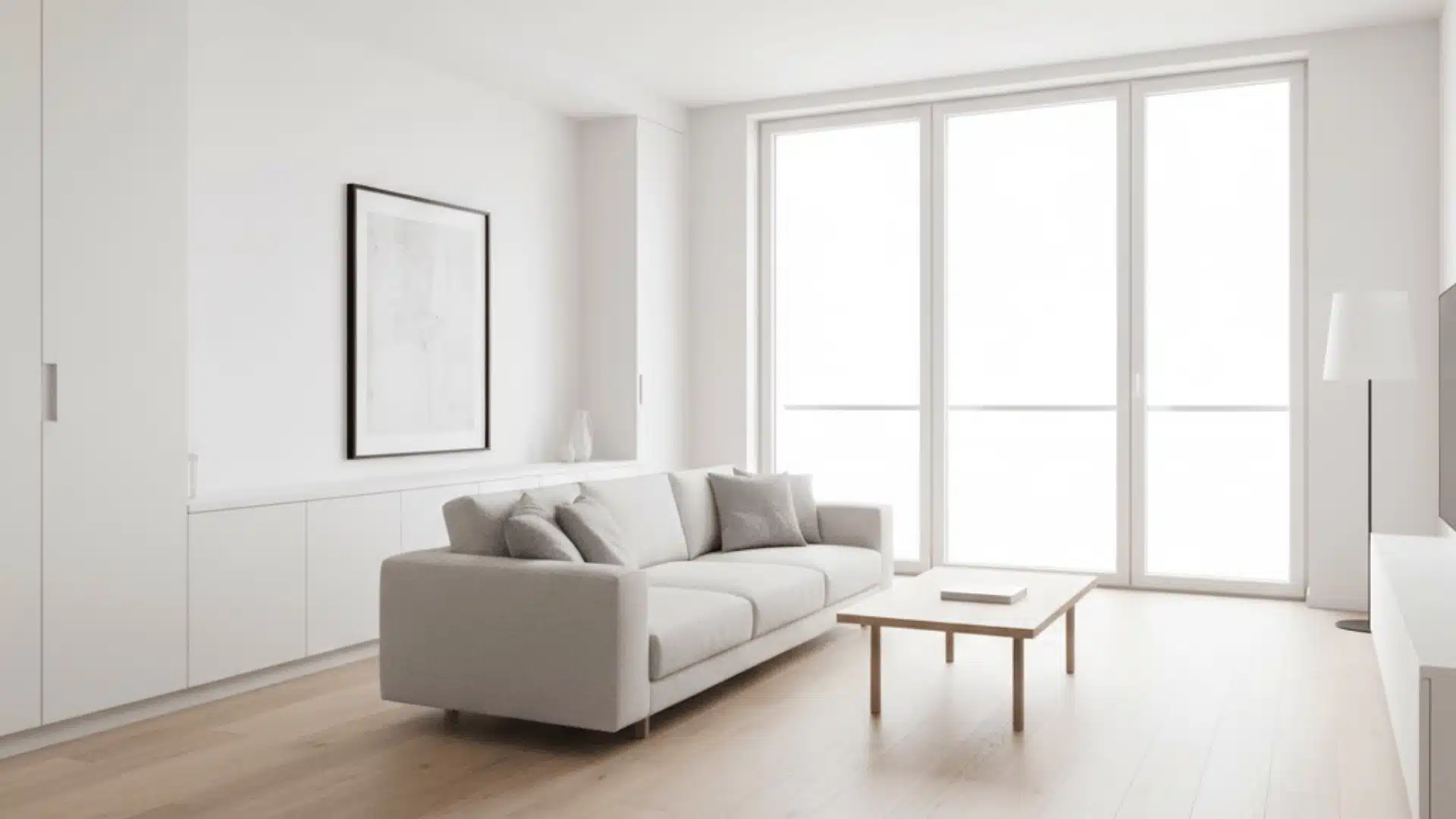
Clean lines, neutral colors, and clutter-free surfaces define this timeless approach.
White walls and open space create instant calm. Less really does mean more here. This style strips away distractions so you can focus on what matters.
Every item earns its place. The result feels organized, peaceful, and surprisingly liberating. Your mind relaxes when your space stays simple.
How to Incorporate this Design
Start by removing items you do not use daily. Paint walls in soft whites or light grays. Choose furniture with simple shapes and clean finishes. Store most items behind closed doors.
From what I have seen, beginning with the bedroom or home office works best. Once one space feels lighter, it becomes easier to continue throughout the home.
Best Suited For
In my opinion, this works beautifully for busy professionals and small apartments. I have noticed it helps people who feel stressed by clutter.
It also performs extremely well in home offices where mental clarity matters.
Sustainable Approaches
- Buy fewer pieces and focus on long-lasting quality
- Choose solid wood, metal, or glass over synthetic materials
- Use low-VOC paints for better indoor air
- Install energy-efficient lighting
Scandinavian
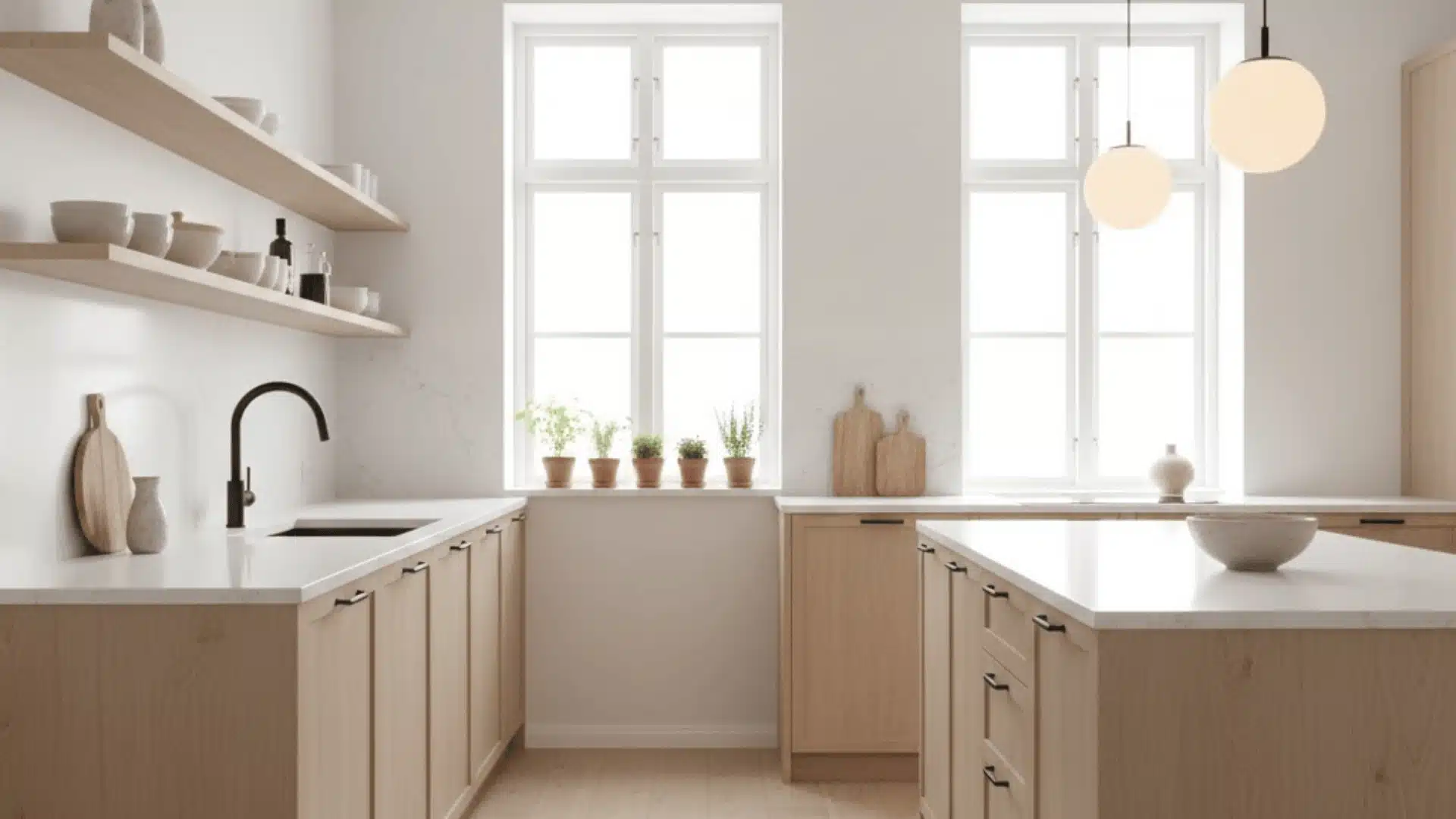
Light wood tones and soft textiles define this Nordic style. It was shaped by cold, dark winters, so homes are designed to let in as much sunlight as possible.
Furniture is simple and useful, often with hidden storage. Natural materials bring warmth without making the space feel crowded. It is calm, functional, and comfortable.
How to Incorporate this Design
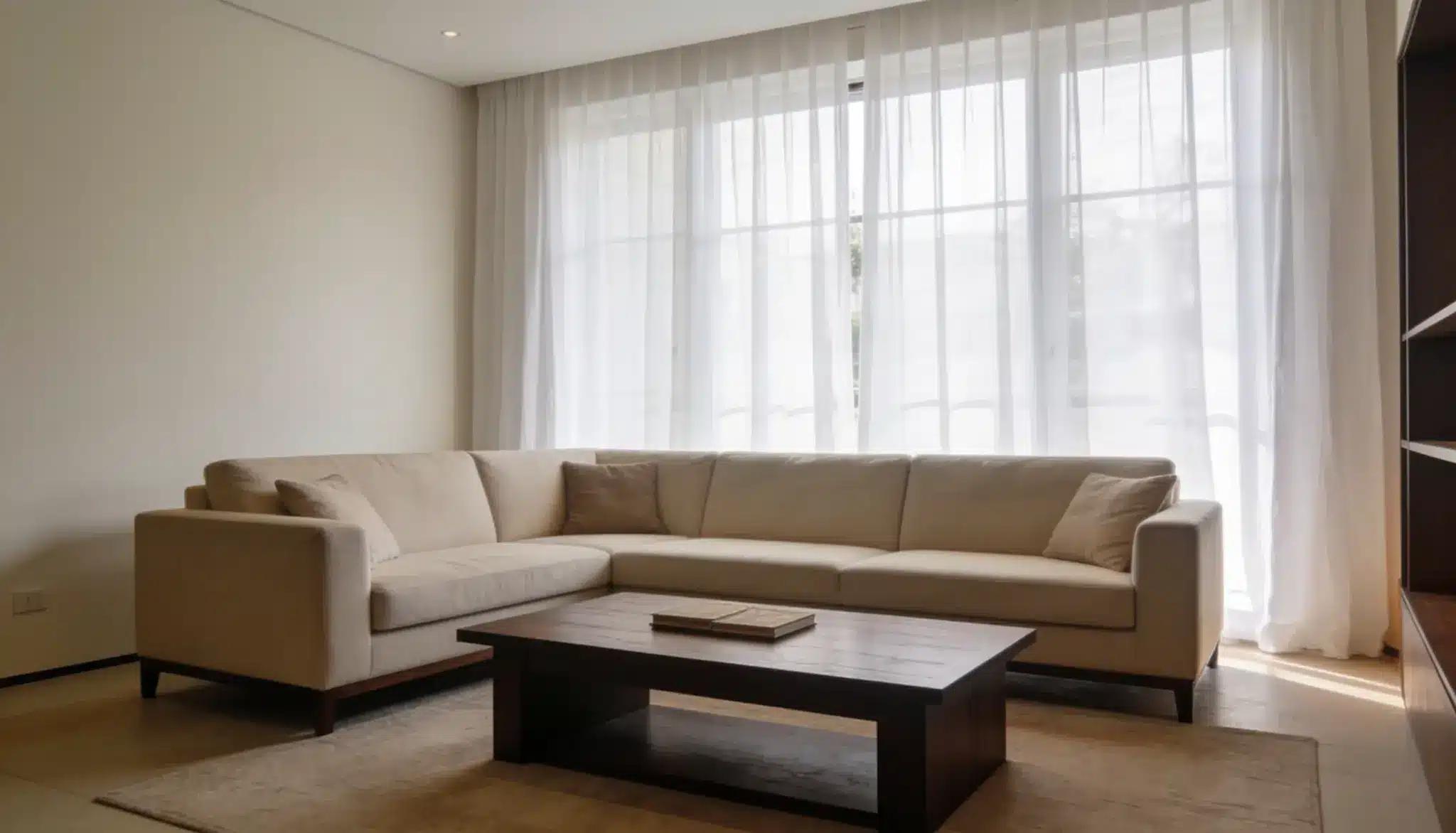
Switch to darker furniture for light oak or birch. Add wool throws and linen cushions. Keep curtains sheer to maximize daylight. Bring in plants for freshness.
From what I have observed, starting with the living room creates the biggest visual shift.
Best Suited For
According to me, this style fits family homes extremely well.
I have seen it adapt easily as children grow. It also works wonderfully in colder regions where warmth through texture is important.
Sustainable Approaches
- Choose FSC-certified wood furniture
- Buy durable, natural fiber rugs
- Switch to LED bulbs in all lamps
Bohemian
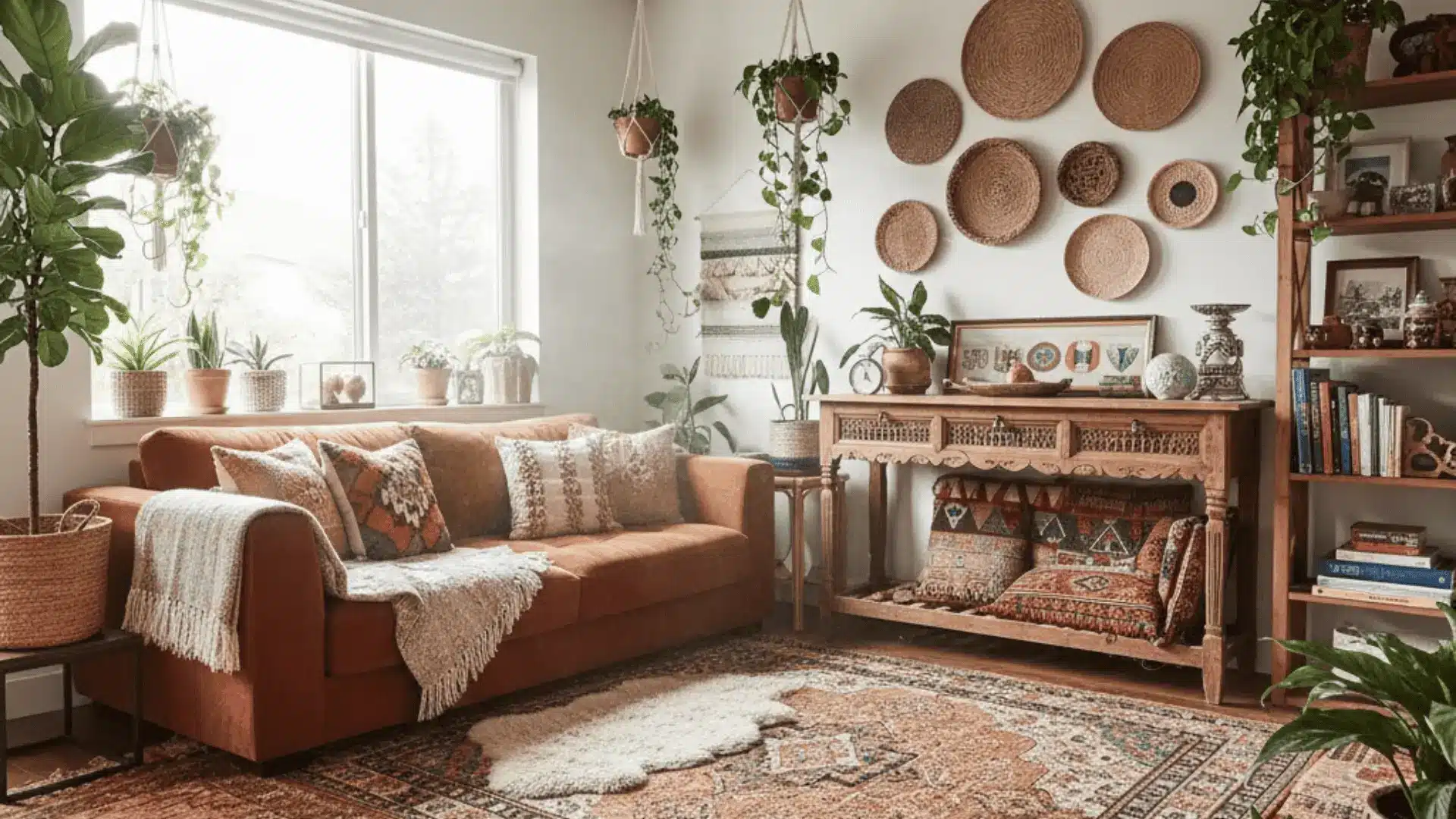
Layer different fabrics, stack rugs, and showcase meaningful collections in this expressive style.
Adding plants throughout the space gives it a relaxed and personal feel.
No two bohemian homes ever look alike. There are no strict rules. Bold colors work side by side, and patterns mix freely.
How to Incorporate this Design
Start collecting textiles from different cultures and patterns. Layer two or three rugs in the same space. Hang macrame, tapestries, or woven wall art. Fill corners with various-sized plants.
Display travel finds, vintage treasures, and handmade items on open shelves.
Best Suited for
I suggest this for creative people who love collecting meaningful items. Renters can easily personalize without permanent changes.
Perfect for free spirits who reject matchy-matchy rules and trust their own taste.
Sustainable Approaches
- Shop vintage stores and flea markets
- Upcycle old fabrics into cushion covers or wall decor
- Propagate plants instead of buying new ones
- Choose natural dyes and organic fiber
Industrial
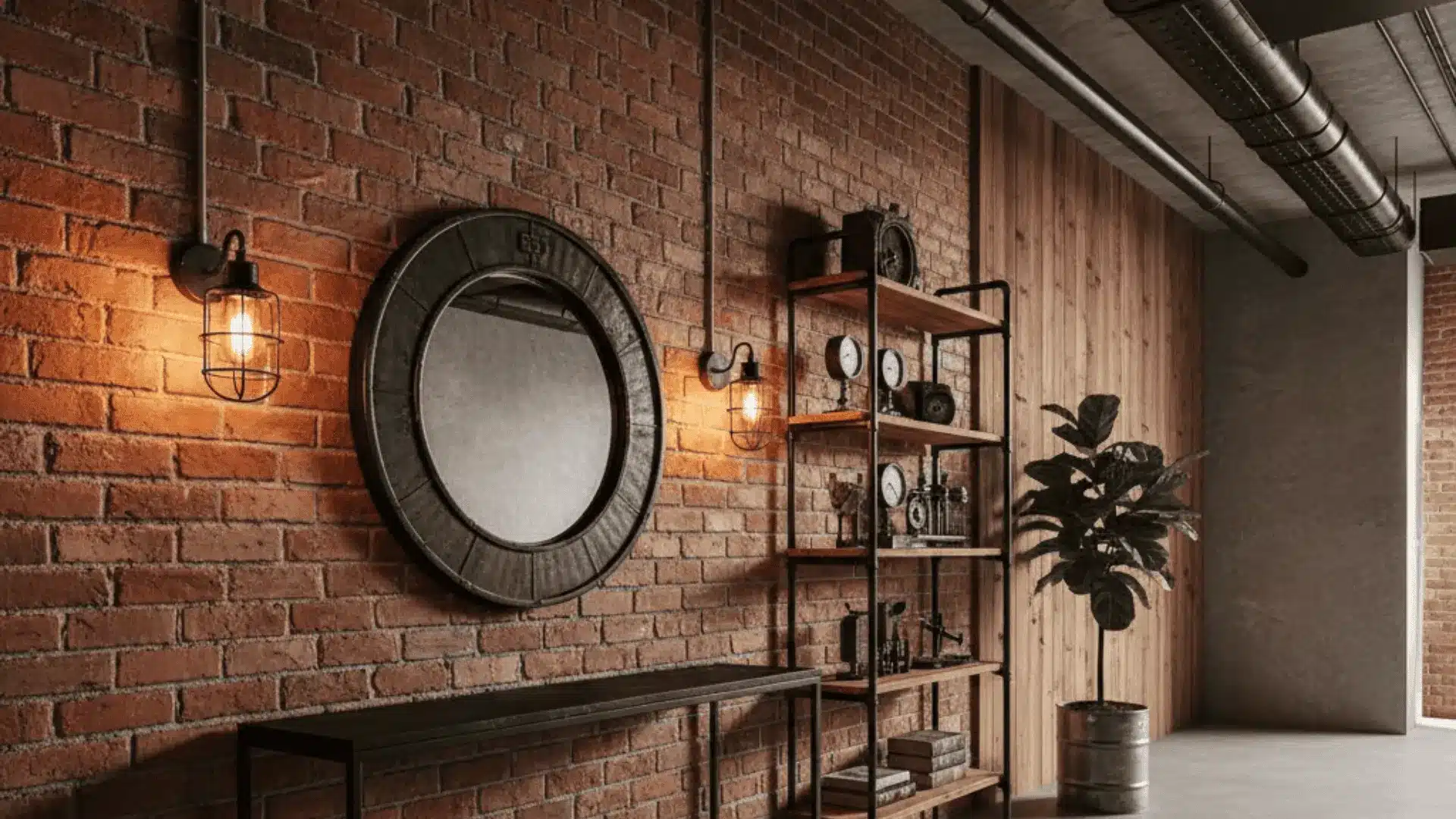
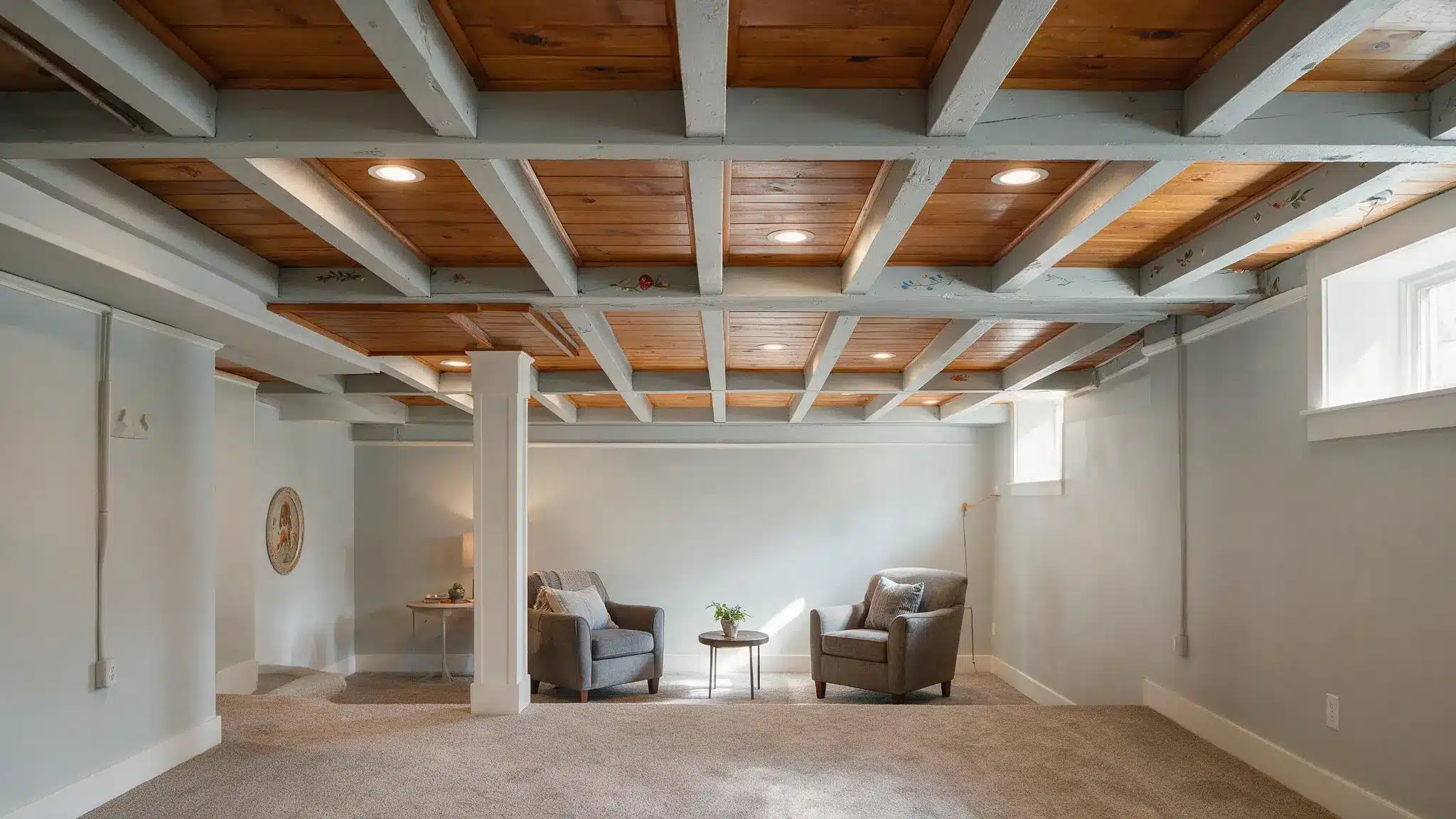
Exposed brick, metal accents, and raw materials bring urban warehouse vibes. Open ceilings and vintage lighting add character.
High ceilings and vintage lighting enhance the look. This design keeps materials like steel, concrete, and reclaimed wood visible and functional.
How to Incorporate this Design
Leave brick or concrete walls exposed if you have them.
Choose furniture with metal frames and reclaimed wood tops. Install Edison bulb fixtures or vintage factory lights. Use open metal shelving units.
Add leather seating that develops patina over time.
Best Suited for
In my experience, this suits lofts and open layouts best. I have seen it shine in bold spaces where raw materials and structure stand out.
People who love vintage finds and DIY projects thrive here.
Sustainable Approaches
- Use reclaimed wood and salvaged materials
- Buy vintage industrial furniture instead of new replicas
- Repurpose old metal fixtures
- Install LED Edison-style bulbs
Coastal
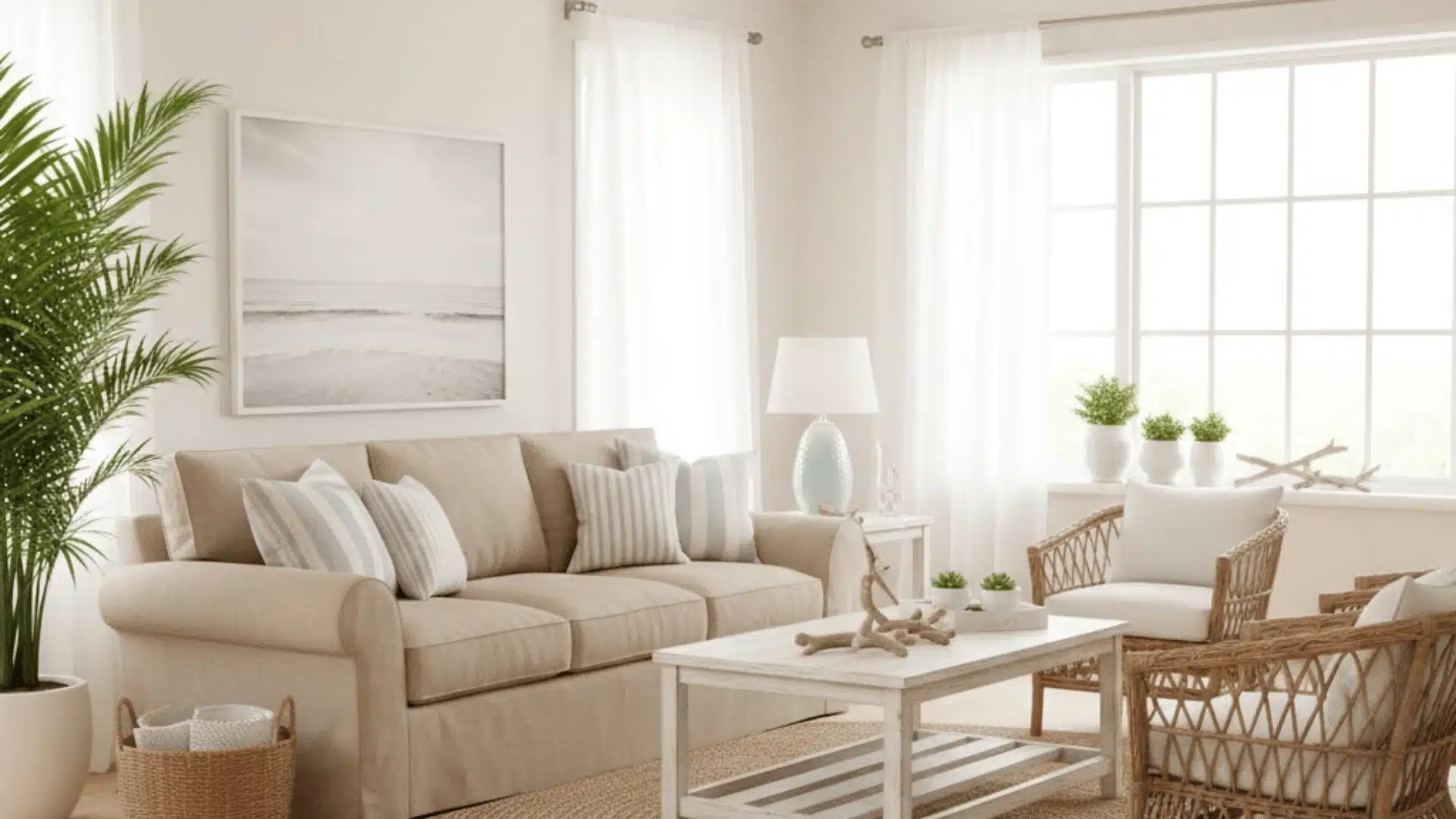
Soft blues, whites, and sandy neutrals bring beach vibes home. Natural fibers like jute create breezy, relaxed moods. This style works anywhere, not just near water.
It captures the vacation feeling you get when you step onto the sand. Light bounces everywhere. Fabrics move with air.
Colors remind you of the sea and the sky.
Your shoulders drop the moment you walk in. It’s permanent holiday mode for your soul.
How to Incorporate this Design
Paint the walls in soft white or pale blue. Choose furniture with weathered or whitewashed wood finishes. Add jute or sisal rugs for texture.
Use lightweight linen or cotton curtains. Bring in natural elements like driftwood, shells, or coral as subtle accents.
Best Suited for
I recommend this to anyone who feels relaxed near water, its perfect for them.
Hot climate homes benefit from the cooling color palette. Anyone wanting a vacation feeling daily will appreciate the relaxed vibe.
Sustainable Approaches
- Use natural fibers like cotton, linen, and jute
- Choose water-based, non-toxic paints
- Buy responsibly sourced or reclaimed wood furniture
Neo Naturalism
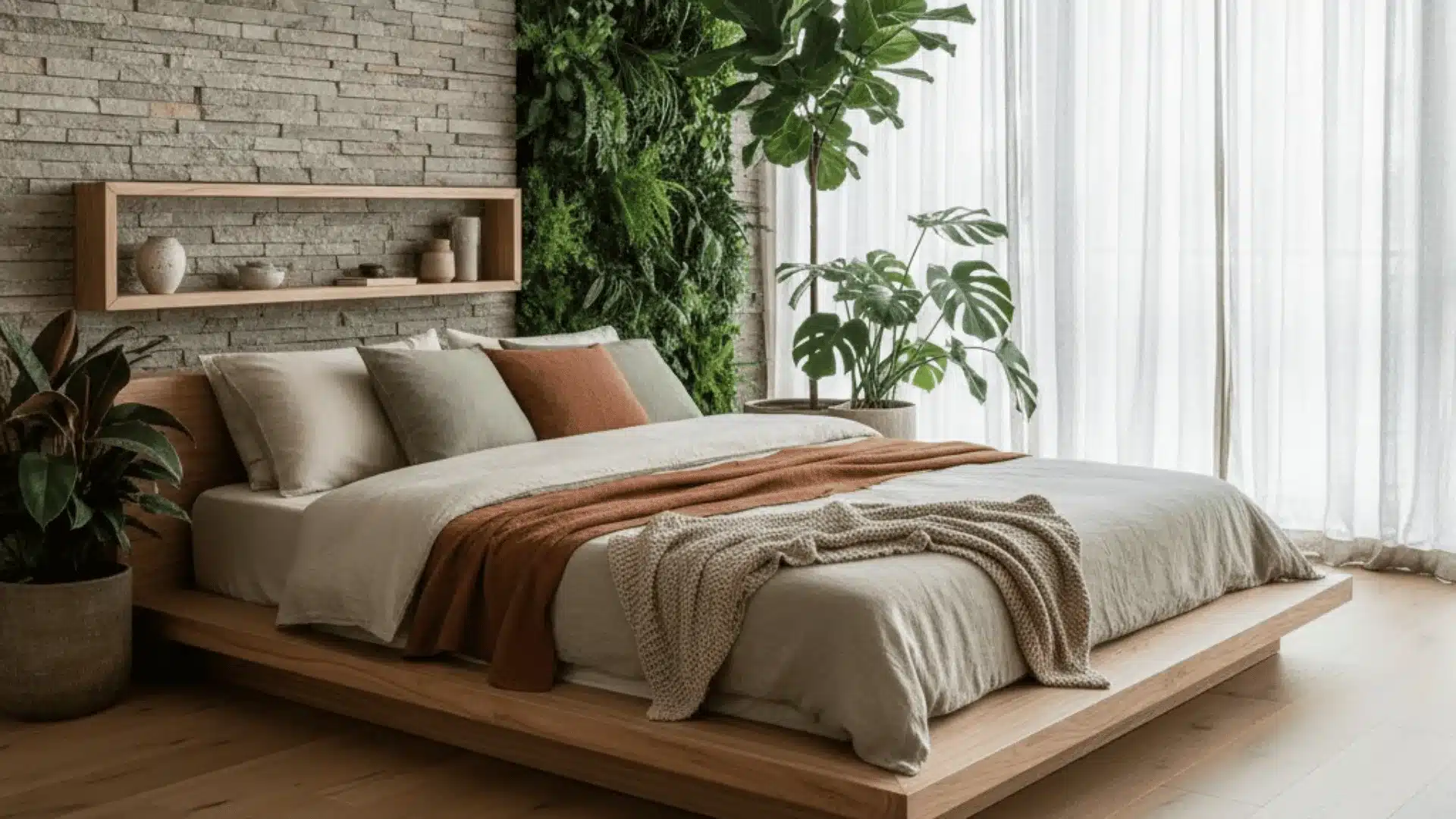
This emerging 2026 trend brings the outdoors inside more than ever before.
Living walls, natural materials, and biophilic design create healing spaces.
It’s about reconnecting with nature in our built environments. Research shows people heal faster and feel happier surrounded by natural elements.
This isn’t just a pretty design. It’s wellness architecture that reduces stress, improves air quality, and restores our primal connection to earth.
How to Incorporate this Design
Install a living wall or vertical garden in your main space. Use raw, unfinished wood with visible grain and knots.
Add natural stone elements, such as river rocks or slate.
Maximize windows and natural light sources. Include water features, such as small fountains, for soothing sounds.
Best Suited for
I find this style ideal for home offices and quiet rooms.
I have seen it help people feel calmer and more connected to nature indoors. Perfect for anyone wanting to reduce their disconnect from the natural world.
Sustainable Approaches
- Use locally sourced stone and wood
- Install native or low-maintenance plants
- Choose natural finishes instead of chemical-heavy coatings
- Grow herbs or small indoor plants for everyday use
Home Aesthetics Ideas
Your living room sets the tone for the rest of your house. Here are some styles to make it beautiful and functional:
1. Modern Kitchen Setup
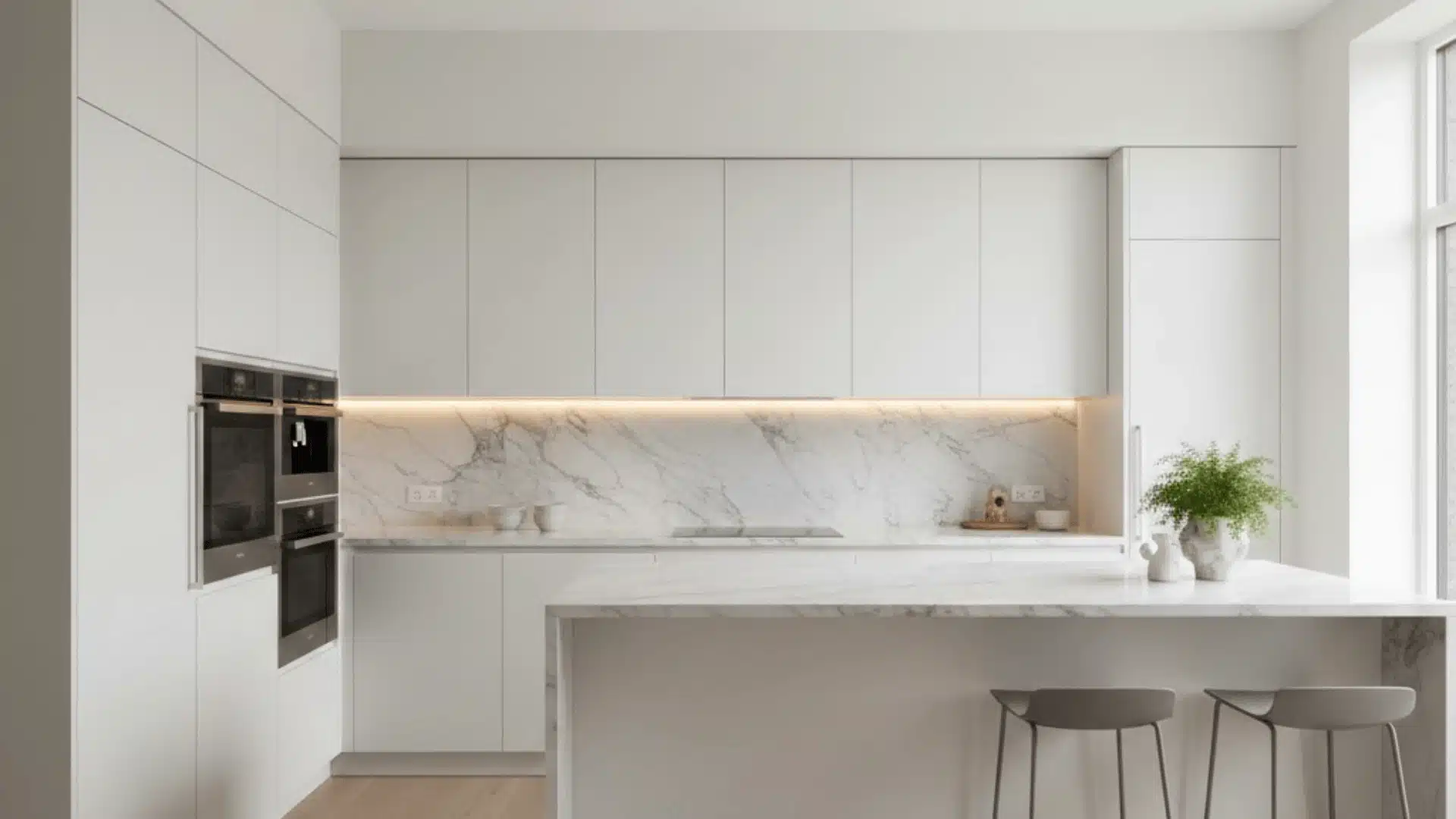
A modern kitchen setup is built around simplicity and efficiency. Clean surfaces and smart storage keep the space looking sharp without feeling cold.
Think handleless cabinets, built-in appliances, and neutral tones like white, gray, or beige.
Under-cabinet lighting adds subtle brightness. Keep countertops mostly clear so the design feels intentional, not crowded.
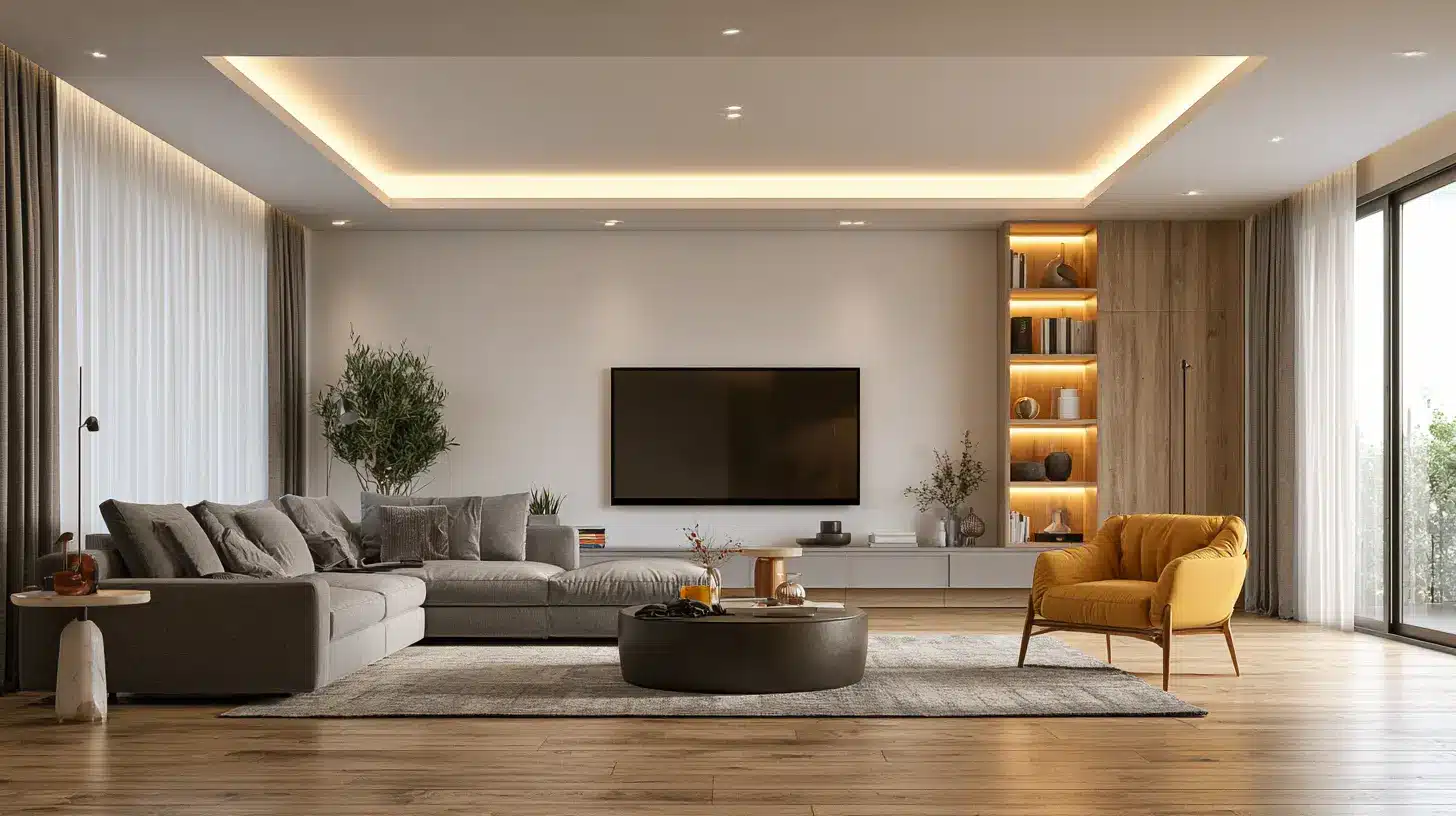
2. Contemporary Living Style
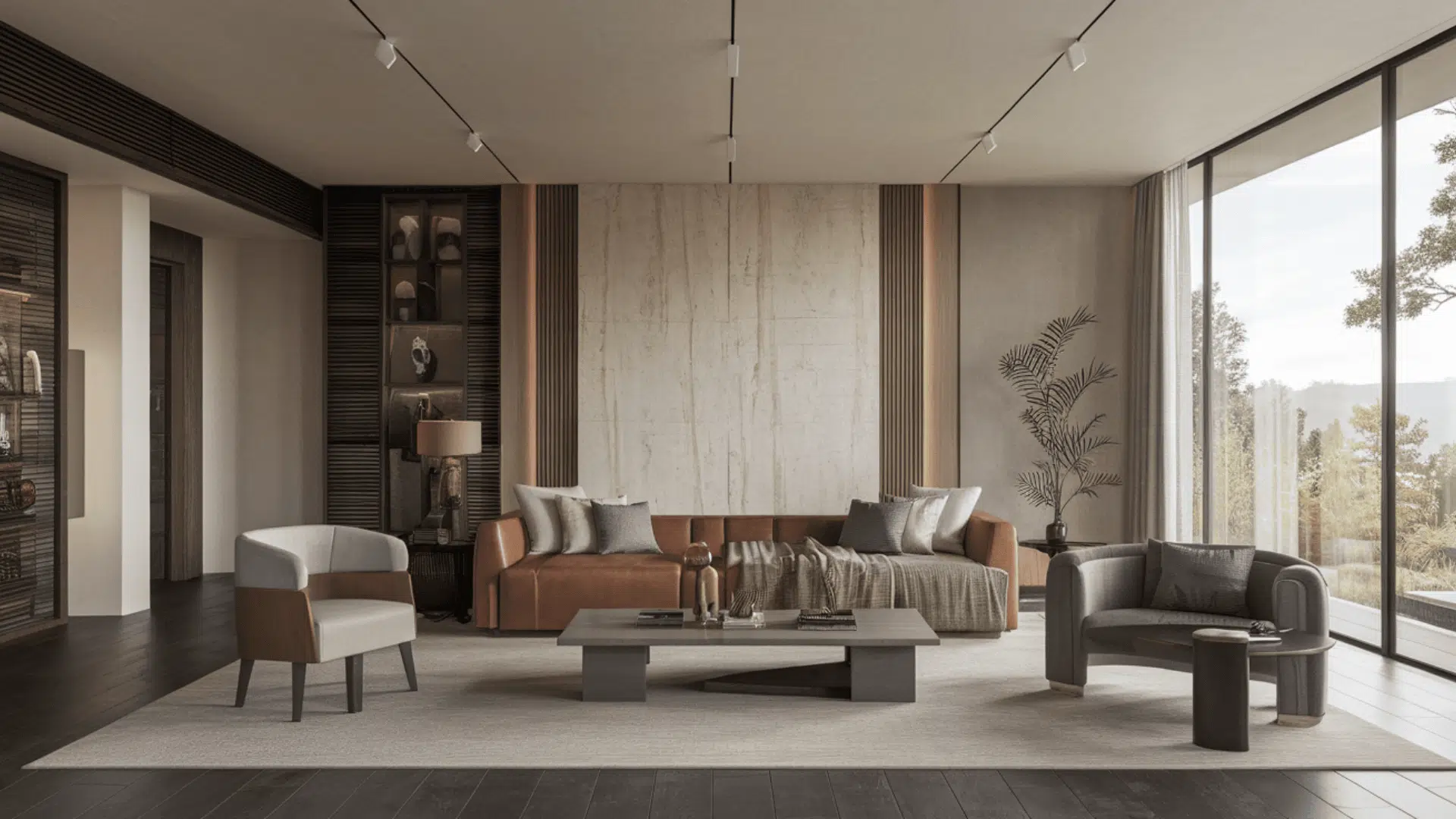
This approach reflects current design trends and stays flexible with time.
Blend different materials, such as wood, metal, and fabric. Use neutral palettes with bold accent colors.
Large windows maximize natural light. Add abstract art for visual interest.
3. Bohemian Bedroom Design
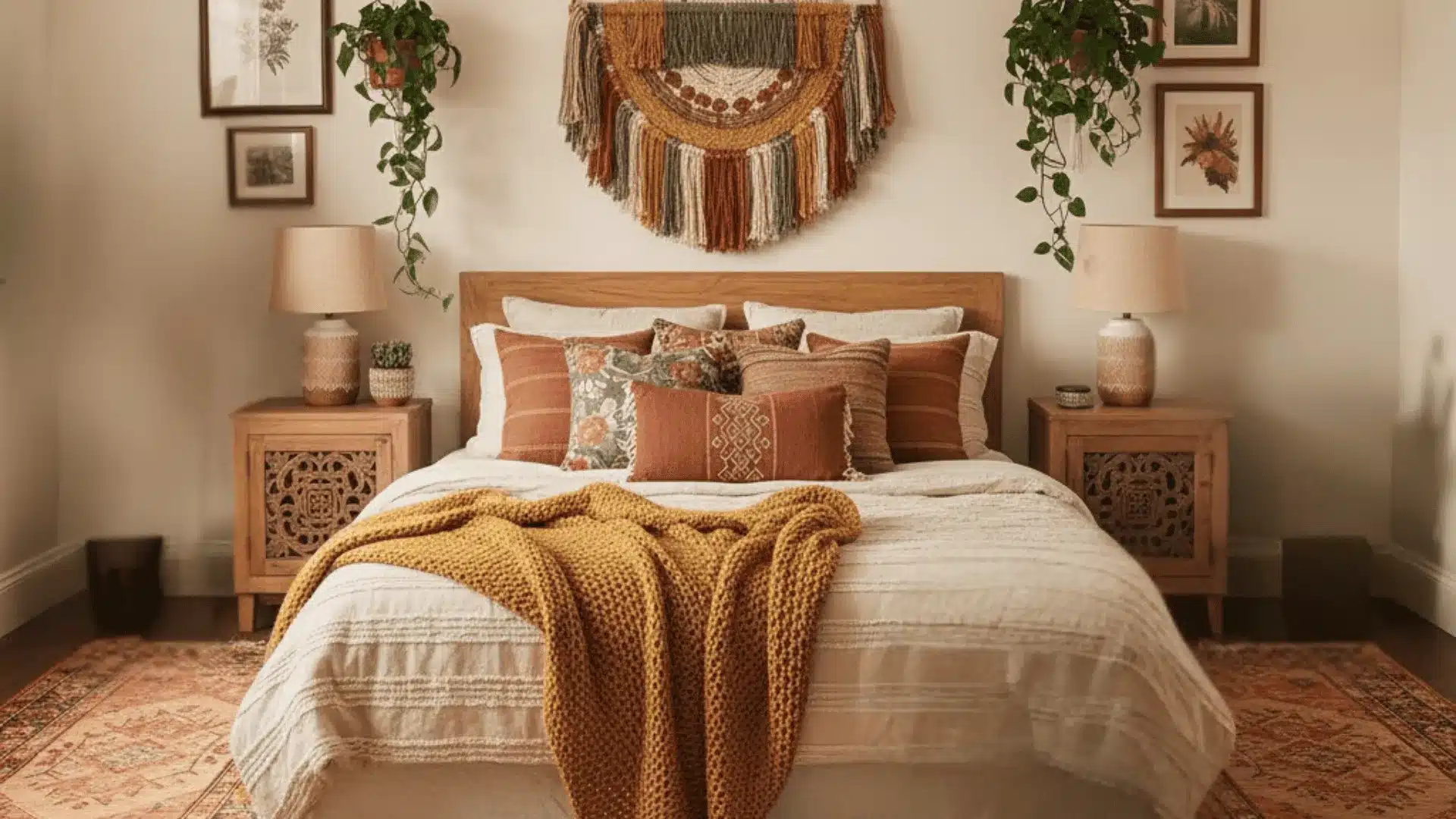
Bohemian bedrooms feel relaxed and personal. Nothing has to match perfectly, and that is the charm.
Layer rugs over each other. Mix patterned bedding with textured throws. Add plants in corners and woven wall hangings above the bed.
Vintage side tables or collected decor pieces complete the look. The goal is comfort with character, not symmetry.
4. Scandinavian Living Room
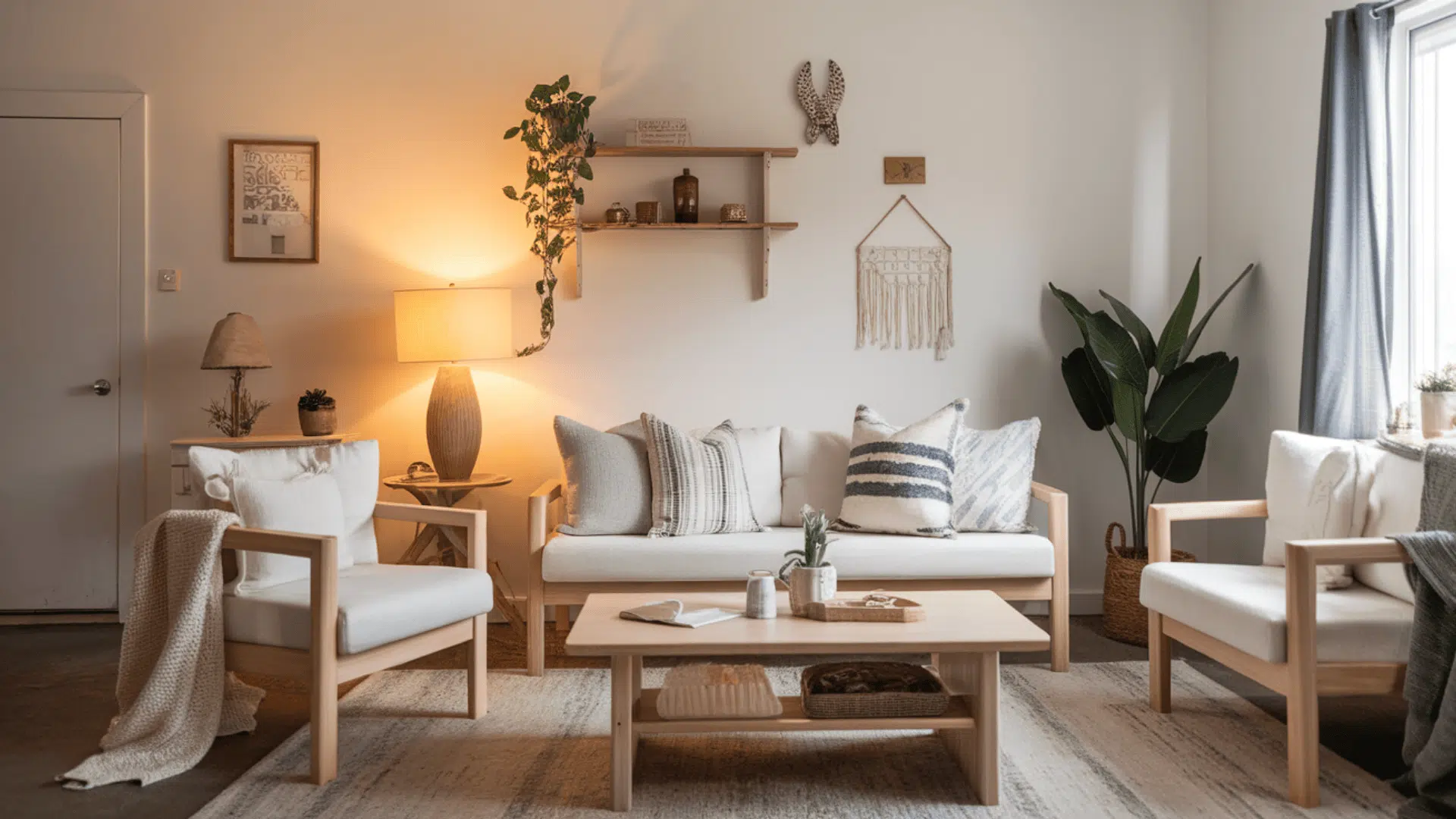
Use light wood furniture paired with white walls when going for a Scandinavian style living room. Add cozy textiles like wool throws and linen cushions.
Use soft, warm lighting throughout.
Include functional furniture with simple, beautiful designs. Bring nature inside with potted plants.
5. Transitional Living Look
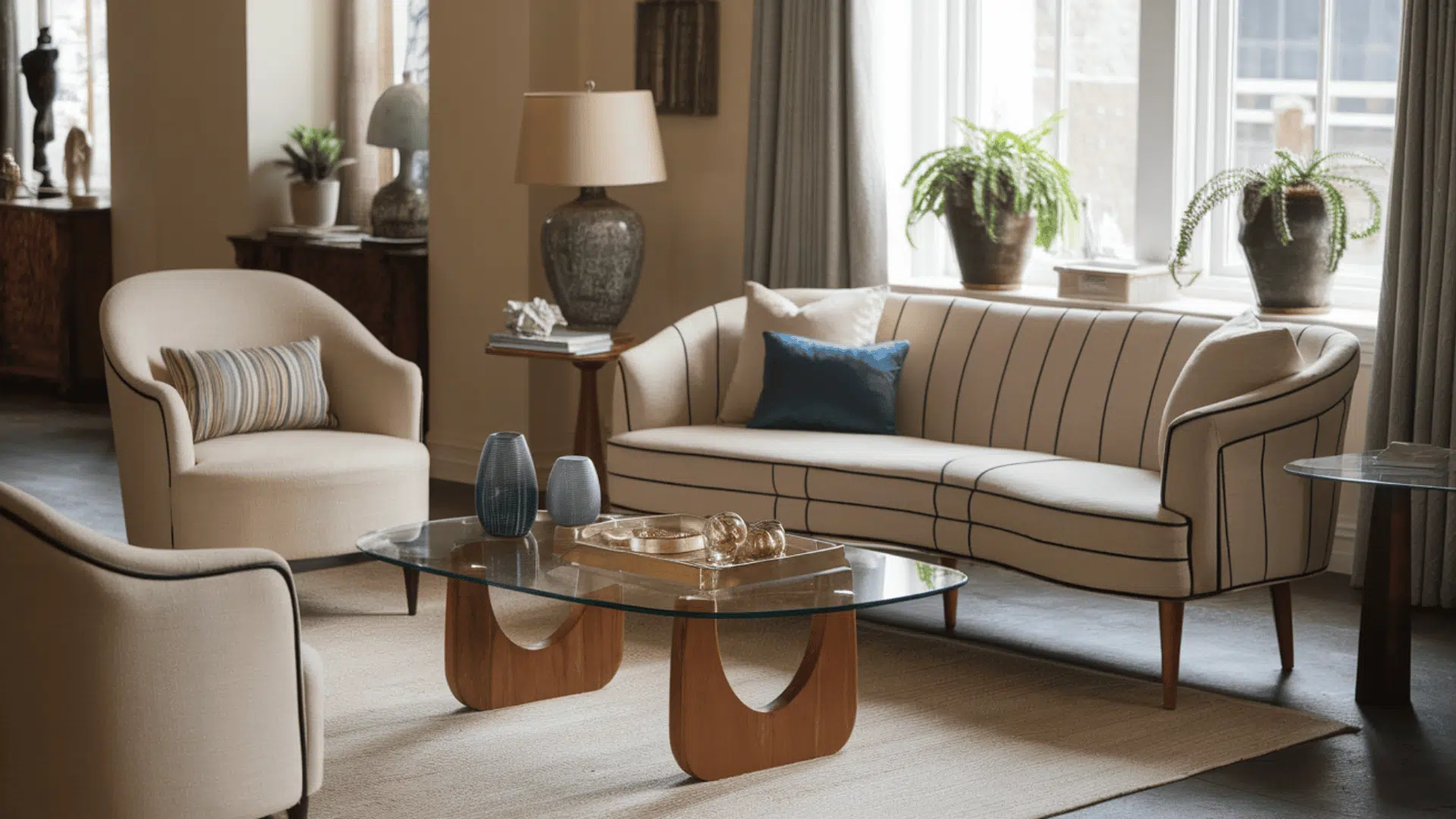
Bridge traditional and modern styles seamlessly. Mix classic furniture shapes with contemporary fabrics. Key features:
- Neutral base colors with subtle patterns
- Blend curved and straight lines
- Layer different textures for depth
- Versatile appeal
This balanced approach ages gracefully and suits many tastes.
6. Mid-Century Living Style
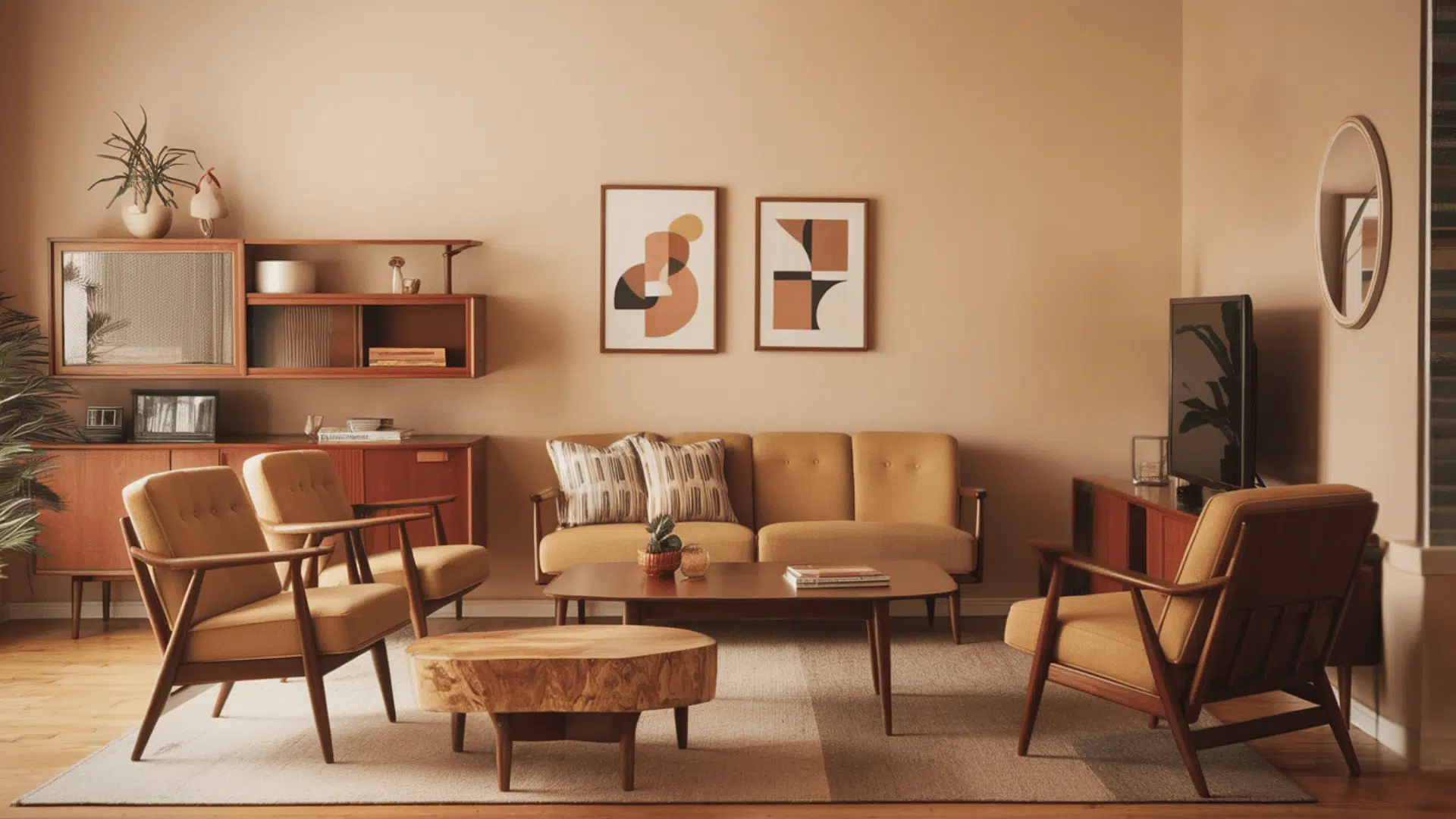
Iconic furniture from the 1950s and 60s anchors this retro look. Think tapered wooden legs, curved forms, and bold geometric patterns.
Mix warm woods with vibrant accent colors like orange or teal. Keep the layout open and functional.
7. Traditional Hallway Design
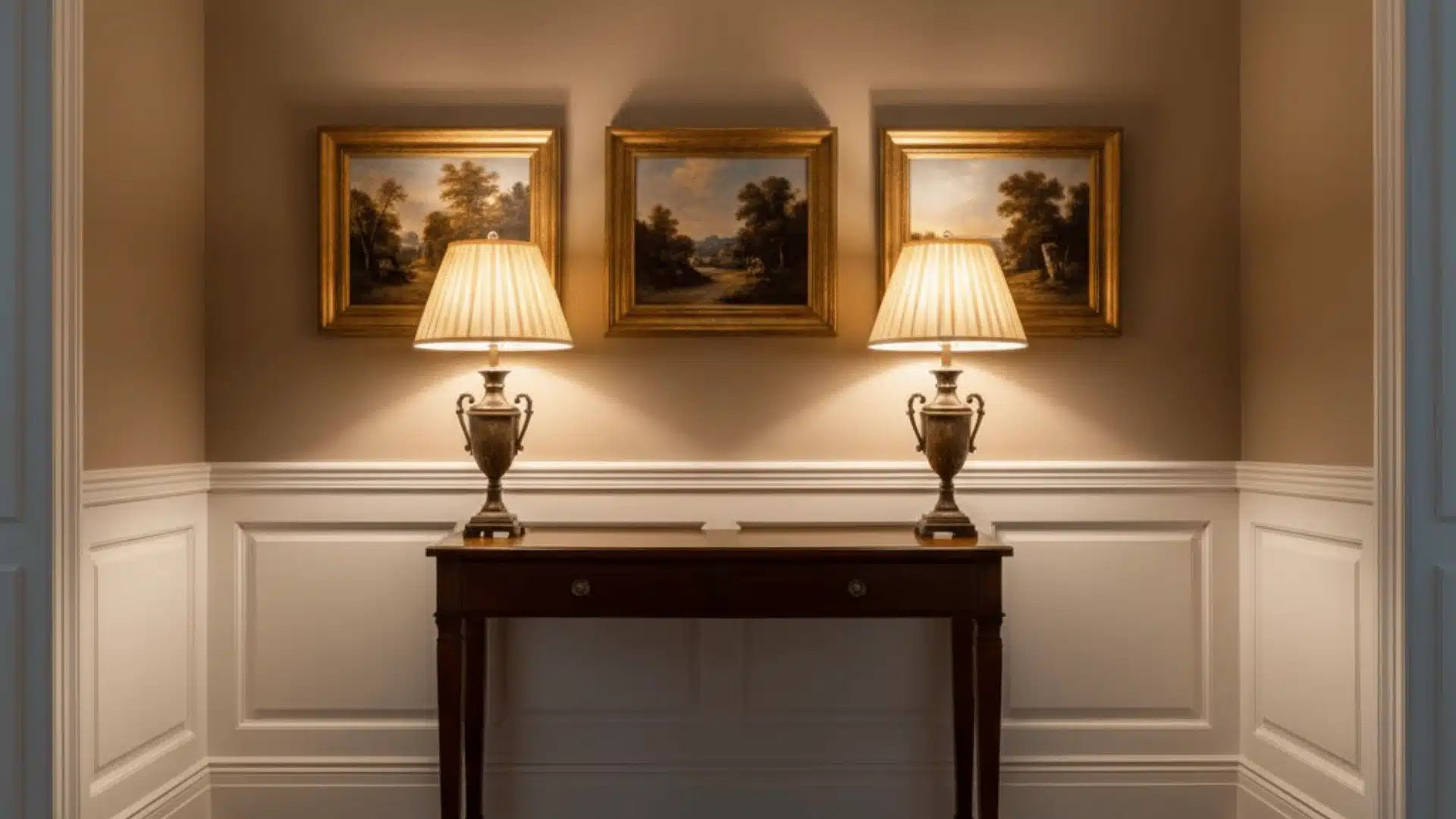
A traditional hallway focuses on balance and structure. Symmetry often plays a key role.
- Console table centered on the wall
- Matching lamps or sconces
- Framed artwork in neat alignment
- Warm wood finishes
Muted wall colors and subtle molding details help create a timeless first impression as soon as someone enters your home.
8. Farmhouse Living Room
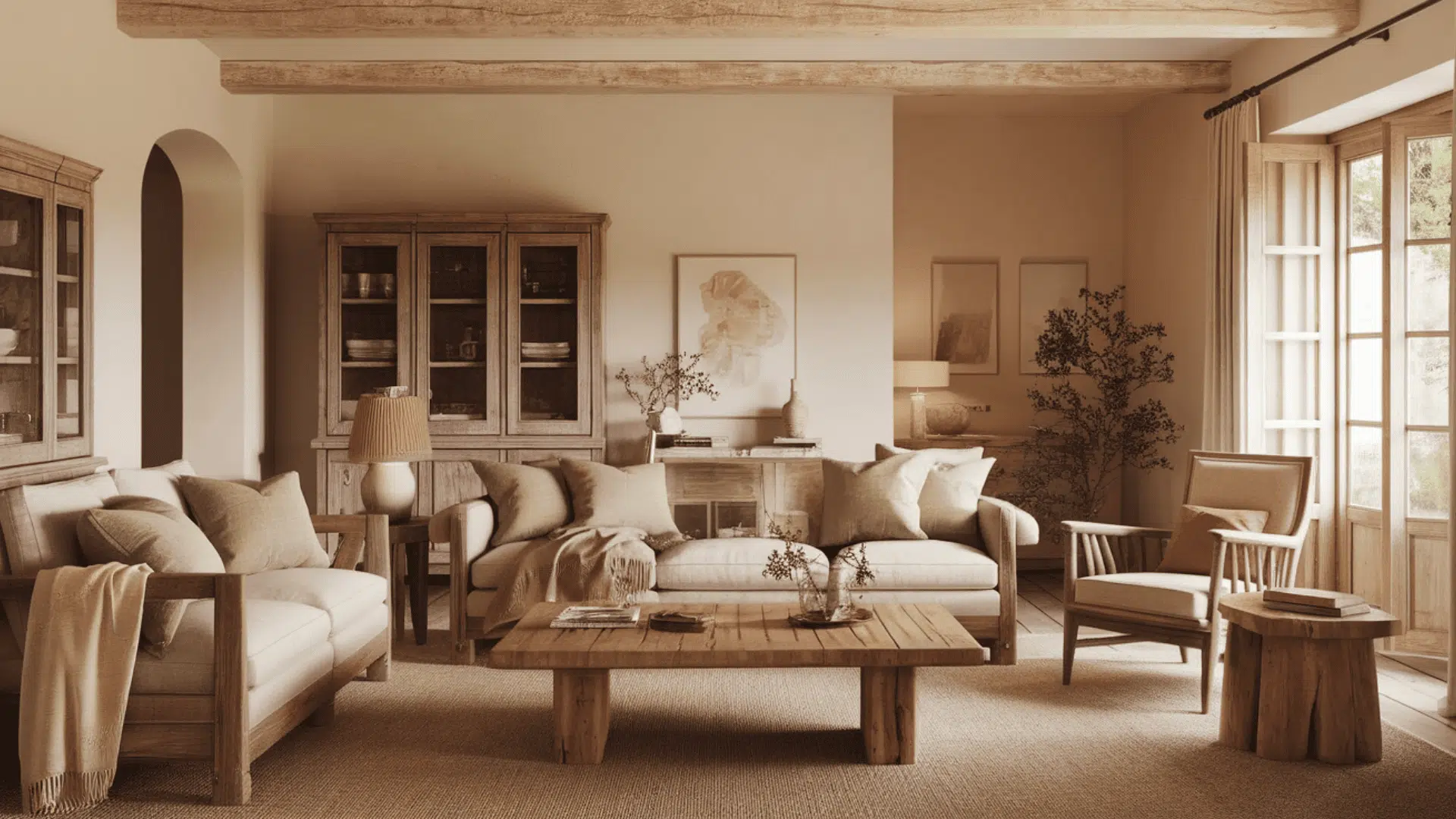
Rustic wood elements combined with comfortable, oversized furniture create a farmhouse style interior space.
Use a neutral color palette with whites and soft grays. Add vintage or antique accent pieces for charm.
Incorporate natural materials like cotton and linen.
9. Coastal Living Setup
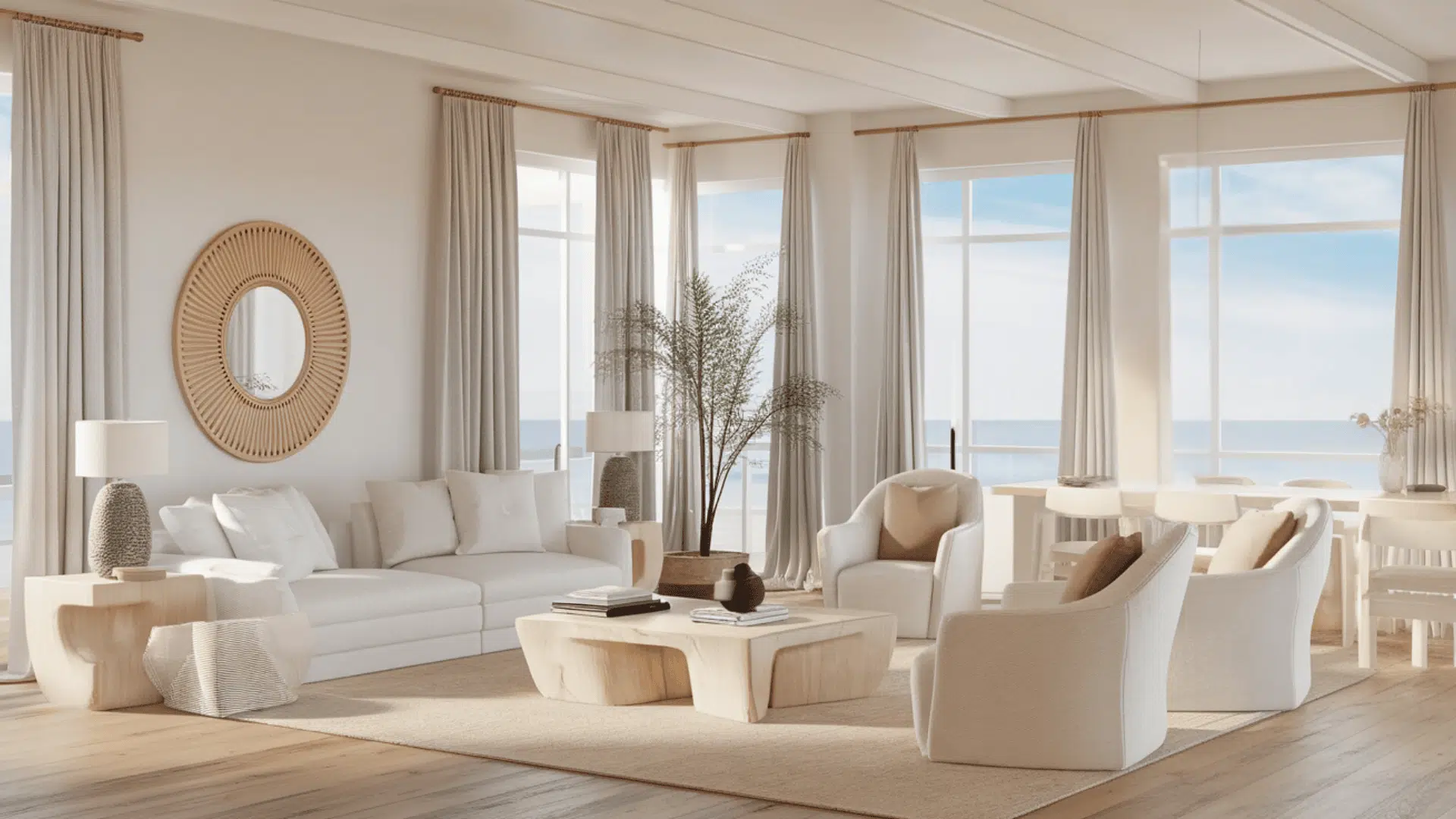
Bring beach vibes to your home interior with the right elements. The space feels relaxed and vacation-ready year-round.
- Soft blues, sandy beiges, and crisp whites
- Natural textures like rattan and jute
- Weathered wood furniture
- Light, breezy fabrics
10. Rustic Living Design
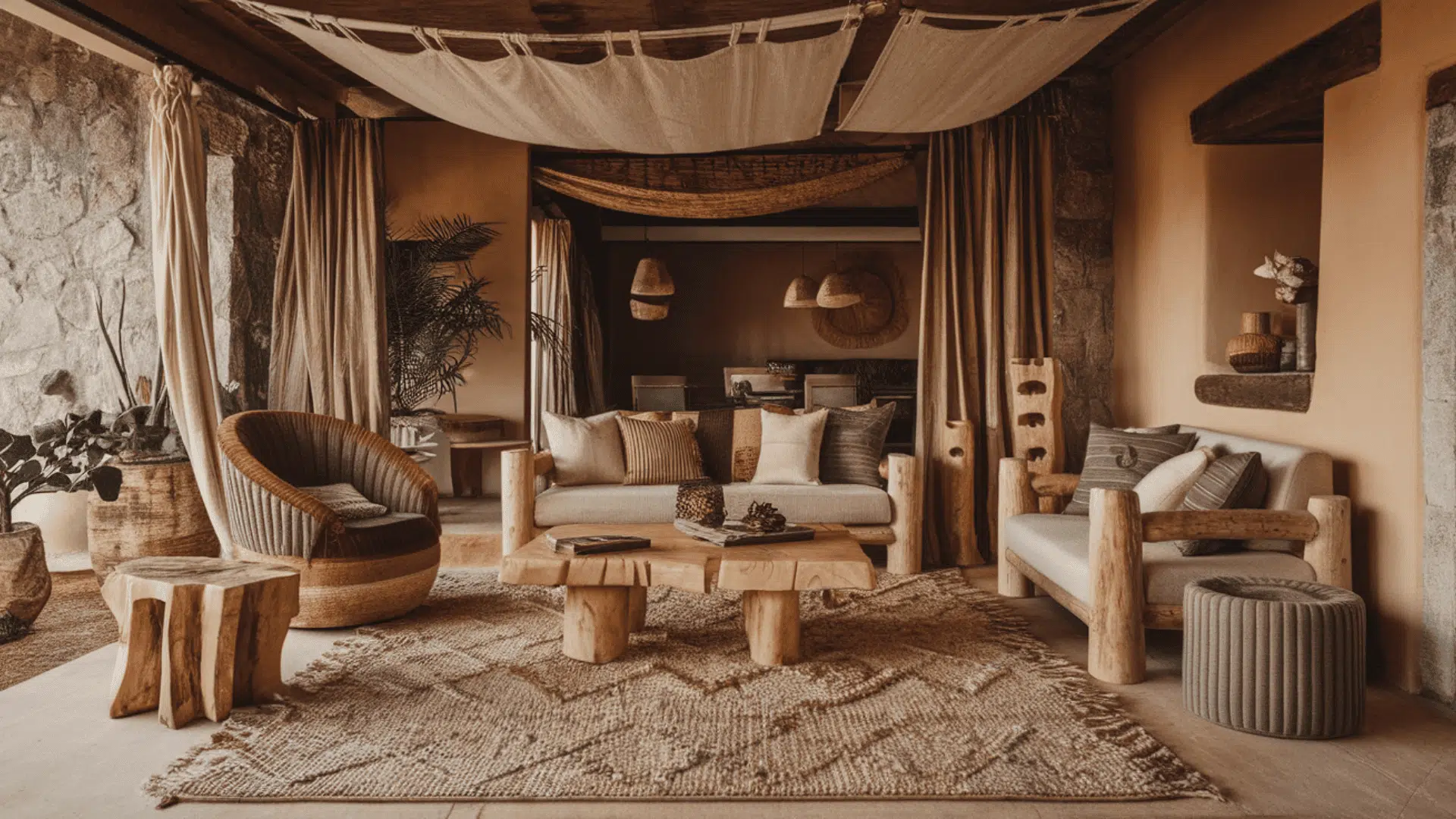
Natural wood with visible knots takes center stage. Stone accents on walls or fireplaces add an earthy texture.
Use warm, rich colors inspired by nature. Layer cozy textiles like wool and fur. Choose substantial, handcrafted furniture pieces.
11. Traditional Living Room
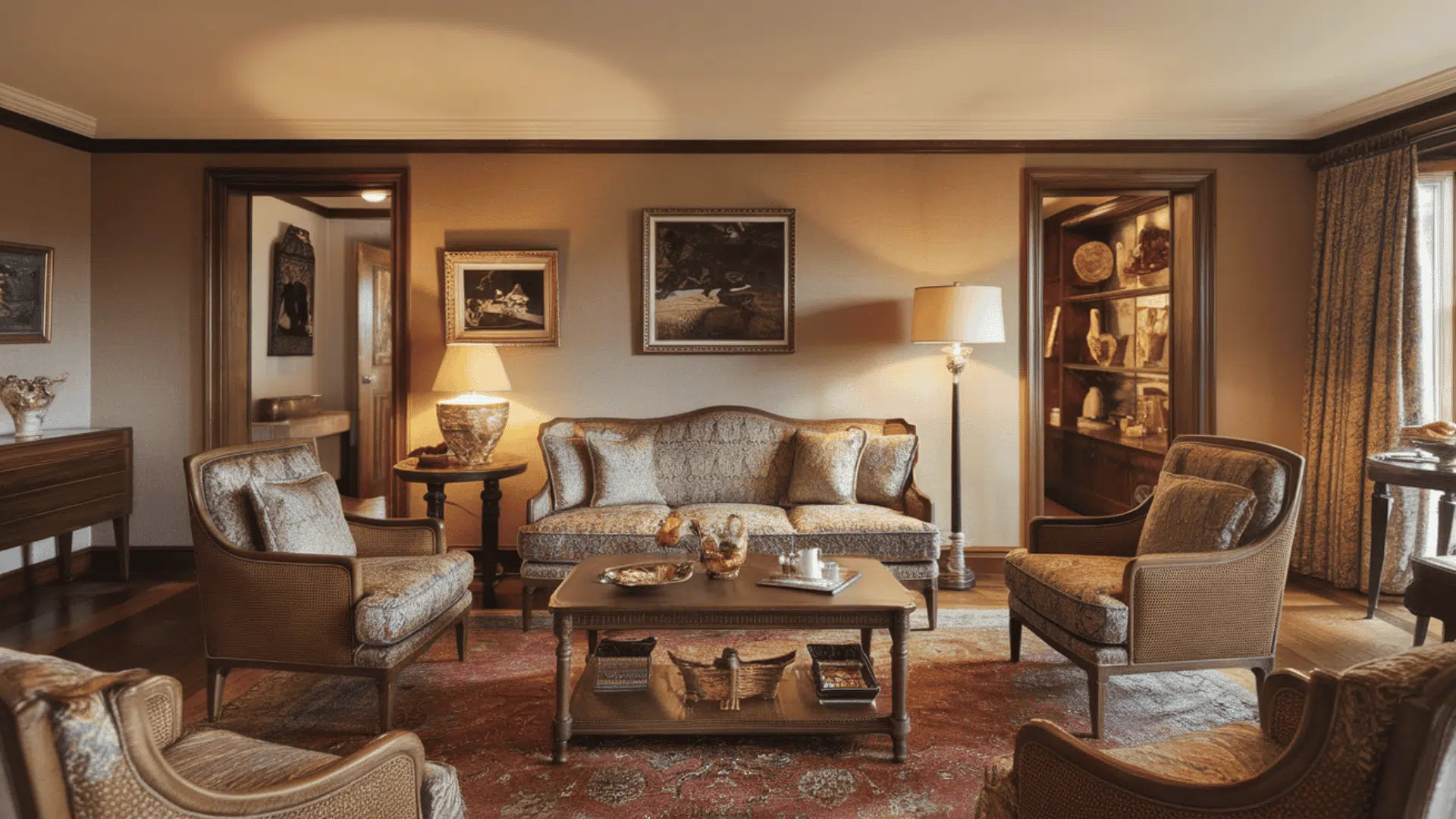
Classic furniture with ornate details and rich wood tones defines this evergreen style. Use formal arrangements with matching pieces.
Choose elegant fabrics like silk, velvet, and damask.
Add traditional patterns such as florals and stripes.
12. Dark Mood Kitchen Interior
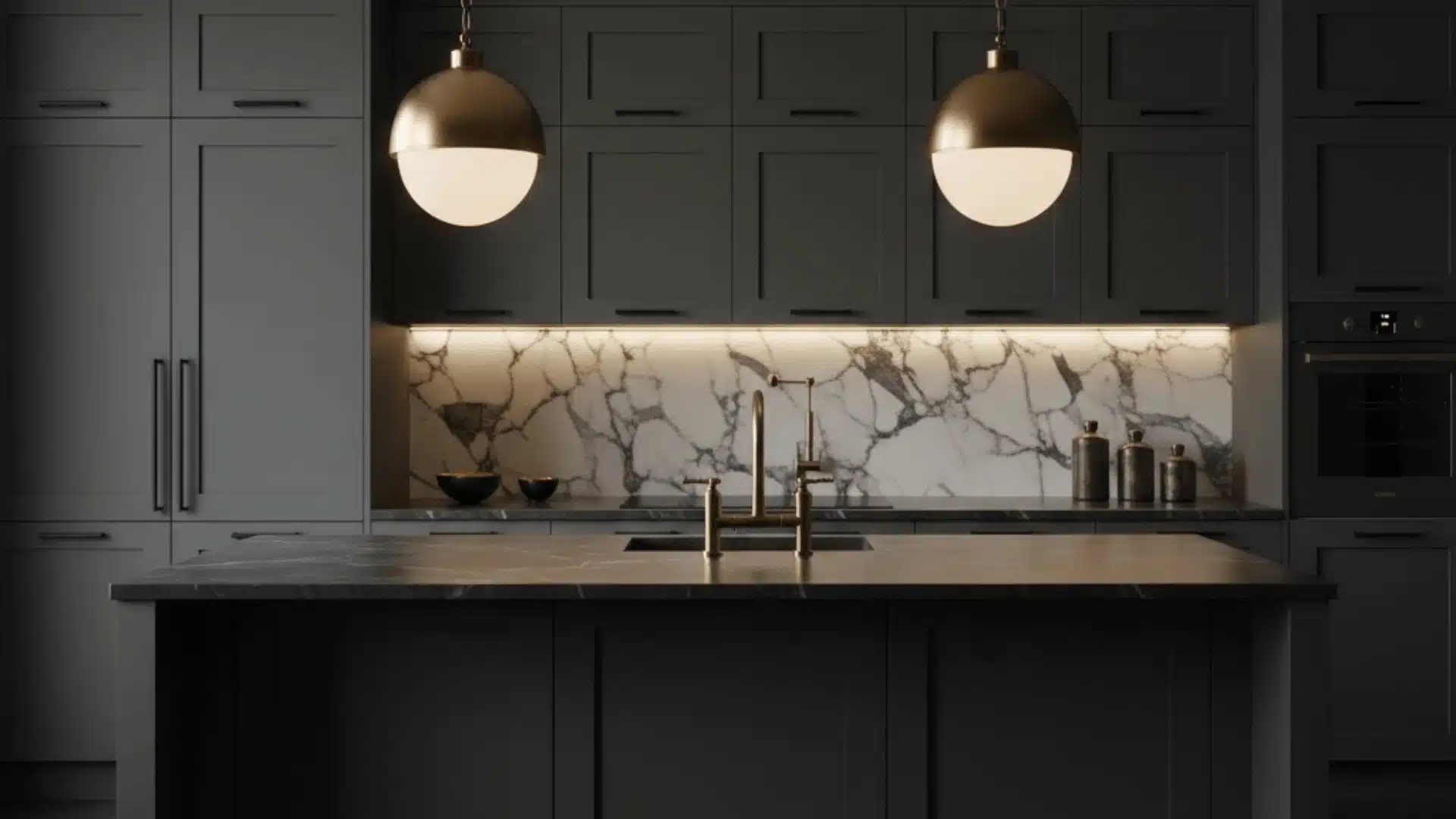
A dark mood kitchen uses deep shades to create depth and contrast. Instead of bright finishes, it embraces darker tones.
Charcoal cabinets, matte black hardware, and rich green or navy walls set the tone.
Warm lighting is essential to prevent the space from feeling heavy.
Balance darker cabinetry with lighter countertops or backsplash for visual relief.
13. French Country Living Room Interior
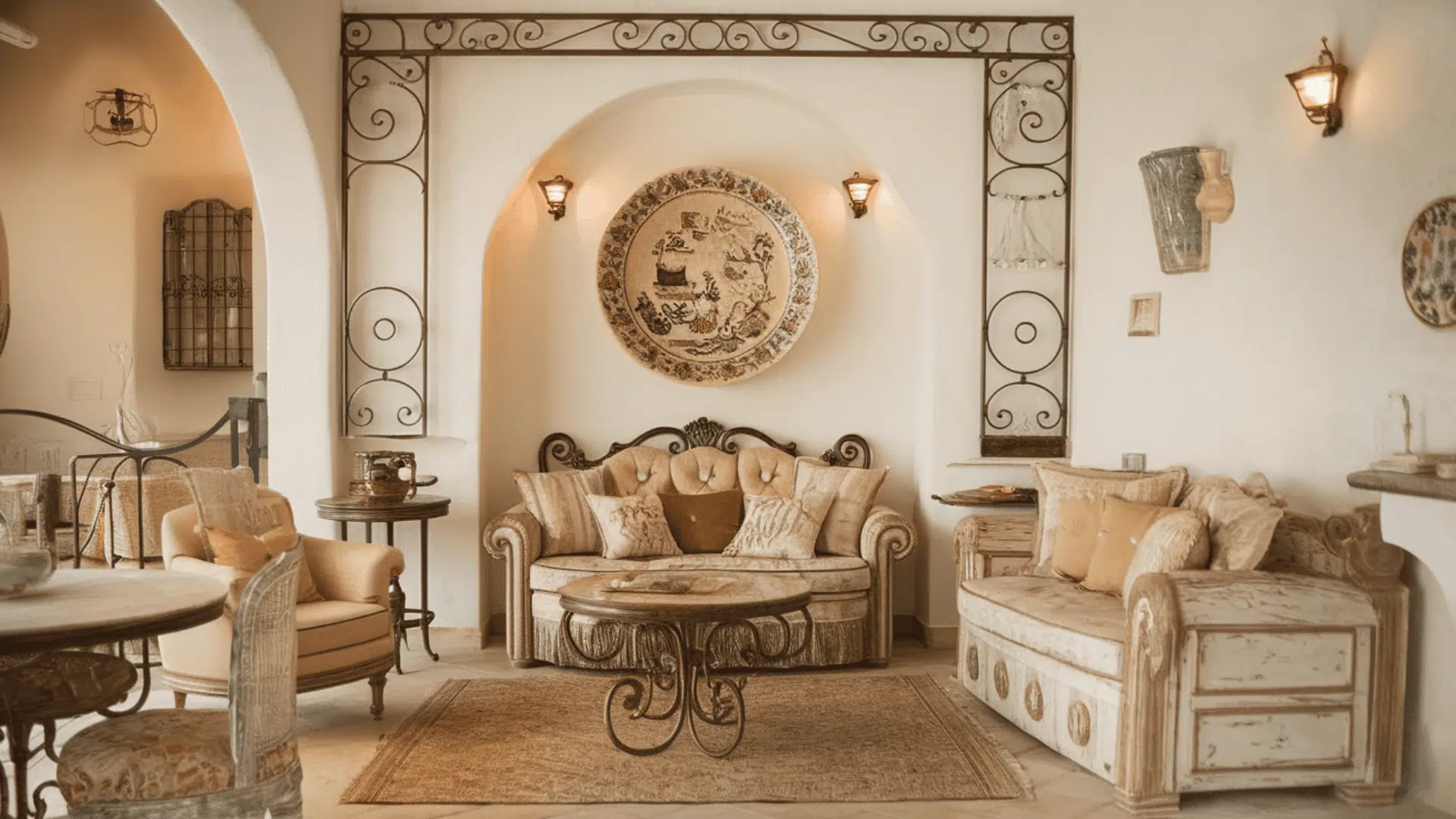
Bring Provence-inspired charm to your spaces. This romantic style blends rustic and refined elements beautifully.
French country feels romantic, rustic, and effortlessly chic.
How you can do it:
- Use Soft colors like cream and lavender
- Toile fabrics and distressed furniture
- Wrought iron accents
- Open shelving with ceramics
Conclusion
Home aesthetics becomes powerful when it feels personal, not expensive.
From what I have seen, even minor changes like better lighting or a fresh layout can make a noticeable difference. Start with what feels manageable.
Build slowly. Let each decision connect to the next. Your home should feel aligned with who you are and how you live.
Take these ideas, adapt them to your needs, and trust your judgment.
A well-balanced space grows over time, not overnight.
Frequently Asked Questions
What are the Different Home Aesthetics?
Different home aesthetics include minimalist, Scandinavian, bohemian, industrial, coastal, traditional, mid-century, farmhouse, and neo-naturalism.
What Does Home Aesthetics Mean?
Home aesthetics is the visual and emotional feel of your space, combining colors, textures, furniture, and lighting to reflect your personality and create comfort.
What is the Popular Home Aesthetic in 2026?
Neo naturalism leads the 2025 trends with living walls and natural materials. Minimalist, modern, and Scandinavian styles remain popular for their timeless, sustainable appeal