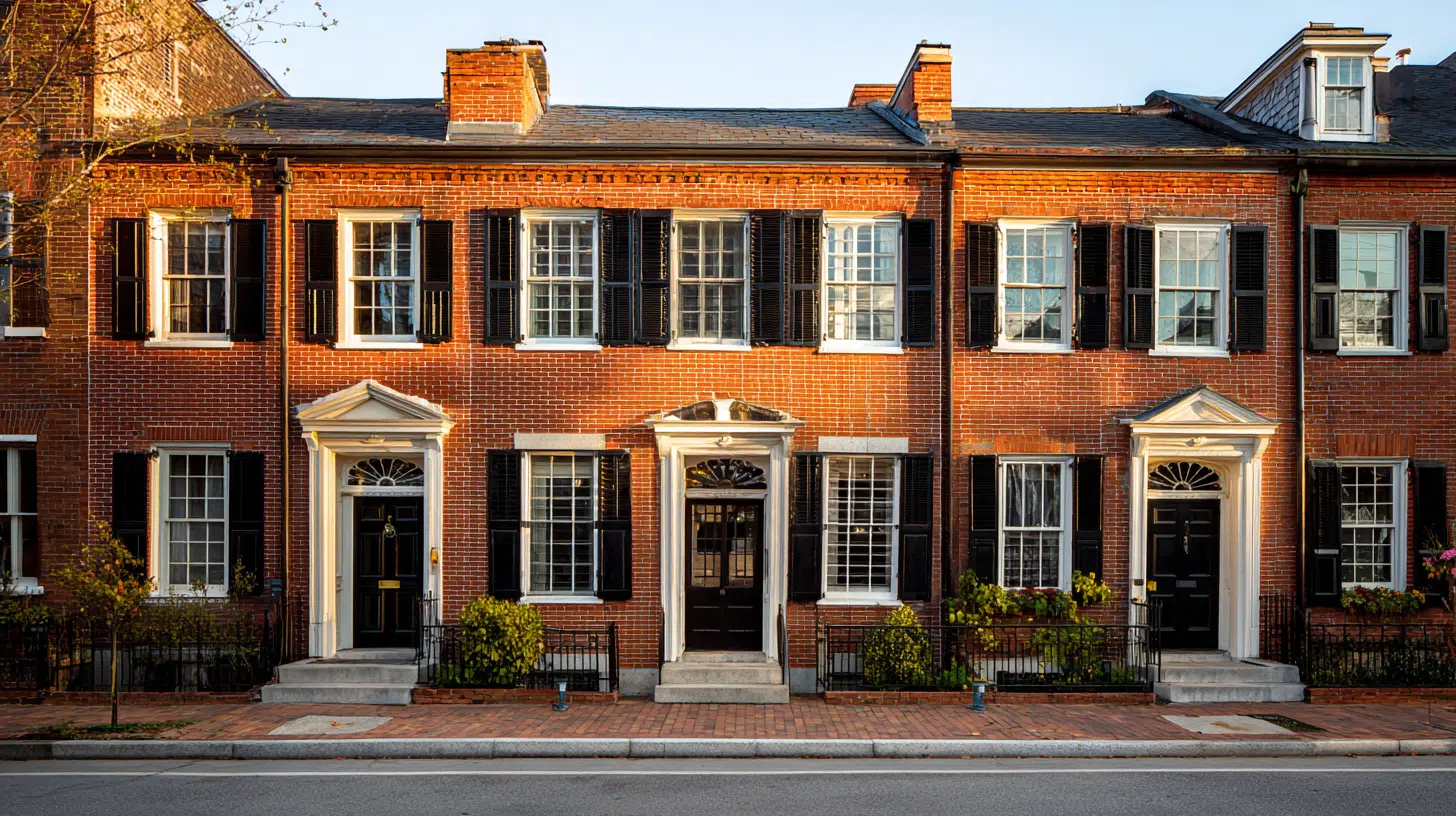
What is a Federal Style House?
A Federal-style house is an American design that was popular from about 1780 to 1830, right after the Revolutionary War. It was one of the first styles to give the young nation its own identity.
Federal homes are known for balance and symmetry, with shapes inspired by classical buildings.
Compared to the heavier Georgian style that came before it, the Federal look was lighter and more delicate. Its details were refined but never too fancy.
This style was also shaped by the Adam style of Scotland, part of European Neoclassicism. It matched the spirit of post-colonial America, reflecting ideas of democracy and independence.
Wealthy merchants and leaders in New England and the Mid-Atlantic built these homes as symbols of stability and grace.
History and Origins of Federal Style Architecture
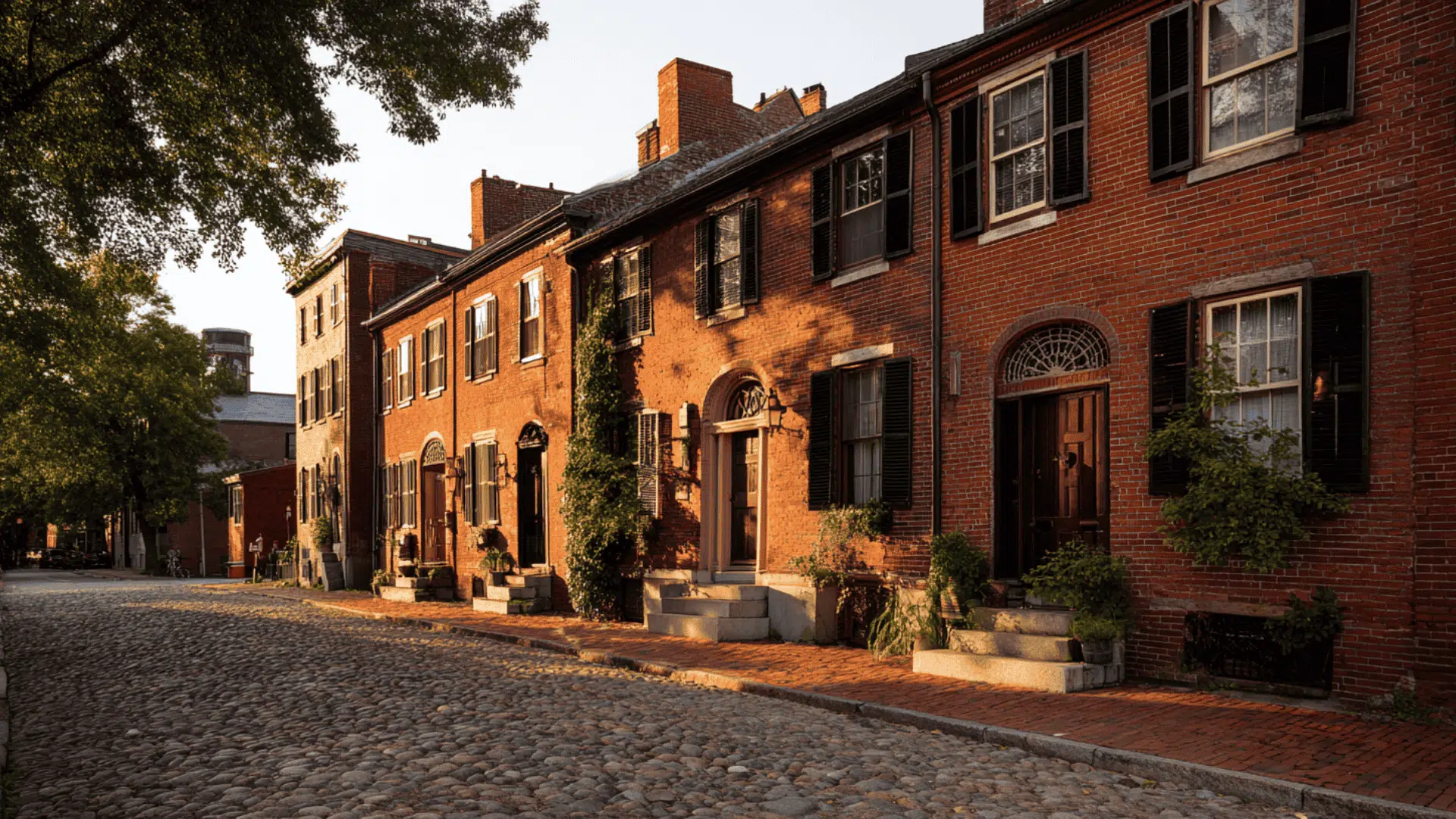
The Federal style began in the late 1700s, during the years after America won its independence.
Inspired by Georgian architecture but made lighter and more refined, it reflected the democratic ideals of the young nation.
In the 1780s and 1790s, it mixed Georgian formality with the grace of the British Adam style.
This blend spread quickly through New England, the Mid-Atlantic, and Washington, D.C. By the 1830s, its influence faded as Greek Revival homes with grander designs became more popular.
Key architects such as Charles Bulfinch and Samuel McIntire shaped its look.
With symmetry, delicate details, and classiness, the Federal style came to represent prosperity, refinement, and America’s growing independence from its colonial past.
Key Characteristics of Federal Style Houses
- Symmetrical façade design with perfectly balanced proportions.
- Rectangular or square floor plans with a central hallway.
- Low-pitched hip or gable roofs usually feature minimal overhang.
- Uniform multi-pane double-hung sash windows arranged in regular patterns.
- Decorative fanlights and sidelights surround the central doorway.
- Classical details such as slender columns, pediments, and clean cornices.
- Refined ornamentation that is sleek but restrained compared to earlier Baroque styles.
Together, these features defined the Federal style, showcasing America’s early architectural identity with grace, proportion, and enduring classiness.
Exterior vs Interior Features
Federal-style homes are admired for both their symmetrical exteriors and refined interiors.
| Exterior Features | Interior Features |
|---|---|
| Brick or wood siding with smooth finishes, often painted white or in muted tones. | Central hall floor plans organize rooms with symmetry and balance. |
| Central entrances framed with fanlights, sidelights, and transom windows. | High ceilings accented by delicate plaster moldings. |
| Shutters and decorative hardware add rhythm and visual balance. | Fireplaces with refined mantelpieces and restrained ornamentation. |
| Chimneys are placed symmetrically at the roof ends or along the center. | Staircases featuring slender balusters and graceful curves. |
| Porticos and pediments supported by slim classical columns. | Window treatments like shutters and draperies, often with arched tops. |
| Iron railings and balconettes add classiness to upper stories. | Period color schemes in soft pastels, earthy tones, and white trim. |
This comparison highlights how Federal architecture balanced exterior symmetry with interior refinement, creating homes that felt dignified, polished, and timeless both outside and in.
Famous Federal Style House Examples
Federal-style houses across the U.S. are enduring symbols of early American architecture, showcasing refinement, balance, and cultural identity.
These landmarks emphasize the style’s classiness and influence from New England to Washington, D.C.
1. Harrison Gray Otis House, Boston, Massachusetts
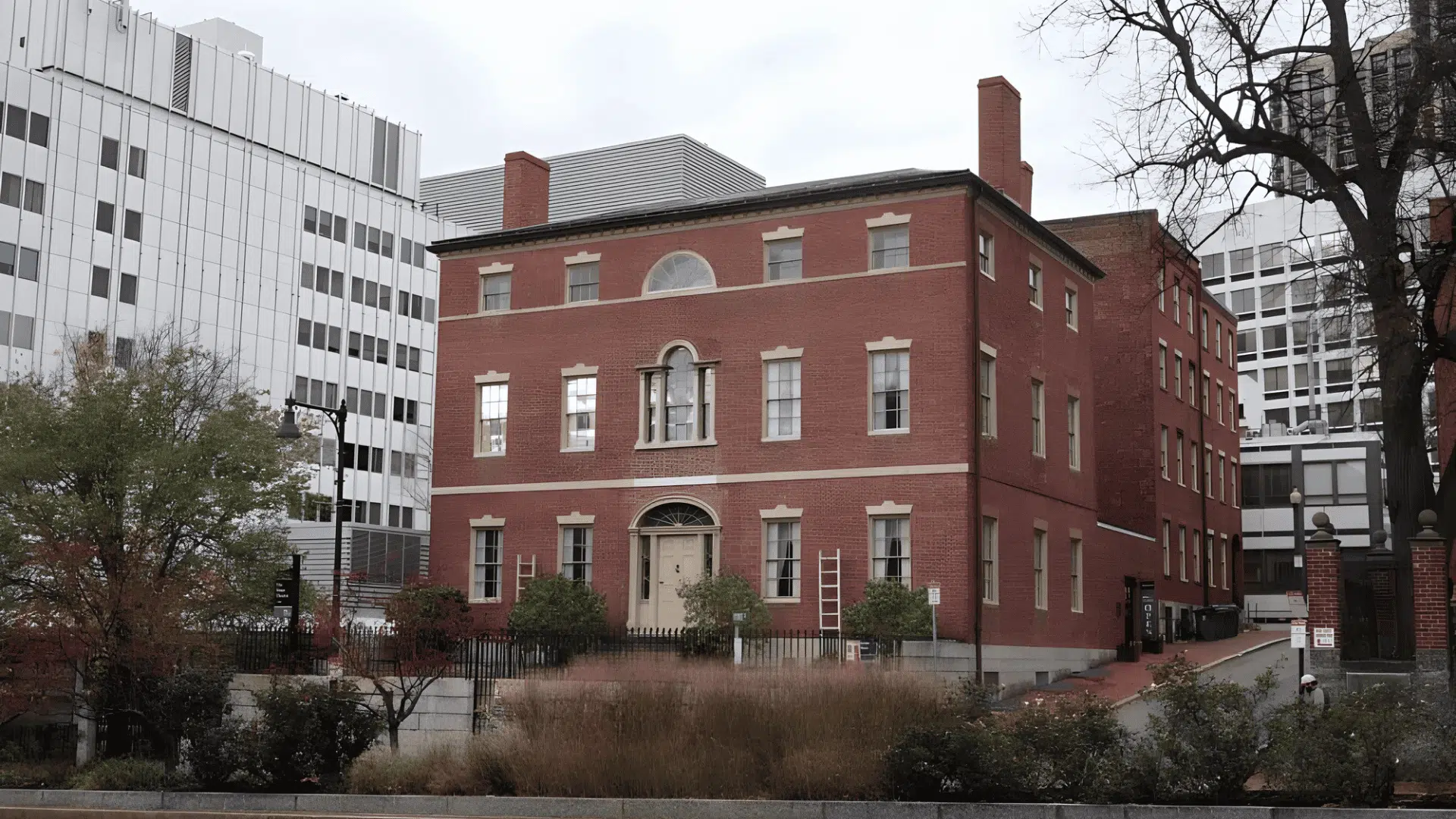
Designed by Charles Bulfinch in 1796, the Harrison Gray Otis House is one of the earliest and finest examples of Federal refinement.
Its symmetrical proportions, luxury detailing, and refined interiors reflect Boston’s prominence in shaping the nation’s architectural identity during the Federal period.
2. Decatur House, Washington, D.C.
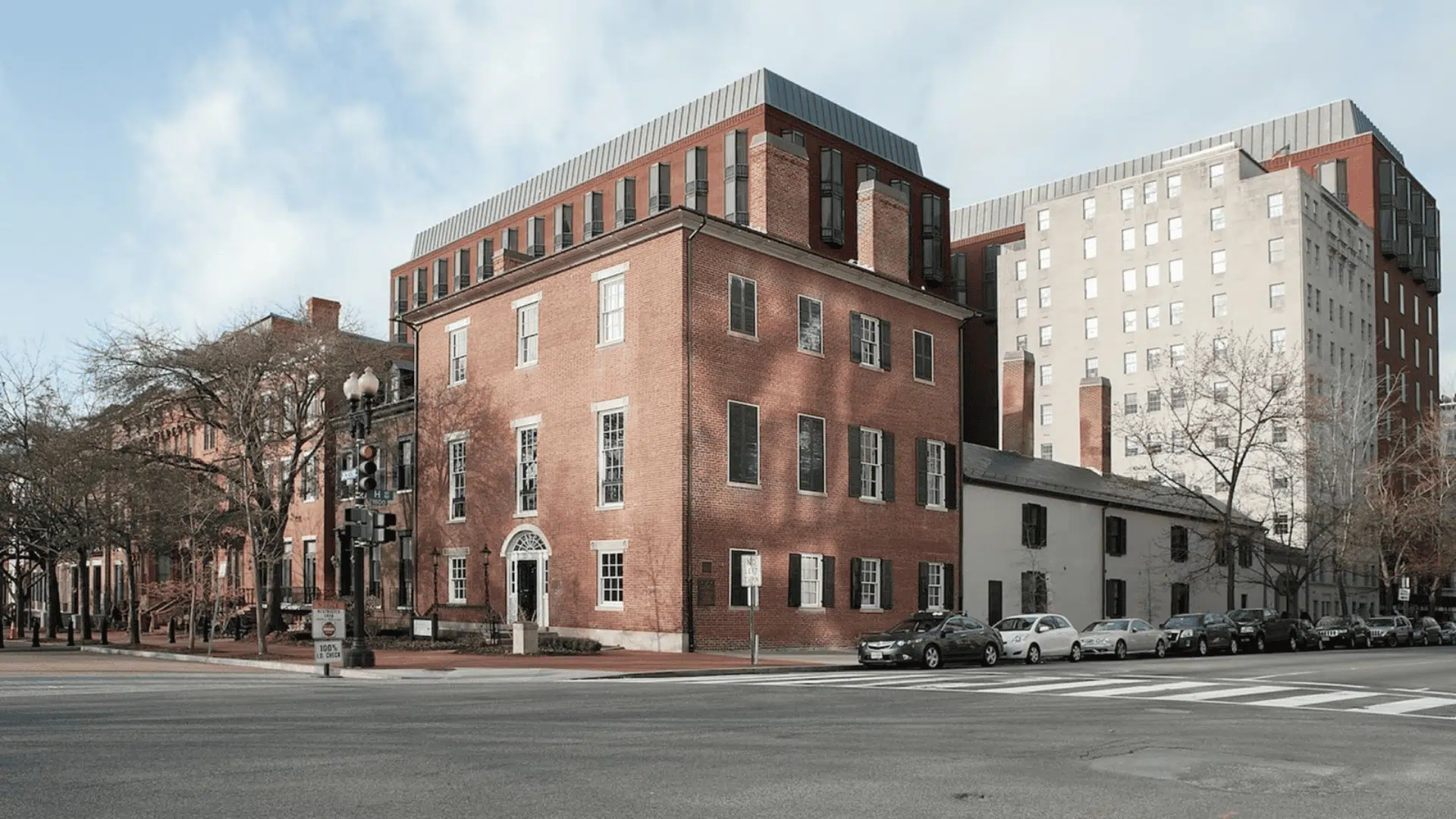
Completed in 1818 near the White House, the Decatur House represents the dignified presence of Federal style in an urban context.
With its balanced proportions, refined detailing, and historical importance, it remains an important architectural landmark reflecting early Washington’s growing political and cultural influence.
3. Pierce-Nichols House, Salem, Massachusetts
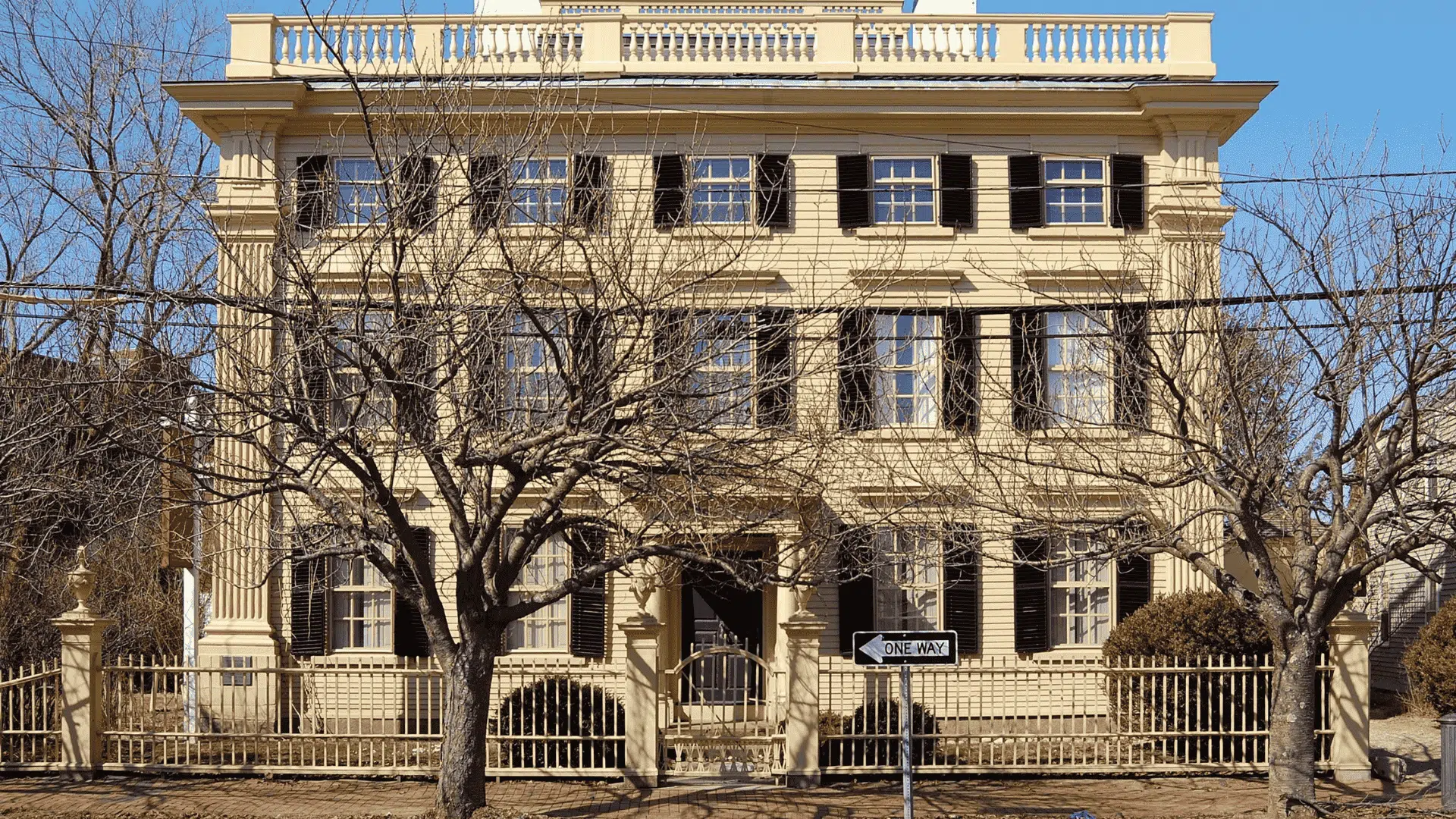
Built in 1782 by master carver Samuel McIntire, the Pierce-Nichols House showcases exquisite Federal craftsmanship.
Its preserved exterior and interior elements, including fine woodcarving and sleek detailing, highlight the refinement of the style while celebrating Salem’s cultural and architectural importance in early America.
4. Hamilton Grange, New York City, New York
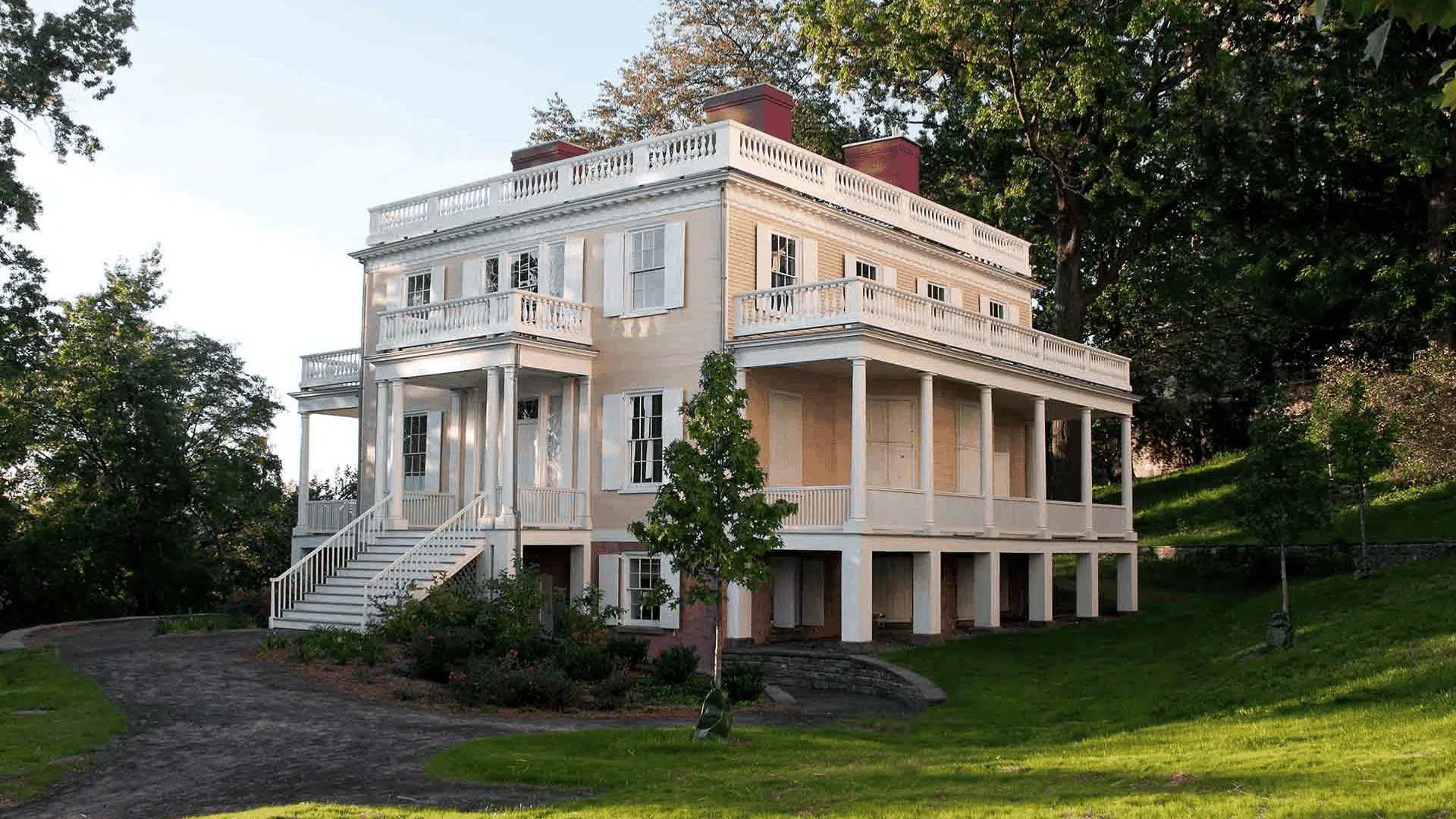
Hamilton Grange, the former home of Alexander Hamilton, is a Federal style residence completed in 1802.
Its proportions, classical detailing, and refined interiors blend historical importance with architectural beauty, preserving the legacy of one of America’s Founding Fathers through timeless design.
5. Touro Synagogue, Newport, Rhode Island
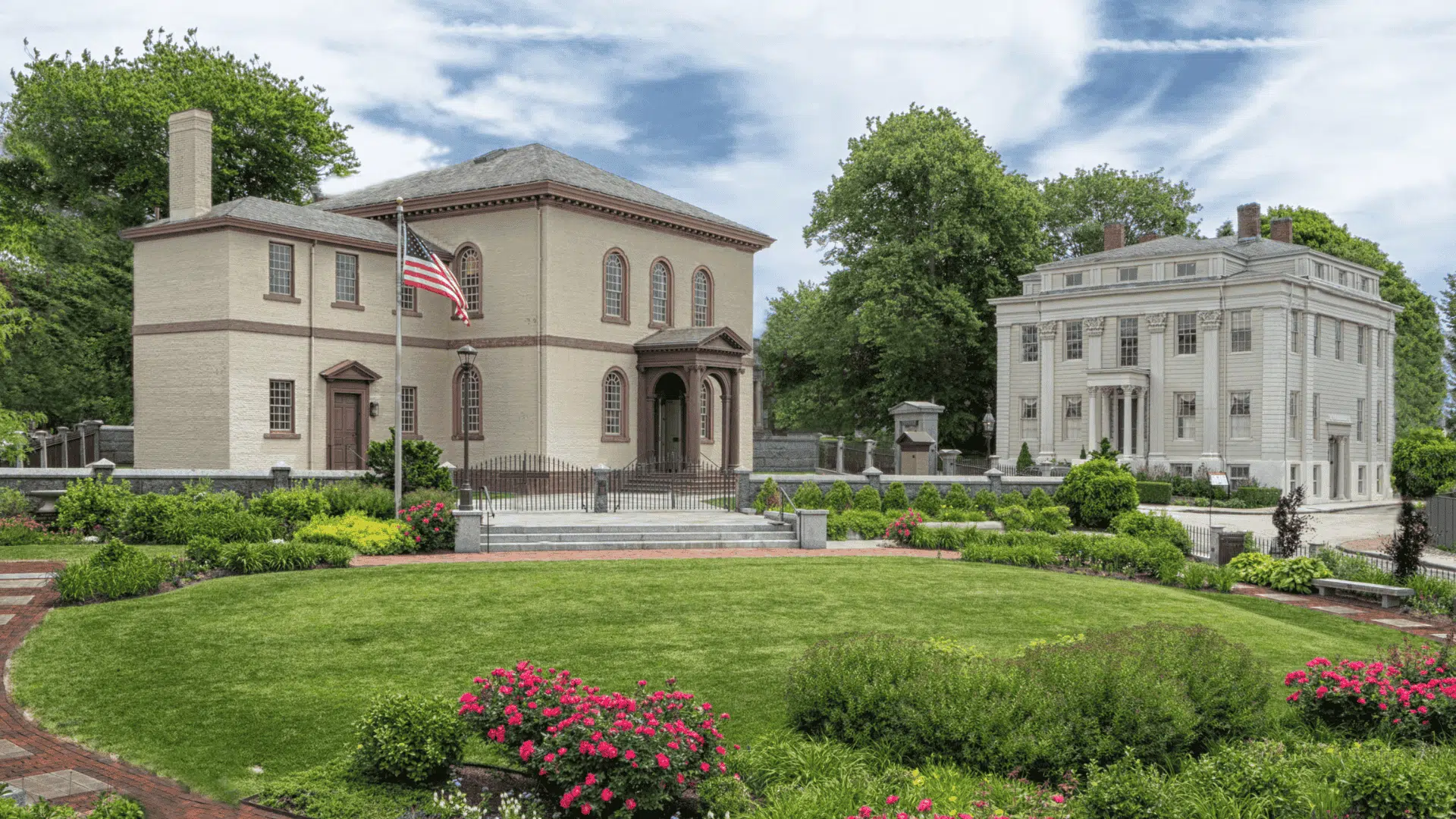
Built in 1763 and later refined with Federal influences, the Touro Synagogue represents a unique adaptation of the style in religious architecture.
With its symmetrical layout, classical details, and cultural importance, it remains a symbol of both architectural beauty and religious freedom.
6. Davenport House, Savannah, Georgia
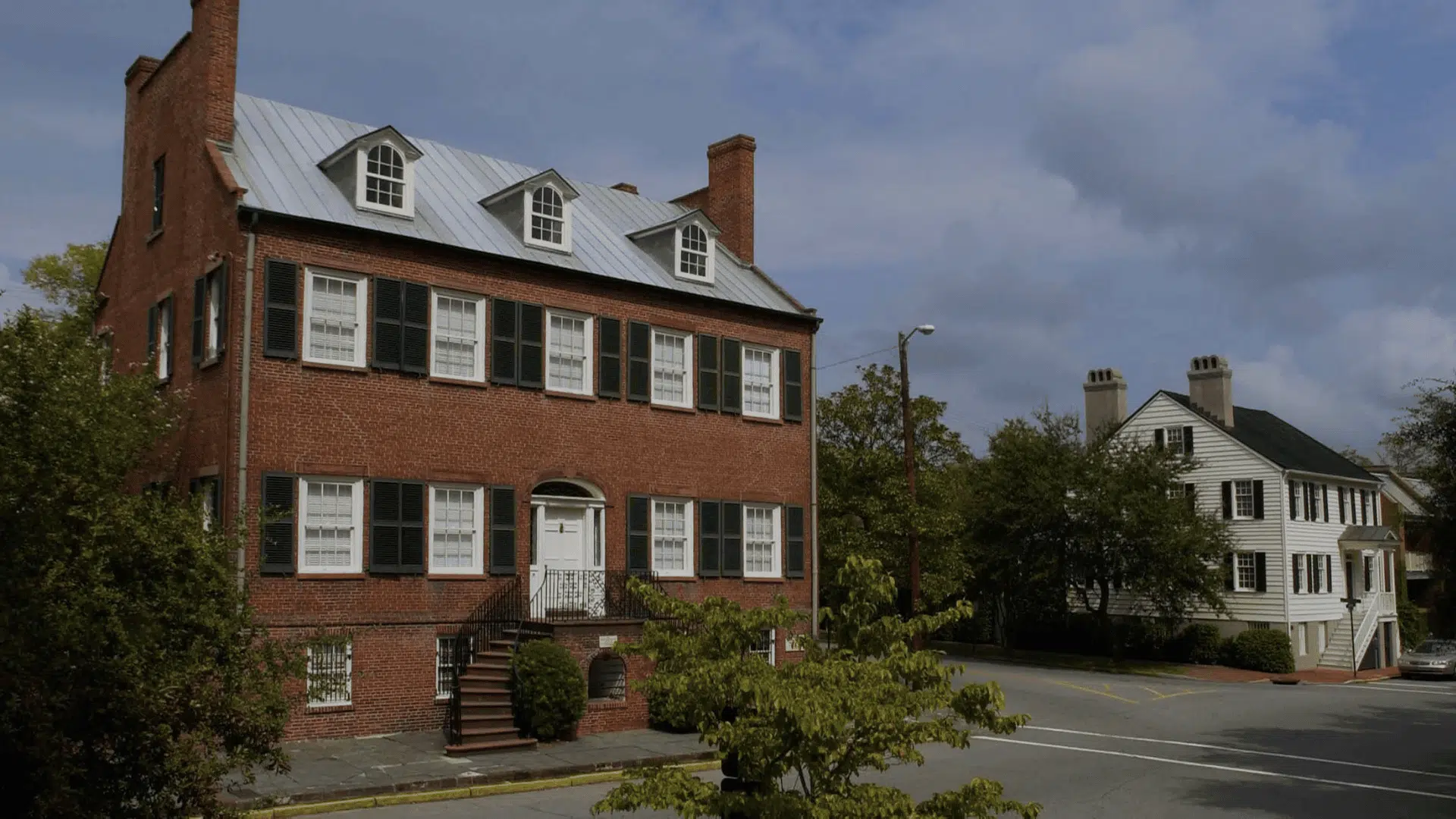
Constructed in 1820, the Davenport House is a southern interpretation of Federal architecture.
Its brick facade, fanlight entryway, and refined interiors demonstrate the style’s reach beyond New England, offering insight into Savannah’s early history and the influence of Federal design in the South.
Federal Style vs Georgian and Greek Revival
Comparing Federal with related styles highlights its unique place in architectural history:
| Feature | Georgian Architecture | Federal Architecture | Greek Revival Architecture |
|---|---|---|---|
| Period | 1700–1780 | 1780–1830 | 1825–1860 |
| Facade | Rigid symmetry, heavy proportions | Symmetry with lighter details | Bold Greek temple fronts |
| Ornamentation | Heavier, bold cornices | Refined, delicate details | Strong columns and pediments |
| Windows | Small-paned, uniform | Elliptical fanlights, 6-over-6 sashes | Larger windows, often floor-to-ceiling |
| Influence | British colonial | Adam style, Neoclassicism | Ancient Greece |
This comparison shows how Federal evolved from Georgian but was eventually replaced by Greek Revival as America’s tastes shifted.
Wrapping it Up
Today, Federal architecture is valued for both its beauty and cultural meaning.
Many examples are preserved as heritage sites and museums, giving people a chance to step back in time.
Looking at this style not only helps us understand America’s architectural identity but also honors design traditions that continue to shape how homes are built and appreciated today.