Window treatments do more than look nice; they provide privacy, control how much light enters a room, and still add real style.
They come in many materials and designs, so choosing one really depends on what the space needs.
The drapes, curtains, blinds, shades, shutters – each one serves a slightly different purpose.
Knowing what each one does makes it a lot easier to choose something that fits your home, your budget, and how you use the room day to day.
What is a Window Treatment?
A window treatment is basically anything used to cover, decorate, or improve a window, whether that’s blocking light or just dressing it up visually.
It handles a few jobs at once: controlling sunlight, adding privacy, and making a room feel more finished and comfortable.
Curtains, drapes, blinds, shades, shutters – these are the common options, and each one brings something a little different to the table.
Some block out light almost entirely, some are built more for privacy, and others lean into decoration or help with insulation instead.
Which one makes sense really comes down to the room itself and what you actually need day to day.
Different Types of Window Treatments for Different Rooms
Window treatments come in a range of materials and styles: fabric, wood, vinyl, and metal, each one changing how much light control, privacy, and comfort you actually get out of a room.
Some suit a bedroom better; others work best in a kitchen or sunroom, depending on what the space needs.
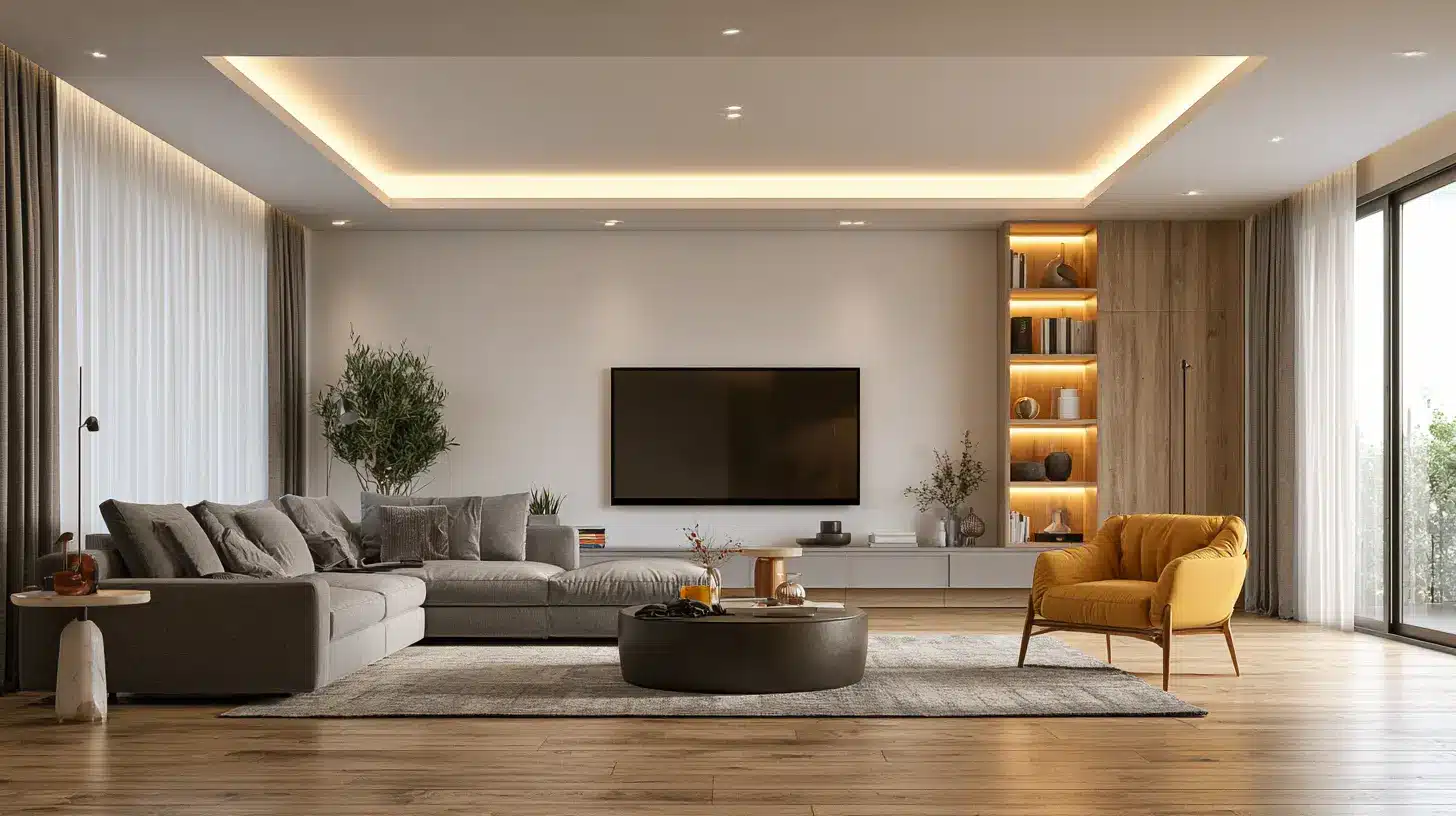
Curtains in Living Room
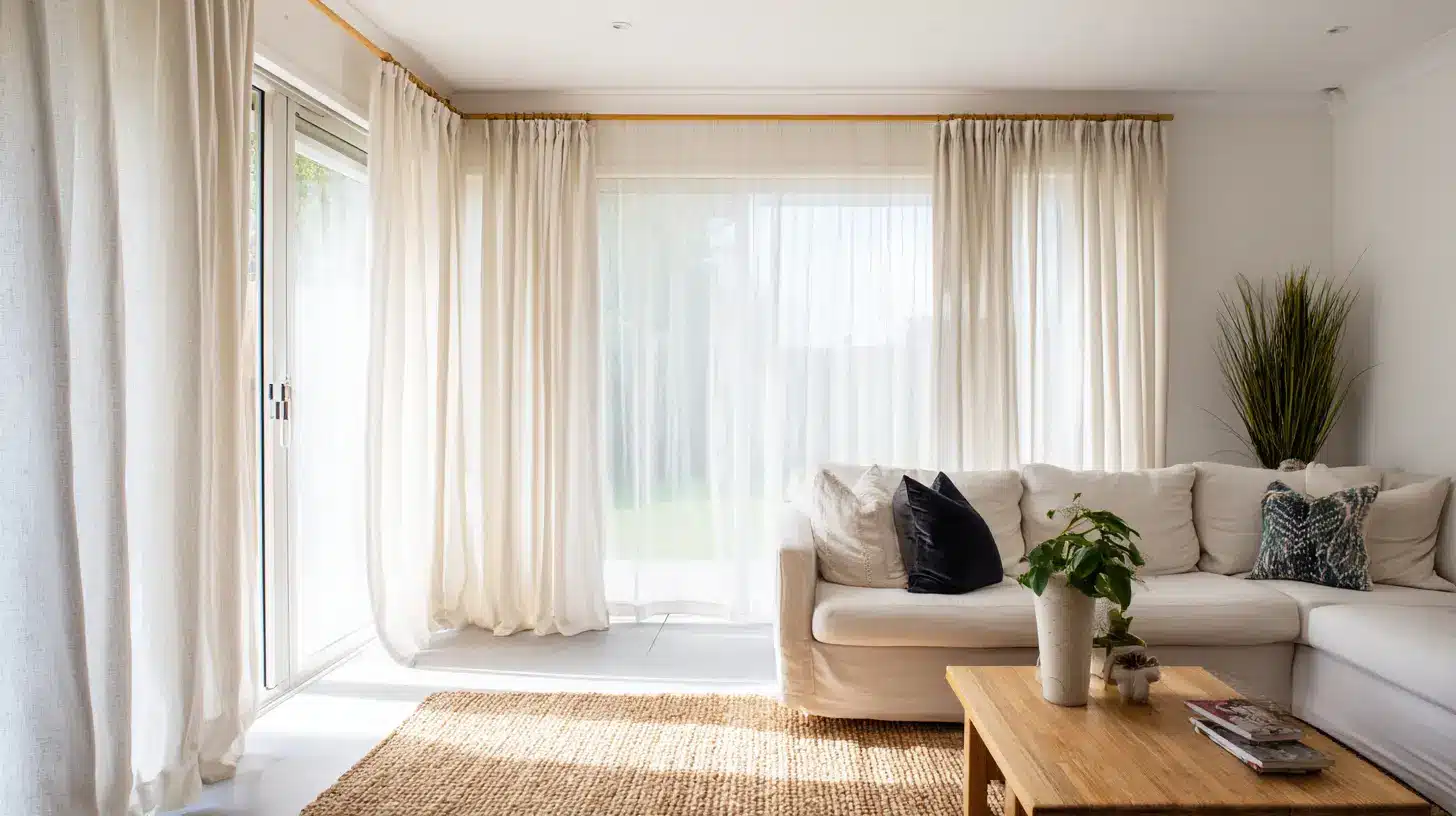
Plenty of colors and patterns are available, plus lengths that fit most windows in the house comfortably.
The fabric filters light instead of blocking it outright, so the room still gets some sun during the day. Privacy stays fairly basic, useful enough for living rooms where full blackout isn’t the goal.
Drapes in Dining Room
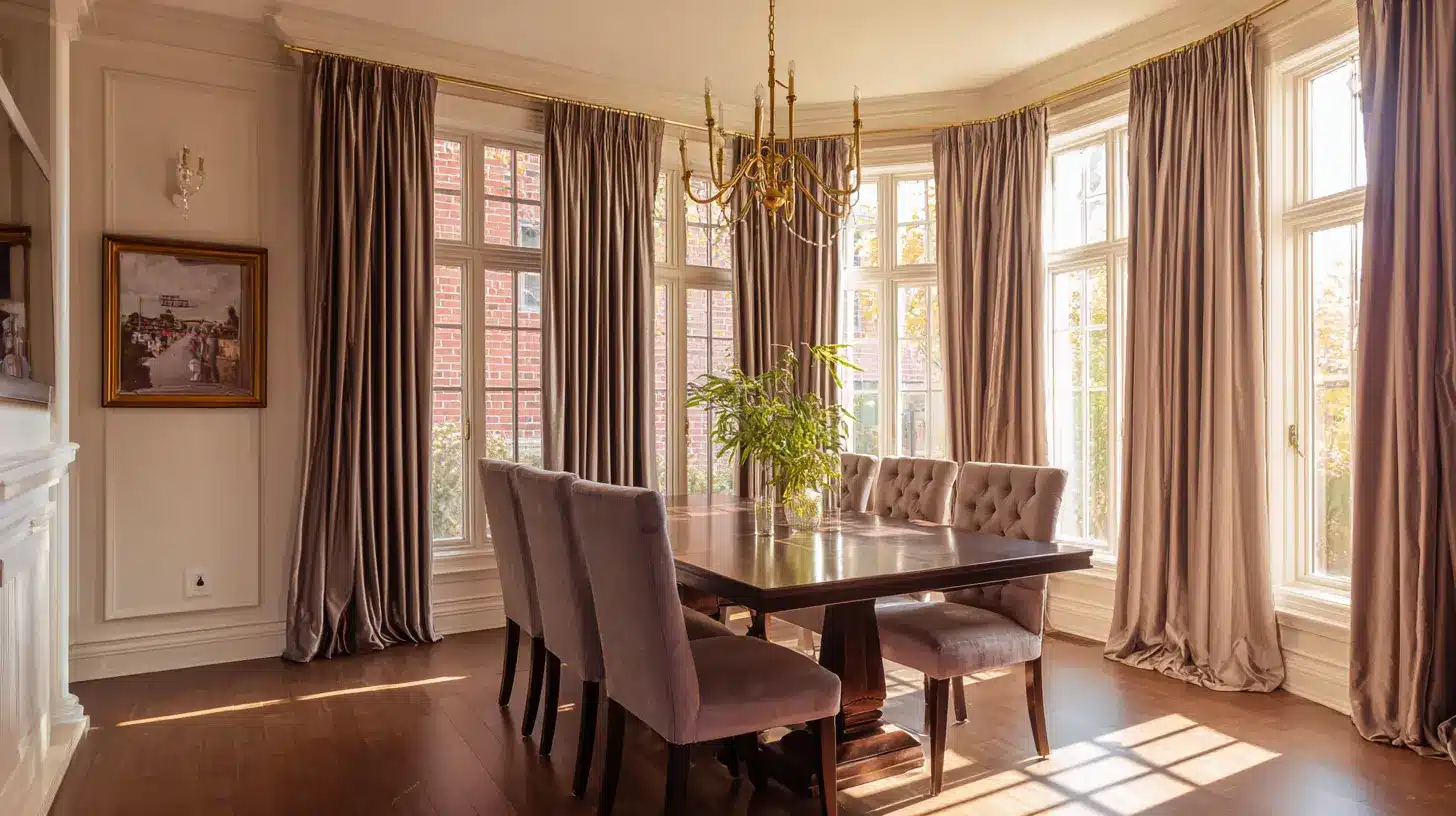
Heavier than curtains by quite a bit, usually floor-length fabric that runs from the top of the window down to the ground.
This blocks sunlight more effectively and noticeably improves privacy. Thicker drapes also help hold in warmth during colder months and can quiet down outside noise a little in the dining space.
Blinds in Study Room
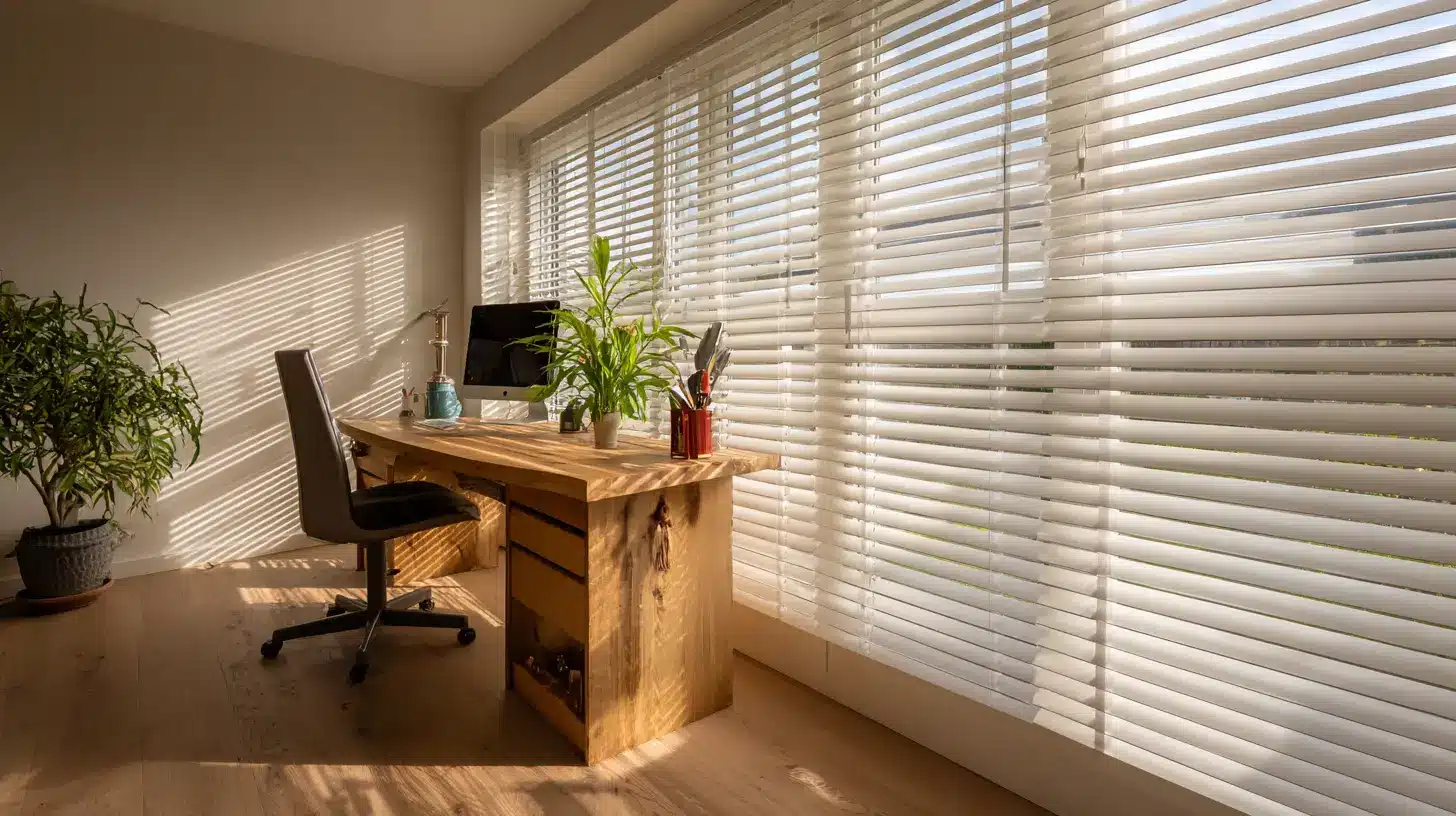
Slats tilt open or shut in just a few seconds, either horizontally or vertically depending on the style chosen.
That adjustability is the real appeal: open them up for more light or close them for shade whenever needed. These work for kitchens and offices, too.
Shades in Bedroom
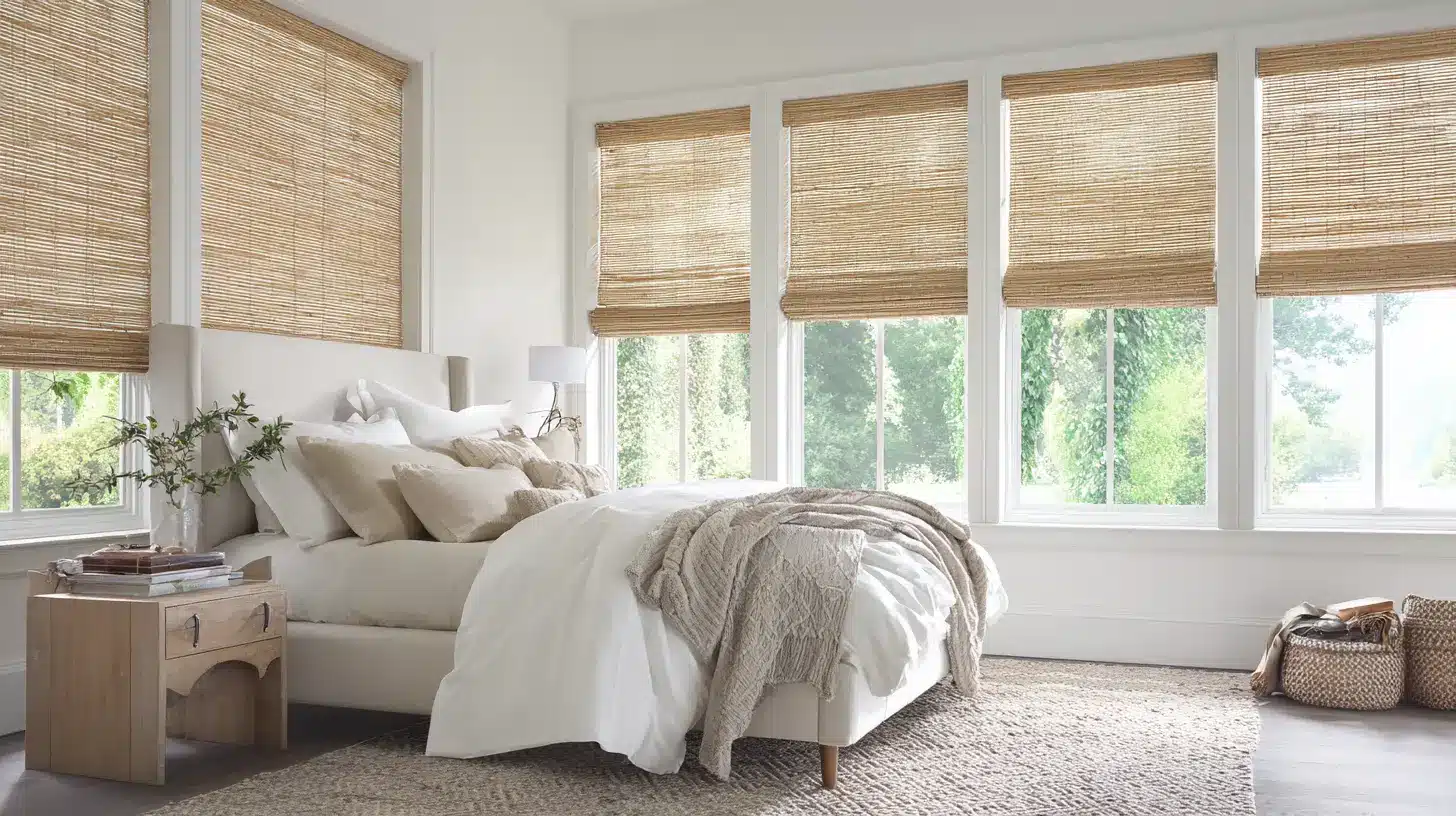
Once raised, shades fold, roll, or stack into a single neat piece rather than hanging loose down the window frame.
Clean is really the best word for the look they create. Certain fabric shades also help block direct sun, keeping furniture, flooring, and rugs from fading over time.
Shutters in Kitchen
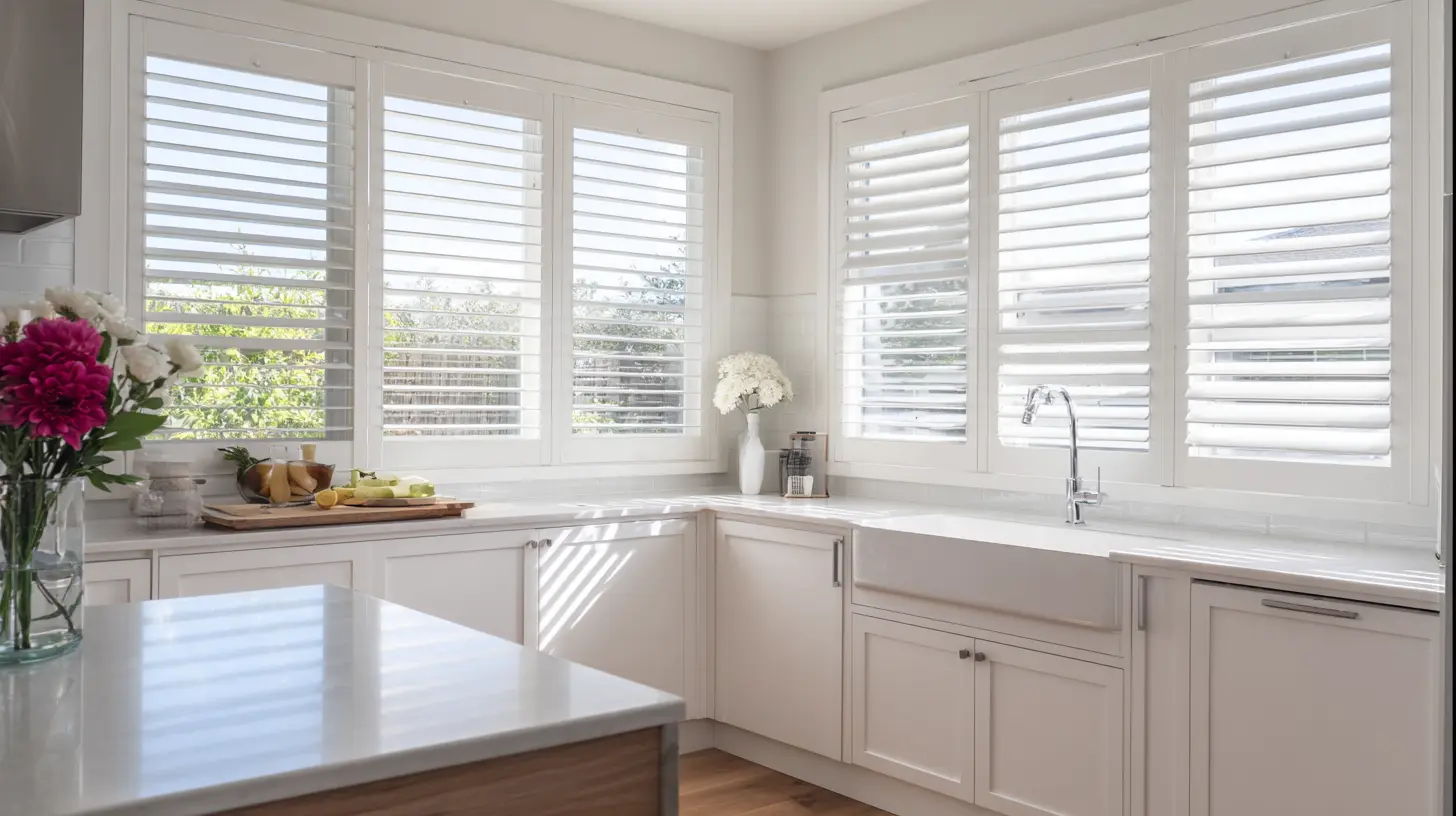
Built from wood, vinyl, or composite materials, shutters tend to hold up better than fabric over time.
Closed shutters give about as much privacy as any window treatment can realistically offer.
They also help regulate indoor temperature, keeping rooms a bit cooler in summer and warmer once winter sets in.
Difference Between Blinds and Drapes? Are They the Same?
Blinds and drapes both fall under window treatments, but they’re built differently and do different jobs depending on the room.
| Aspect | Blinds | Drapes |
|---|---|---|
| Material | Wood, faux wood, aluminum, or vinyl | Thick fabric panels |
| How they work | Adjustable slats that tilt open or shut | Full panels that hang from a rod |
| Light control | Precise, since you can angle the slats | Blocks more light overall, less adjustable |
| Privacy | Good, adjusts room by room | Strong, especially when fully closed |
| Best for | Kitchens, bathrooms, home offices | Bedrooms, living rooms, dining rooms |
| Feel | Clean and functional | Soft and cozy |
| Extra benefit | Easy to wipe down and clean | Helps hold in warmth and can quiet outside noise a bit |
How to Choose the Best Window Treatment for Your Home?
Picking the right window treatment comes down to what a home actually needs, not just how something looks on the wall.
Privacy, light control, material, and room type are a few things worth weighing before deciding.
Consider the Room
Start with where the treatment’s actually going. Bedrooms usually do better with blackout options for sleep, while kitchens and bathrooms need something moisture-resistant like blinds or shades.
Living rooms and dining rooms offer more flexibility, so you can prioritize both function and style.
Think About Privacy Needs
Every room asks for a different level of privacy. Bedrooms and bathrooms typically need full coverage, while living rooms or dining areas can get by with something lighter that still lets natural light through.
Think about the layout too, and how visible each window is from outside.
Decide How Much Light You Want
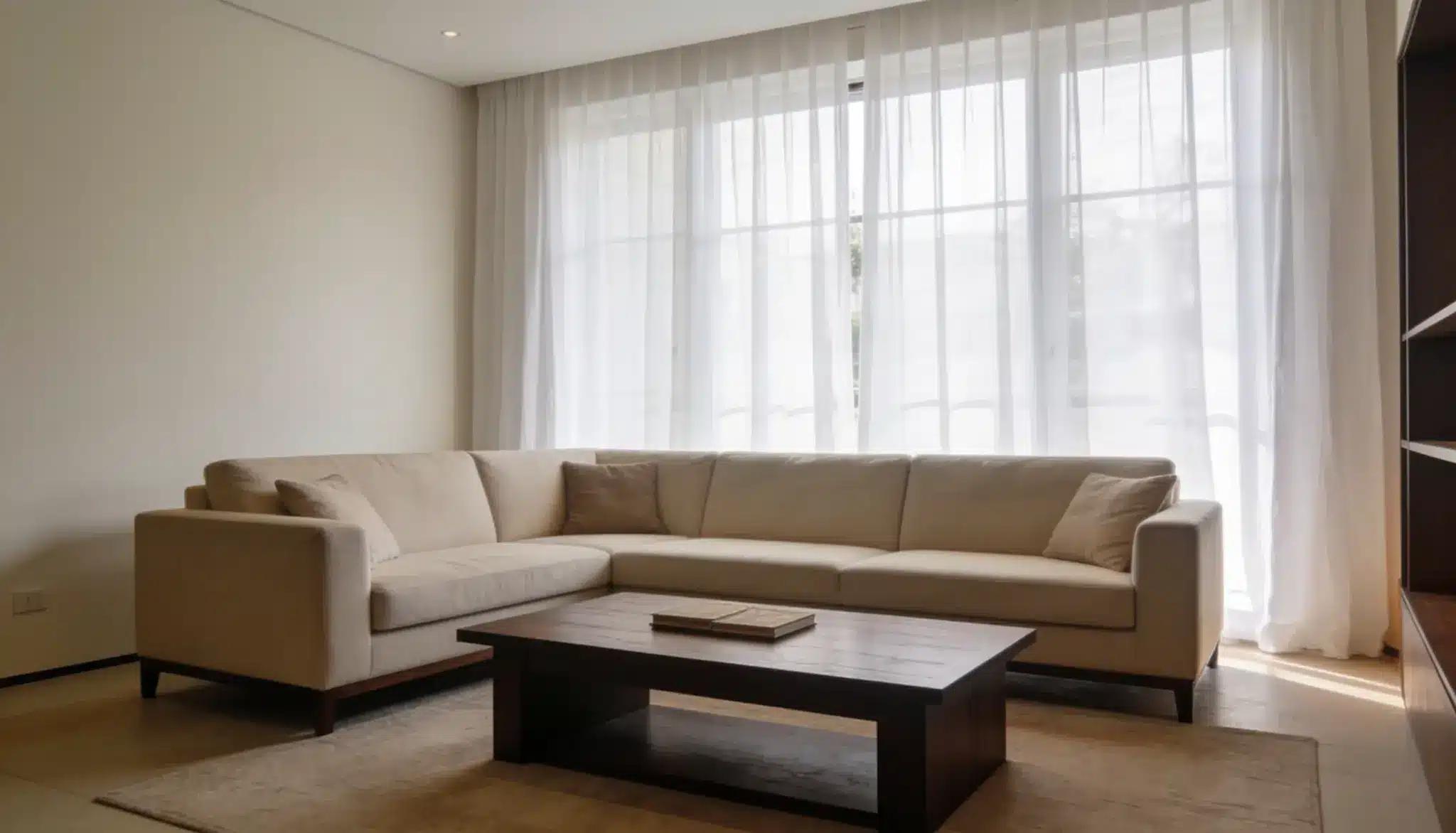
How much natural light you actually want matters more than people expect. Sheer curtains let sunlight filter through while keeping a room bright overall.
Blackout drapes or room-darkening shades work better for media rooms or bedrooms where cutting down light is the priority instead.
Match Your Interior Style
Window treatments should work with existing decor, not compete against it for attention.
Neutral fabrics suit modern spaces well, while wood blinds, patterned curtains, and textured drapes fit traditional, farmhouse, or coastal interiors better.
Matching colors and materials pull the whole room together.
Choose the Right Material
Material affects how long something lasts, how much upkeep it needs, and how it looks overall.
Fabric adds softness and warmth to a room, while wood, faux wood, aluminum, and vinyl clean up easier and hold up better in high-moisture or high-traffic spaces.
Measure Your Windows Correctly
Getting the measurements right matters for a clean, finished look once everything’s installed.
Measure both width and height for each window before buying anything, and decide on an inside or outside mount ahead of time.
Proper sizing keeps everything fitting and operating smoothly.
Conclusion
Window treatments do a lot more than cover a window. Privacy, light control, energy savings – they all come from the right choice, and the room ends up looking finished on top of it.
Pick something that actually fits the space, the style already in the room, and how the room gets used day to day, and it comes together pretty naturally from there.
Testing a sample or comparing a couple of options side by side before buying can save you regret later, too.
Frequently Asked Questions (FAQs)
1. How Often Should Window Treatments Be Replaced?
Most window treatments last 7–15 years, depending on the material, daily use, sun exposure, and how well they’re maintained.
2. Which Window Treatments are Easiest to Clean?
Blinds, shutters, and faux wood shades are generally the easiest to clean because they can be dusted or wiped down quickly.
3. Do Window Treatments Help Lower Energy Bills?
Yes. Insulating options like cellular shades and lined drapes can reduce heat loss in winter and block excess heat during summer.