And if you have vinyl windows and are thinking about changing their color but are unsure.
So, yes, you can paint vinyl windows, but only with vinyl-safe paint, primer, and proper prepping. But that does not mean every vinyl window should be painted.
The wrong paint or a much darker color can increase heat, cause poor adhesion or frame damage, and painting may void the manufacturer’s warranty.
And vinyl expands and shrinks more than wood, so normal paint can’t keep up.
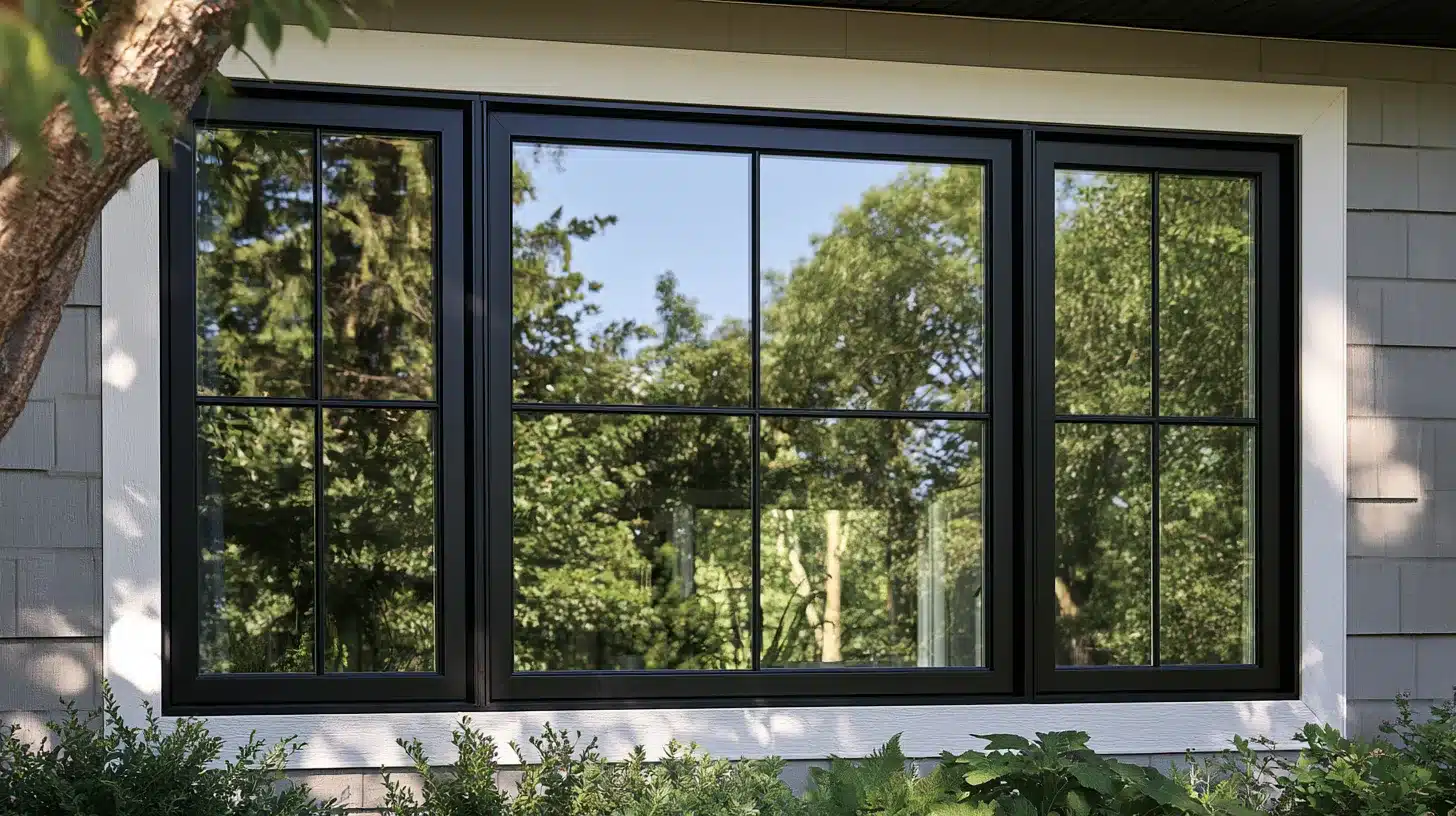
And yes, you can even paint your vinyl window frames black, as it looks gorgeous, but it just needs proper prepping and care.
Should You Paint Your Vinyl Windows?
Vinyl windows are frames made from a tough plastic called PVC, and this is the reason why it never needs painting or staining.
It resists rot, and it can handle rain, heat, and cold.
And this is why vinyl is so popular, as it’s meant to stay low-maintenance for years.
So should you paint over that? It depends on what you want. A new color can freshen up the look of your home, but paint doesn’t always stick well to vinyl.
It can peel or crack, which defeats the purpose of painting.
Can You Paint Vinyl Window Frames?
Yes, you can paint vinyl window frames. But interior sides, exterior sides, sliding parts, and fixed parts each have their own ways and their own risks.
Just know the details before you start painting.
Interior Frames
If you want to, then paint the interior frames.
They stay out of direct sun and away from harsh weather, meaning they get less heat and have less risk of fading and warping.
Still, use a vinyl-safe primer and paint made for interior use.
Exterior Frames
Exterior frames get the sun, rain, and temperature swings all the time, which can work against the paint.
Dark colors soak up heat and can warp the frame fast and be visible.
Choose a vinyl-safe paint with UV protection, and a shade close to the original color. Always check your warranty first.
Sliding Windows
These have moving parts, and that sash and track slide against each other every time you open the window.
Paint on these spots wears off fast and can also jam the slide. So paint the frame and trim if you want a color change.
Leave the sash channel and track bare, or use a light coat only.
Fixed Windows
Fixed windows don’t open at all, so there’s no track or sash to worry about.
The paint on it lasts longer since nothing rubs against it daily.
You still need proper prep and vinyl-safe paint, but just so you know, fixed frames give you the smoothest, longest-lasting result of the four.
Can You Paint Vinyl Windows Black?
Black is one of the top color requests for vinyl windows as it looks gorgeous.
Yes, you can paint vinyl windows black, but only with special solar-reflective, vinyl-safe paint made for dark colors.
Regular black paint soaks up heat.
So, on a sunny day, vinyl under black paint can heat past 180°F, and that heat can warp the frame, crack the glass, and void your warranty fast.
Solar-reflective vinyl-safe black paint uses special pigments that bounce back more heat than regular black paint. Even with full sun exposure, it still raises your risk.
Note: Not all vinyl windows can be painted safely. Manufacturer policies differ. Always look into it first.
What Kind of Paint Will Stick to Vinyl Windows?
Vinyl needs a paint made just for it.
When getting paint for your vinyl windows, first look for paint labeled as “vinyl-safe”.
This usually means 100% acrylic, or a blend of acrylic and urethane paints, and it is so because these bend and move with vinyl instead of fighting it.
A no-go is regular latex or oil-based paint, as it dries stiff and cracks when vinyl expands in the heat.
Look for a Light Reflective Value, or LRV, of 55 or higher, as it’ll reflect more sunlight and keep the frame cooler.
Before you paint, add a vinyl-specific primer.
Regular primer has harsh chemicals that can soften vinyl over time.
Brands like Sherwin-Williams VinylSafe and Benjamin Moore both make color lines built for this job.
What is Vinyl-Safe Paint?
Vinyl-safe paint is a paint made just for PVC surfaces and nothing else, not for wood or metal.
Regular paint dries stiff, but vinyl-safe paint stays flexible, so it moves as the frame expands and shrinks with the weather.
It also carries special pigments that reflect sunlight instead of soaking it in, keeping the frame cooler, even in a darker shade.
Vinyl-safe paint comes as 100% acrylic, or a mix of acrylic and urethane.
How to Paint Vinyl Windows Step-by-Step?
After all of this prepping and knowing about the paint, let’s get into instructions on how to paint the windows. Let’s get into it.
1. Clean the Frame
First things first, wash the vinyl.
You need to clean it well with warm water and dish soap. Or you can choose this alternative by mixing bleach and TSP cleaner.
Then scrub away dirt, mildew, and grime.
Remember to rinse well and let the frame dry completely before proceeding.
2. Sand the Surface
After you’ve cleaned the surface, you need to prep it so that paint sticks on it well.
And that part is sanding.
Use 220-grit sandpaper or a fine sanding sponge. Gently scuff the frame so the paint has something to grip. Wipe off the dust with a tack cloth once done.
3. Mask Off the Glass and Edges
After you’ve sanded the surface, protect the window glass.
Cover the glass with painter’s tape and paper. Protect the weather stripping, walls, and any trim you don’t want painted.
4. Apply Vinyl-Safe Primer
Now that you’ve prepped the surface and protected it.
It’s time to apply primer on the surface.
But you need to make sure that you’re using a primer made just for vinyl or plastic. Apply one thin, even coat and let it dry fully first.
5. Paint the First Coat
After all the prepping and priming, take your vinyl-safe paint.
And start by applying a thin coat of vinyl-safe paint with a brush, roller, or sprayer. Make sure the first coat dries fully before applying the second coat.
6. Add a Second Coat
Let’s start with the second coat.
One coat rarely gives full coverage; it looks weird, and it’s too thin to peel off easily. Apply a second thin coat once the first one is dry.
7. Remove the Tape and Let it Cure
Once the second coat is a little dry, peel off the tape you had put on while the paint is still a little tacky.
Let the paint cure properly.
Wait a few days before opening or closing the window.
But How Long Will Paint Last on Vinyl Windows?
Paint on vinyl windows doesn’t last long, but it can hold up for 5 to 10 years, depending on how you paint and prep it and the weather conditions it’s exposed to.
Windows in full sun fade and peel faster than shaded ones.
Coastal air and hard winters wear down paint too.
Interior paint often lasts longer since it doesn’t get exposed to harsh UV rays, which affects exterior paint more.
Plan on a paint touch-up every 5 to 7 years, even with good paint and proper care.
Conclusion
That’s the full process, start to finish.
It’s not complicated, but don’t skip the sanding, as the paint won’t hold.
Give yourself a full day for this project and enjoy it fully. Rushing between coats will destroy the your final outcome, and yes, the output will be bad.
But remember to check the weather before you start.
Paint vinyl windows on a mild day, between 50°F and 80°F, with low humidity. If it’s too cold, the paint won’t cure properly, and if it’s too hot, it dries too fast.
Frequently Asked Questions (FAQs)
1. Will Rust-Oleum Paint Stick to Vinyl?
Rust-Oleum’s Specialty Paint for Plastic or their vinyl primer bonds well. Regular house paint or enamel won’t stick without it
2. Do Vinyl Windows Lower Home Value?
No. Vinyl windows usually raise home value as they offer good ROI, energy savings, and buyer appeal in most markets.
3. What Sherwin-Williams Paint is Best for Vinyl Windows?
Sherwin-Williams Emerald Urethane Trim Enamel, tinted in VinylSafe colors, is the best. It resists heat, bonds well, and stays longer than normal paint.