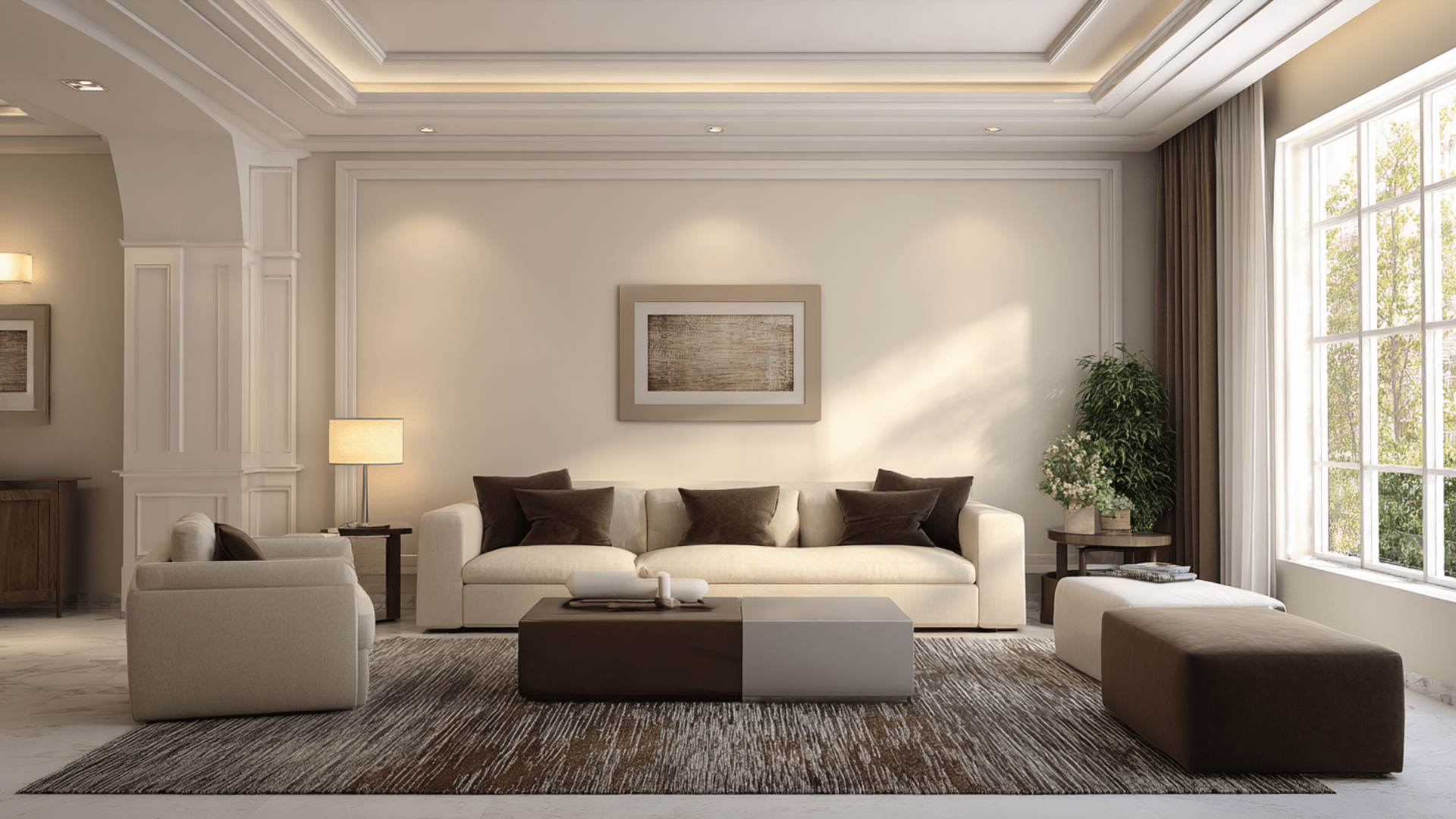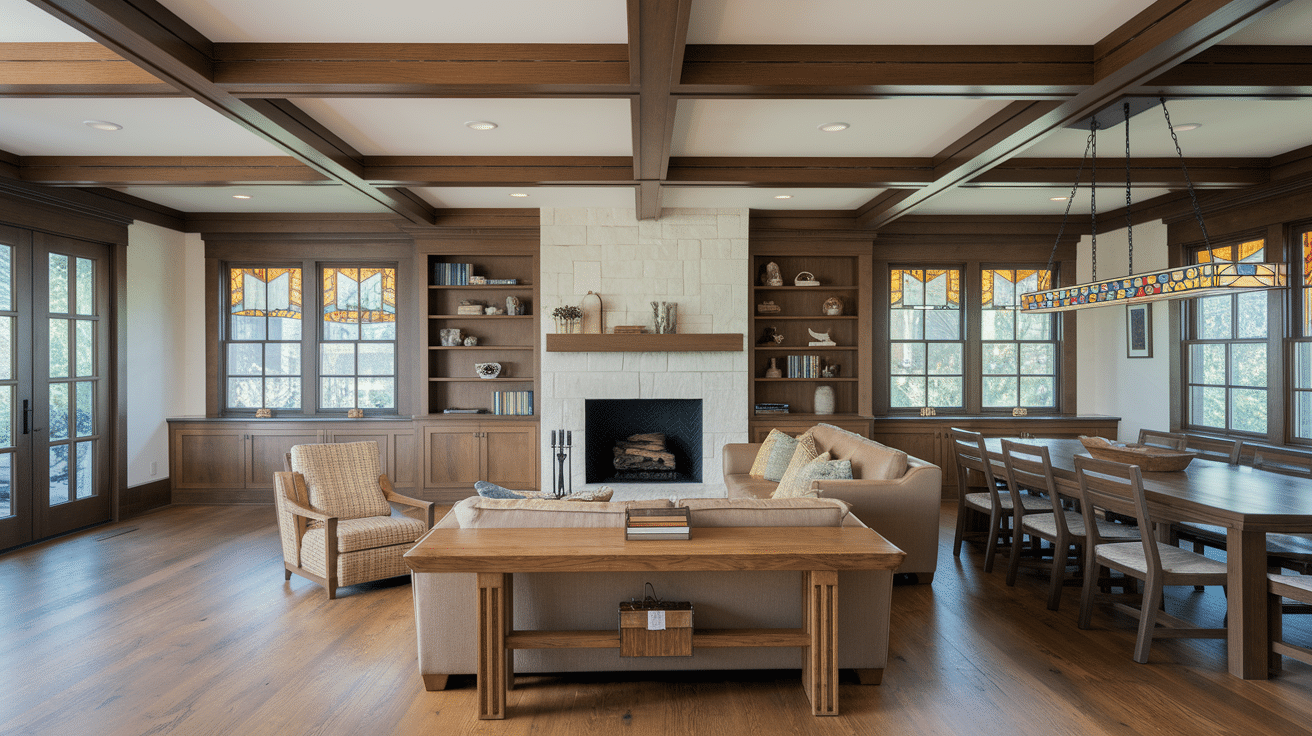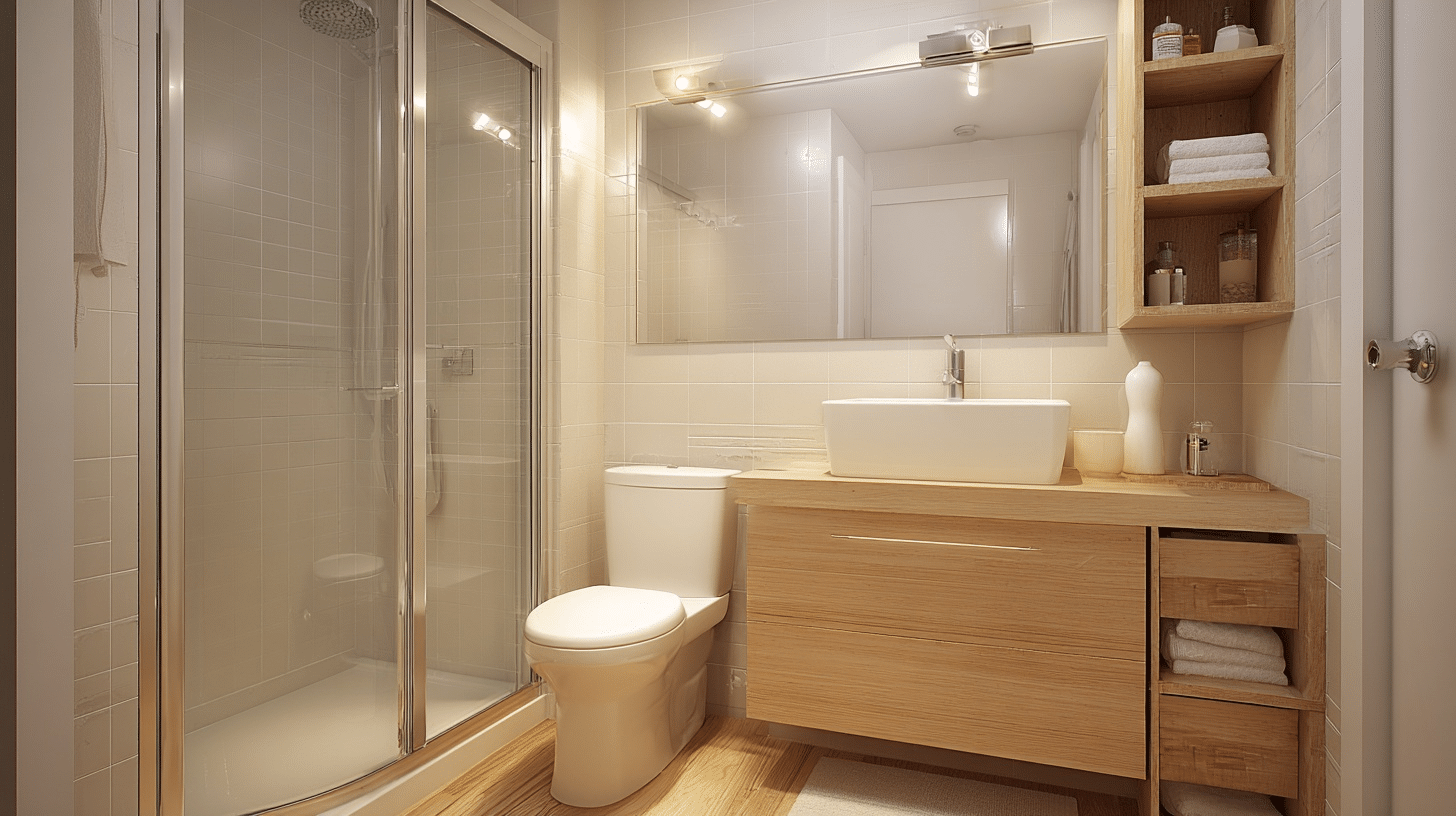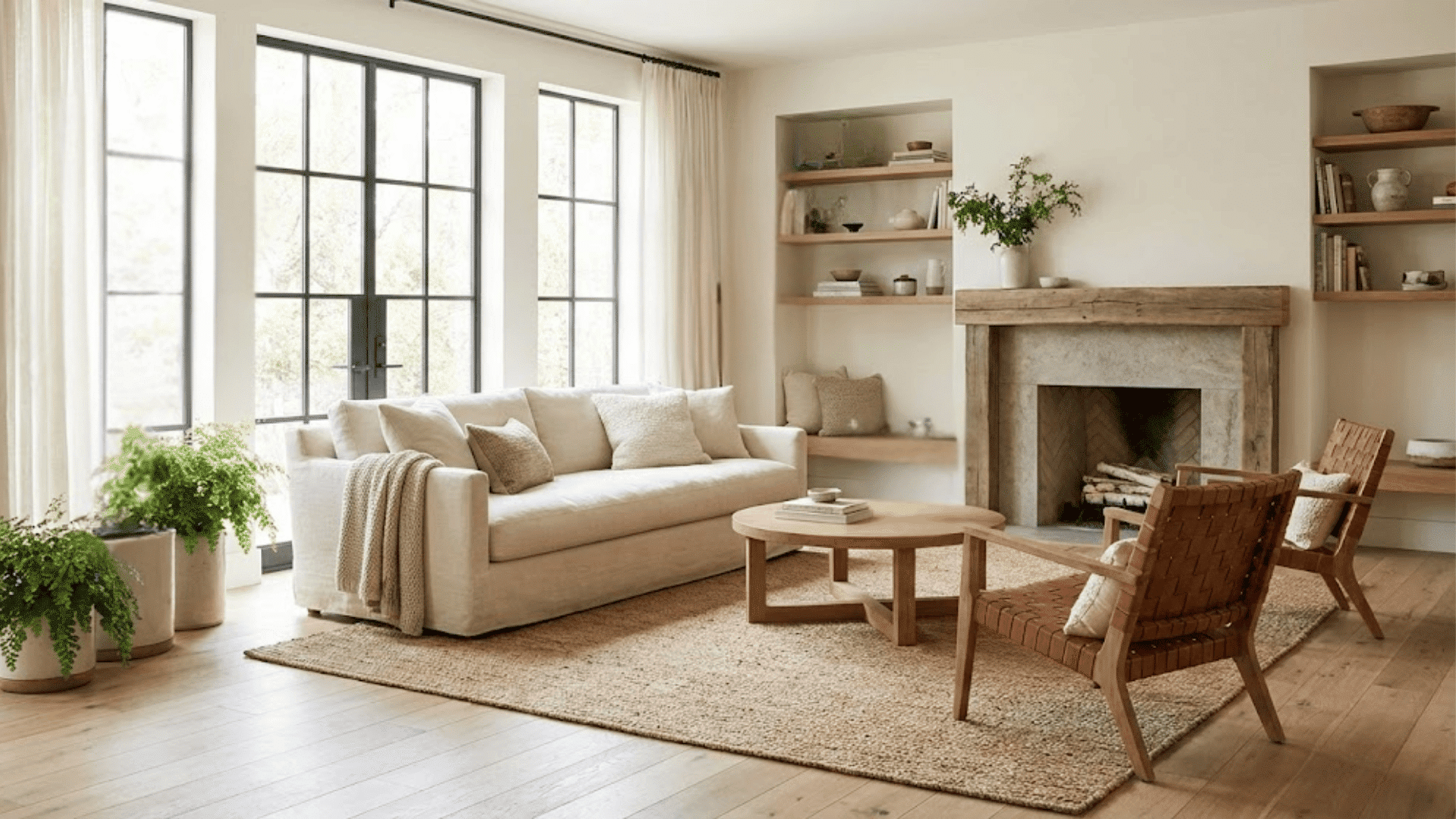
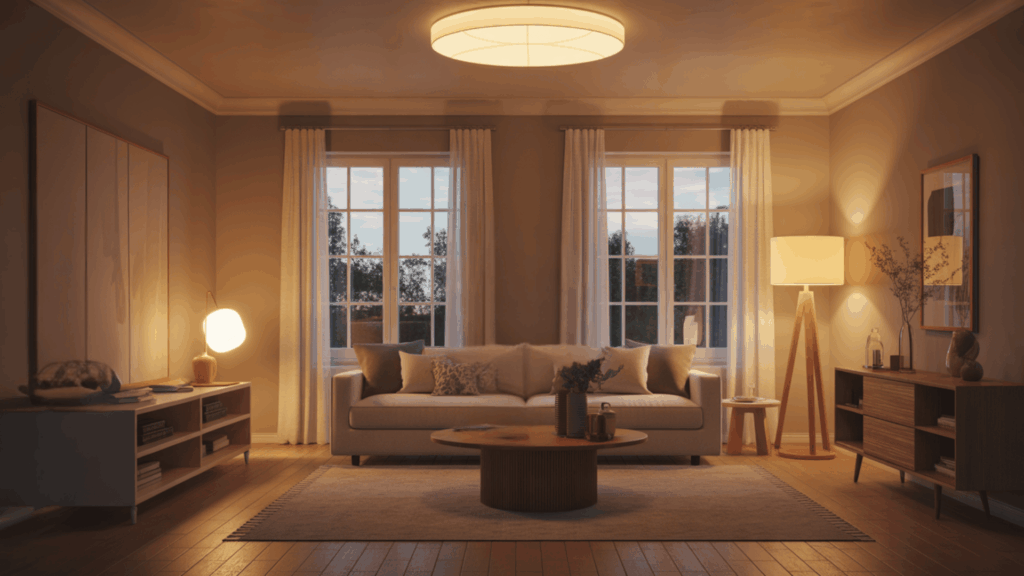
Have you ever walked into a room and felt instantly comfortable? That’s the magic of good lighting.
The fact is, most people ignore lighting until something feels off.
But here’s what surprised me: choosing the right types of light can completely change how your home looks and feels.
It’s simpler than you think, and I’m going to show you how.
Types of Light Colors
Light color is measured in Kelvins (K). Lower numbers give you warm tones, while higher numbers create cool effects.
| Light Color | Temperature Range | Best For | Mood Created |
|---|---|---|---|
| Warm White | 2700K – 3000K | Living rooms, bedrooms | Cozy and relaxing |
| Soft White | 3000K – 3500K | Dining areas, hallways | Welcoming and comfortable |
| Neutral White | 3500K – 4500K | Kitchens, bathrooms | Clean and fresh |
| Cool White | 4500K – 5500K | Home offices, garages | Alert and focused |
| Daylight | 5500K – 6500K | Reading nooks, workspaces | Energizing and bright |
Warm tones work beautifully in spaces where you unwind. Cool colors help you stay productive. Neutral shades fit anywhere.
I recommend mixing temperatures in different rooms.
Different Types of Lights
Every room needs the right lighting mix. Let me walk you through the five main options.
1. Ceiling Lights
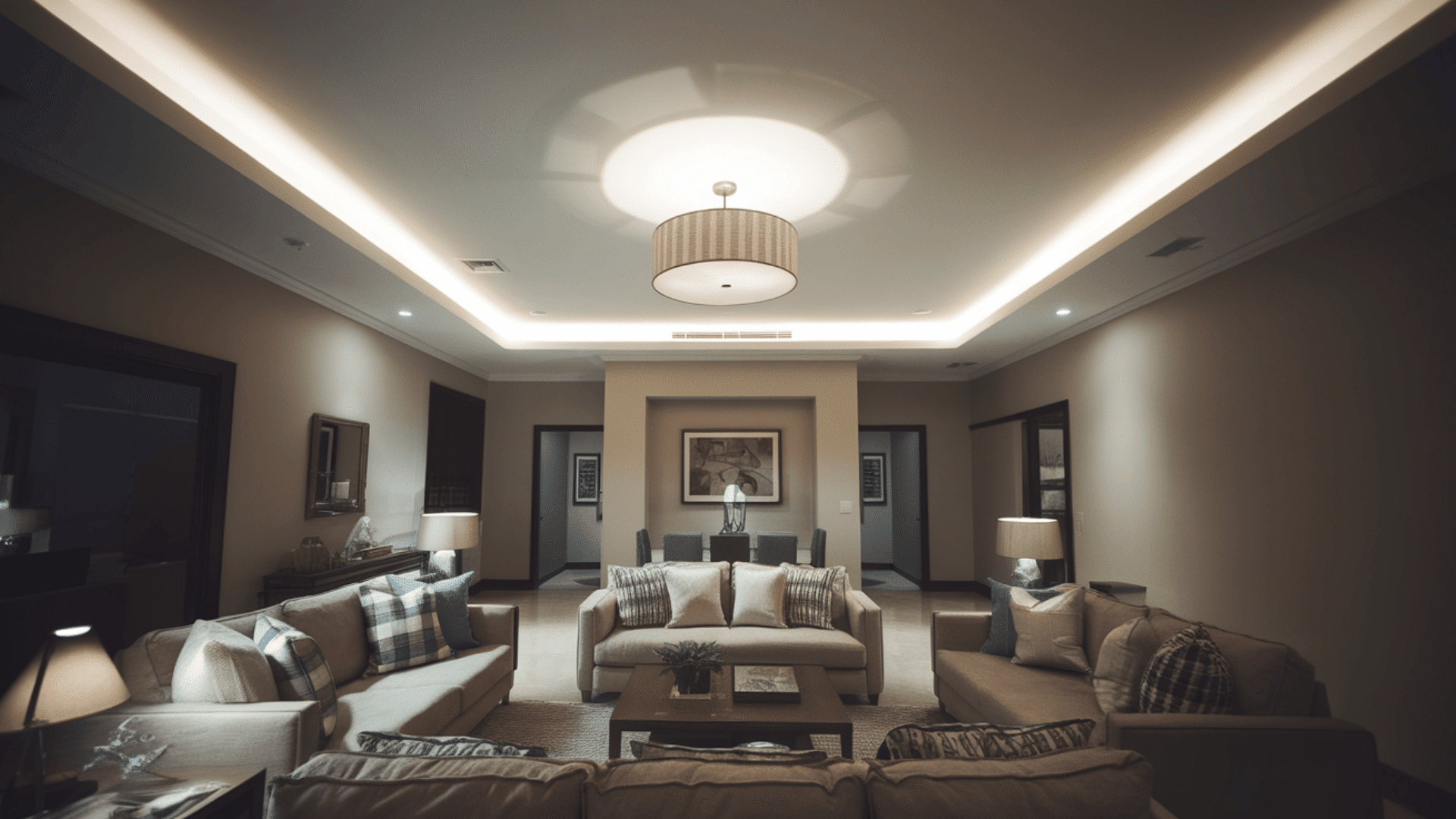
These are your main source of illumination. They sit overhead and brighten entire spaces.
I love how ceiling lights distribute glow evenly. They work hard without taking up floor space. You can dim them for movie nights or brighten them for cleaning.
Modern designs come in countless styles.
Tip: Pick something that matches your room’s personality.
2. Table Lamps
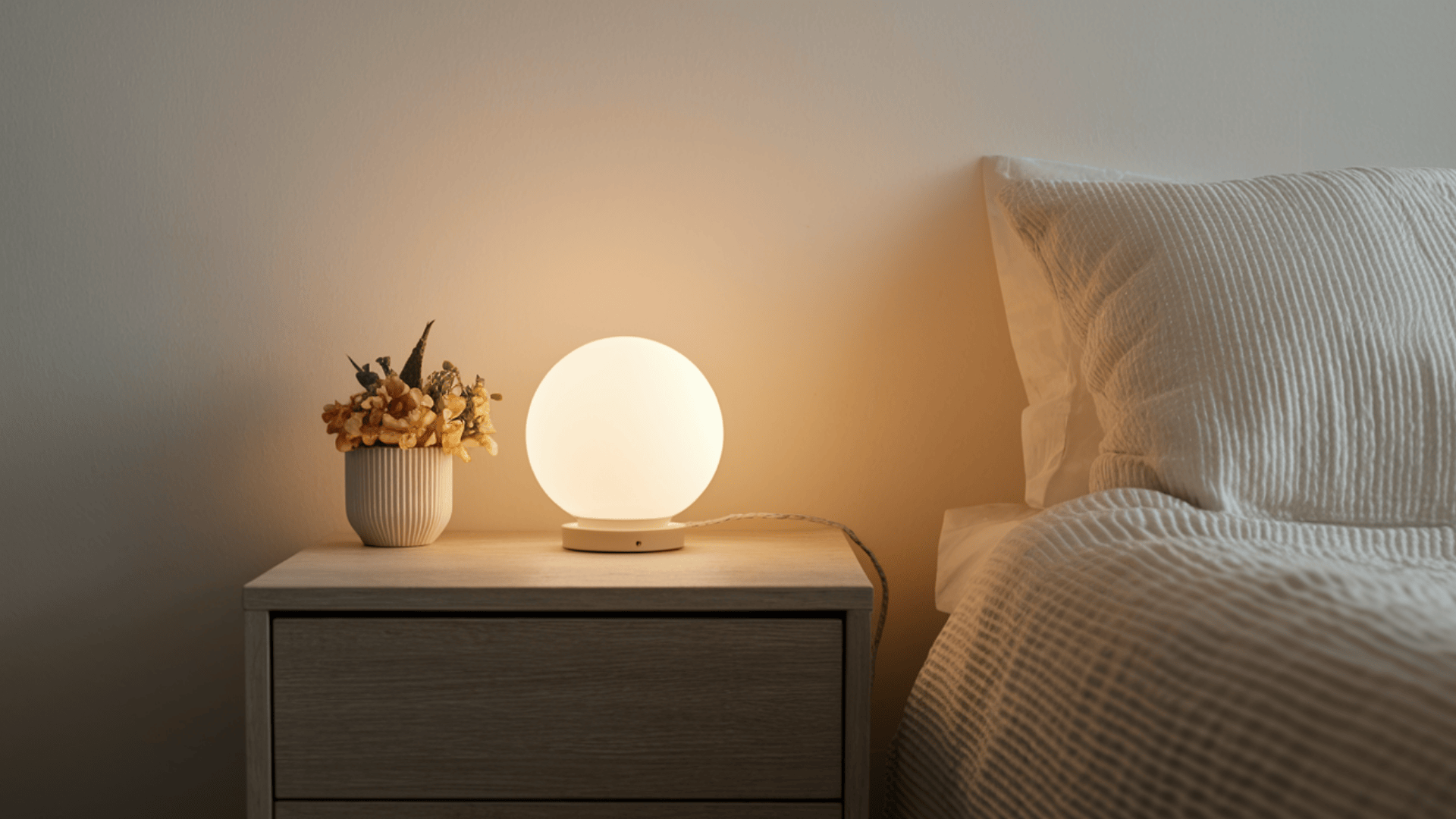
These sit on nightstands, desks, or side tables. They’re perfect for reading or creating ambiance.
Table lamps give you control. You can direct light exactly where you need it. I keep one beside my bed for late-night reading.
They also add character to empty corners.
Tip: Choose shades that complement your furniture colors.
3. Floor Lamps
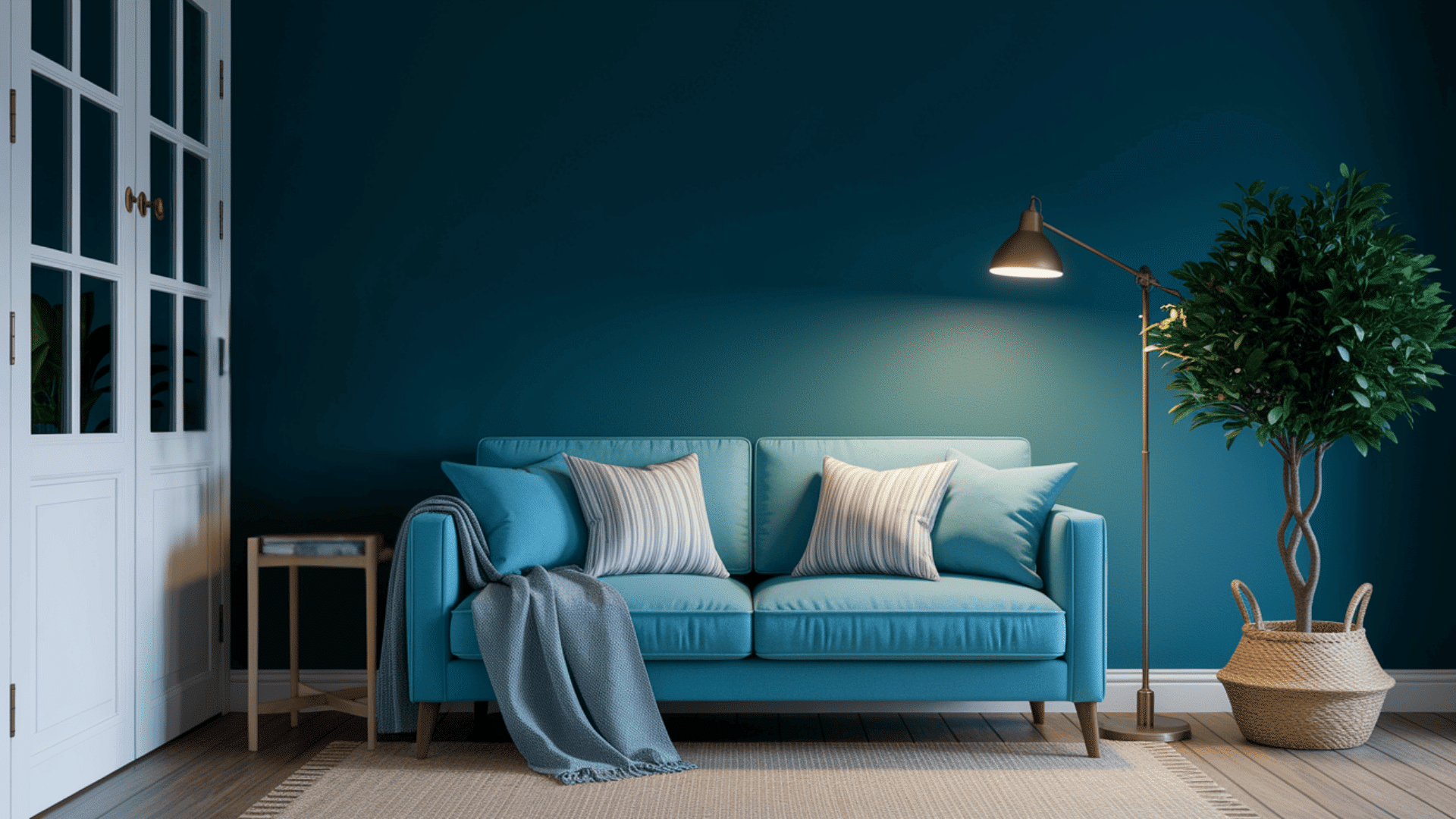
Standing tall from the ground, these illuminate without installation hassle. Just plug and position.
Floor lamps work wonders in reading corners. They cast light downward or upward, depending on the design. I use mine to fill dark spots near my sofa.
Arc styles reach over furniture beautifully. Tripod bases add an artistic touch.
4. Wall Sconces
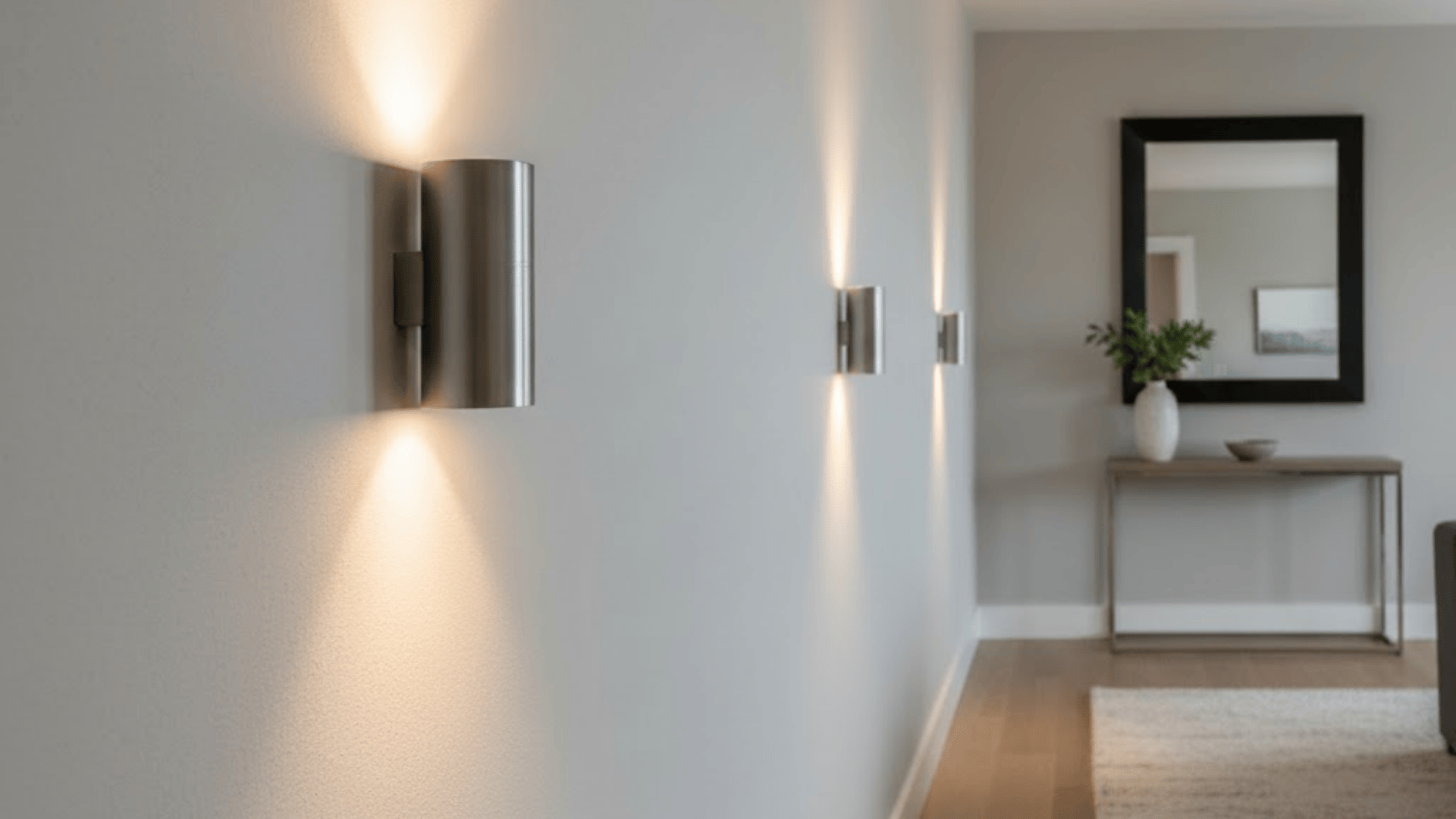
Mounted directly on walls, sconces save valuable space. They’re ideal for hallways and bathrooms.
Sconces create layers of illumination. They highlight artwork perfectly. Swing-arm versions let you adjust the angle.
Hardwired or plug-in options exist for every situation.
5. Recessed Lights
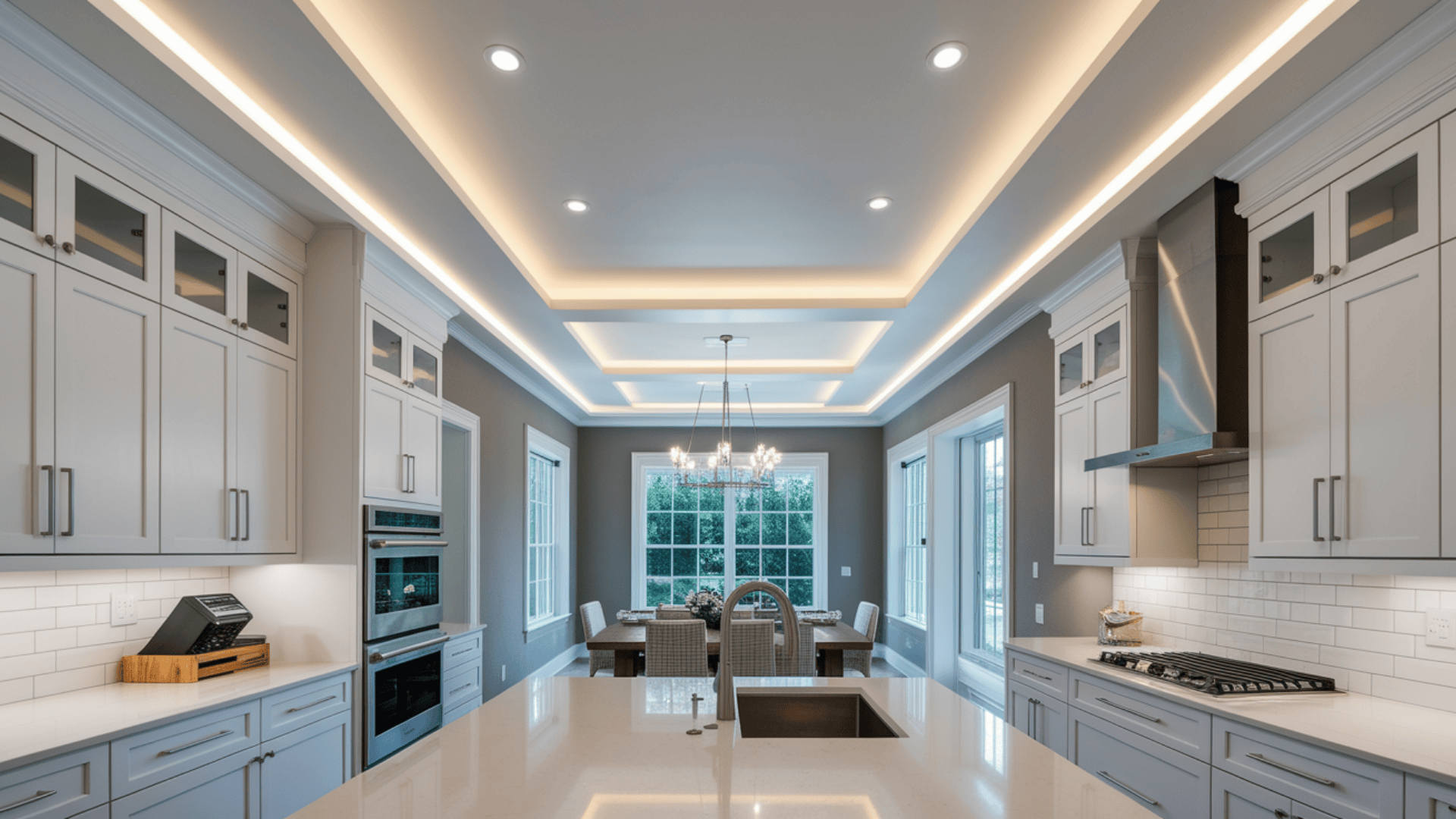
These fixtures sit flush with your ceiling. They’re also called Can Lights or Downlights.
Recessed options provide a clean, modern look. They don’t intrude into your visual space. I appreciate how they spotlight specific areas.
Kitchens and bathrooms benefit most. Dimmer switches make them incredibly versatile.
6. Pendant Lights
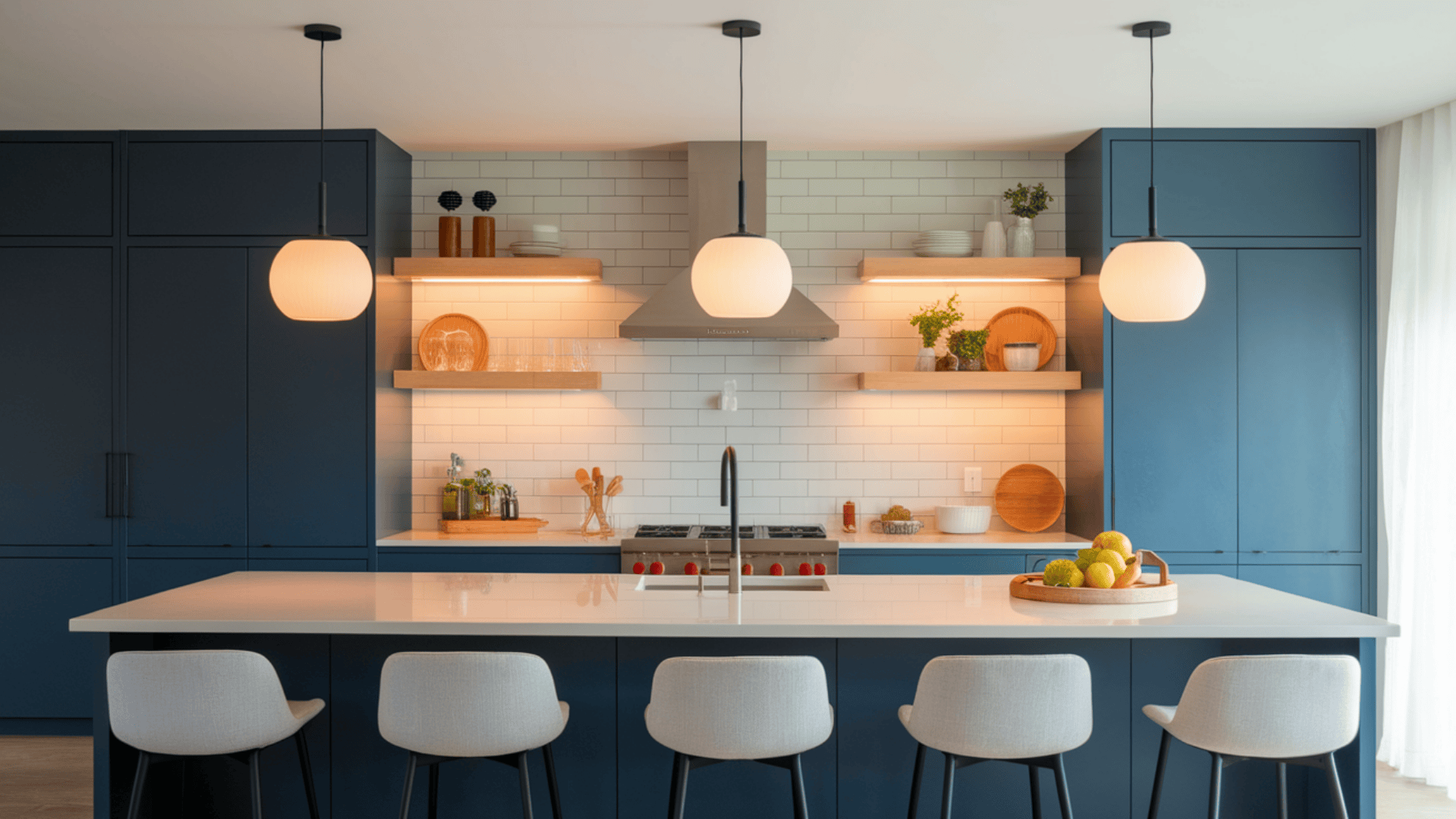
Hanging from the ceiling on cords or chains, pendants make statements. They dangle at various heights.
I hung three over my kitchen island, and guests always compliment them.
Glass, metal, or fabric shades create different effects. Adjustable heights let you customize the mood.
Group them in odd numbers for visual interest.
7. Chandeliers
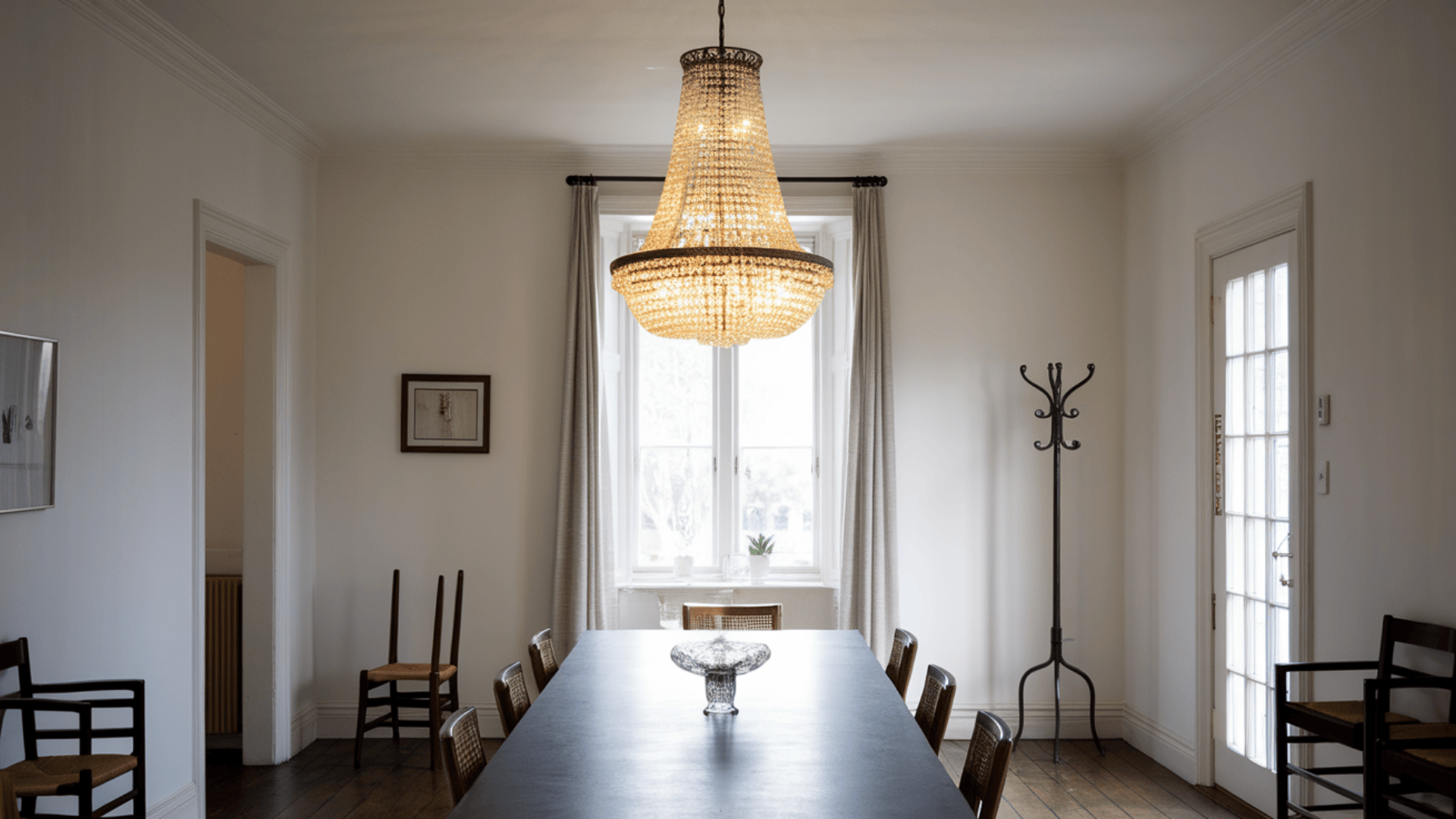
These decorative fixtures command attention in dining rooms and entryways. Multiple arms hold several bulbs.
Chandeliers combine beauty with brightness. I remember installing one in my dining area—it instantly elevated the space.
Crystal versions sparkle and reflect light gorgeously. Modern geometric designs suit contemporary homes.
Size Matters: measure your room before buying. A chandelier that’s too small looks lost.
8. Track Lights
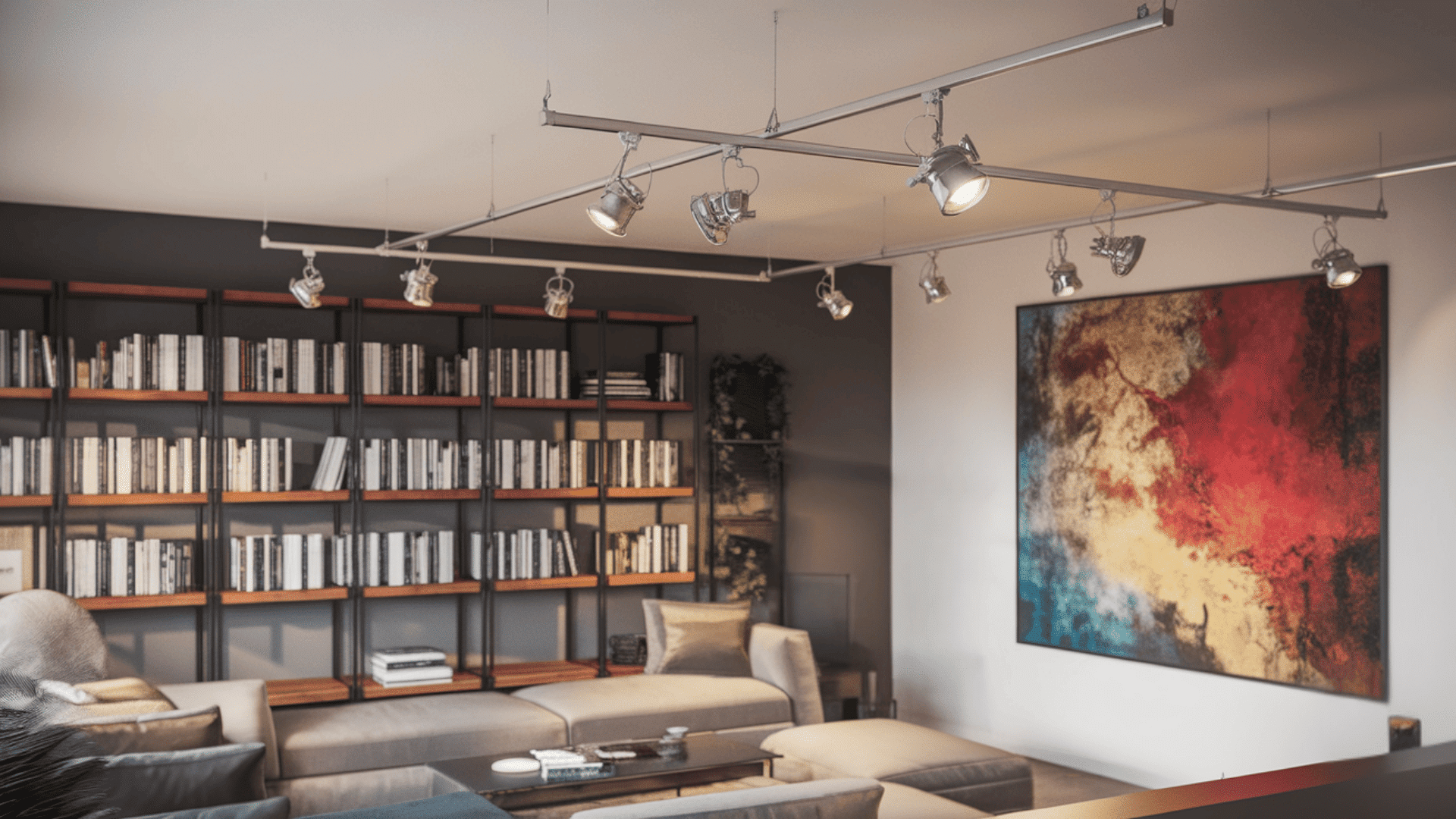
Mounted on a rail system, these adjustable fixtures point in multiple directions. You can slide them along the track.
Track lighting offers flexibility I can’t get elsewhere.
Aim one at your bookshelf, another at the artwork, and a third at the seating. Kitchens benefit from this adaptability. The industrial look suits modern aesthetics.
9. Flush Mount Lights
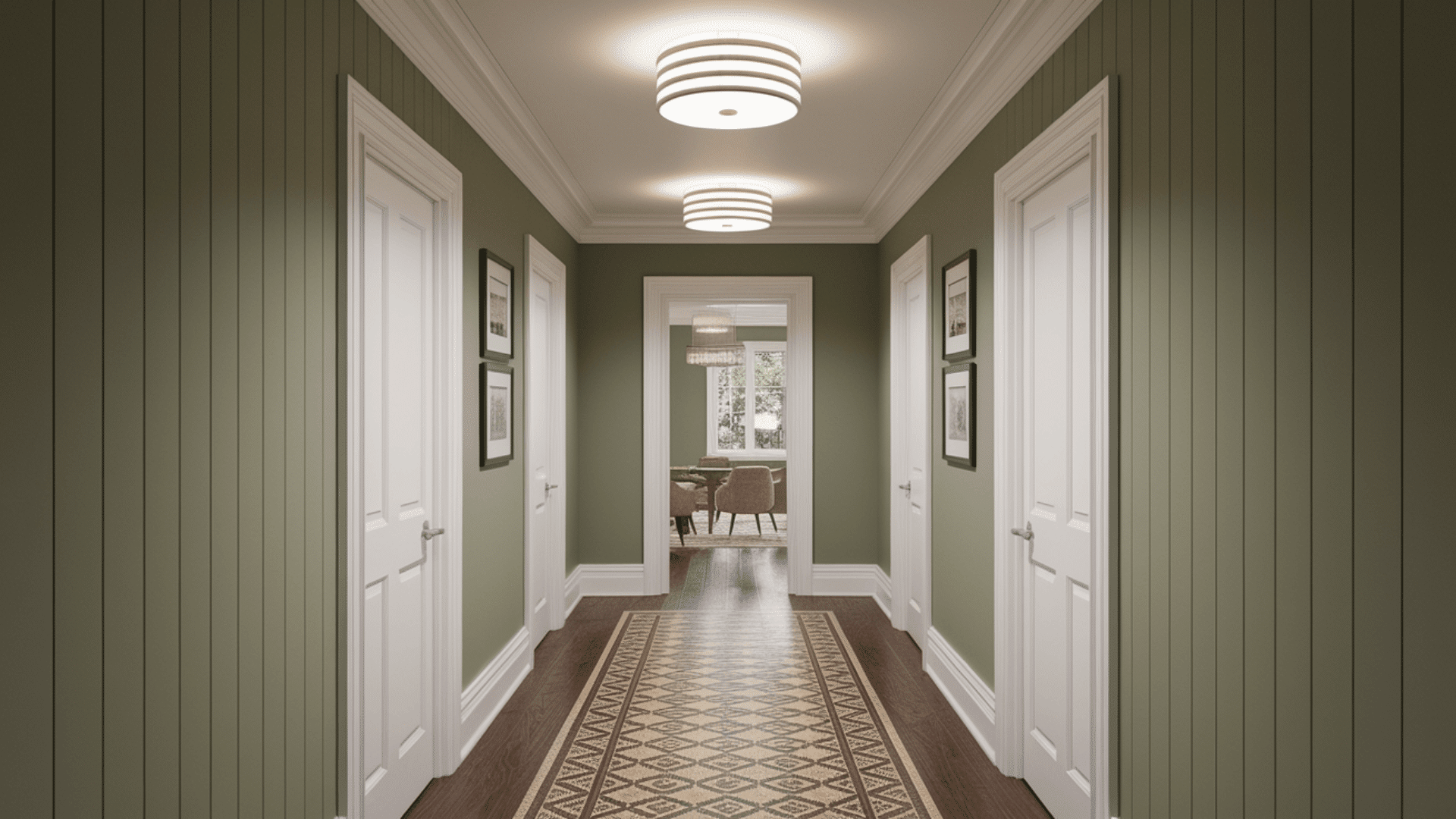
These attach directly to the ceiling with no gap. They’re compact and practical.
Flush mounts work in rooms with low ceilings. I installed them in my basement, where space is tight.
They provide adequate brightness without hanging down. Hallways and closets need exactly this kind of solution.
Types of Lights for Decoration
Decorative lighting adds magic without serving as your main source.
10. String Lights
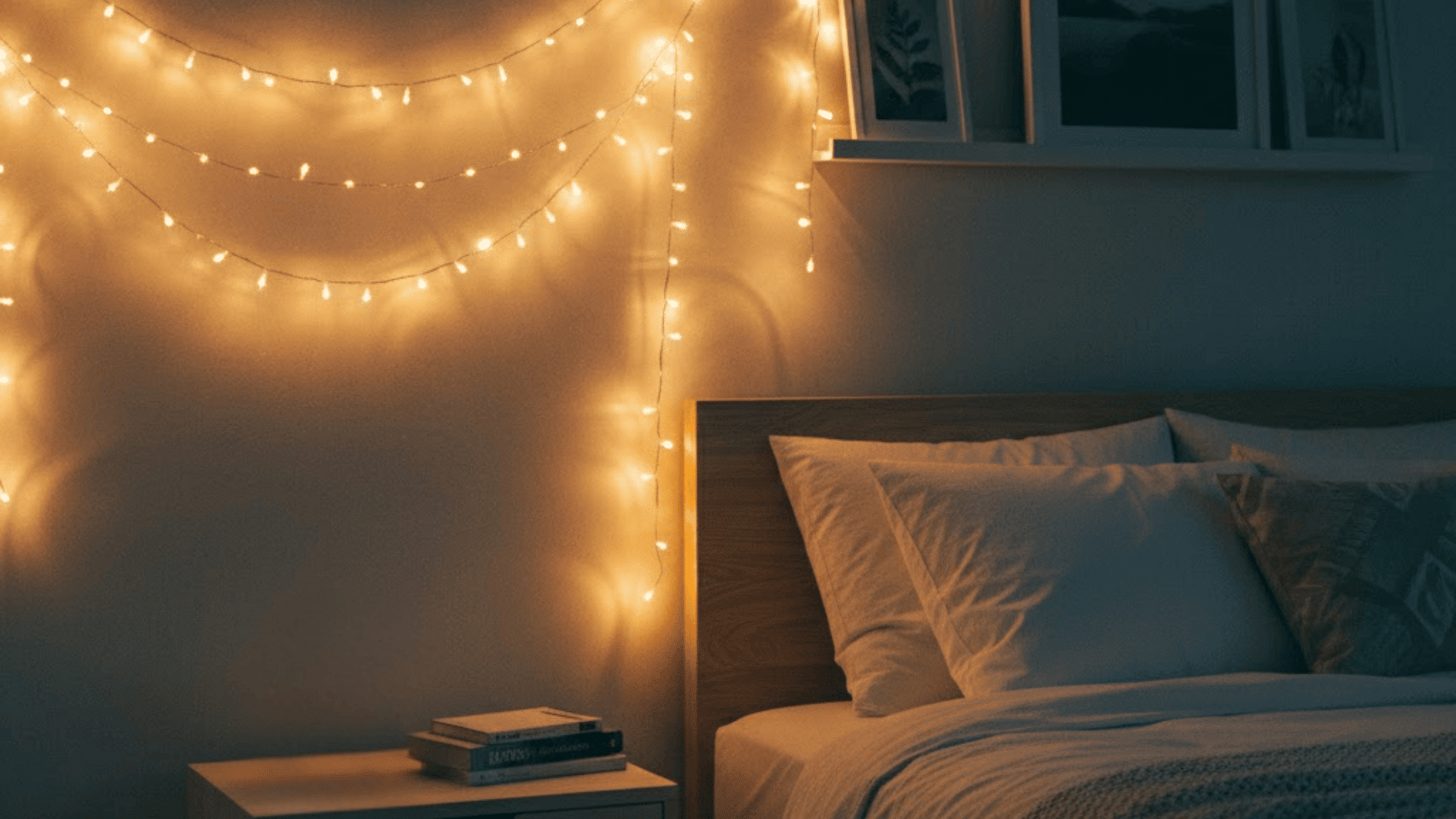
Small bulbs connected along a wire bring instant charm. Drape them anywhere for whimsy.
I strung these across my patio, and now I never want to go inside. They’re affordable and easy to install. Outdoor gatherings feel festive with string lights overhead.
Indoor bedrooms get a dreamy quality. Battery-operated versions need no outlet access.
11. LED Strip Lights
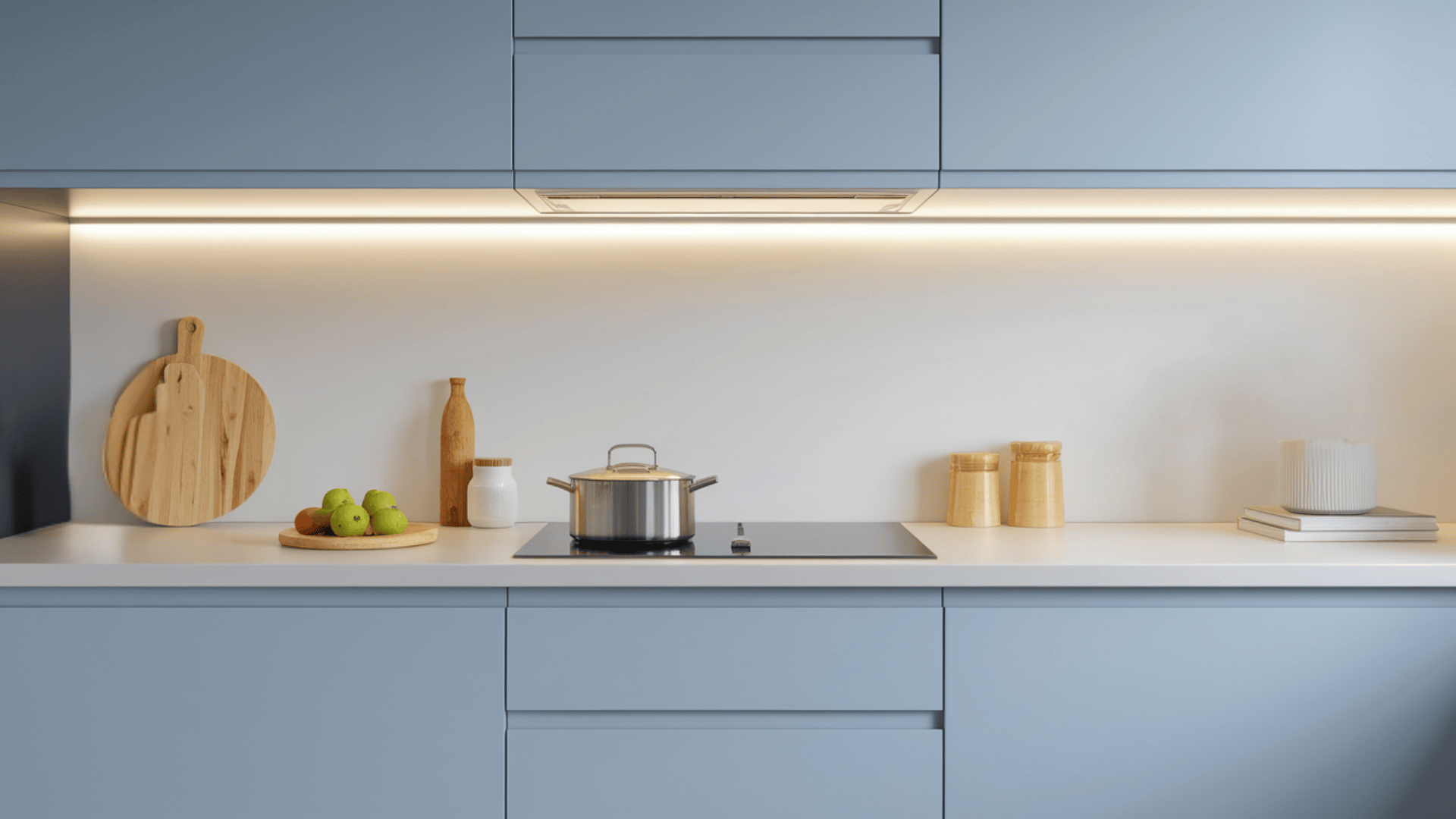
Flexible strips with adhesive backing stick under cabinets or along edges. They come in various colors.
LED strips changed my kitchen cabinets completely. The under-cabinet glow makes cooking easier and looks stunning.
I’ve seen them highlight TV walls and staircases beautifully.
They’re energy-efficient and last for years.
12. Lantern Lights
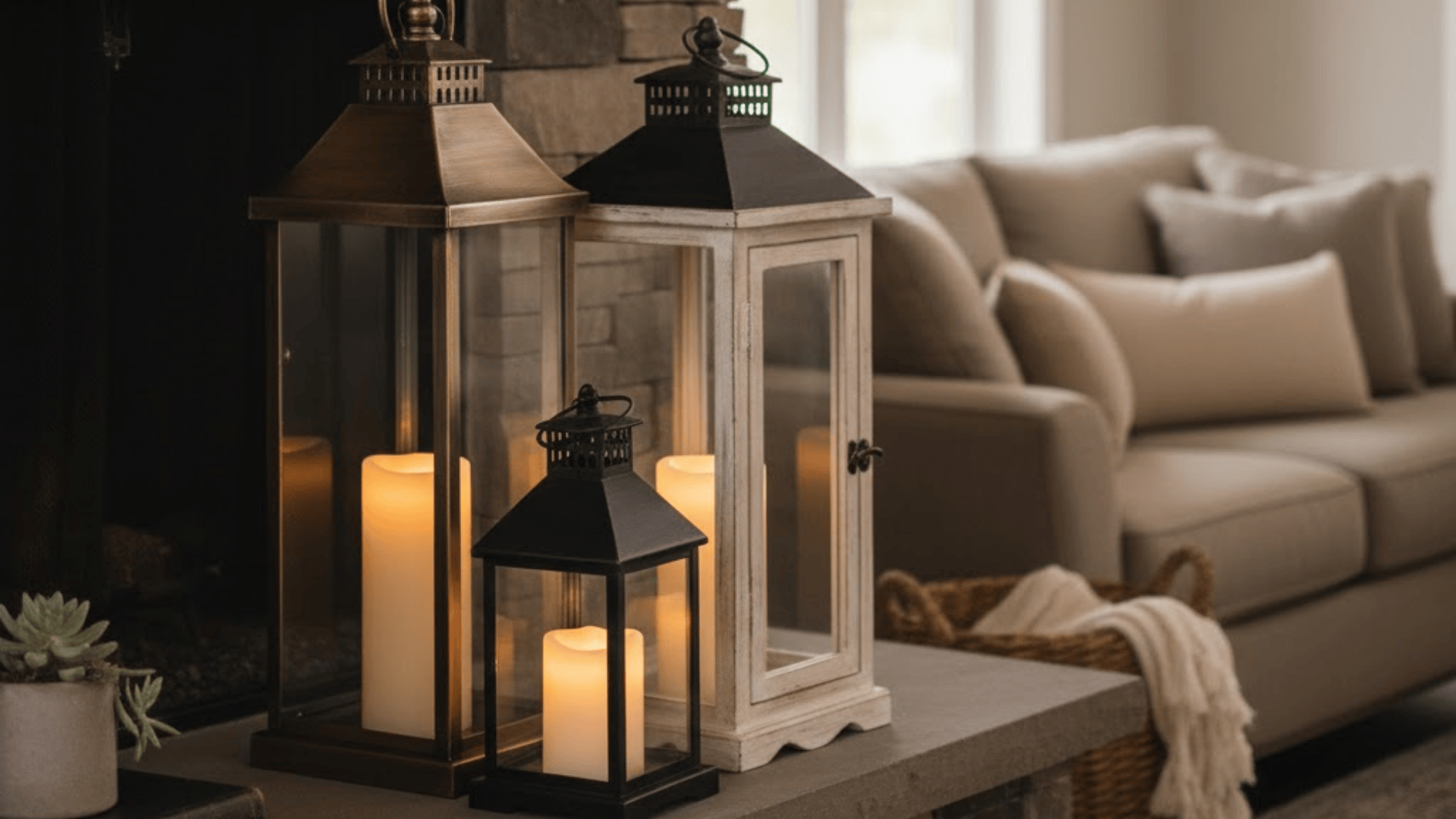
Enclosed fixtures with decorative frames house candles or bulbs. They’re portable and versatile.
Lanterns bring outdoor vibes inside.
I cluster different sizes on my mantel for visual depth. Battery-operated candle versions eliminate fire risk.
Metal, wood, or glass frames suit different decor styles.
13. Fairy Lights
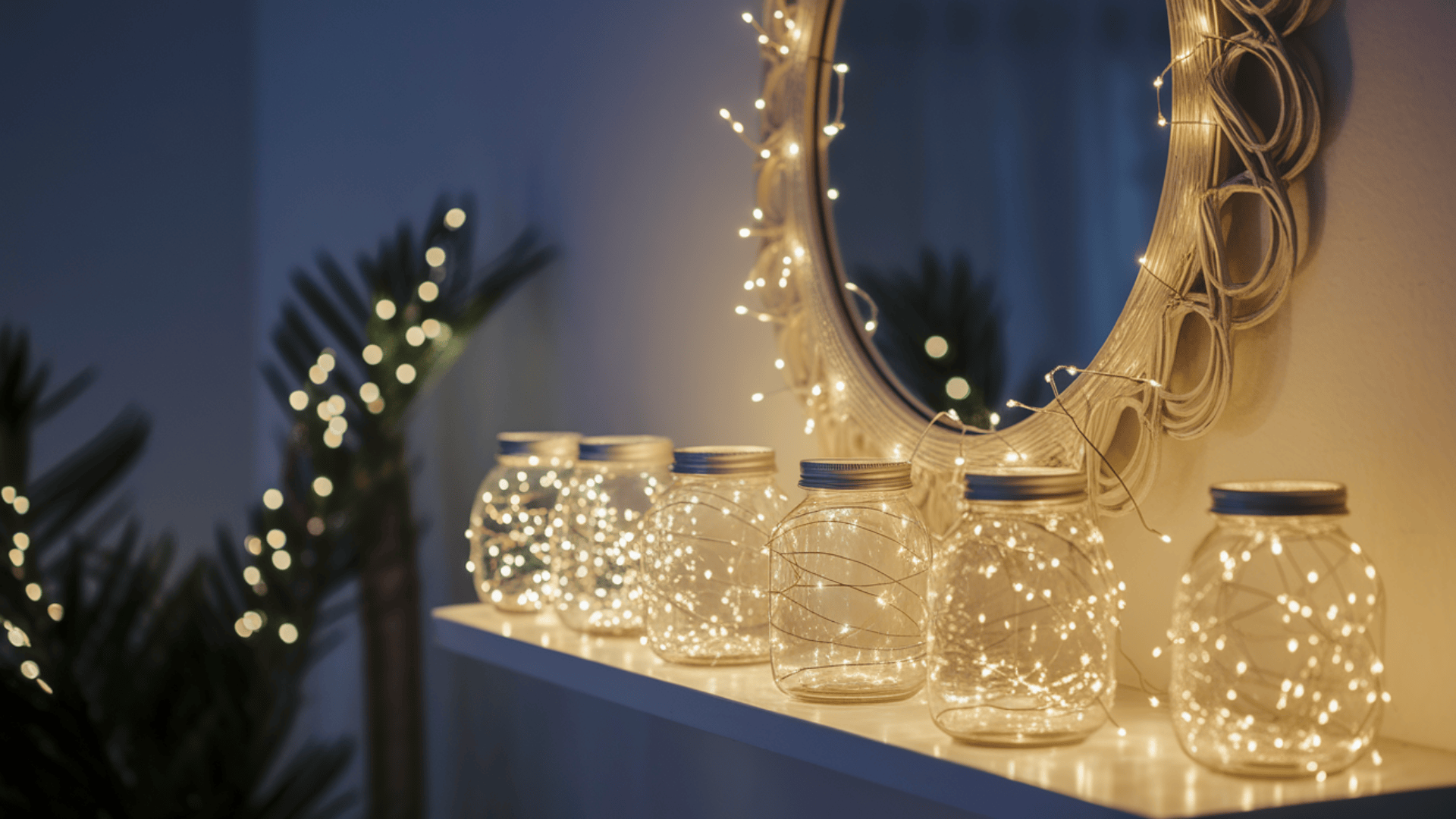
Tiny, delicate bulbs on thin wires create magical effects. They’re smaller and more subtle than string lights.
Fairy lights add sparkle to jars, wreaths, or headboards. I wrapped them around my bedroom mirror for a soft glow.
Kids’ rooms become enchanted spaces with these.
Room by Room Lighting Setup
Every room in your home needs its own lighting approach. Let me show you what works best in each space.
Living Room Lighting
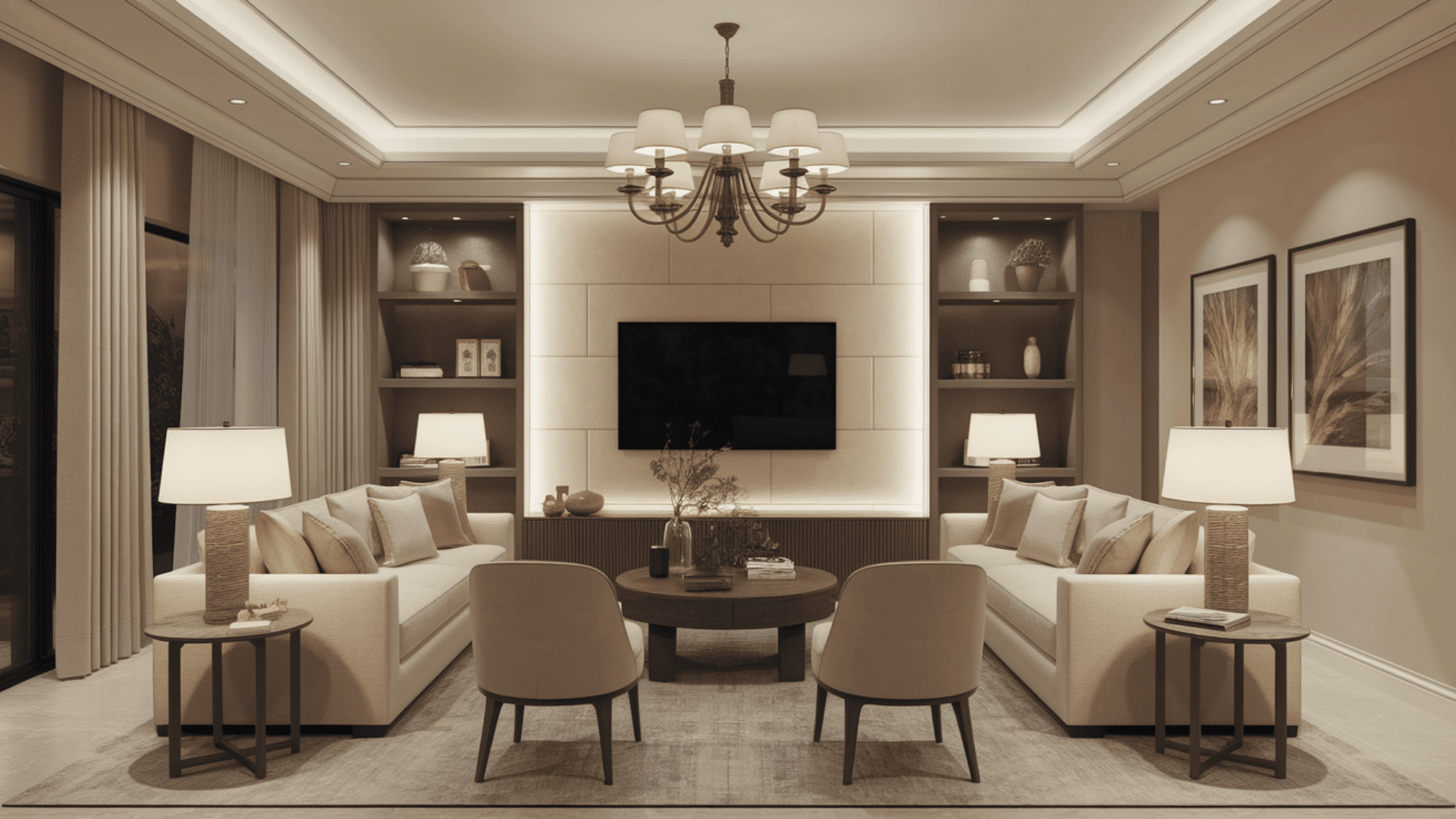
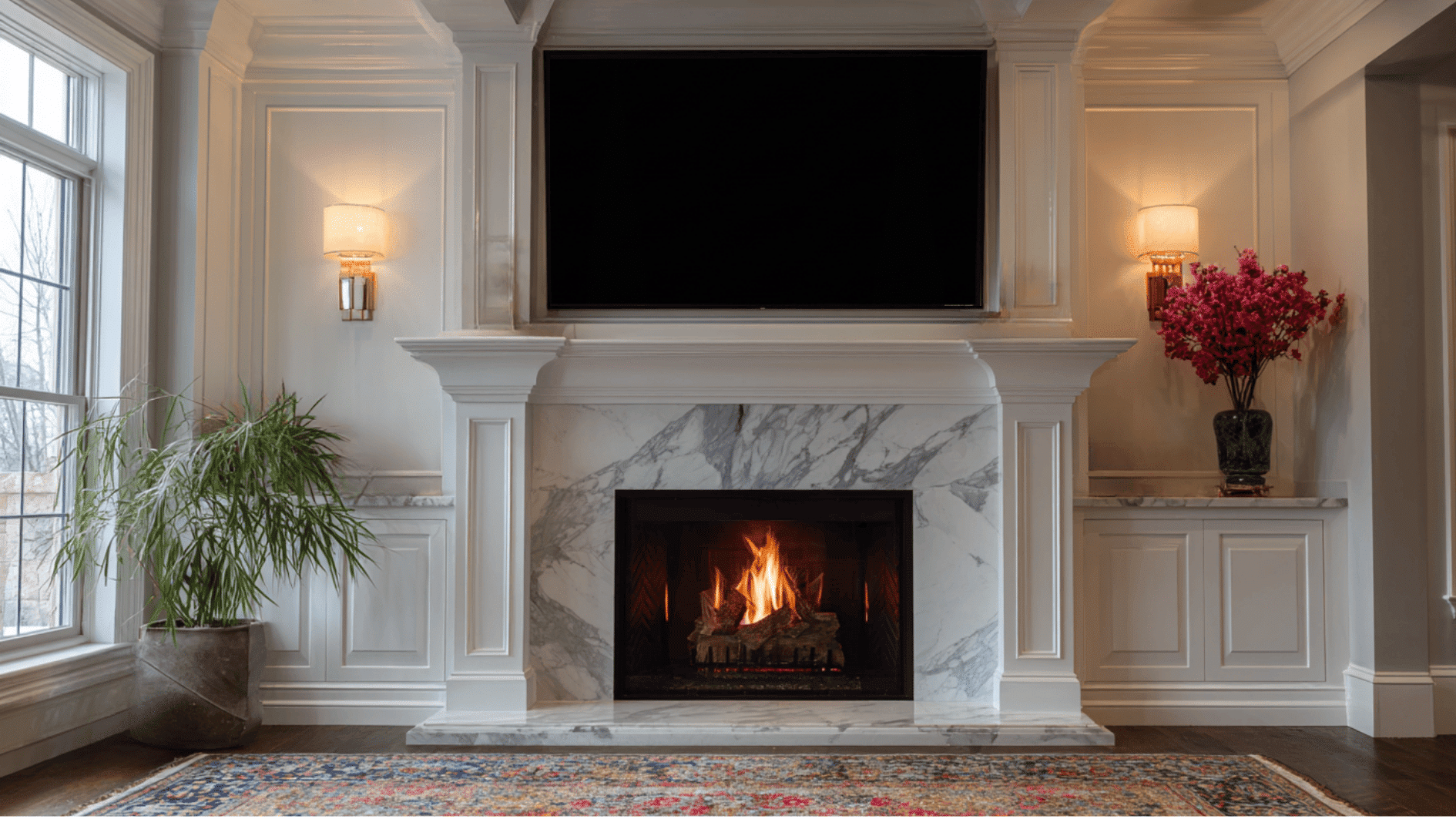
Your living room needs flexibility. I combine a central chandelier for gatherings with floor lamps in reading corners.
Add table lamps on side tables for cozy evenings. Dimmer switches let you adjust brightness for movies or parties. LED strips behind the TV reduce eye strain beautifully.
Expert Tip: Place your brightest light source away from the television to avoid competing glare during movie time.
Bedroom Lighting Setup
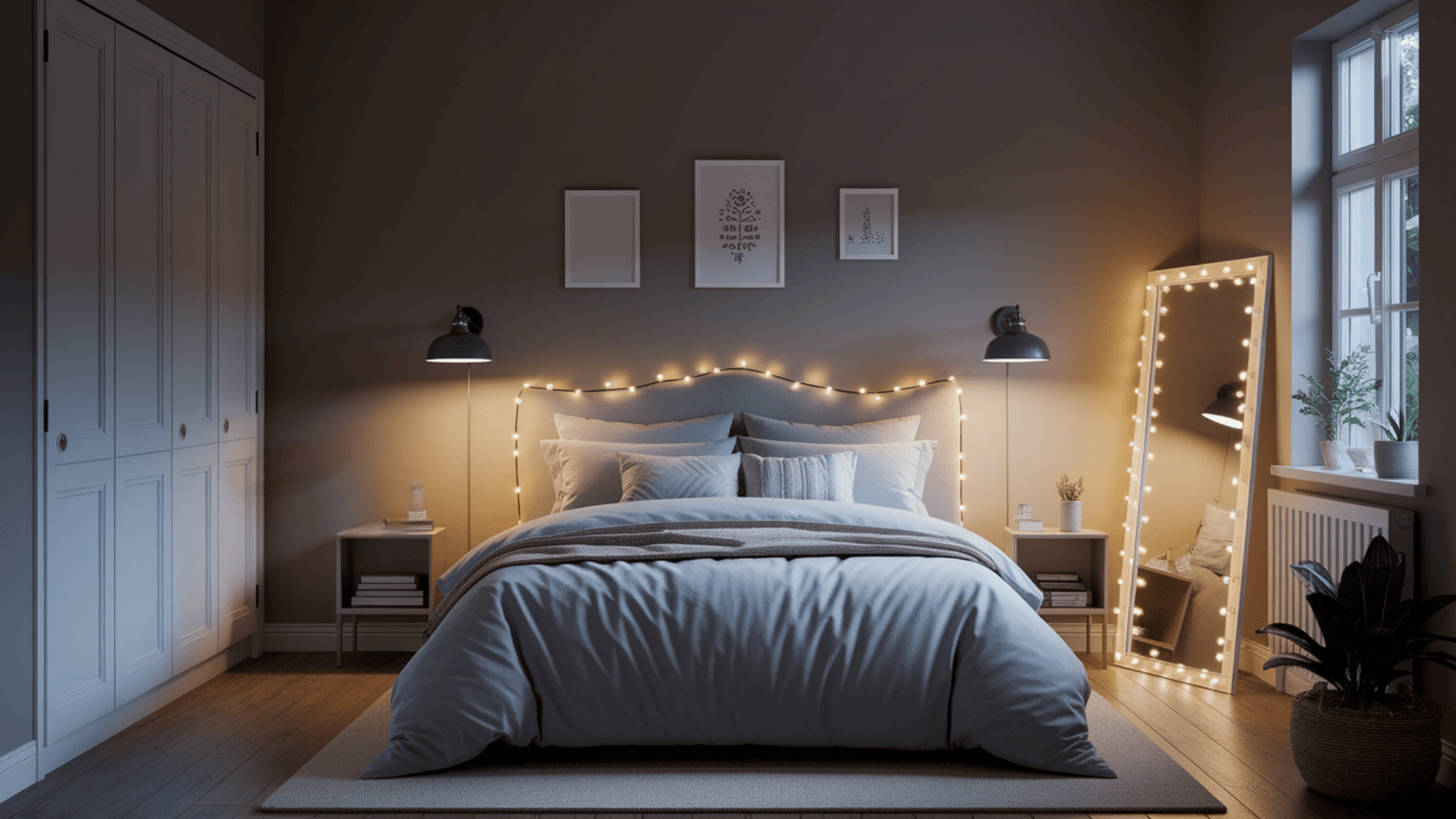
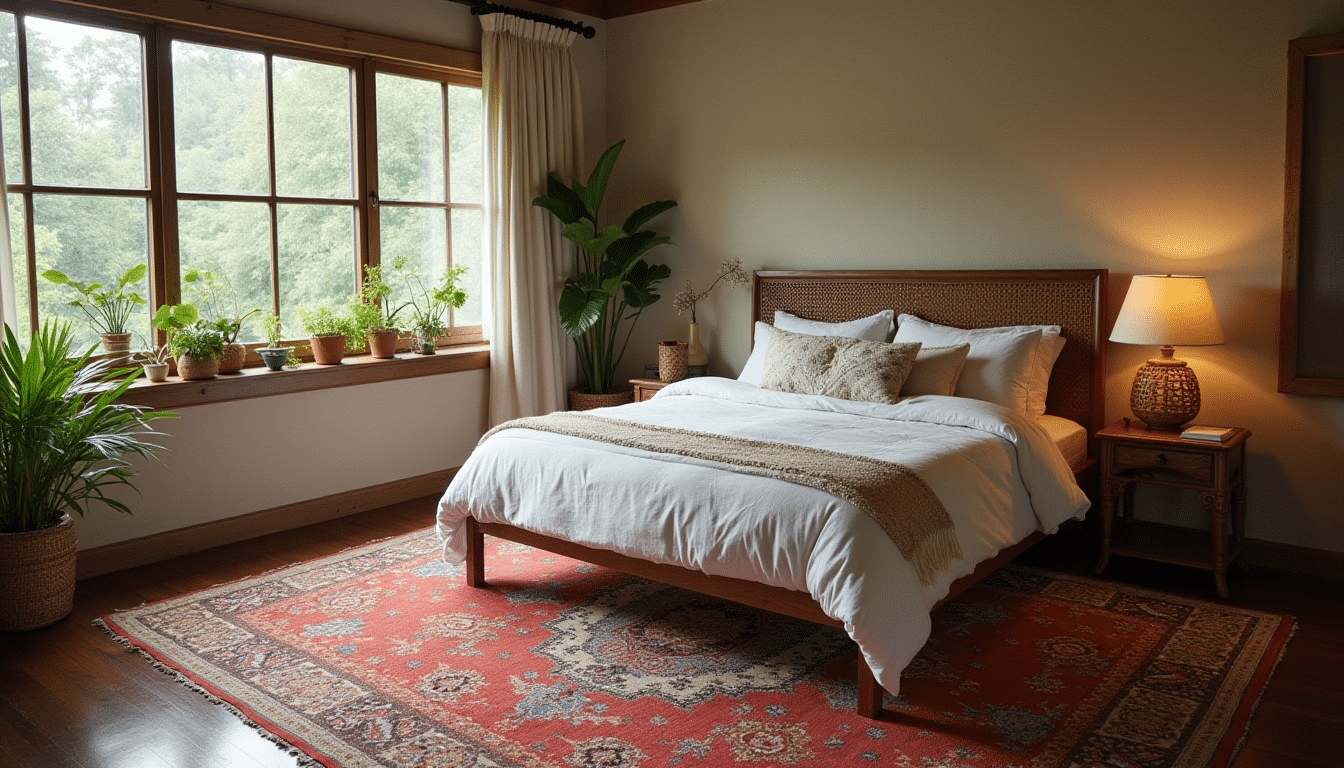
Bedrooms deserve calm, warm lighting. Wall sconces save nightstand space. Avoid harsh overhead lights.
Warm white bulbs help you relax before sleep. Fairy lights add gentle ambiance without overwhelming the space.
Expert Tip: Install lights on separate switches so you can control bedside lamps independently from overhead fixtures.
Kitchen Lighting Plan
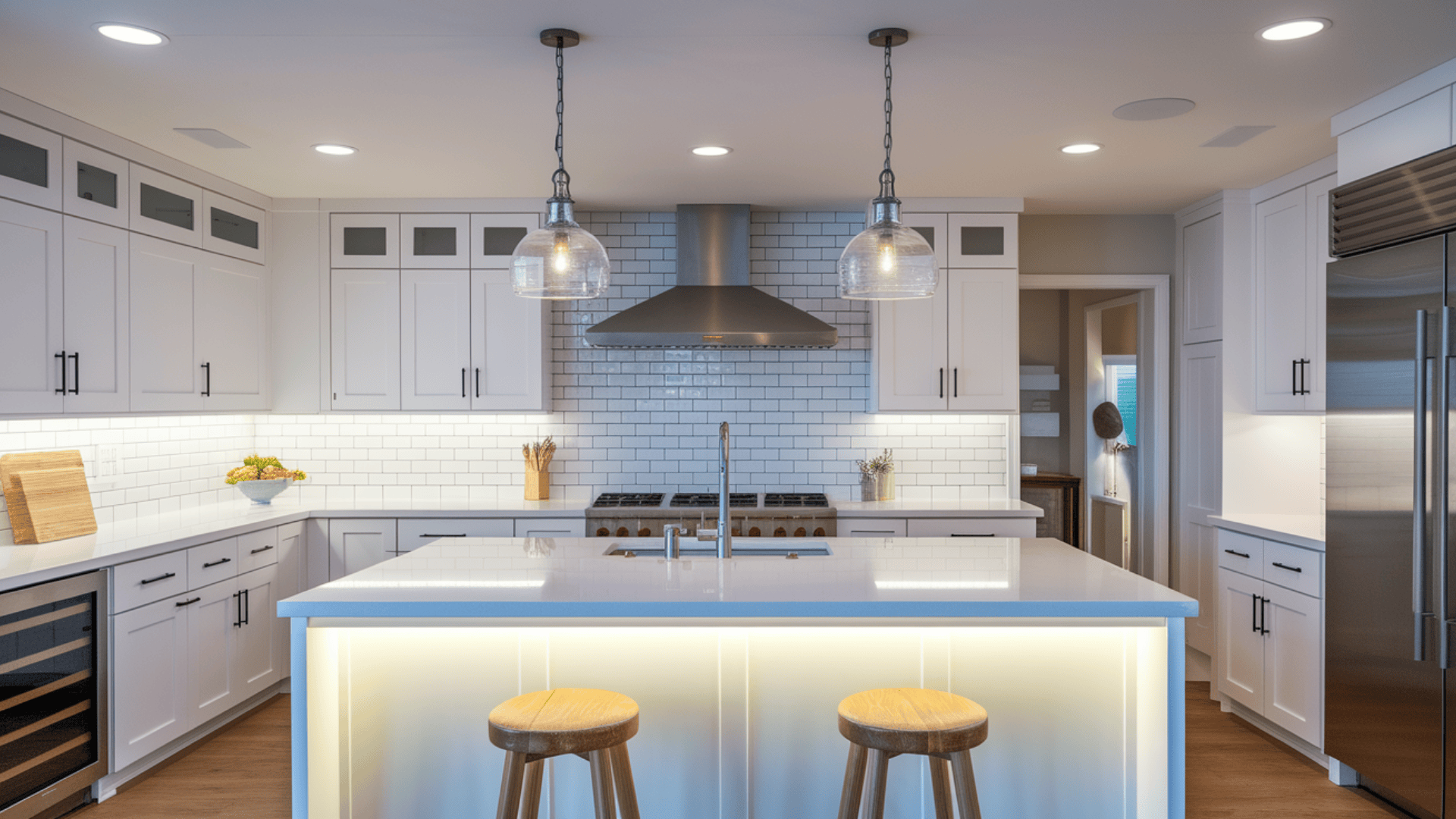
Kitchens need bright, functional lighting. Install recessed lights over counters for food prep. Hang pendant lights above islands or breakfast bars.
Under-cabinet LED strips illuminate work surfaces perfectly.
I use cool white bulbs here because they keep me alert while cooking. Track lights offer flexibility for highlighting different areas.
Expert Tip: Add a small pendant or chandelier over your sink area to make dishwashing less tedious and more pleasant.
Bathroom Lighting Idea
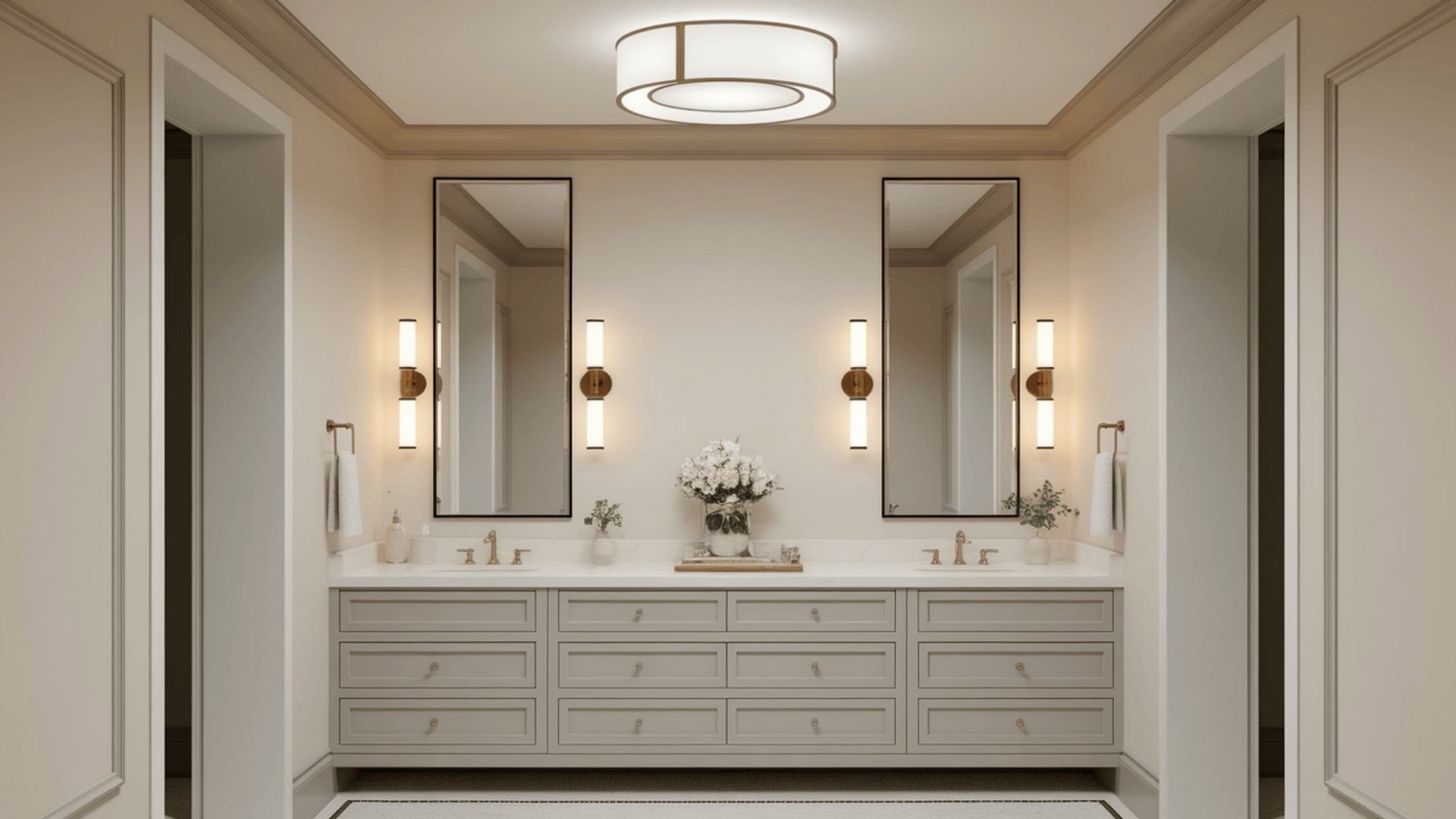
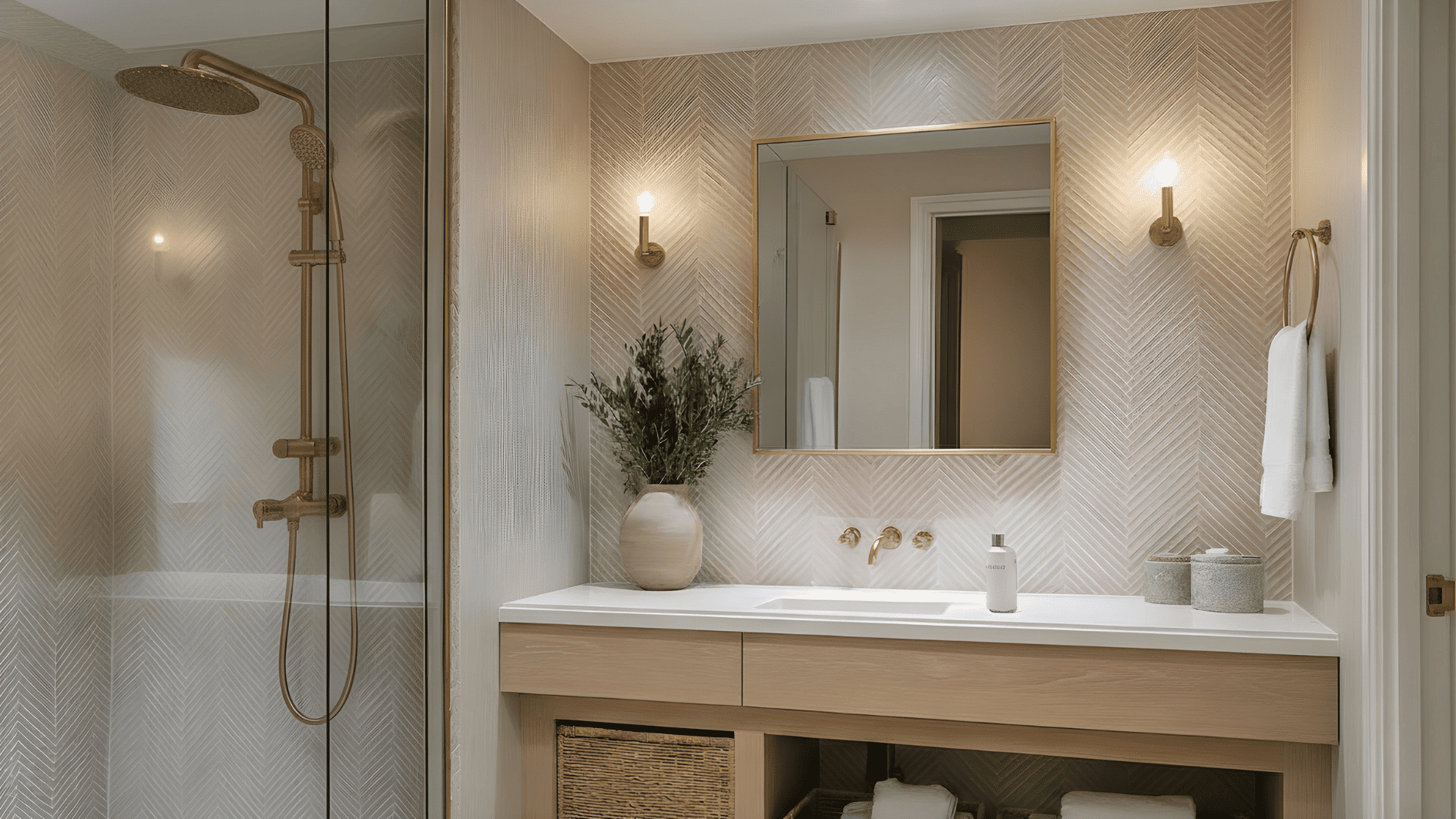
Bathrooms require shadow-free illumination. Mount wall sconces on both sides of your mirror at eye level.
This eliminates harsh shadows on your face. Add a ceiling fixture for overall brightness.
Expert Tip: Choose frosted or diffused bulbs in bathrooms to create softer, more flattering light that reduces harsh reflections.
The Complete Set Up
Now let’s put everything together.
Don’t Forget Natural Light: Keep windows clear, use sheer curtains, and place mirrors opposite windows so daylight spreads deeper indoors.
Layer Your Lighting: Combine ceiling lights, lamps, and wall fixtures so spaces feel balanced, useful, and visually complete.
Match Light to Room Use: Choose brighter lighting for kitchens and baths, and warmer, softer options for bedrooms and living areas.
Create Visual Focus: Aim lights at artwork, shelves, or tables to guide attention and give certain areas more importance.
Mind Height and Placement: Hang pendants and sconces at proper levels to avoid glare and keep lighting comfortable.
Use Dimmers Often: Dimmers adjust brightness for cleaning, relaxing, or entertaining without changing fixtures.
Conclusion
So there you have it! Using different types of light isn’t complicated once you understand the basics.
I’ve shown you how ceiling fixtures, lamps, and decorative options work together.
Start small, maybe add a floor lamp, or try warm bulbs in your bedroom.
Notice how each change affects your space.
Your home deserves lighting that makes you feel good. Which room will you tackle first? Try one tip today and watch your space come alive.
You’ve got this!